 Image 1 of 5
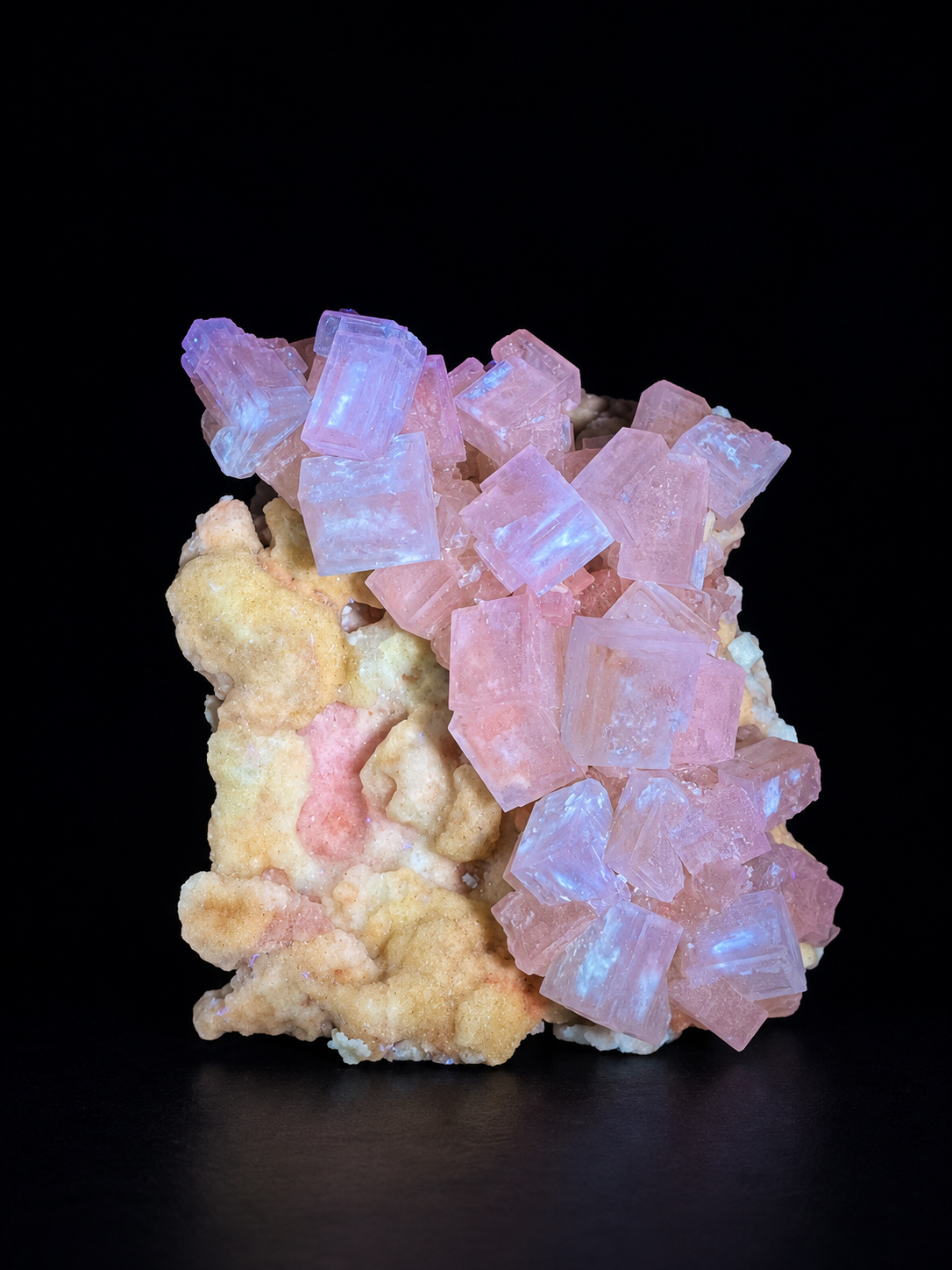 Image 2 of 5
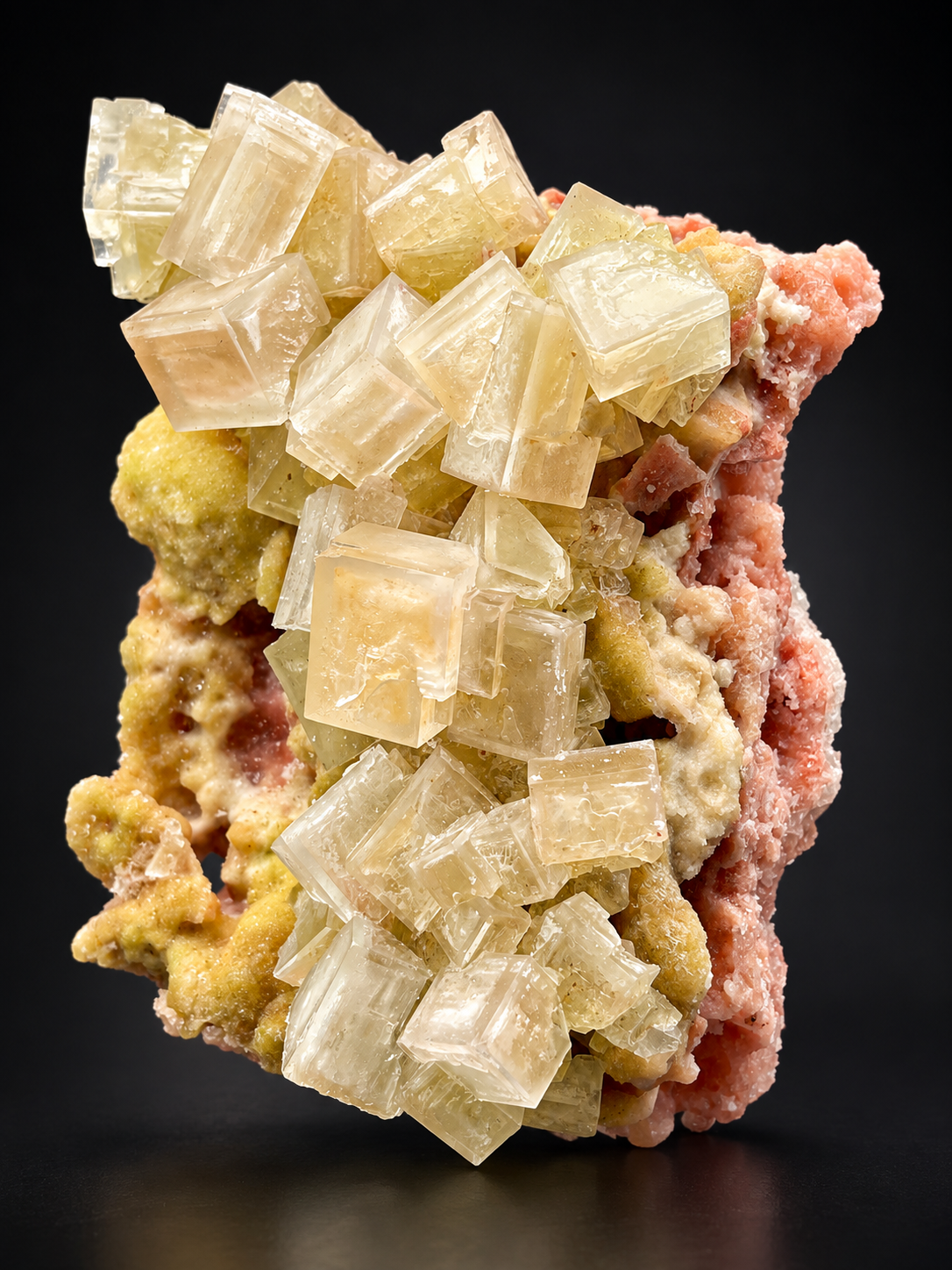 Image 3 of 5
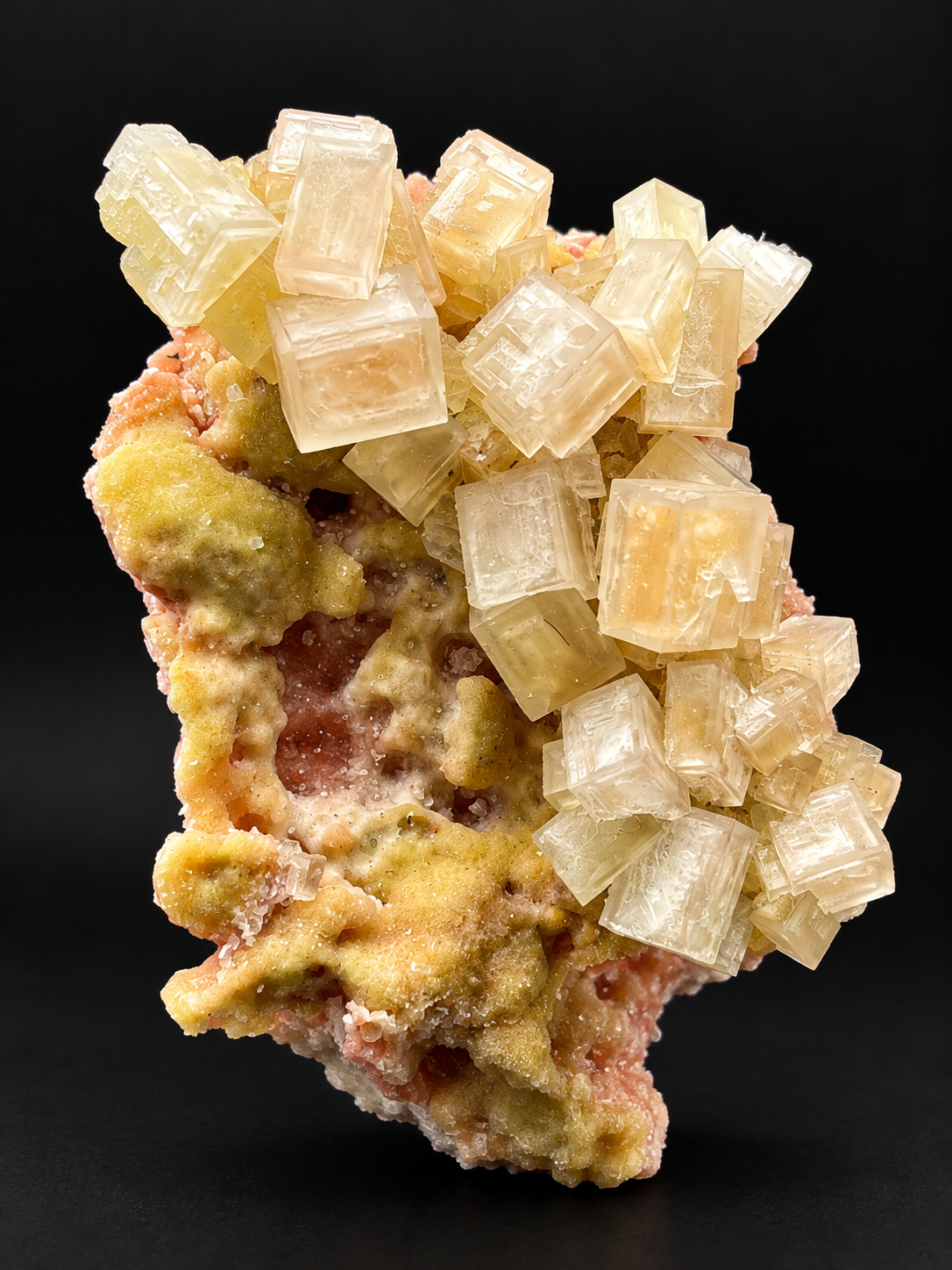 Image 4 of 5
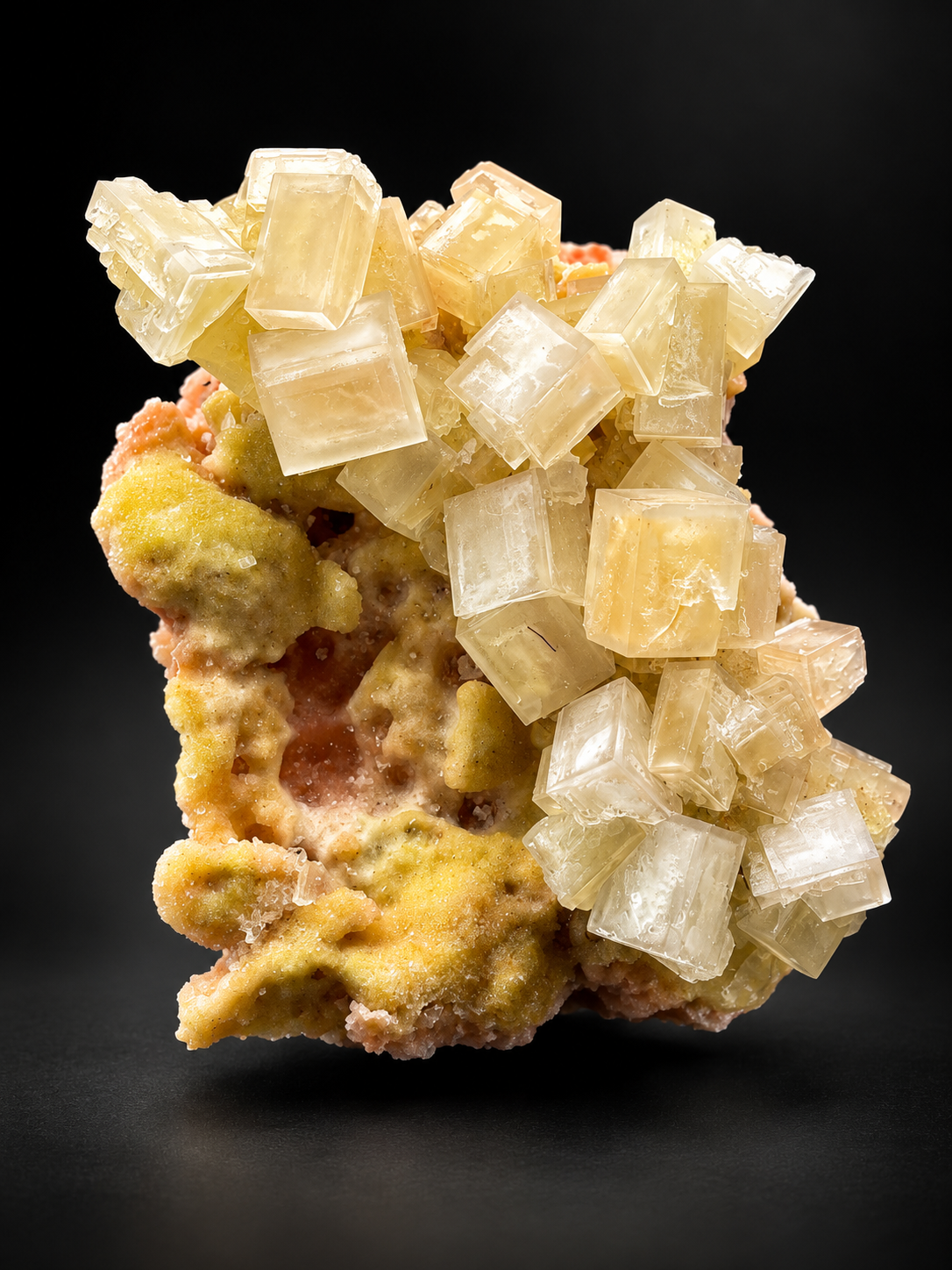 Image 5 of 5
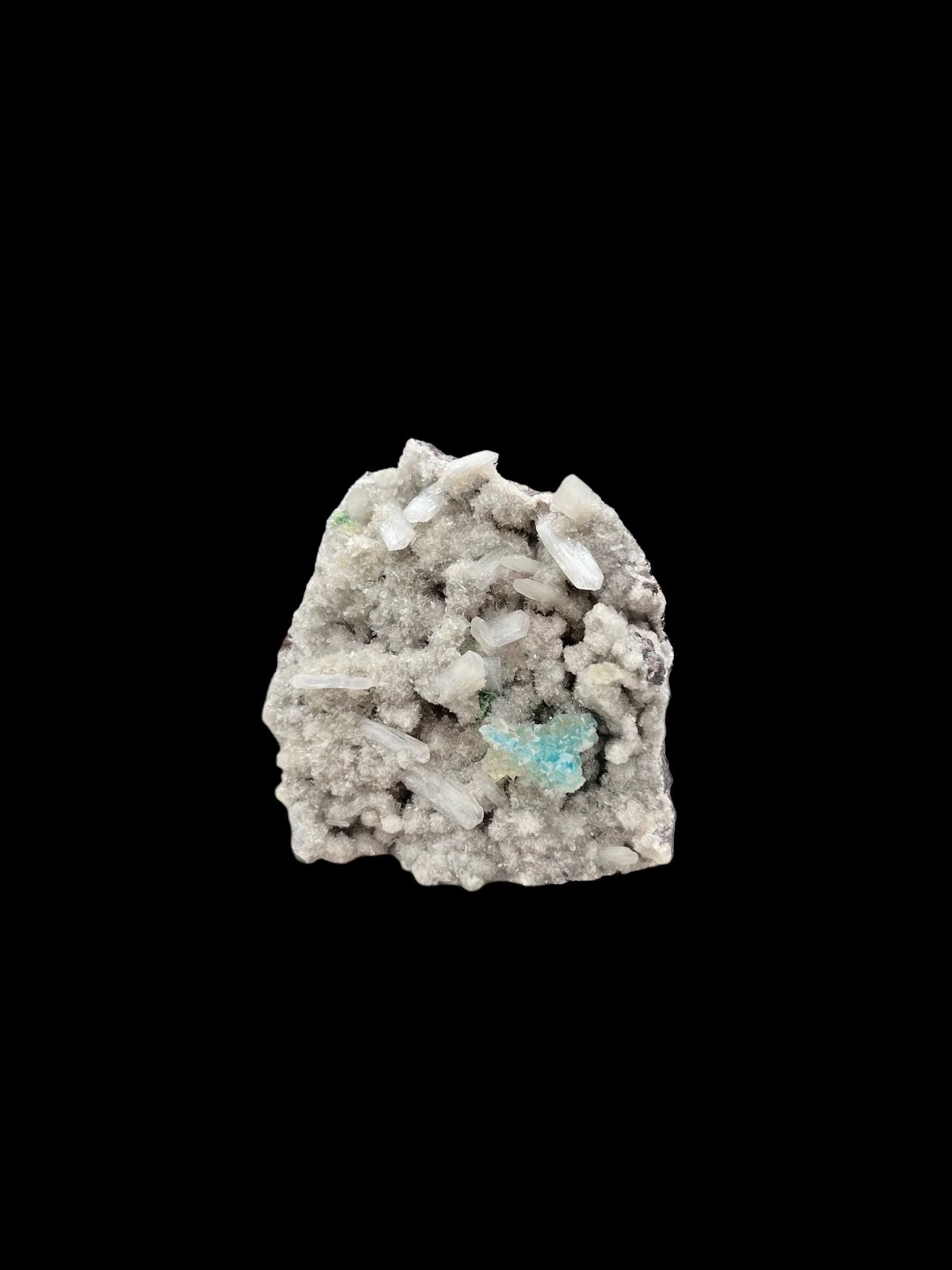
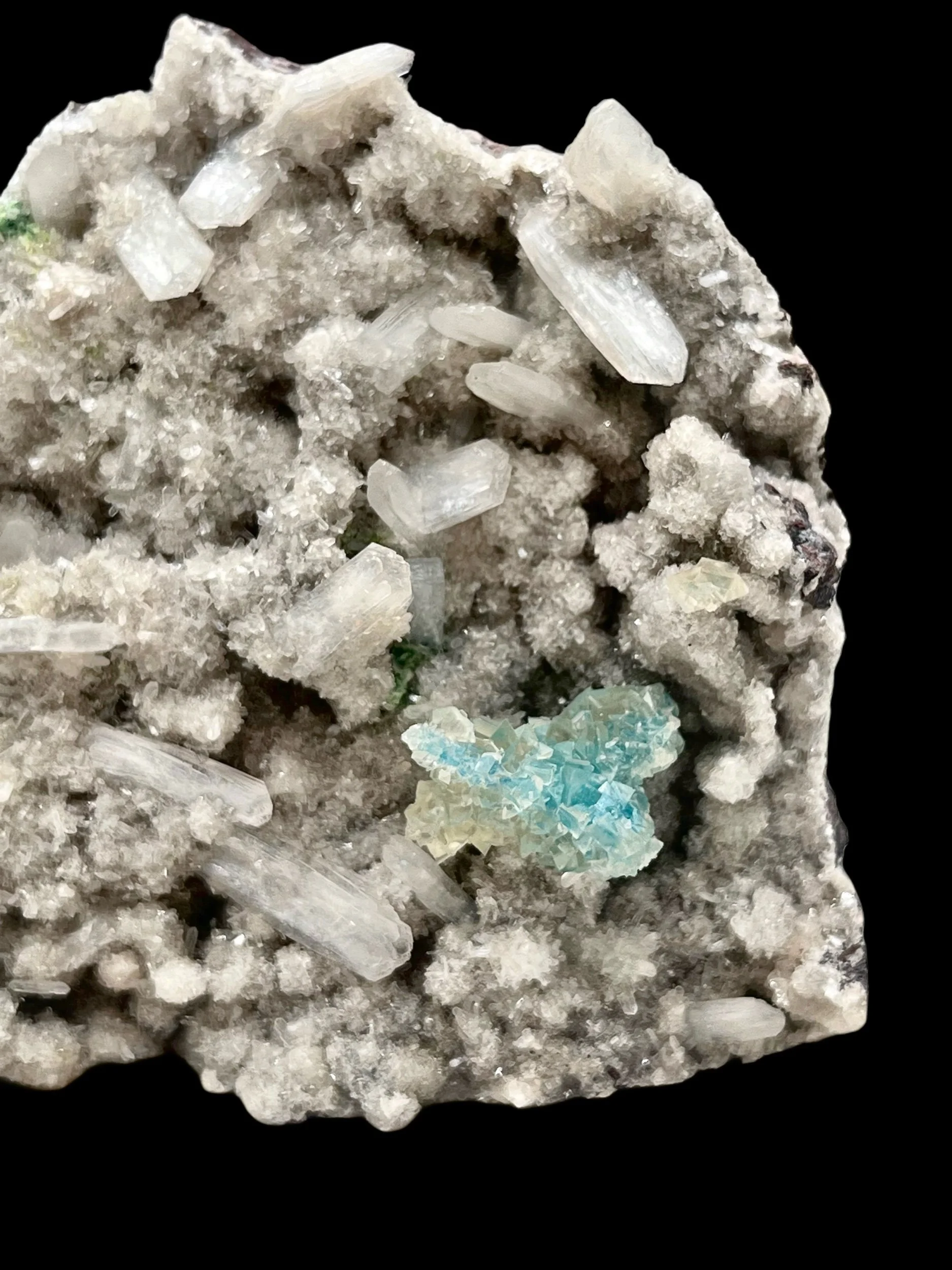
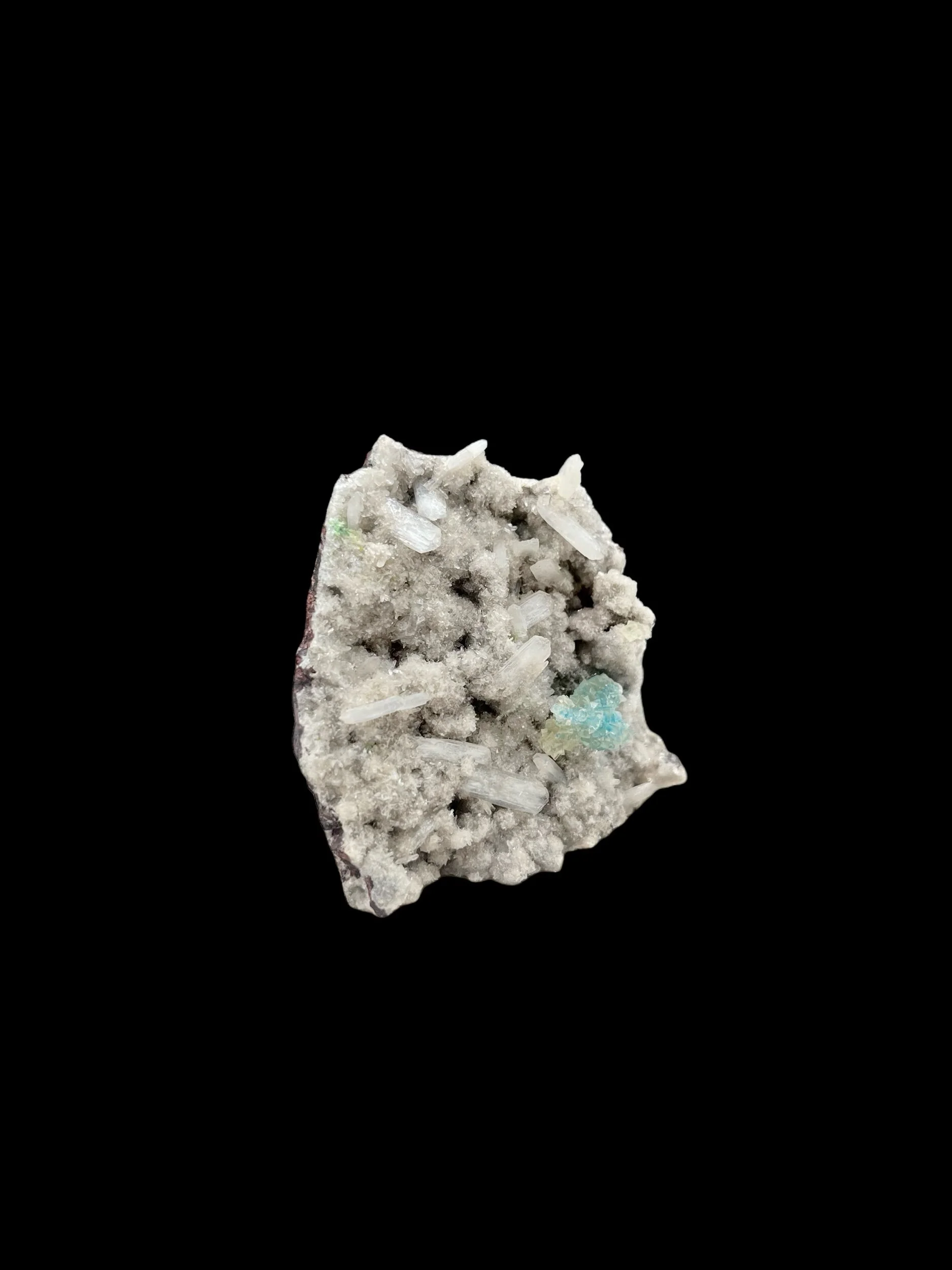
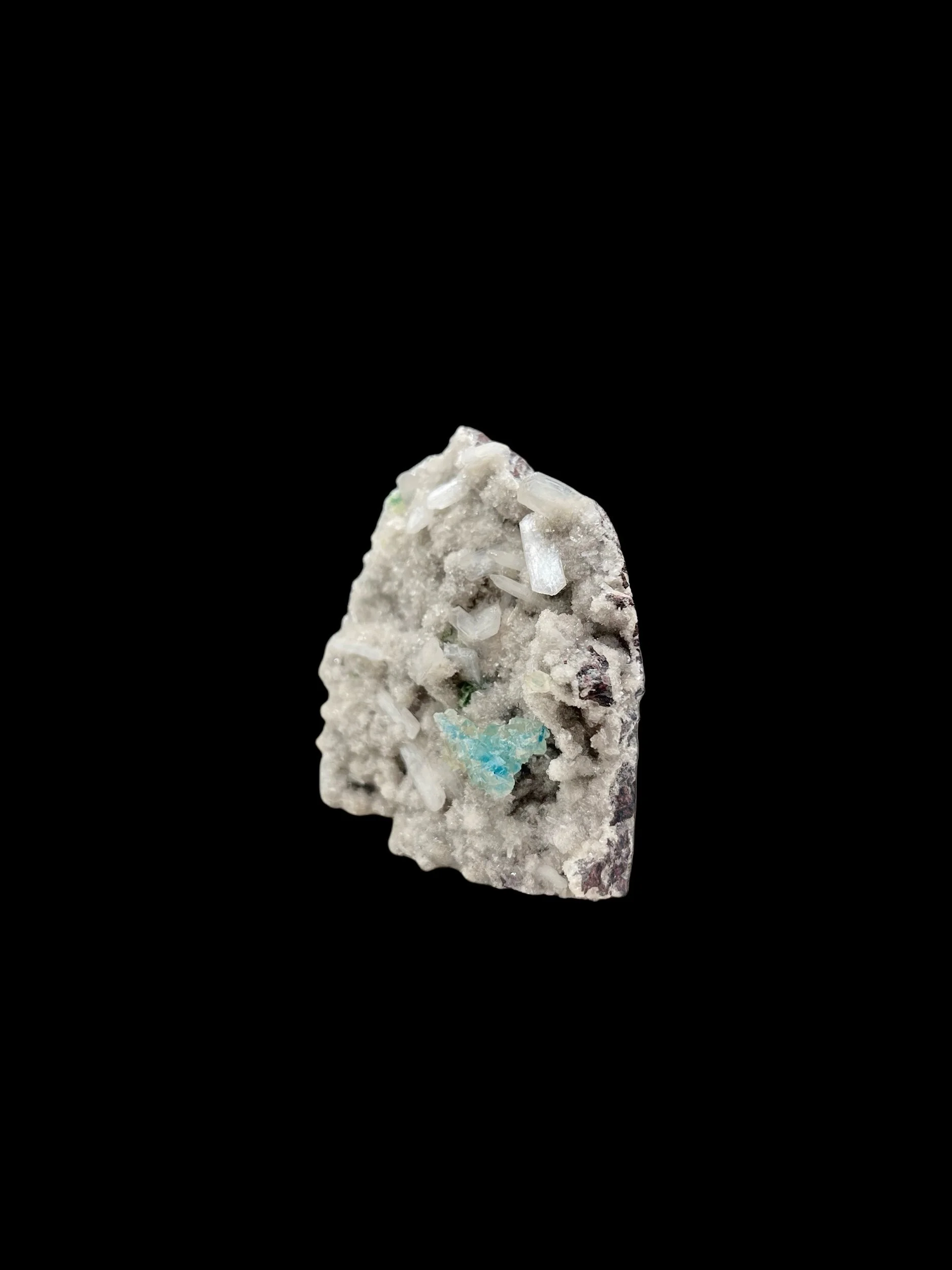
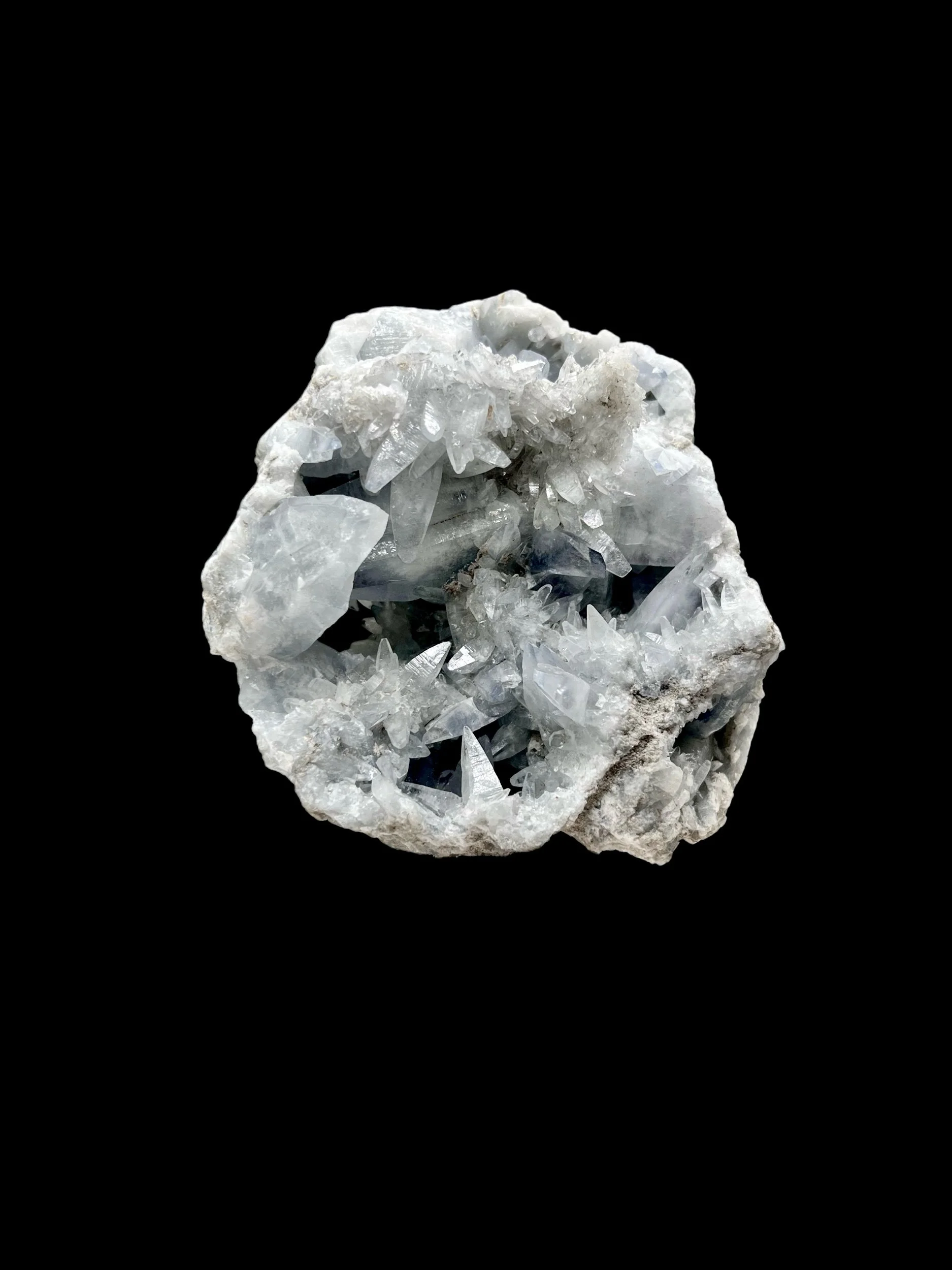
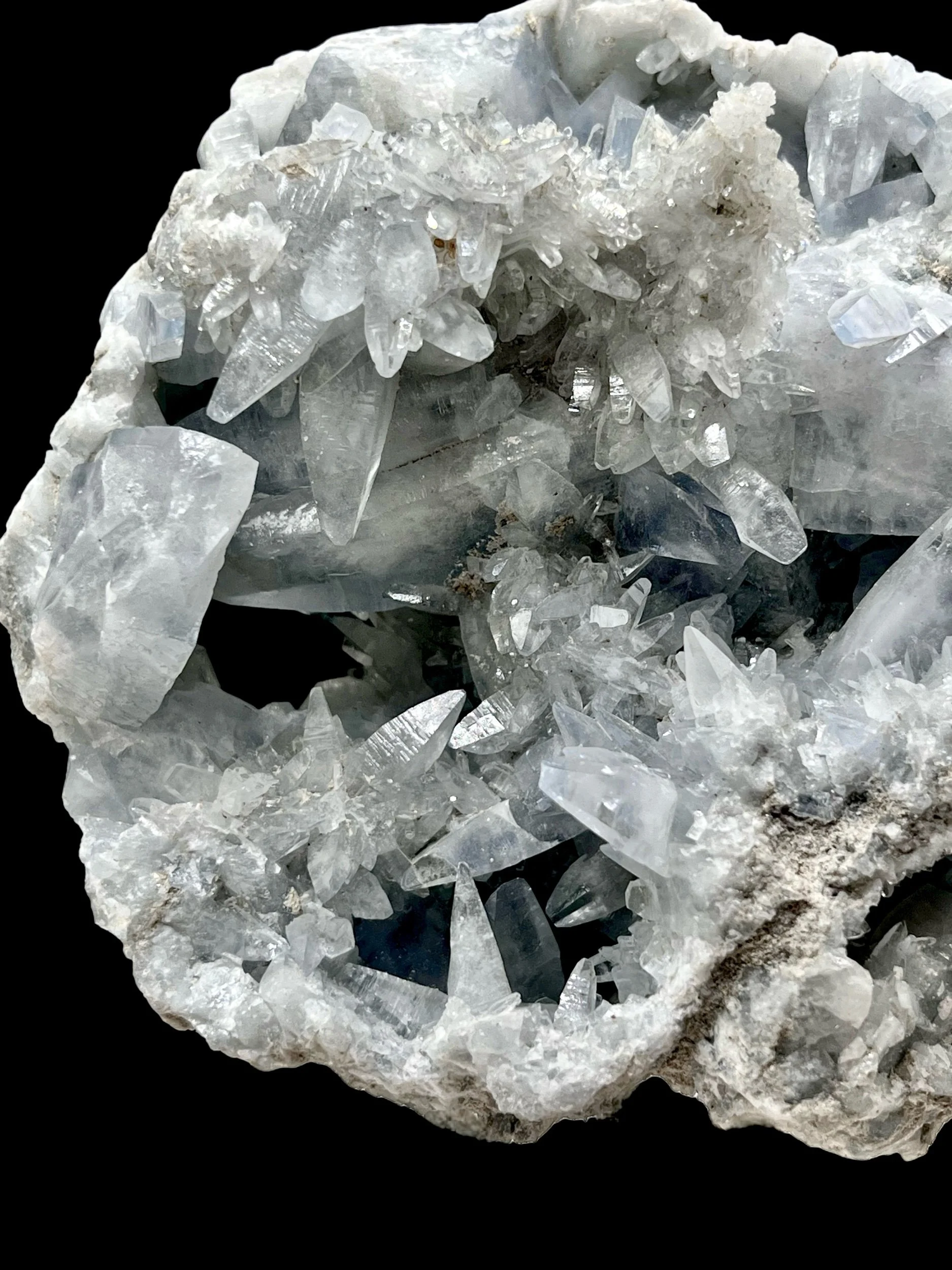
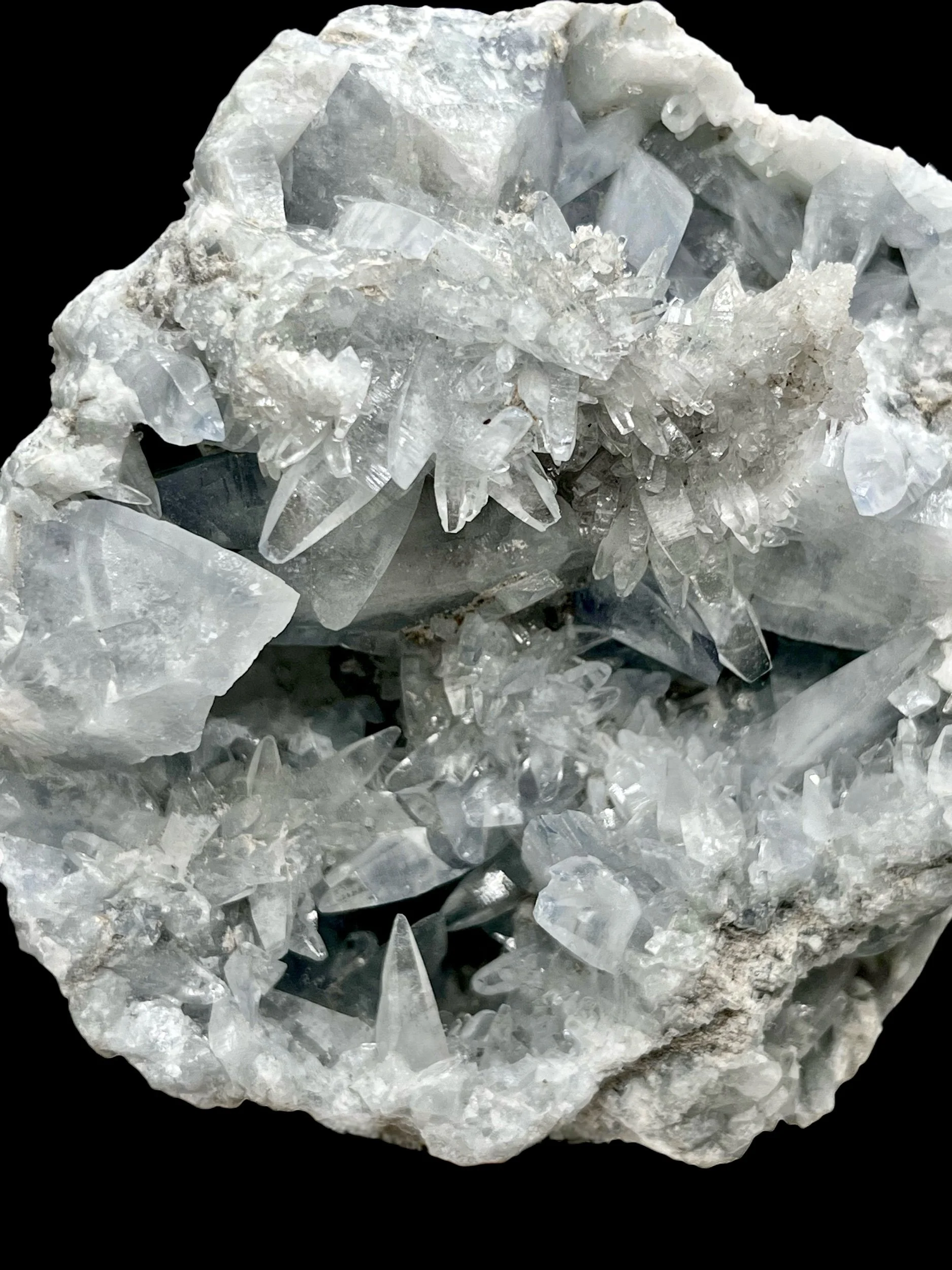
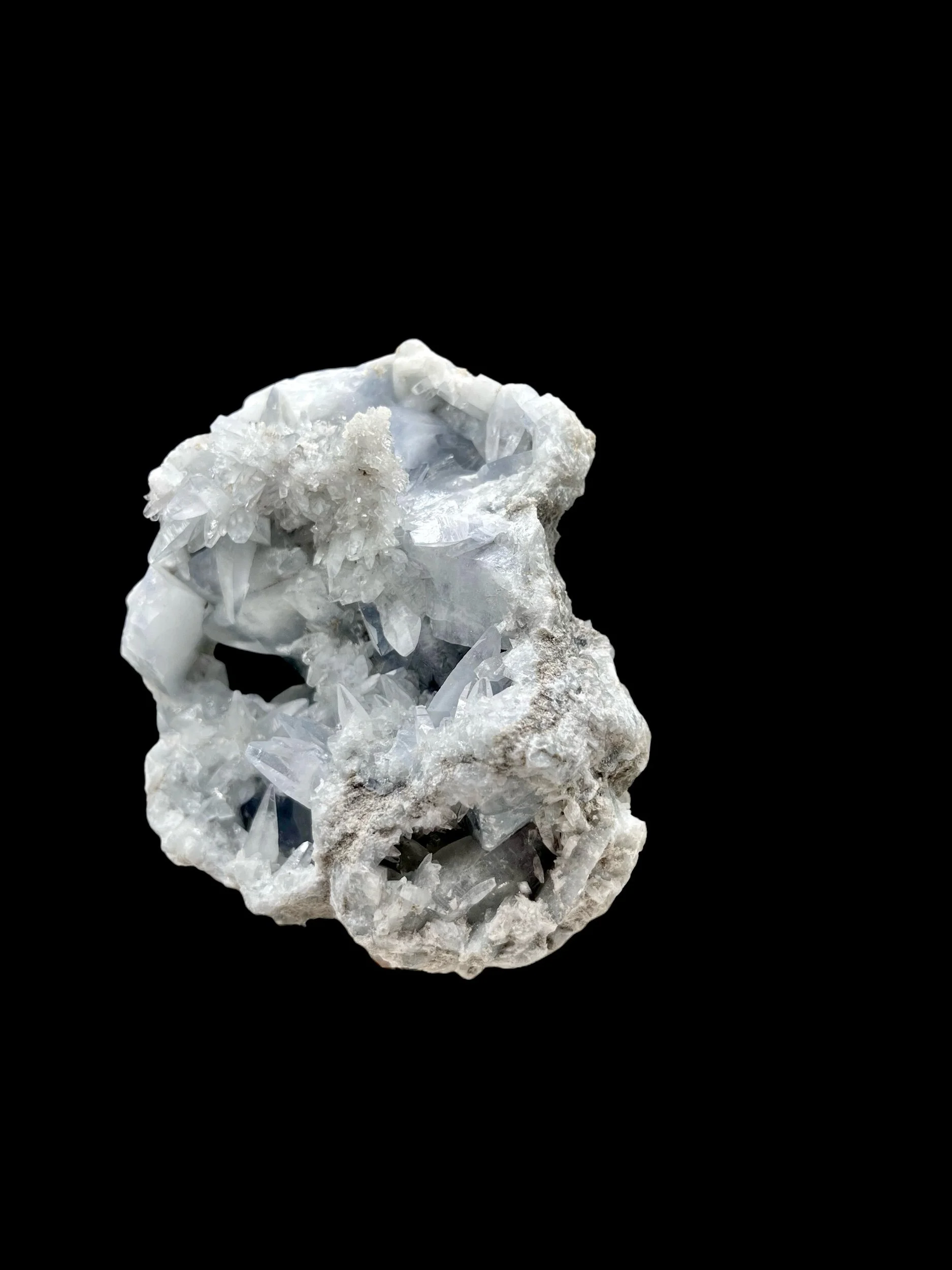
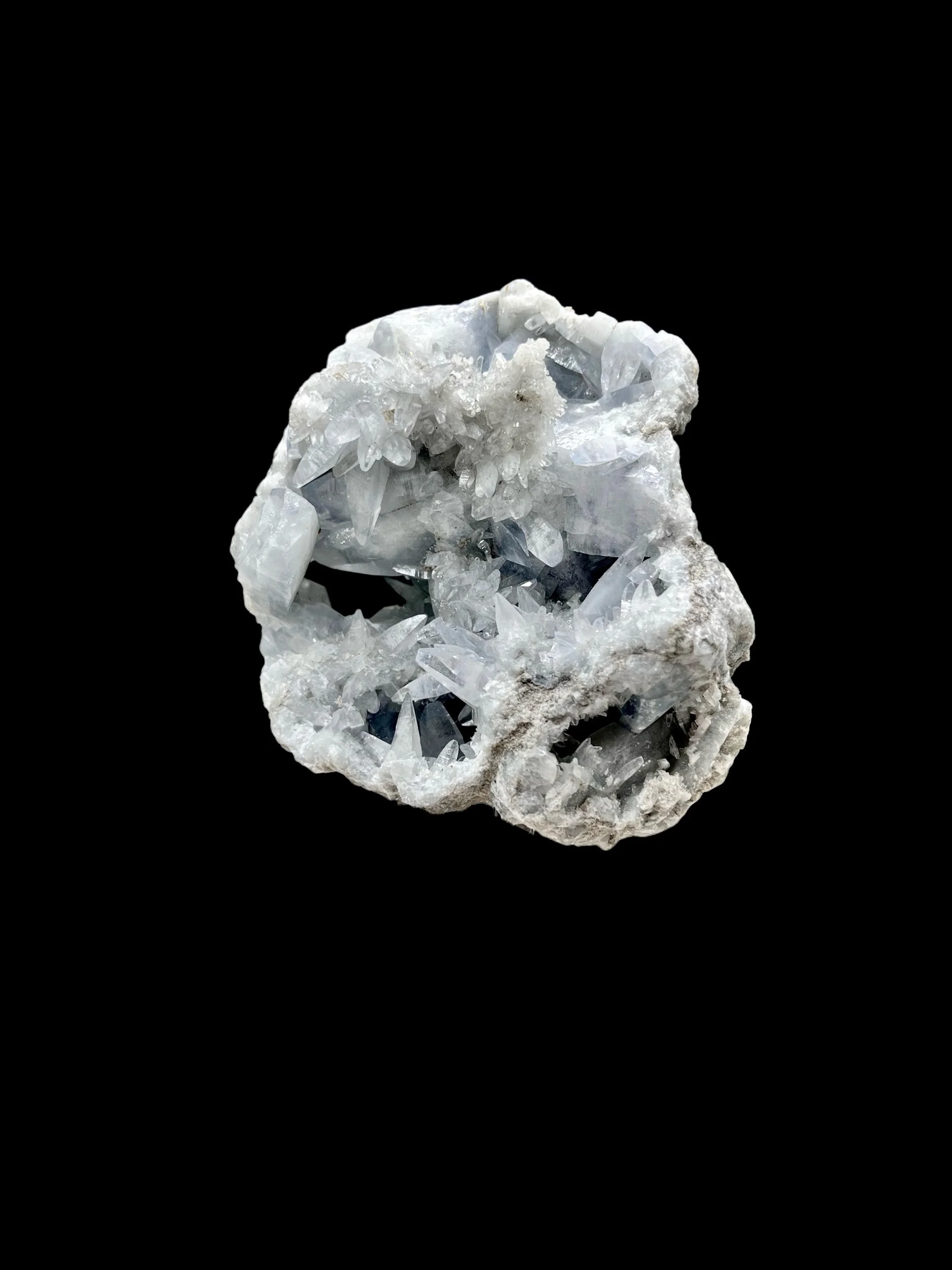
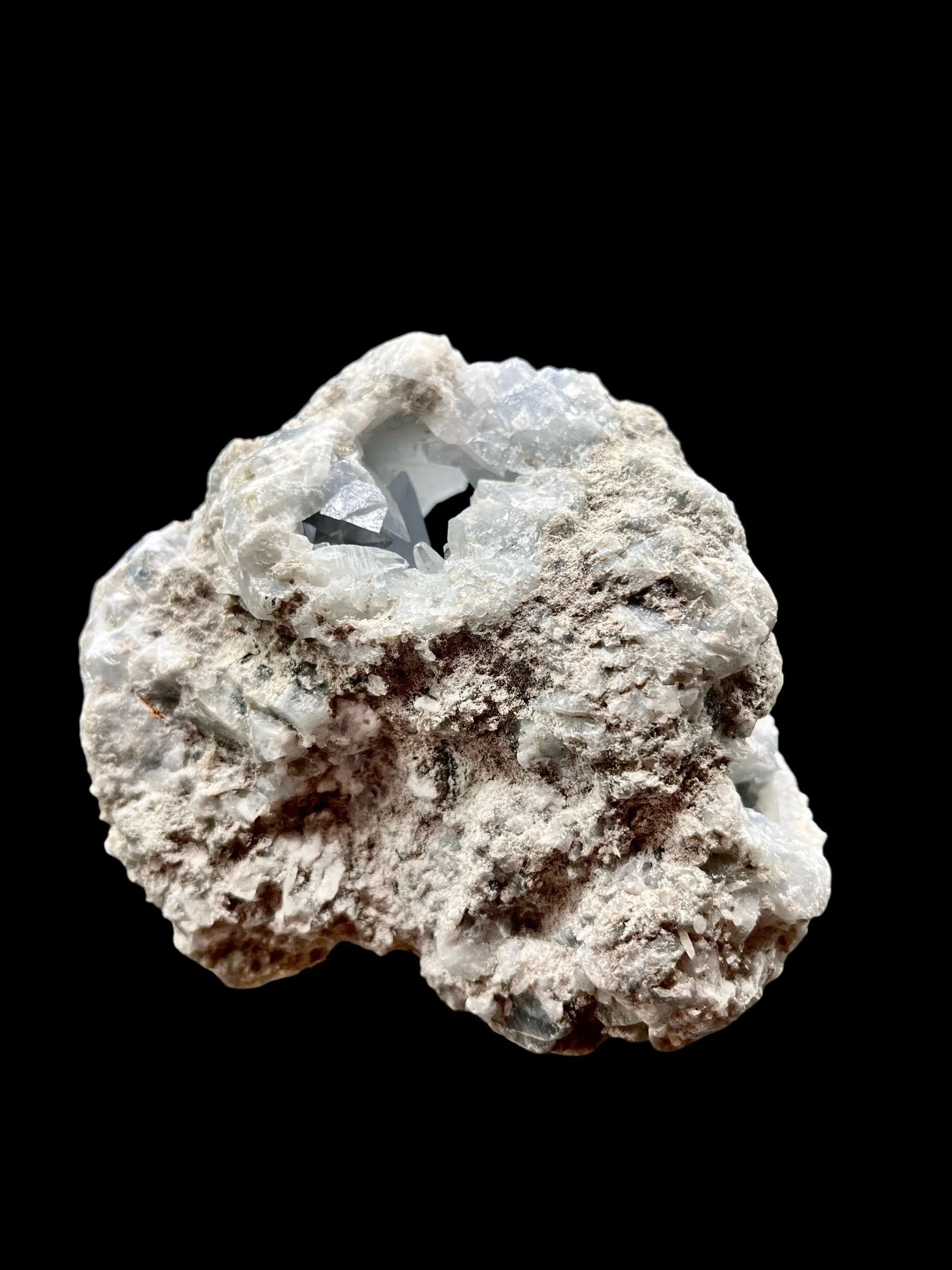
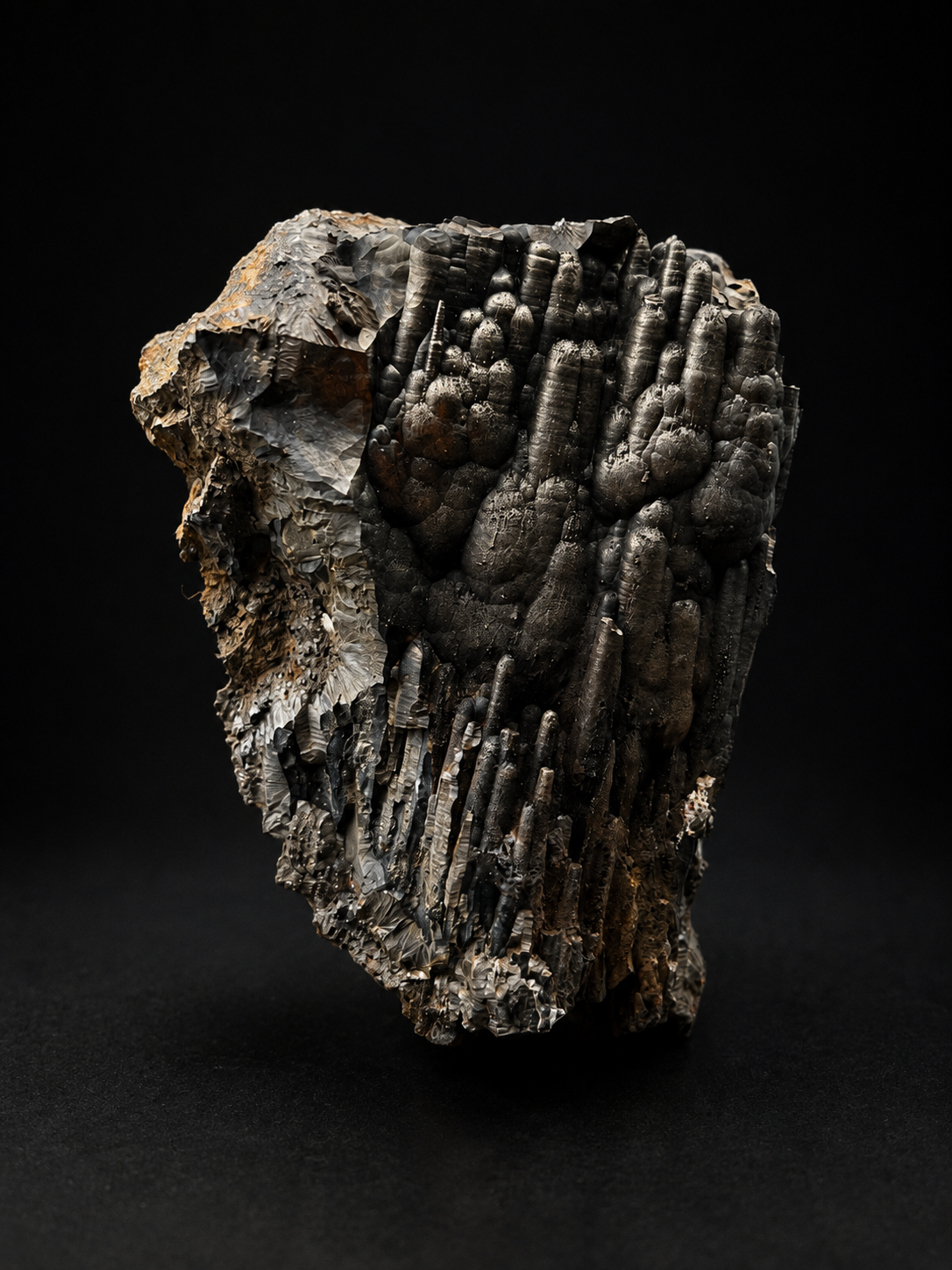
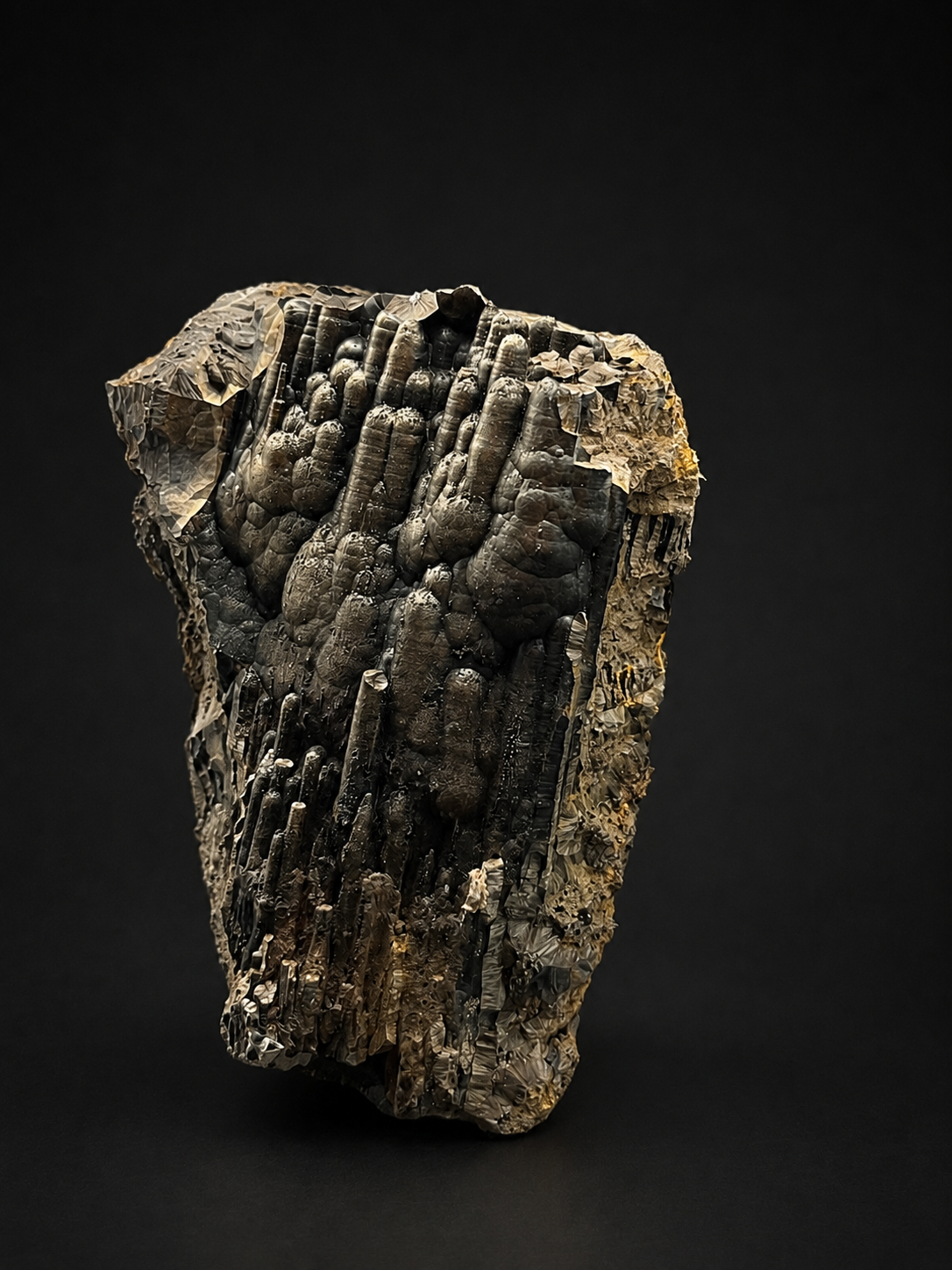
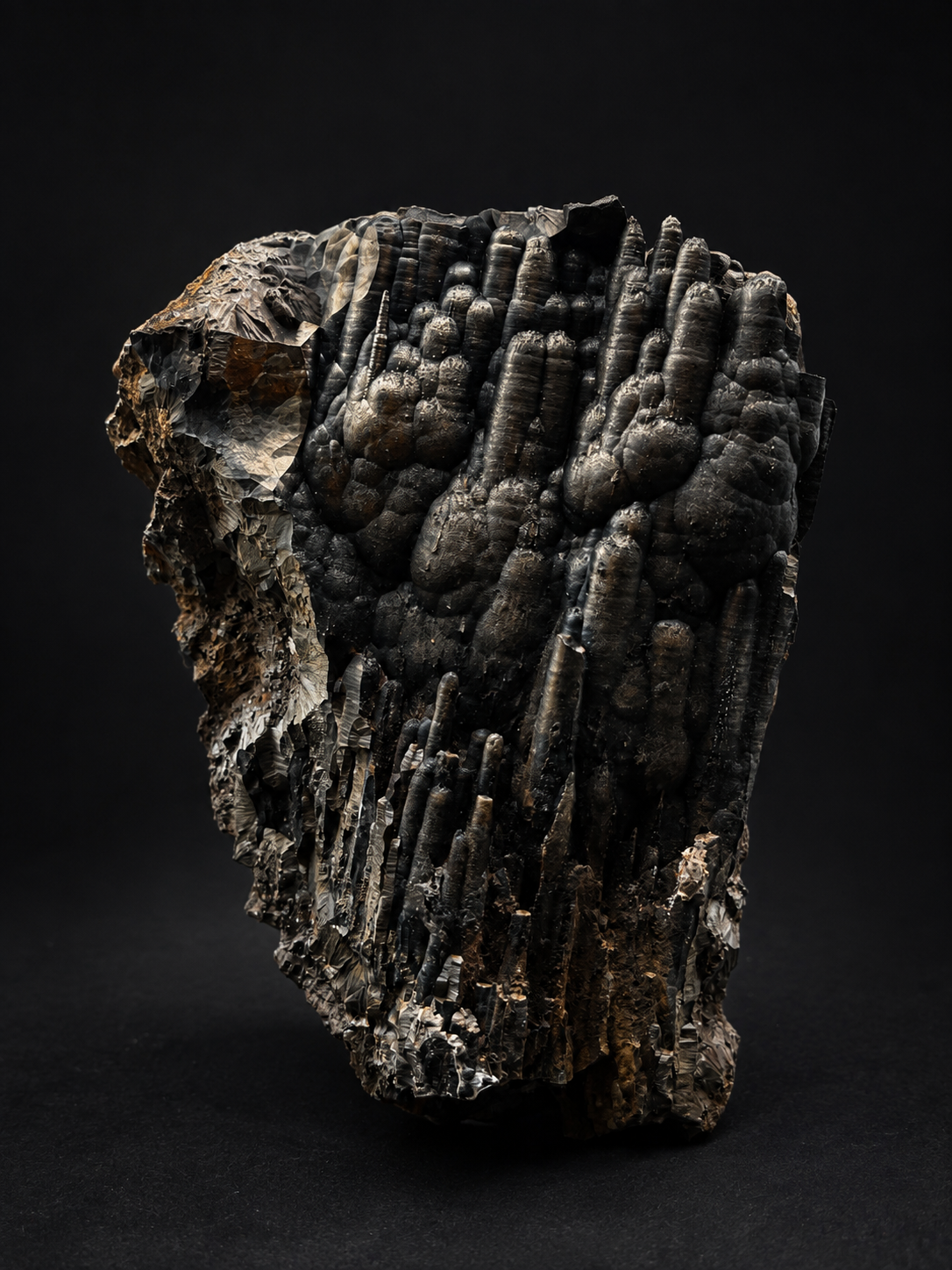
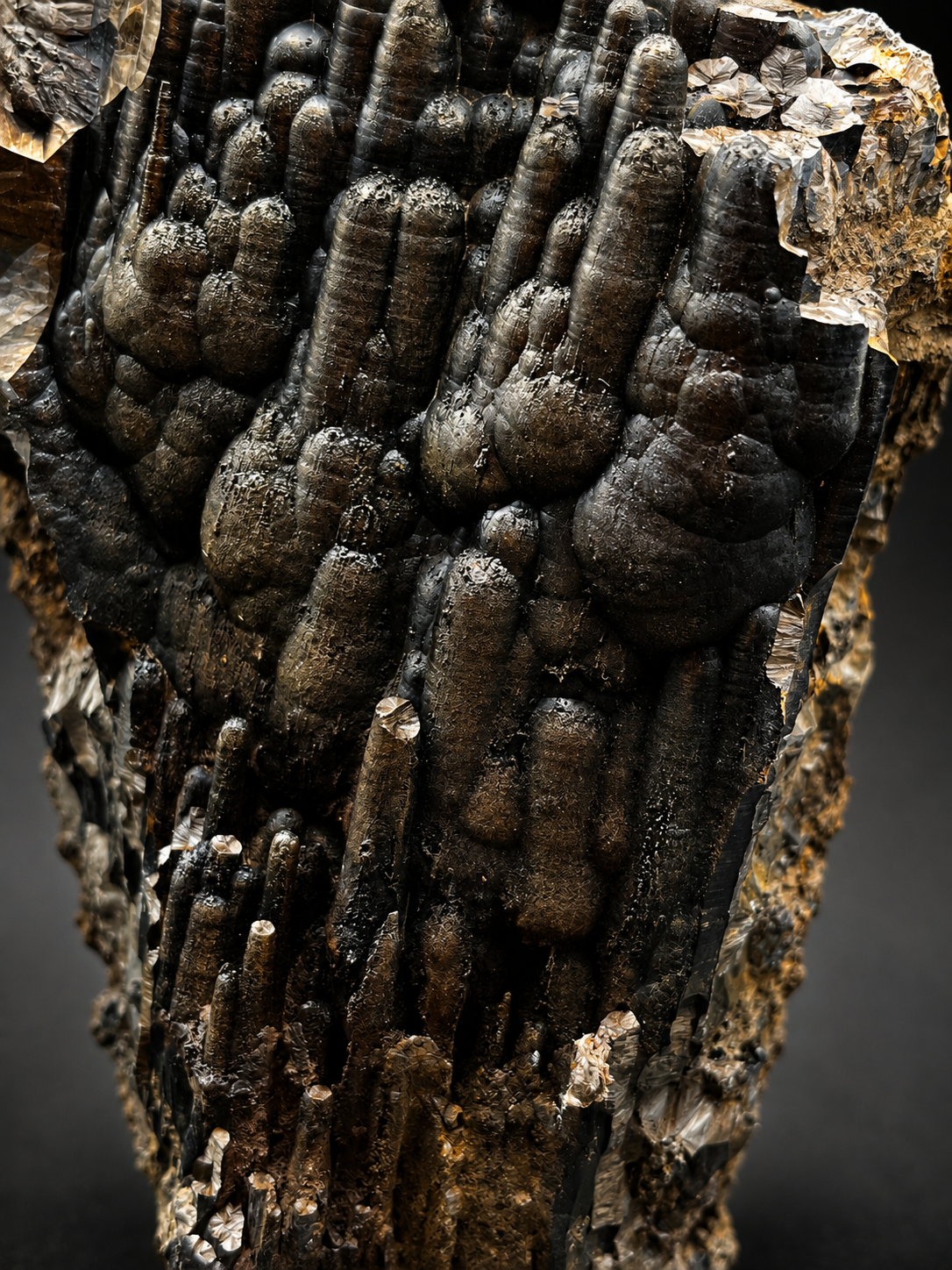
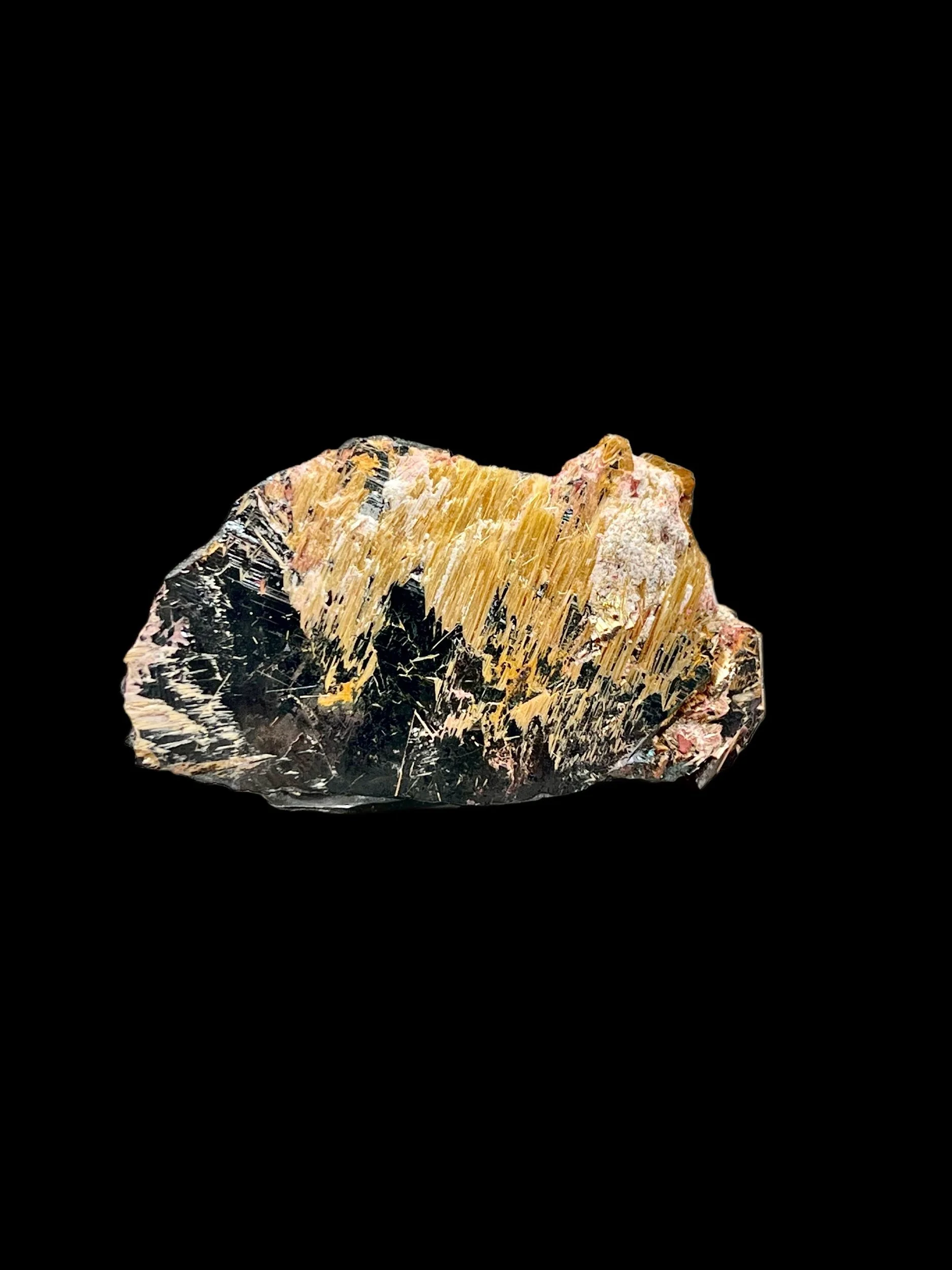
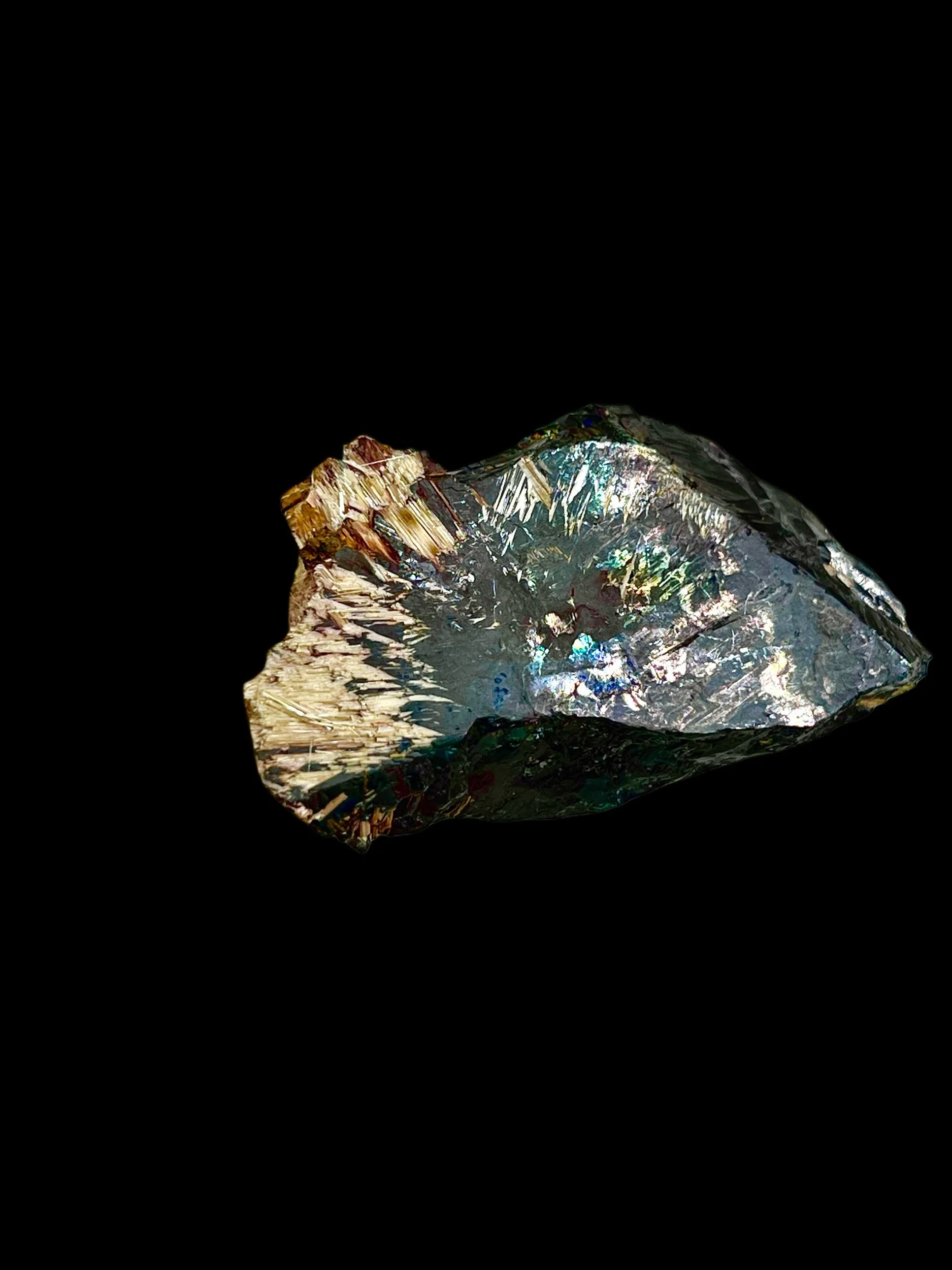
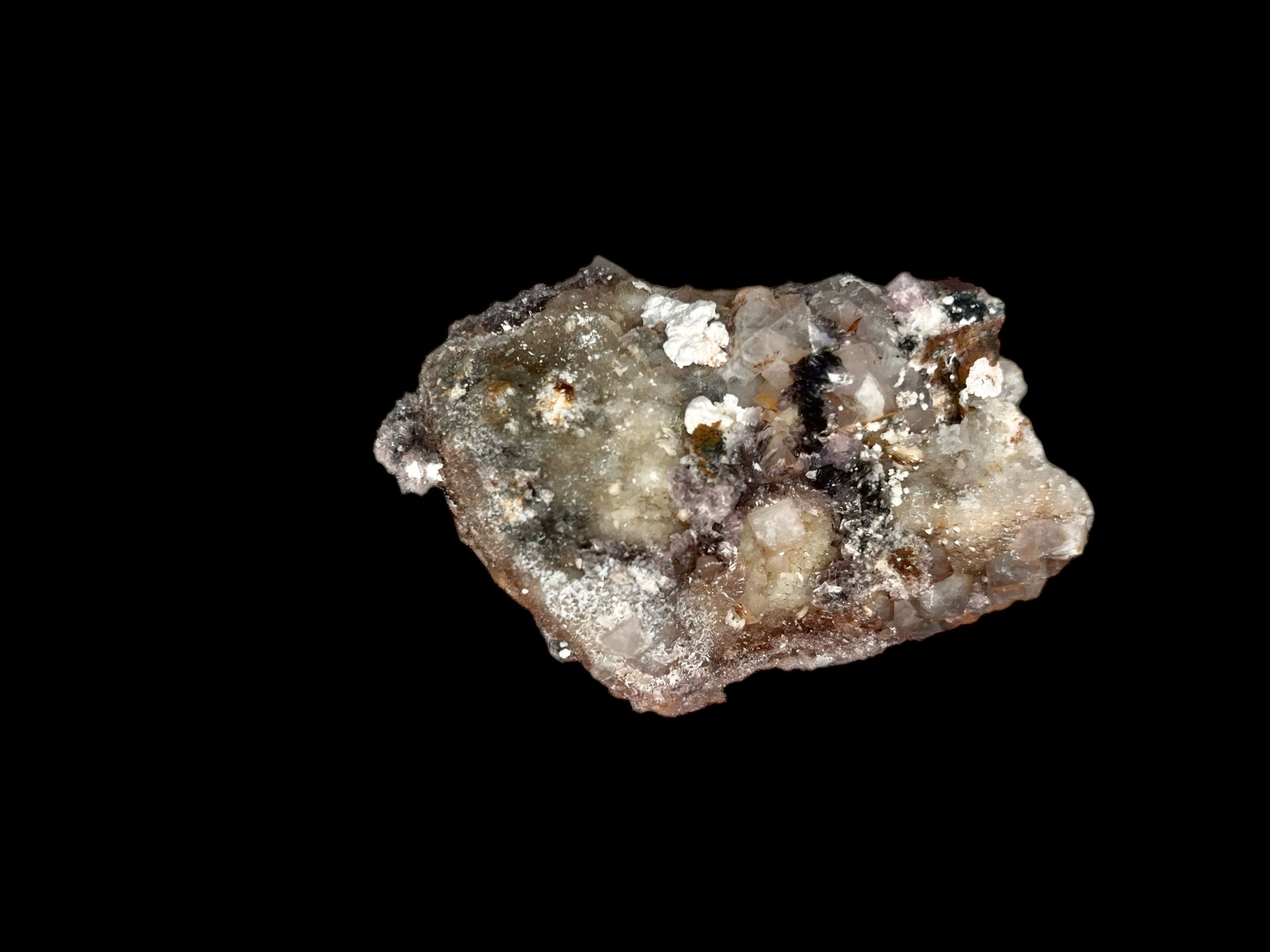
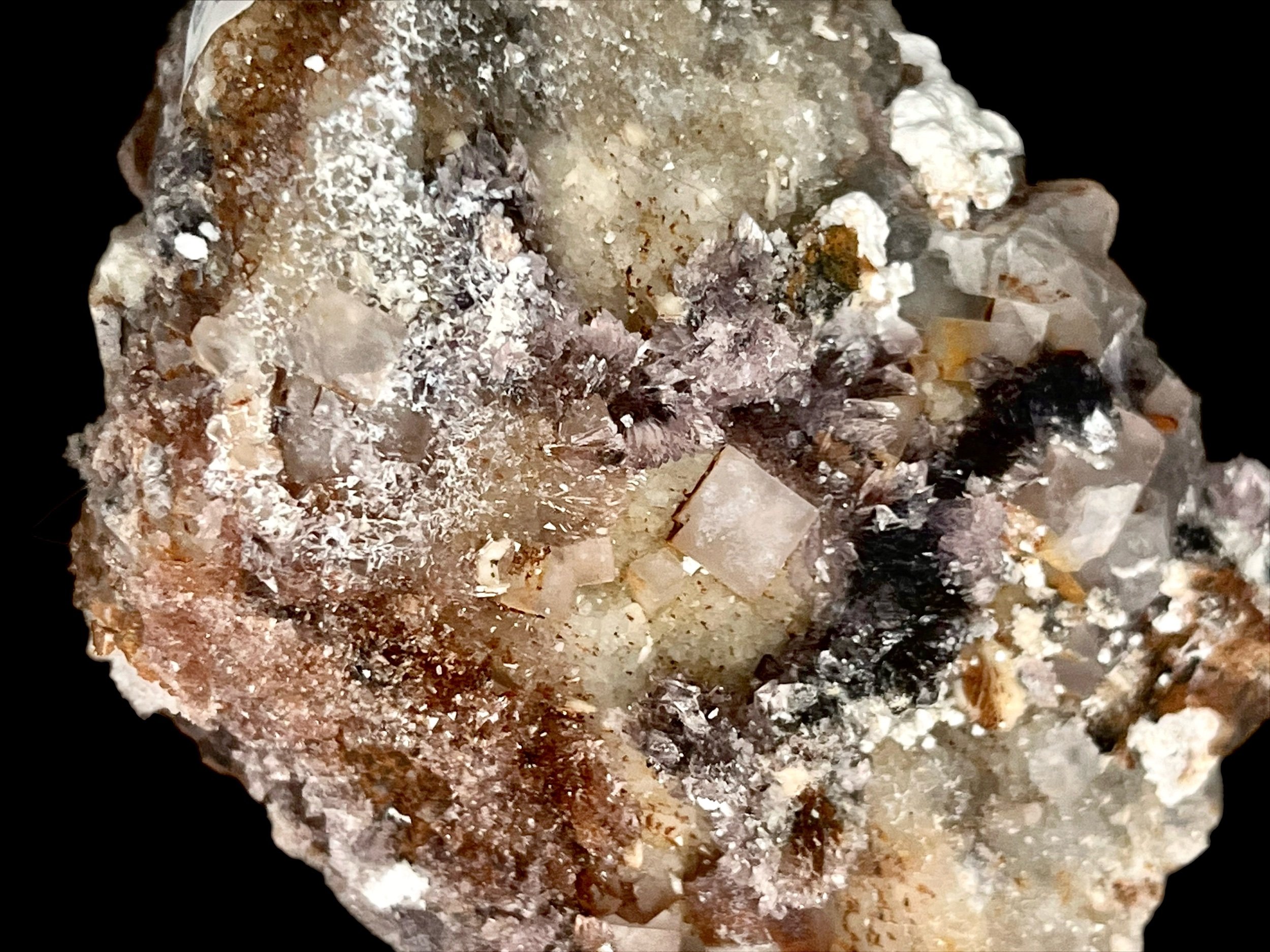
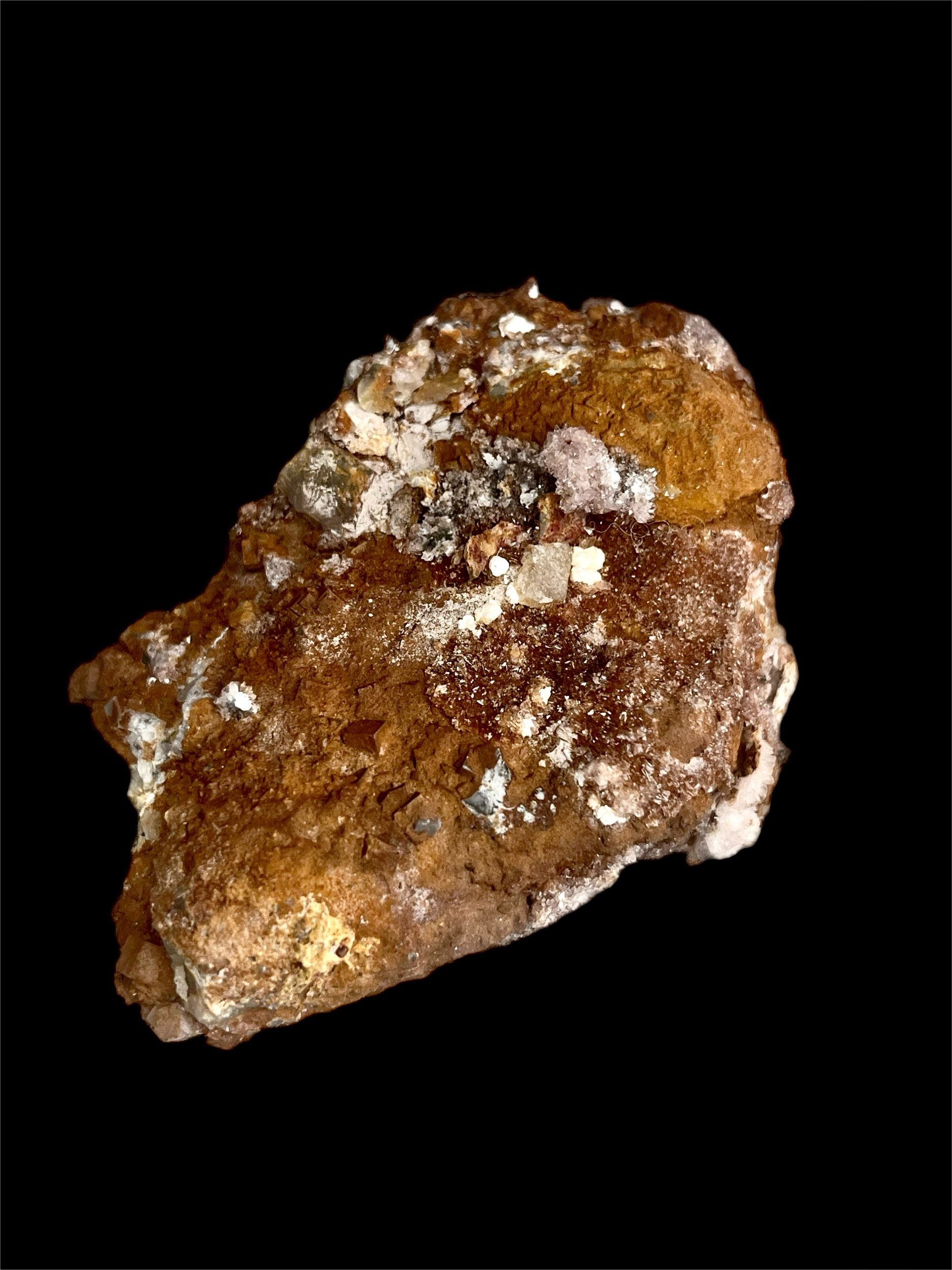
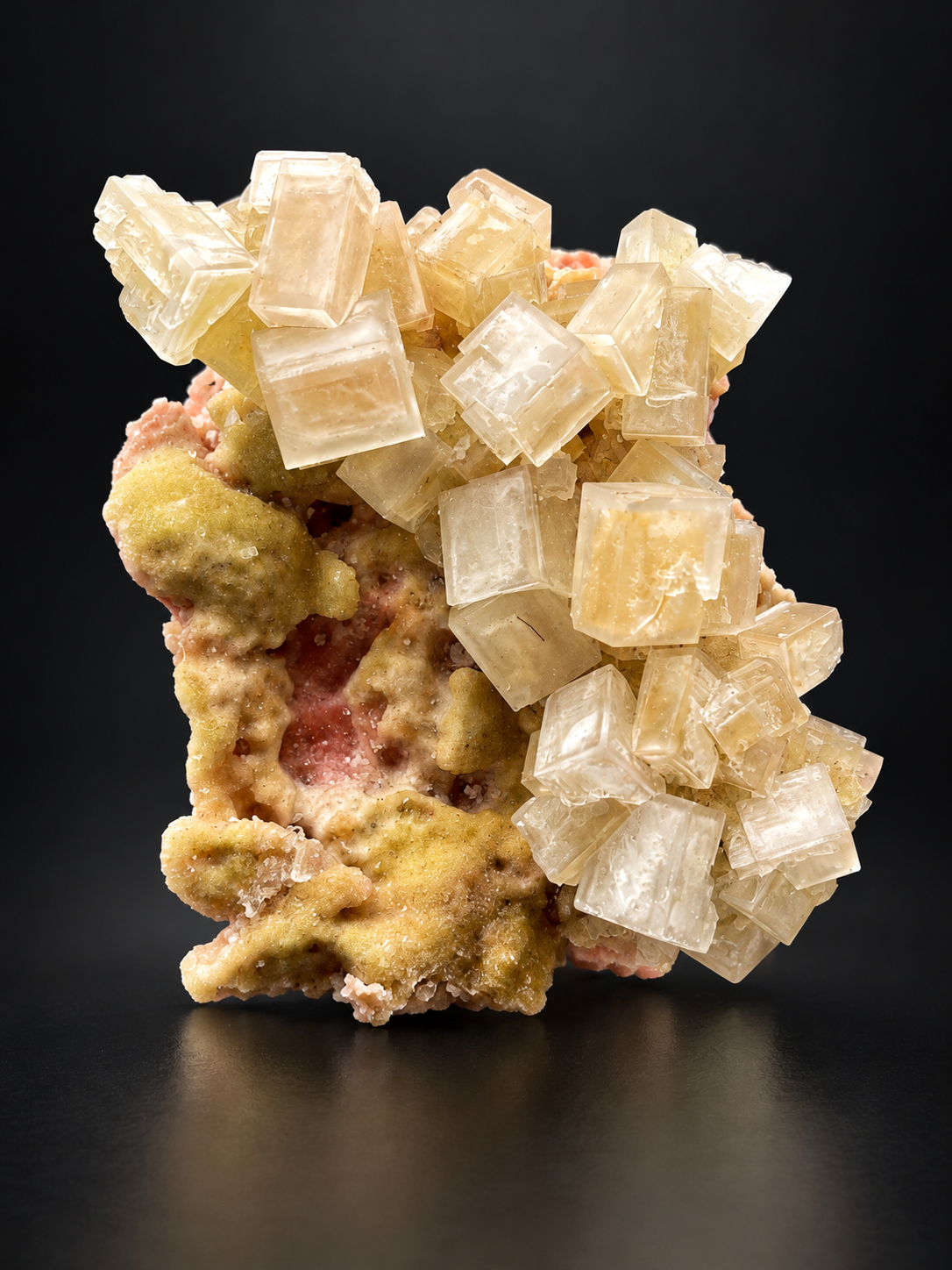
An extraordinary Rainbow Halite with Trona specimen featuring naturally occurring enhydro inclusions from the mineral-rich evaporite deposits of Owens Lake, California.
This fascinating specimen brings together three remarkable mineralogical features: the intricate crystallization of halite and trona, naturally enclosed pockets of mineral-rich liquid, and the captivating optical properties of fluorescence and phosphorescence.
The presence of enhydros makes this specimen particularly rare. These tiny, naturally sealed fluid inclusions preserve remnants of the highly saline solutions present during the mineral's formation, providing a fascinating glimpse into the environment in which the crystals developed.
Adding to its appeal, this specimen exhibits both fluorescence and phosphorescence. Under ultraviolet illumination, its luminescent properties become visible, while its phosphorescence produces a lingering afterglow after the UV source has been removed.
A captivating combination of geological history, unusual mineral associations, trapped fluid inclusions, and UV-reactive properties, this specimen offers an exceptional opportunity to appreciate the fascinating processes of evaporite mineral formation.
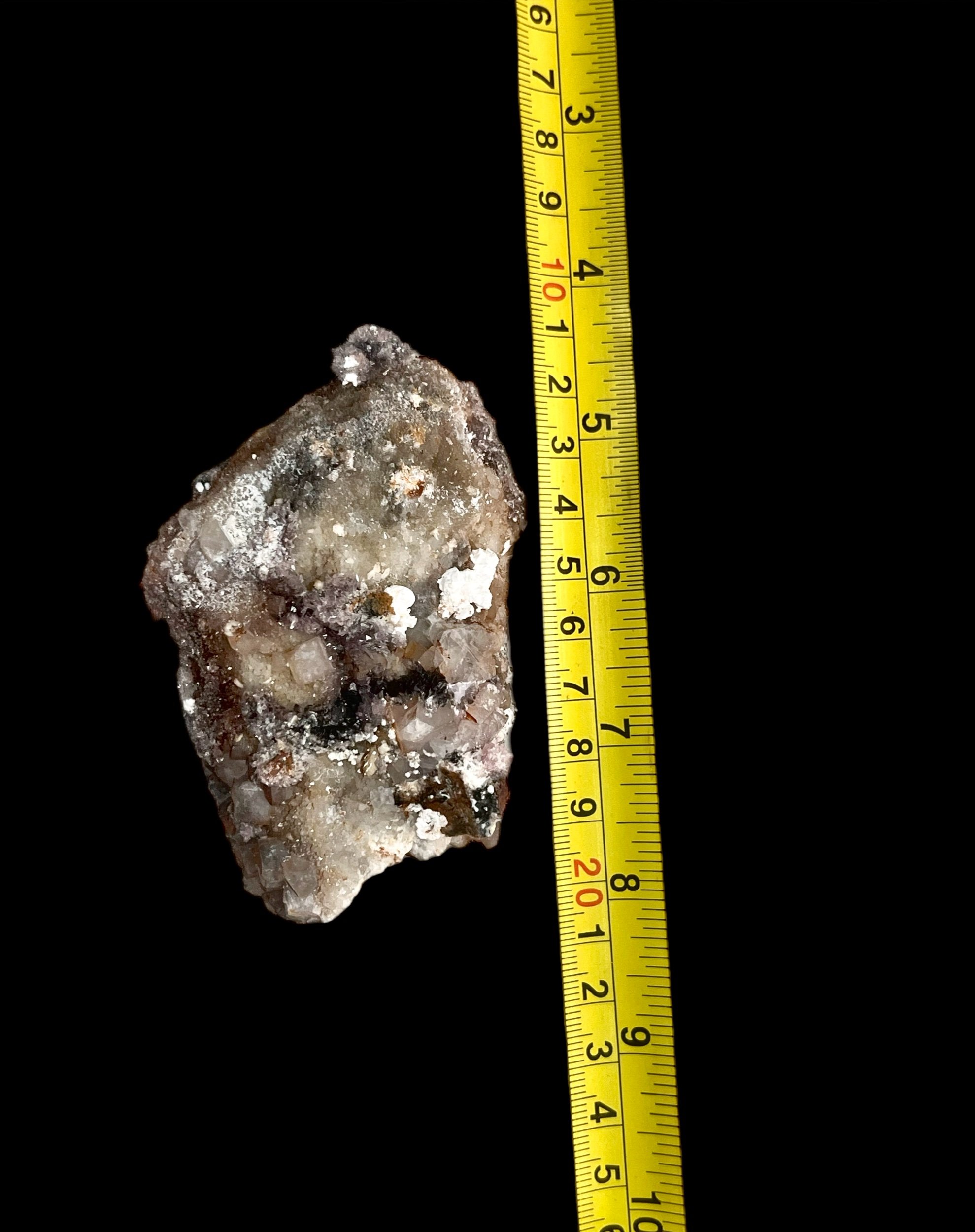
Dimensions: 3" × 3" × 2"
Weight: 282 grams
Locality: Owens Lake, Inyo County, California, USA
In metaphysical traditions, halite is associated with purification, emotional clarity, and energetic cleansing. Its natural connection to salt has made it a longstanding symbol of protection, renewal, and the release of stagnant energy.
Trona is symbolically associated with transformation, resilience, and adaptability, reflecting the changing environmental conditions necessary for its formation.
Enhydro inclusions are often associated with emotional awareness, inner reflection, and the preservation of ancient wisdom. The presence of naturally enclosed liquid within a mineral is symbolically connected to the relationship between change and permanence.
Together, these features are believed to encourage:
Energetic Cleansing: Helping release stagnant energy and promoting a refreshed, harmonious environment.
Emotional Healing: Encouraging emotional awareness, tranquility, and inner balance.
Transformation & Renewal: Supporting personal growth, adaptability, and positive change.
Reflection & Intuition: Encouraging mindfulness, self-discovery, and a deeper connection with one's experiences.
Grounding & Stability: Promoting balance and a sense of calm during periods of transition.
Metaphysical properties are based on traditional beliefs and are not scientifically established.
Located in California's Owens Valley, between the Sierra Nevada and Inyo Mountains, Owens Lake is an extraordinary example of an evaporite-rich geological environment.
Historically a substantial inland lake, Owens Lake underwent dramatic environmental changes following the diversion of Owens River water to Los Angeles beginning in 1913.
As the lake largely dried, its concentrated brines and mineral-rich sediments became increasingly prominent, creating conditions favorable for the formation of evaporite minerals, including halite and trona.
These specimens offer a fascinating look into the processes by which dissolved minerals become concentrated and eventually crystallize as water evaporates.
One of the most fascinating characteristics of this specimen is the presence of naturally occurring enhydro inclusions.
An enhydro is a pocket of liquid enclosed within a mineral. In mineralogical terminology, these are known as fluid inclusions. Some contain a small gas bubble that may move when the specimen is carefully repositioned.
These inclusions form when small quantities of liquid become trapped as a crystal grows or, in some cases, during later crystal healing and recrystallization.
As additional mineral material develops around the trapped liquid, the pocket becomes completely enclosed, preserving a tiny sample of the fluid present during its formation.
In halite, these inclusions are particularly fascinating because the mineral itself is water-soluble.
How Can Liquid Remain Trapped Inside Halite Without Dissolving It?
The answer lies in the chemistry of the trapped liquid.
Halite forms when saline water becomes sufficiently concentrated for sodium chloride to crystallize. As evaporation continues, the remaining liquid becomes increasingly rich in dissolved salts.
During crystal growth, tiny portions of this concentrated brine can become enclosed within the developing halite.
Unlike freshwater, which readily dissolves halite, a brine already saturated with sodium chloride has little additional capacity to dissolve more salt under stable conditions.
When the liquid becomes completely sealed within the crystal, it can remain preserved as a fluid inclusion rather than continuously dissolving its surrounding mineral.
This means that the same high salinity responsible for forming the halite also helps explain how liquid can remain enclosed within it.
Changes in temperature or chemistry can affect the equilibrium between the enclosed brine and its surrounding crystal, but stable, sealed inclusions may preserve their liquid contents forever.
These tiny pockets are scientifically valuable because they can provide information about the composition and conditions of the mineral-forming fluids.
In addition to its fascinating enhydro inclusions, this specimen exhibits two distinct forms of mineral luminescence.
Fluorescence occurs when certain impurities or structural defects within a mineral absorb ultraviolet energy and immediately release a portion of that energy as visible light.
Phosphorescence occurs when absorbed energy is released more gradually, allowing the specimen to continue emitting visible light after the ultraviolet source has been removed.
The resulting afterglow provides an especially fascinating visual experience, allowing collectors to observe luminescence even after the excitation source is switched off.
The combination of enhydro inclusions, fluorescence, and phosphorescence makes this an especially interesting specimen for collectors who appreciate unusual mineralogical and optical properties.
A Hint of the Ocean
One of the more unexpected characteristics of Owens Lake halite is its occasional ocean-like aroma. Although halite itself is odorless, because the pink color is often derived from algae, traces of naturally occurring organic matter and other materials associated with its saline environment can produce a distinctive briny scent reminiscent of the ocean.
Specimen Care
Halite is naturally water-soluble and sensitive to moisture. Store in a dry, climate-controlled environment away from water, high humidity, and condensation. Avoid washing or soaking. Handle gently to protect the delicate crystal formations.
A case is recommended.
Natural Enhydro Inclusions: Contains naturally enclosed pockets of mineral-rich liquid, preserving remnants of the saline environment in which the crystals developed.
Exceptional Coloration: Beautiful champagne-pink halite crystals with varying degrees of transparency.
Impressive Cubic Crystal Development: Numerous sharply defined crystals exhibiting intricate stepped growth patterns and nested geometric formations.
Fluorescent & Phosphorescent: Exhibits UV-reactive luminescence and a lingering afterglow after ultraviolet illumination.
Distinctive Mineral Association: Features halite with trona, two fascinating minerals associated with saline and alkaline evaporite environments.
Remarkable Geological Formation: Rare fluid inclusions demonstrate how crystal growth can preserve tiny quantities of the original mineral-forming solution.
Historic California Locality: Originates from Owens Lake, a notable locality for evaporite mineralogy and unusual saline mineral deposits.
Exceptional Educational Value: Offers an opportunity to explore fluid inclusions, mineral solubility, crystal growth, fluorescence, and phosphorescence within a single specimen.
Outstanding Collector Appeal: Particularly interesting for collections focused on enhydro minerals, fluid inclusions, UV-reactive specimens, evaporite mineralogy, and California localities.
Chemical Formula: NaCl
Mineral Class: Halides
Crystal System: Isometric (Cubic)
Mohs Hardness: 2–2.5
Luster: Vitreous
Transparency: Transparent to translucent
Typical Colors: Colorless, white, pink, orange, yellow, blue, and other colors depending on impurities and structural defects
Crystal Habit: Commonly develops cubic crystals, sometimes exhibiting stepped or hopper growth patterns
Formation: Precipitates from concentrated saline solutions during evaporation
Notable Properties: Water-soluble, perfect cubic cleavage, potential fluorescence and phosphorescence, and the ability to preserve primary or secondary fluid inclusions containing saline brine
Chemical Formula: Na₃(HCO₃)(CO₃)·2H₂O
Mineral Class: Carbonates
Crystal System: Monoclinic
Mohs Hardness: Approximately 2.5–3
Luster: Vitreous to silky
Transparency: Transparent to translucent
Typical Colors: Colorless, white, grayish, or pale yellow
Crystal Habit: Commonly forms prismatic, fibrous, or bladed crystals and crystalline aggregates
Formation: Develops through evaporation and chemical concentration in highly alkaline, sodium-rich lake environments
Notable Properties: Water-soluble, associated with alkaline evaporite deposits, and an important natural source of sodium carbonate, commonly known as soda ash
Classification: Fluid inclusion rather than a separate mineral species
Composition: Trapped mineral-rich liquid, typically concentrated saline brine in halite
Formation: Enclosure of fluid during crystal growth, recrystallization, or the healing of fractures
Appearance: Small internal cavities containing liquid, sometimes accompanied by a gas bubble
Scientific Significance: Can preserve information about the chemistry and physical conditions of mineral-forming environments
Preservation: Depends on the integrity of the surrounding host crystal and stable environmental conditions
An extraordinary Rainbow Halite with Trona specimen featuring naturally occurring enhydro inclusions from the mineral-rich evaporite deposits of Owens Lake, California.
This fascinating specimen brings together three remarkable mineralogical features: the intricate crystallization of halite and trona, naturally enclosed pockets of mineral-rich liquid, and the captivating optical properties of fluorescence and phosphorescence.
The presence of enhydros makes this specimen particularly rare. These tiny, naturally sealed fluid inclusions preserve remnants of the highly saline solutions present during the mineral's formation, providing a fascinating glimpse into the environment in which the crystals developed.
Adding to its appeal, this specimen exhibits both fluorescence and phosphorescence. Under ultraviolet illumination, its luminescent properties become visible, while its phosphorescence produces a lingering afterglow after the UV source has been removed.
A captivating combination of geological history, unusual mineral associations, trapped fluid inclusions, and UV-reactive properties, this specimen offers an exceptional opportunity to appreciate the fascinating processes of evaporite mineral formation.
Dimensions: 3" × 3" × 2"
Weight: 282 grams
Locality: Owens Lake, Inyo County, California, USA
In metaphysical traditions, halite is associated with purification, emotional clarity, and energetic cleansing. Its natural connection to salt has made it a longstanding symbol of protection, renewal, and the release of stagnant energy.
Trona is symbolically associated with transformation, resilience, and adaptability, reflecting the changing environmental conditions necessary for its formation.
Enhydro inclusions are often associated with emotional awareness, inner reflection, and the preservation of ancient wisdom. The presence of naturally enclosed liquid within a mineral is symbolically connected to the relationship between change and permanence.
Together, these features are believed to encourage:
Energetic Cleansing: Helping release stagnant energy and promoting a refreshed, harmonious environment.
Emotional Healing: Encouraging emotional awareness, tranquility, and inner balance.
Transformation & Renewal: Supporting personal growth, adaptability, and positive change.
Reflection & Intuition: Encouraging mindfulness, self-discovery, and a deeper connection with one's experiences.
Grounding & Stability: Promoting balance and a sense of calm during periods of transition.
Metaphysical properties are based on traditional beliefs and are not scientifically established.
Located in California's Owens Valley, between the Sierra Nevada and Inyo Mountains, Owens Lake is an extraordinary example of an evaporite-rich geological environment.
Historically a substantial inland lake, Owens Lake underwent dramatic environmental changes following the diversion of Owens River water to Los Angeles beginning in 1913.
As the lake largely dried, its concentrated brines and mineral-rich sediments became increasingly prominent, creating conditions favorable for the formation of evaporite minerals, including halite and trona.
These specimens offer a fascinating look into the processes by which dissolved minerals become concentrated and eventually crystallize as water evaporates.
One of the most fascinating characteristics of this specimen is the presence of naturally occurring enhydro inclusions.
An enhydro is a pocket of liquid enclosed within a mineral. In mineralogical terminology, these are known as fluid inclusions. Some contain a small gas bubble that may move when the specimen is carefully repositioned.
These inclusions form when small quantities of liquid become trapped as a crystal grows or, in some cases, during later crystal healing and recrystallization.
As additional mineral material develops around the trapped liquid, the pocket becomes completely enclosed, preserving a tiny sample of the fluid present during its formation.
In halite, these inclusions are particularly fascinating because the mineral itself is water-soluble.
How Can Liquid Remain Trapped Inside Halite Without Dissolving It?
The answer lies in the chemistry of the trapped liquid.
Halite forms when saline water becomes sufficiently concentrated for sodium chloride to crystallize. As evaporation continues, the remaining liquid becomes increasingly rich in dissolved salts.
During crystal growth, tiny portions of this concentrated brine can become enclosed within the developing halite.
Unlike freshwater, which readily dissolves halite, a brine already saturated with sodium chloride has little additional capacity to dissolve more salt under stable conditions.
When the liquid becomes completely sealed within the crystal, it can remain preserved as a fluid inclusion rather than continuously dissolving its surrounding mineral.
This means that the same high salinity responsible for forming the halite also helps explain how liquid can remain enclosed within it.
Changes in temperature or chemistry can affect the equilibrium between the enclosed brine and its surrounding crystal, but stable, sealed inclusions may preserve their liquid contents forever.
These tiny pockets are scientifically valuable because they can provide information about the composition and conditions of the mineral-forming fluids.
In addition to its fascinating enhydro inclusions, this specimen exhibits two distinct forms of mineral luminescence.
Fluorescence occurs when certain impurities or structural defects within a mineral absorb ultraviolet energy and immediately release a portion of that energy as visible light.
Phosphorescence occurs when absorbed energy is released more gradually, allowing the specimen to continue emitting visible light after the ultraviolet source has been removed.
The resulting afterglow provides an especially fascinating visual experience, allowing collectors to observe luminescence even after the excitation source is switched off.
The combination of enhydro inclusions, fluorescence, and phosphorescence makes this an especially interesting specimen for collectors who appreciate unusual mineralogical and optical properties.
A Hint of the Ocean
One of the more unexpected characteristics of Owens Lake halite is its occasional ocean-like aroma. Although halite itself is odorless, because the pink color is often derived from algae, traces of naturally occurring organic matter and other materials associated with its saline environment can produce a distinctive briny scent reminiscent of the ocean.
Specimen Care
Halite is naturally water-soluble and sensitive to moisture. Store in a dry, climate-controlled environment away from water, high humidity, and condensation. Avoid washing or soaking. Handle gently to protect the delicate crystal formations.
A case is recommended.
Natural Enhydro Inclusions: Contains naturally enclosed pockets of mineral-rich liquid, preserving remnants of the saline environment in which the crystals developed.
Exceptional Coloration: Beautiful champagne-pink halite crystals with varying degrees of transparency.
Impressive Cubic Crystal Development: Numerous sharply defined crystals exhibiting intricate stepped growth patterns and nested geometric formations.
Fluorescent & Phosphorescent: Exhibits UV-reactive luminescence and a lingering afterglow after ultraviolet illumination.
Distinctive Mineral Association: Features halite with trona, two fascinating minerals associated with saline and alkaline evaporite environments.
Remarkable Geological Formation: Rare fluid inclusions demonstrate how crystal growth can preserve tiny quantities of the original mineral-forming solution.
Historic California Locality: Originates from Owens Lake, a notable locality for evaporite mineralogy and unusual saline mineral deposits.
Exceptional Educational Value: Offers an opportunity to explore fluid inclusions, mineral solubility, crystal growth, fluorescence, and phosphorescence within a single specimen.
Outstanding Collector Appeal: Particularly interesting for collections focused on enhydro minerals, fluid inclusions, UV-reactive specimens, evaporite mineralogy, and California localities.
Chemical Formula: NaCl
Mineral Class: Halides
Crystal System: Isometric (Cubic)
Mohs Hardness: 2–2.5
Luster: Vitreous
Transparency: Transparent to translucent
Typical Colors: Colorless, white, pink, orange, yellow, blue, and other colors depending on impurities and structural defects
Crystal Habit: Commonly develops cubic crystals, sometimes exhibiting stepped or hopper growth patterns
Formation: Precipitates from concentrated saline solutions during evaporation
Notable Properties: Water-soluble, perfect cubic cleavage, potential fluorescence and phosphorescence, and the ability to preserve primary or secondary fluid inclusions containing saline brine
Chemical Formula: Na₃(HCO₃)(CO₃)·2H₂O
Mineral Class: Carbonates
Crystal System: Monoclinic
Mohs Hardness: Approximately 2.5–3
Luster: Vitreous to silky
Transparency: Transparent to translucent
Typical Colors: Colorless, white, grayish, or pale yellow
Crystal Habit: Commonly forms prismatic, fibrous, or bladed crystals and crystalline aggregates
Formation: Develops through evaporation and chemical concentration in highly alkaline, sodium-rich lake environments
Notable Properties: Water-soluble, associated with alkaline evaporite deposits, and an important natural source of sodium carbonate, commonly known as soda ash
Classification: Fluid inclusion rather than a separate mineral species
Composition: Trapped mineral-rich liquid, typically concentrated saline brine in halite
Formation: Enclosure of fluid during crystal growth, recrystallization, or the healing of fractures
Appearance: Small internal cavities containing liquid, sometimes accompanied by a gas bubble
Scientific Significance: Can preserve information about the chemistry and physical conditions of mineral-forming environments
Preservation: Depends on the integrity of the surrounding host crystal and stable environmental conditions