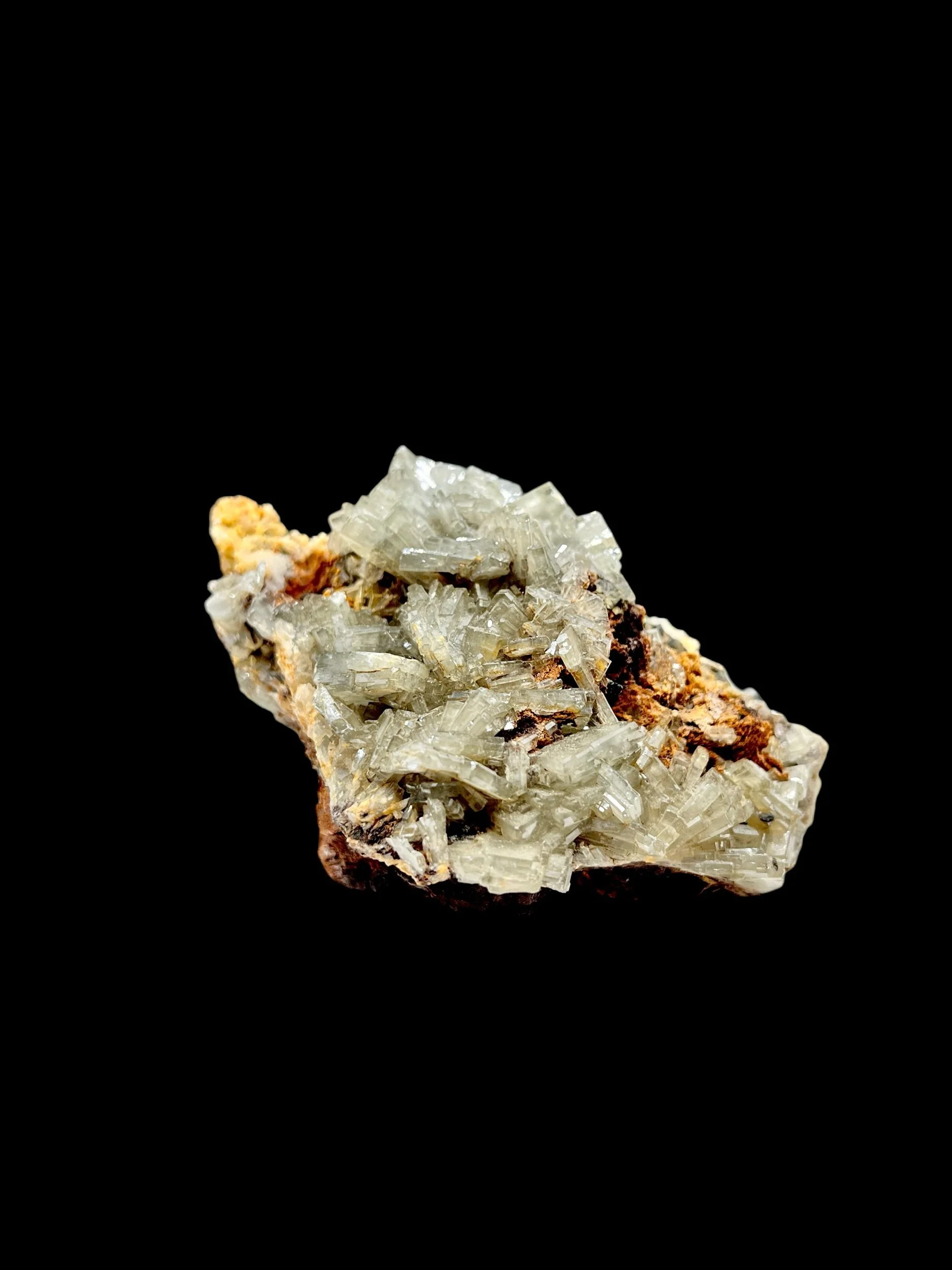
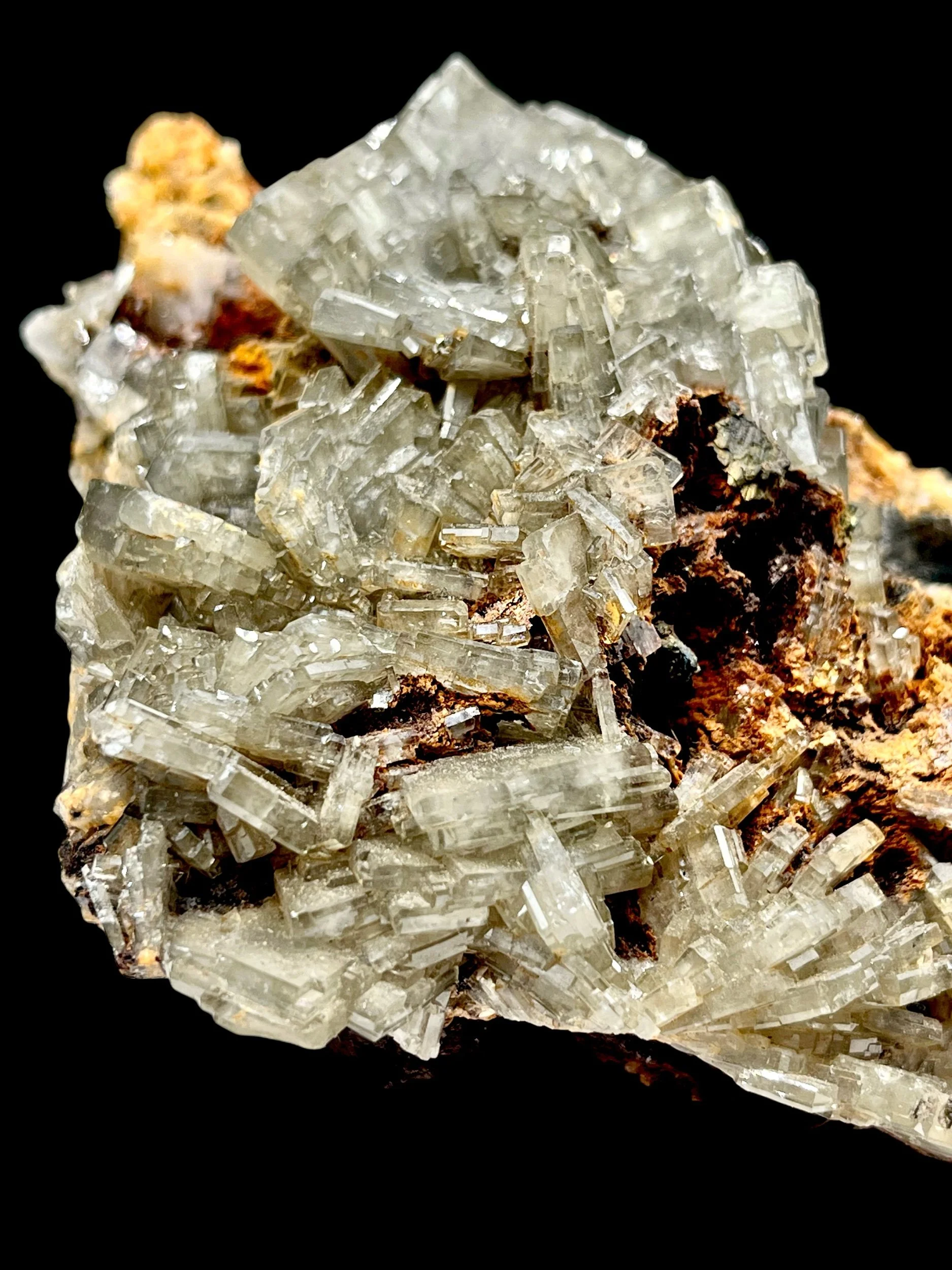
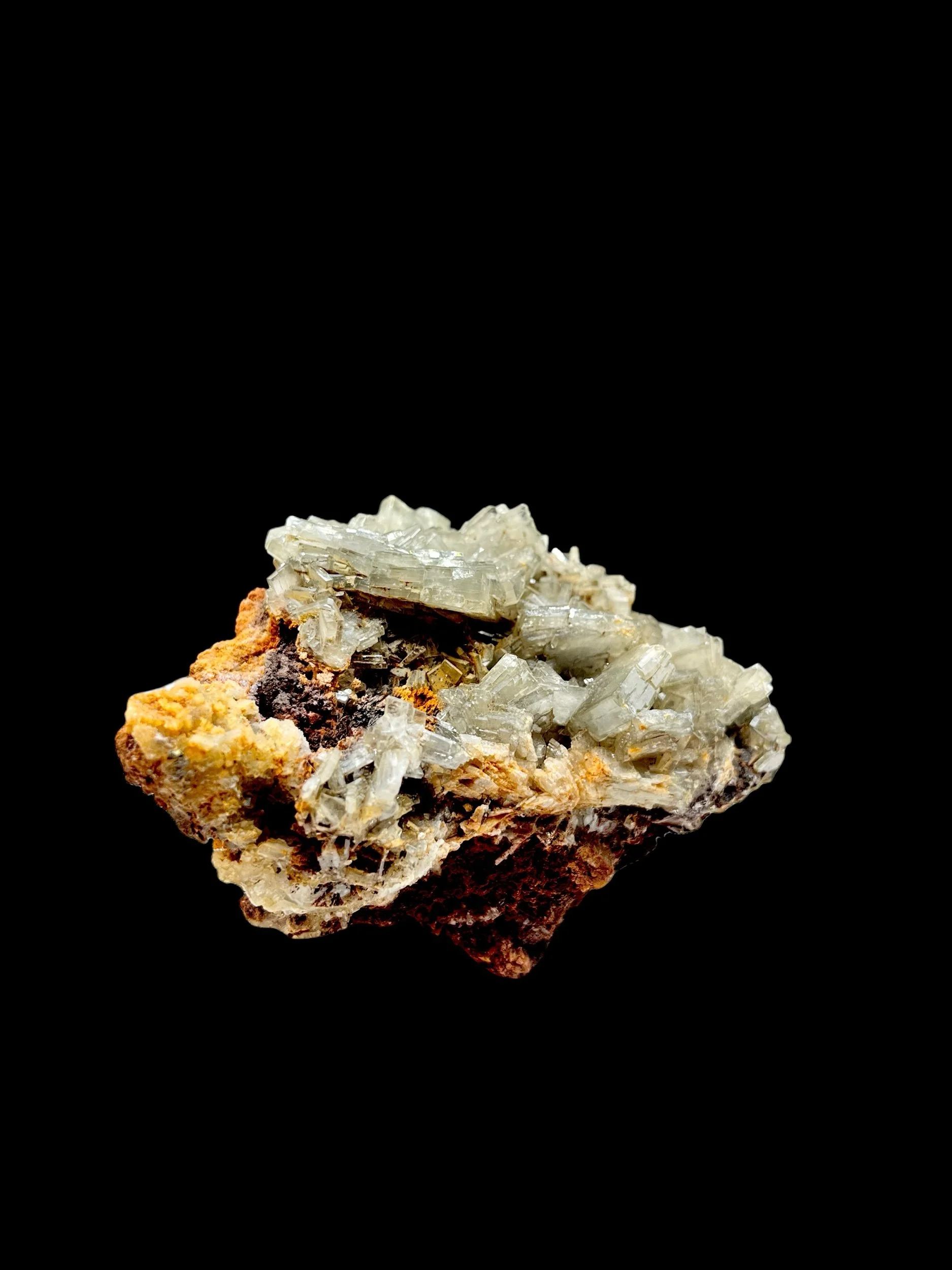
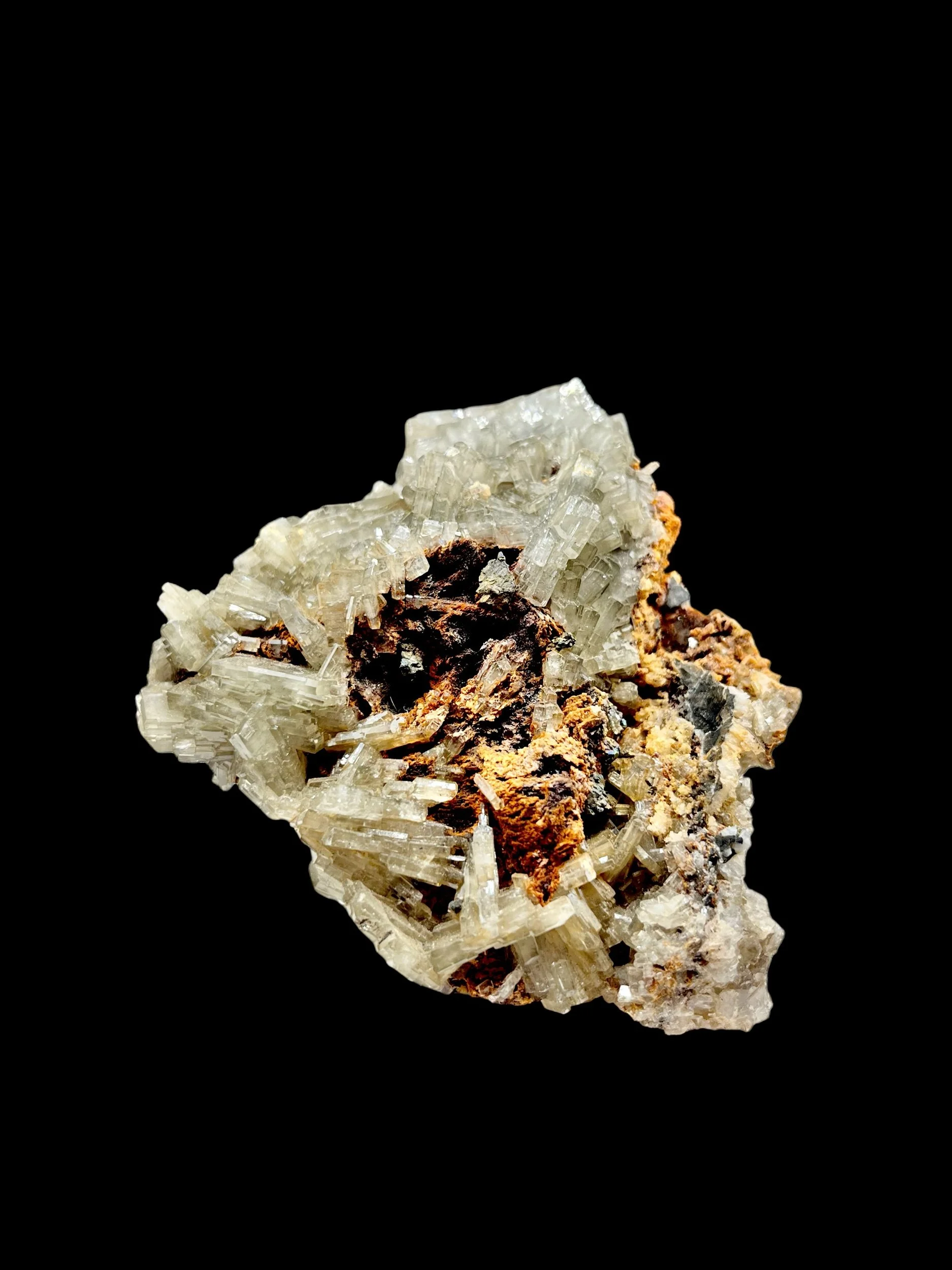
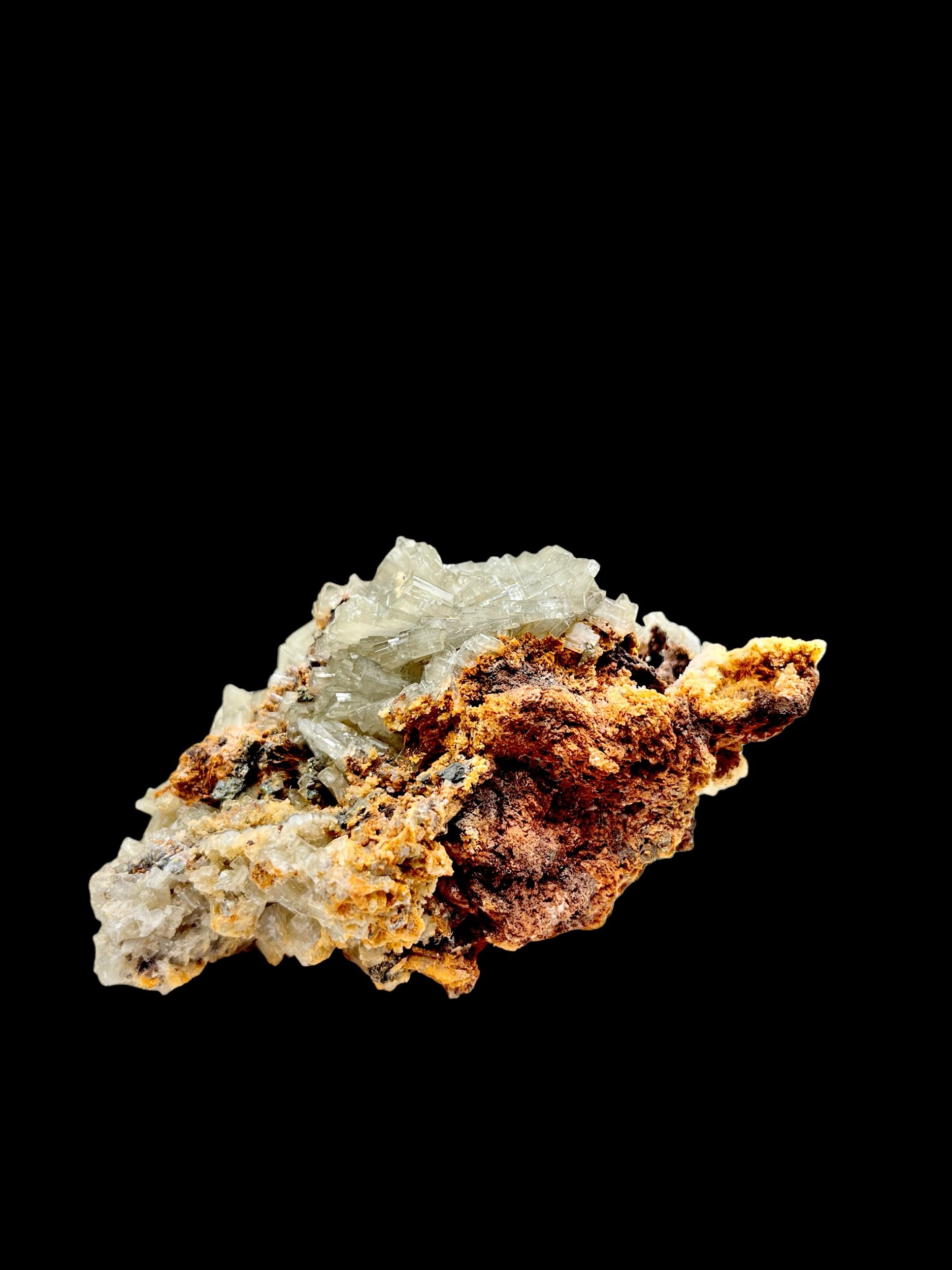
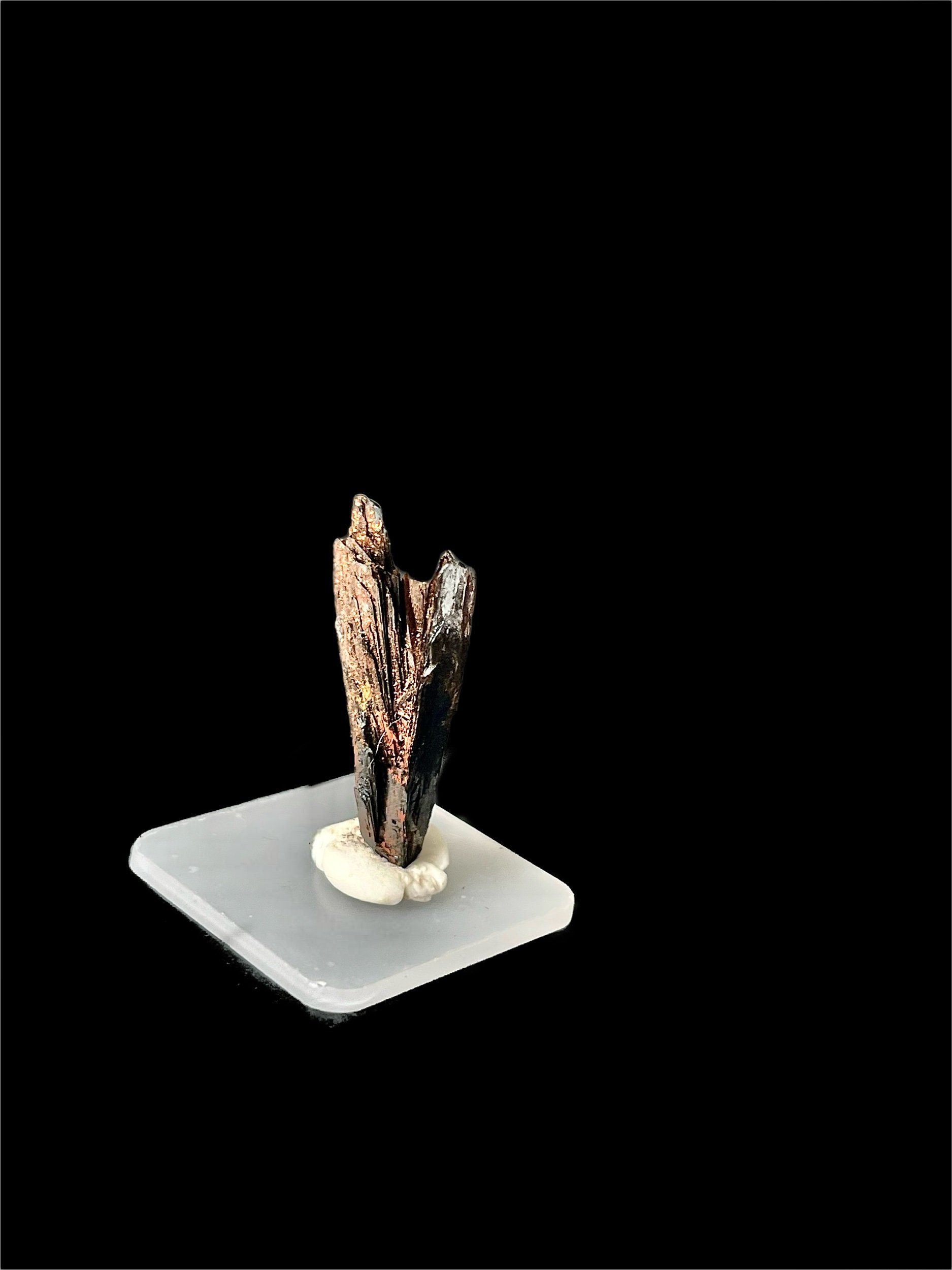
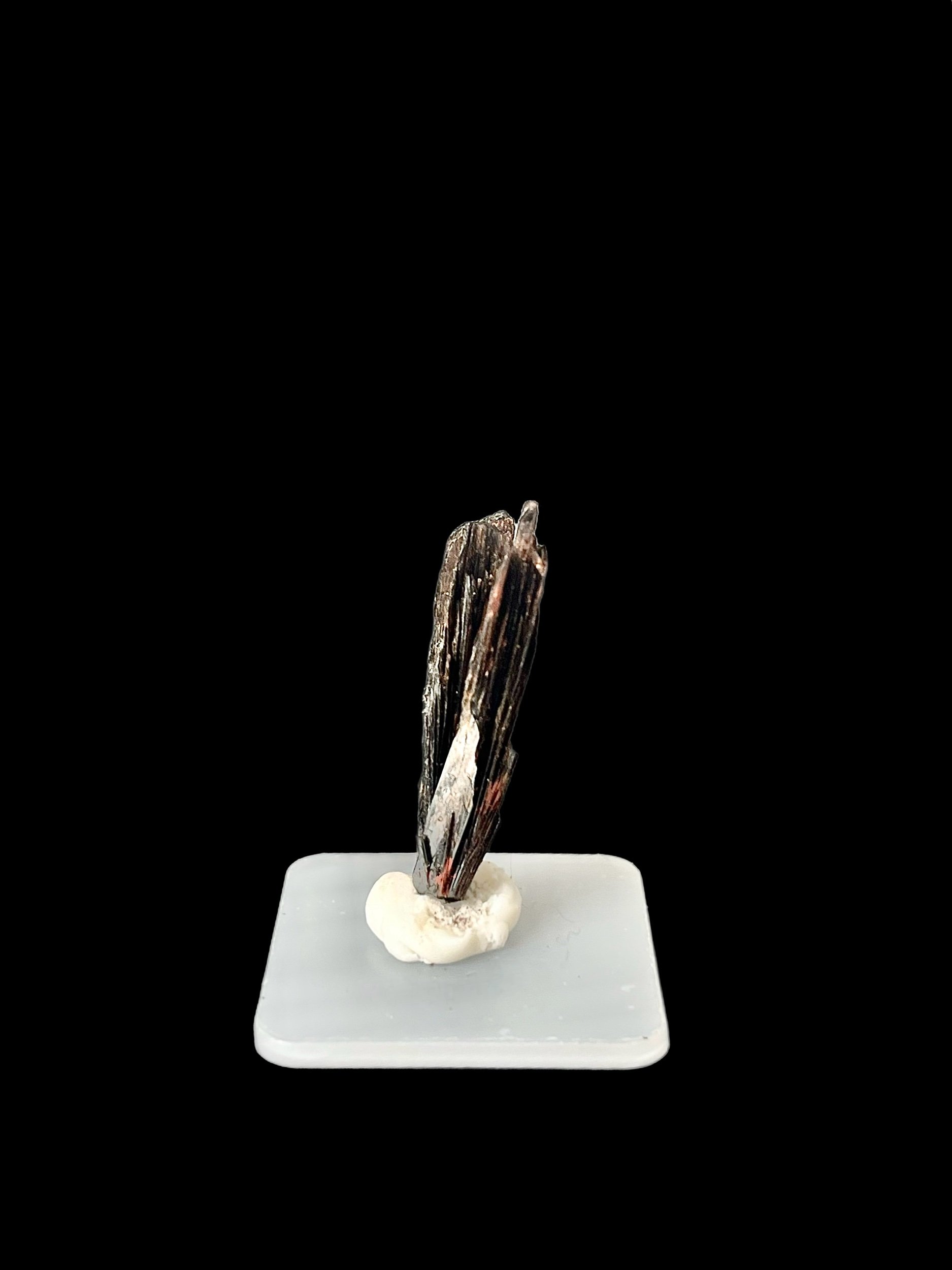
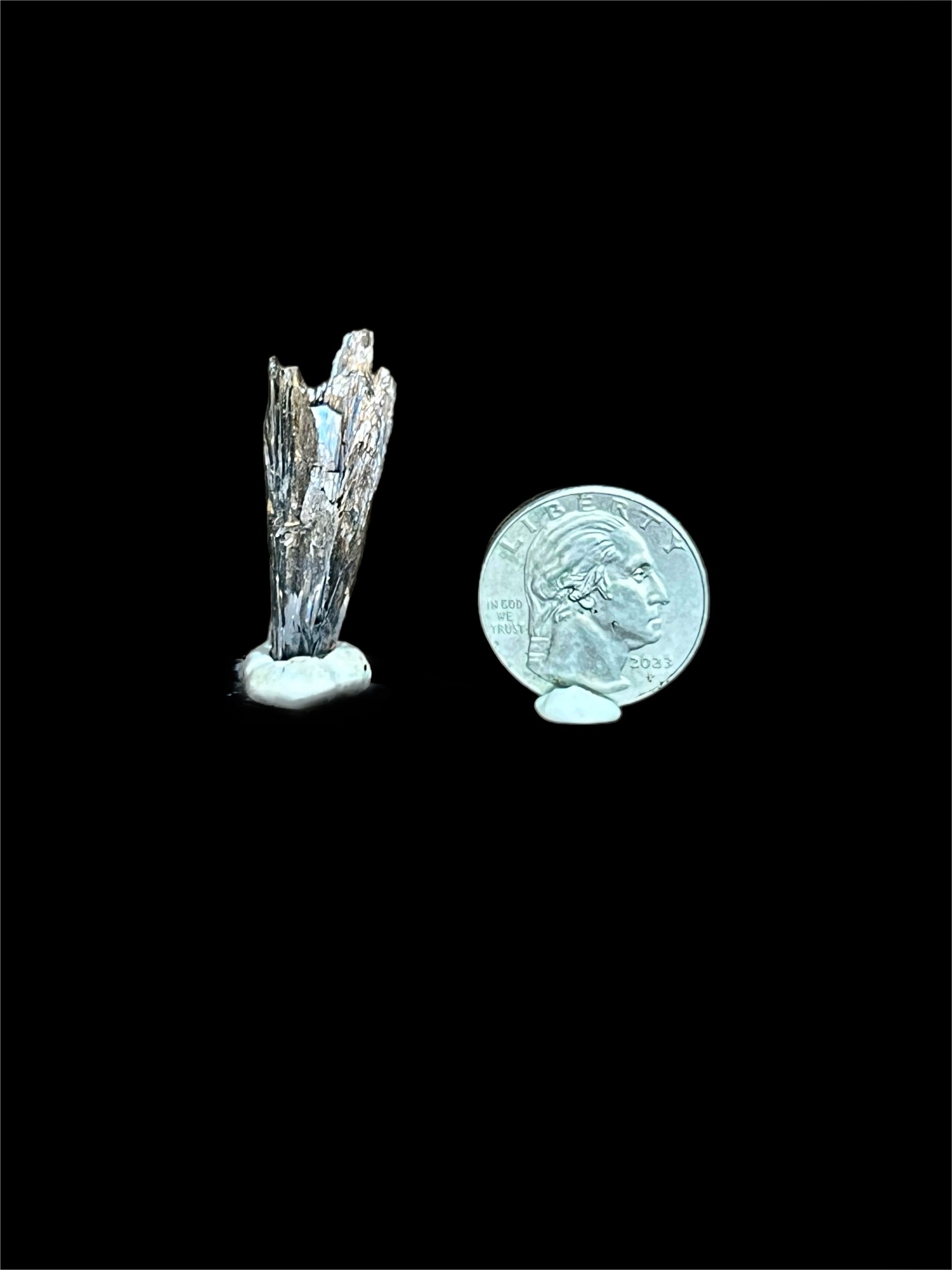
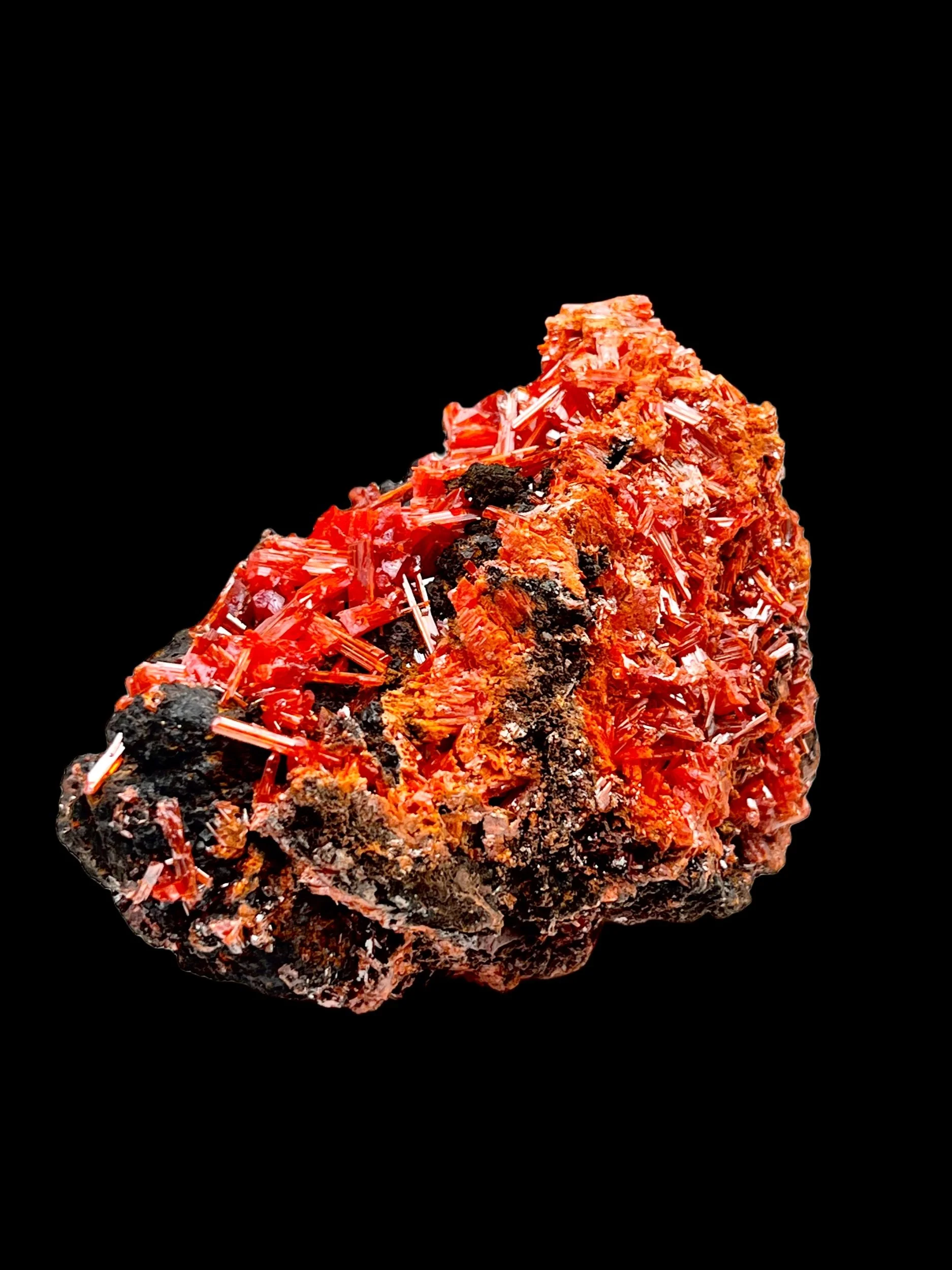
 Image 1 of 4
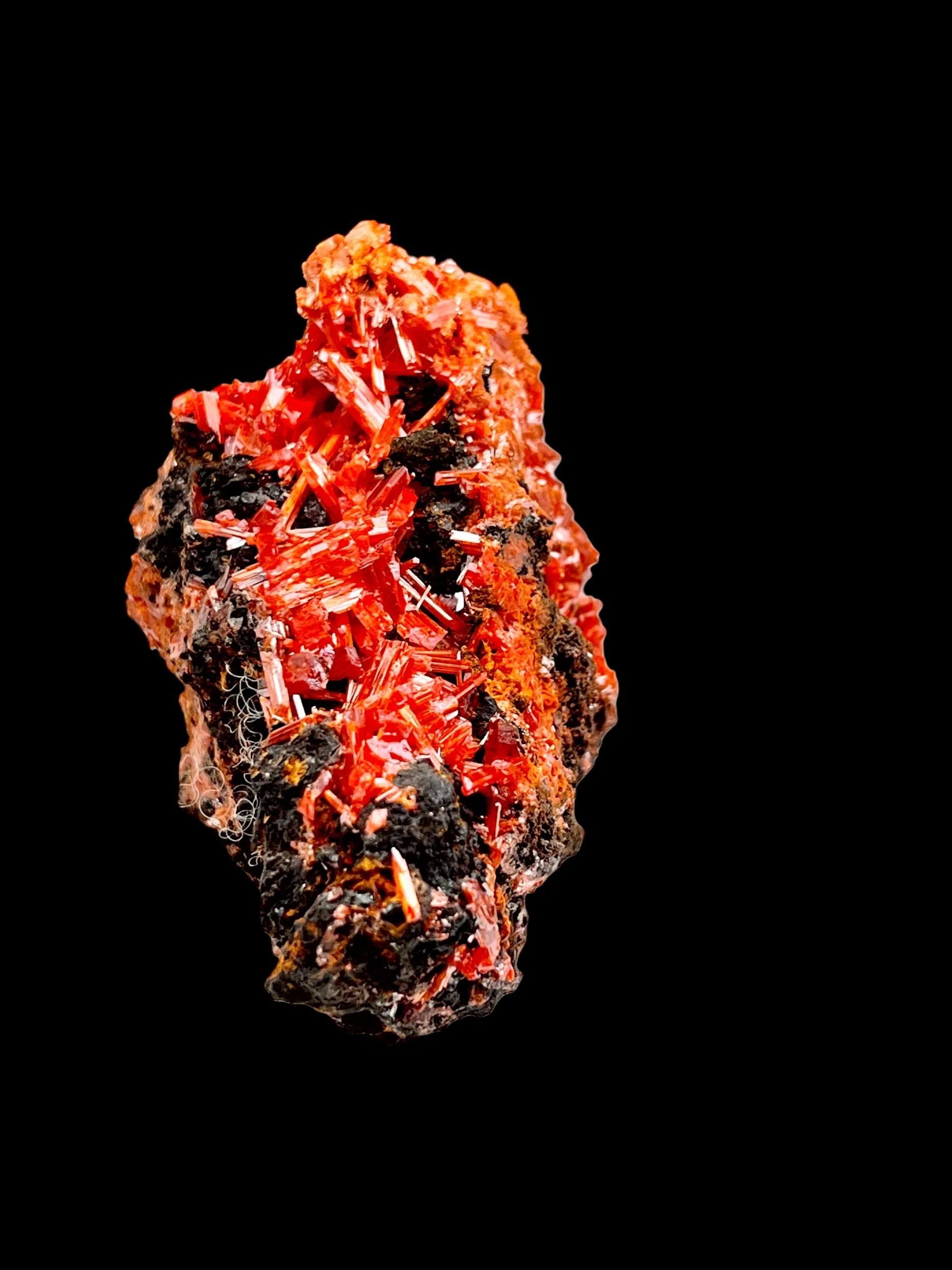
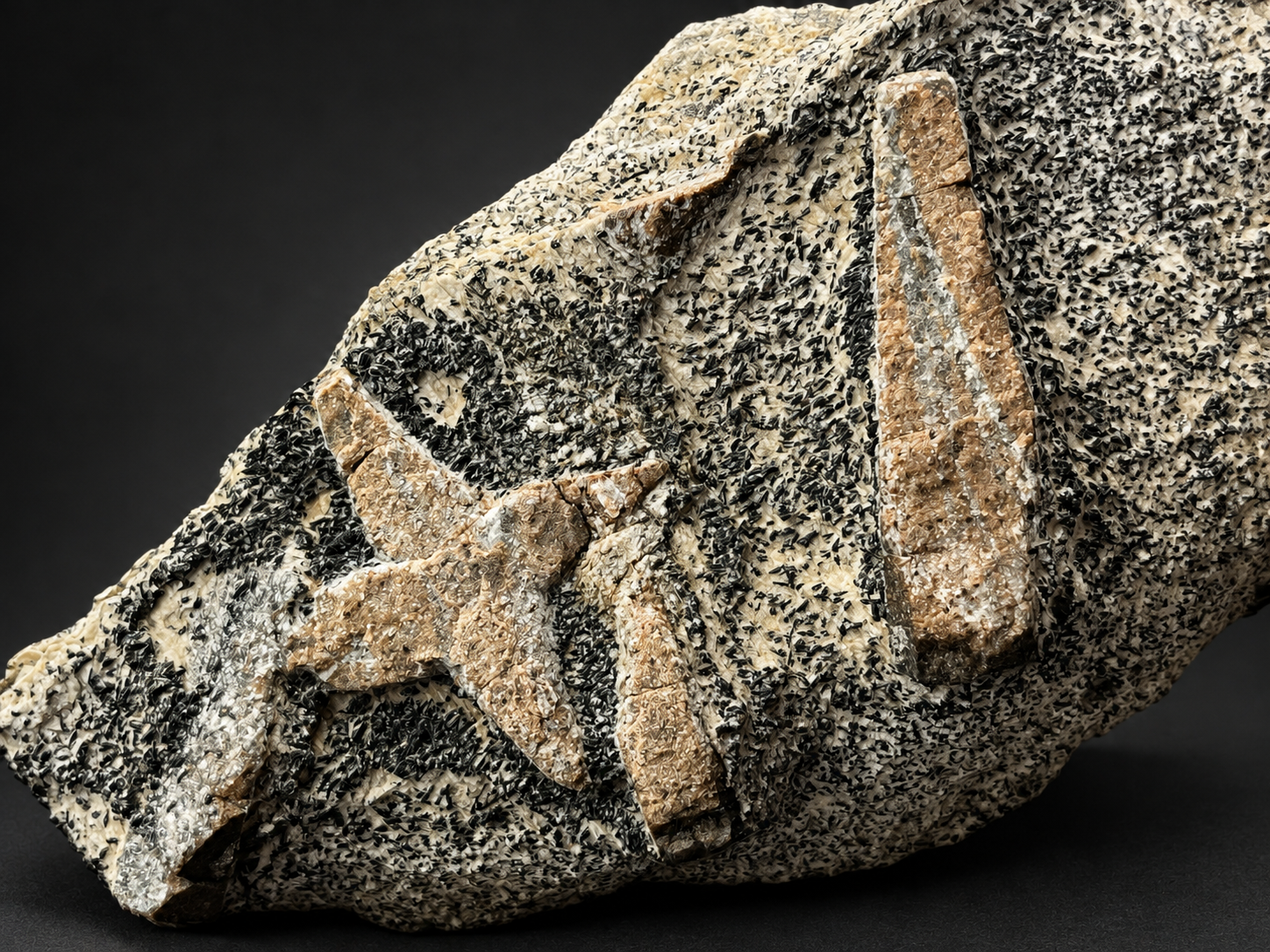 Image 2 of 4
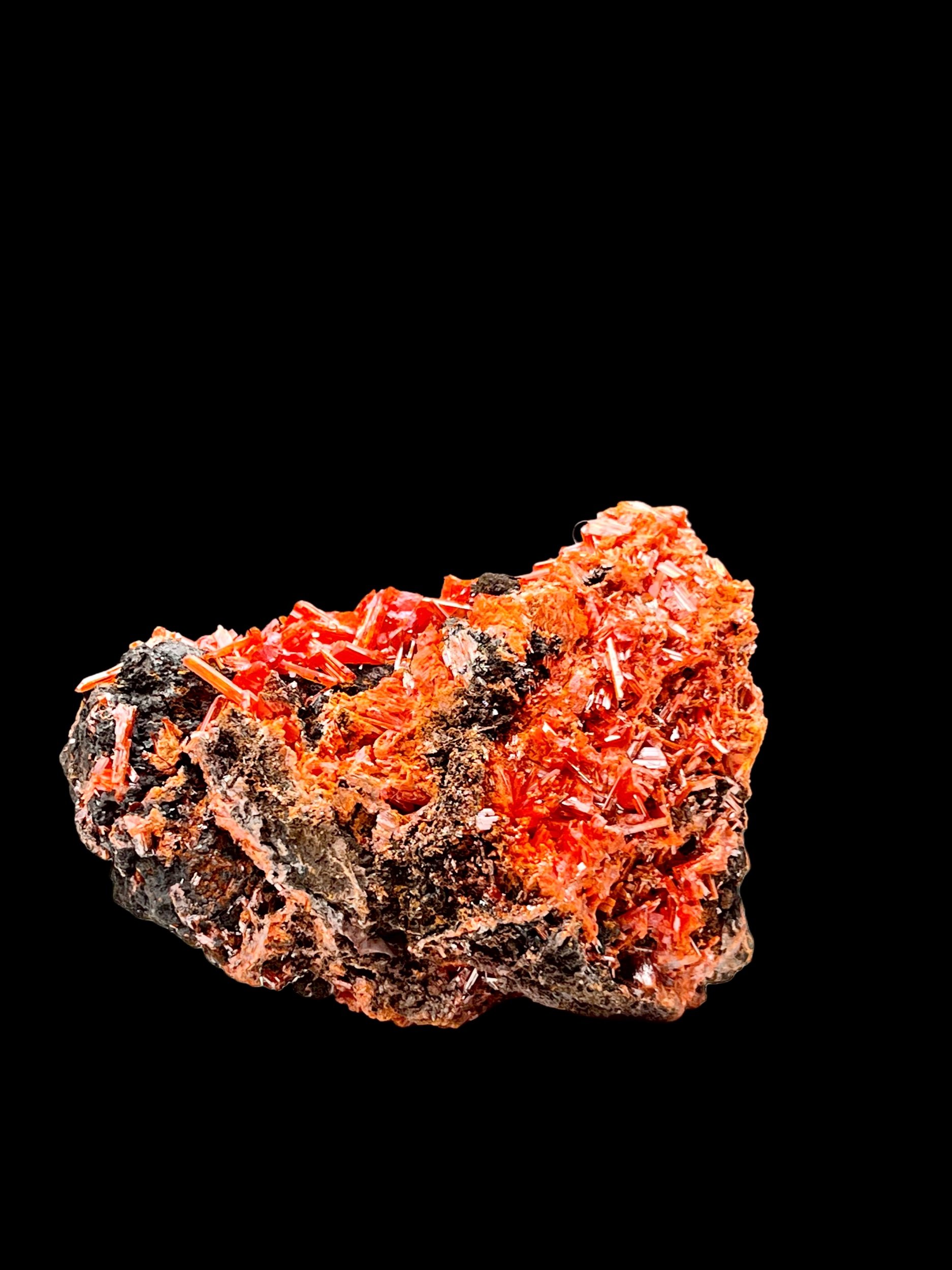
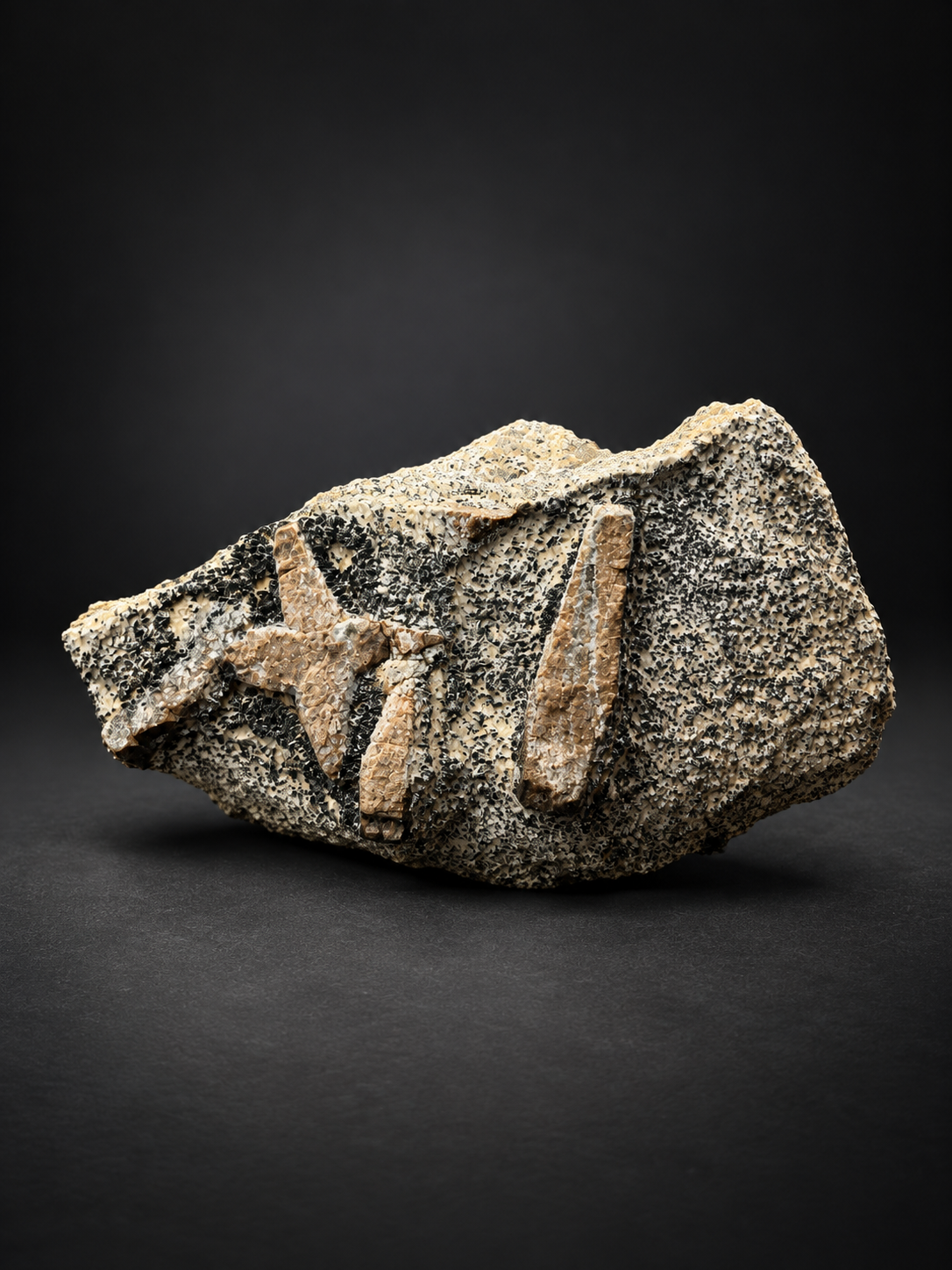 Image 3 of 4
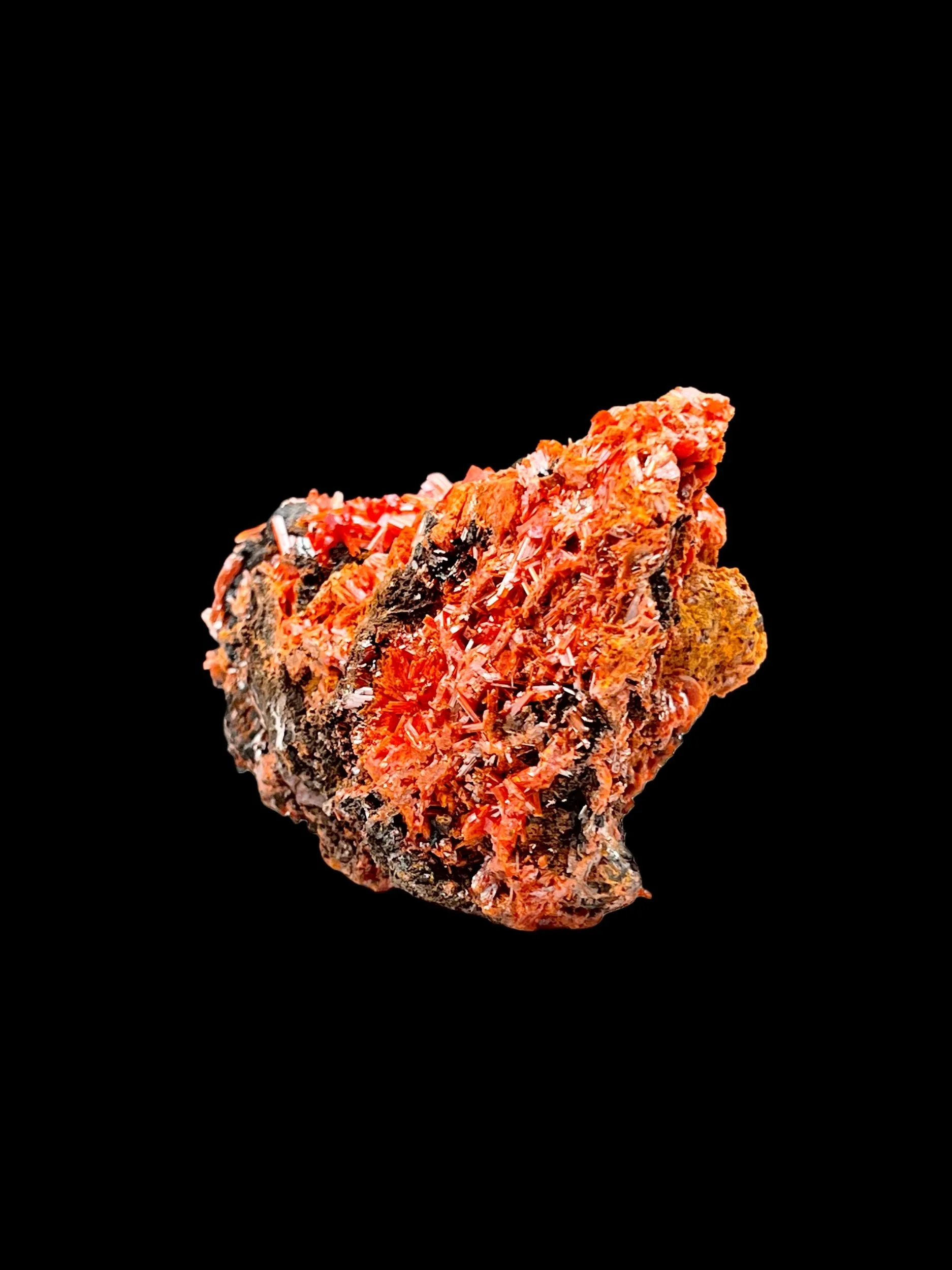
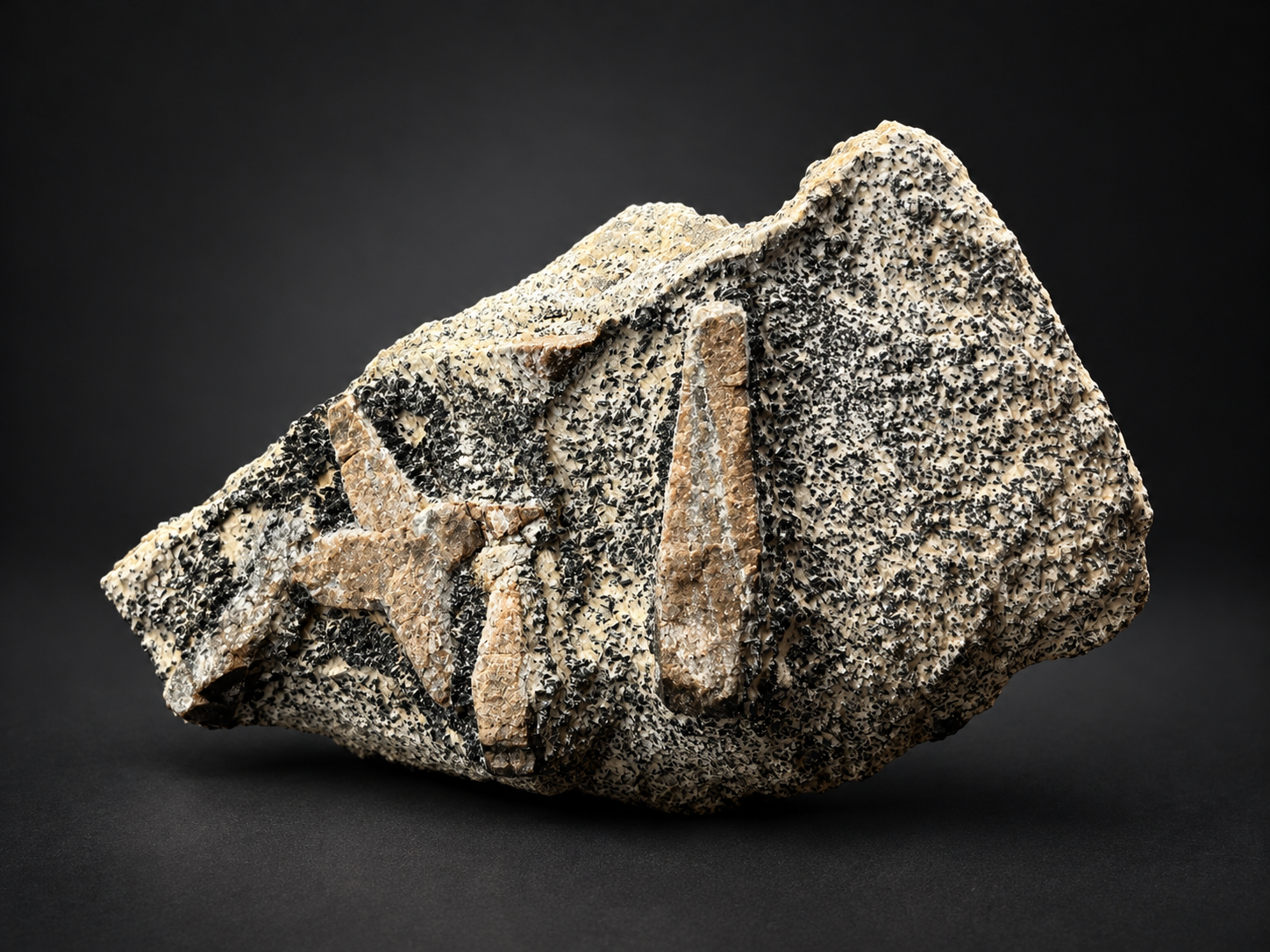 Image 4 of 4
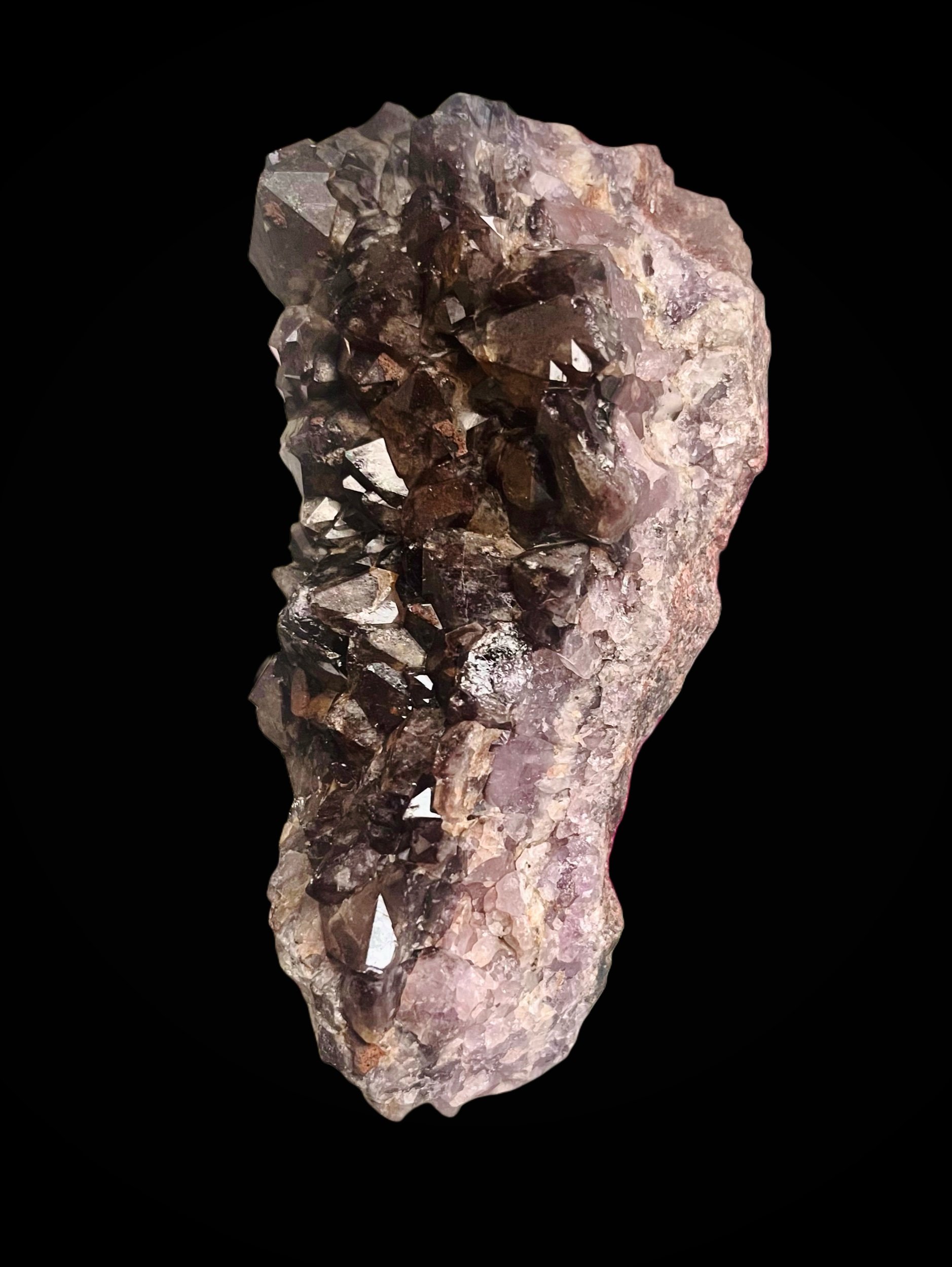
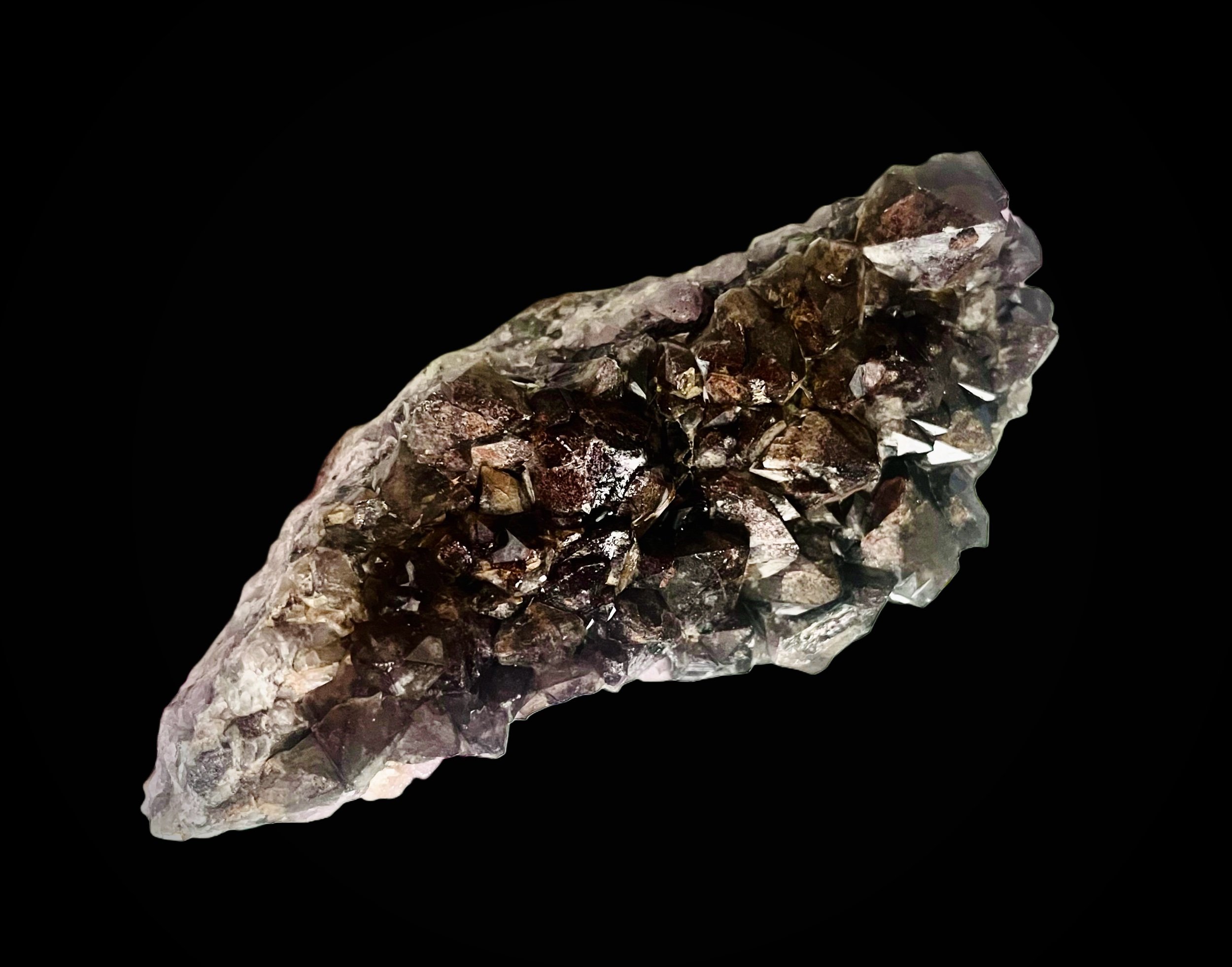
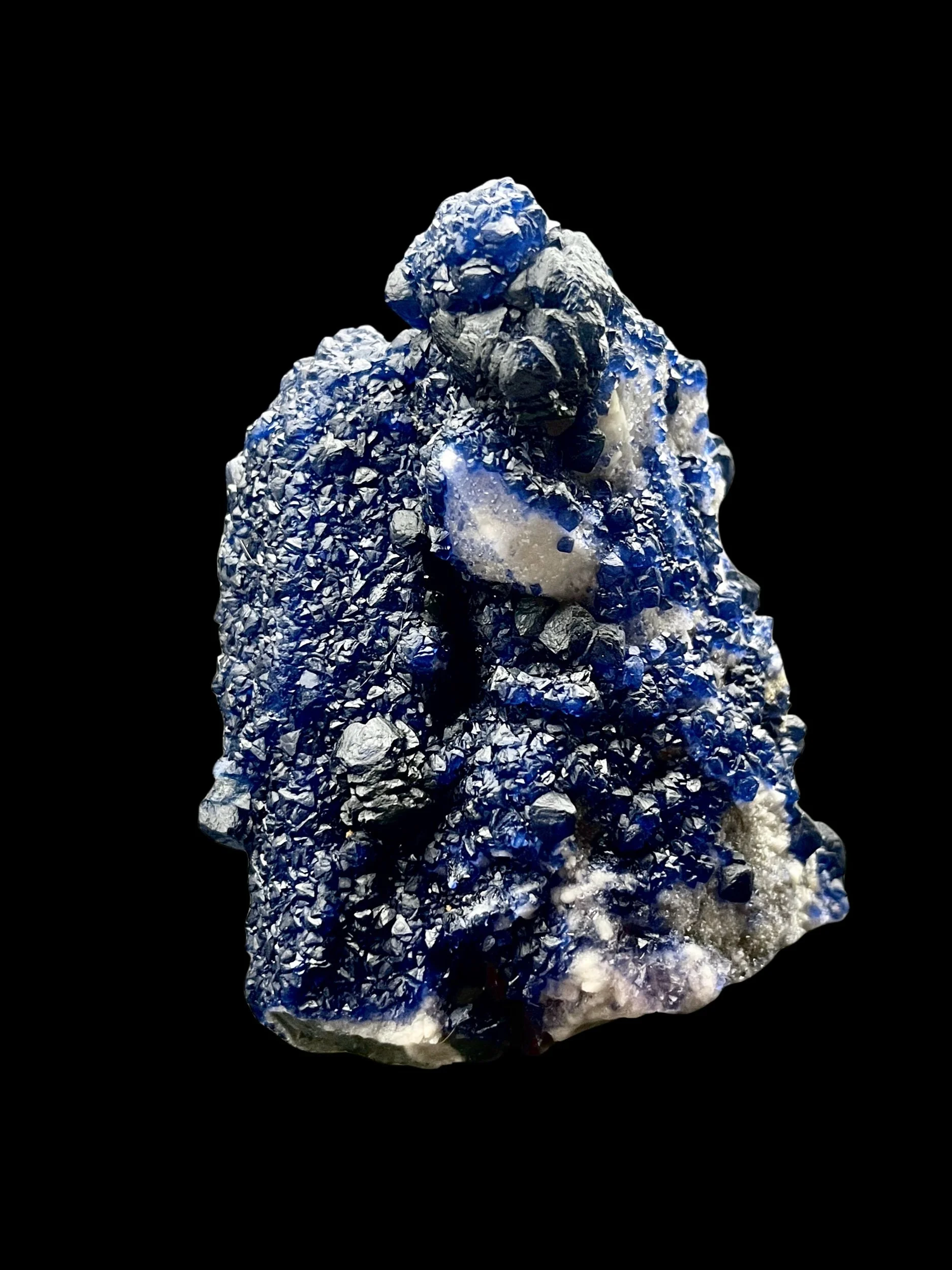
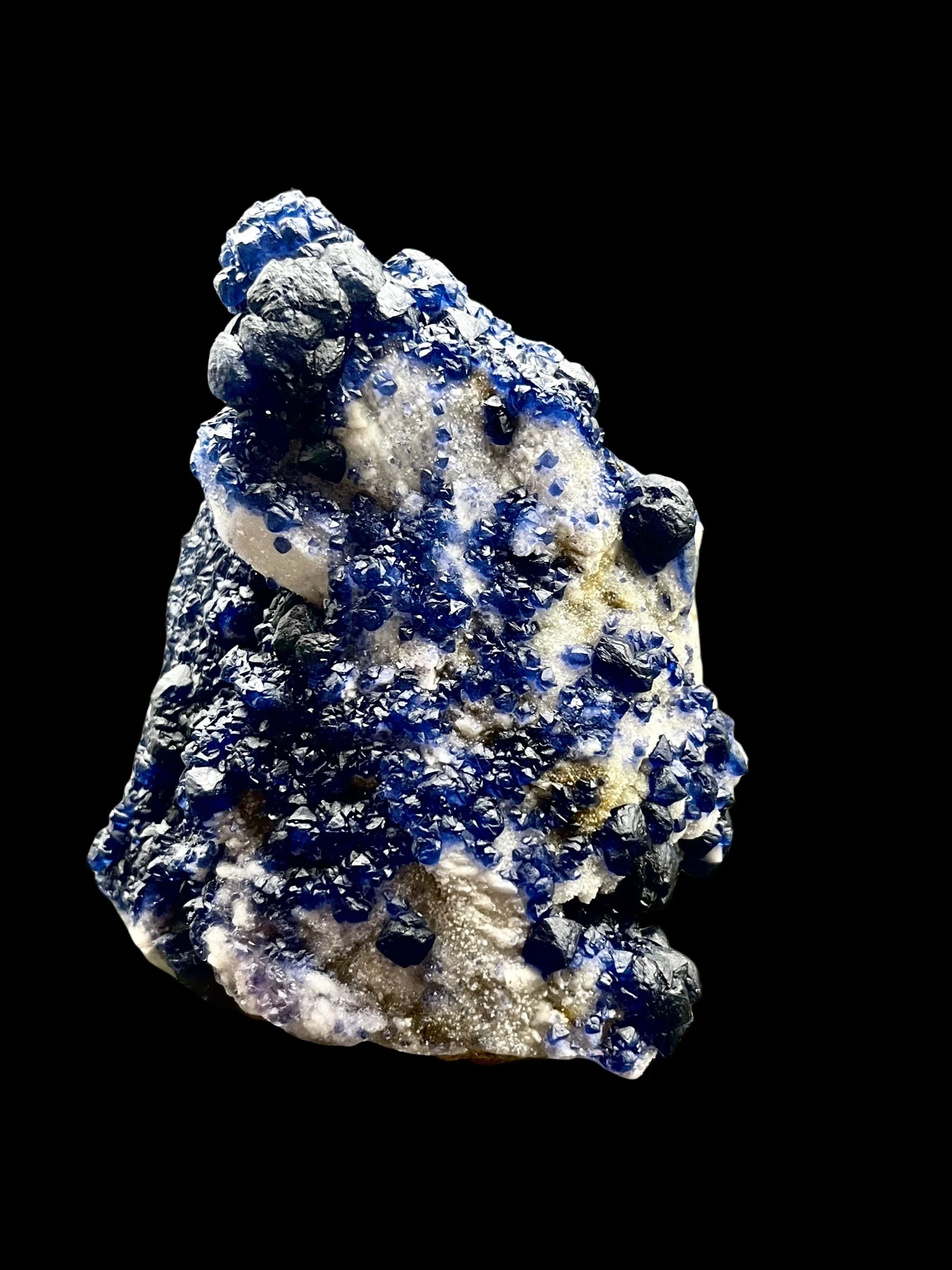
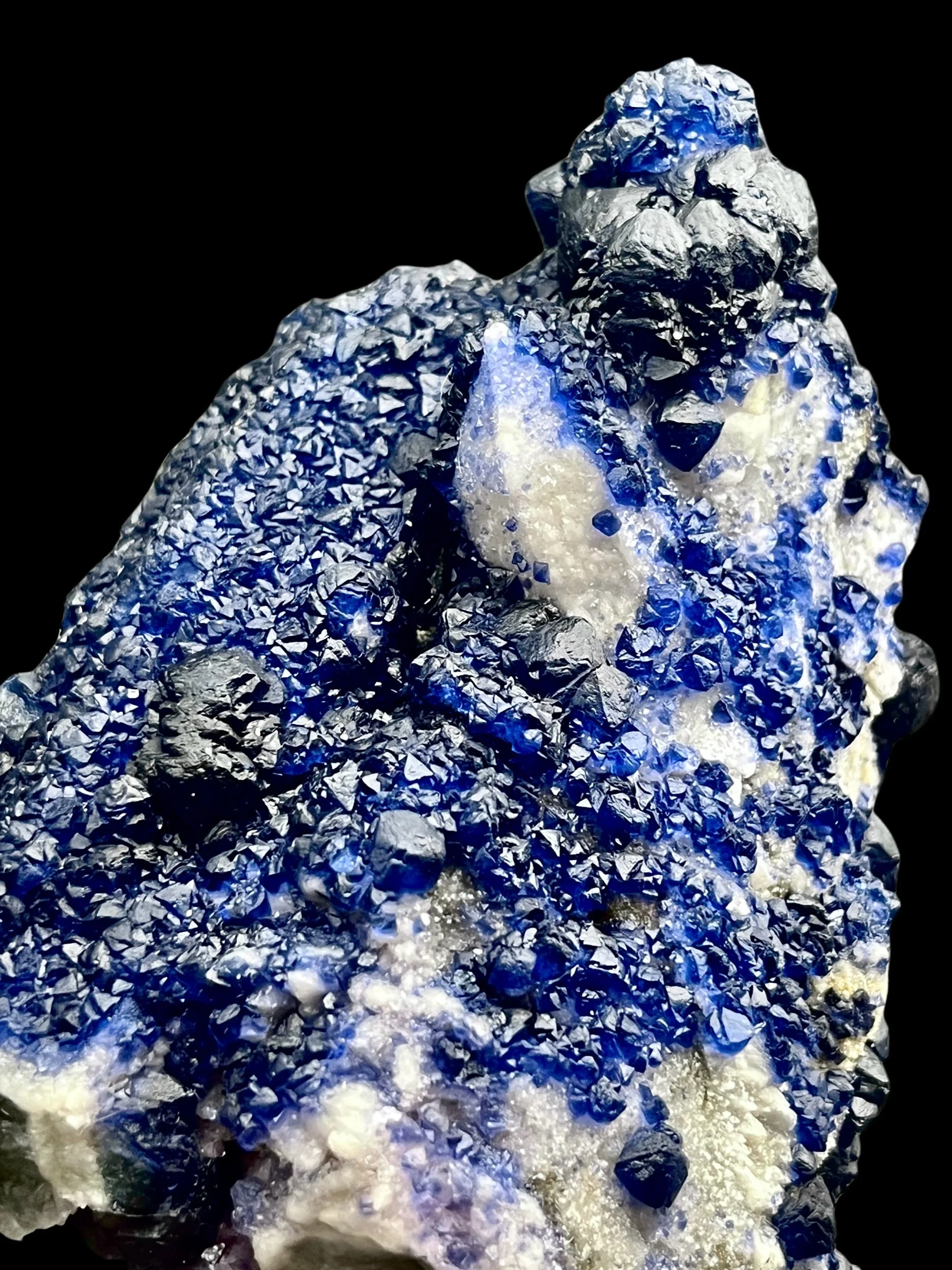
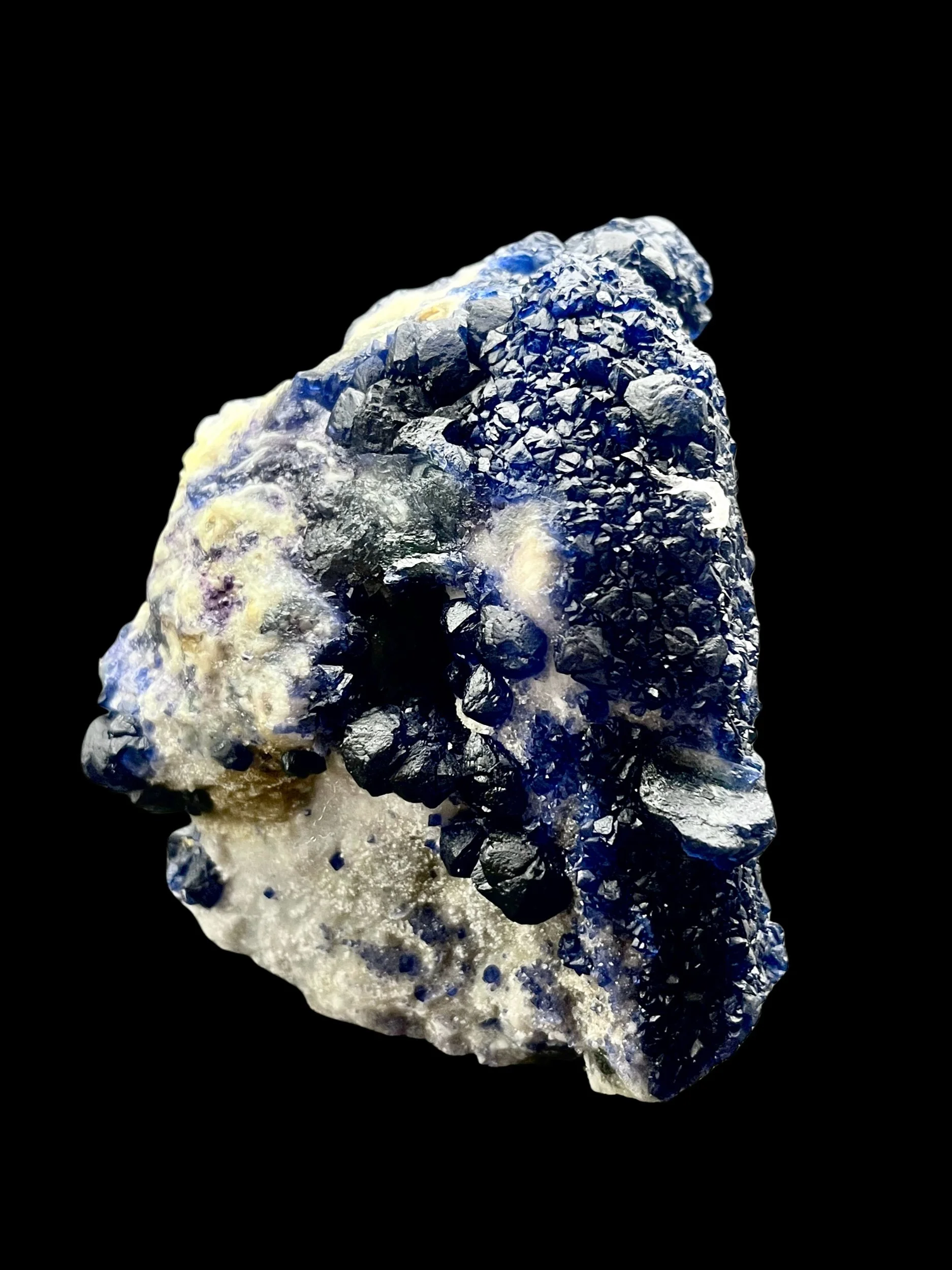
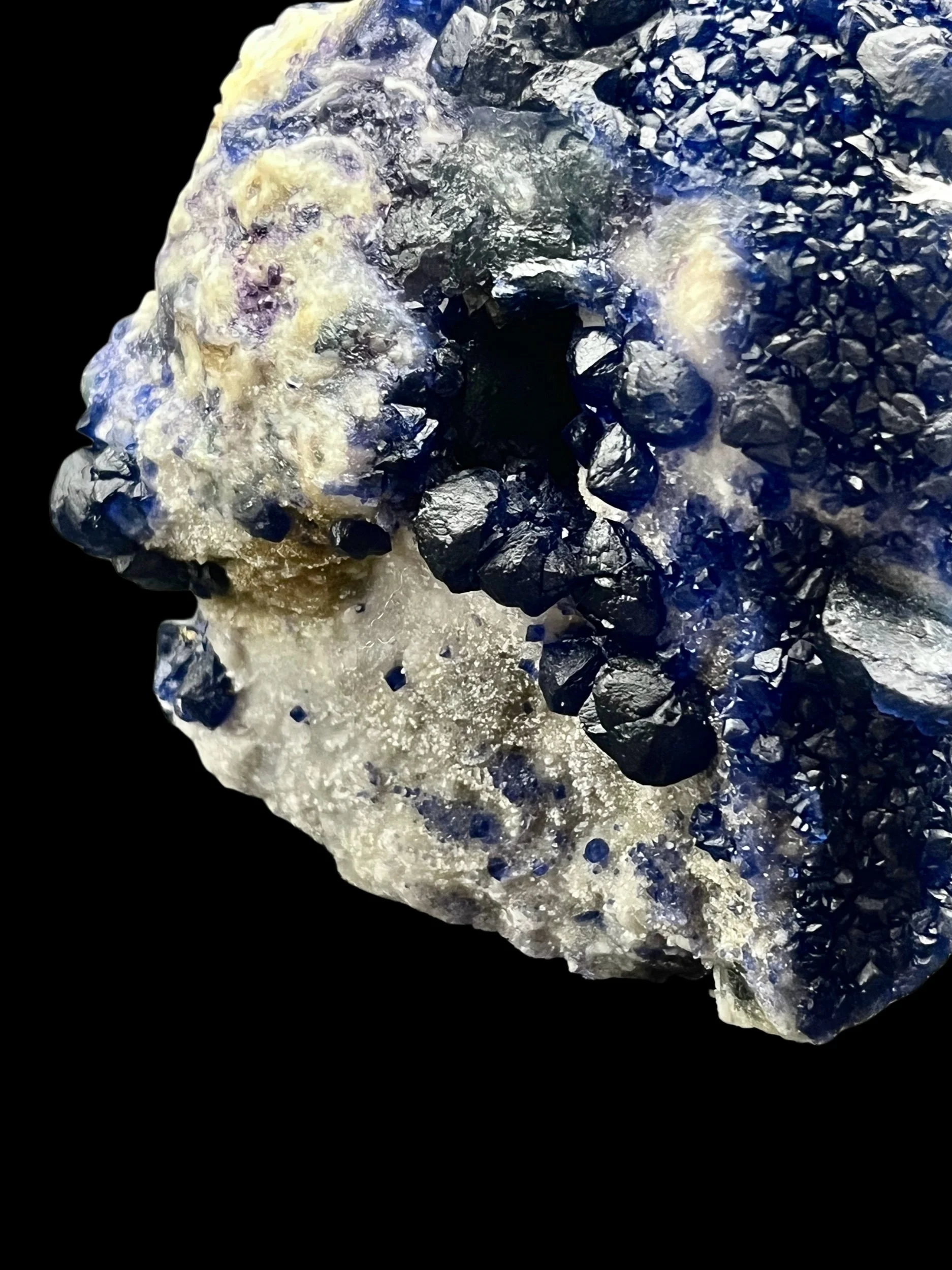
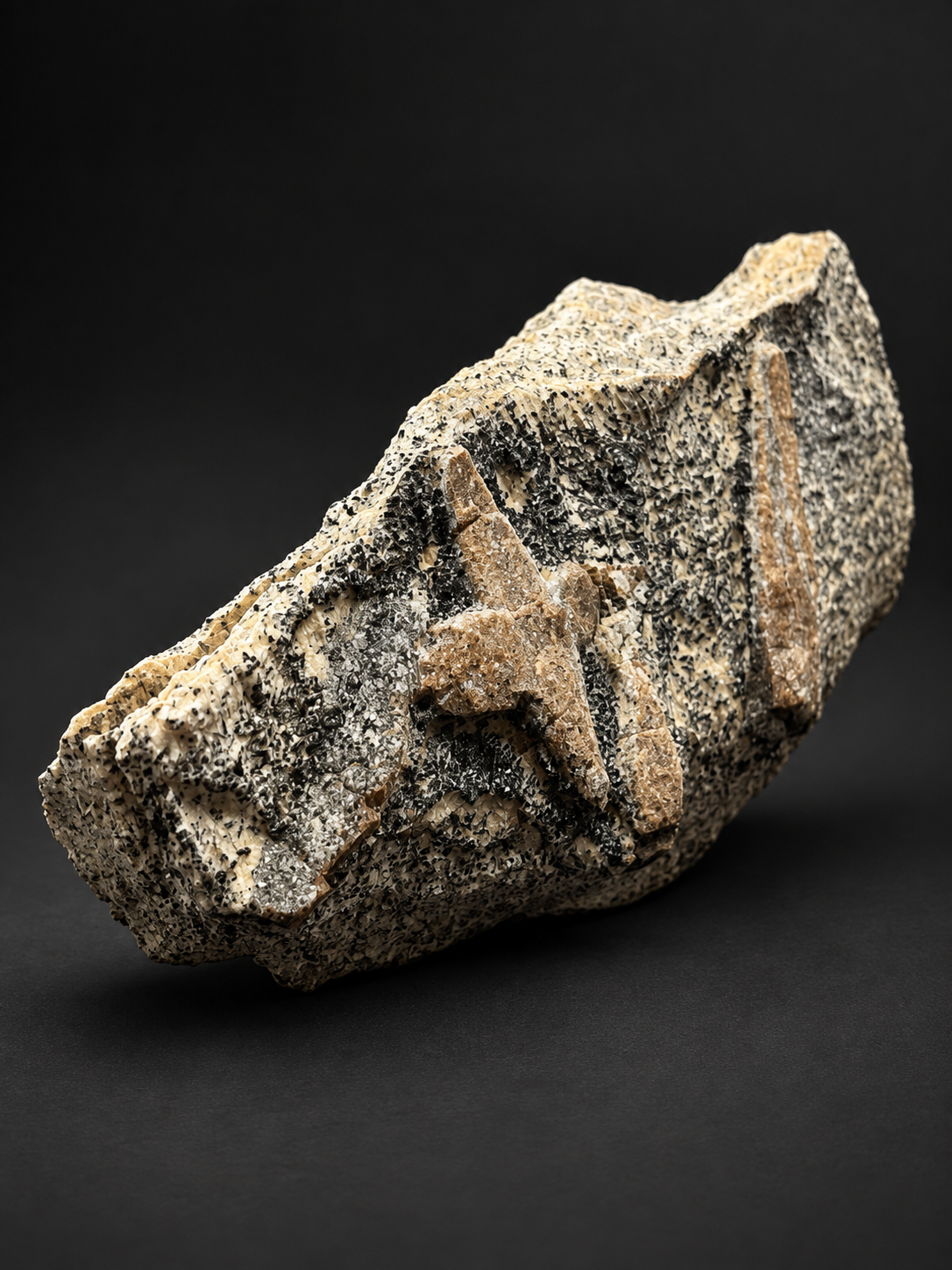
A fascinating example of natural crystal twinning! This beautiful staurolite specimen from Russia features several prominent, earthy-brown crystals emerging from a richly textured bed of natural schist.
The standout feature is a distinctive and legendary cross-shaped crystal formation, accompanied by a long, well-defined prismatic crystal and several smaller crystals scattered across the surface. Their warm, caramel-brown coloring contrasts beautifully with the cream-colored schist, which is densely sprinkled with tiny dark mineral grains.
Staurolite is especially treasured for its unusual crystal formations, including naturally occurring crosses. (See collector’s notes for more information.) This specimen offers an intriguing display of the mineral's characteristic crystal habit alongside the remarkable textures created by metamorphic processes deep within Earth's crust.
An excellent addition to any mineral collection, particularly for collectors who appreciate unusual crystal formations and the fascinating geology behind them.
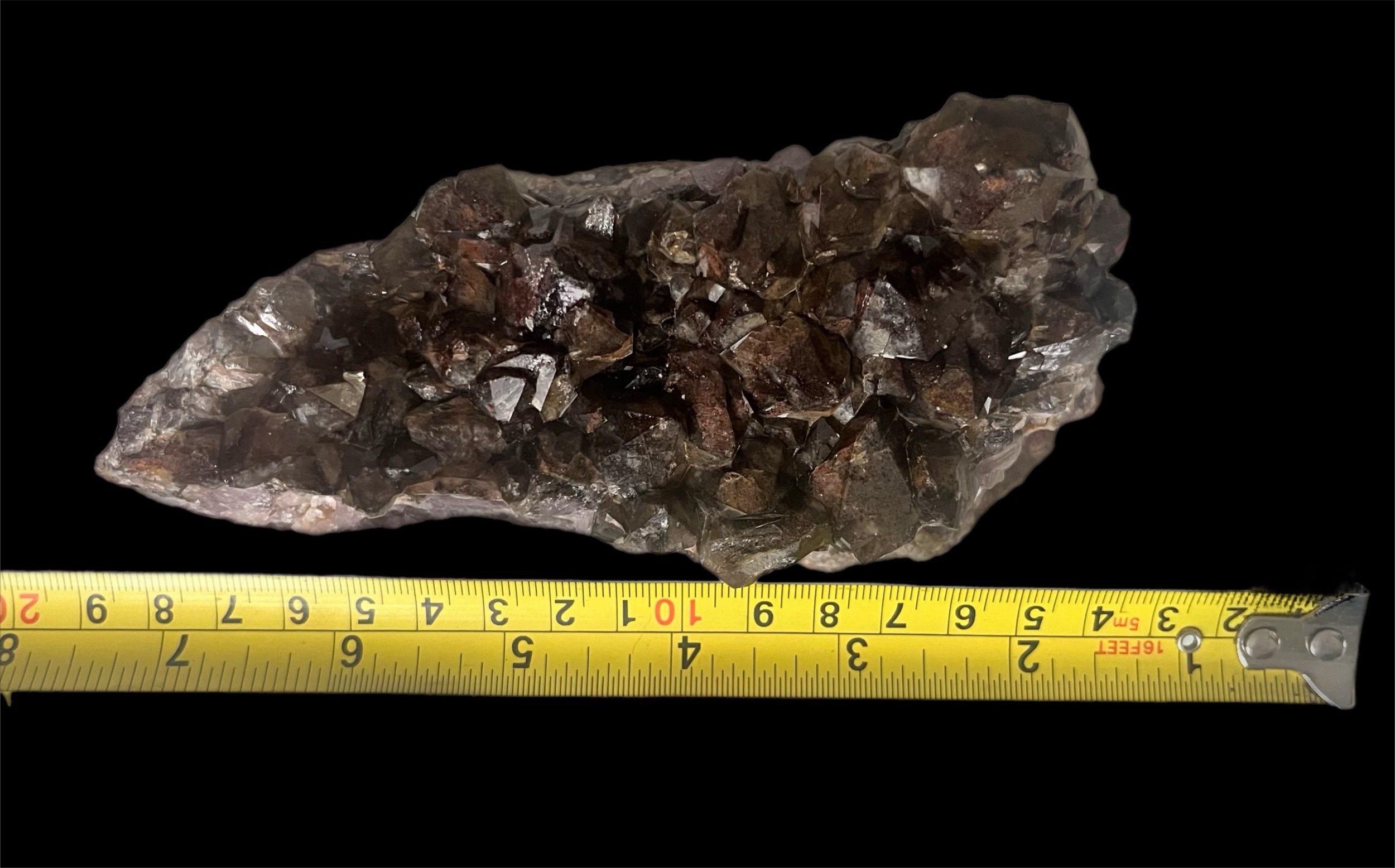
Dimensions: 5 × 2.75 × 0.5 inches
Weight: 300 grams
Locality: Russia
Staurolite is traditionally associated with protection, grounding, emotional balance, and spiritual connection.
Protection: Believed to provide energetic protection and encourage feelings of security.
Grounding: Associated with stability, balance, and staying connected to the present.
Inner Strength: Thought to encourage courage, perseverance, and determination.
Emotional Balance: Traditionally used to promote calmness and relieve emotional tension.
Spiritual Connection: Associated with meditation, intuition, and personal transformation.
These associations are based on traditional metaphysical beliefs and are not scientifically established.
Why Is Staurolite Important to Geologists?
Staurolite is considered an index mineral, meaning its presence provides clues about the temperature and pressure conditions a rock experienced during metamorphism.
Geologists use minerals such as staurolite to help reconstruct the geological history of mountain-building events and ancient continental collisions.
In a sense, every staurolite-bearing schist specimen is a record of Earth's extraordinary geological past!
How Does Staurolite Form?
Staurolite is a metamorphic mineral that develops when aluminum-rich rocks are subjected to intense heat and pressure deep within Earth's crust.
As buried sedimentary rocks undergo metamorphism, their original minerals react and reorganize into new crystalline structures. Under suitable conditions, staurolite begins growing within the surrounding rock, often developing large, recognizable crystals while the host transforms into schist.
These crystals can remain embedded in the schist for millions of years until geological uplift and erosion eventually expose them.
Interesting Fact: The Legendary Fairy Crosses
Staurolite crystals are affectionately known as "fairy crosses" because of their naturally crossed formations.
According to Appalachian folklore, fairies wept upon hearing of Christ's crucifixion, and their tears crystallized into tiny stone crosses.
These formations became treasured good-luck charms and symbols of protection.
The mineral's name reflects this distinctive appearance. Staurolite comes from the Greek words stauros, meaning cross, and lithos, meaning stone.
Through a process called crystal twinning, two staurolite crystals can grow together at approximately 60° or 90°, creating natural X-shaped or cross-shaped formations.
These formations are affectionately called "fairy crosses" and have inspired folklore for centuries. They were traditionally considered symbols of protection and good fortune.
Why Does Staurolite Form Crosses?
One of staurolite's most extraordinary characteristics is its ability to form natural crosses through a process called crystal twinning.
Twinning occurs when two crystals grow together in a specific, repeating orientation dictated by their internal atomic structure.
Staurolite is especially famous for two types of penetration twins:
60-degree twins: Produce an X-shaped appearance.
90-degree twins: Produce a formation resembling a traditional cross.
These unusual crystal formations have fascinated collectors for generations.
This specimen features a particularly interesting cross-shaped intergrowth, making it an excellent conversation piece.
Care & Display
Staurolite is a relatively hard mineral, but its schist host rock may contain delicate layers and mineral grains. Handle the specimen carefully, avoid unnecessary moisture, and use a soft, dry brush for gentle cleaning when needed.
Natural staurolite crystals on schist from Russia
Prominent cross-shaped crystal intergrowth
Additional elongated, well-defined prismatic crystal
Beautiful earthy caramel and chocolate-brown coloring
Distinctive cream-colored schist with dense black mineral speckling
Attractive contrast between large crystals and fine-grained host rock
Fascinating example of metamorphic crystal growth
Substantial 300-gram collector specimen
Excellent display piece for mineralogy and geology enthusiasts
Staurolite
Chemical Formula: (Fe,Mg,Zn)₂Al₉Si₄O₂₃(OH) — generalized composition
Mineral Class: Silicates (Nesosilicates)
Crystal System: Monoclinic
Mohs Hardness: 7–7.5
Color: Reddish-brown, yellowish-brown, dark brown, or brownish-black
Luster: Vitreous to resinous; sometimes dull on weathered surfaces
Streak: White to grayish
Cleavage: Distinct in one direction
Specific Gravity: Approximately 3.7–3.8
Transparency: Translucent in thin fragments to opaque
Crystal Habit: Short to elongated prismatic crystals, commonly forming penetration twins
Distinctive Properties: Characteristic 60° and 90° twinning, high hardness, and occurrence in metamorphic rocks
Host Rock: Schist
Rock Classification: Metamorphic
Texture: Foliated, with aligned or layered mineral grains
Formation: Recrystallization of existing rock under elevated temperature and pressure
Typical Minerals: Mica, quartz, feldspar, and various metamorphic minerals
Distinctive Properties: Visible mineral alignment, textured surfaces, and the ability to host large metamorphic crystals such as staurolite