 Image 1 of 5
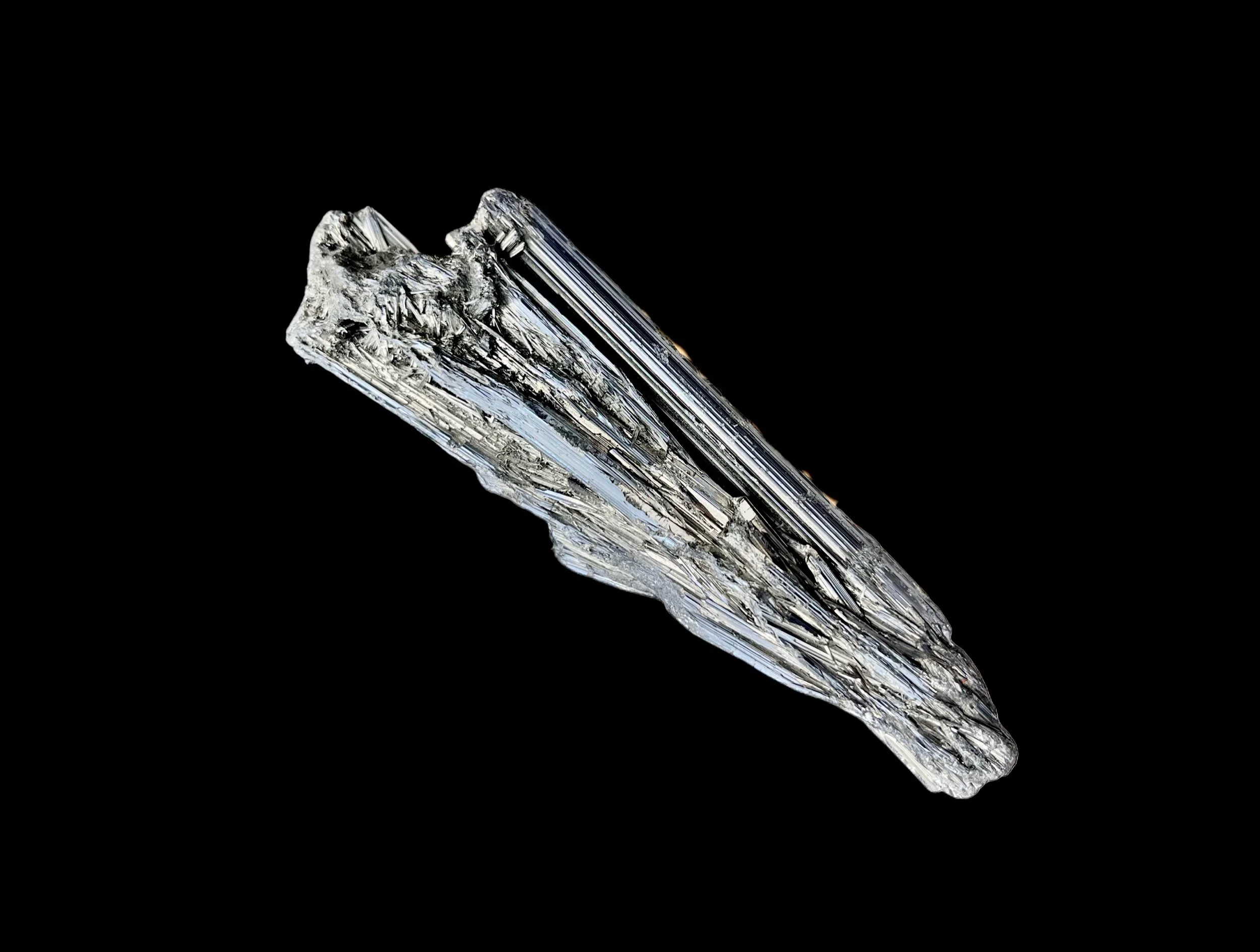 Image 2 of 5
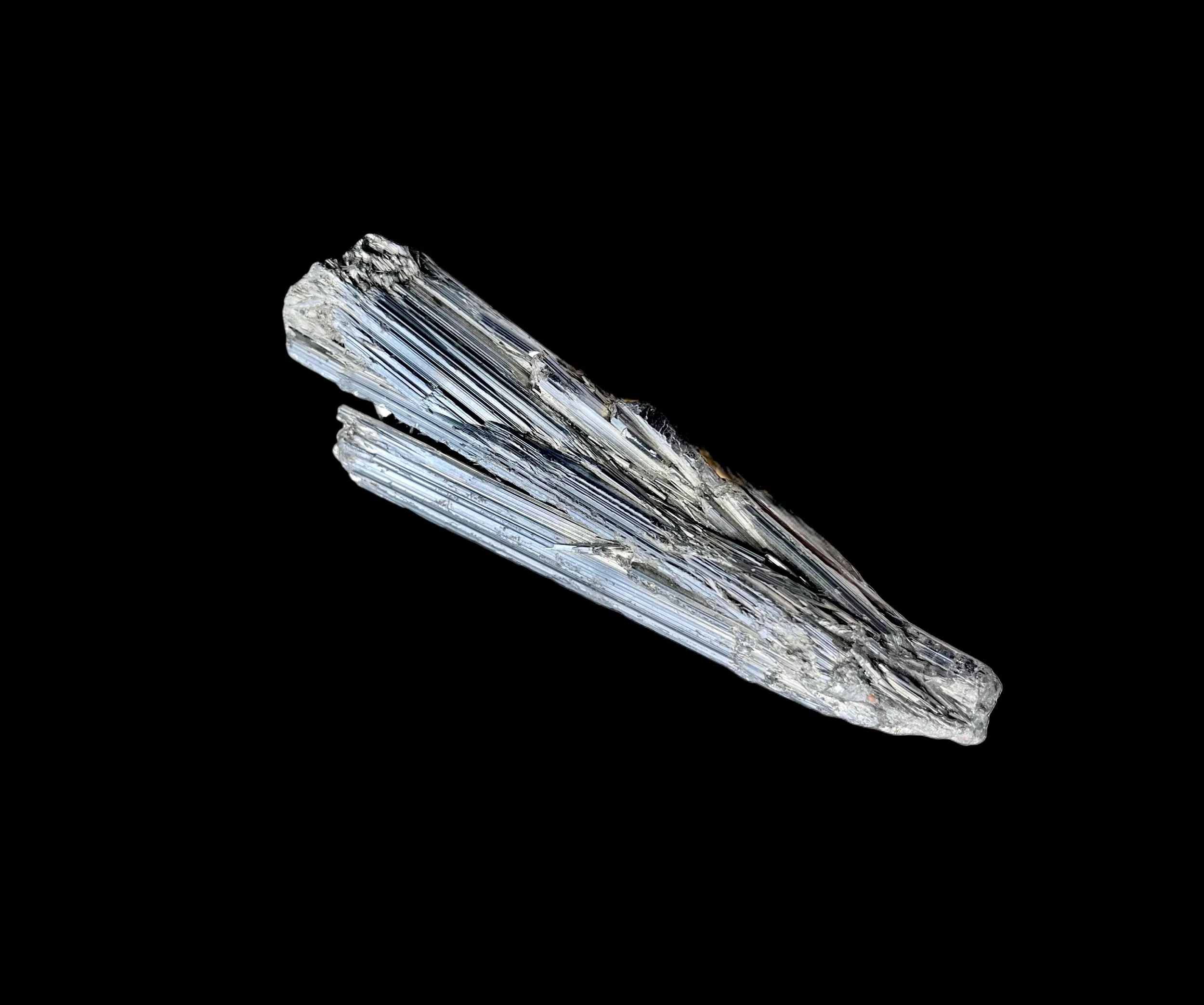 Image 3 of 5
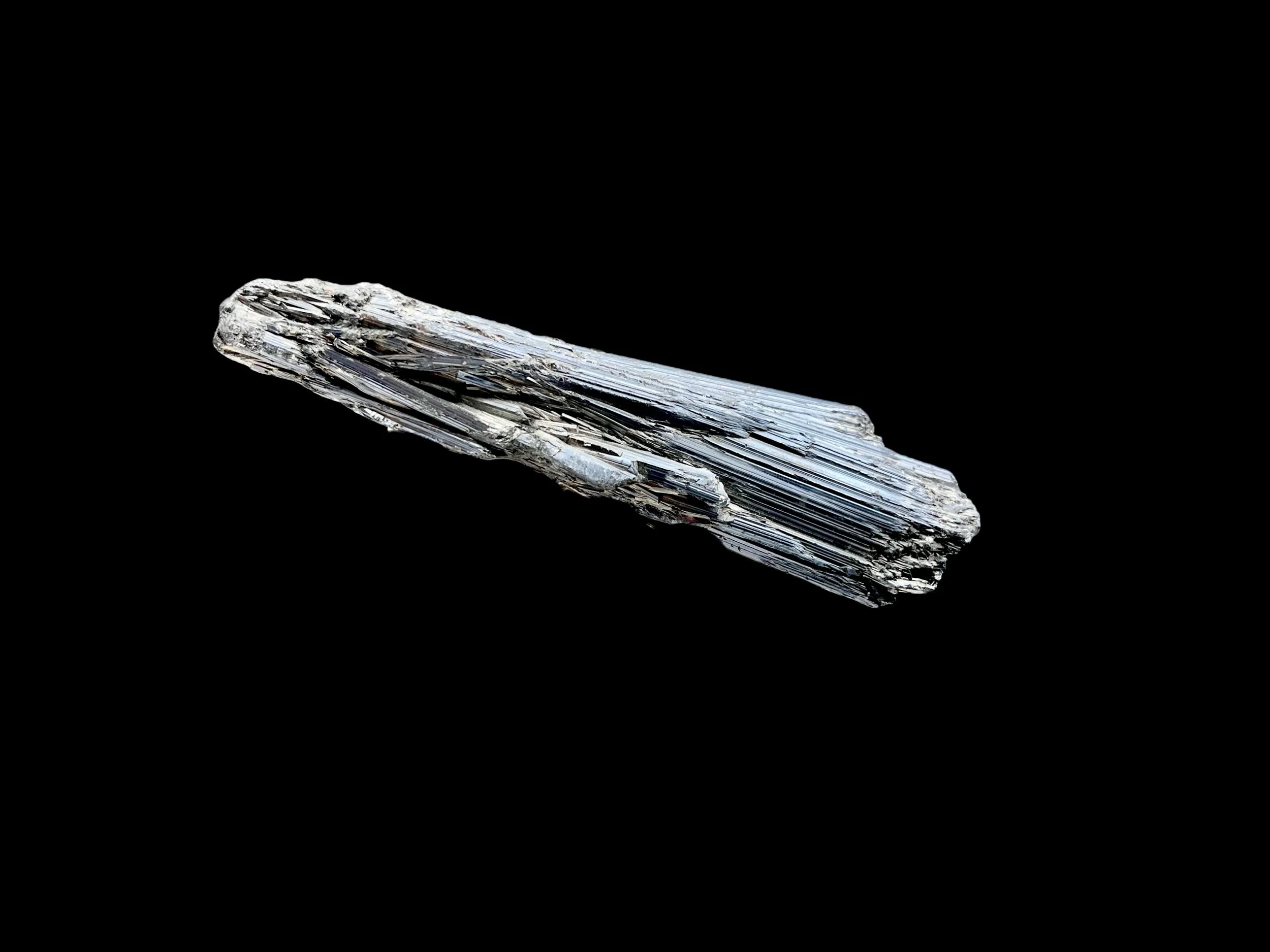 Image 4 of 5
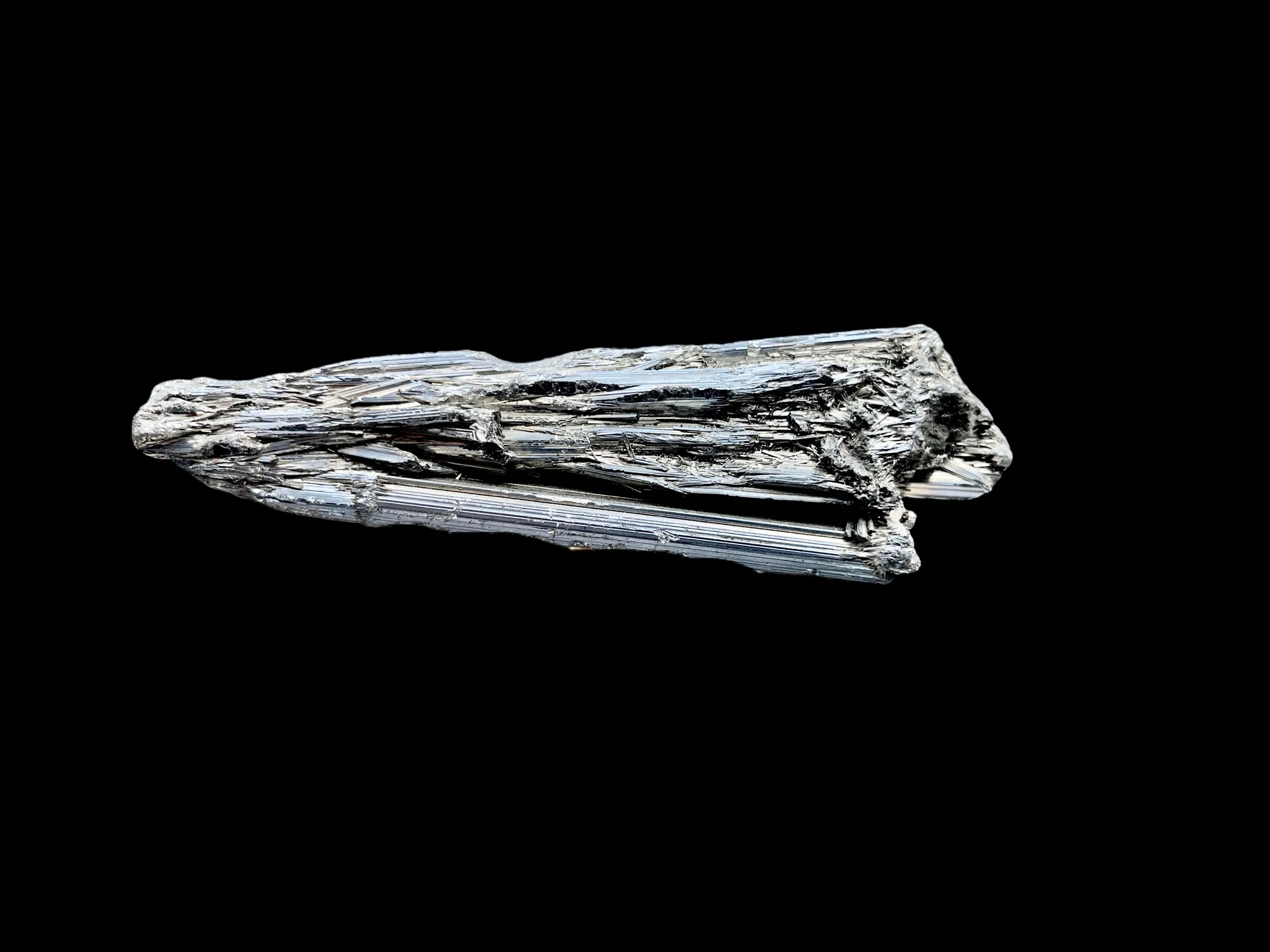 Image 5 of 5
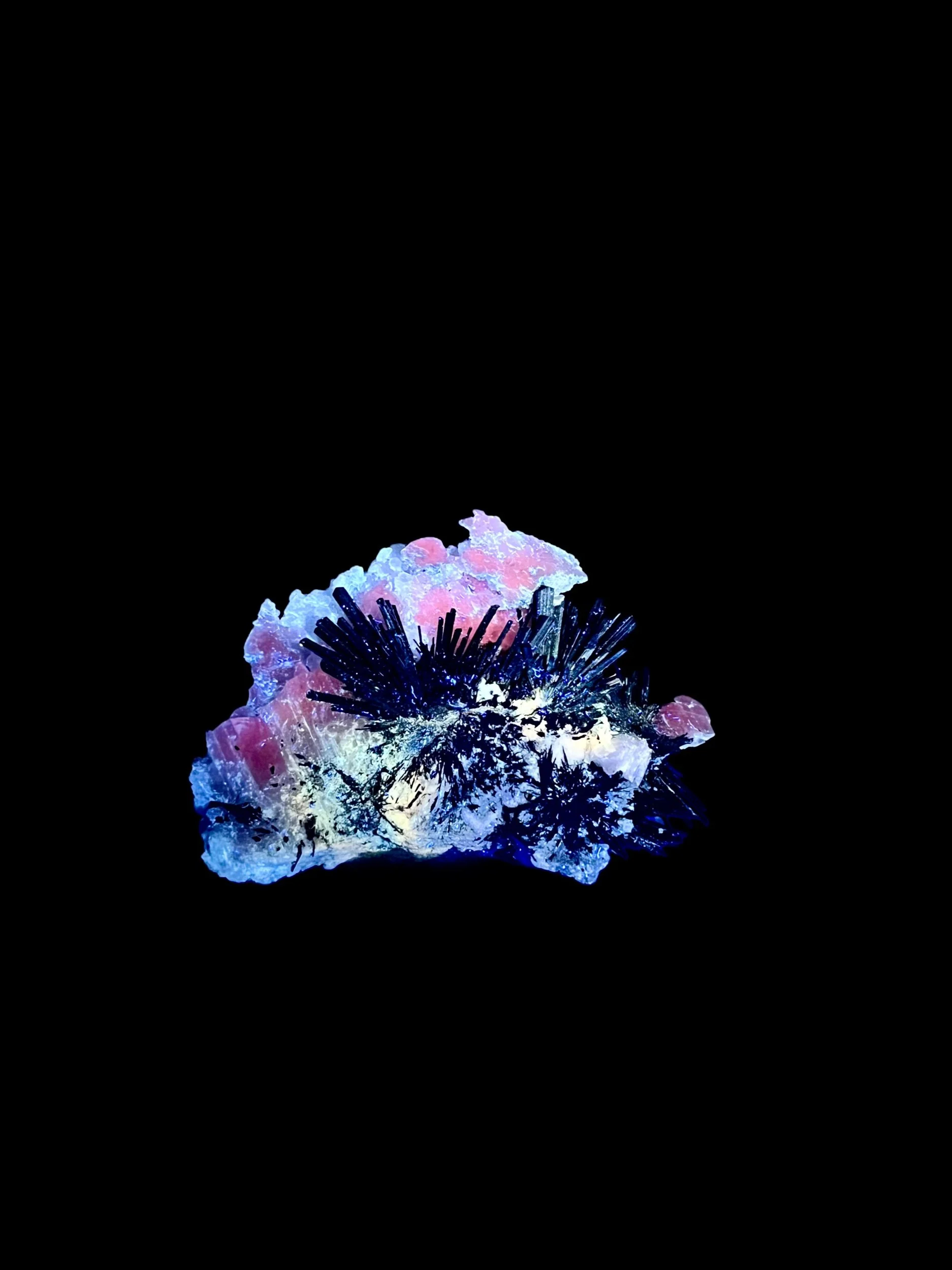
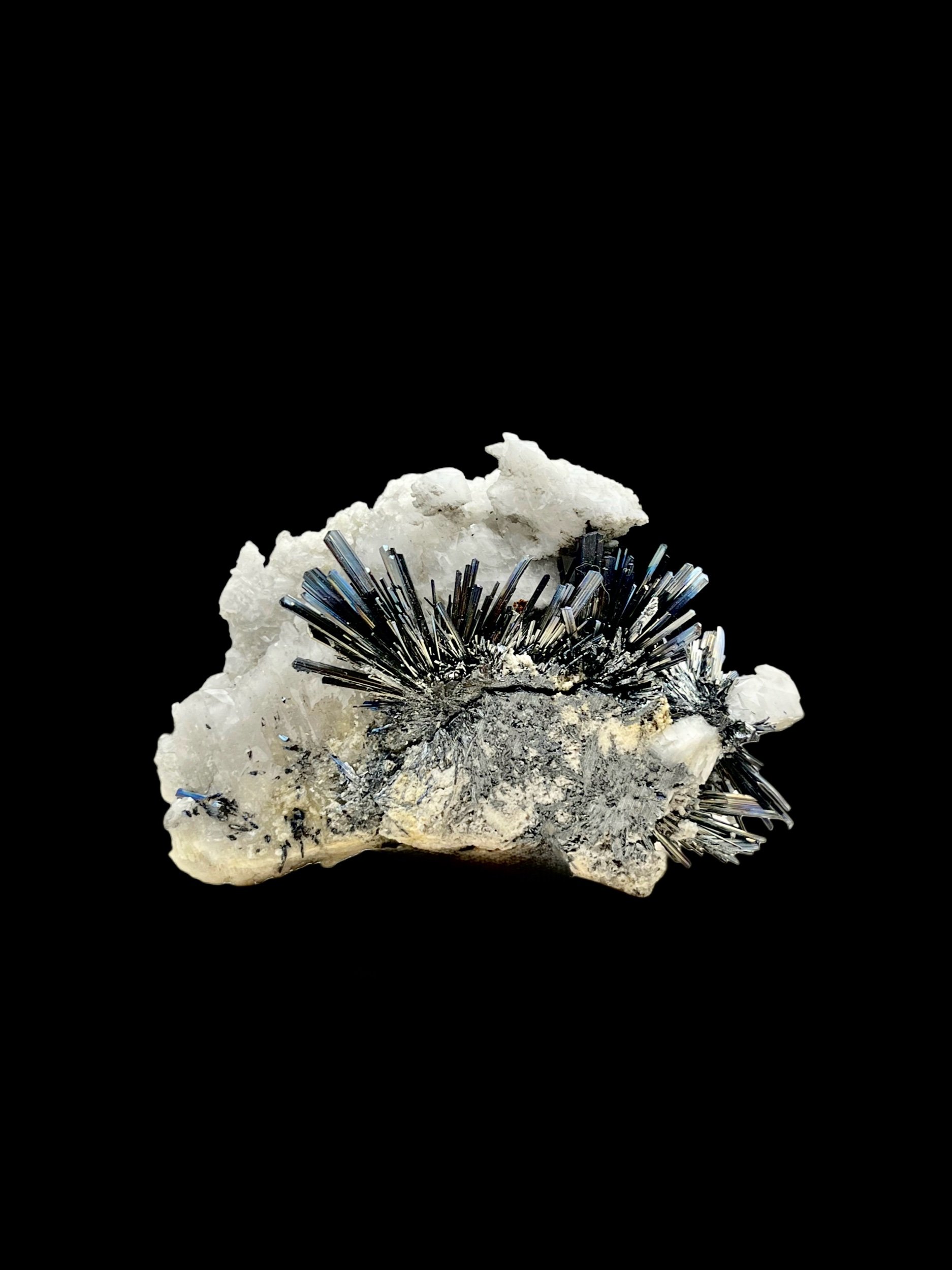
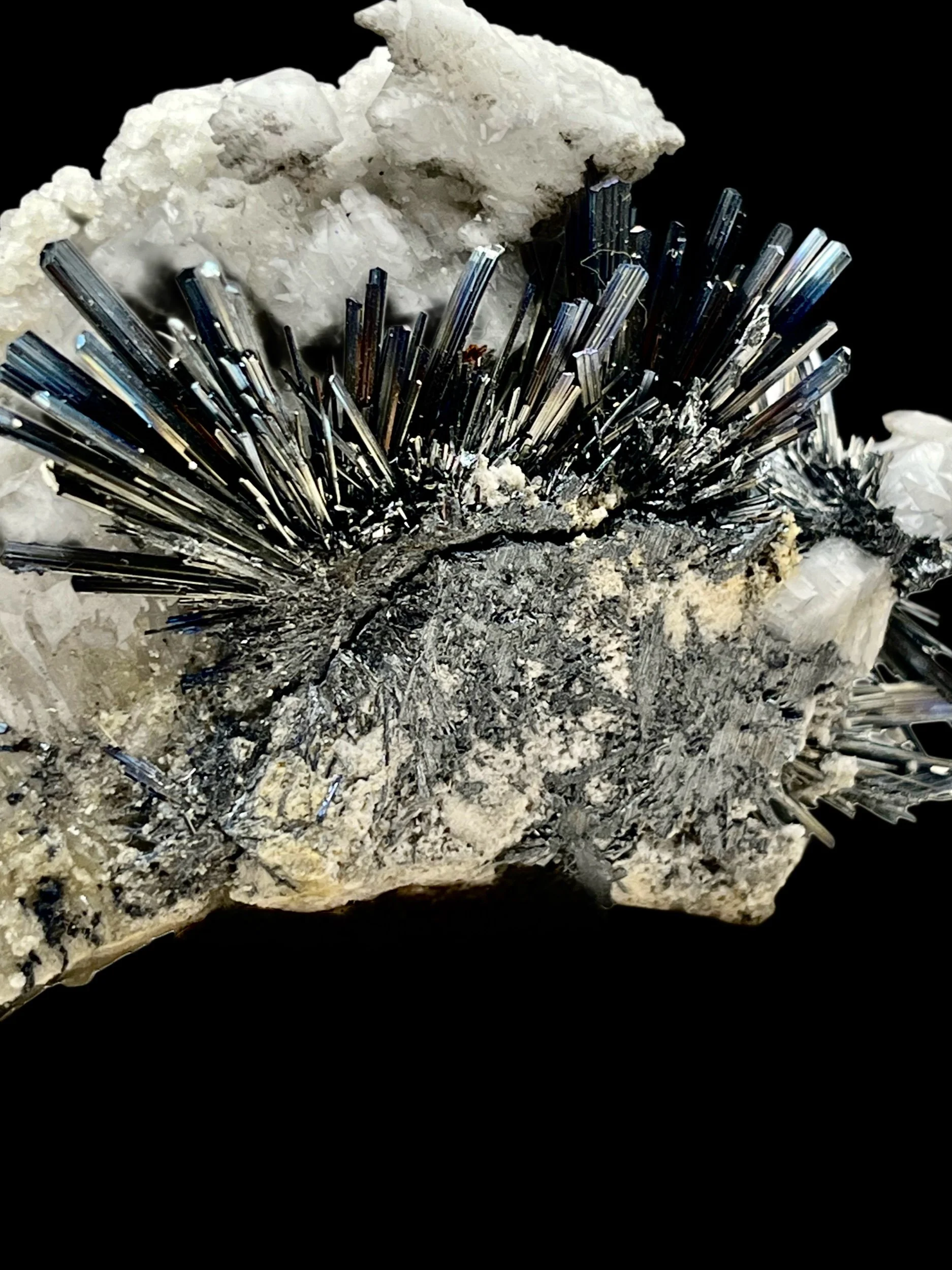
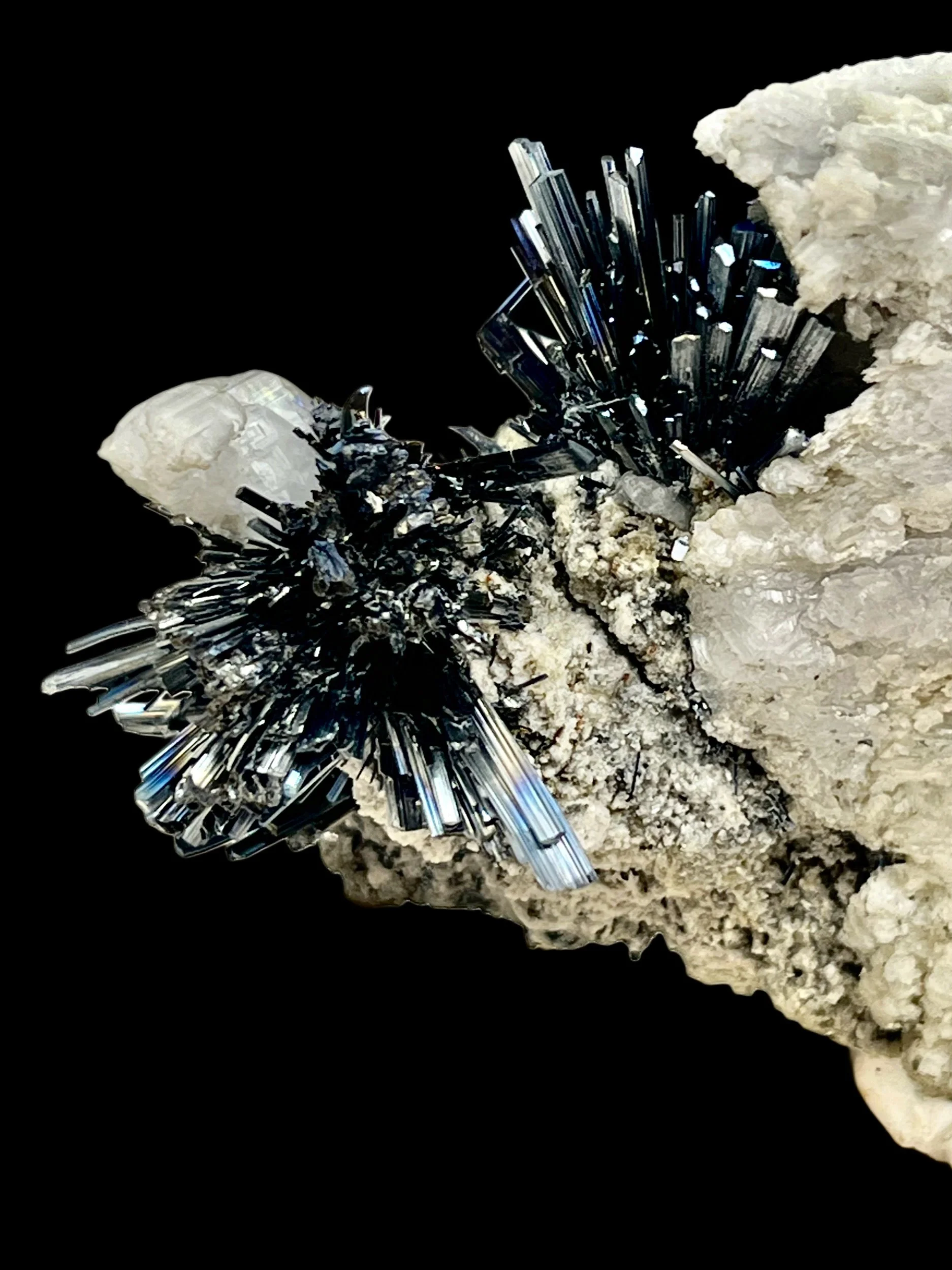
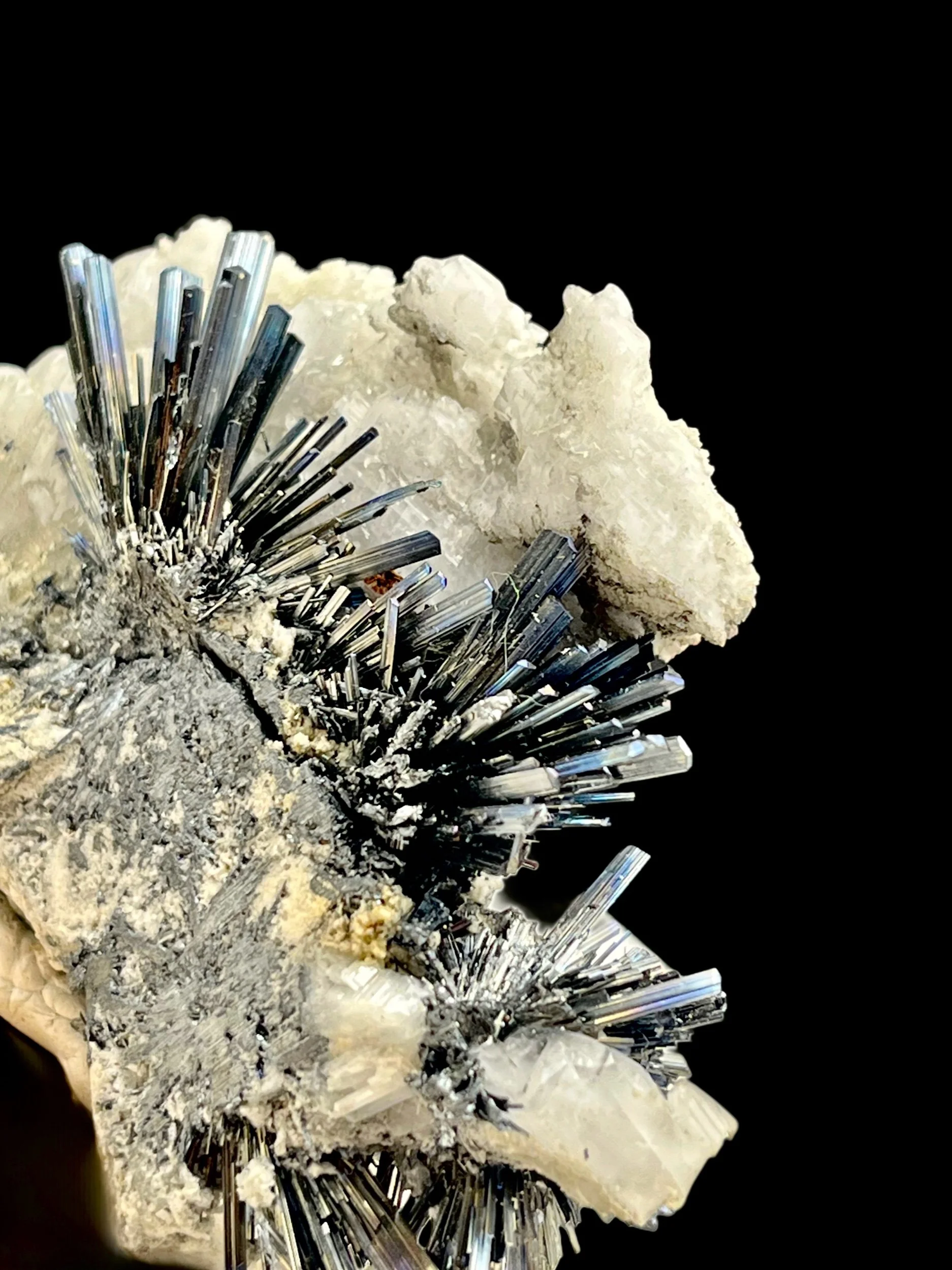
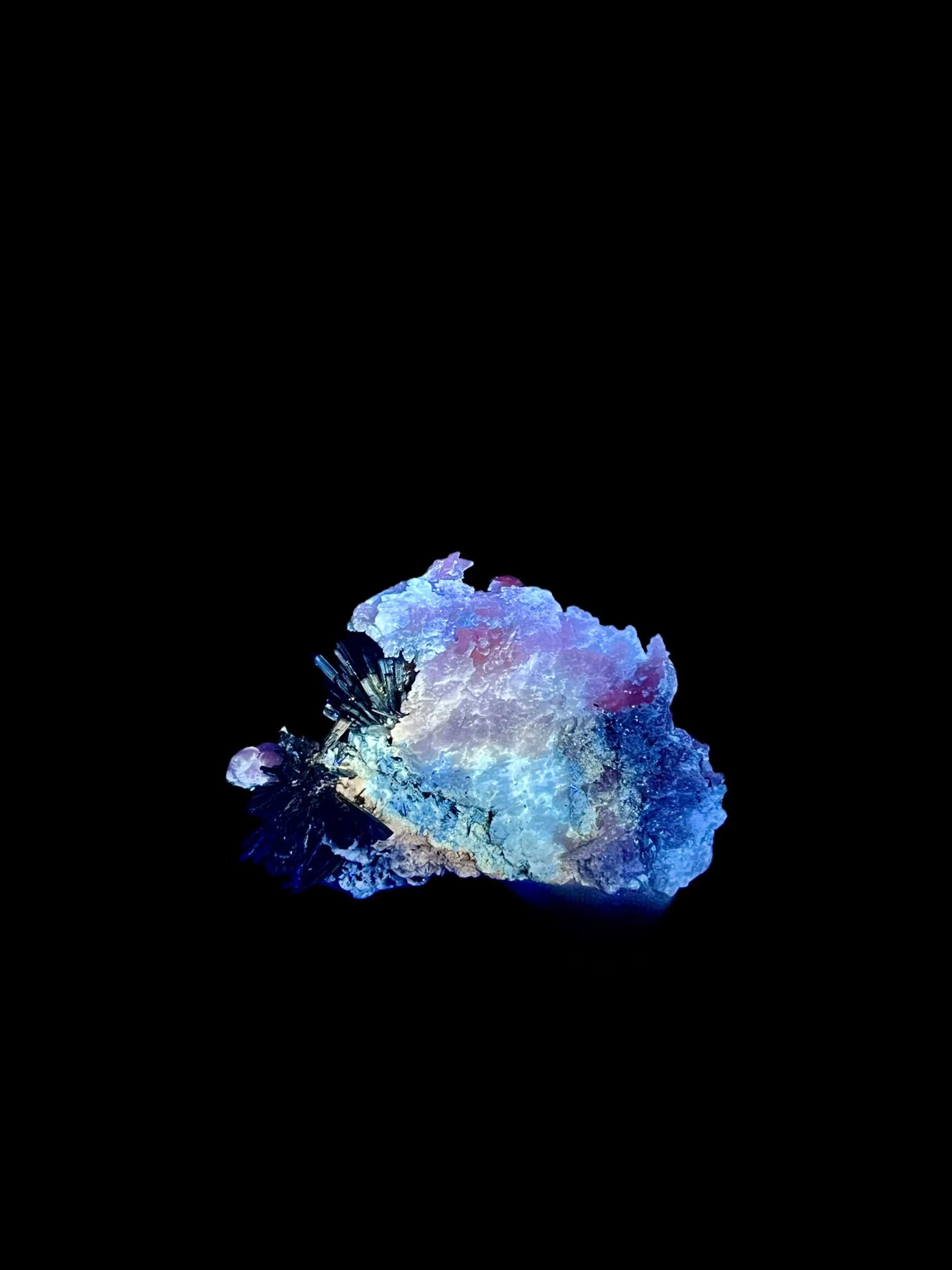
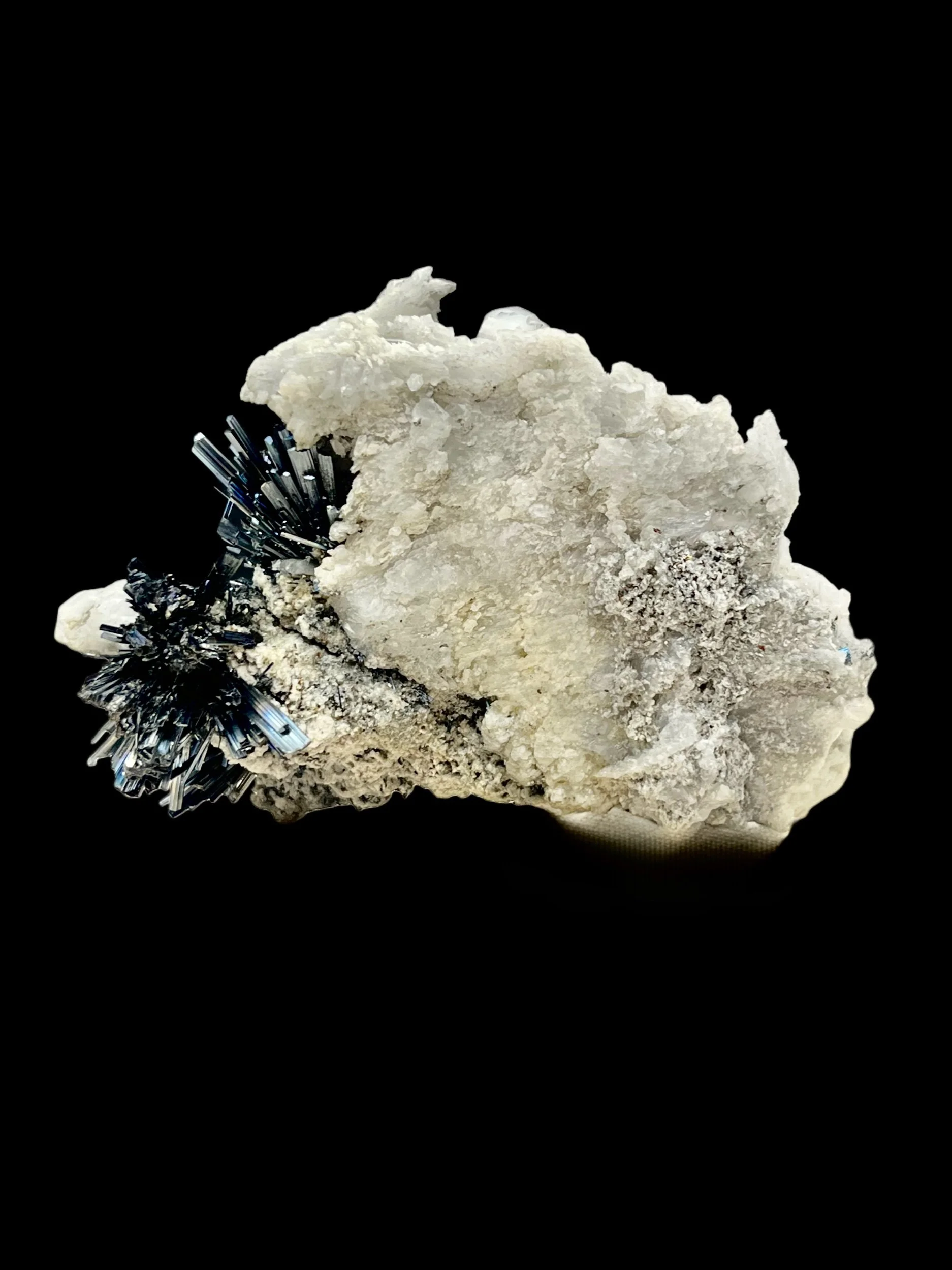
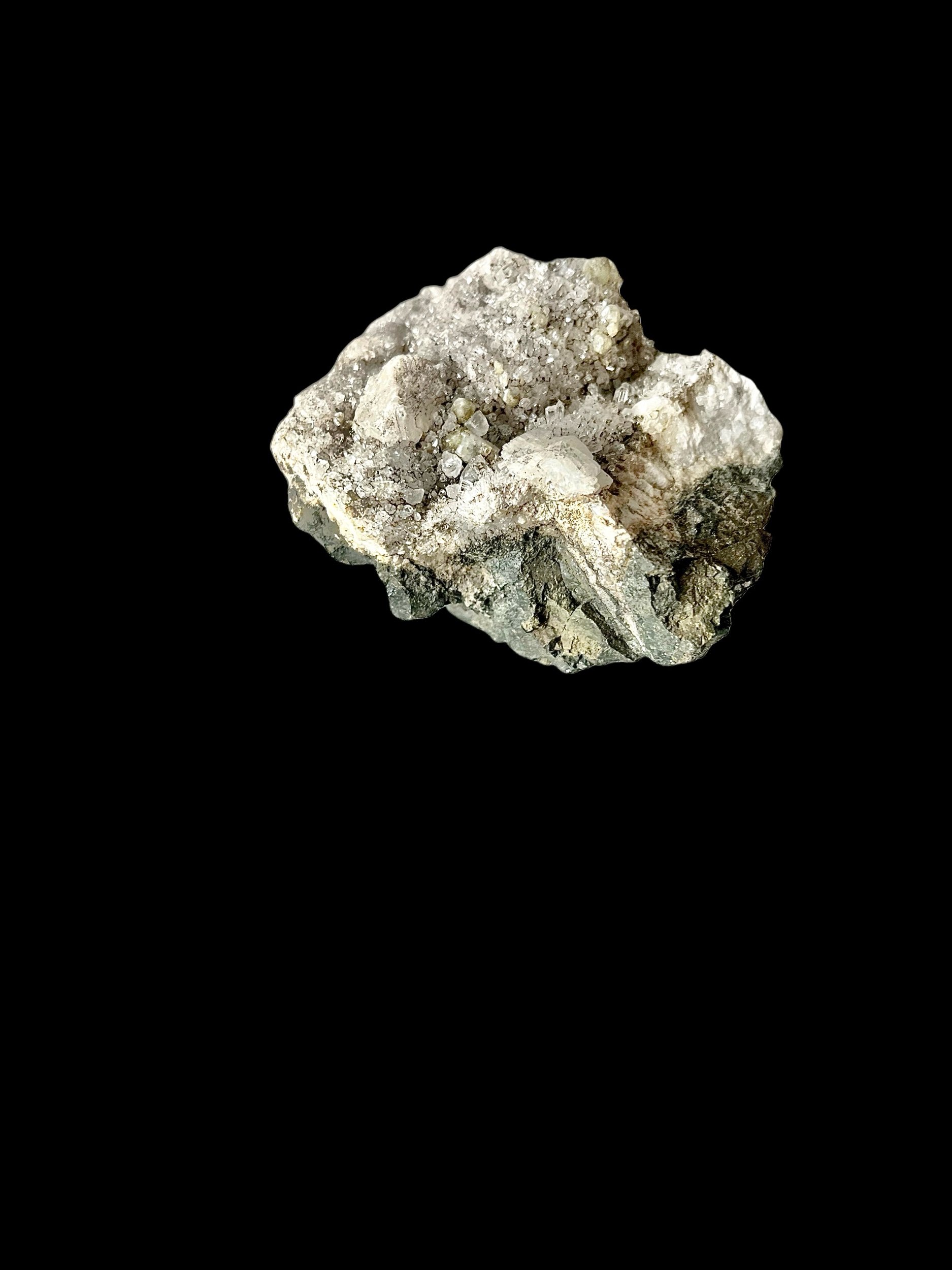
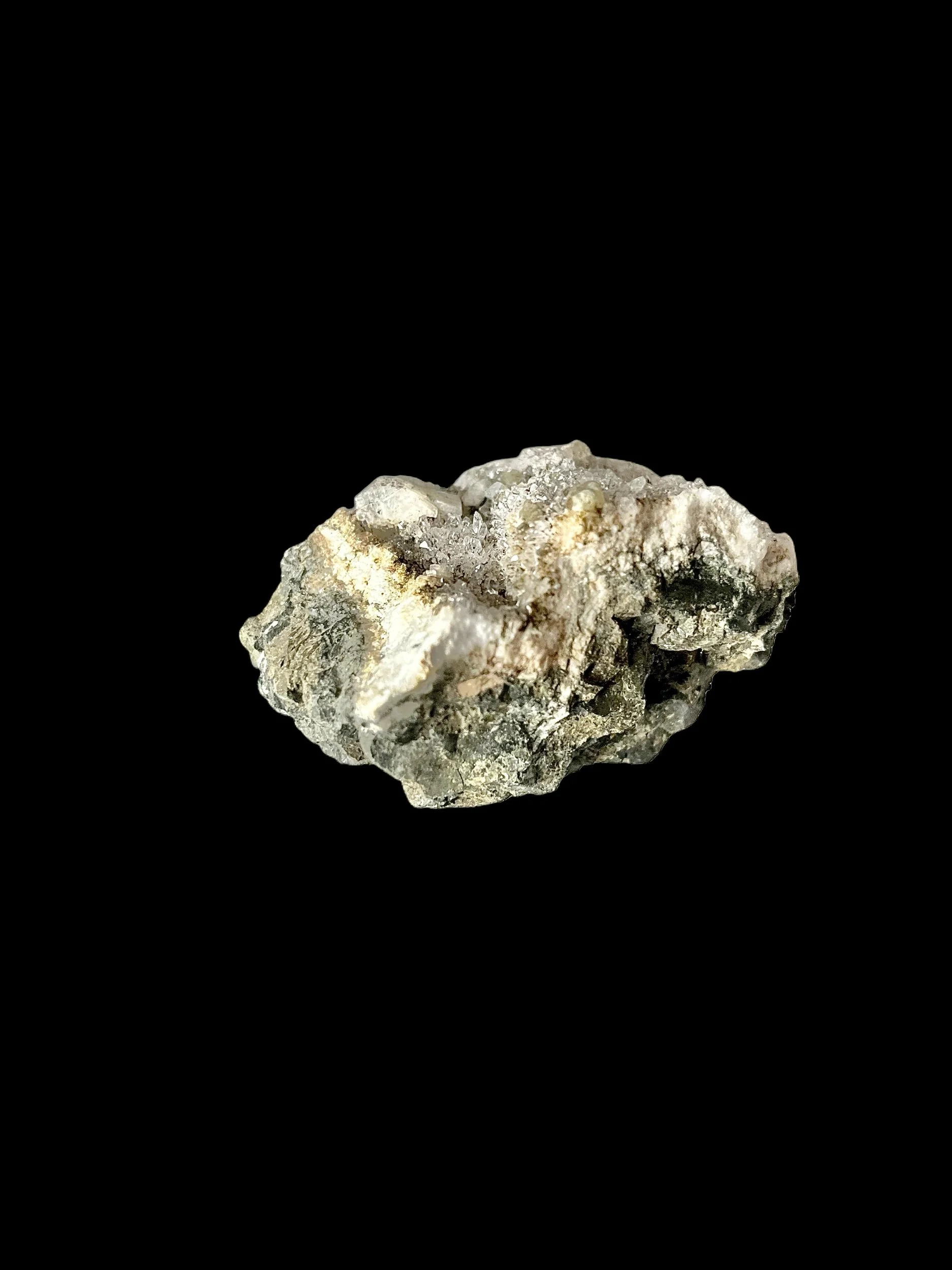
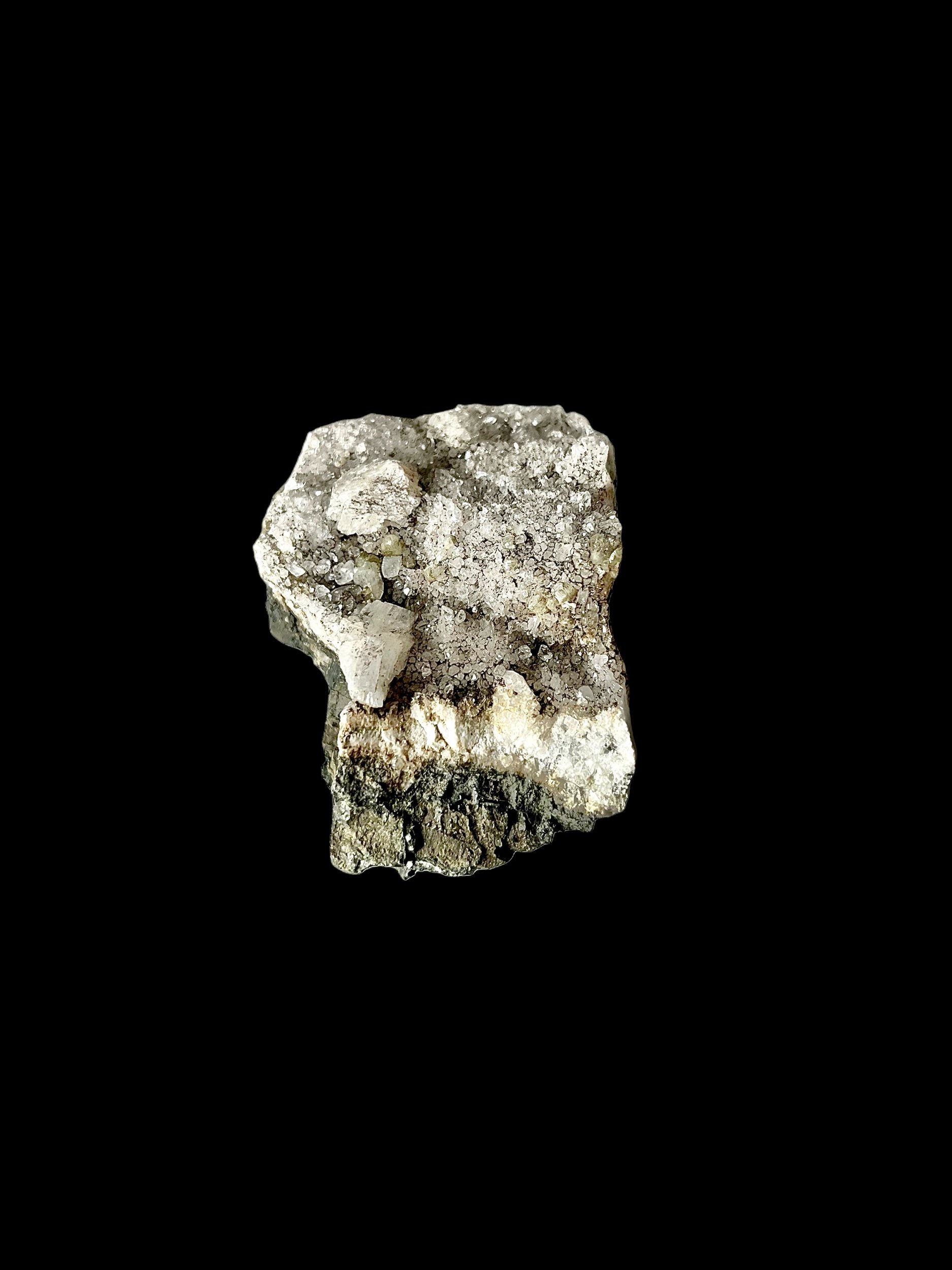
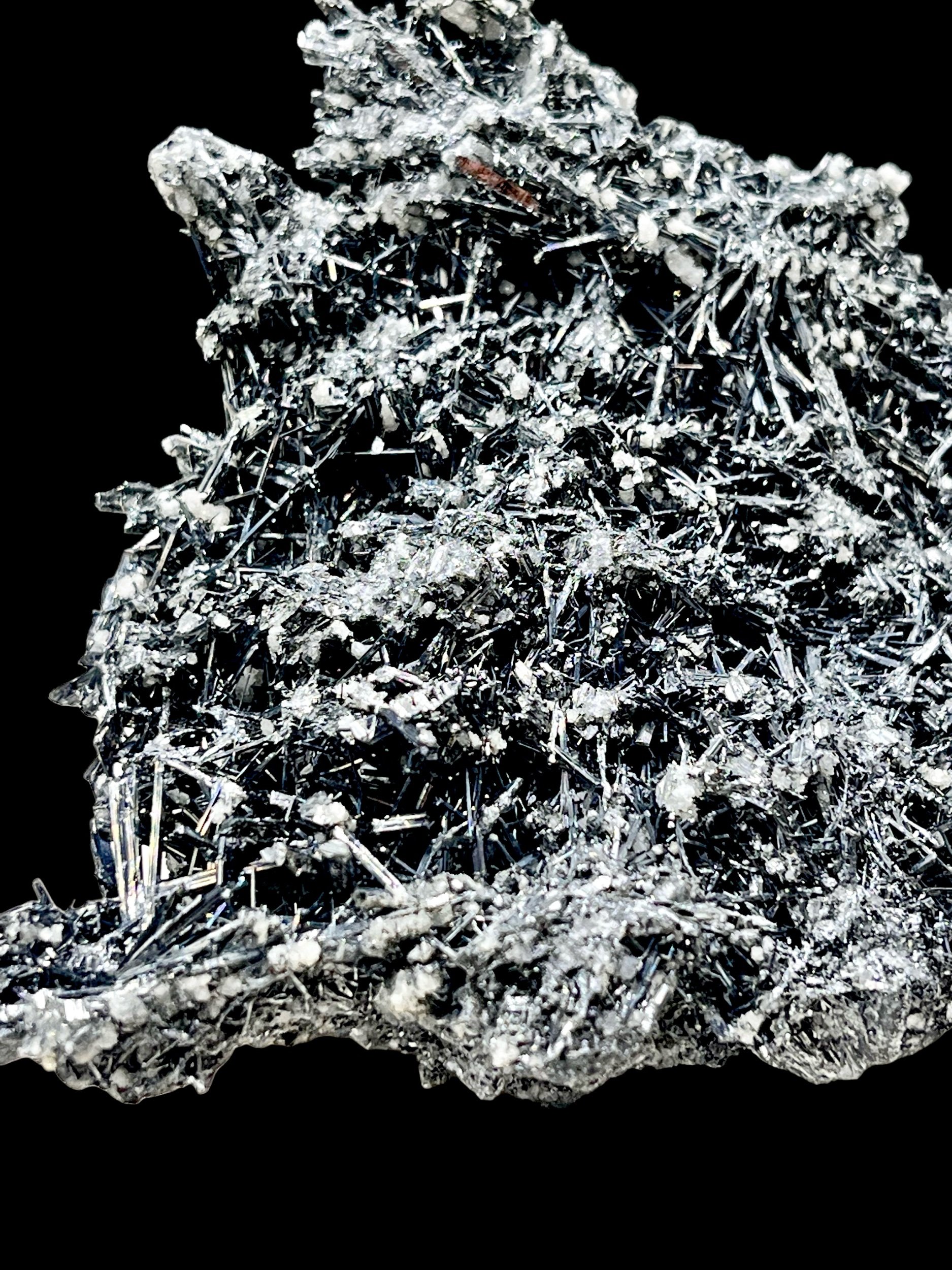
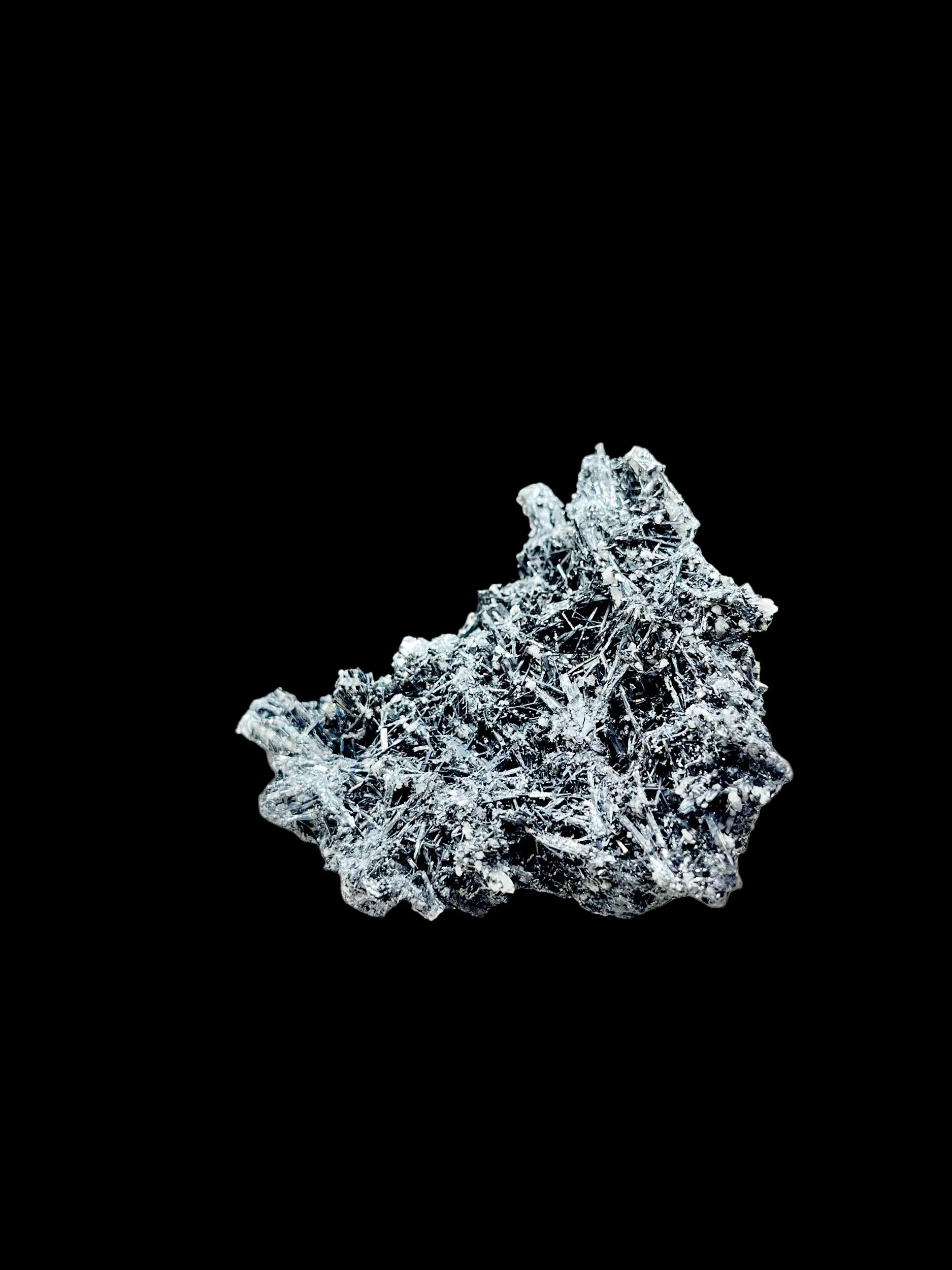
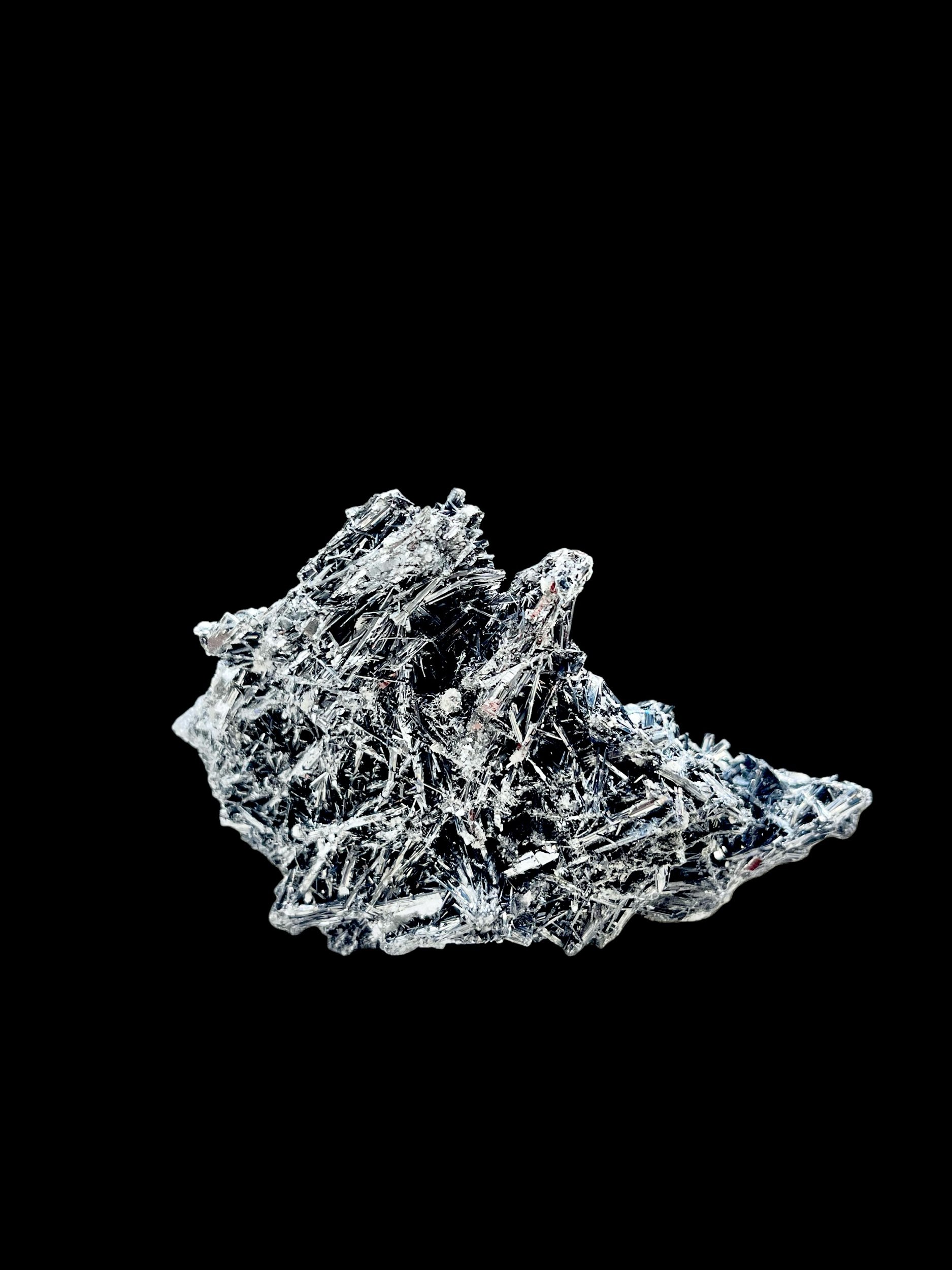
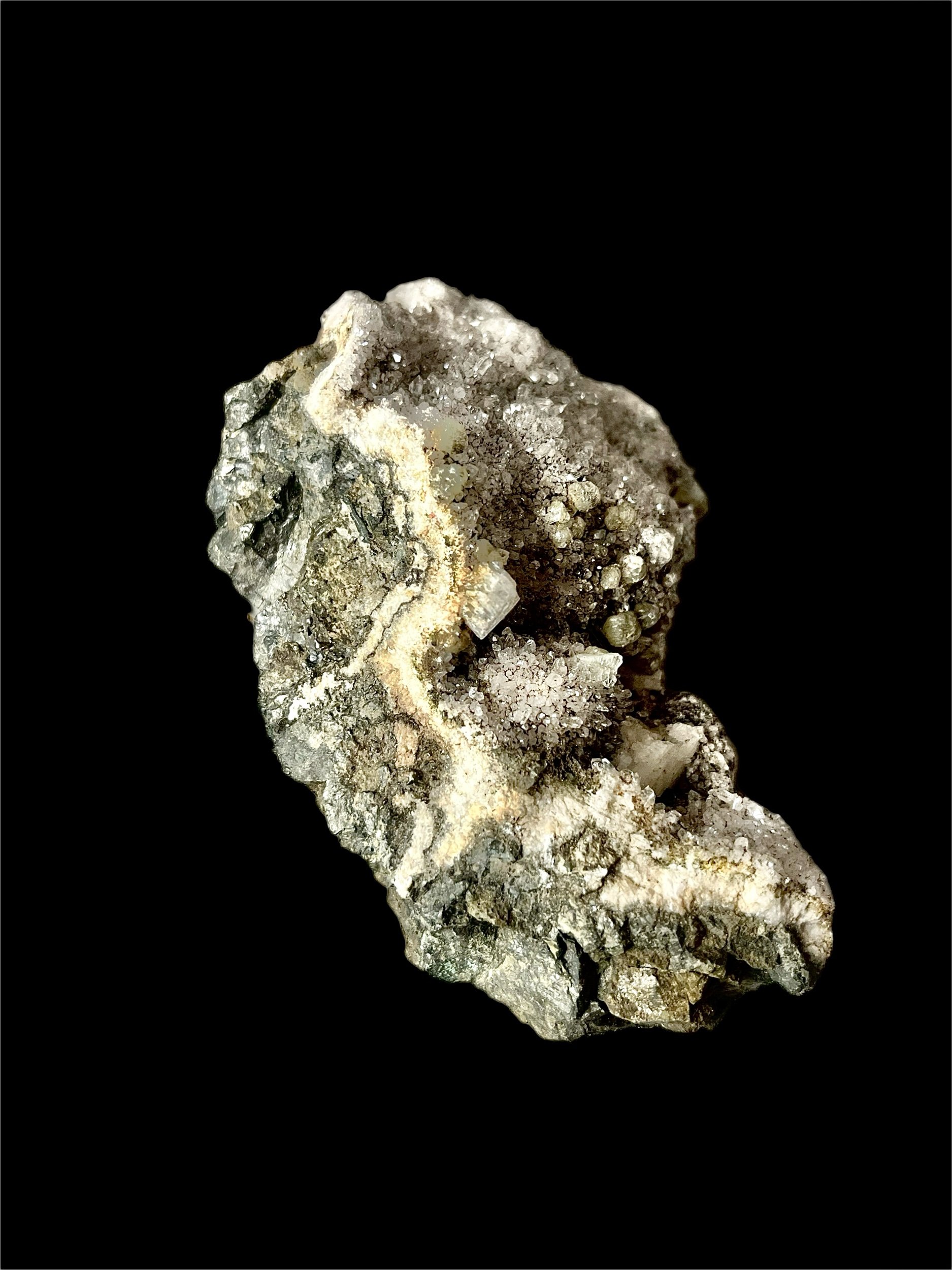
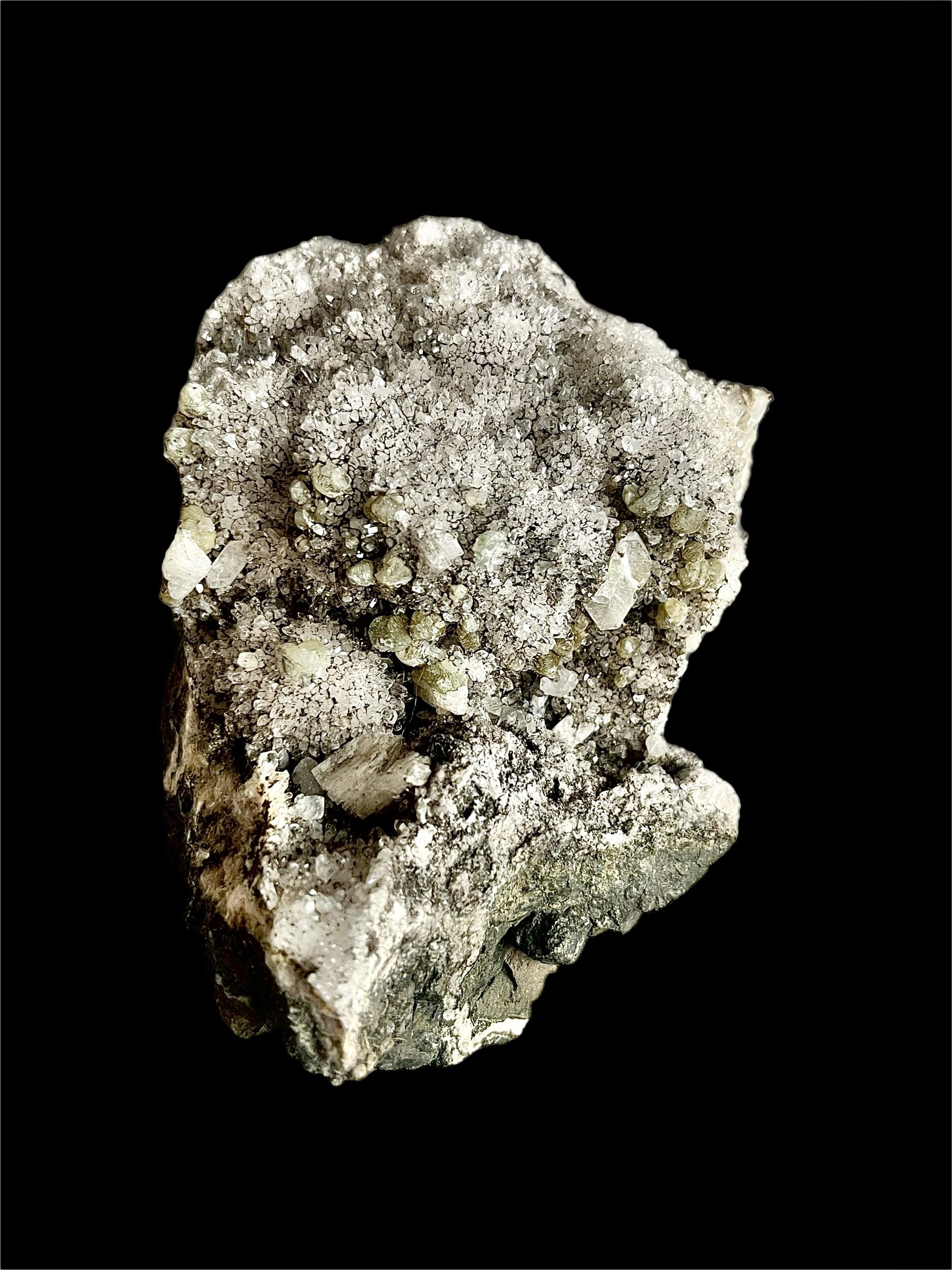
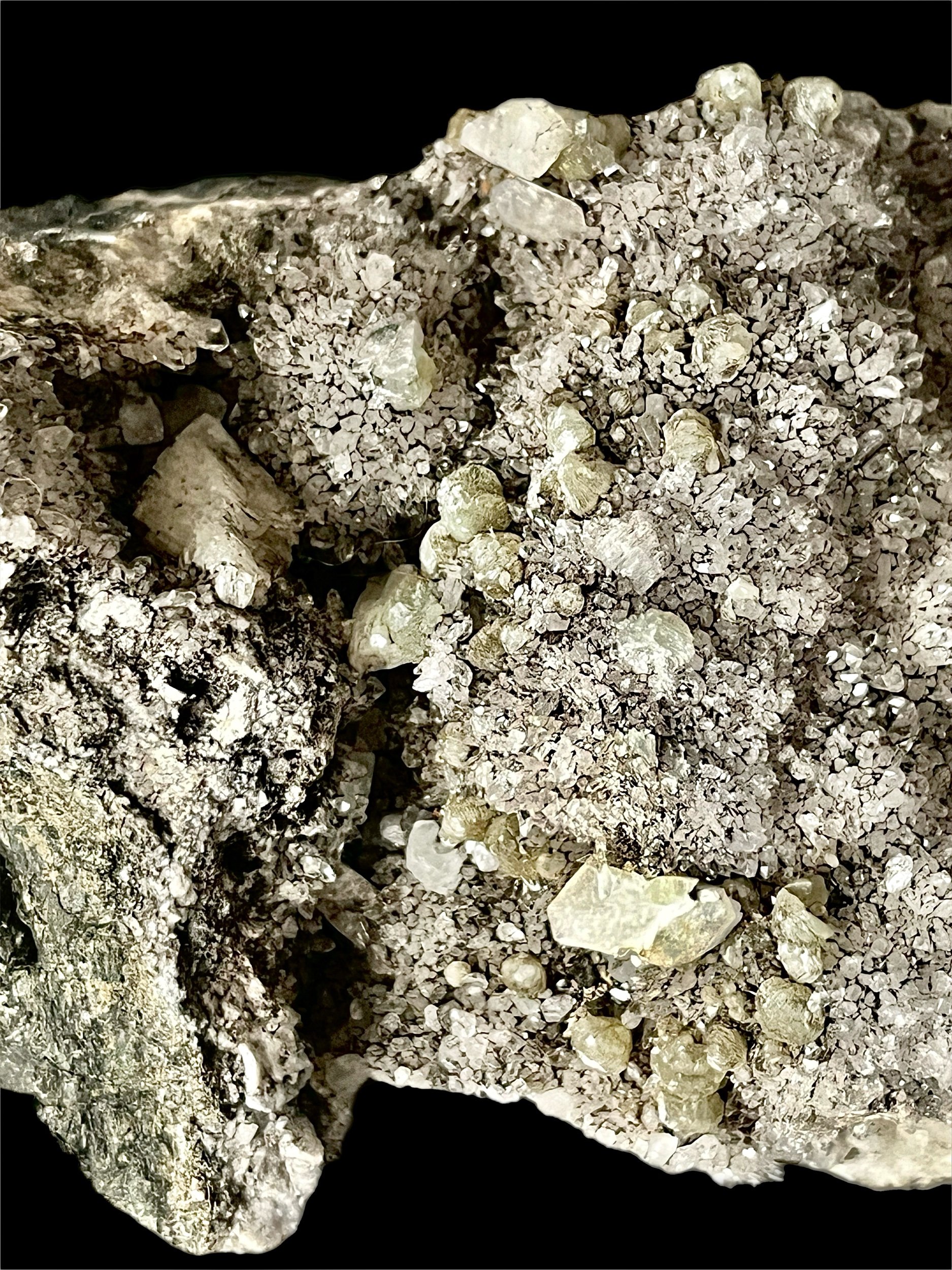
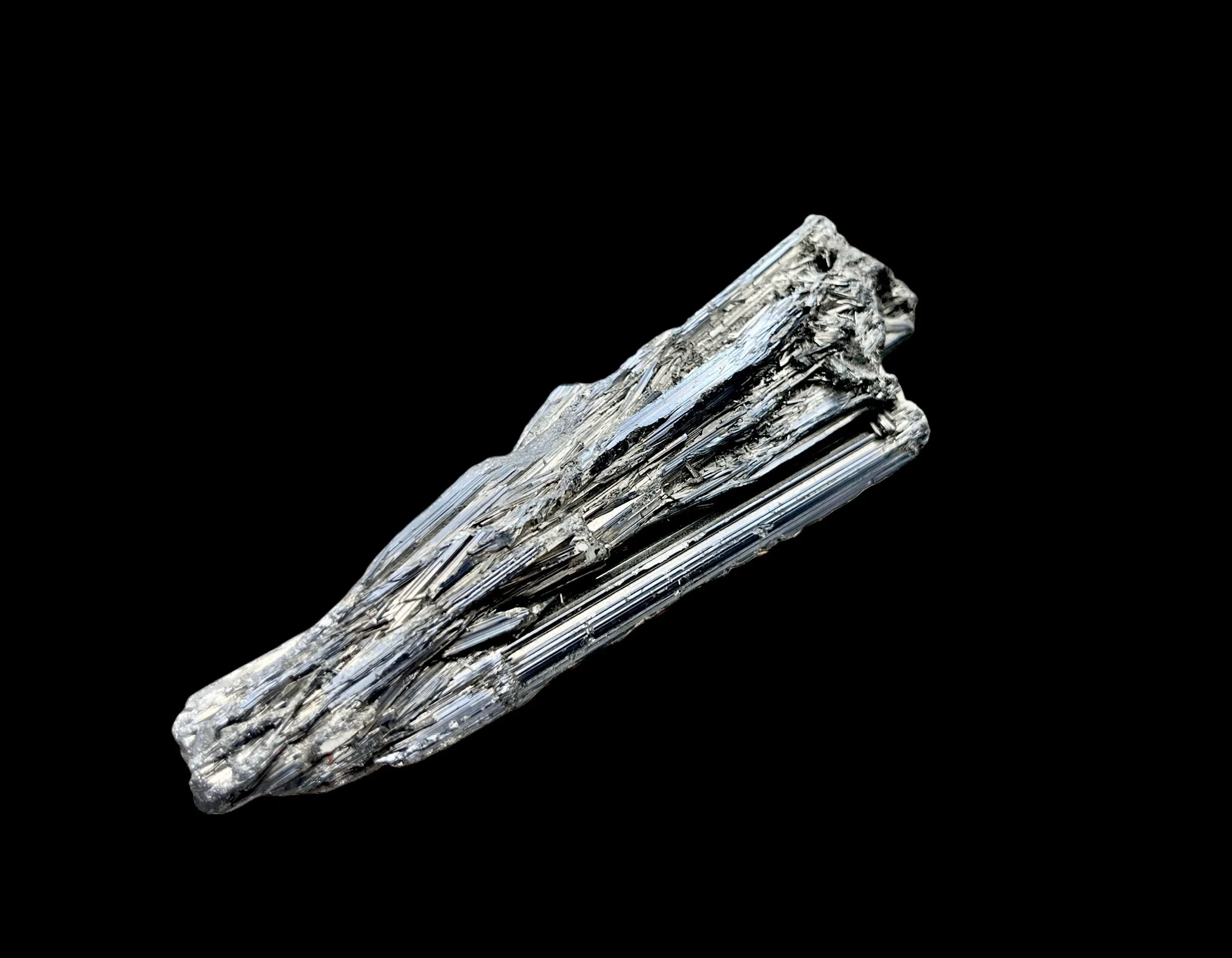
A striking elongated Stibnite specimen composed of tightly intergrown, parallel blades forming a sleek, sculptural specimen. The crystals display a bright metallic luster with finely striated surfaces that reflect light in sharp, linear flashes.
This piece stands out for its exceptional solidity and density, a notable contrast to the more delicate, fragile nature commonly associated with Stibnite. The structure feels compact and substantial, with minimal separation between blades, giving it both visual strength and physical presence.
Its elongated, tapering form creates a natural sense of movement, almost blade-like in silhouette—an elegant, high-contrast specimen that performs beautifully under directional lighting.
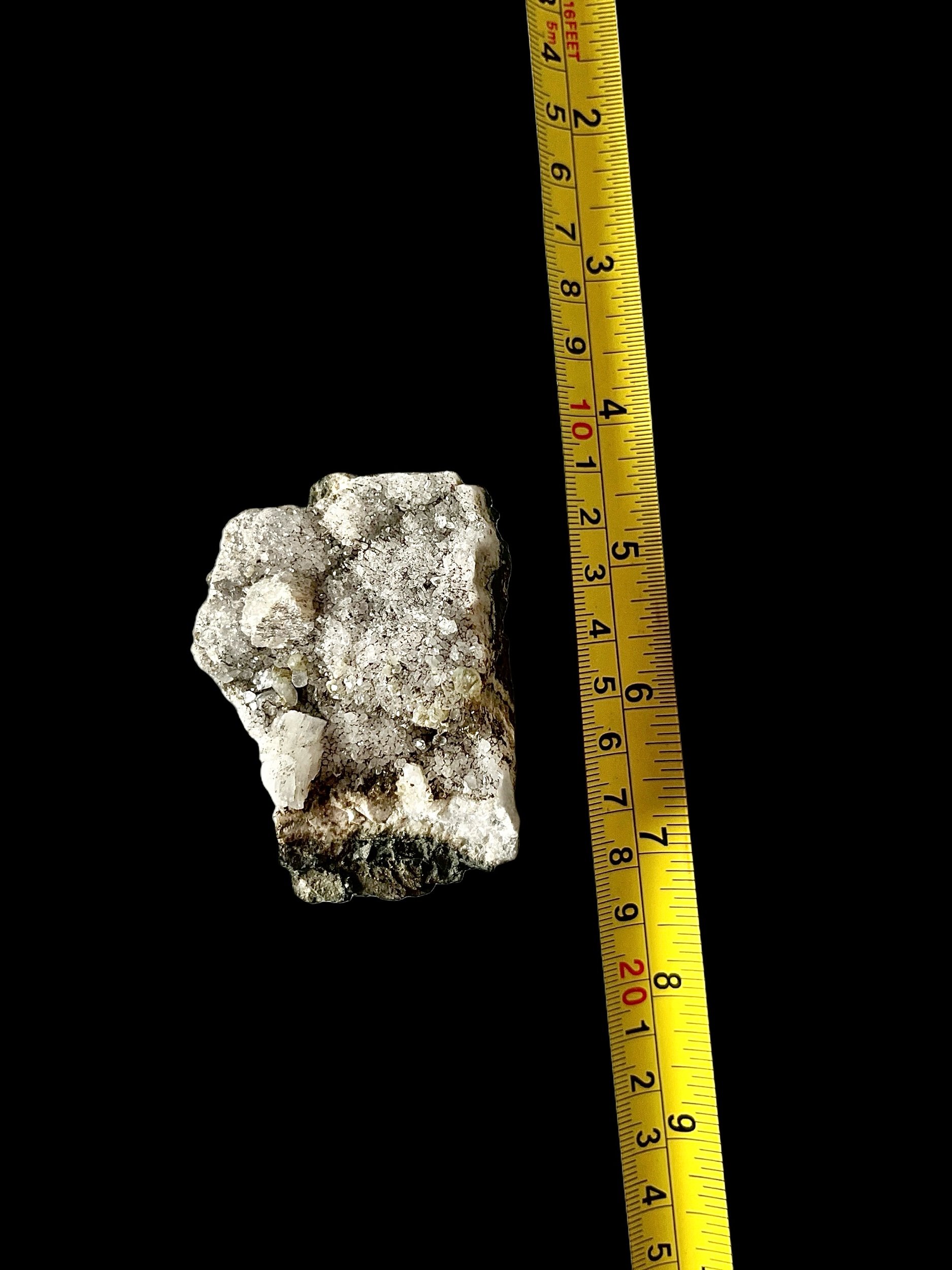
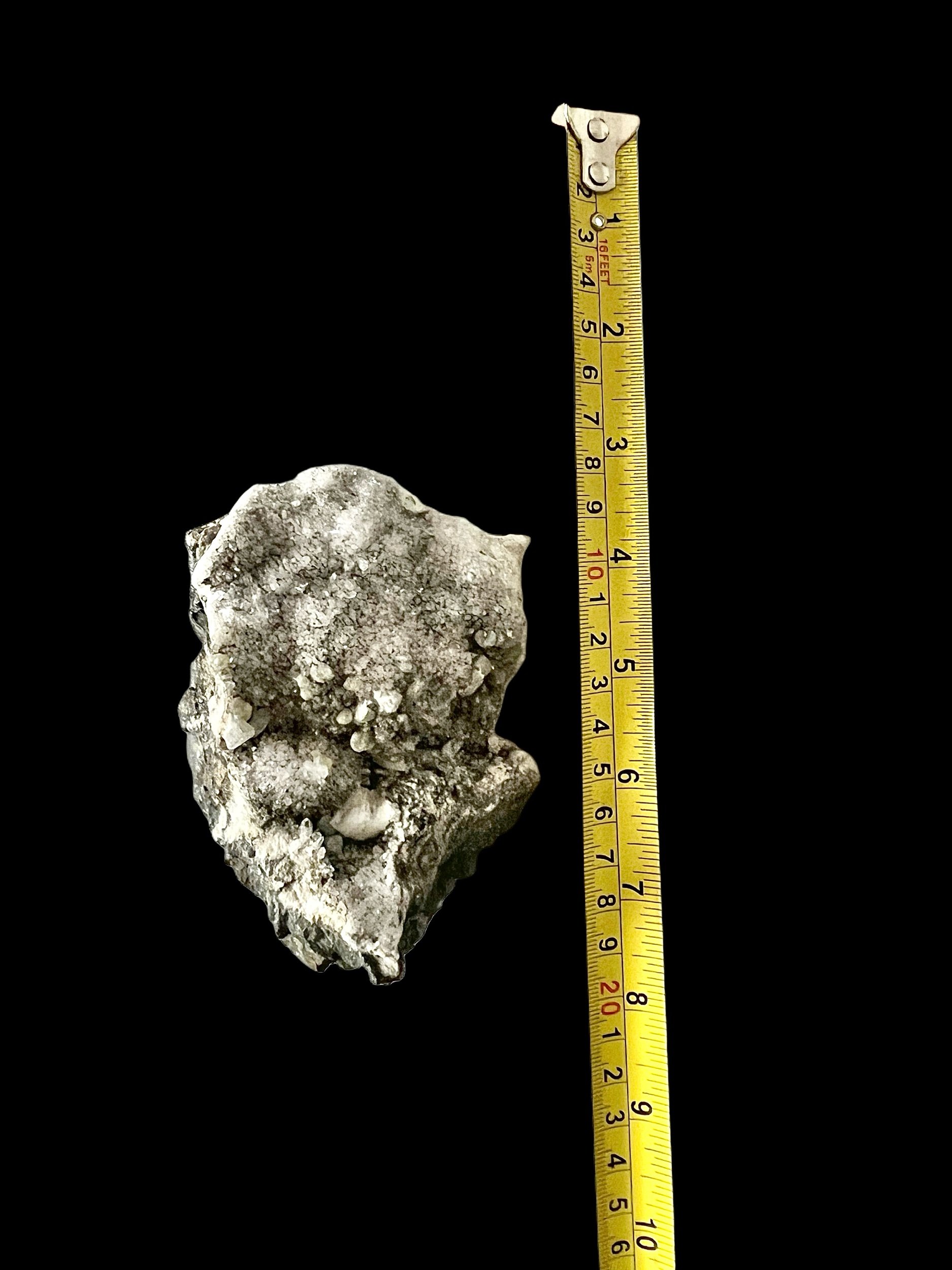
5.25” x 1.5” x 0.5”
211 grams
Stibnite is often associated with transformation, shedding old patterns, and energetic realignment. Many believe it helps clear mental clutter and encourages decisive action, making it a stone of forward movement and structural change. Its strong linear form is sometimes symbolically linked to direction, focus, and clarity.
Bright metallic silver luster with strong reflectivity
Long, parallel blade-like crystal structure
Unusually solid and compact formation for Stibnite
Clean, elongated display form with natural tapering
Rare Mineral
This specimen is from the Xikuangshan Mine in Hunan, China, the world’s most famous and prolific Stibnite locality. Specimens from this region are prized for their elongated crystal habit, sharp striations, and brilliant metallic luster.
What sets this piece apart is its density and integrity—many Stibnite specimens are fragile, with delicate, easily damaged blades. This example, however, presents as far more robust, making it both display-friendly and highly desirable for collectors who appreciate form and durability.
Its sculptural, almost architectural appearance gives it a strong presence in a cabinet—especially when contrasted against colorful minerals like Crocoite or Fluorite.
Stibnite is an antimony sulfide mineral (Sb₂S₃) that crystallizes in the orthorhombic system. It commonly forms elongated prismatic or bladed crystals with prominent longitudinal striations and a bright metallic luster.
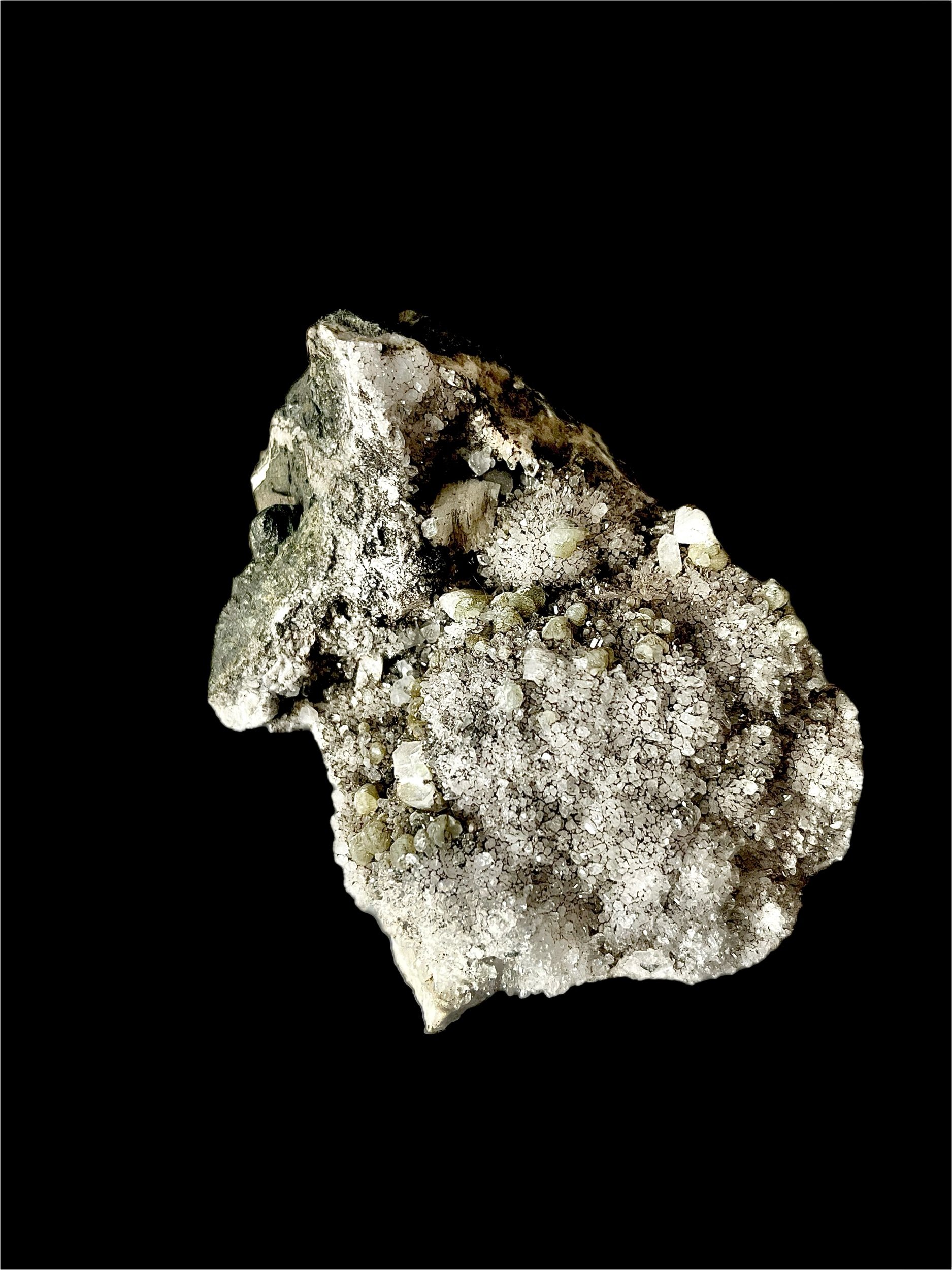
It is typically found in hydrothermal veins and is often associated with quartz, calcite, and other sulfide minerals. Due to its softness and brittleness, well-formed, intact specimens—especially large or solid examples—are highly valued among collectors.
A striking elongated Stibnite specimen composed of tightly intergrown, parallel blades forming a sleek, sculptural specimen. The crystals display a bright metallic luster with finely striated surfaces that reflect light in sharp, linear flashes.
This piece stands out for its exceptional solidity and density, a notable contrast to the more delicate, fragile nature commonly associated with Stibnite. The structure feels compact and substantial, with minimal separation between blades, giving it both visual strength and physical presence.
Its elongated, tapering form creates a natural sense of movement, almost blade-like in silhouette—an elegant, high-contrast specimen that performs beautifully under directional lighting.
5.25” x 1.5” x 0.5”
211 grams
Stibnite is often associated with transformation, shedding old patterns, and energetic realignment. Many believe it helps clear mental clutter and encourages decisive action, making it a stone of forward movement and structural change. Its strong linear form is sometimes symbolically linked to direction, focus, and clarity.
Bright metallic silver luster with strong reflectivity
Long, parallel blade-like crystal structure
Unusually solid and compact formation for Stibnite
Clean, elongated display form with natural tapering
Rare Mineral
This specimen is from the Xikuangshan Mine in Hunan, China, the world’s most famous and prolific Stibnite locality. Specimens from this region are prized for their elongated crystal habit, sharp striations, and brilliant metallic luster.
What sets this piece apart is its density and integrity—many Stibnite specimens are fragile, with delicate, easily damaged blades. This example, however, presents as far more robust, making it both display-friendly and highly desirable for collectors who appreciate form and durability.
Its sculptural, almost architectural appearance gives it a strong presence in a cabinet—especially when contrasted against colorful minerals like Crocoite or Fluorite.
Stibnite is an antimony sulfide mineral (Sb₂S₃) that crystallizes in the orthorhombic system. It commonly forms elongated prismatic or bladed crystals with prominent longitudinal striations and a bright metallic luster.
It is typically found in hydrothermal veins and is often associated with quartz, calcite, and other sulfide minerals. Due to its softness and brittleness, well-formed, intact specimens—especially large or solid examples—are highly valued among collectors.