 Image 1 of 4
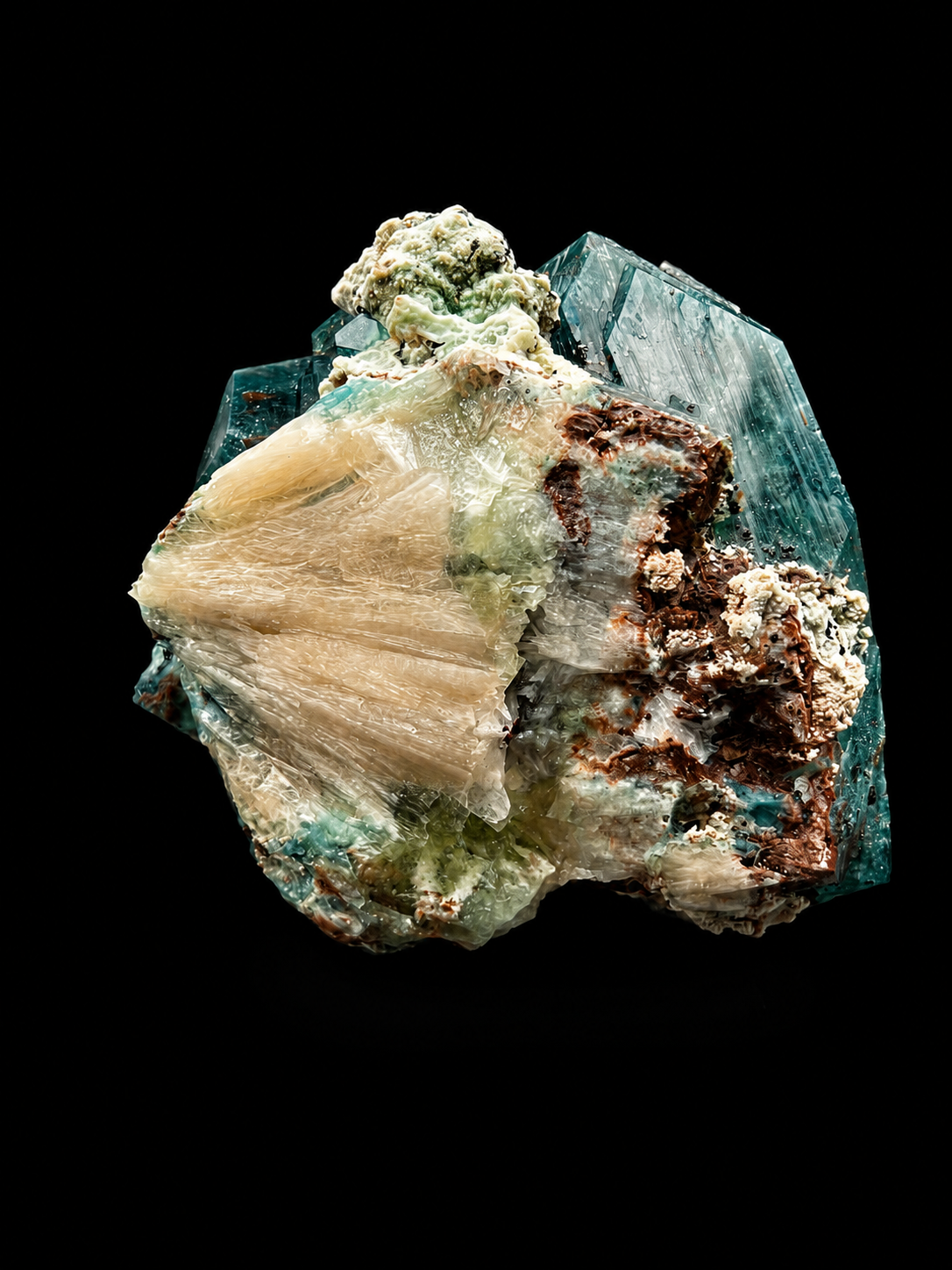 Image 2 of 4
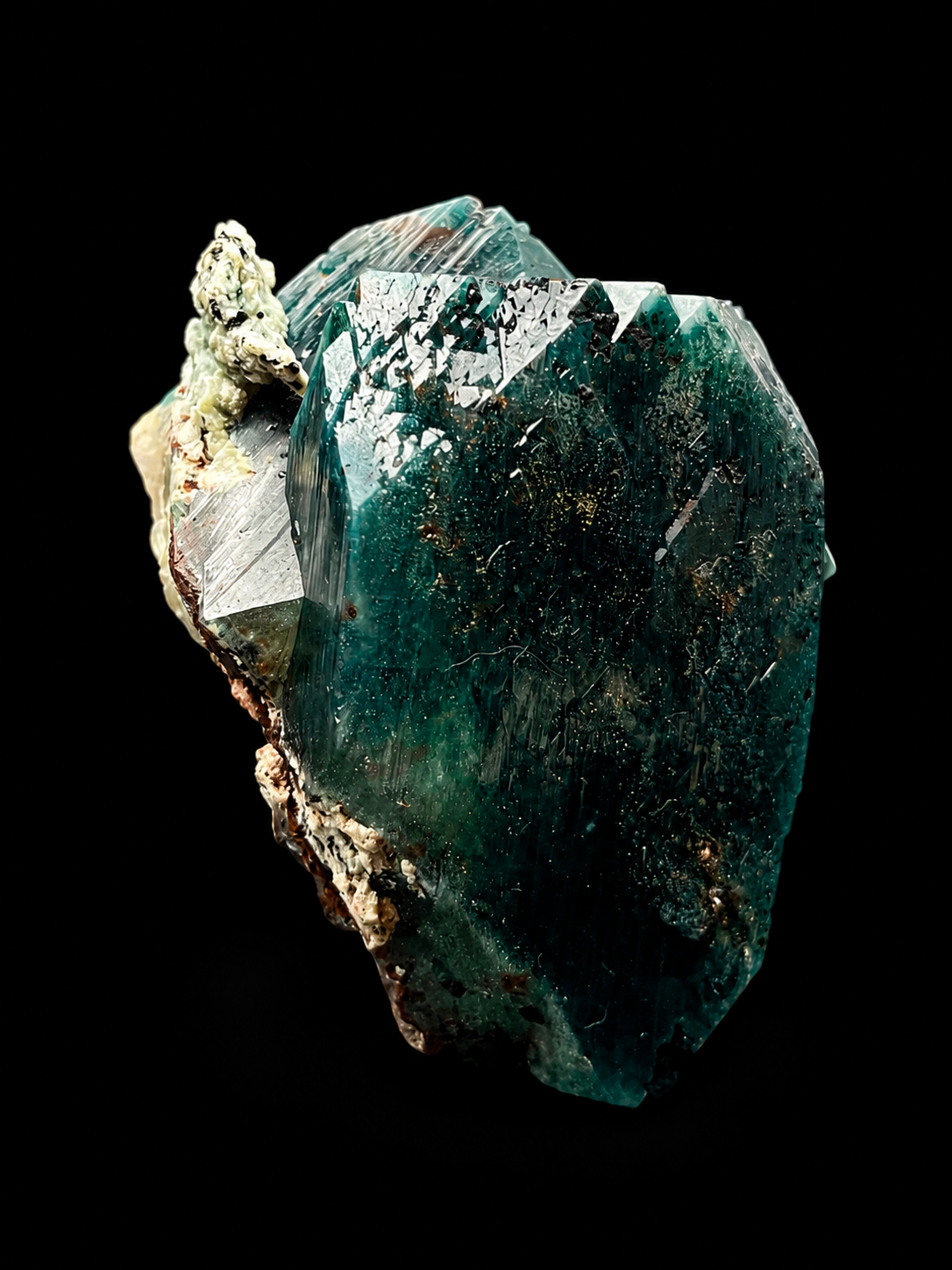 Image 3 of 4
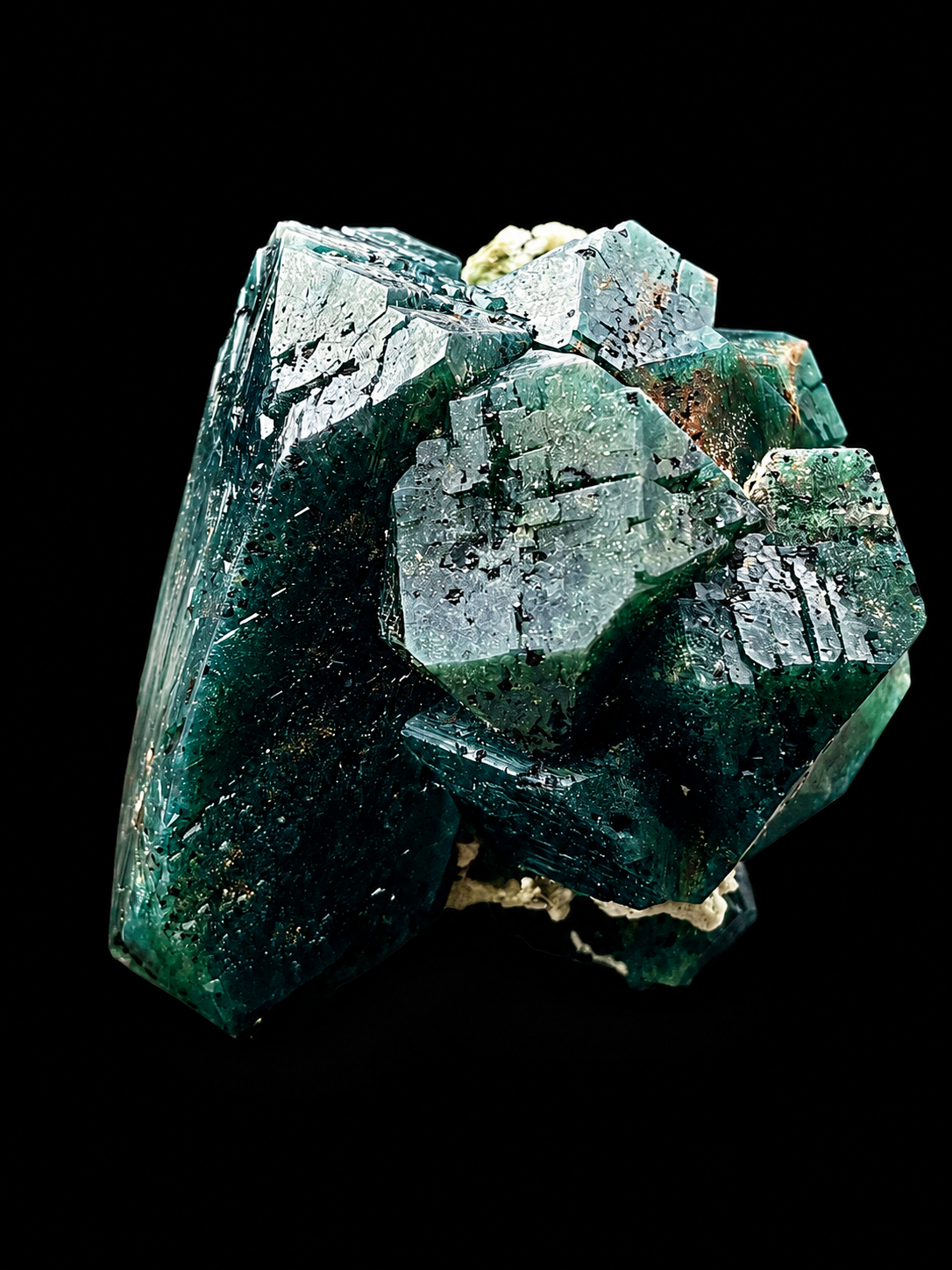 Image 4 of 4
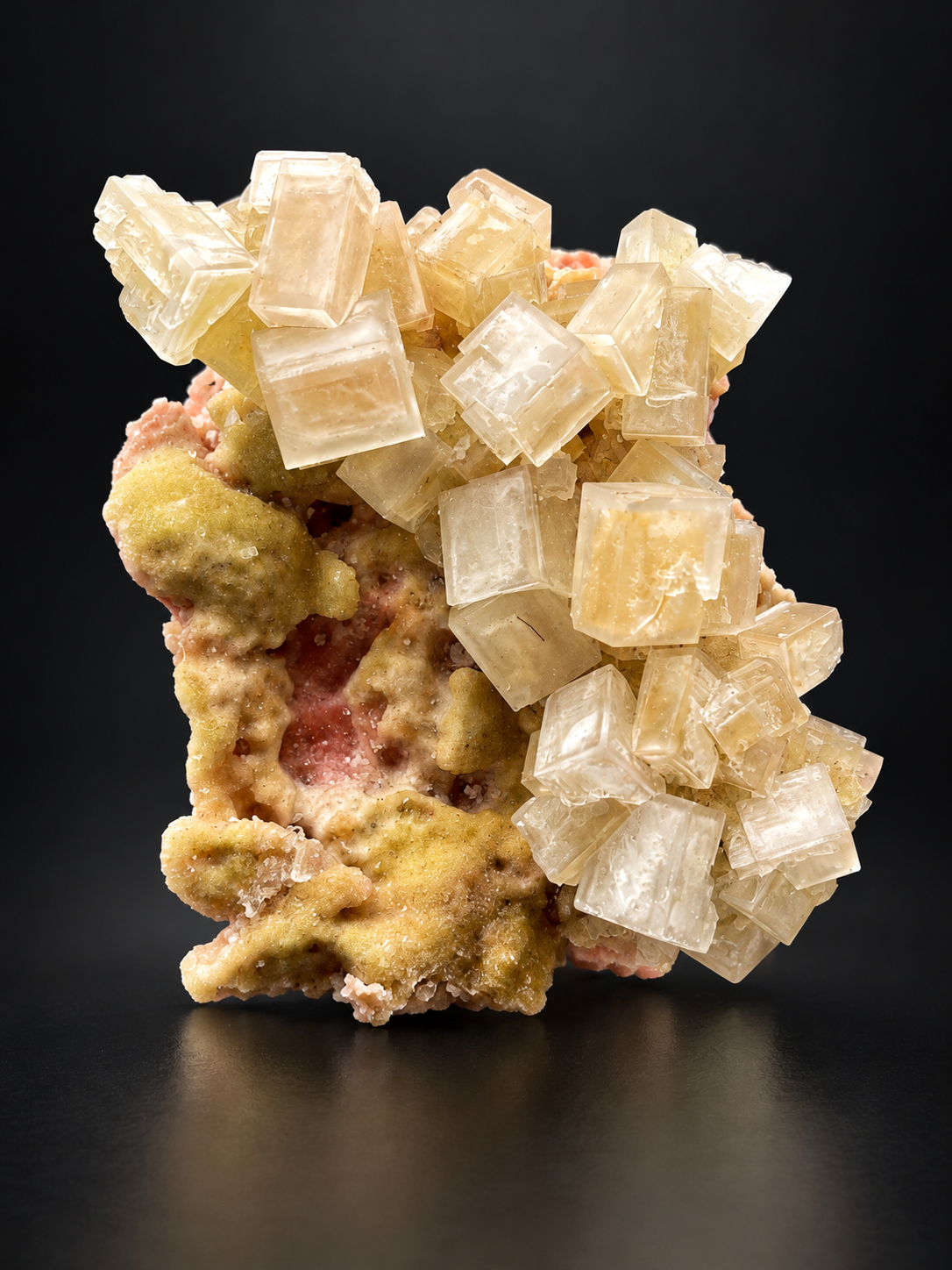
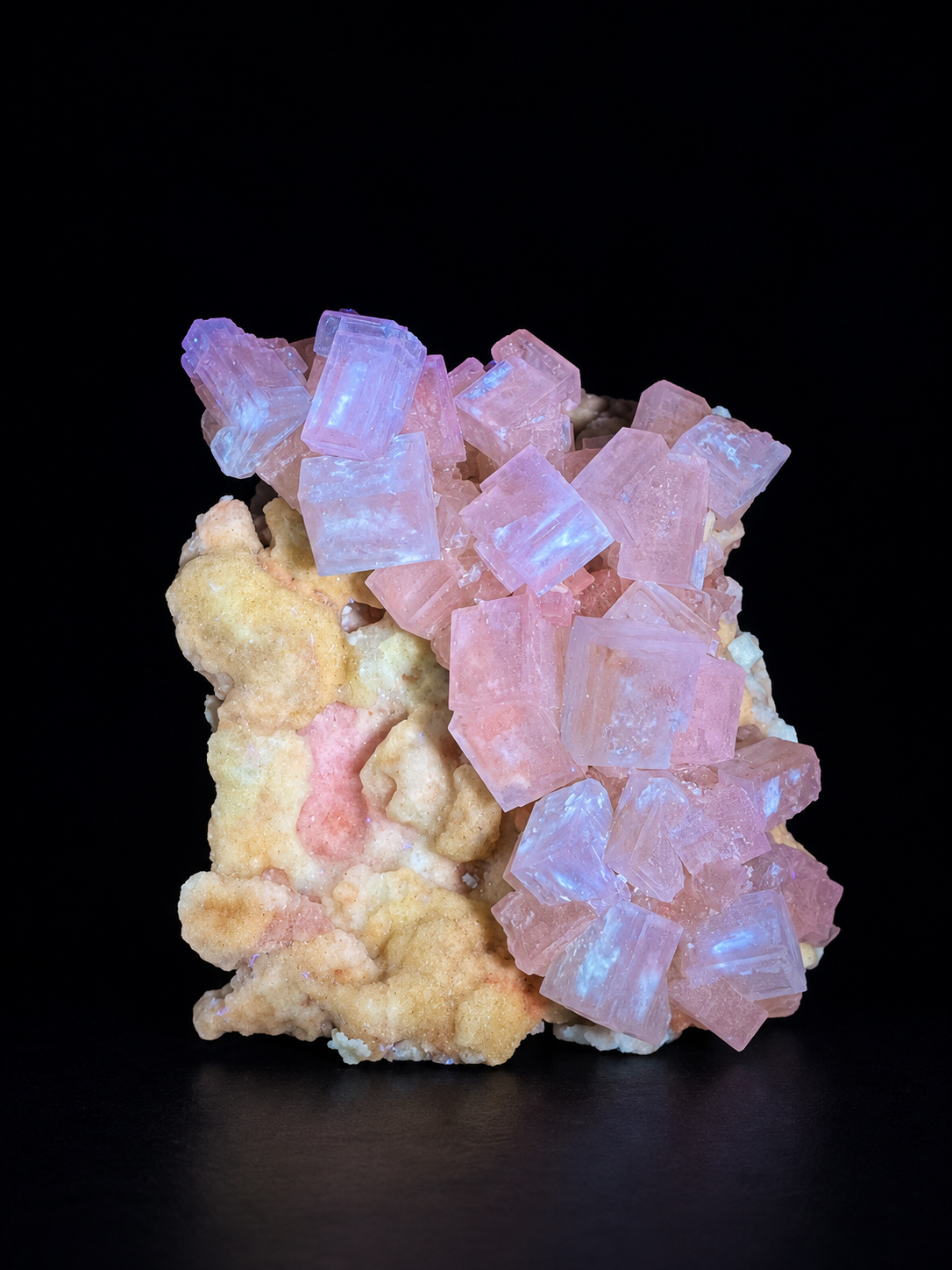
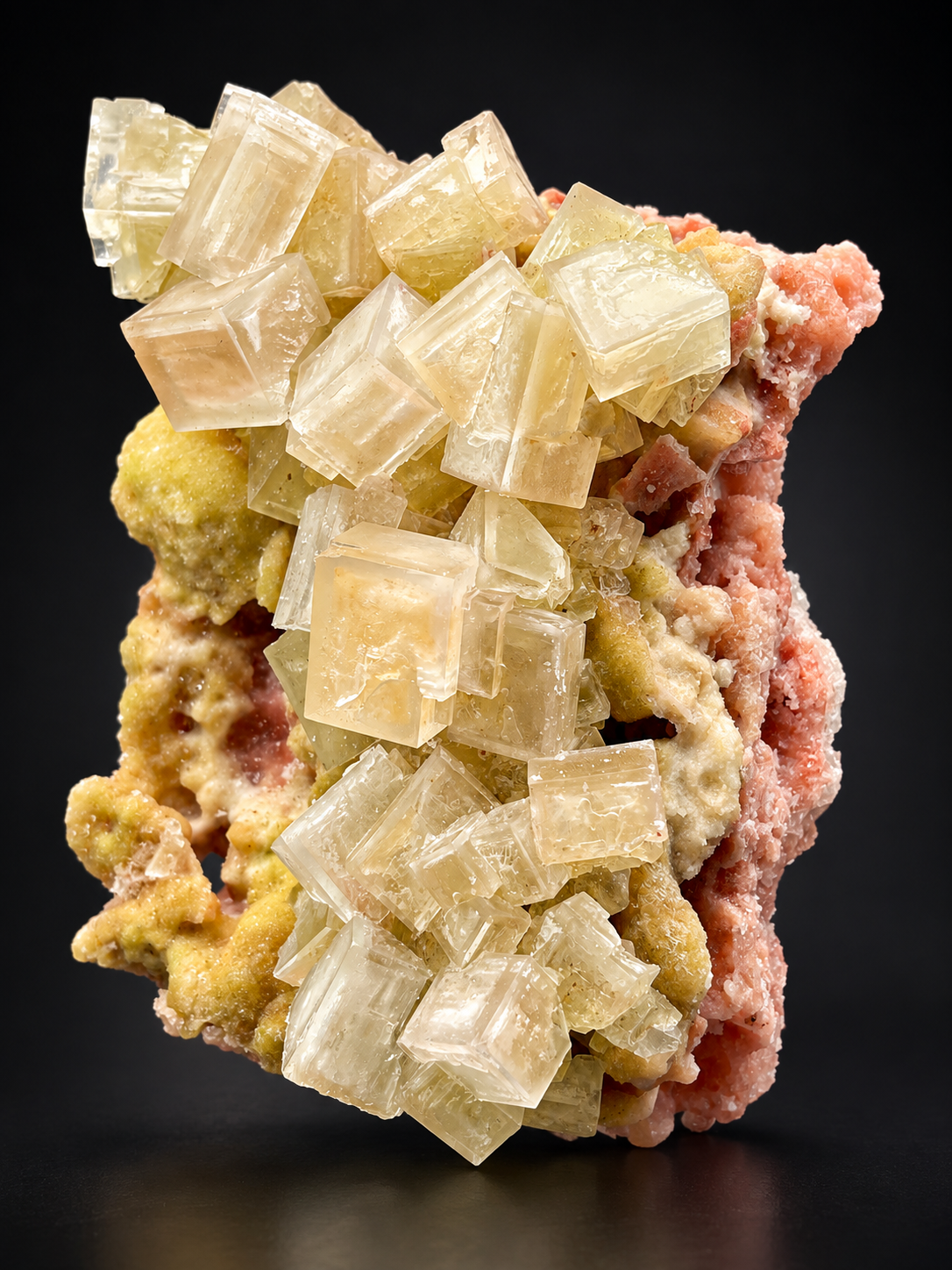
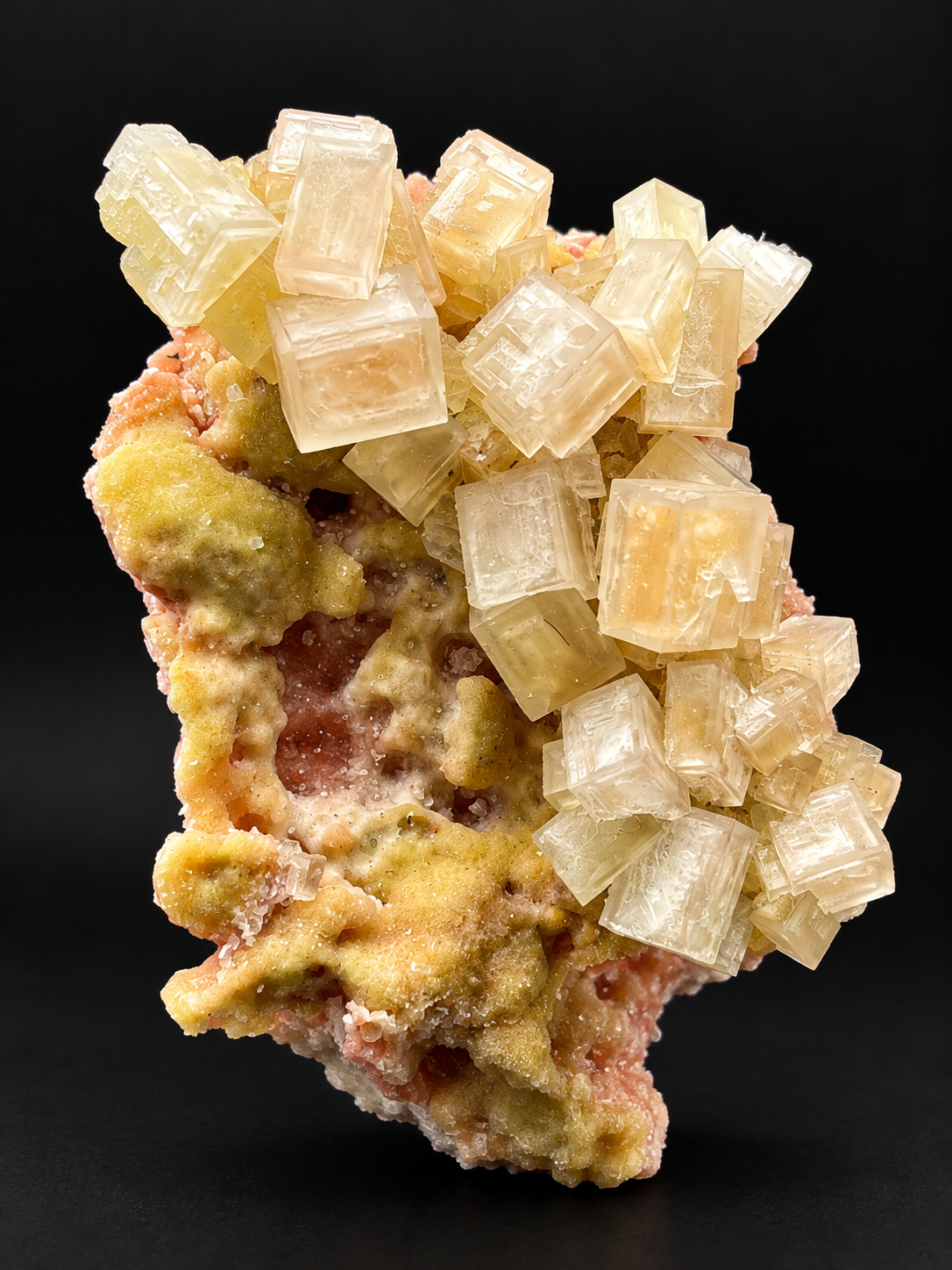
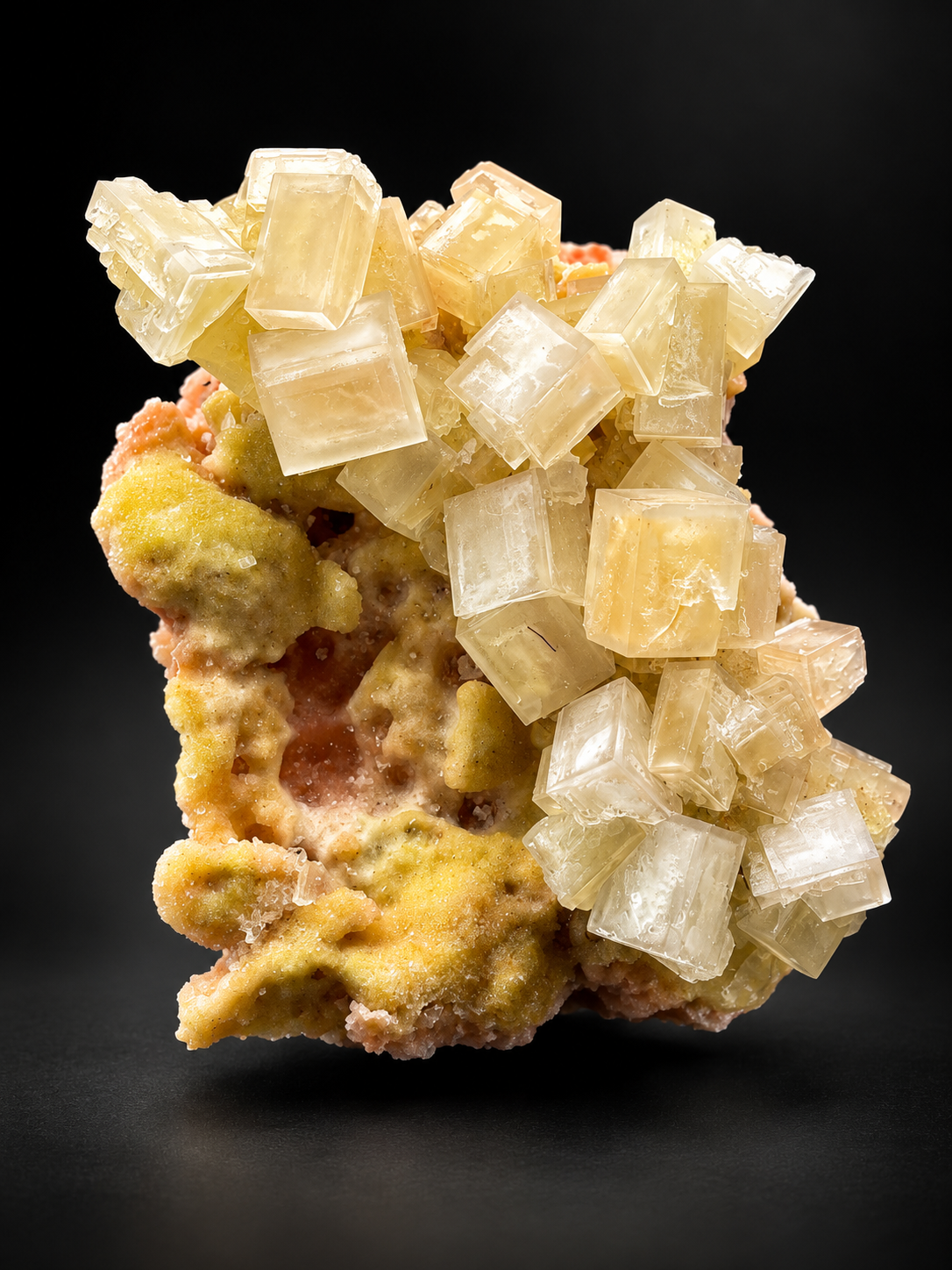
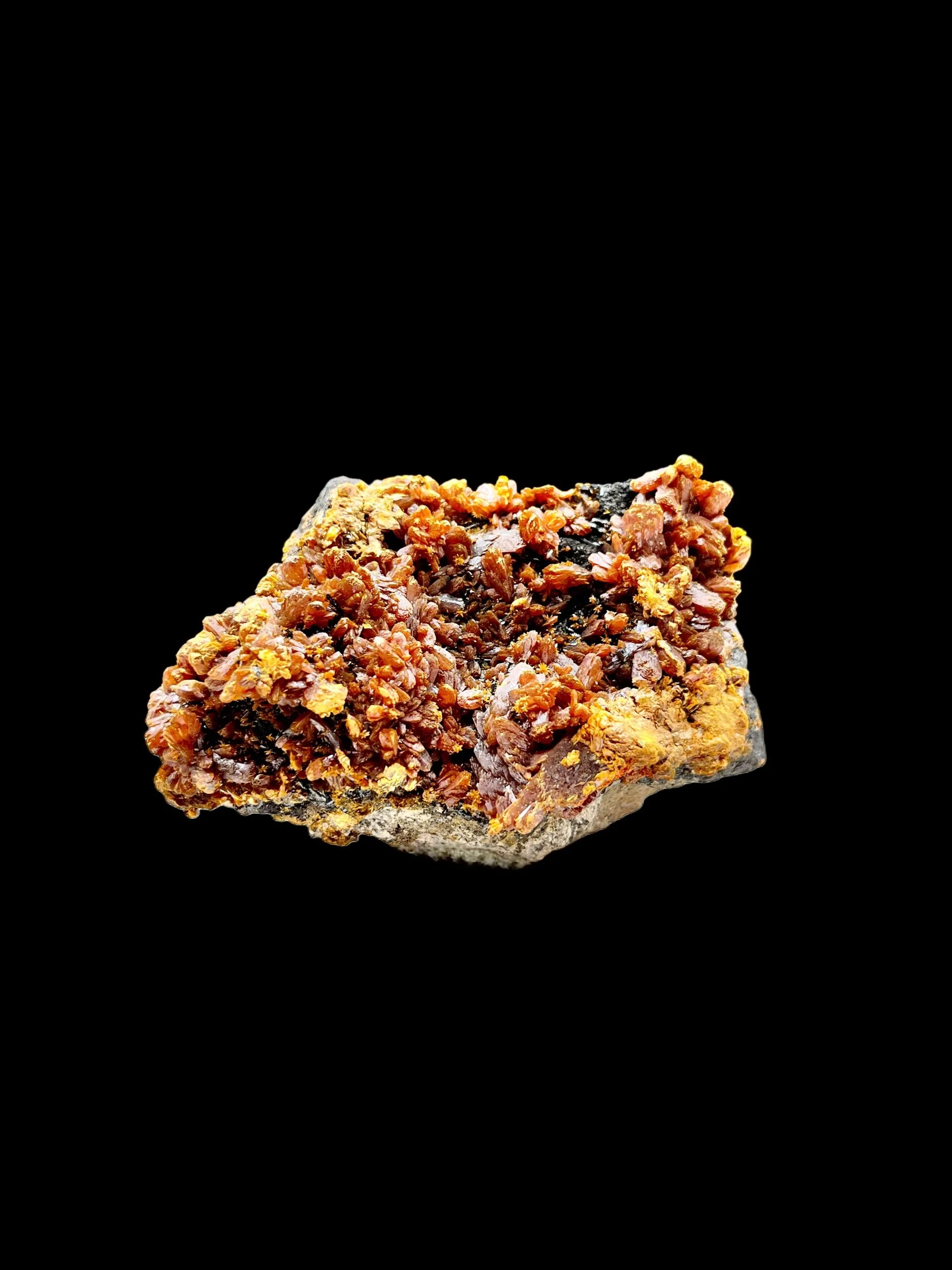
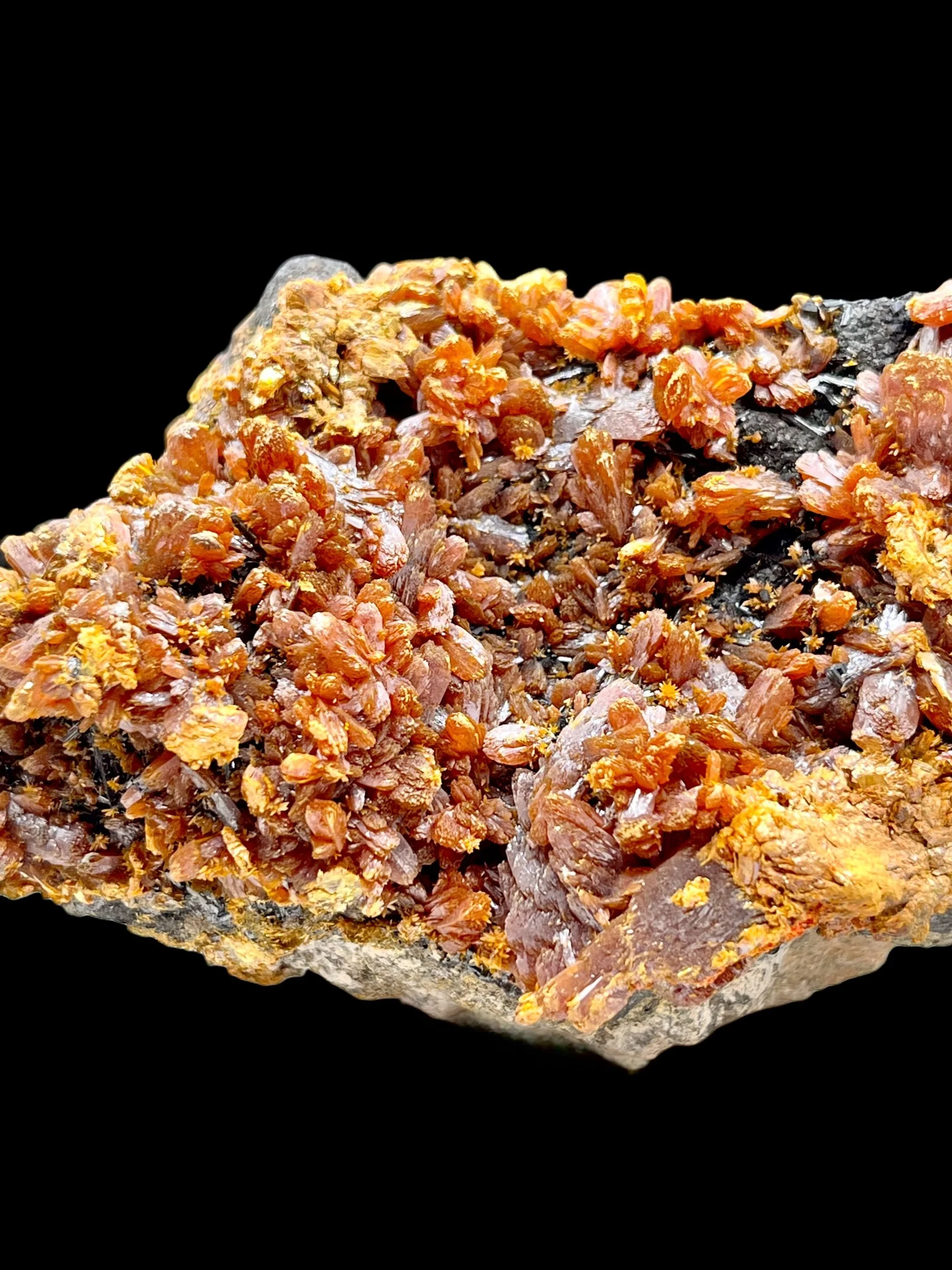
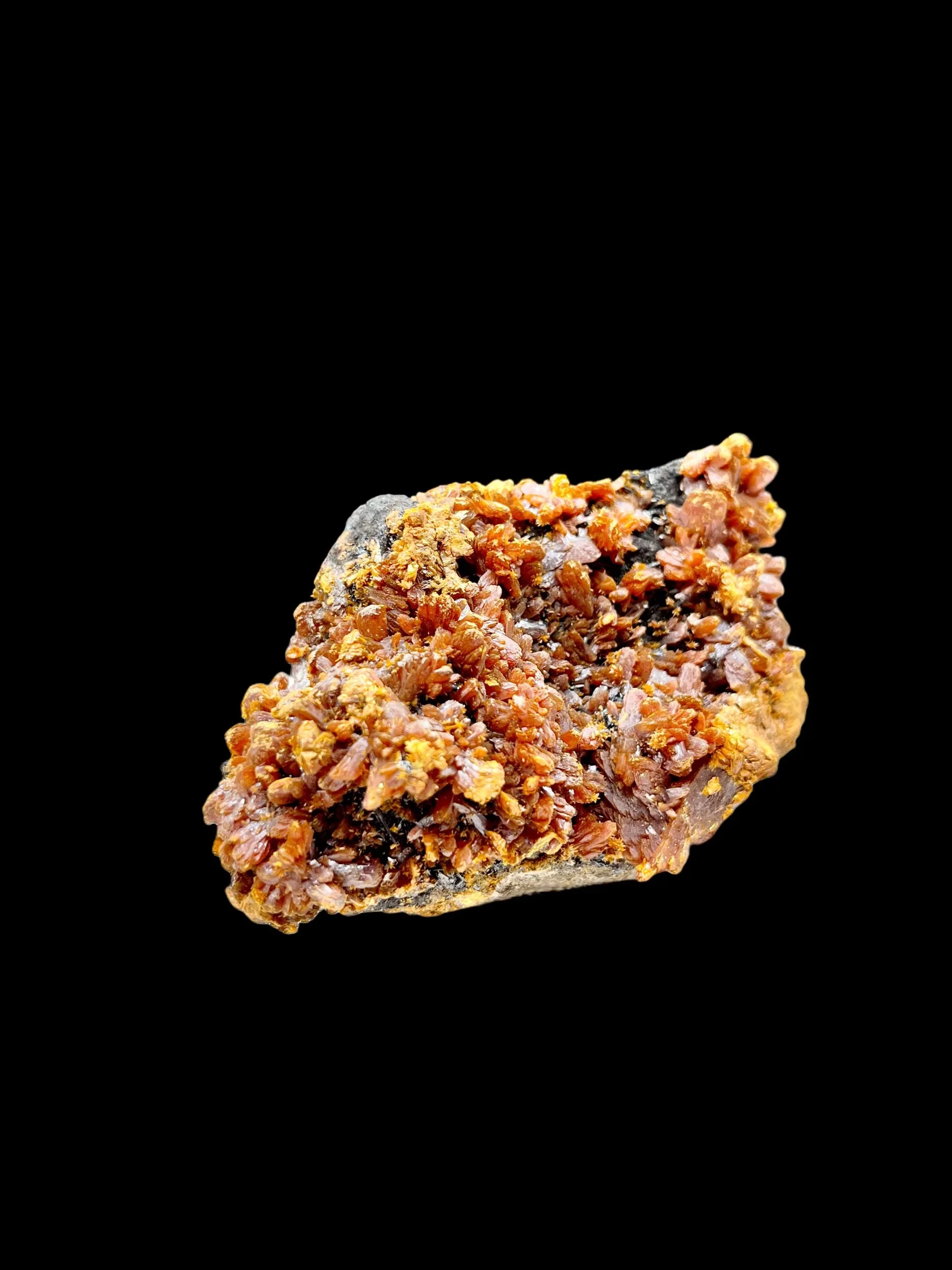
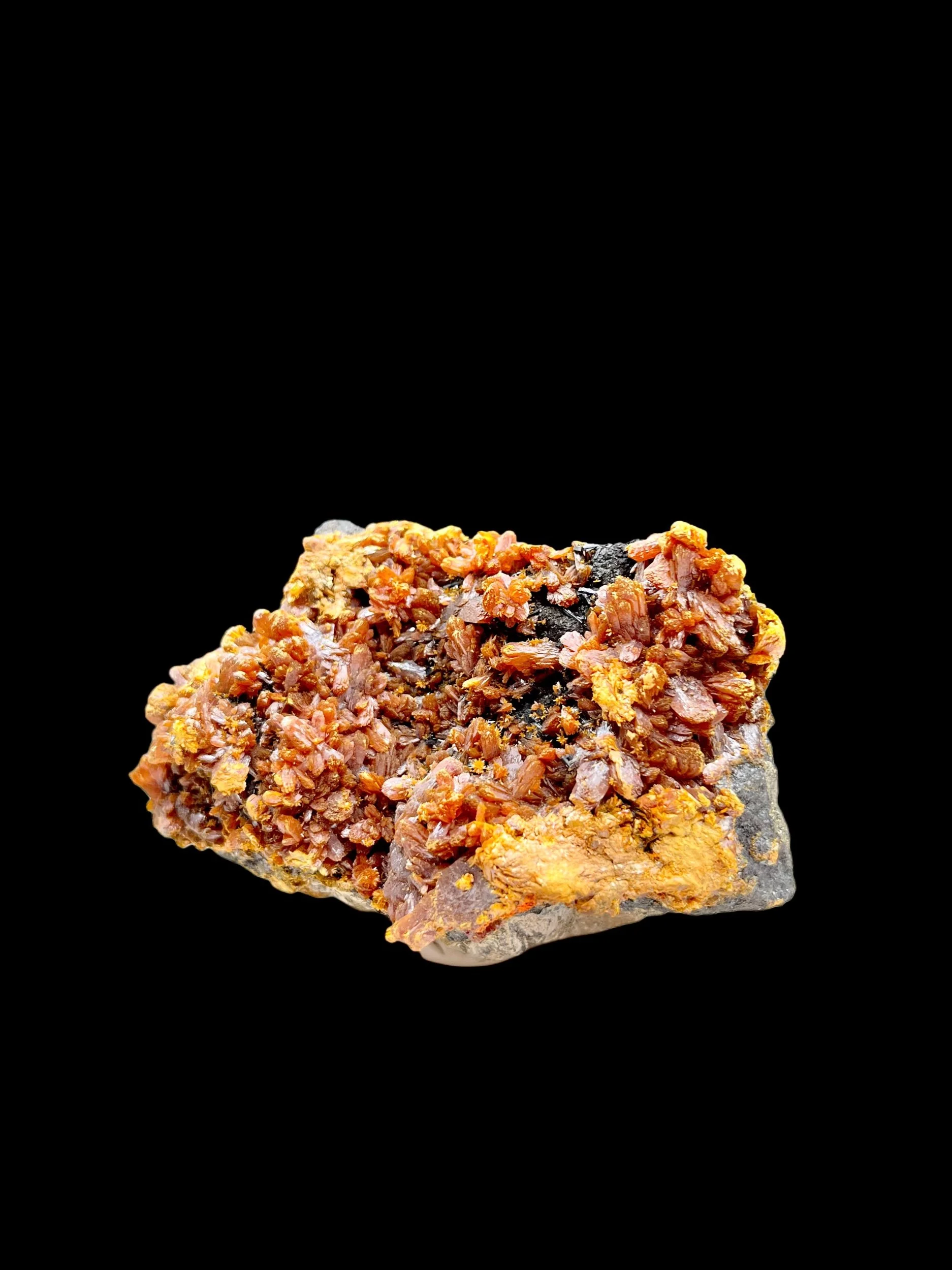
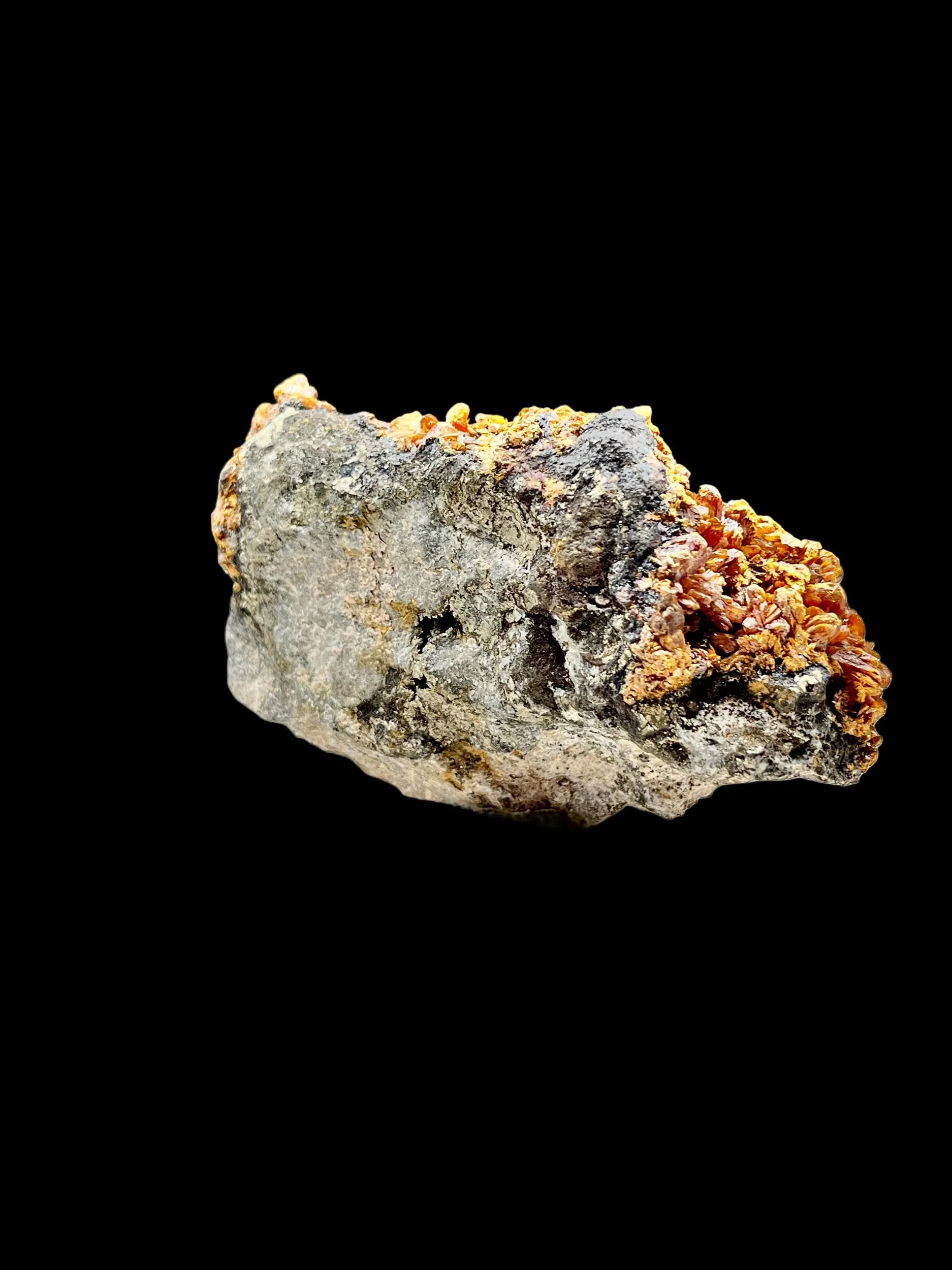
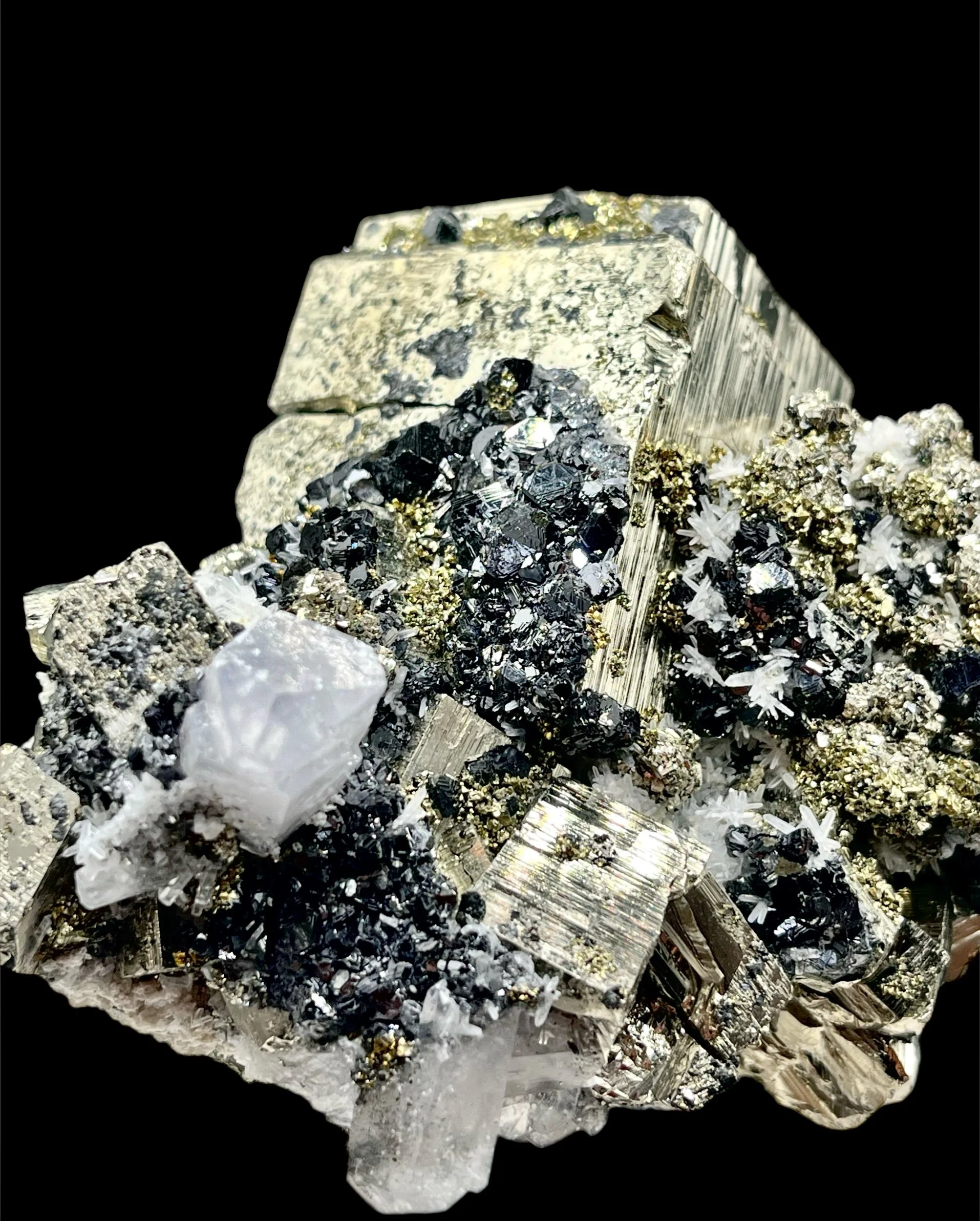
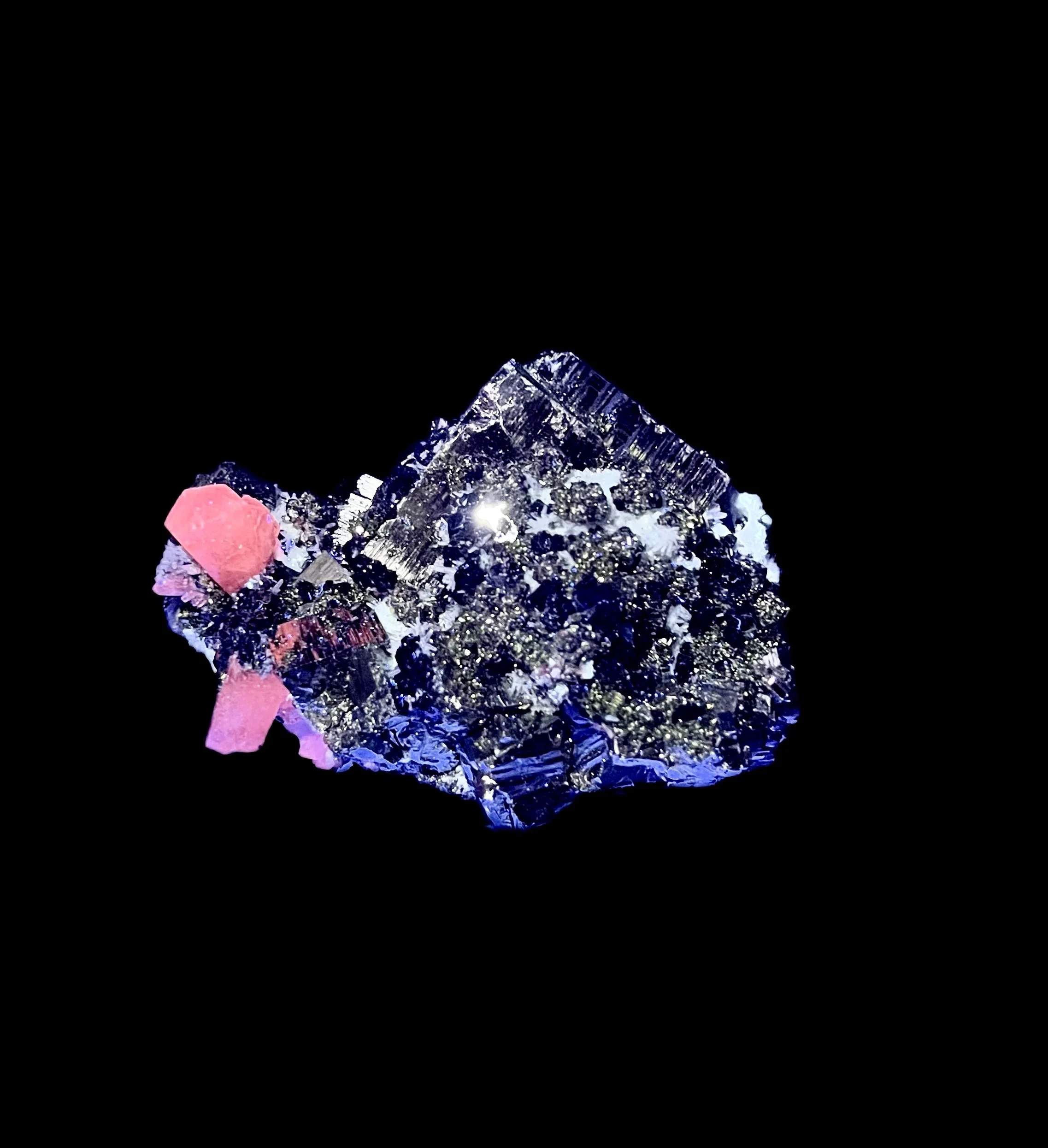
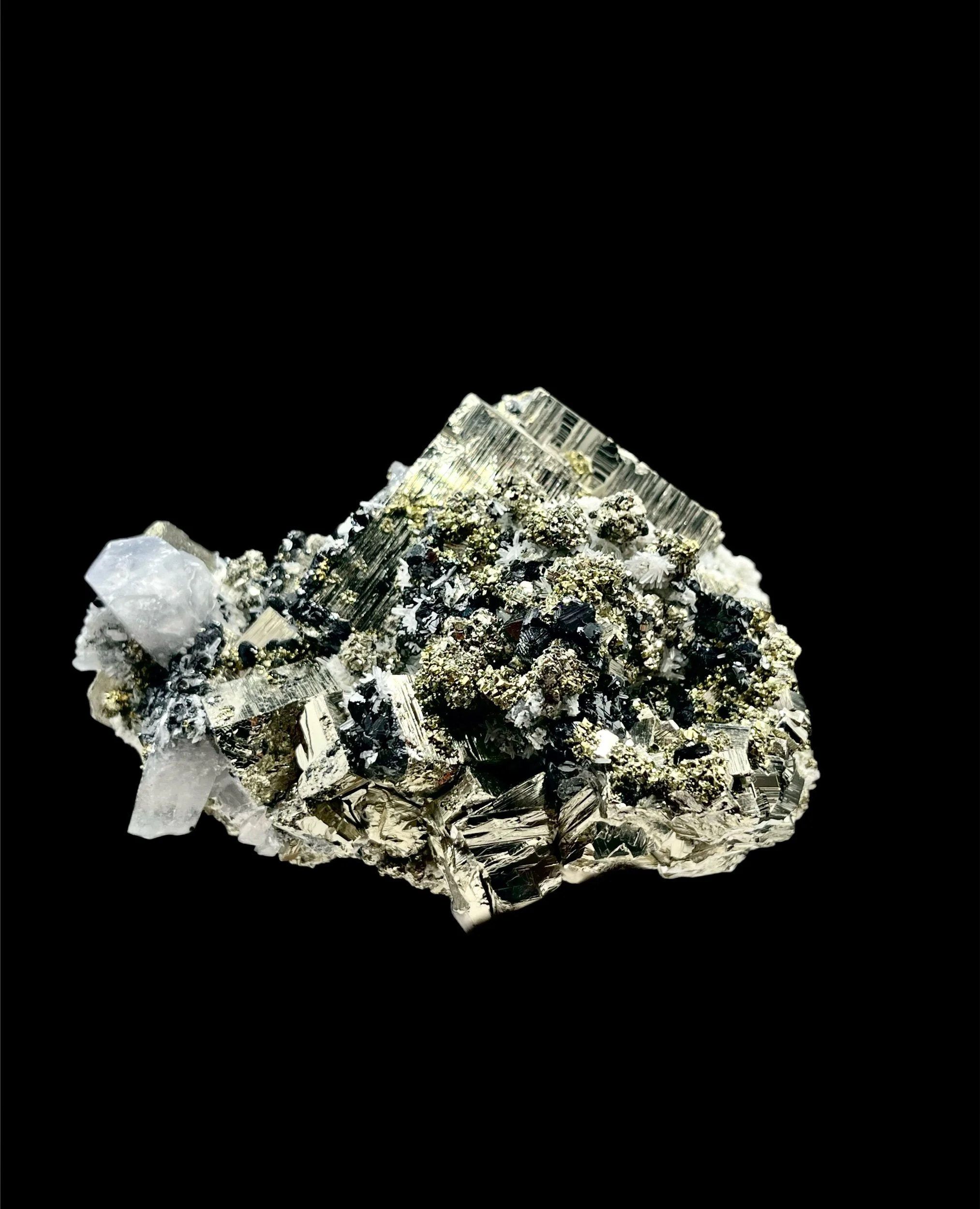
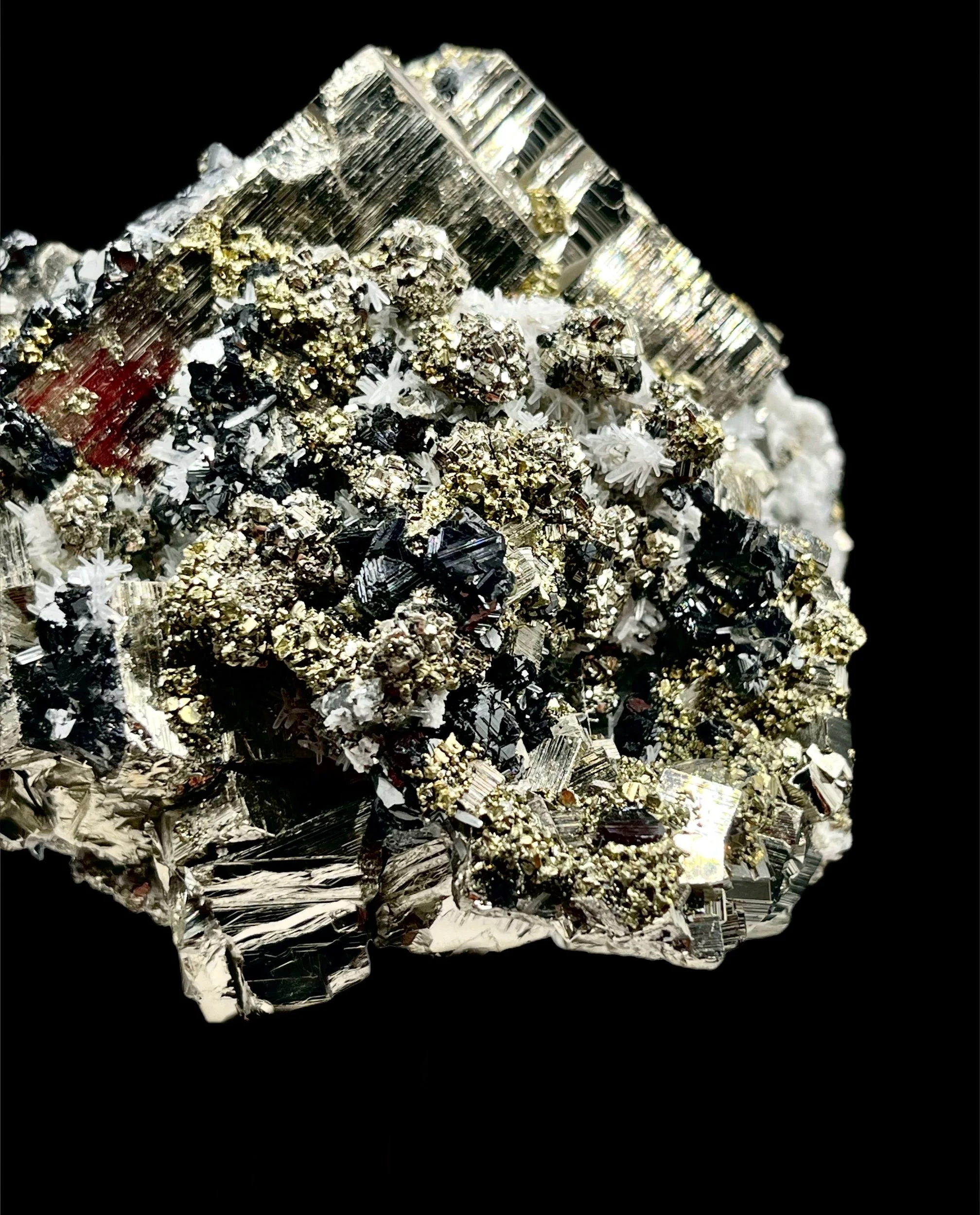
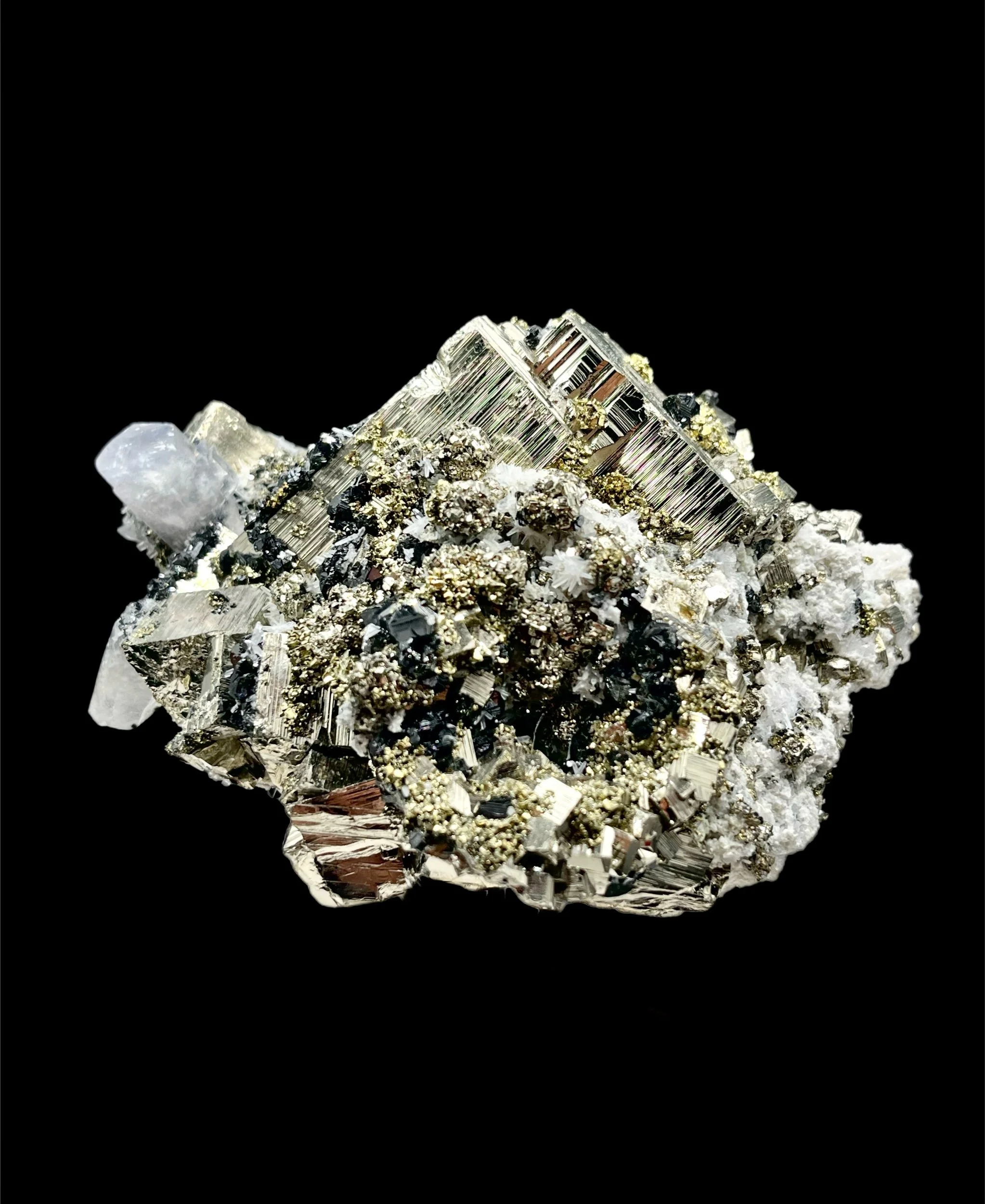
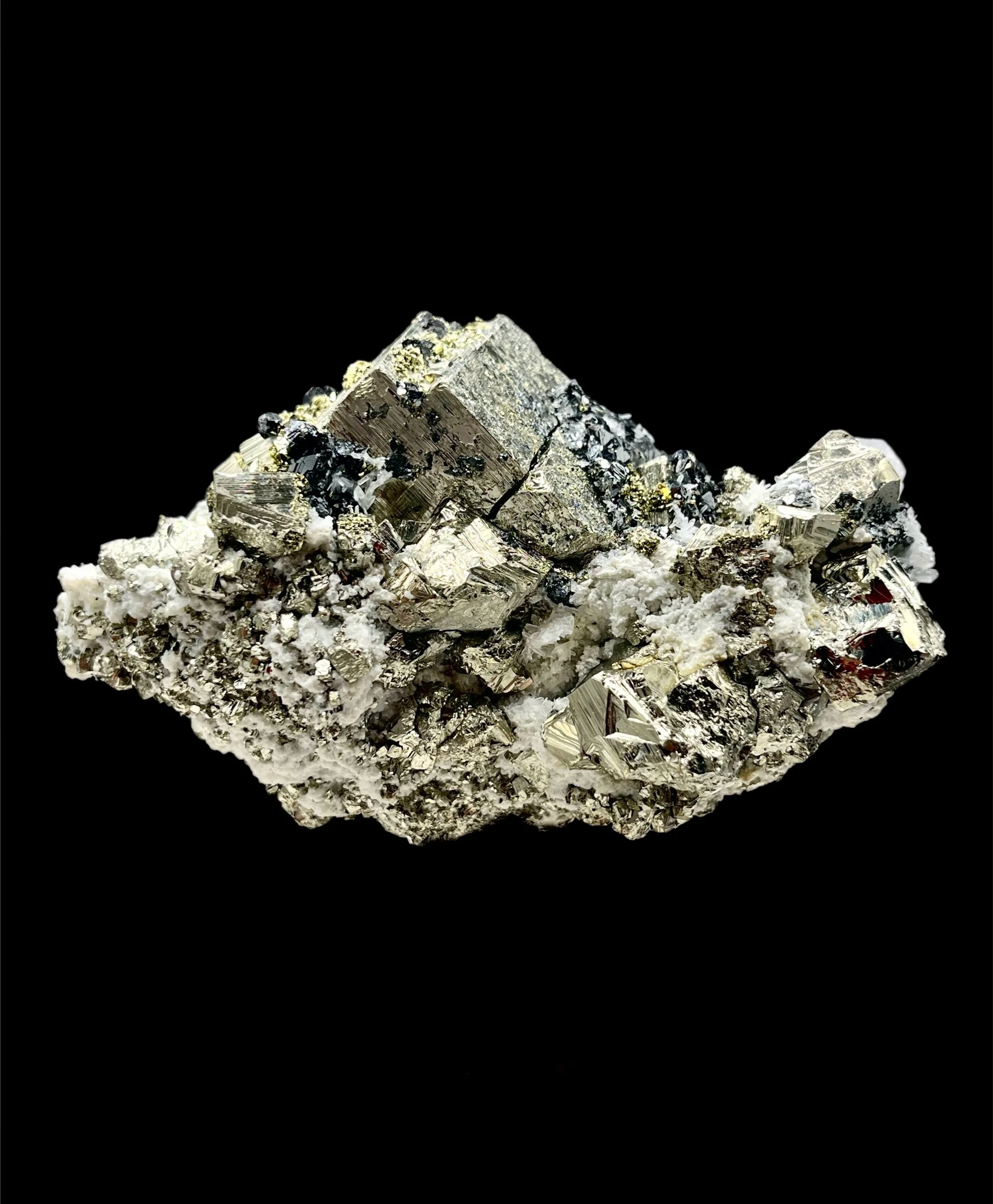
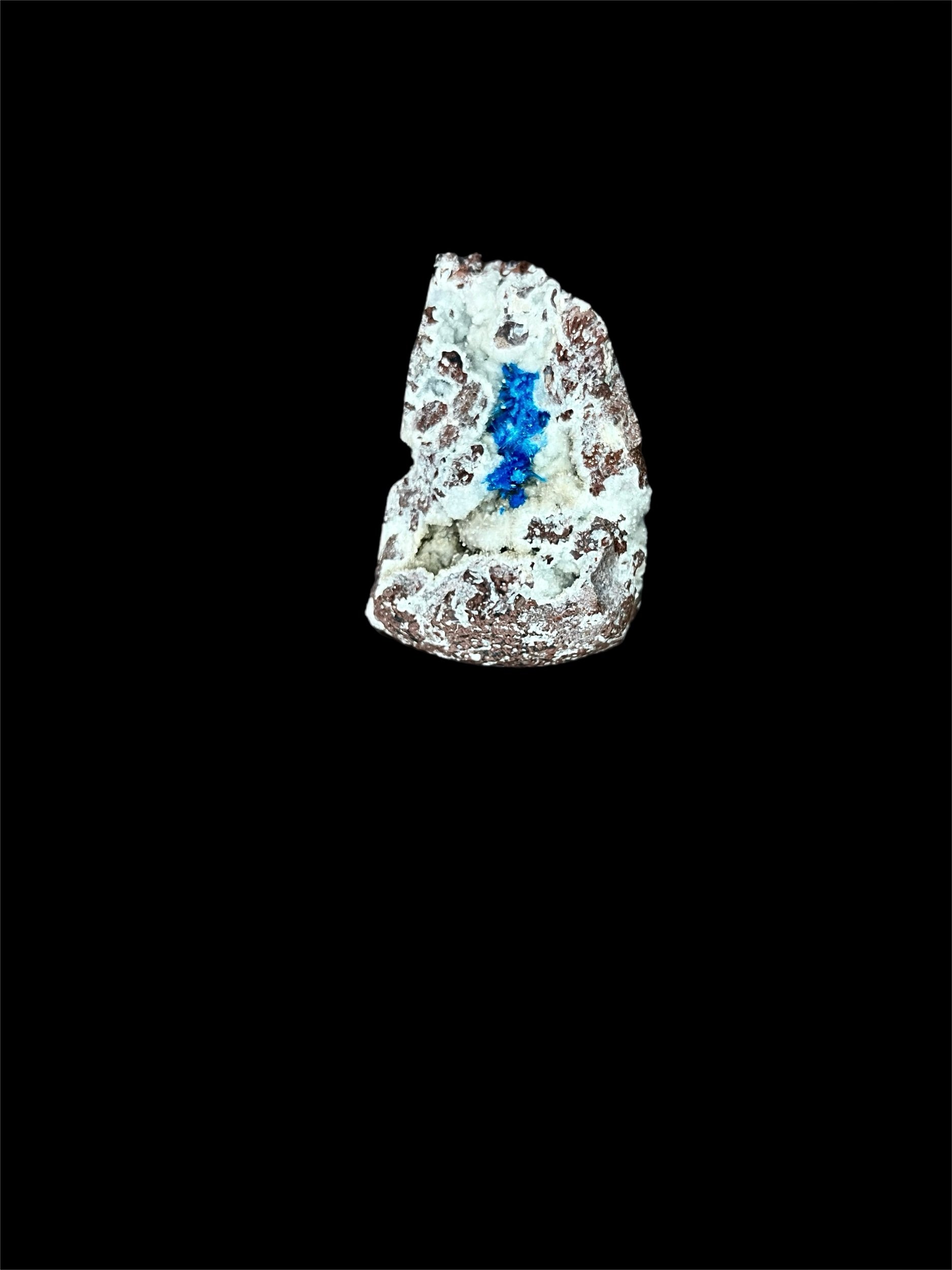
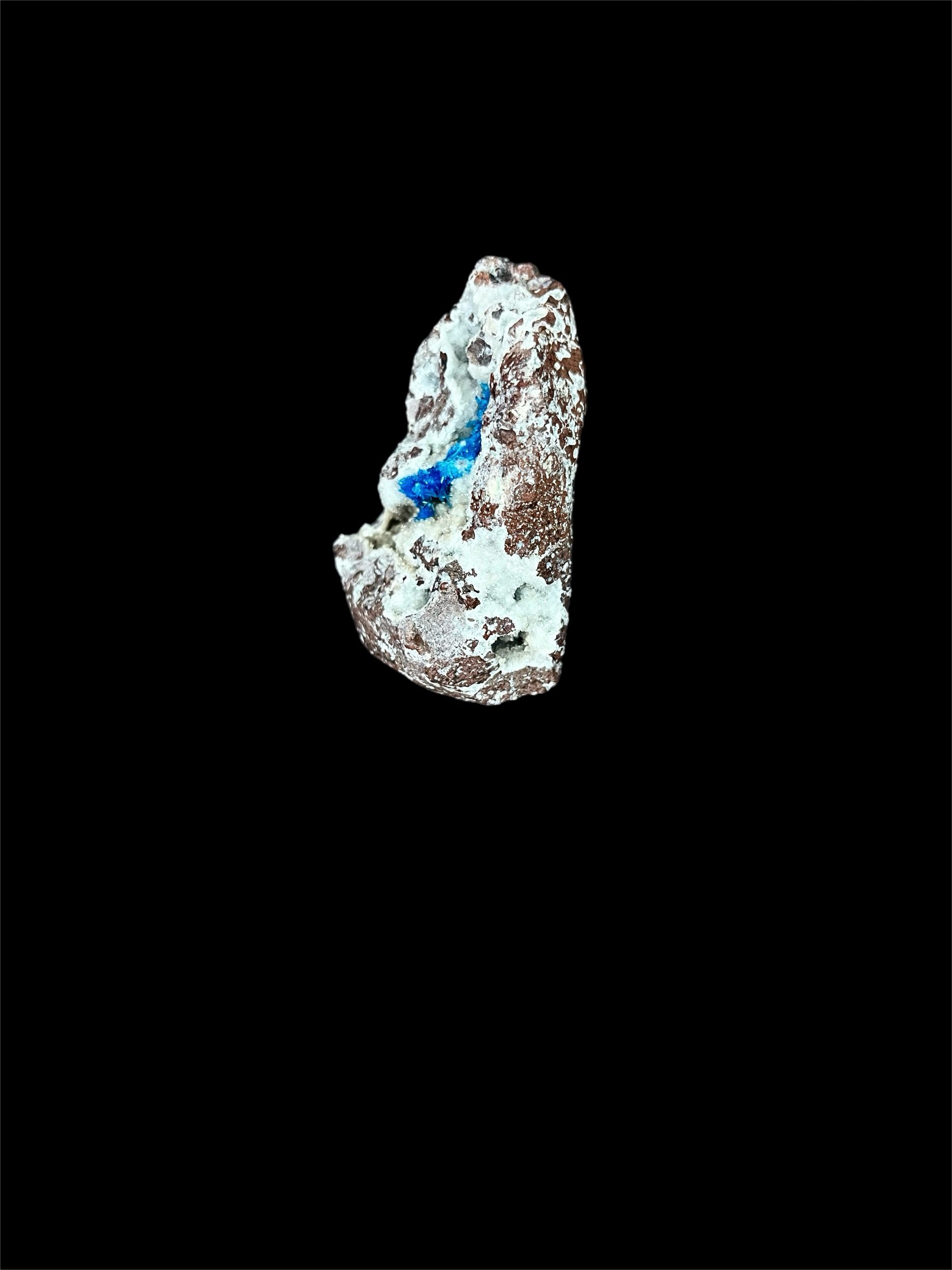
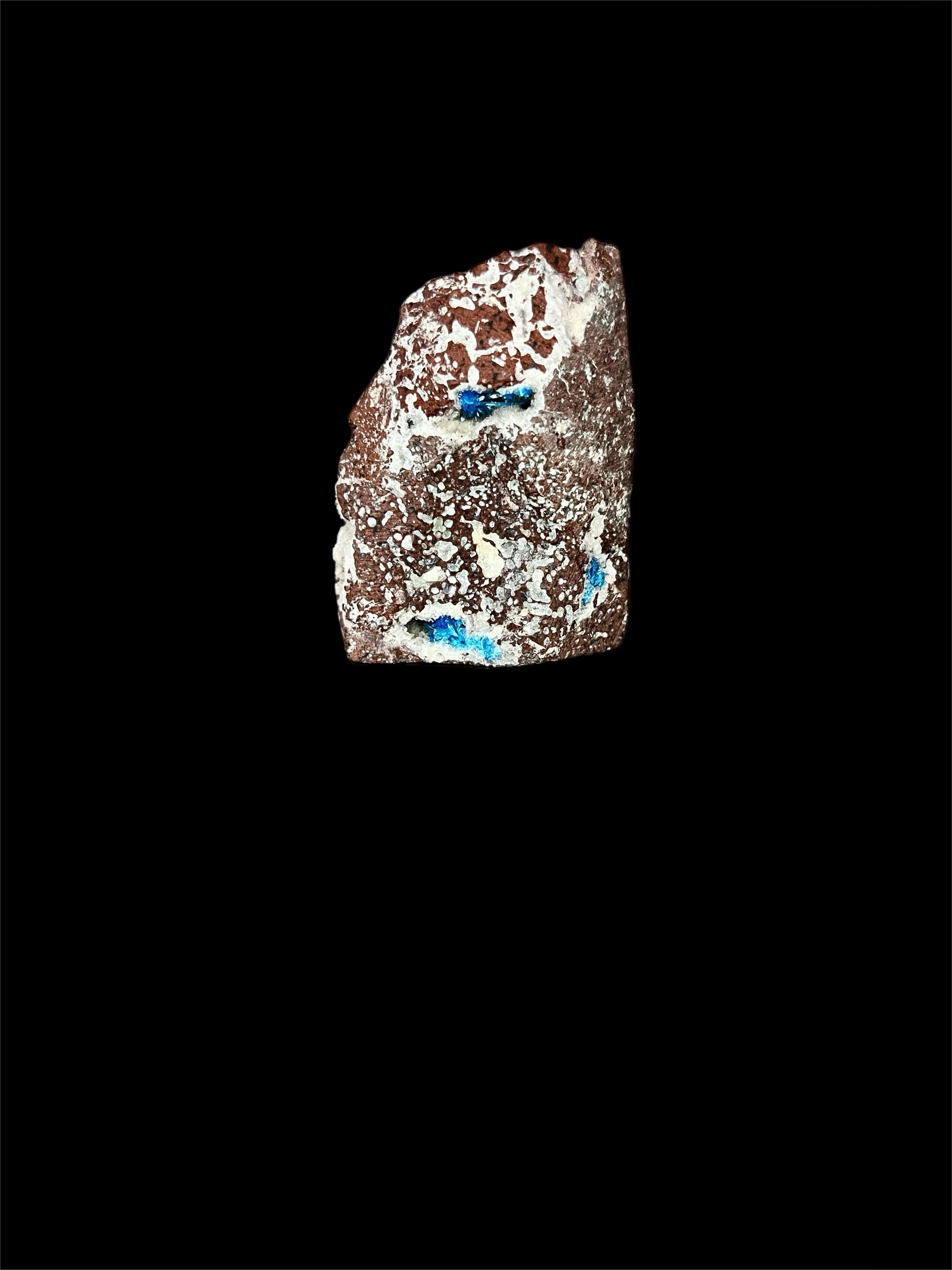
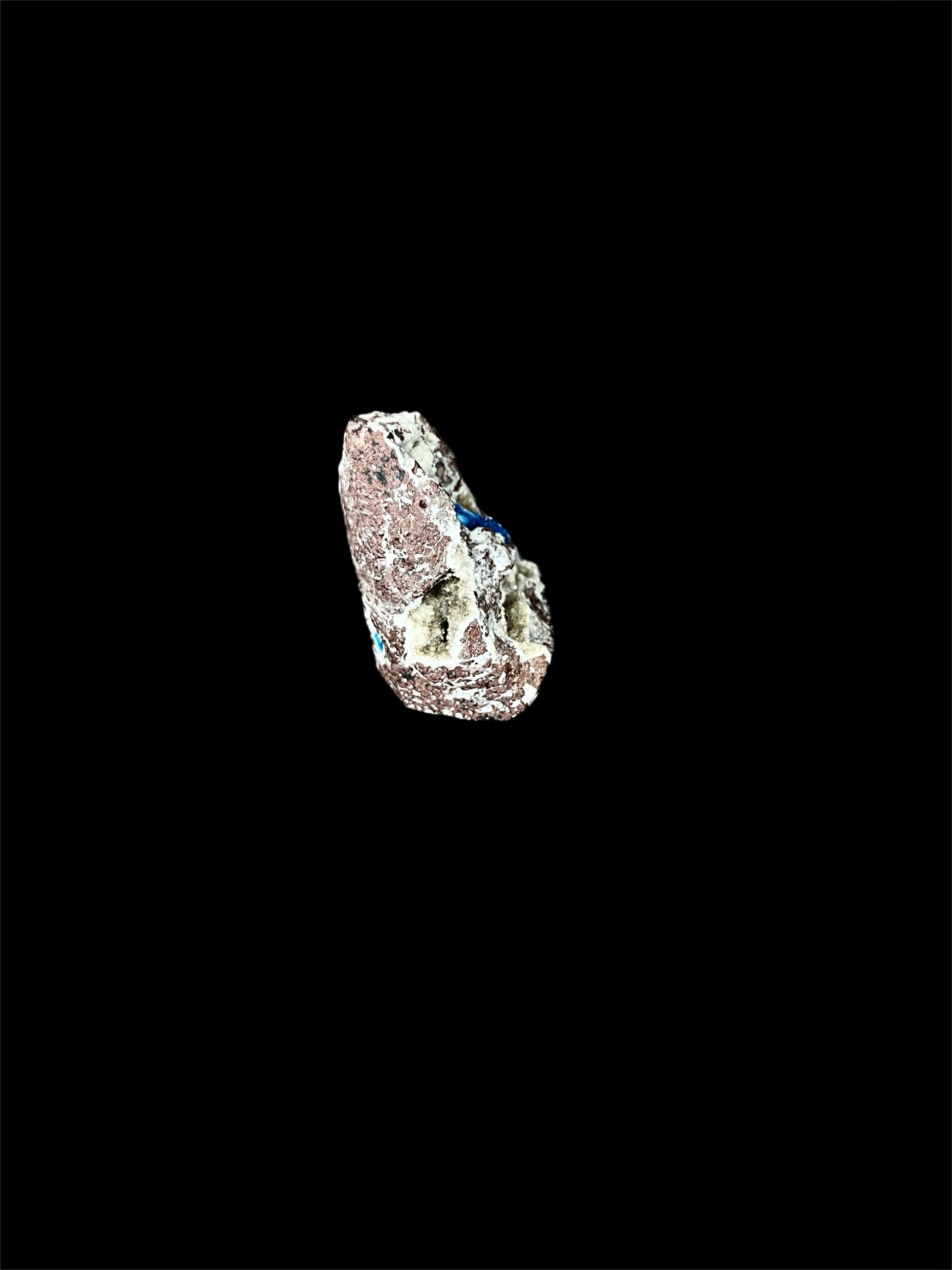
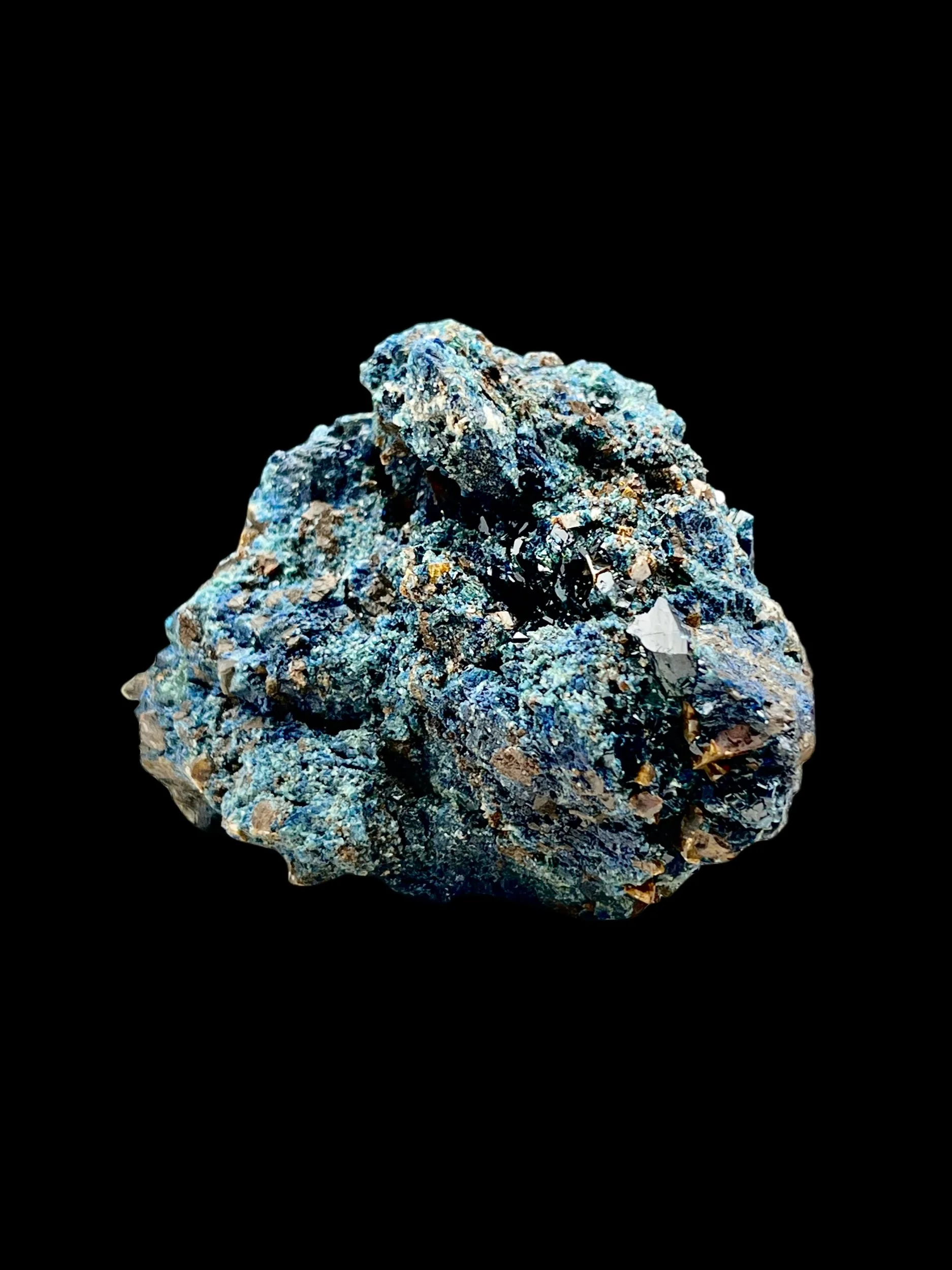
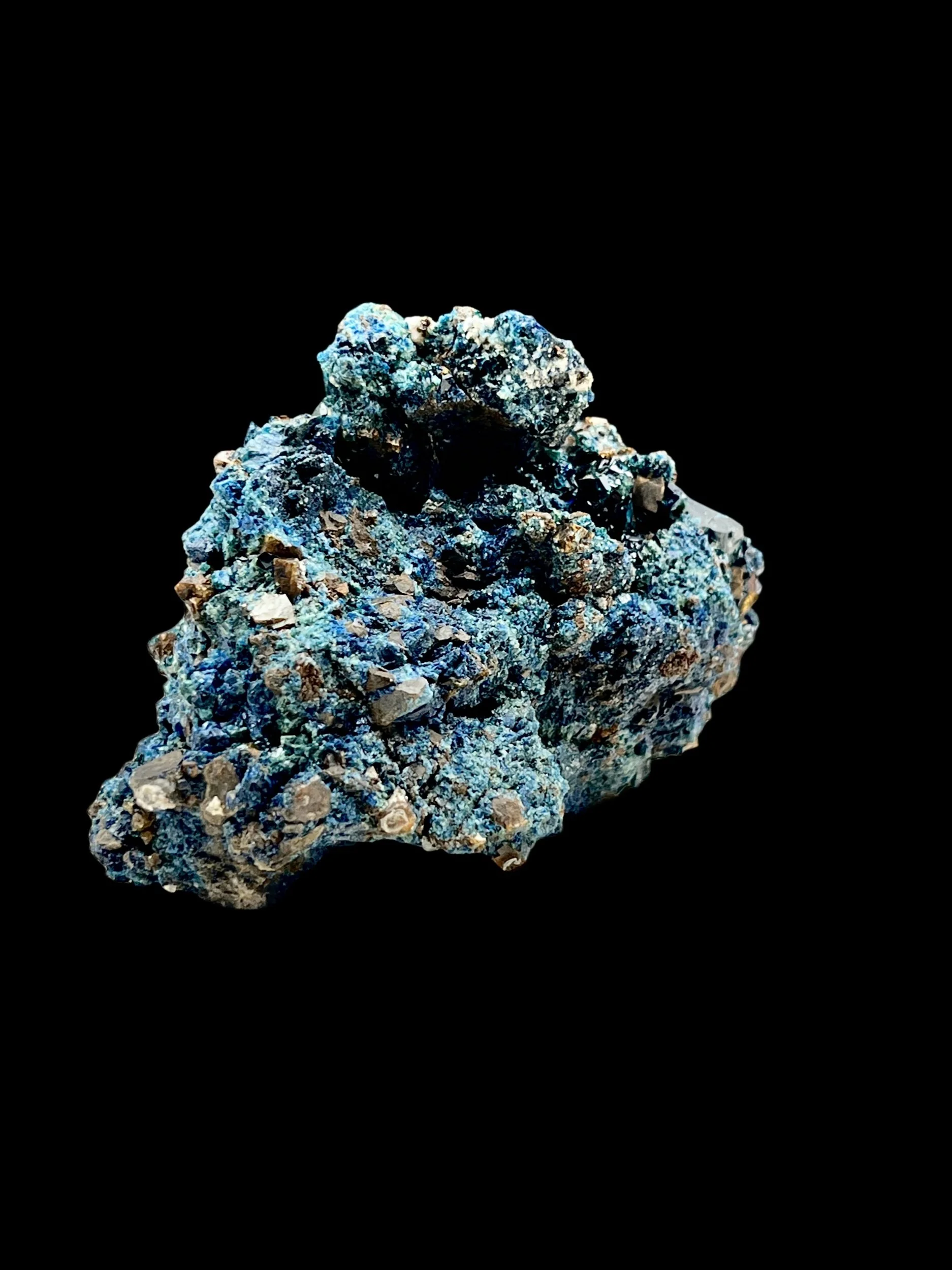
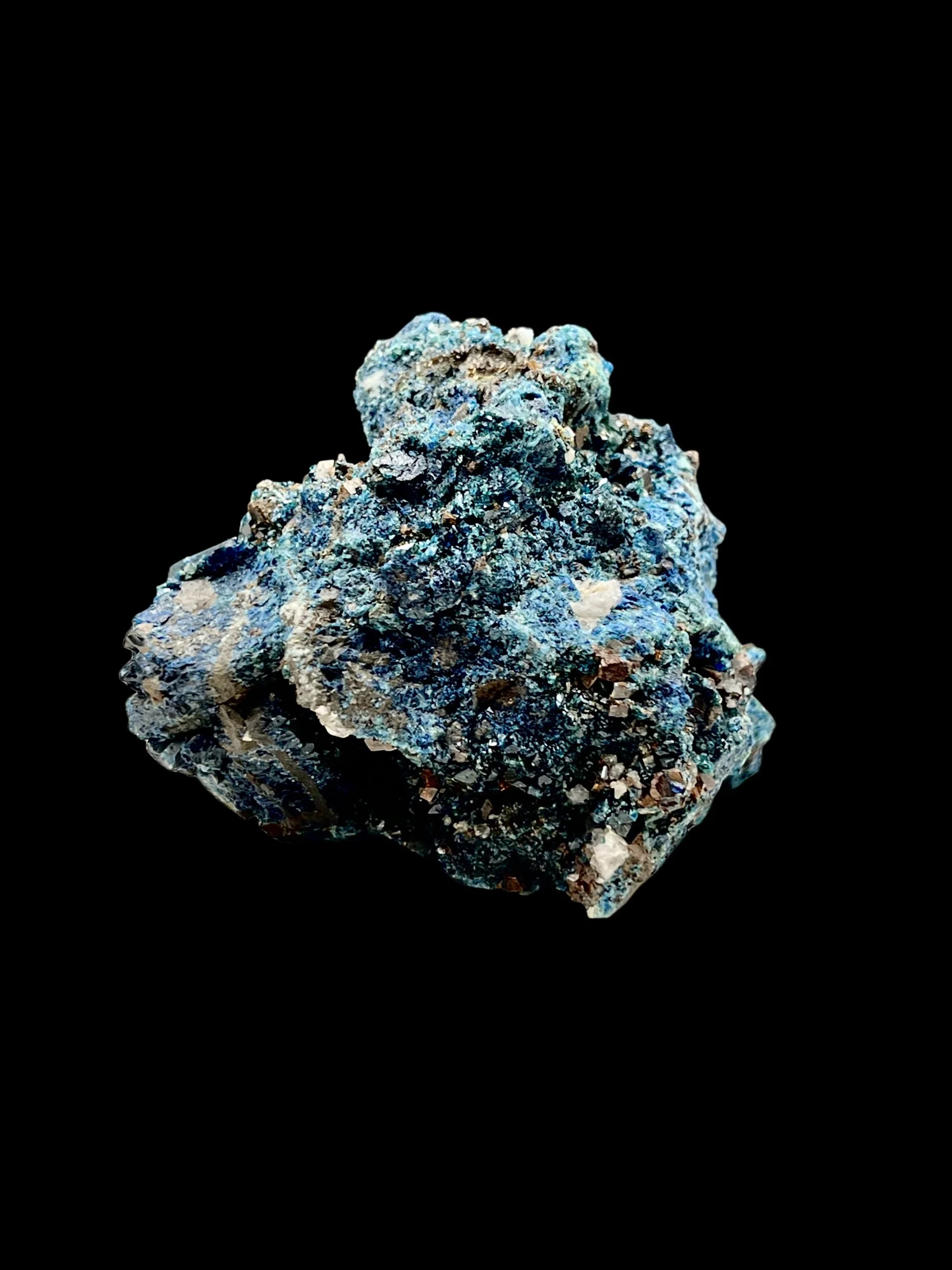
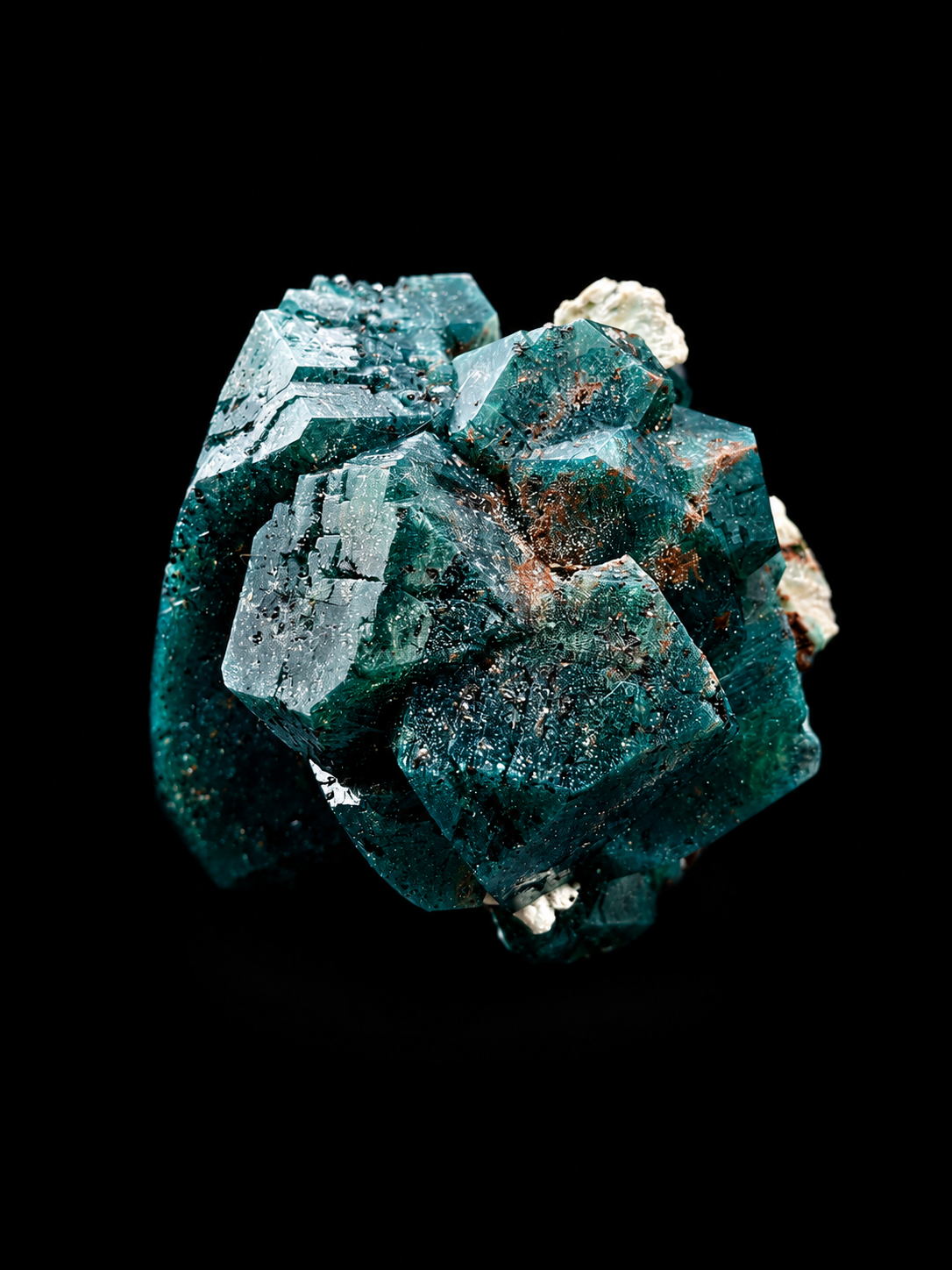
This breathtaking specimen showcases the bold, moody, and striking beauty that makes marshy apophyllite so sought after by collectors. A sculptural cluster of sharply formed apophyllite crystals rises in saturated shades of deep teal, blue-green, and smoky sea-glass tones, contrasted beautifully by creamy white stilbite and areas of warm iron-rich matrix.
The dramatic color of the apophyllite is caused by fine celadonite and/or chlorite inclusions within otherwise colorless apophyllite crystals. These inclusions give the specimen its characteristic inky blue-green and marsh-like appearance. Tiny darker specks and rusty tones likely reflect additional iron-rich inclusions and associated minerals, adding even more mystery and personality to the piece.
The result is a specimen with exceptional visual drama: crisp crystal geometry, earthy inclusions, and a soft, elegant stilbite accent that brings balance and contrast to the darker apophyllite faces.
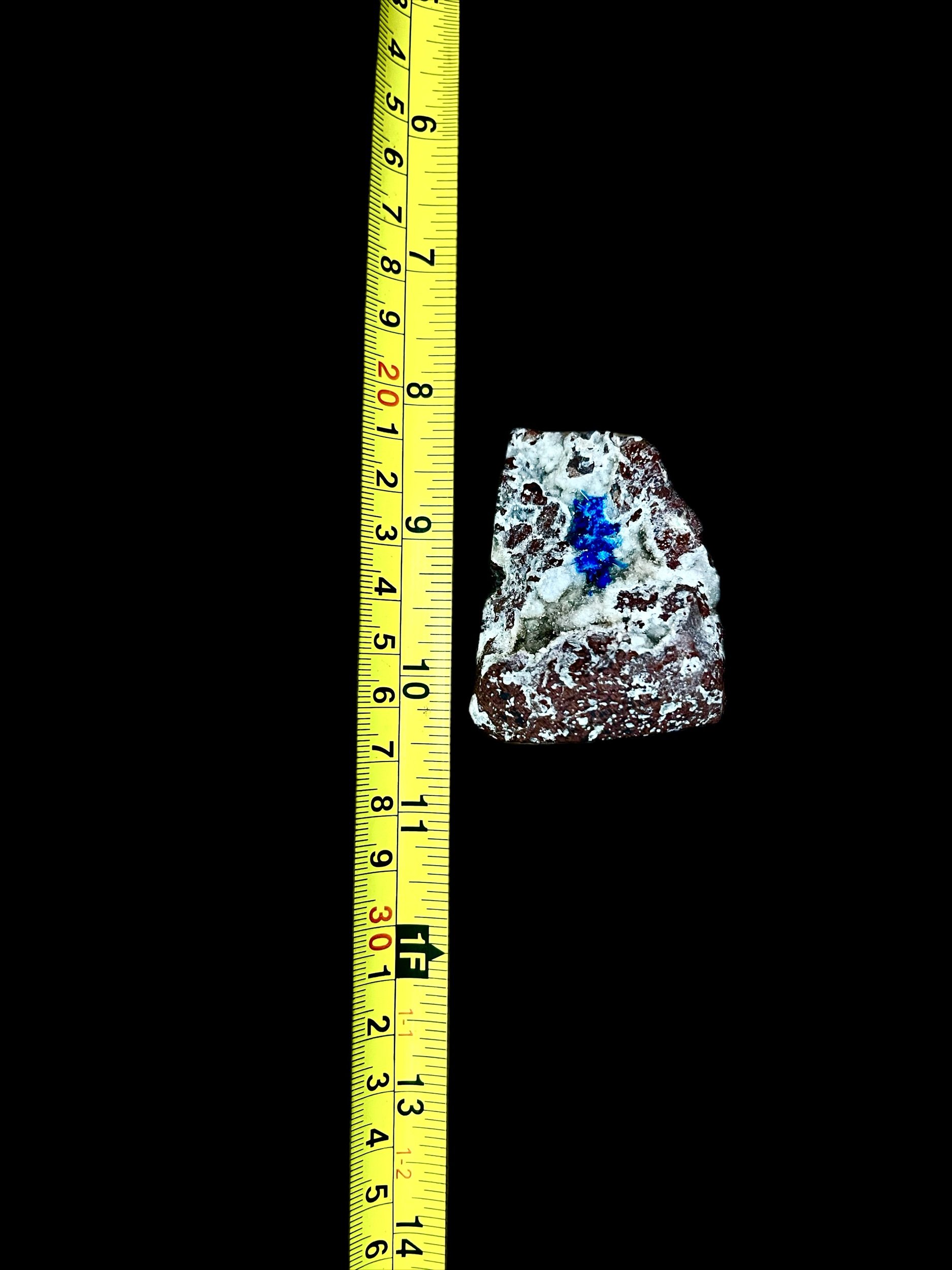
Dimensions: 3" x 2.75" x 2.5"
Weight: 368 g
Origin: India
Locality: Sakur Quarry, Sangamner, Ahilyanagar District, Maharashtra, India
Apophyllite is often associated with clarity, insight, intuition, and energetic cleansing. Collectors and crystal enthusiasts frequently reach for it when they want a mineral that feels both uplifting and reflective.
Green or marshy included apophyllite is often said to combine apophyllite’s high, light-filled energy with a more grounded, earthy quality. Stilbite is traditionally associated with gentle emotional healing, heart-centered energy, and a calming presence.
Together, this pairing is often appreciated as a balance of:
clarity and calm
insight and grounding
spiritual openness and emotional softness
Metaphysical properties are offered as part of crystal folklore and are not intended as medical or scientific claims.
“Marshy apophyllite” is a trade and collector nickname rather than a formal mineral species name, but it has become a beloved term for inclusion-rich apophyllite with swampy, mossy, or lagoon-like color. Specimens like this are especially appealing because they preserve the classic apophyllite crystal form while taking on a far moodier and more atmospheric appearance than the more common colorless examples.
The source area, Maharashtra, is world-famous among mineral collectors for its zeolite deposits. Much of this material formed in the ancient Deccan Traps, one of the largest volcanic provinces on Earth. Long after the lava cooled, mineral-rich fluids moved through cavities in the basalt and slowly built the crystal-lined pockets that later produced remarkable specimens like this one.
One of the joys of marshy apophyllite is that no two pieces feel quite the same. The inclusions act like a natural record of the chemistry inside the pocket while the crystal was growing, so each specimen captures a slightly different balance of color, transparency, and internal texture.
The stilbite on this piece adds a wonderful regional touch as well. Maharashtra is famous for beautiful apophyllite–stilbite associations, and many collectors consider this pairing one of the most iconic mineral combinations from India.
Marshy apophyllite with associated stilbite
Excellent blue-green to teal coloration
Rare fine
Sharp, glossy crystal faces with excellent geometric form
High contrast between dark apophyllite and pale stilbite
Collector-favorite Indian zeolite association
Highly sought after
Primary mineral: Apophyllite Group
Associated mineral: Stilbite
Coloring agents / inclusions: celadonite and/or chlorite; iron-rich inclusions or staining
Apophyllite formula: KCa₄Si₈O₂₀(F,OH)·8H₂O
Stilbite formula: NaCa₄(Si₂₇Al₉)O₇₂·28H₂O (composition may vary within the stilbite series)
Crystal system:
Apophyllite: Tetragonal
Stilbite: Monoclinic
Luster: Vitreous to pearly
Transparency: Transparent to translucent, with more opaque zones where inclusions are concentrated
This breathtaking specimen showcases the bold, moody, and striking beauty that makes marshy apophyllite so sought after by collectors. A sculptural cluster of sharply formed apophyllite crystals rises in saturated shades of deep teal, blue-green, and smoky sea-glass tones, contrasted beautifully by creamy white stilbite and areas of warm iron-rich matrix.
The dramatic color of the apophyllite is caused by fine celadonite and/or chlorite inclusions within otherwise colorless apophyllite crystals. These inclusions give the specimen its characteristic inky blue-green and marsh-like appearance. Tiny darker specks and rusty tones likely reflect additional iron-rich inclusions and associated minerals, adding even more mystery and personality to the piece.
The result is a specimen with exceptional visual drama: crisp crystal geometry, earthy inclusions, and a soft, elegant stilbite accent that brings balance and contrast to the darker apophyllite faces.
Dimensions: 3" x 2.75" x 2.5"
Weight: 368 g
Origin: India
Locality: Sakur Quarry, Sangamner, Ahilyanagar District, Maharashtra, India
Apophyllite is often associated with clarity, insight, intuition, and energetic cleansing. Collectors and crystal enthusiasts frequently reach for it when they want a mineral that feels both uplifting and reflective.
Green or marshy included apophyllite is often said to combine apophyllite’s high, light-filled energy with a more grounded, earthy quality. Stilbite is traditionally associated with gentle emotional healing, heart-centered energy, and a calming presence.
Together, this pairing is often appreciated as a balance of:
clarity and calm
insight and grounding
spiritual openness and emotional softness
Metaphysical properties are offered as part of crystal folklore and are not intended as medical or scientific claims.
“Marshy apophyllite” is a trade and collector nickname rather than a formal mineral species name, but it has become a beloved term for inclusion-rich apophyllite with swampy, mossy, or lagoon-like color. Specimens like this are especially appealing because they preserve the classic apophyllite crystal form while taking on a far moodier and more atmospheric appearance than the more common colorless examples.
The source area, Maharashtra, is world-famous among mineral collectors for its zeolite deposits. Much of this material formed in the ancient Deccan Traps, one of the largest volcanic provinces on Earth. Long after the lava cooled, mineral-rich fluids moved through cavities in the basalt and slowly built the crystal-lined pockets that later produced remarkable specimens like this one.
One of the joys of marshy apophyllite is that no two pieces feel quite the same. The inclusions act like a natural record of the chemistry inside the pocket while the crystal was growing, so each specimen captures a slightly different balance of color, transparency, and internal texture.
The stilbite on this piece adds a wonderful regional touch as well. Maharashtra is famous for beautiful apophyllite–stilbite associations, and many collectors consider this pairing one of the most iconic mineral combinations from India.
Marshy apophyllite with associated stilbite
Excellent blue-green to teal coloration
Rare fine
Sharp, glossy crystal faces with excellent geometric form
High contrast between dark apophyllite and pale stilbite
Collector-favorite Indian zeolite association
Highly sought after
Primary mineral: Apophyllite Group
Associated mineral: Stilbite
Coloring agents / inclusions: celadonite and/or chlorite; iron-rich inclusions or staining
Apophyllite formula: KCa₄Si₈O₂₀(F,OH)·8H₂O
Stilbite formula: NaCa₄(Si₂₇Al₉)O₇₂·28H₂O (composition may vary within the stilbite series)
Crystal system:
Apophyllite: Tetragonal
Stilbite: Monoclinic
Luster: Vitreous to pearly
Transparency: Transparent to translucent, with more opaque zones where inclusions are concentrated