 Image 1 of 5
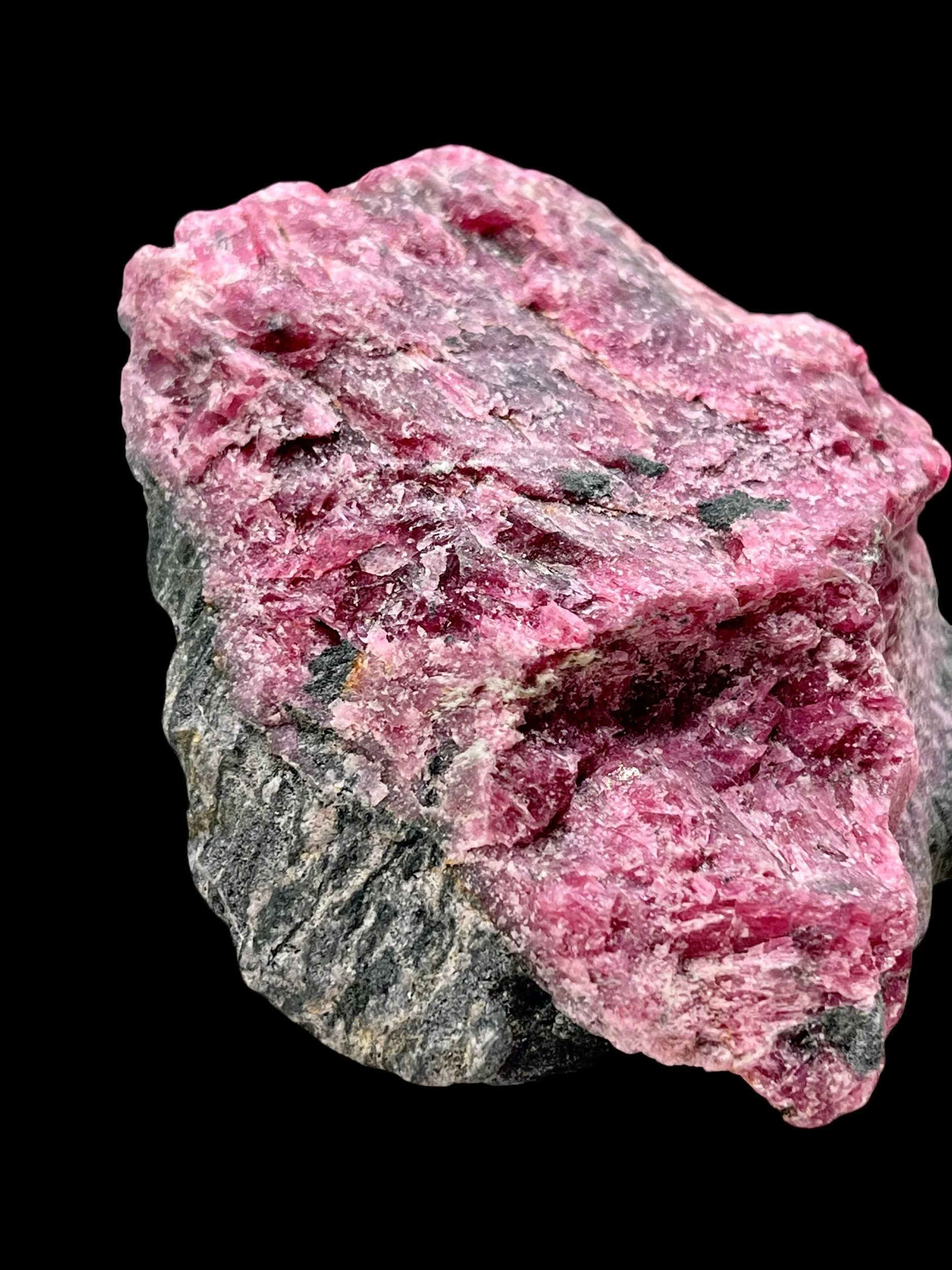 Image 2 of 5
 Image 3 of 5
 Image 4 of 5
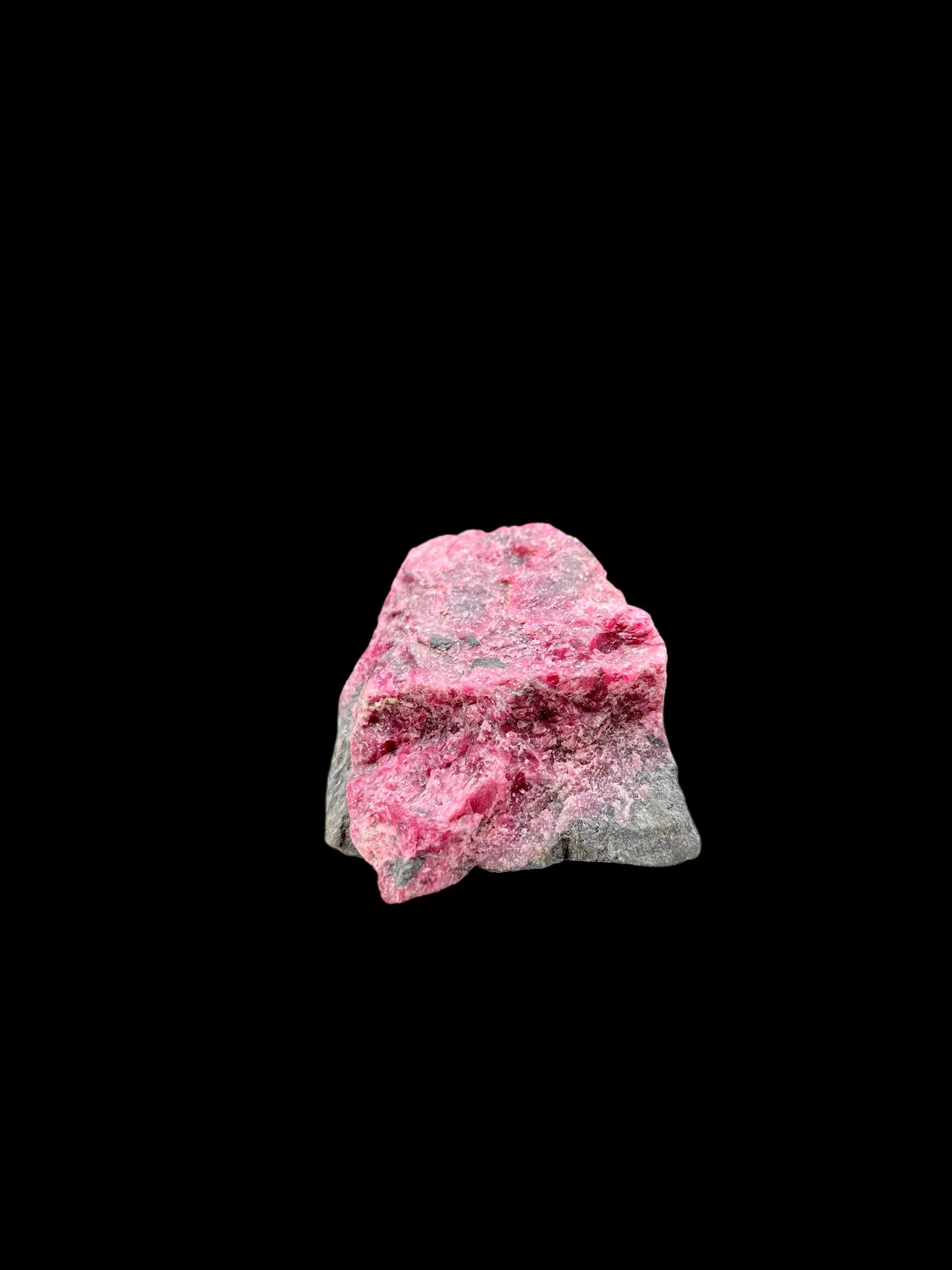 Image 5 of 5
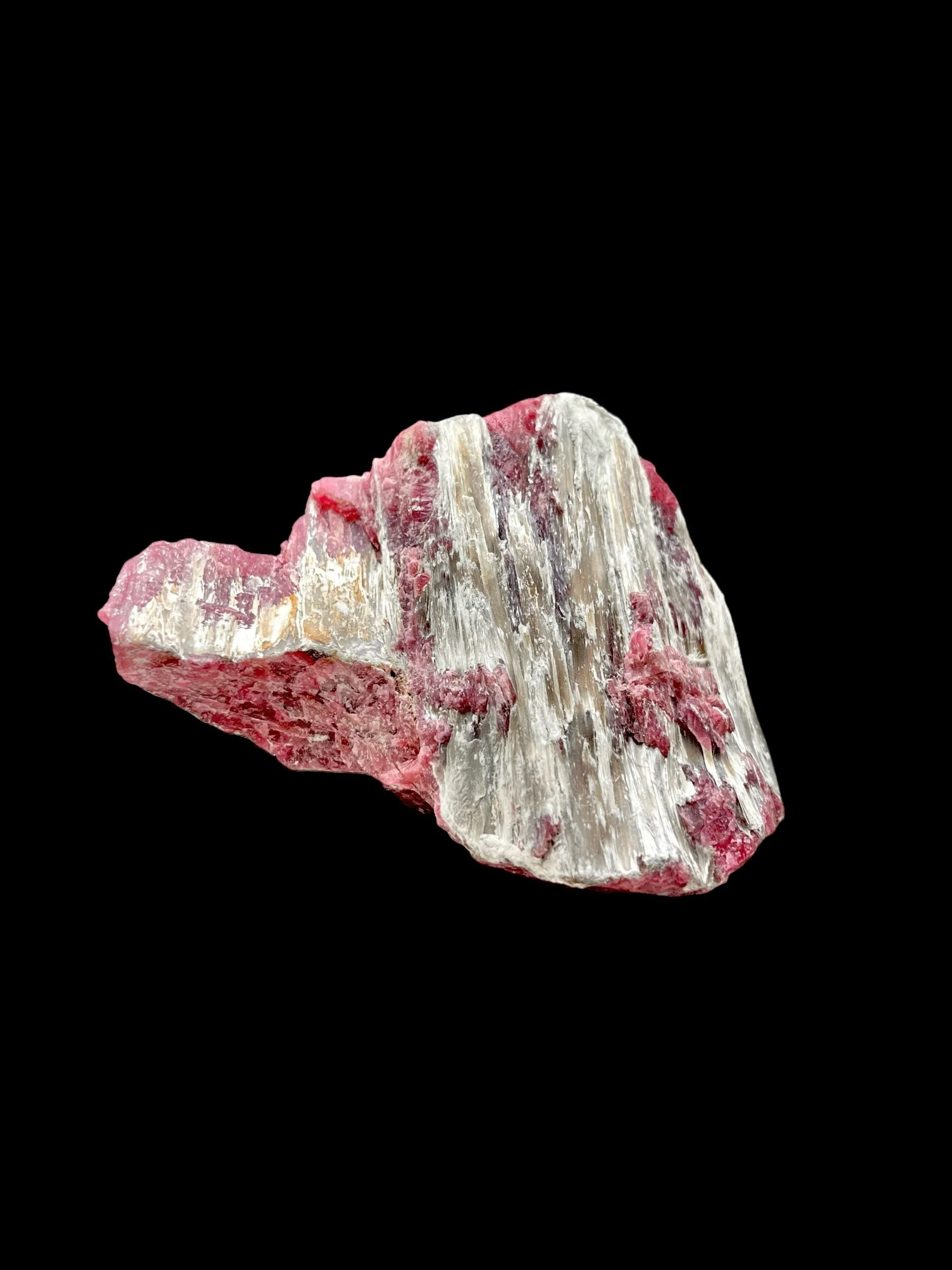
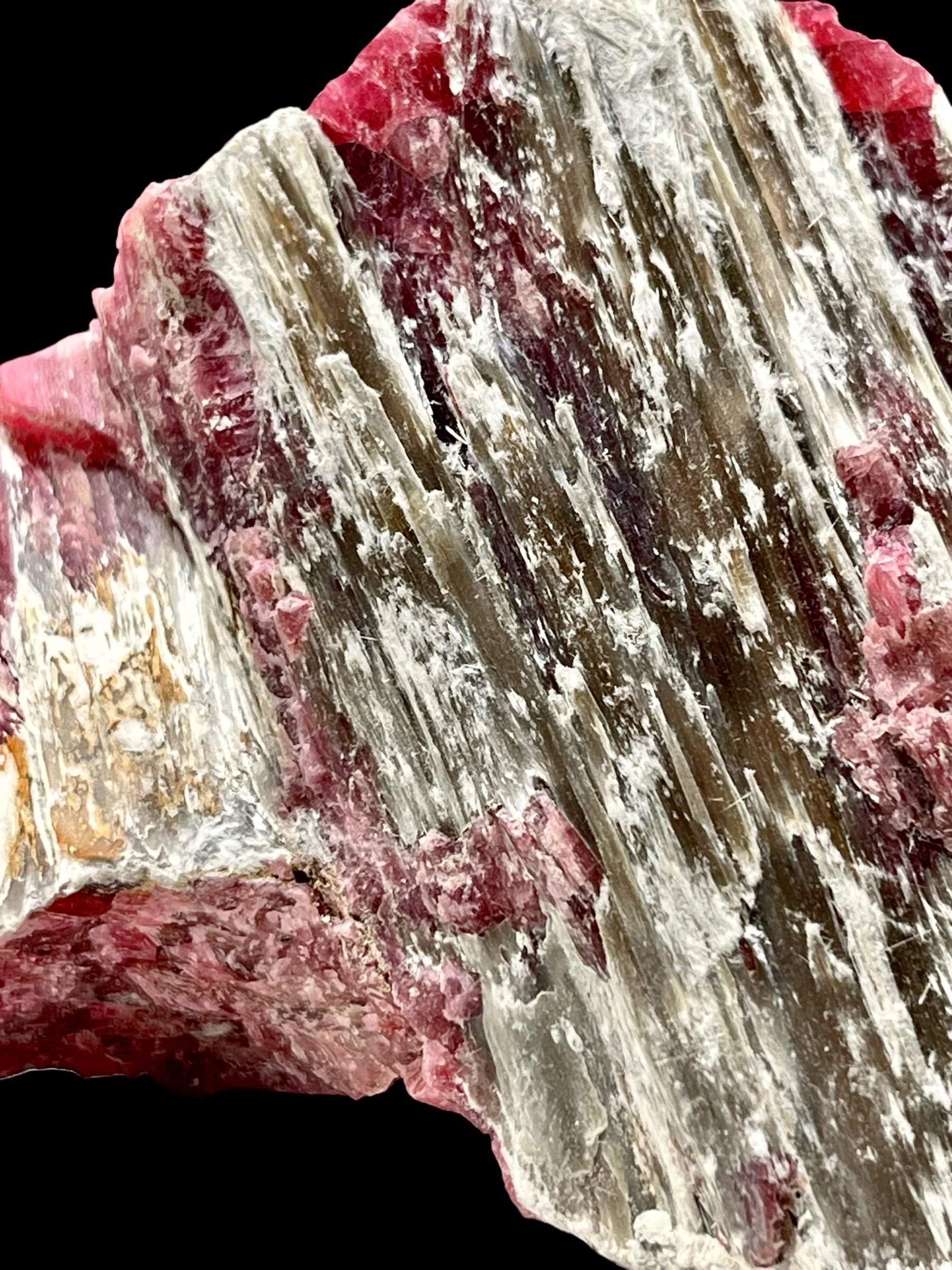
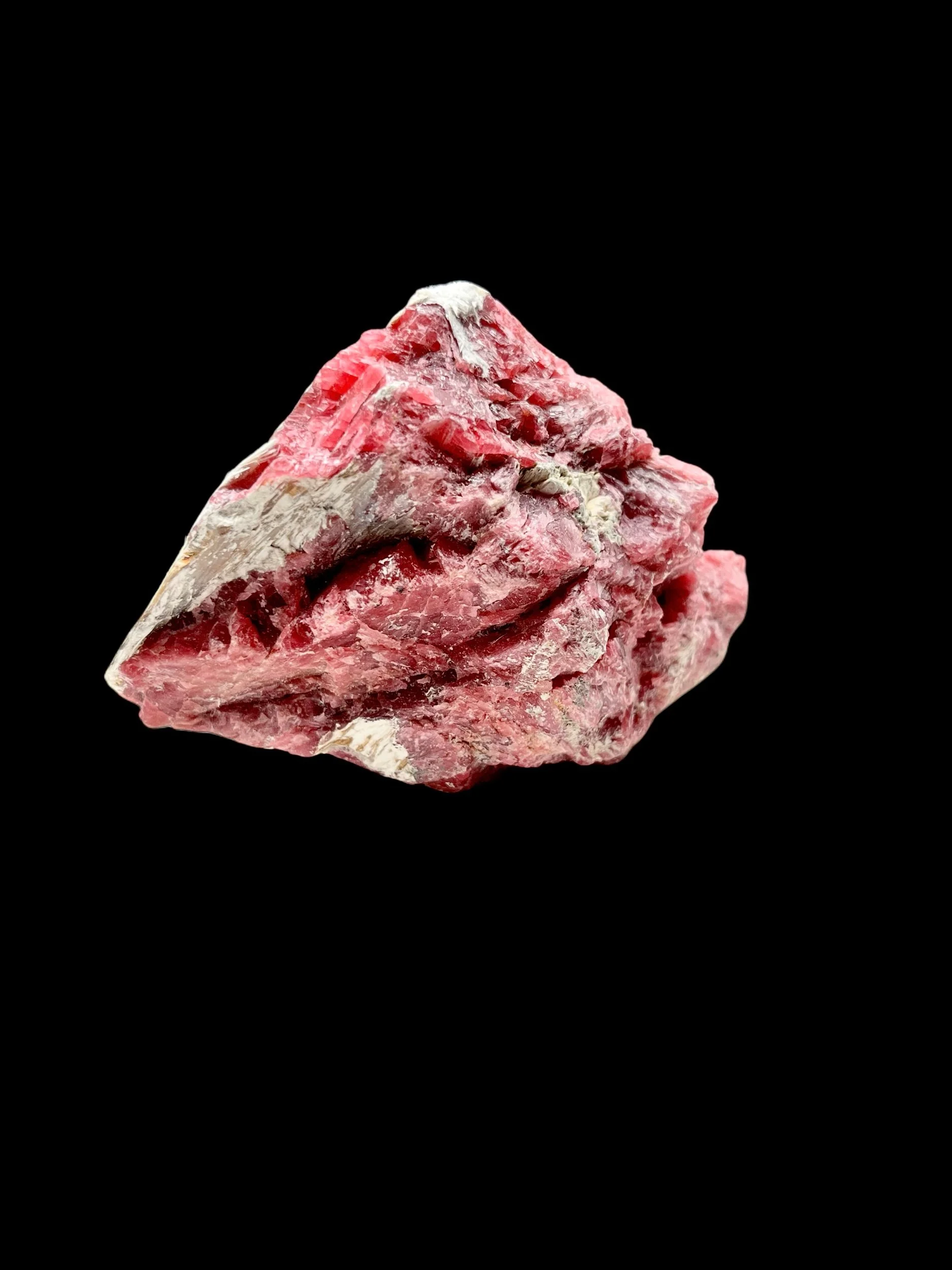
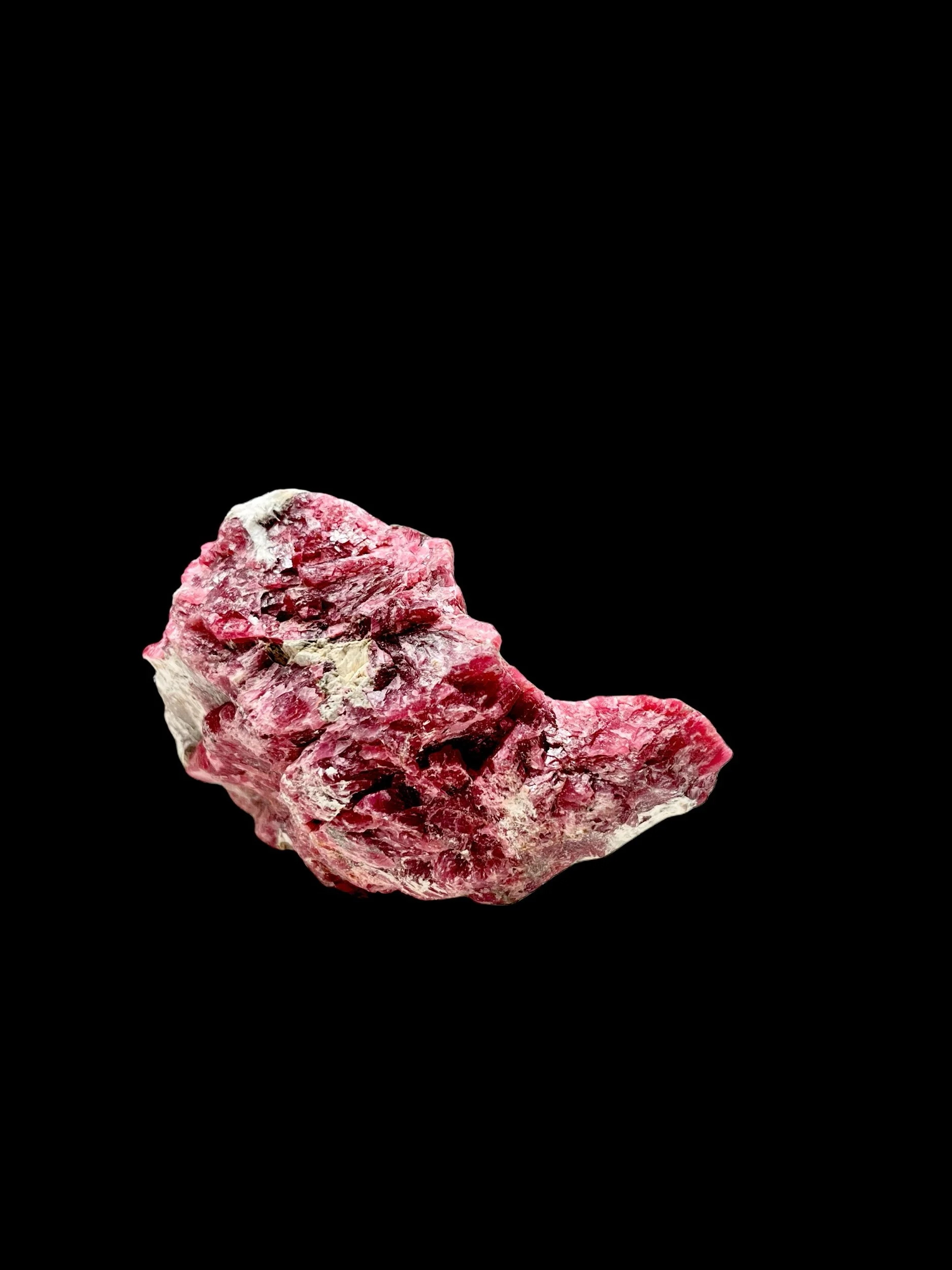
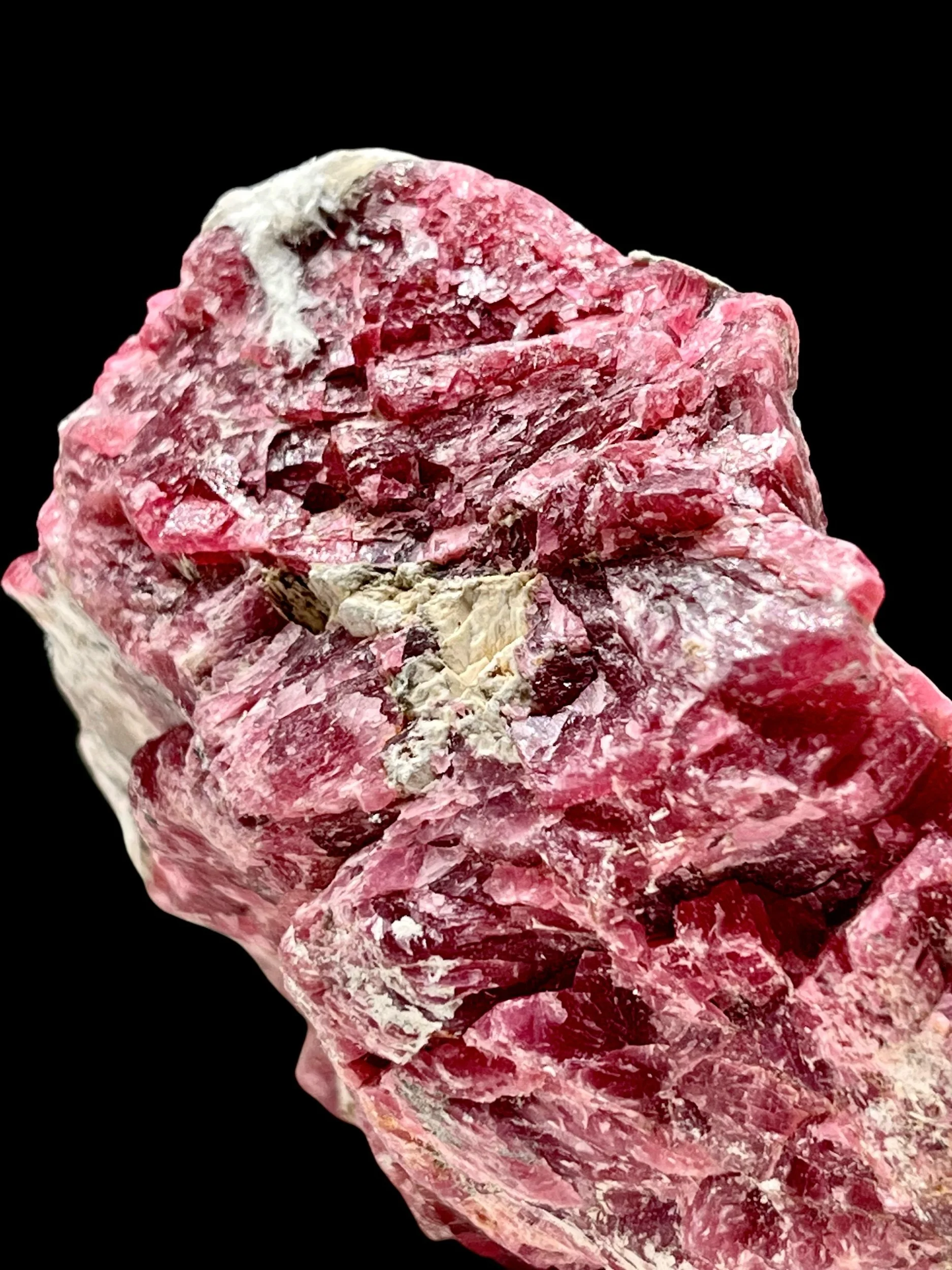
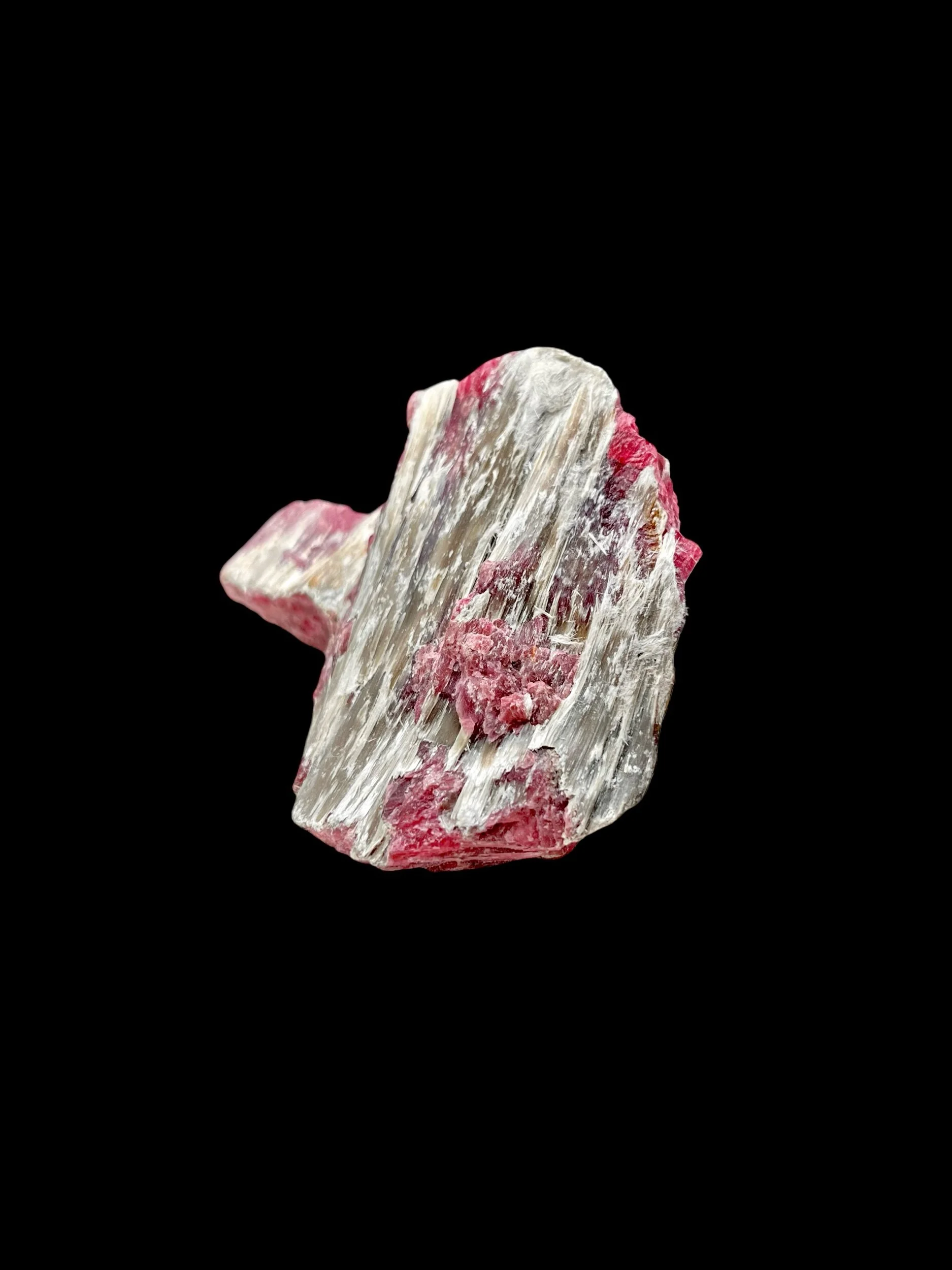
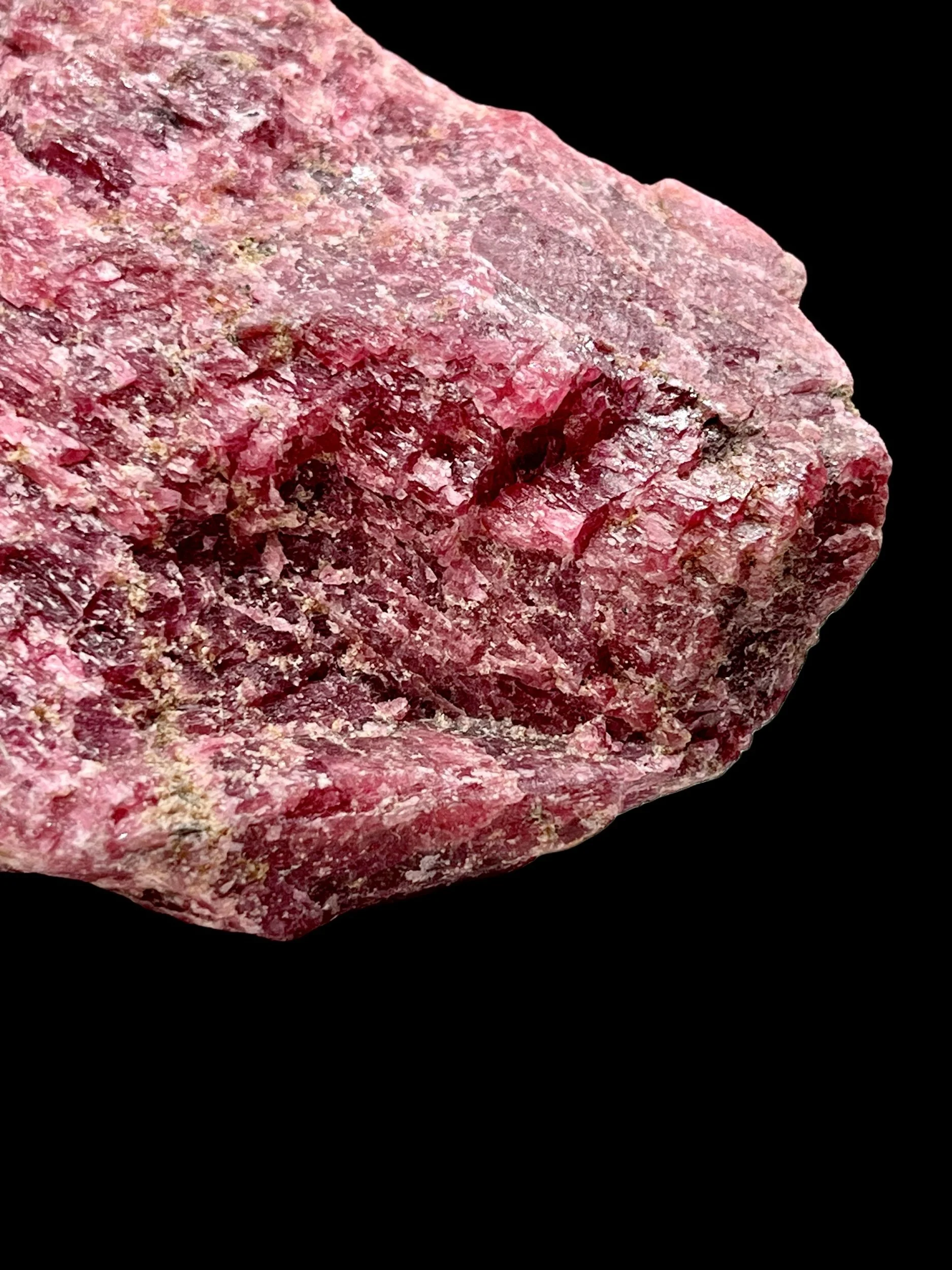
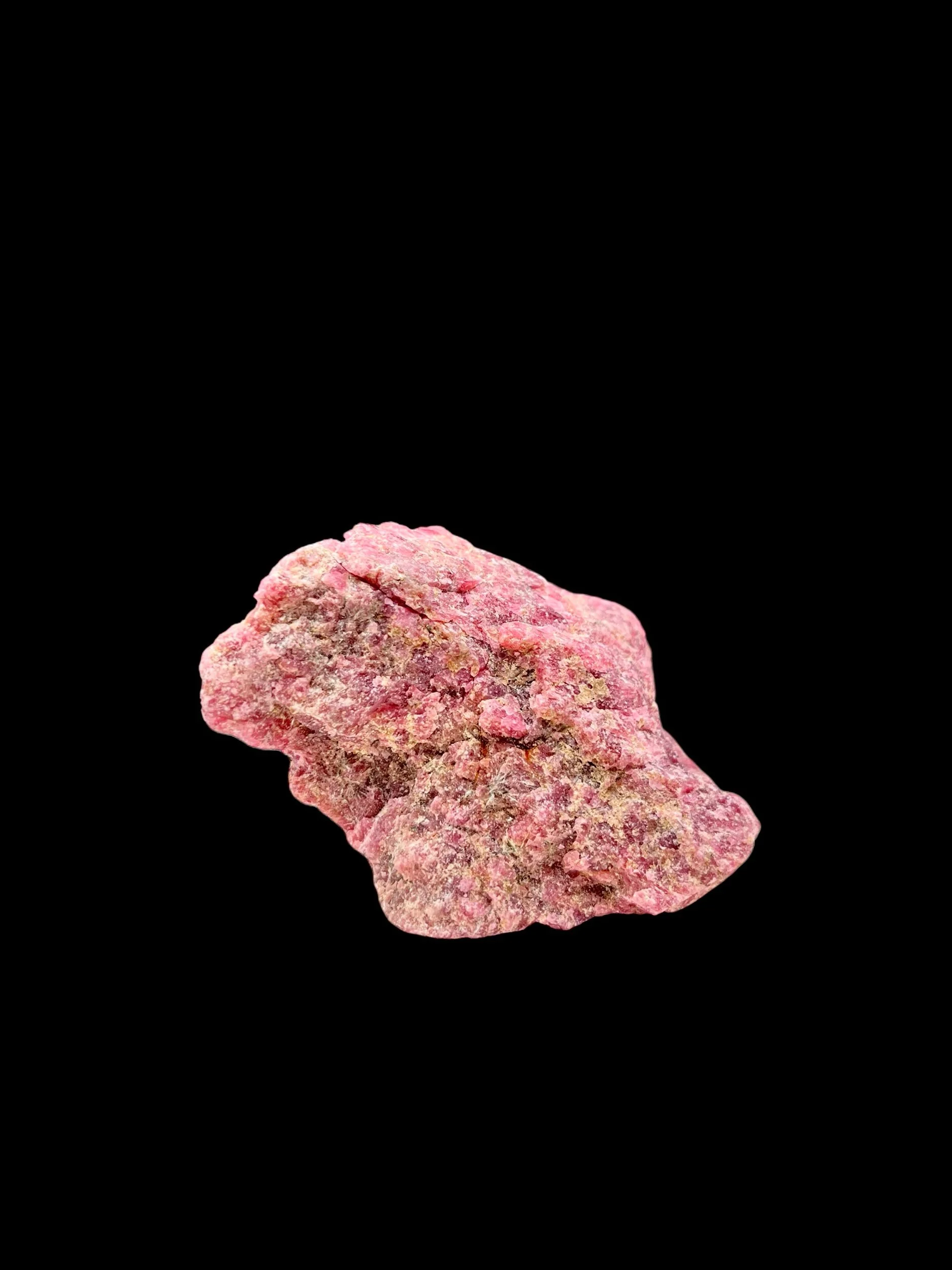
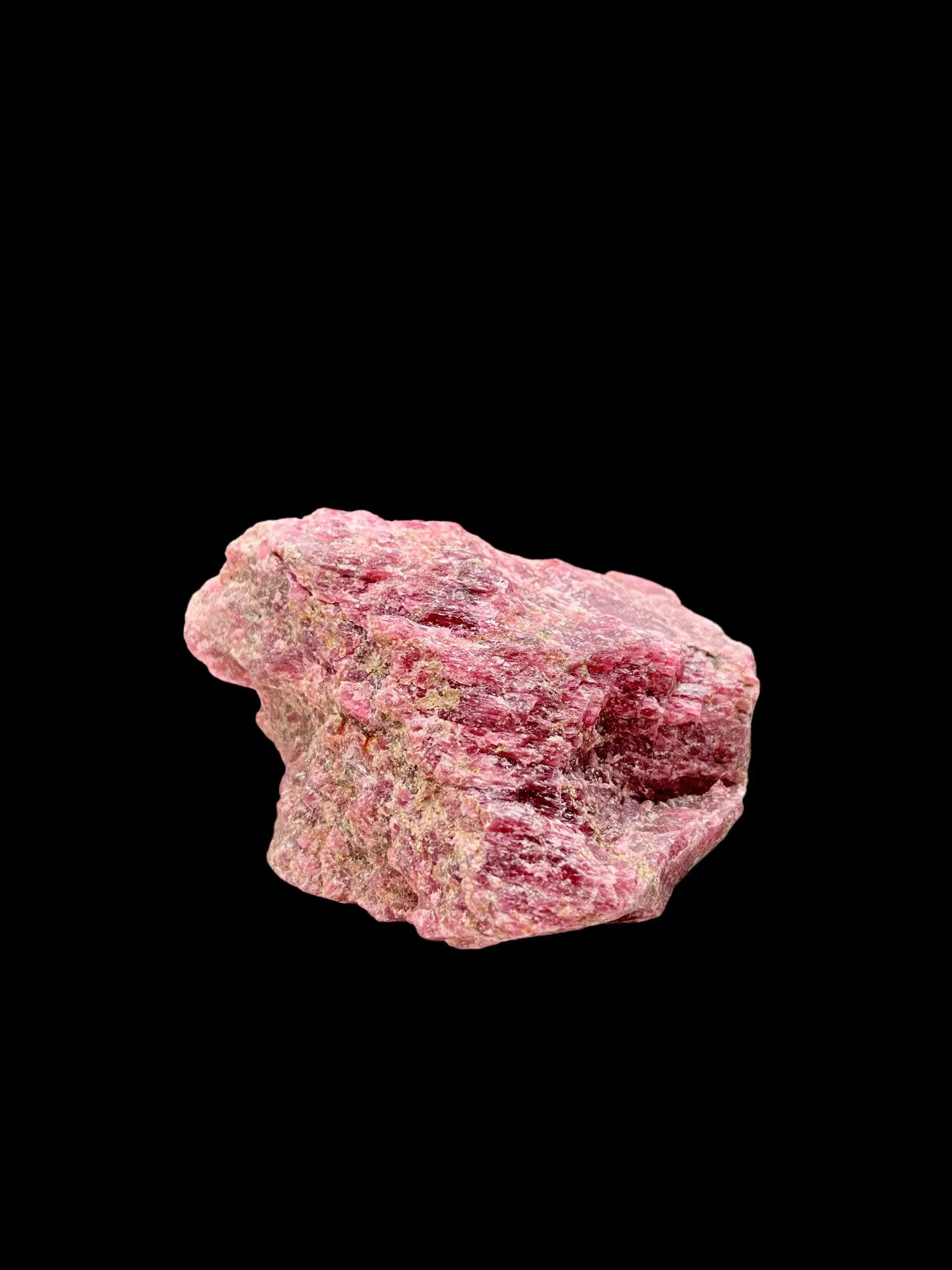
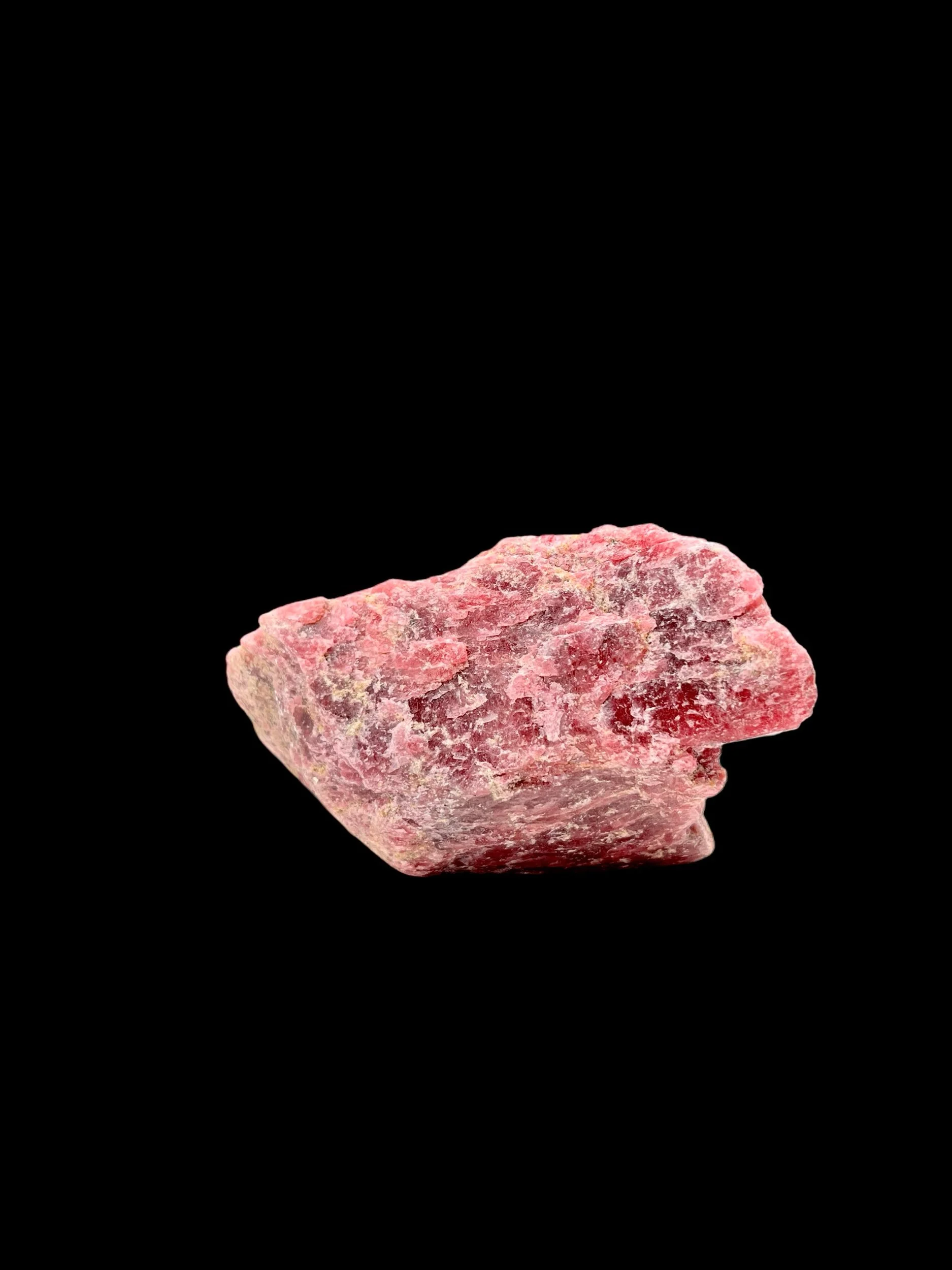
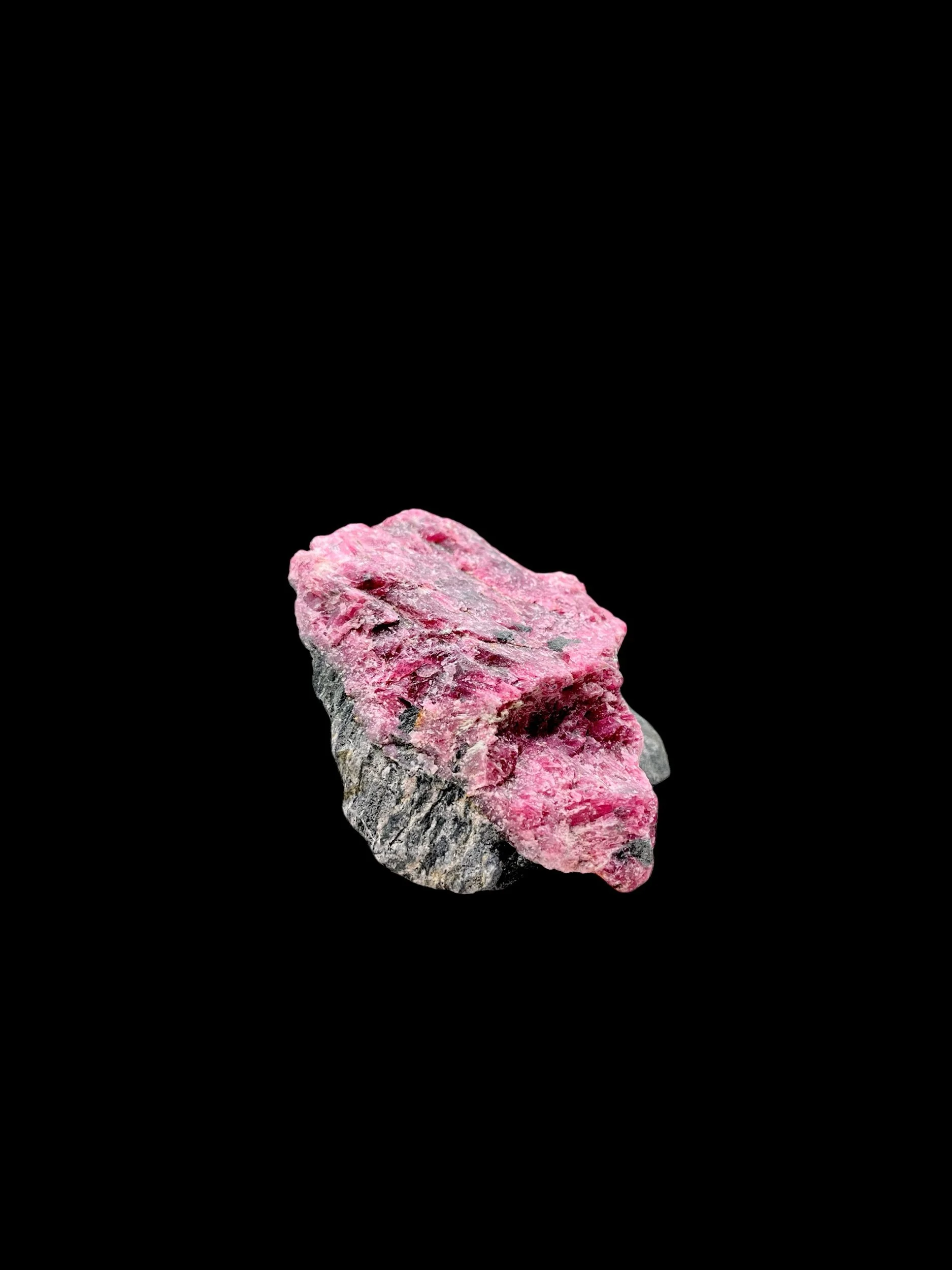
This striking Rhodonite specimen from the legendary Sweet Home Mine in Colorado displays rich raspberry-pink crystalline material contrasted against a dark black manganese. The Rhodonite occurs in dense, intergrown masses with visible crystal texture and natural formats that emphasize its raw, geological character.
Unlike polished or stabilized Rhodonite, this specimen remains unapologetically natural—allowing the depth of color, structure, and mineral associations to remain fully intact. The result is a piece that feels grounded, substantial, and unmistakably collector-grade.
Size: 3.25” × 2.75” × 2”
Weight: 269 g
Rhodonite is often associated with emotional grounding, balance, and resilience. It is commonly used to support steady energy, emotional clarity, and a sense of calm strength—qualities that mirror its dense, stabilizing presence in hand.
The Sweet Home Mine is best known for producing some of the world’s finest Rhodochrosite, but it has also yielded exceptional Rhodonite specimens that are increasingly difficult to acquire. Material from this locality is prized for its saturated pink coloration, solid formation, and association with a historically significant American mine.
This specimen shows classic Sweet Home characteristics: vivid color concentration, strong contrast, and a rugged, authentic presentation. Pieces like this are becoming less common as access to historic material continues to narrow.
Authentic Rhodonite from the Sweet Home Mine
Rich pink coloration with strong contrast
Gemmy
Historically significant Colorado locality
One-of-a-kind piece
Rhodonite is a manganese inosilicate mineral known for its distinctive pink to rose-red coloration. At the Sweet Home Mine, Rhodonite formed in hydrothermal veins associated with manganese-rich fluids, often alongside minerals such as quartz, fluorite, and sulfides. Its coloration is caused by manganese content, while darker veining and matrix material reflect associated iron- and manganese-bearing minerals.
This striking Rhodonite specimen from the legendary Sweet Home Mine in Colorado displays rich raspberry-pink crystalline material contrasted against a dark black manganese. The Rhodonite occurs in dense, intergrown masses with visible crystal texture and natural formats that emphasize its raw, geological character.
Unlike polished or stabilized Rhodonite, this specimen remains unapologetically natural—allowing the depth of color, structure, and mineral associations to remain fully intact. The result is a piece that feels grounded, substantial, and unmistakably collector-grade.
Size: 3.25” × 2.75” × 2”
Weight: 269 g
Rhodonite is often associated with emotional grounding, balance, and resilience. It is commonly used to support steady energy, emotional clarity, and a sense of calm strength—qualities that mirror its dense, stabilizing presence in hand.
The Sweet Home Mine is best known for producing some of the world’s finest Rhodochrosite, but it has also yielded exceptional Rhodonite specimens that are increasingly difficult to acquire. Material from this locality is prized for its saturated pink coloration, solid formation, and association with a historically significant American mine.
This specimen shows classic Sweet Home characteristics: vivid color concentration, strong contrast, and a rugged, authentic presentation. Pieces like this are becoming less common as access to historic material continues to narrow.
Authentic Rhodonite from the Sweet Home Mine
Rich pink coloration with strong contrast
Gemmy
Historically significant Colorado locality
One-of-a-kind piece
Rhodonite is a manganese inosilicate mineral known for its distinctive pink to rose-red coloration. At the Sweet Home Mine, Rhodonite formed in hydrothermal veins associated with manganese-rich fluids, often alongside minerals such as quartz, fluorite, and sulfides. Its coloration is caused by manganese content, while darker veining and matrix material reflect associated iron- and manganese-bearing minerals.