 Image 1 of 5
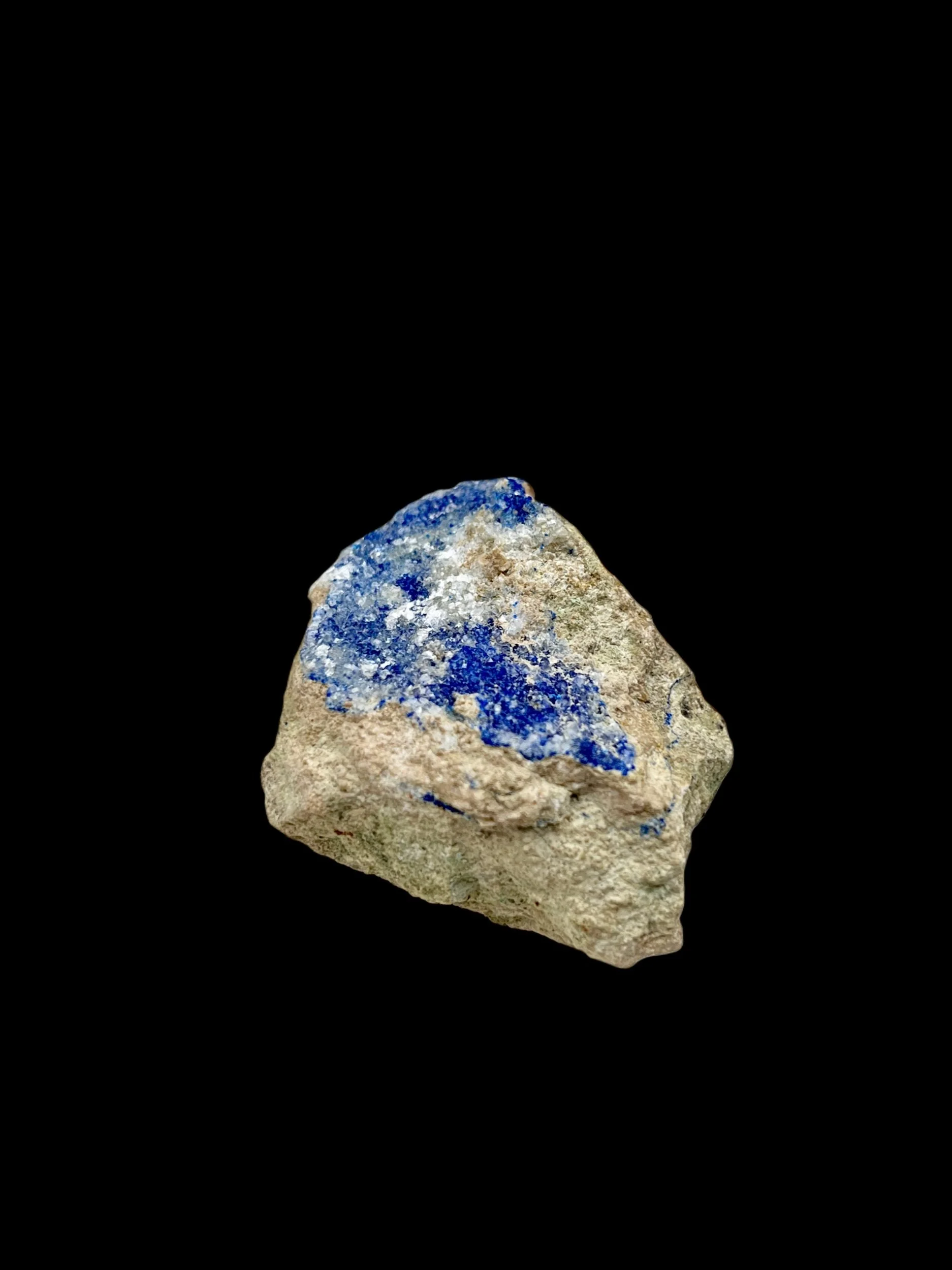 Image 2 of 5
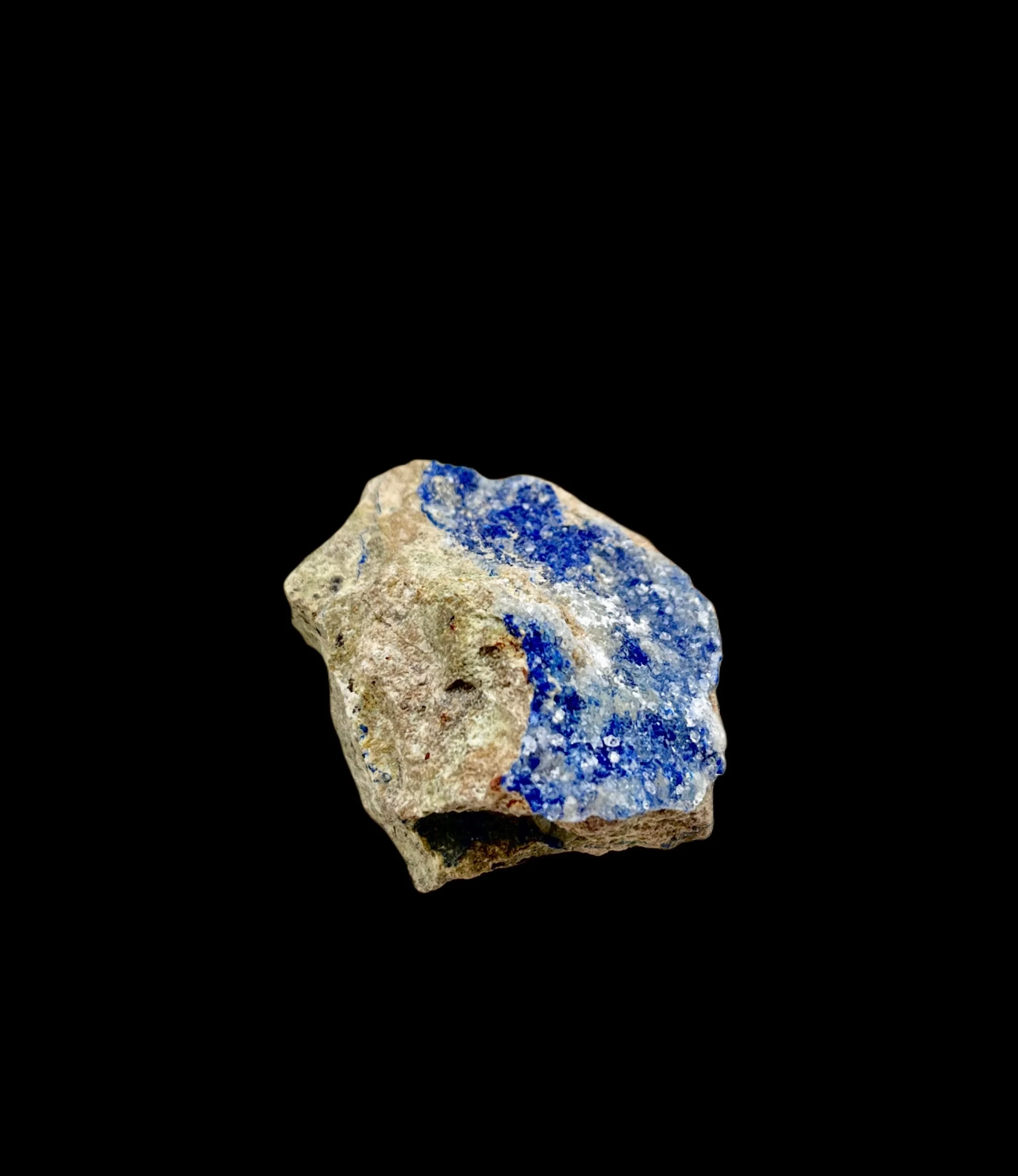 Image 3 of 5
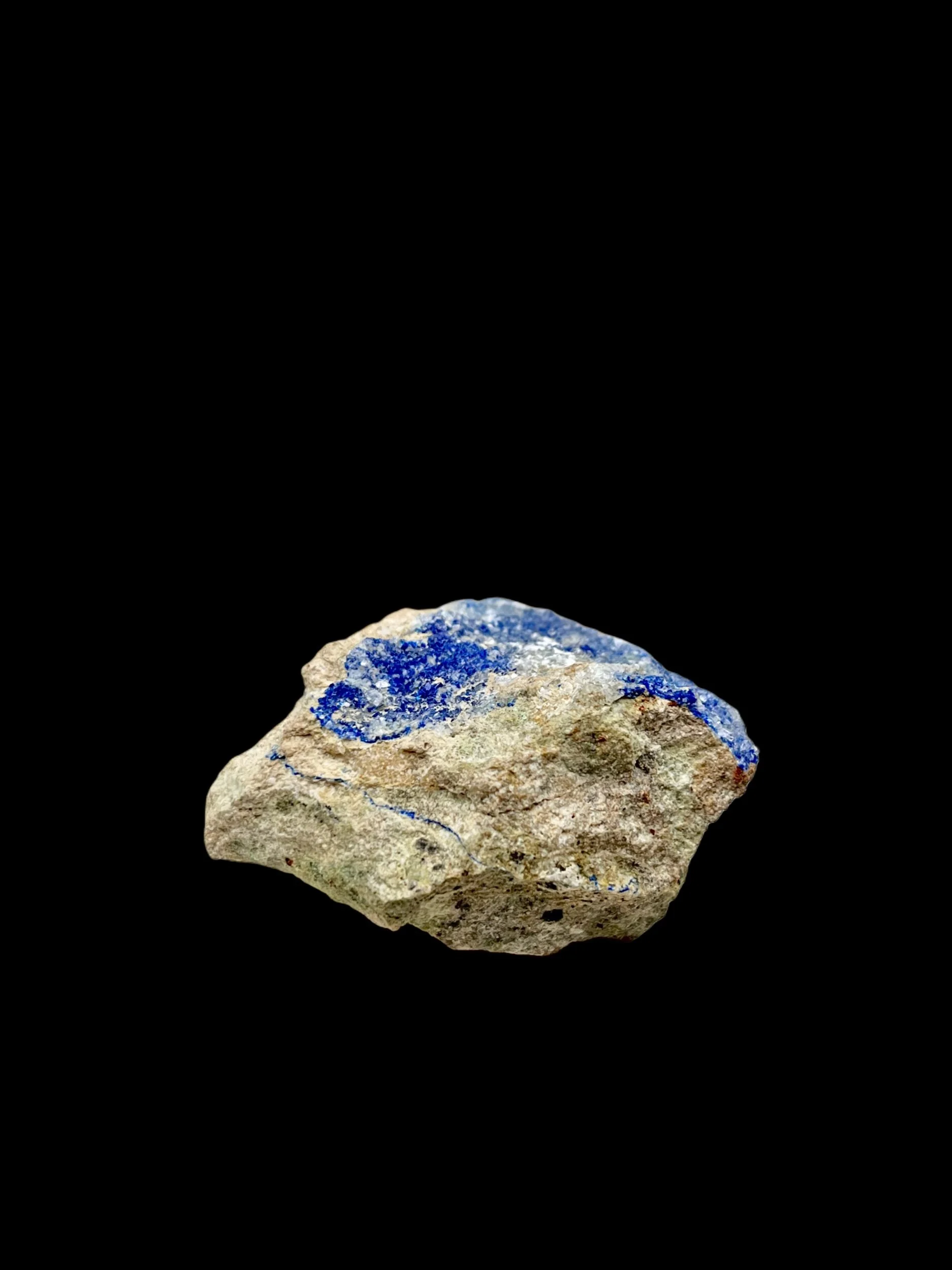 Image 4 of 5
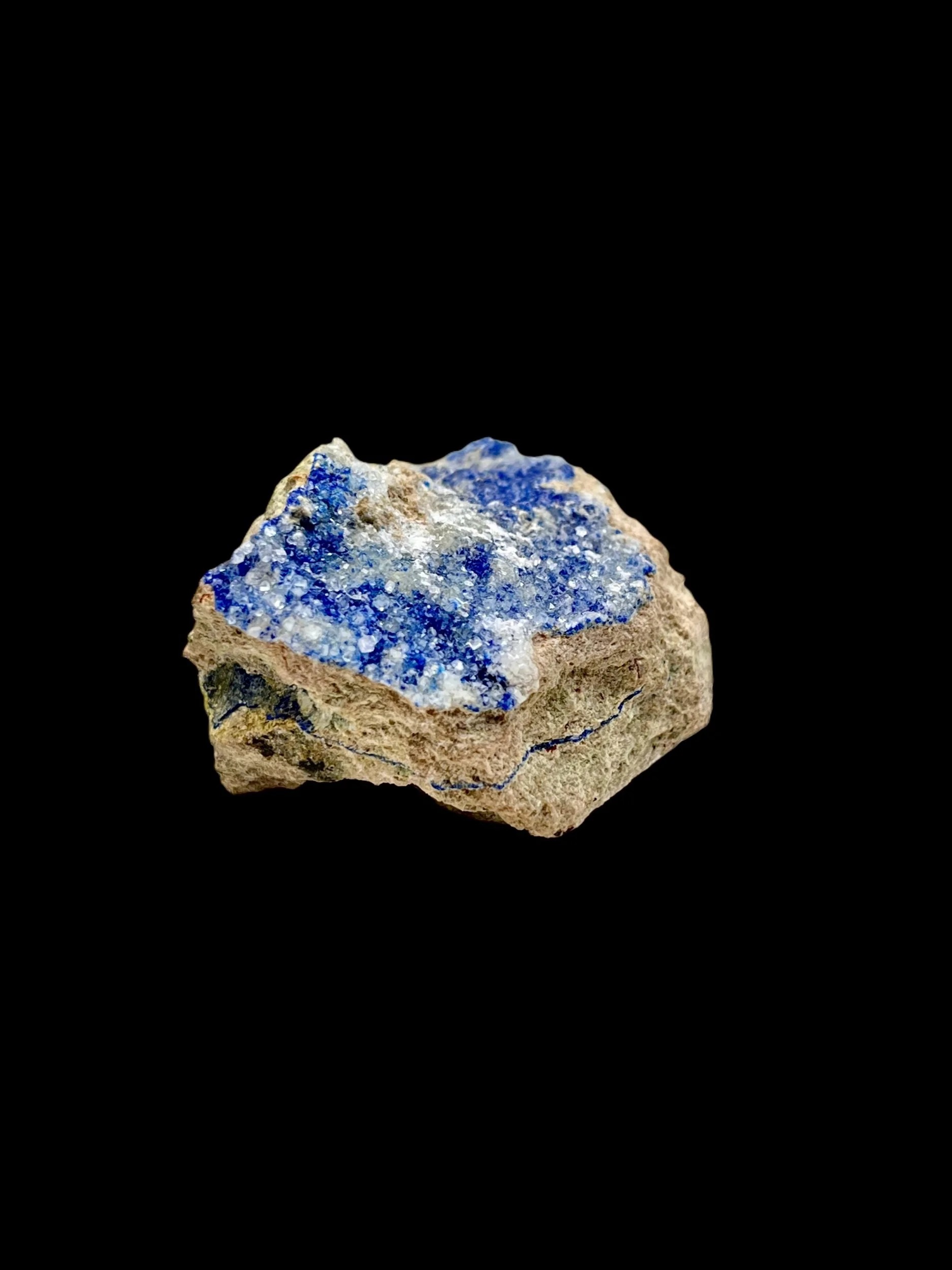 Image 5 of 5
Locality – Christmas Mine, Arizona
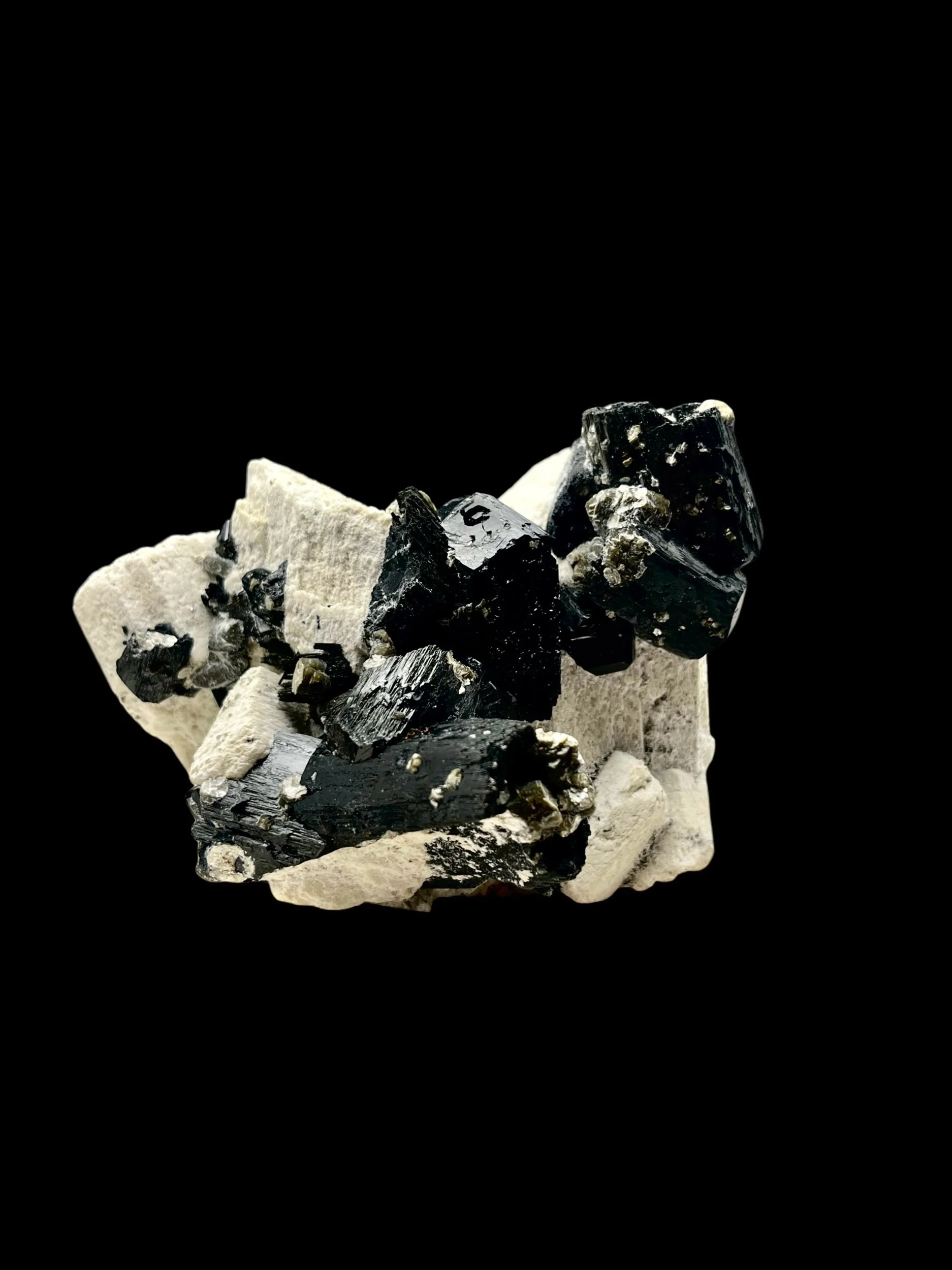
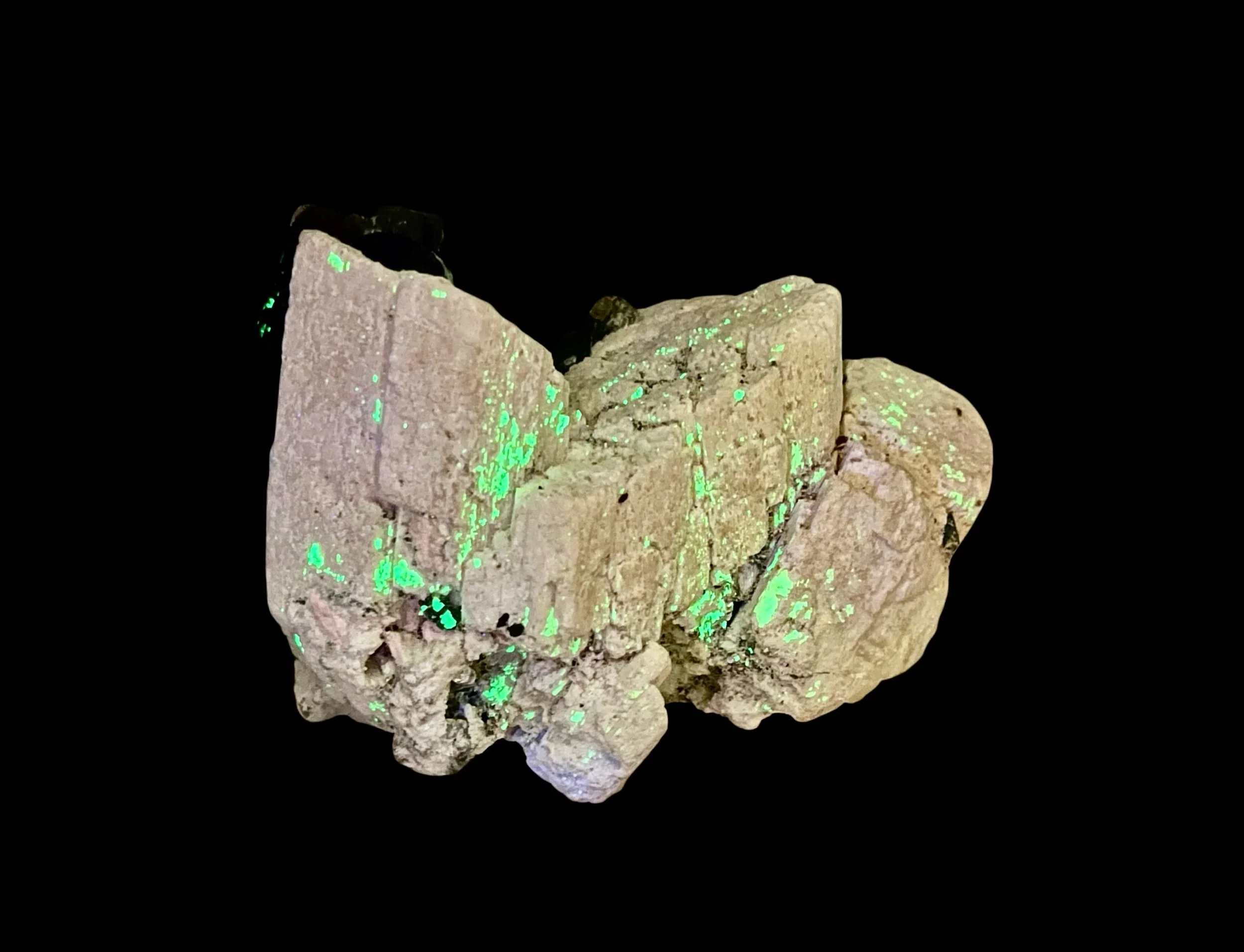
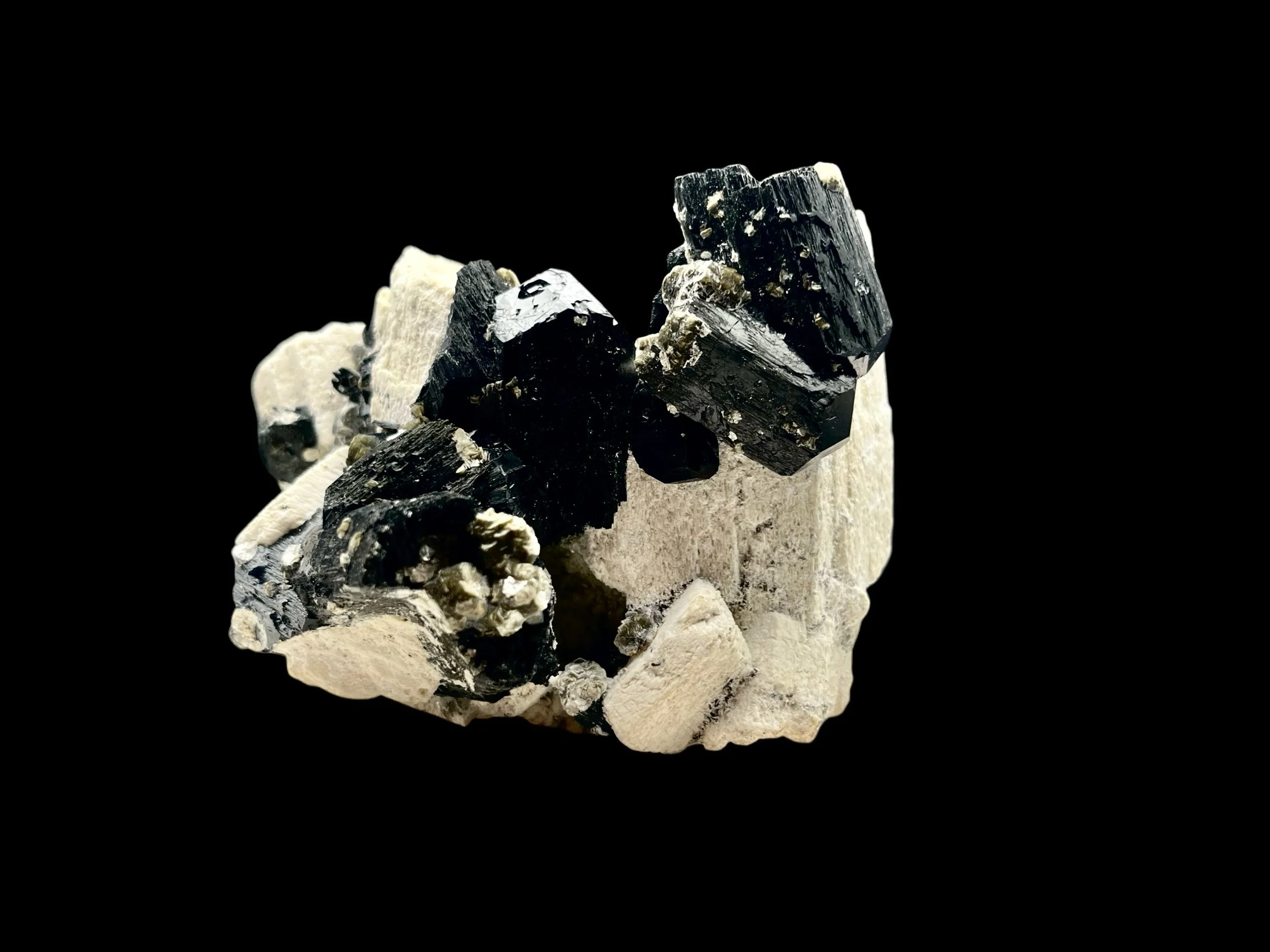
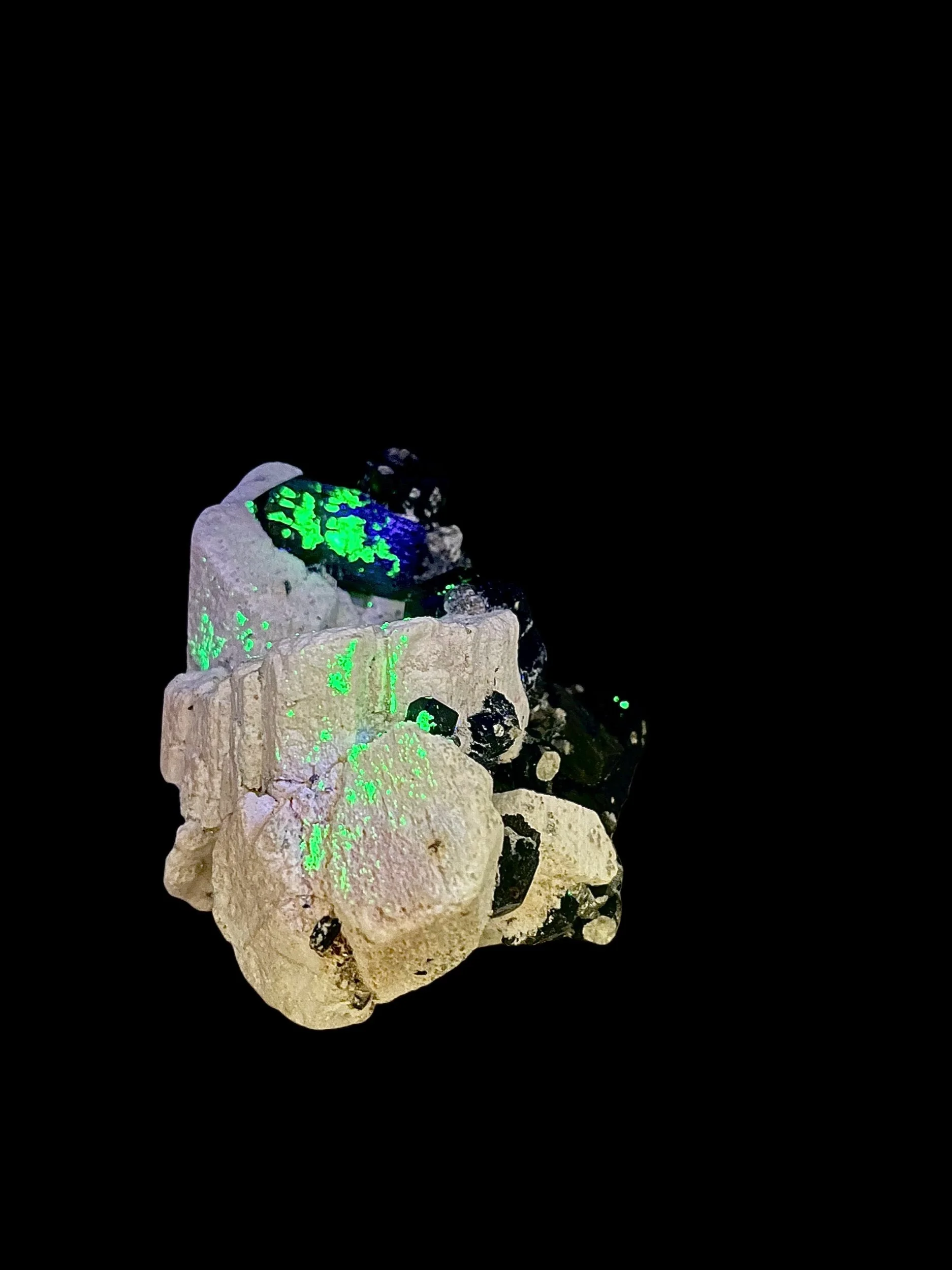
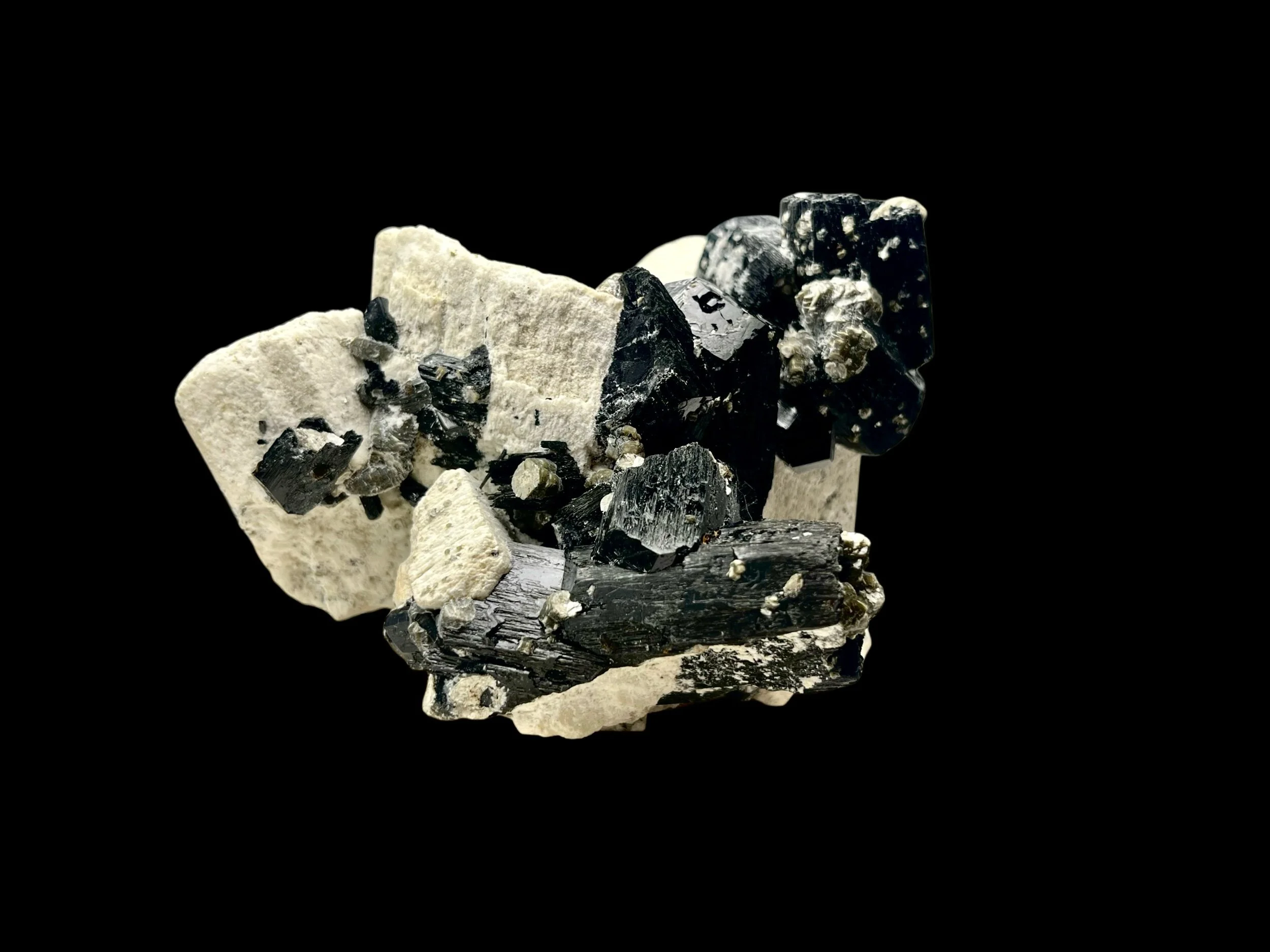
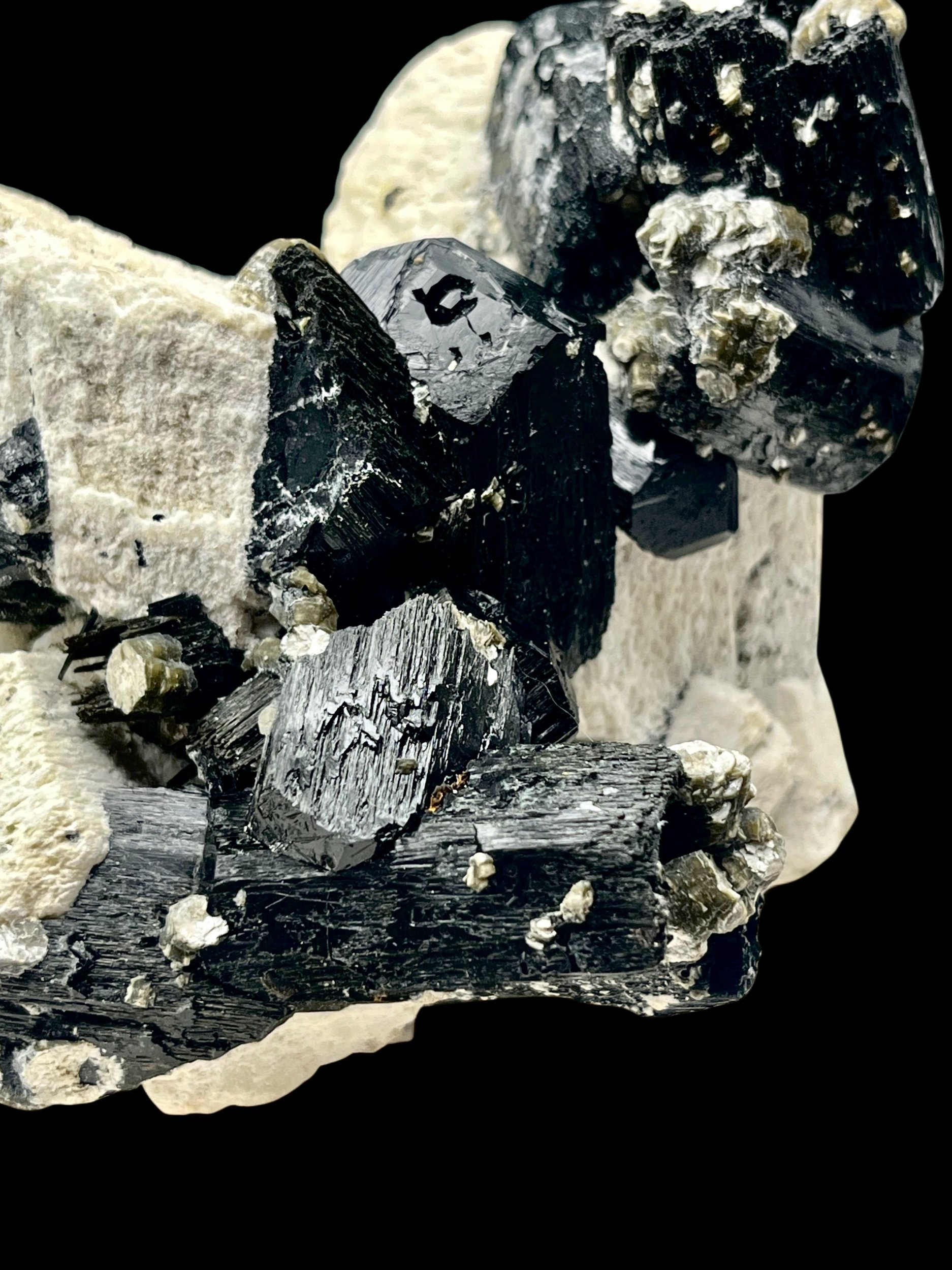
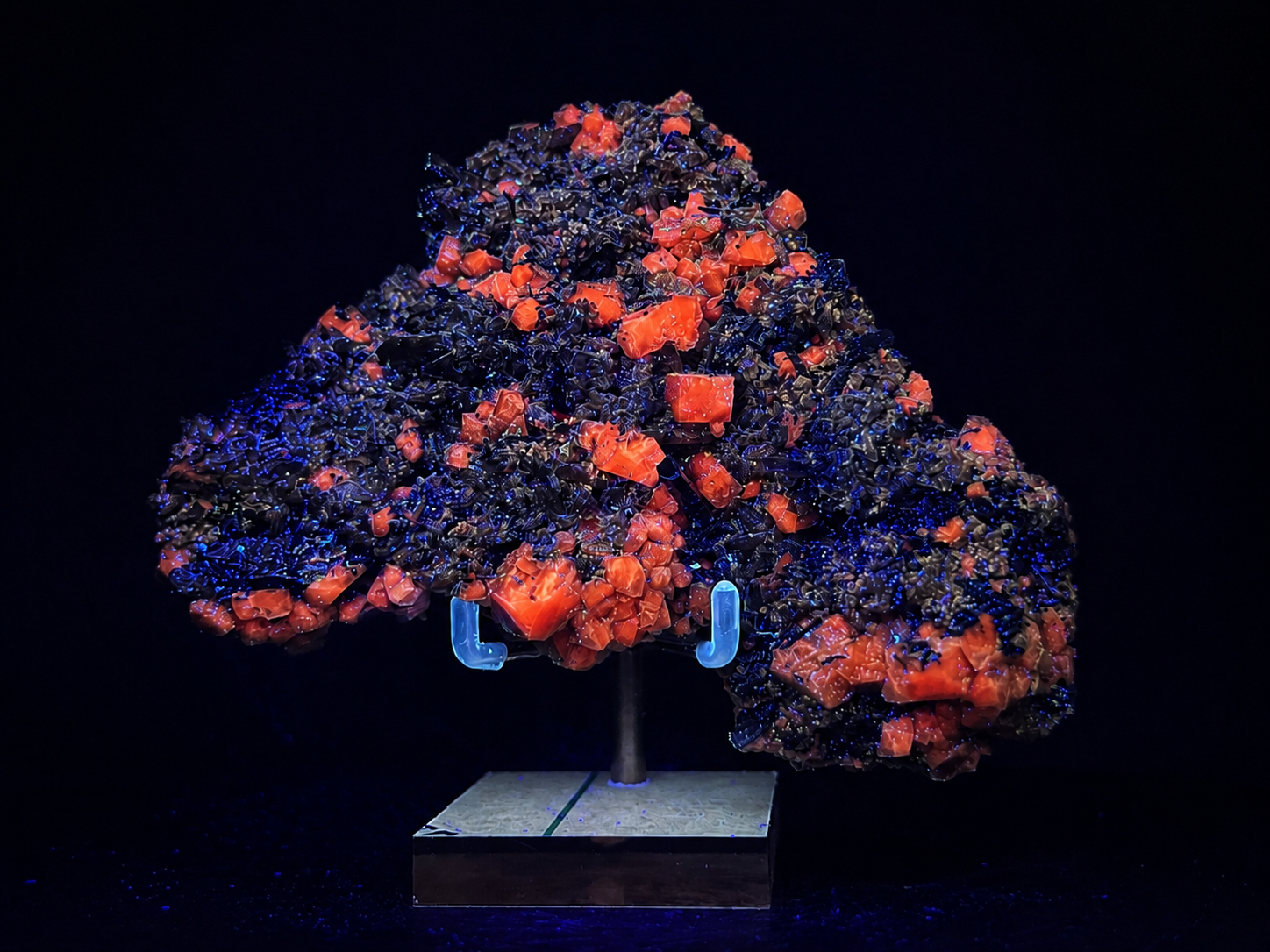
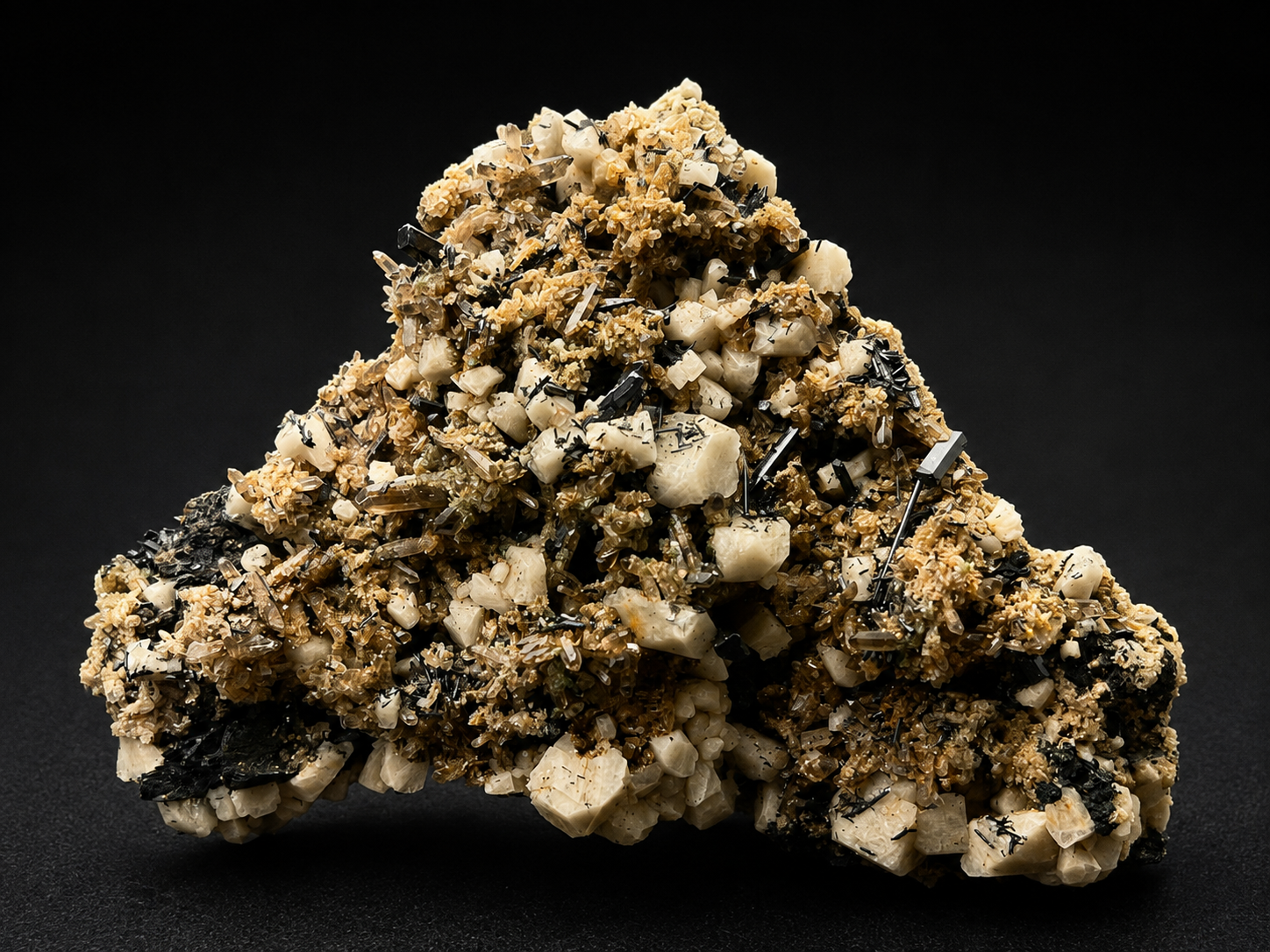
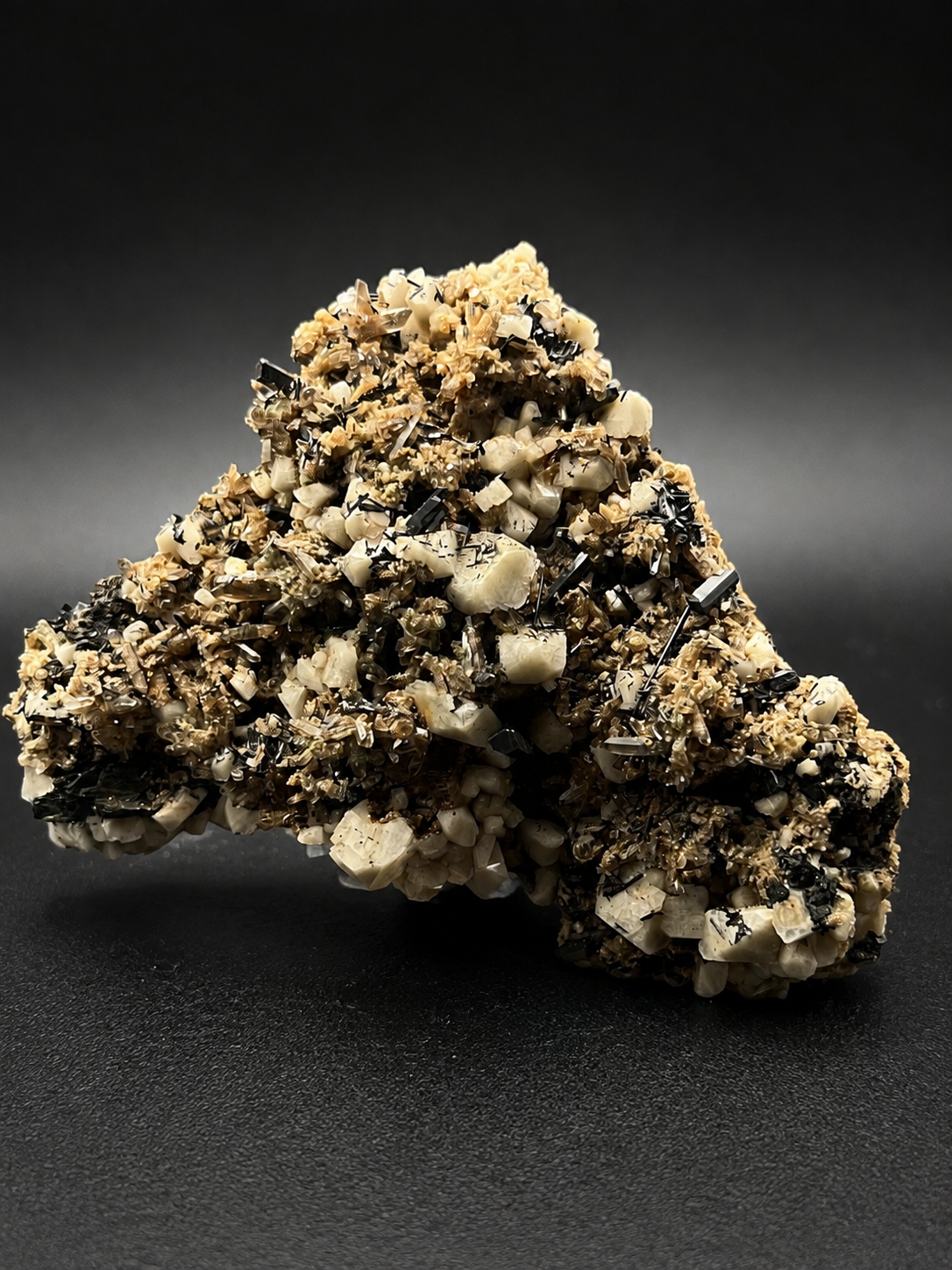
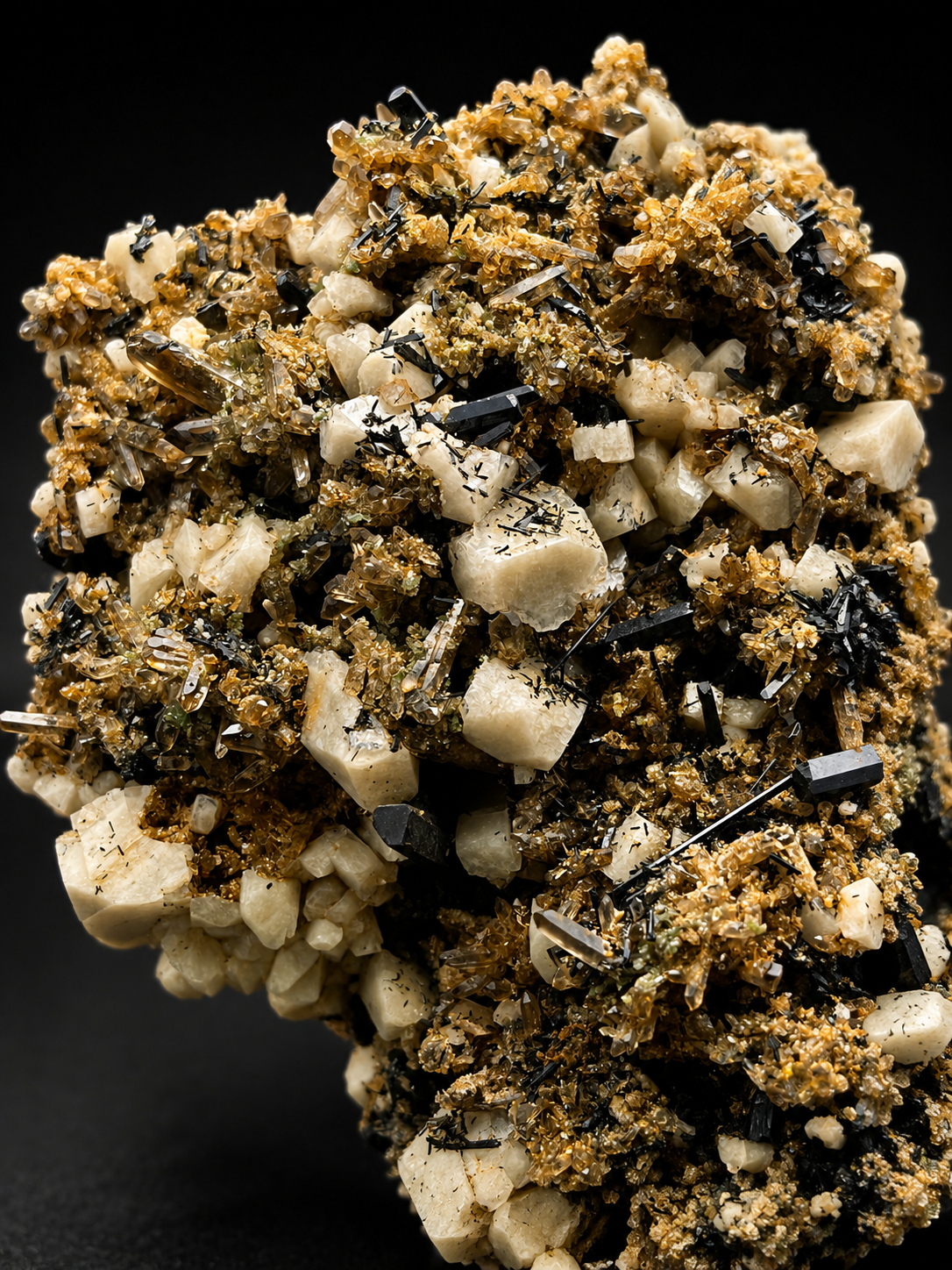
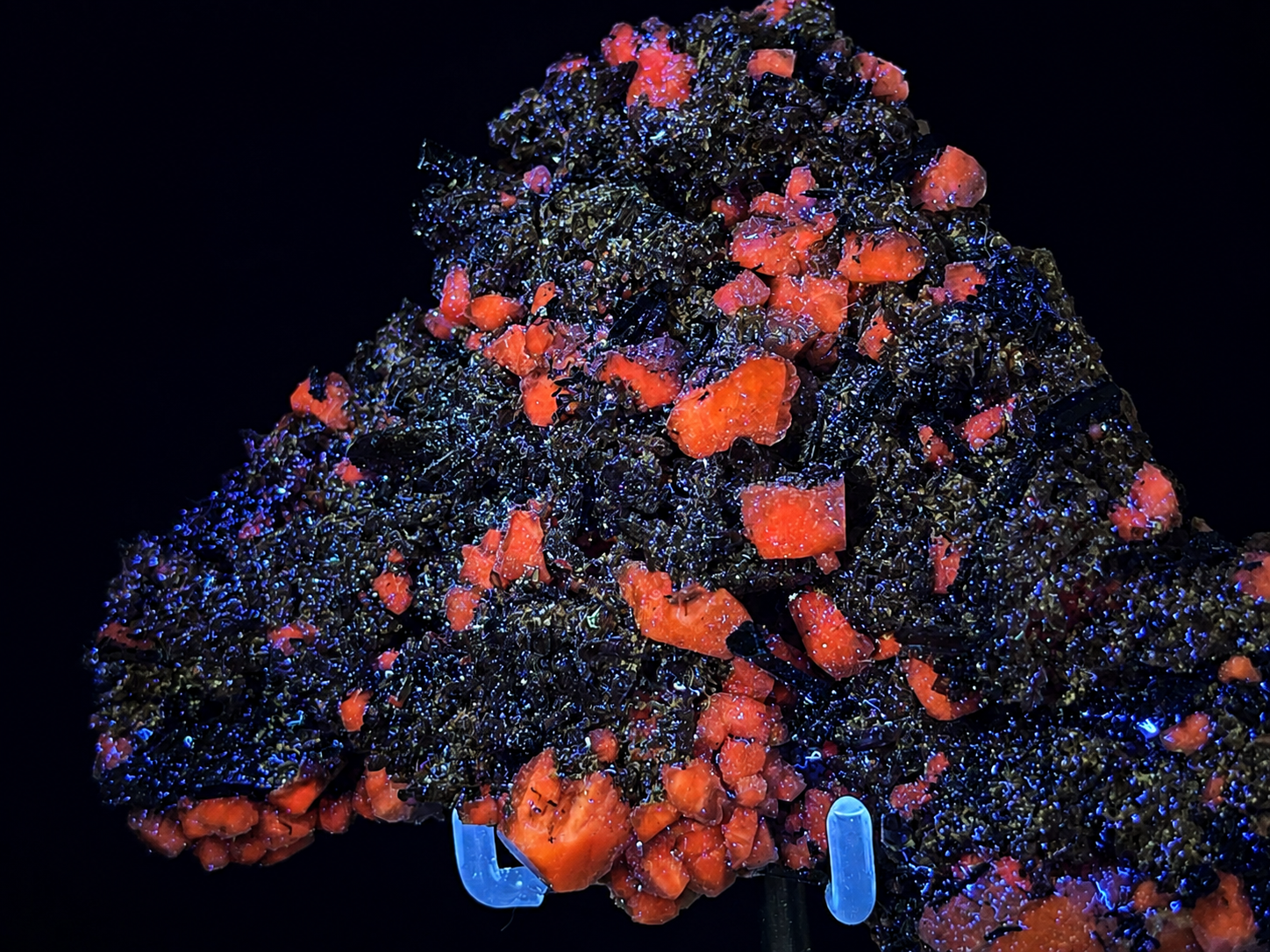
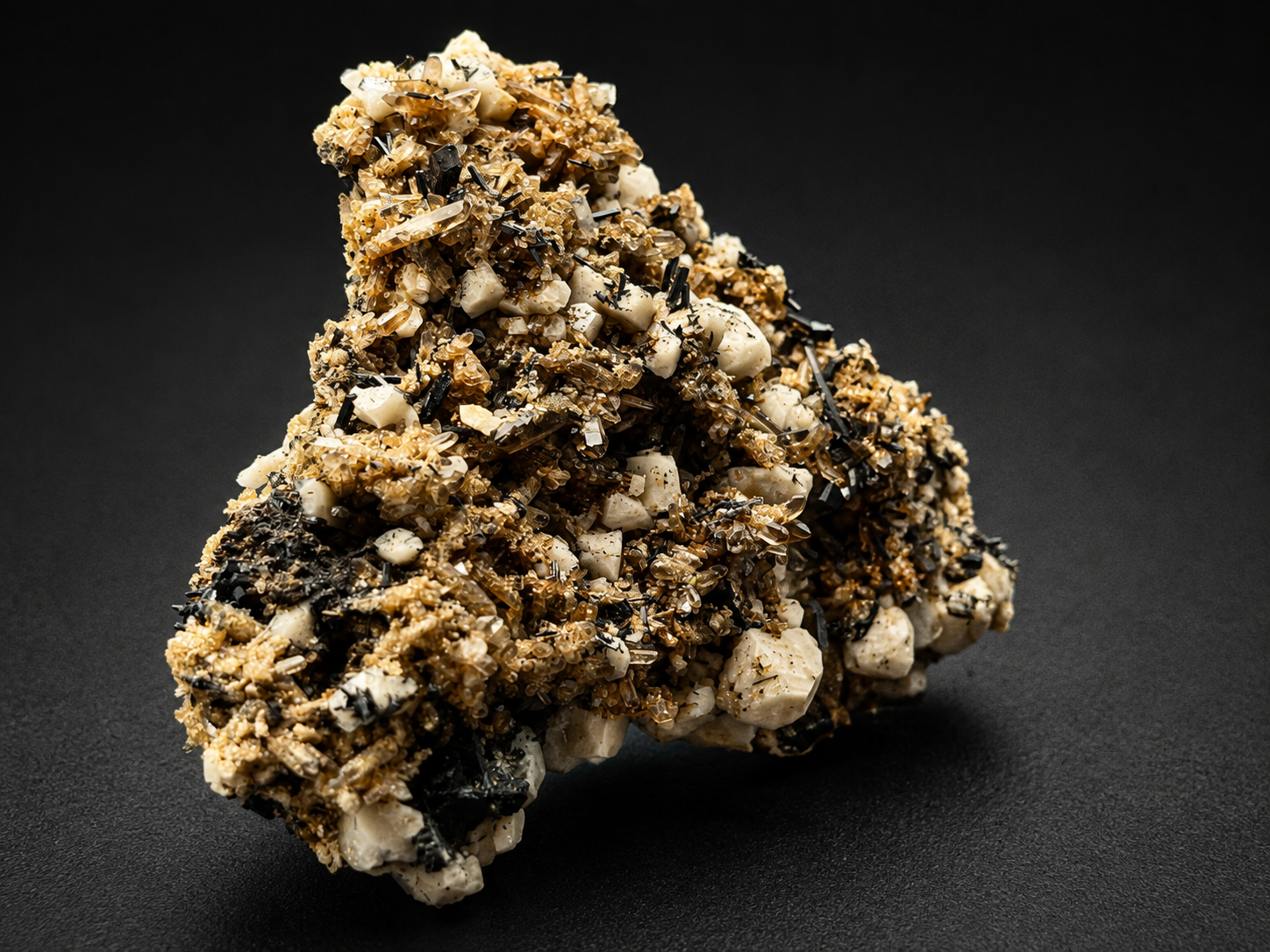
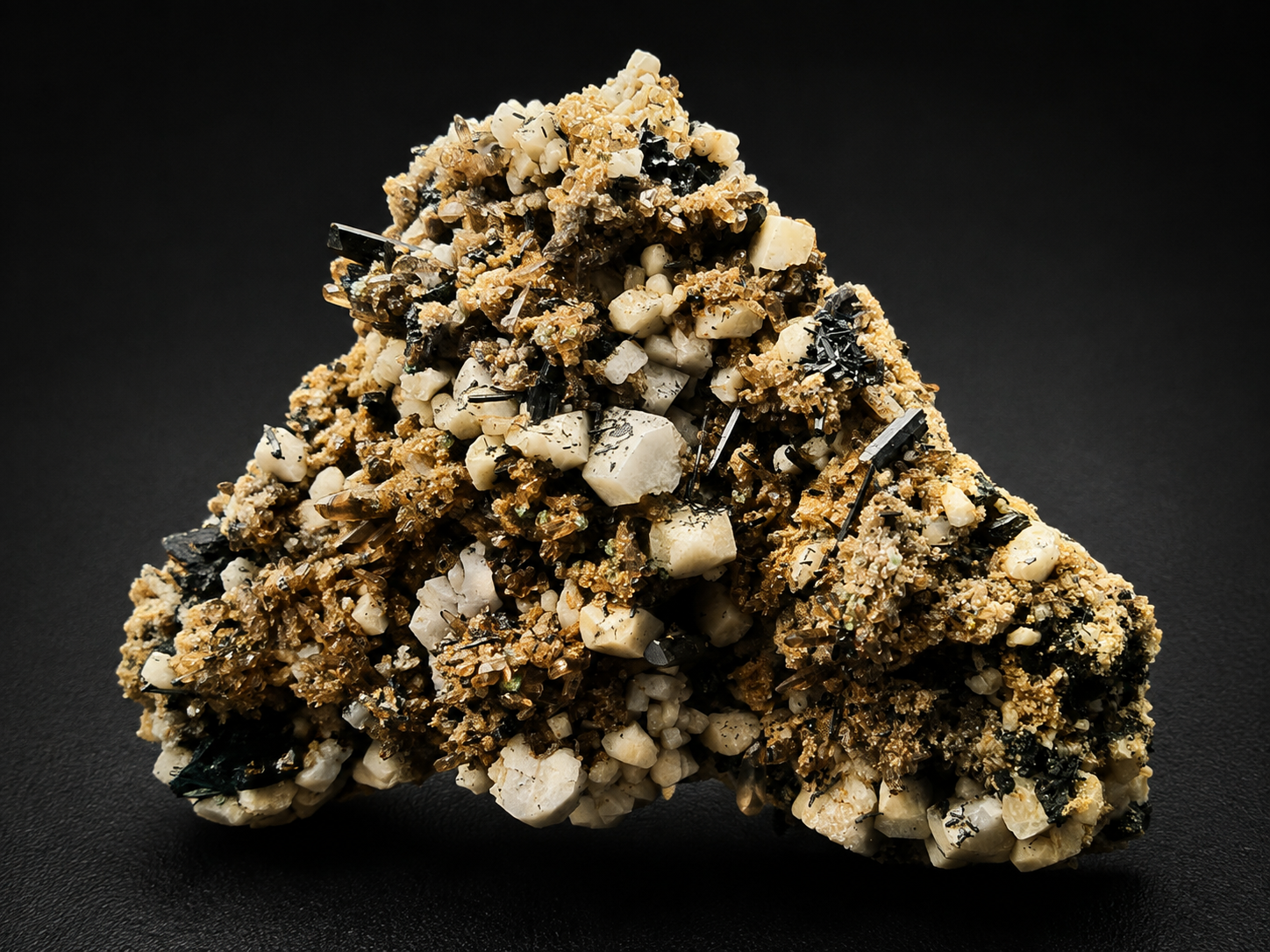
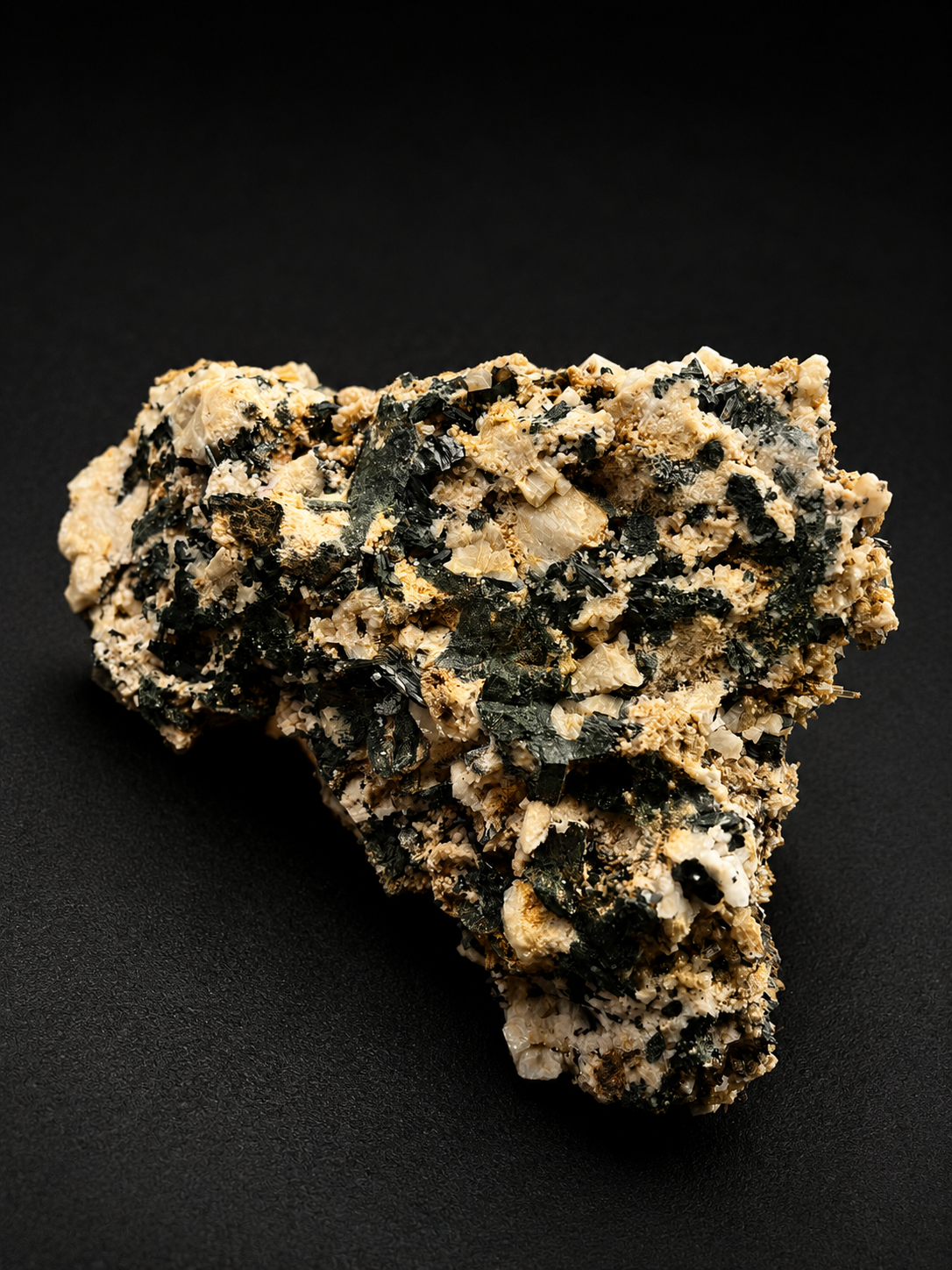
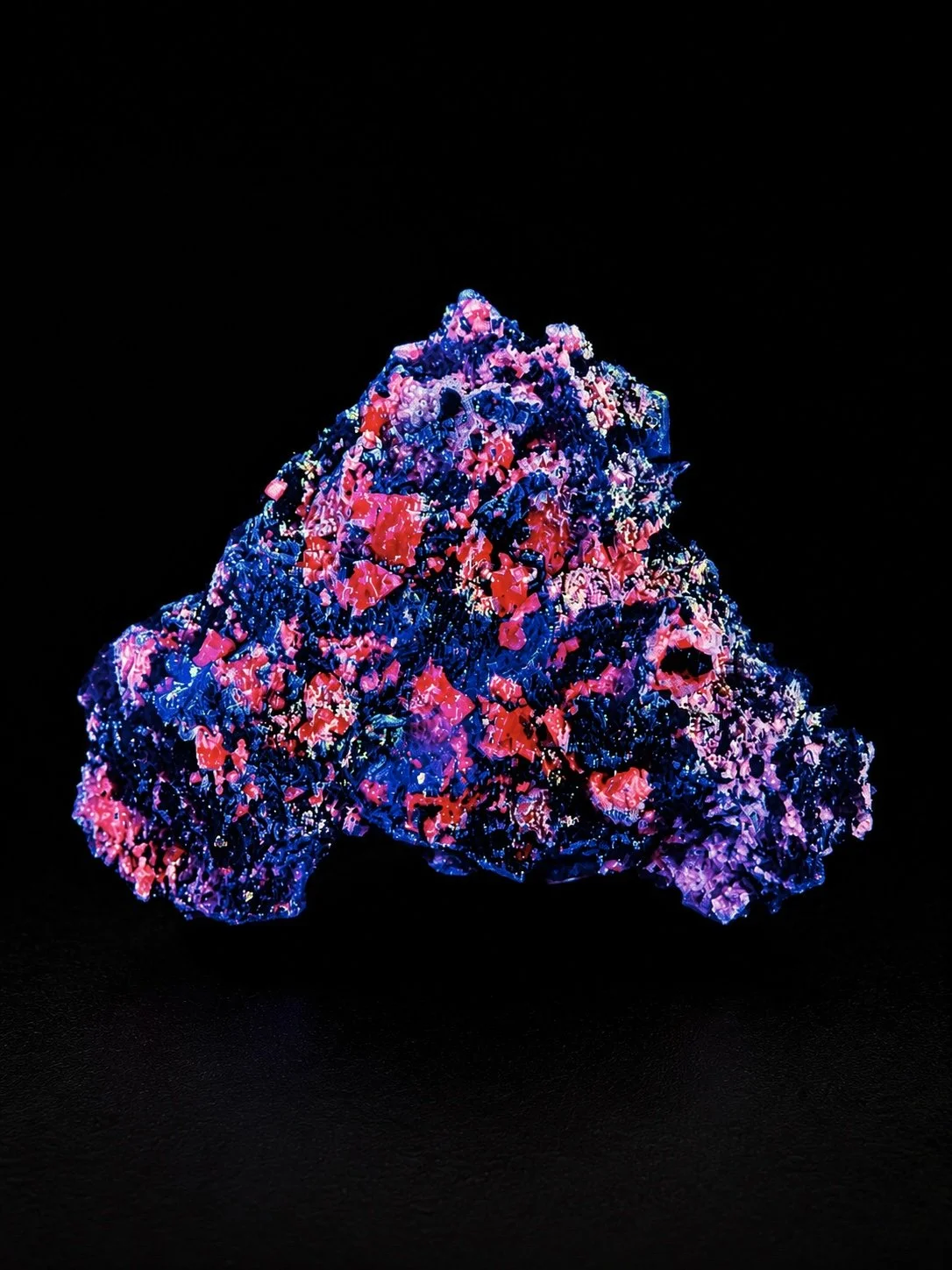
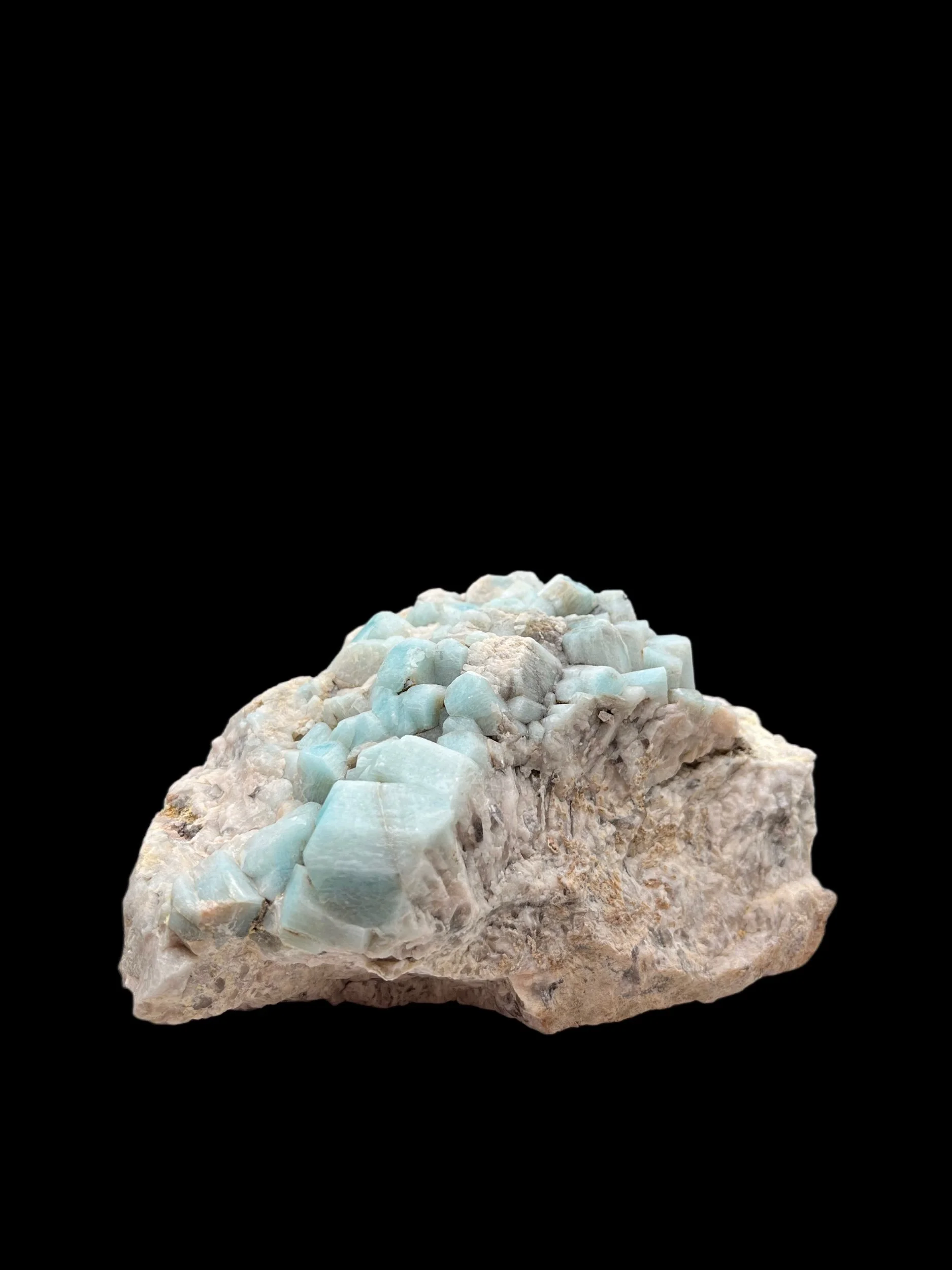
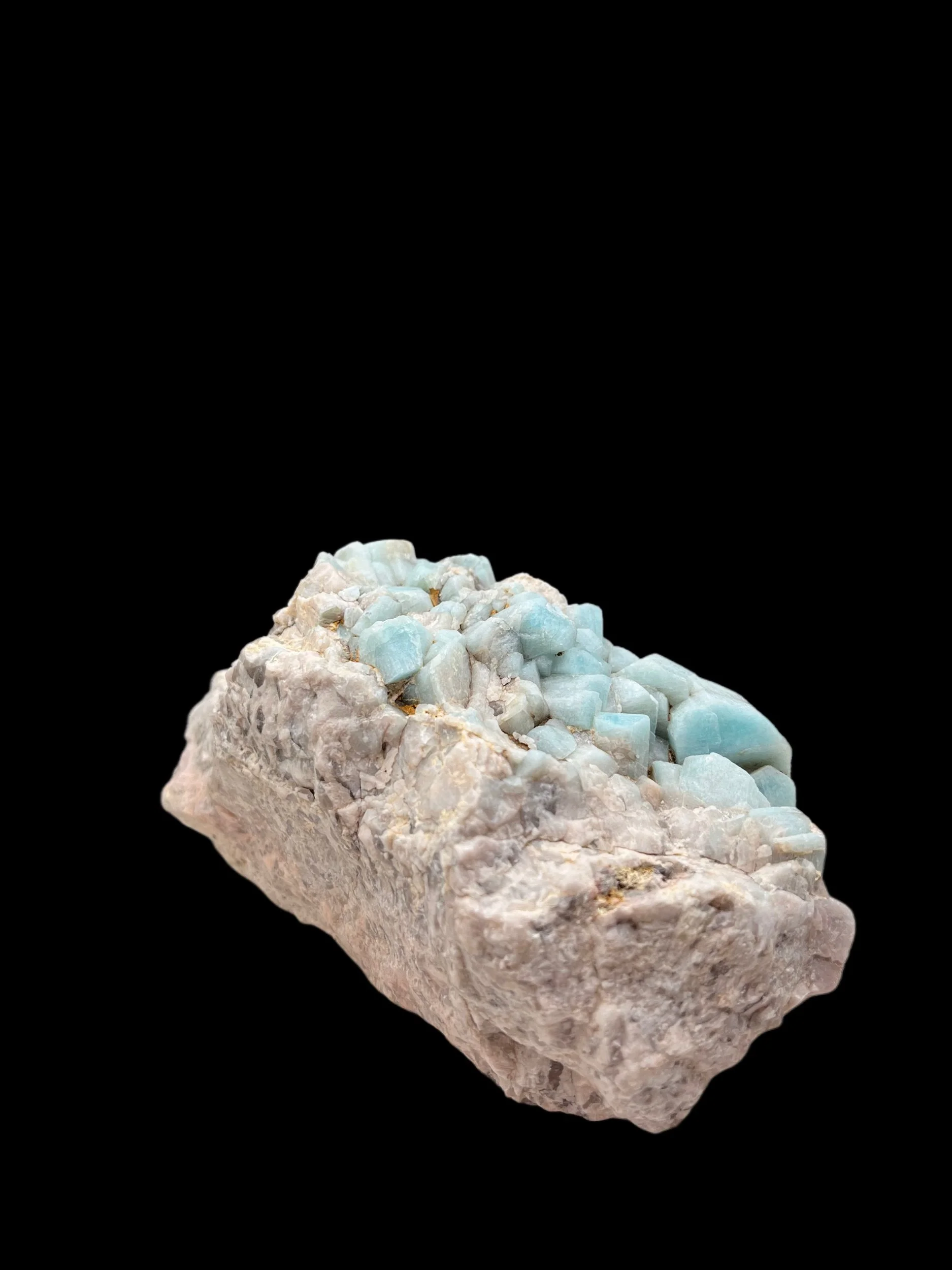
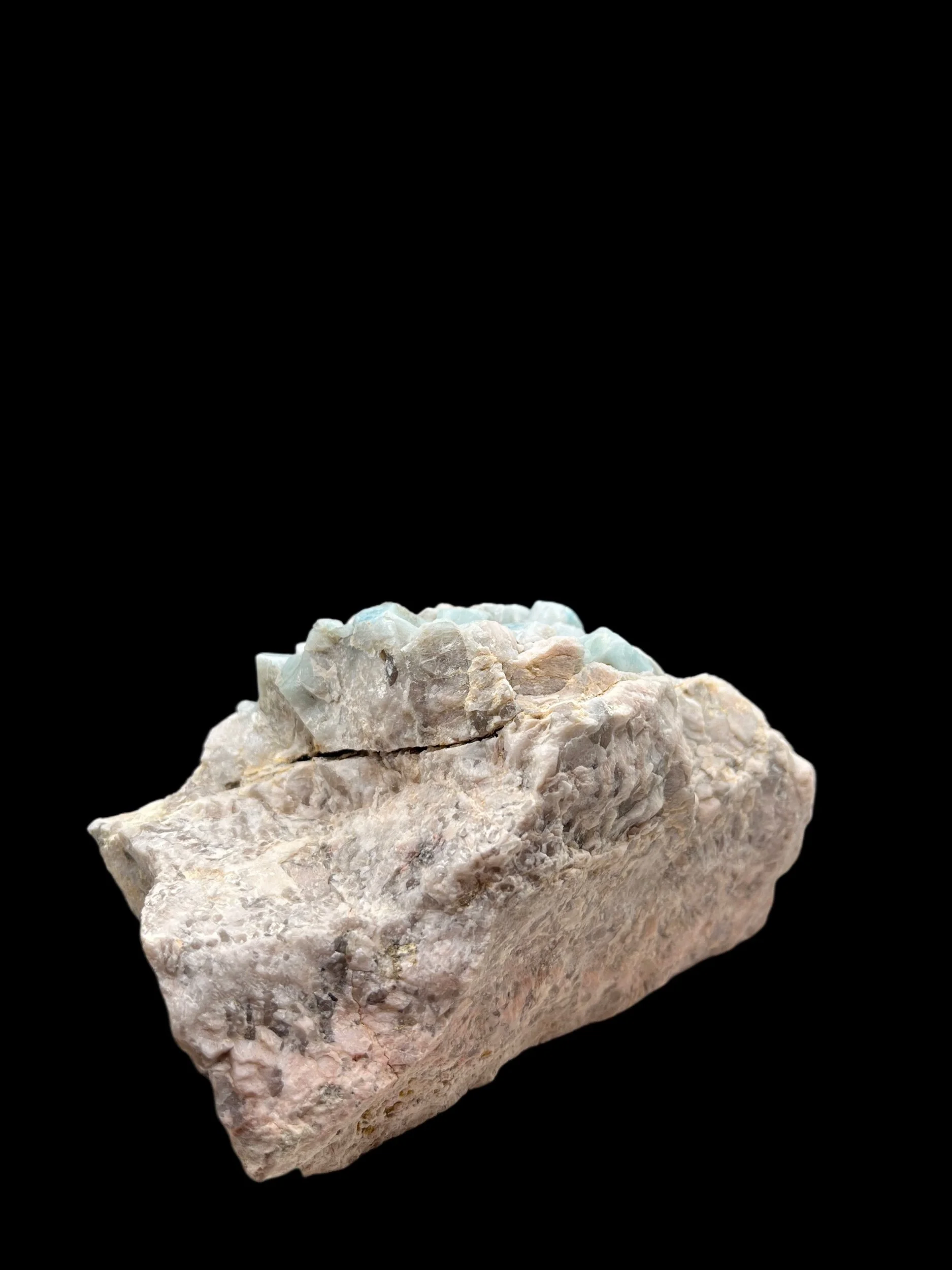
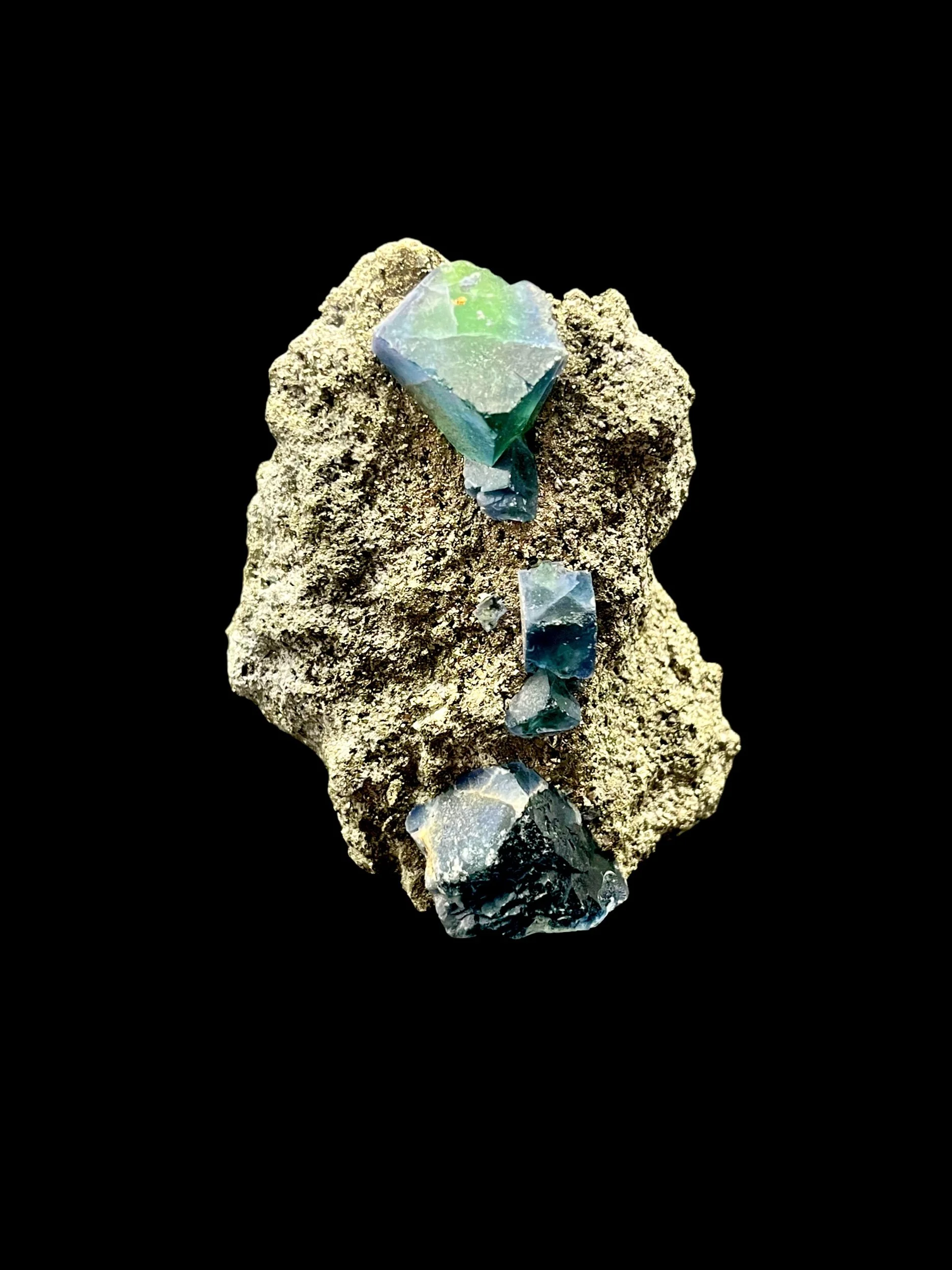
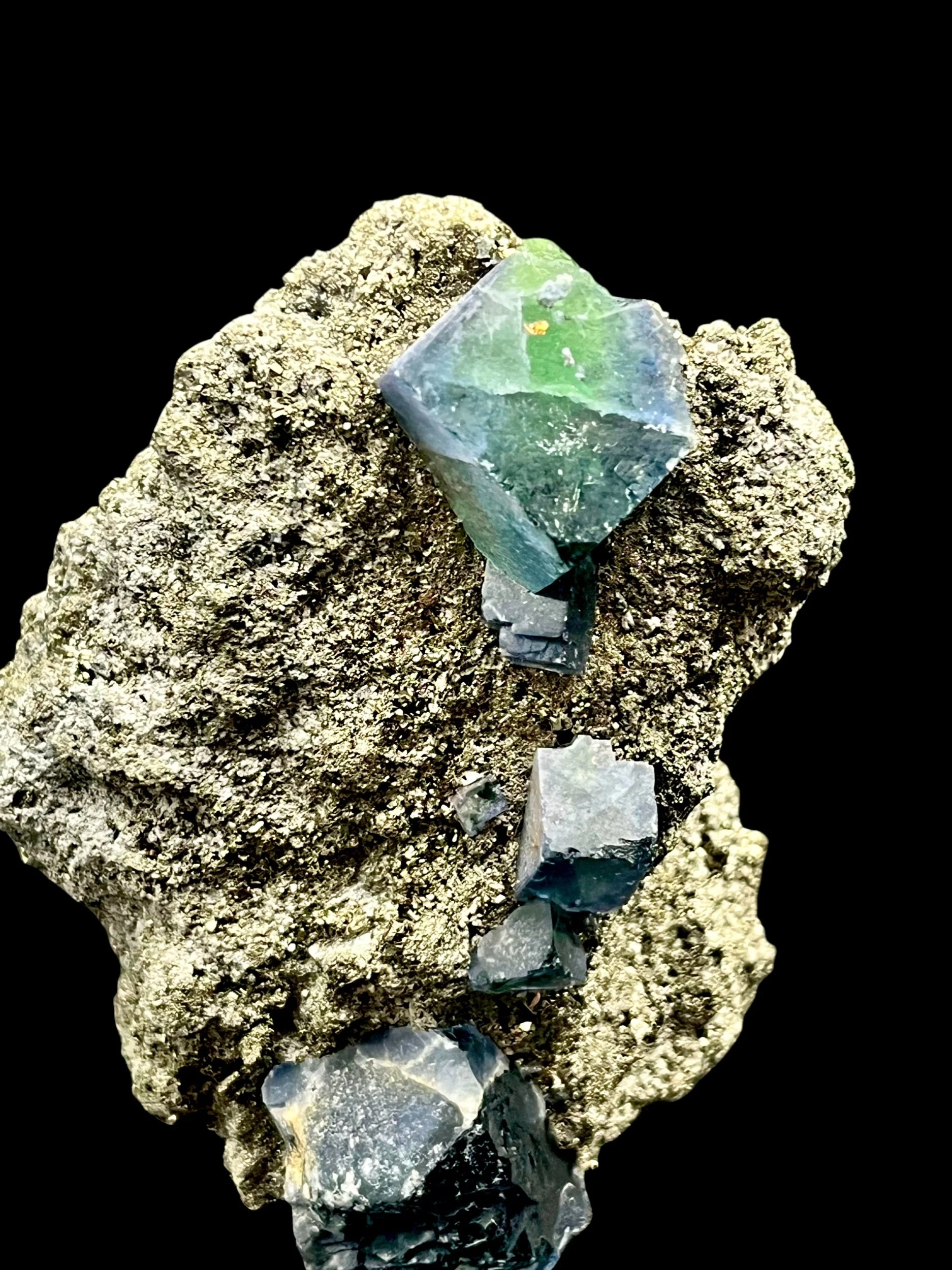
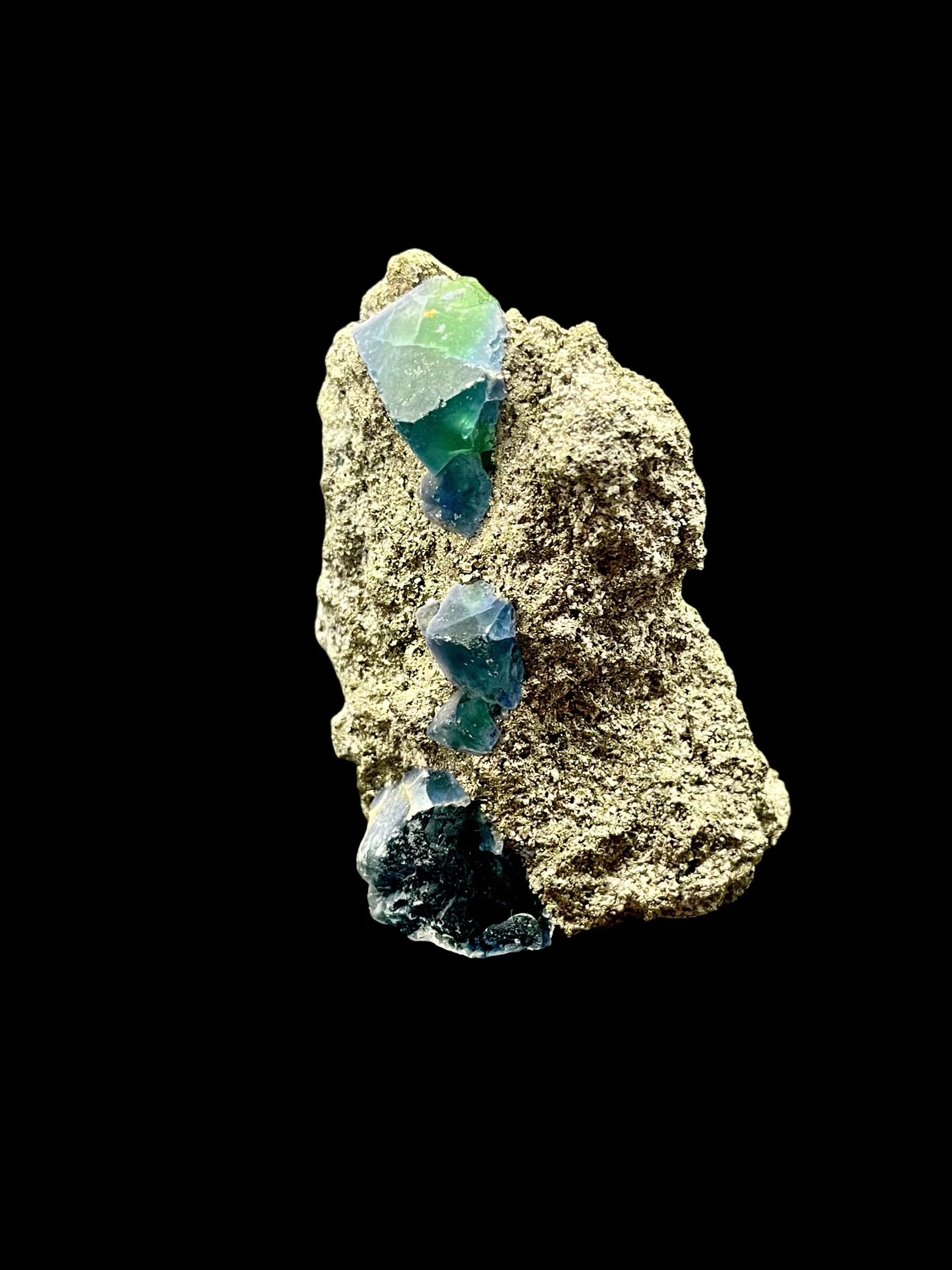
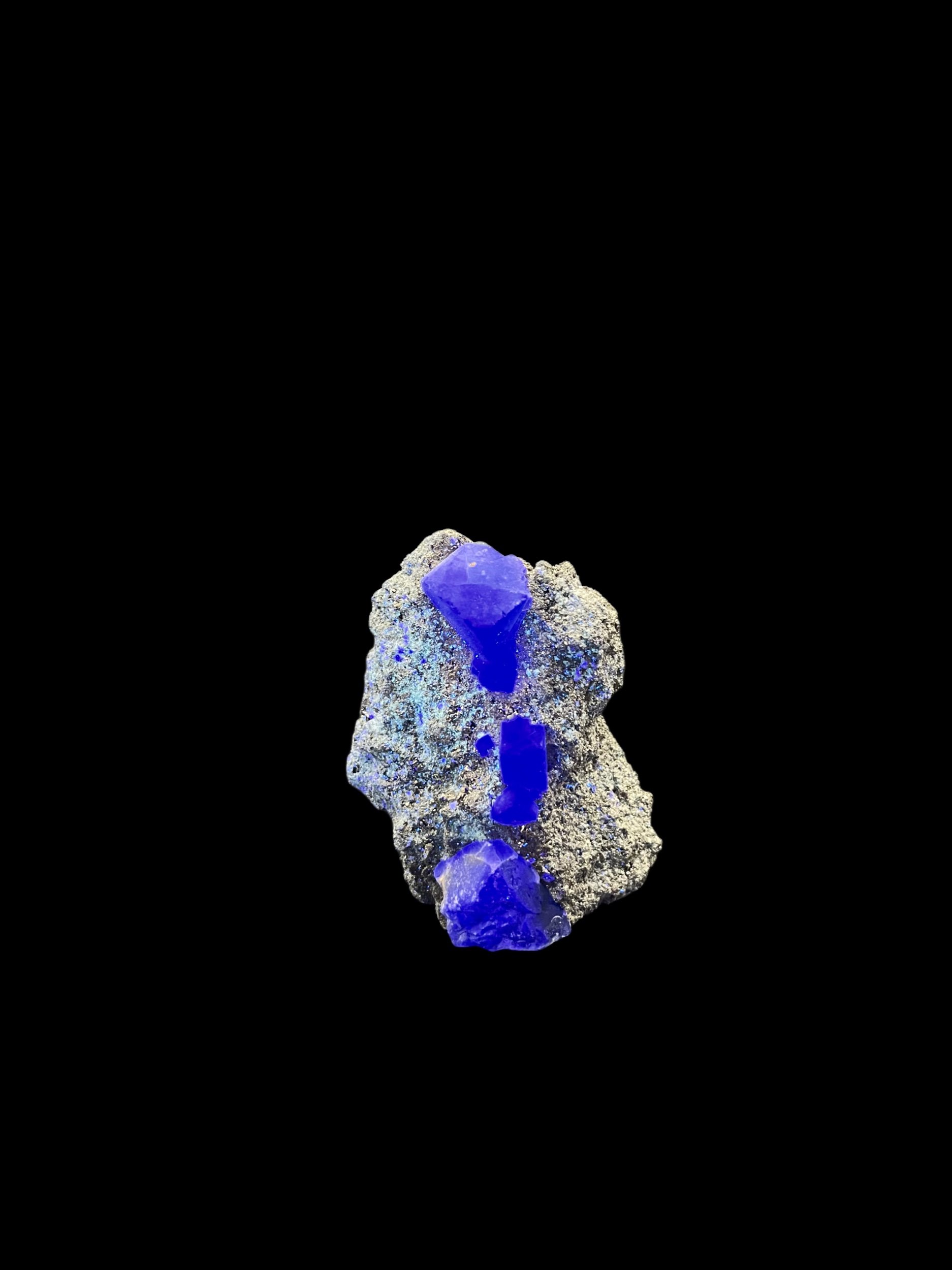
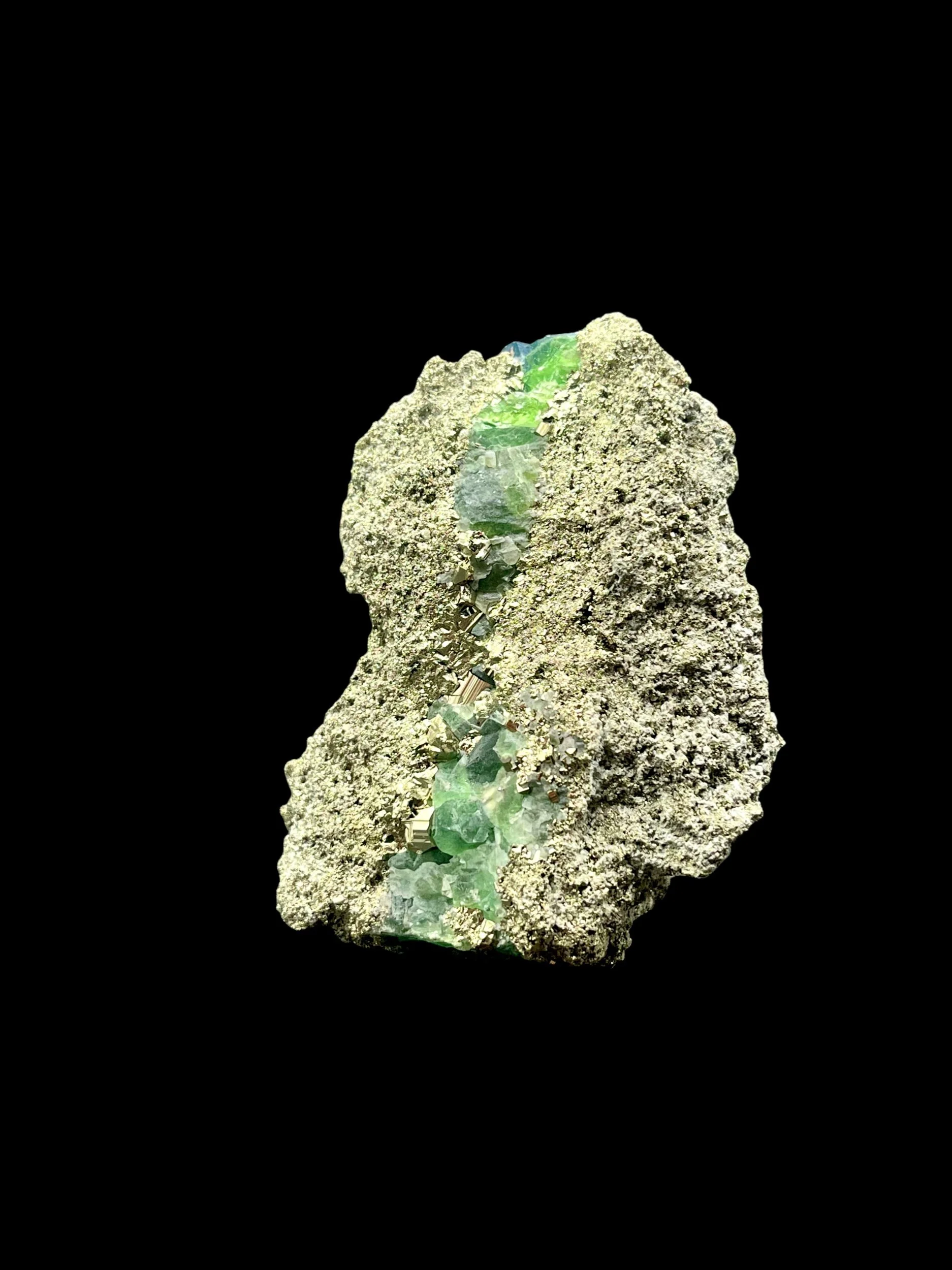
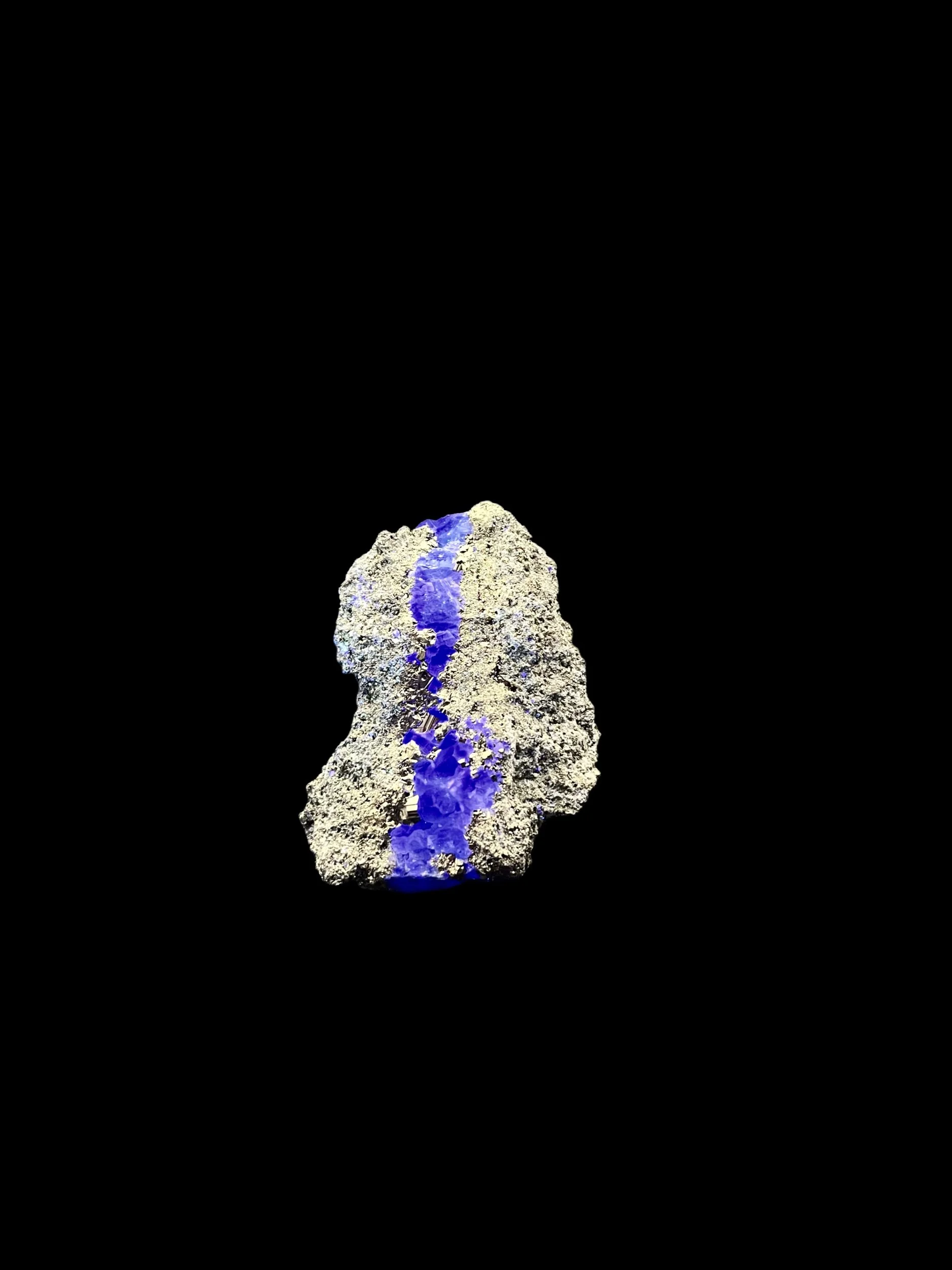
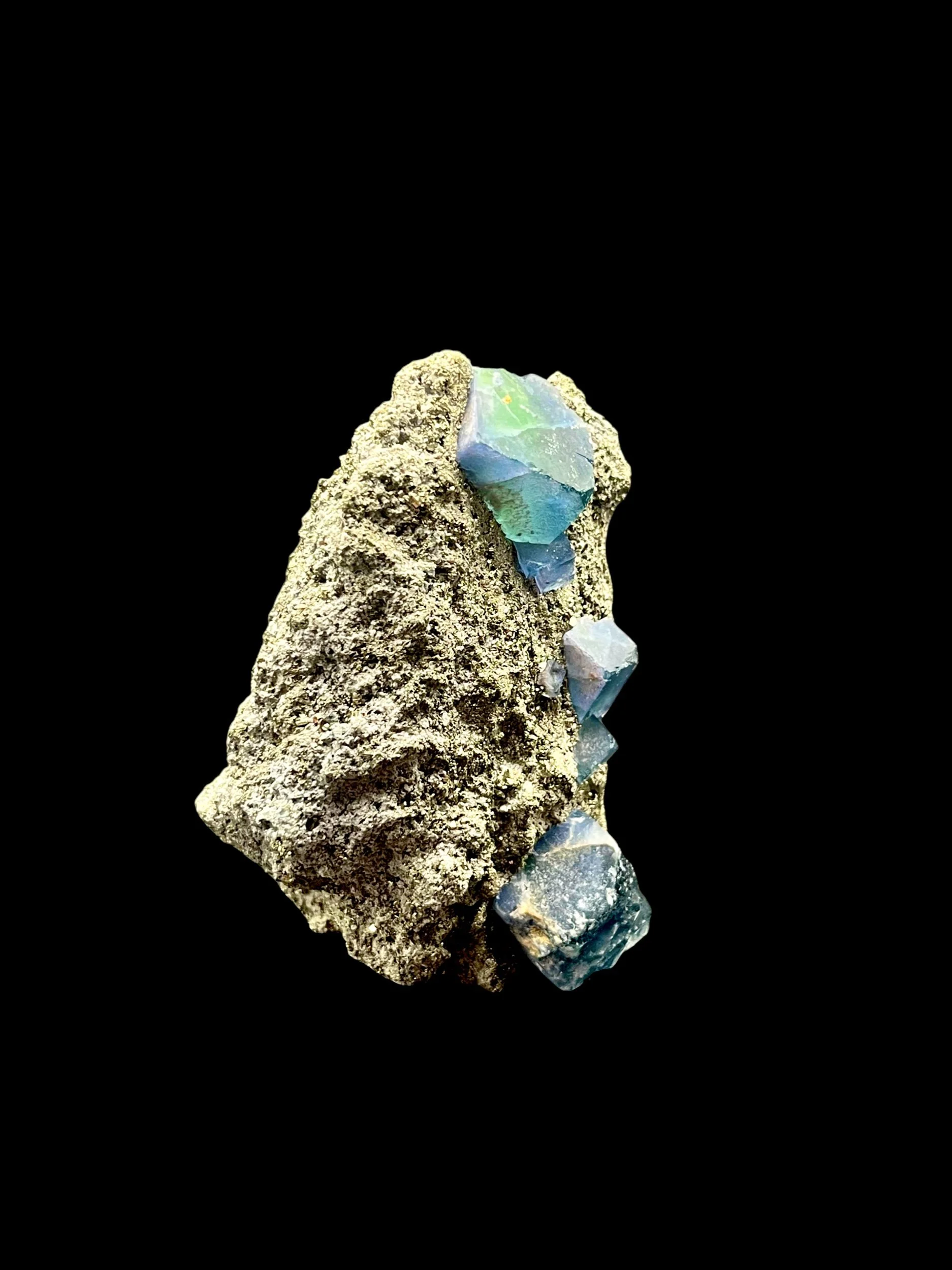
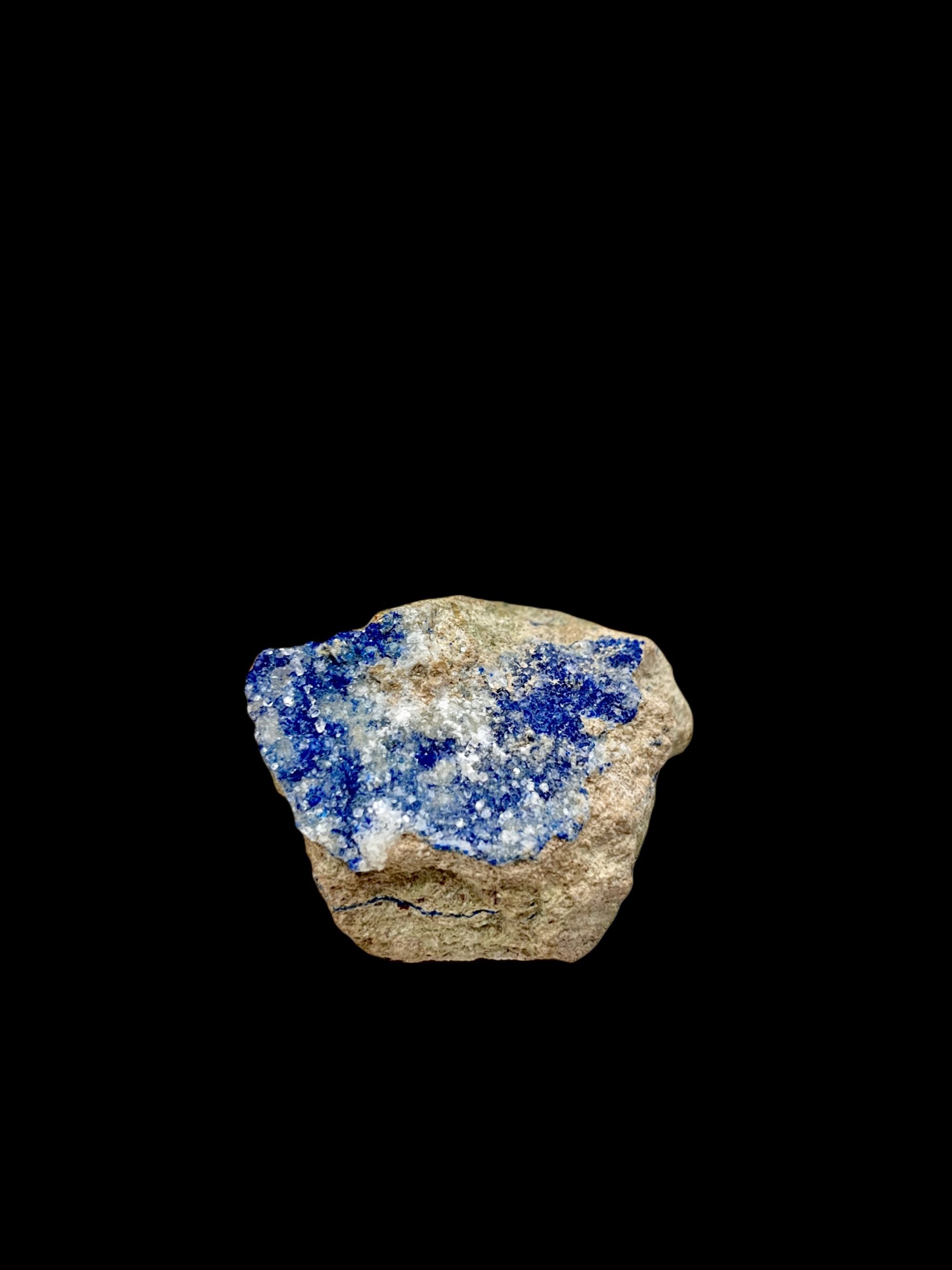
A striking and mineralogically complex specimen featuring vivid blue kinoite crystallization across a sparkling field of apophyllite, with subtle ruizite associations—all from the renowned Christmas Mine in Arizona.
Kinoite is a relatively rare copper silicate, and specimens displaying strong, saturated color with wide crystal coverage are increasingly difficult to source. Here, the kinoite forms electric blue patches that stand out sharply against the bright, glassy apophyllite druse, creating a layered and highly textural composition.
The presence of ruizite—another uncommon silicate first described from this locality—adds further depth to the piece, reinforcing its identity as a true Christmas Mine assemblage rather than a single-mineral specimen.
1.5” x 1.25” x 0.75”
52 grams
Kinoite is often associated with communication and clarity, while apophyllite is linked to insight and energetic cleansing. Ruizite is said to support grounding and transformation. Together, this combination is thought to balance clarity of thought with stability and awareness.
This is a compact but powerful example of a multi-mineral copper-zone formation, offering both visual impact and advanced collector appeal.
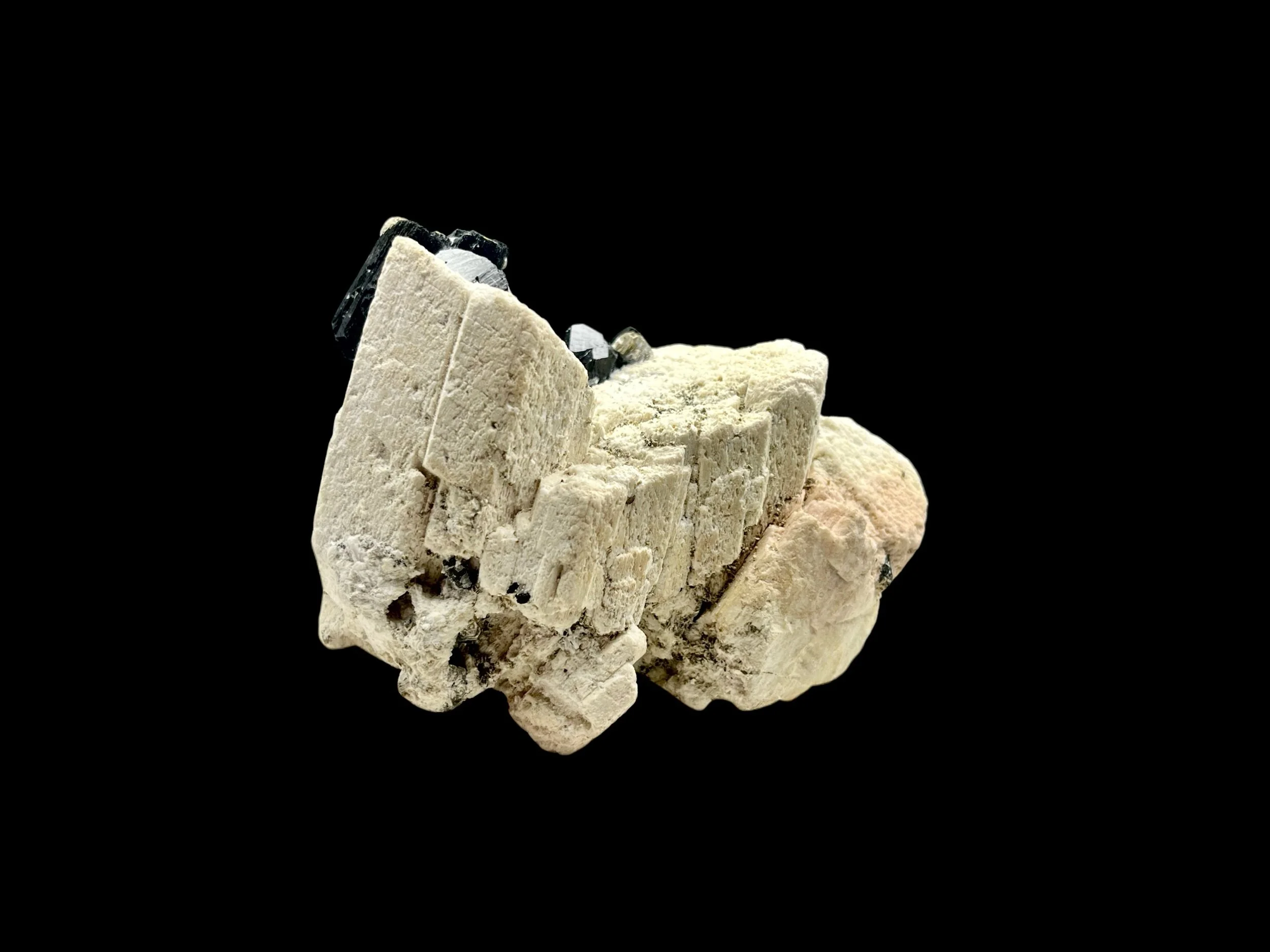
Set on a natural matrix, the composition reflects the complex copper-rich environment of the Christmas Mine, where rare and unusual mineral combinations are known to occur. Despite its compact size, the specimen delivers strong color, contrast, and locality significance.
Why Kinoite is so special
Kinoite is not a mass-market mineral—it is primarily sought after by collectors who specialize in copper minerals and uncommon silicates. Unlike more widely available blue minerals, kinoite’s vivid coloration combined with its relative rarity makes it particularly desirable.
Specimens from the Christmas Mine are especially valued due to the locality’s unique geochemical conditions, which allow kinoite to form alongside other uncommon minerals such as ruizite. This combination of rarity, locality, and visual appeal positions kinoite as a quietly increasing collector mineral within advanced collections.
Rare kinoite (copper silicate) specimen
Associated with apophyllite and ruizite
Christmas Mine, Arizona (notable locality)
Intense electric blue coloration
Sparkling druzy texture
Collector-grade, locality-driven specimen
Kinoite (Ca₂Cu₂Si₃O₈(OH)₄·2H₂O) is a rare hydrated copper silicate known for its vivid blue coloration, typically forming in oxidized zones of copper deposits.
Apophyllite is a hydrated potassium calcium silicate mineral that commonly forms glassy, transparent to white crystals, often as drusy coatings in hydrothermal environments.
Ruizite (Ca₂Mn₂Si₄O₁₁(OH)₂·2H₂O) is a rarer manganese silicate mineral, first described from the Christmas Mine, and is often found associated with copper-bearing minerals like kinoite.
This assemblage reflects the complex geochemical conditions present in the oxidized zones of copper deposits, where silica-rich fluids interact with calcium, copper, and manganese-bearing minerals.
Kinoite (Ca₂Cu₂Si₃O₈(OH)₄·2H₂O) is a hydrated copper silicate mineral forming in oxidized copper deposits. Its vivid blue coloration is due to copper content and is one of its most defining features.
Apophyllite is a hydrated potassium calcium silicate, typically forming transparent to white crystals with a vitreous luster, often as drusy coatings.
Ruizite (Ca₂Mn₂Si₄O₁₁(OH)₂·2H₂O) is a manganese silicate first described from the Christmas Mine, making this association particularly locality-significant.
Locality – Christmas Mine, Arizona
A striking and mineralogically complex specimen featuring vivid blue kinoite crystallization across a sparkling field of apophyllite, with subtle ruizite associations—all from the renowned Christmas Mine in Arizona.
Kinoite is a relatively rare copper silicate, and specimens displaying strong, saturated color with wide crystal coverage are increasingly difficult to source. Here, the kinoite forms electric blue patches that stand out sharply against the bright, glassy apophyllite druse, creating a layered and highly textural composition.
The presence of ruizite—another uncommon silicate first described from this locality—adds further depth to the piece, reinforcing its identity as a true Christmas Mine assemblage rather than a single-mineral specimen.
1.5” x 1.25” x 0.75”
52 grams
Kinoite is often associated with communication and clarity, while apophyllite is linked to insight and energetic cleansing. Ruizite is said to support grounding and transformation. Together, this combination is thought to balance clarity of thought with stability and awareness.
This is a compact but powerful example of a multi-mineral copper-zone formation, offering both visual impact and advanced collector appeal.
Set on a natural matrix, the composition reflects the complex copper-rich environment of the Christmas Mine, where rare and unusual mineral combinations are known to occur. Despite its compact size, the specimen delivers strong color, contrast, and locality significance.
Why Kinoite is so special
Kinoite is not a mass-market mineral—it is primarily sought after by collectors who specialize in copper minerals and uncommon silicates. Unlike more widely available blue minerals, kinoite’s vivid coloration combined with its relative rarity makes it particularly desirable.
Specimens from the Christmas Mine are especially valued due to the locality’s unique geochemical conditions, which allow kinoite to form alongside other uncommon minerals such as ruizite. This combination of rarity, locality, and visual appeal positions kinoite as a quietly increasing collector mineral within advanced collections.
Rare kinoite (copper silicate) specimen
Associated with apophyllite and ruizite
Christmas Mine, Arizona (notable locality)
Intense electric blue coloration
Sparkling druzy texture
Collector-grade, locality-driven specimen
Kinoite (Ca₂Cu₂Si₃O₈(OH)₄·2H₂O) is a rare hydrated copper silicate known for its vivid blue coloration, typically forming in oxidized zones of copper deposits.
Apophyllite is a hydrated potassium calcium silicate mineral that commonly forms glassy, transparent to white crystals, often as drusy coatings in hydrothermal environments.
Ruizite (Ca₂Mn₂Si₄O₁₁(OH)₂·2H₂O) is a rarer manganese silicate mineral, first described from the Christmas Mine, and is often found associated with copper-bearing minerals like kinoite.
This assemblage reflects the complex geochemical conditions present in the oxidized zones of copper deposits, where silica-rich fluids interact with calcium, copper, and manganese-bearing minerals.
Kinoite (Ca₂Cu₂Si₃O₈(OH)₄·2H₂O) is a hydrated copper silicate mineral forming in oxidized copper deposits. Its vivid blue coloration is due to copper content and is one of its most defining features.
Apophyllite is a hydrated potassium calcium silicate, typically forming transparent to white crystals with a vitreous luster, often as drusy coatings.
Ruizite (Ca₂Mn₂Si₄O₁₁(OH)₂·2H₂O) is a manganese silicate first described from the Christmas Mine, making this association particularly locality-significant.