 Image 1 of 5
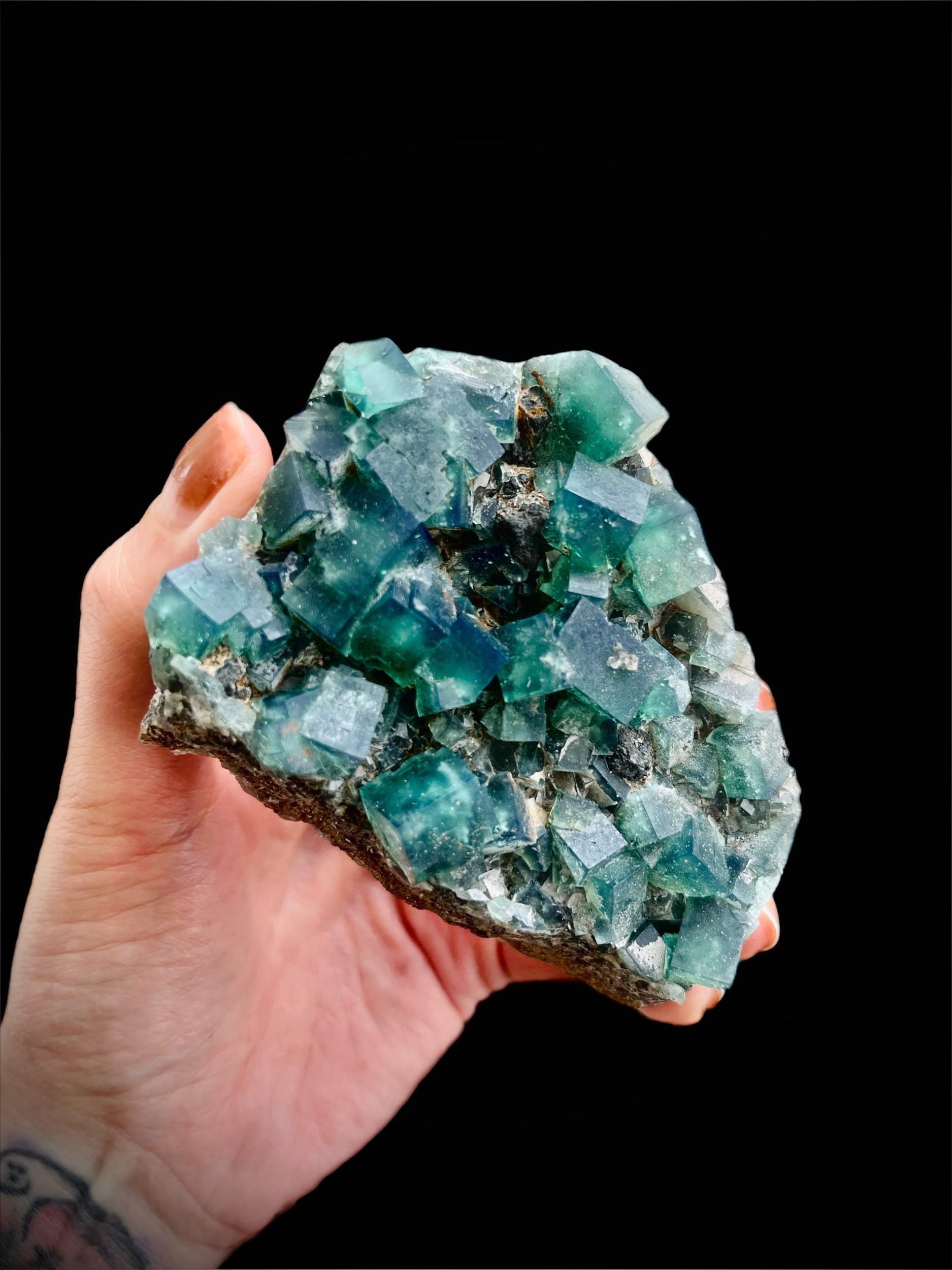 Image 2 of 5
 Image 3 of 5
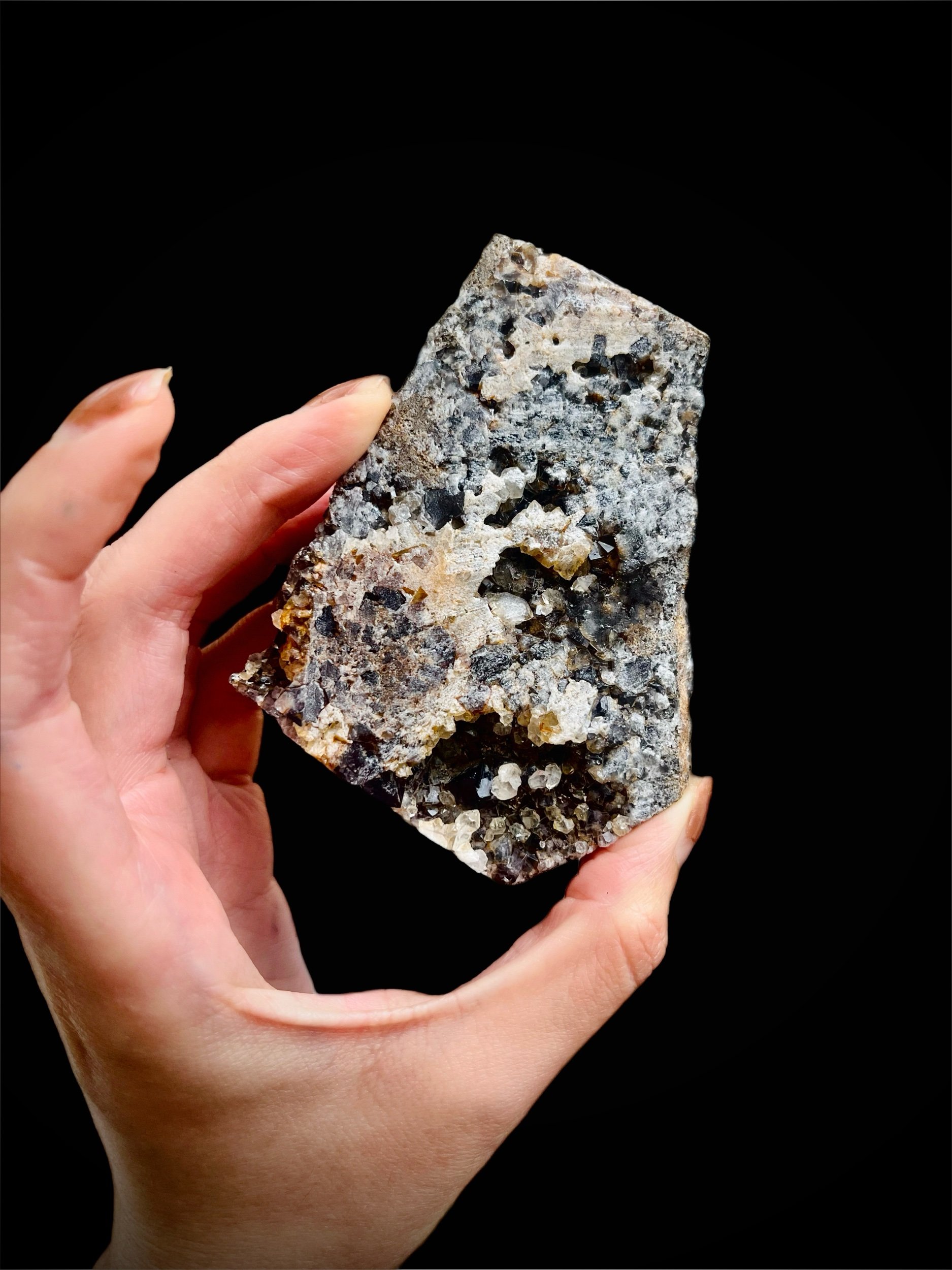 Image 4 of 5
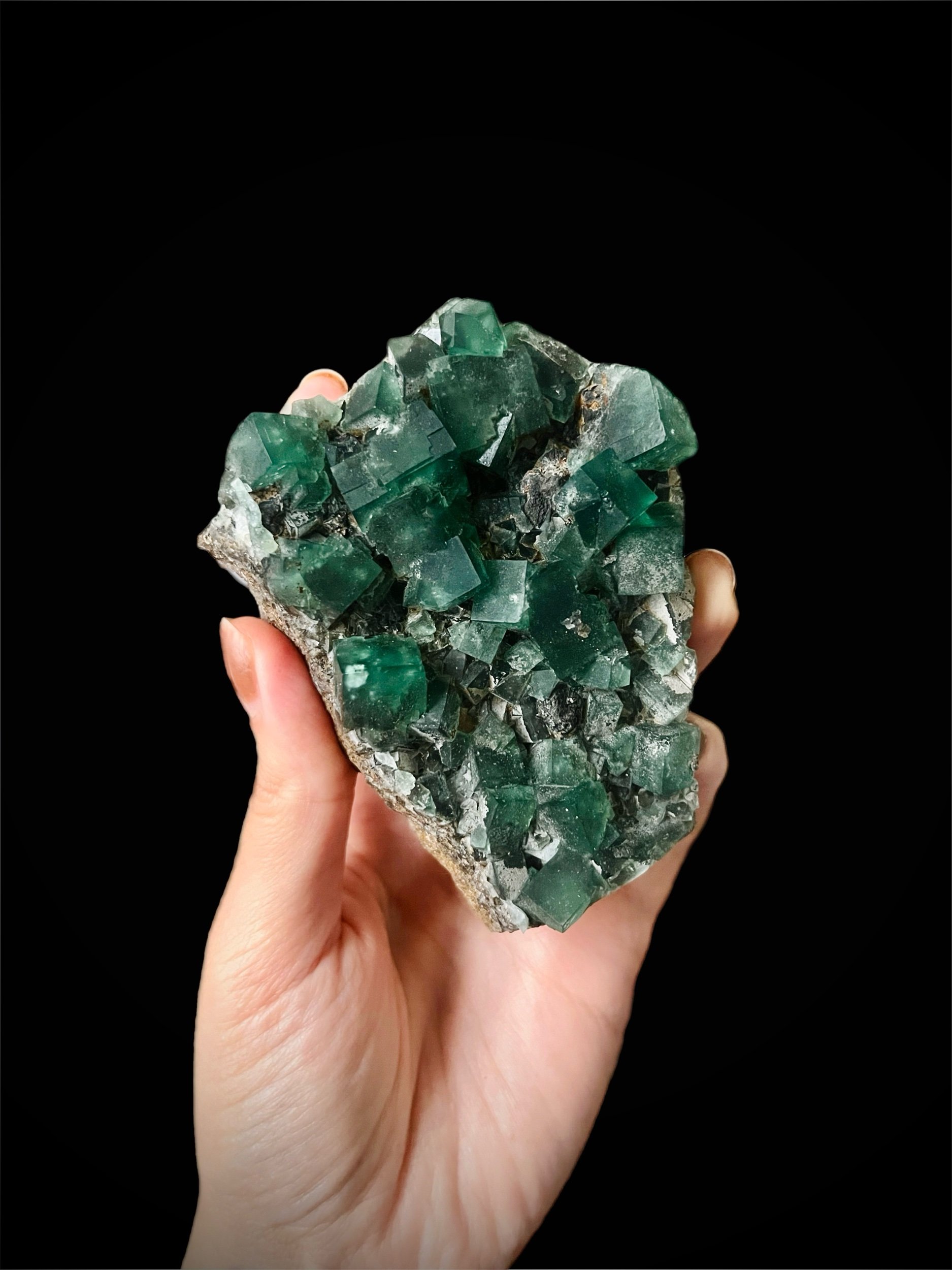 Image 5 of 5
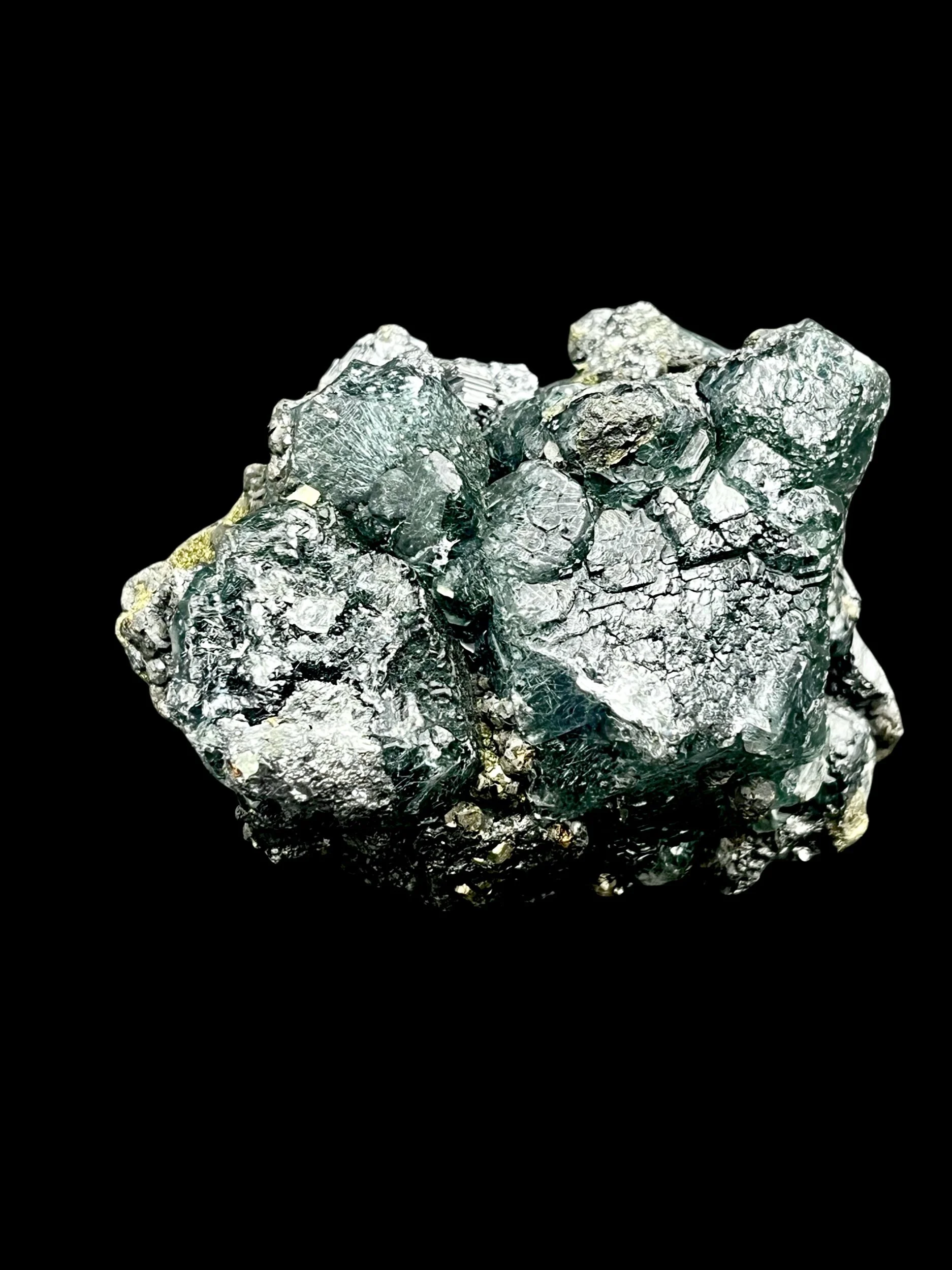
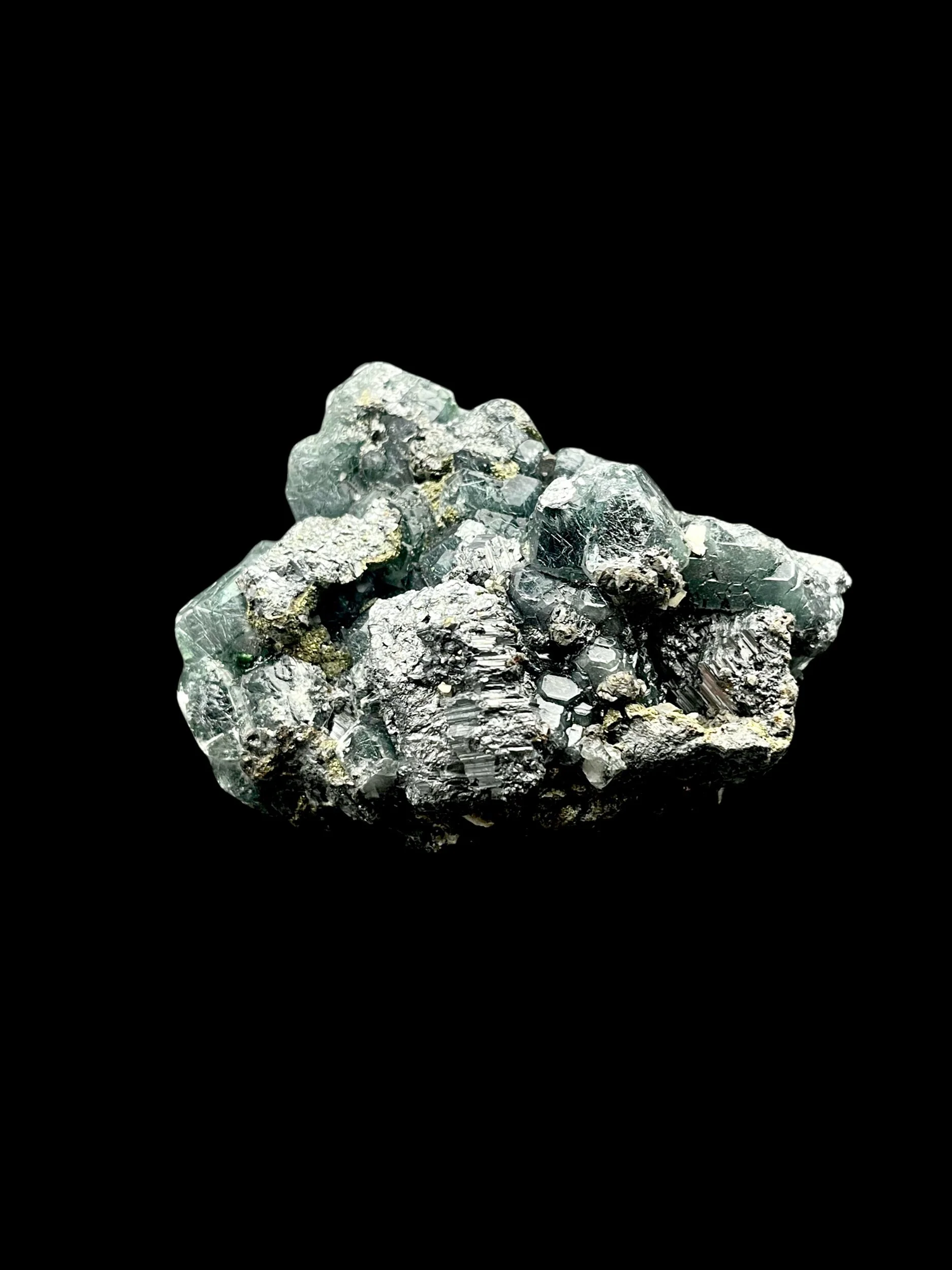
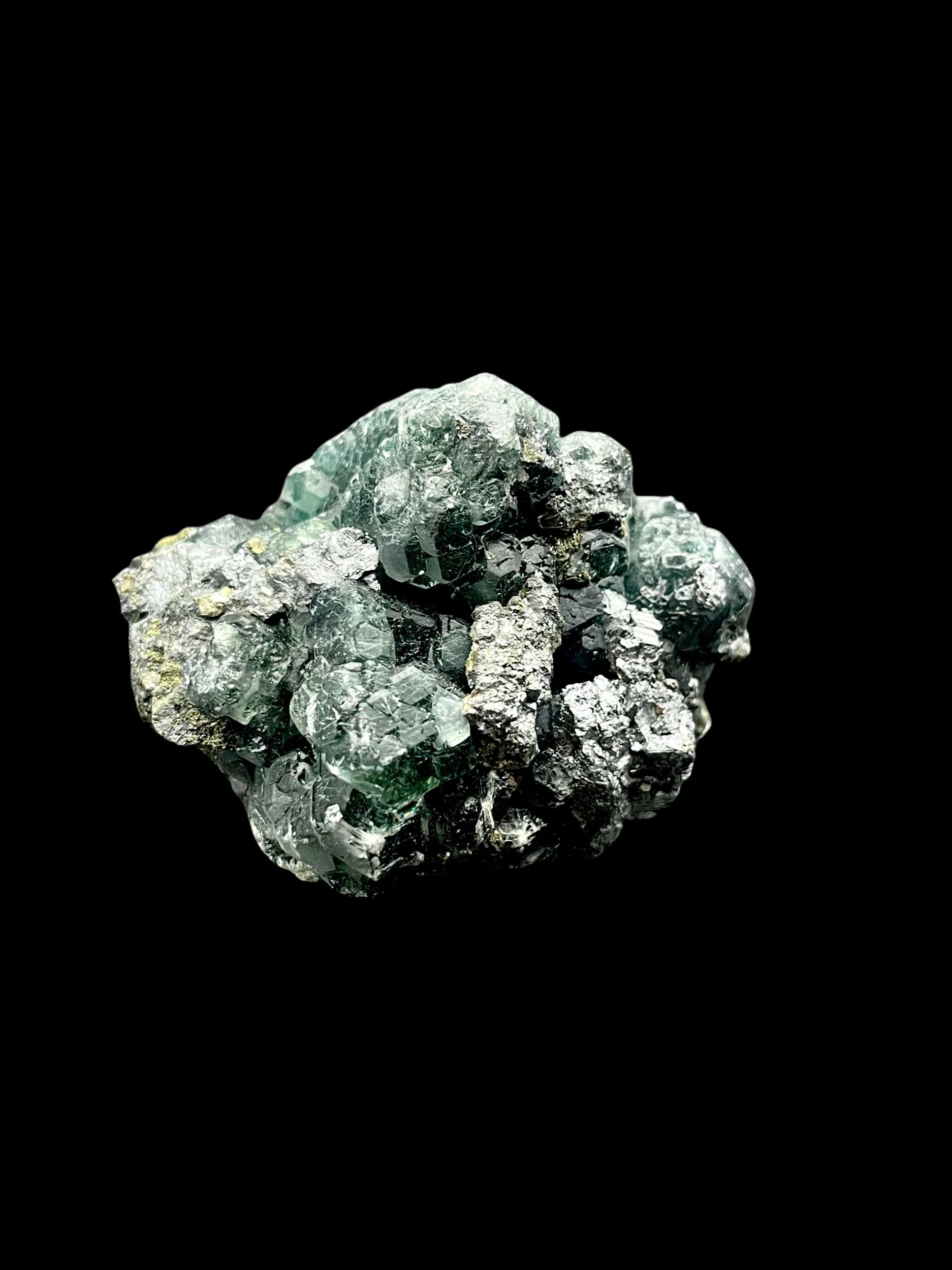
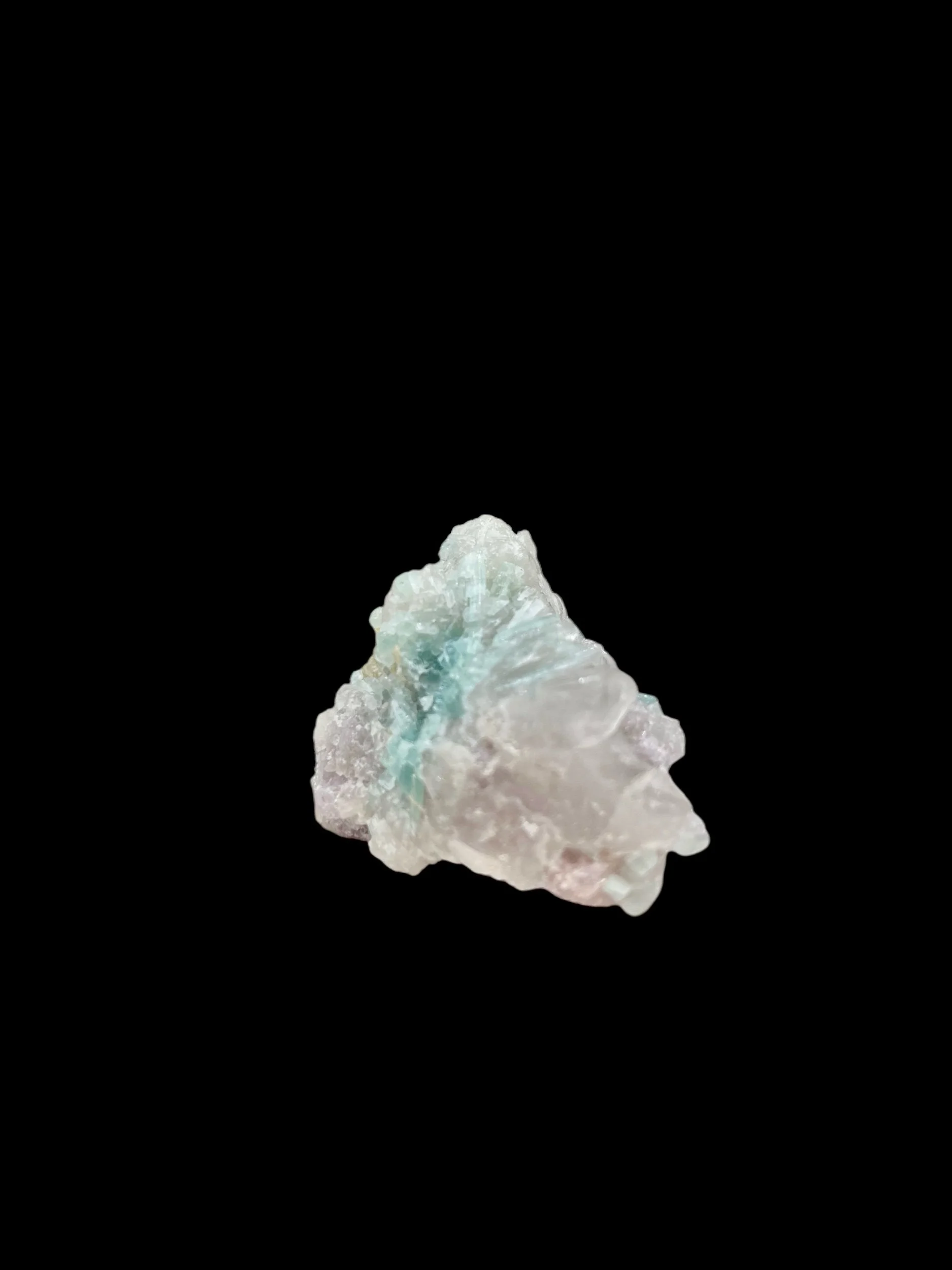
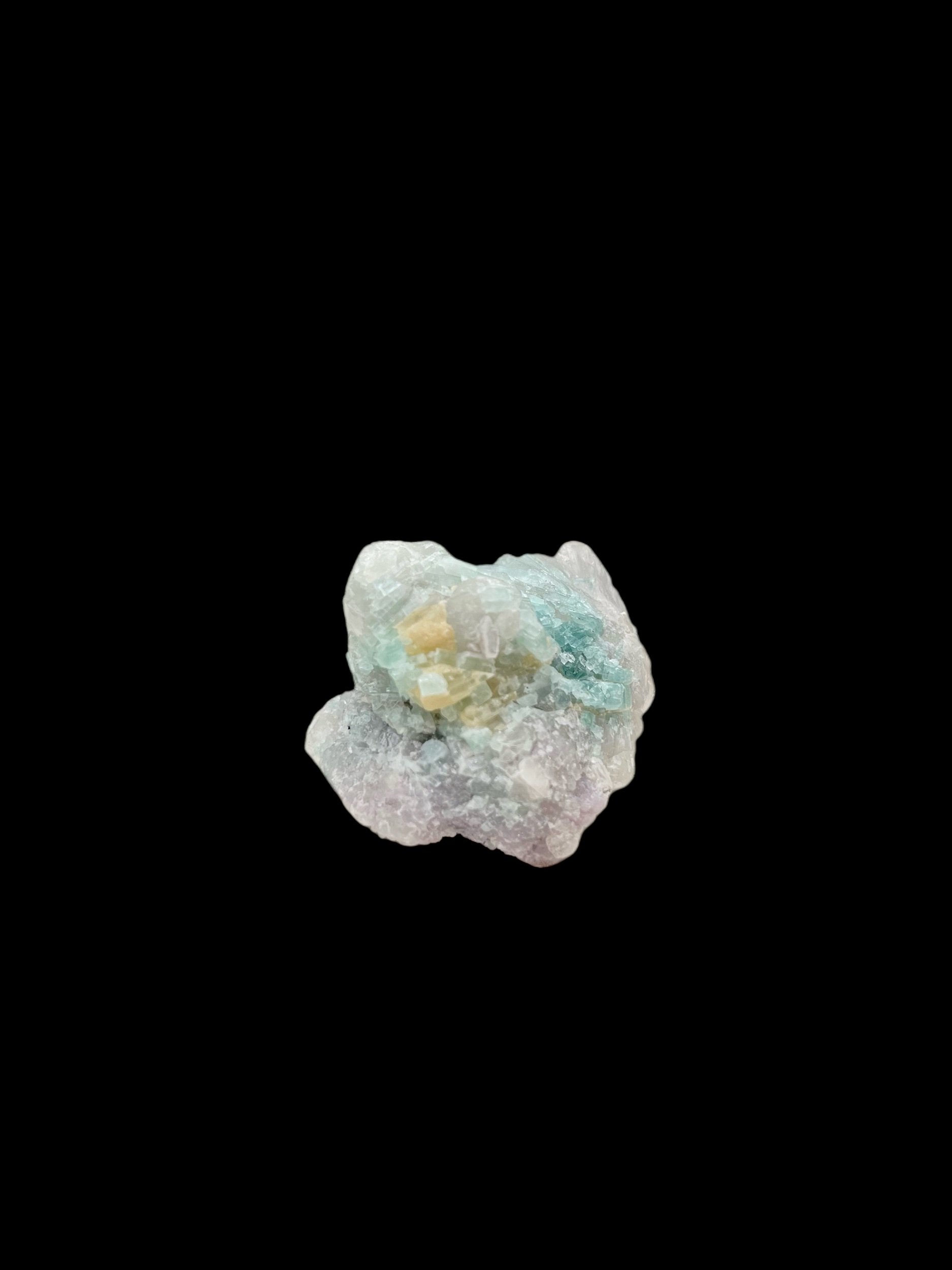
Diana Maria fluorite refers to fluorite crystals mined from the Diana Maria Mine in Weardale, England, known for their vibrant green coloration and daylight color changing reactions.
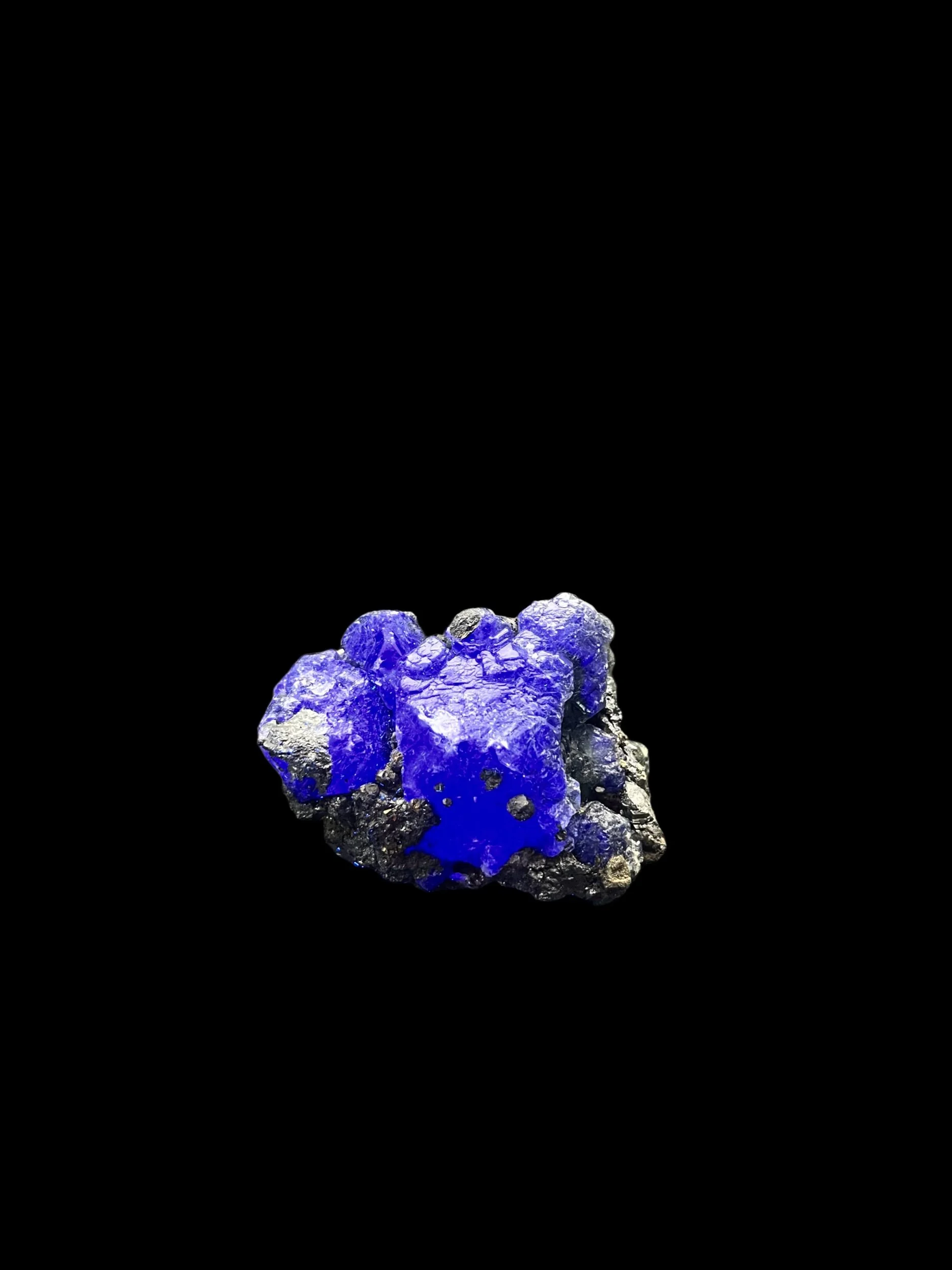
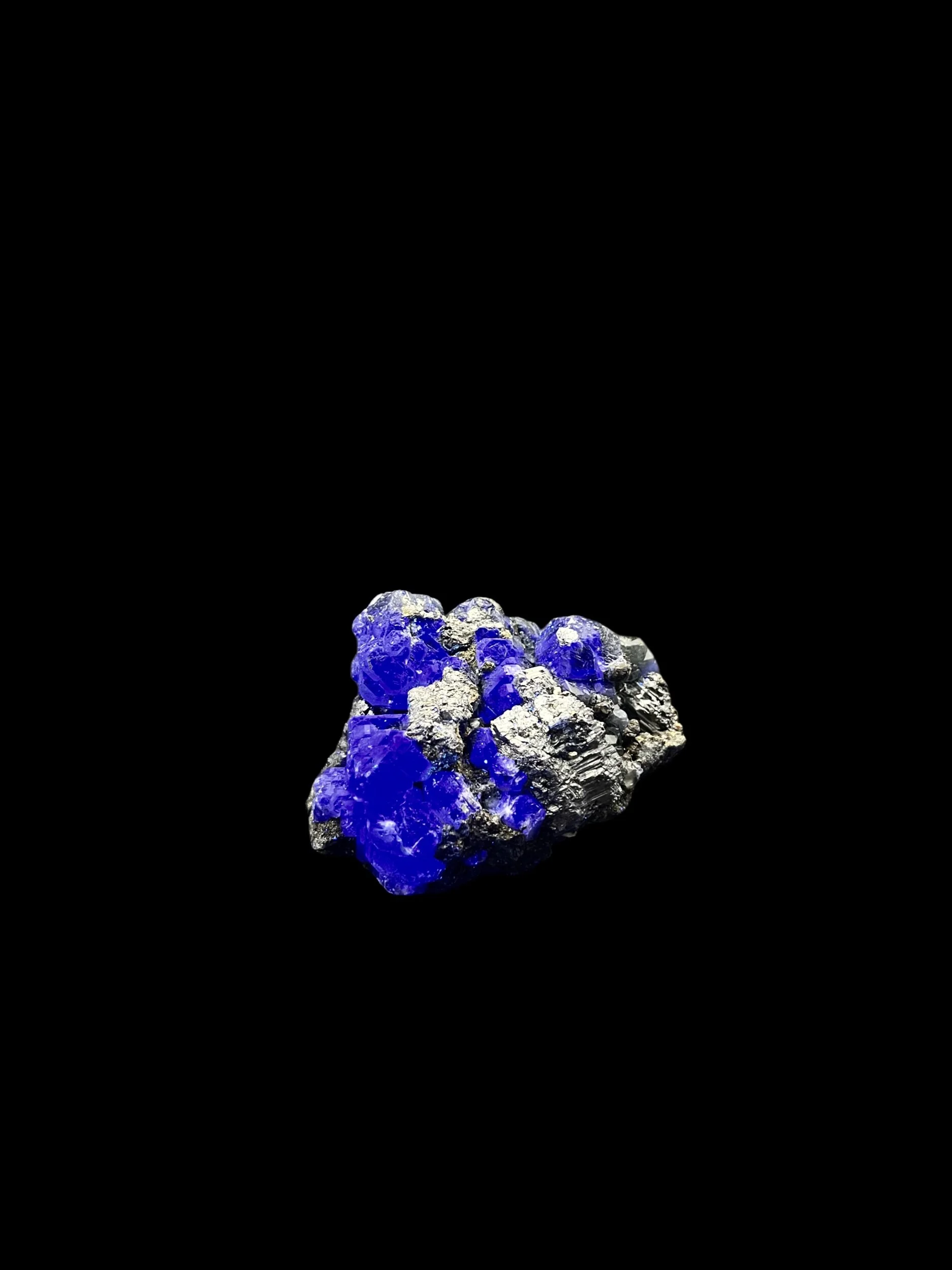
The effect occurs when trace elements within the fluorite crystal interact with different wavelengths of light, causing the mineral to shift from green under artificial lighting to blue or purple in natural daylight.
Under indoor lighting, the fluorite appears vivid emerald-green, while exposure to natural sunlight causes the crystals to shift toward cool teal and violet tones.
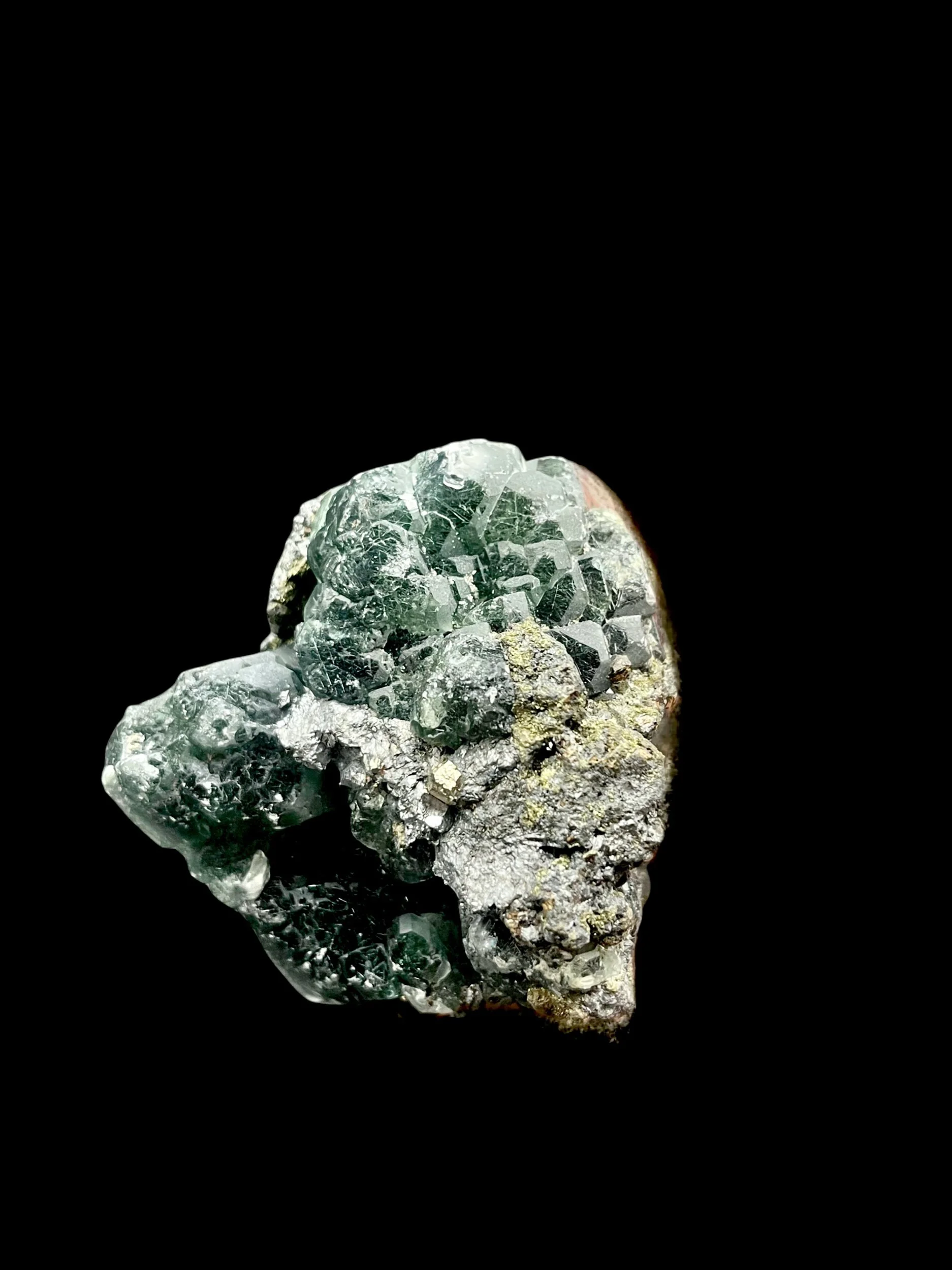
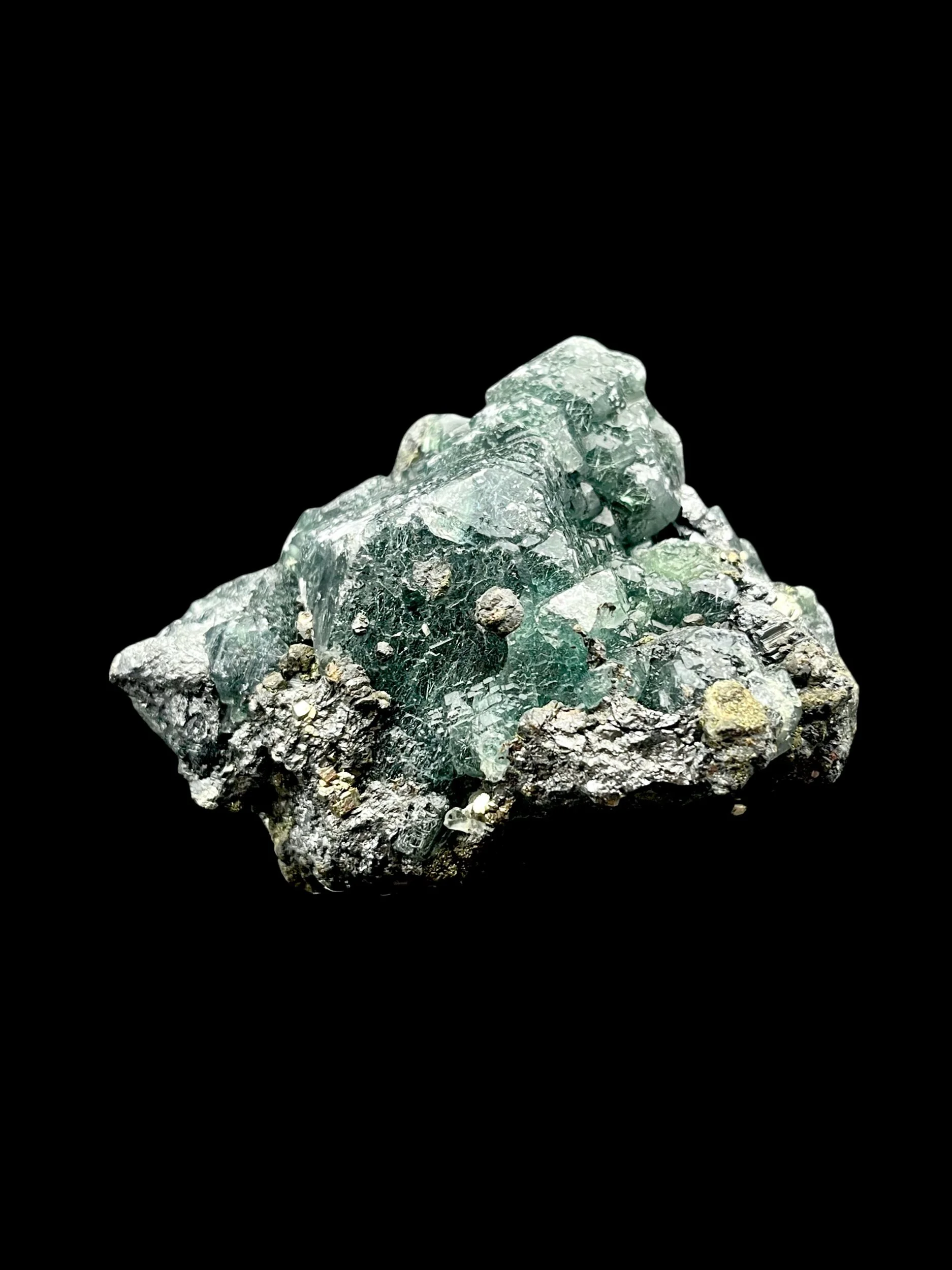
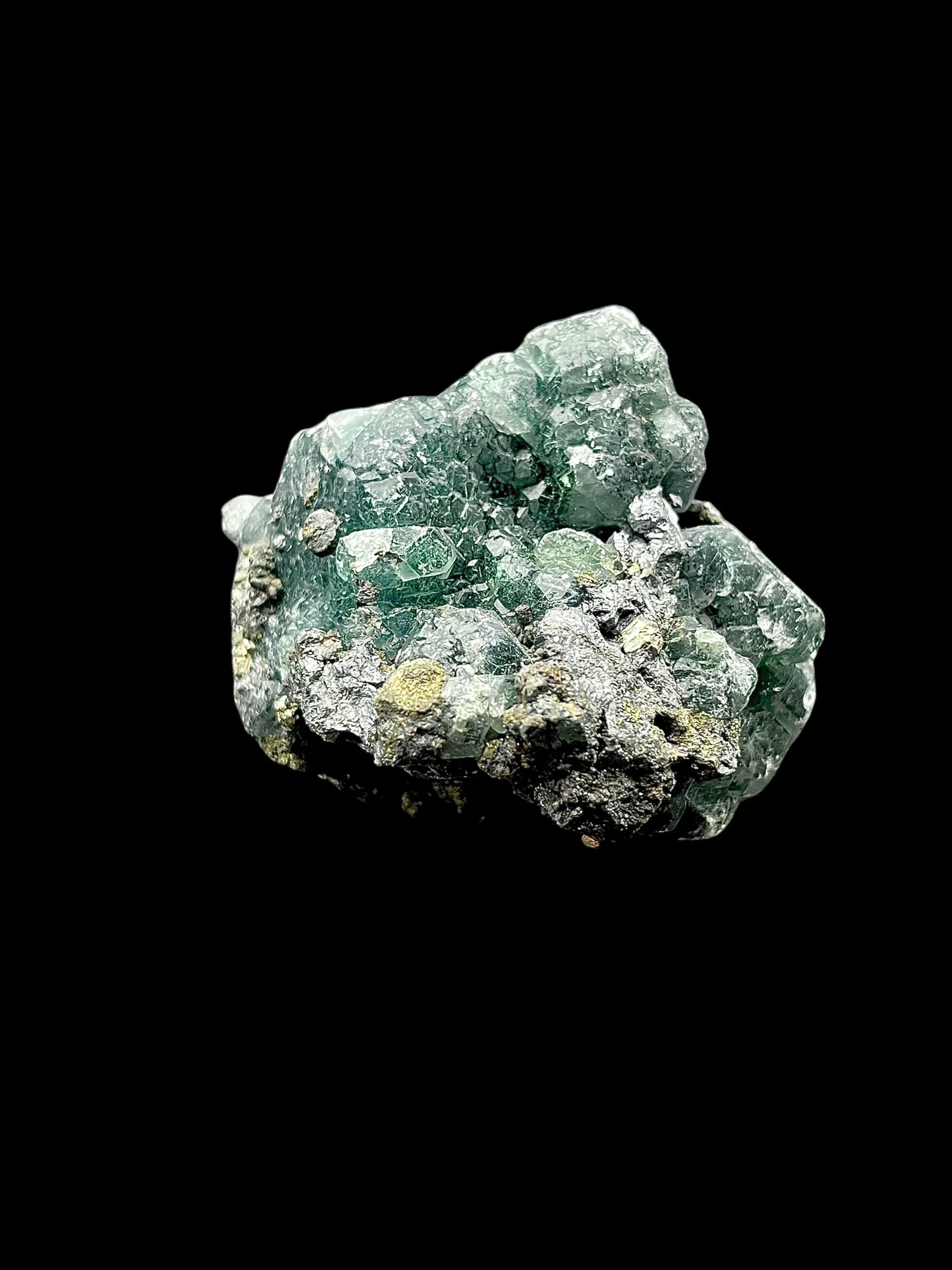
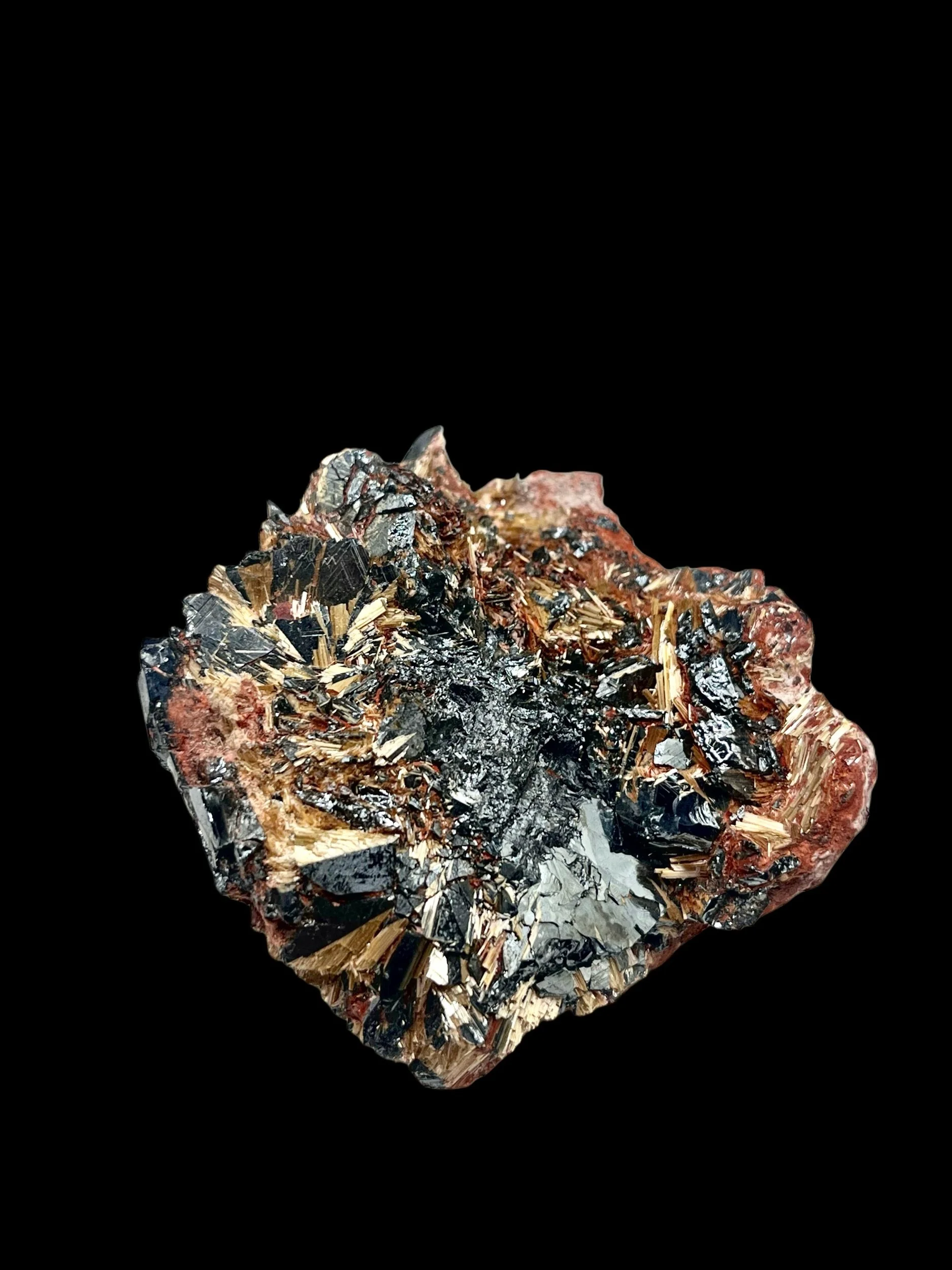
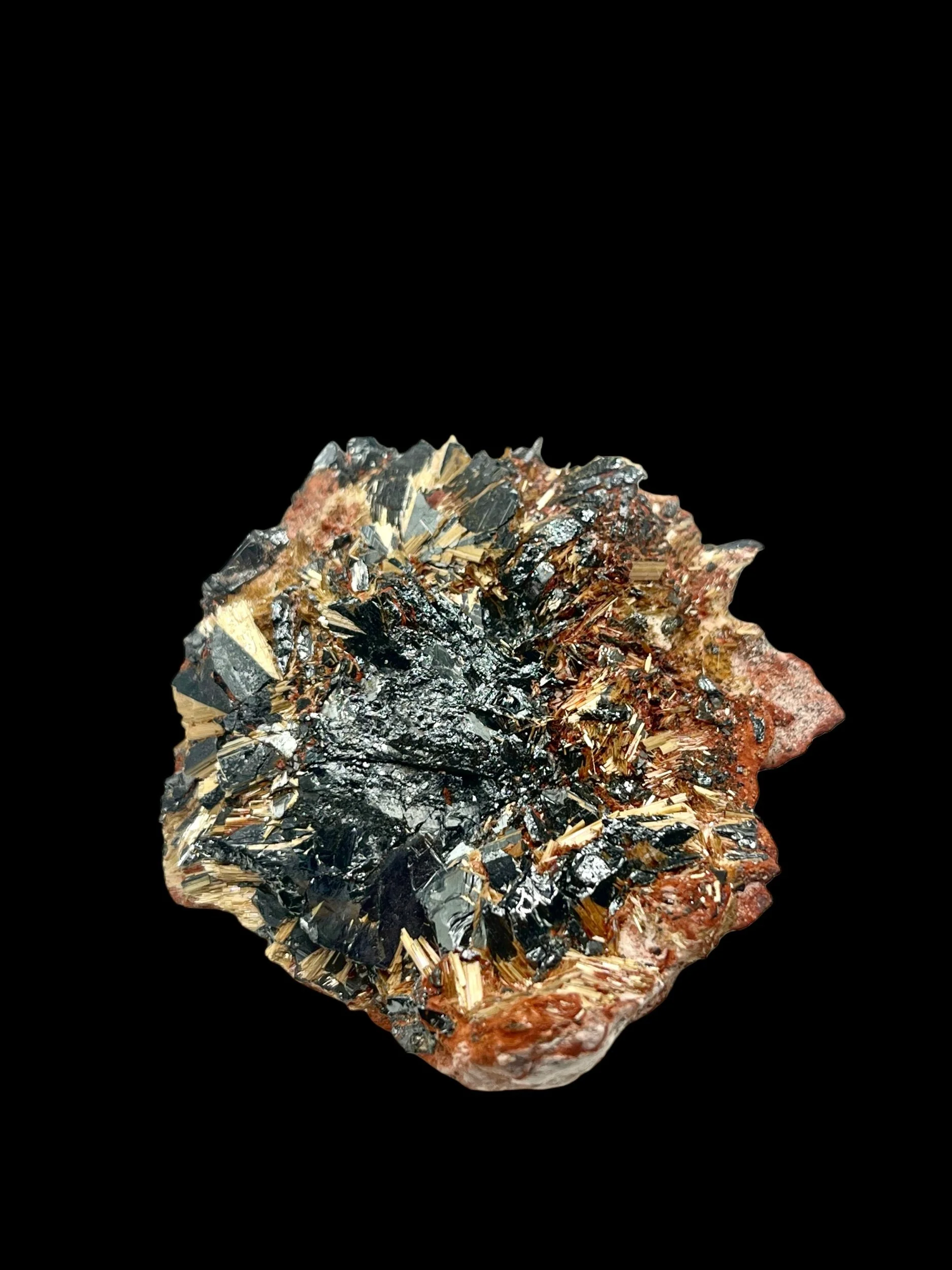
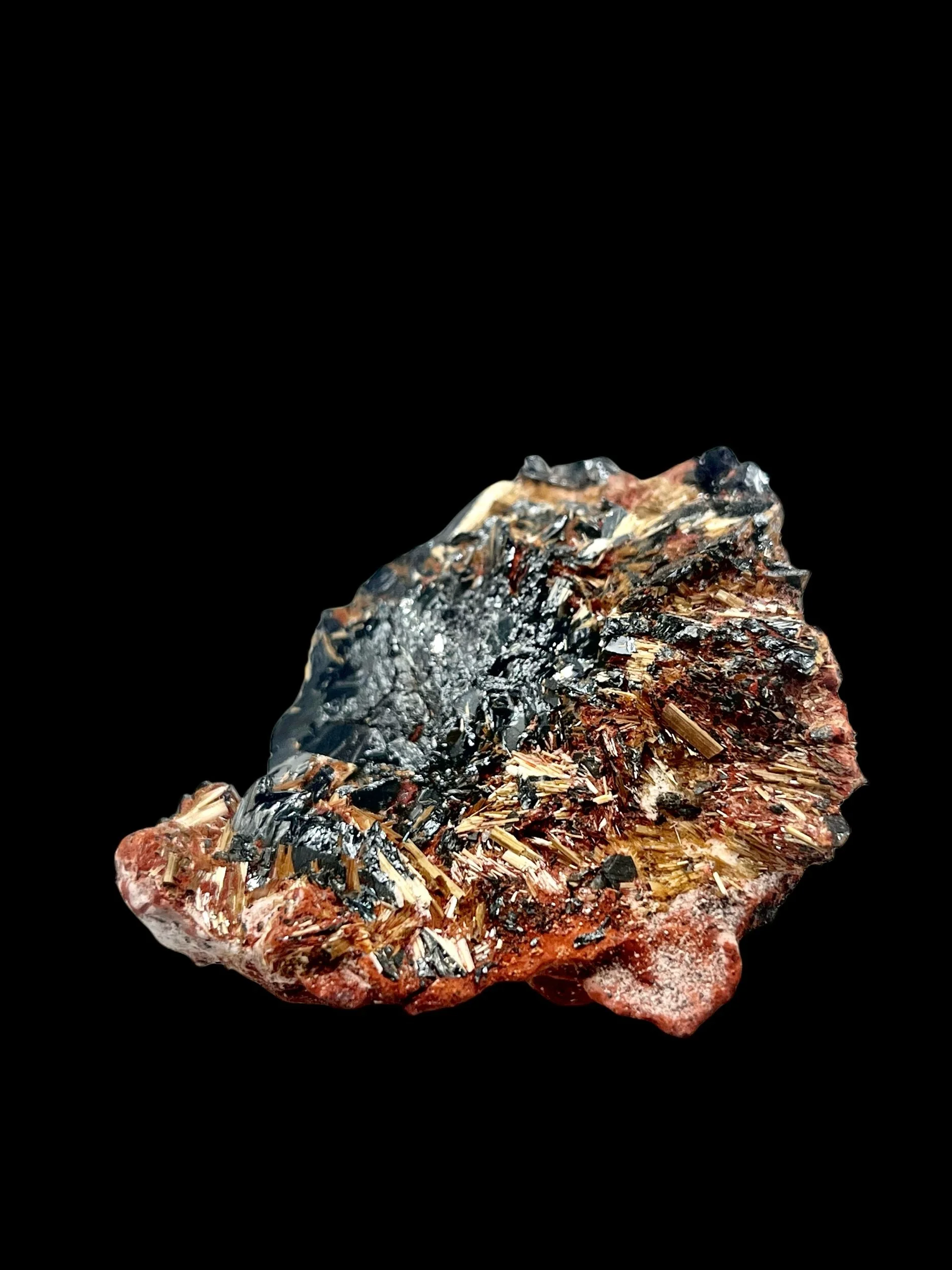
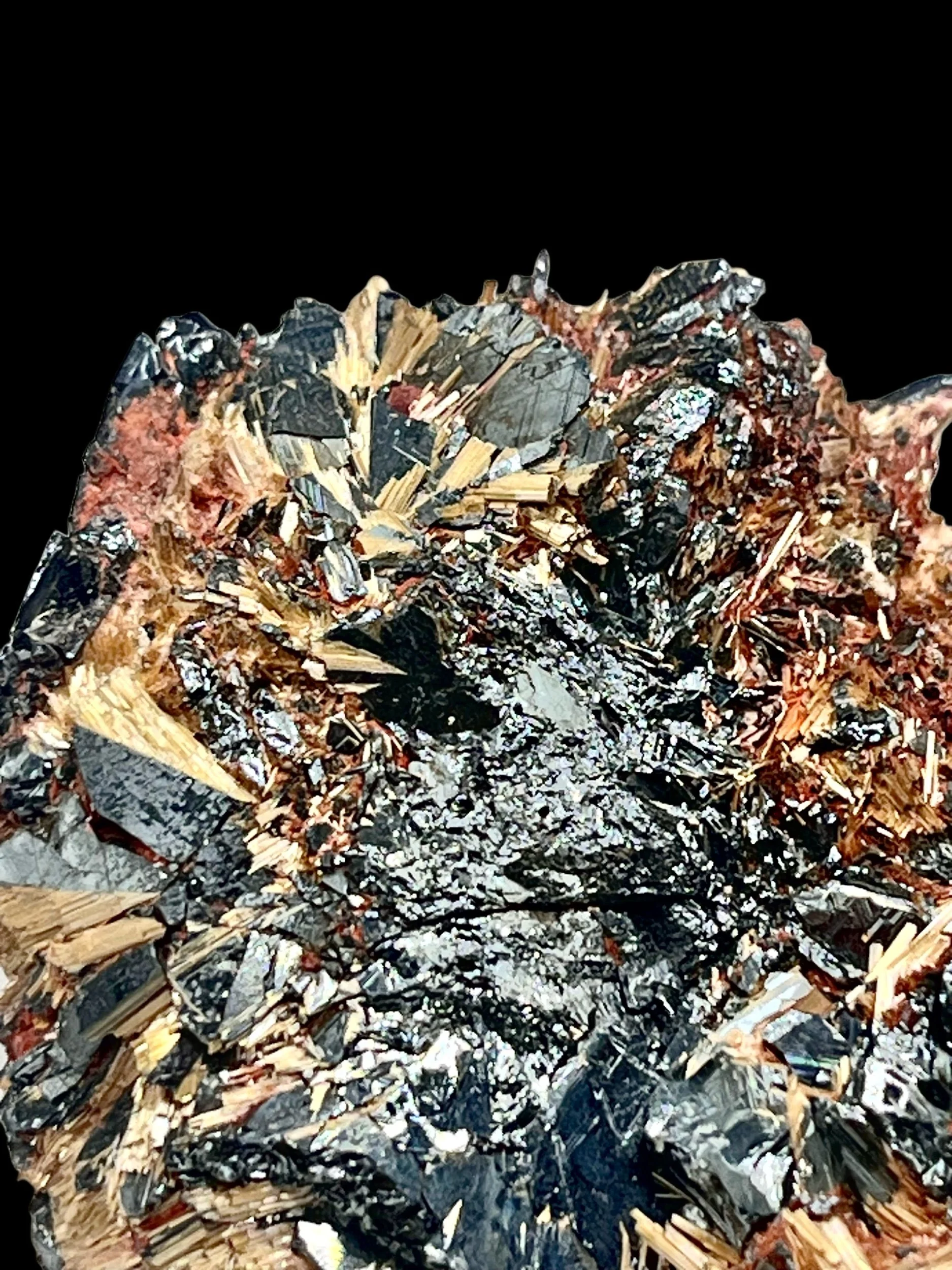
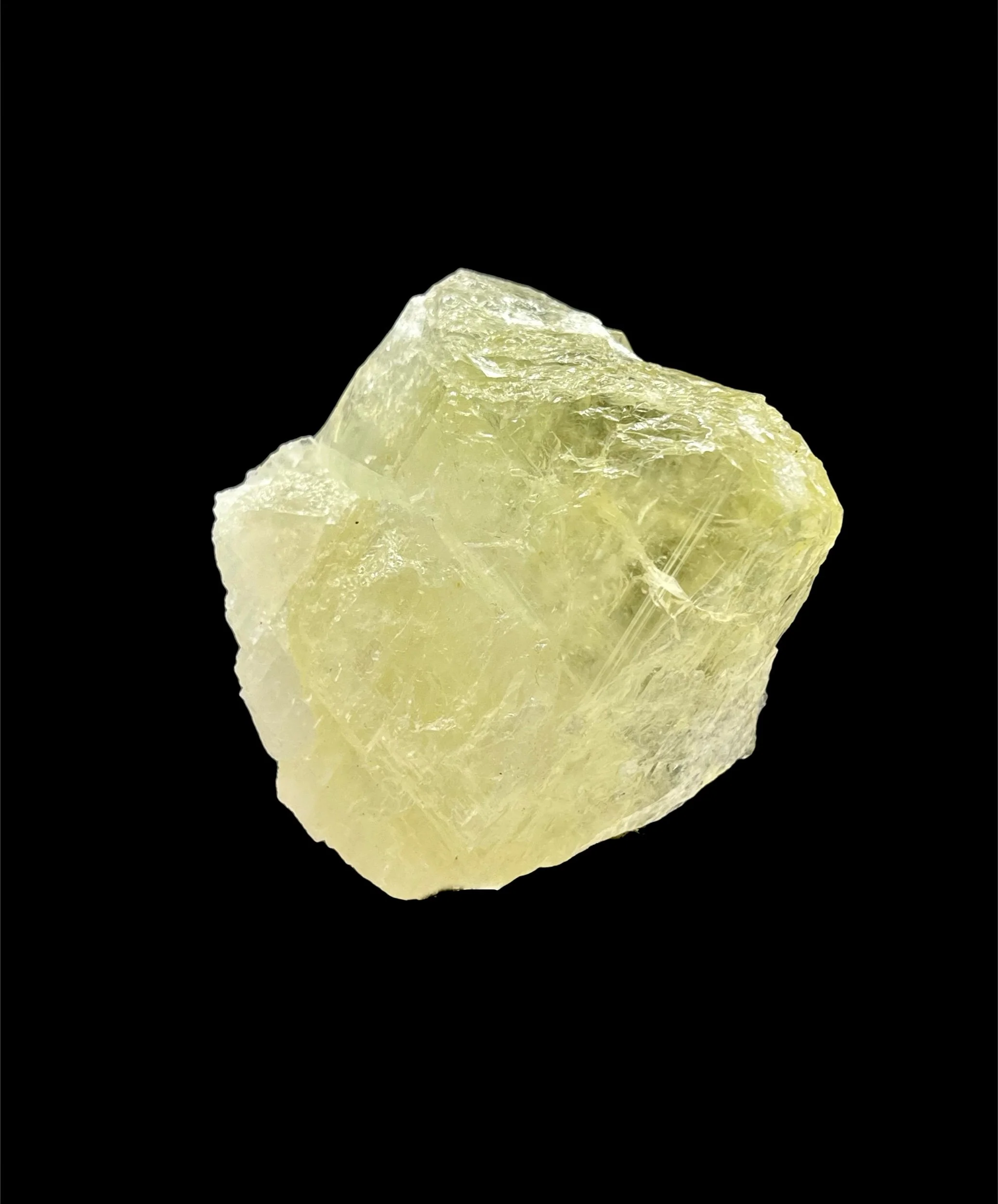
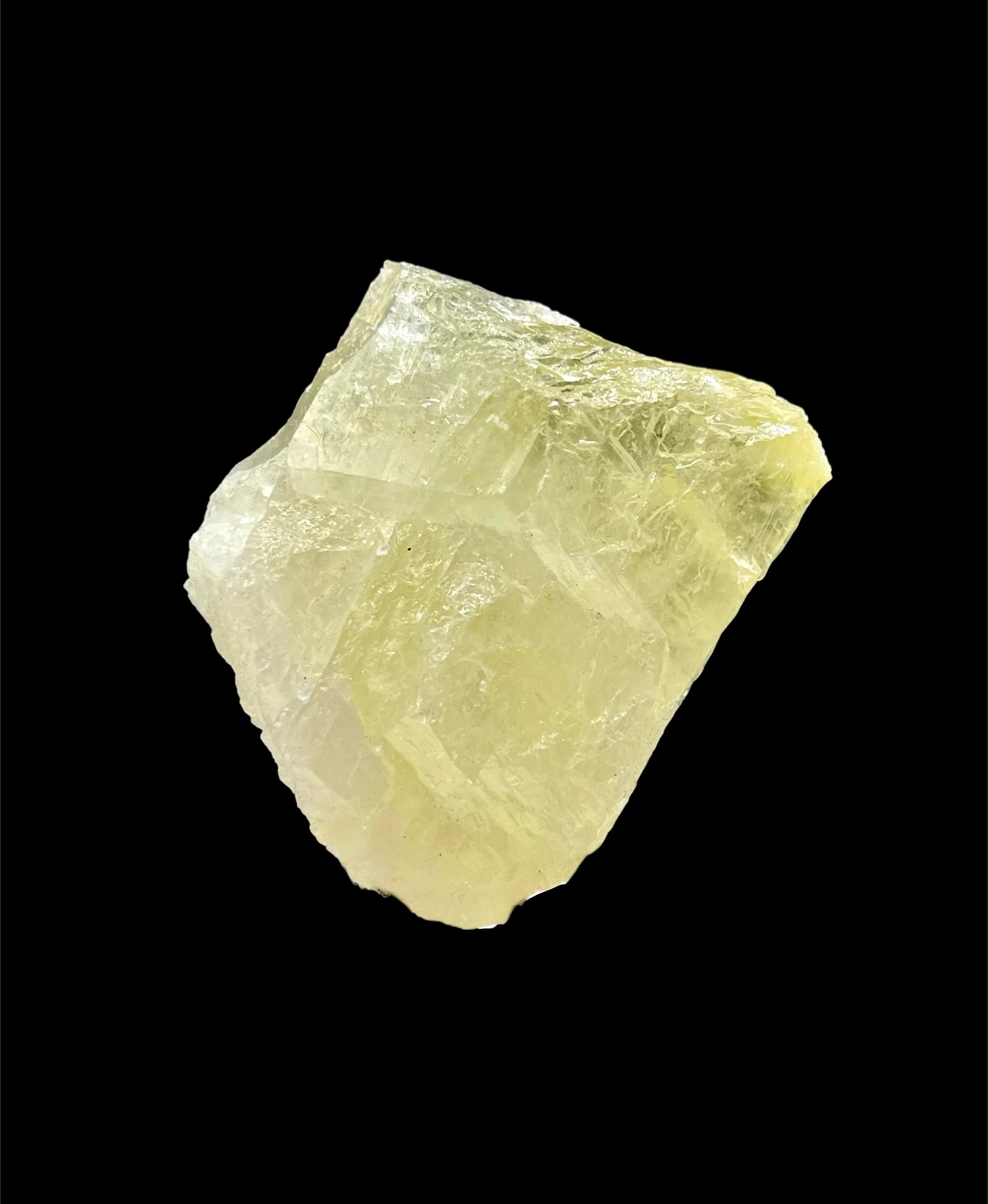
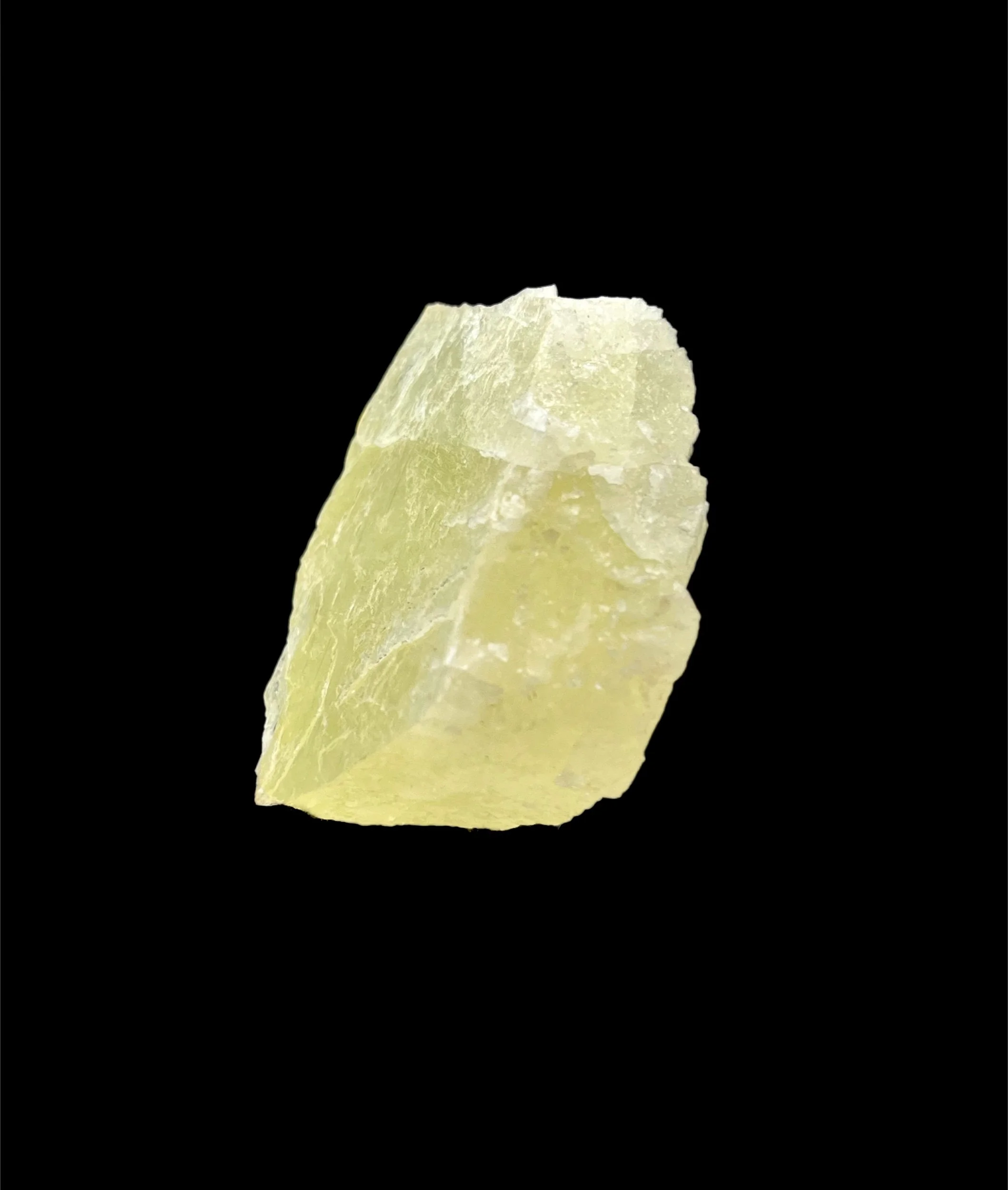
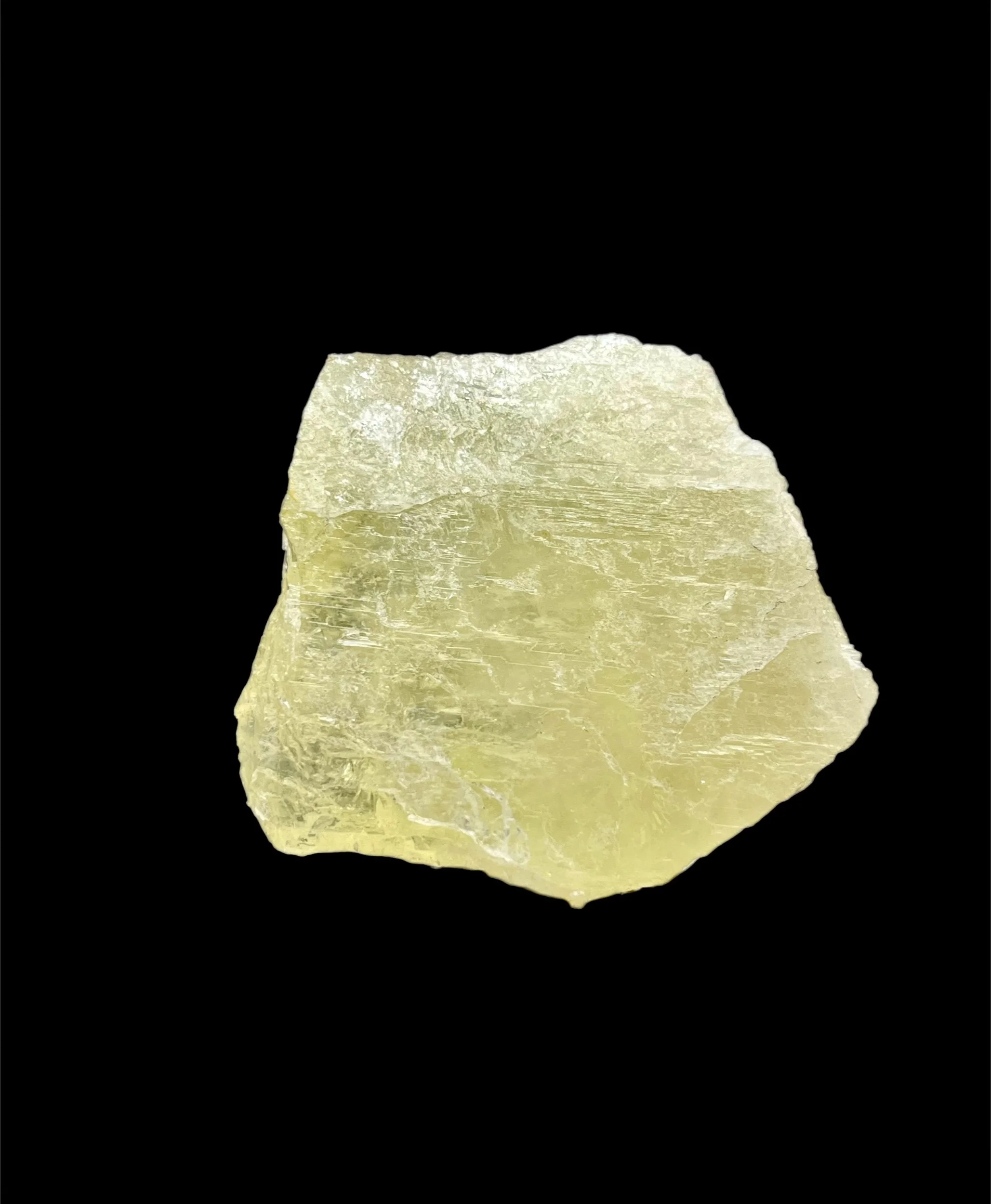
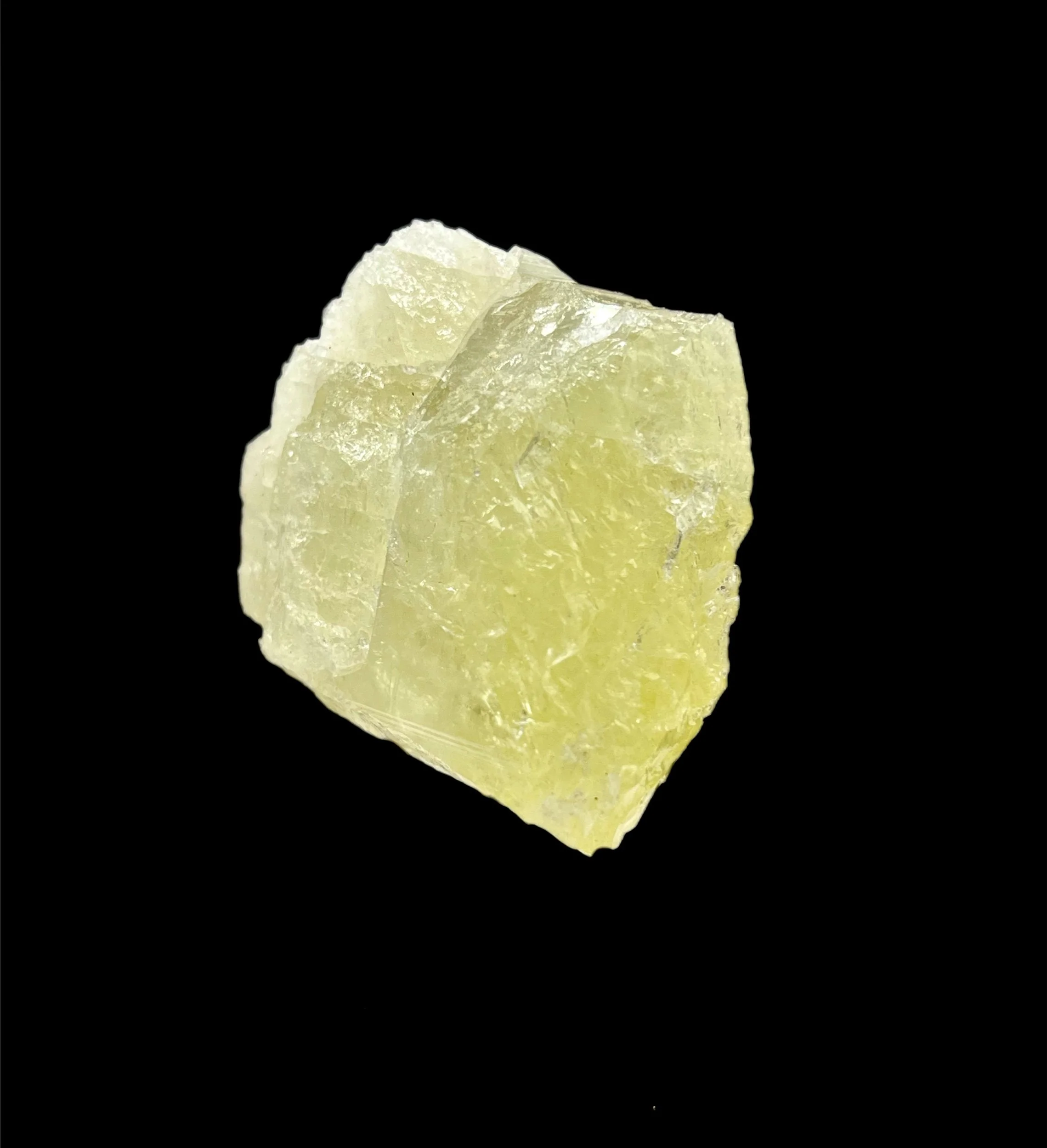
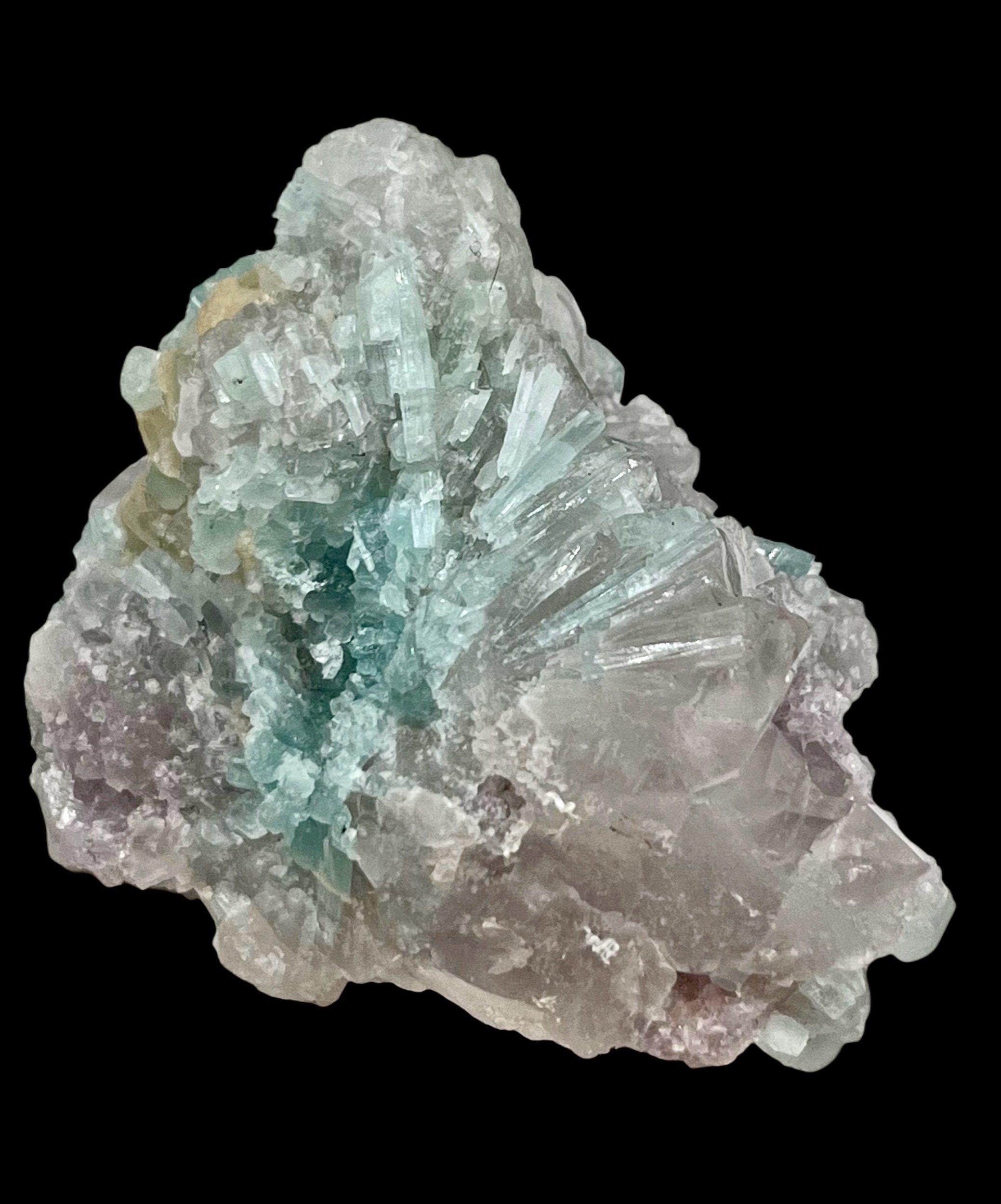
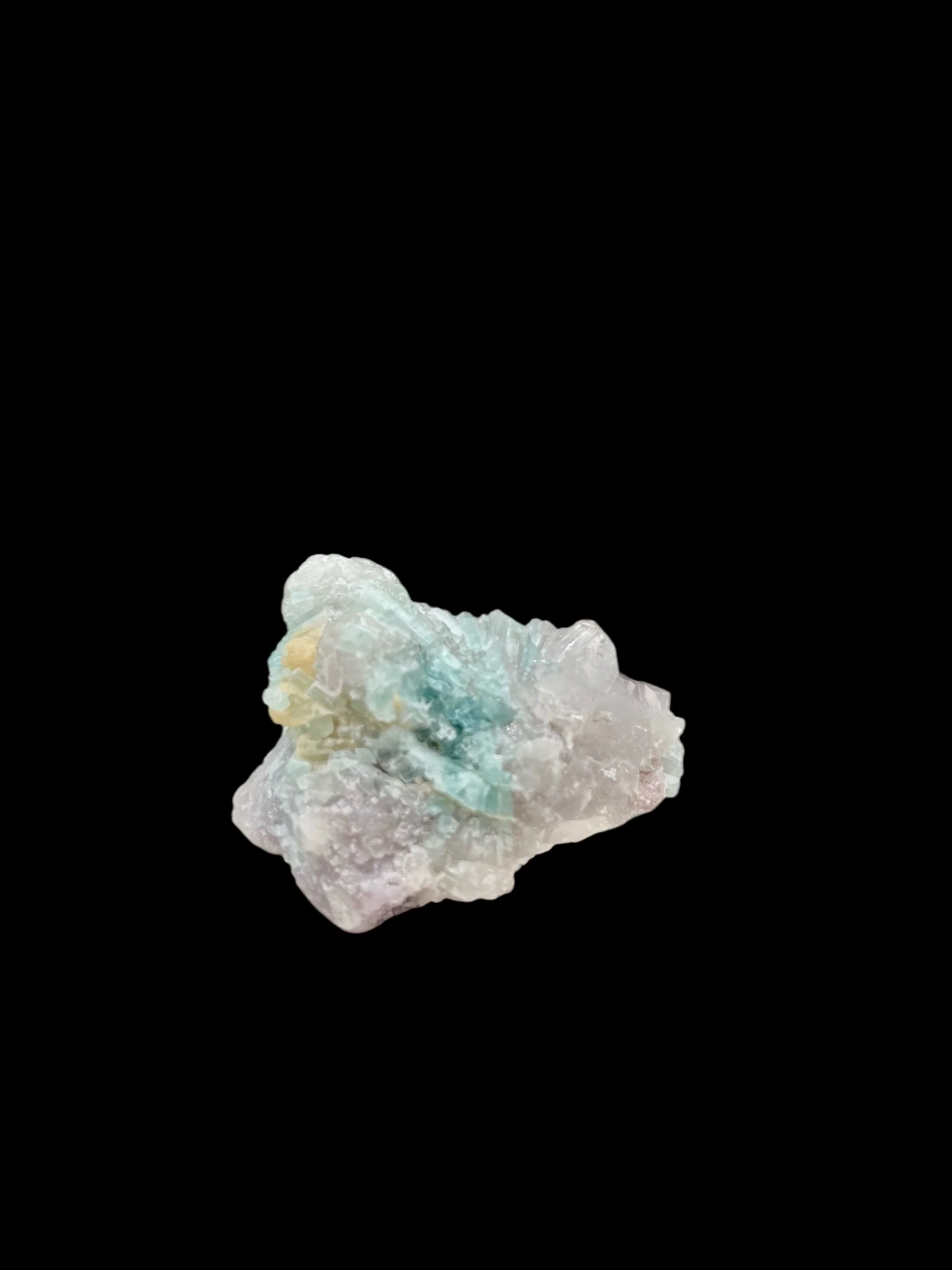
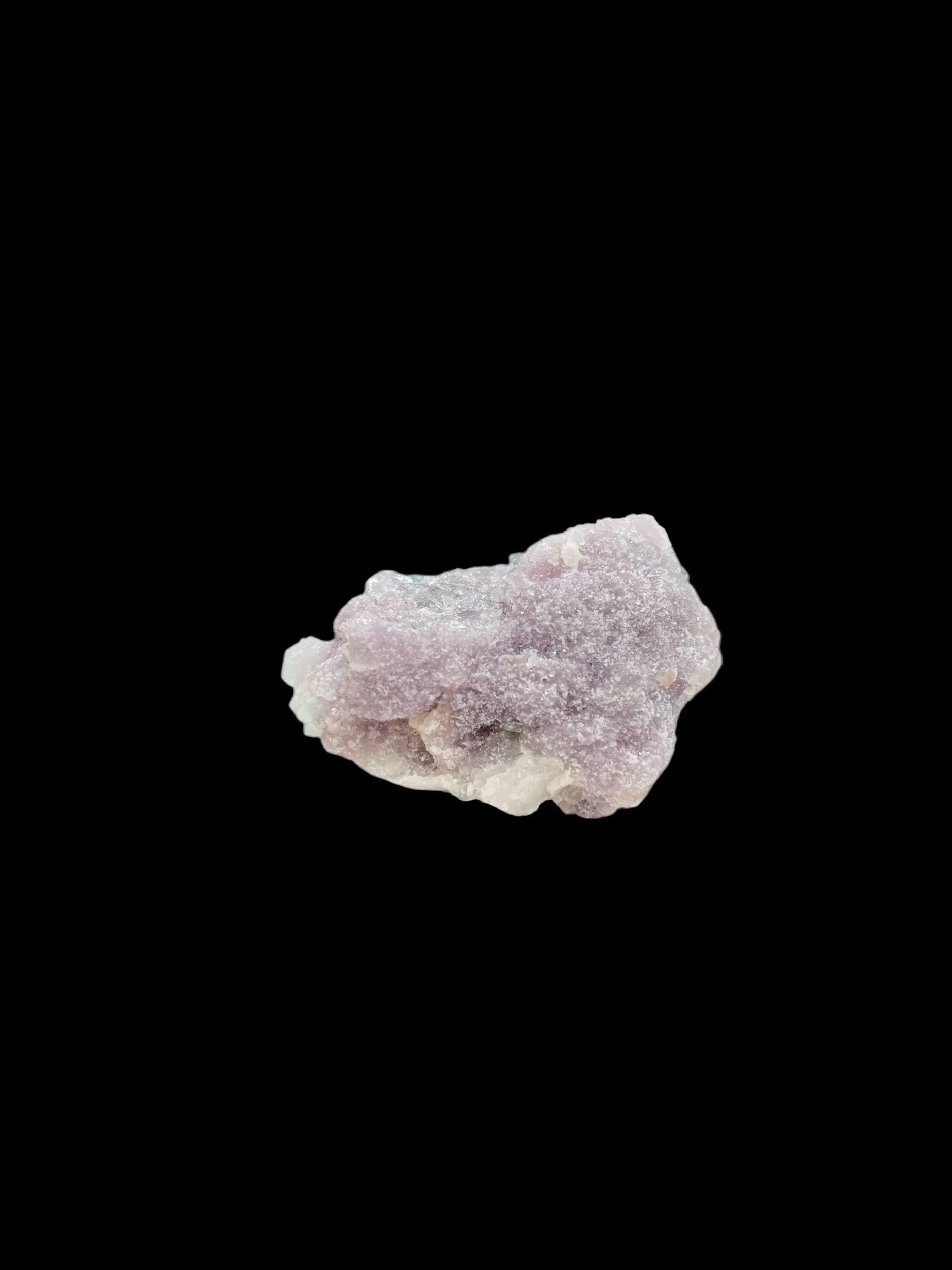
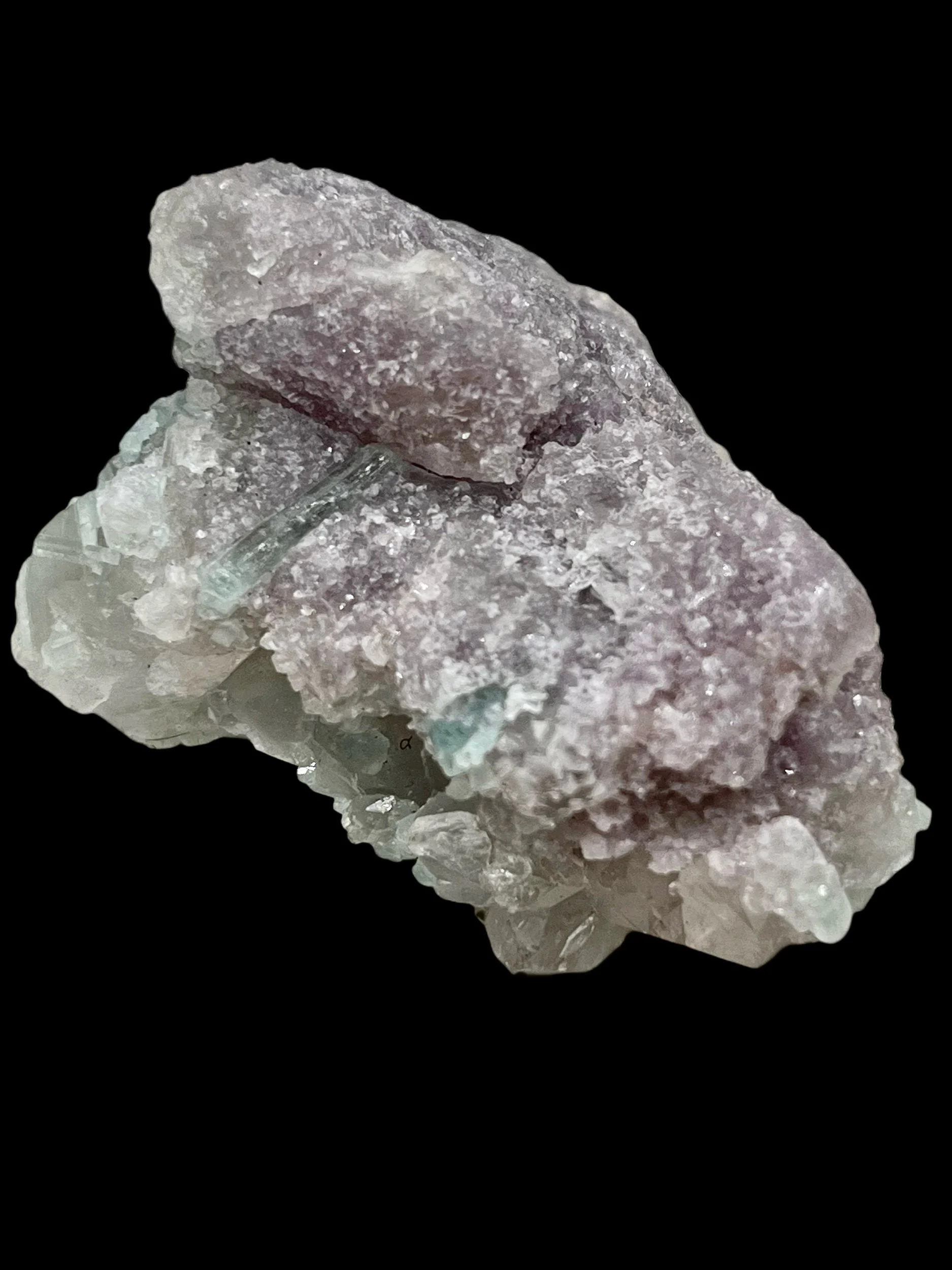
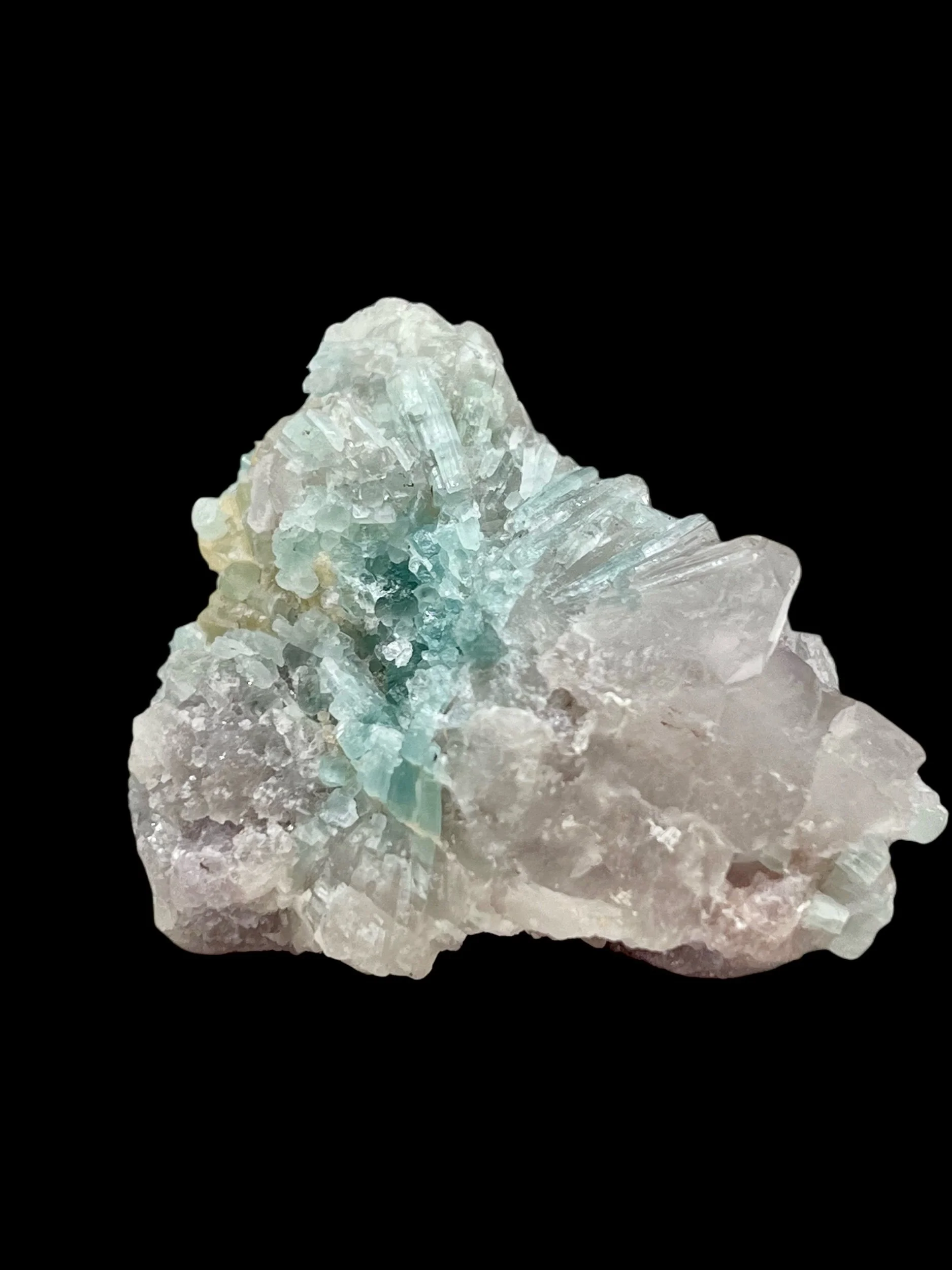
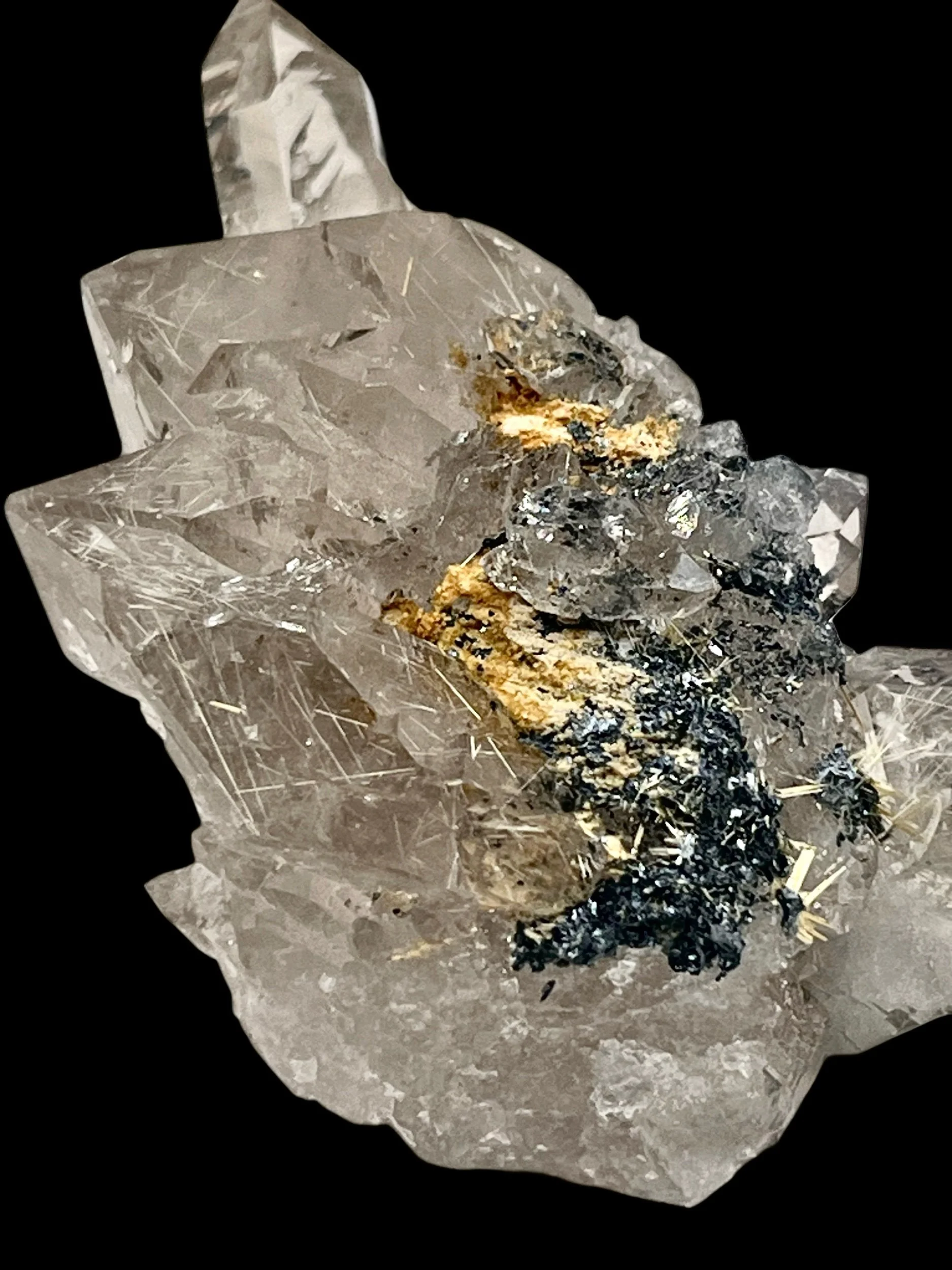
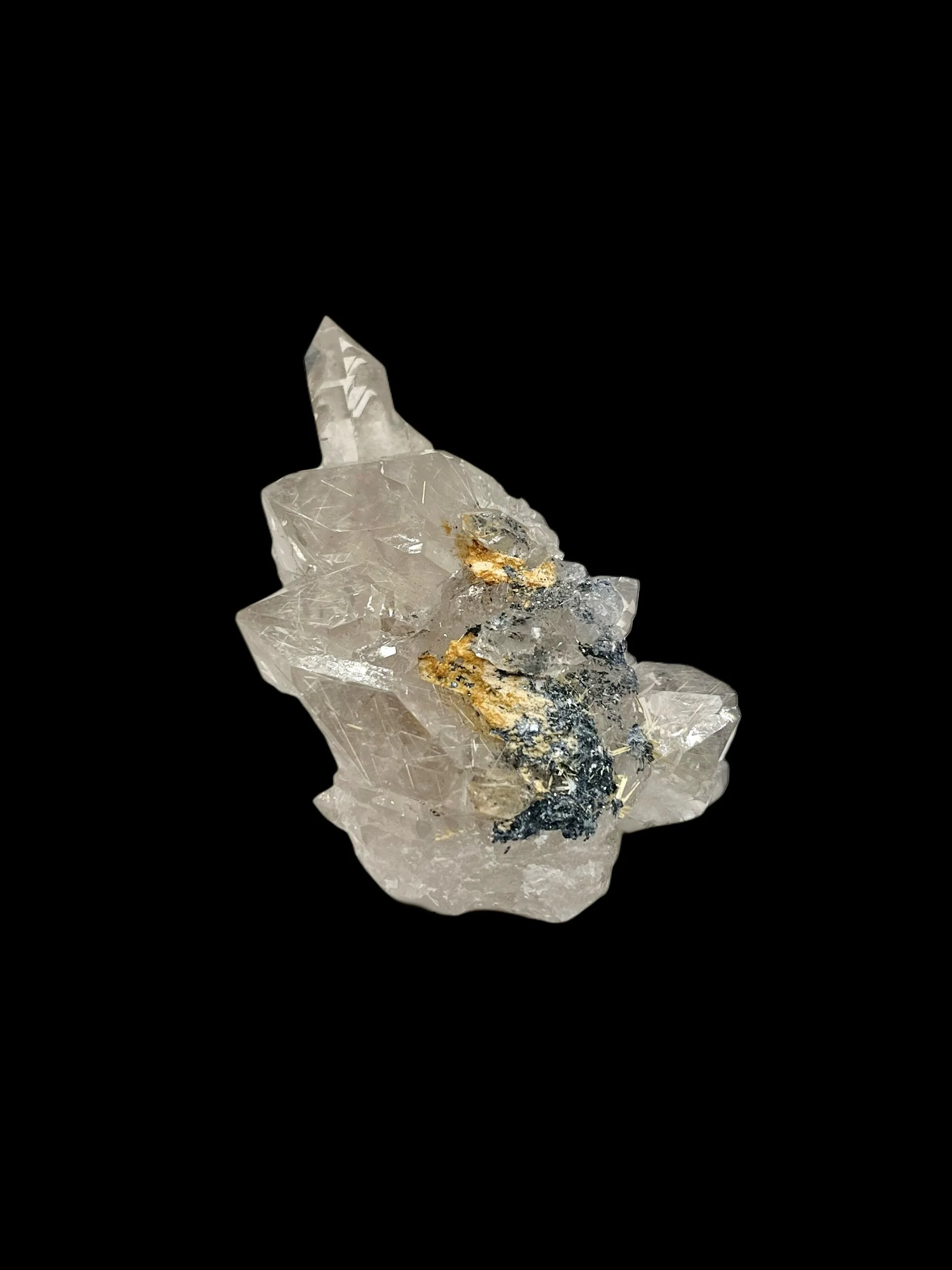
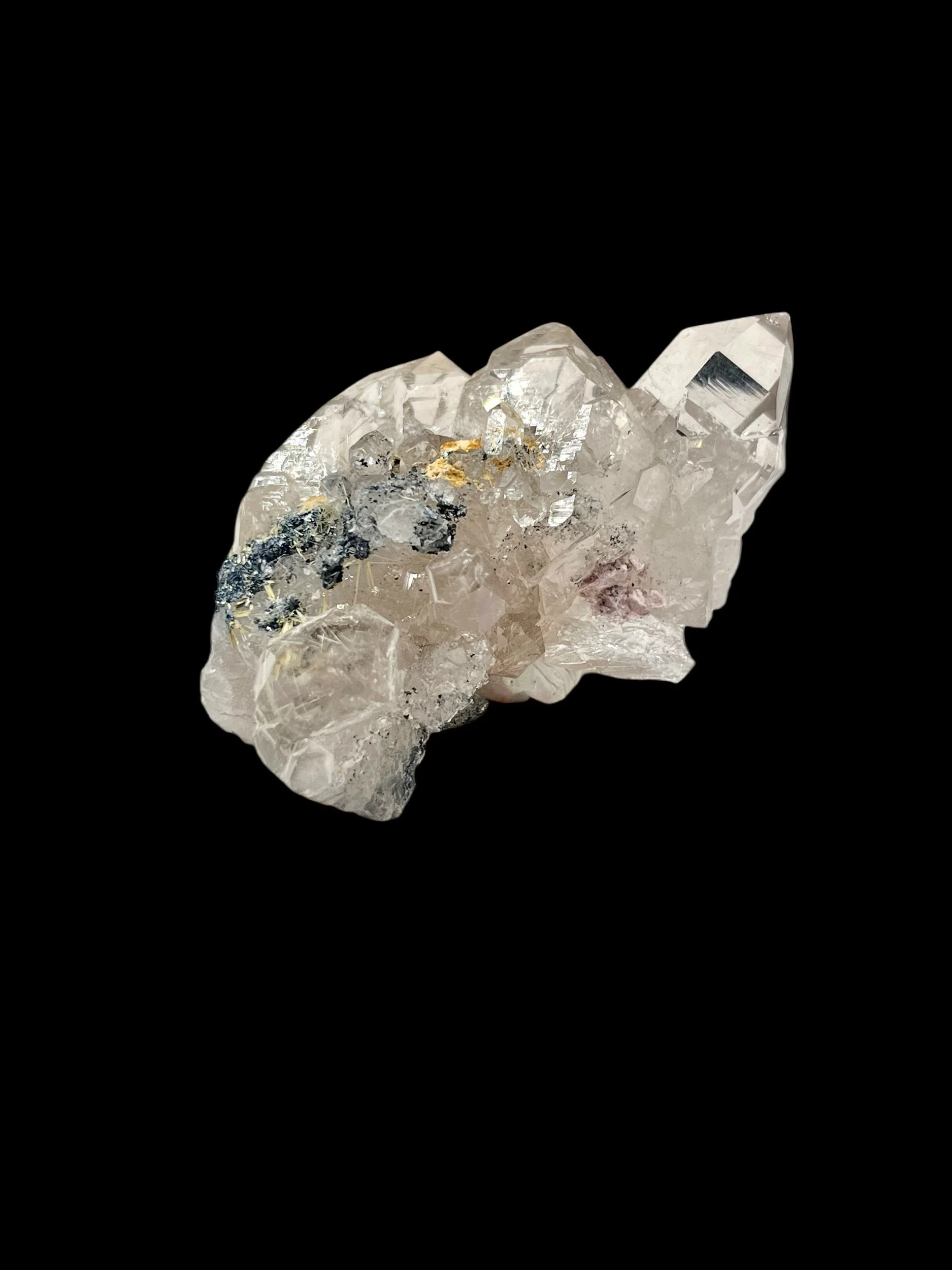
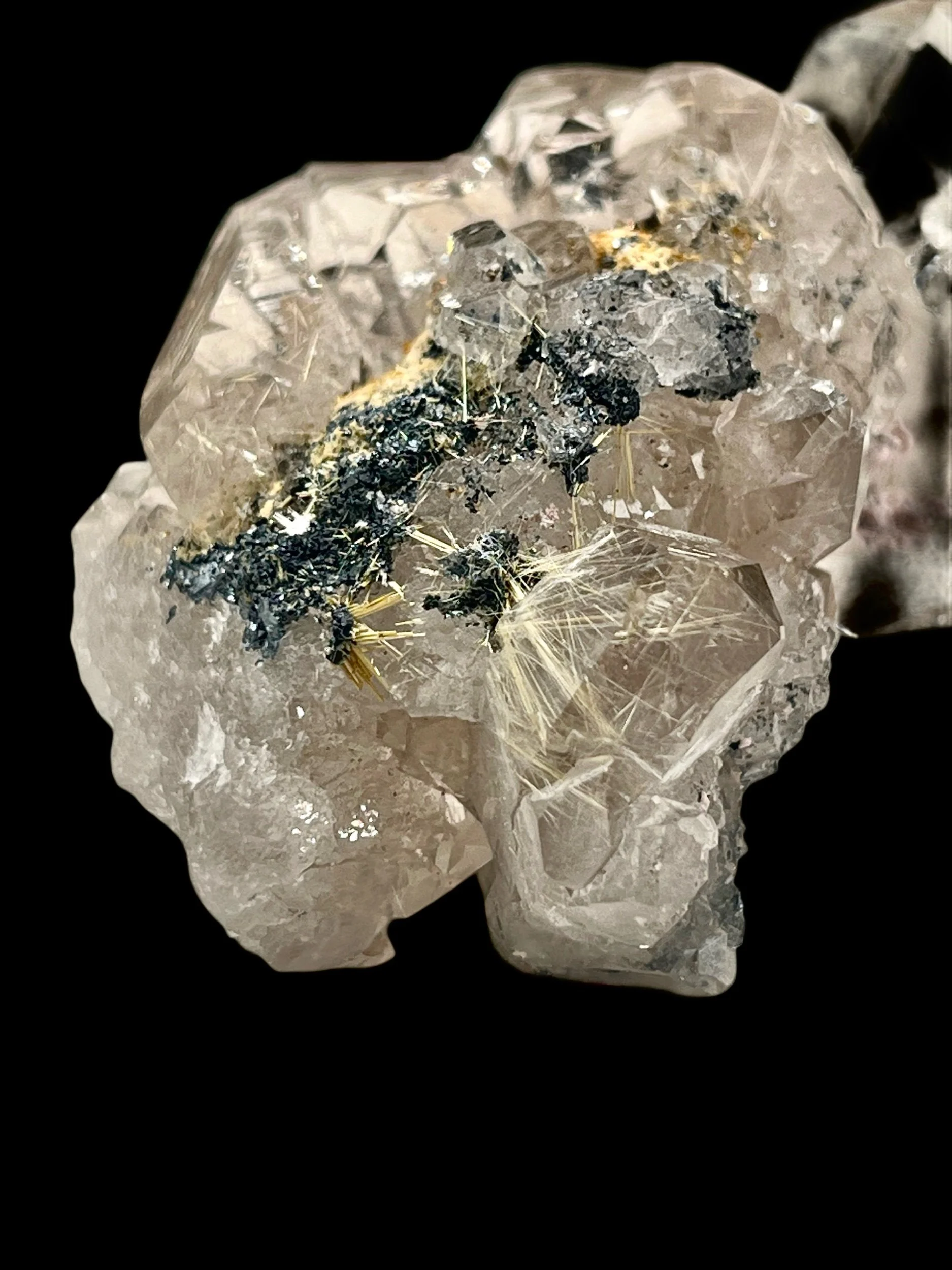
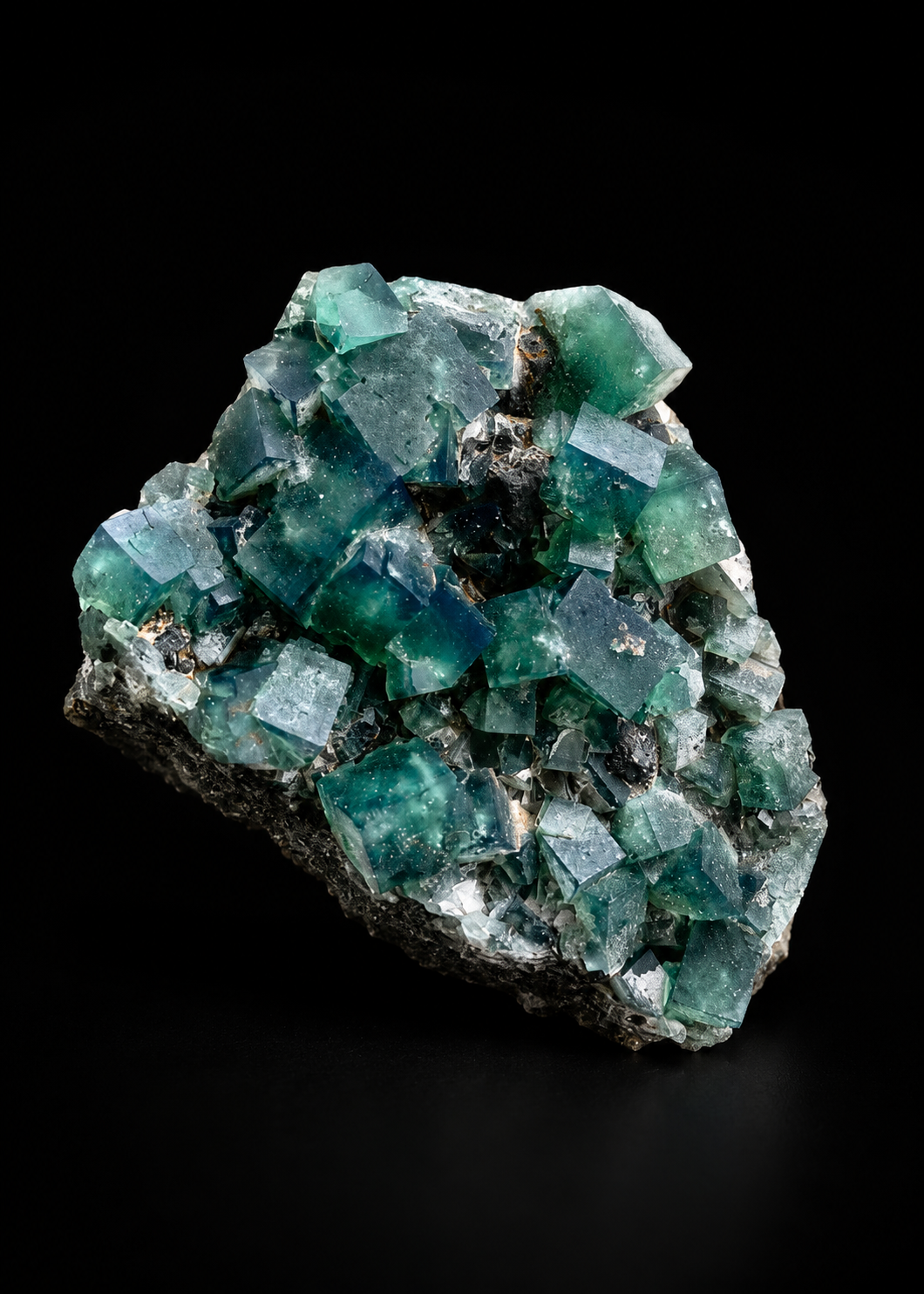
This Diana Maria Mine fluorite specimen has sharp cubic crystals with excellent transparency and strong color zoning. It’s many optical properties create a dynamic display that changes depending on lighting conditions.
Elegant and visually dynamic, specimens from this modern classic locality have quickly become a signature fluorite for advanced collectors and fluorescence mineral enthusiasts.
11.8oz. 3.25”x3”
Fluorite is often associated with clarity, focus, and organization of thoughts. Many crystal practitioners consider it a stone that supports mental balance, learning, and decision-making.
Green fluorite is commonly connected with growth and emotional harmony, while color-changing varieties are sometimes interpreted as symbols of adaptability and transformation.
The Diana Maria Mine represents one of the most exciting fluorite discoveries of the past decade. Since the first pockets were opened in 2017, specimens from the mine have quickly entered major collections due to their distinctive color changing reaction in daylight, bright blue uv fluorescence, and vibrant color zoning.
Few mineral localities in the world have captured collectors’ attention as quickly as the fluorite pockets of the Diana Maria Mine. Known for producing striking cubic fluorite crystals with dramatic fluorescence and color-changing behavior, this locality has quickly become one of the most sought-after modern fluorite discoveries.
Specimens from this mine are prized for their transparency, sharp cubic geometry, and dramatic color response to light, making them standout display pieces whether viewed in natural daylight or under UV illumination.
Because these pockets are relatively small and mining is conducted on a limited scale, high-quality specimens are increasingly sought after by fine mineral collectors.
For collectors of Rogerley-type fluorite, fluorescent minerals, or European classics, pieces from the Diana Maria Mine have become a staple addition to any serious collection.
• Rare color-changing fluorite
• Cubic fluorite crystals
• Collectible specimen from the famous Weardale fluorite district
• Gemmy luster
•Excellent color
Fluorite is the mineral form of calcium fluoride (CaF₂) and crystallizes in the isometric system, commonly forming cubes, octahedra, or intergrown twins.
The fluorite crystals formed in hydrothermal veins cutting through the limestone host rock of the Weardale mining district. In many pieces from this locality, gemmy green fluorite cubes grow on a matrix of milky quartz, often showing internal color zoning from green to purple.
It is widely known among collectors as one of the most colorful minerals due to trace elements and radiation-induced color centers within the crystal lattice. These impurities can produce vivid greens, blues, purples, yellows, and multi-colored zoning within a single crystal.
Fluorite from the Weardale region of England is particularly famous for its fluorescence and daylight color-changing behavior, which occurs when different wavelengths of light interact with the crystal’s color centers and trace rare-earth elements.
Diana Maria fluorite refers to fluorite crystals mined from the Diana Maria Mine in Weardale, England, known for their vibrant green coloration and daylight color changing reactions.
The effect occurs when trace elements within the fluorite crystal interact with different wavelengths of light, causing the mineral to shift from green under artificial lighting to blue or purple in natural daylight.
Under indoor lighting, the fluorite appears vivid emerald-green, while exposure to natural sunlight causes the crystals to shift toward cool teal and violet tones.
This Diana Maria Mine fluorite specimen has sharp cubic crystals with excellent transparency and strong color zoning. It’s many optical properties create a dynamic display that changes depending on lighting conditions.
Elegant and visually dynamic, specimens from this modern classic locality have quickly become a signature fluorite for advanced collectors and fluorescence mineral enthusiasts.
11.8oz. 3.25”x3”
Fluorite is often associated with clarity, focus, and organization of thoughts. Many crystal practitioners consider it a stone that supports mental balance, learning, and decision-making.
Green fluorite is commonly connected with growth and emotional harmony, while color-changing varieties are sometimes interpreted as symbols of adaptability and transformation.
The Diana Maria Mine represents one of the most exciting fluorite discoveries of the past decade. Since the first pockets were opened in 2017, specimens from the mine have quickly entered major collections due to their distinctive color changing reaction in daylight, bright blue uv fluorescence, and vibrant color zoning.
Few mineral localities in the world have captured collectors’ attention as quickly as the fluorite pockets of the Diana Maria Mine. Known for producing striking cubic fluorite crystals with dramatic fluorescence and color-changing behavior, this locality has quickly become one of the most sought-after modern fluorite discoveries.
Specimens from this mine are prized for their transparency, sharp cubic geometry, and dramatic color response to light, making them standout display pieces whether viewed in natural daylight or under UV illumination.
Because these pockets are relatively small and mining is conducted on a limited scale, high-quality specimens are increasingly sought after by fine mineral collectors.
For collectors of Rogerley-type fluorite, fluorescent minerals, or European classics, pieces from the Diana Maria Mine have become a staple addition to any serious collection.
• Rare color-changing fluorite
• Cubic fluorite crystals
• Collectible specimen from the famous Weardale fluorite district
• Gemmy luster
•Excellent color
Fluorite is the mineral form of calcium fluoride (CaF₂) and crystallizes in the isometric system, commonly forming cubes, octahedra, or intergrown twins.
The fluorite crystals formed in hydrothermal veins cutting through the limestone host rock of the Weardale mining district. In many pieces from this locality, gemmy green fluorite cubes grow on a matrix of milky quartz, often showing internal color zoning from green to purple.
It is widely known among collectors as one of the most colorful minerals due to trace elements and radiation-induced color centers within the crystal lattice. These impurities can produce vivid greens, blues, purples, yellows, and multi-colored zoning within a single crystal.
Fluorite from the Weardale region of England is particularly famous for its fluorescence and daylight color-changing behavior, which occurs when different wavelengths of light interact with the crystal’s color centers and trace rare-earth elements.