Description
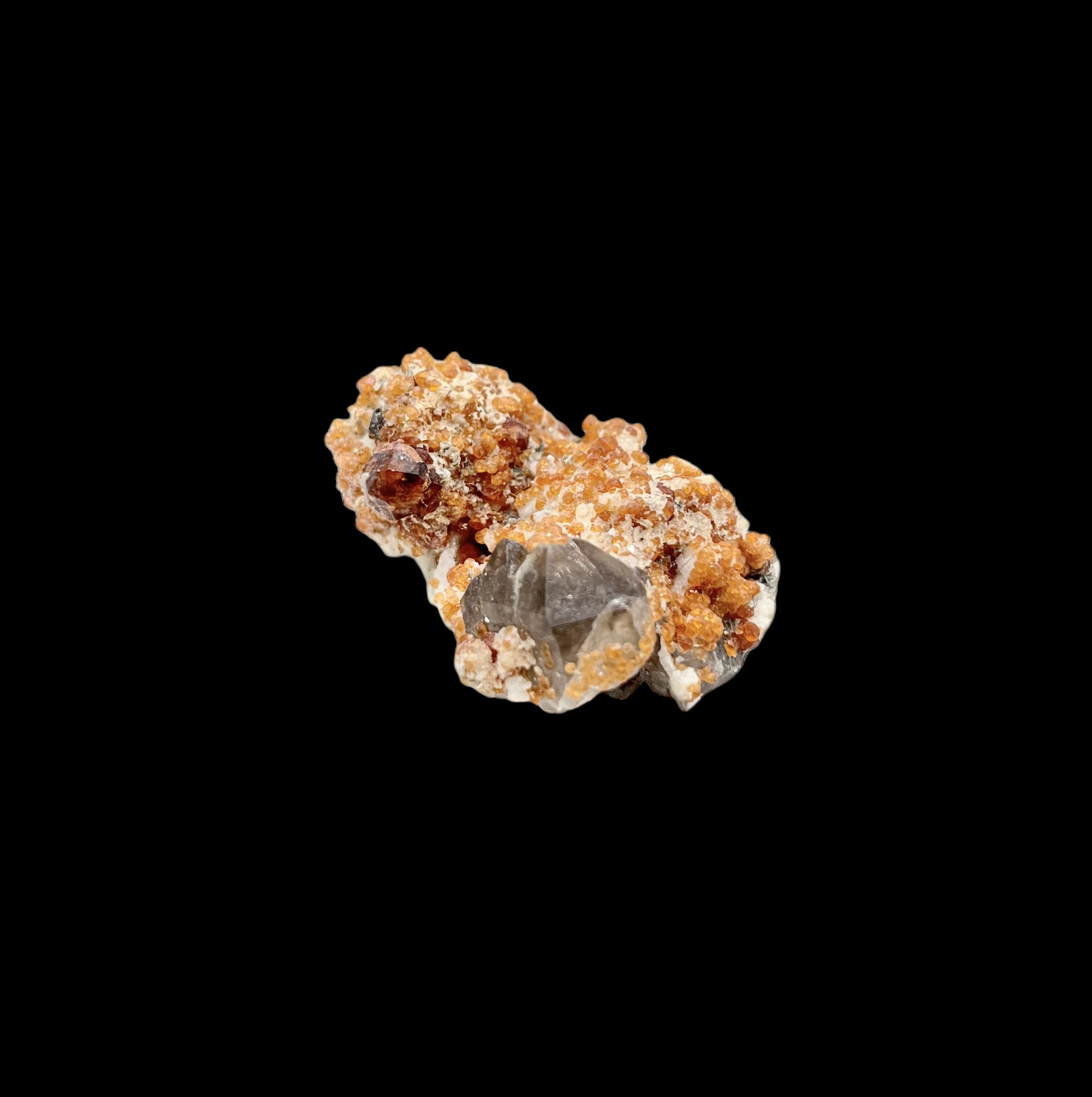
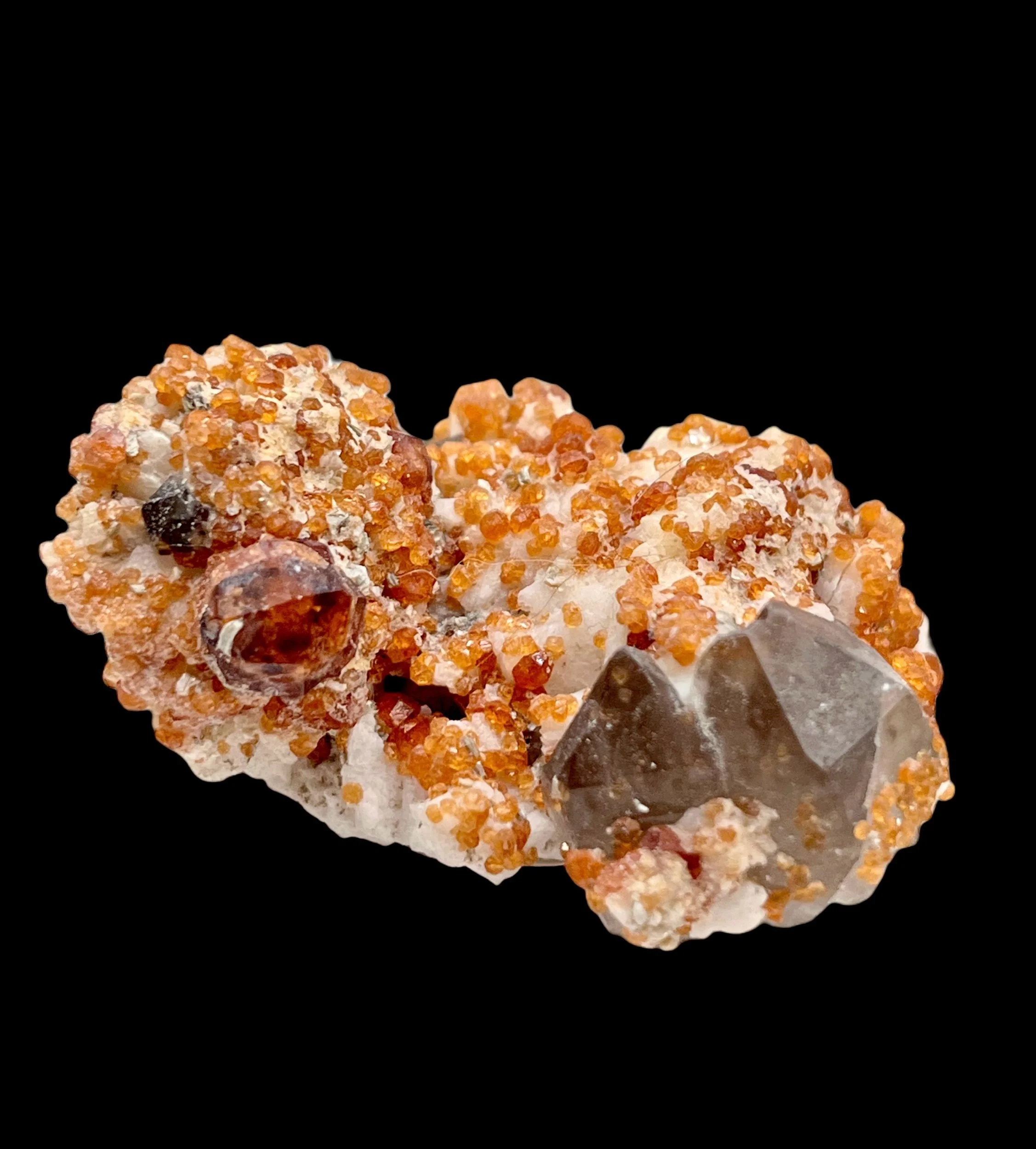
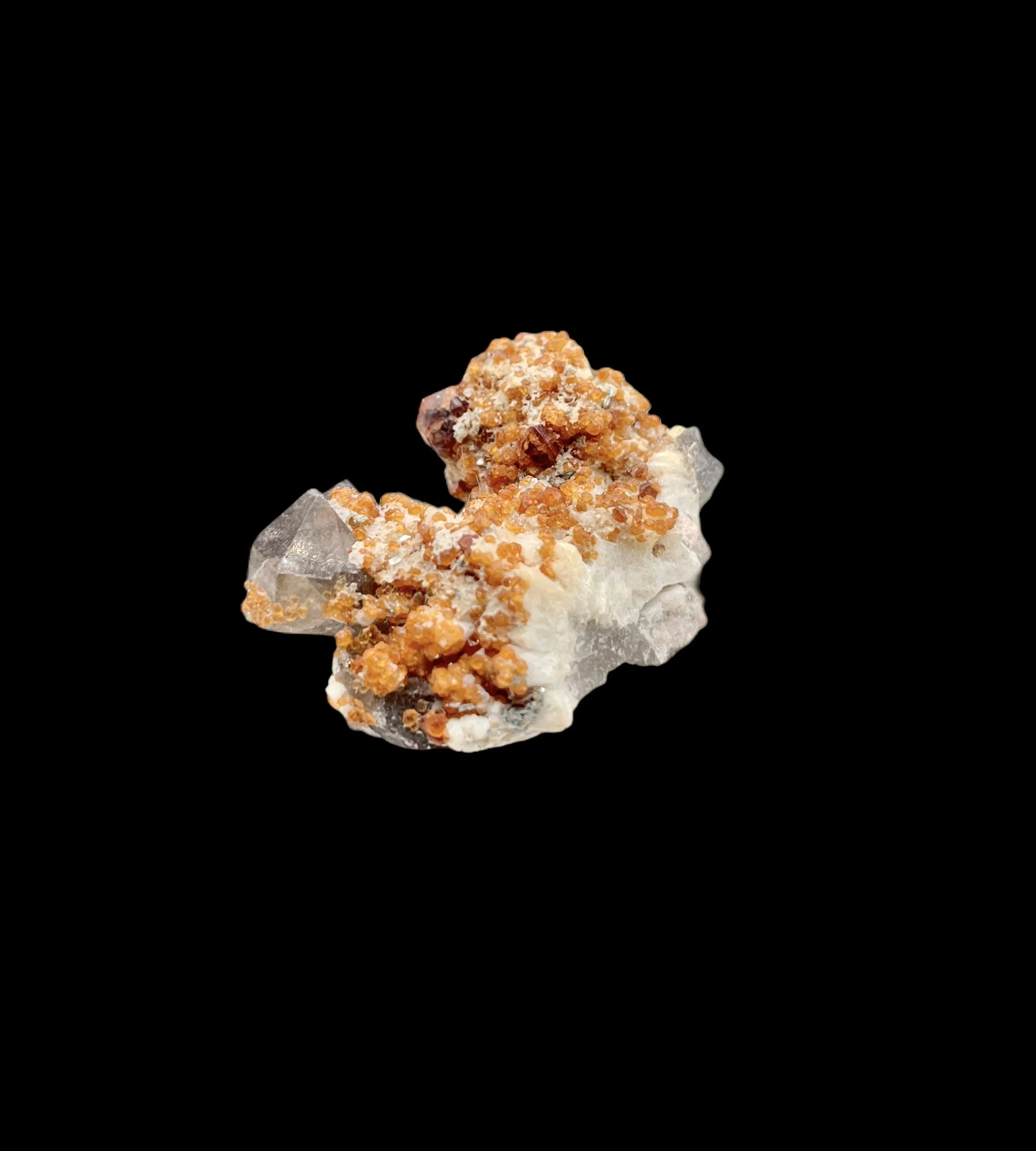
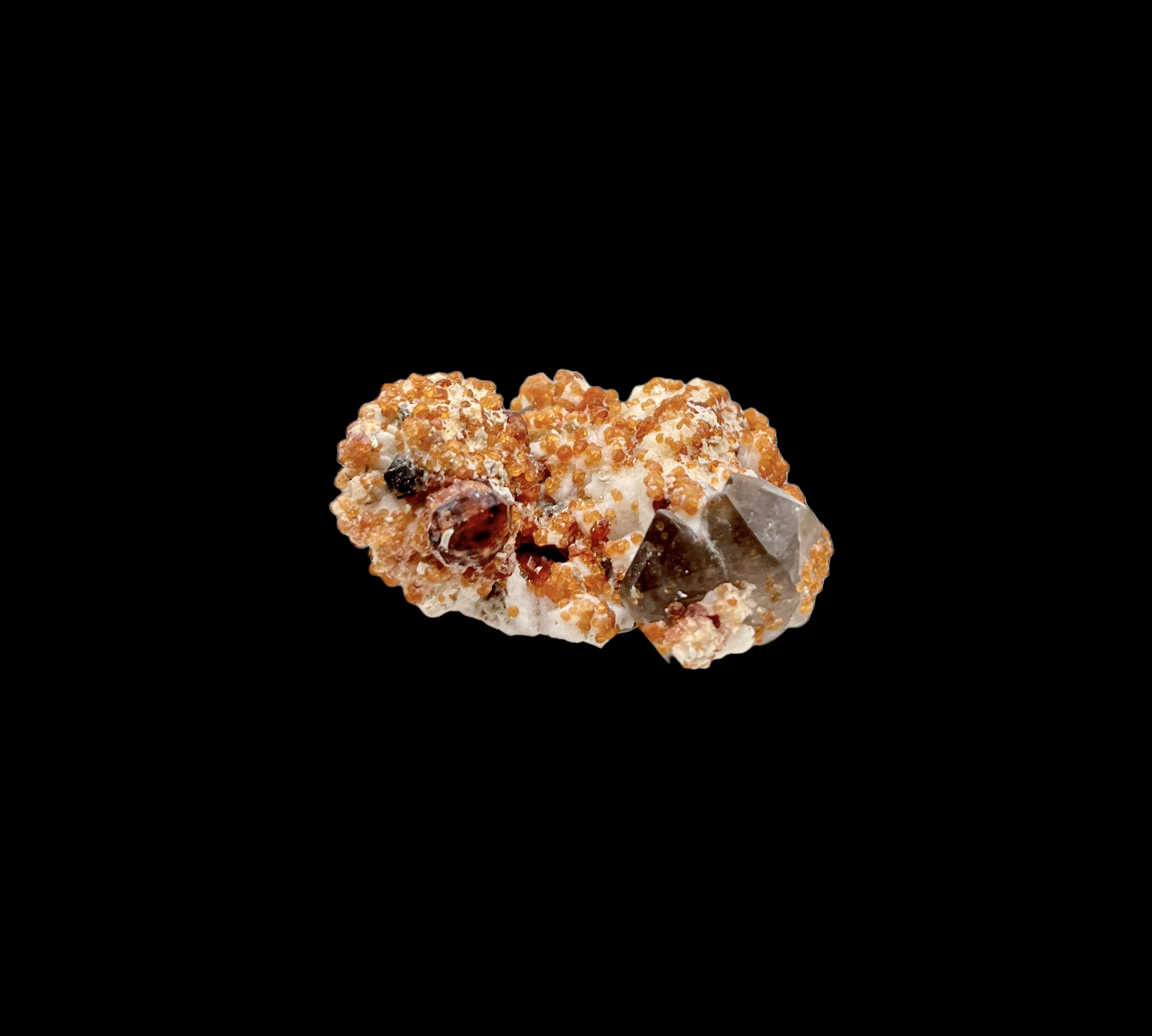
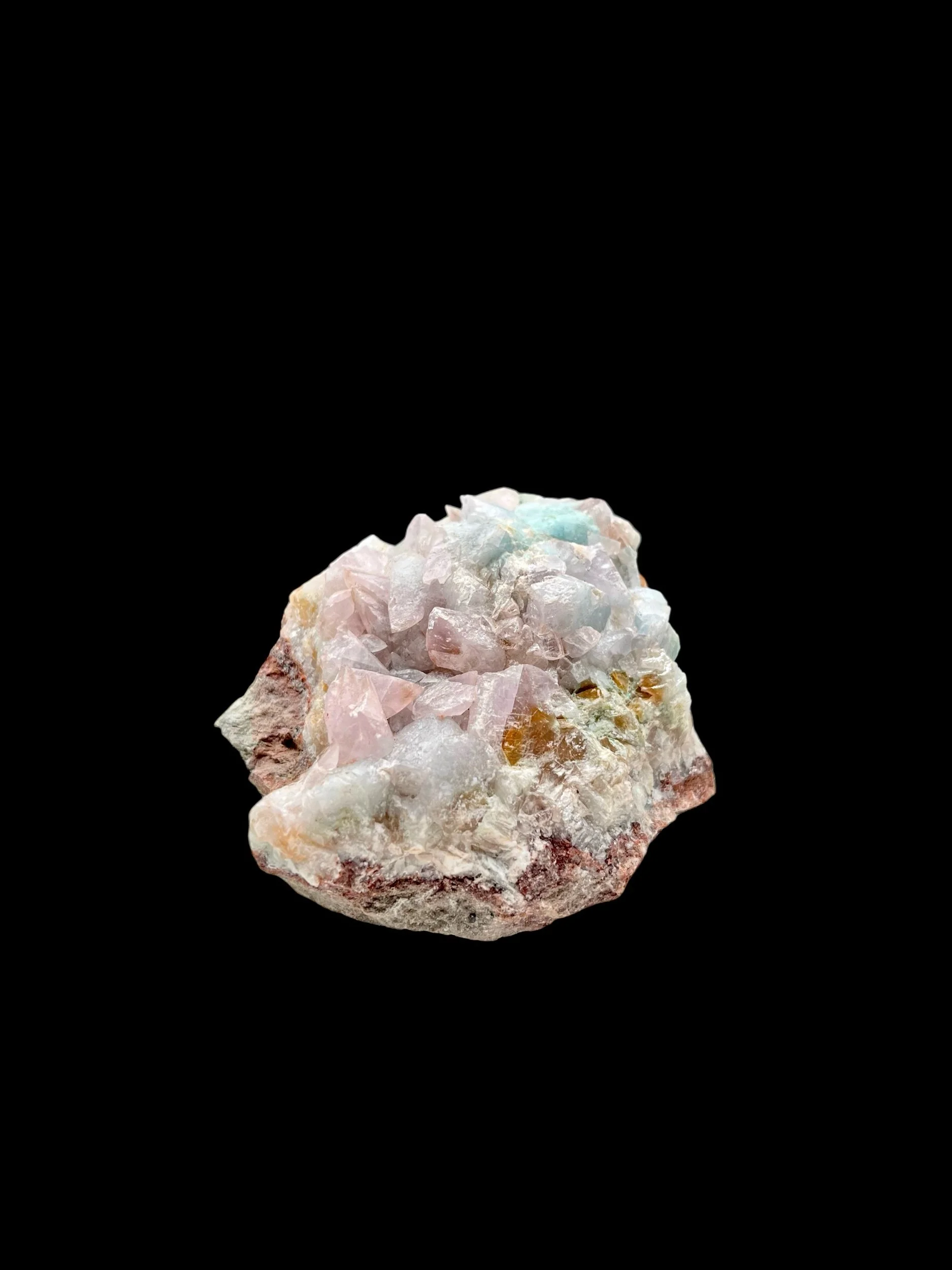
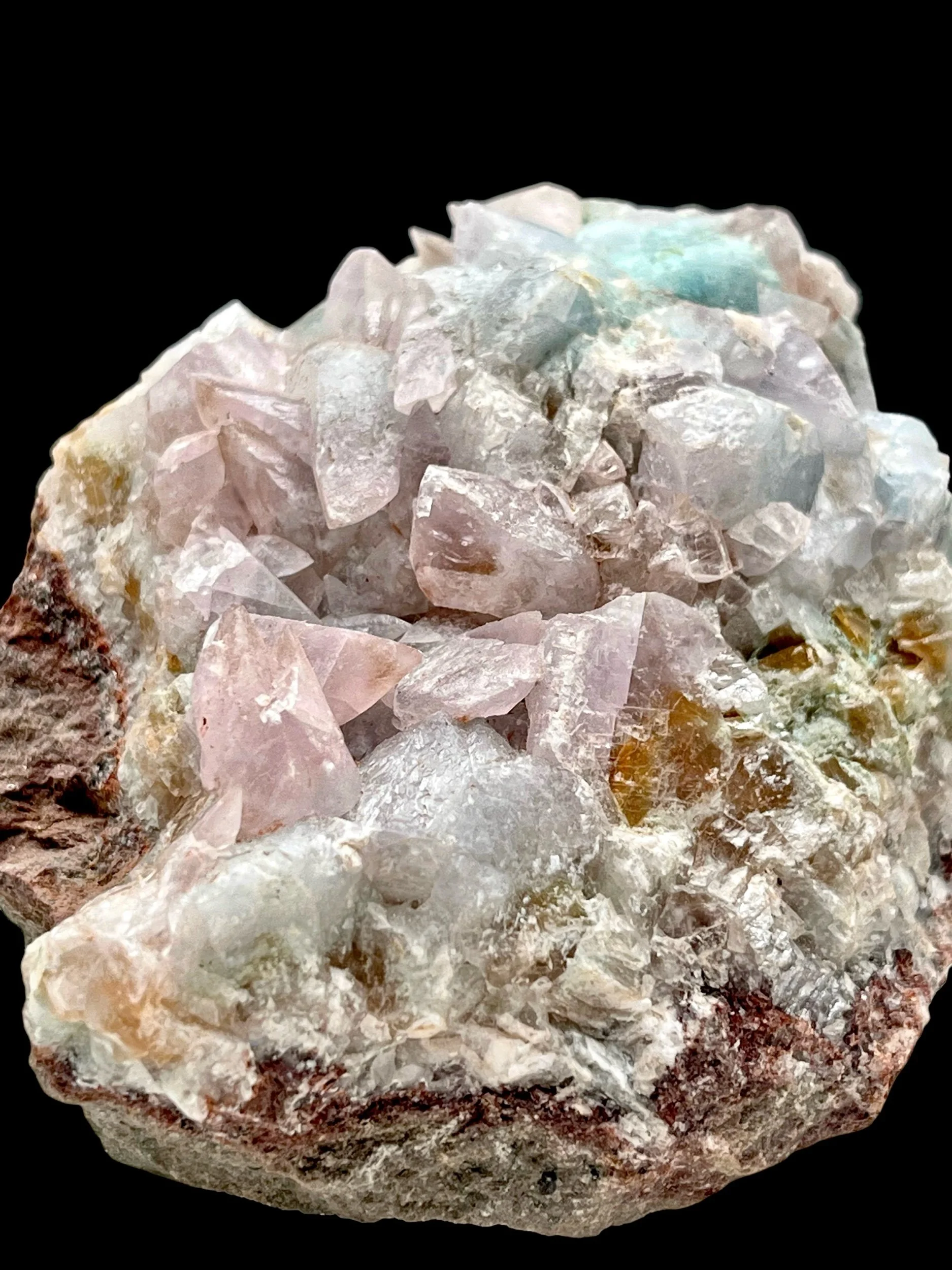
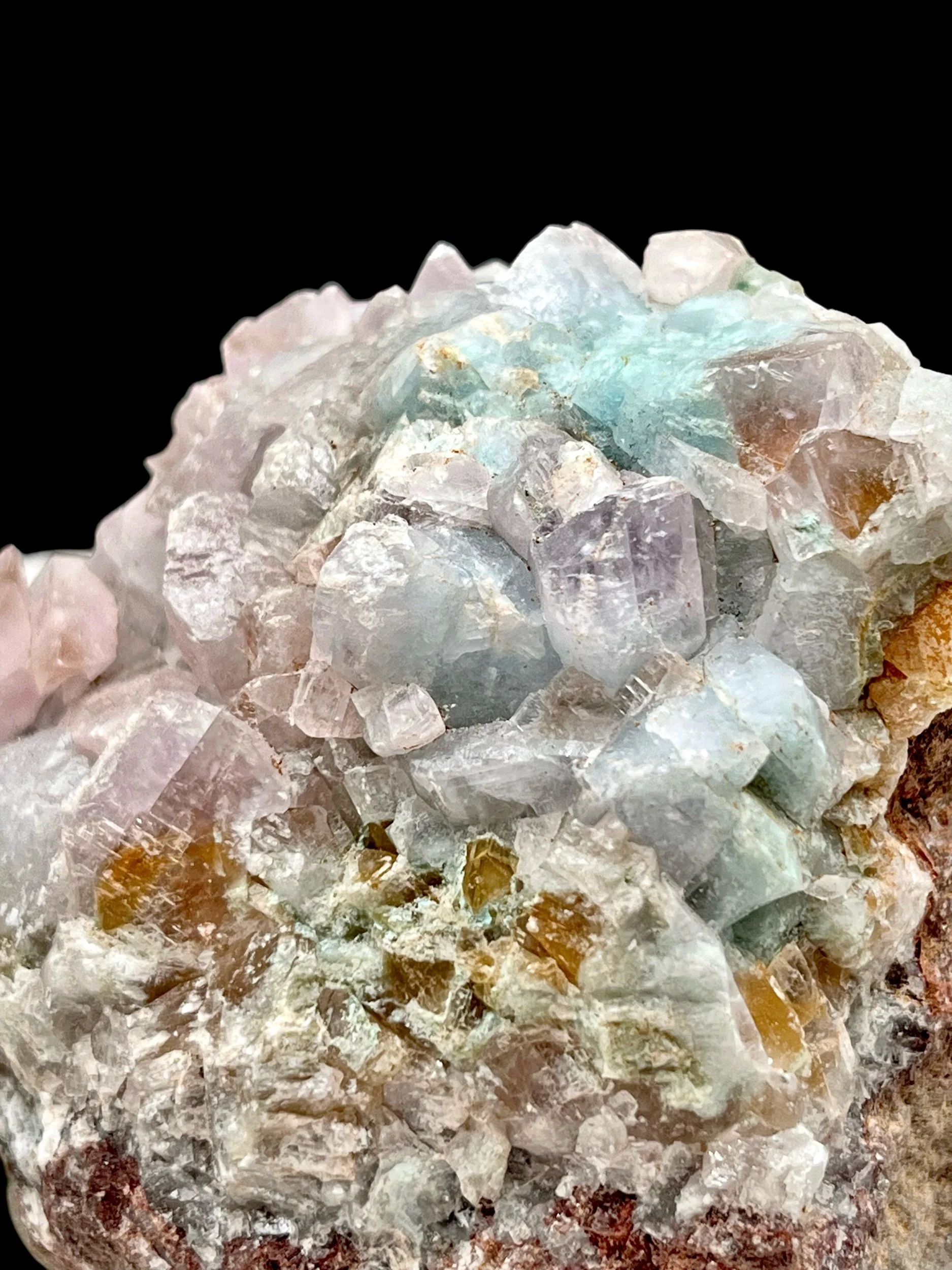
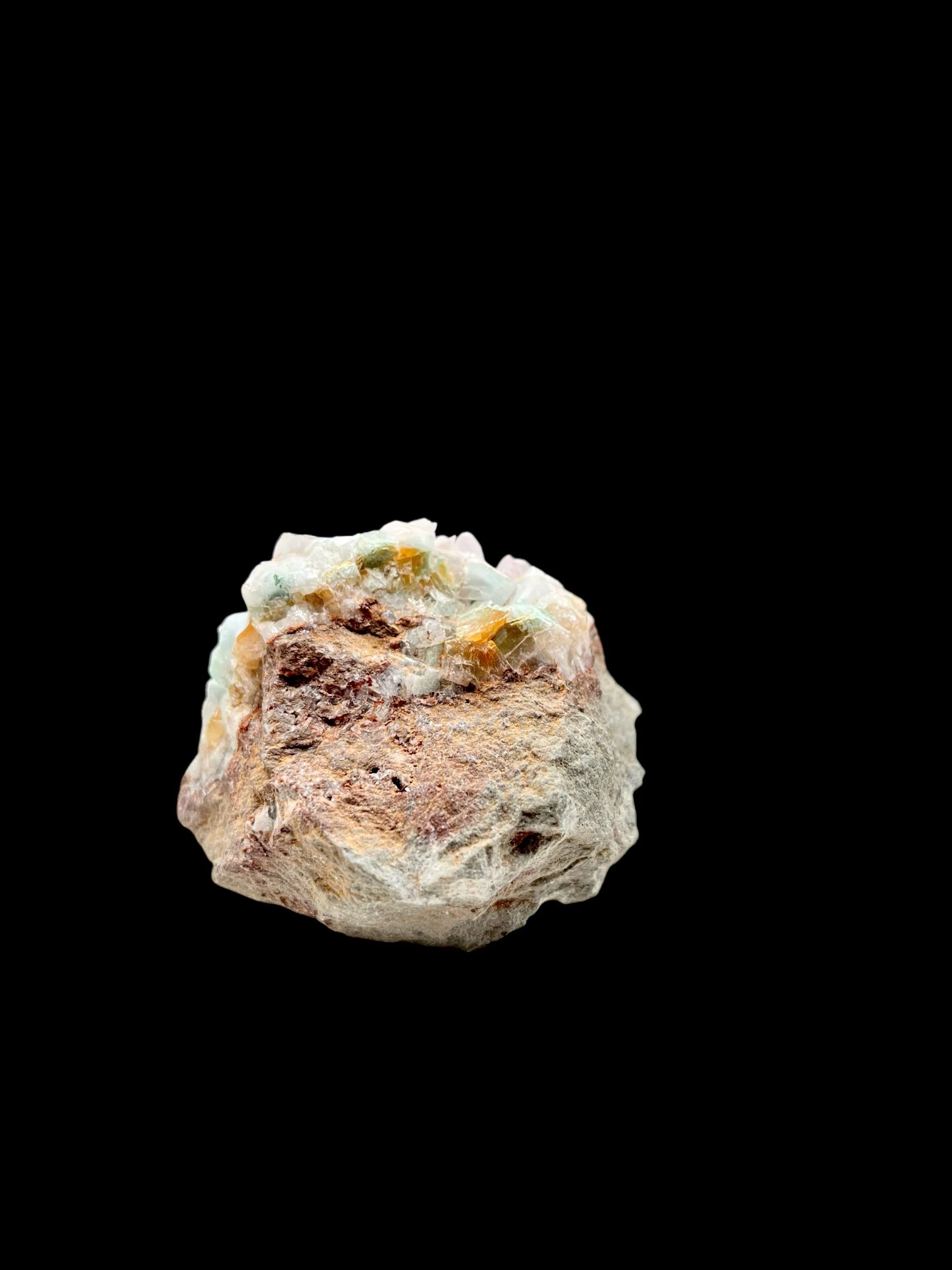
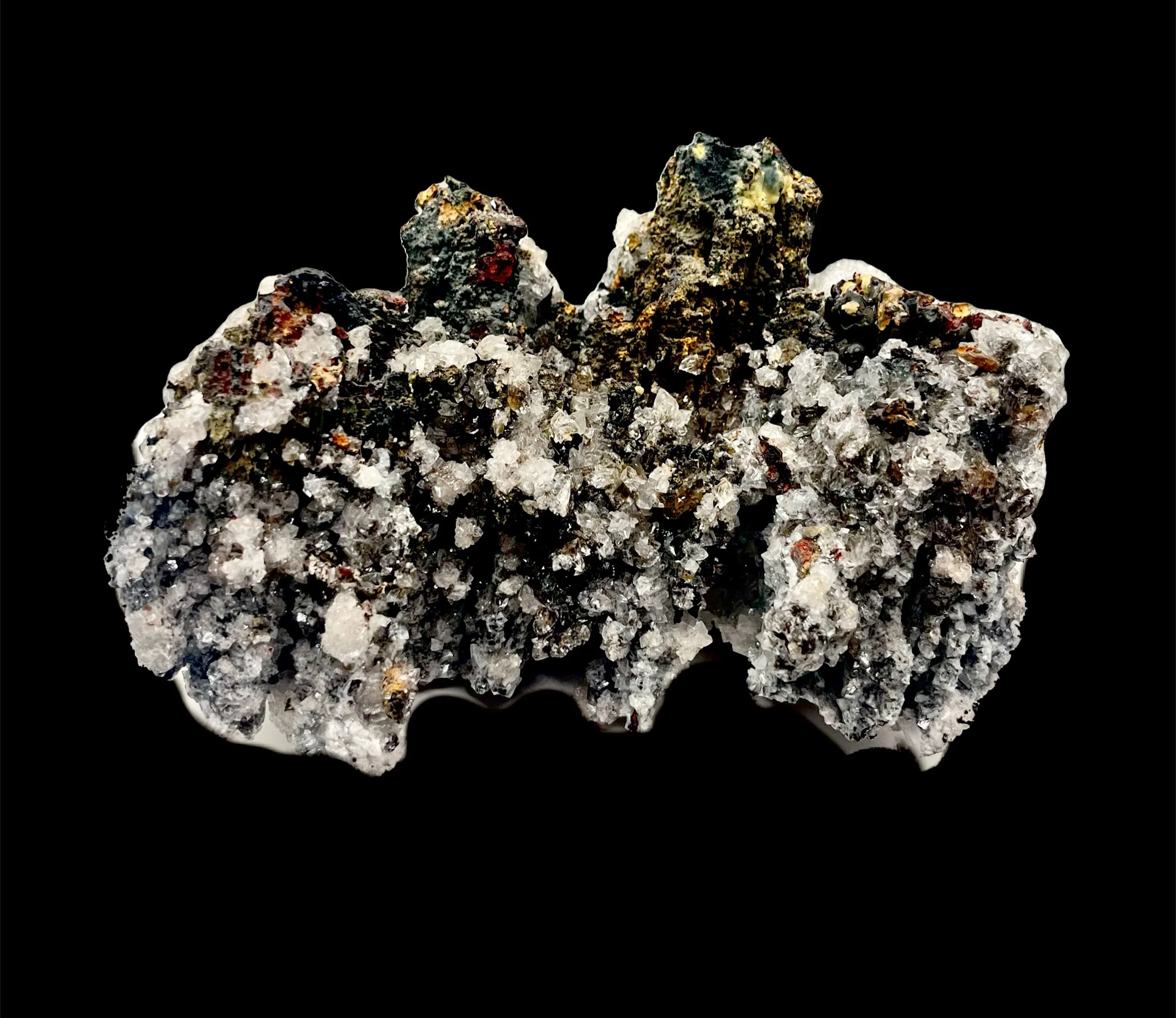
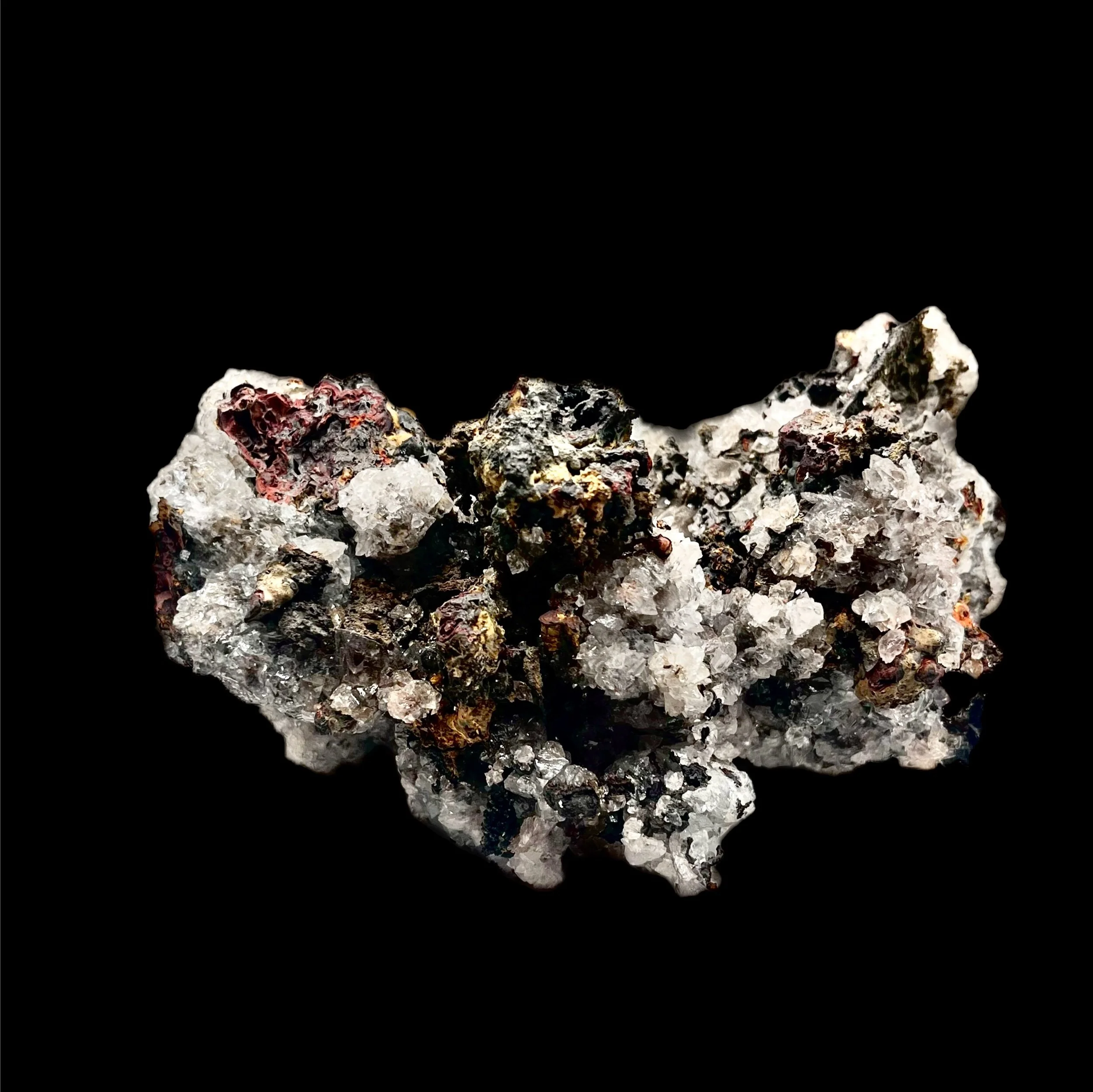
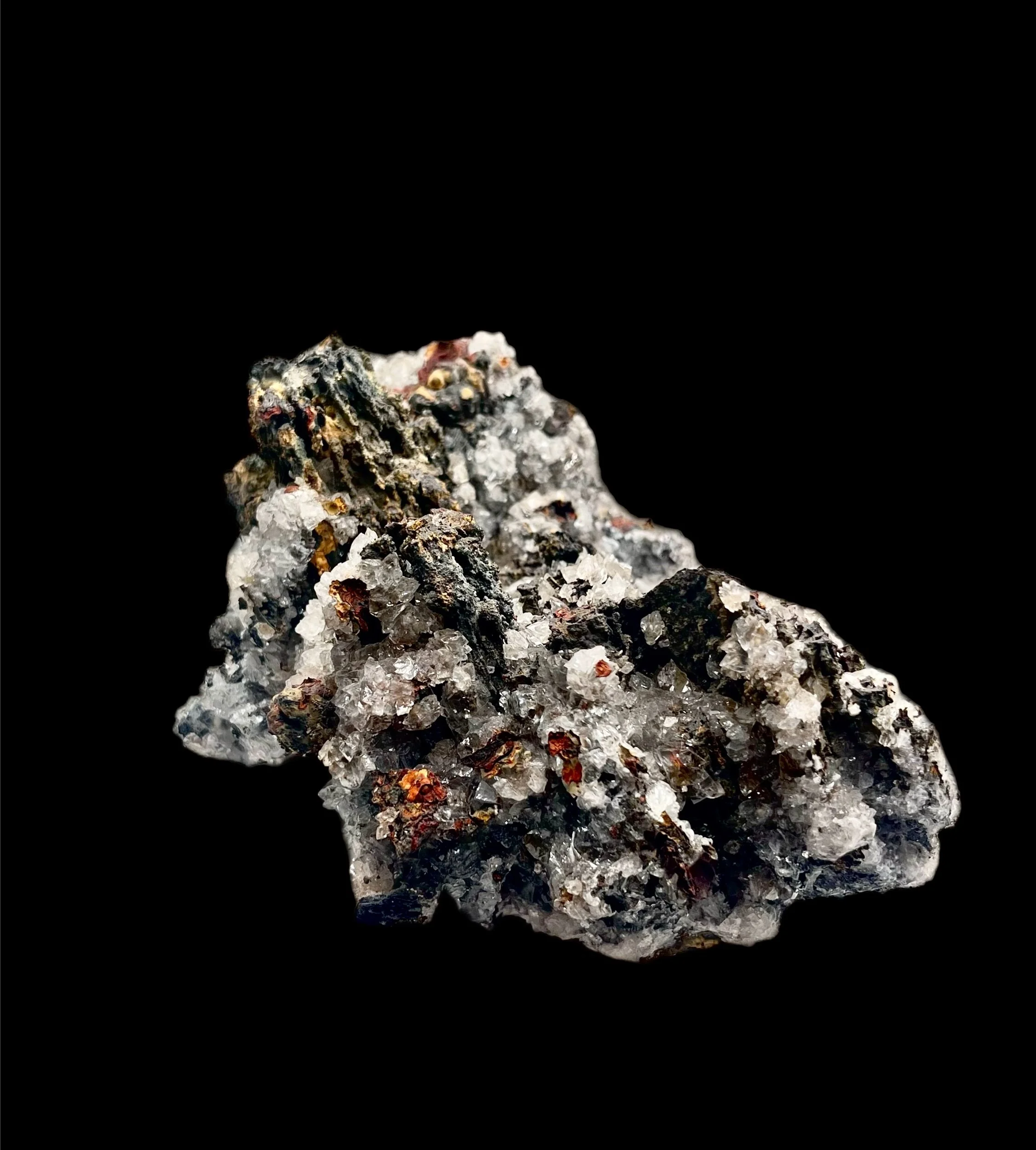
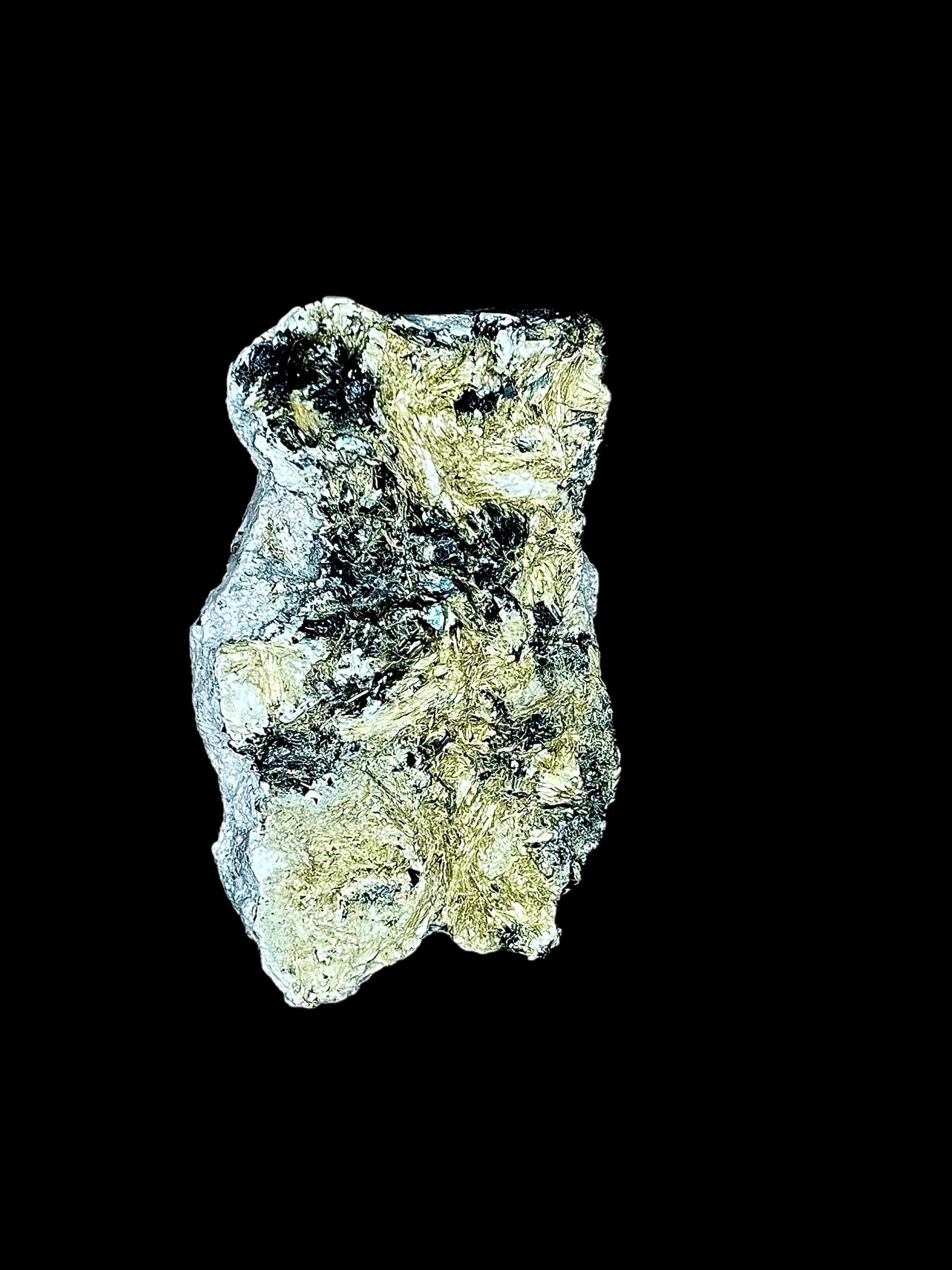
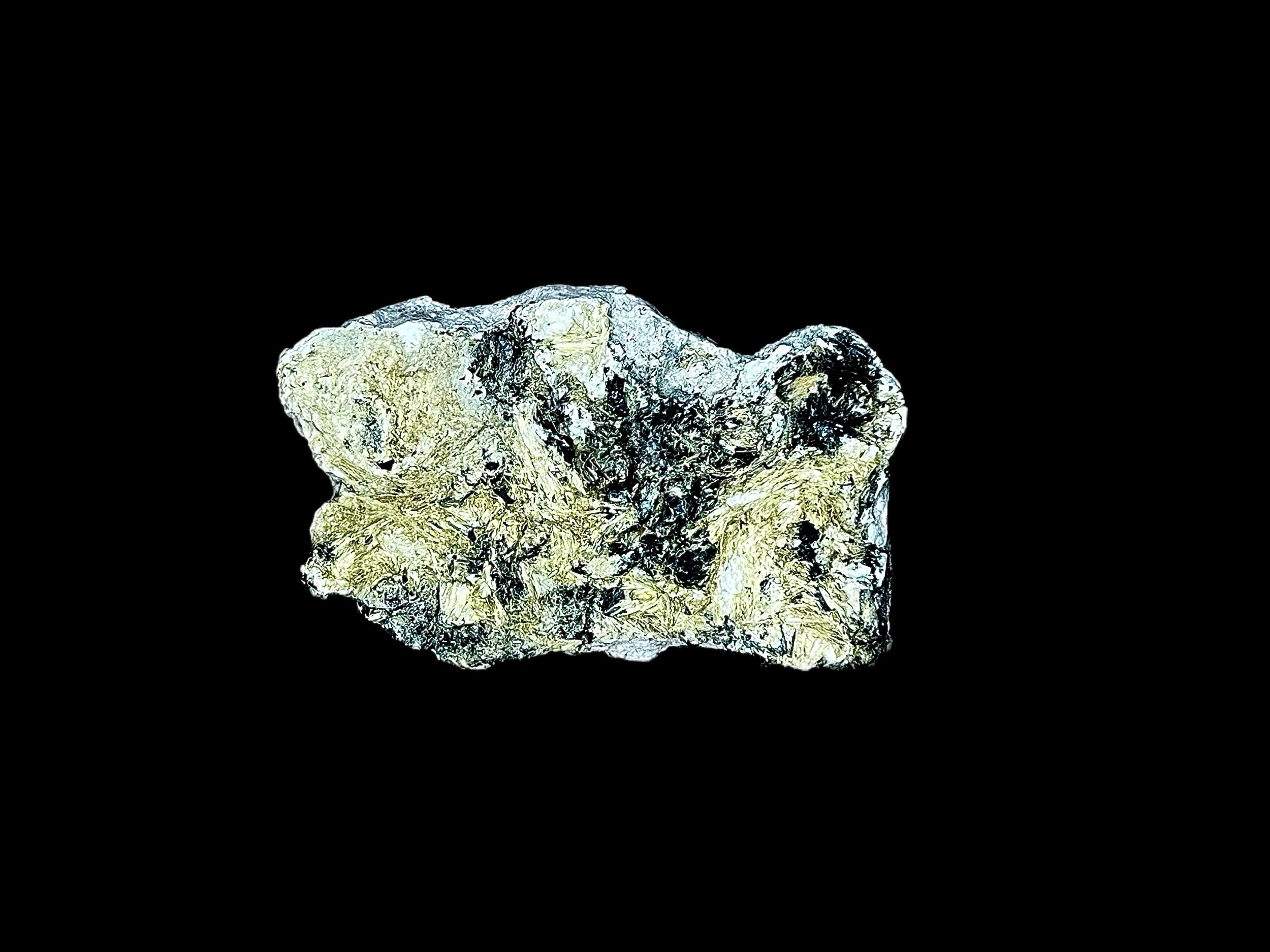
This spectacular siderite specimen comes from the legendary Bisbee mining district in Arizona, one of the most historically significant mineral localities in North America. The piece features lustrous brown siderite crystals with a warm bronze tone that catches the light beautifully, creating a vibrant metallic sheen across the crystal faces.
With its exceptionally high metallic luster, this specimen displays beautifully from multiple angles and offers a wonderful example of the earthy elegance siderite is known for. Pieces from classic American localities such as Bisbee continue to gain appreciation among collectors who value historic provenance and authentic mining history.
Dimensions & Weight
Size: 2.25” x 1.5” x 1.25”
Weight: 132 g
Metaphysical Properties
Siderite is often associated with grounding energy and emotional clarity. Many collectors believe it encourages patience, stability, and a balanced perspective during times of change. Its connection to the element of iron symbolically links it with strength, resilience, and steady personal growth.
Some practitioners also work with siderite when focusing on self-confidence and emotional healing, viewing the mineral as a reminder that strength often develops quietly and steadily over time.
Collector’s Notes
The pictures don’t do this piece justice. Check out the video on TikTok to really experience the magnificence of this specimen.
Bisbee is considered a classic American mineral locality, and specimens from the district carry historical significance tied to the golden era of copper mining in the American Southwest. Material from older mining operations is finite, and pieces tied to famous districts like Bisbee remain desirable additions to serious collections.
Siderite from Bisbee often formed within hydrothermal veins and replacement zones associated with the district’s copper mineralization. Well-formed examples such as this highlight the diversity of mineral species produced by the region.
Bisbee specimens are especially prized among collectors not only for their beauty, but for their connection to one of the most productive and mineralogically diverse copper mining districts ever discovered. While Bisbee is famous for minerals like azurite, malachite, and wulfenite, siderite occurs as an important secondary mineral within the district’s complex hydrothermal system.
Highlights
• Exceptional metallic luster
• Gorgeous bronze siderite crystals
• Historic Bisbee Mine locality specimen
• Rarely seen on the fine mineral market
• Excellent addition to a Bisbee or carbonate mineral suite
Mineralogy
Mineral: Siderite
Chemical Formula: FeCO₃ (Iron Carbonate)
Siderite is an iron carbonate mineral that commonly forms in hydrothermal veins, sedimentary deposits, and replacement environments associated with metallic ore systems. It typically appears in shades of honey-brown, caramel, or bronze with a vitreous to pearly luster.
At Bisbee, siderite formed as part of the district’s complex hydrothermal mineralization, where iron-rich fluids precipitated carbonate minerals alongside copper-bearing species. Its rhombohedral crystal structure often produces sharply defined crystal faces that reflect light beautifully.
Description
This spectacular siderite specimen comes from the legendary Bisbee mining district in Arizona, one of the most historically significant mineral localities in North America. The piece features lustrous brown siderite crystals with a warm bronze tone that catches the light beautifully, creating a vibrant metallic sheen across the crystal faces.
With its exceptionally high metallic luster, this specimen displays beautifully from multiple angles and offers a wonderful example of the earthy elegance siderite is known for. Pieces from classic American localities such as Bisbee continue to gain appreciation among collectors who value historic provenance and authentic mining history.
Dimensions & Weight
Size: 2.25” x 1.5” x 1.25”
Weight: 132 g
Metaphysical Properties
Siderite is often associated with grounding energy and emotional clarity. Many collectors believe it encourages patience, stability, and a balanced perspective during times of change. Its connection to the element of iron symbolically links it with strength, resilience, and steady personal growth.
Some practitioners also work with siderite when focusing on self-confidence and emotional healing, viewing the mineral as a reminder that strength often develops quietly and steadily over time.
Collector’s Notes
The pictures don’t do this piece justice. Check out the video on TikTok to really experience the magnificence of this specimen.
Bisbee is considered a classic American mineral locality, and specimens from the district carry historical significance tied to the golden era of copper mining in the American Southwest. Material from older mining operations is finite, and pieces tied to famous districts like Bisbee remain desirable additions to serious collections.
Siderite from Bisbee often formed within hydrothermal veins and replacement zones associated with the district’s copper mineralization. Well-formed examples such as this highlight the diversity of mineral species produced by the region.
Bisbee specimens are especially prized among collectors not only for their beauty, but for their connection to one of the most productive and mineralogically diverse copper mining districts ever discovered. While Bisbee is famous for minerals like azurite, malachite, and wulfenite, siderite occurs as an important secondary mineral within the district’s complex hydrothermal system.
Highlights
• Exceptional metallic luster
• Gorgeous bronze siderite crystals
• Historic Bisbee Mine locality specimen
• Rarely seen on the fine mineral market
• Excellent addition to a Bisbee or carbonate mineral suite
Mineralogy
Mineral: Siderite
Chemical Formula: FeCO₃ (Iron Carbonate)
Siderite is an iron carbonate mineral that commonly forms in hydrothermal veins, sedimentary deposits, and replacement environments associated with metallic ore systems. It typically appears in shades of honey-brown, caramel, or bronze with a vitreous to pearly luster.
At Bisbee, siderite formed as part of the district’s complex hydrothermal mineralization, where iron-rich fluids precipitated carbonate minerals alongside copper-bearing species. Its rhombohedral crystal structure often produces sharply defined crystal faces that reflect light beautifully.


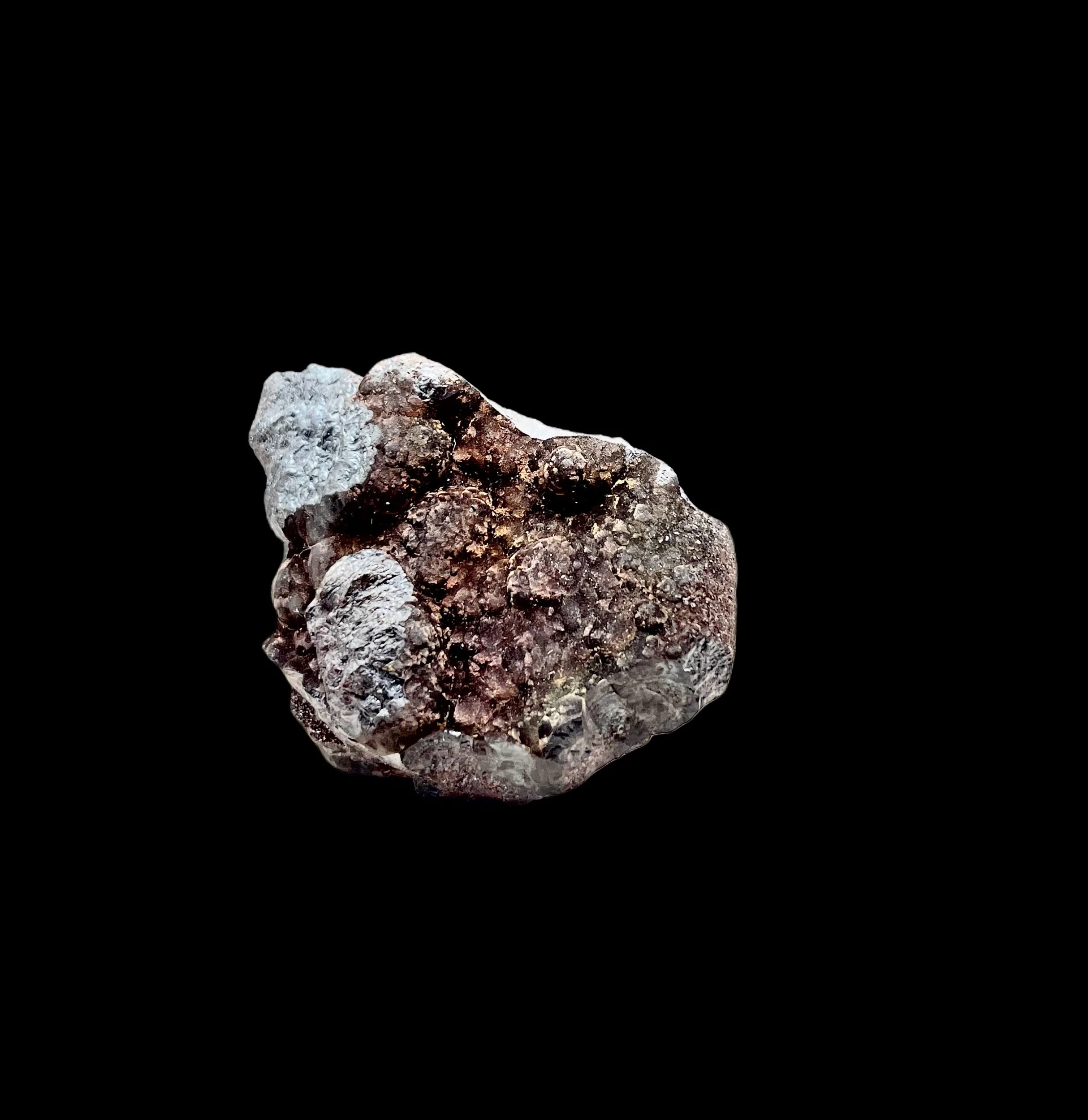 Image 1 of 6
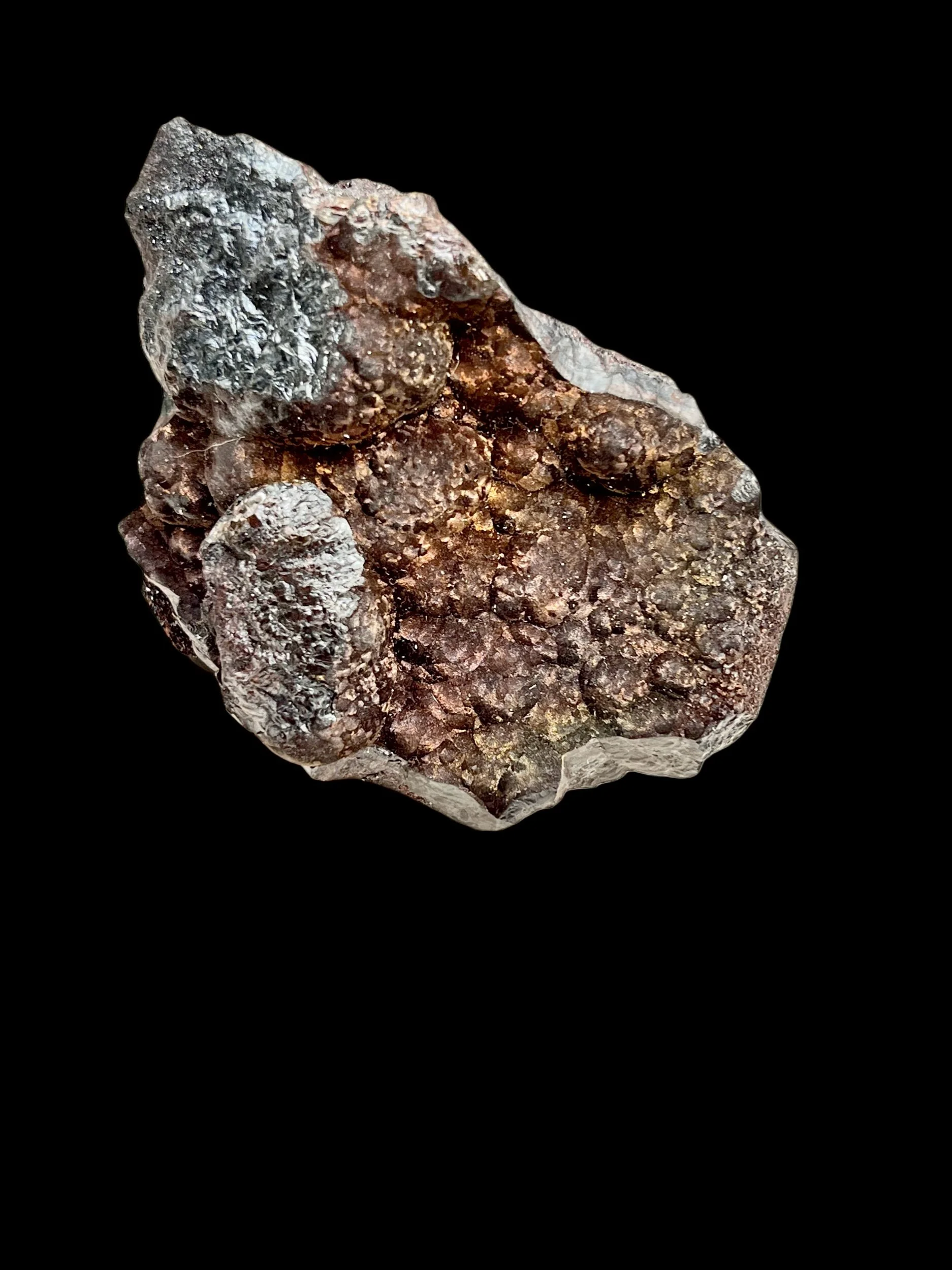 Image 2 of 6
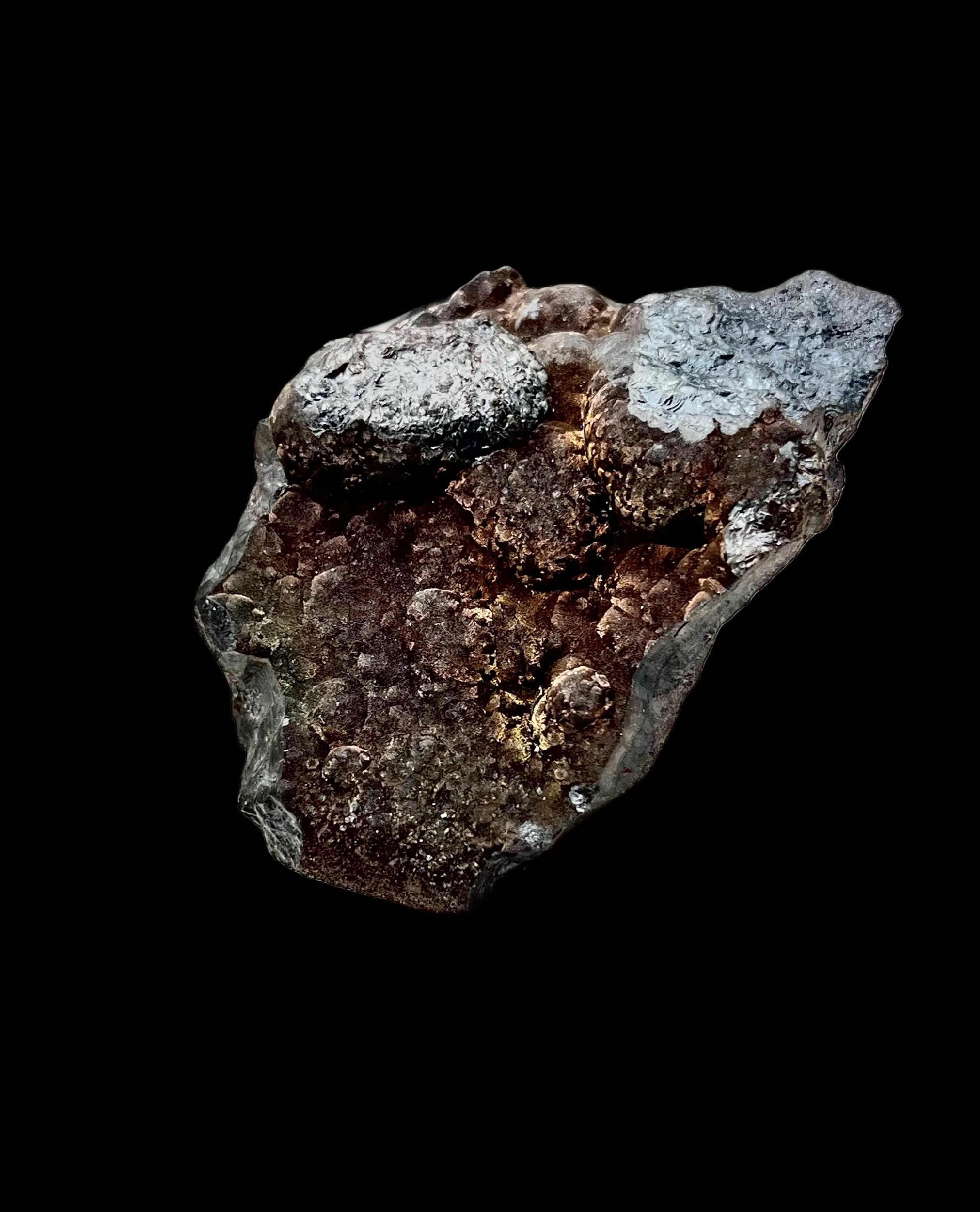 Image 3 of 6
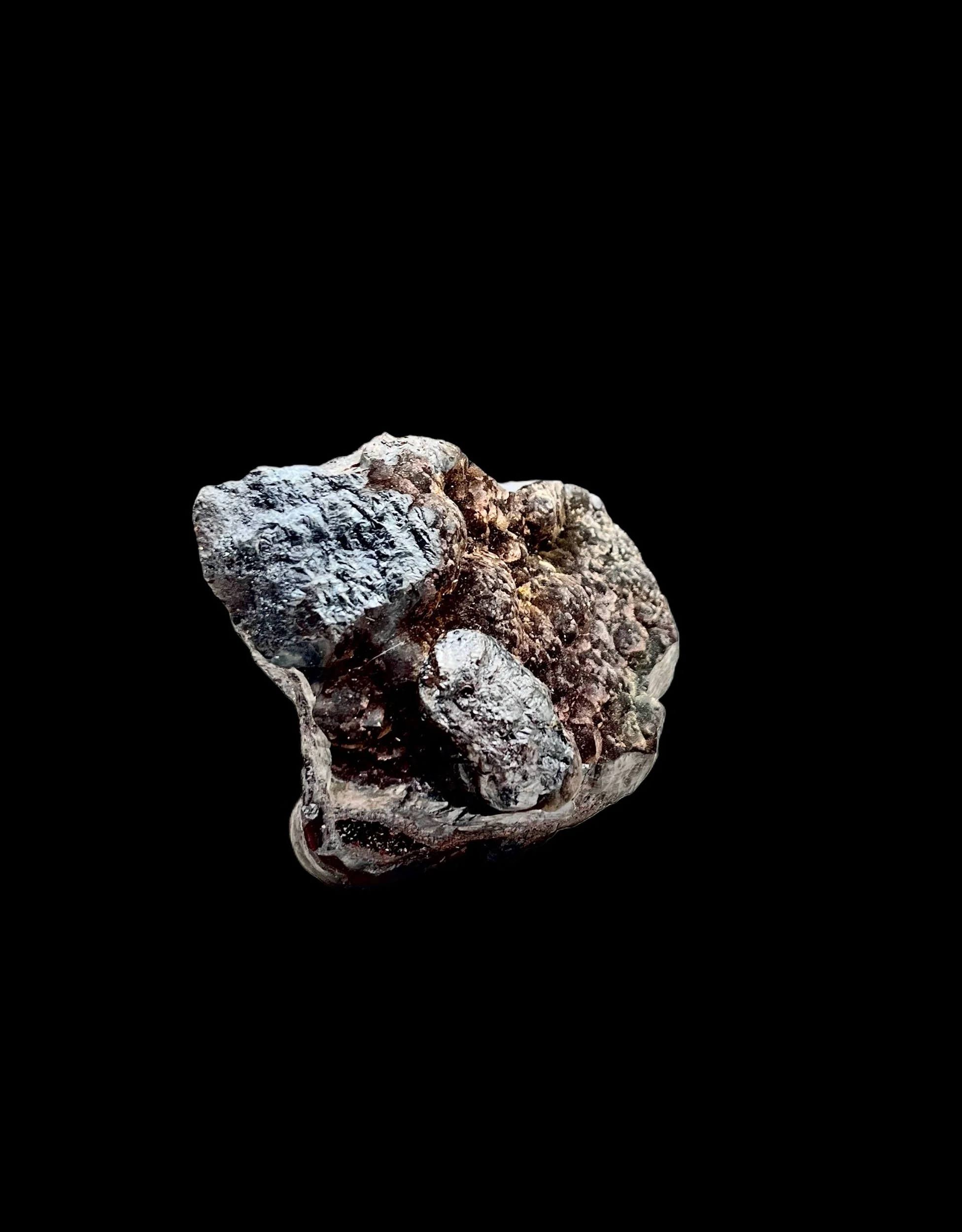 Image 4 of 6
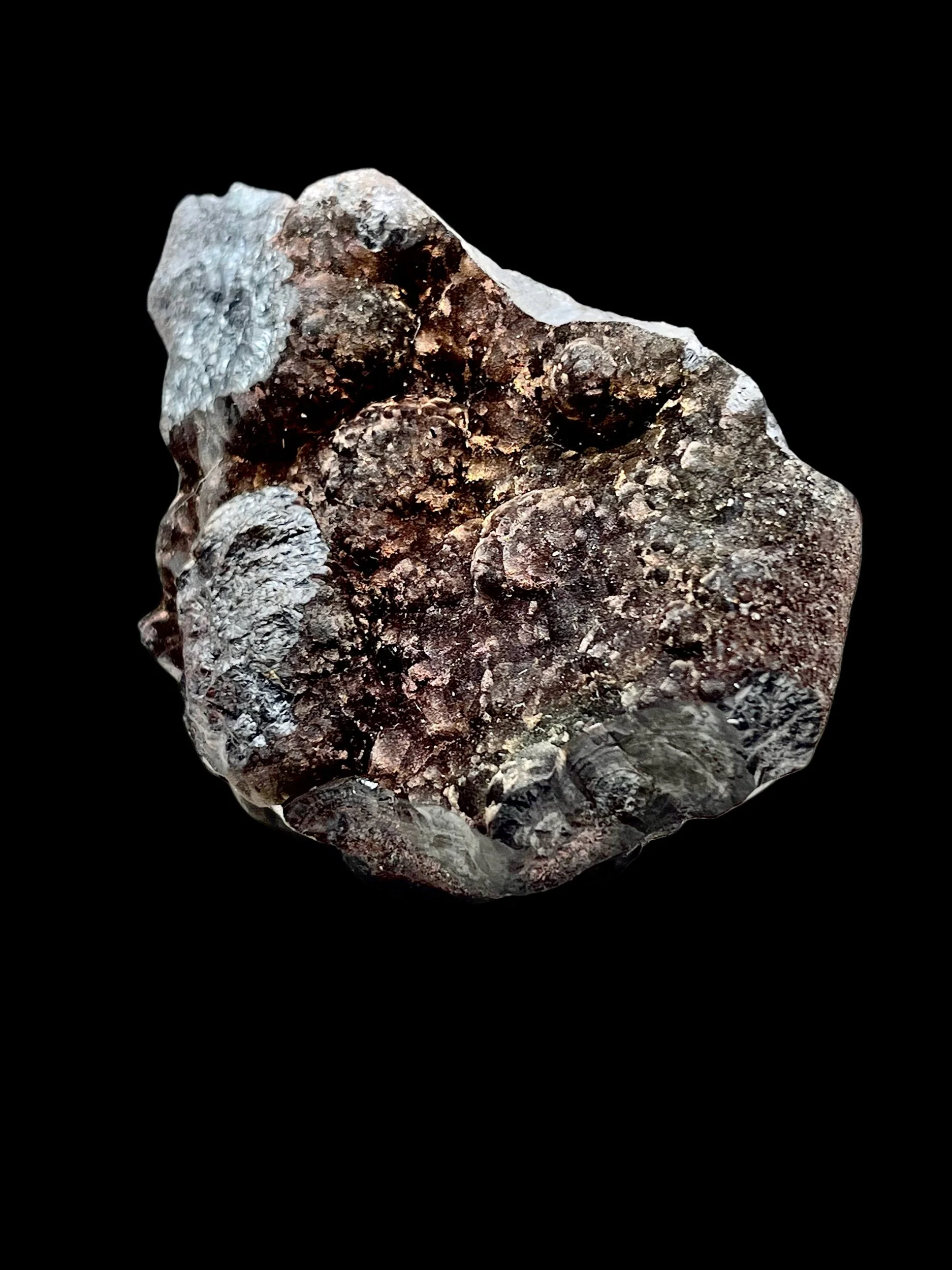 Image 5 of 6
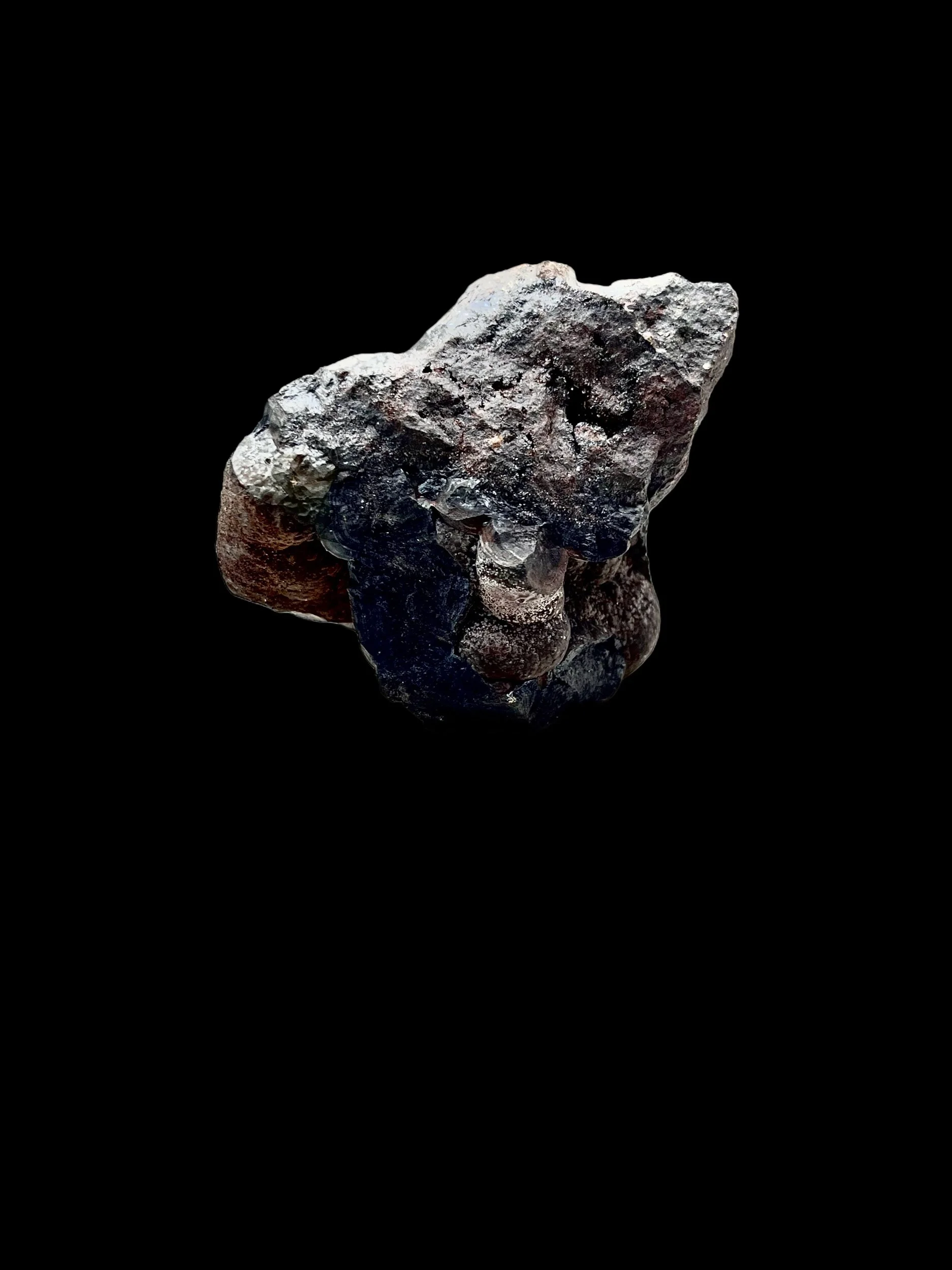 Image 6 of 6