Image 1 of 5
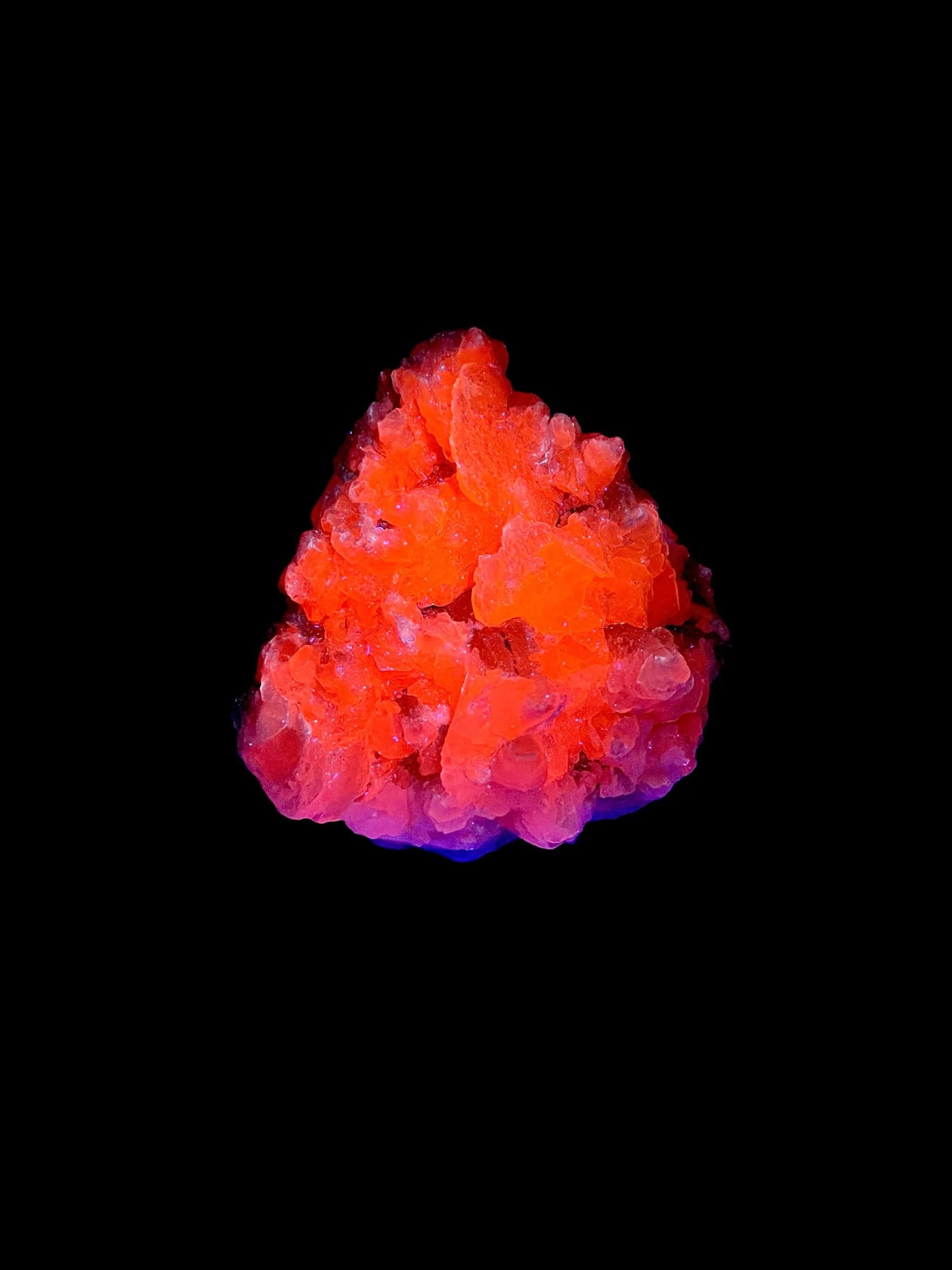 Image 2 of 5
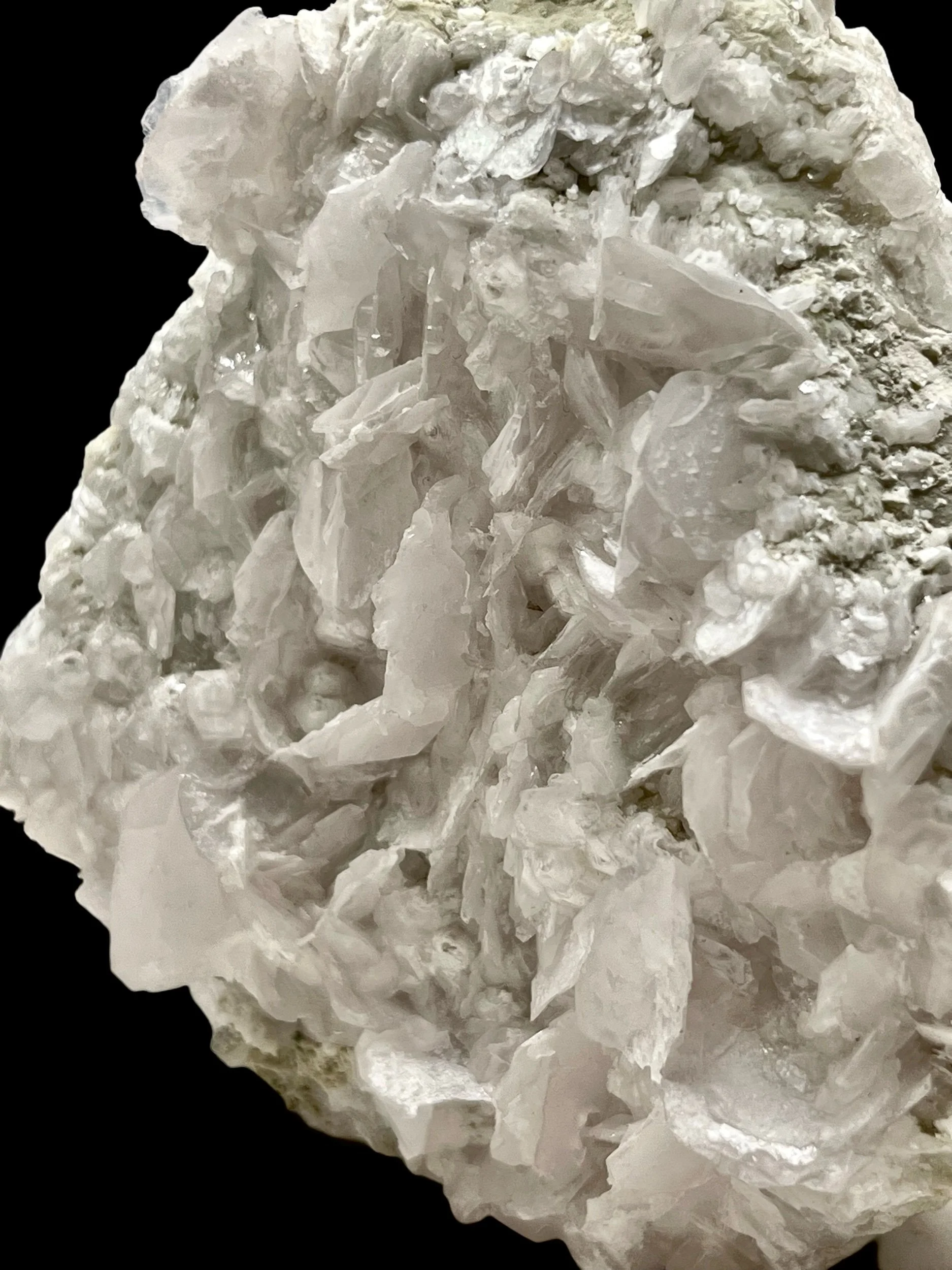 Image 3 of 5
 Image 4 of 5
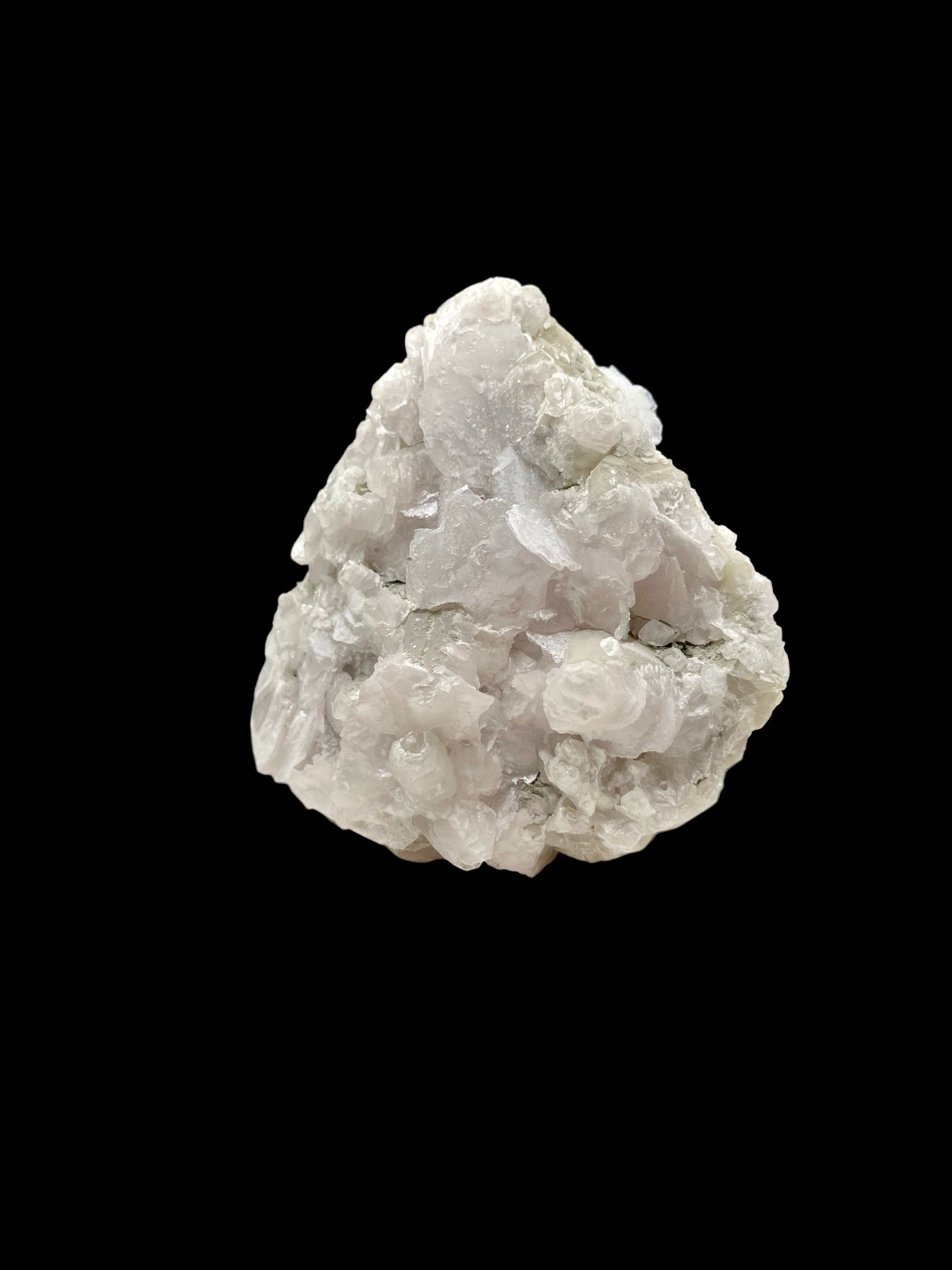 Image 5 of 5
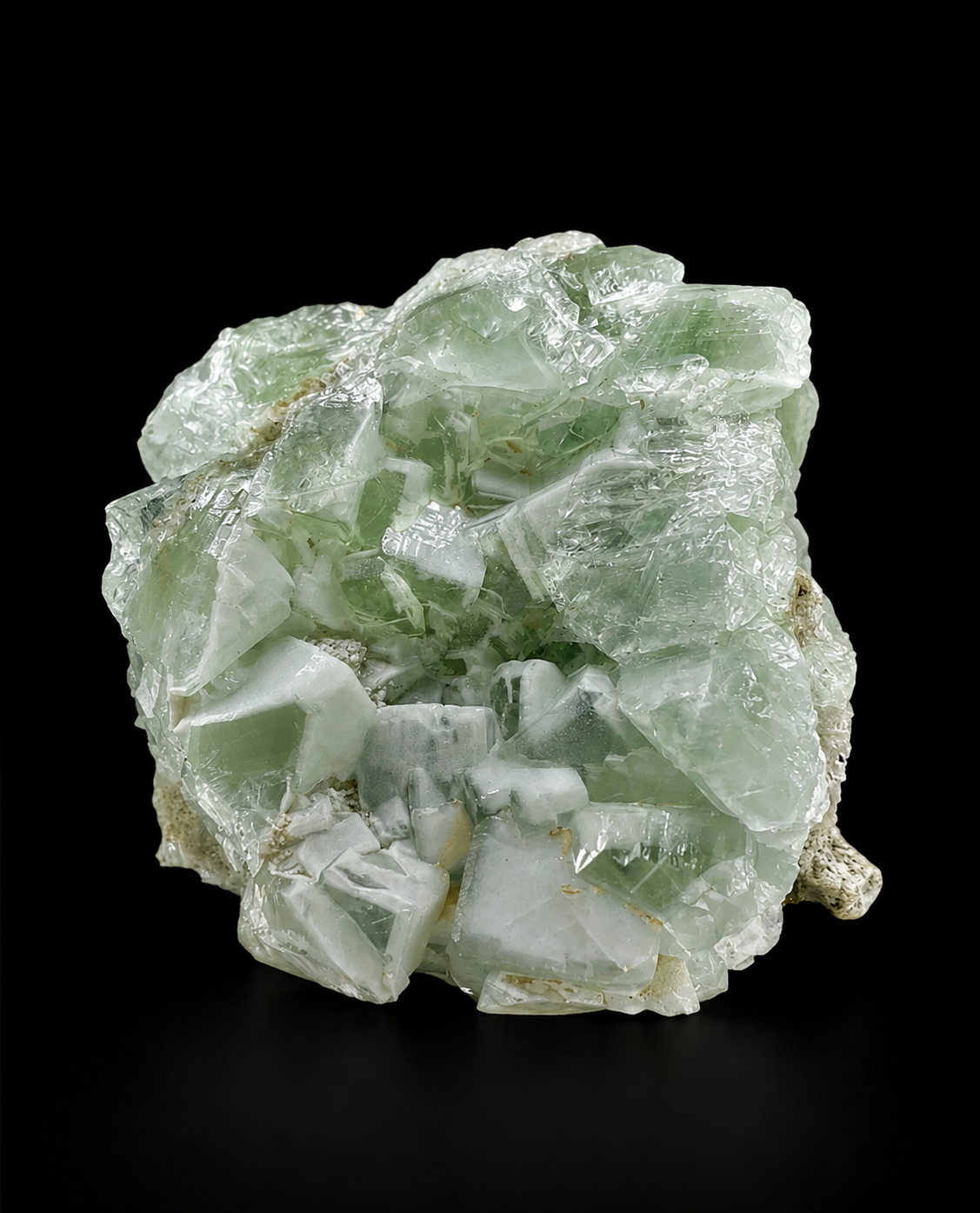
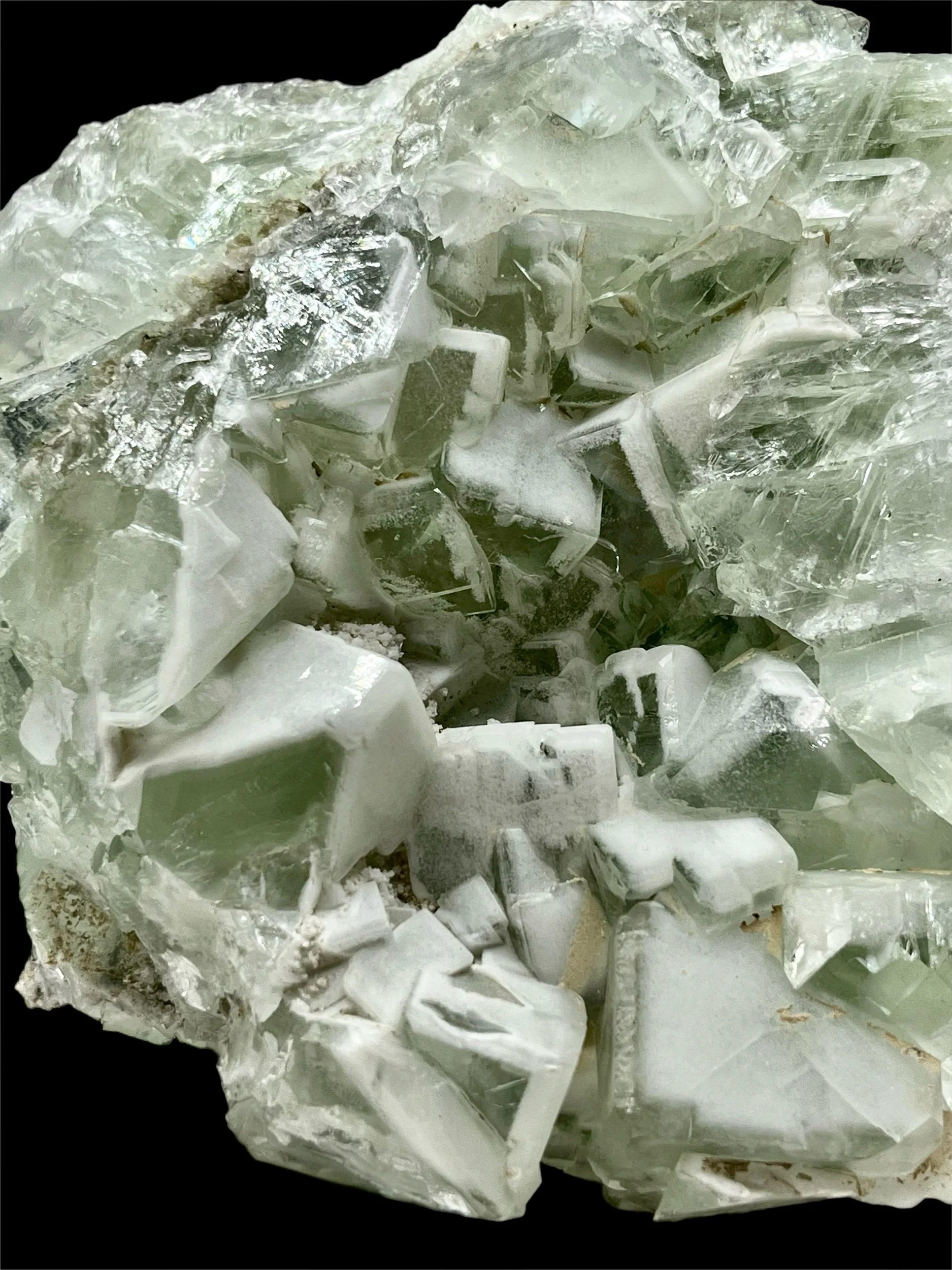
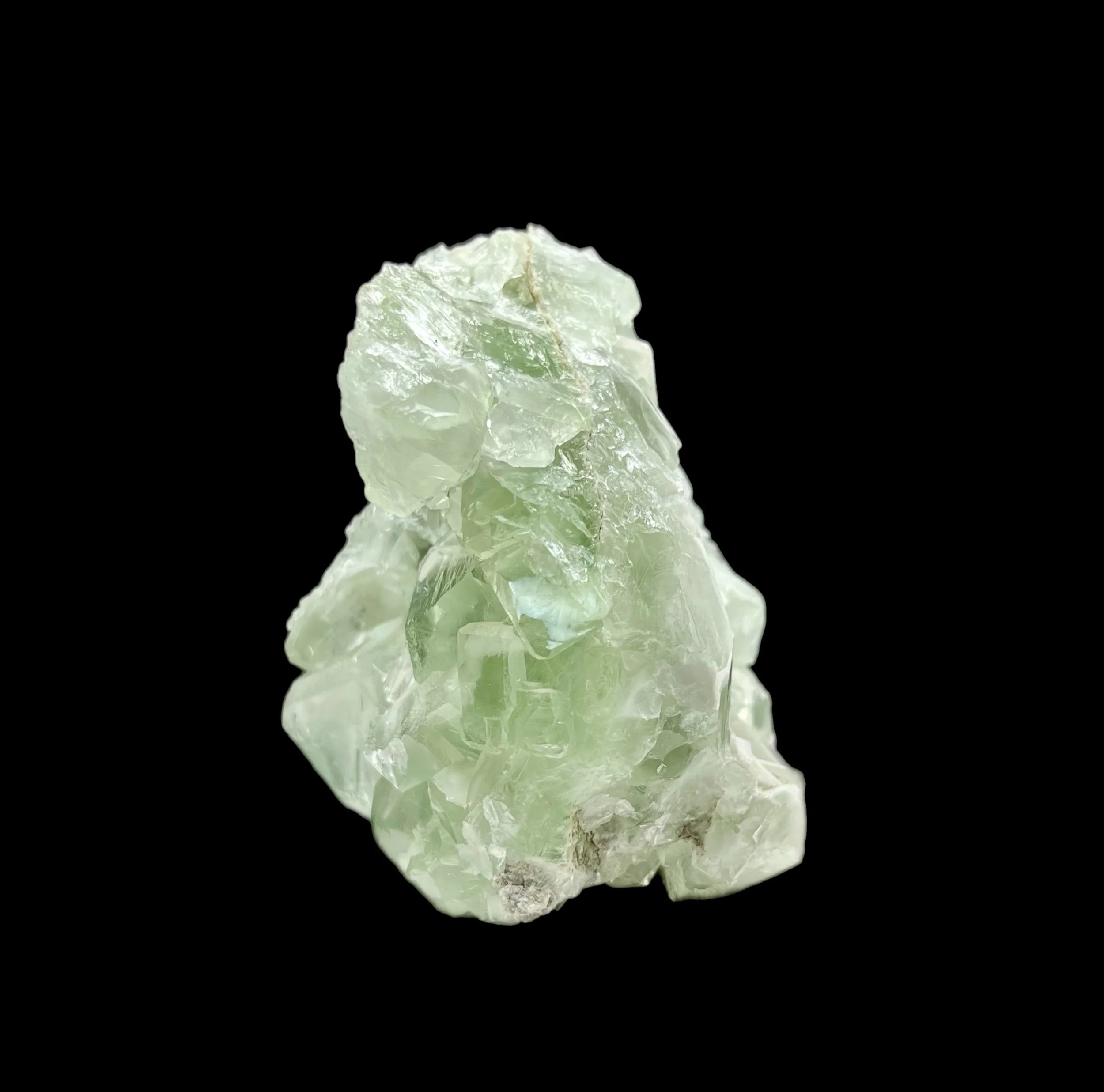
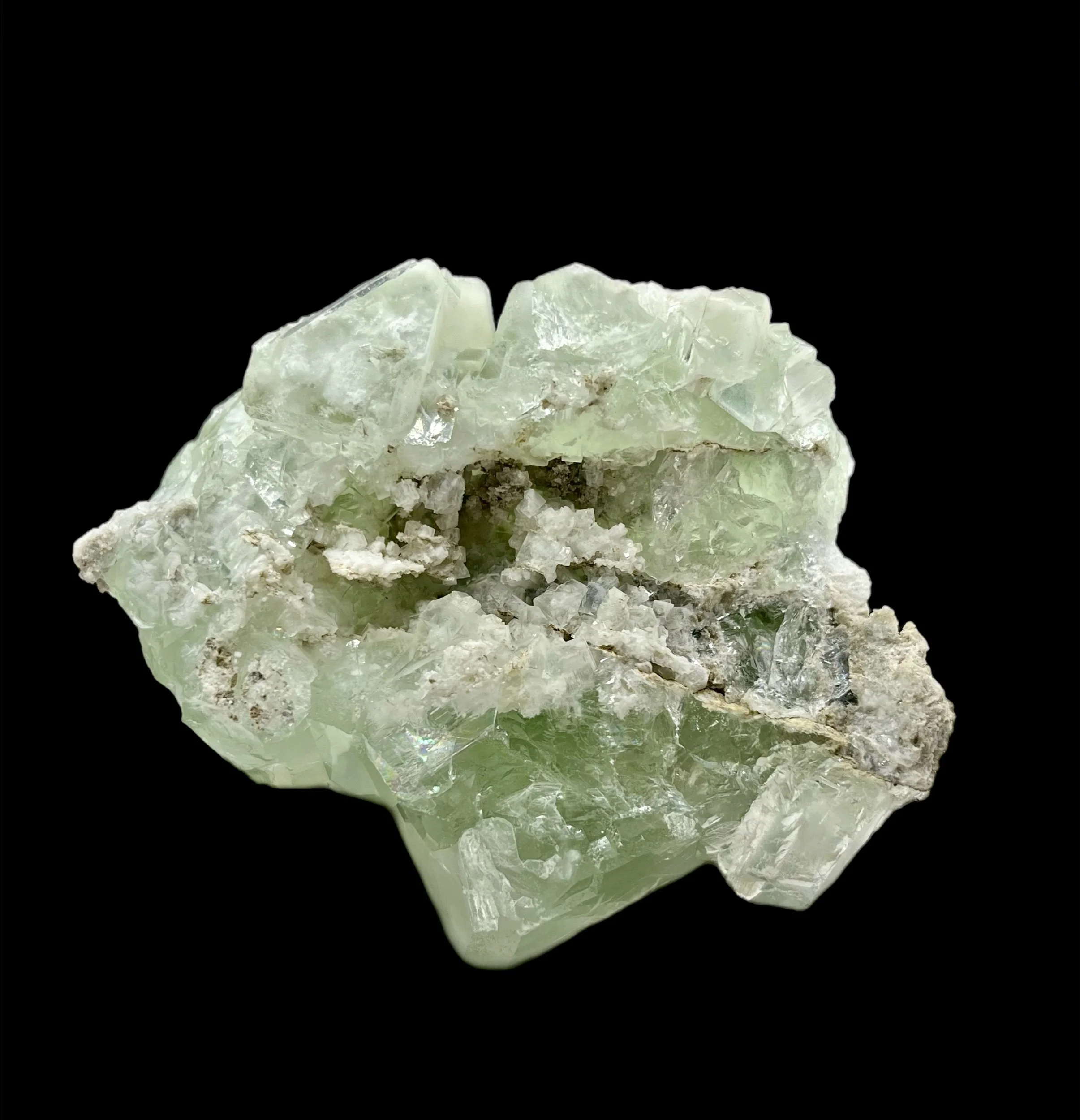
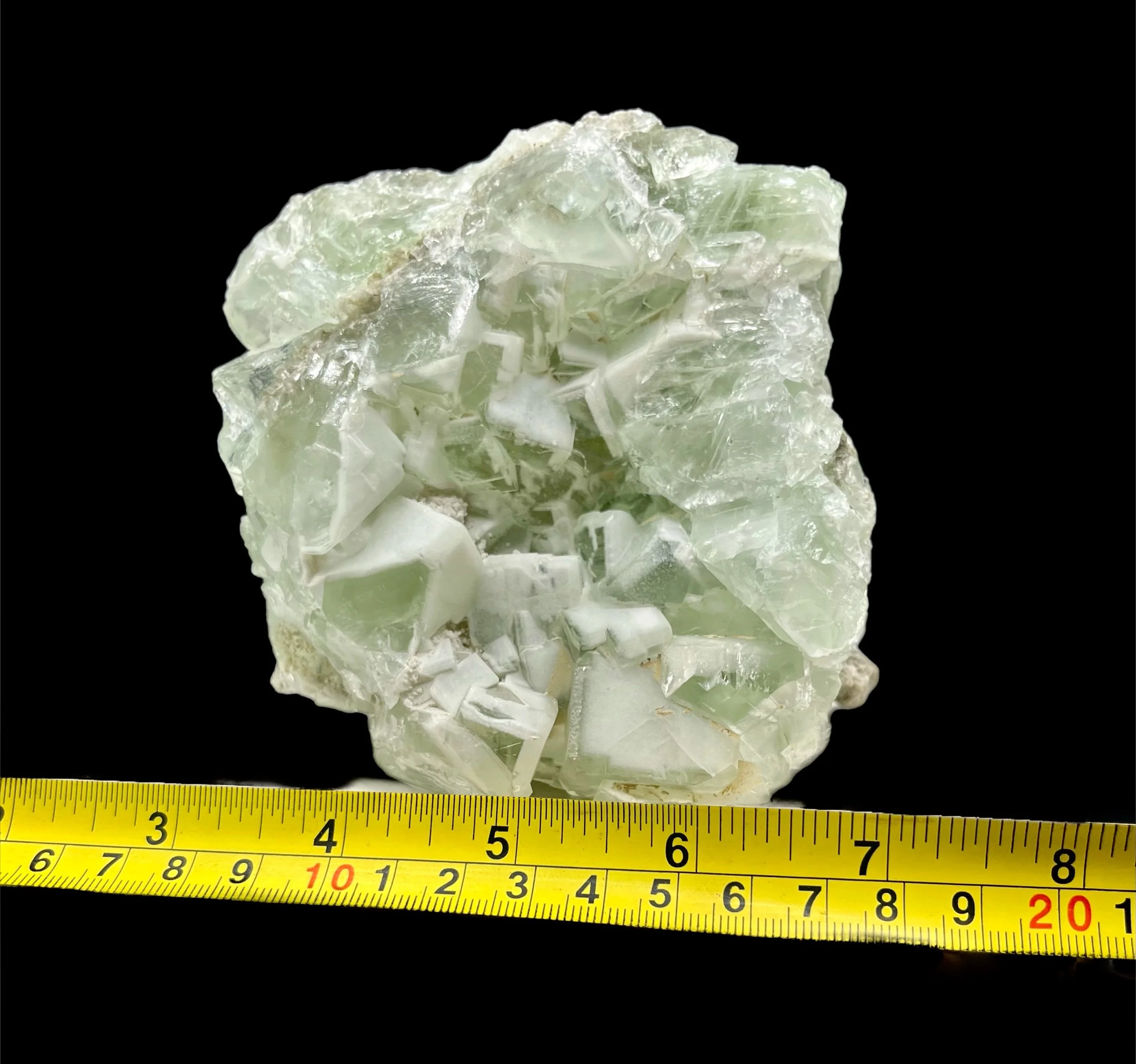
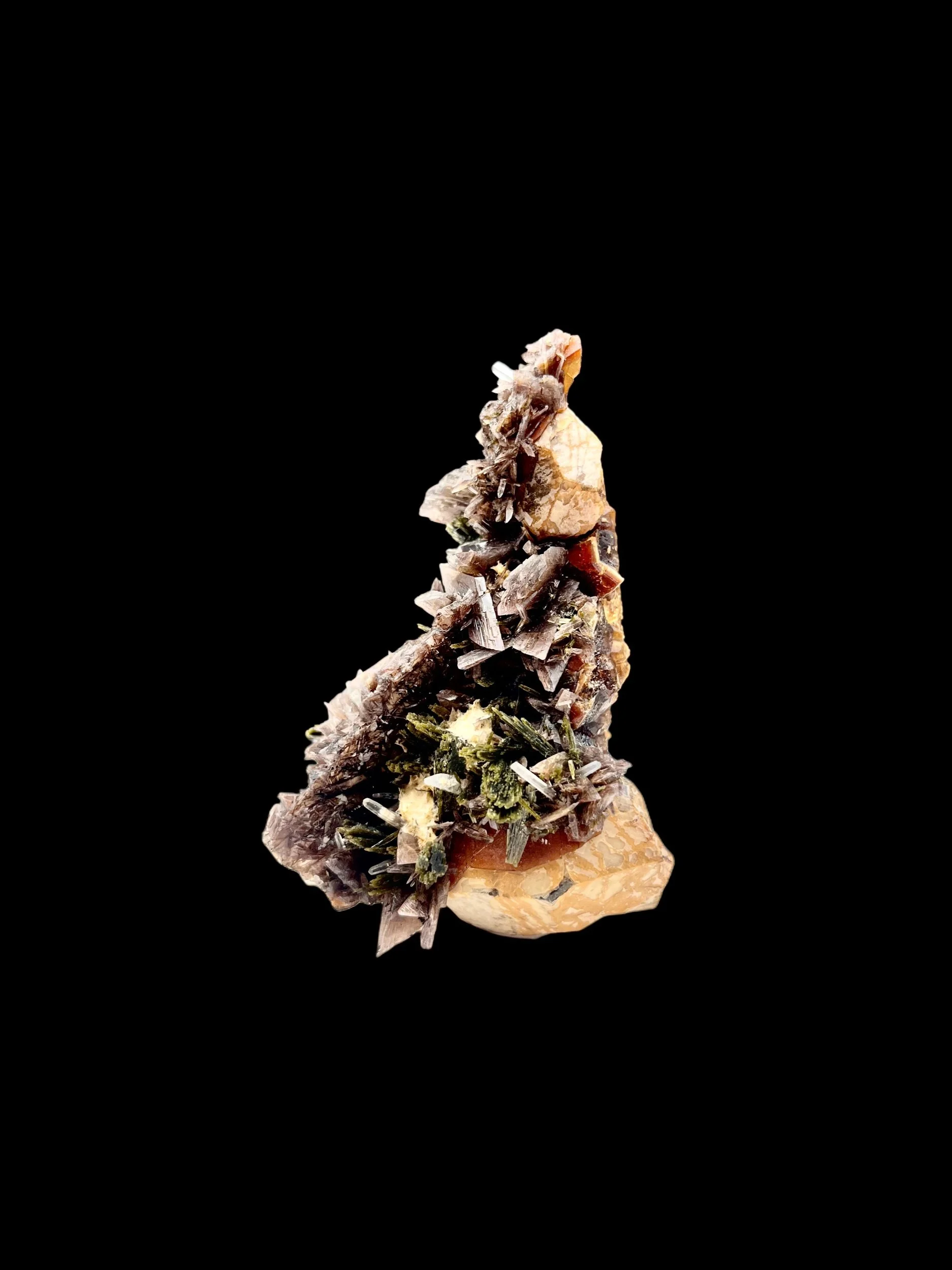
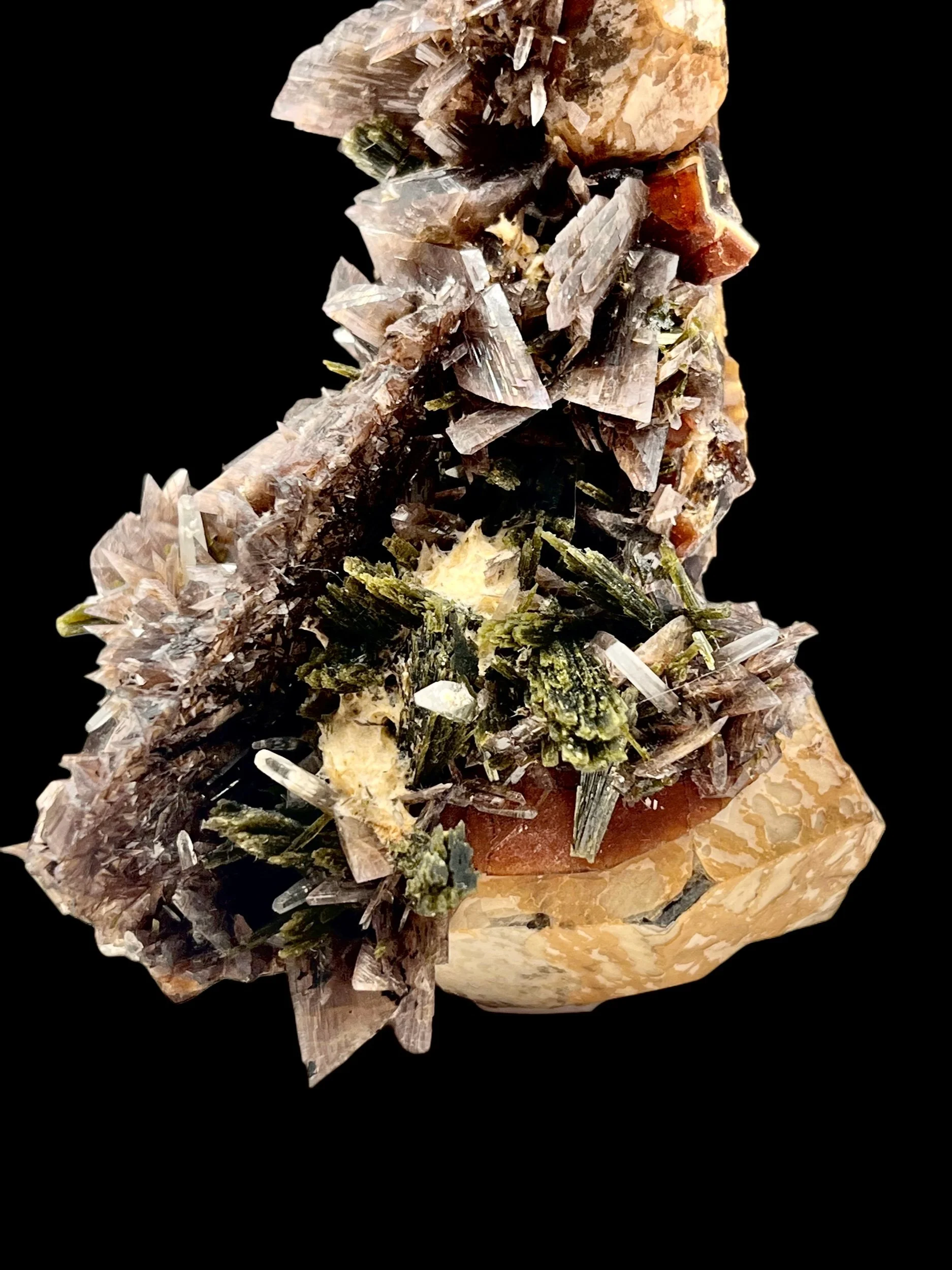
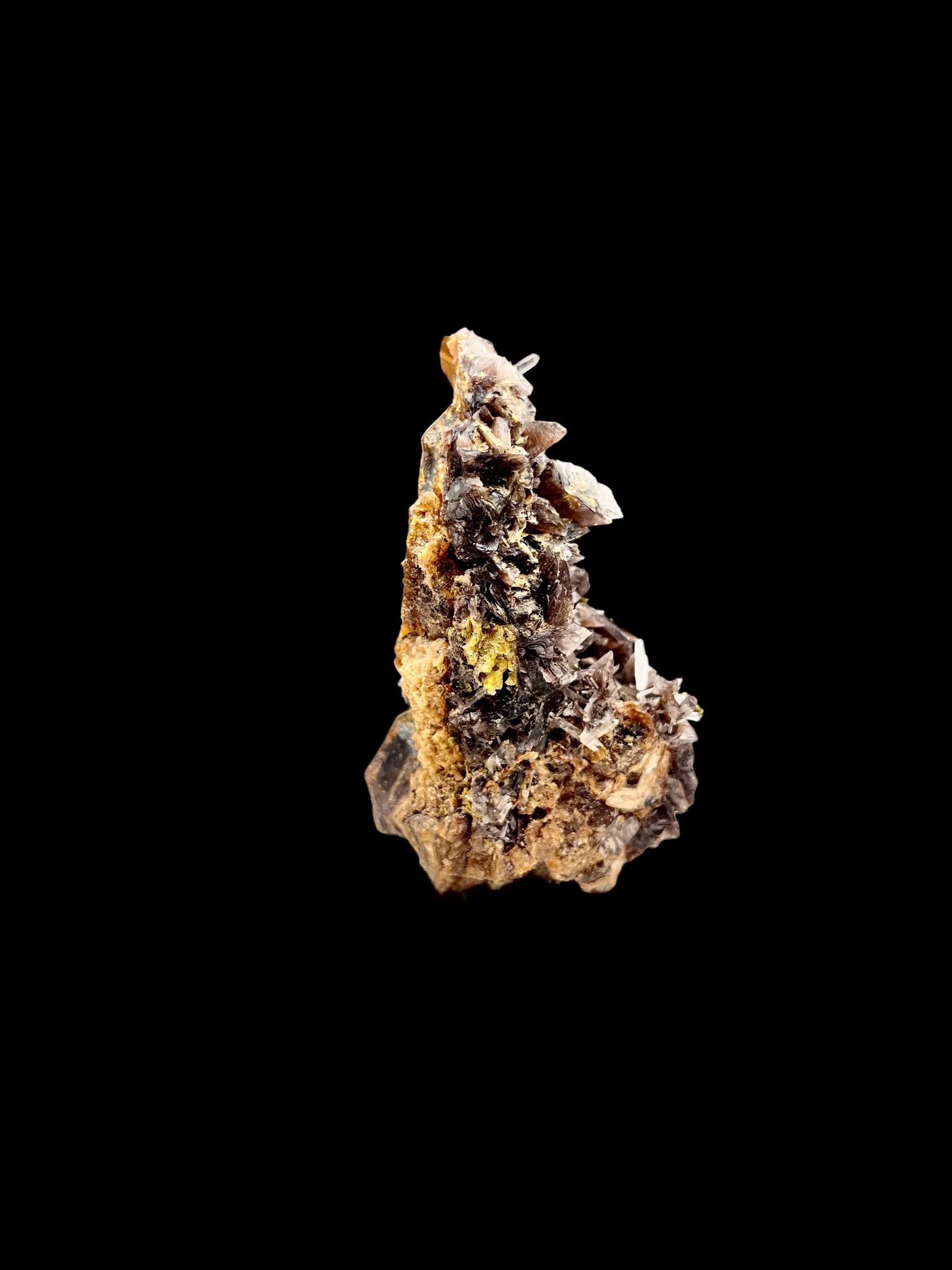
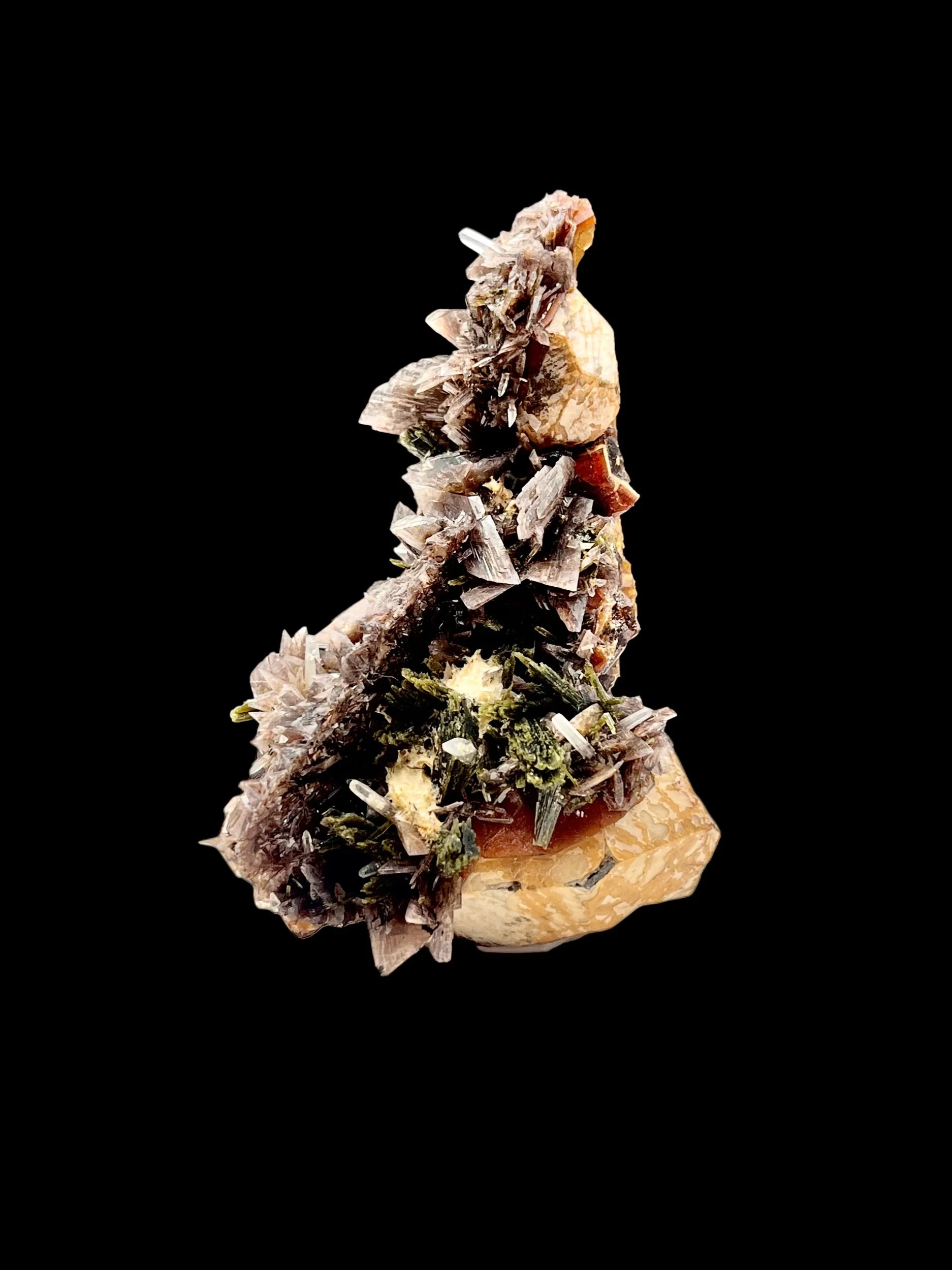
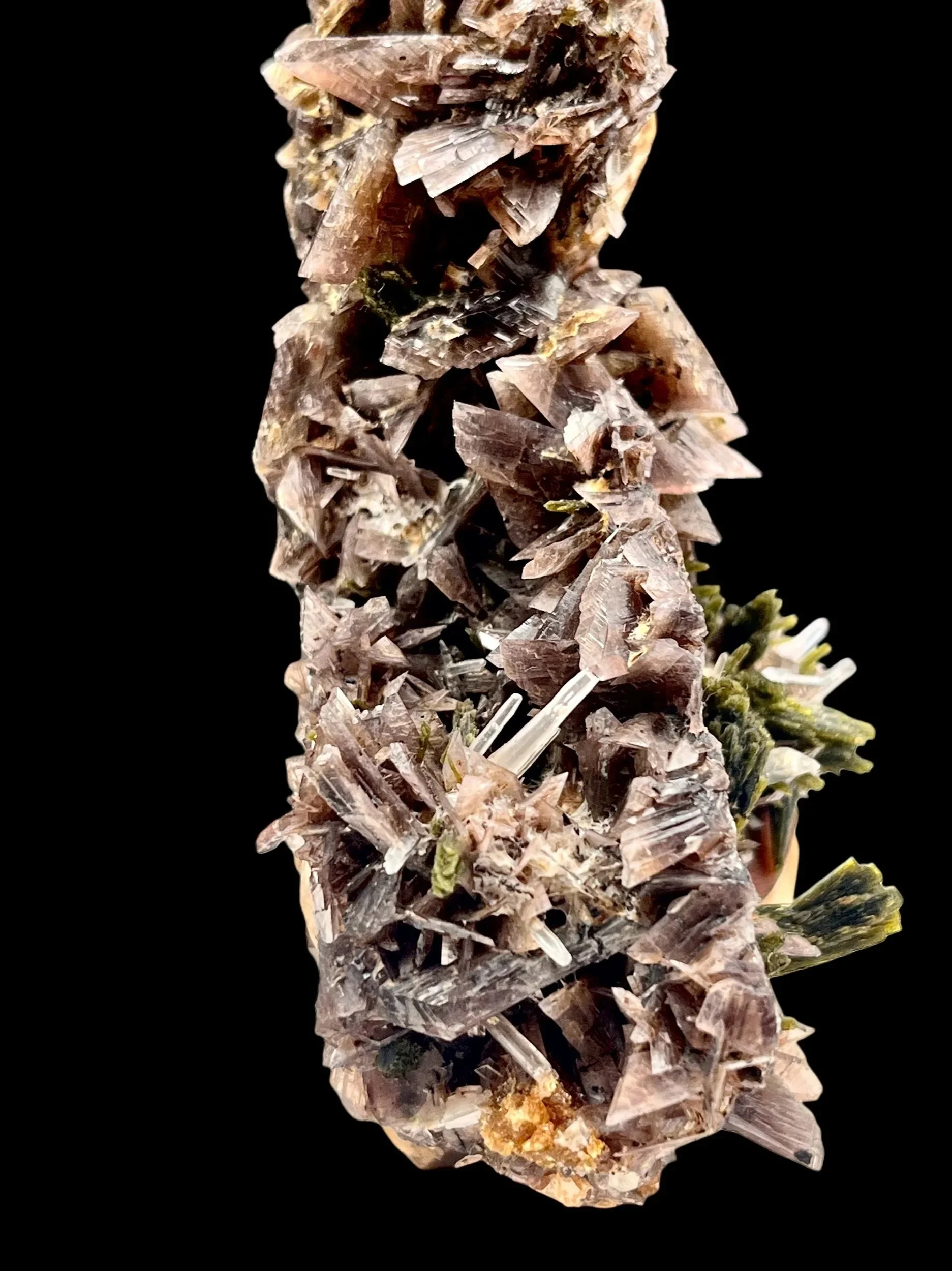
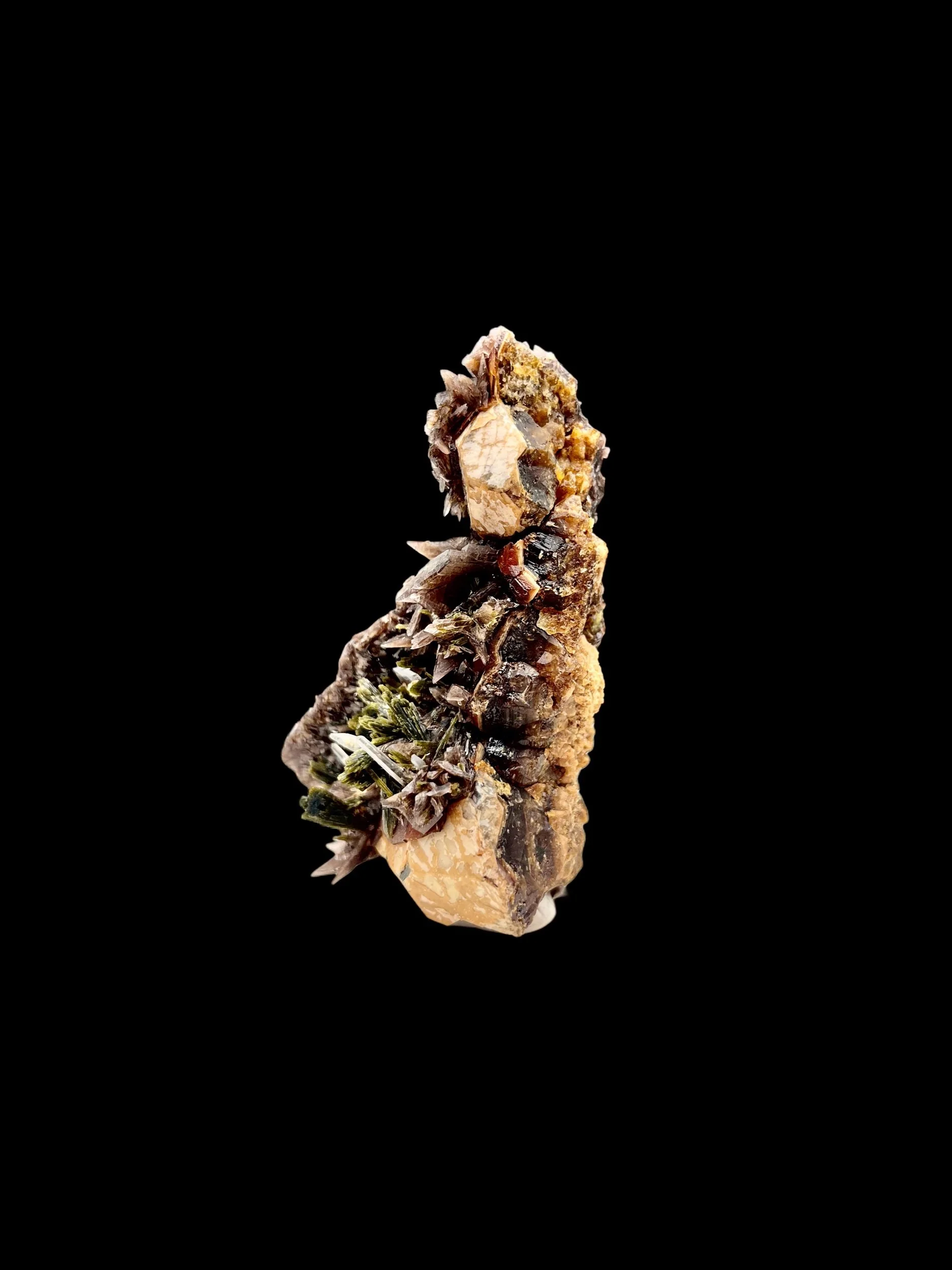
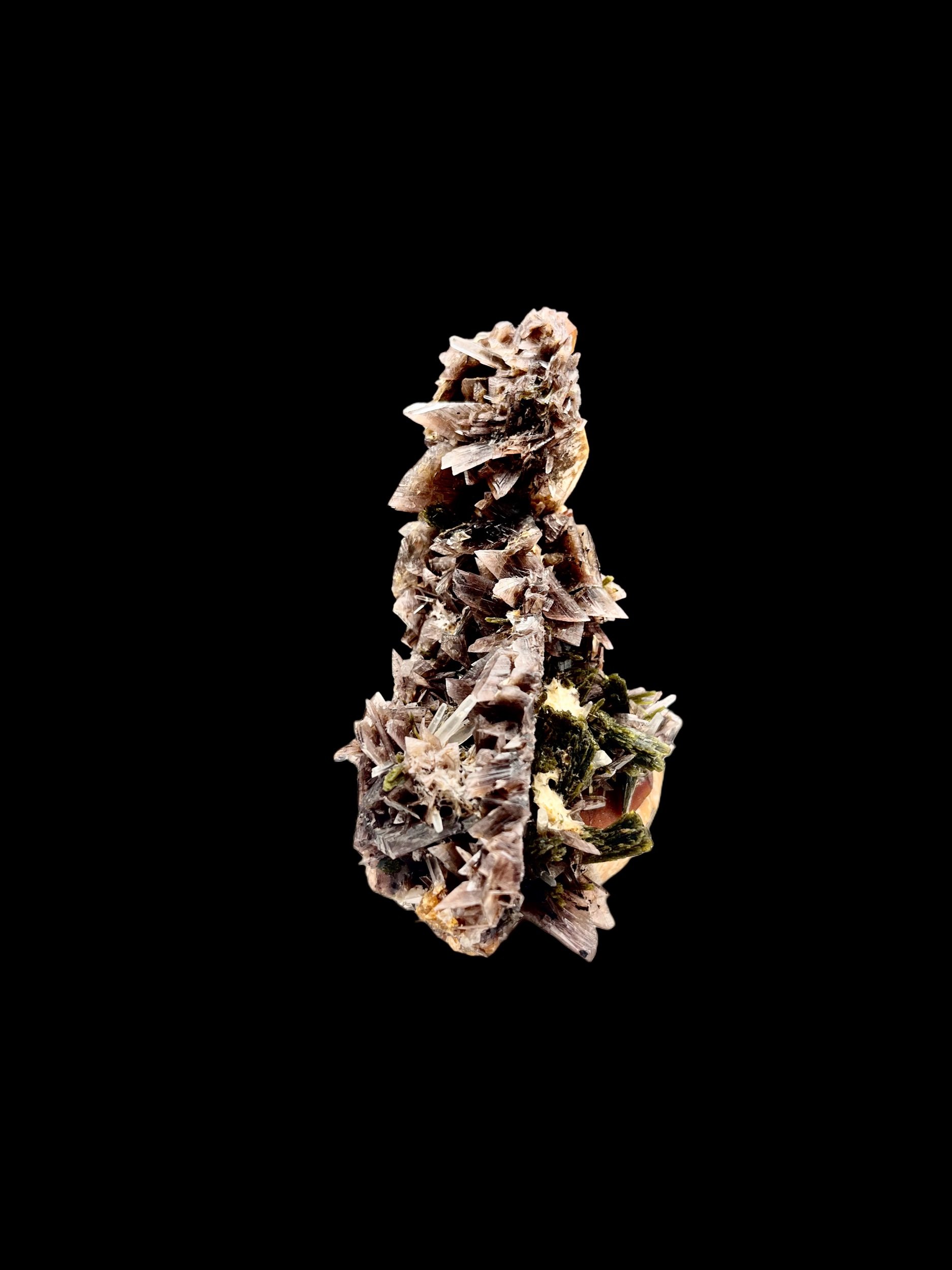
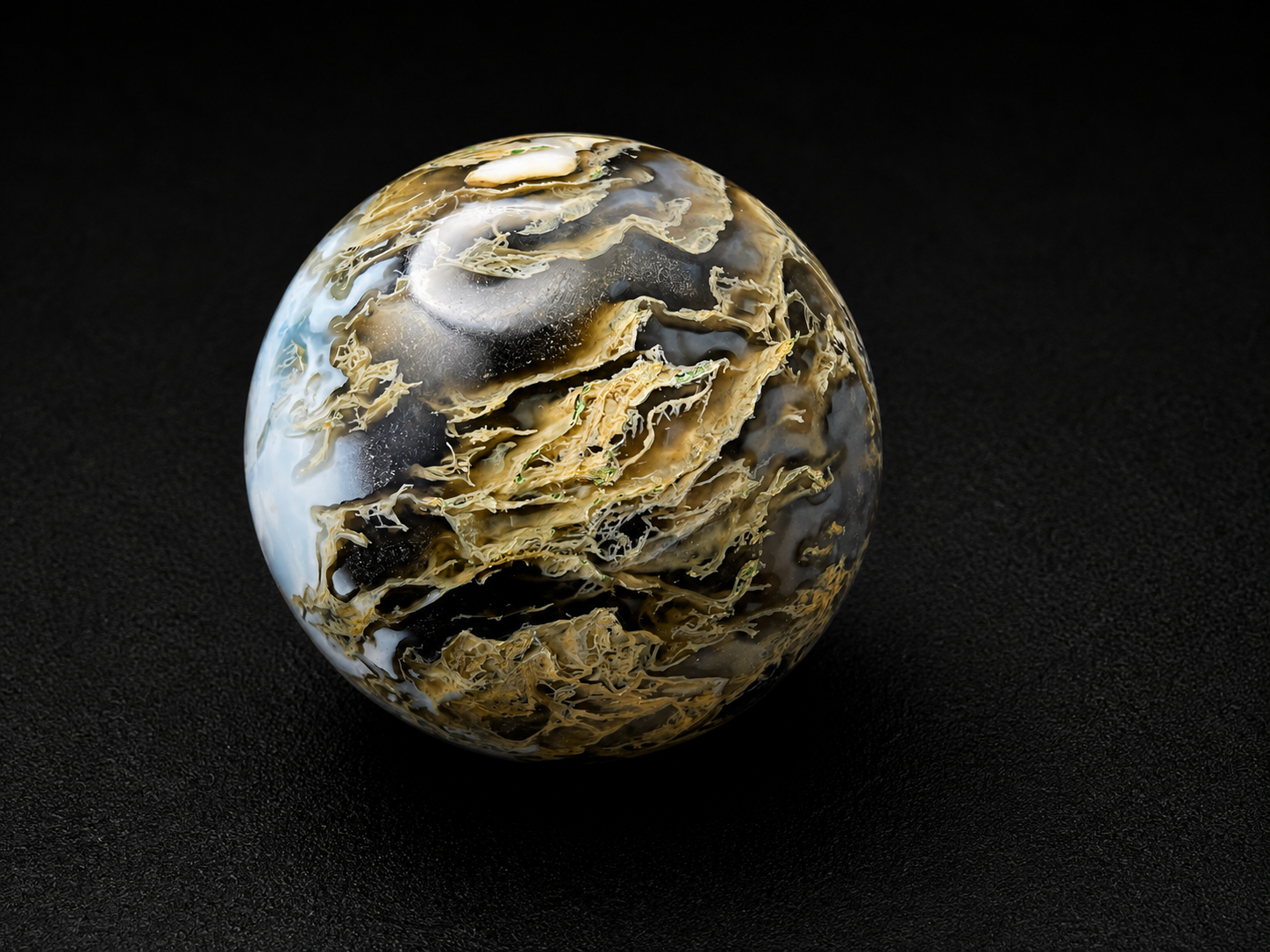
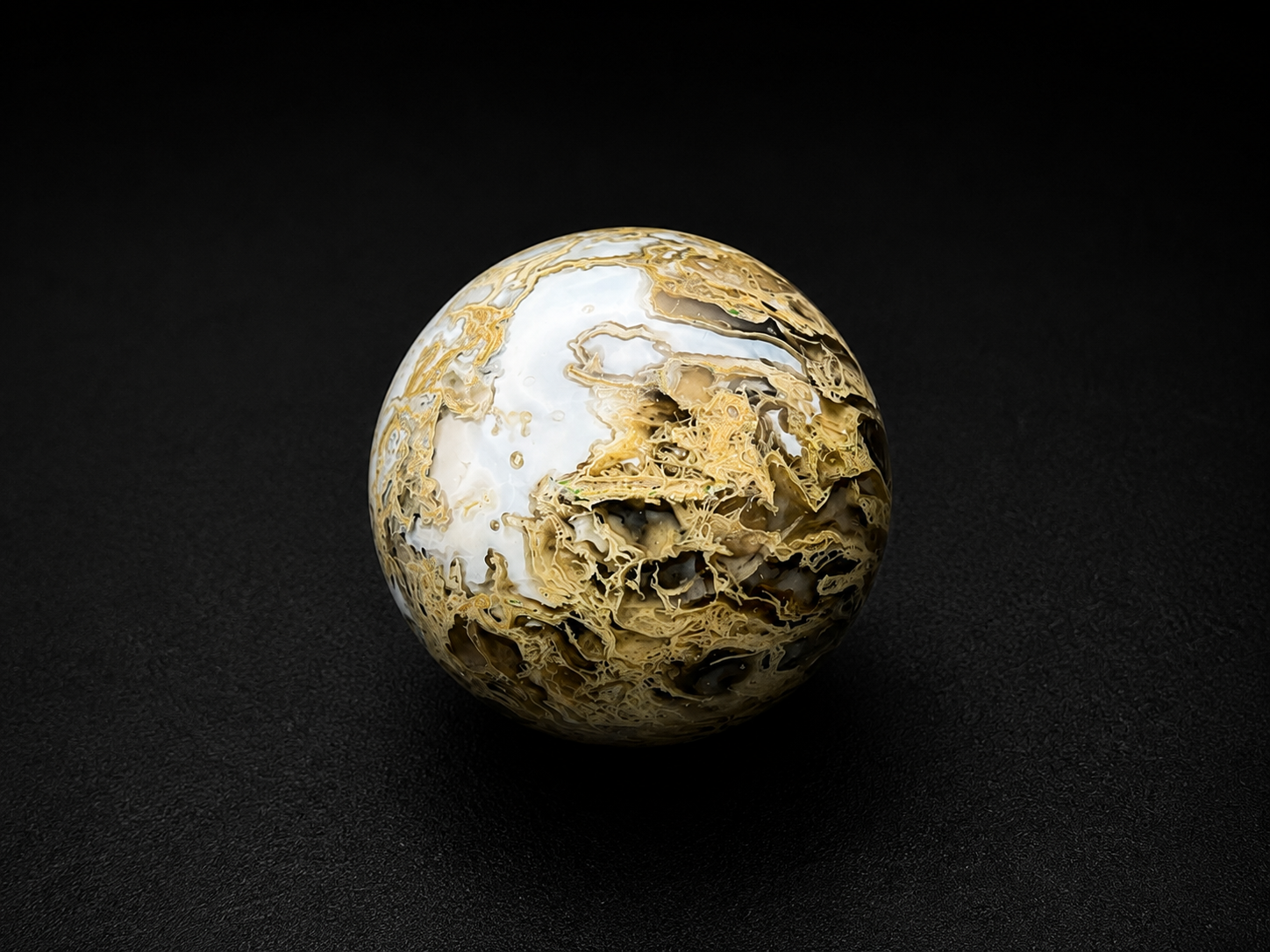
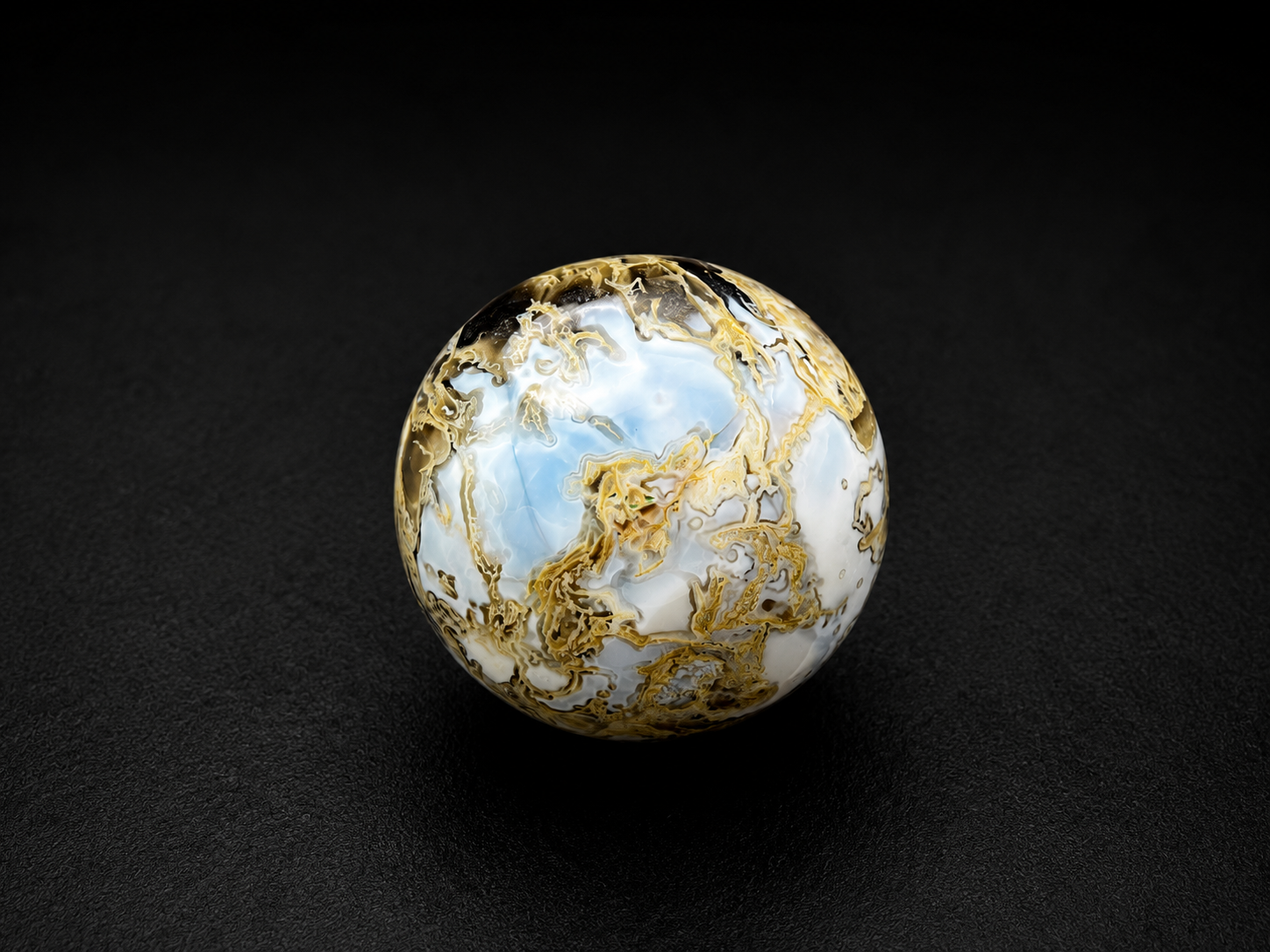
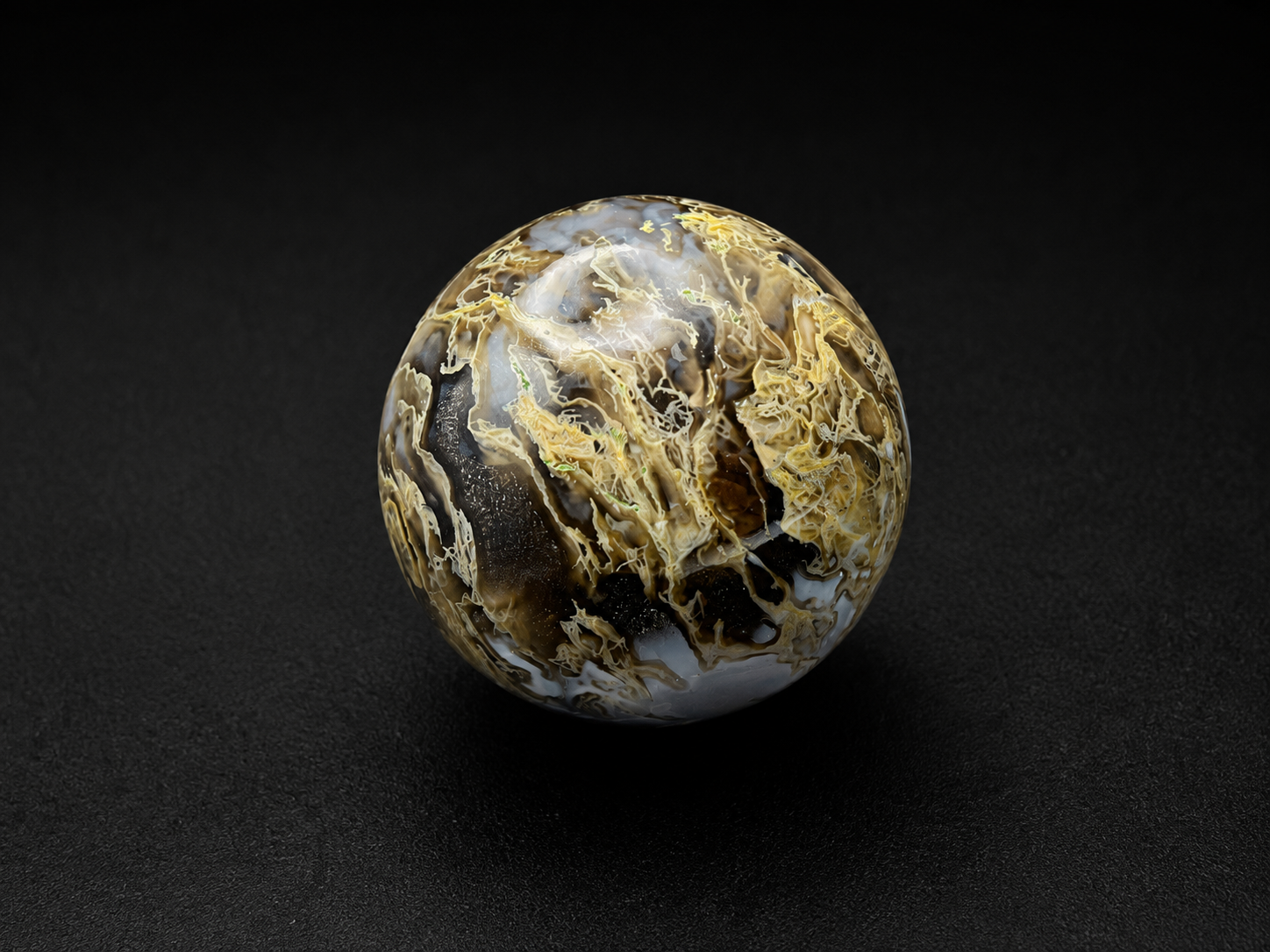
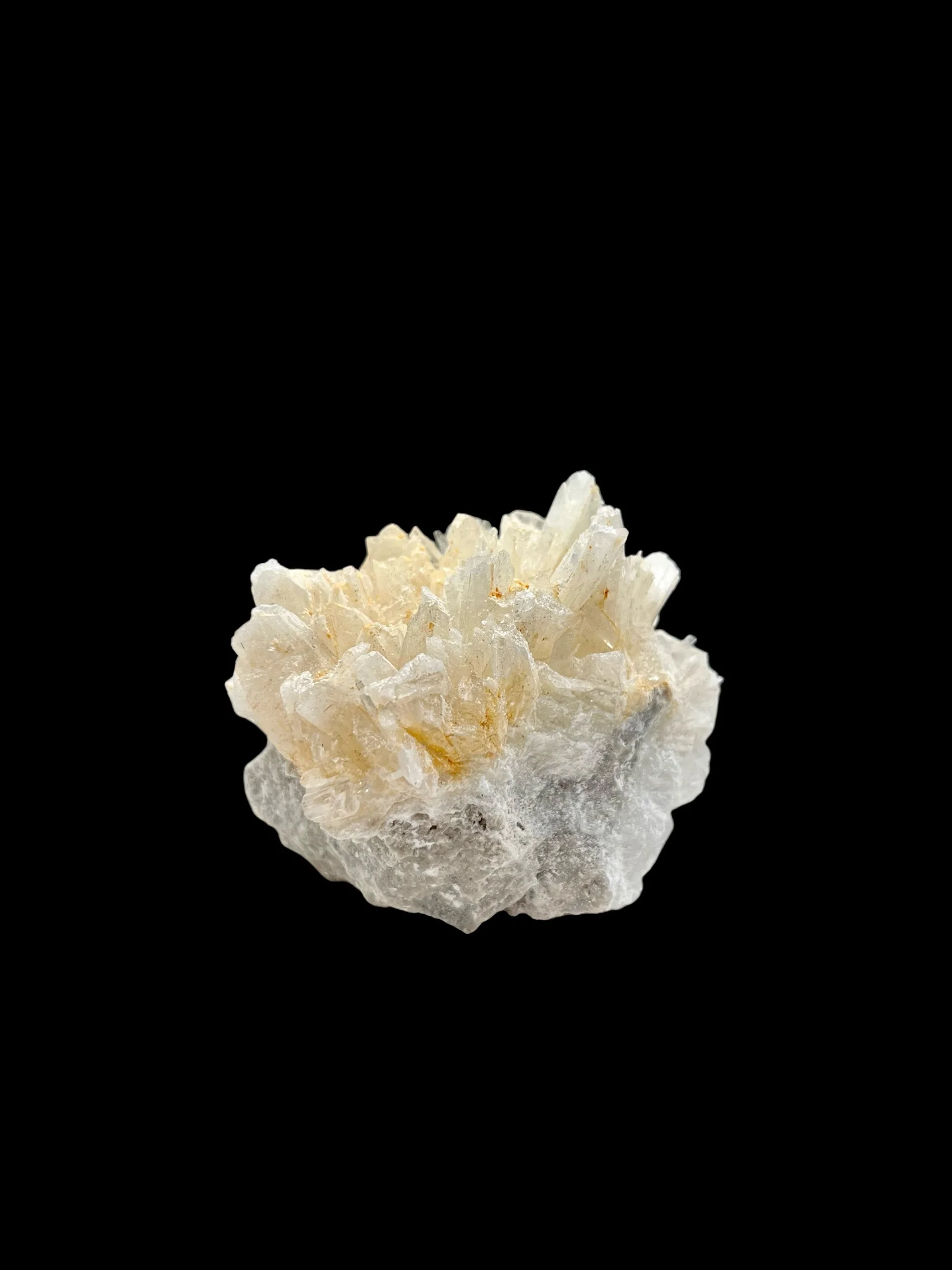
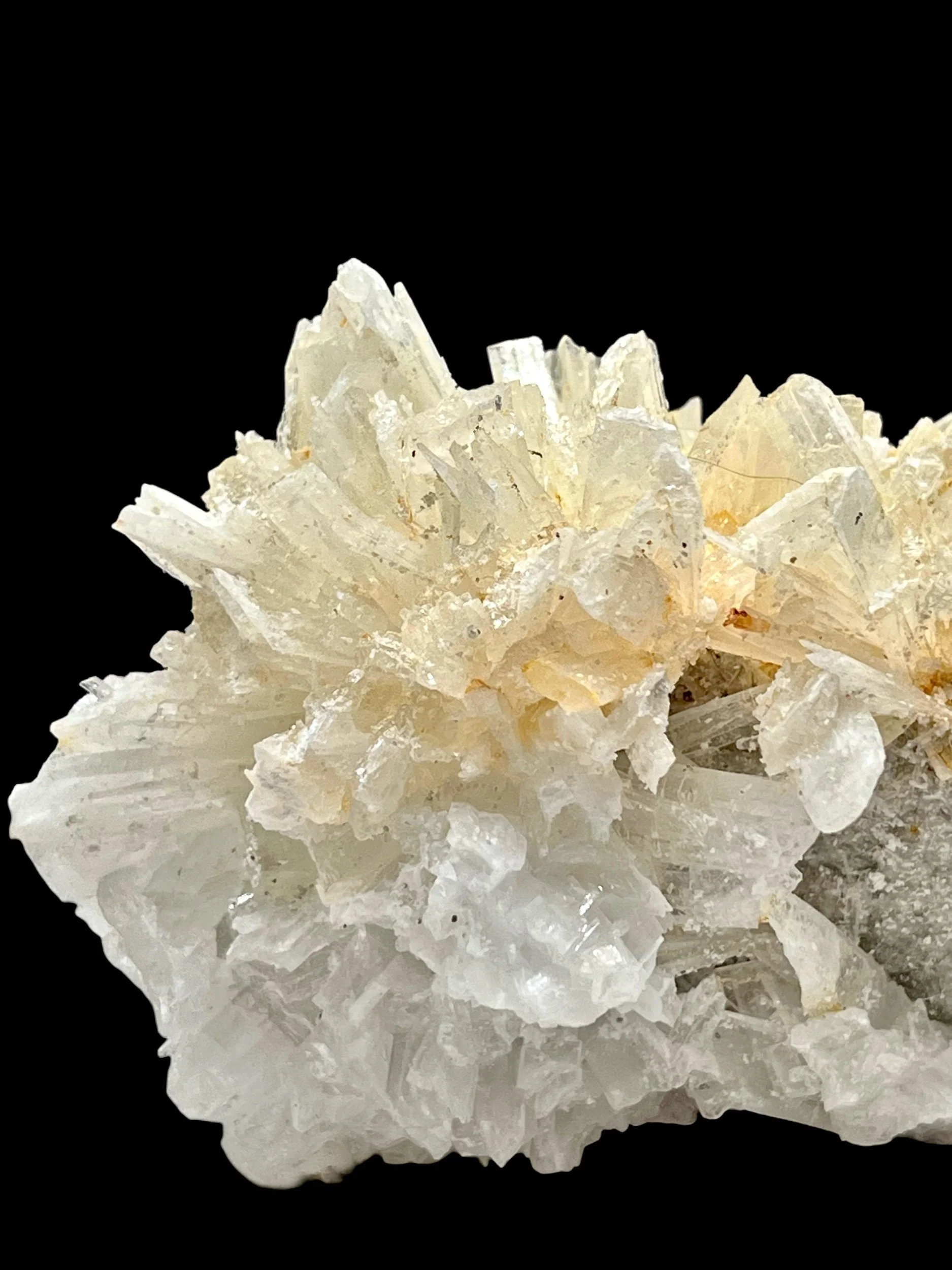
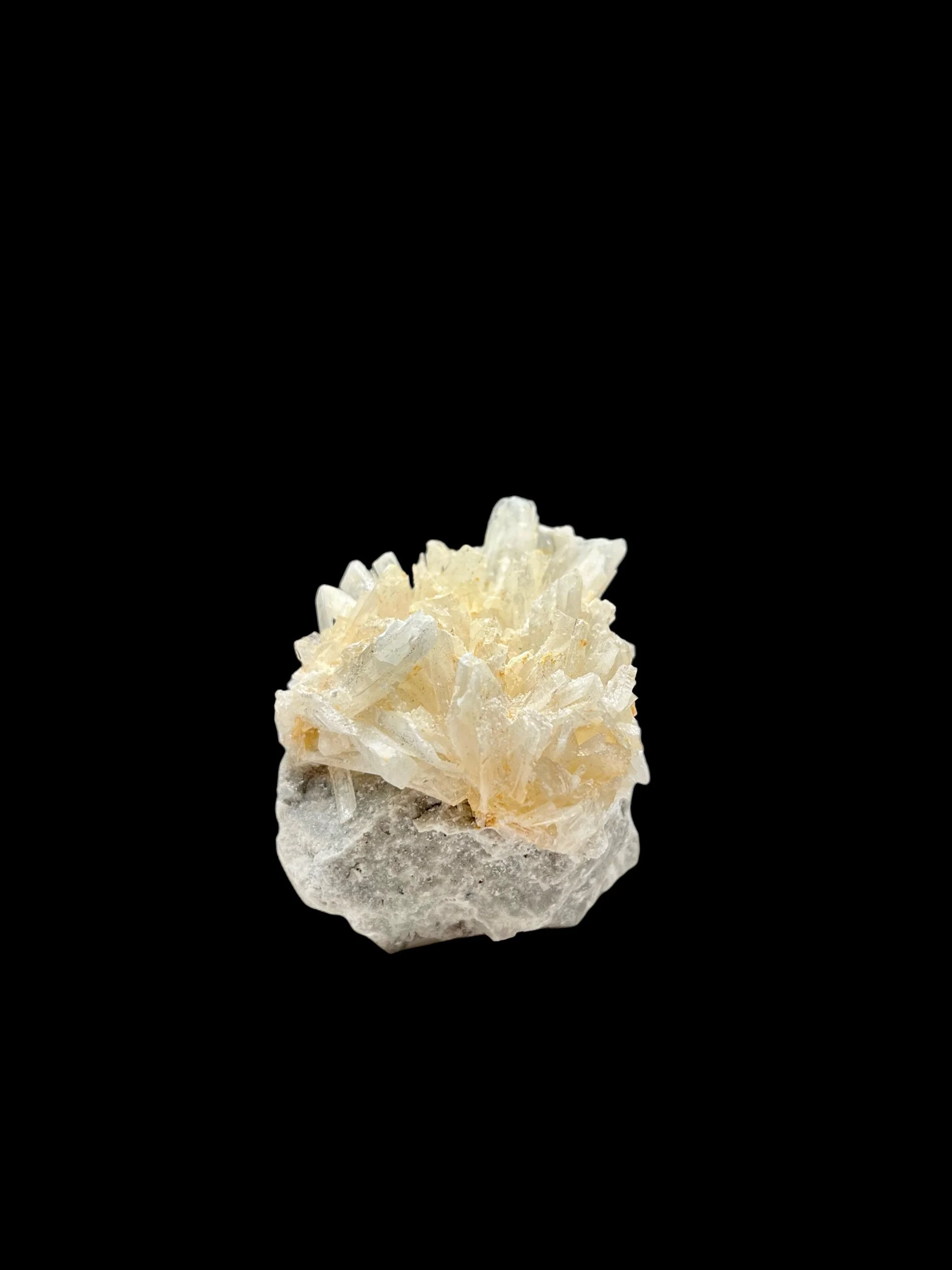
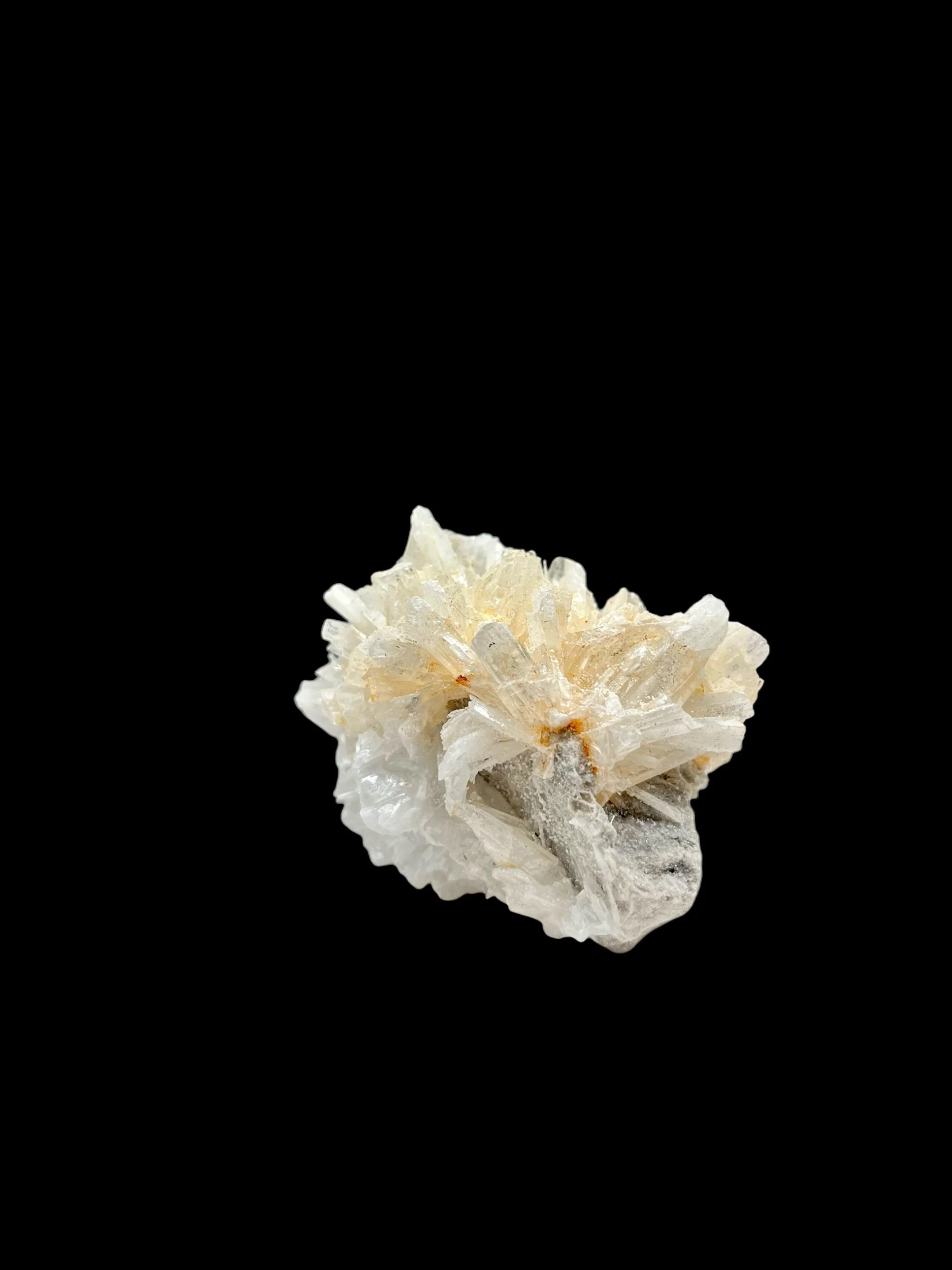
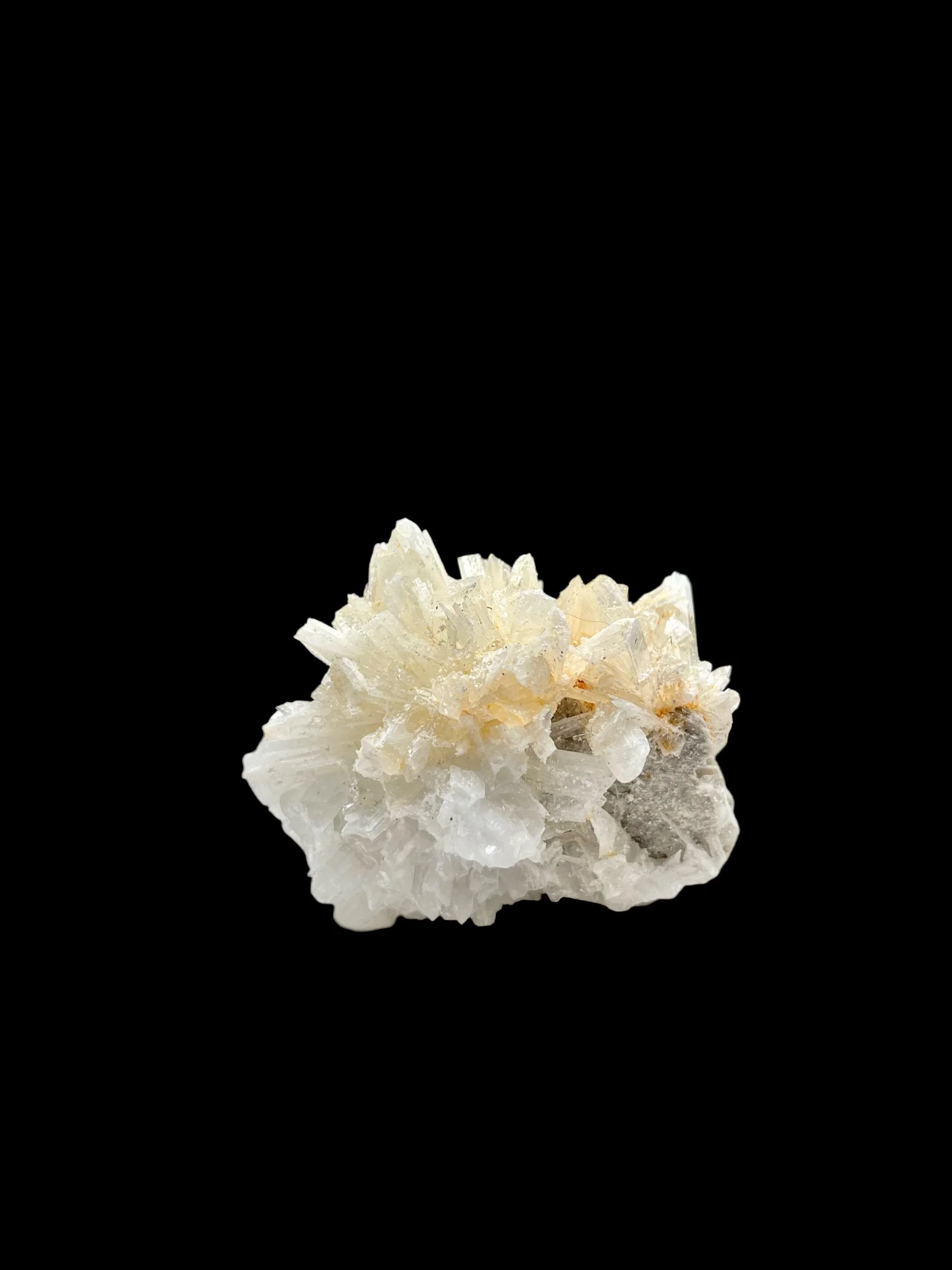
This elegant Calcite with Bladed Formations specimen showcases an uncommon crystal habit, with sharp, elongated calcite blades radiating naturally from the matrix. In natural light, the specimen is a soft white with a subtle pearly luster, emphasizing the layered, architectural growth of the crystals rather than massive calcite form.
Under ultraviolet light, the specimen reveals a vivid fluorescent response, transforming dramatically as the calcite glows in bright pink-orange tones. This fluorescence highlights internal growth zoning and crystal boundaries that are not immediately visible under ambient lighting, offering both visual impact and mineralogical insight.
The contrast between its gentle pastel appearance in daylight and its intense UV behavior makes this specimen especially appealing to collectors of both aesthetic calcite forms and fluorescent minerals.
Dimensions: 4.5” x 4.25” x 2.25”
Weight: 640g
Bladed calcite is significantly less common than rhombohedral or scalenohedral habits, forming only under specific chemical and spatial conditions. Specimens that preserve sharp blades and display strong UV fluorescence are increasingly difficult to source, particularly in undamaged condition.
This piece serves equally well as a display specimen and as an educational example of calcite’s structural and optical diversity.
Natural calcite with pronounced bladed crystal habit
Well-defined crystal edges and layered growth
Strong fluorescence under ultraviolet light
Dramatic color shift between natural and UV light
Collector-grade calcite specimen
Excellent contrast, form, and preservation
Calcite is often associated with emotional balance and gentle energy. These interpretations are provided for cultural and historical interest only.
Mineral: Calcite (CaCO₃)
Crystal System: Trigonal
Habit: Bladed
Formation: Precipitation from calcium-rich fluids, with directional growth producing elongated crystal blades
Calcite’s wide range of crystal habits reflects subtle changes in temperature, fluid chemistry, and available growth space. Bladed forms indicate sustained directional growth rather than rapid mass crystallization.
This specimen fluoresces brightly under ultraviolet light, displaying intense orange to red coloration. Fluorescence in calcite is caused by trace activator elements incorporated during crystal growth and varies depending on wavelength and viewing conditions.
This specimen exhibits natural crystal terminations, surface textures, and fluorescence consistent with untreated calcite. No dyes, coatings, or artificial enhancements have been applied. UV response is entirely natural.
This elegant Calcite with Bladed Formations specimen showcases an uncommon crystal habit, with sharp, elongated calcite blades radiating naturally from the matrix. In natural light, the specimen is a soft white with a subtle pearly luster, emphasizing the layered, architectural growth of the crystals rather than massive calcite form.
Under ultraviolet light, the specimen reveals a vivid fluorescent response, transforming dramatically as the calcite glows in bright pink-orange tones. This fluorescence highlights internal growth zoning and crystal boundaries that are not immediately visible under ambient lighting, offering both visual impact and mineralogical insight.
The contrast between its gentle pastel appearance in daylight and its intense UV behavior makes this specimen especially appealing to collectors of both aesthetic calcite forms and fluorescent minerals.
Dimensions: 4.5” x 4.25” x 2.25”
Weight: 640g
Bladed calcite is significantly less common than rhombohedral or scalenohedral habits, forming only under specific chemical and spatial conditions. Specimens that preserve sharp blades and display strong UV fluorescence are increasingly difficult to source, particularly in undamaged condition.
This piece serves equally well as a display specimen and as an educational example of calcite’s structural and optical diversity.
Natural calcite with pronounced bladed crystal habit
Well-defined crystal edges and layered growth
Strong fluorescence under ultraviolet light
Dramatic color shift between natural and UV light
Collector-grade calcite specimen
Excellent contrast, form, and preservation
Calcite is often associated with emotional balance and gentle energy. These interpretations are provided for cultural and historical interest only.
Mineral: Calcite (CaCO₃)
Crystal System: Trigonal
Habit: Bladed
Formation: Precipitation from calcium-rich fluids, with directional growth producing elongated crystal blades
Calcite’s wide range of crystal habits reflects subtle changes in temperature, fluid chemistry, and available growth space. Bladed forms indicate sustained directional growth rather than rapid mass crystallization.
This specimen fluoresces brightly under ultraviolet light, displaying intense orange to red coloration. Fluorescence in calcite is caused by trace activator elements incorporated during crystal growth and varies depending on wavelength and viewing conditions.
This specimen exhibits natural crystal terminations, surface textures, and fluorescence consistent with untreated calcite. No dyes, coatings, or artificial enhancements have been applied. UV response is entirely natural.