 Image 1 of 5
 Image 2 of 5
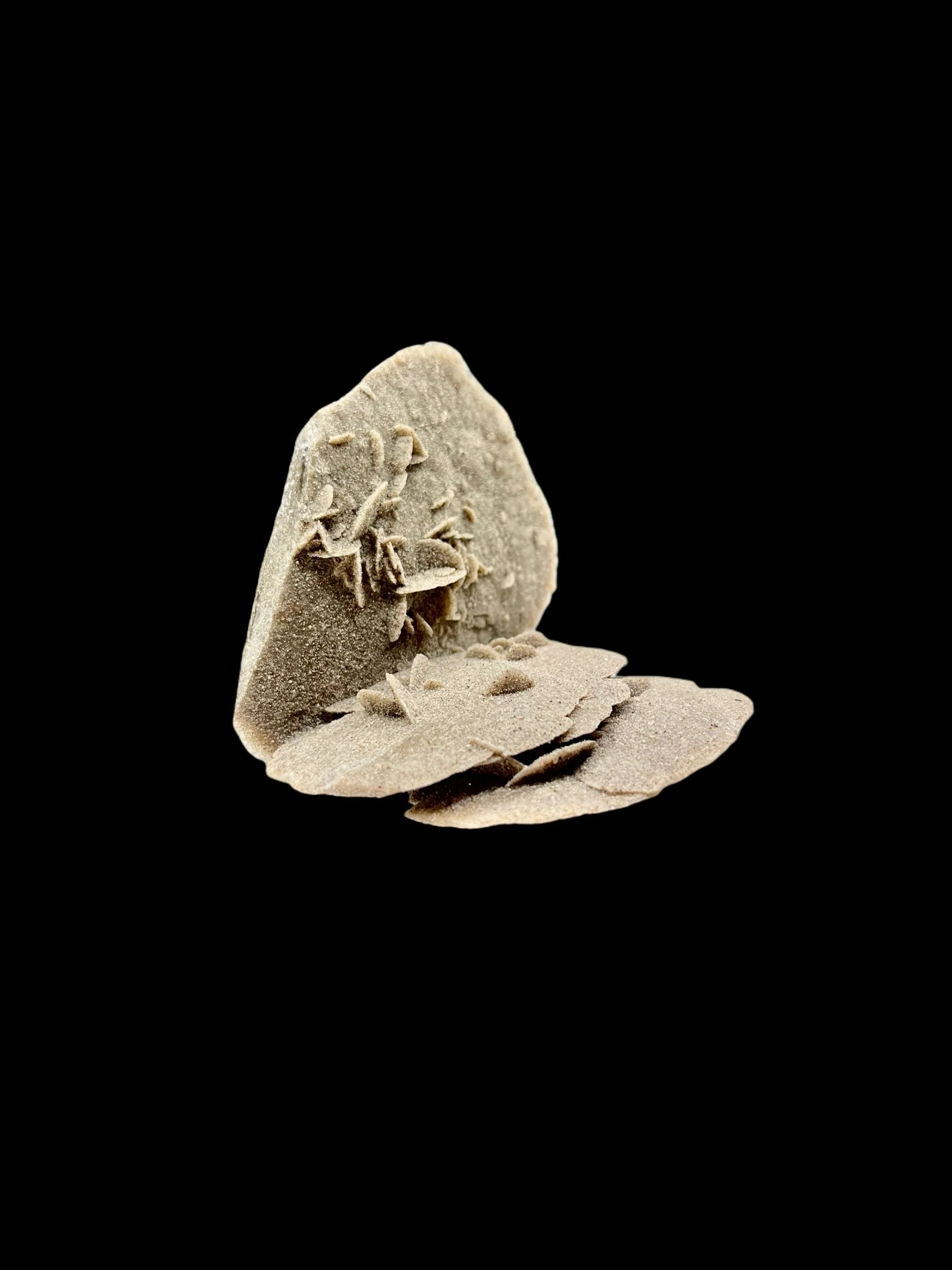 Image 3 of 5
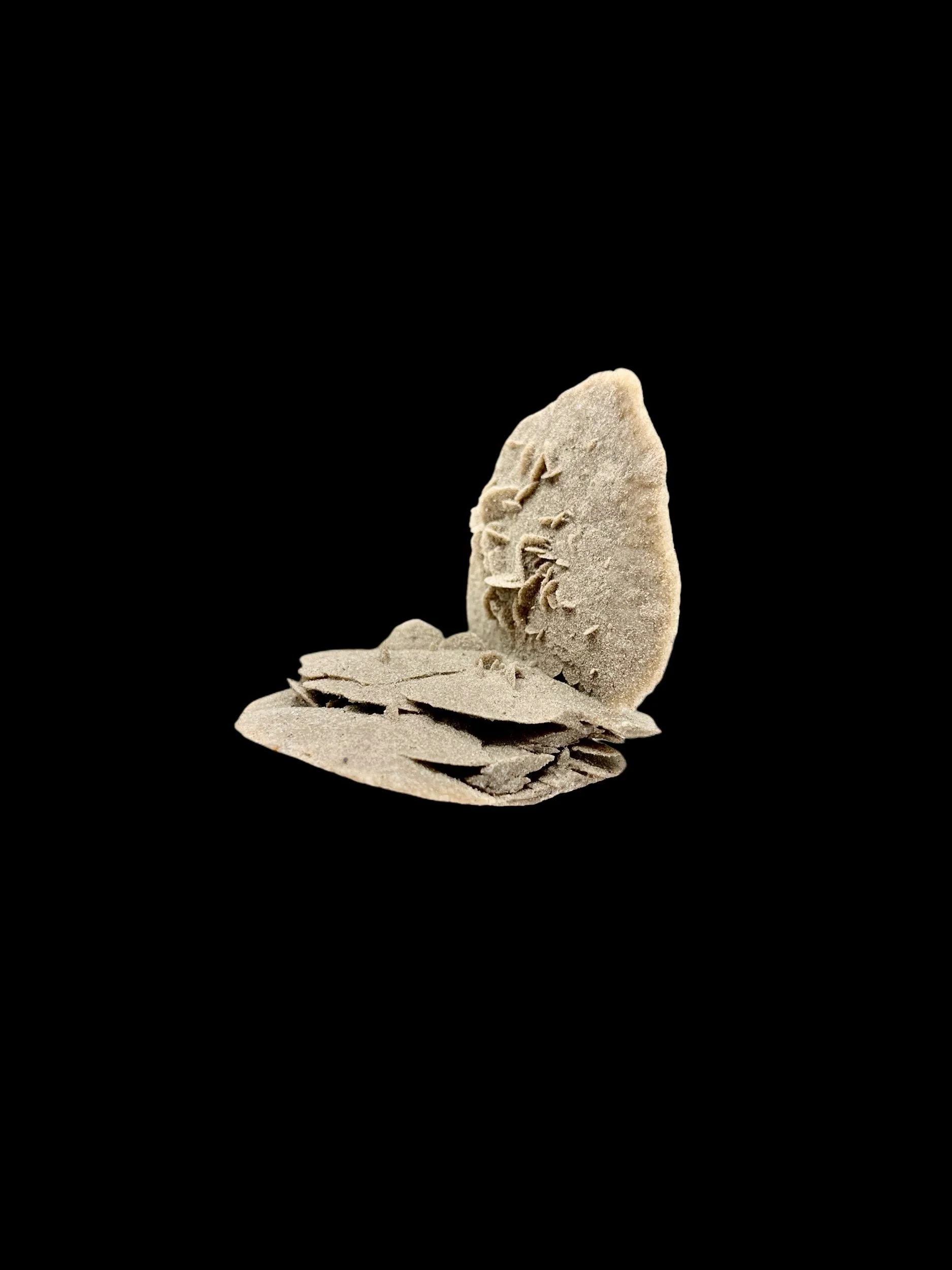 Image 4 of 5
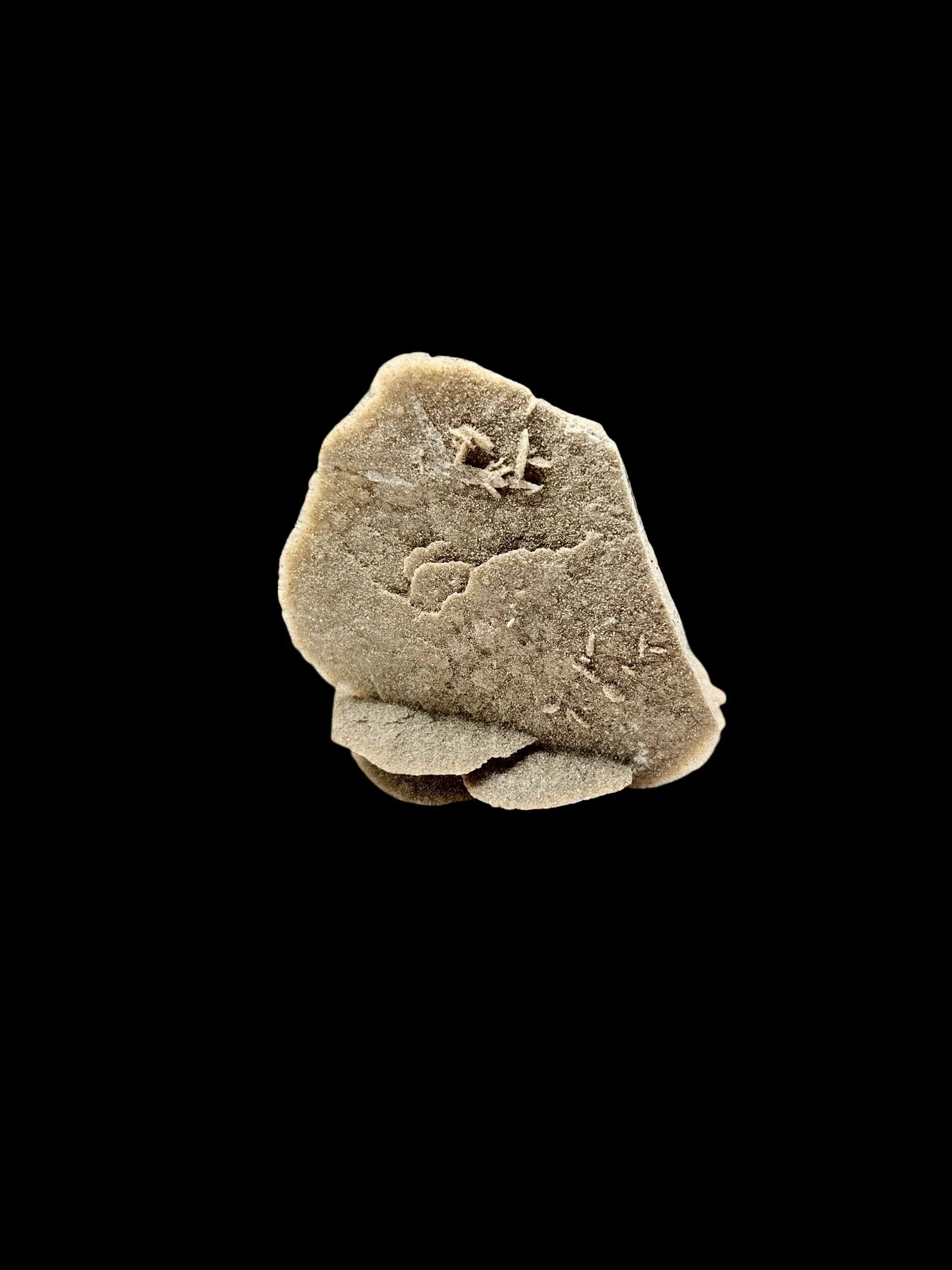 Image 5 of 5
Description
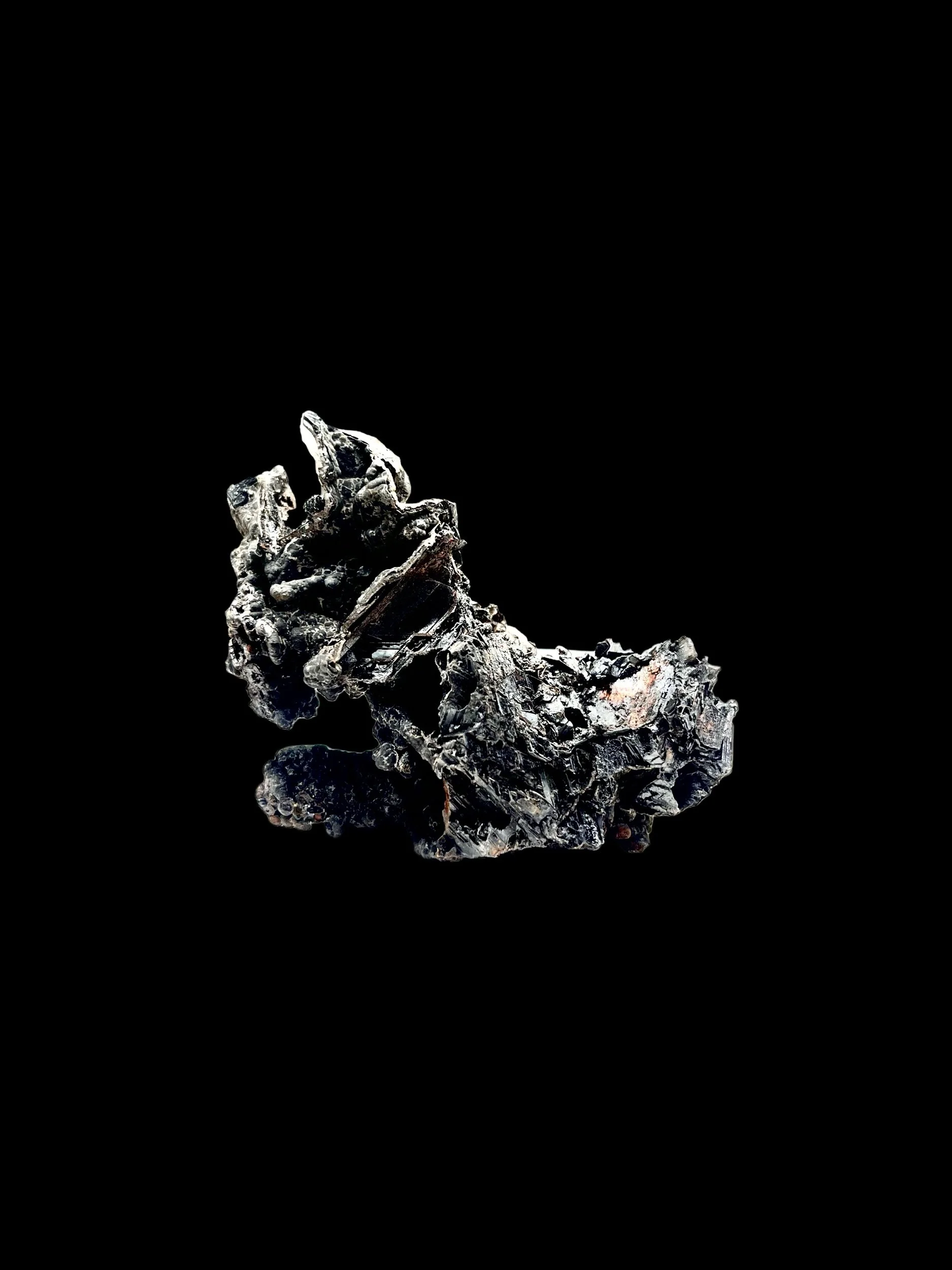
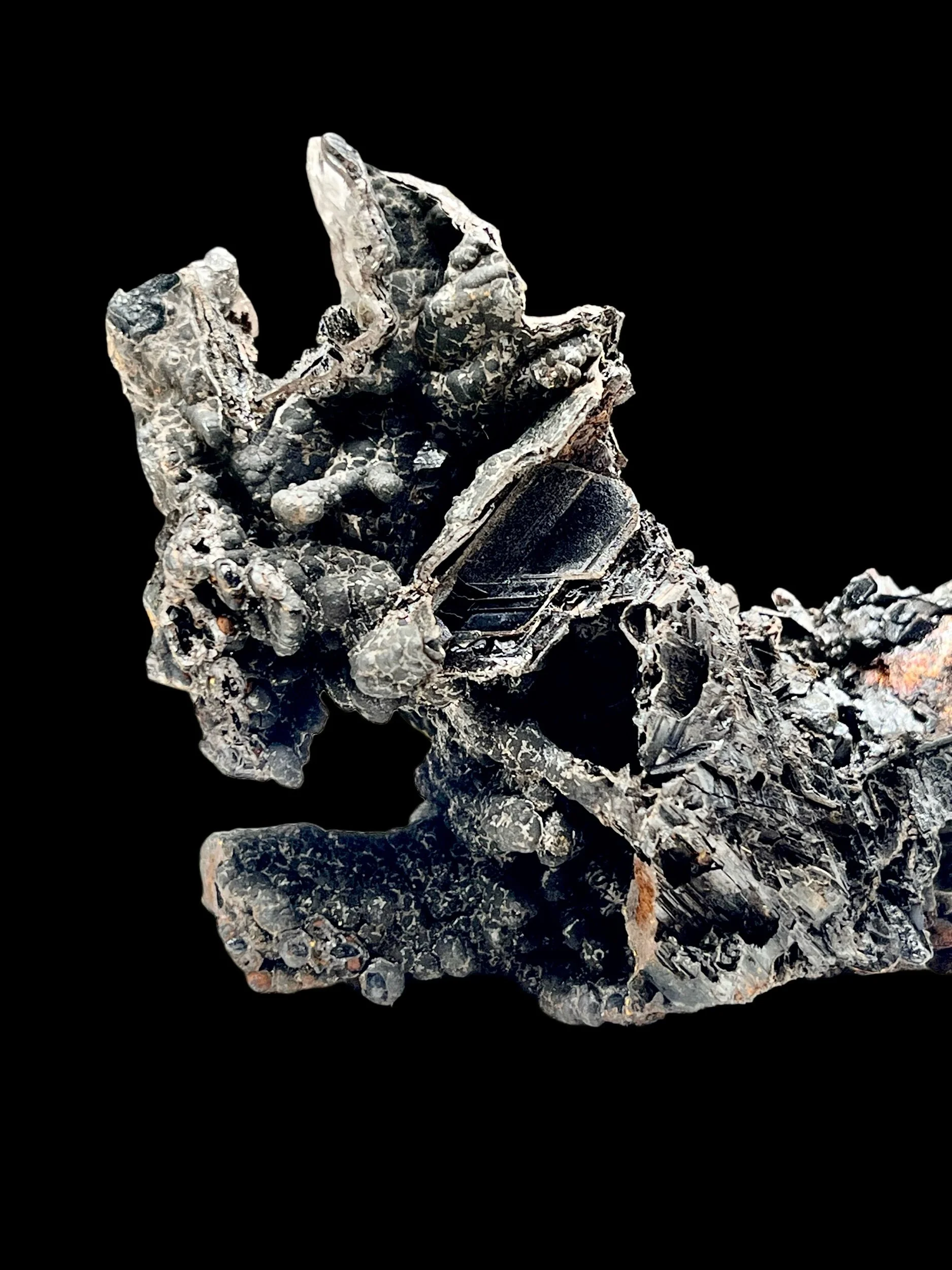
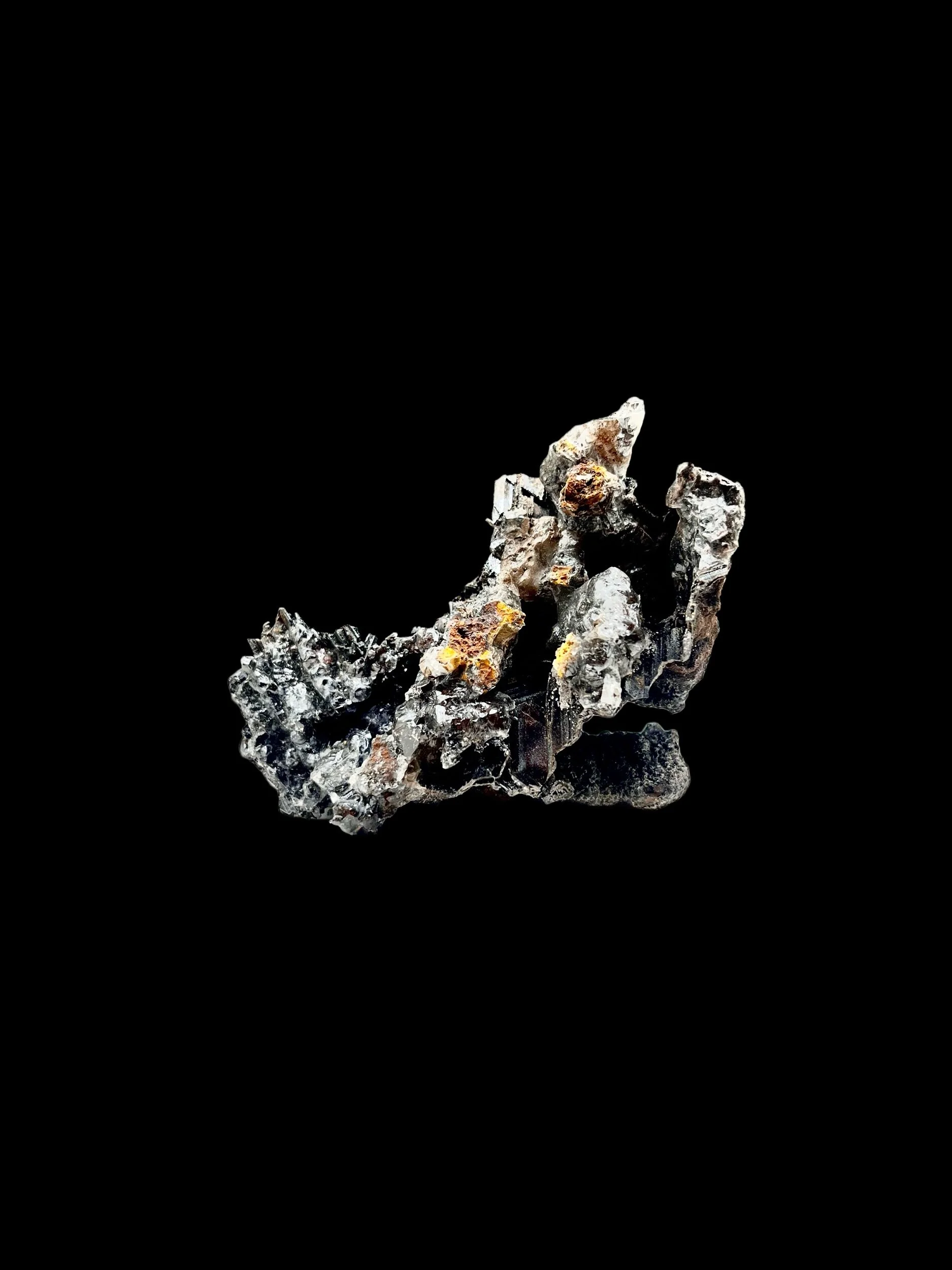
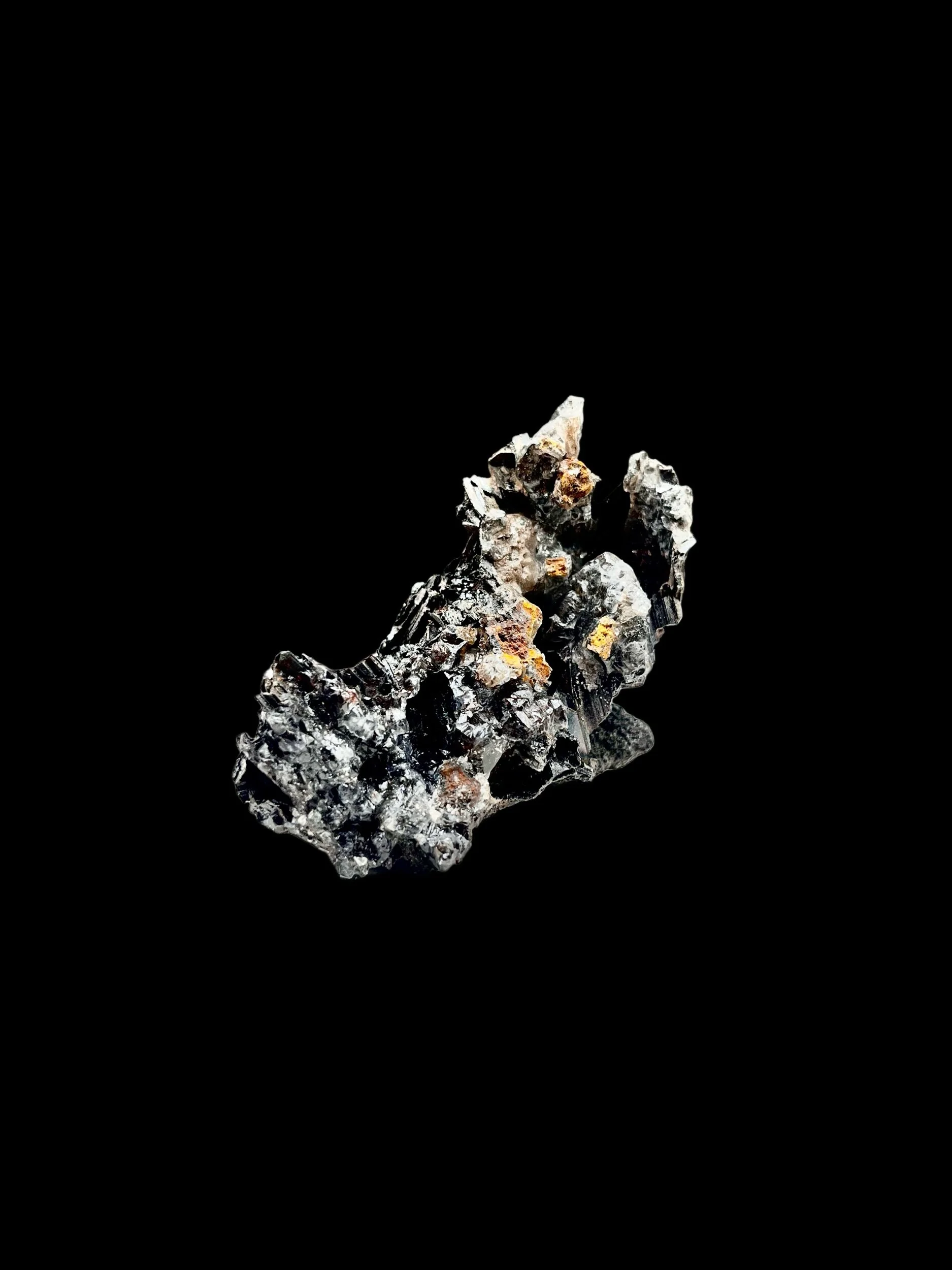
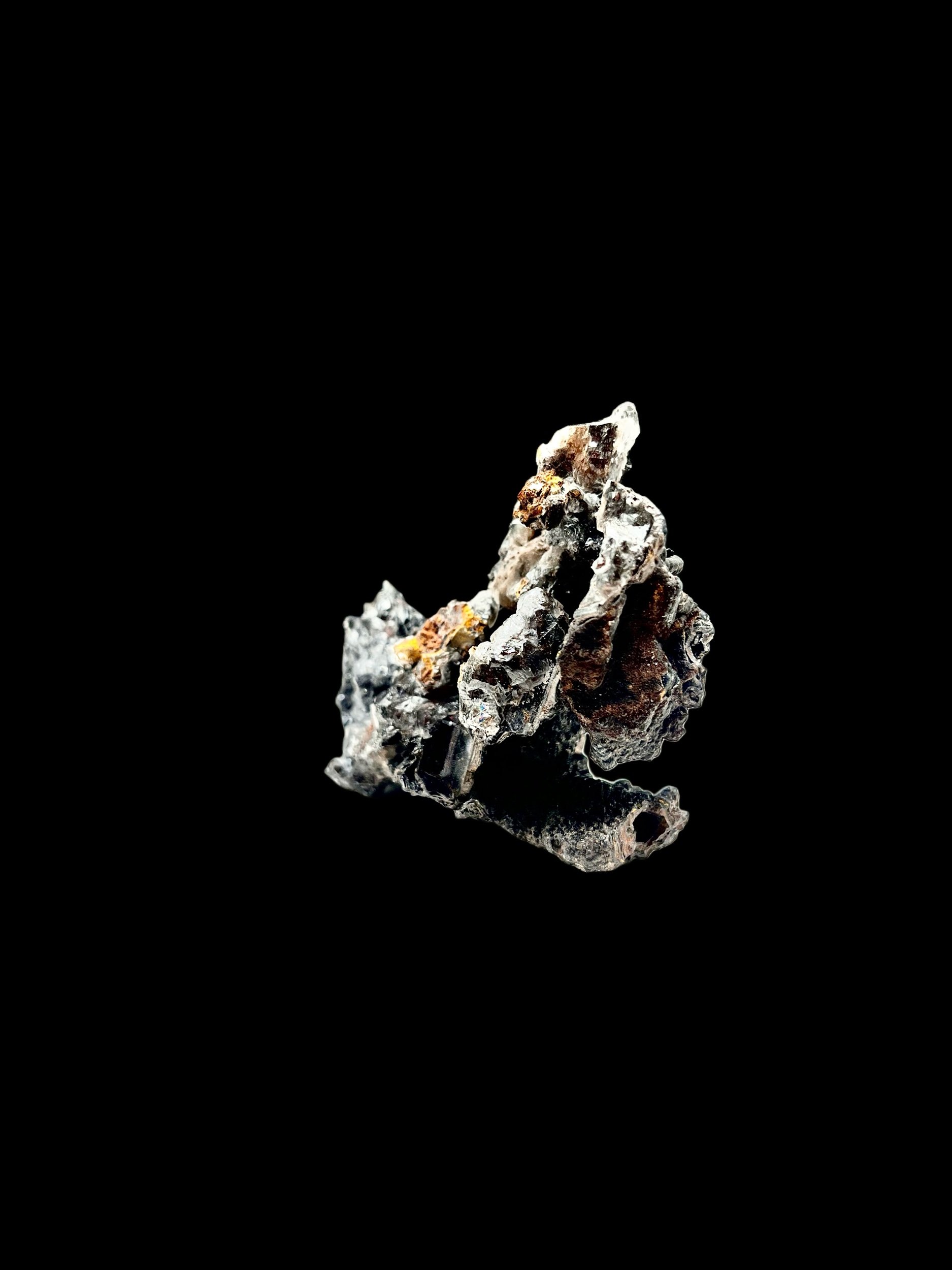
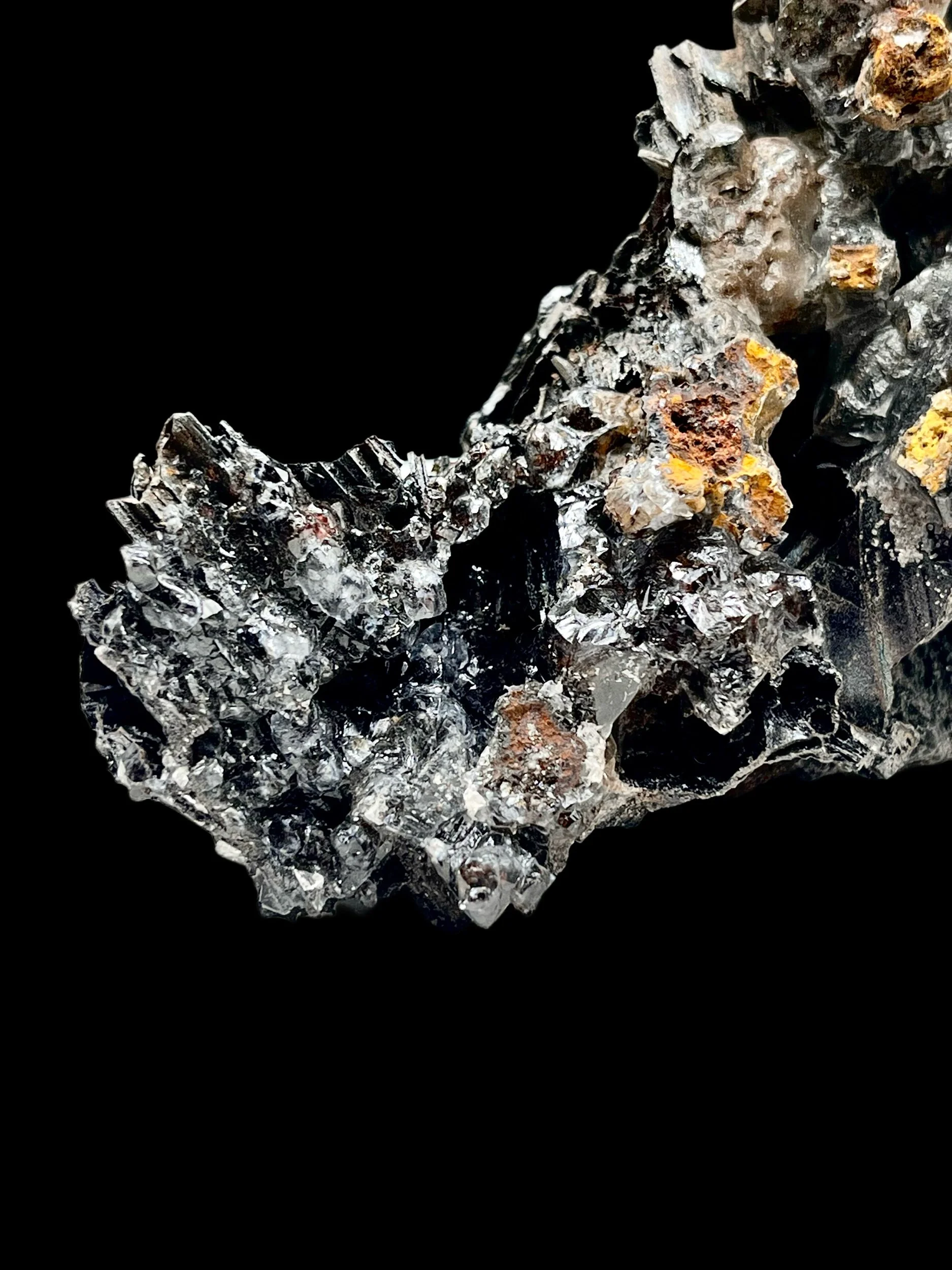
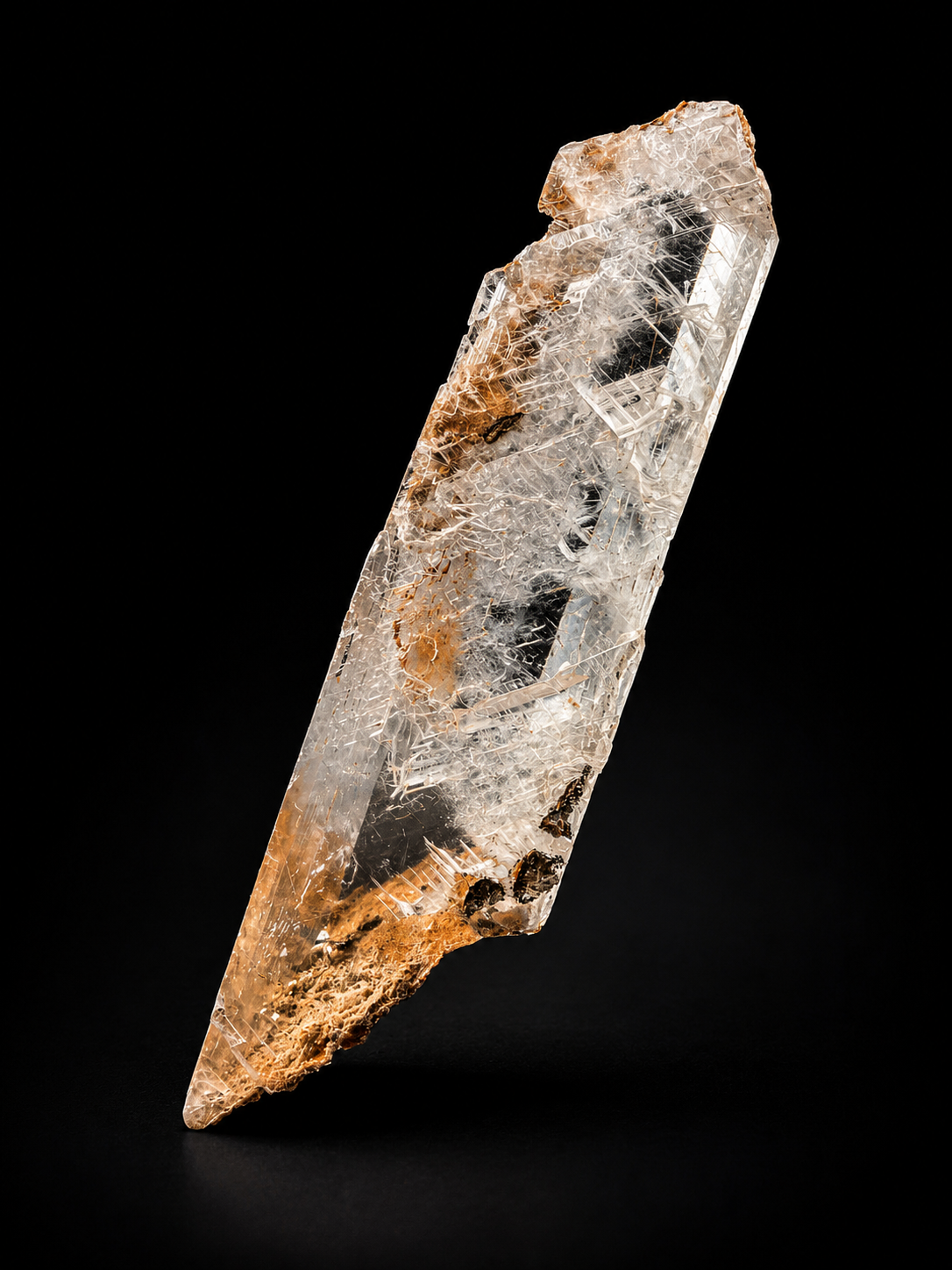
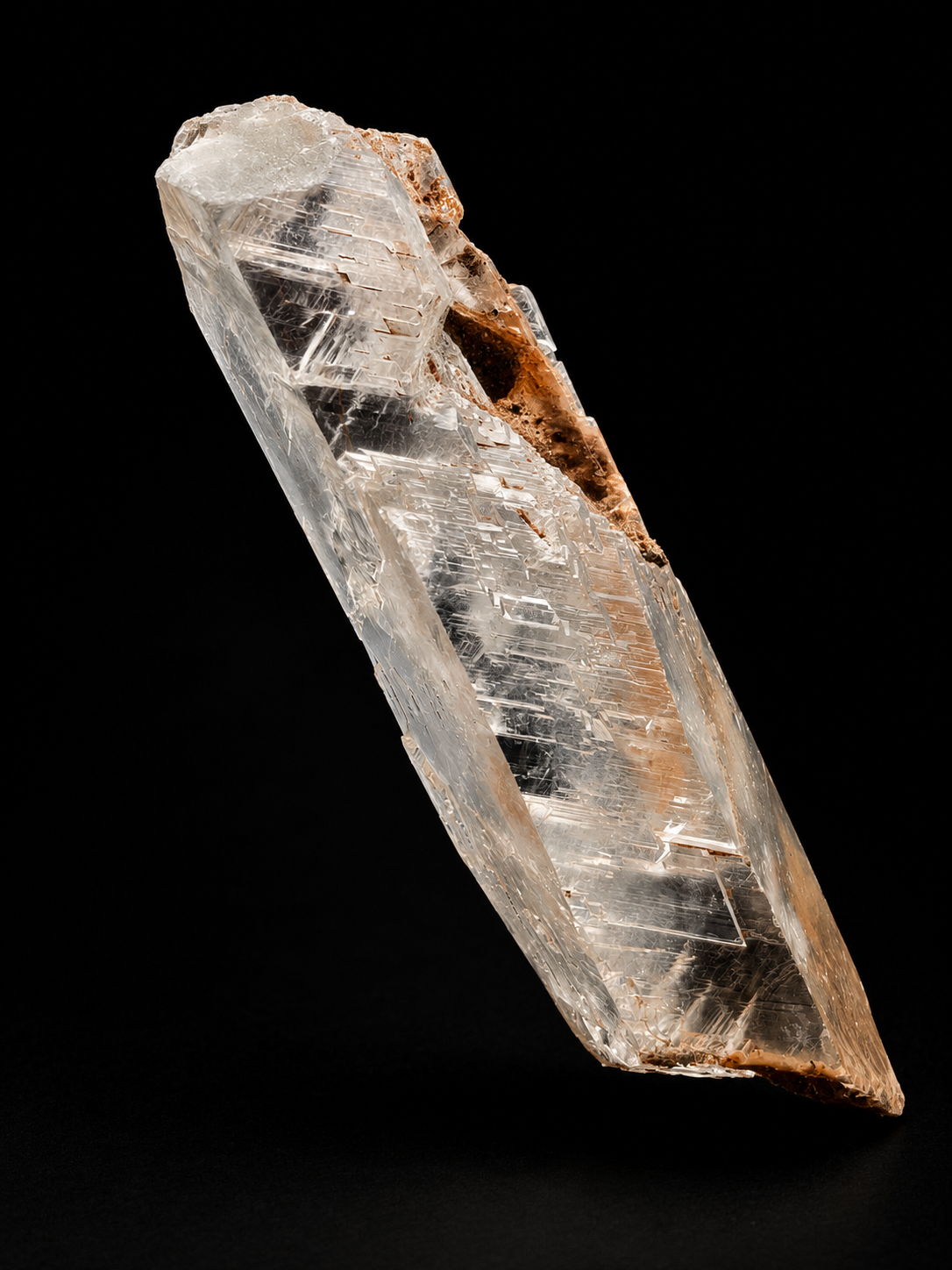
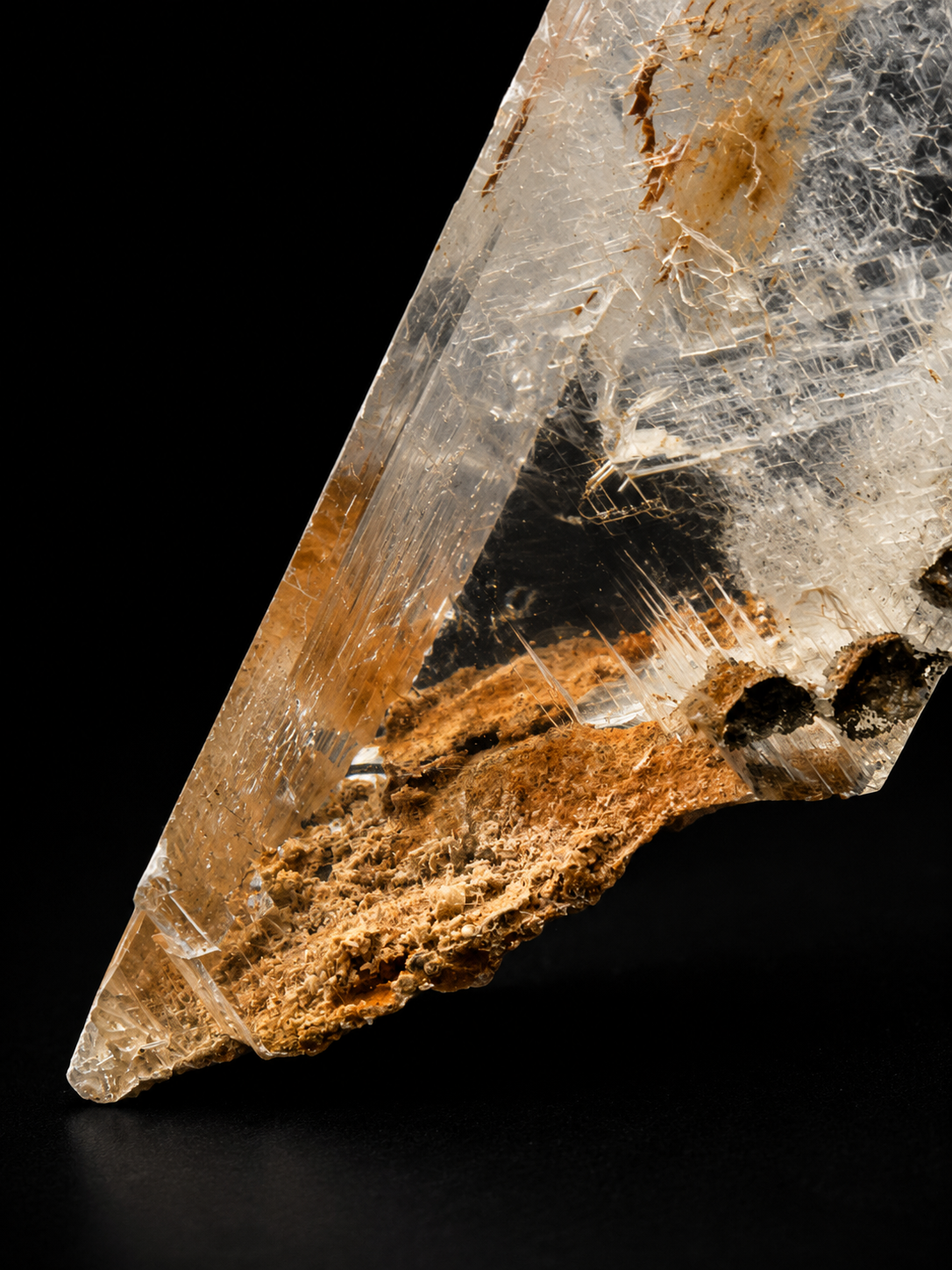
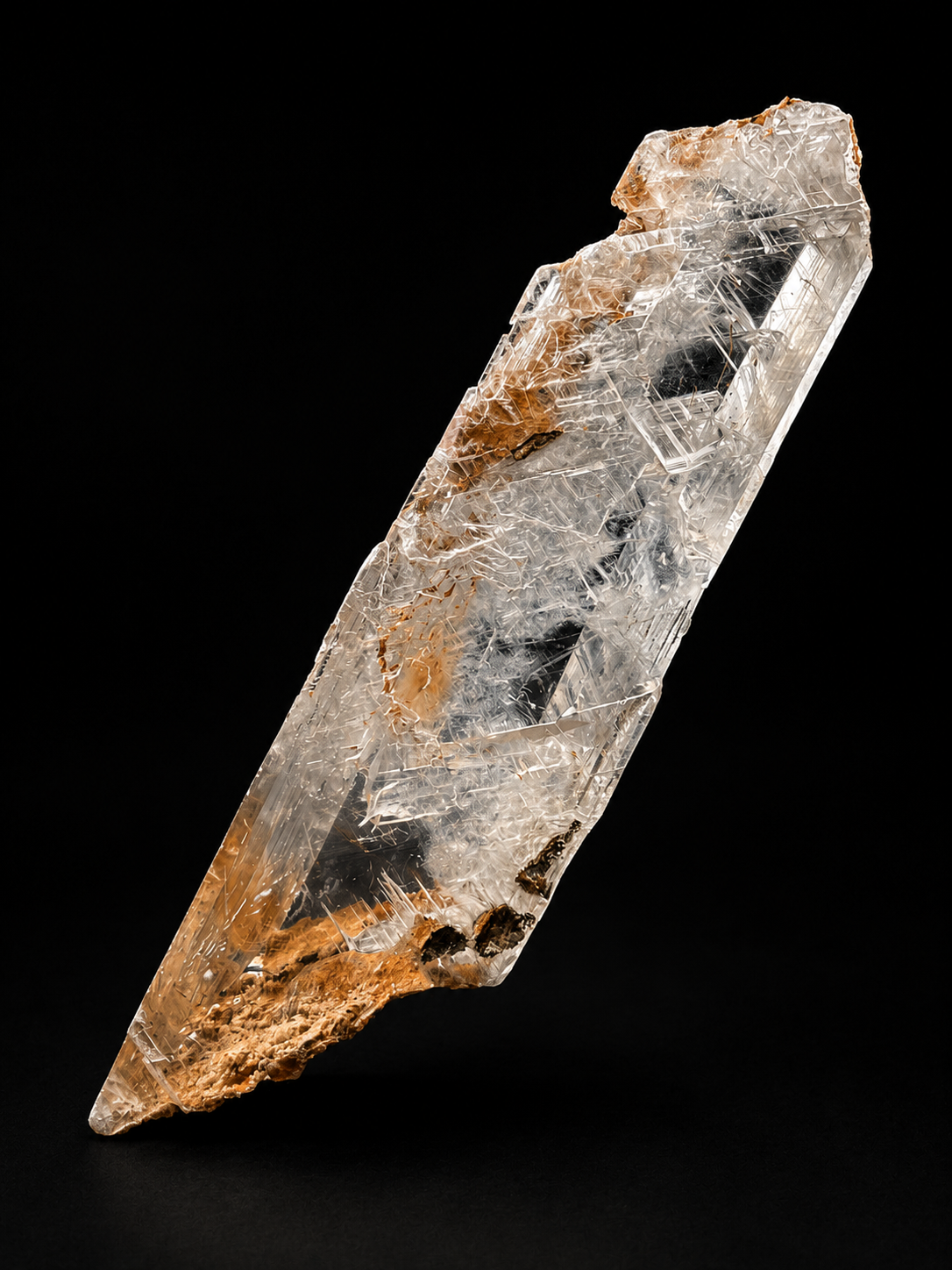
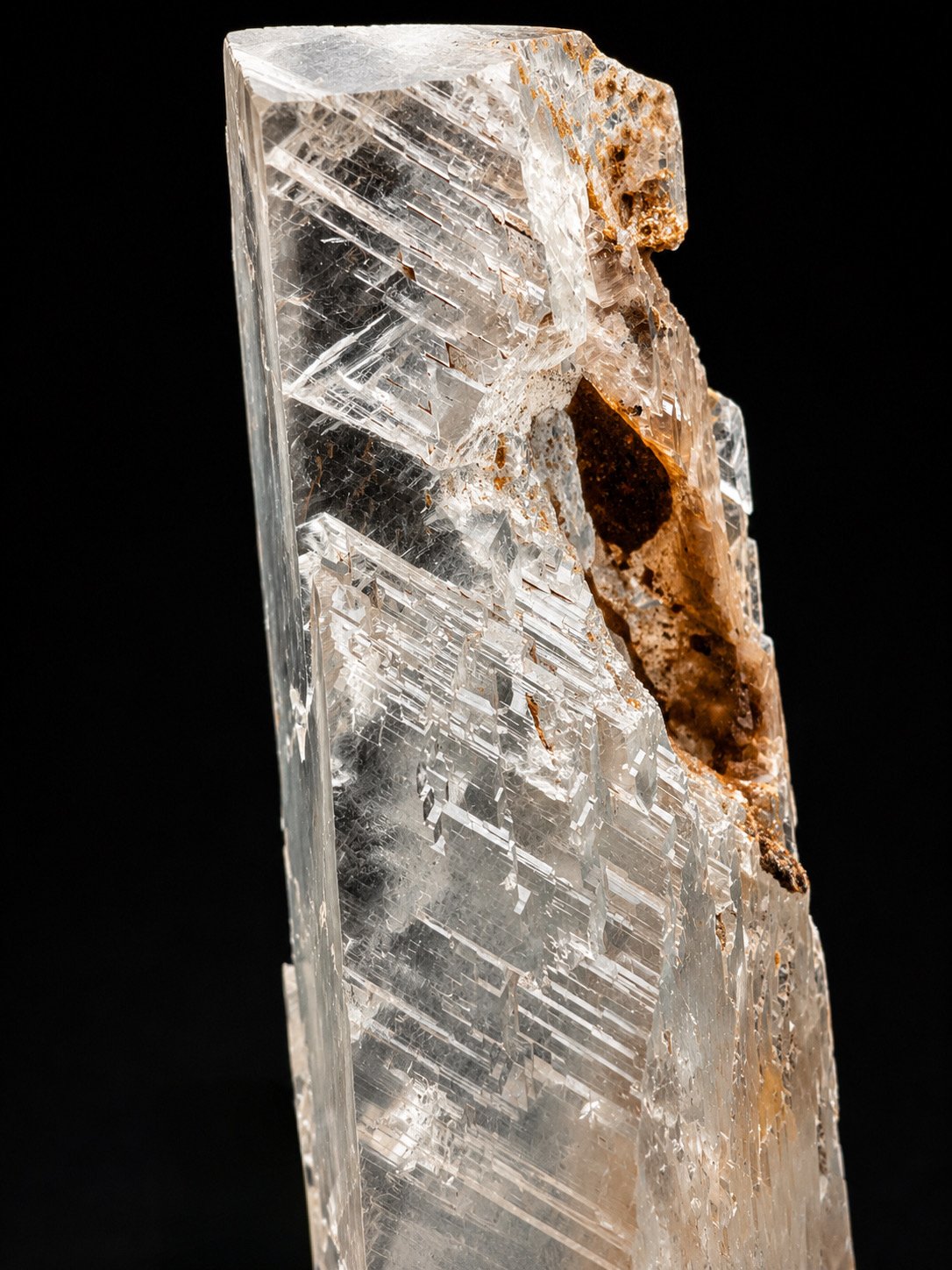
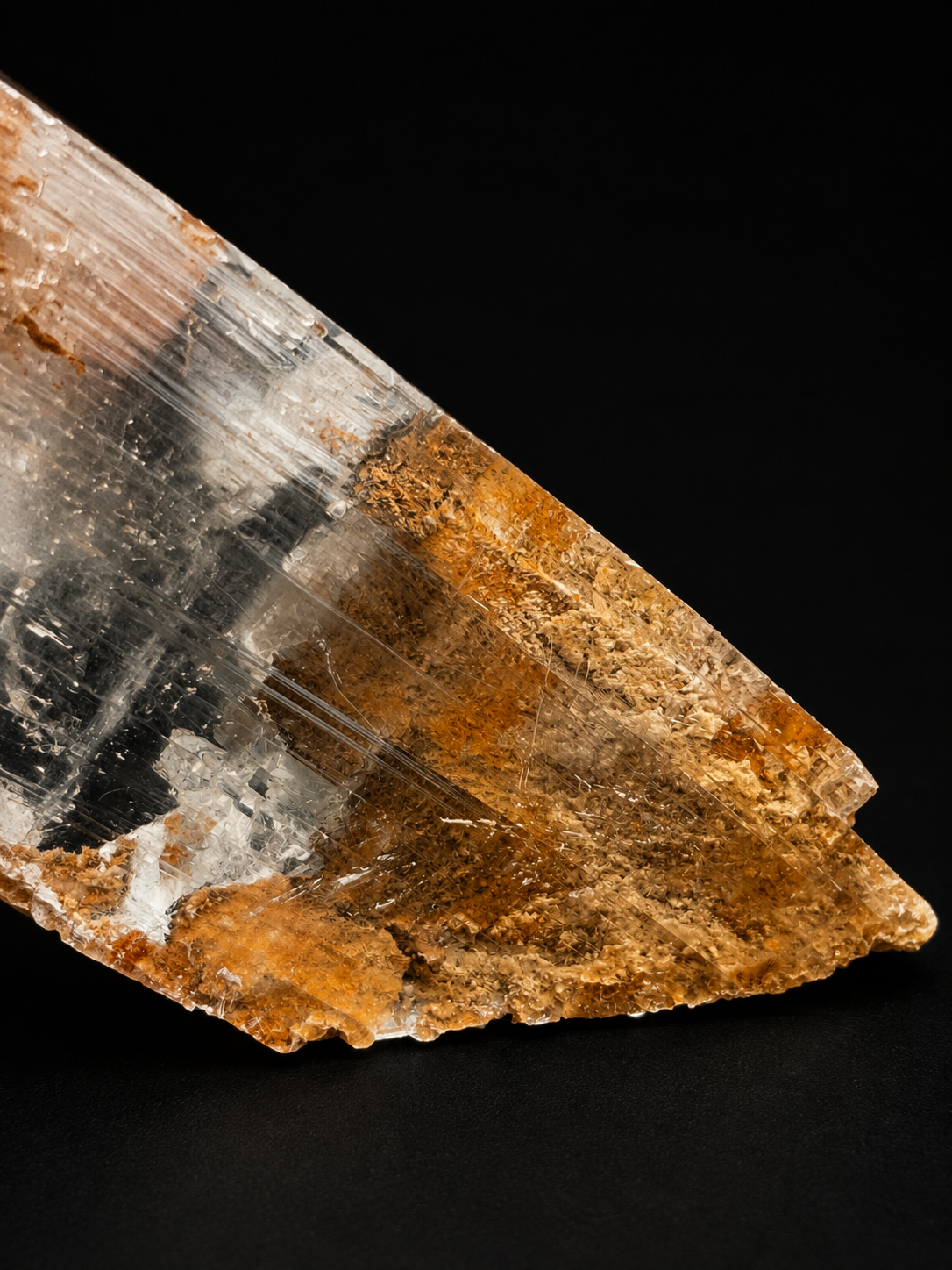
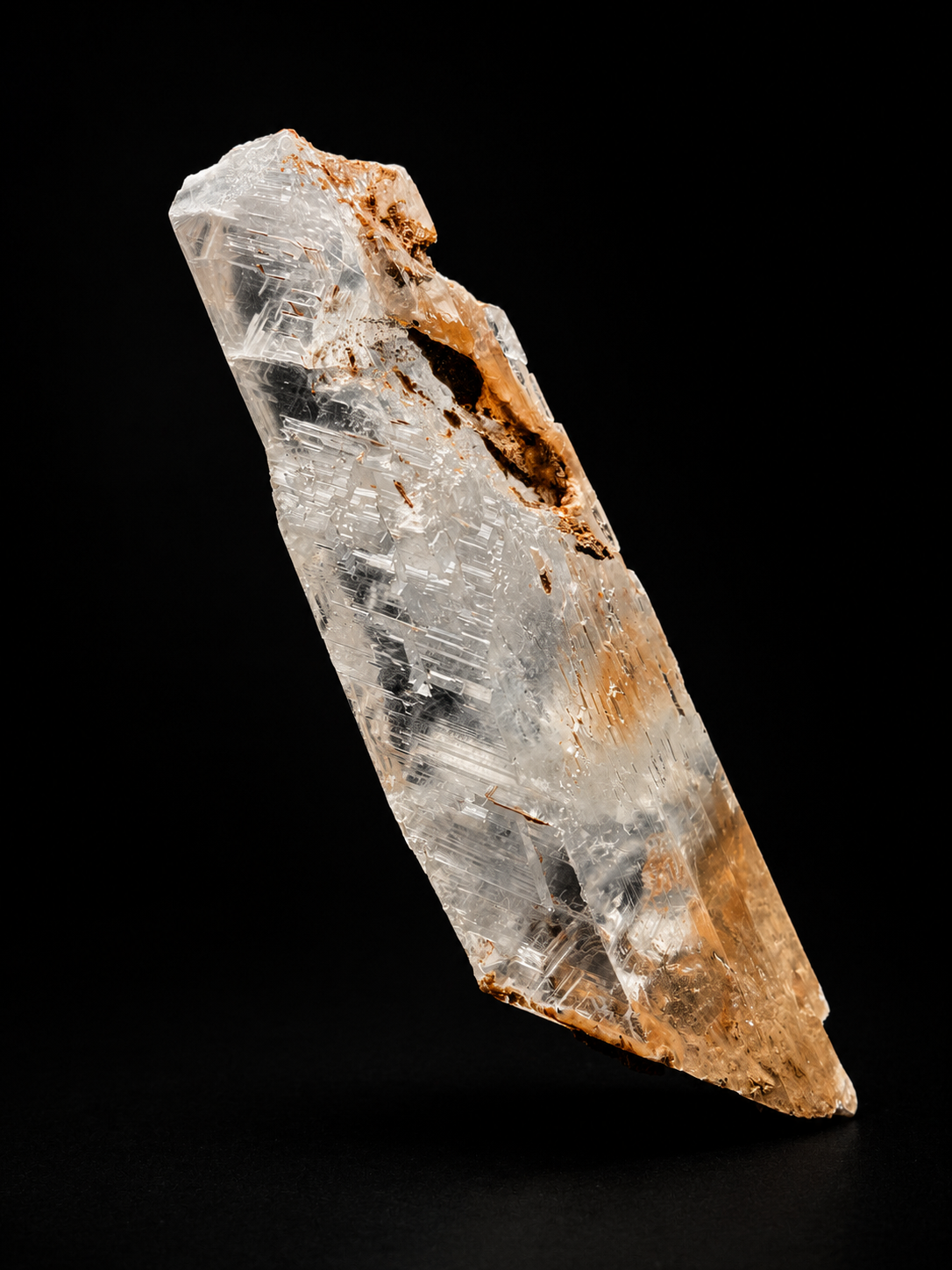
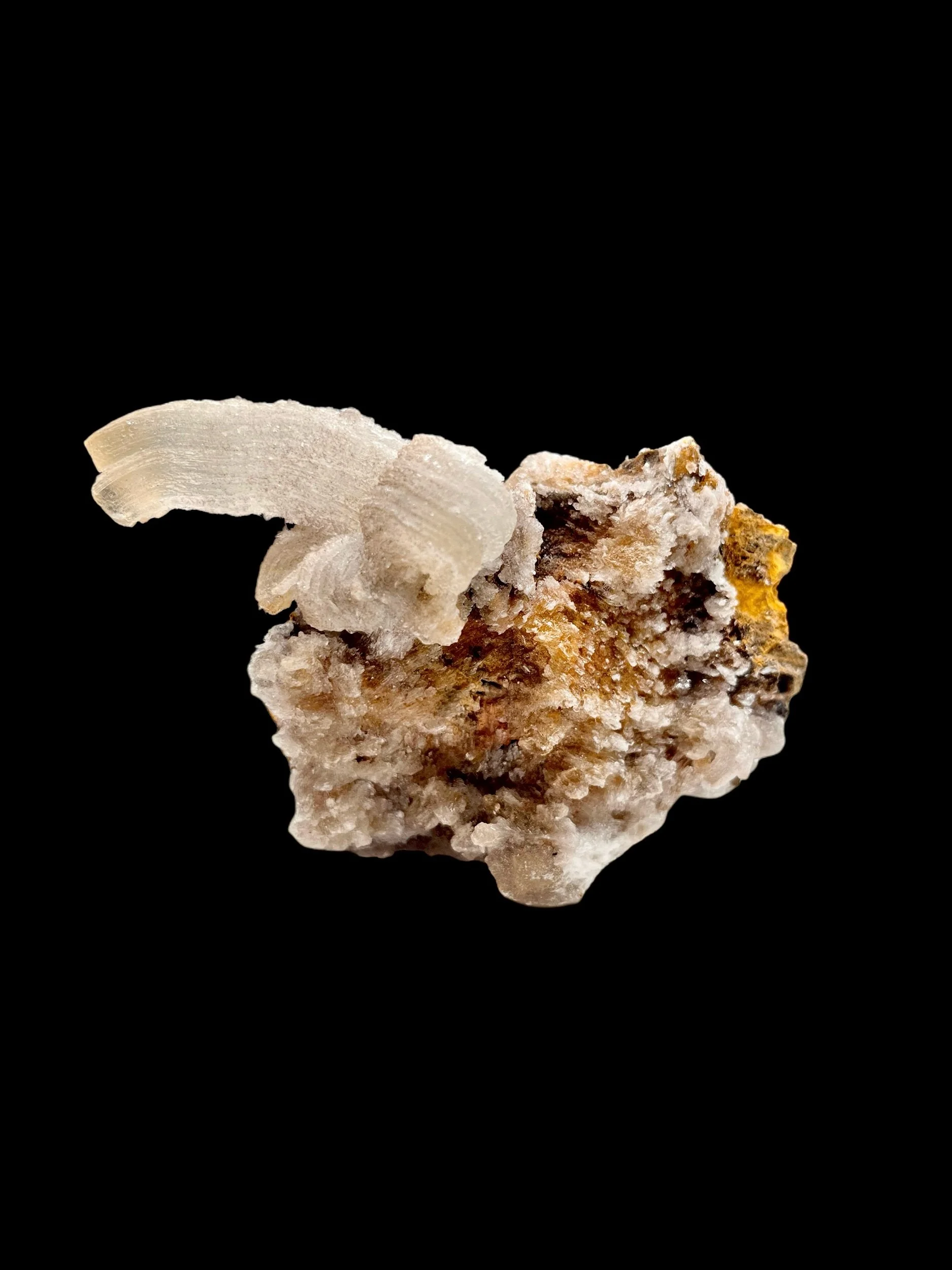
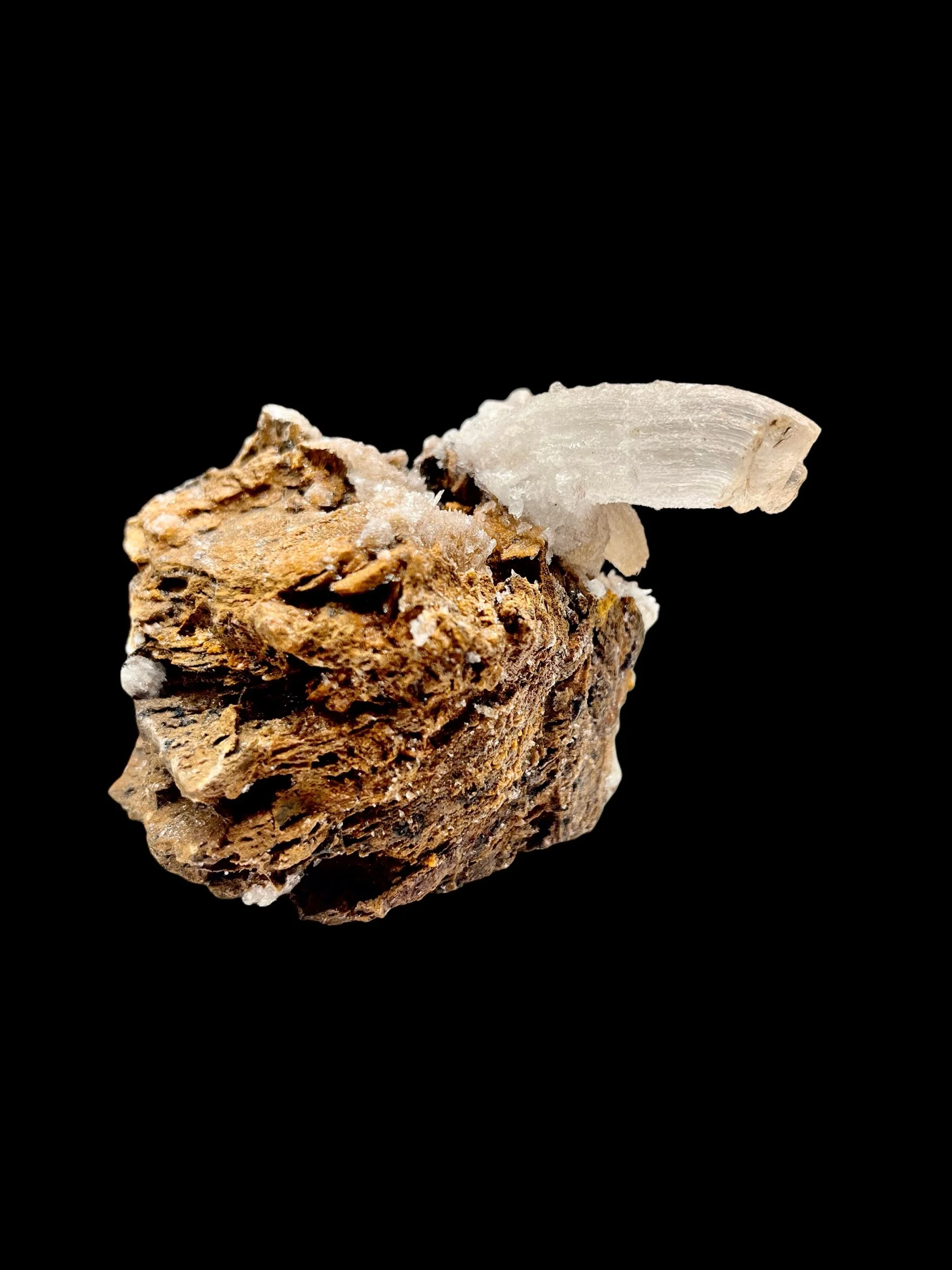
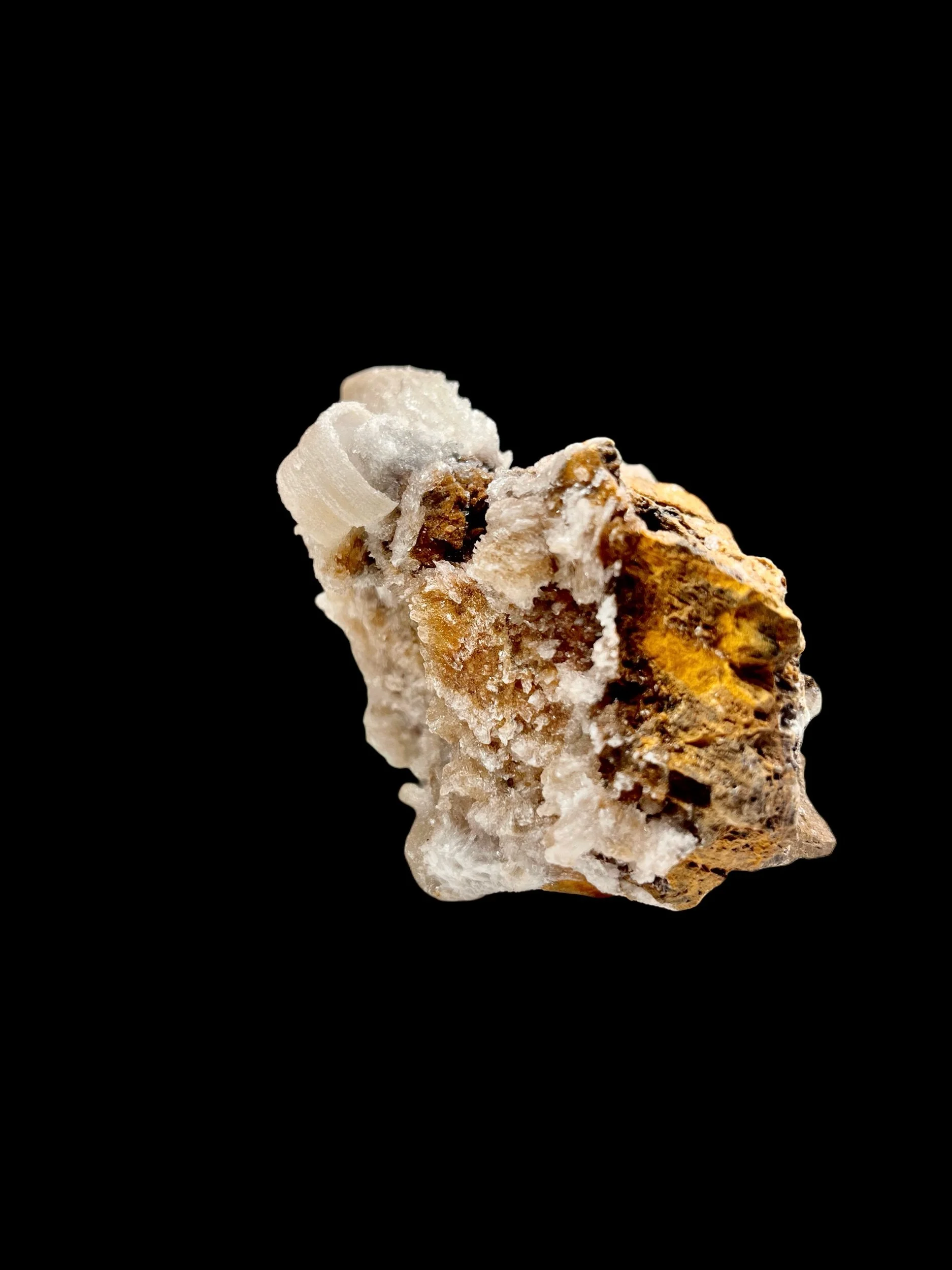
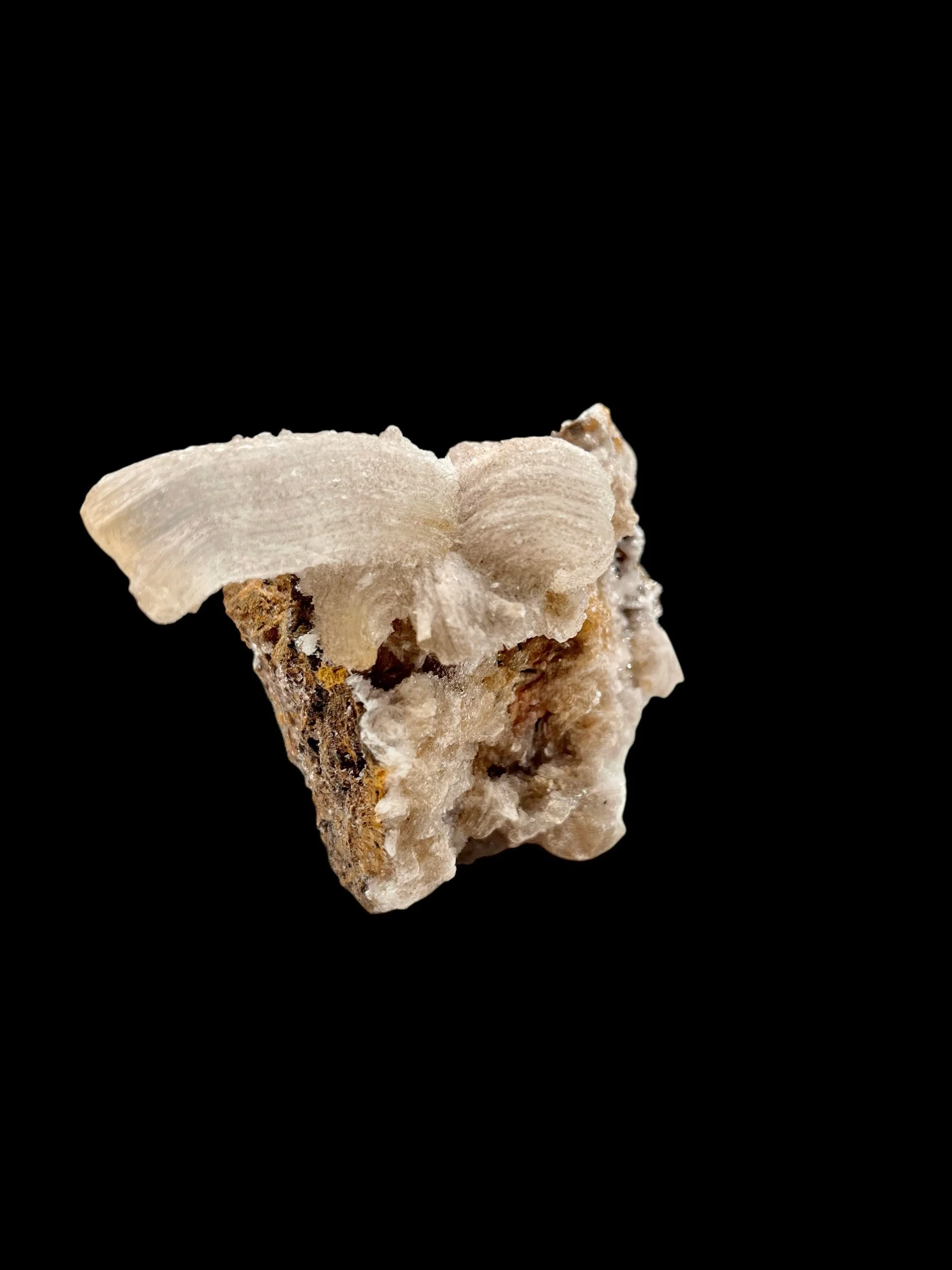
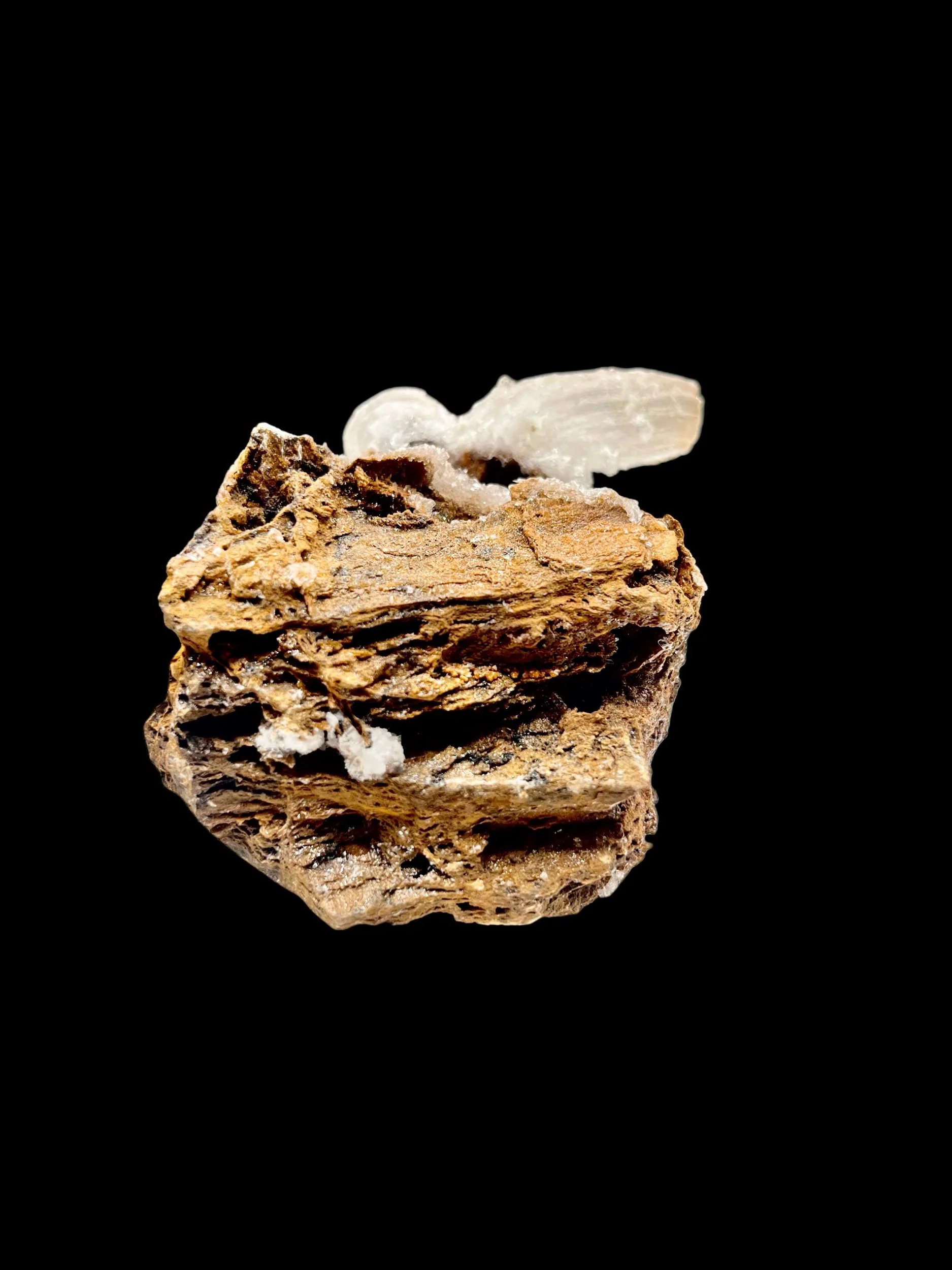
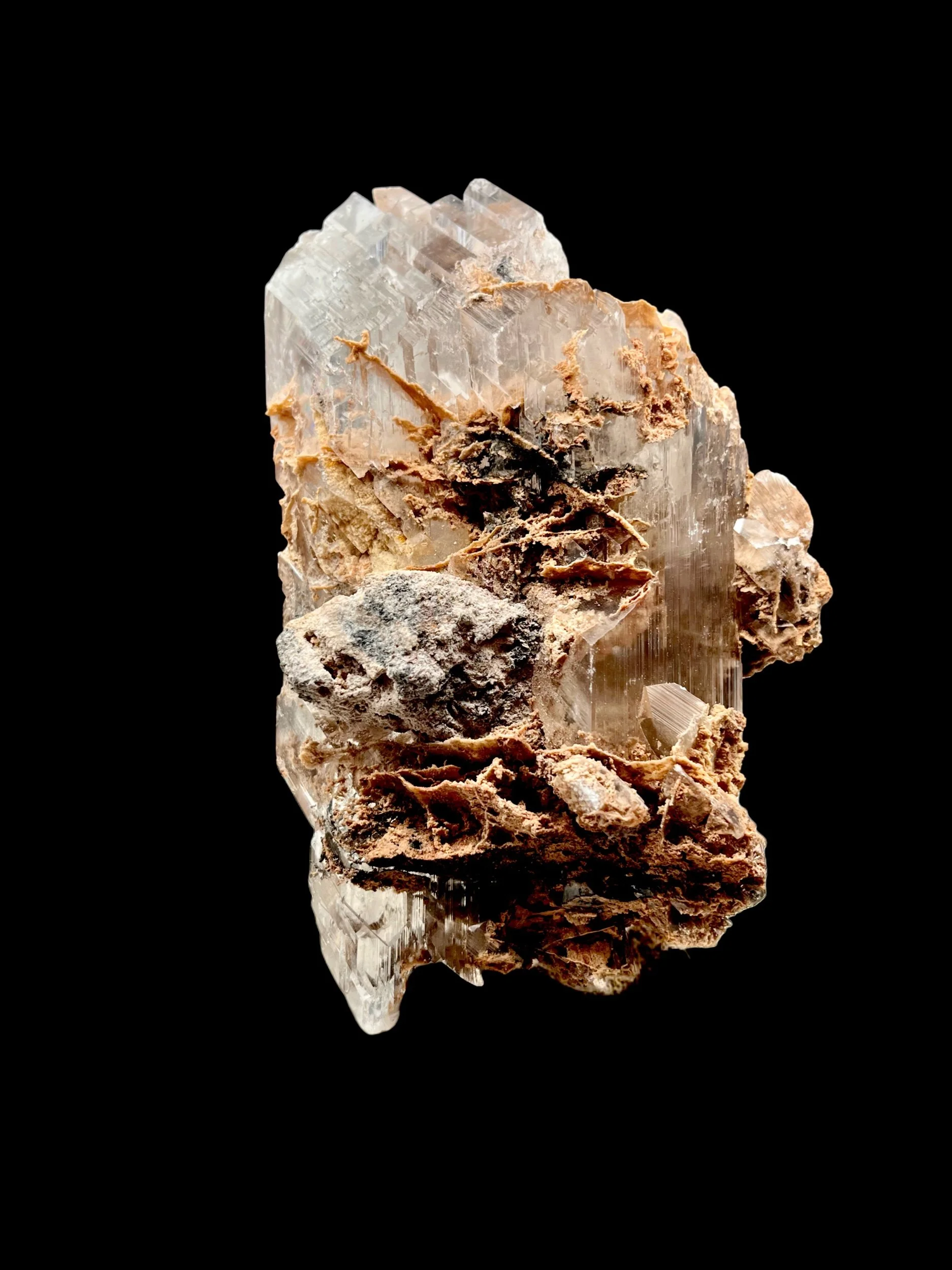
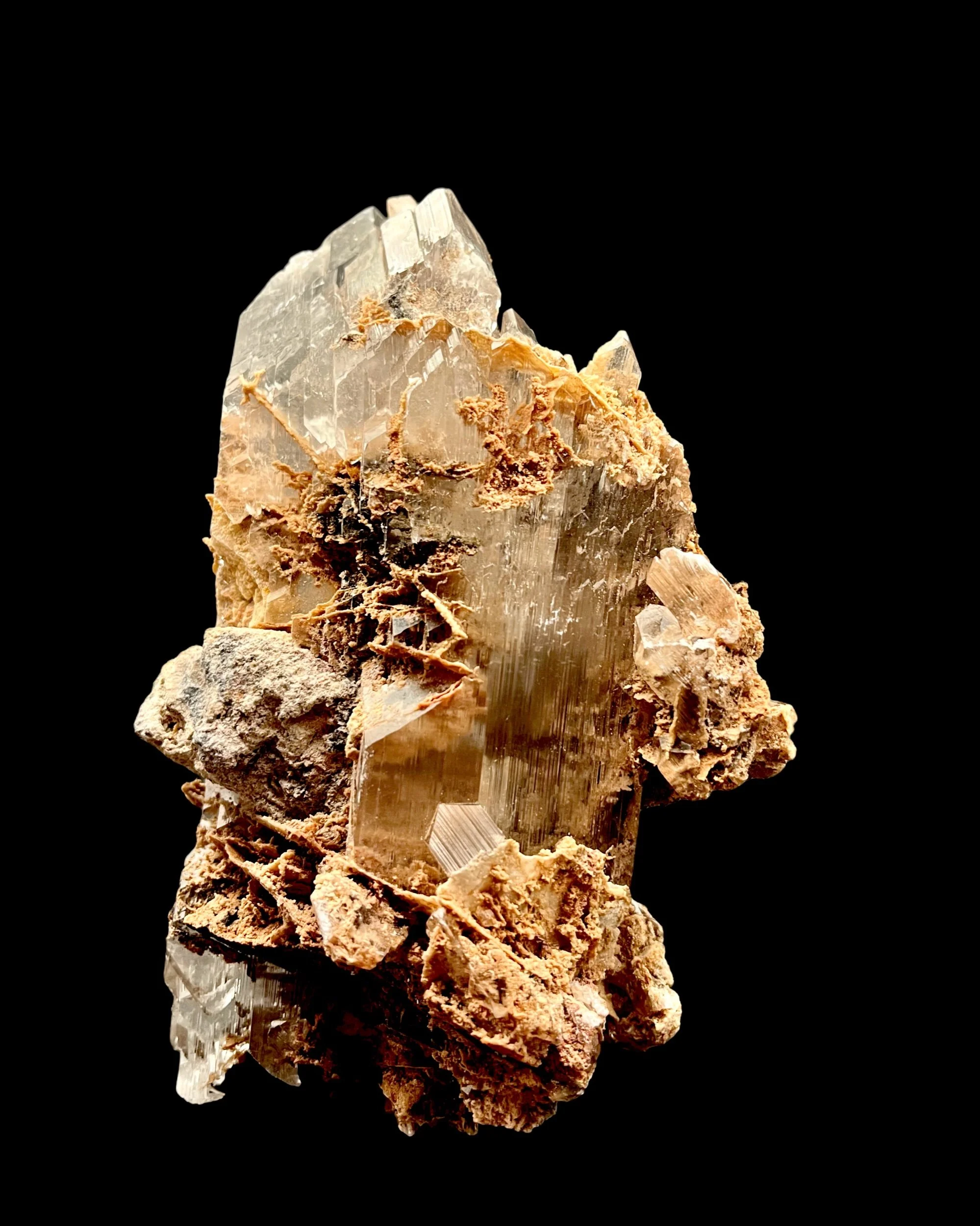
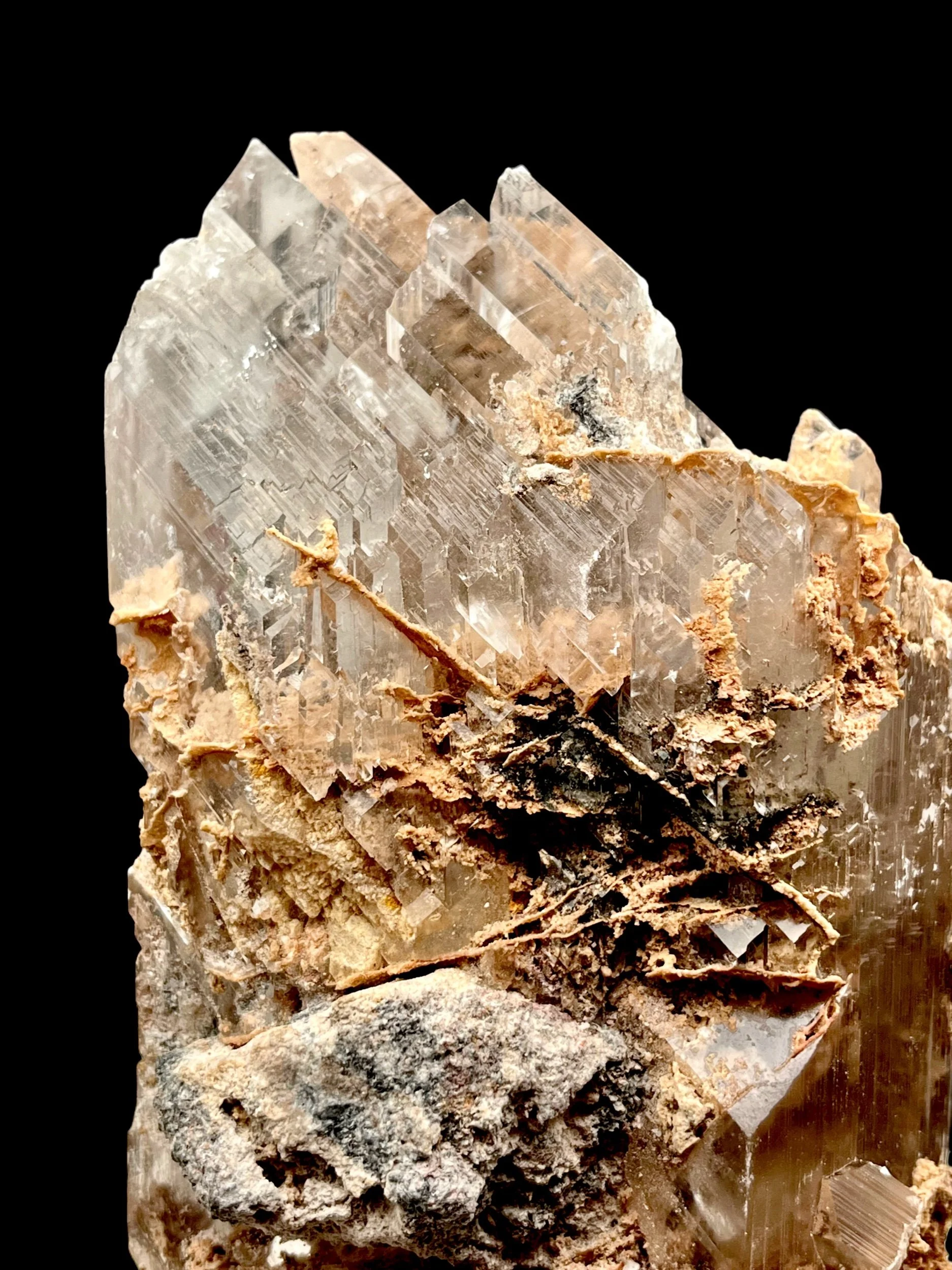
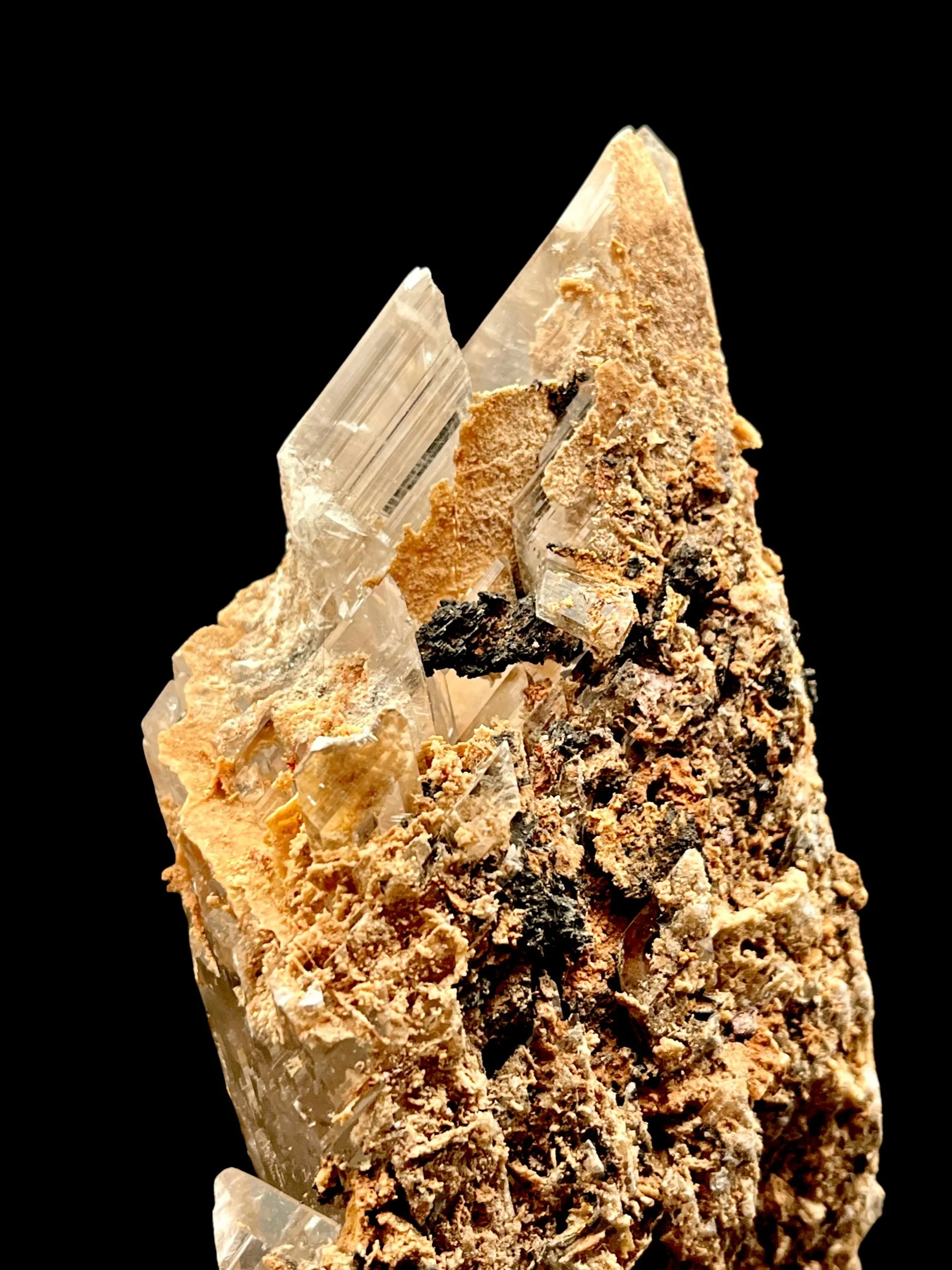
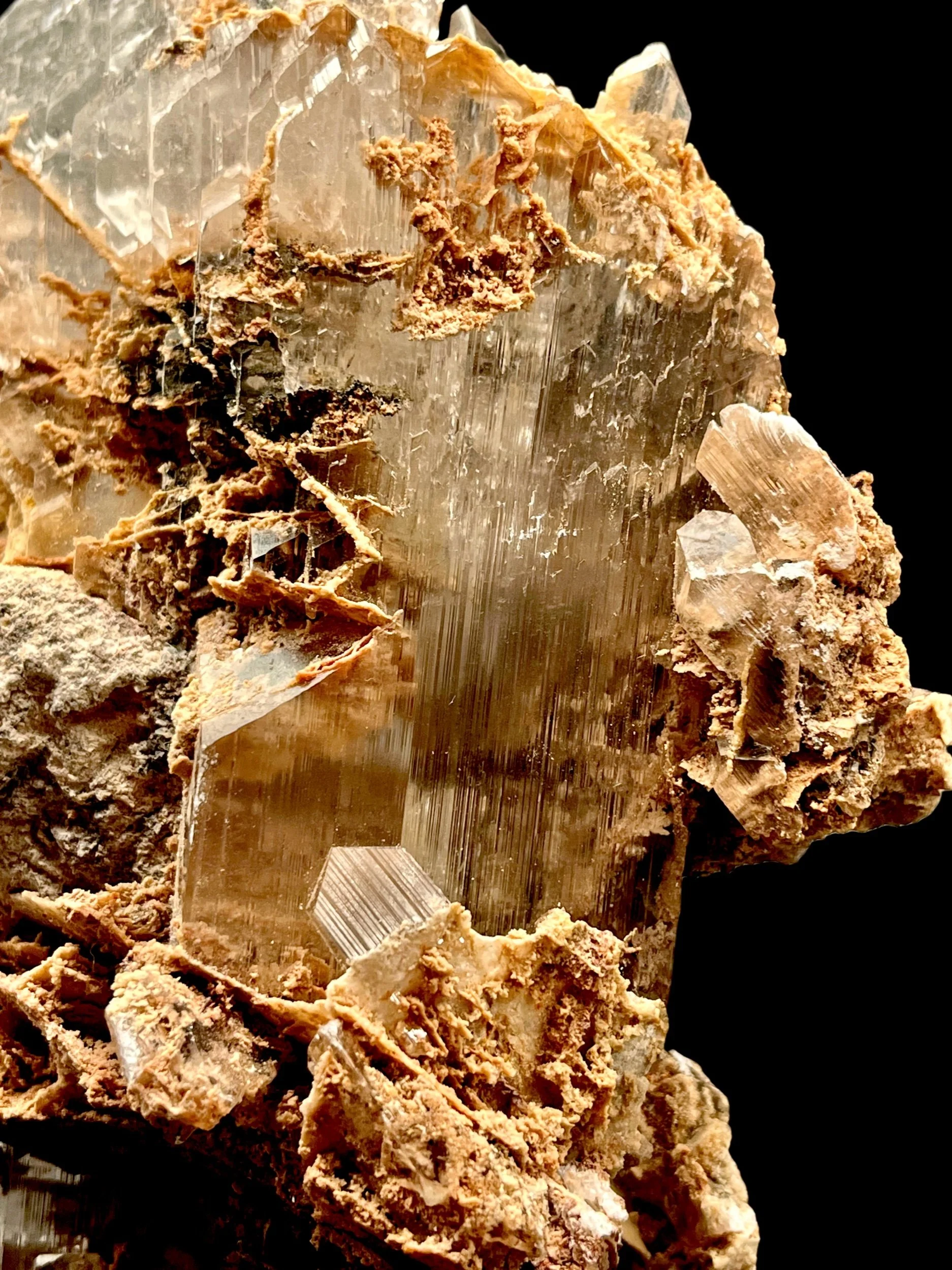
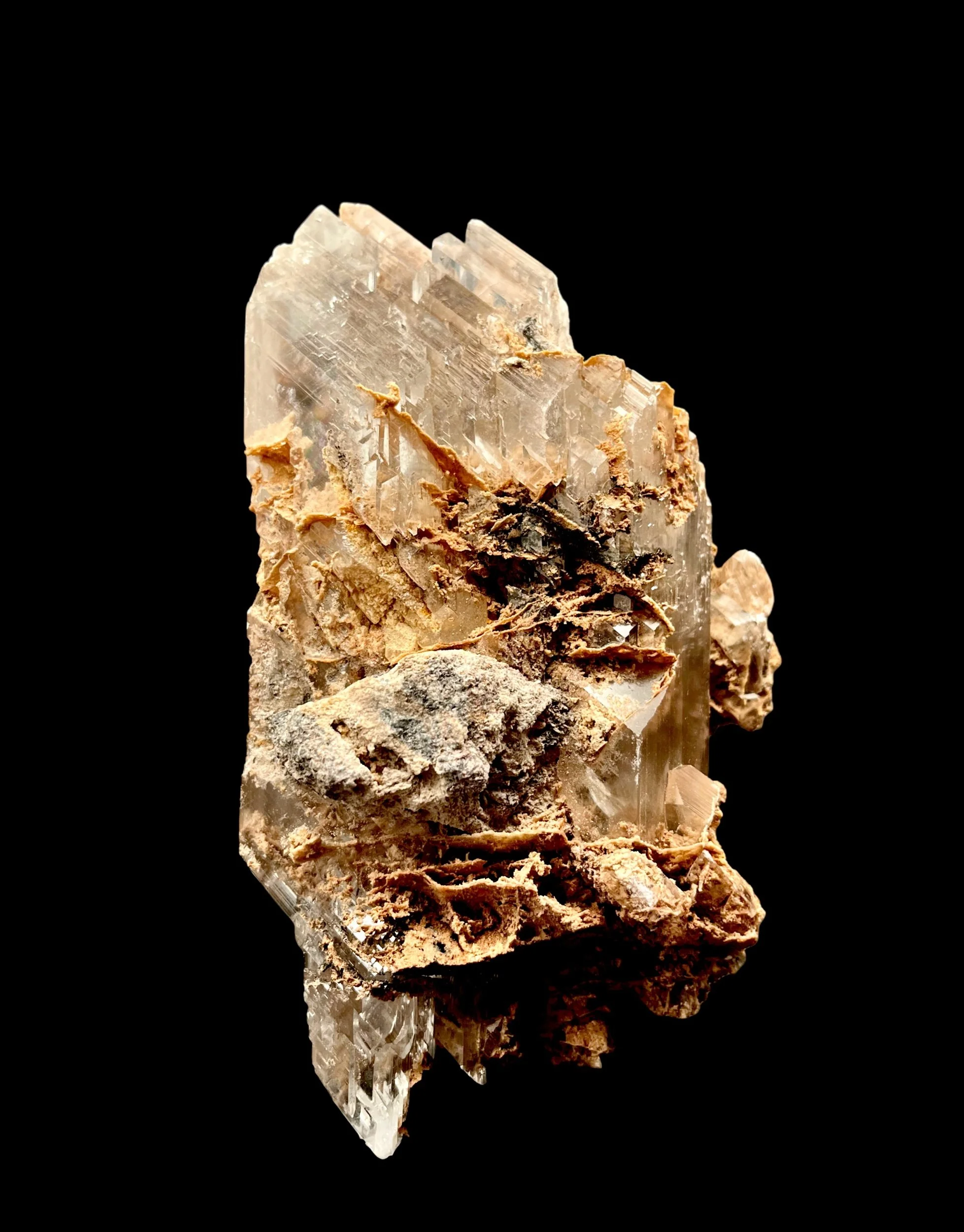
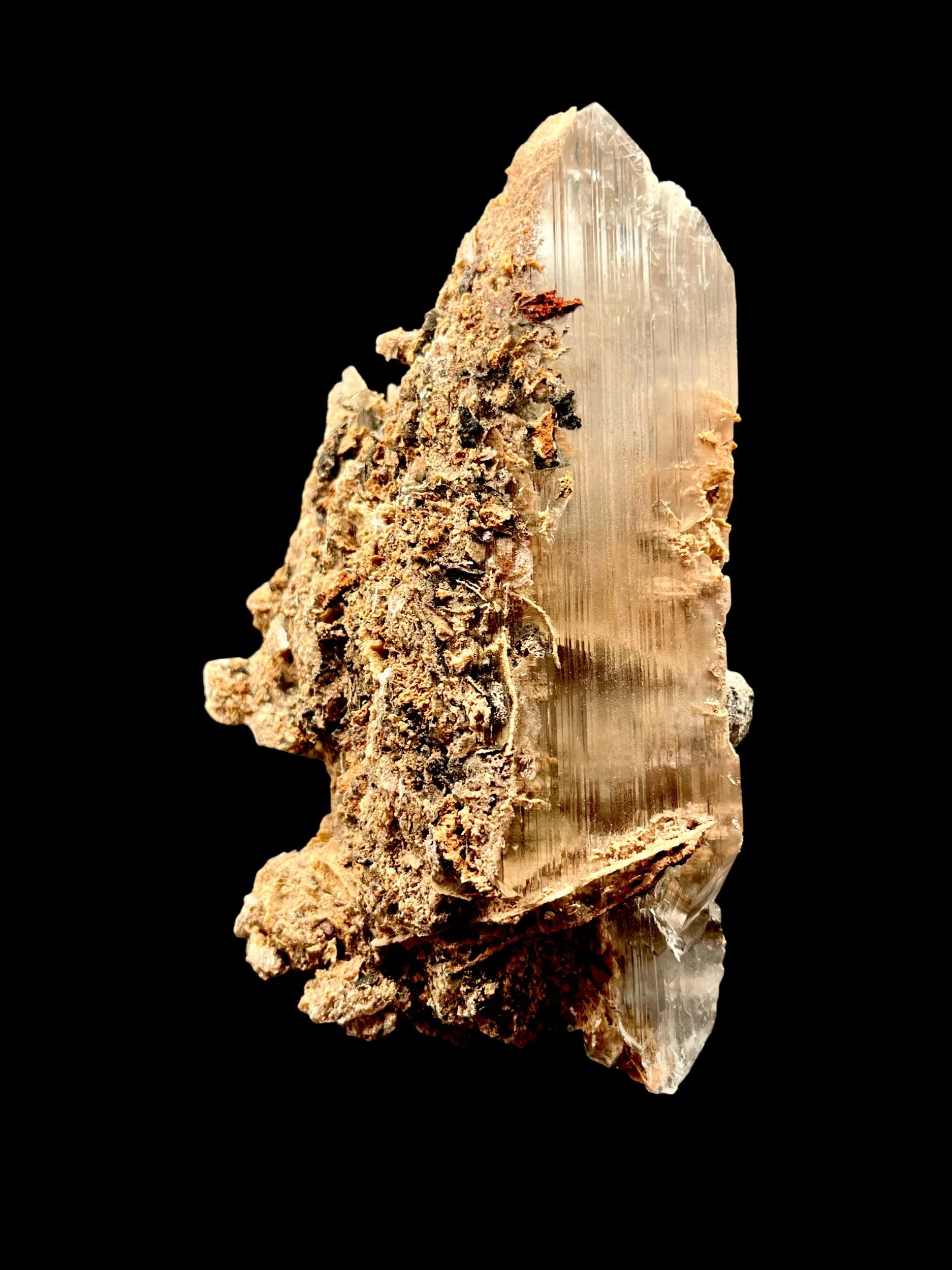
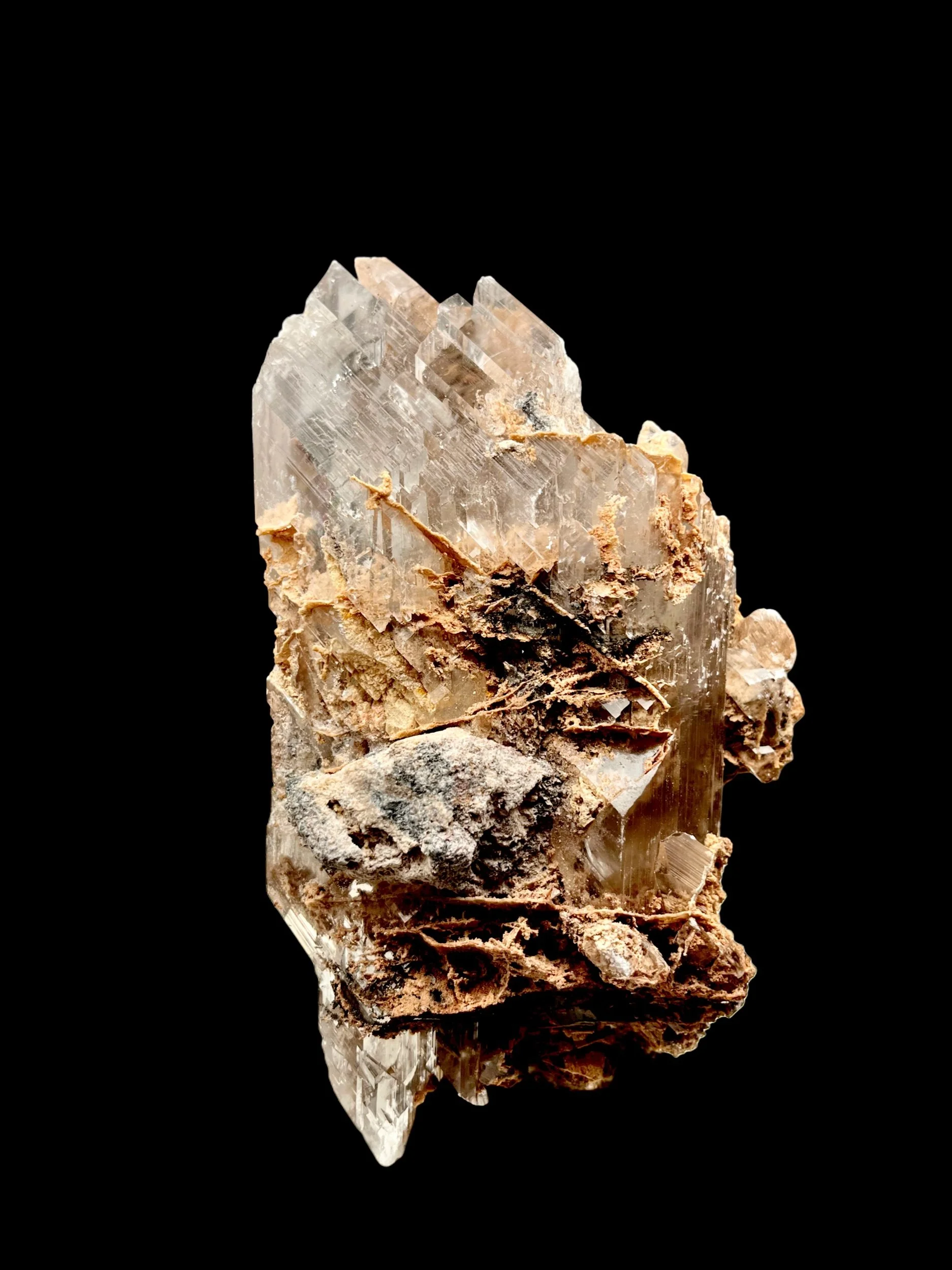
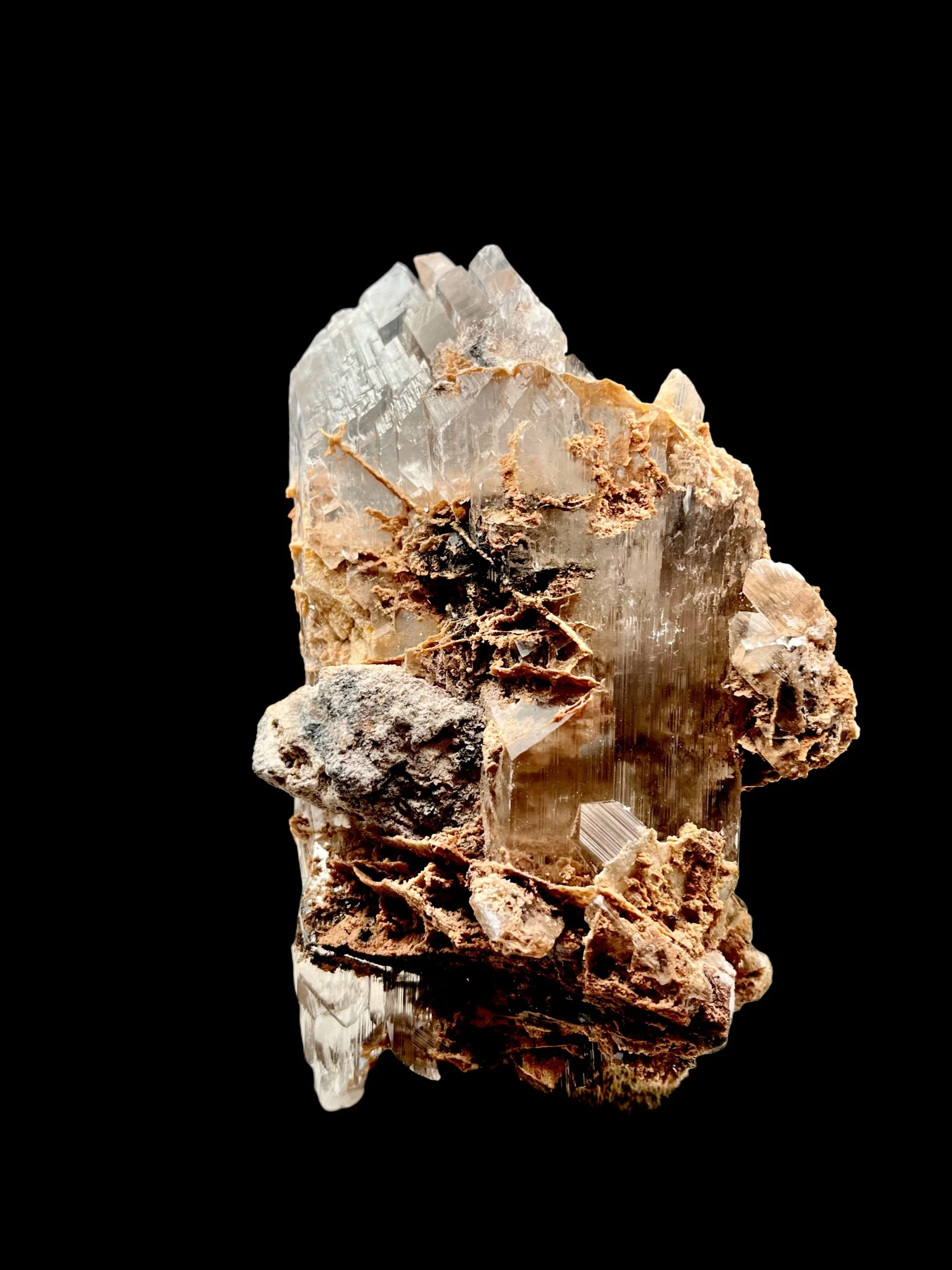
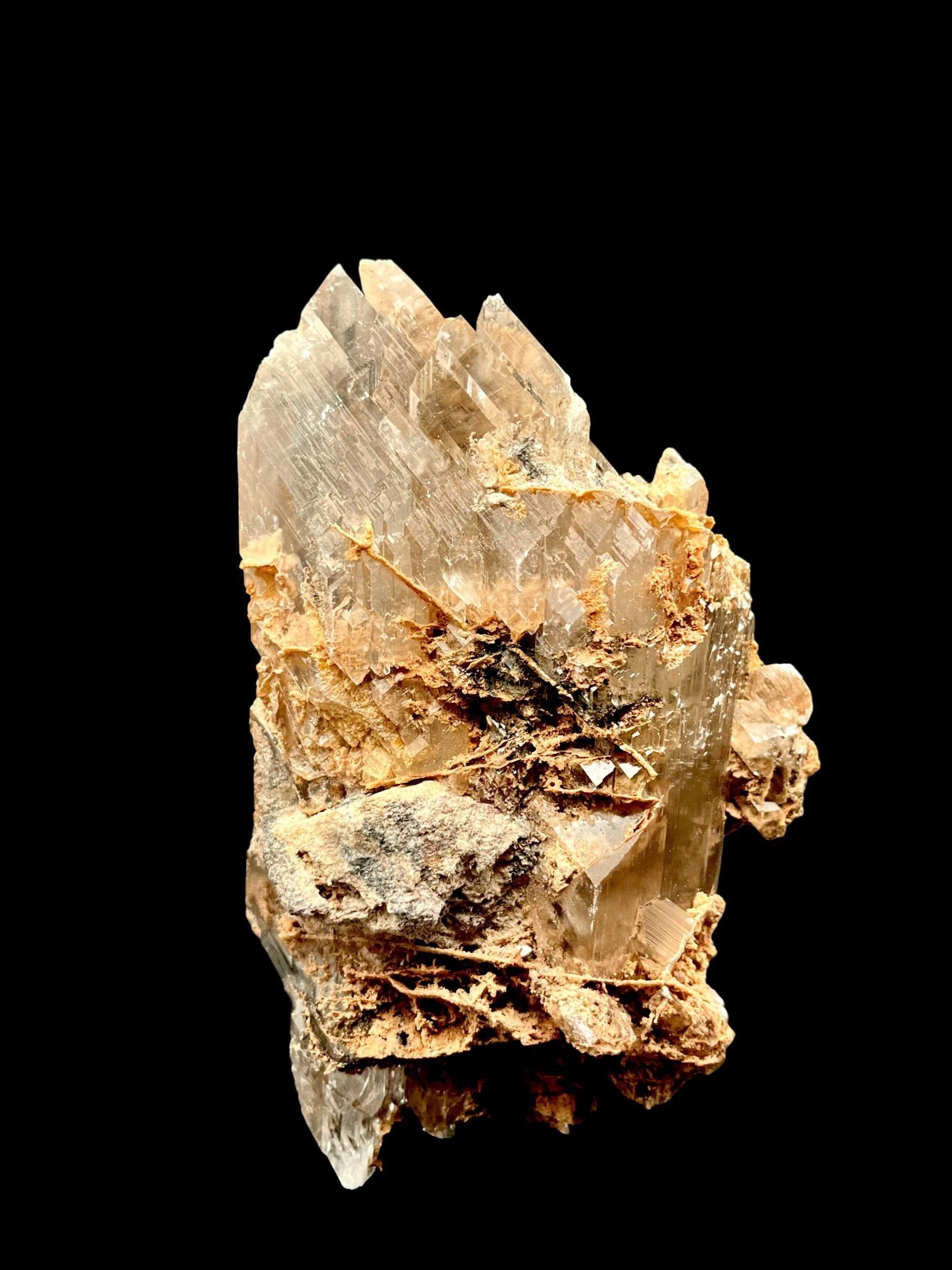
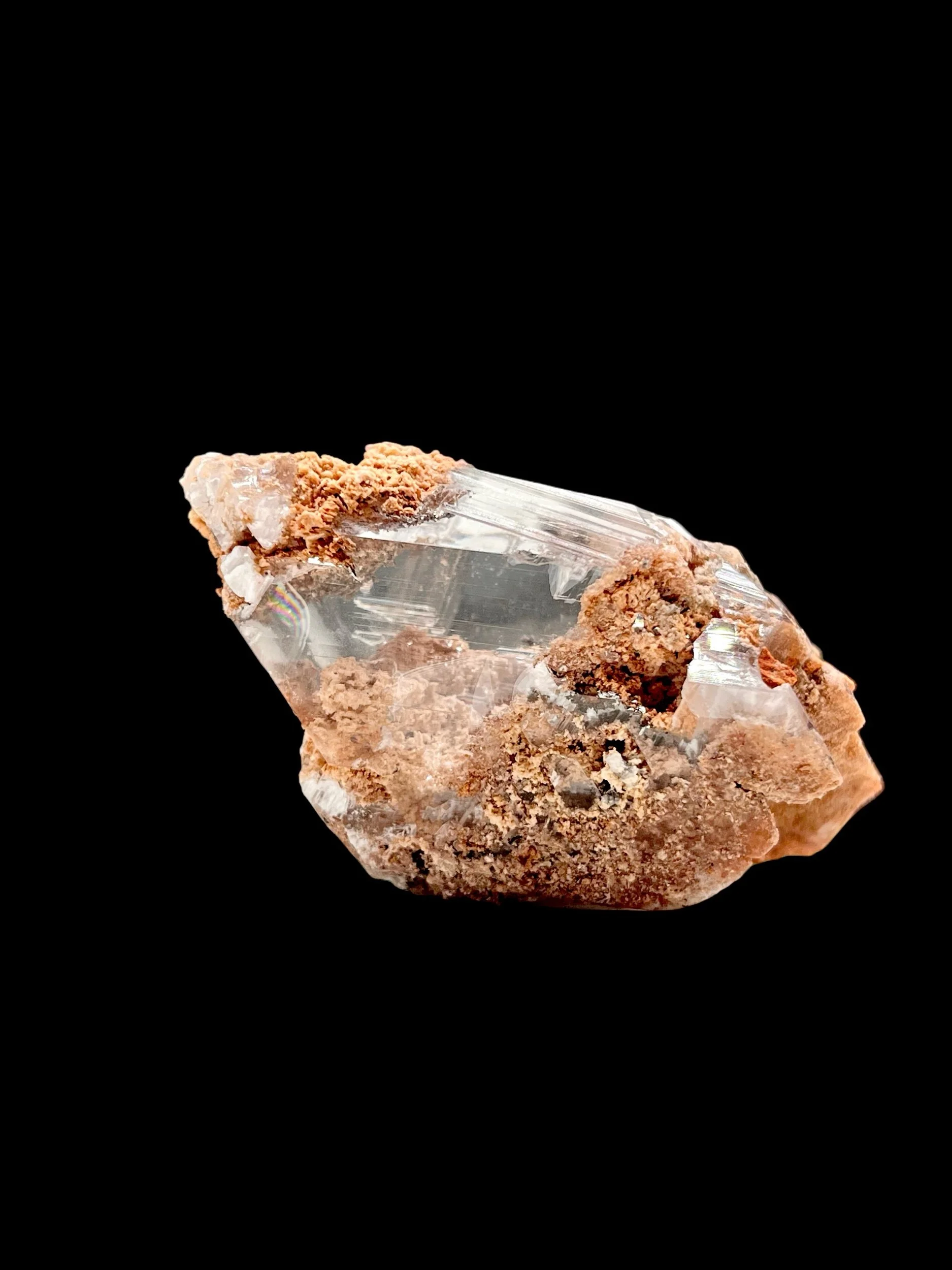
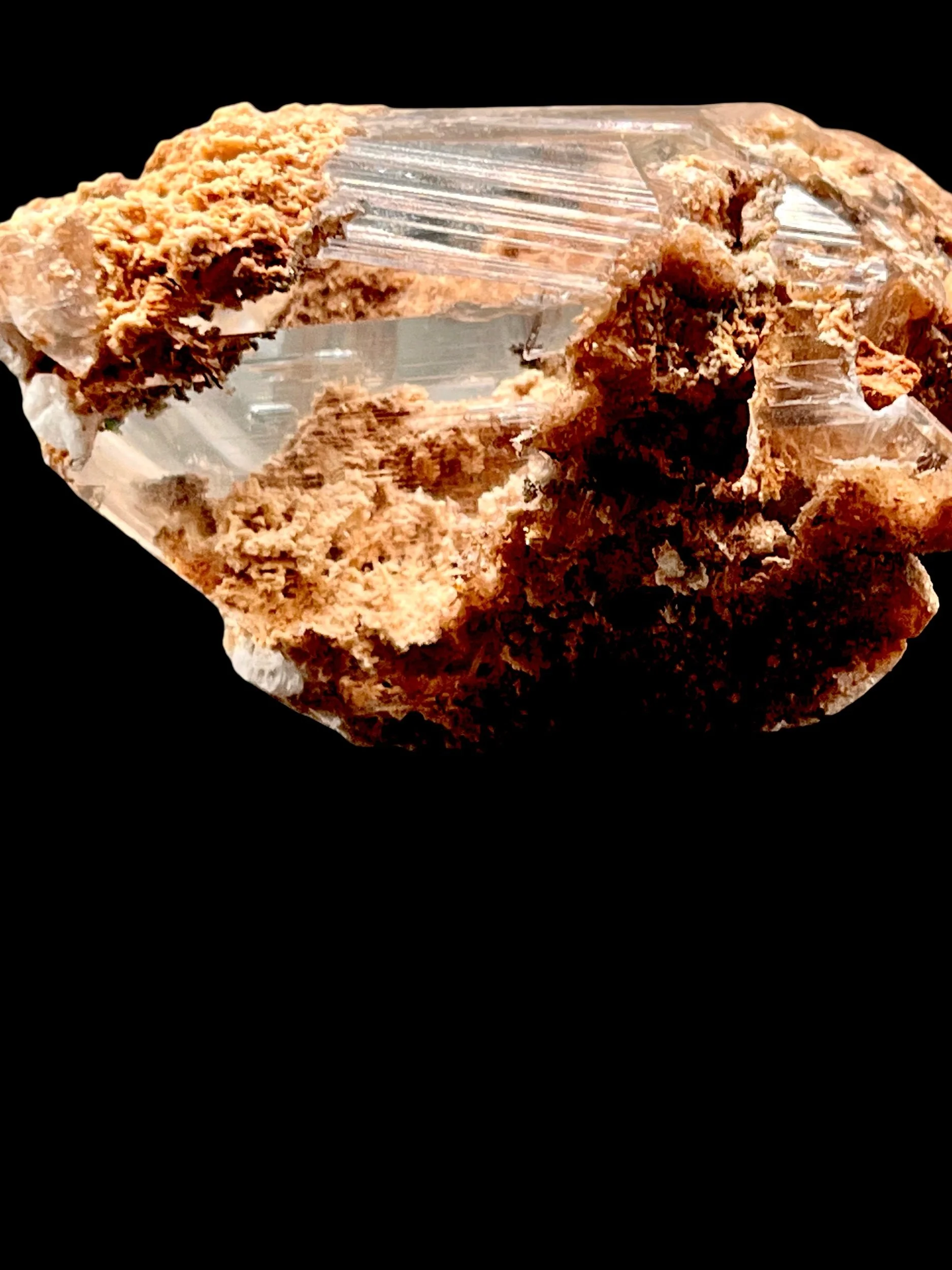
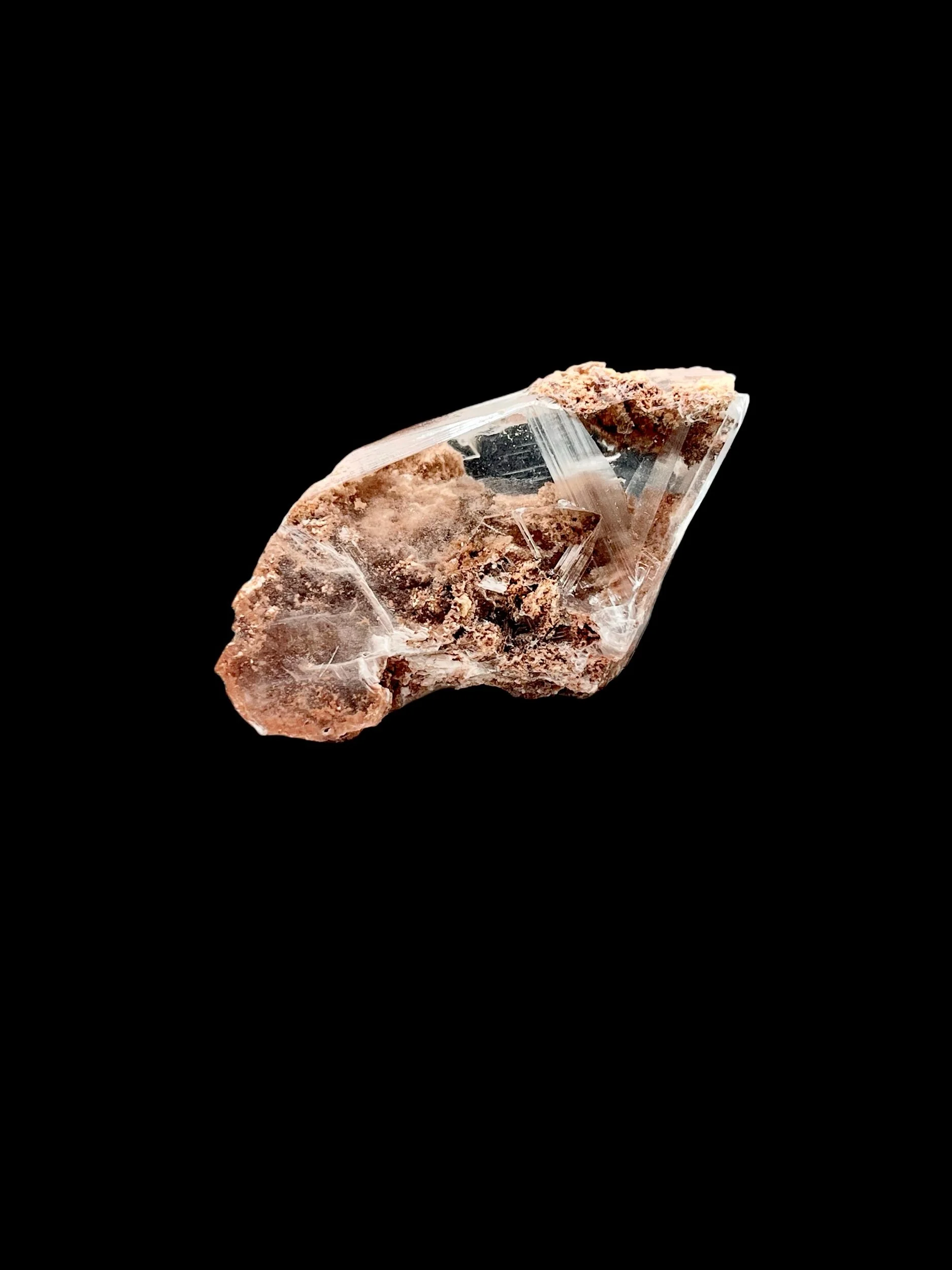
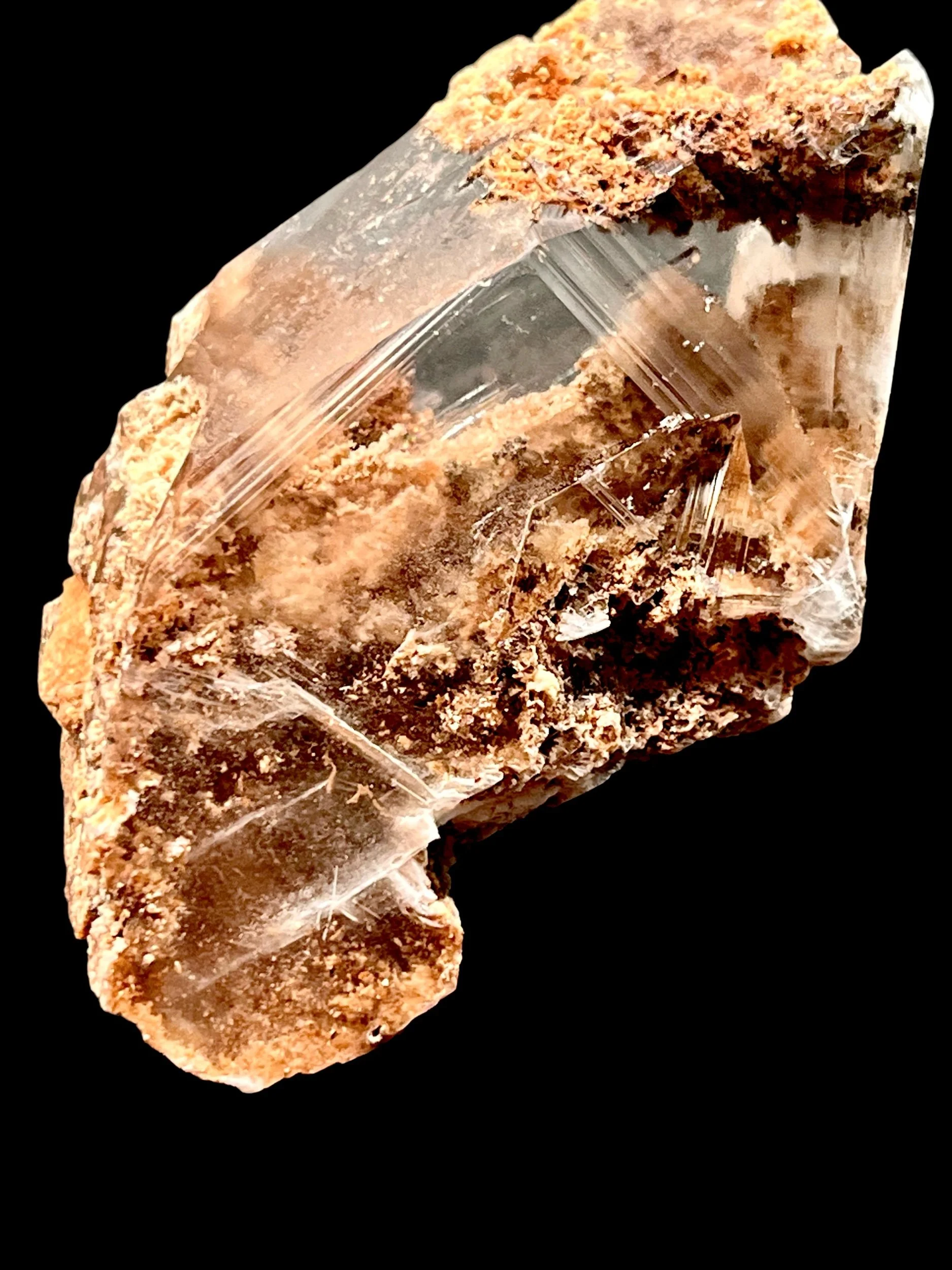
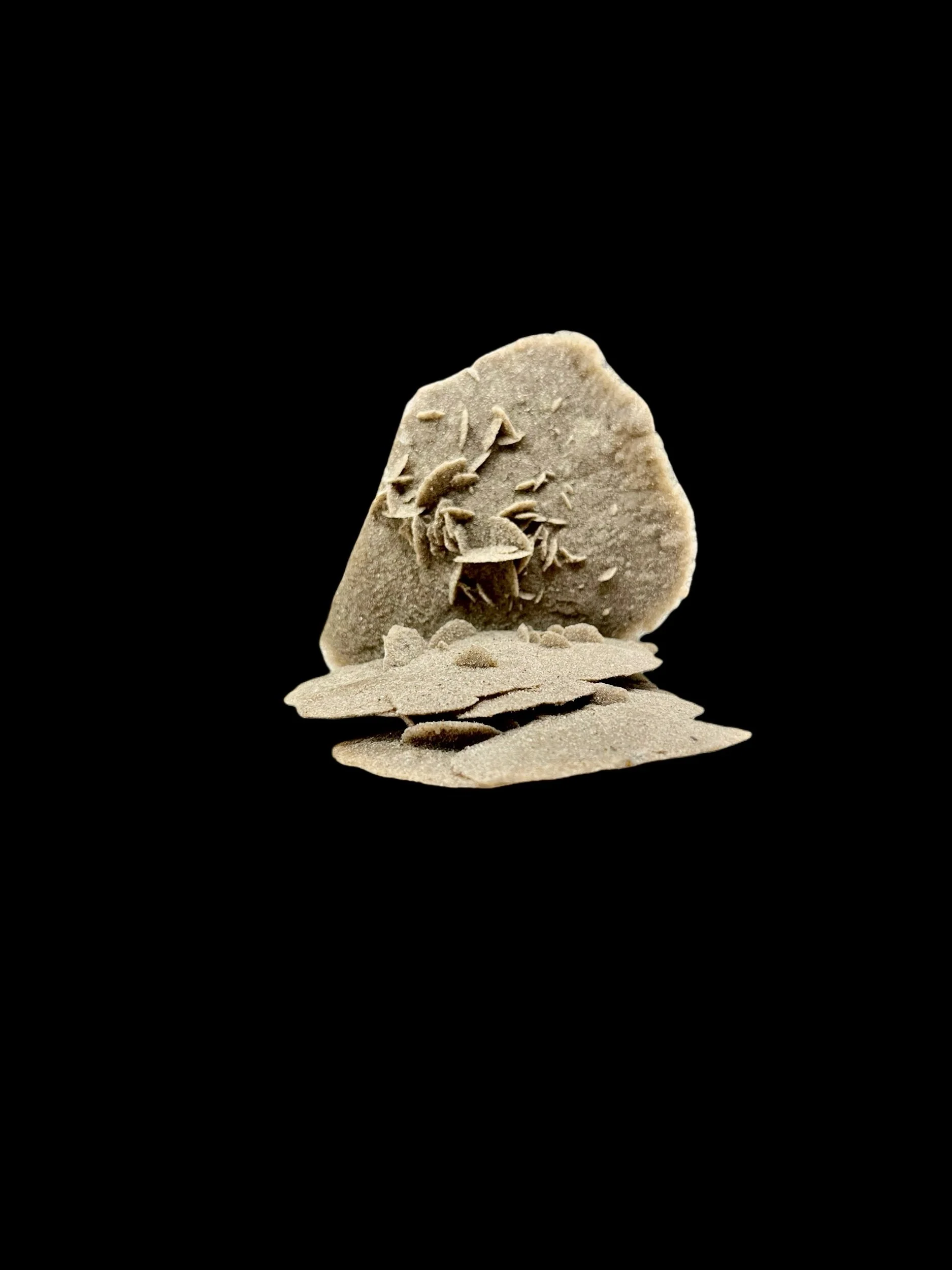
This natural desert rose selenite presents a sculptural cluster of layered gypsum blades, shaped slowly by wind, sand, and mineral-rich groundwater. The formation displays soft, sand-toned hues with finely textured surfaces and overlapping rosette-like plates—an unmistakable expression of desert mineralogy.
There’s a quiet confidence to this piece. Its form feels architectural yet organic, with natural symmetry that rewards close viewing without ever feeling rigid or manufactured.
Dimensions & Weight
• 2.75” × 2.75” × 2.5”
• 118g
Collector’s Notes
Desert rose formations are valued not for polish or brilliance (though it does shine) but for process. This specimen shows well-defined plate growth with clean edges and balanced proportions, making it an excellent standalone display piece. The structure is intact and naturally formed, with no repairs or enhancements. A thoughtful addition for collectors who appreciate minerals shaped as much by environment as by chemistry.
Highlights
• Natural desert rose selenite (gypsum)
• Distinct layered rosette formation
• Warm, sand-toned coloration
• Sculptural, freestanding presence
• Unique formation
Mineralogy
Desert rose selenite is a variety of gypsum that forms in arid environments where evaporating groundwater deposits calcium sulfate around sand grains. Over time, bladed crystals radiate outward, creating the characteristic rose-like shapes. Each formation reflects the specific conditions of its environment, making every specimen inherently unique.
Metaphysical Properties
Desert rose selenite is often associated with grounding, clarity, and calm focus. Many people are drawn to it as a visual anchor—something steady, quiet, and reflective in a space.
Description
This natural desert rose selenite presents a sculptural cluster of layered gypsum blades, shaped slowly by wind, sand, and mineral-rich groundwater. The formation displays soft, sand-toned hues with finely textured surfaces and overlapping rosette-like plates—an unmistakable expression of desert mineralogy.
There’s a quiet confidence to this piece. Its form feels architectural yet organic, with natural symmetry that rewards close viewing without ever feeling rigid or manufactured.
Dimensions & Weight
• 2.75” × 2.75” × 2.5”
• 118g
Collector’s Notes
Desert rose formations are valued not for polish or brilliance (though it does shine) but for process. This specimen shows well-defined plate growth with clean edges and balanced proportions, making it an excellent standalone display piece. The structure is intact and naturally formed, with no repairs or enhancements. A thoughtful addition for collectors who appreciate minerals shaped as much by environment as by chemistry.
Highlights
• Natural desert rose selenite (gypsum)
• Distinct layered rosette formation
• Warm, sand-toned coloration
• Sculptural, freestanding presence
• Unique formation
Mineralogy
Desert rose selenite is a variety of gypsum that forms in arid environments where evaporating groundwater deposits calcium sulfate around sand grains. Over time, bladed crystals radiate outward, creating the characteristic rose-like shapes. Each formation reflects the specific conditions of its environment, making every specimen inherently unique.
Metaphysical Properties
Desert rose selenite is often associated with grounding, clarity, and calm focus. Many people are drawn to it as a visual anchor—something steady, quiet, and reflective in a space.