Description
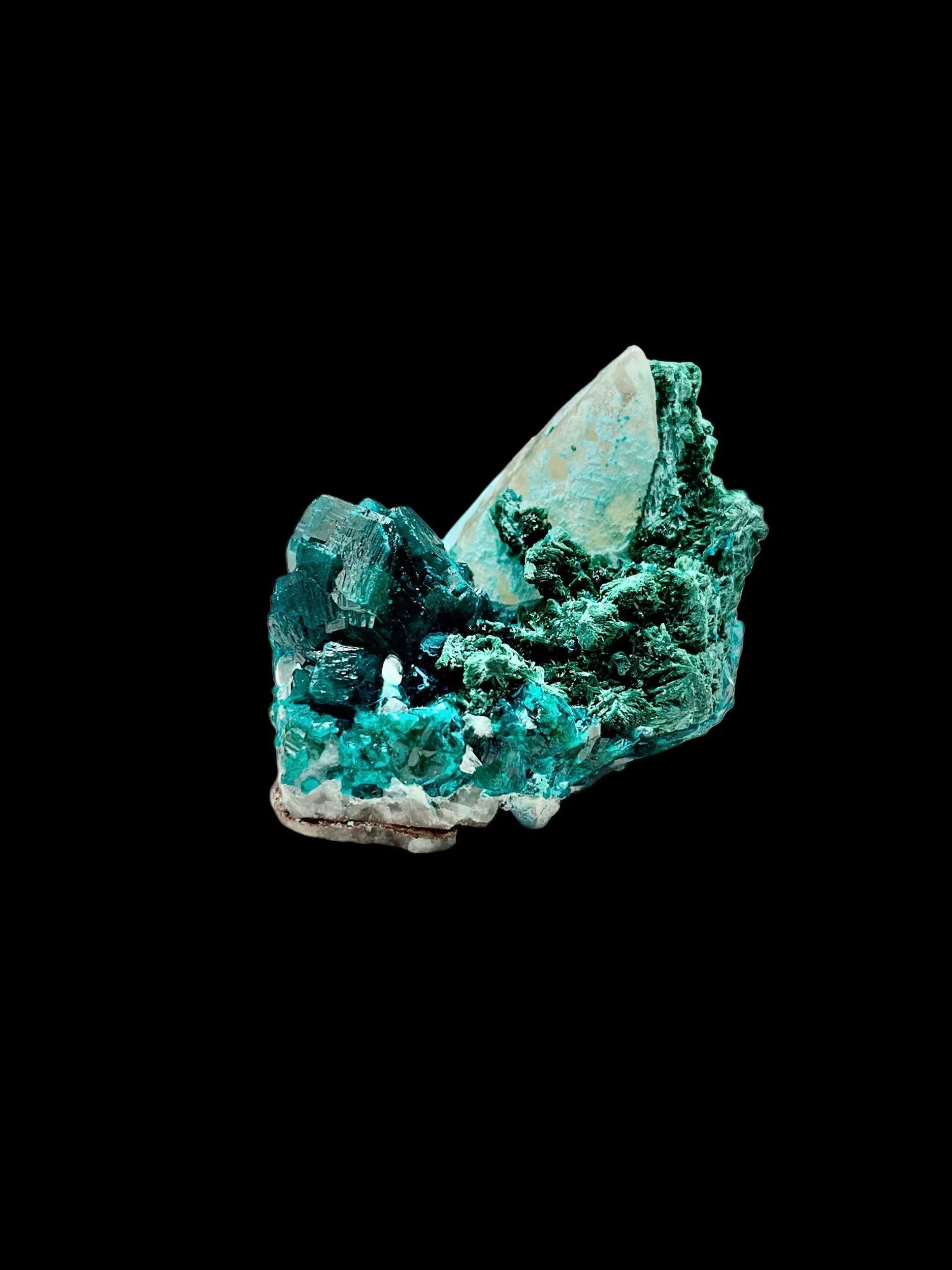
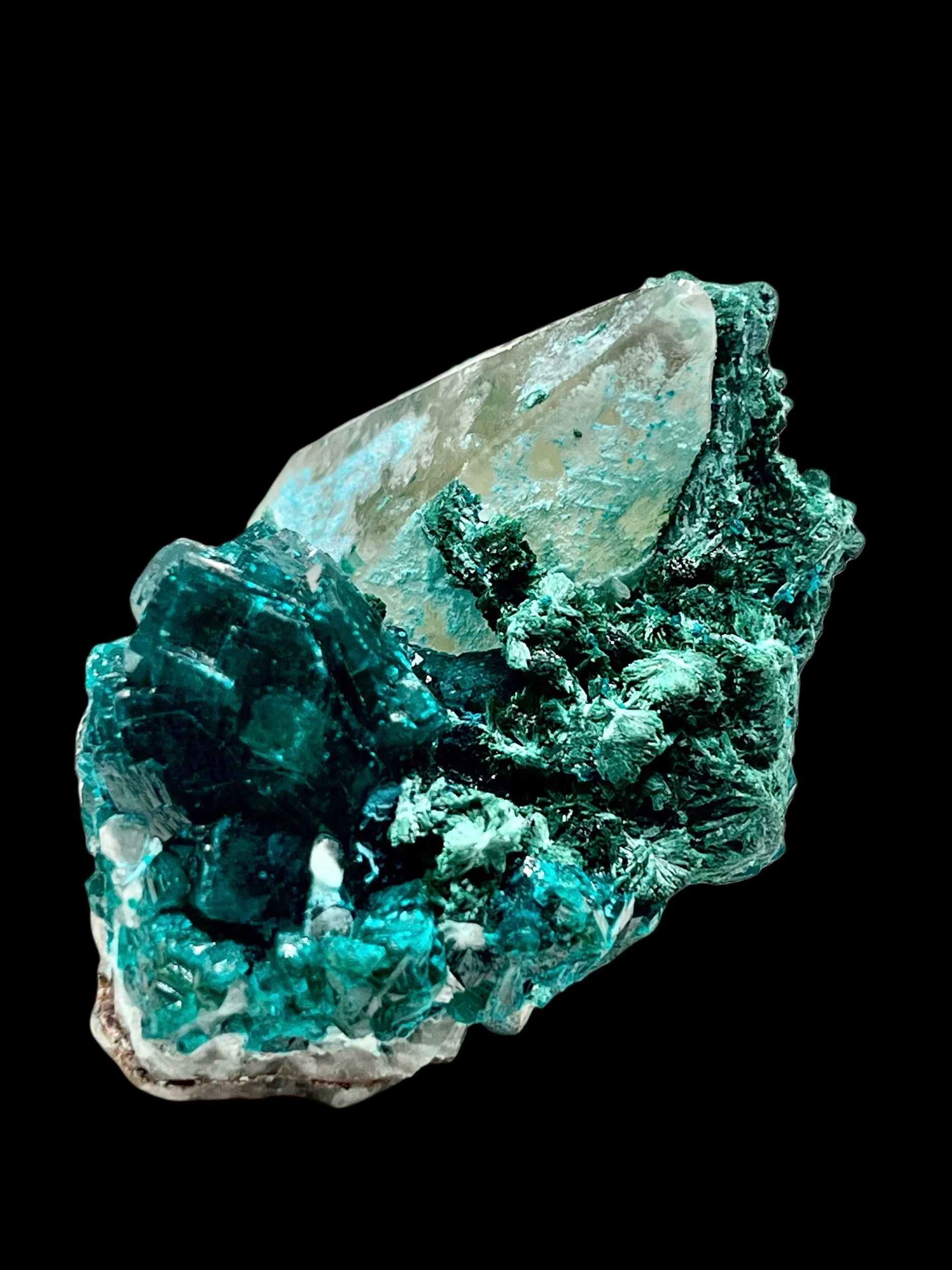
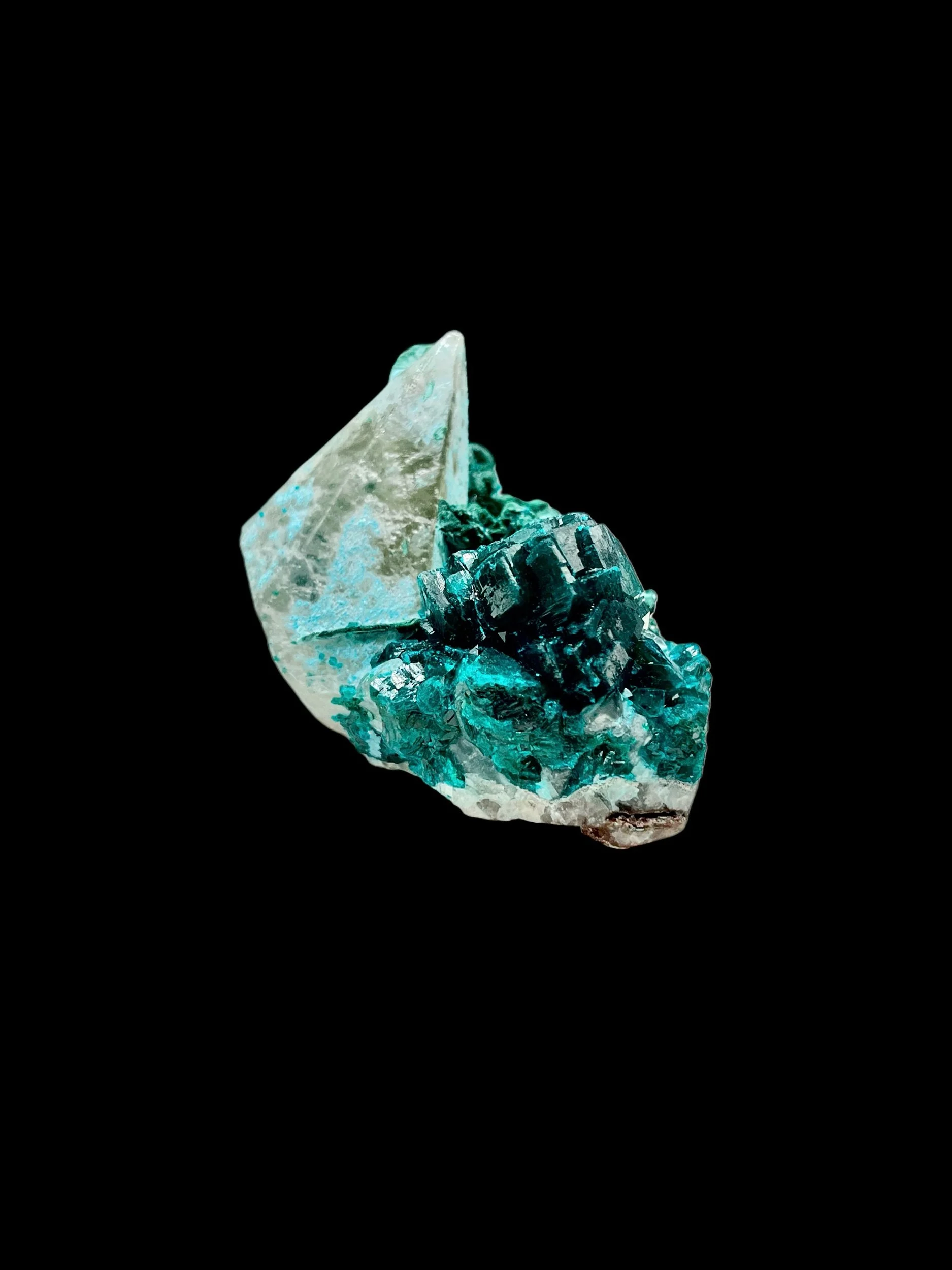
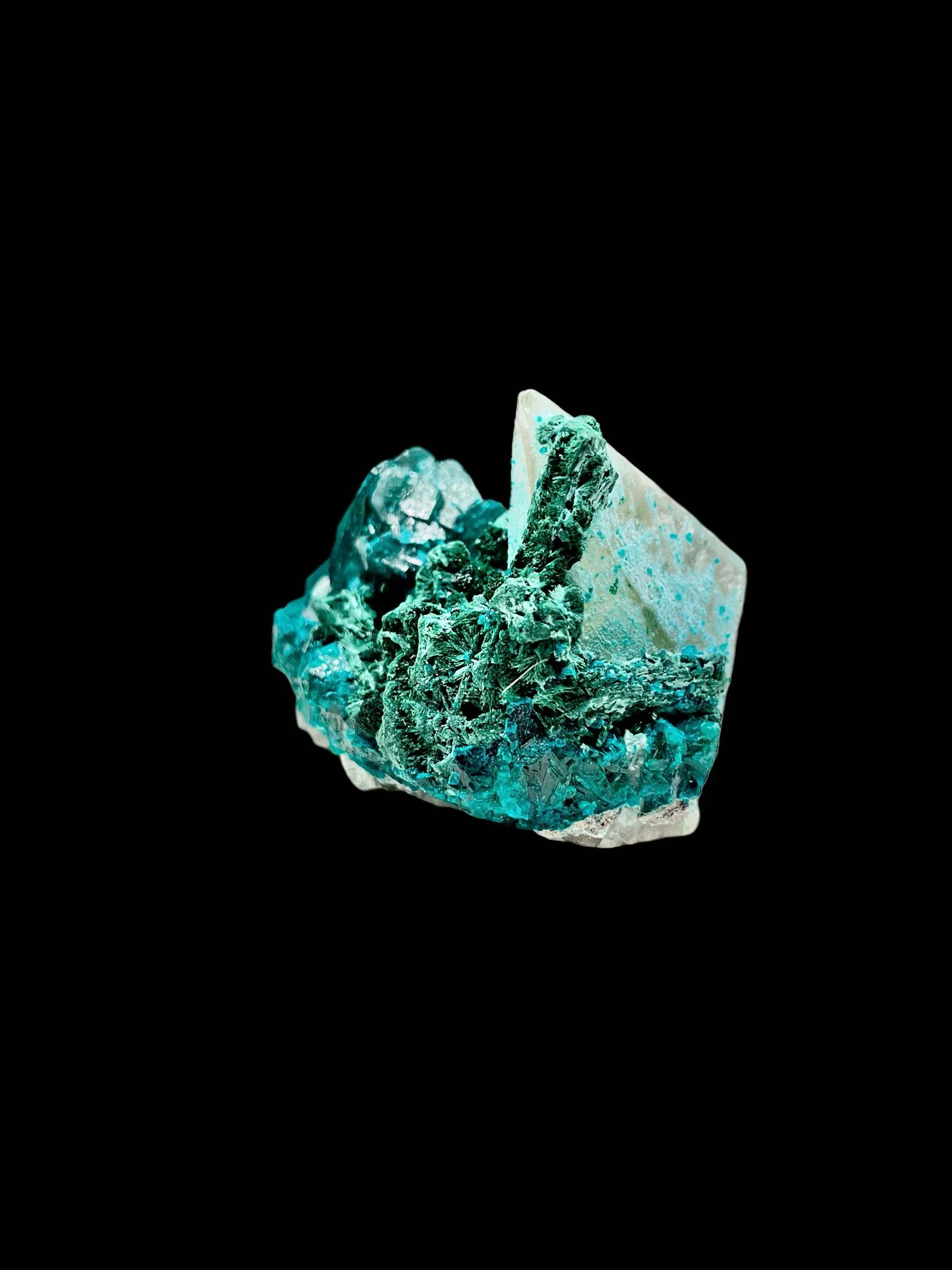
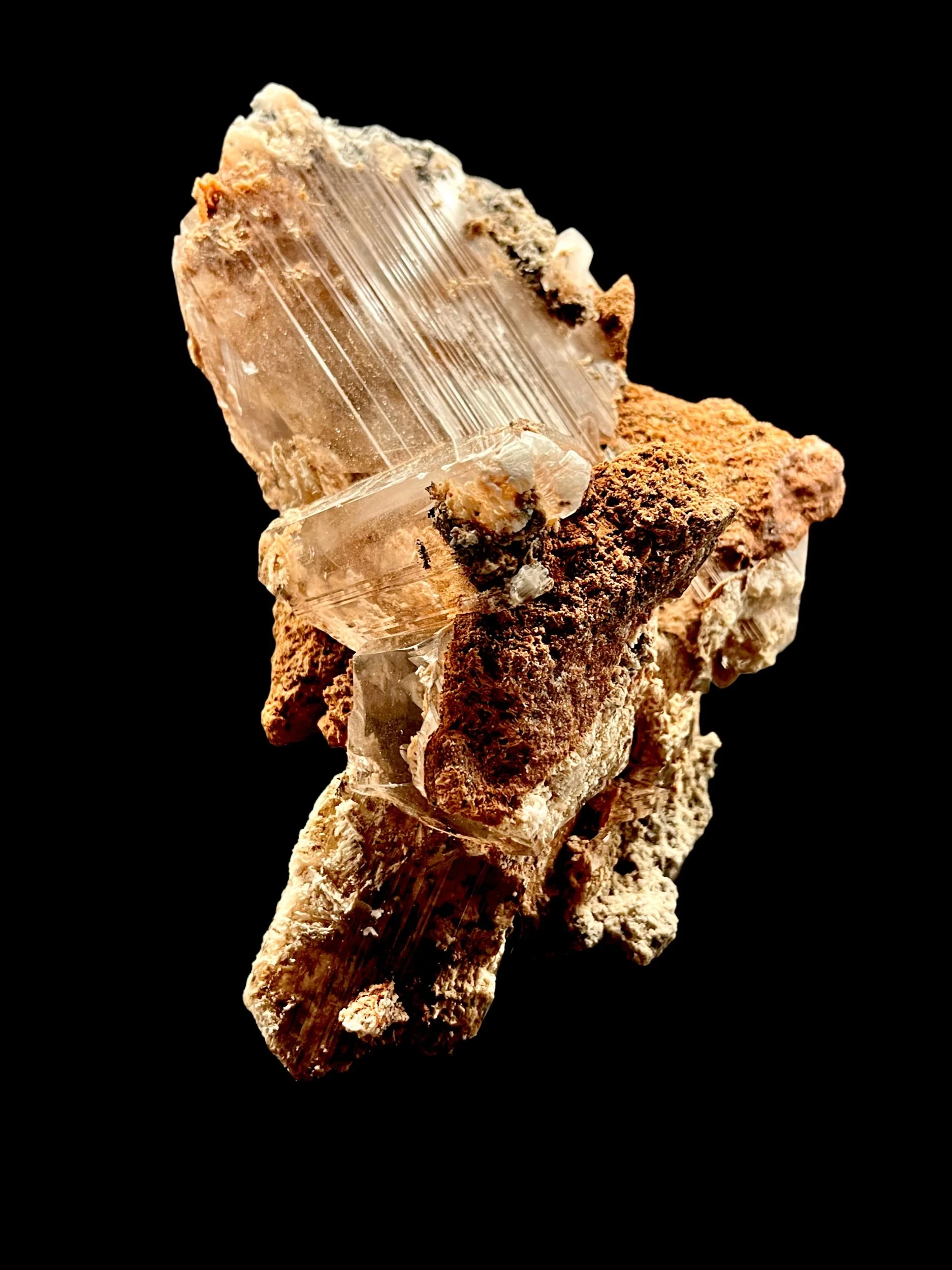
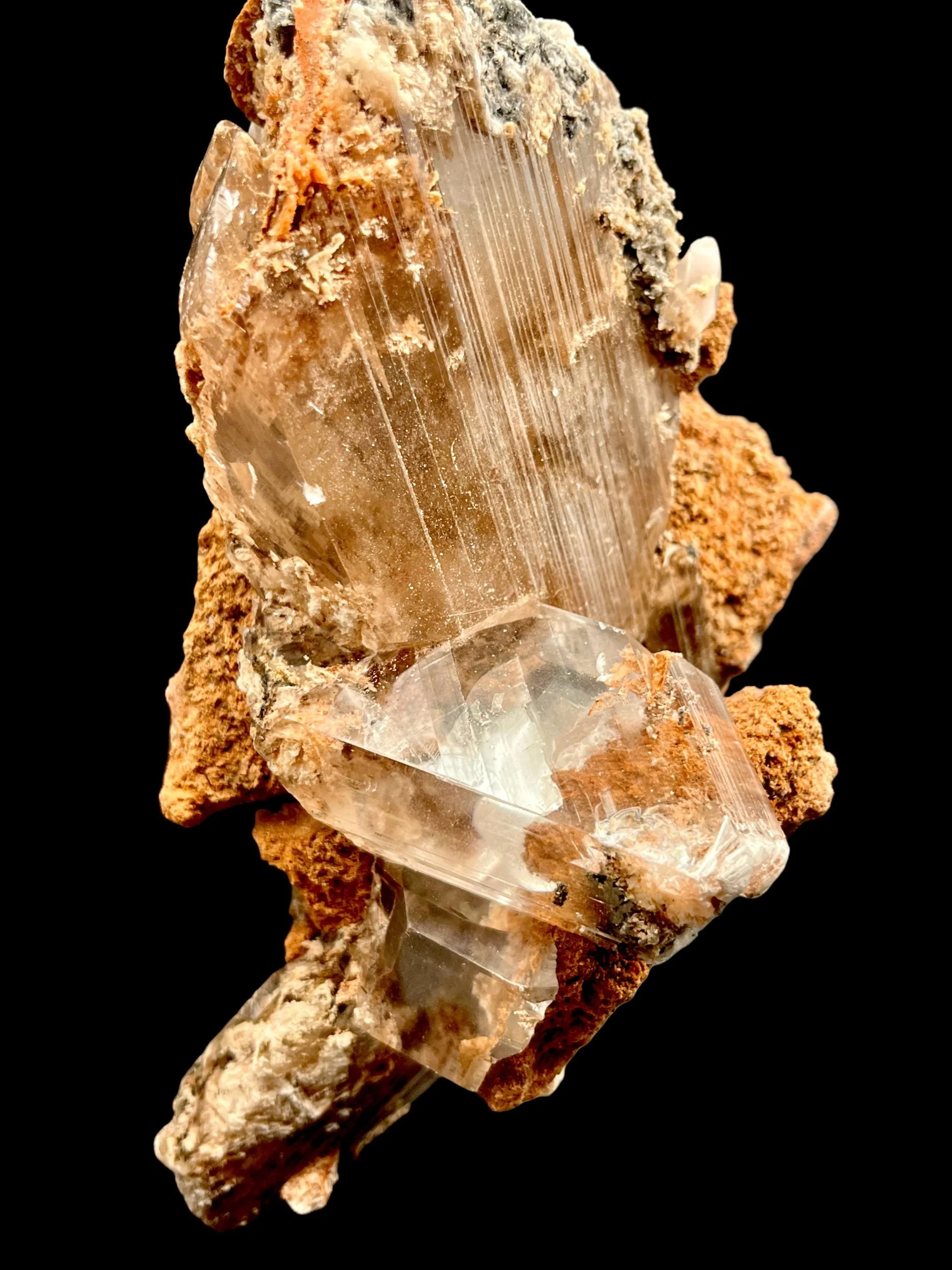
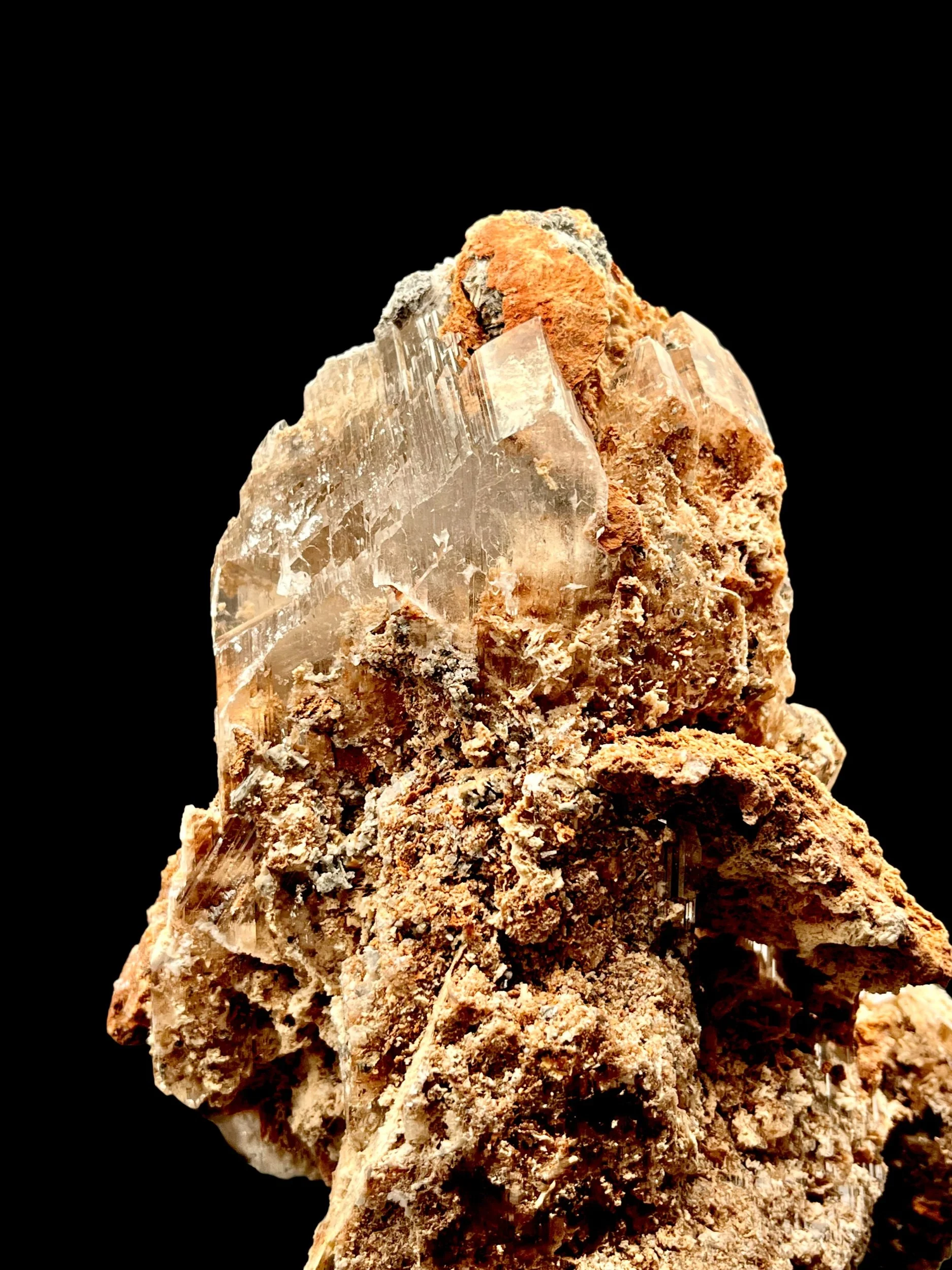
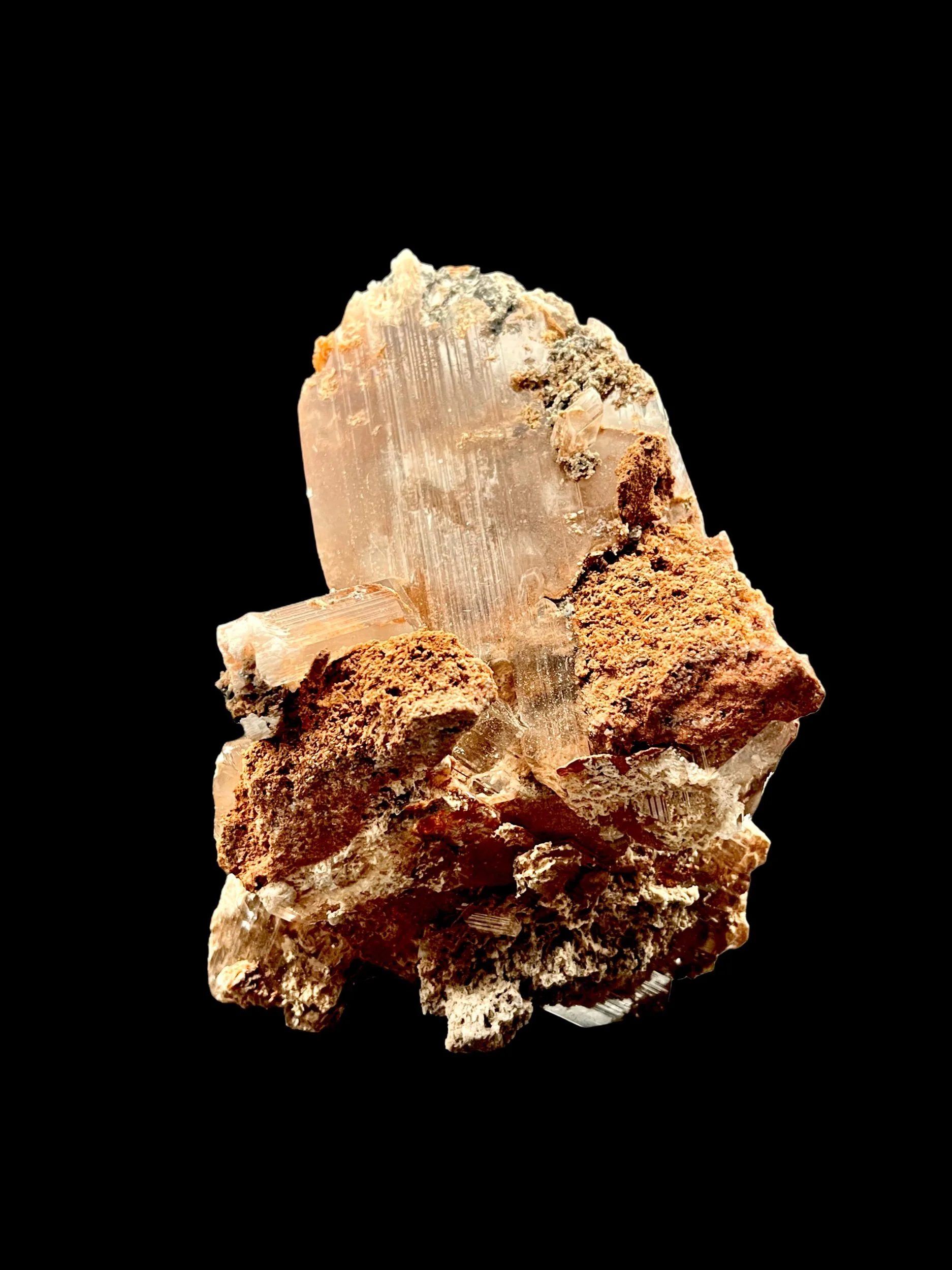
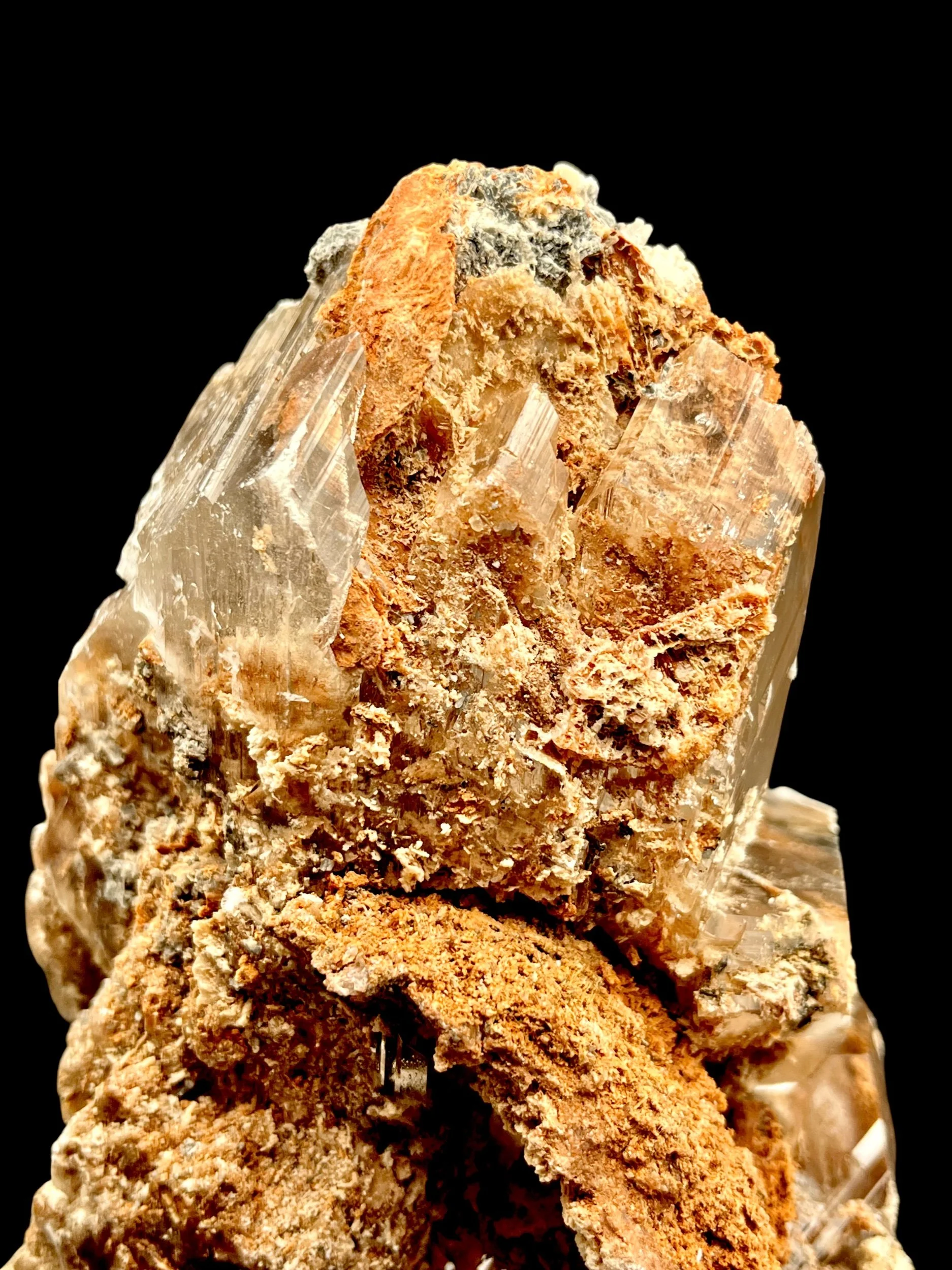
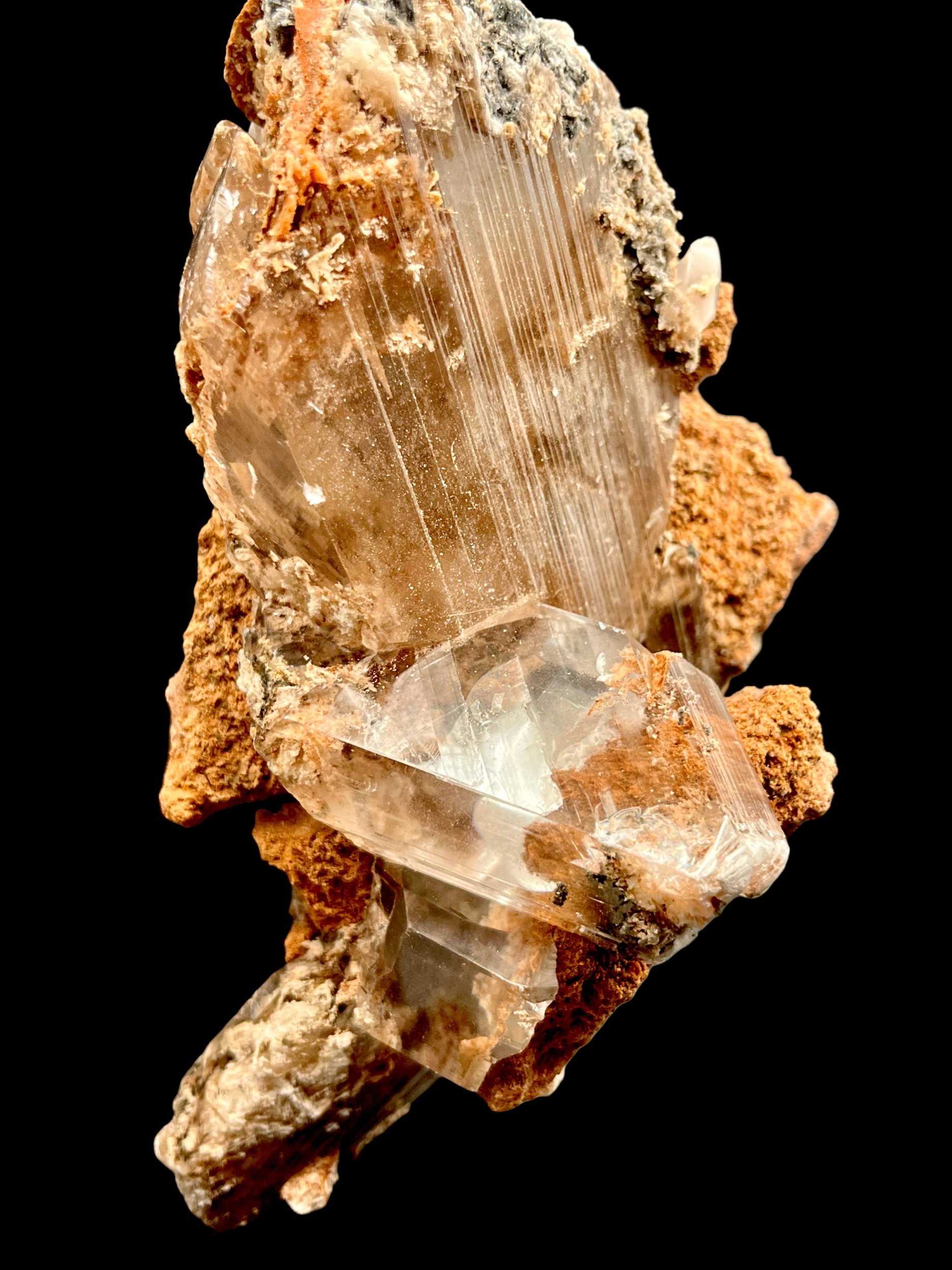
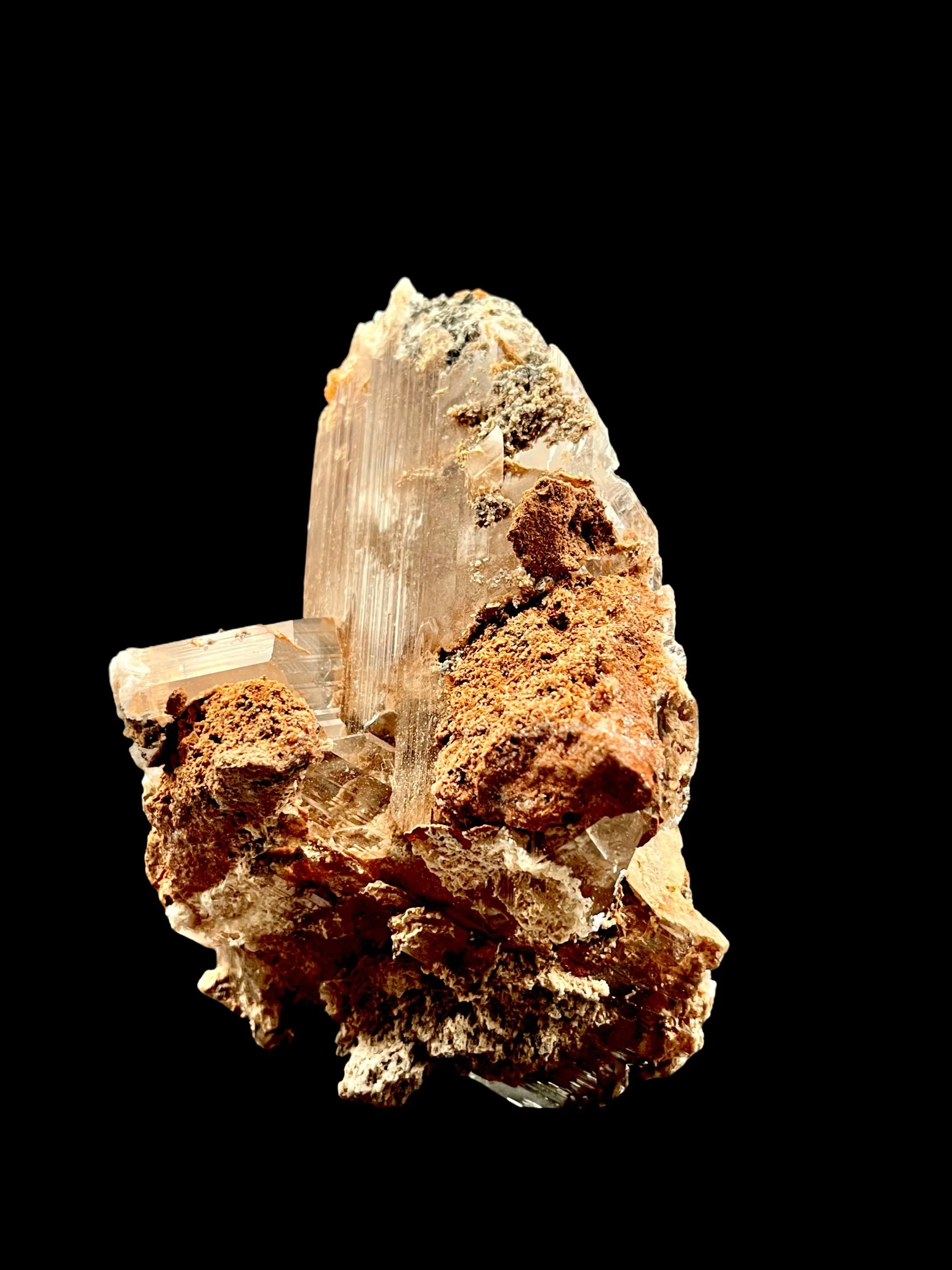
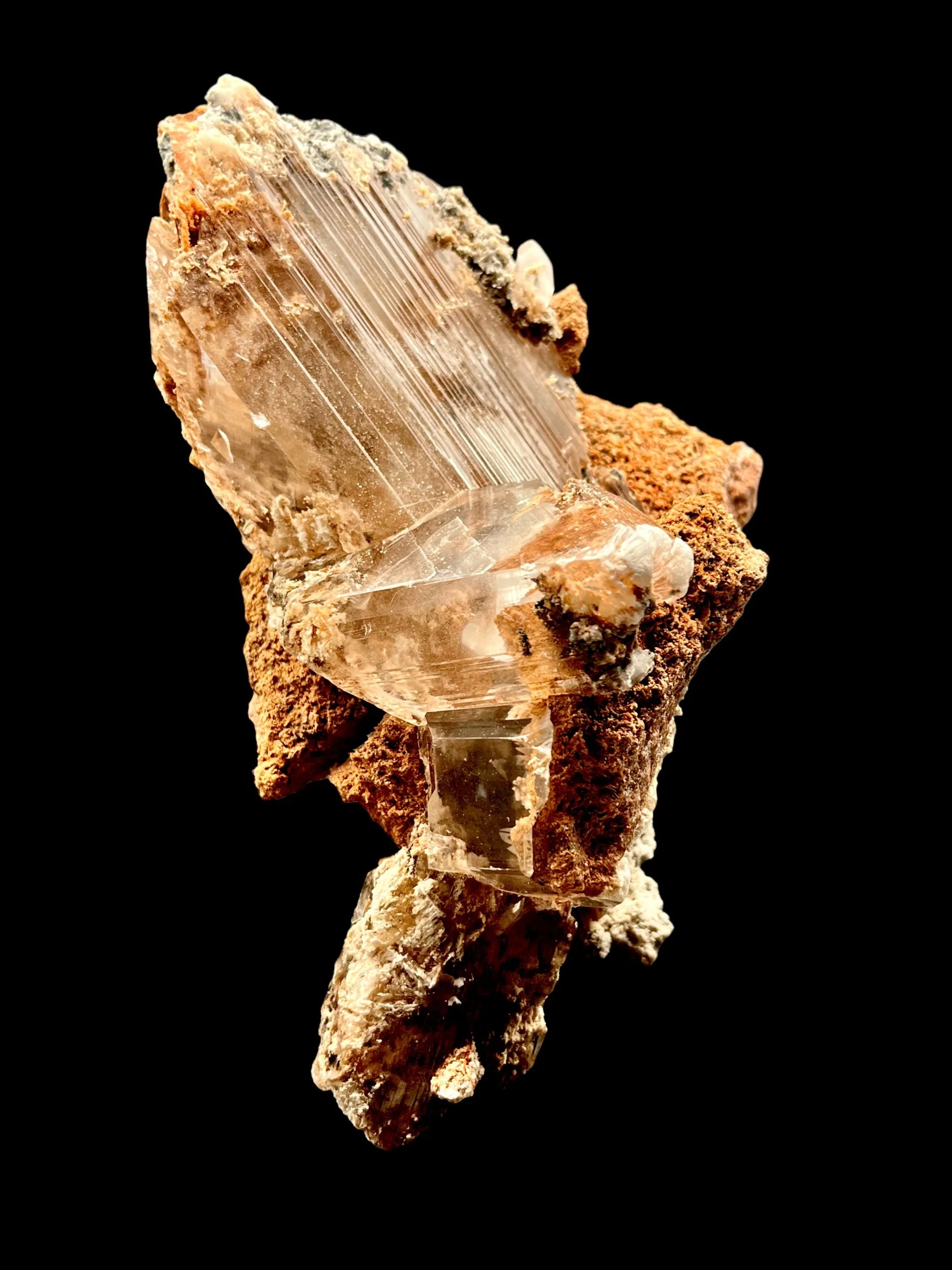
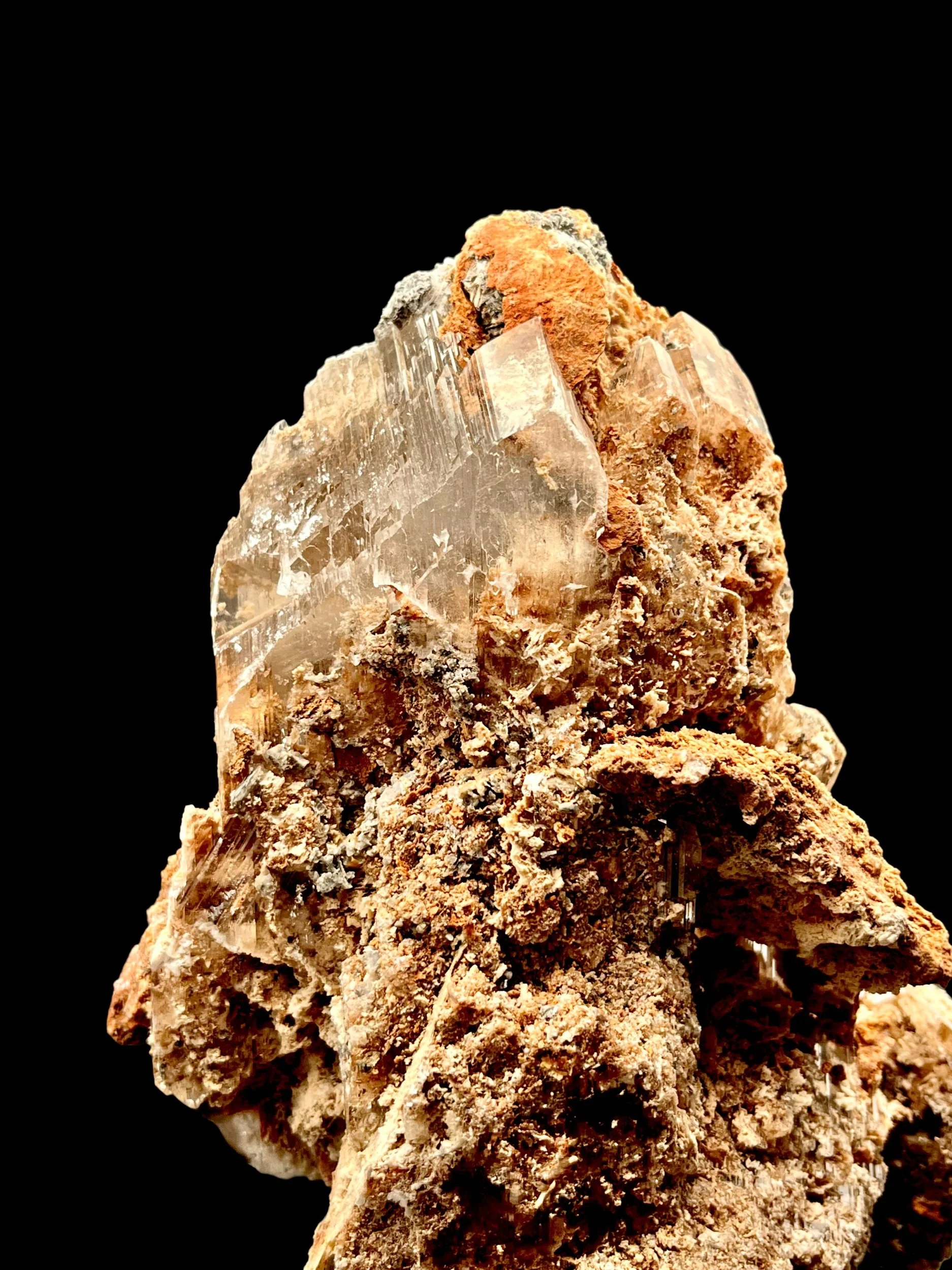
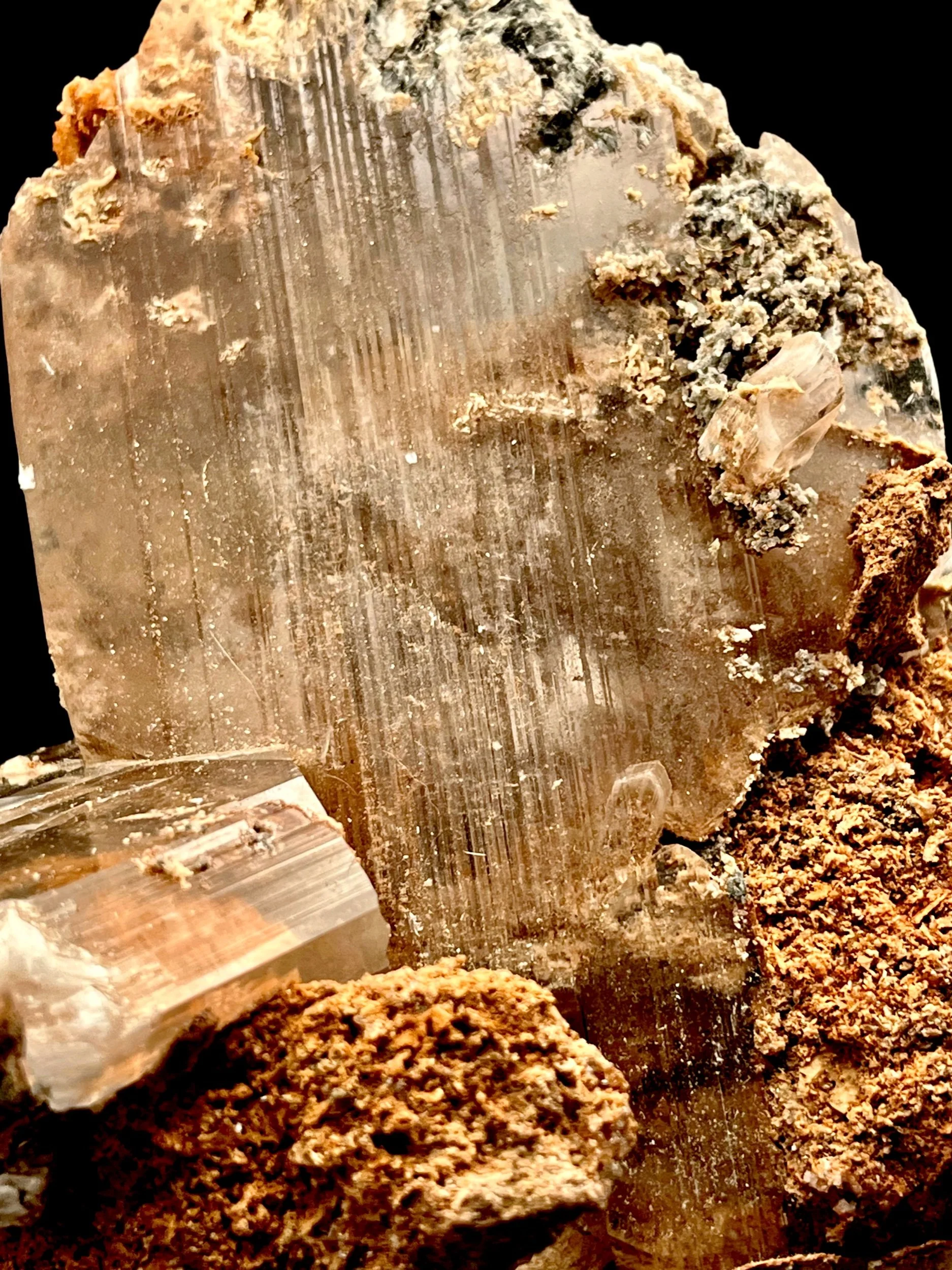
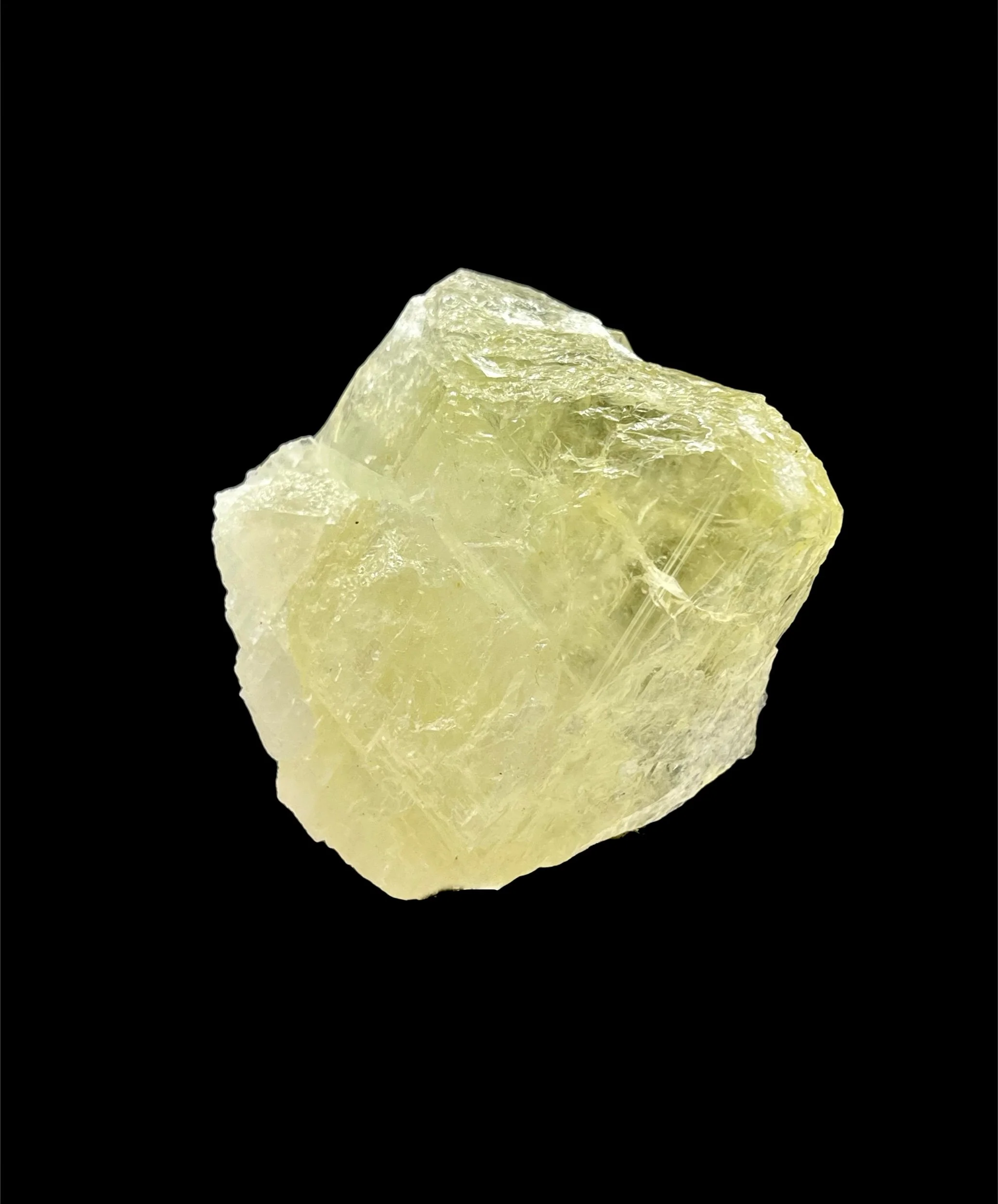
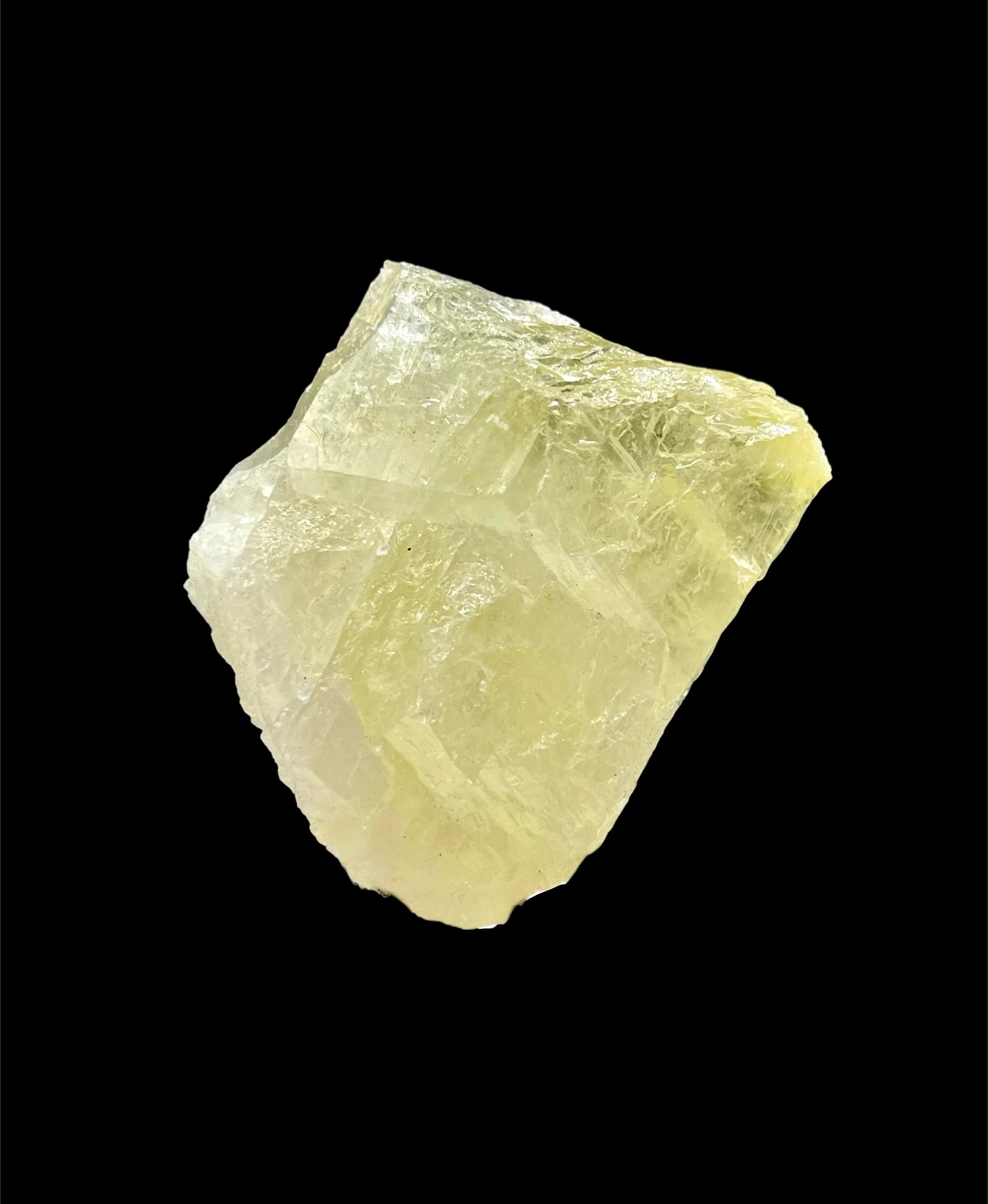
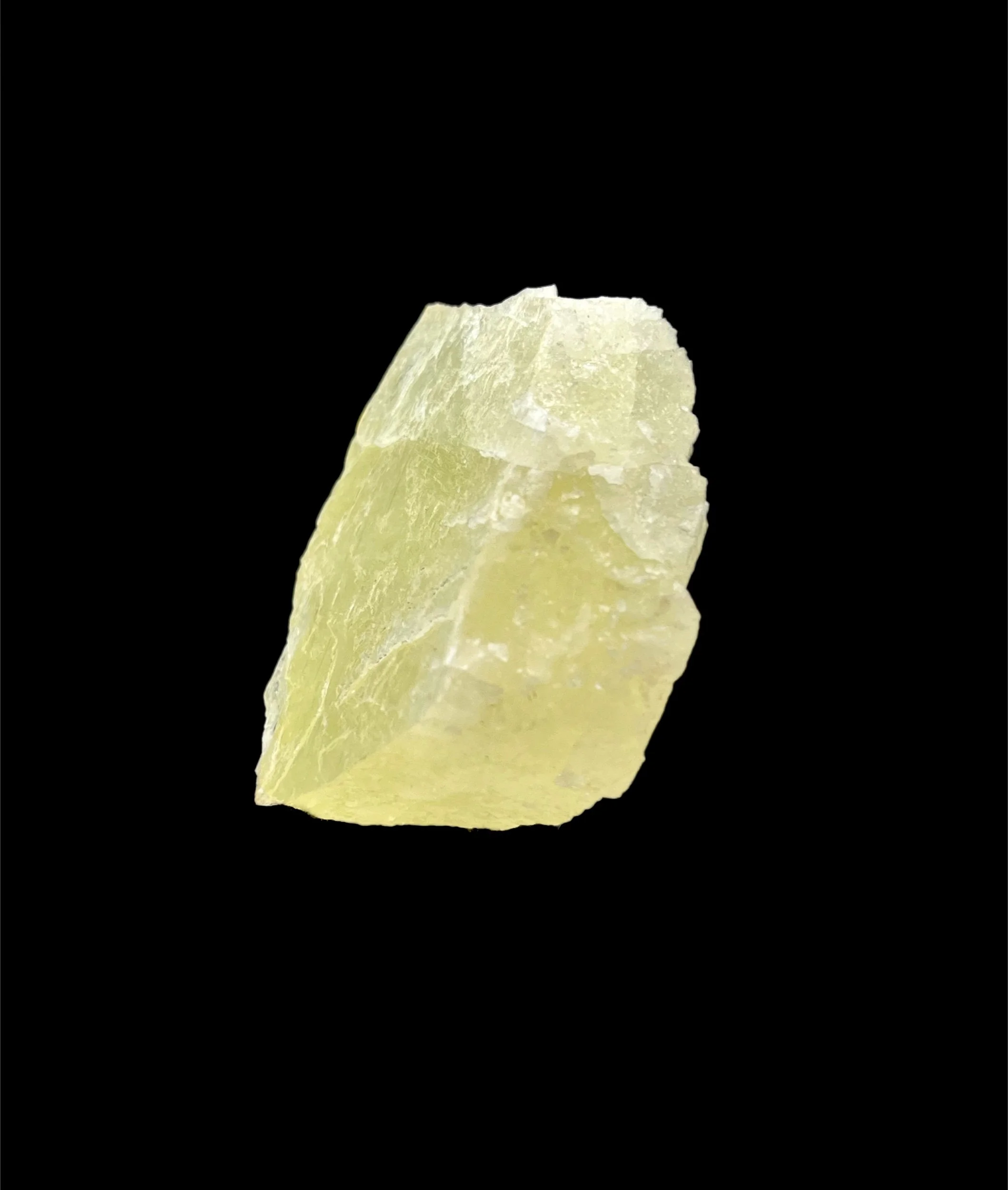
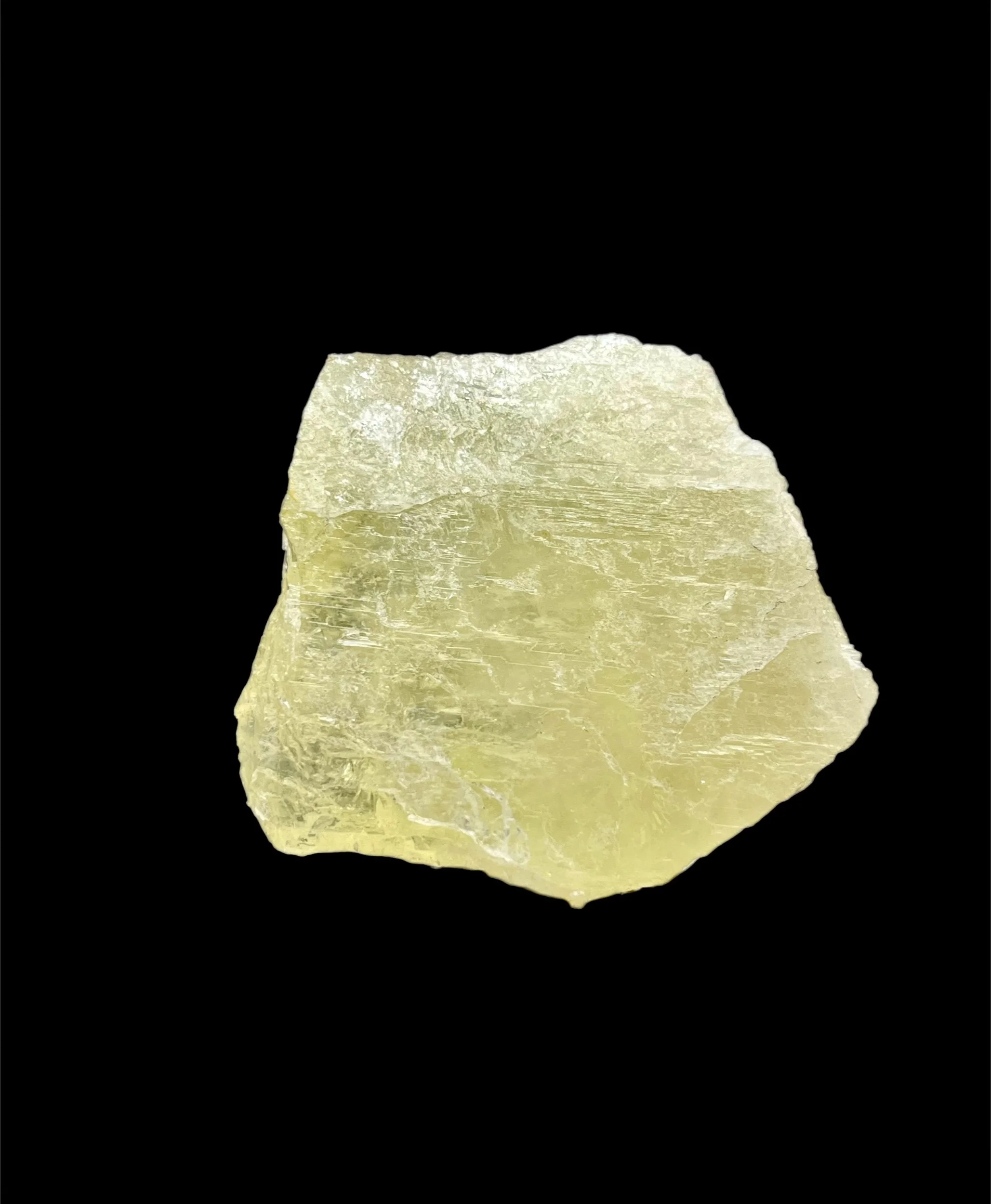
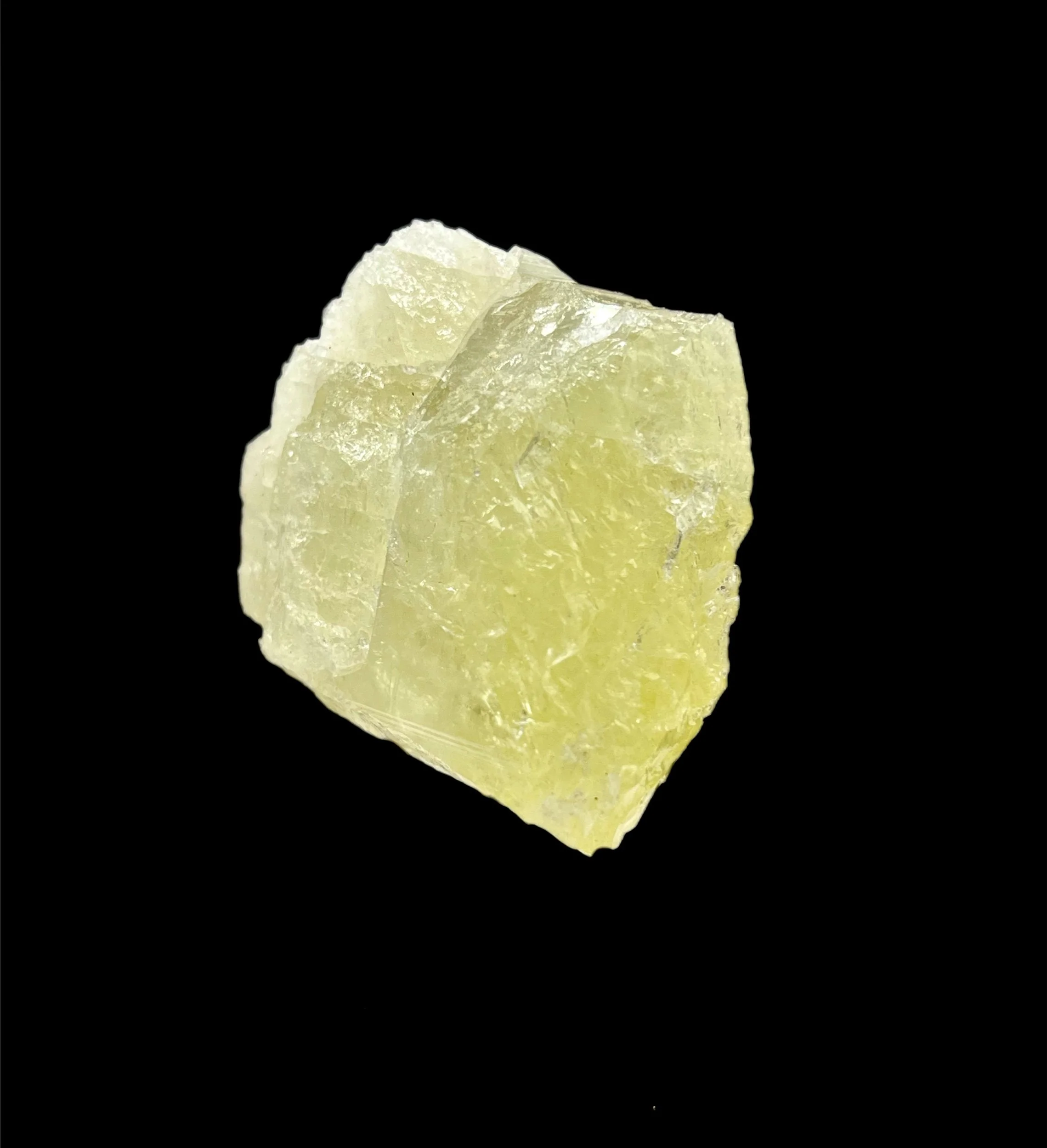
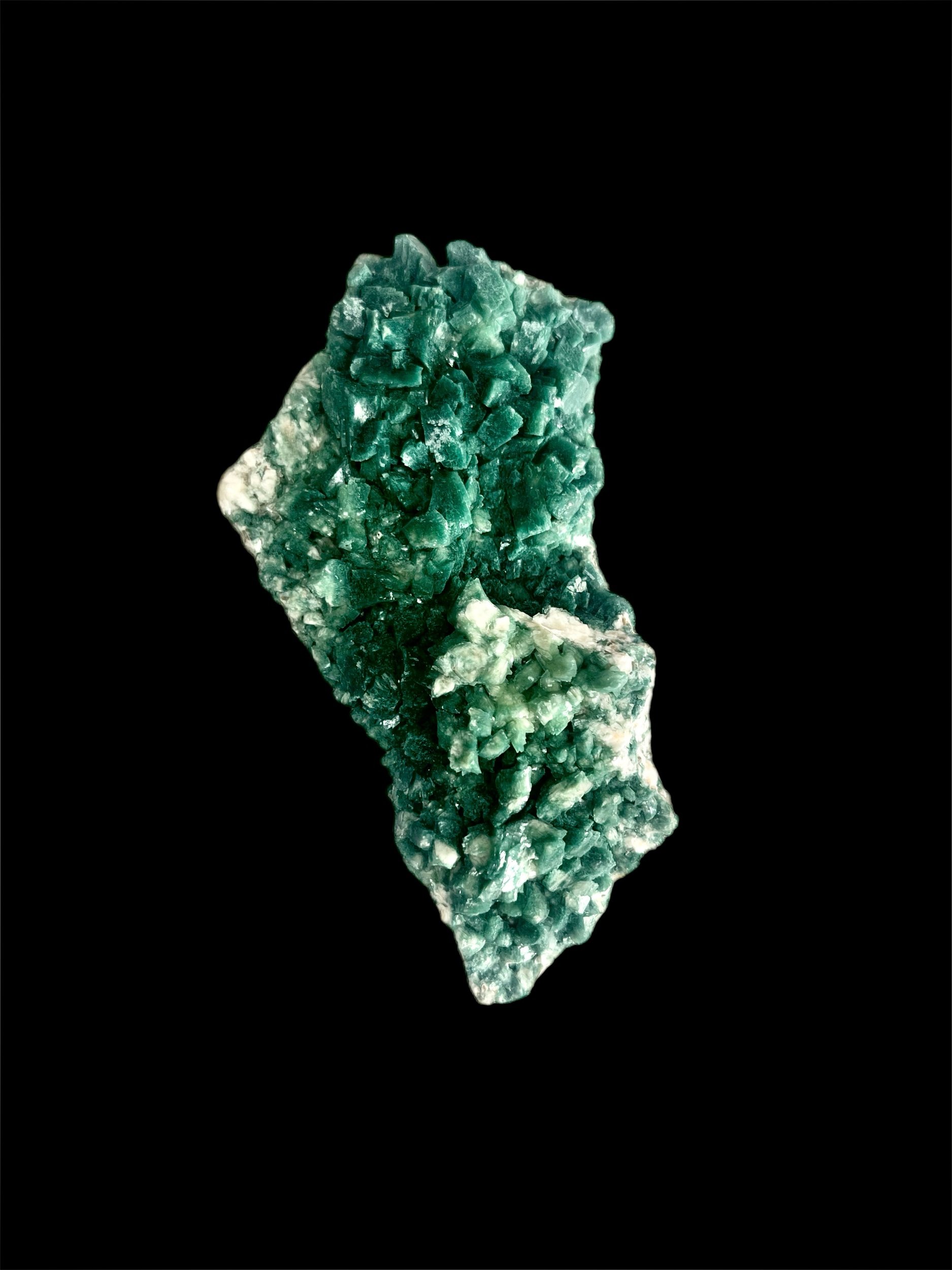
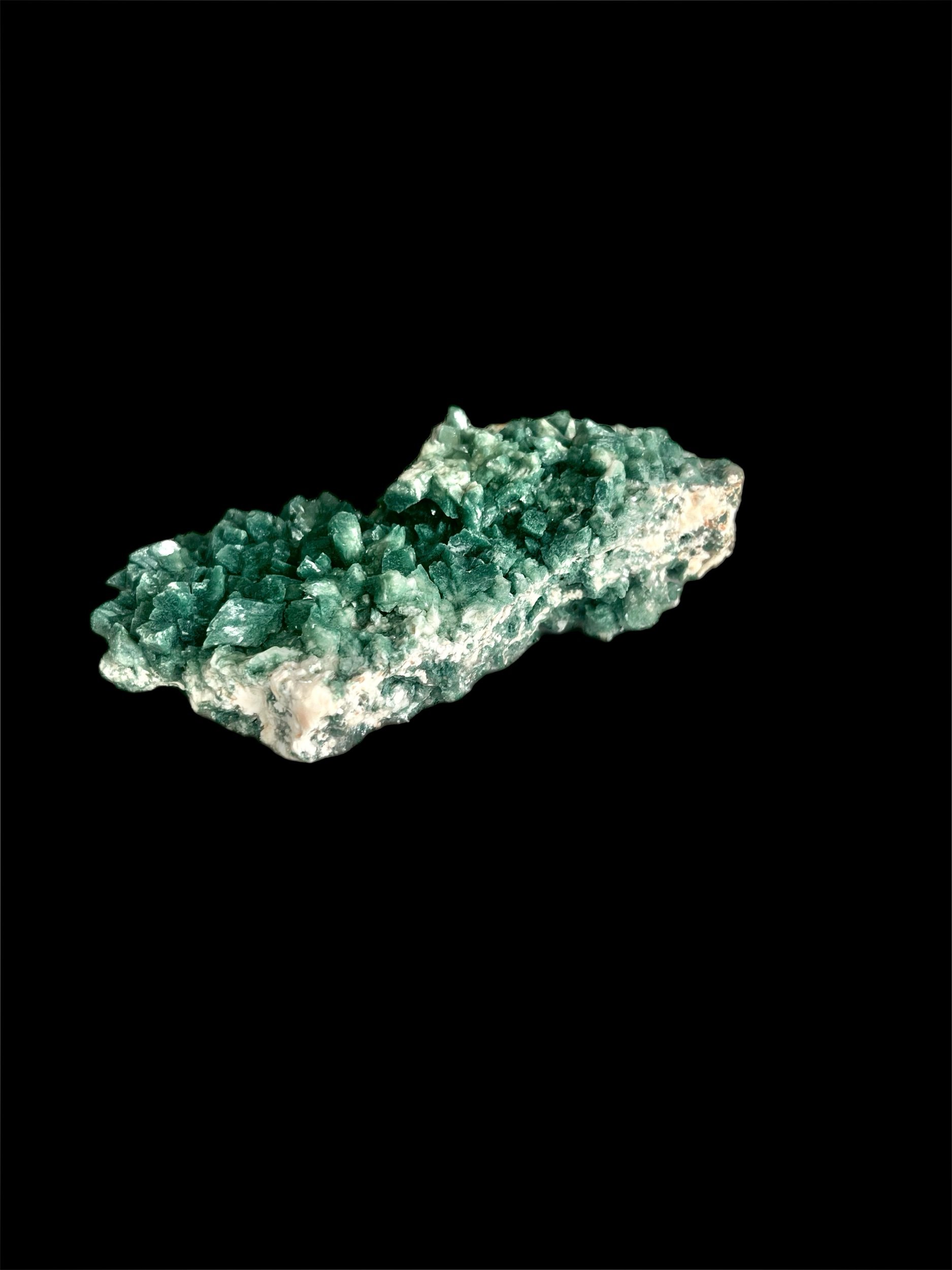
An extraordinary display of color, crystal structure, and geological history, this museum-grade Azurite with Malachite specimen comes from the celebrated Liufengshan Mine in Anhui Province, China.
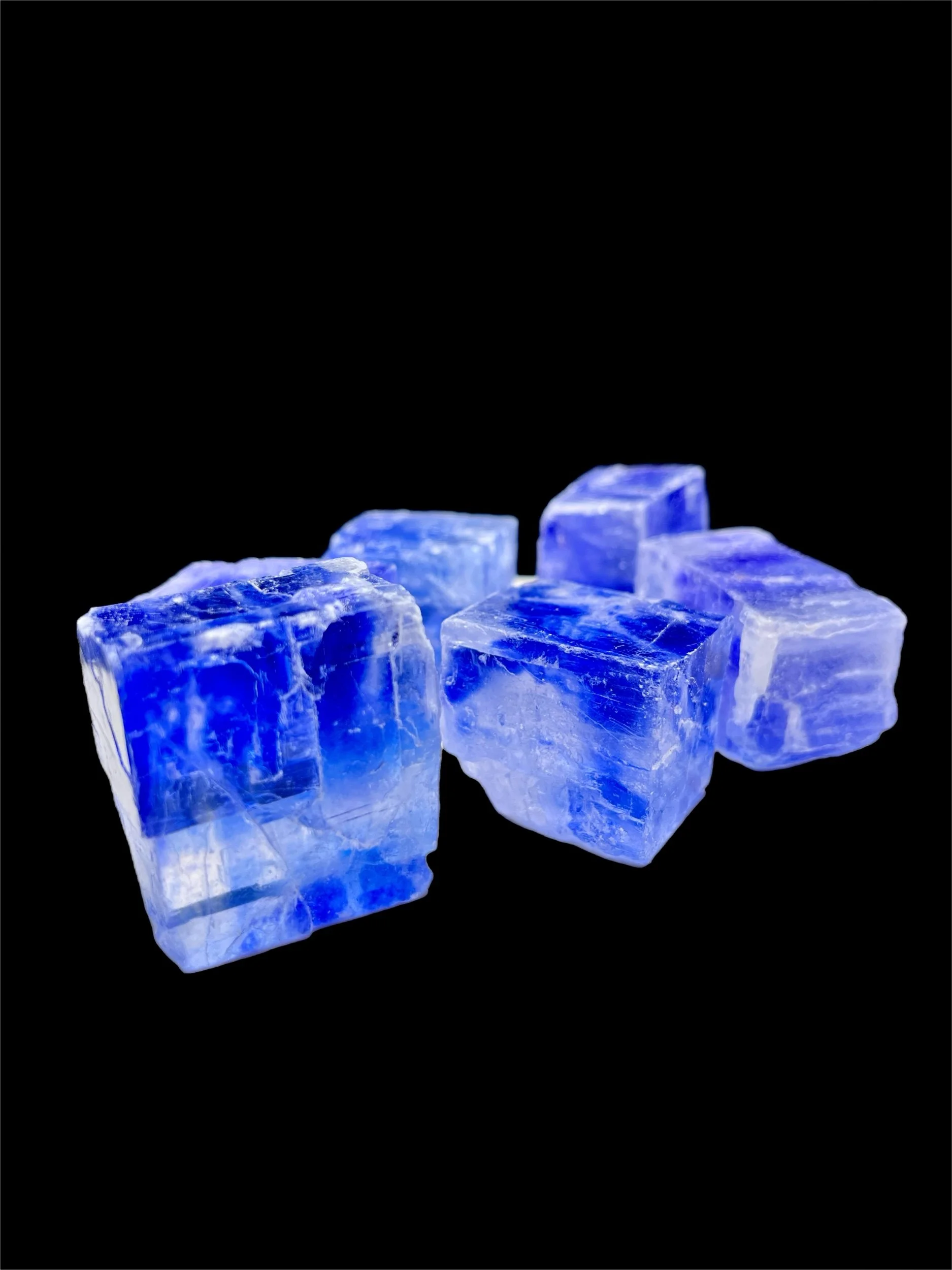
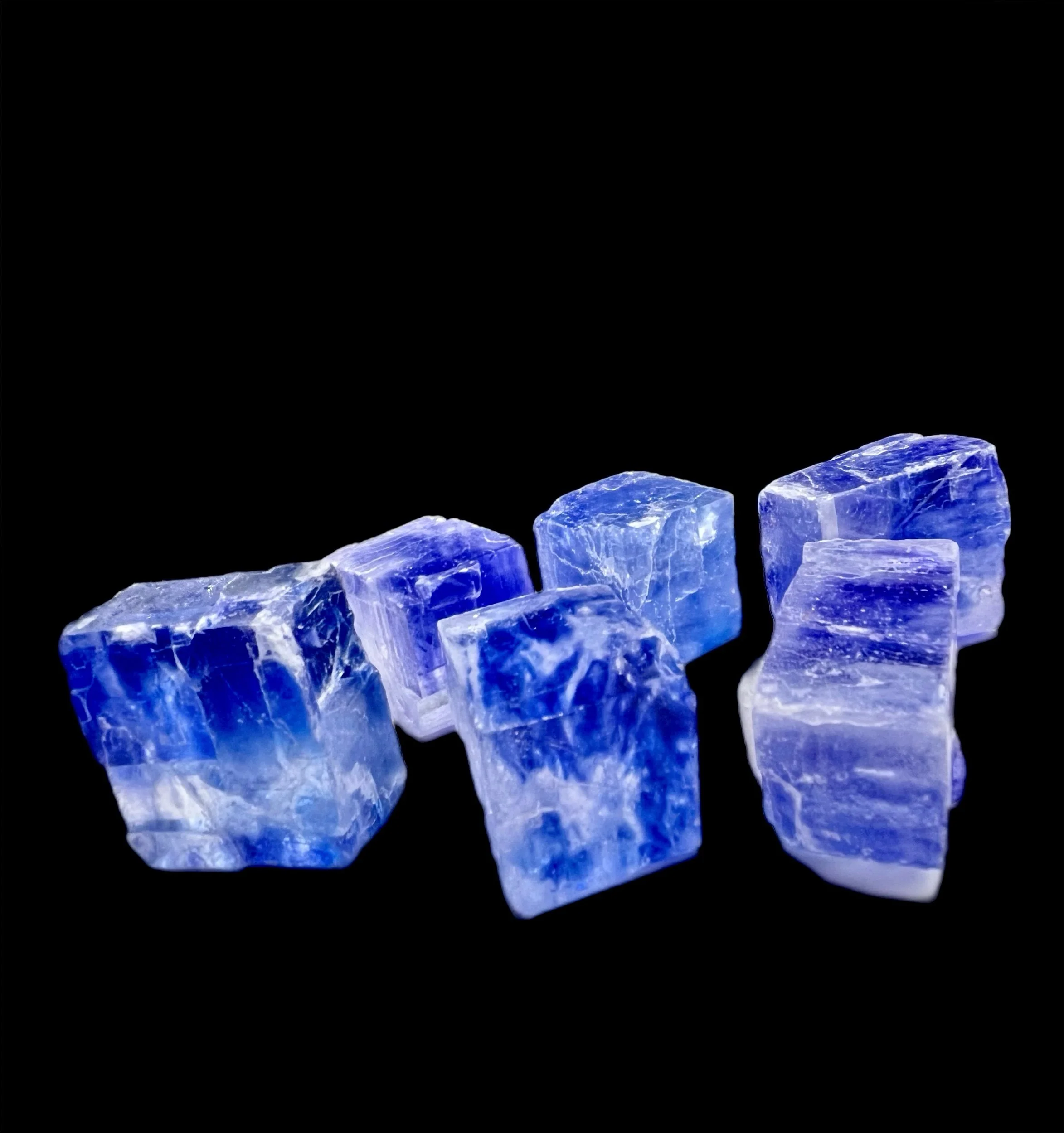
The specimen features an abundance of brilliantly lustrous, deep royal-blue azurite crystals arranged in densely packed clusters across a sculptural matrix. Their sharply defined faces reflect light beautifully, creating jeweled appearance, a rarely seen formation for this mineral.
Interwoven throughout the azurite are vibrant emerald-green malachite crystals displaying an impressive variety of formations. Velvety botryoidal growths, intricate fibrous aggregates, and delicate radiating fans provide a stunning contrast to the glassy, angular azurite crystals.
With exceptional color contrast, intricate crystallization, and visual appeal from multiple angles, this is a captivating display specimen for a serious mineral collection, educational display, or museum.
Dimensions, Weight & Locality
Weight: 287 grams
Dimensions: 2.75" × 2.5" × 2.5"
Mine: Liufengshan Mine (Liu Feng Shan Mine)
Location: Guichi District, Chizhou, Anhui Province, China
Metaphysical Properties
Traditionally associated with insight, transformation, and emotional balance.
Azurite is often regarded as a stone of intuition, intellectual clarity, and spiritual awareness. In crystal traditions, its deep-blue color is associated with the third eye chakra and the pursuit of knowledge and understanding.
Malachite is traditionally associated with transformation, personal growth, and emotional protection. Its vibrant green color connects it symbolically with the heart chakra and positive change.
Together, azurite and malachite are believed to encourage a balance between clear thinking and emotional awareness, making them a popular pairing among metaphysical collectors.
These associations are based on traditional beliefs and have not been scientifically established.
Collector's Notes
A Celebrated Chinese Mineral Locality
The Liufengshan Mine is internationally recognized for producing remarkably aesthetic combinations of azurite and malachite. Although mining operations began in 1970, its exceptional collector specimens gained international recognition in 2002.
The mine's stellar reputation grew through specimens displaying intensely saturated blue azurite crystals against rich green malachite, often with beautiful crystalline and fibrous textures.
Rare Gemmy Azurite Terminations
While azurite itself is not exceptionally rare, finding beautifully formed, gemmy crystals with intact natural terminations is far less common. Azurite typically develops as massive formations, crusts, or intergrown crystals rather than distinct, well-terminated crystals.
These remarkable crystals form when copper-rich, carbonate-bearing groundwater circulates through cavities within oxidized copper deposits. Under specific conditions, azurite slowly crystallizes into open spaces, allowing its natural geometric faces and terminations to develop without obstruction. When crystal growth occurs with minimal impurities and inclusions, the result can be exceptional translucency, producing the coveted gemmy appearance.
The combination of well-defined terminations, rich blue coloration, glassy luster, and gem-quality translucency makes these specimens especially desirable to find mineral collectors. Their delicate nature and tendency to alter into green malachite make beautifully preserved examples even more impressive.
How Radiating Malachite Forms
One of the most fascinating characteristics of this specimen is its abundance of radiating malachite formations.
Malachite commonly develops as fibrous aggregates composed of numerous elongated crystals. As these crystals grow outward from localized growth centers, they can create beautiful fan-shaped, rosette-like, or spherical arrangements.
Depending on the surrounding space, available mineral-rich solutions, and growth conditions, these aggregates may develop into tightly packed bundles or spread outward into elaborate sprays.
The delicate green formations visible throughout this specimen beautifully demonstrate this distinctive growth habit.
How Azurite and Malachite Form Together
Both minerals develop in the oxidized portions of copper deposits, where oxygen-rich groundwater interacts with copper-bearing minerals.
As copper is released and reacts with carbonate-bearing solutions, secondary copper carbonates can crystallize. Differences in chemical conditions, particularly carbon dioxide availability, influence whether azurite or malachite forms.
Azurite can also gradually alter into malachite over geological time. In certain circumstances, the malachite preserves the original crystal shape of the azurite, creating a fascinating phenomenon known as pseudomorphism.
Interesting Fact: Despite their dramatically different colors, azurite and malachite belong to the same family of basic copper carbonate minerals. The intense blue of azurite and brilliant green of malachite result from differences in their chemical compositions and crystal structures.
This particular specimen beautifully demonstrates the range of crystal habits these two minerals can develop, from sharply faceted azurite crystals to radiating and botryoidal malachite formations.
Highlights
Exceptional Color Contrast: Intensely saturated royal-blue azurite alongside vibrant emerald-green malachite.
Brilliant Crystal Luster: Numerous rare sharply defined azurite crystals with highly reflective, vitreous faces.
Fibrous Malachite: Beautiful radiating fans and delicate fibrous formations.
Botryoidal Growth: Rounded, textured malachite aggregates add dimension and visual interest.
Complex Crystallization: Multiple crystal habits and growth patterns displayed throughout the specimen.
Multi-Angle Display: Attractive crystal coverage and distinctive features visible from several orientations.
Renowned Locality: Sourced from China's celebrated Liufengshan Mine, known internationally for exceptional azurite-malachite specimens.
Museum Quality : An excellent addition to a curated collection of copper minerals and aesthetic mineral associations.
Mineralogy
Azurite
Chemical Formula: Cu₃(CO₃)₂(OH)₂
Mineral Class: Carbonates
Crystal System: Monoclinic
Mohs Hardness: 3.5–4
Color: Azure blue to deep royal blue
Luster: Vitreous (glassy)
Streak: Light blue
Cleavage: Perfect in one direction, fair in another
Specific Gravity: Approximately 3.77
Crystal Habit: Tabular, prismatic, bladed, and clustered crystals; occasionally massive or botryoidal
Formation: Secondary copper mineral formed in oxidized copper deposits
Malachite
Chemical Formula: Cu₂(CO₃)(OH)₂
Mineral Class: Carbonates
Crystal System: Monoclinic
Mohs Hardness: 3.5–4
Color: Bright green to deep emerald green
Luster: Silky, earthy, or vitreous on some crystal faces
Streak: Light green
Cleavage: Perfect in one direction, fair in another
Specific Gravity: Approximately 3.6–4.05
Crystal Habit: Fibrous, radiating, botryoidal, mammillary, and massive aggregates
Formation: Secondary copper mineral formed through oxidation and alteration of copper-bearing minerals
Description
An extraordinary display of color, crystal structure, and geological history, this museum-grade Azurite with Malachite specimen comes from the celebrated Liufengshan Mine in Anhui Province, China.
The specimen features an abundance of brilliantly lustrous, deep royal-blue azurite crystals arranged in densely packed clusters across a sculptural matrix. Their sharply defined faces reflect light beautifully, creating jeweled appearance, a rarely seen formation for this mineral.
Interwoven throughout the azurite are vibrant emerald-green malachite crystals displaying an impressive variety of formations. Velvety botryoidal growths, intricate fibrous aggregates, and delicate radiating fans provide a stunning contrast to the glassy, angular azurite crystals.
With exceptional color contrast, intricate crystallization, and visual appeal from multiple angles, this is a captivating display specimen for a serious mineral collection, educational display, or museum.
Dimensions, Weight & Locality
Weight: 287 grams
Dimensions: 2.75" × 2.5" × 2.5"
Mine: Liufengshan Mine (Liu Feng Shan Mine)
Location: Guichi District, Chizhou, Anhui Province, China
Metaphysical Properties
Traditionally associated with insight, transformation, and emotional balance.
Azurite is often regarded as a stone of intuition, intellectual clarity, and spiritual awareness. In crystal traditions, its deep-blue color is associated with the third eye chakra and the pursuit of knowledge and understanding.
Malachite is traditionally associated with transformation, personal growth, and emotional protection. Its vibrant green color connects it symbolically with the heart chakra and positive change.
Together, azurite and malachite are believed to encourage a balance between clear thinking and emotional awareness, making them a popular pairing among metaphysical collectors.
These associations are based on traditional beliefs and have not been scientifically established.
Collector's Notes
A Celebrated Chinese Mineral Locality
The Liufengshan Mine is internationally recognized for producing remarkably aesthetic combinations of azurite and malachite. Although mining operations began in 1970, its exceptional collector specimens gained international recognition in 2002.
The mine's stellar reputation grew through specimens displaying intensely saturated blue azurite crystals against rich green malachite, often with beautiful crystalline and fibrous textures.
Rare Gemmy Azurite Terminations
While azurite itself is not exceptionally rare, finding beautifully formed, gemmy crystals with intact natural terminations is far less common. Azurite typically develops as massive formations, crusts, or intergrown crystals rather than distinct, well-terminated crystals.
These remarkable crystals form when copper-rich, carbonate-bearing groundwater circulates through cavities within oxidized copper deposits. Under specific conditions, azurite slowly crystallizes into open spaces, allowing its natural geometric faces and terminations to develop without obstruction. When crystal growth occurs with minimal impurities and inclusions, the result can be exceptional translucency, producing the coveted gemmy appearance.
The combination of well-defined terminations, rich blue coloration, glassy luster, and gem-quality translucency makes these specimens especially desirable to find mineral collectors. Their delicate nature and tendency to alter into green malachite make beautifully preserved examples even more impressive.
How Radiating Malachite Forms
One of the most fascinating characteristics of this specimen is its abundance of radiating malachite formations.
Malachite commonly develops as fibrous aggregates composed of numerous elongated crystals. As these crystals grow outward from localized growth centers, they can create beautiful fan-shaped, rosette-like, or spherical arrangements.
Depending on the surrounding space, available mineral-rich solutions, and growth conditions, these aggregates may develop into tightly packed bundles or spread outward into elaborate sprays.
The delicate green formations visible throughout this specimen beautifully demonstrate this distinctive growth habit.
How Azurite and Malachite Form Together
Both minerals develop in the oxidized portions of copper deposits, where oxygen-rich groundwater interacts with copper-bearing minerals.
As copper is released and reacts with carbonate-bearing solutions, secondary copper carbonates can crystallize. Differences in chemical conditions, particularly carbon dioxide availability, influence whether azurite or malachite forms.
Azurite can also gradually alter into malachite over geological time. In certain circumstances, the malachite preserves the original crystal shape of the azurite, creating a fascinating phenomenon known as pseudomorphism.
Interesting Fact: Despite their dramatically different colors, azurite and malachite belong to the same family of basic copper carbonate minerals. The intense blue of azurite and brilliant green of malachite result from differences in their chemical compositions and crystal structures.
This particular specimen beautifully demonstrates the range of crystal habits these two minerals can develop, from sharply faceted azurite crystals to radiating and botryoidal malachite formations.
Highlights
Exceptional Color Contrast: Intensely saturated royal-blue azurite alongside vibrant emerald-green malachite.
Brilliant Crystal Luster: Numerous rare sharply defined azurite crystals with highly reflective, vitreous faces.
Fibrous Malachite: Beautiful radiating fans and delicate fibrous formations.
Botryoidal Growth: Rounded, textured malachite aggregates add dimension and visual interest.
Complex Crystallization: Multiple crystal habits and growth patterns displayed throughout the specimen.
Multi-Angle Display: Attractive crystal coverage and distinctive features visible from several orientations.
Renowned Locality: Sourced from China's celebrated Liufengshan Mine, known internationally for exceptional azurite-malachite specimens.
Museum Quality : An excellent addition to a curated collection of copper minerals and aesthetic mineral associations.
Mineralogy
Azurite
Chemical Formula: Cu₃(CO₃)₂(OH)₂
Mineral Class: Carbonates
Crystal System: Monoclinic
Mohs Hardness: 3.5–4
Color: Azure blue to deep royal blue
Luster: Vitreous (glassy)
Streak: Light blue
Cleavage: Perfect in one direction, fair in another
Specific Gravity: Approximately 3.77
Crystal Habit: Tabular, prismatic, bladed, and clustered crystals; occasionally massive or botryoidal
Formation: Secondary copper mineral formed in oxidized copper deposits
Malachite
Chemical Formula: Cu₂(CO₃)(OH)₂
Mineral Class: Carbonates
Crystal System: Monoclinic
Mohs Hardness: 3.5–4
Color: Bright green to deep emerald green
Luster: Silky, earthy, or vitreous on some crystal faces
Streak: Light green
Cleavage: Perfect in one direction, fair in another
Specific Gravity: Approximately 3.6–4.05
Crystal Habit: Fibrous, radiating, botryoidal, mammillary, and massive aggregates
Formation: Secondary copper mineral formed through oxidation and alteration of copper-bearing minerals


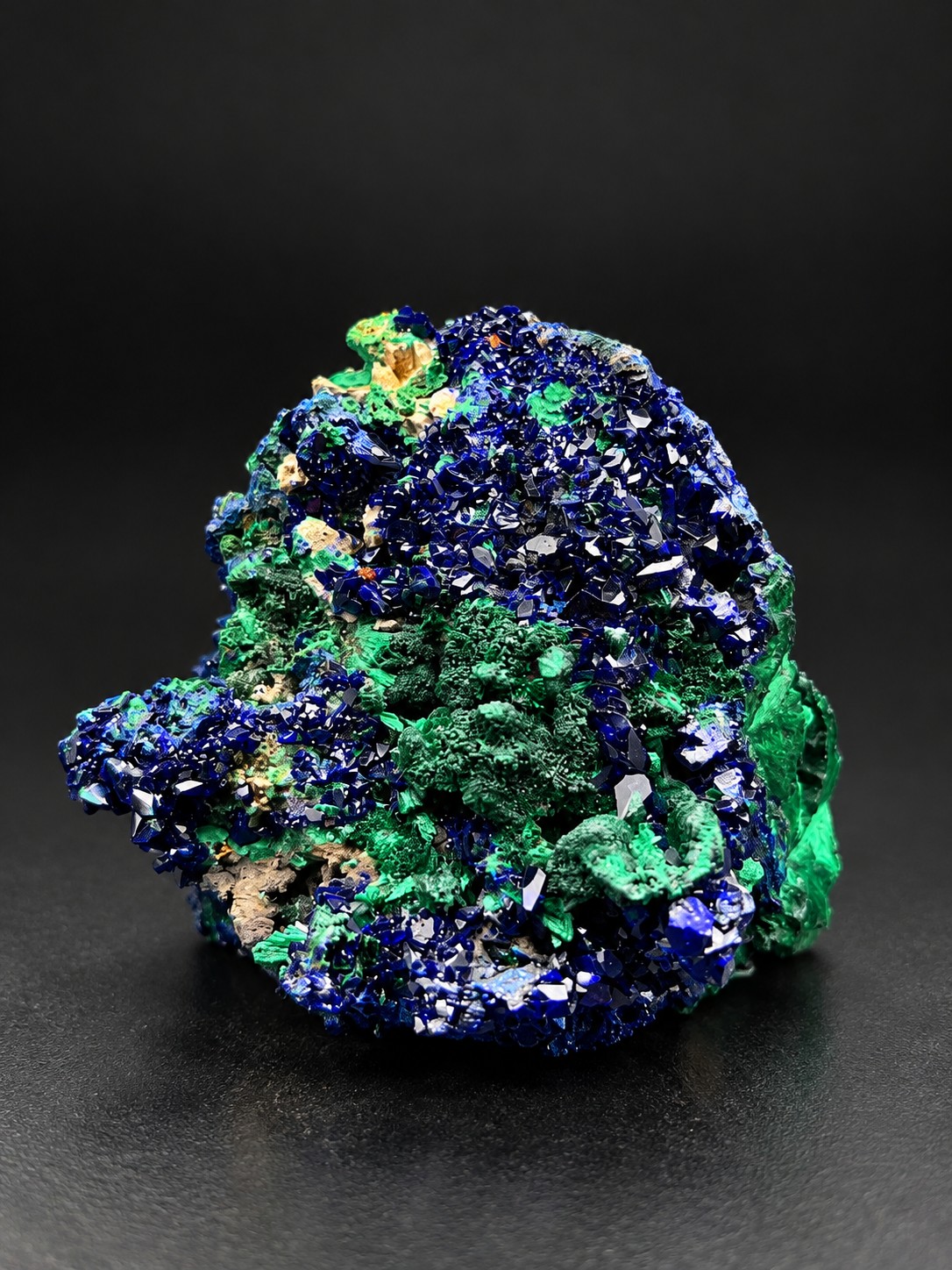 Image 1 of 7
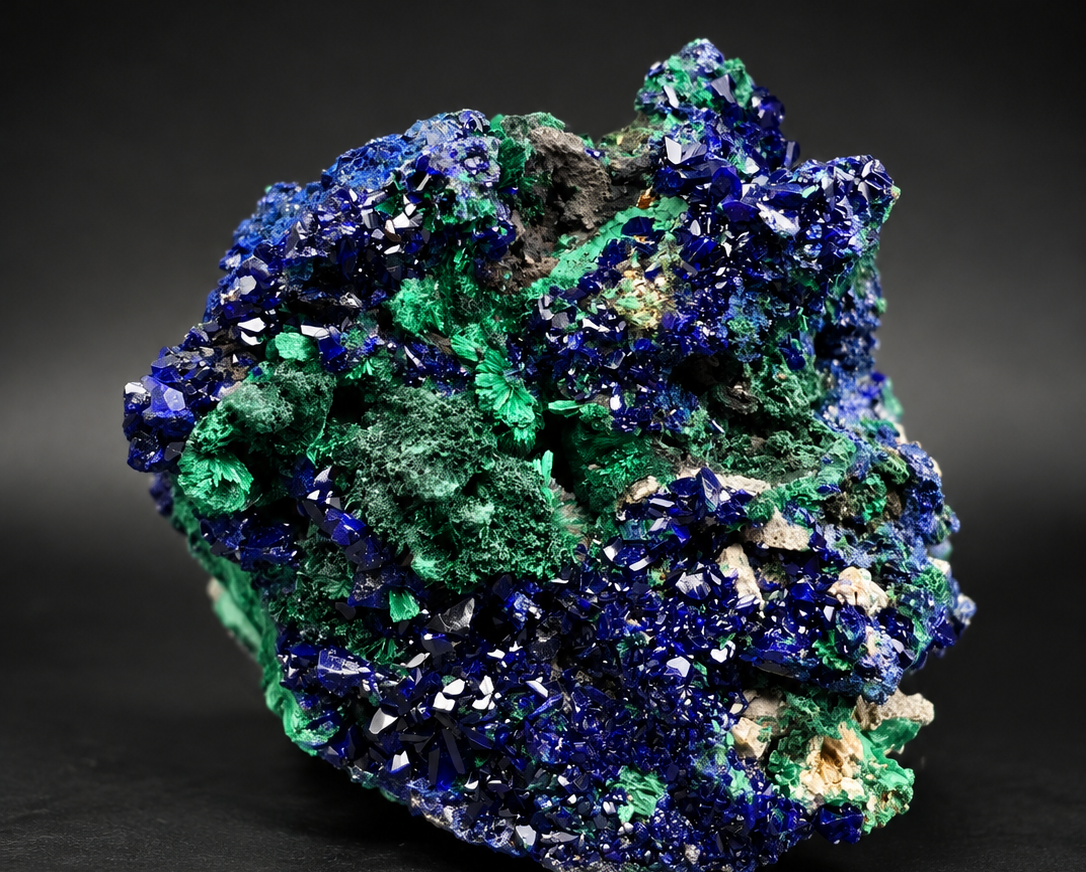 Image 2 of 7
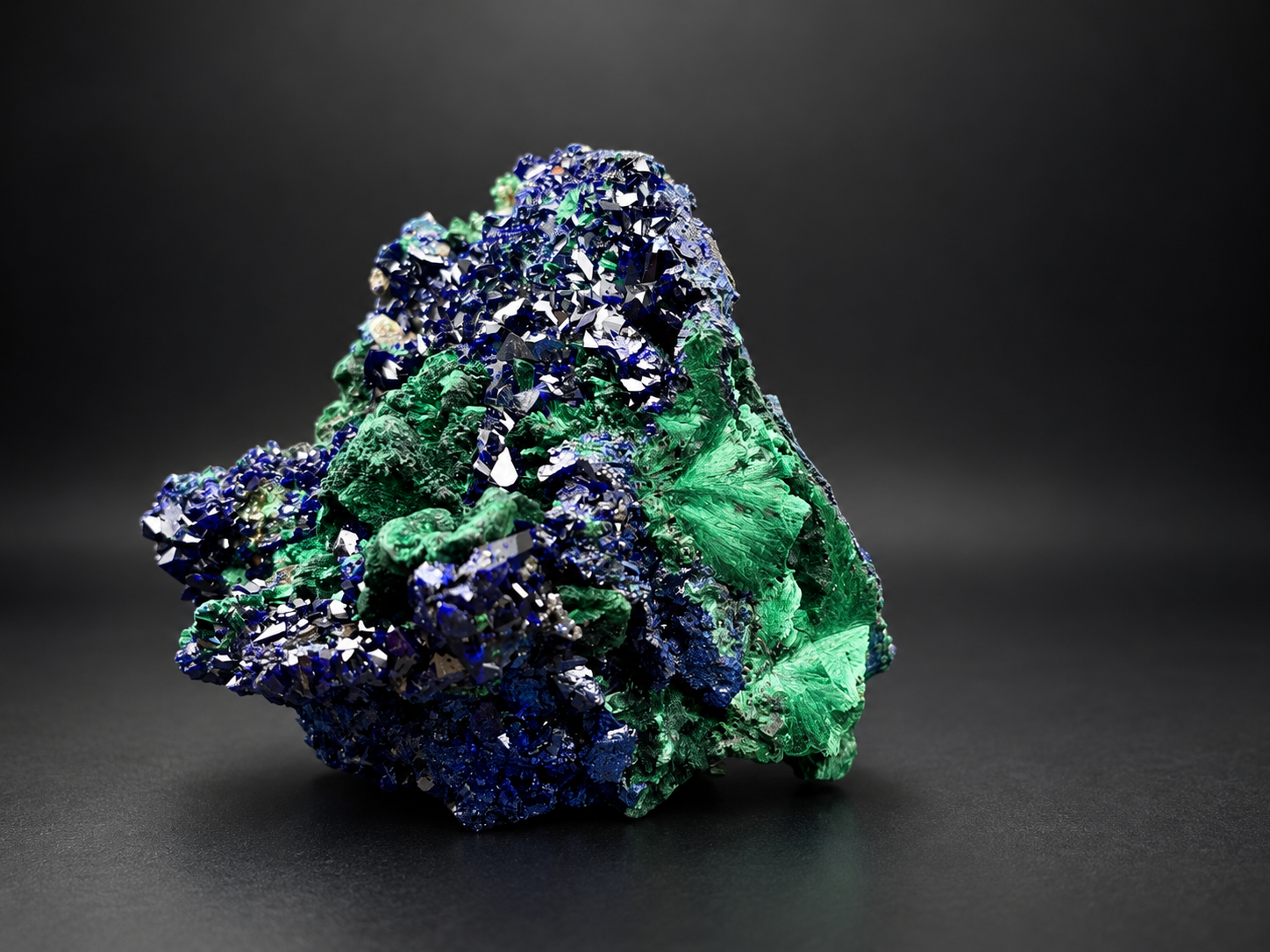 Image 3 of 7
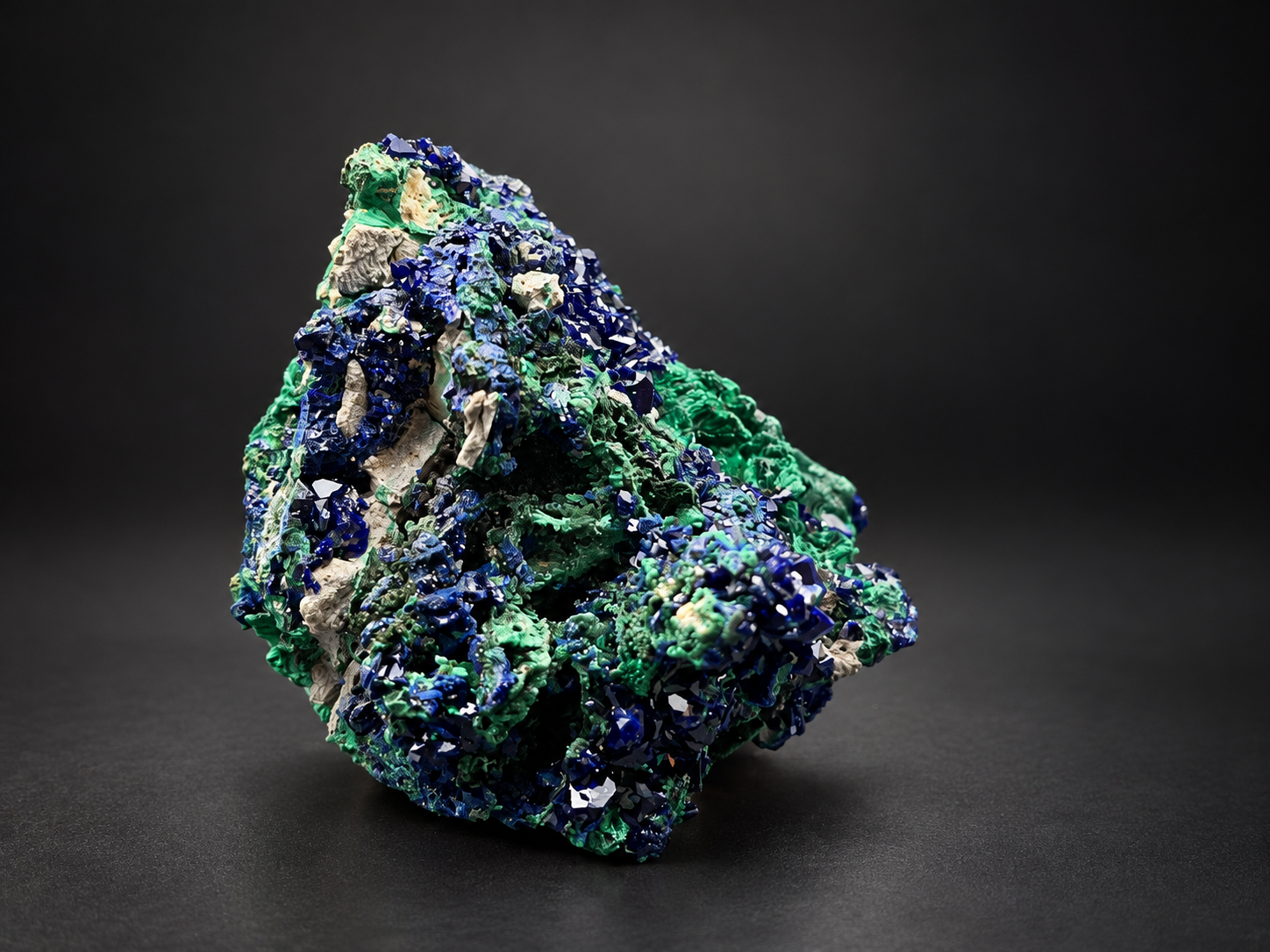 Image 4 of 7
 Image 5 of 7
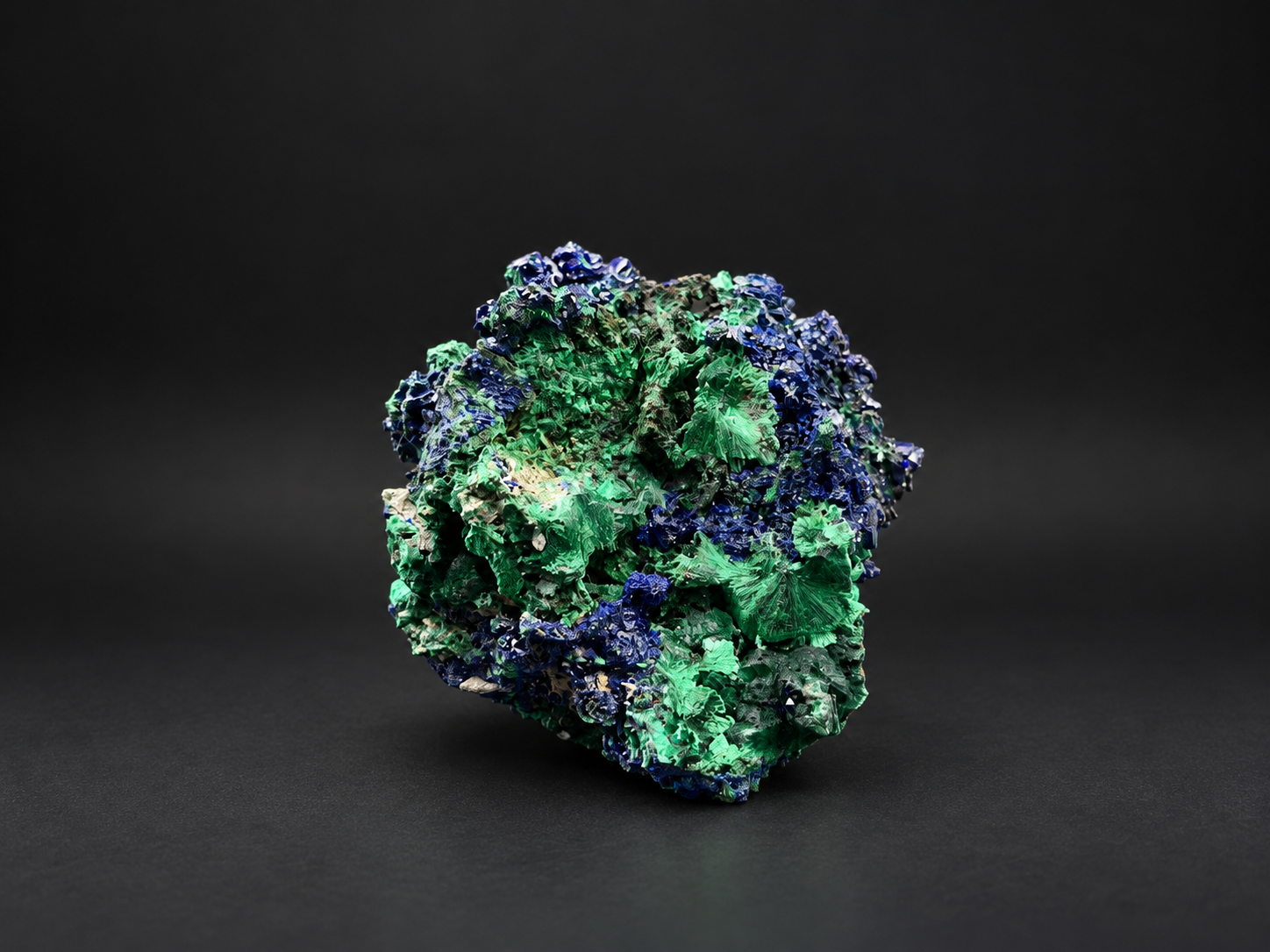 Image 6 of 7
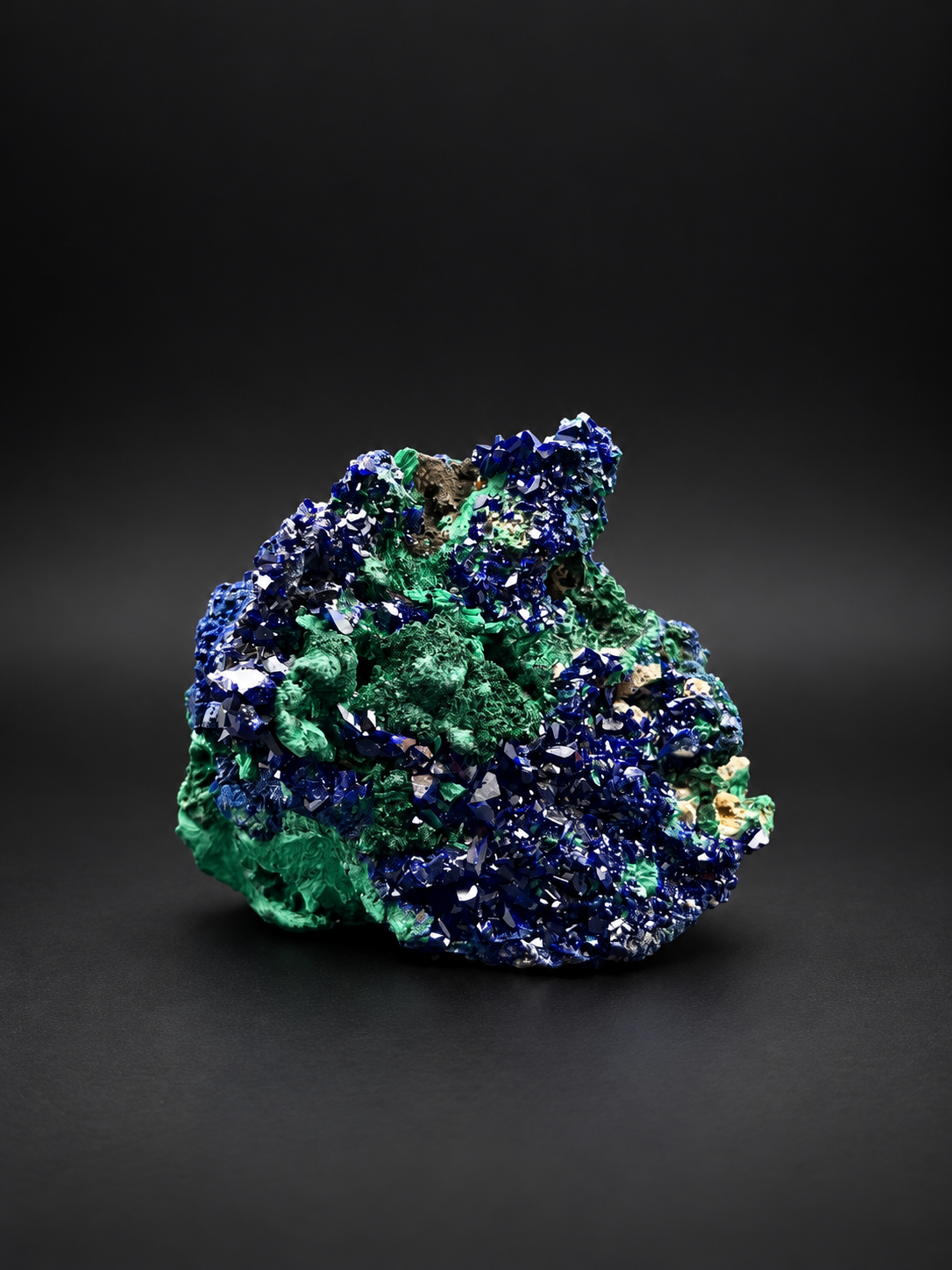 Image 7 of 7