 Image 1 of 5
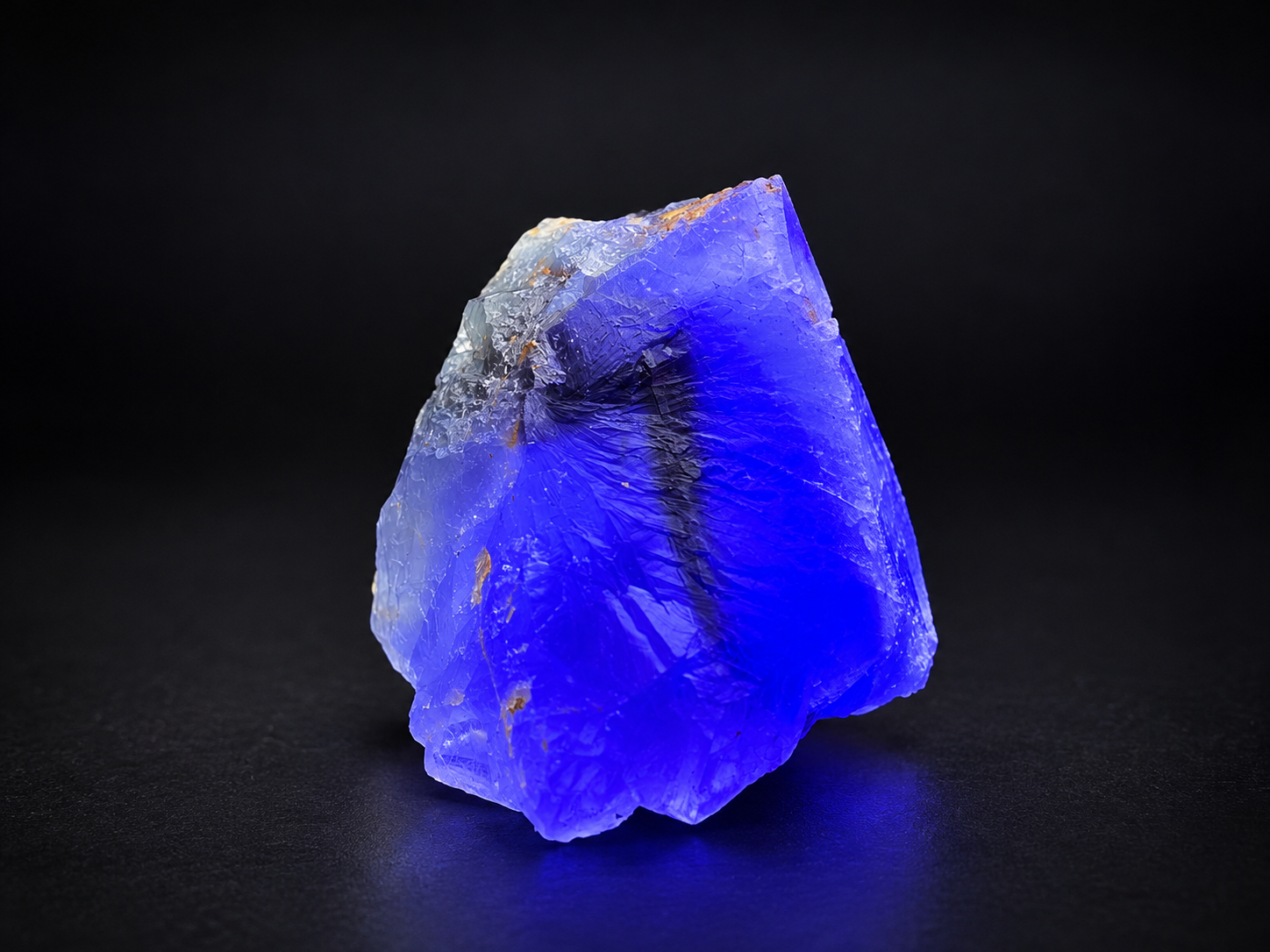 Image 2 of 5
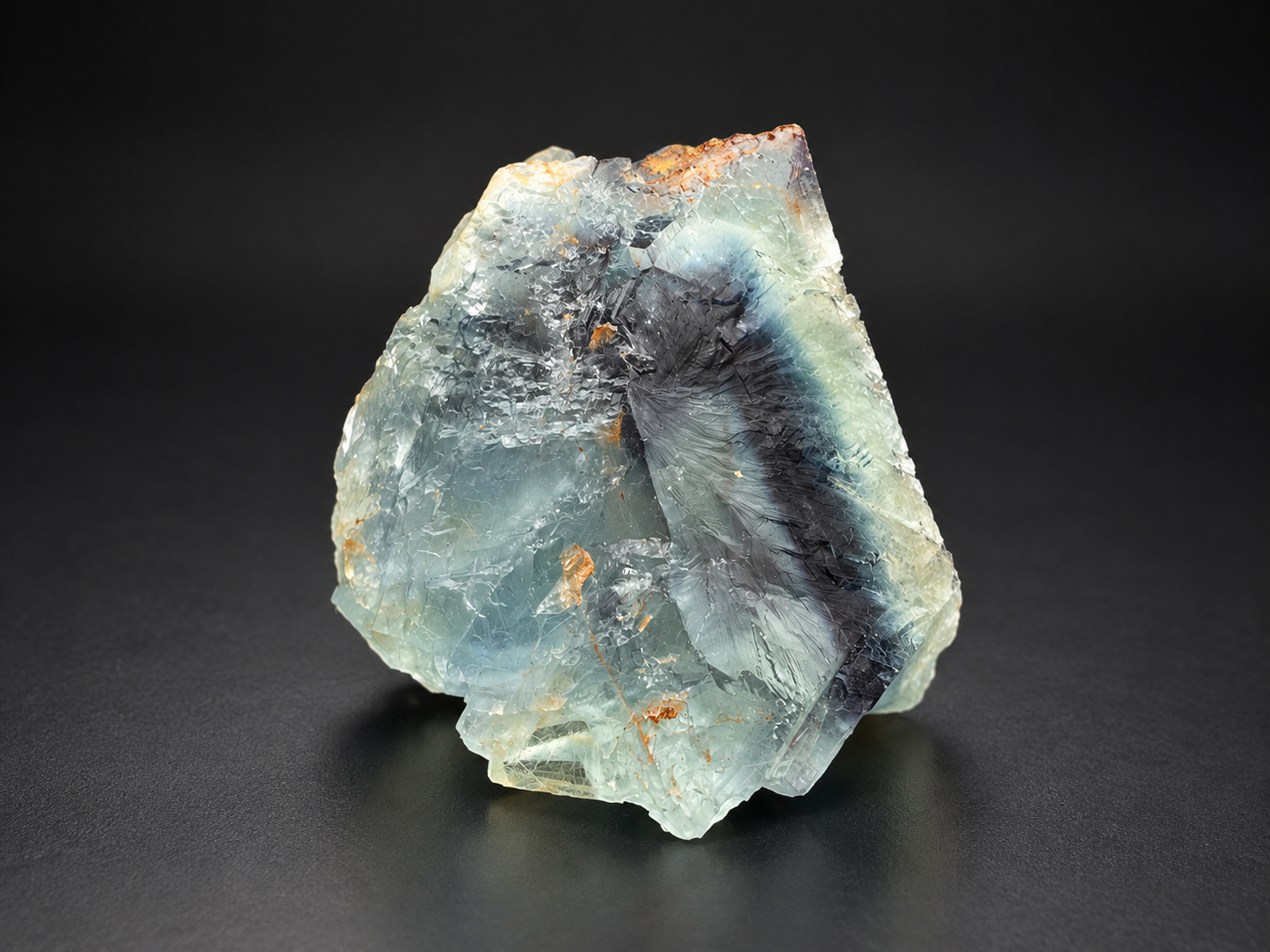 Image 3 of 5
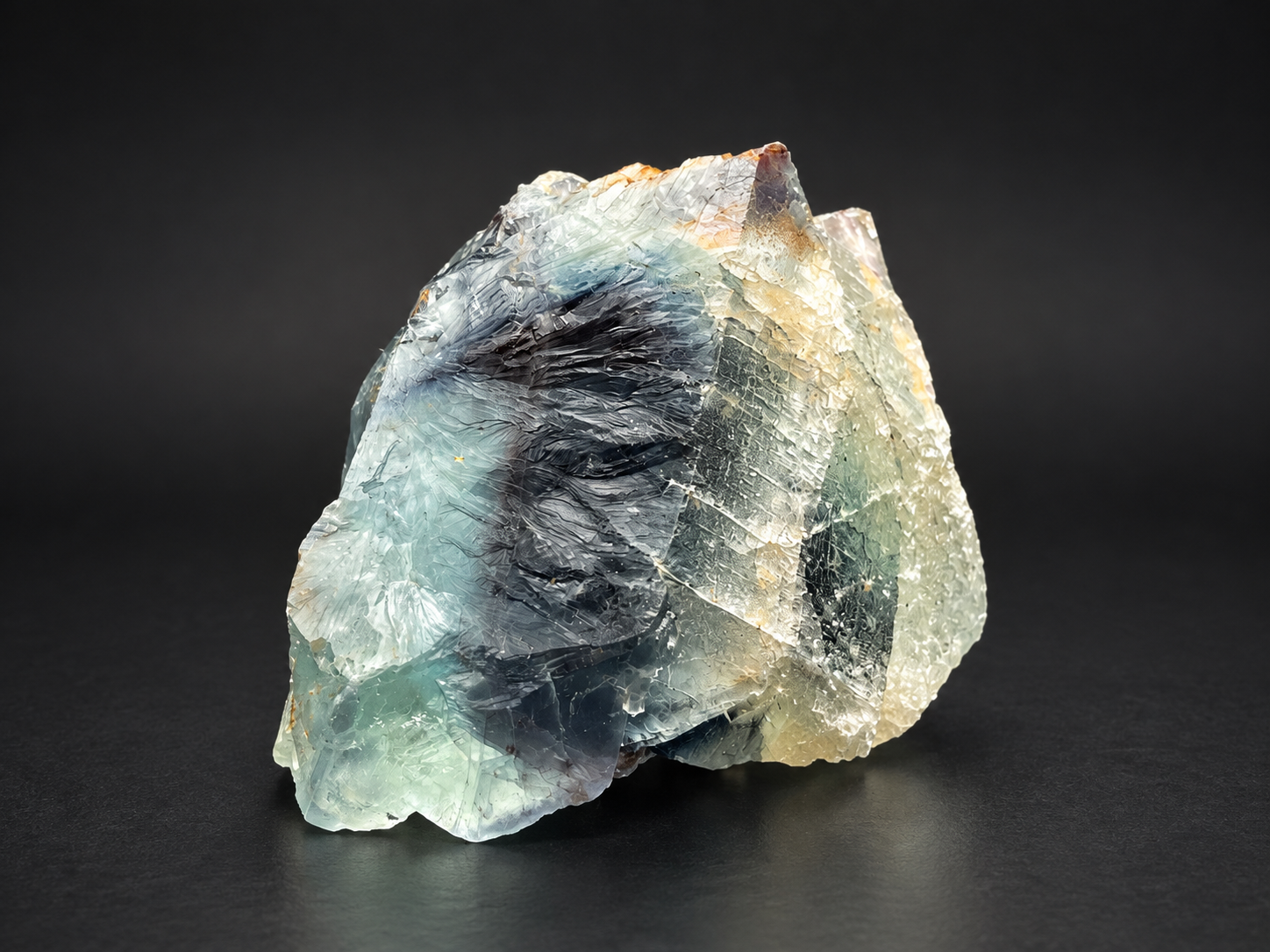 Image 4 of 5
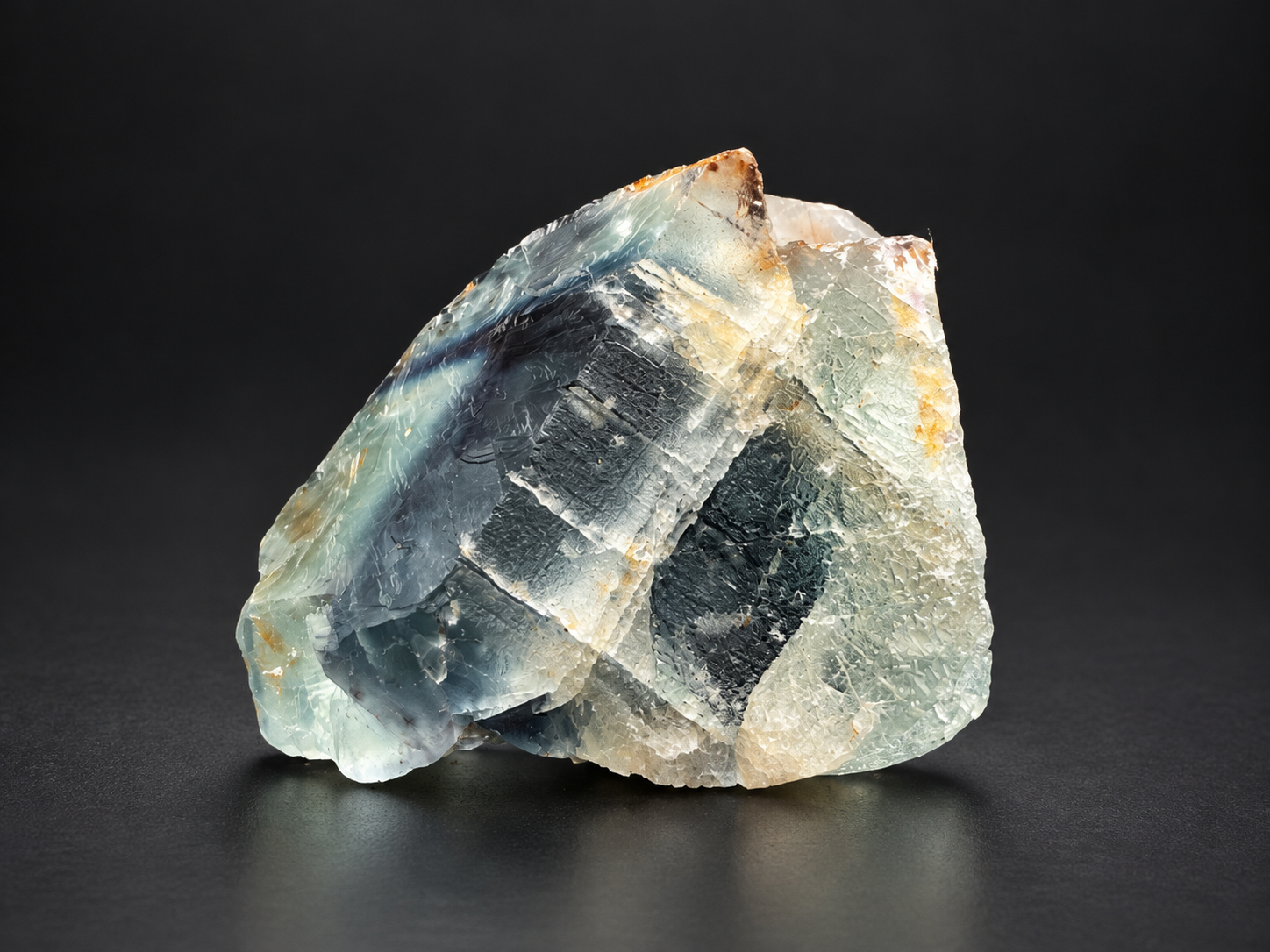 Image 5 of 5
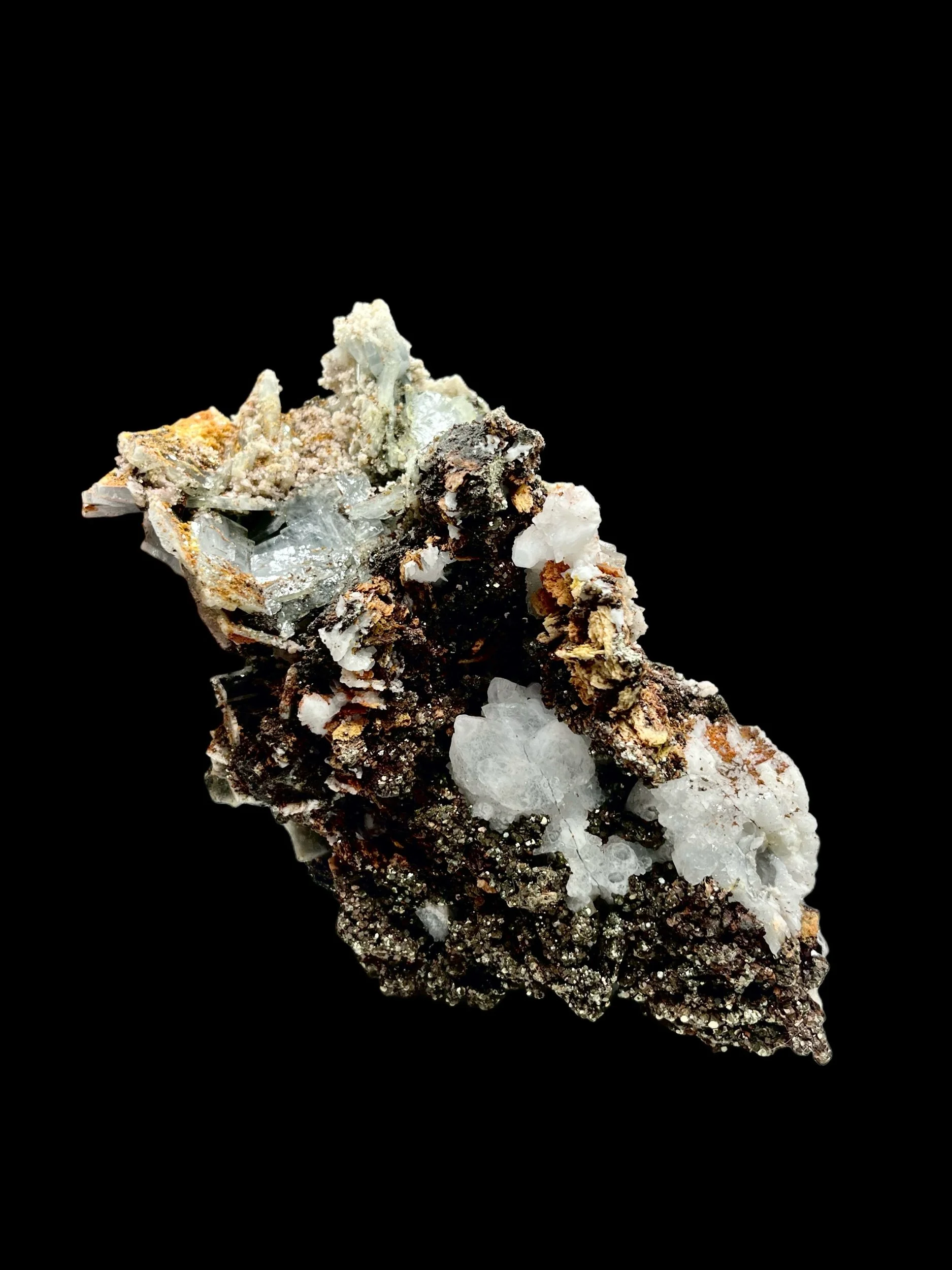
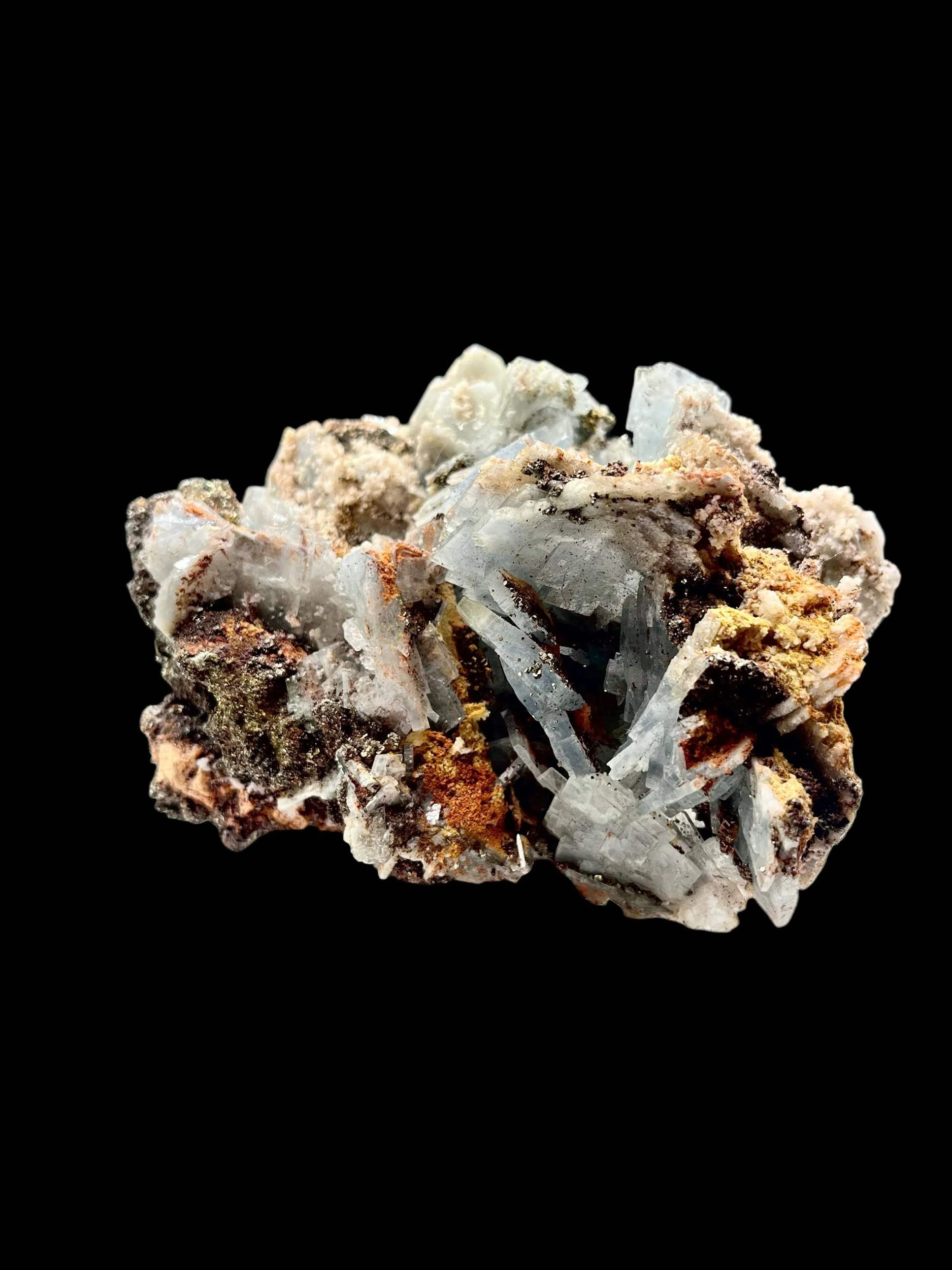
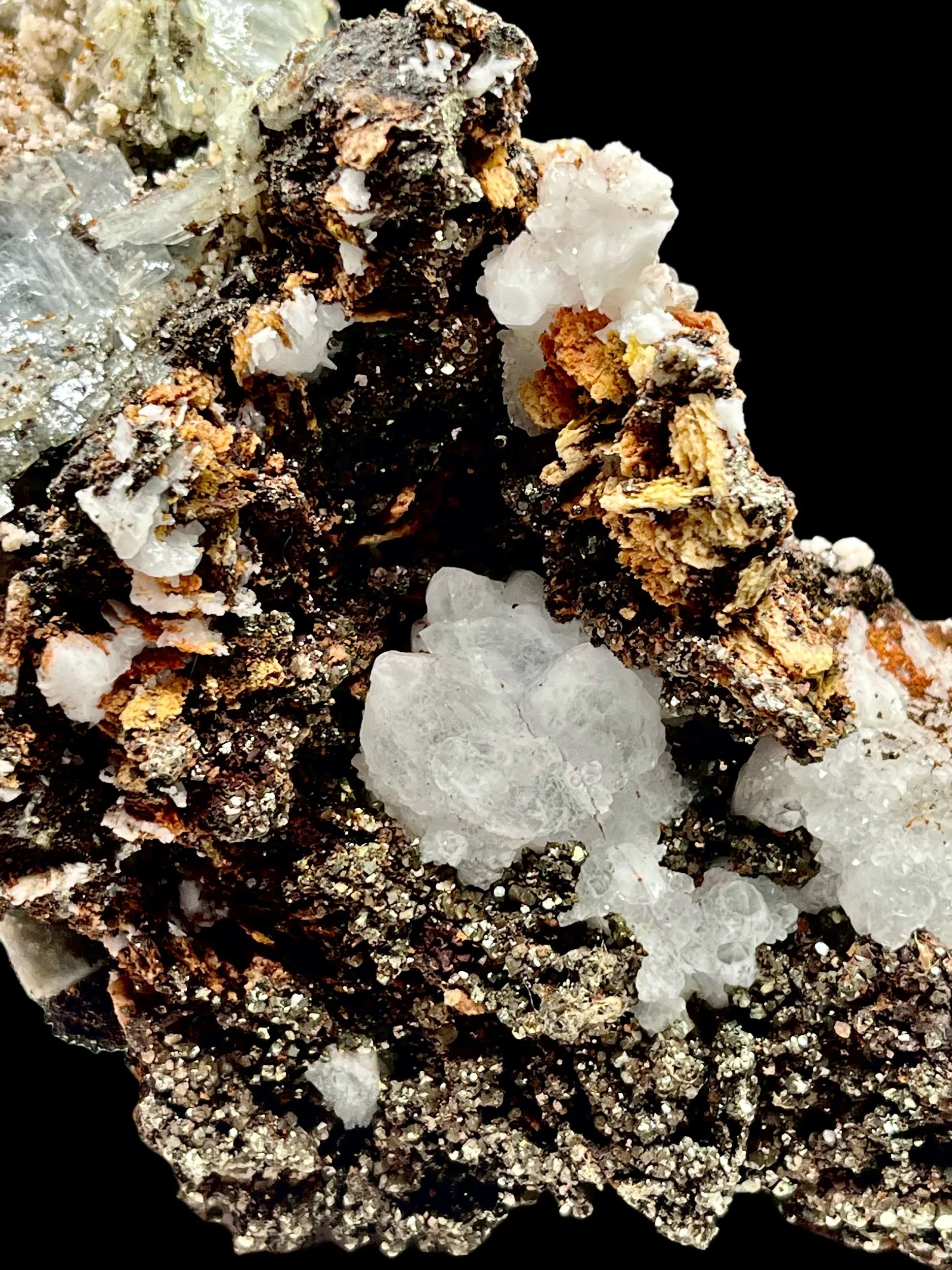
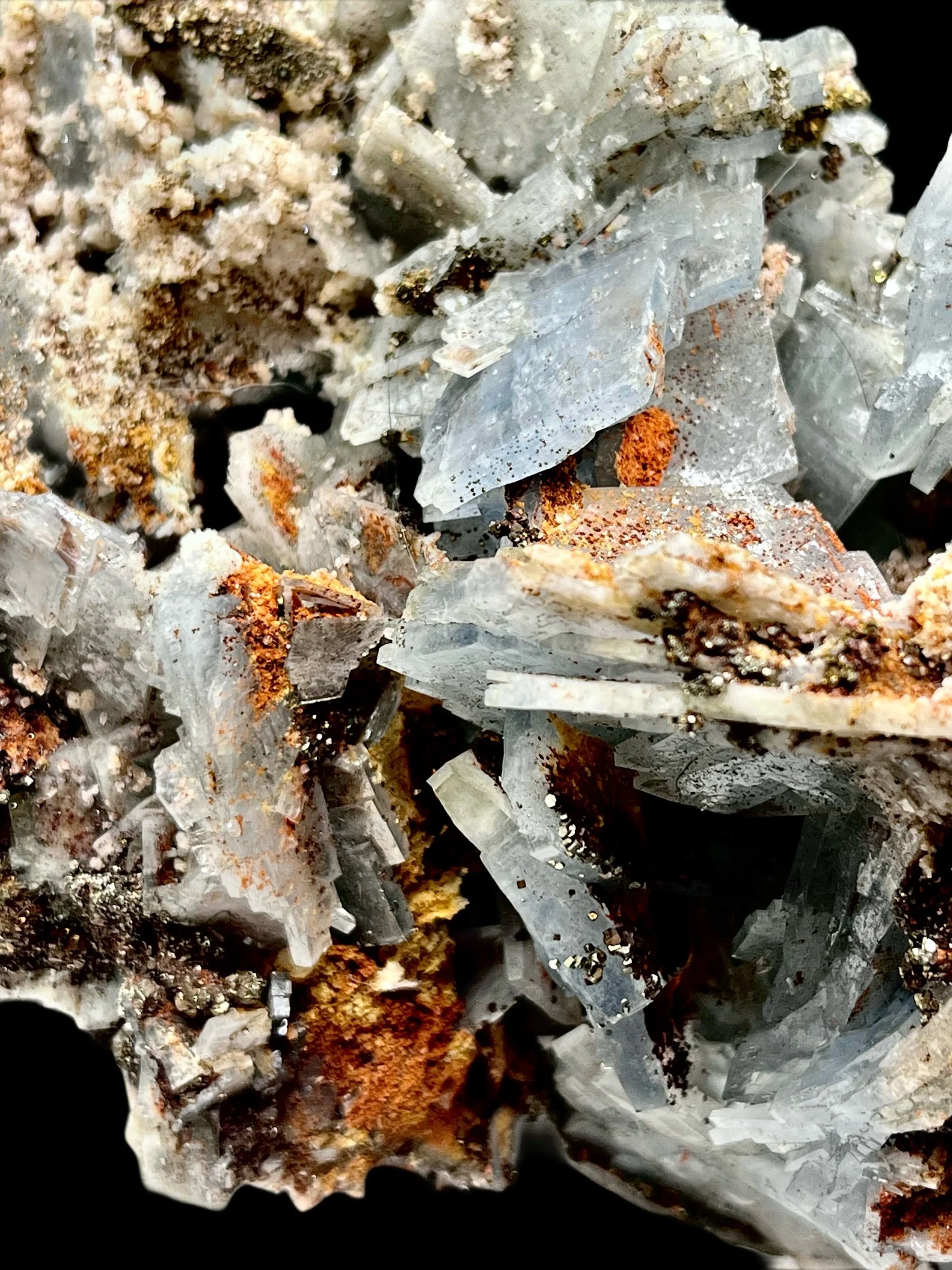
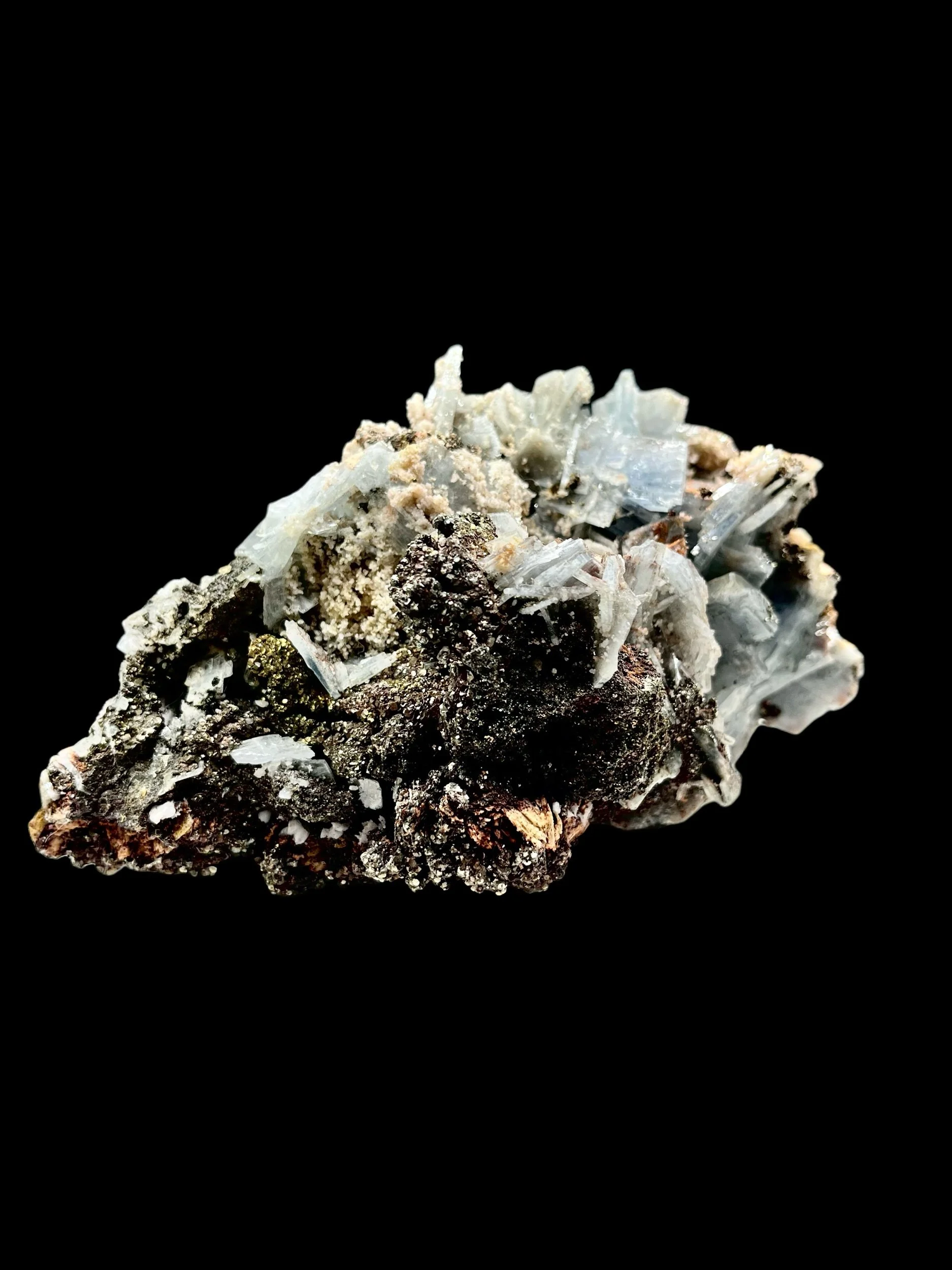
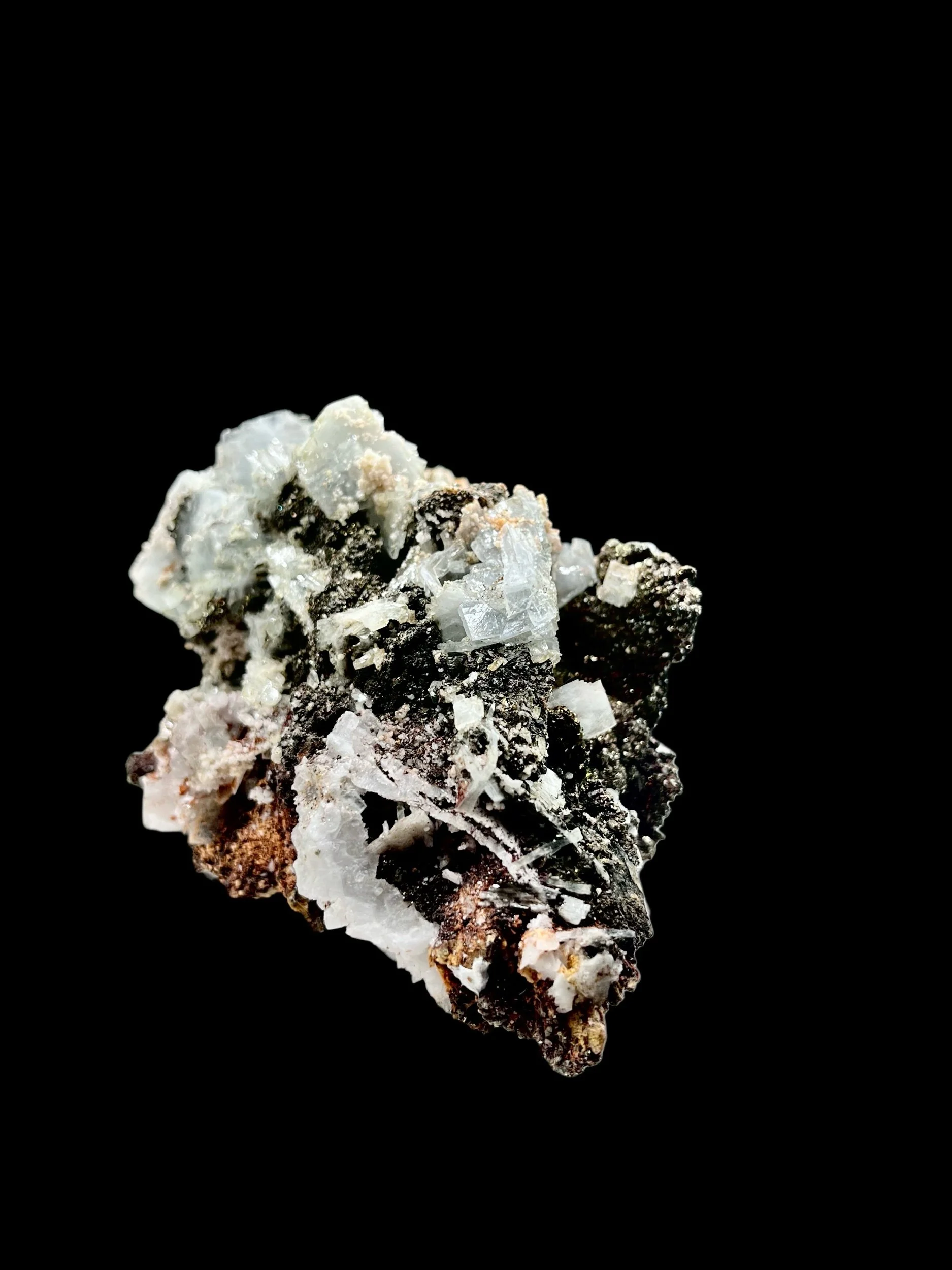
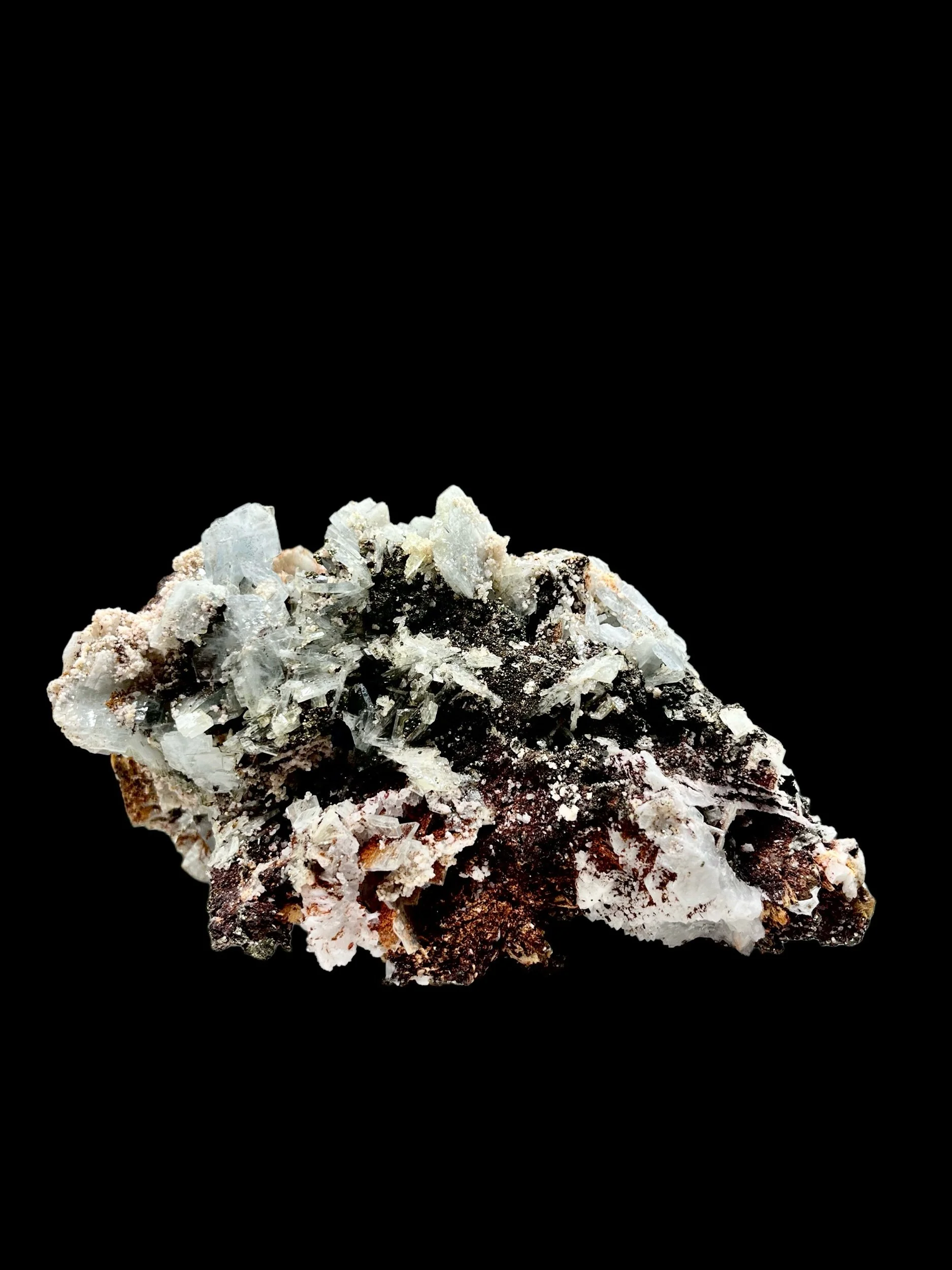
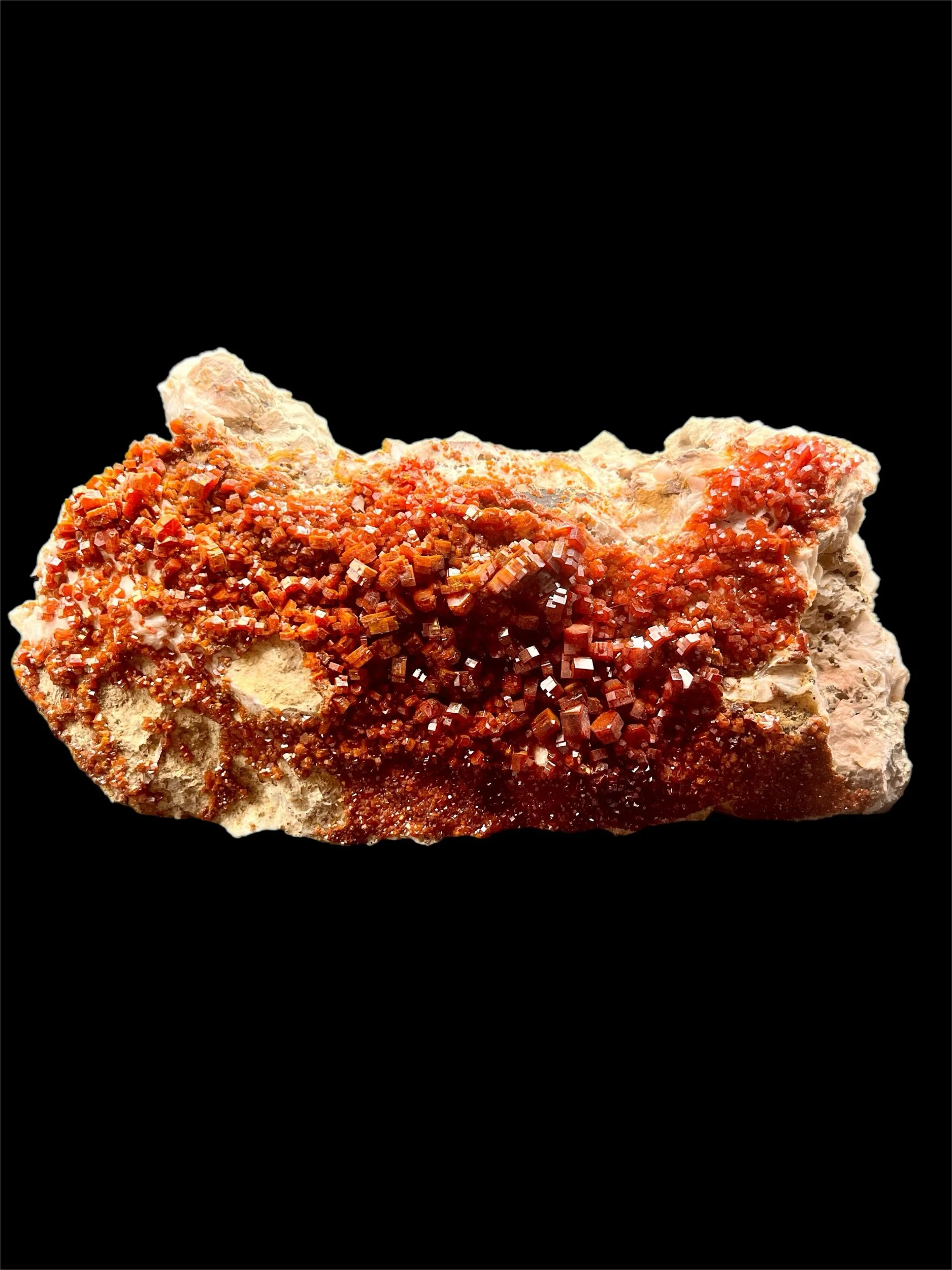
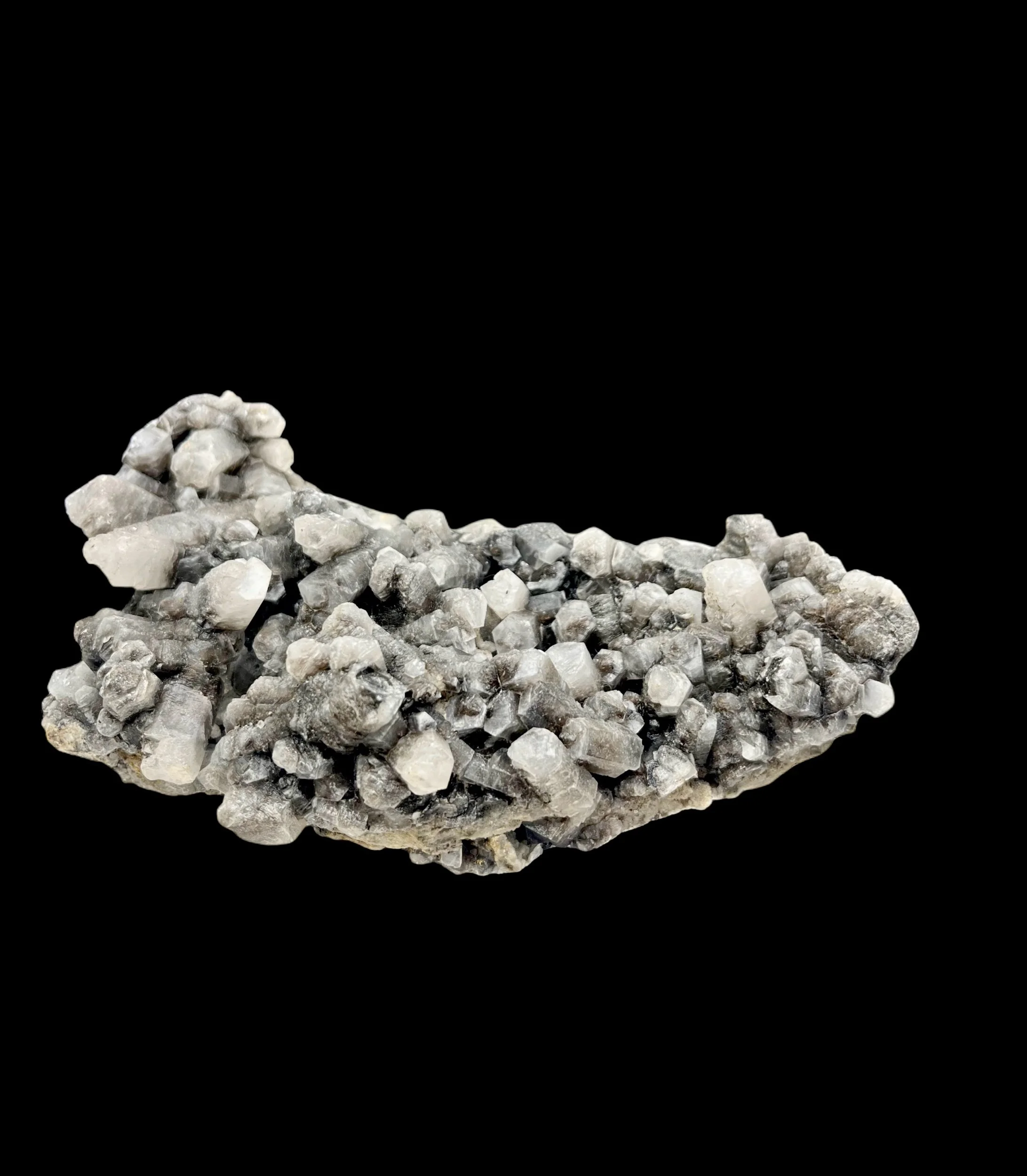
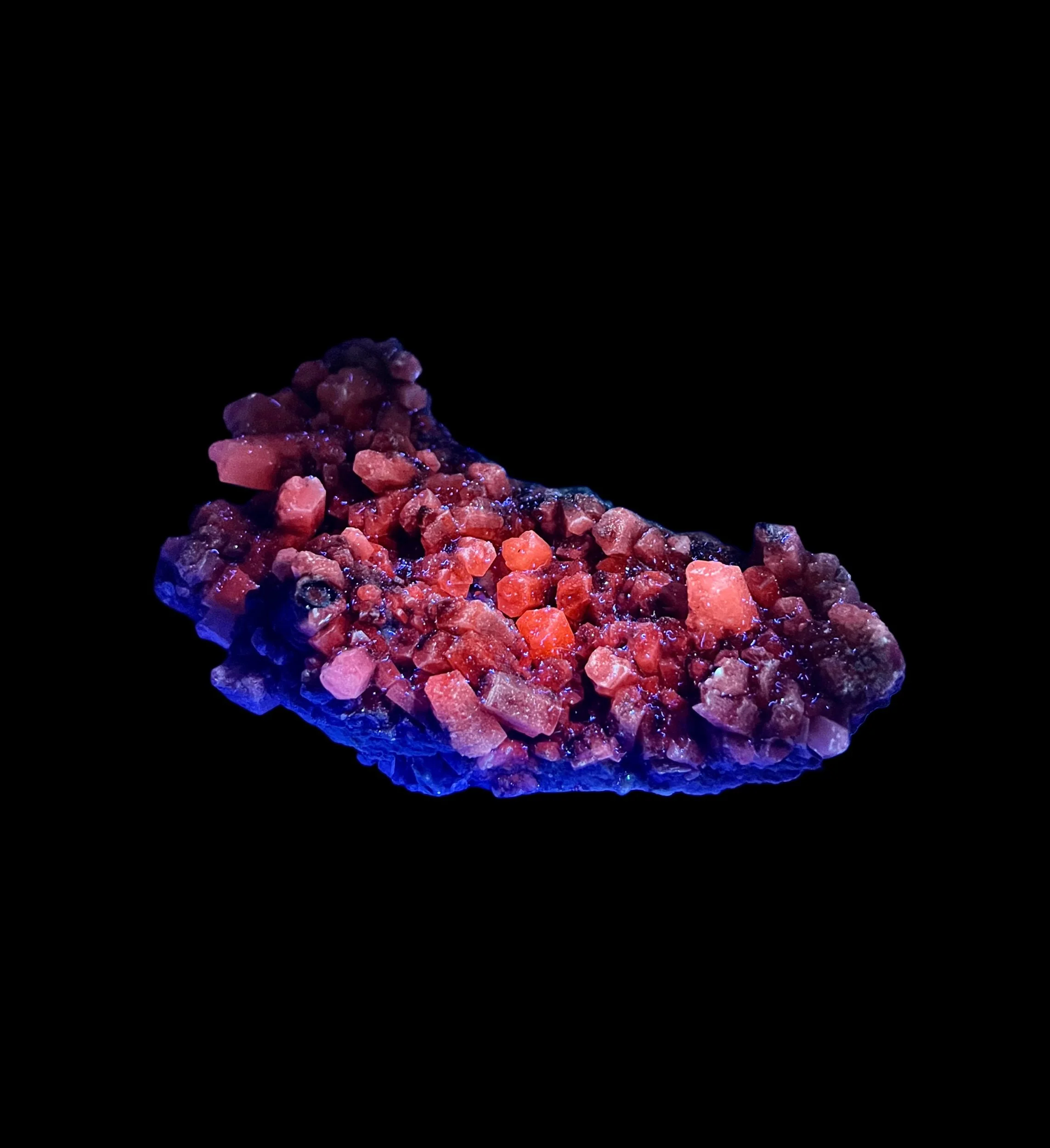
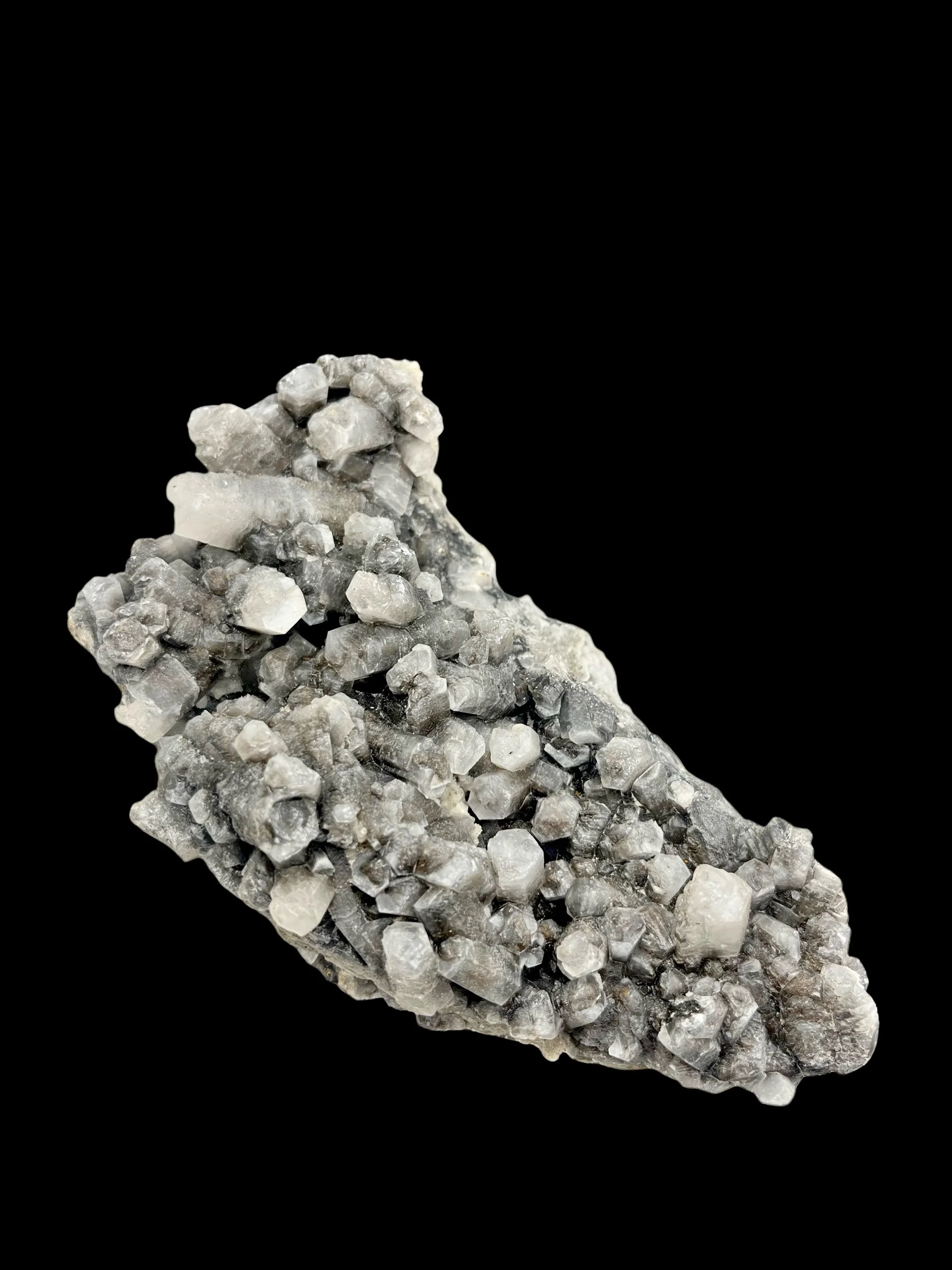
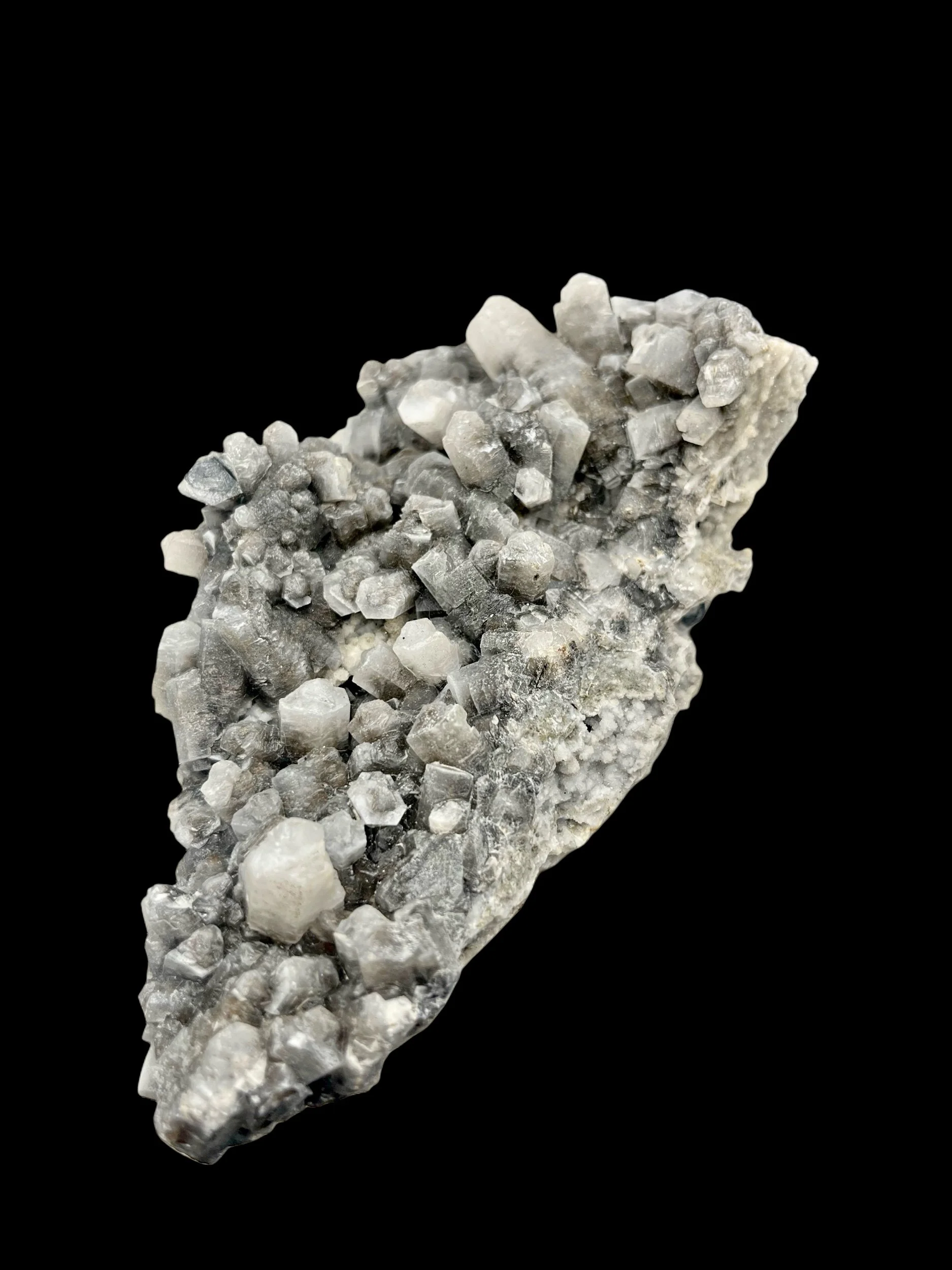
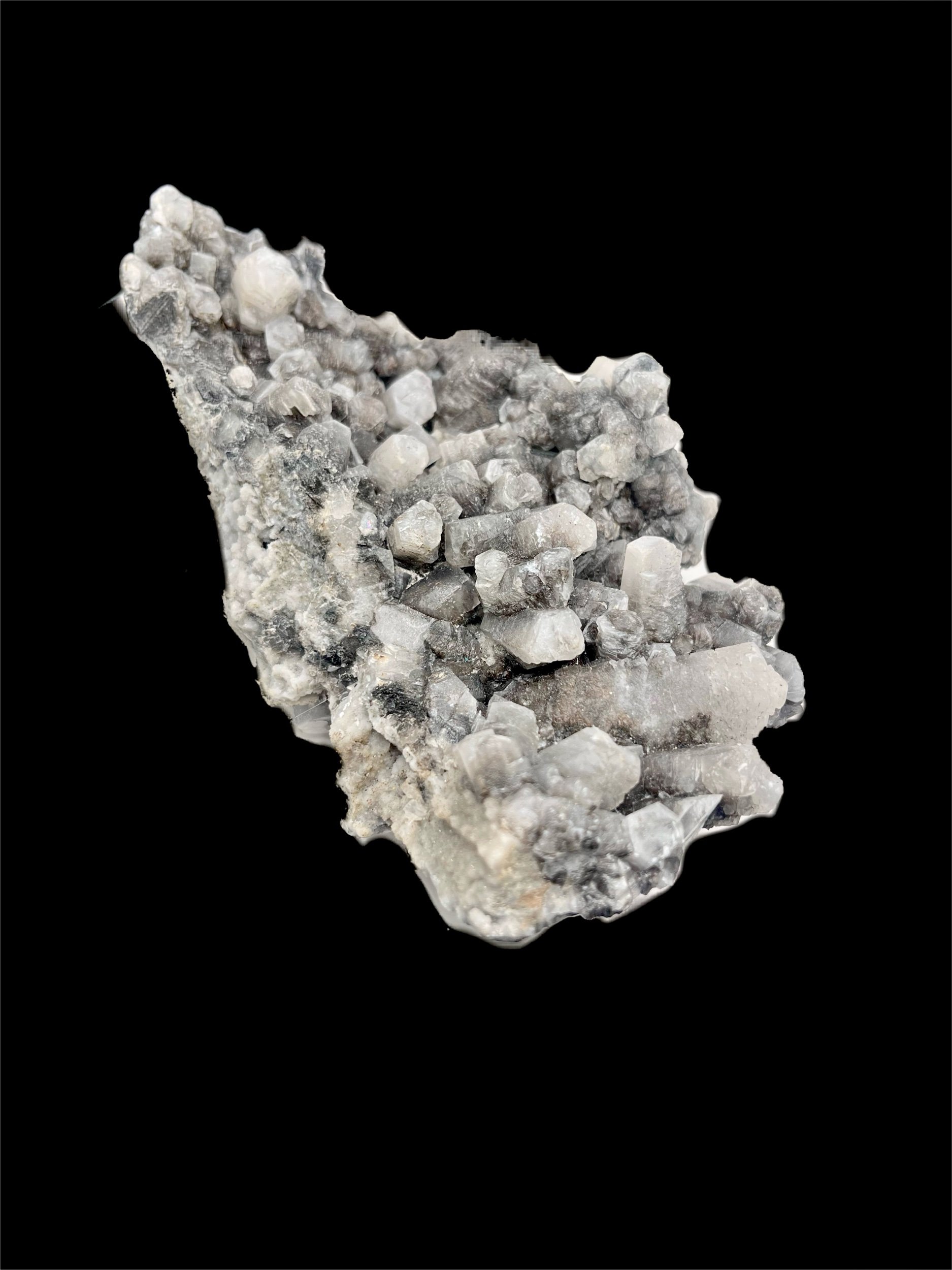
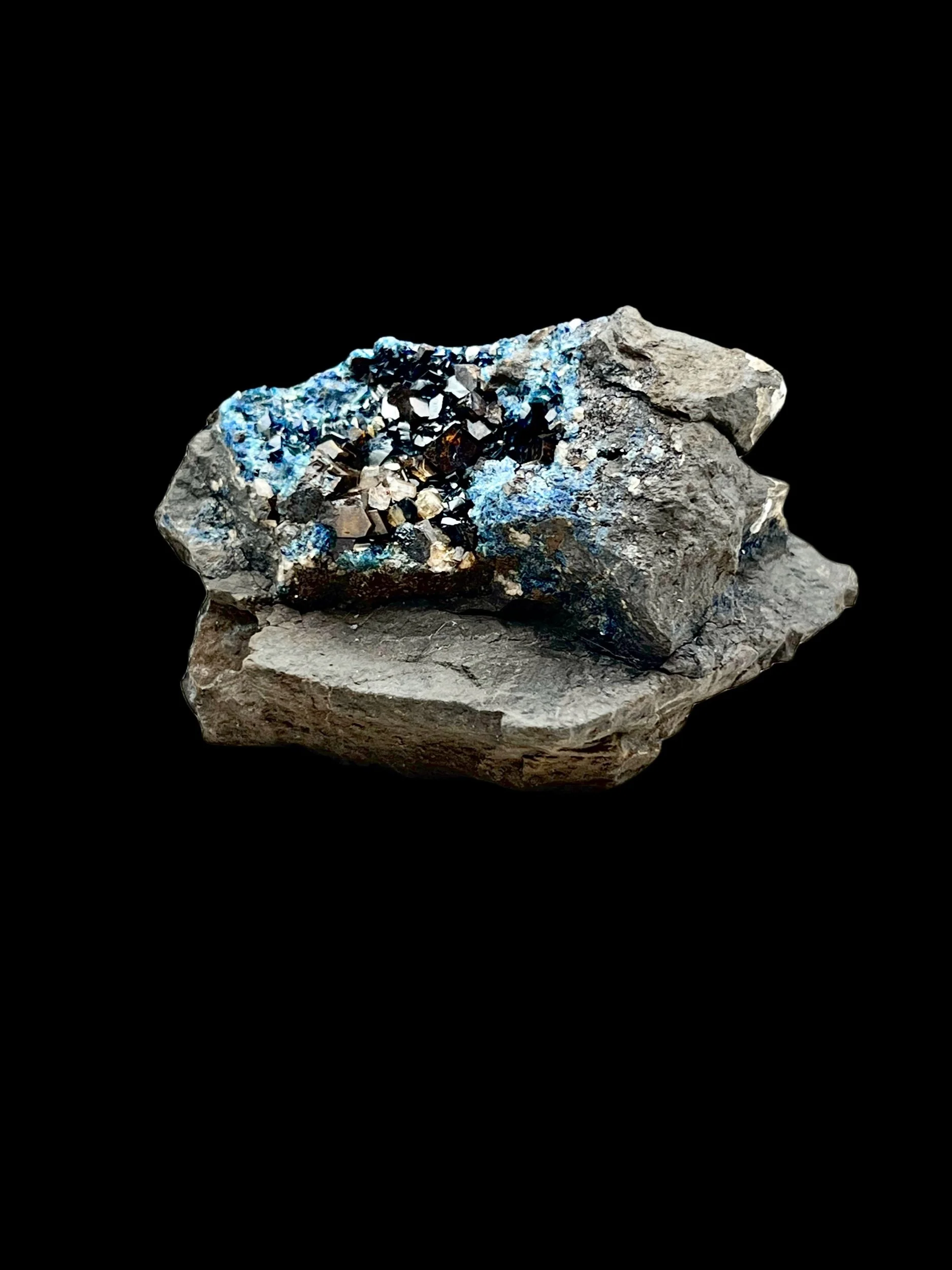
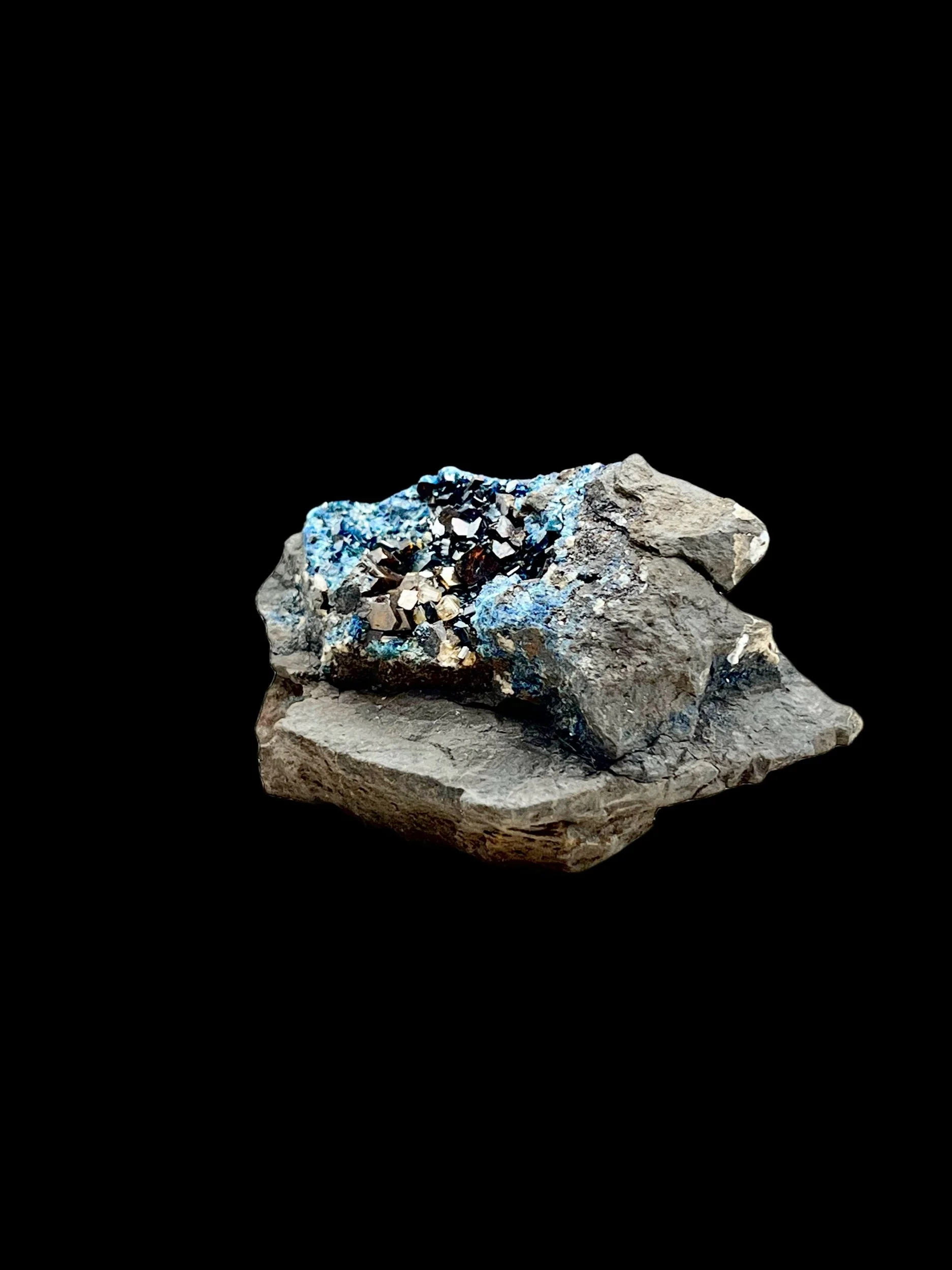
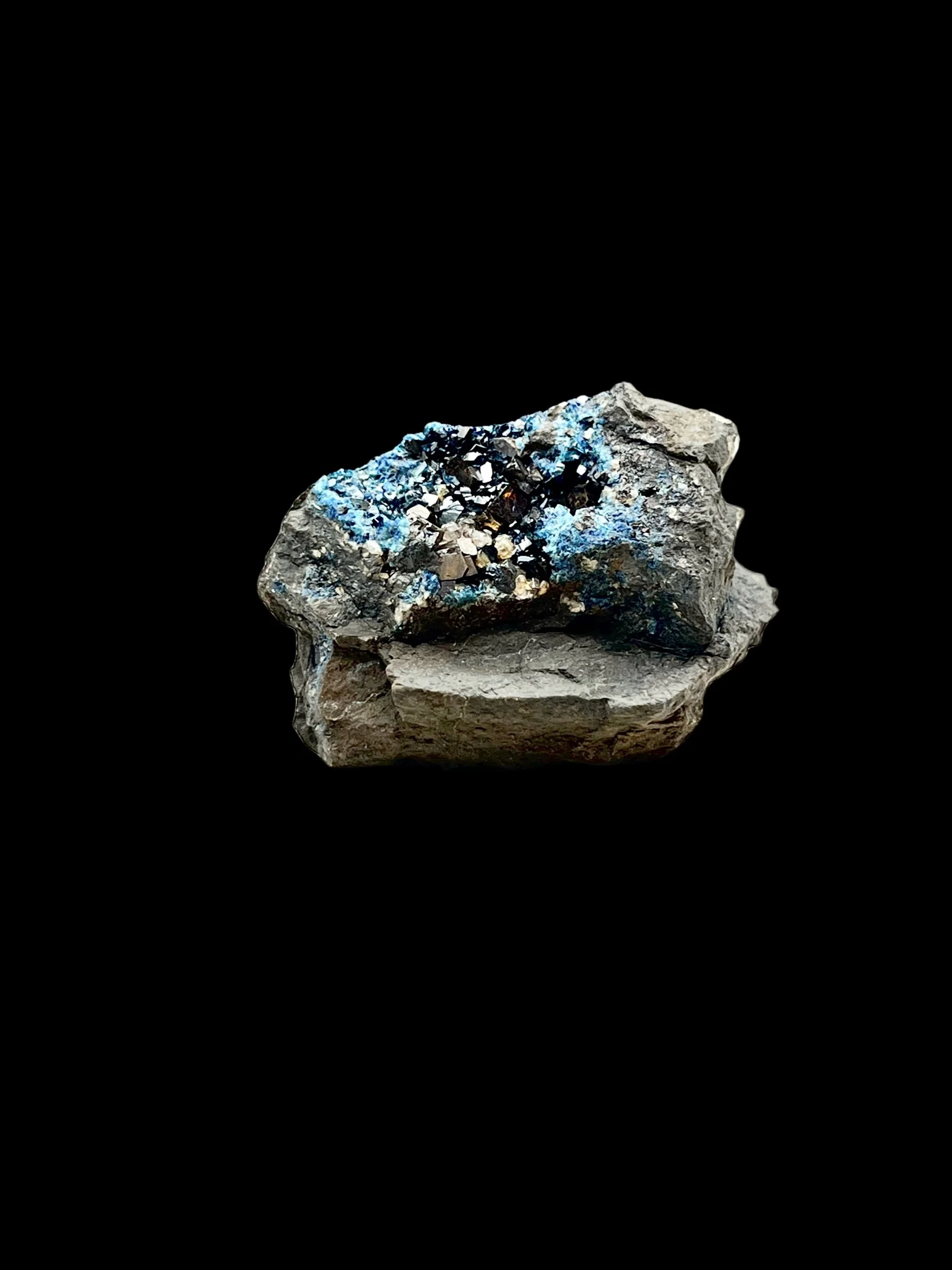
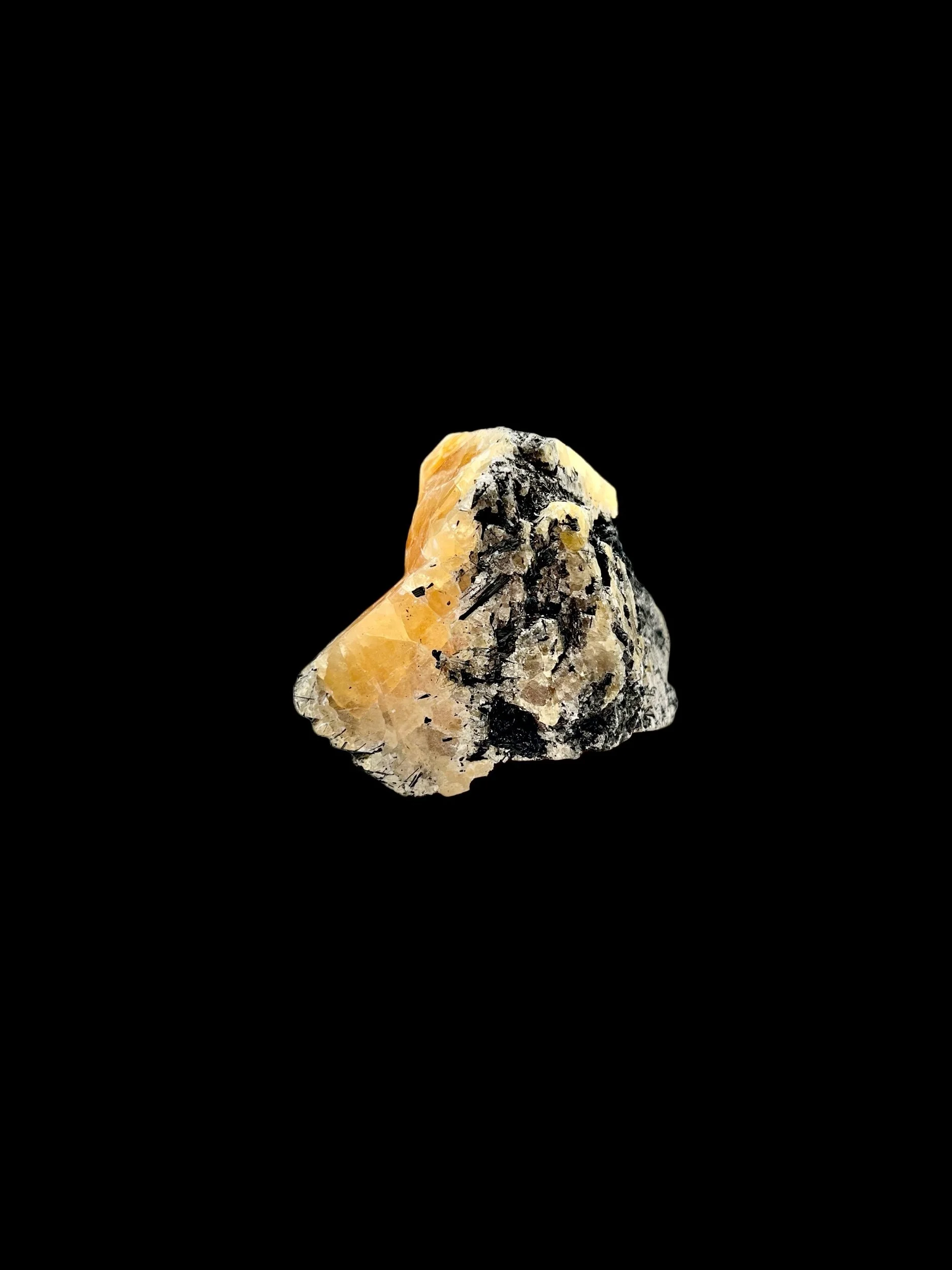
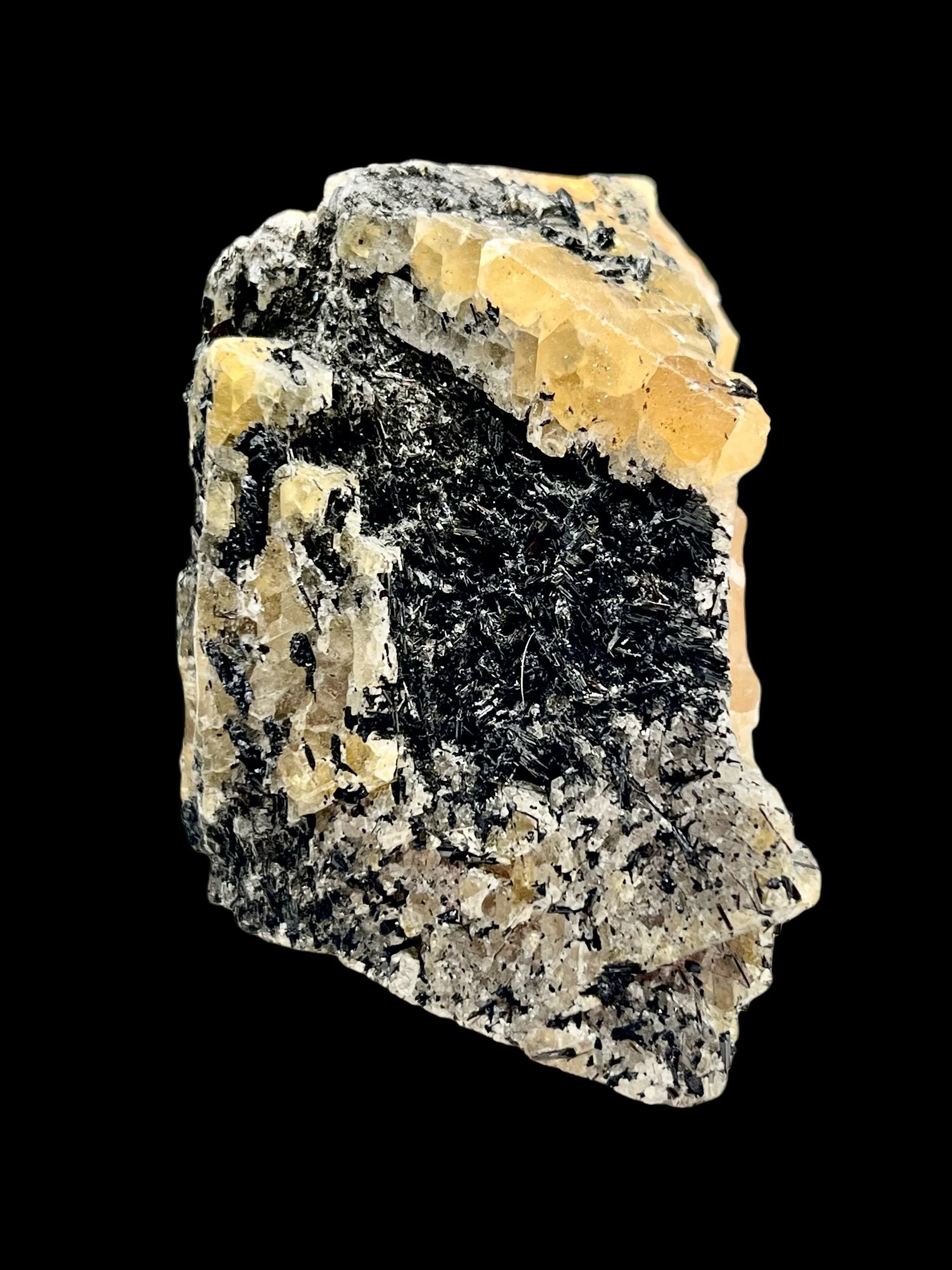
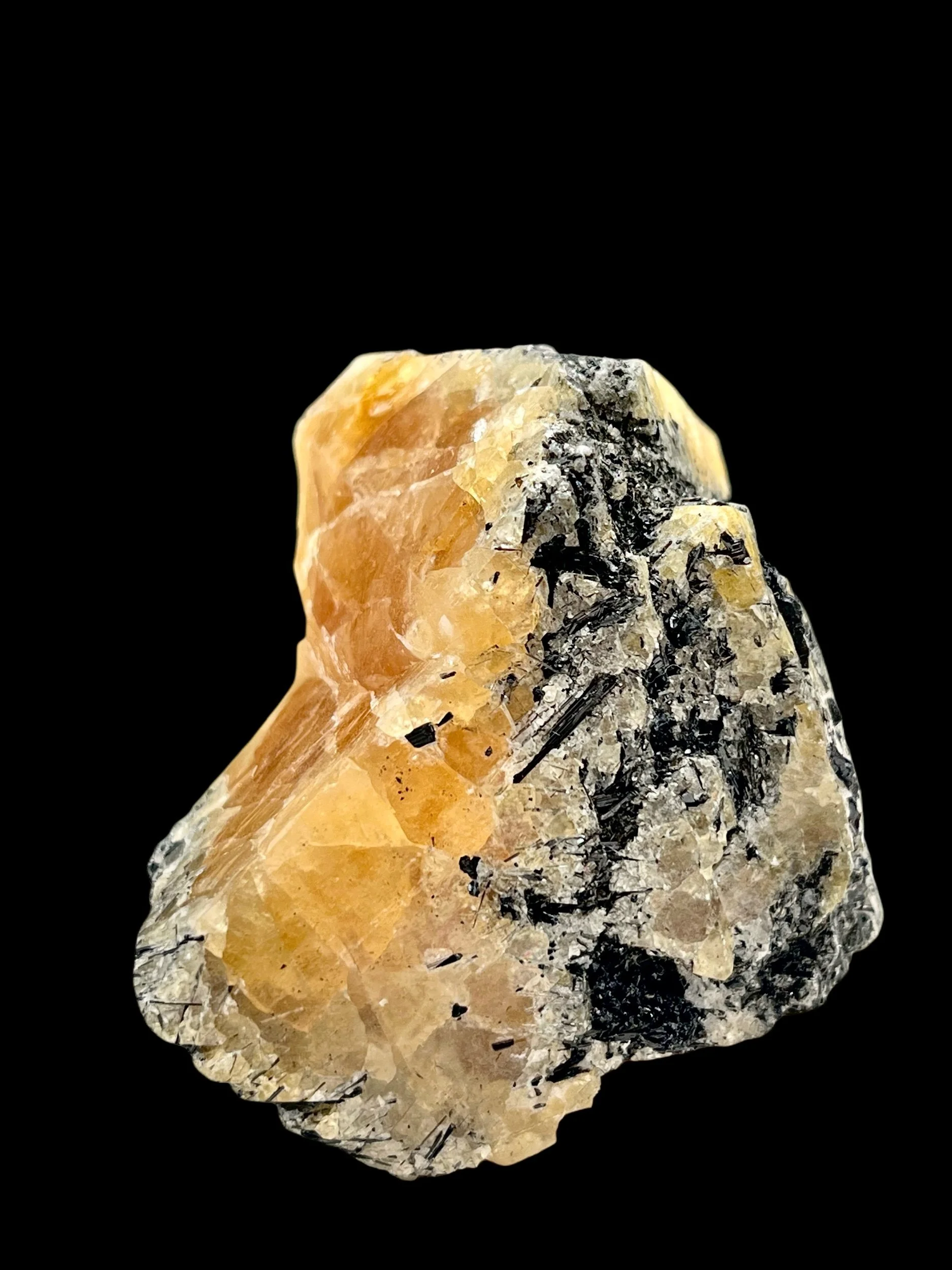
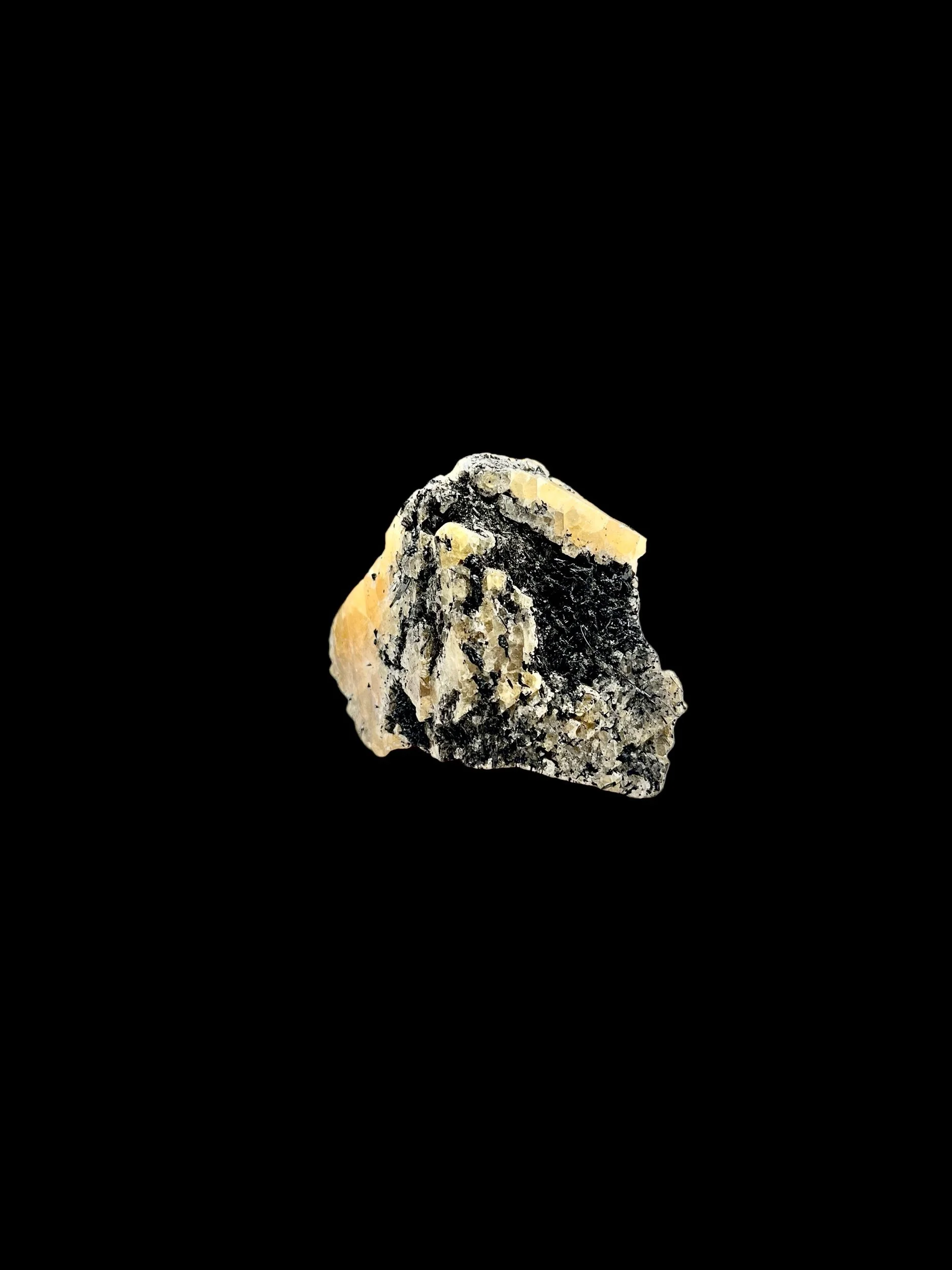
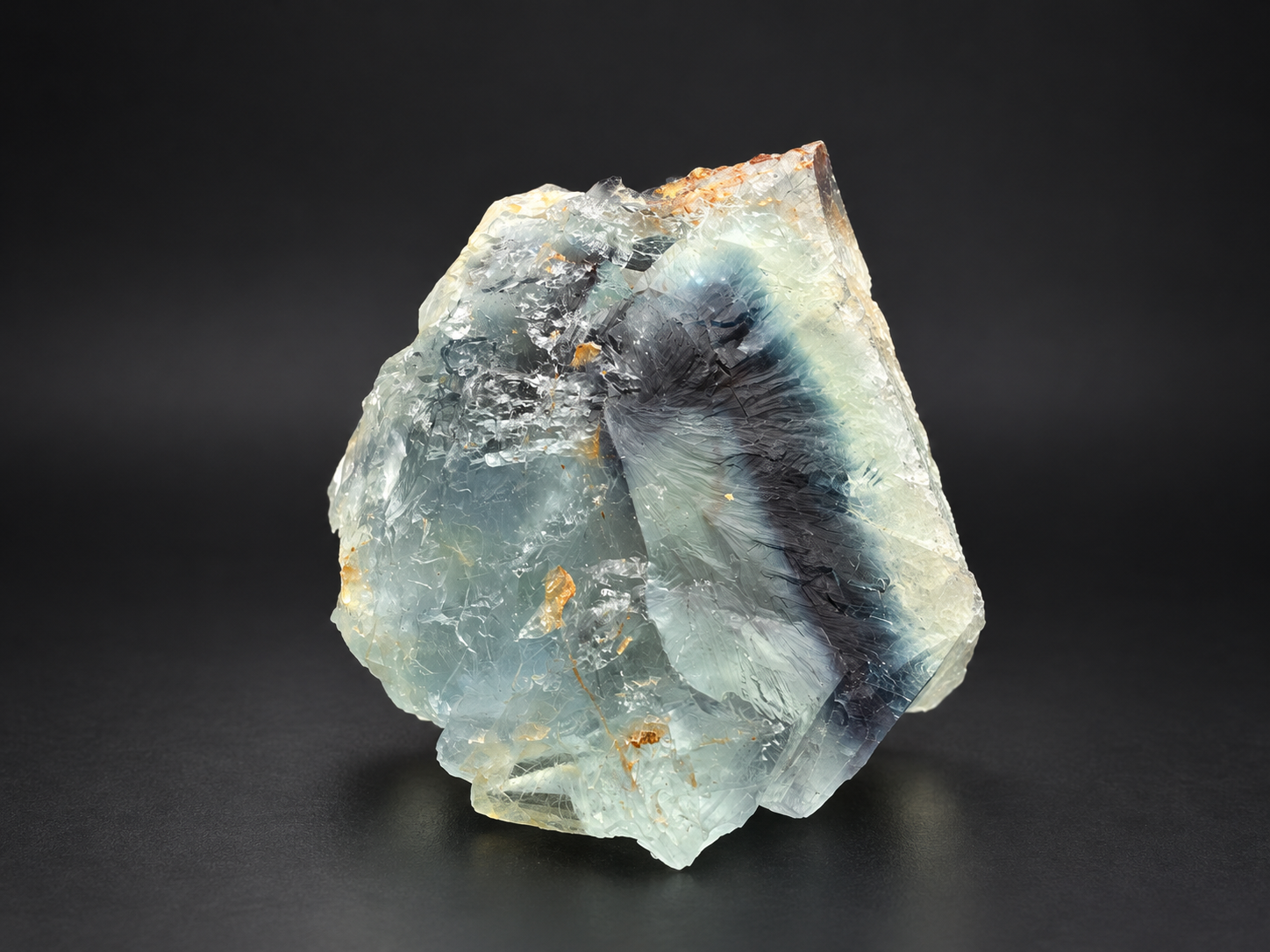
A captivating natural fluorite specimen from Morocco, showcasing dramatic internal color zoning, exceptional translucency, and brilliant blue-violet fluorescence under ultraviolet light.
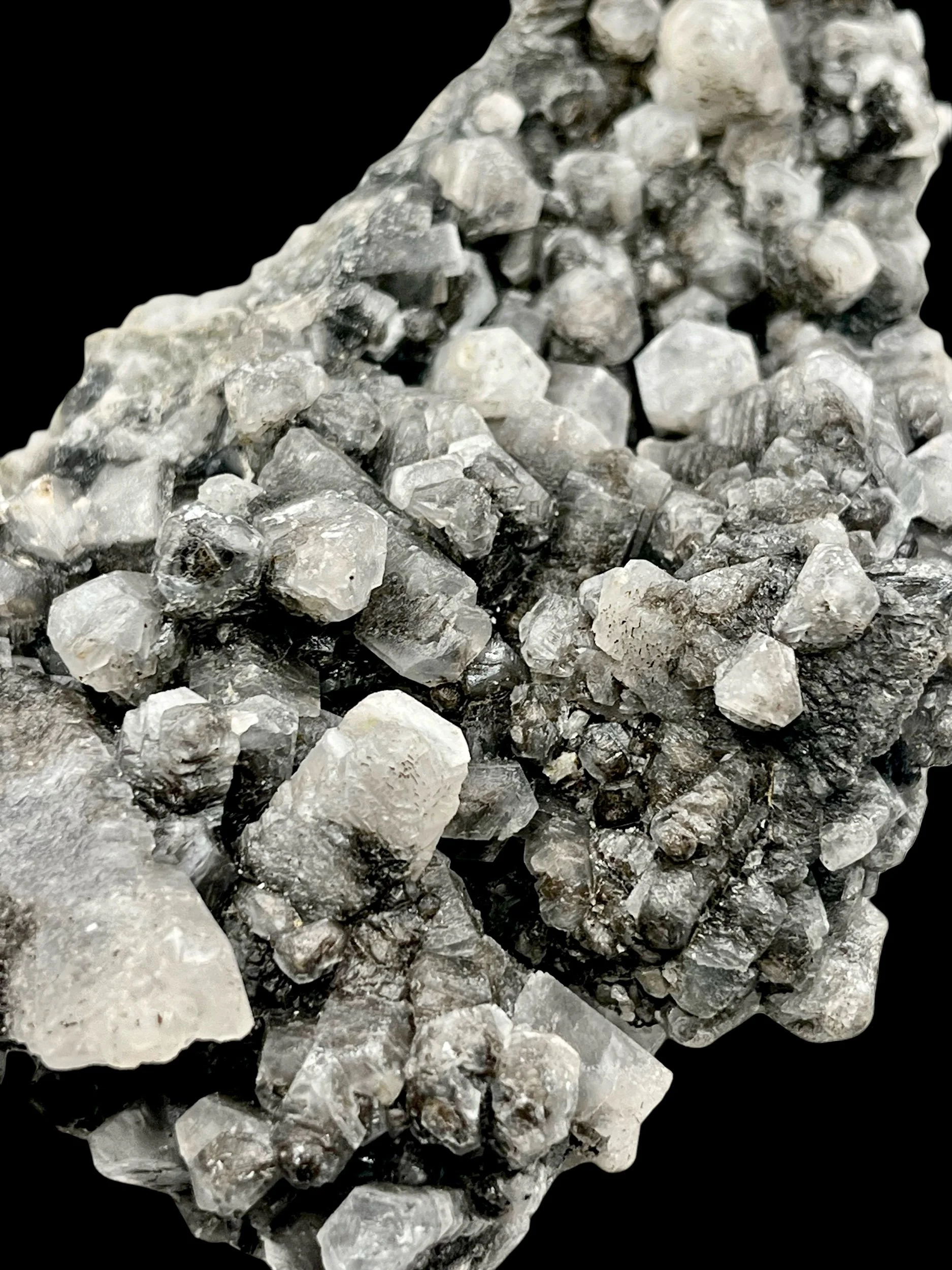
This specimen features an extraordinary combination of icy blue, soft seafoam green, and nearly colorless fluorite, dramatically contrasted by deep smoky blue and indigo zoning. The darker bands appear almost suspended within the translucent crystal, creating remarkable depth and visual impact.
Intricate internal growth patterns, reflective cleavage surfaces, and warm amber-colored inclusions contribute to its distinctive appearance. As light moves through the specimen, different layers of color and transparency become visible, revealing the complexity of its natural formation.
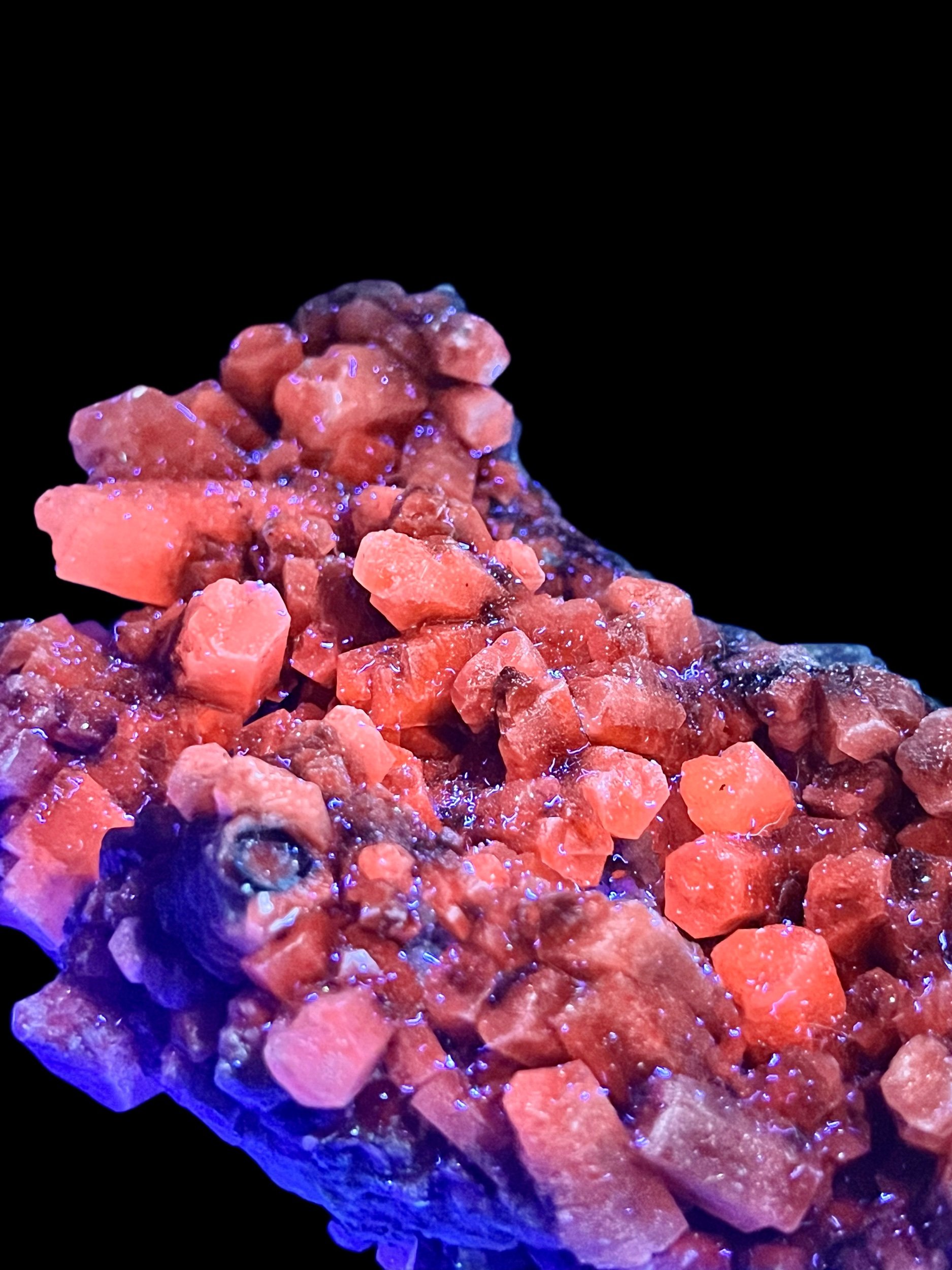
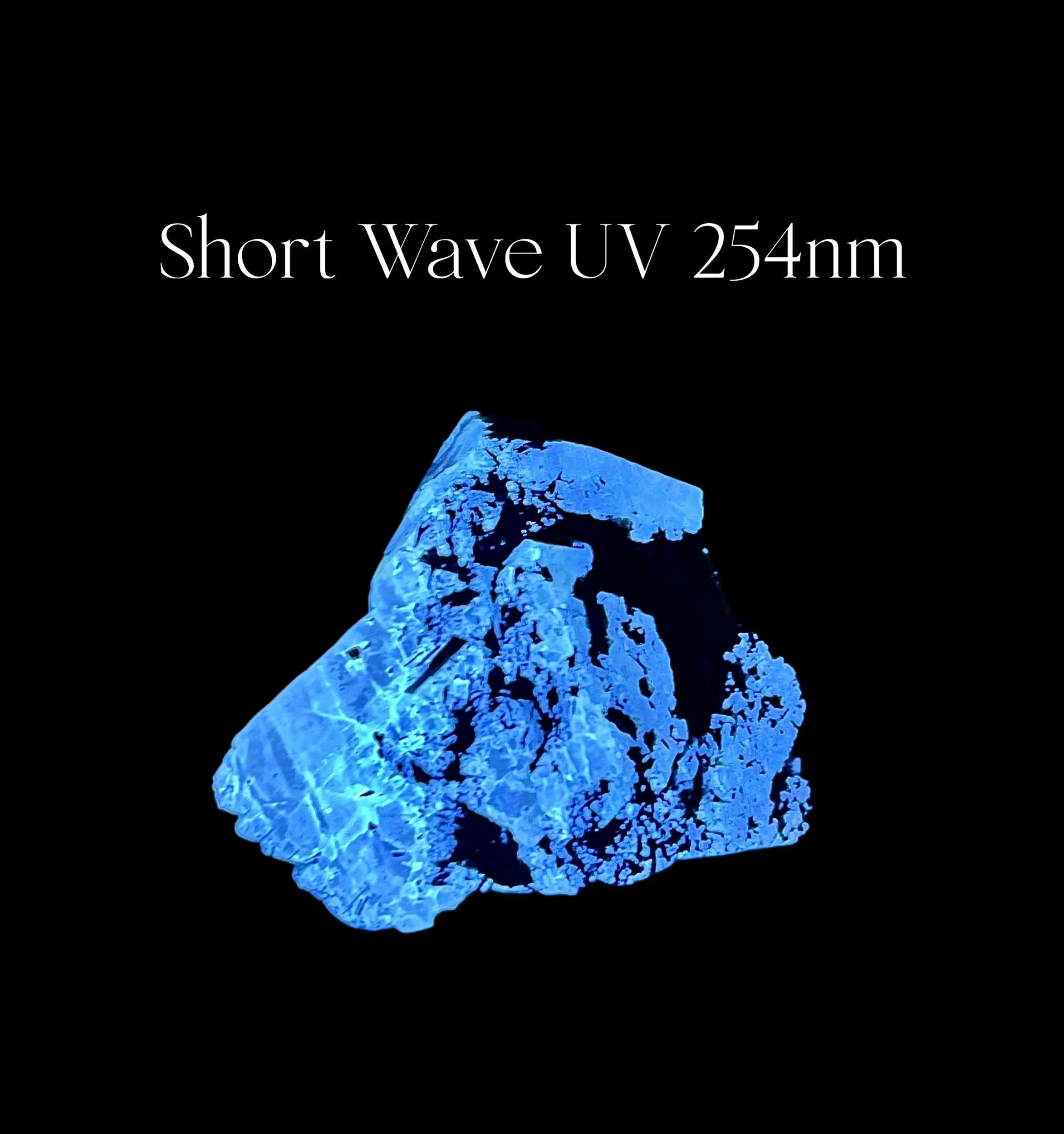
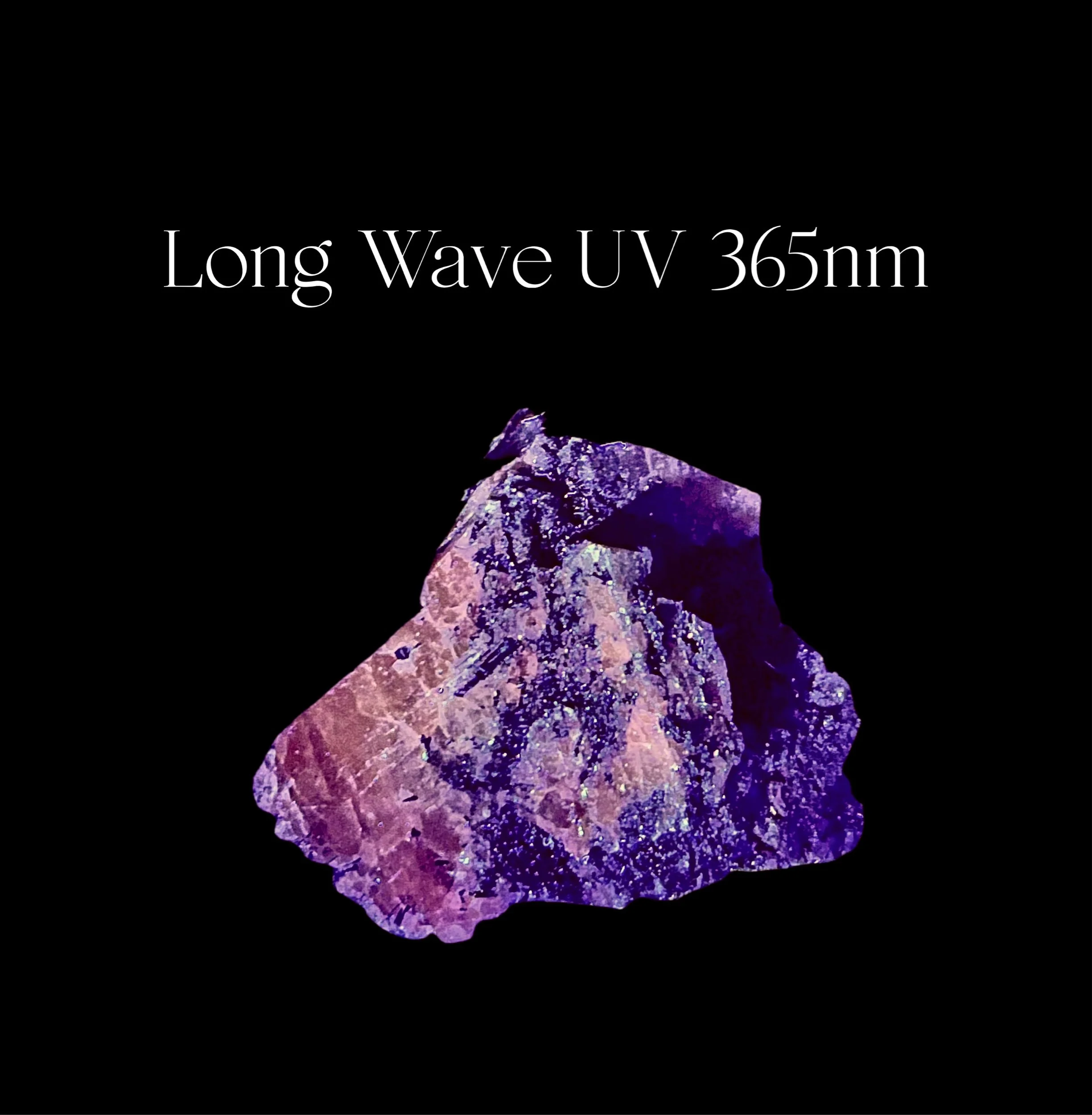
Under ultraviolet light, the fluorite produces a striking electric blue-violet glow, offering an entirely different perspective on its internal structure.
What makes this fluorite particularly interesting is its color zoning: a natural phenomenon that can preserve evidence of changing geological conditions throughout the crystal's development.
A wonderful addition to any mineral collection, particularly for collectors who appreciate complex crystal growth, unusual color zoning, and fluorescent minerals.
Locality: Morocco
Weight: 442 grams
Dimensions: 3 × 2.5 × 2.25 inches
In crystal healing traditions, fluorite is associated with:
Mental Clarity: Believed to support clear thinking, concentration, and decision-making.
Emotional Balance: Traditionally associated with calming scattered thoughts and encouraging emotional stability.
Energetic Protection: Thought to help dispel unwanted energies and promote a balanced environment.
Intuition: Blue and darker fluorite varieties are often associated with insight, spiritual awareness, and communication.
Organization: Sometimes called the "Genius Stone" for its traditional association with focus, learning, and intellectual development.
These properties reflect traditional metaphysical beliefs and are not scientifically established effects.
How Fluorite Develops Color Zoning
One of this specimen's most remarkable characteristics is its pronounced natural color zoning.
One of Fluorite's most fascinating characteristics is its ability to display multiple colors within a single crystal.
Fluorite commonly forms when mineral-rich hydrothermal fluids circulate through fractures and cavities in surrounding rock. As these fluids cool or their chemistry changes, dissolved calcium and fluoride can crystallize into Fluorite.
However, the conditions surrounding a growing crystal rarely remain perfectly constant.
Changes in temperature, pressure, fluid chemistry, and the availability of trace elements can affect the crystal as it develops. Different stages of growth may incorporate varying amounts of impurities or inclusions, producing distinct internal zones.
These color differences can appear as sharp bands, geometric patterns, cloudy areas, or subtle transitions from one shade to another.
What Causes Fluorite to Fluoresce?
Fluorite is one of the minerals most famously associated with fluorescence. In fact, the scientific term fluorescence was named after fluorite because of its well-known ability to glow under ultraviolet light.
When exposed to UV radiation, certain atoms within fluorite's crystal structure can absorb ultraviolet energy and release a portion of that energy as visible light.
Depending on the fluorite's composition and internal structure, this can produce blue, violet, yellow, or other fluorescent colors.
This particular specimen exhibits a brilliant blue-violet response, creating a remarkable contrast between its appearance under ordinary lighting and ultraviolet illumination.
Interesting Fact: Two fluorite specimens with similar natural colors can exhibit entirely different fluorescent reactions. The elements and structural defects responsible for visible color are not necessarily the same features responsible for fluorescence.
Exceptional Color Zoning: Dramatic smoky blue and deep indigo bands surrounded by delicate seafoam green, icy blue, and nearly colorless fluorite.
Fluorescent: Brilliant electric blue-violet response under ultraviolet light.
Beautiful Translucency: Light penetrates the crystal, revealing overlapping color zones and internal structures.
Intricate Crystal Textures: Natural cleavage surfaces, internal growth features, and reflective crystalline faces.
Display Appeal: An eye-catching specimen under both natural and ultraviolet lighting.
Collector Interest: An excellent example of how changing geological conditions influence fluorite coloration and growth.
Fluorite
Chemical Formula: CaF₂ (Calcium Fluoride)
Mineral Class: Halides
Crystal System: Isometric (Cubic)
Mohs Hardness: 4
Luster: Vitreous (Glassy)
Streak: White
Cleavage: Perfect octahedral cleavage in four directions
Specific Gravity: Approximately 3.18
Transparency: Transparent to translucent
Crystal Habit: Commonly forms cubic and octahedral crystals; may also occur in massive and intergrown formations
Color: Highly variable, including purple, blue, green, yellow, colorless, and multicolored varieties
Fluorescence: Variable; this specimen exhibits blue-violet fluorescence under UV light
Geological Formation: Fluorite commonly develops in hydrothermal veins and cavities, often alongside minerals such as quartz, calcite, and barite. Changes in fluid chemistry and growth conditions can create distinctive internal color zoning.
Care: Care: Fluorite is relatively soft and has perfect cleavage, making it susceptible to scratching and breakage. Handle gently and avoid prolonged exposure to direct sunlight, which can affect the coloration of some specimens. Clean with a dry cloth.
A captivating natural fluorite specimen from Morocco, showcasing dramatic internal color zoning, exceptional translucency, and brilliant blue-violet fluorescence under ultraviolet light.
This specimen features an extraordinary combination of icy blue, soft seafoam green, and nearly colorless fluorite, dramatically contrasted by deep smoky blue and indigo zoning. The darker bands appear almost suspended within the translucent crystal, creating remarkable depth and visual impact.
Intricate internal growth patterns, reflective cleavage surfaces, and warm amber-colored inclusions contribute to its distinctive appearance. As light moves through the specimen, different layers of color and transparency become visible, revealing the complexity of its natural formation.
Under ultraviolet light, the fluorite produces a striking electric blue-violet glow, offering an entirely different perspective on its internal structure.
What makes this fluorite particularly interesting is its color zoning: a natural phenomenon that can preserve evidence of changing geological conditions throughout the crystal's development.
A wonderful addition to any mineral collection, particularly for collectors who appreciate complex crystal growth, unusual color zoning, and fluorescent minerals.
Locality: Morocco
Weight: 442 grams
Dimensions: 3 × 2.5 × 2.25 inches
In crystal healing traditions, fluorite is associated with:
Mental Clarity: Believed to support clear thinking, concentration, and decision-making.
Emotional Balance: Traditionally associated with calming scattered thoughts and encouraging emotional stability.
Energetic Protection: Thought to help dispel unwanted energies and promote a balanced environment.
Intuition: Blue and darker fluorite varieties are often associated with insight, spiritual awareness, and communication.
Organization: Sometimes called the "Genius Stone" for its traditional association with focus, learning, and intellectual development.
These properties reflect traditional metaphysical beliefs and are not scientifically established effects.
How Fluorite Develops Color Zoning
One of this specimen's most remarkable characteristics is its pronounced natural color zoning.
One of Fluorite's most fascinating characteristics is its ability to display multiple colors within a single crystal.
Fluorite commonly forms when mineral-rich hydrothermal fluids circulate through fractures and cavities in surrounding rock. As these fluids cool or their chemistry changes, dissolved calcium and fluoride can crystallize into Fluorite.
However, the conditions surrounding a growing crystal rarely remain perfectly constant.
Changes in temperature, pressure, fluid chemistry, and the availability of trace elements can affect the crystal as it develops. Different stages of growth may incorporate varying amounts of impurities or inclusions, producing distinct internal zones.
These color differences can appear as sharp bands, geometric patterns, cloudy areas, or subtle transitions from one shade to another.
What Causes Fluorite to Fluoresce?
Fluorite is one of the minerals most famously associated with fluorescence. In fact, the scientific term fluorescence was named after fluorite because of its well-known ability to glow under ultraviolet light.
When exposed to UV radiation, certain atoms within fluorite's crystal structure can absorb ultraviolet energy and release a portion of that energy as visible light.
Depending on the fluorite's composition and internal structure, this can produce blue, violet, yellow, or other fluorescent colors.
This particular specimen exhibits a brilliant blue-violet response, creating a remarkable contrast between its appearance under ordinary lighting and ultraviolet illumination.
Interesting Fact: Two fluorite specimens with similar natural colors can exhibit entirely different fluorescent reactions. The elements and structural defects responsible for visible color are not necessarily the same features responsible for fluorescence.
Exceptional Color Zoning: Dramatic smoky blue and deep indigo bands surrounded by delicate seafoam green, icy blue, and nearly colorless fluorite.
Fluorescent: Brilliant electric blue-violet response under ultraviolet light.
Beautiful Translucency: Light penetrates the crystal, revealing overlapping color zones and internal structures.
Intricate Crystal Textures: Natural cleavage surfaces, internal growth features, and reflective crystalline faces.
Display Appeal: An eye-catching specimen under both natural and ultraviolet lighting.
Collector Interest: An excellent example of how changing geological conditions influence fluorite coloration and growth.
Fluorite
Chemical Formula: CaF₂ (Calcium Fluoride)
Mineral Class: Halides
Crystal System: Isometric (Cubic)
Mohs Hardness: 4
Luster: Vitreous (Glassy)
Streak: White
Cleavage: Perfect octahedral cleavage in four directions
Specific Gravity: Approximately 3.18
Transparency: Transparent to translucent
Crystal Habit: Commonly forms cubic and octahedral crystals; may also occur in massive and intergrown formations
Color: Highly variable, including purple, blue, green, yellow, colorless, and multicolored varieties
Fluorescence: Variable; this specimen exhibits blue-violet fluorescence under UV light
Geological Formation: Fluorite commonly develops in hydrothermal veins and cavities, often alongside minerals such as quartz, calcite, and barite. Changes in fluid chemistry and growth conditions can create distinctive internal color zoning.
Care: Care: Fluorite is relatively soft and has perfect cleavage, making it susceptible to scratching and breakage. Handle gently and avoid prolonged exposure to direct sunlight, which can affect the coloration of some specimens. Clean with a dry cloth.