 Image 1 of 5
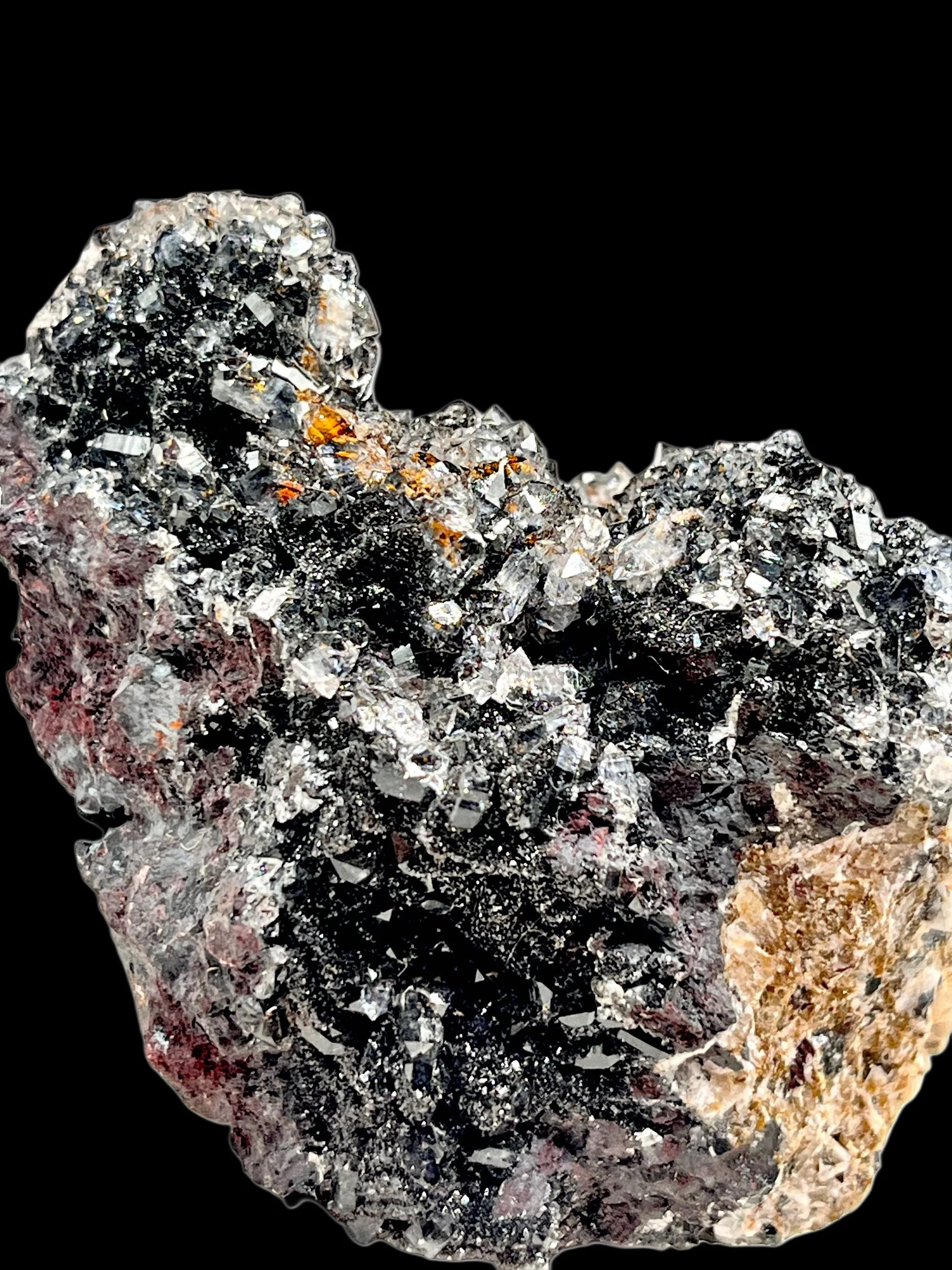 Image 2 of 5
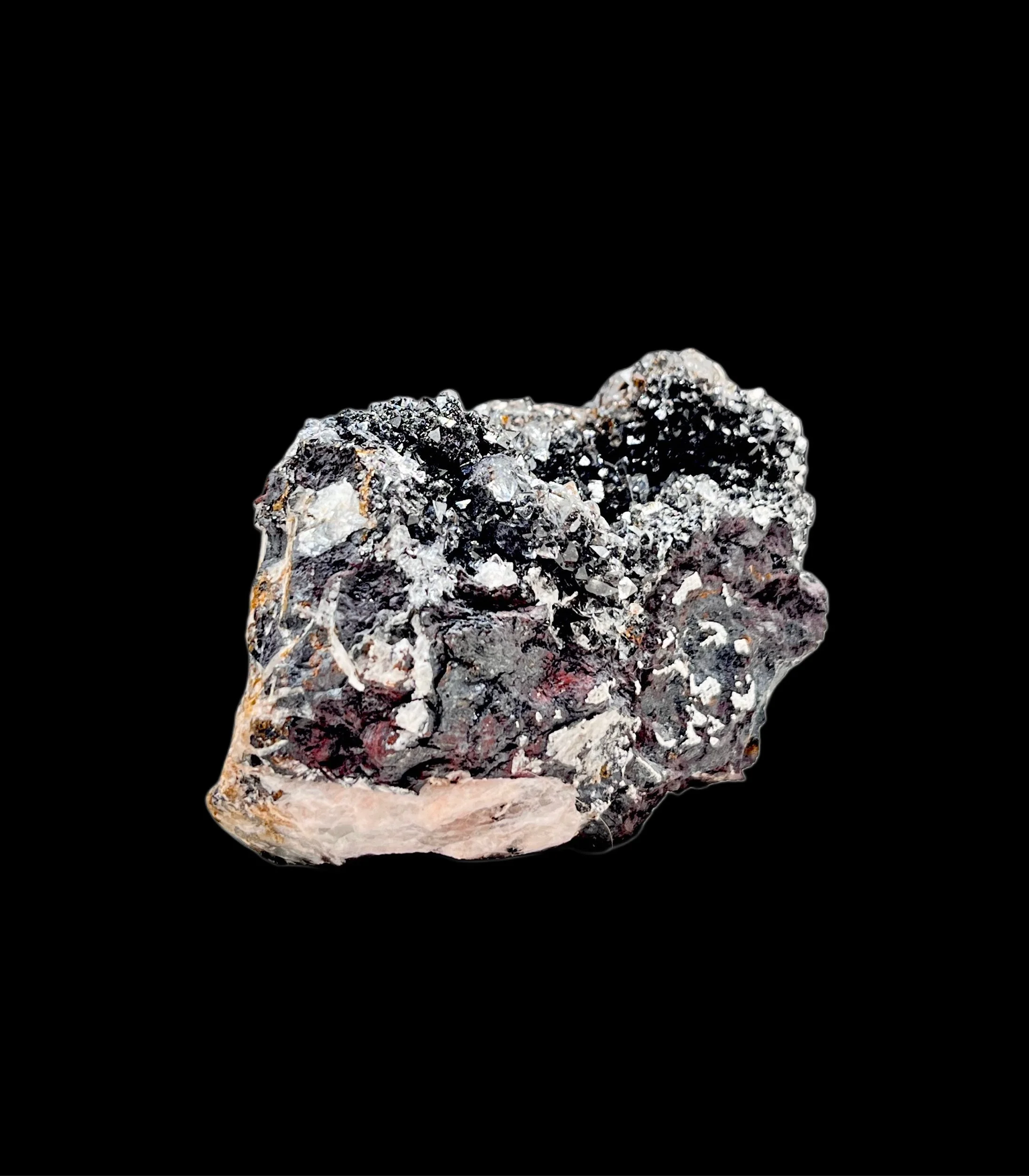 Image 3 of 5
 Image 4 of 5
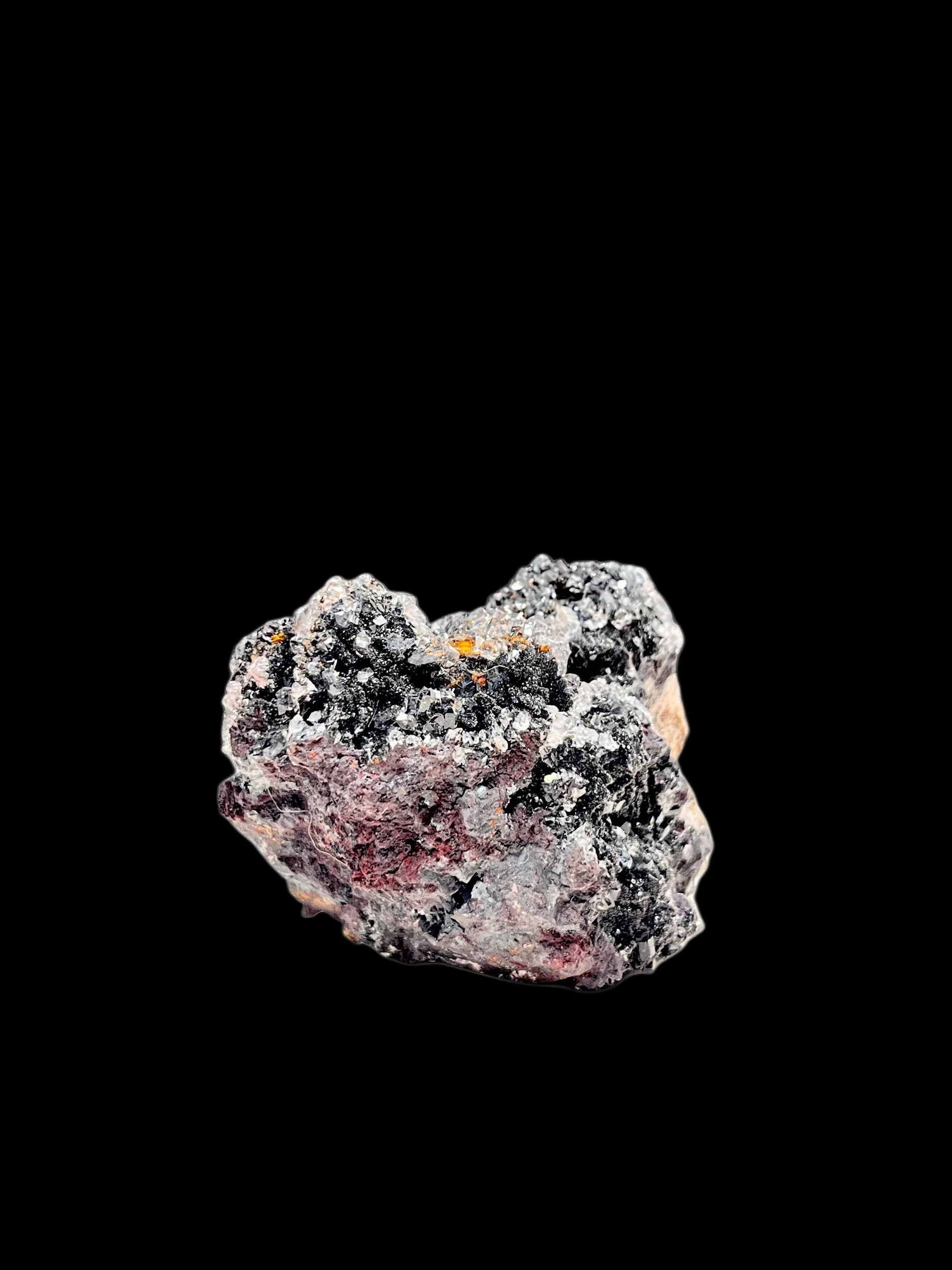 Image 5 of 5
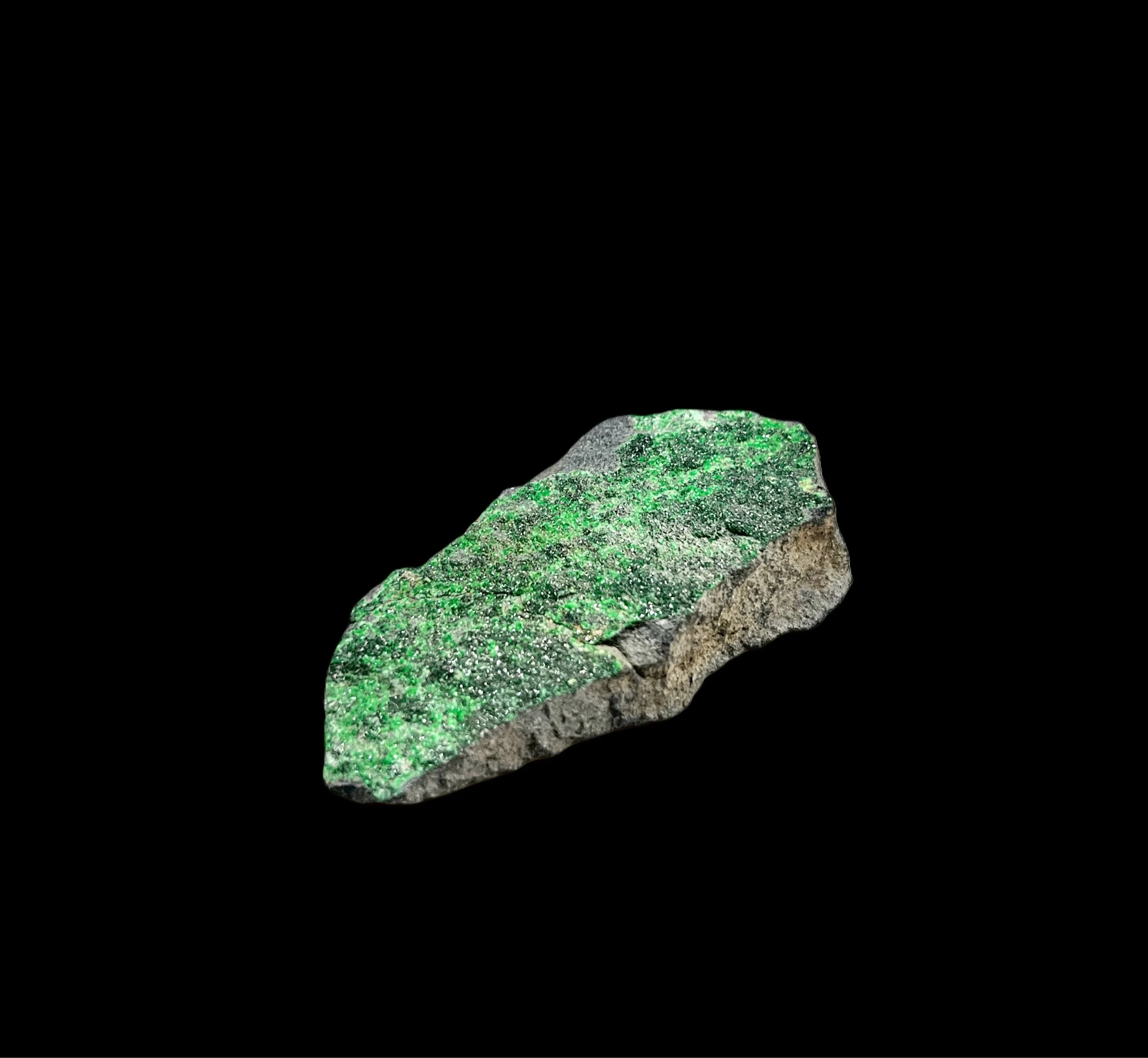
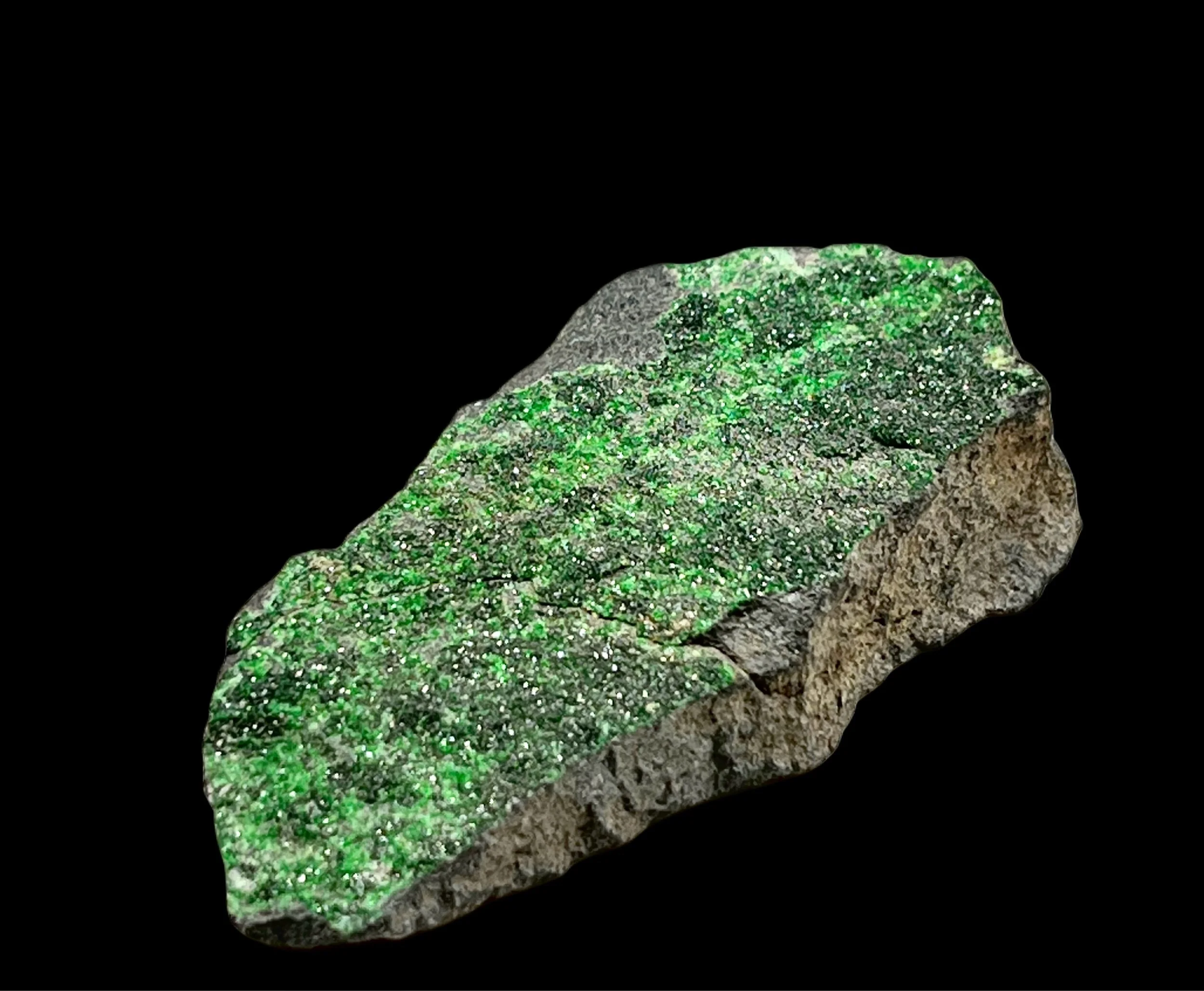
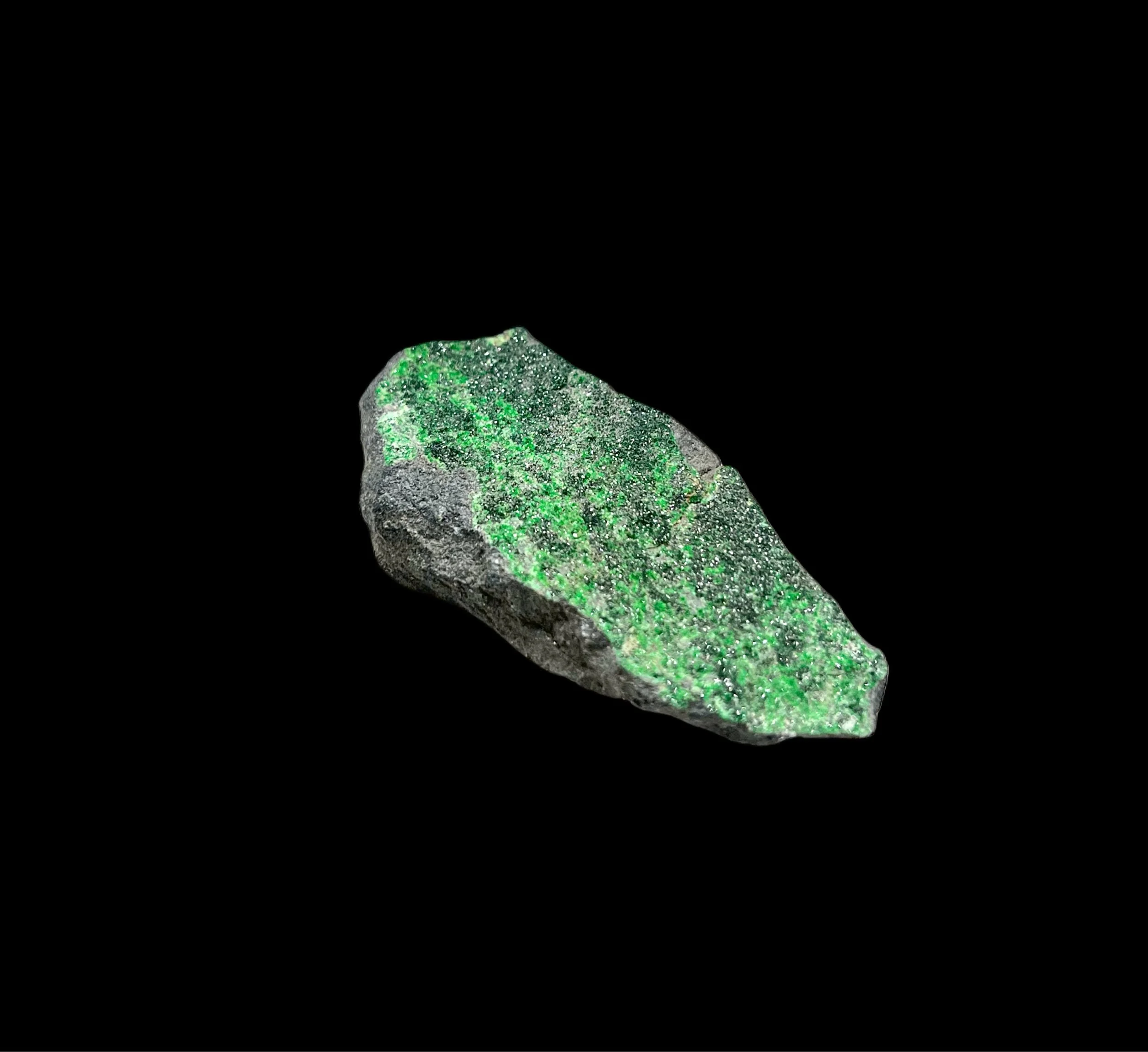
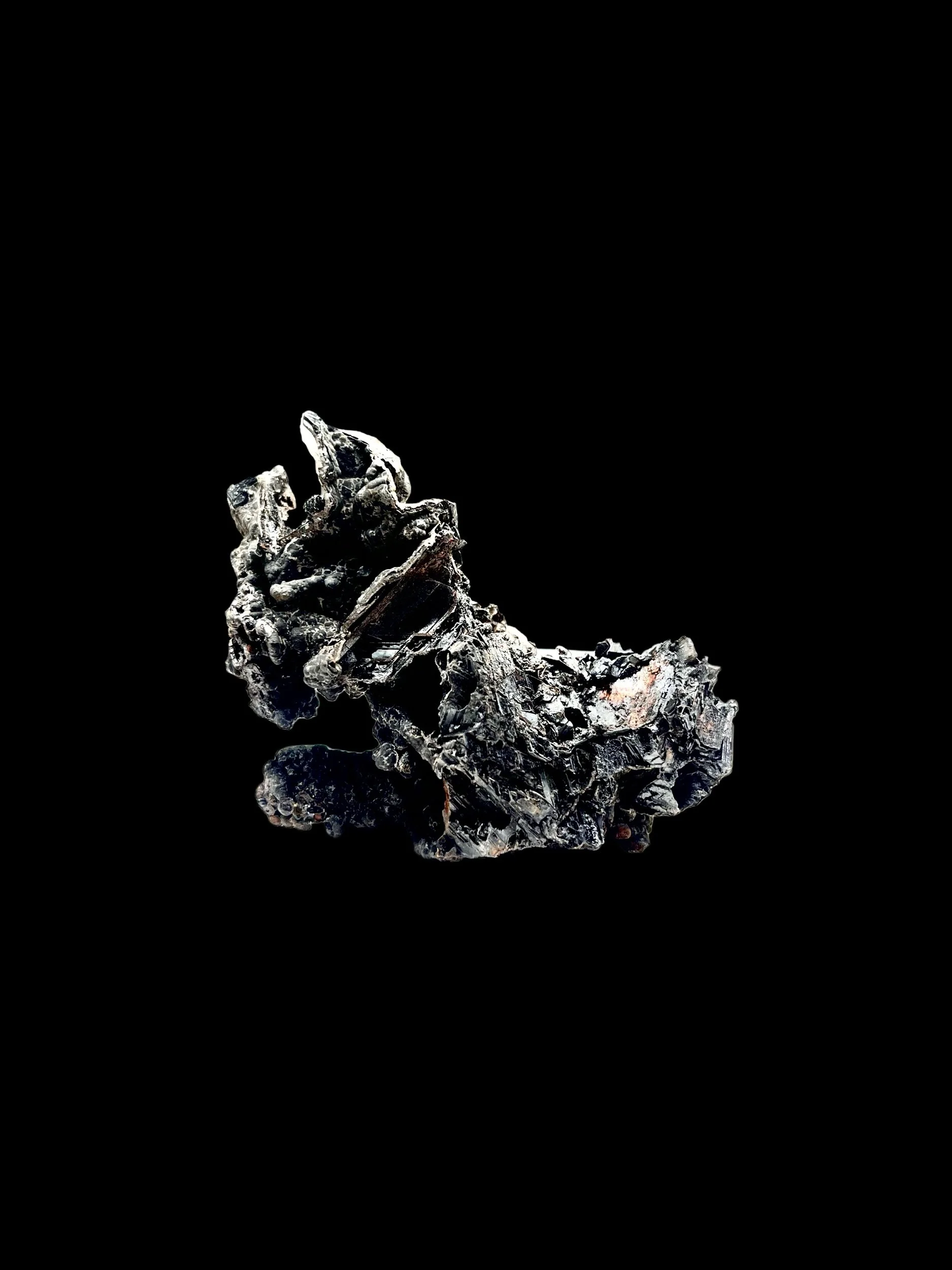
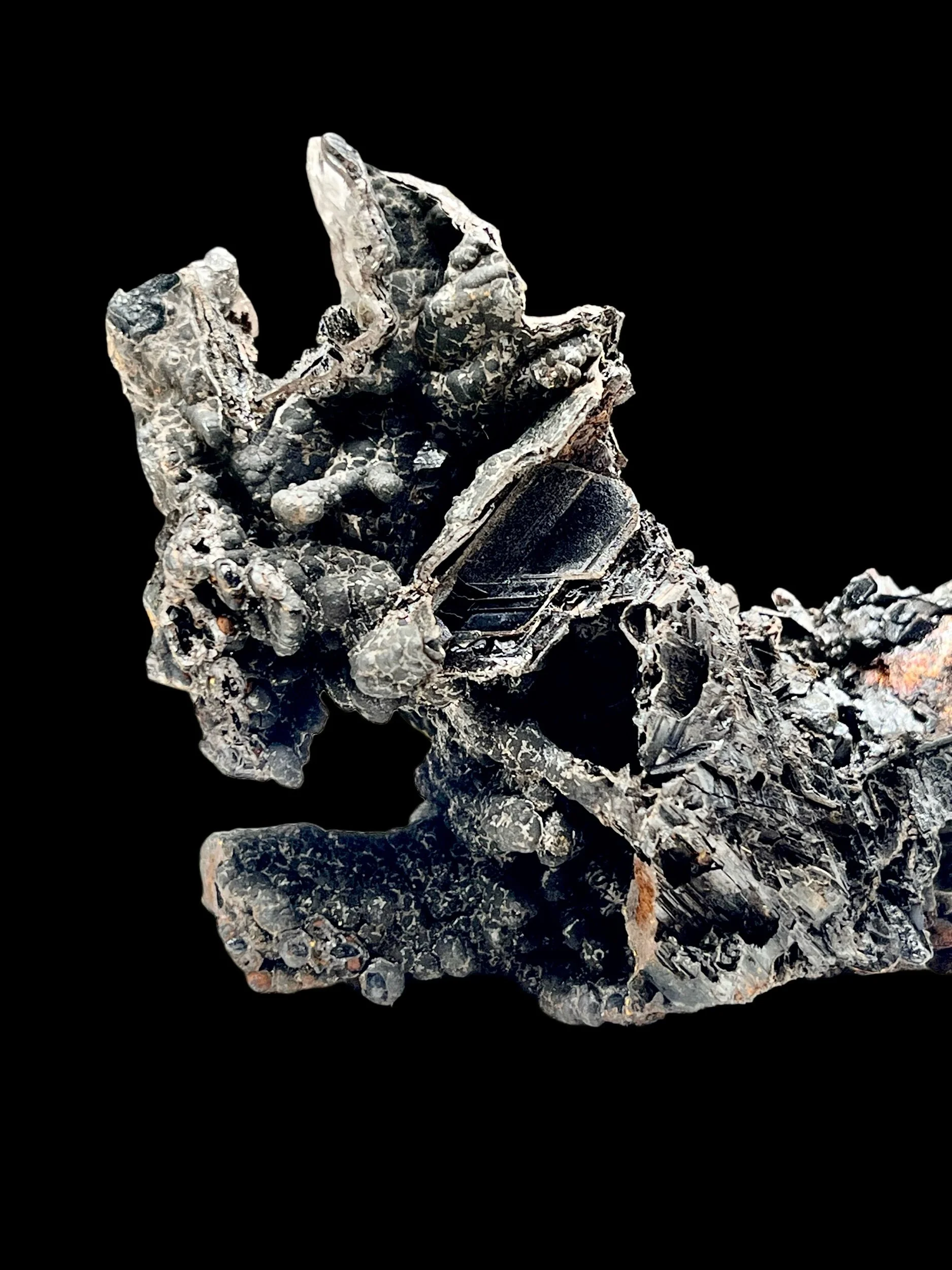
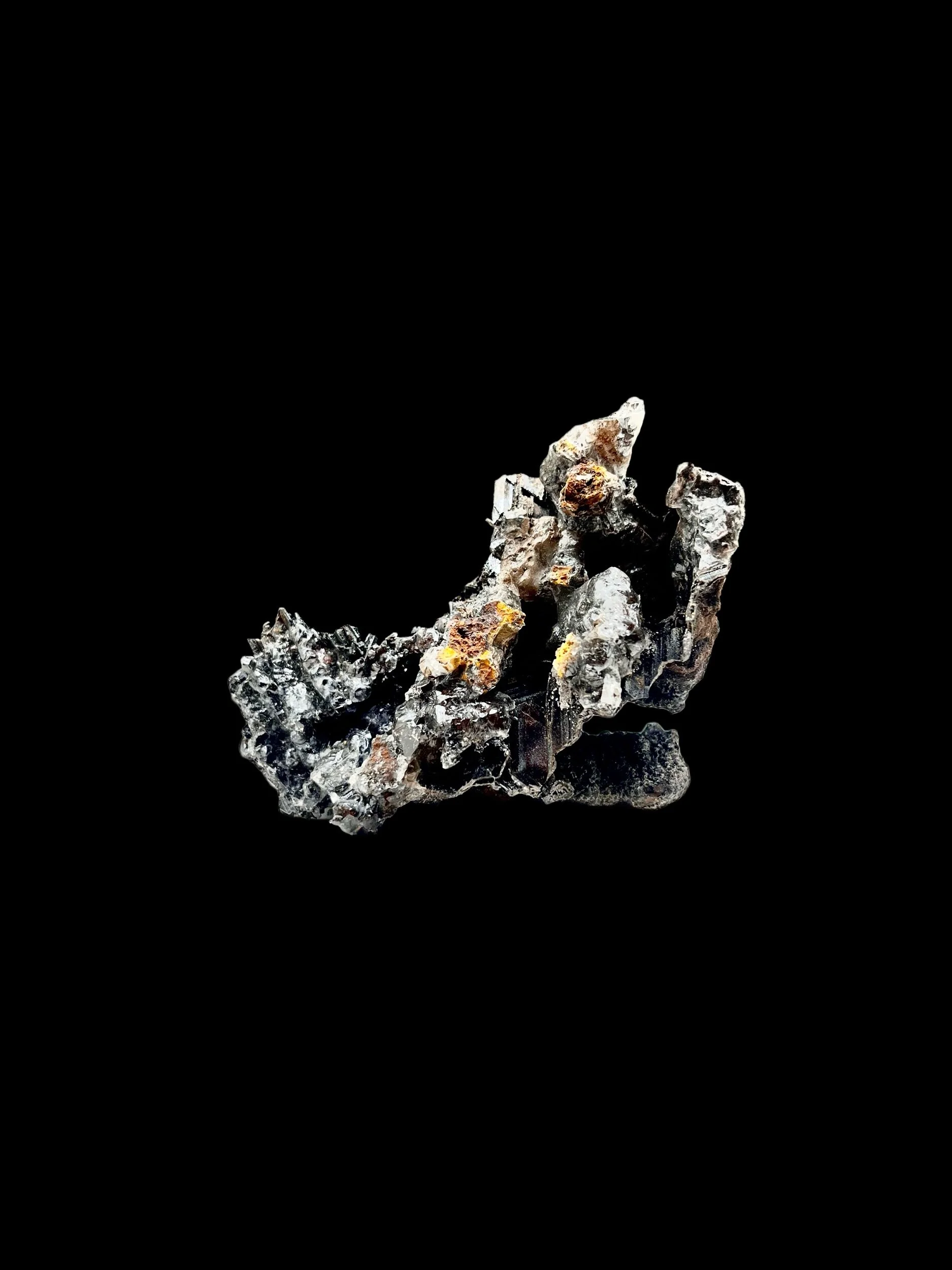
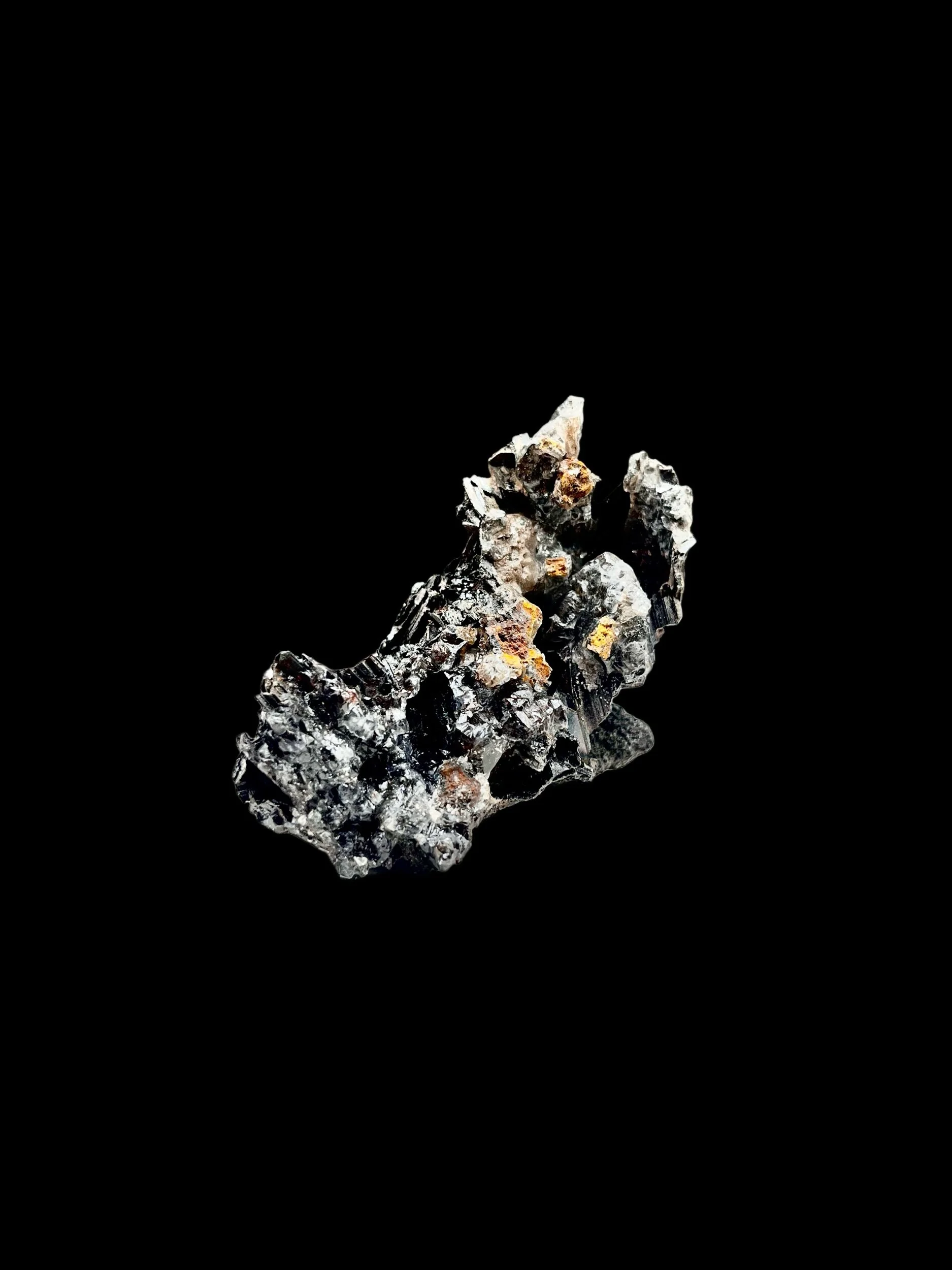
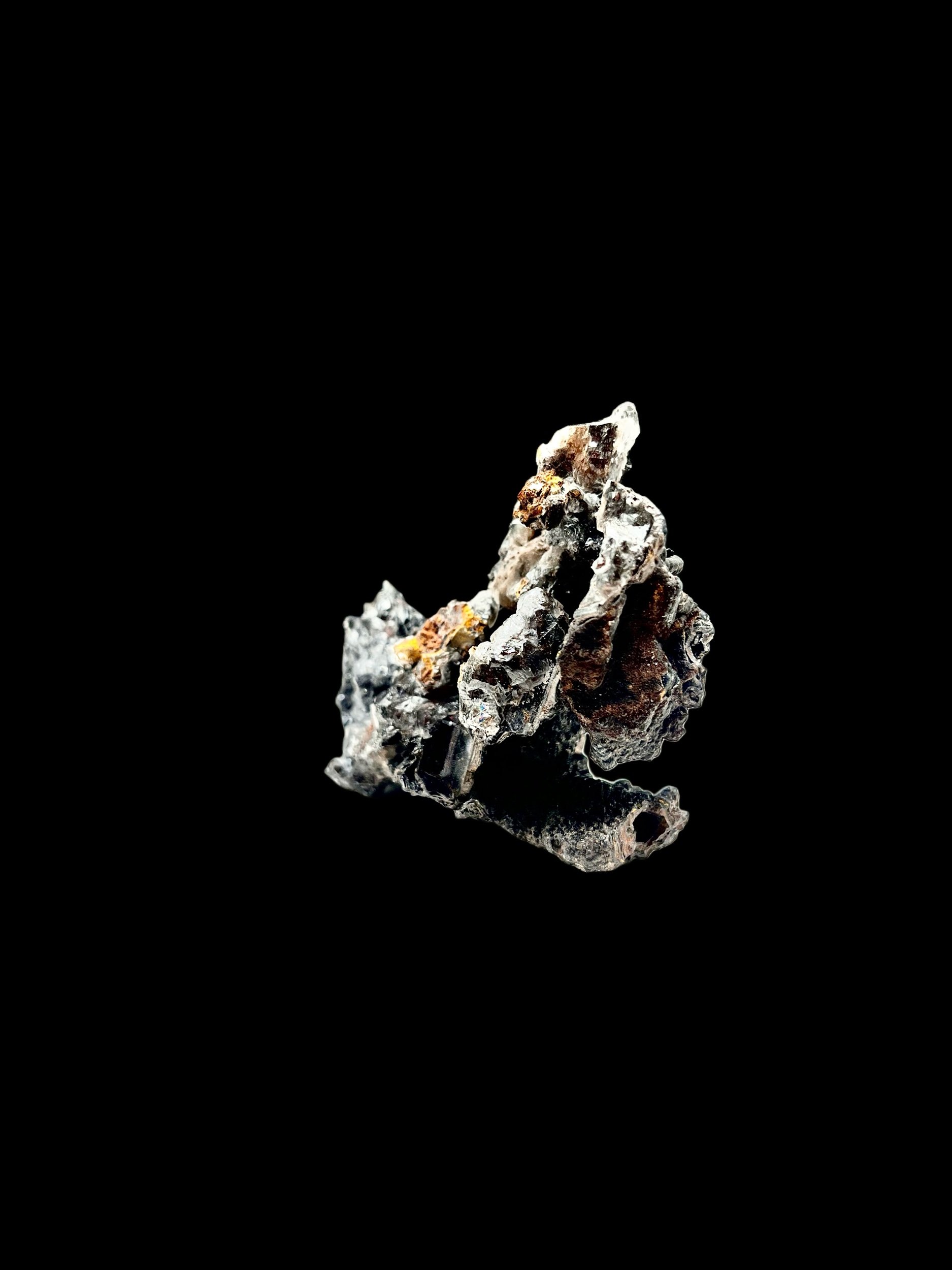
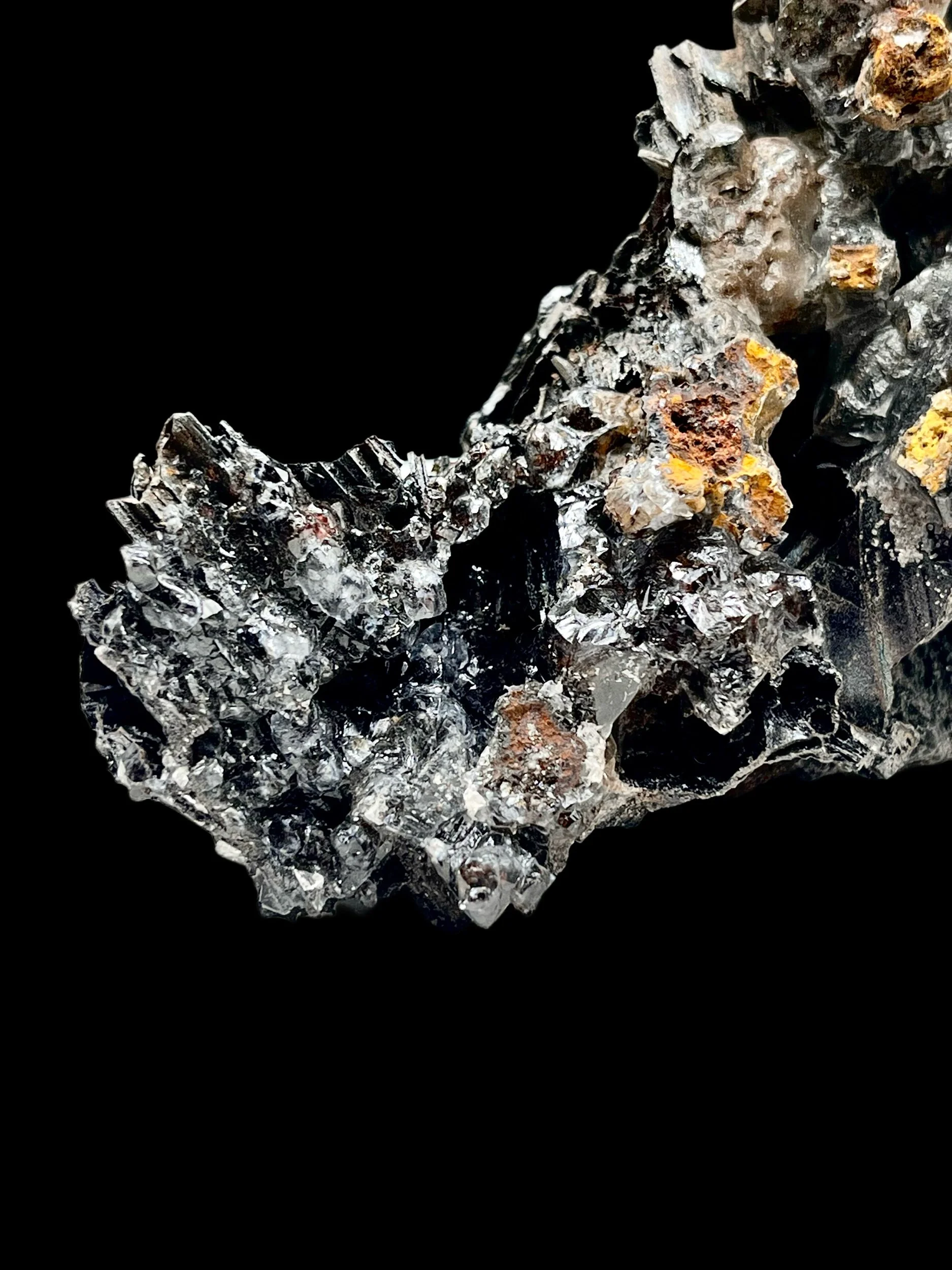
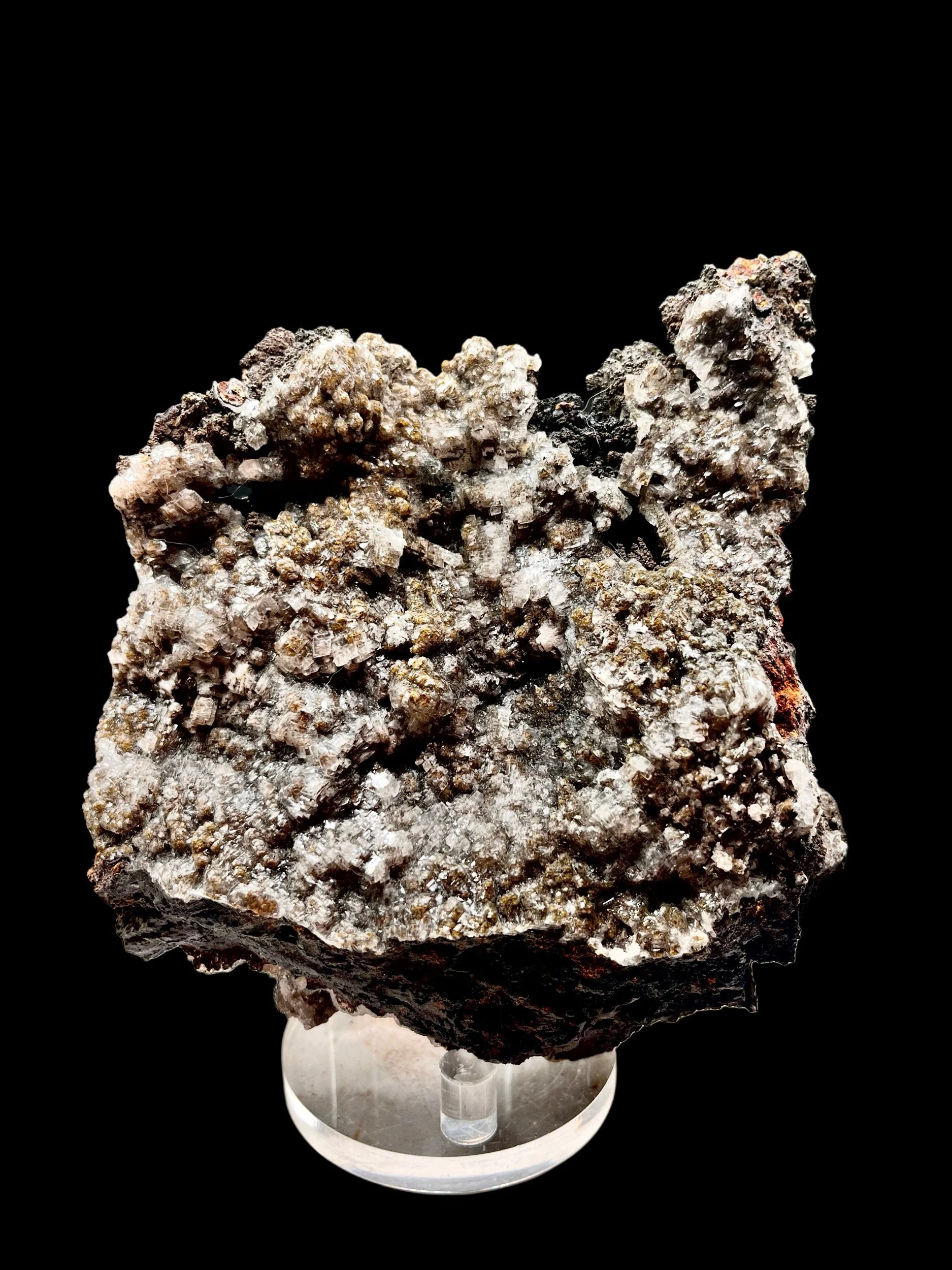
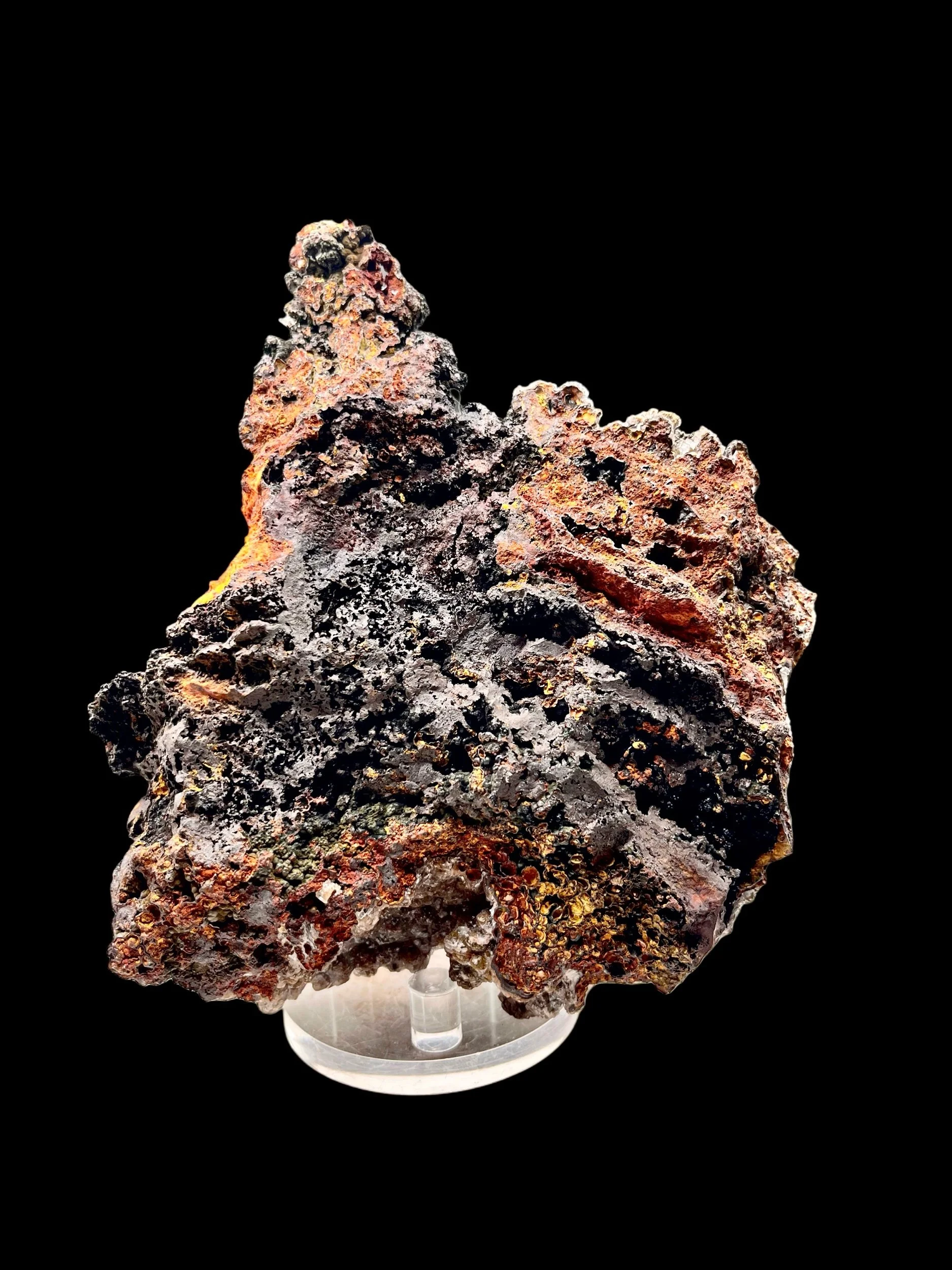
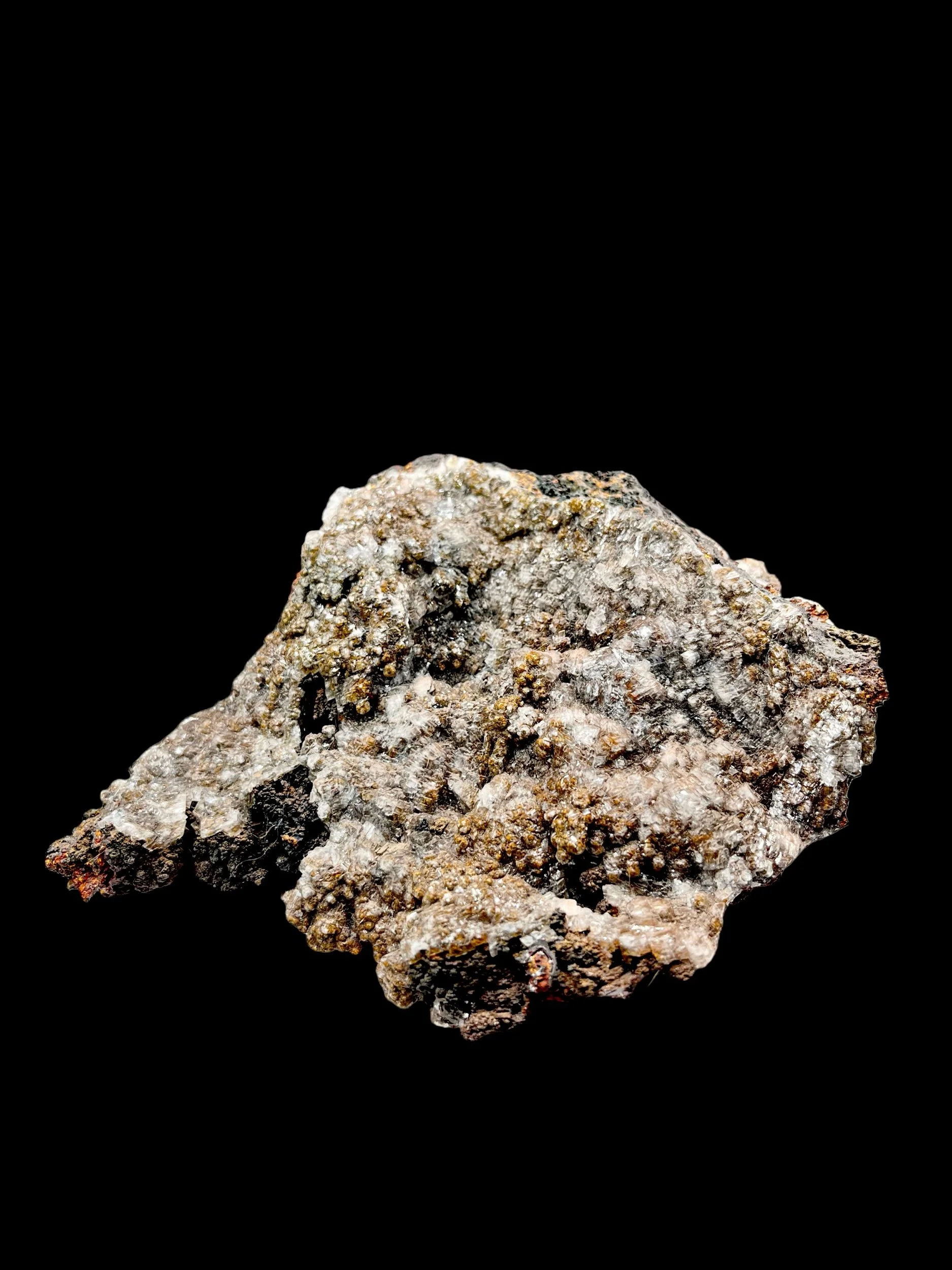
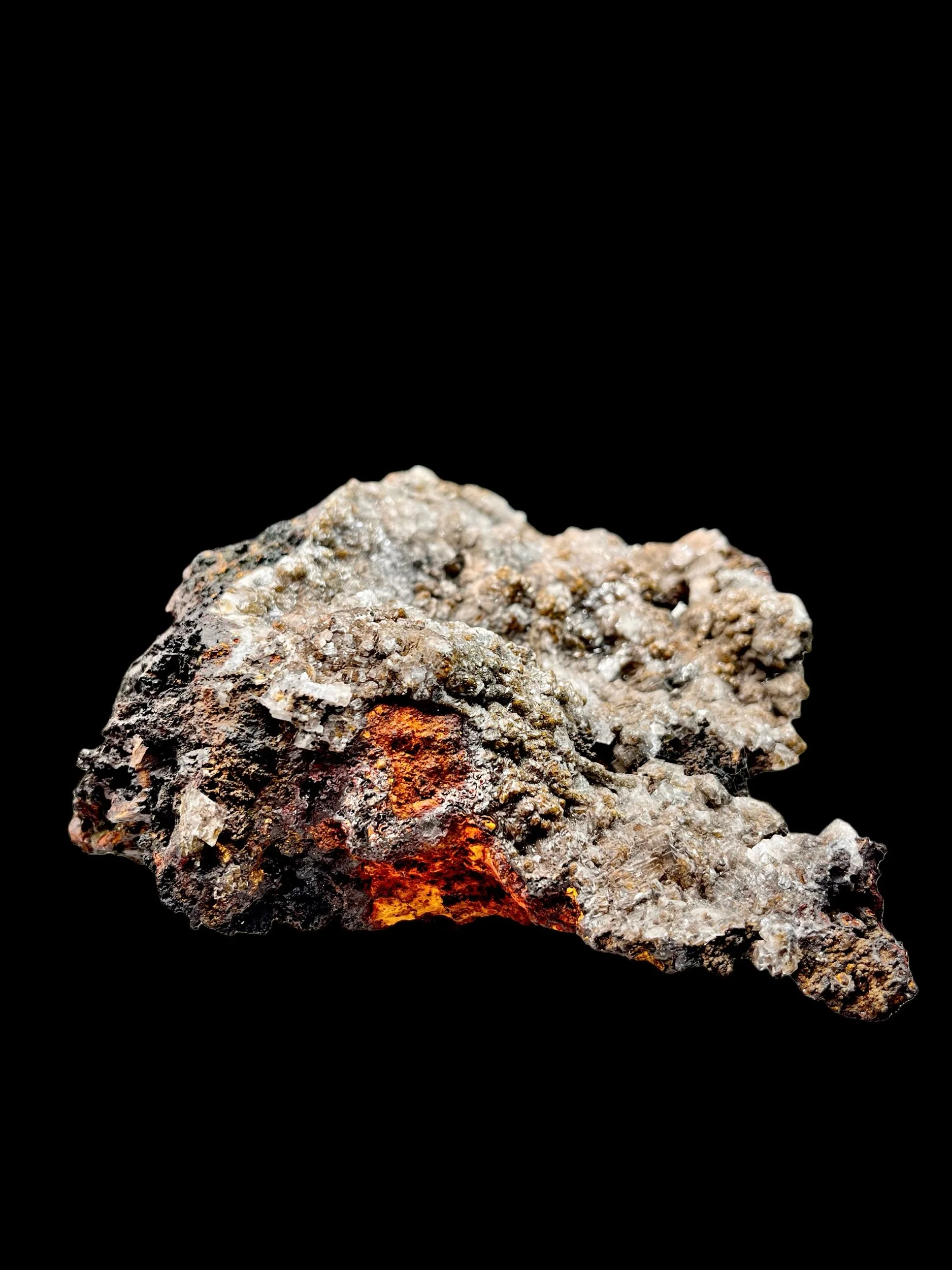
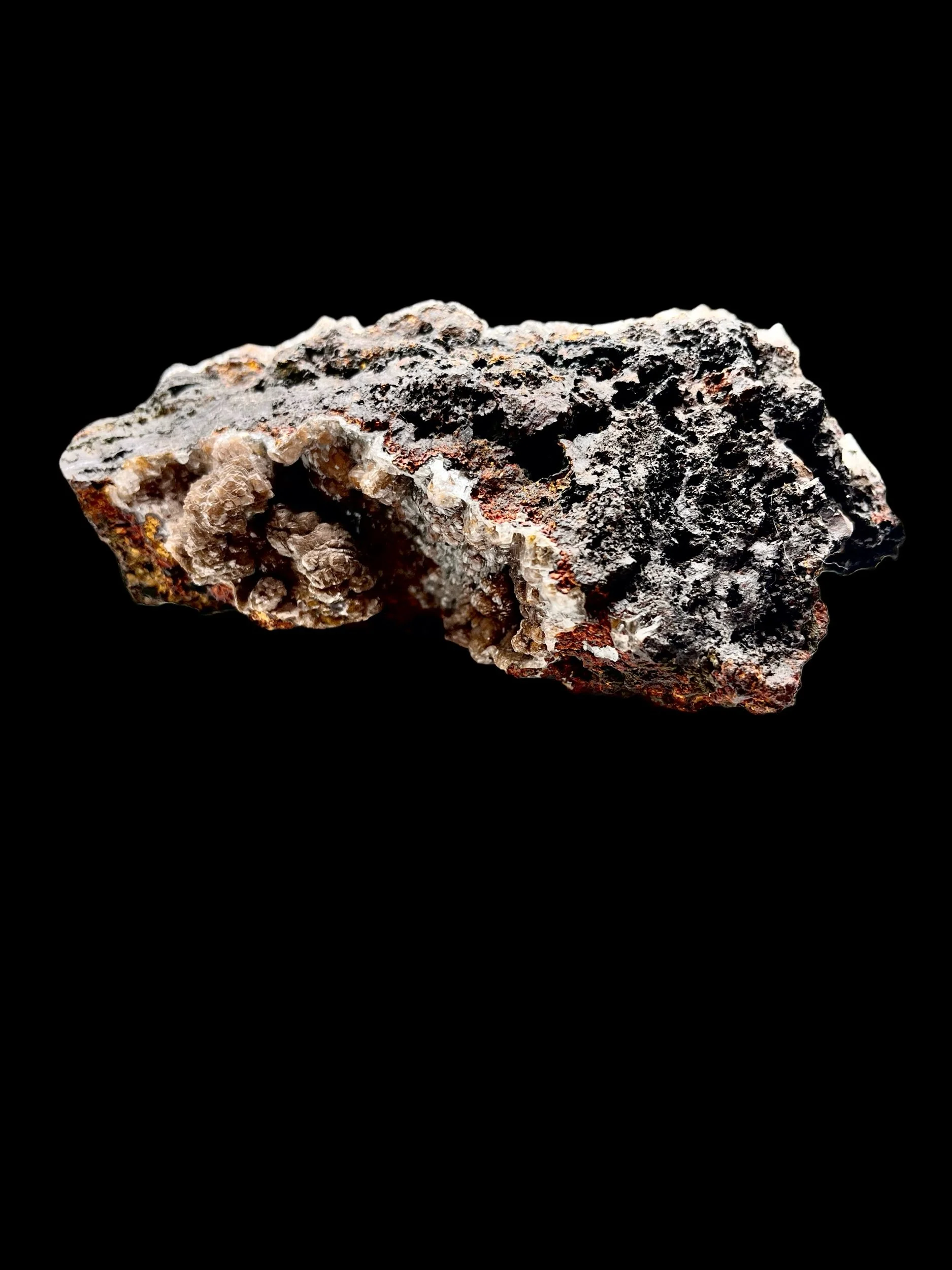
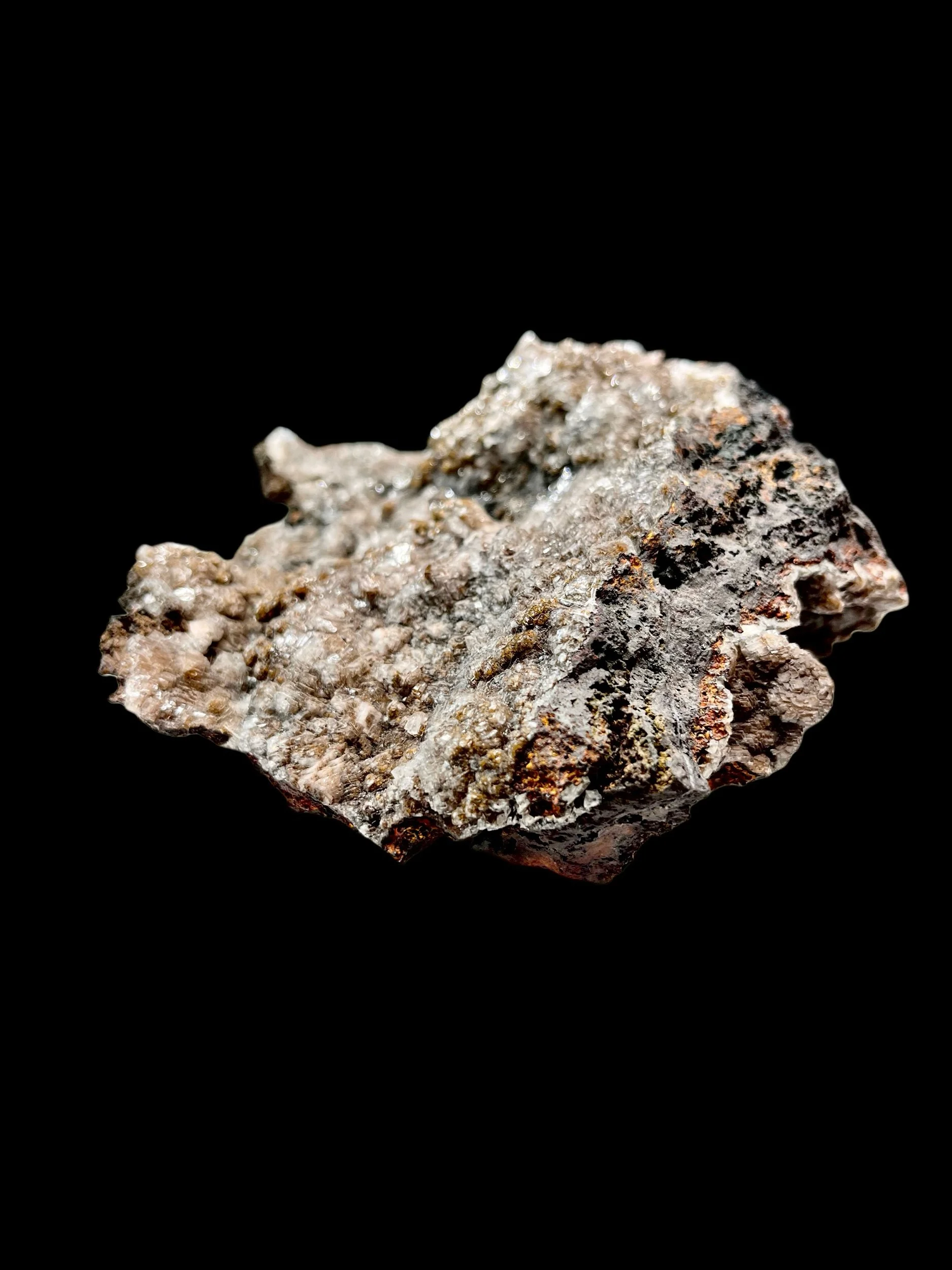
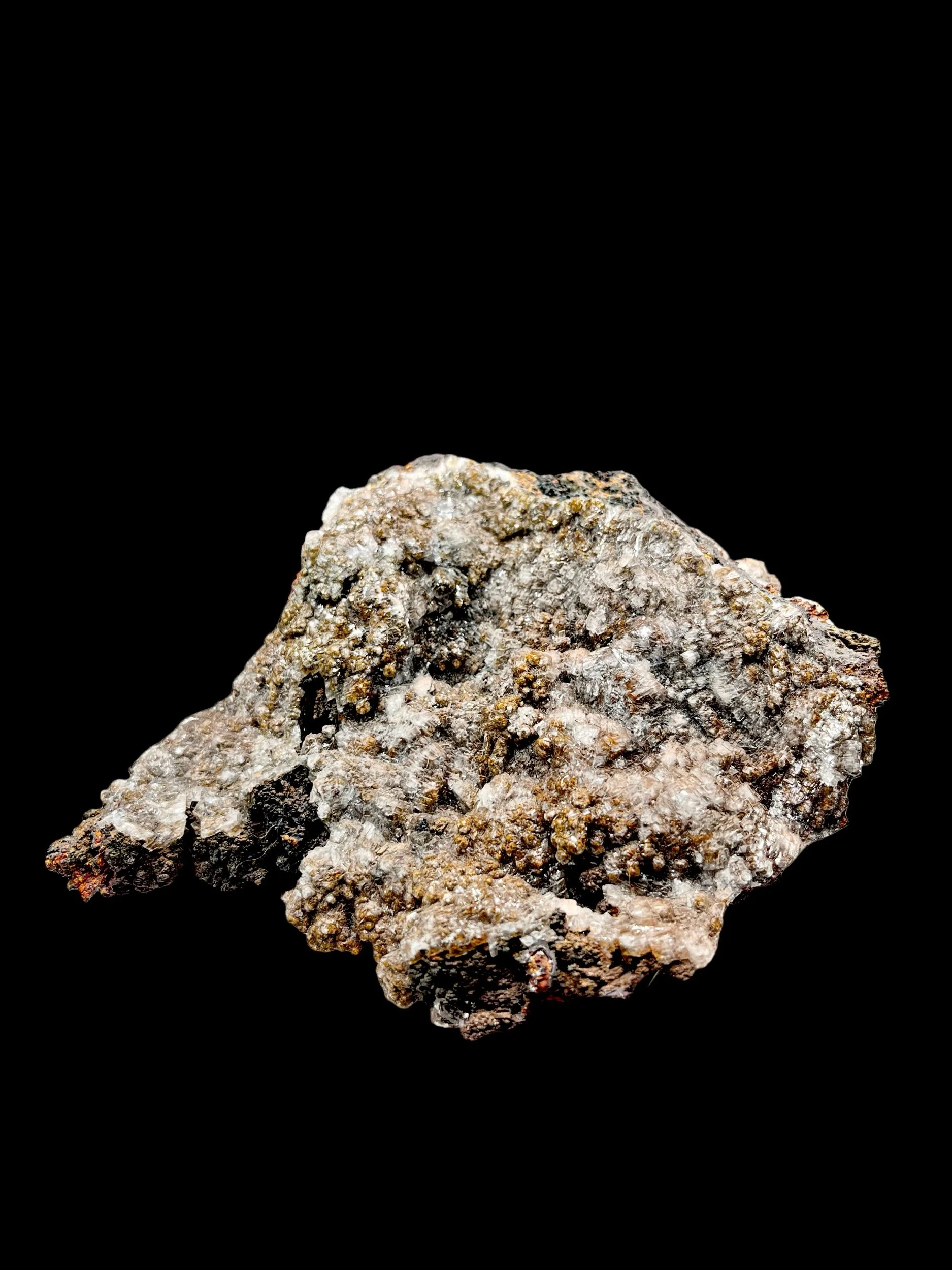
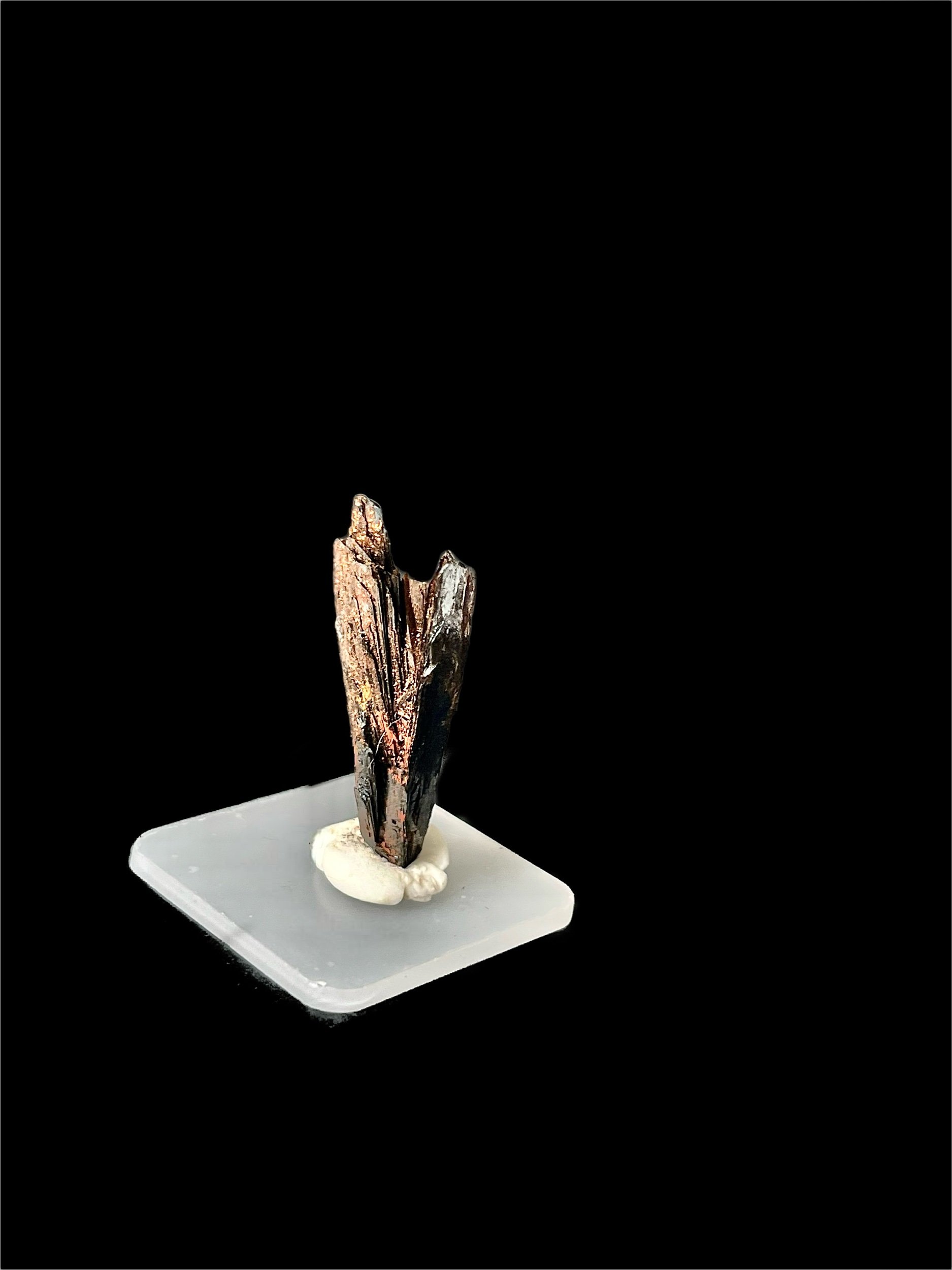
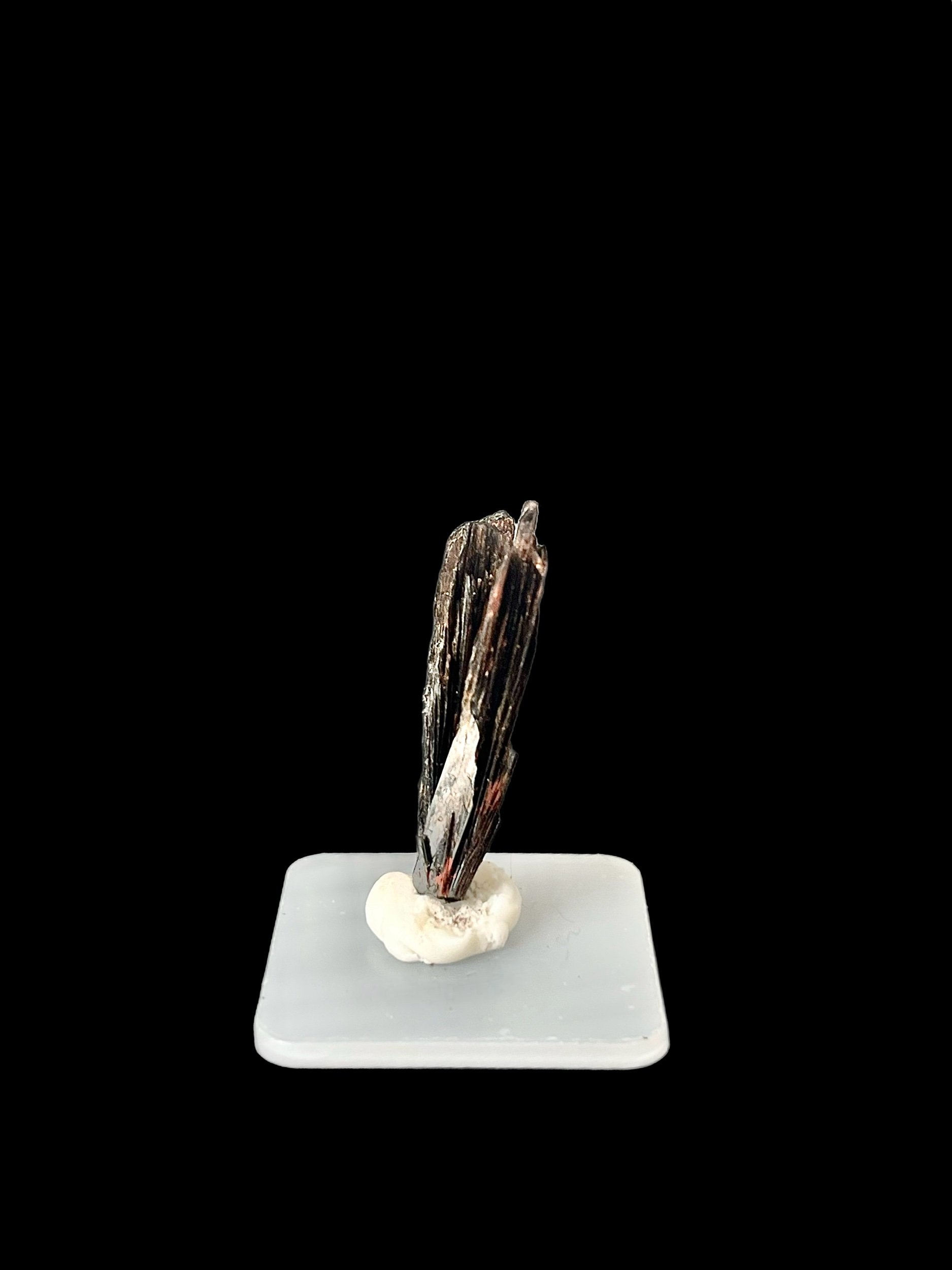
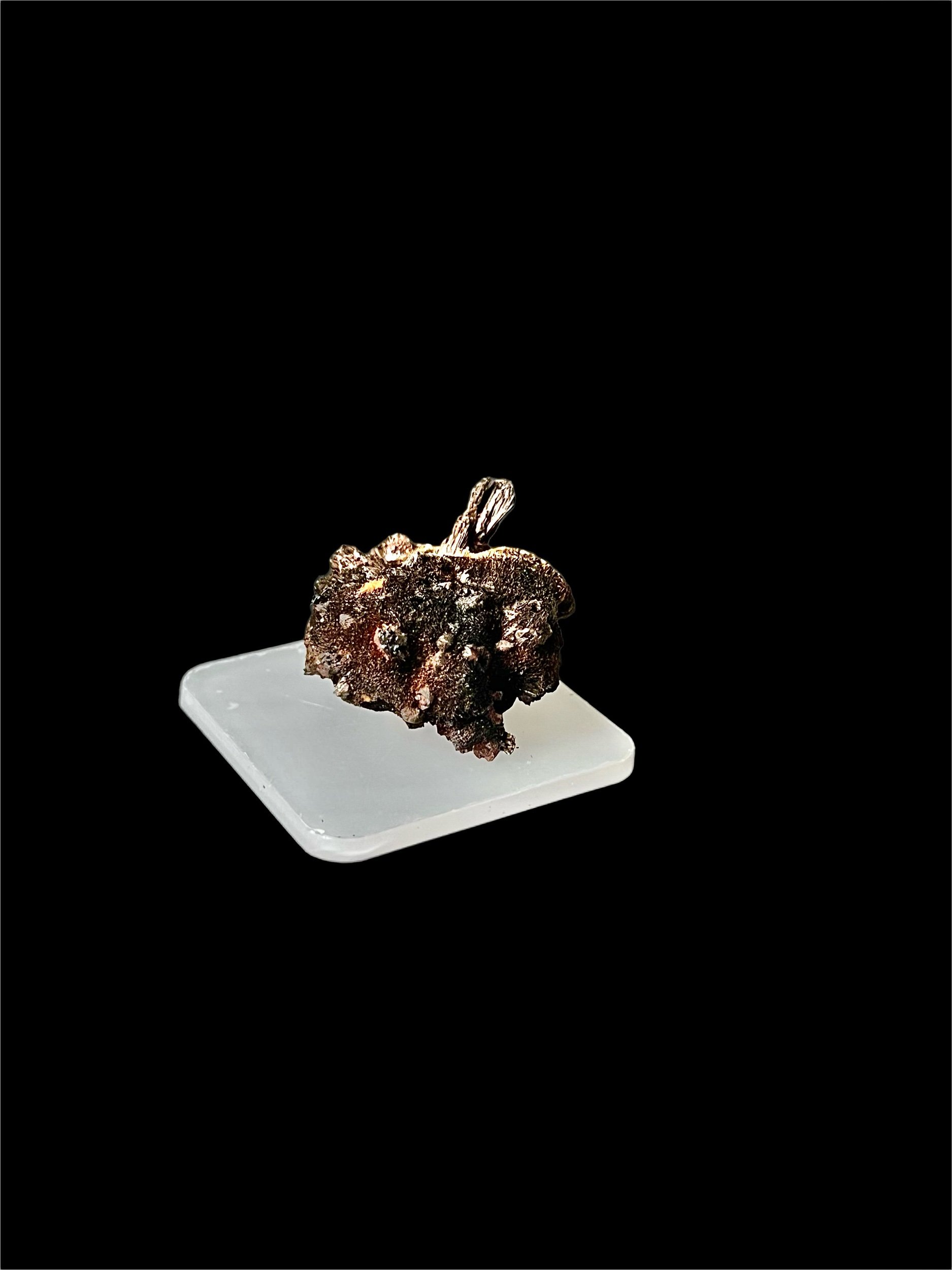
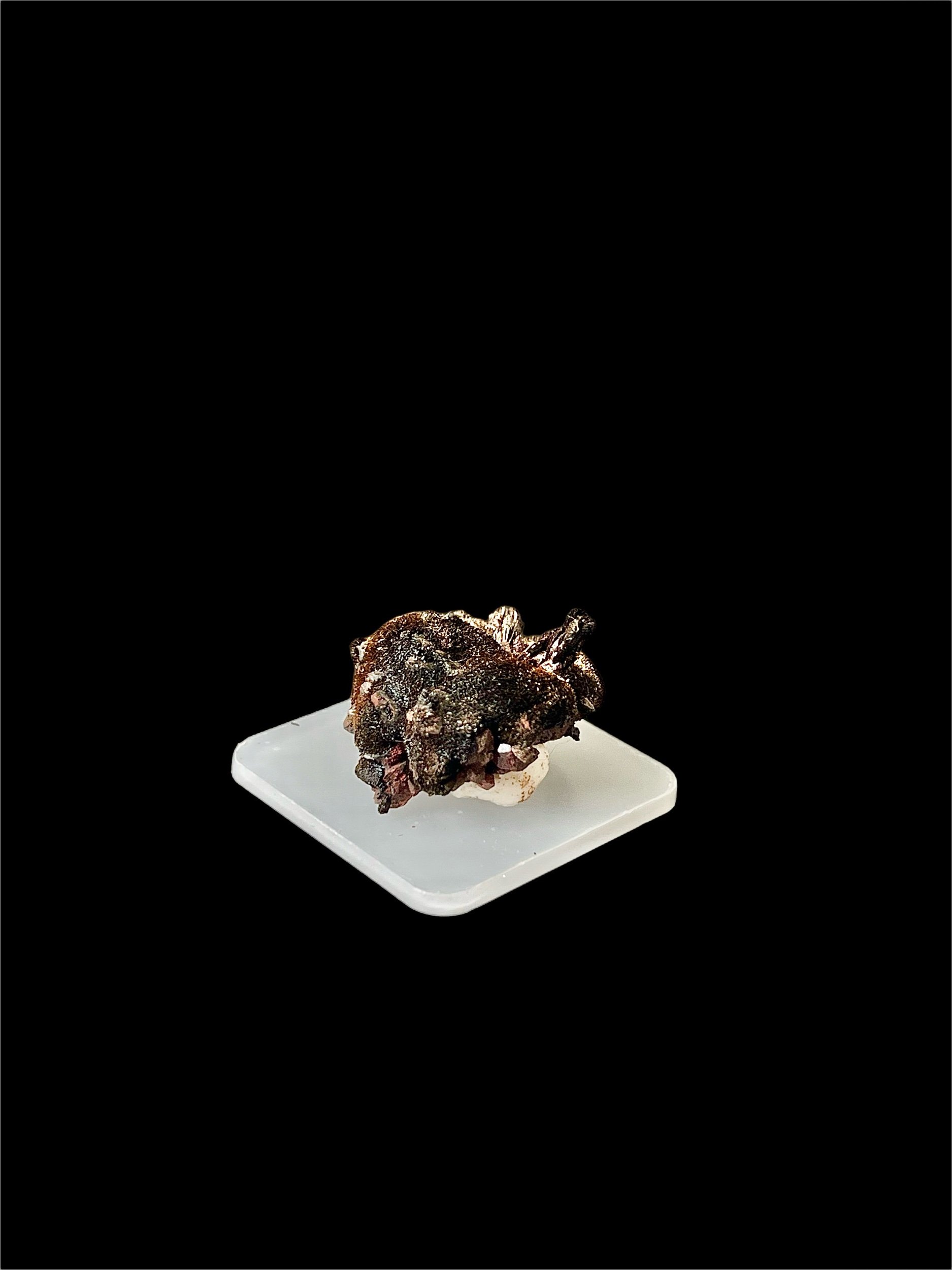
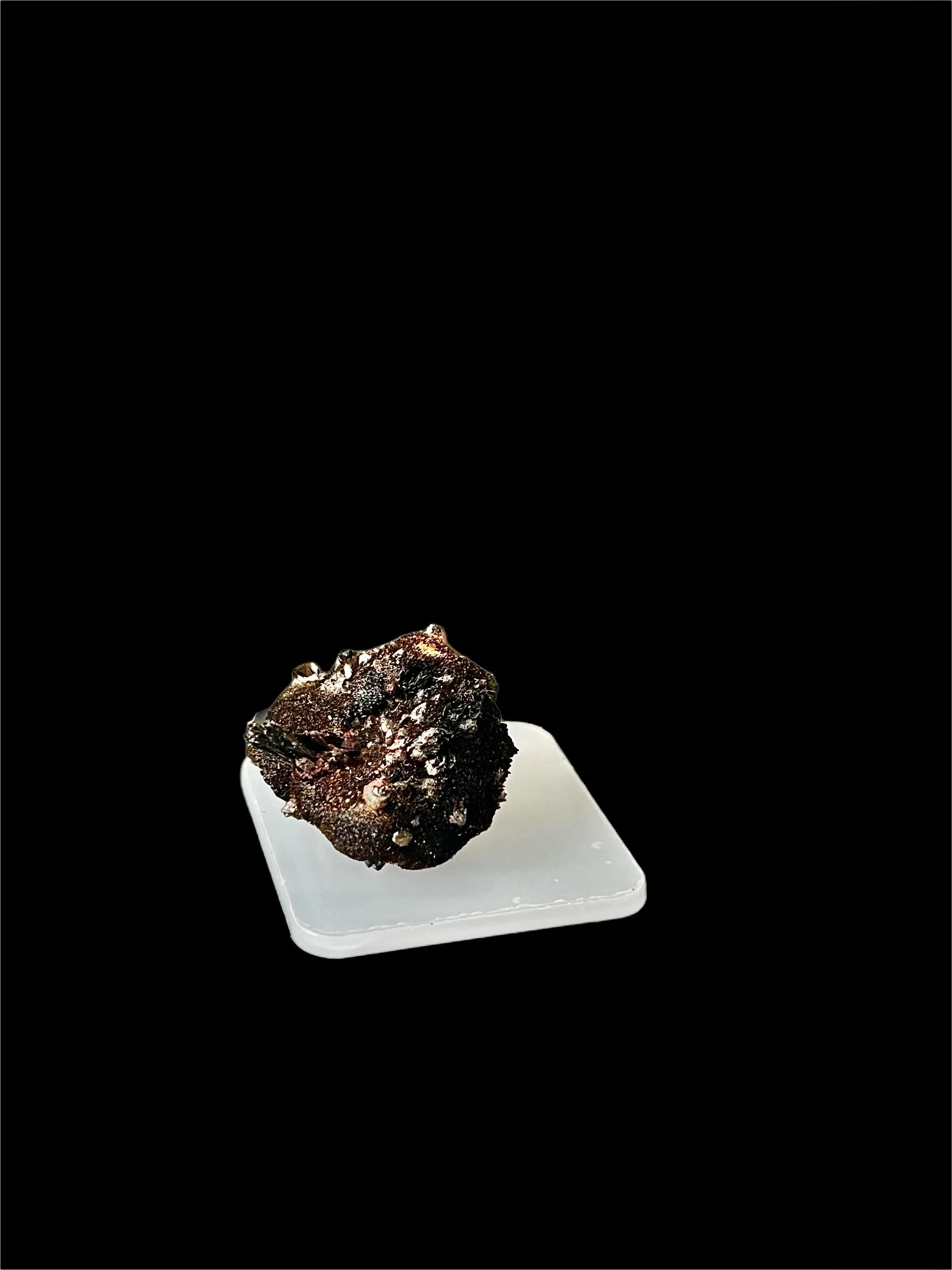
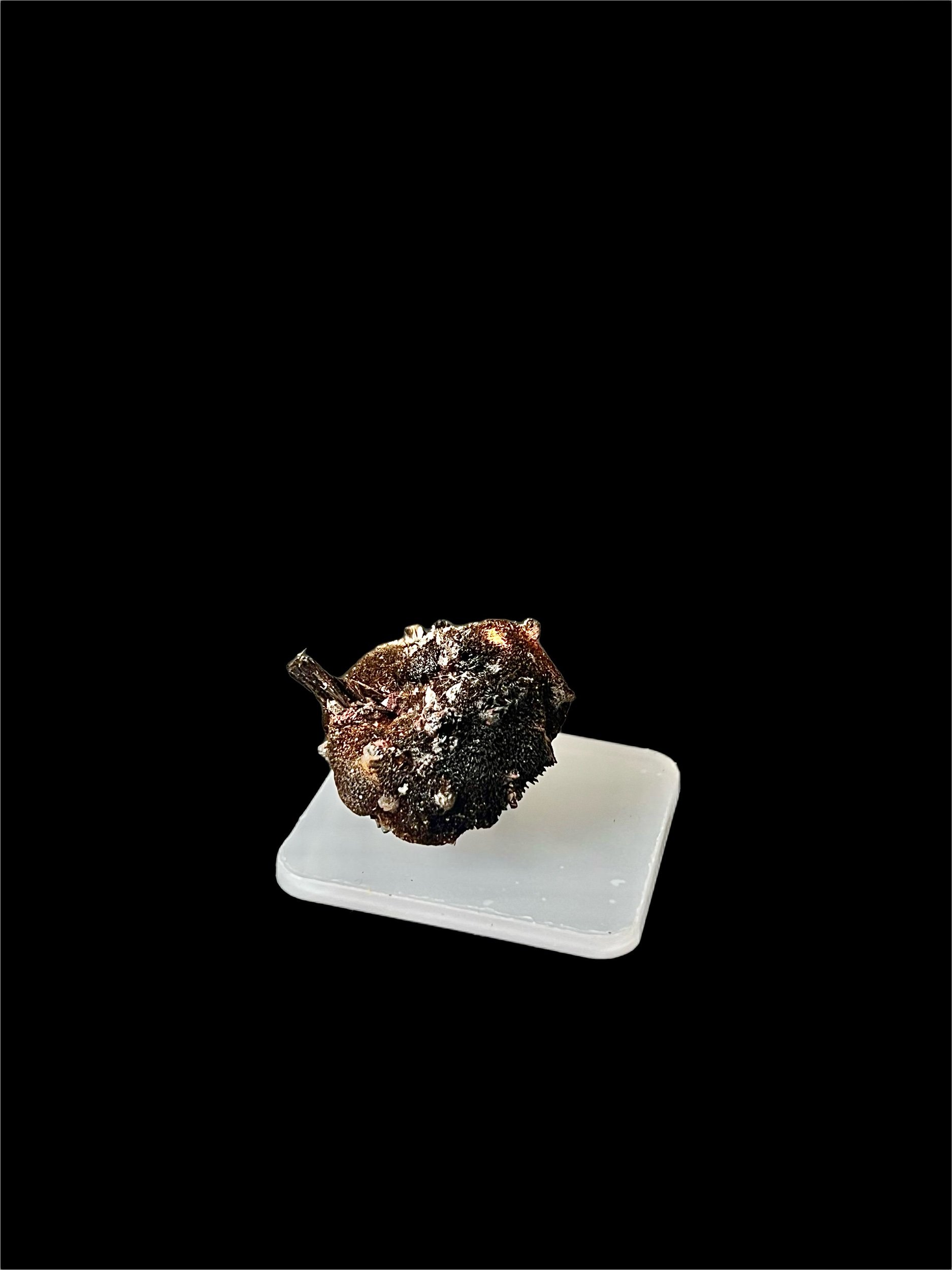
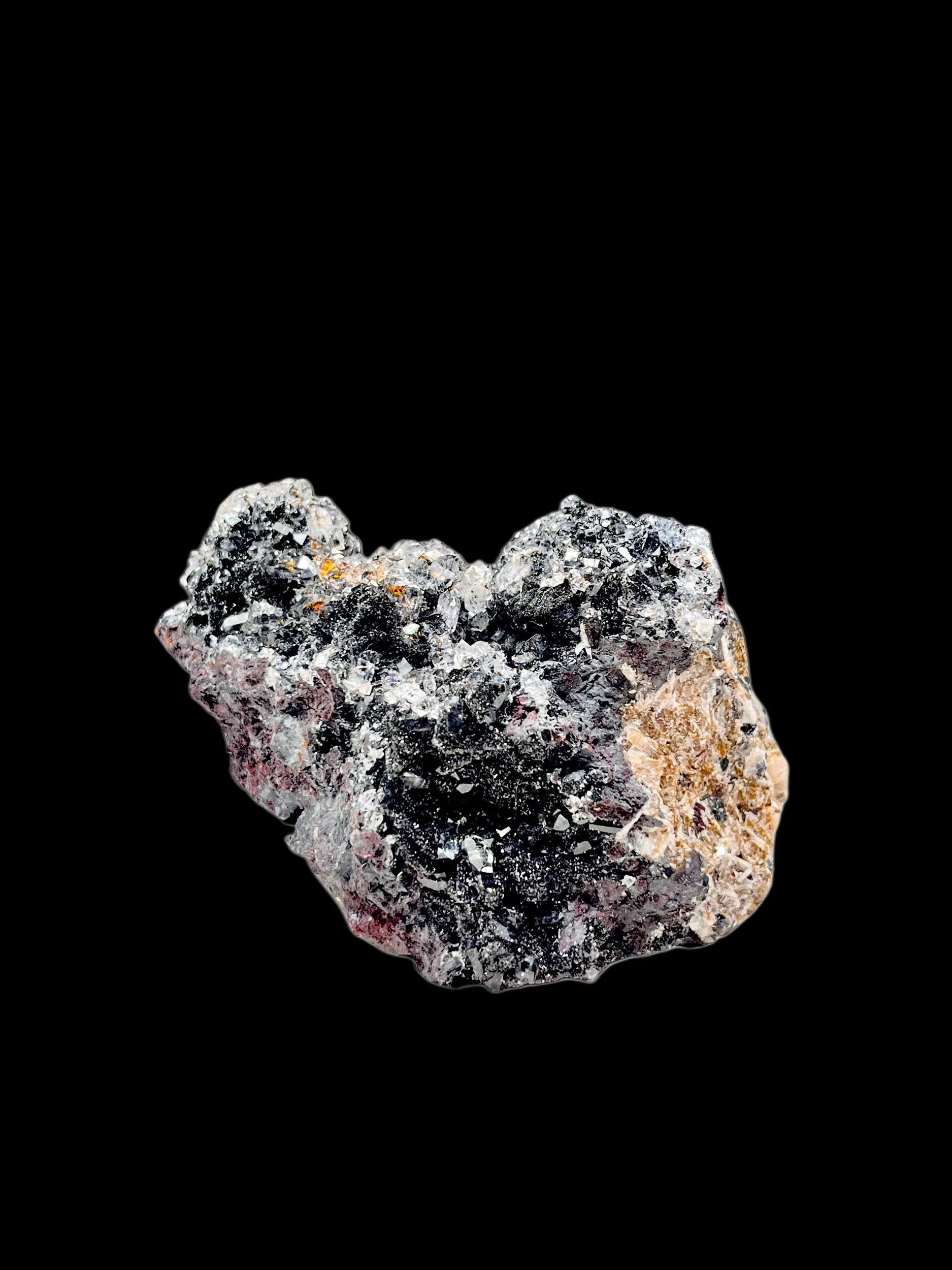
This compelling specimen showcases dense, dark goethite richly coated with sharp, reflective calcite crystals that catch the light across the surface. The goethite presents a deep charcoal to black coloration with excellent metallic sparkle, creating a dramatic backdrop for the bright, angular calcite growth. Small flashes of warm ochre and rust tones hint at iron oxidation within the matrix, adding depth and visual complexity.
The crystal coverage is generous and evenly distributed, giving the specimen a naturally “sugary” texture. It’s an excellent example of secondary mineral growth enhancing an already striking iron oxide base.
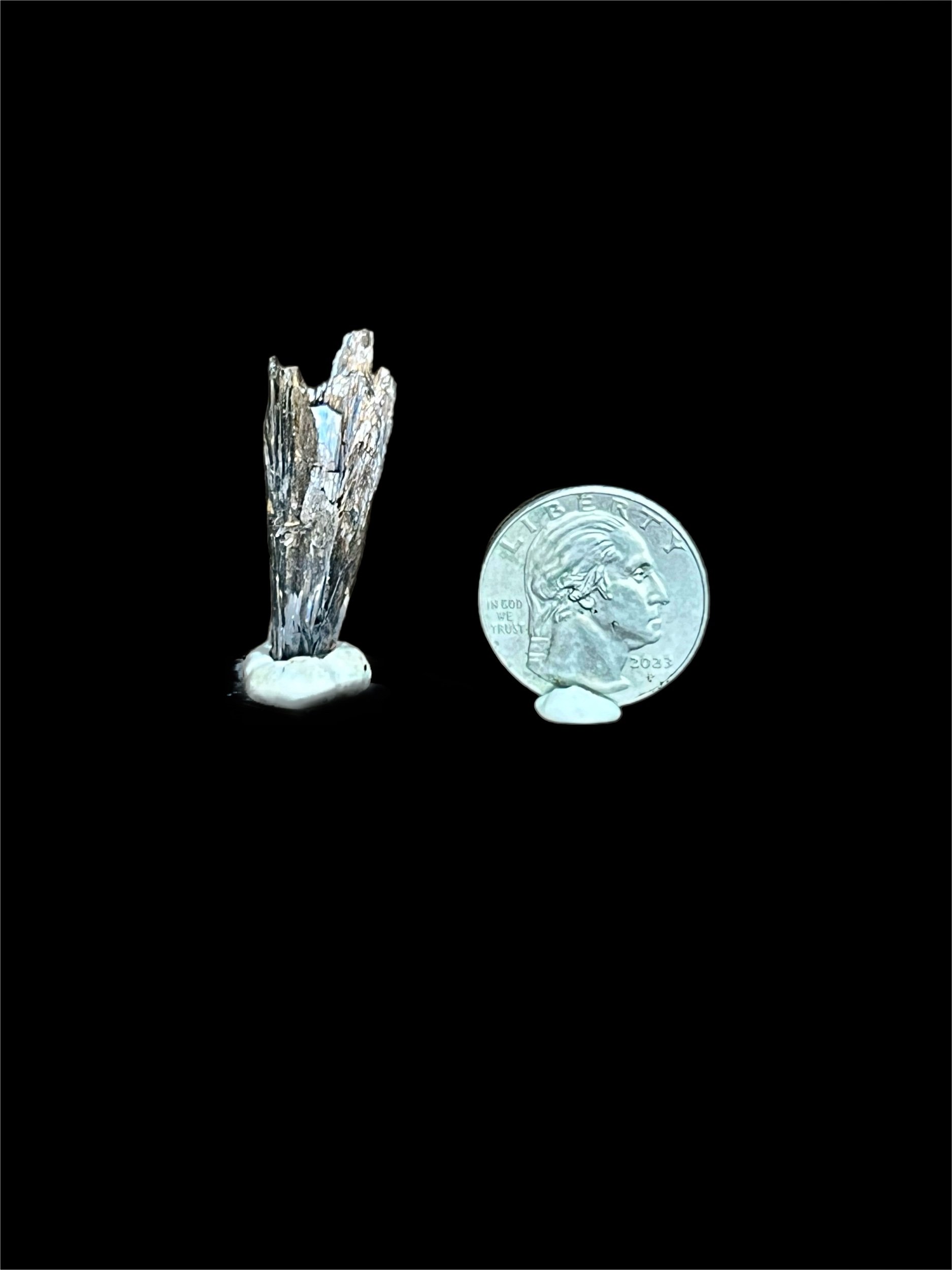
2.25” x 2” x 1.5”
170 g
Goethite is often associated with grounding, stability, and emotional resilience, while calcite is traditionally linked to mental clarity and energetic amplification. Together, they are thought to support balance between grounding energy and focused awareness.
This piece stands out for its high contrast and crystal density. Mexican goethite is highly regarded among collectors for its variety of habits, and the presence of abundant calcite crystals elevates this specimen beyond a simple iron oxide example. The balance of matte and reflective surfaces makes it particularly strong for display under directional lighting.
Dark, dense goethite with sparkling calcite crystal coverage
Excellent contrast between iron oxide and carbonate minerals
Strong surface texture and visual depth
Compact, display-friendly size
Excellent piece for new collectors
Goethite is an iron oxyhydroxide mineral that forms in oxidizing environments, often as a secondary mineral replacing earlier iron-rich phases. Its dark coloration and varied surface textures make it a cornerstone mineral for collectors of iron oxides. Calcite, a calcium carbonate, commonly forms in hydrothermal and sedimentary settings and frequently overgrows earlier minerals, recording later stages of fluid activity and mineral deposition.
This compelling specimen showcases dense, dark goethite richly coated with sharp, reflective calcite crystals that catch the light across the surface. The goethite presents a deep charcoal to black coloration with excellent metallic sparkle, creating a dramatic backdrop for the bright, angular calcite growth. Small flashes of warm ochre and rust tones hint at iron oxidation within the matrix, adding depth and visual complexity.
The crystal coverage is generous and evenly distributed, giving the specimen a naturally “sugary” texture. It’s an excellent example of secondary mineral growth enhancing an already striking iron oxide base.
2.25” x 2” x 1.5”
170 g
Goethite is often associated with grounding, stability, and emotional resilience, while calcite is traditionally linked to mental clarity and energetic amplification. Together, they are thought to support balance between grounding energy and focused awareness.
This piece stands out for its high contrast and crystal density. Mexican goethite is highly regarded among collectors for its variety of habits, and the presence of abundant calcite crystals elevates this specimen beyond a simple iron oxide example. The balance of matte and reflective surfaces makes it particularly strong for display under directional lighting.
Dark, dense goethite with sparkling calcite crystal coverage
Excellent contrast between iron oxide and carbonate minerals
Strong surface texture and visual depth
Compact, display-friendly size
Excellent piece for new collectors
Goethite is an iron oxyhydroxide mineral that forms in oxidizing environments, often as a secondary mineral replacing earlier iron-rich phases. Its dark coloration and varied surface textures make it a cornerstone mineral for collectors of iron oxides. Calcite, a calcium carbonate, commonly forms in hydrothermal and sedimentary settings and frequently overgrows earlier minerals, recording later stages of fluid activity and mineral deposition.