Description
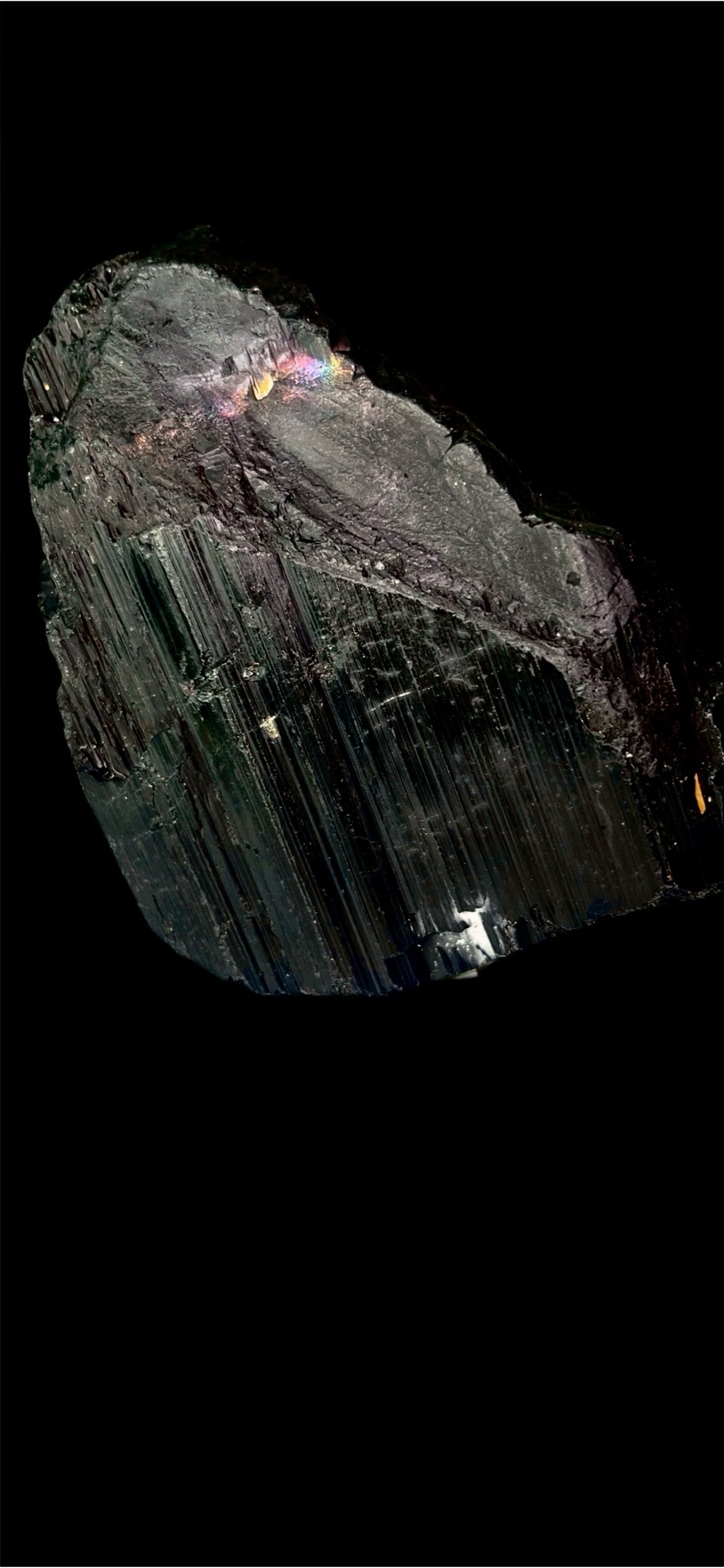
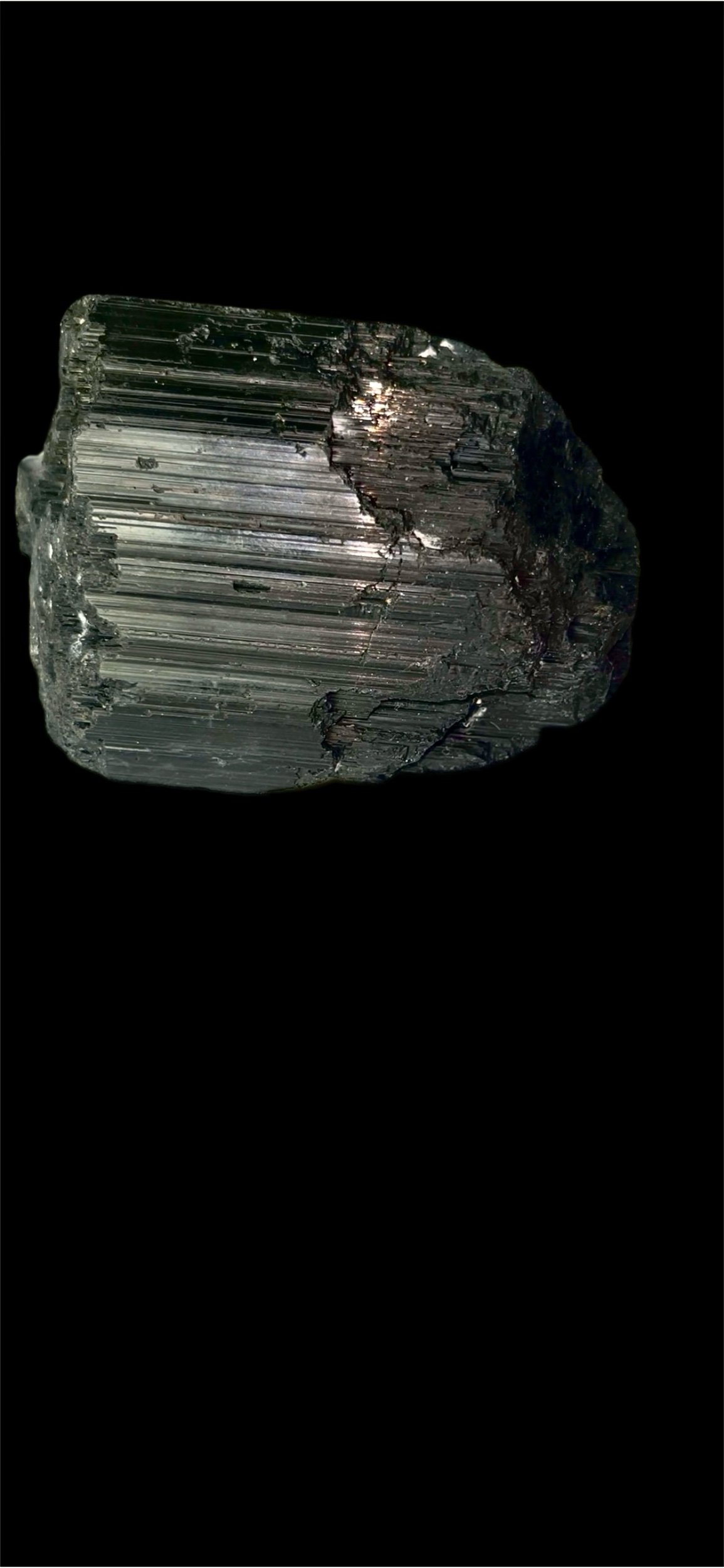
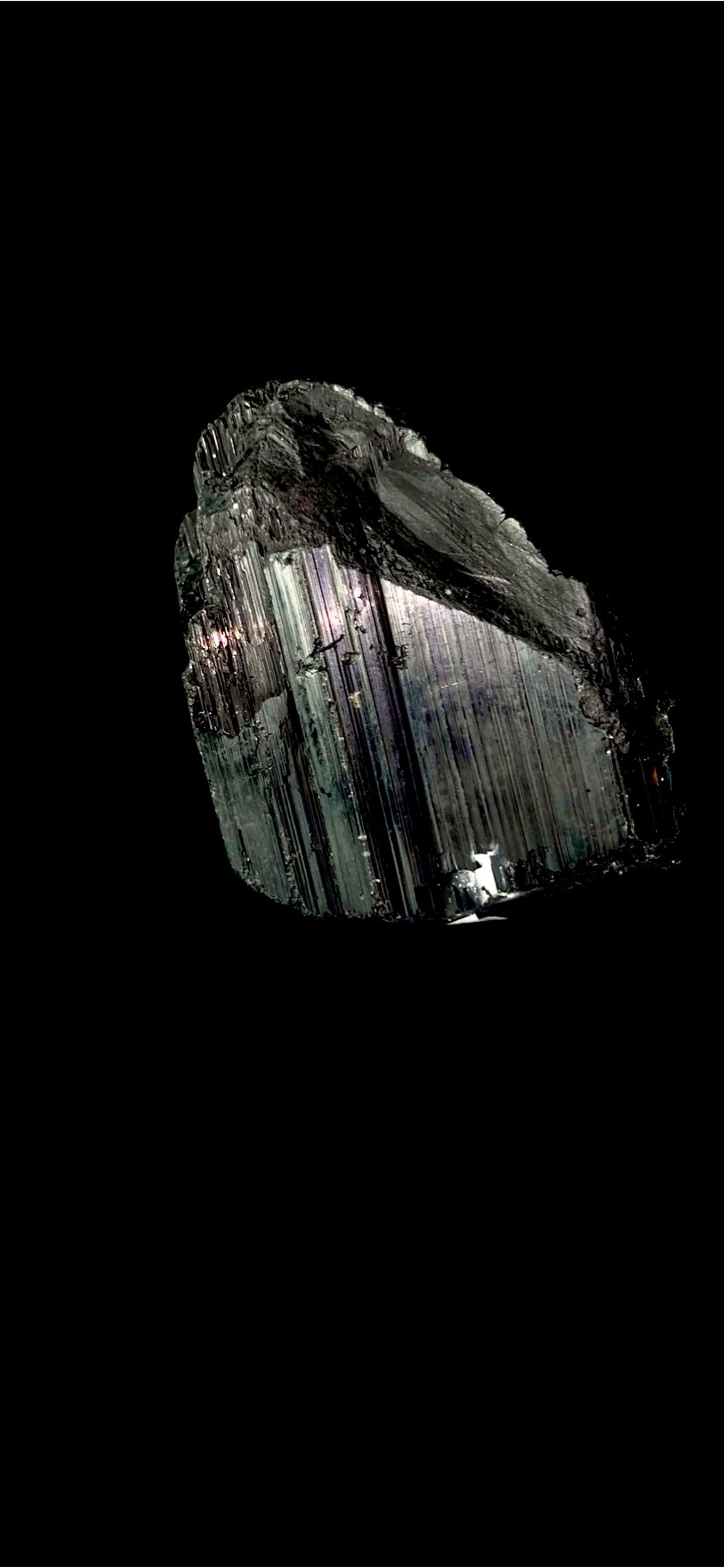
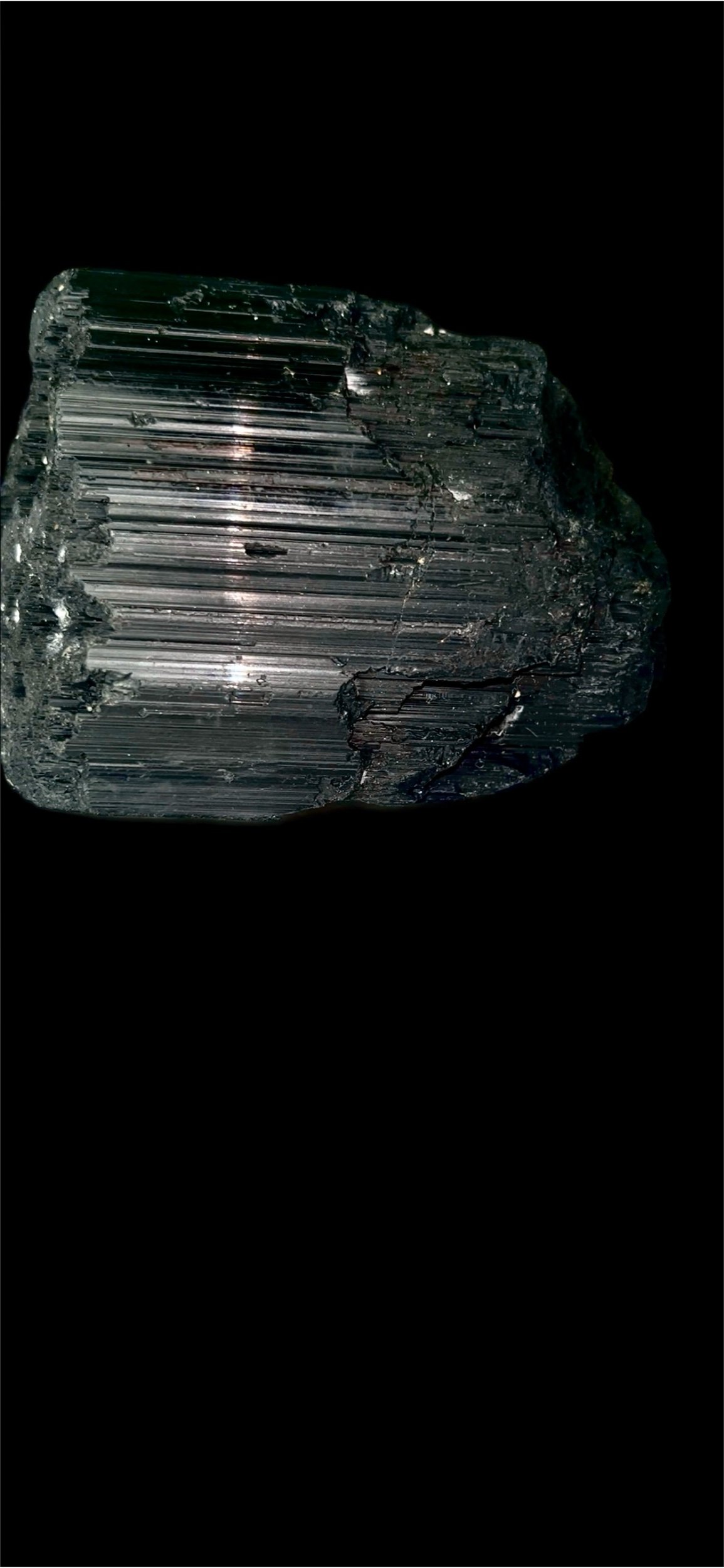
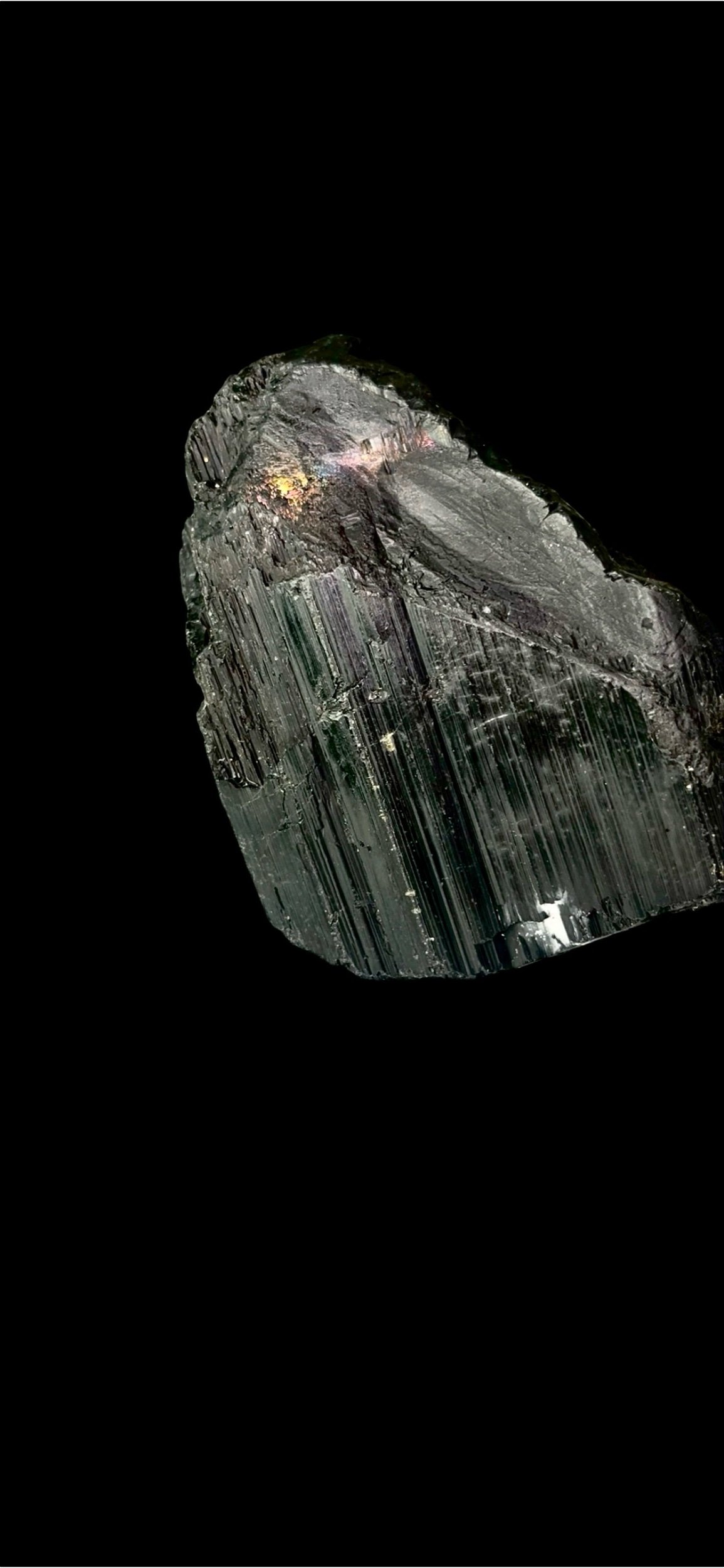
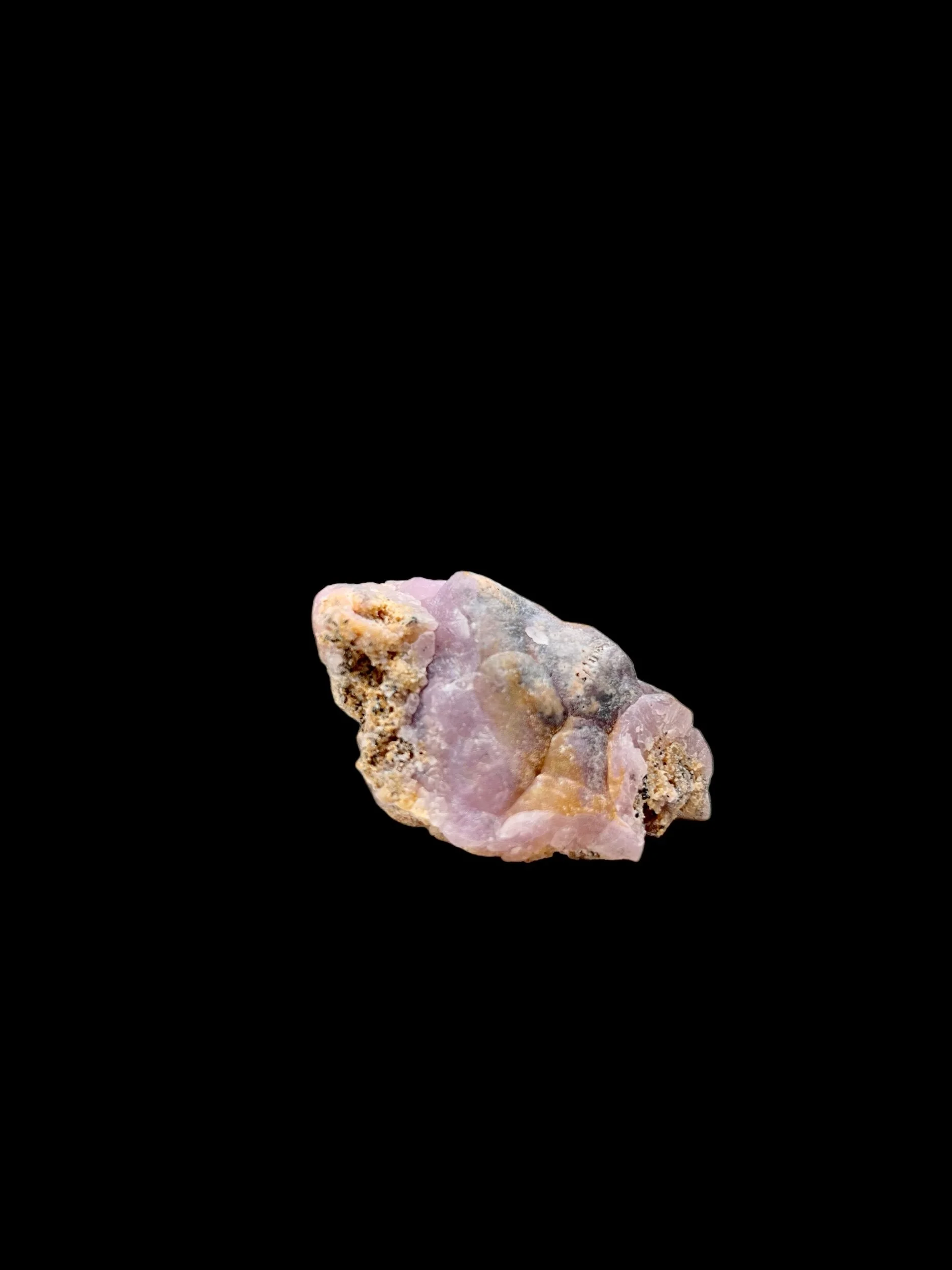
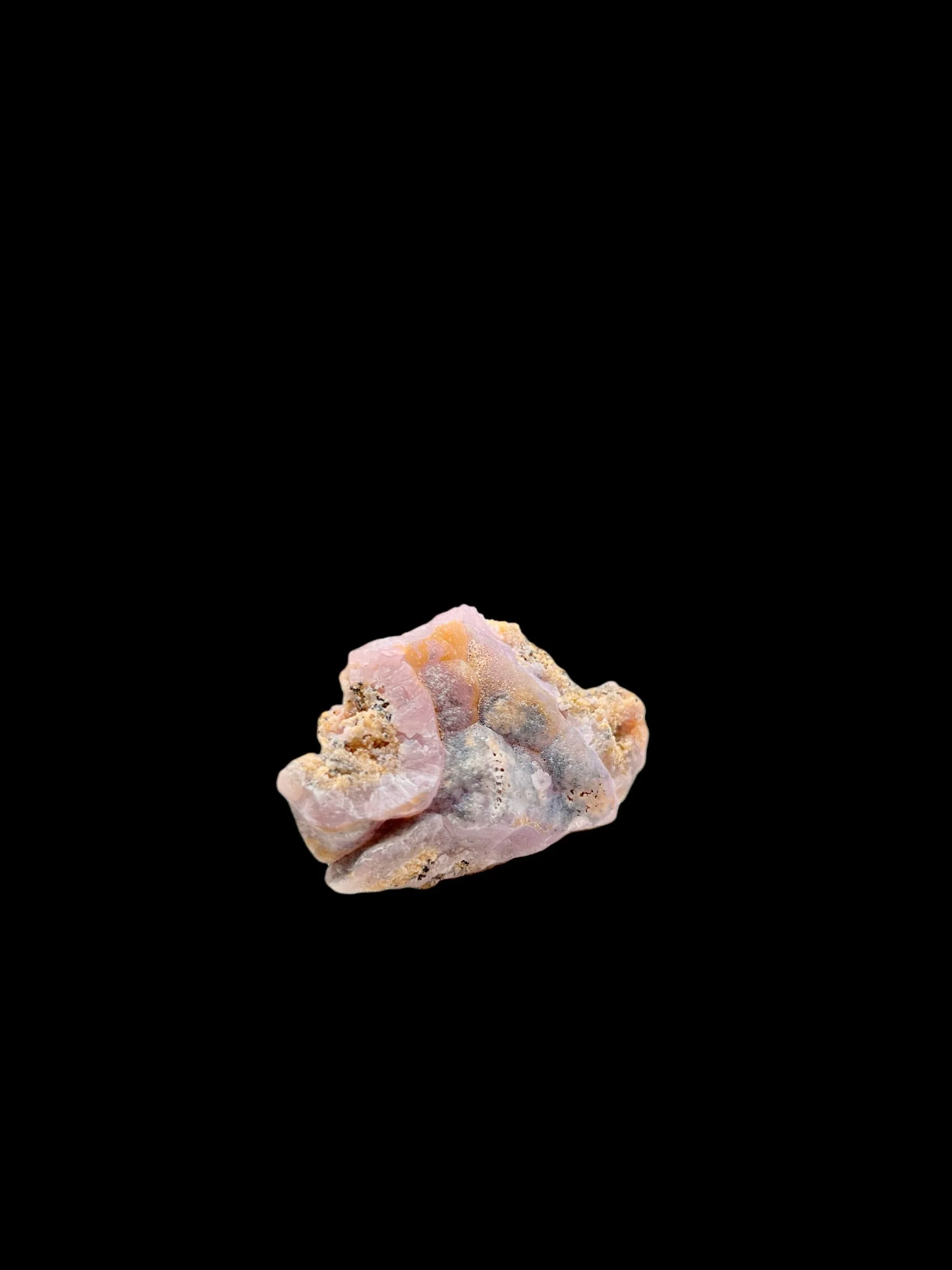
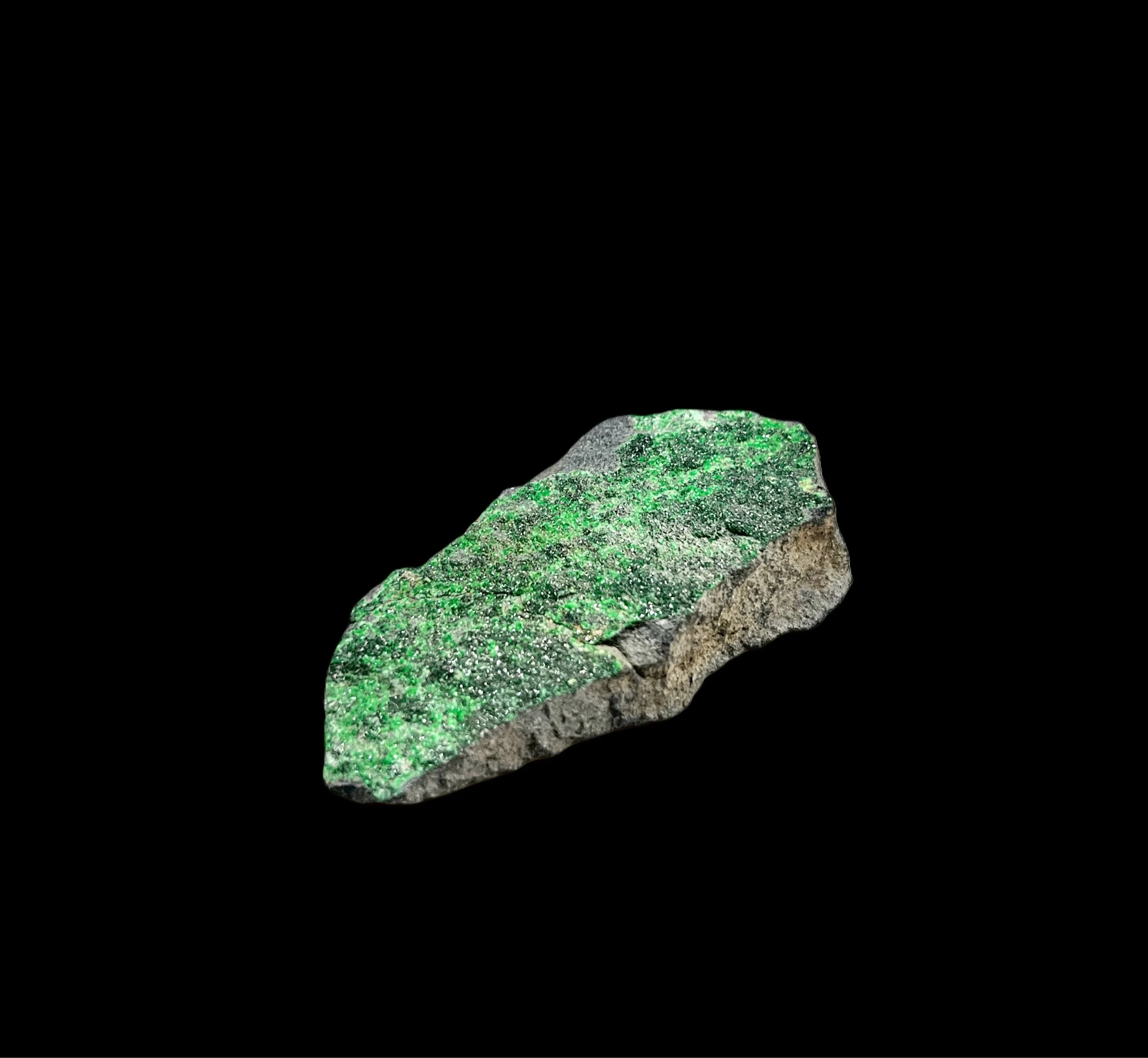
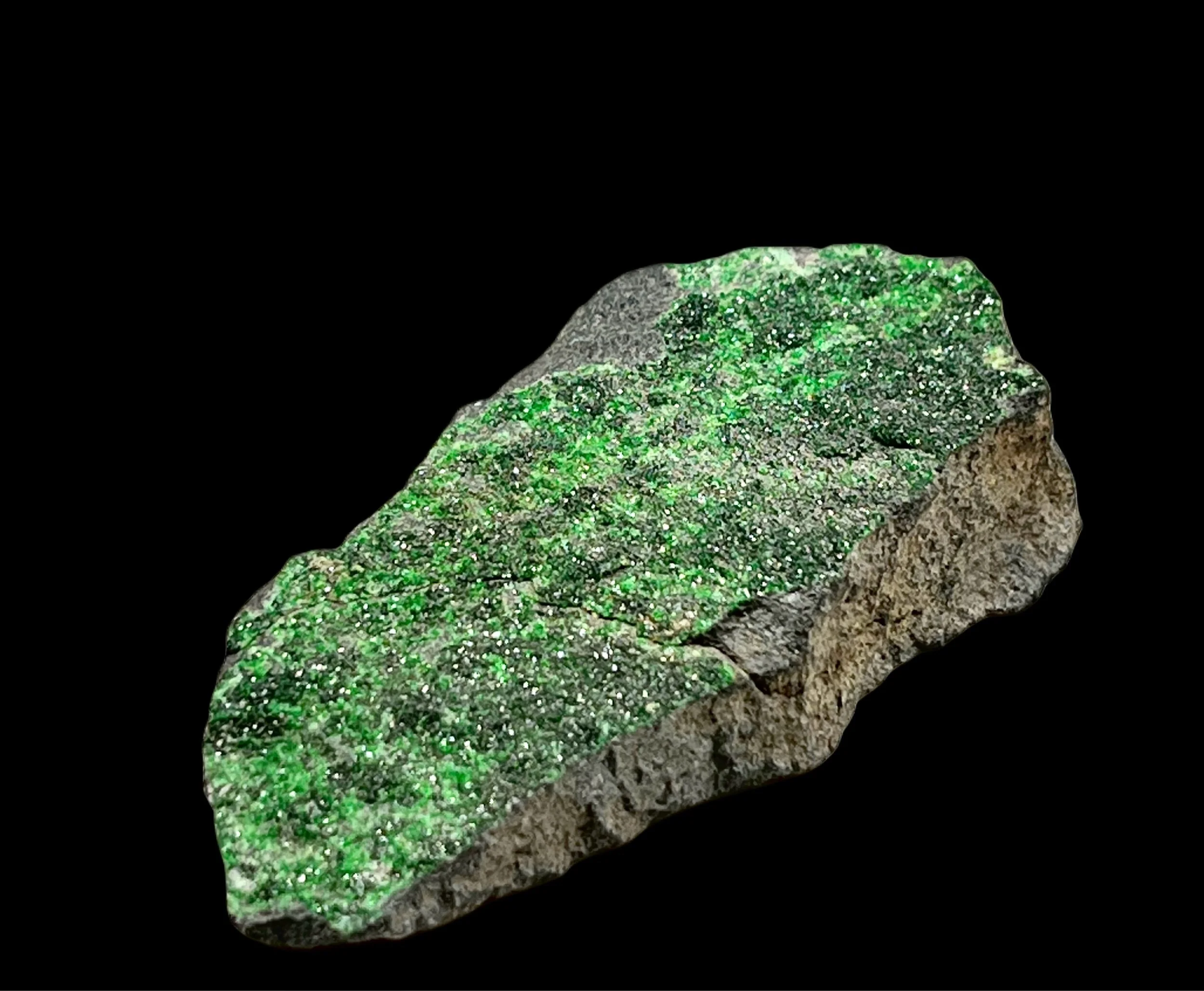
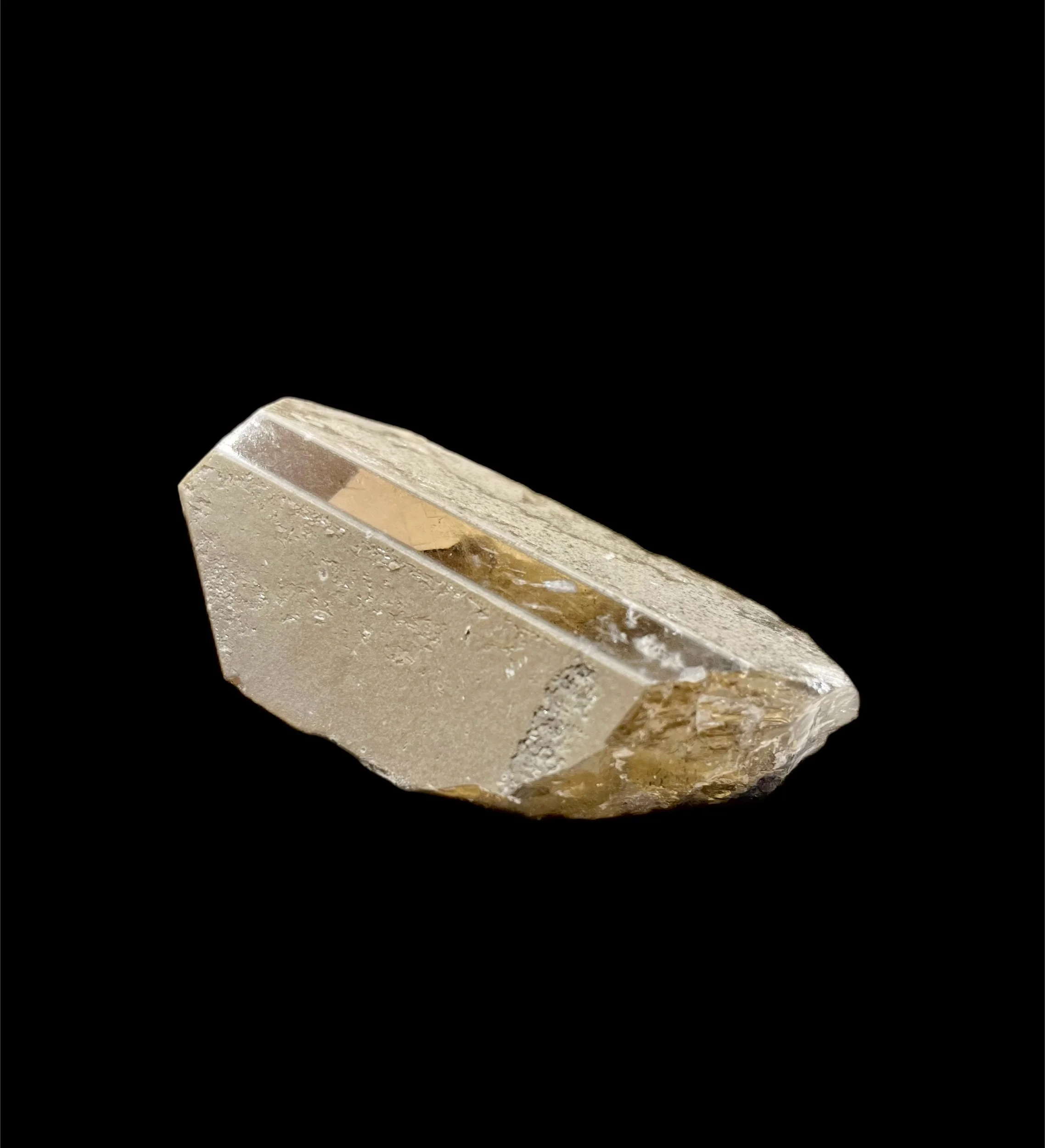
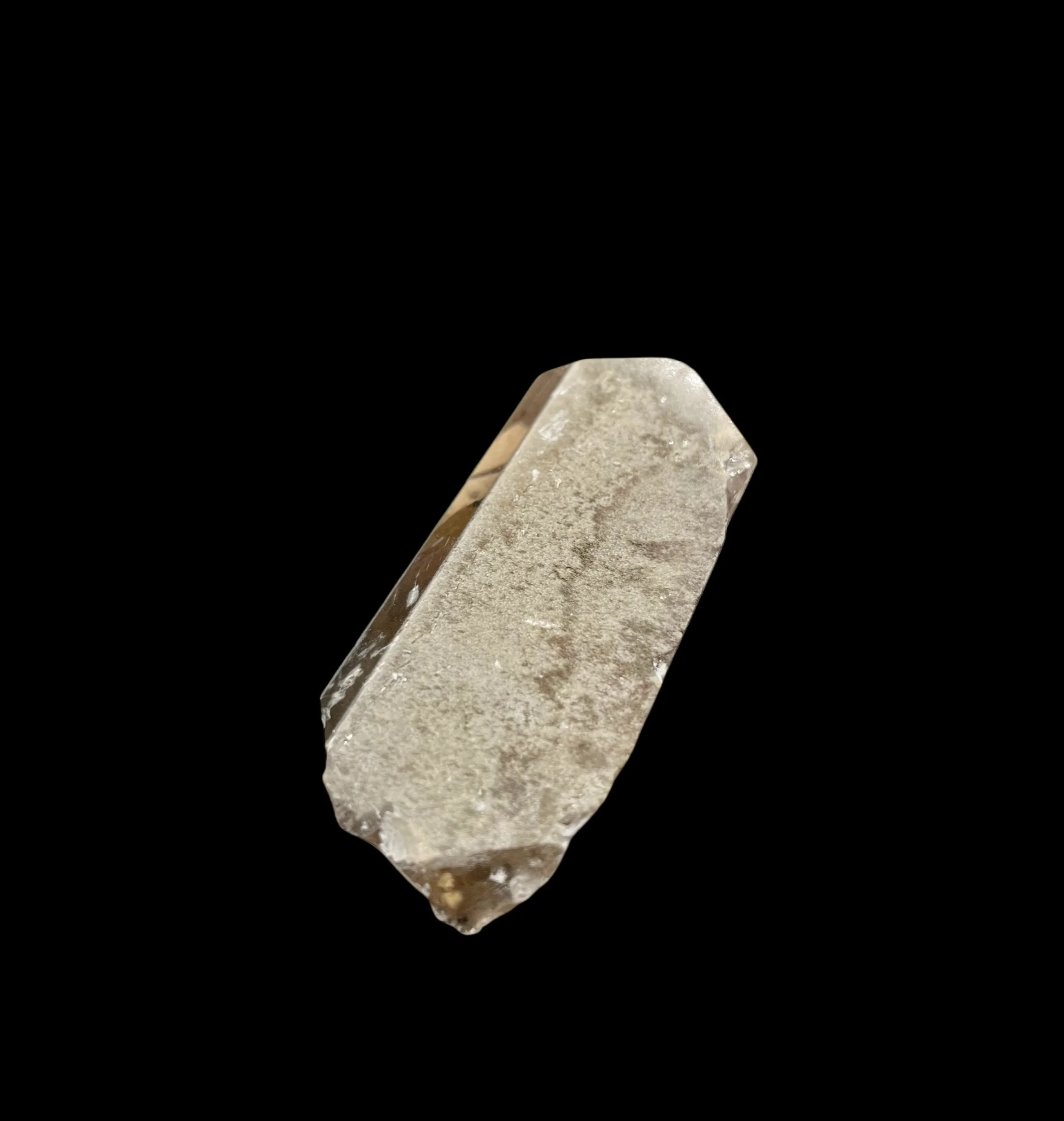
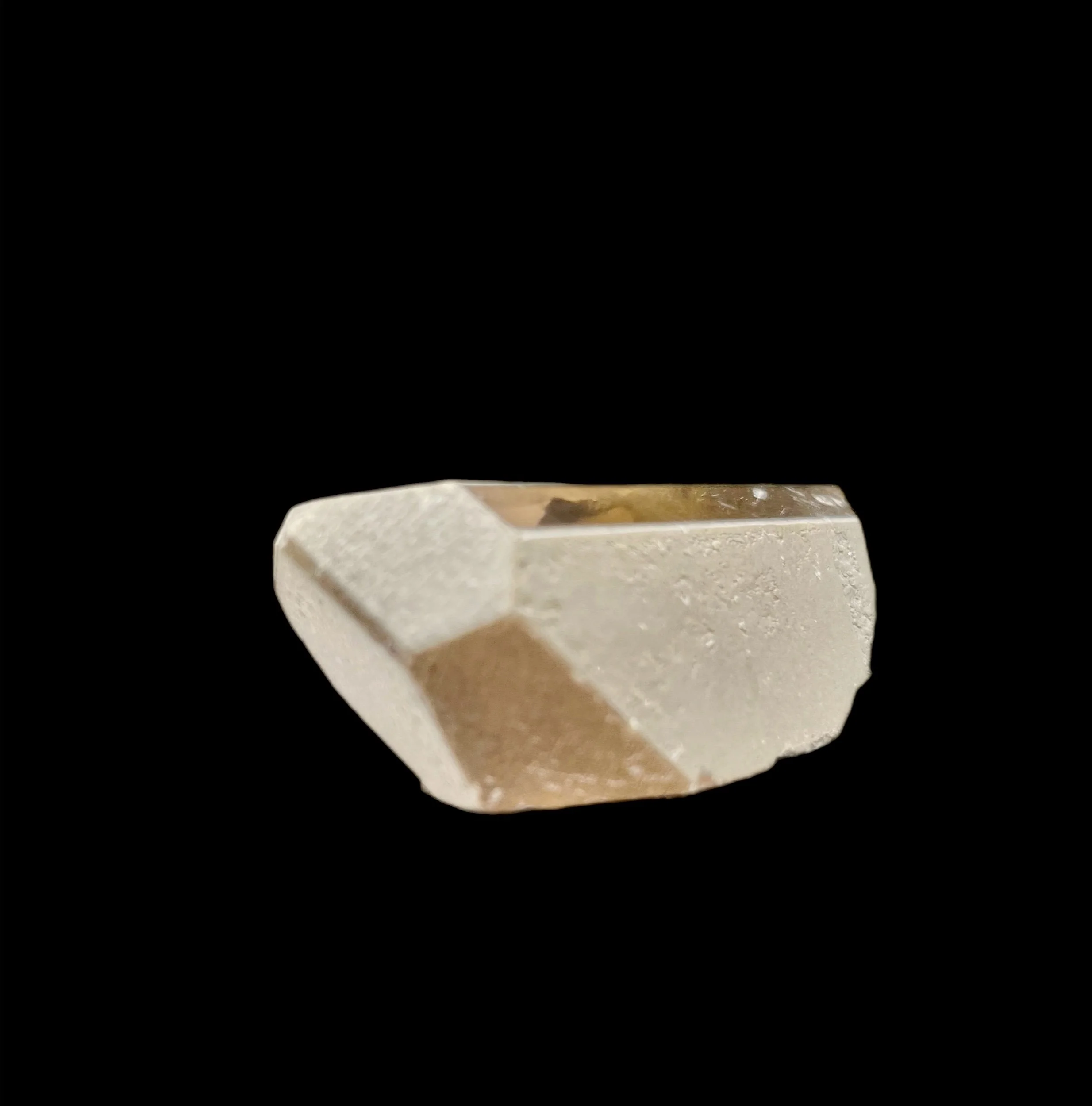
A sculptural cabinet specimen of fluorite from the Okorusu mine, displaying layered teal-to-blue internal zoning and subtle surface quartz.
Under normal lighting the crystals display rich green tones, but when placed in sunlight the specimen reveals its most captivating feature — a distinct color shift from teal to deep blue and violet. This optical effect is highly sought after among fine mineral collectors.
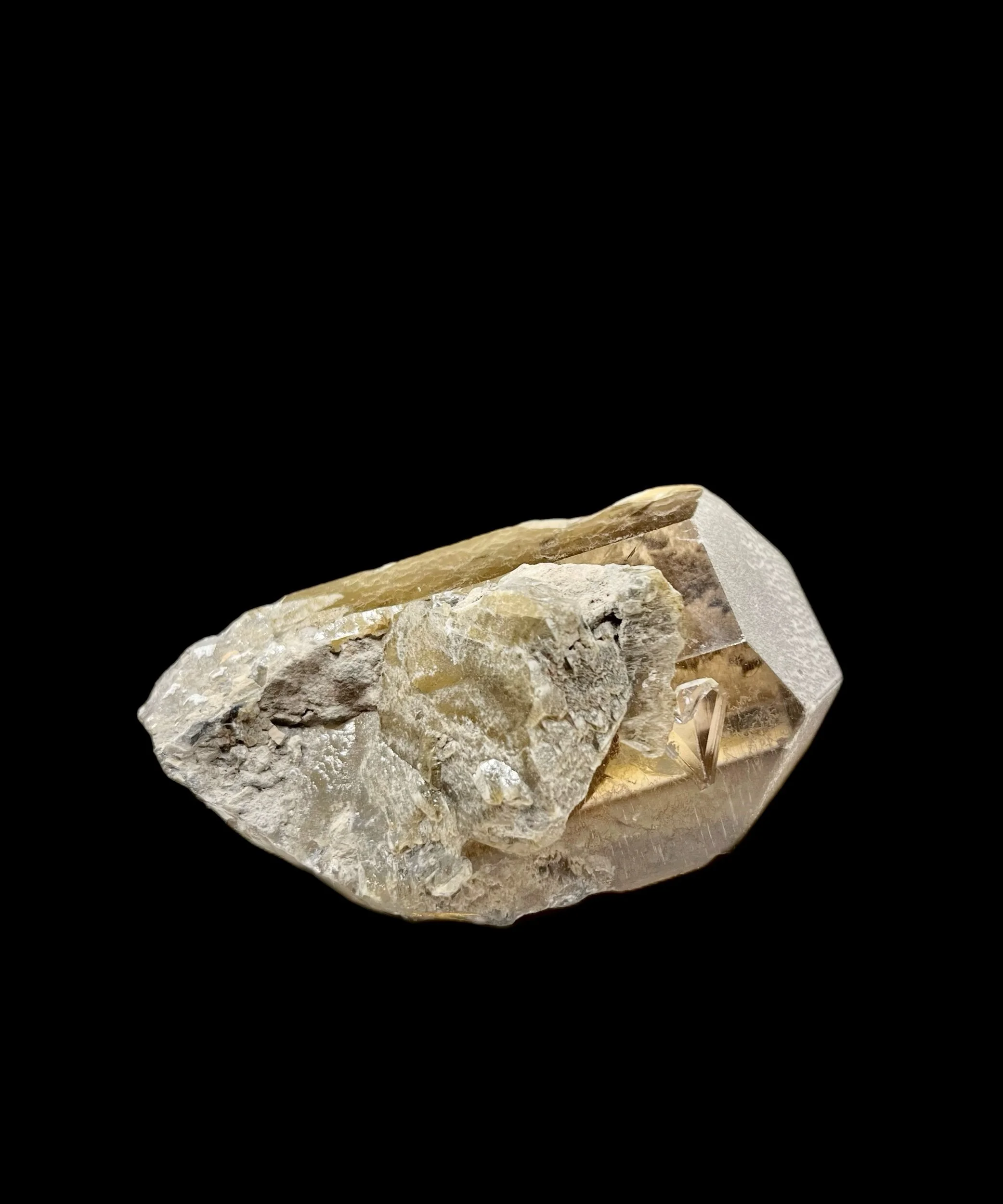
The fluorite presents as a solid, architectural form with natural faces and gentle translucency. Light moves through the body of the crystal, revealing darker inky blue zones suspended within softer sea-green areas. The effect is layered rather than flashy — depth instead of brightness.
Scattered drusy quartz rests along portions of the surface, adding quiet texture without overpowering the fluorite itself.
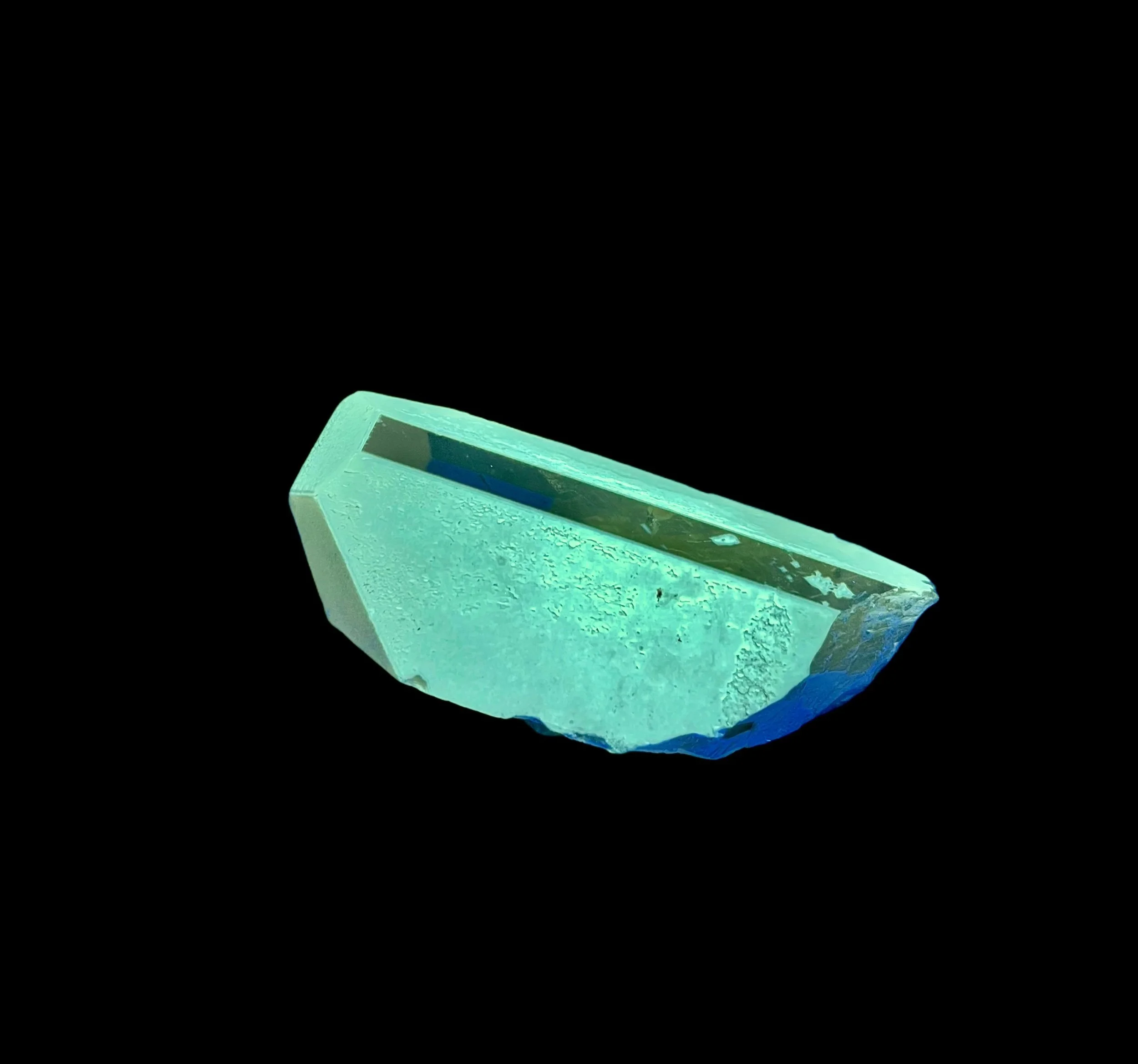
In sunlight, the color deepens noticeably. Under ultraviolet light, the specimen fluoresces a saturated electric blue — a characteristic response of select Okorusu material.
The scale and weight give it presence, but the overall composition remains balanced and composed.
Dimensions & Weight
5.75” x 4.5” x 4”
1875 grams
Locality
Okorusu Mine, Namibia
Collector’s Notes
The crystal shows a natural growth sequence, with fluorite forming first, followed by later quartz deposition along exposed surfaces. The zoning visible within the body reflects changes in chemistry during formation, producing the layered blue-green structure.
Unlike highly cubic or sharply geometric fluorites, this example feels more mineralogically organic — sculptural rather than strictly symmetrical.
Large Okorusu specimens with stable structure, strong color depth, and reliable fluorescence are selectively retained within collections. Pieces in this size class that remain aesthetically cohesive are increasingly less common than smaller pocket pieces.
The color-change phenomenon observed in some Okorusu fluorite is related to trace elements, which interact with different wavelengths of light. Under sunlight, the crystal absorbs and transmits light differently, shifting the apparent color toward blue and teal tones.
Fluorite is also one of the minerals that gave rise to the term fluorescence, as many specimens emit visible light under ultraviolet light.
The Okorusu Mine in Namibia is renowned among mineral collectors for producing exceptionally sharp fluorite cubes, often associated with pyrite and quartz.
Mineralogy
Fluorite (CaF₂) forms in hydrothermal environments and pegmatitic systems. The blue-green coloration results from color centers created by trace elements and radiation exposure.
The specimen’s photochromic behavior — deepening in sunlight — reflects temporary changes in these color centers when exposed to UV radiation.
Quartz overgrowth indicates a later mineralizing phase within the same cavity system.
Investment Consideration
Fluorite remains widely available as a species, but well-composed cabinet specimens from Okorusu that combine size, zoning depth, fluorescence, and structural integrity occupy a narrower tier of the market.
This example is defined less by novelty and more by compositional strength. Its appeal lies in scale, mineralogical clarity, and stable visual depth rather than extreme color saturation.
Specimens of this quality tend to remain relevant within established collections because they represent the locality accurately and without exaggeration.
Description
A sculptural cabinet specimen of fluorite from the Okorusu mine, displaying layered teal-to-blue internal zoning and subtle surface quartz.
Under normal lighting the crystals display rich green tones, but when placed in sunlight the specimen reveals its most captivating feature — a distinct color shift from teal to deep blue and violet. This optical effect is highly sought after among fine mineral collectors.
The fluorite presents as a solid, architectural form with natural faces and gentle translucency. Light moves through the body of the crystal, revealing darker inky blue zones suspended within softer sea-green areas. The effect is layered rather than flashy — depth instead of brightness.
Scattered drusy quartz rests along portions of the surface, adding quiet texture without overpowering the fluorite itself.
In sunlight, the color deepens noticeably. Under ultraviolet light, the specimen fluoresces a saturated electric blue — a characteristic response of select Okorusu material.
The scale and weight give it presence, but the overall composition remains balanced and composed.
Dimensions & Weight
5.75” x 4.5” x 4”
1875 grams
Locality
Okorusu Mine, Namibia
Collector’s Notes
The crystal shows a natural growth sequence, with fluorite forming first, followed by later quartz deposition along exposed surfaces. The zoning visible within the body reflects changes in chemistry during formation, producing the layered blue-green structure.
Unlike highly cubic or sharply geometric fluorites, this example feels more mineralogically organic — sculptural rather than strictly symmetrical.
Large Okorusu specimens with stable structure, strong color depth, and reliable fluorescence are selectively retained within collections. Pieces in this size class that remain aesthetically cohesive are increasingly less common than smaller pocket pieces.
The color-change phenomenon observed in some Okorusu fluorite is related to trace elements, which interact with different wavelengths of light. Under sunlight, the crystal absorbs and transmits light differently, shifting the apparent color toward blue and teal tones.
Fluorite is also one of the minerals that gave rise to the term fluorescence, as many specimens emit visible light under ultraviolet light.
The Okorusu Mine in Namibia is renowned among mineral collectors for producing exceptionally sharp fluorite cubes, often associated with pyrite and quartz.
Mineralogy
Fluorite (CaF₂) forms in hydrothermal environments and pegmatitic systems. The blue-green coloration results from color centers created by trace elements and radiation exposure.
The specimen’s photochromic behavior — deepening in sunlight — reflects temporary changes in these color centers when exposed to UV radiation.
Quartz overgrowth indicates a later mineralizing phase within the same cavity system.
Investment Consideration
Fluorite remains widely available as a species, but well-composed cabinet specimens from Okorusu that combine size, zoning depth, fluorescence, and structural integrity occupy a narrower tier of the market.
This example is defined less by novelty and more by compositional strength. Its appeal lies in scale, mineralogical clarity, and stable visual depth rather than extreme color saturation.
Specimens of this quality tend to remain relevant within established collections because they represent the locality accurately and without exaggeration.


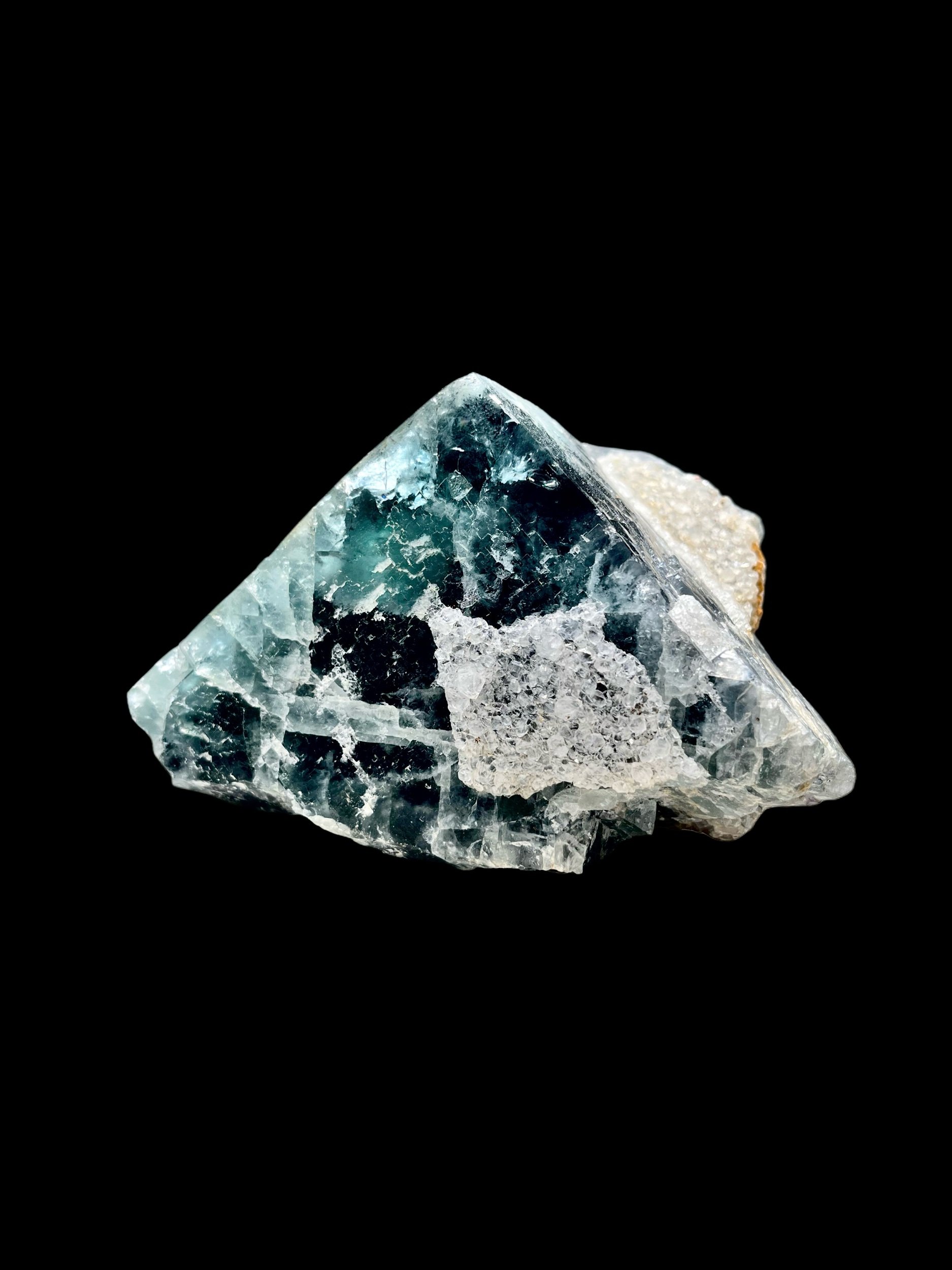 Image 1 of 8
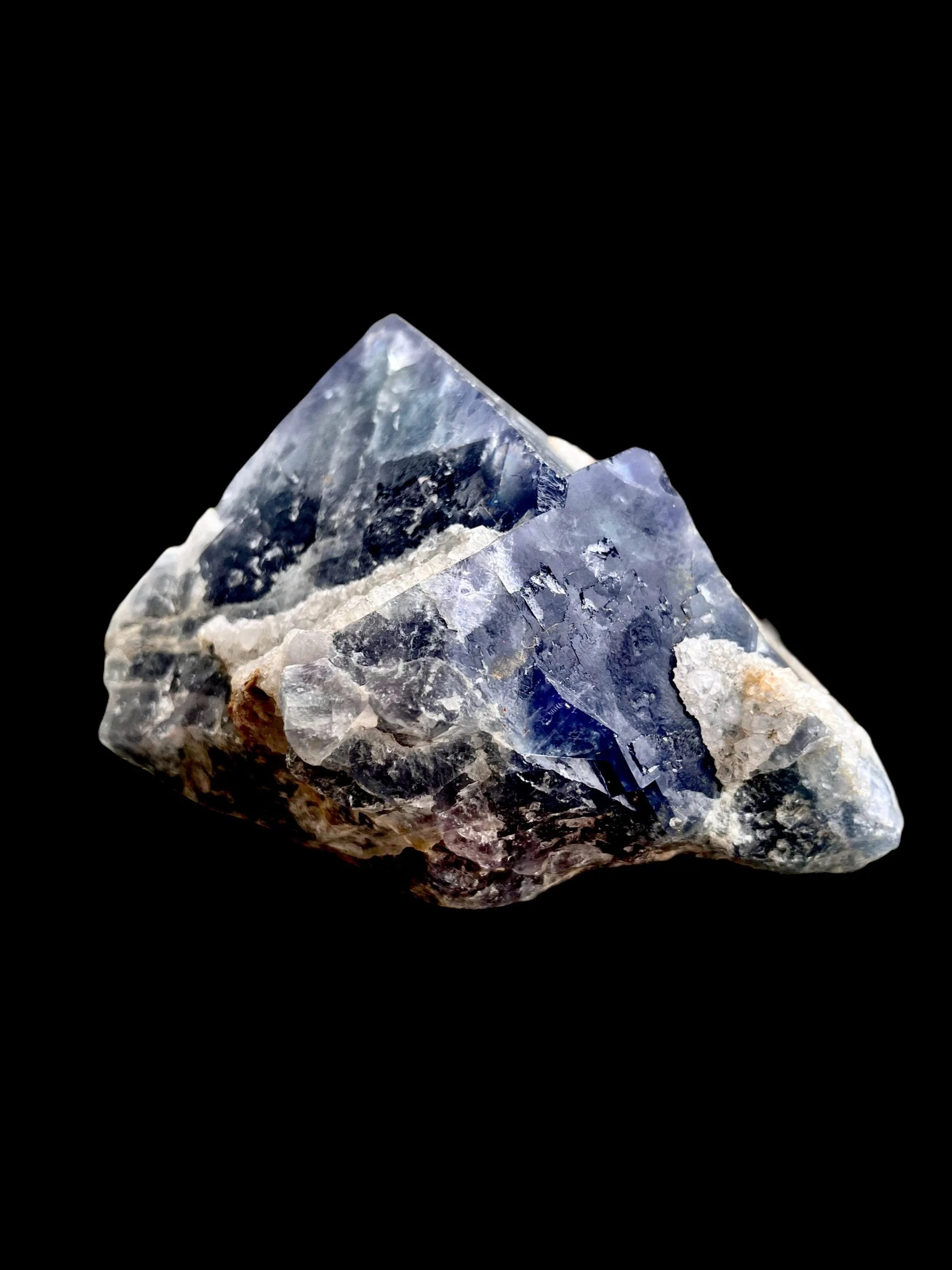 Image 2 of 8
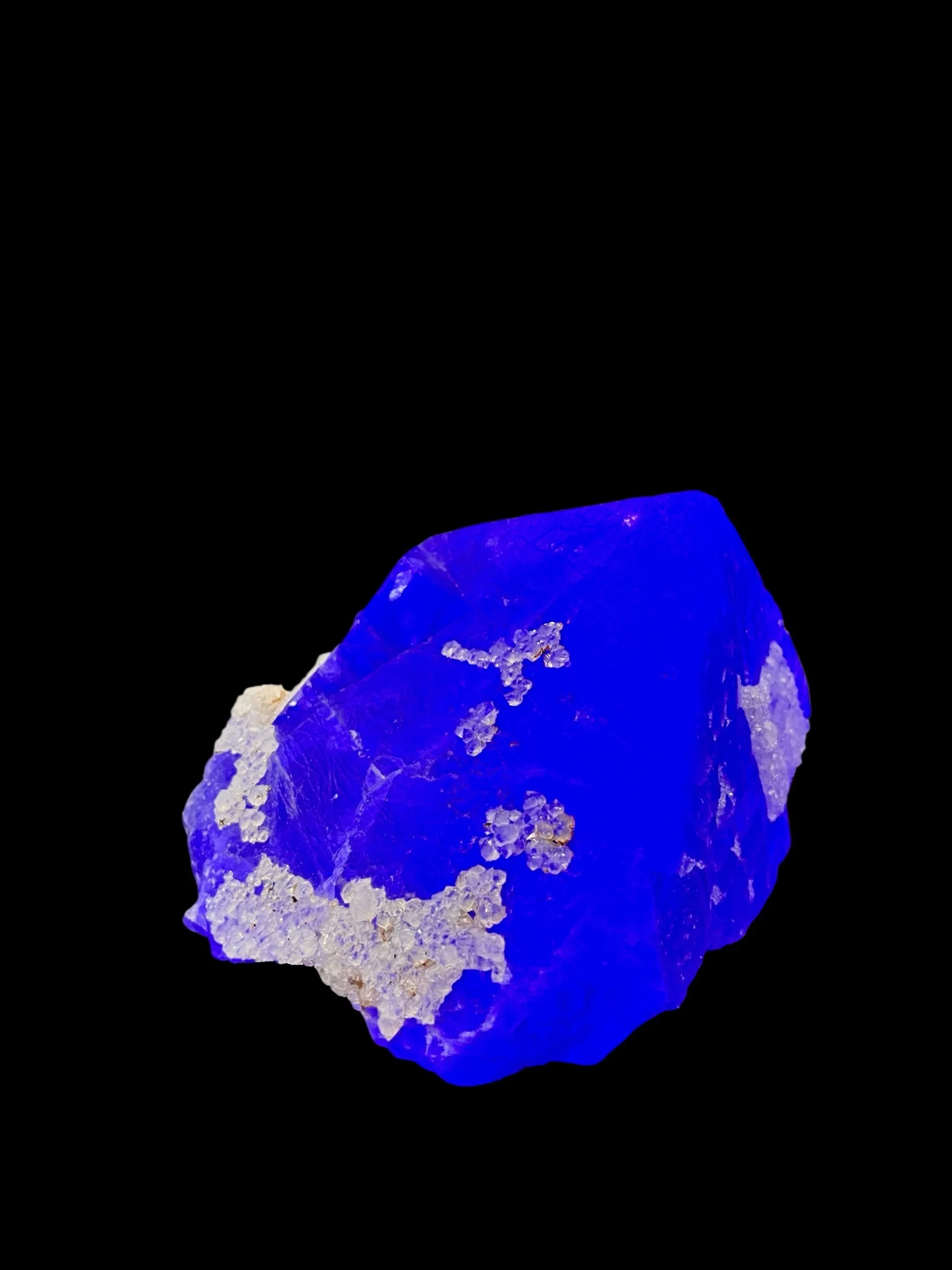 Image 3 of 8
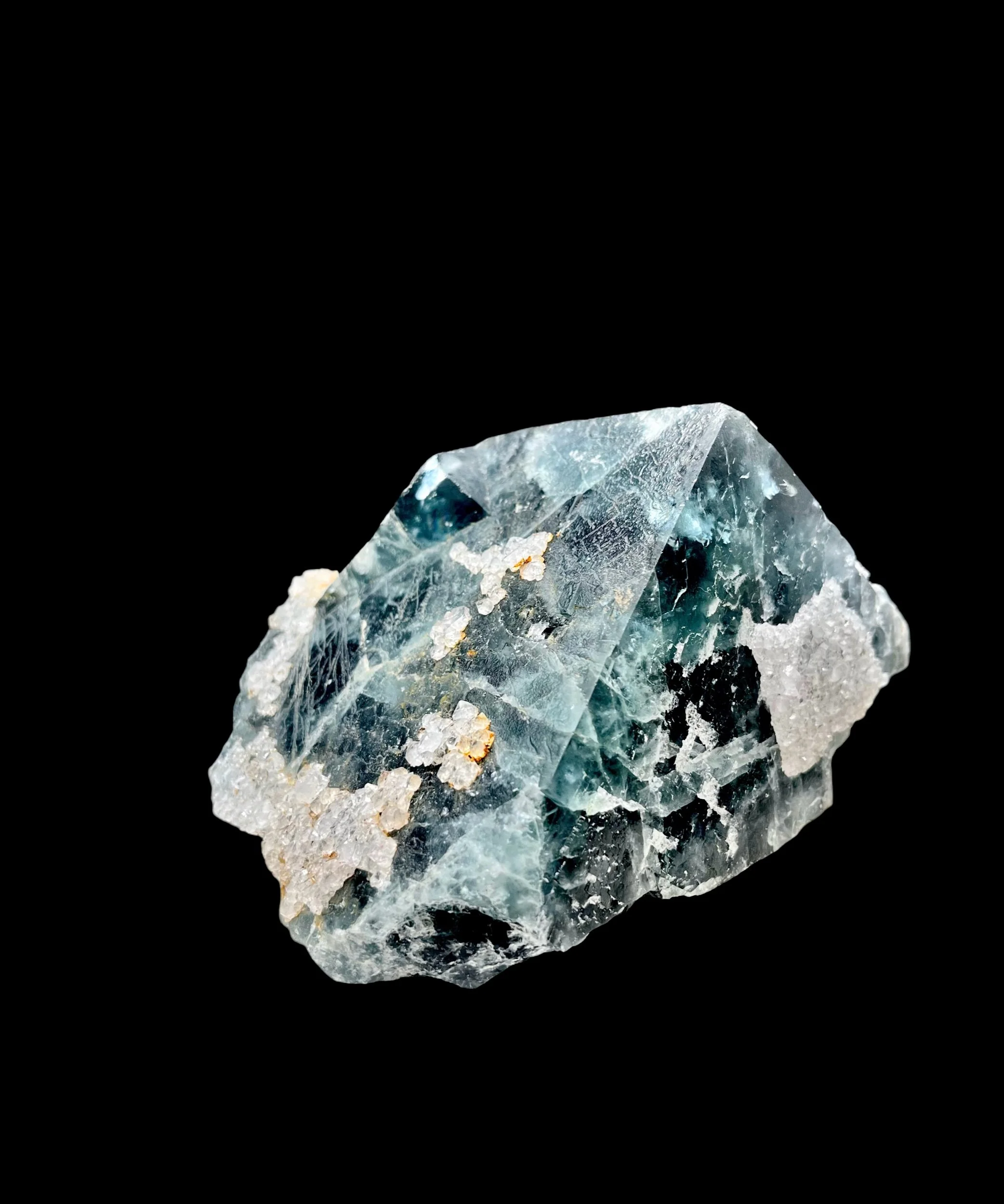 Image 4 of 8
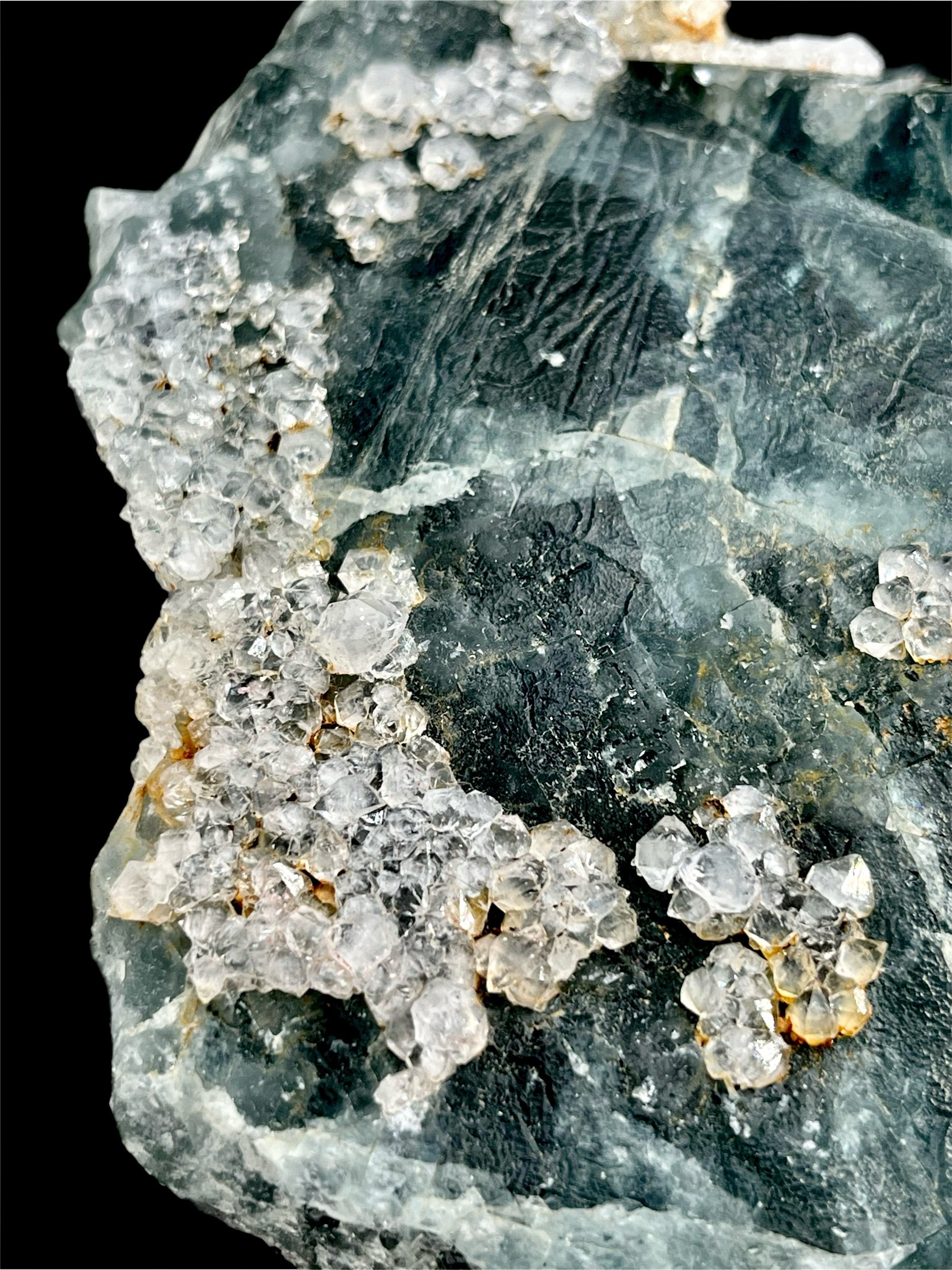 Image 5 of 8
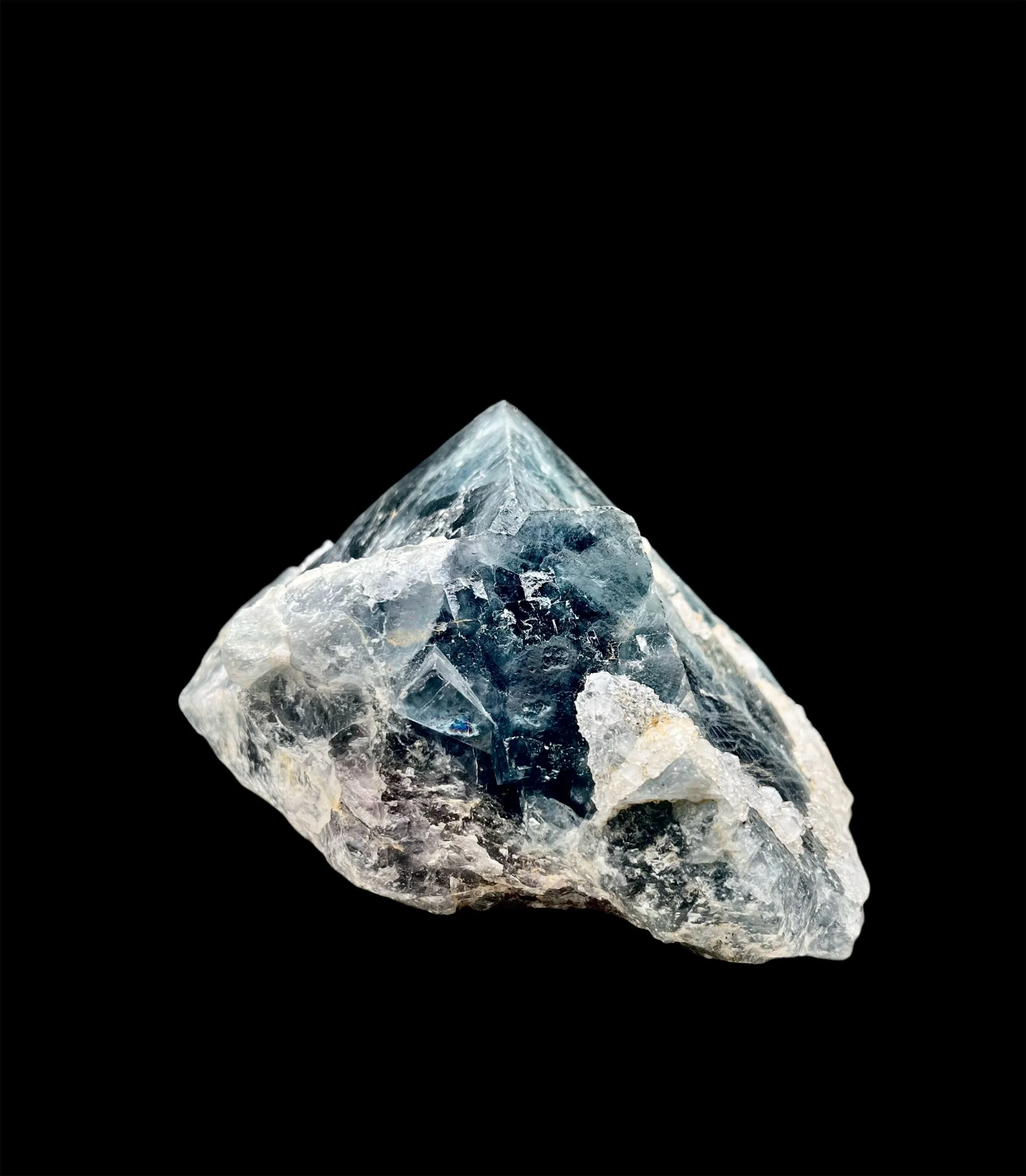 Image 6 of 8
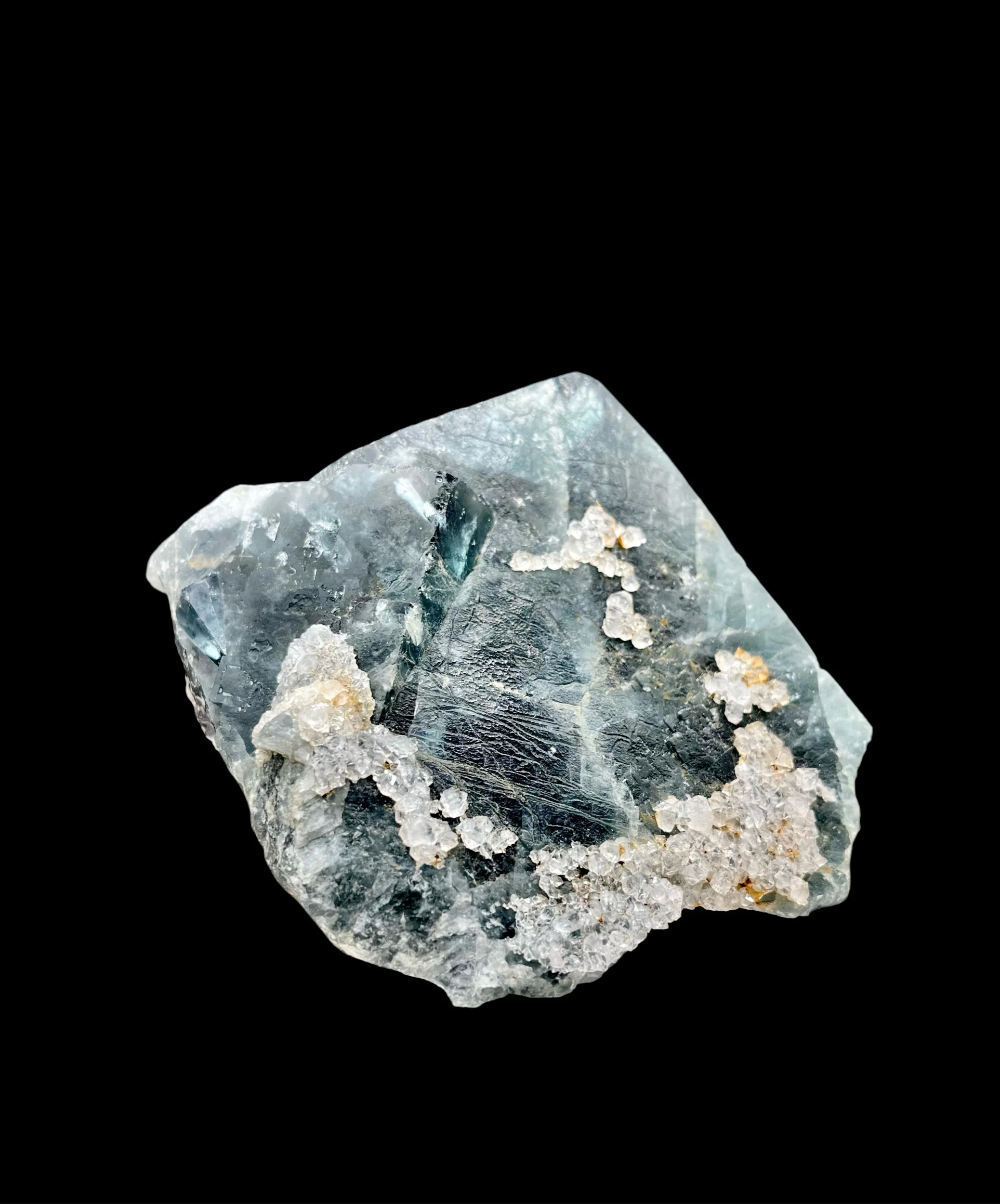 Image 7 of 8
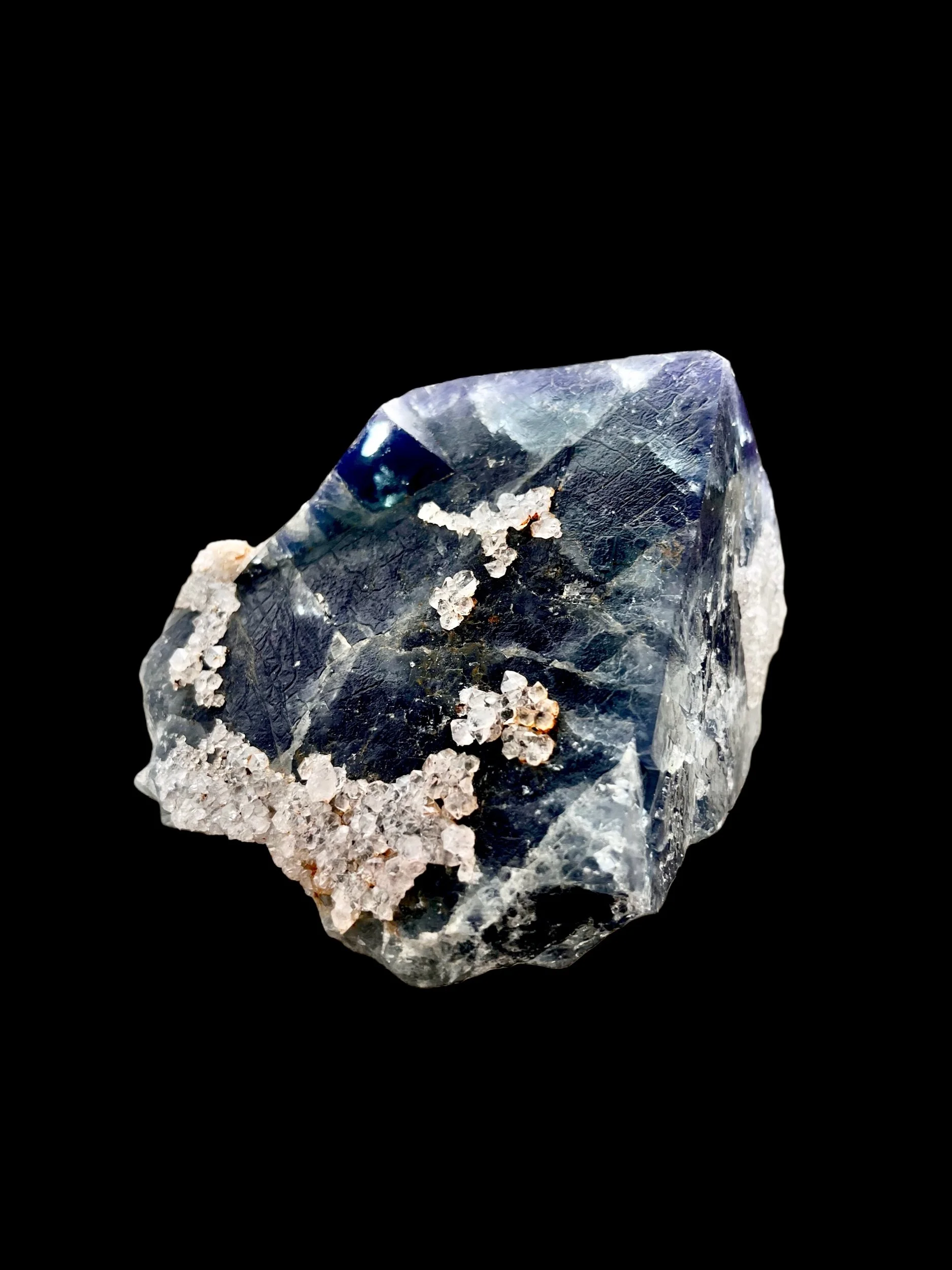 Image 8 of 8