 Image 1 of 5
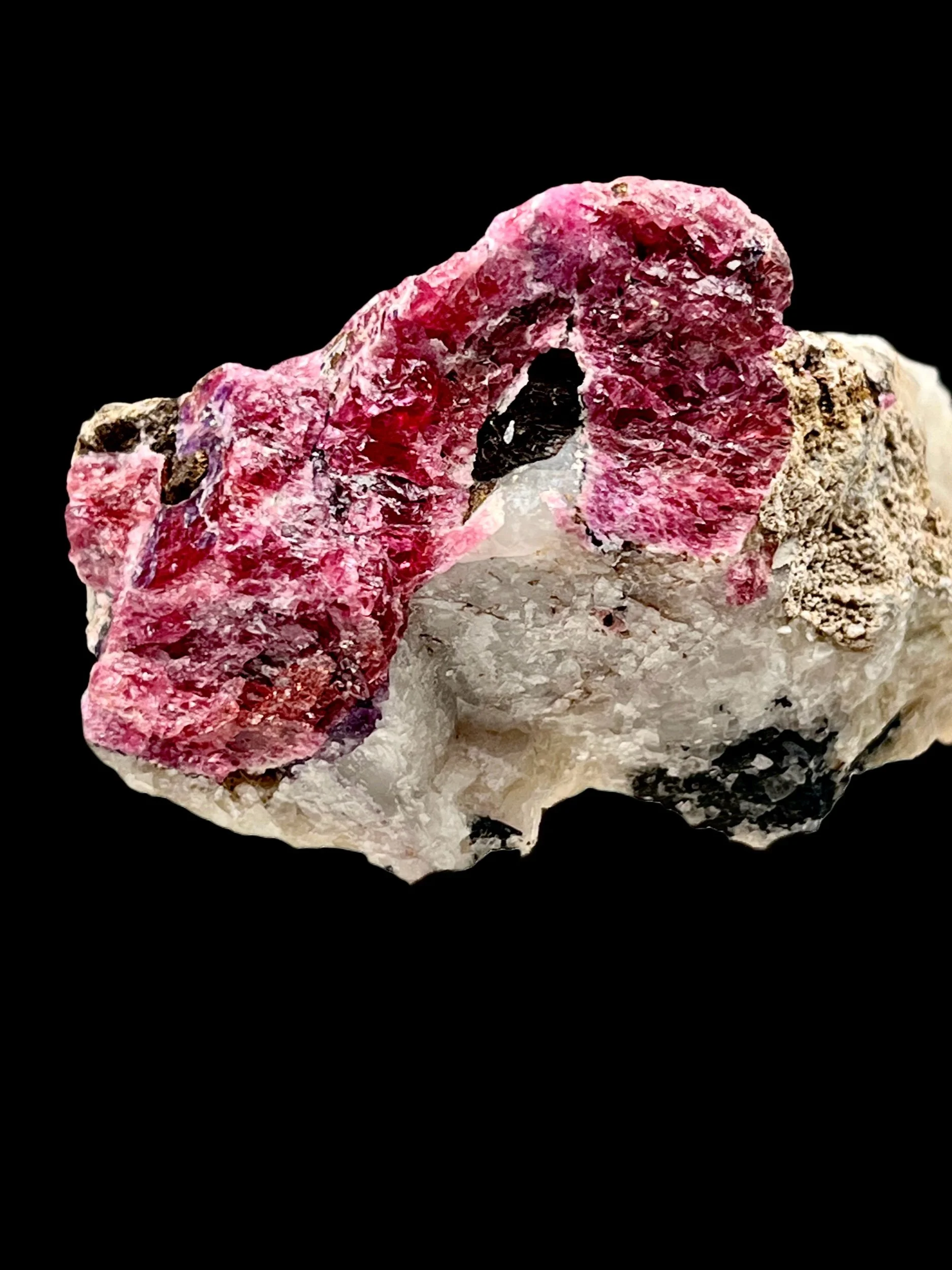 Image 2 of 5
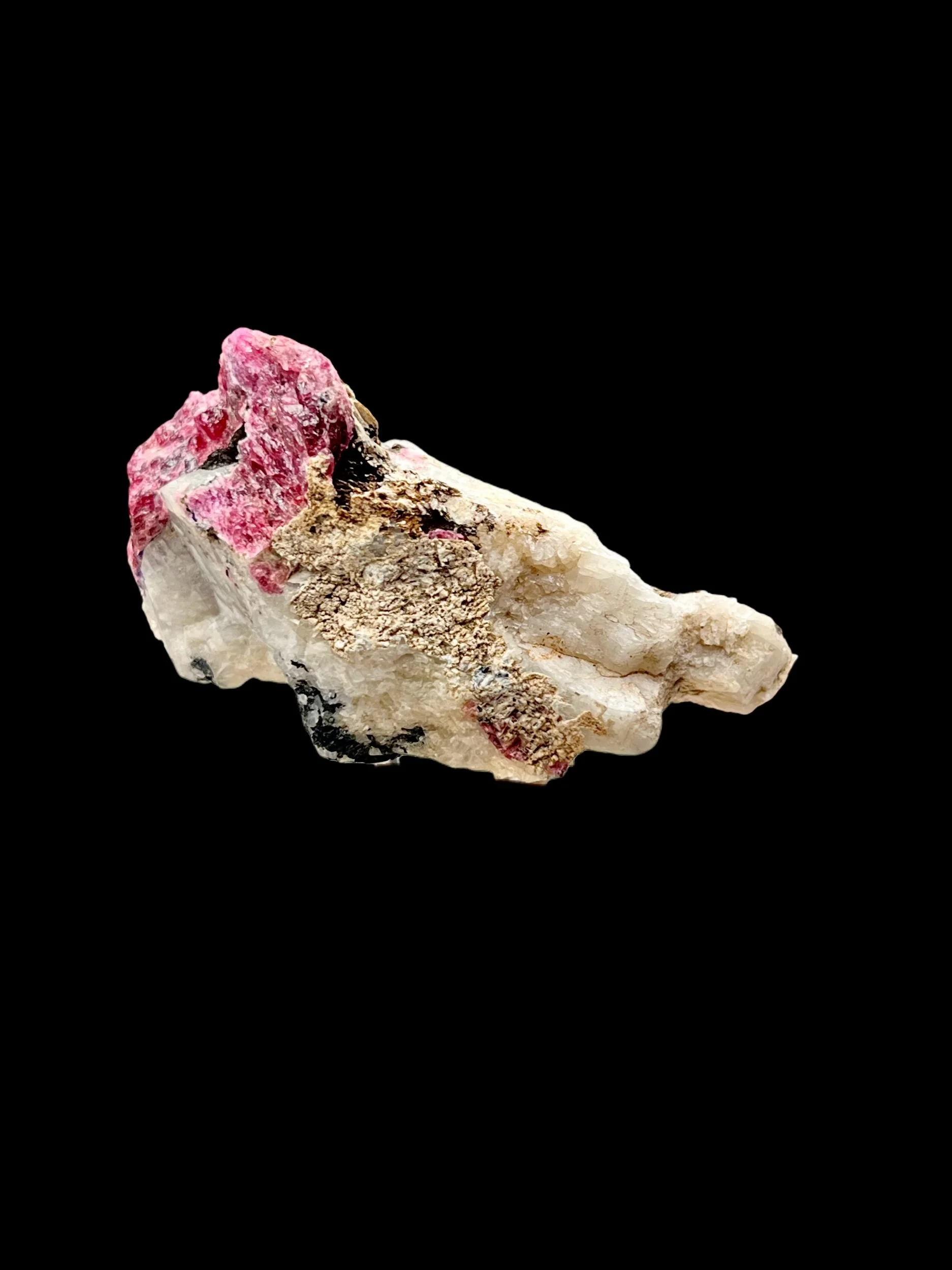 Image 3 of 5
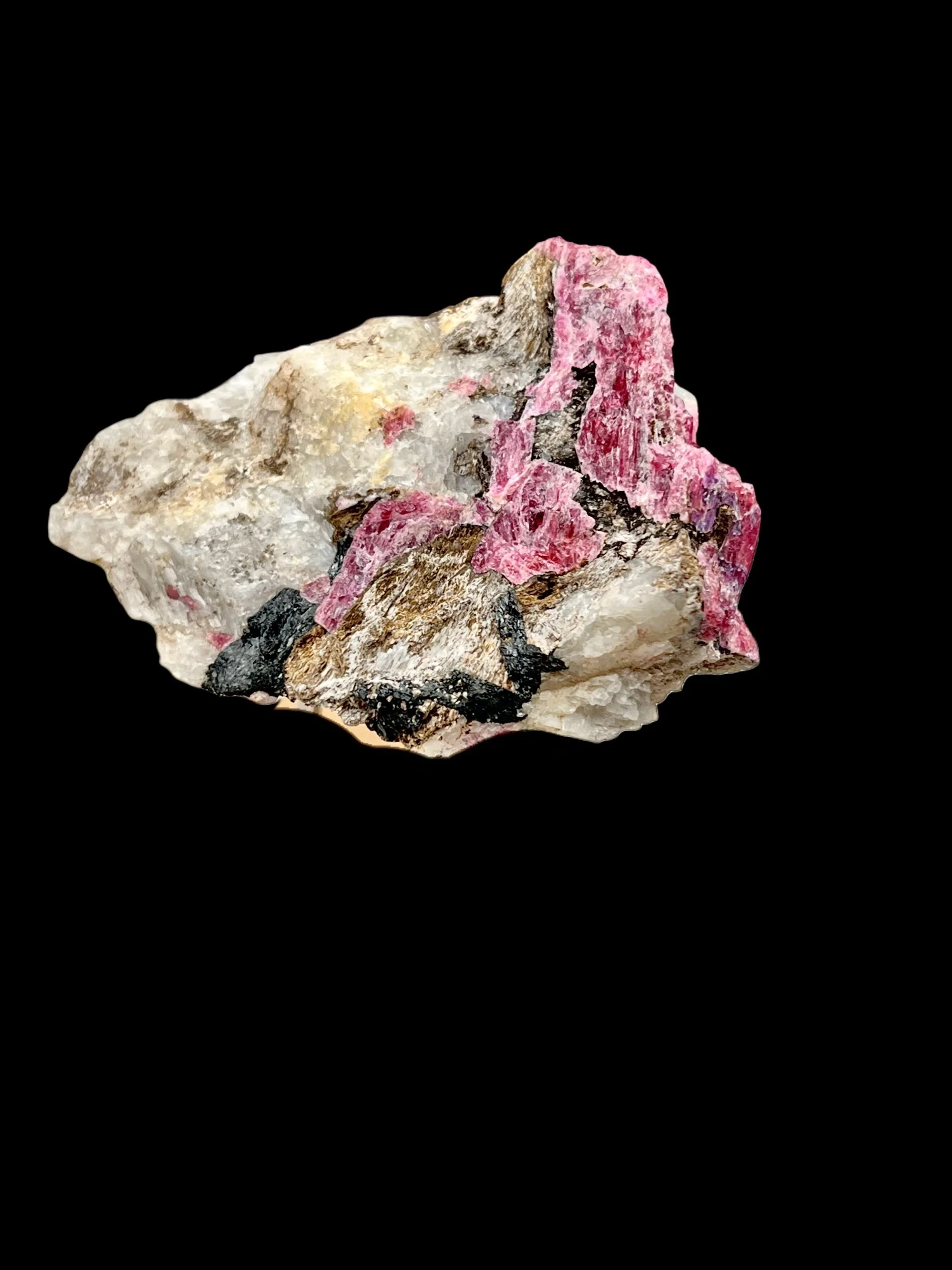 Image 4 of 5
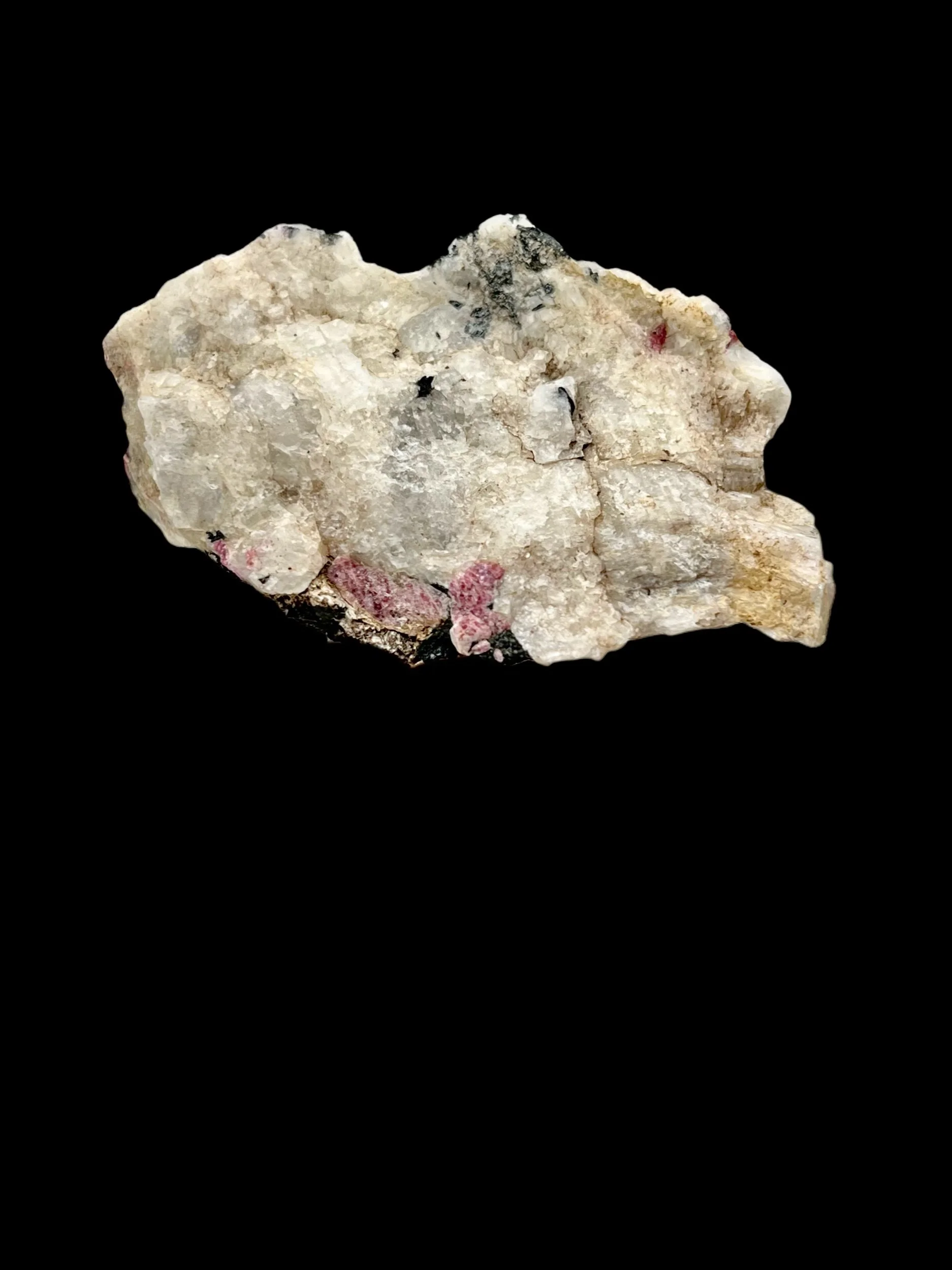 Image 5 of 5
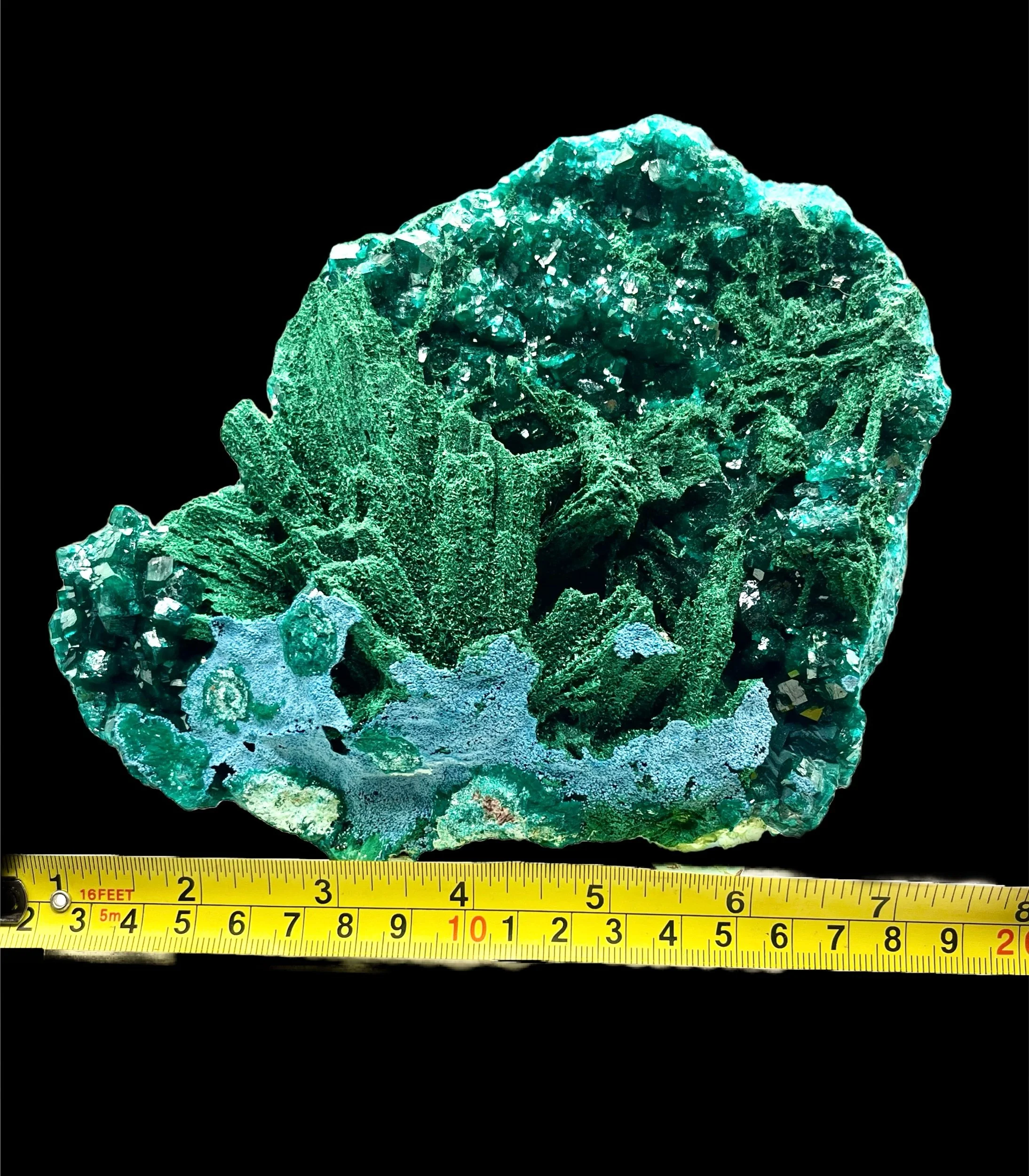
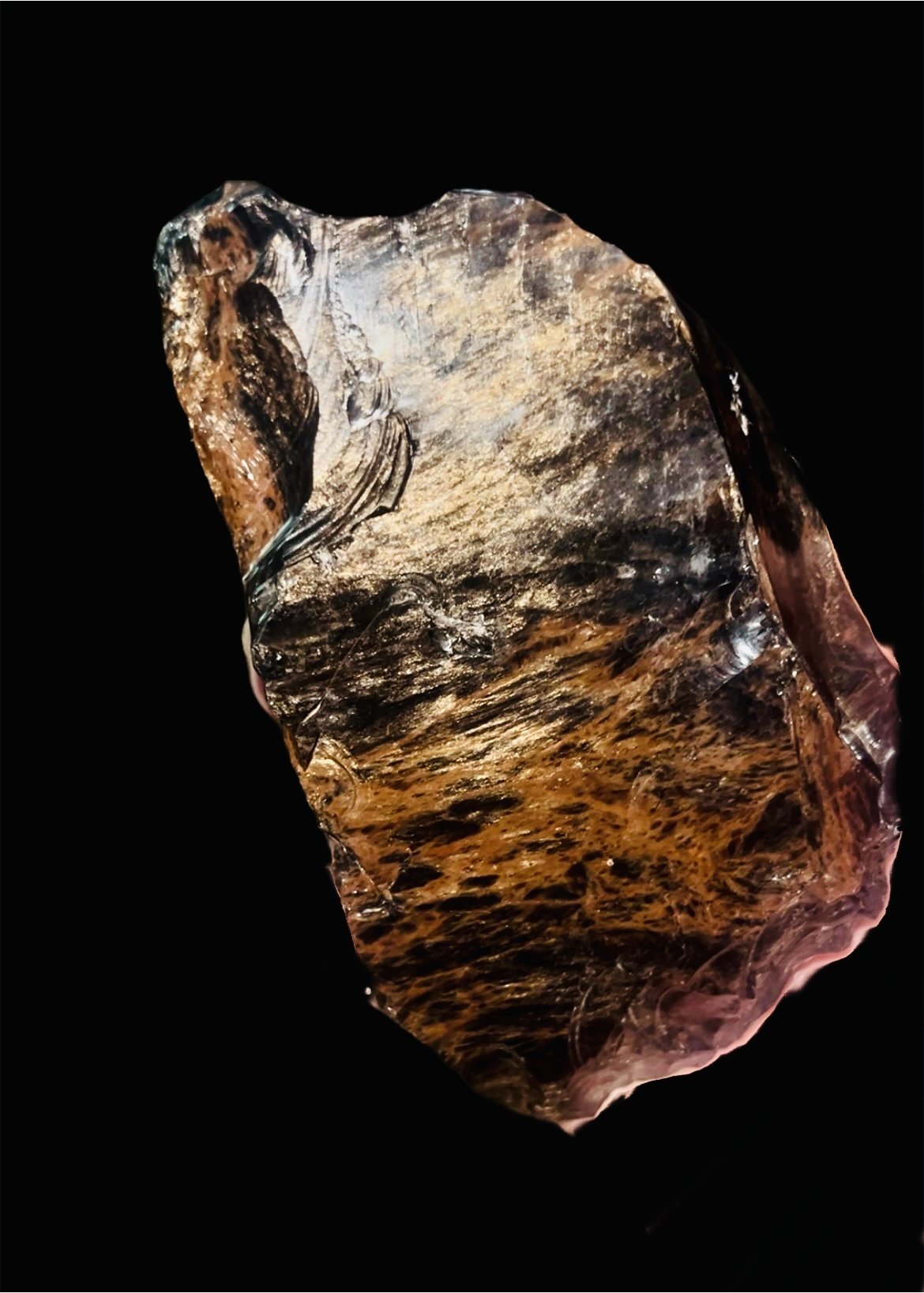
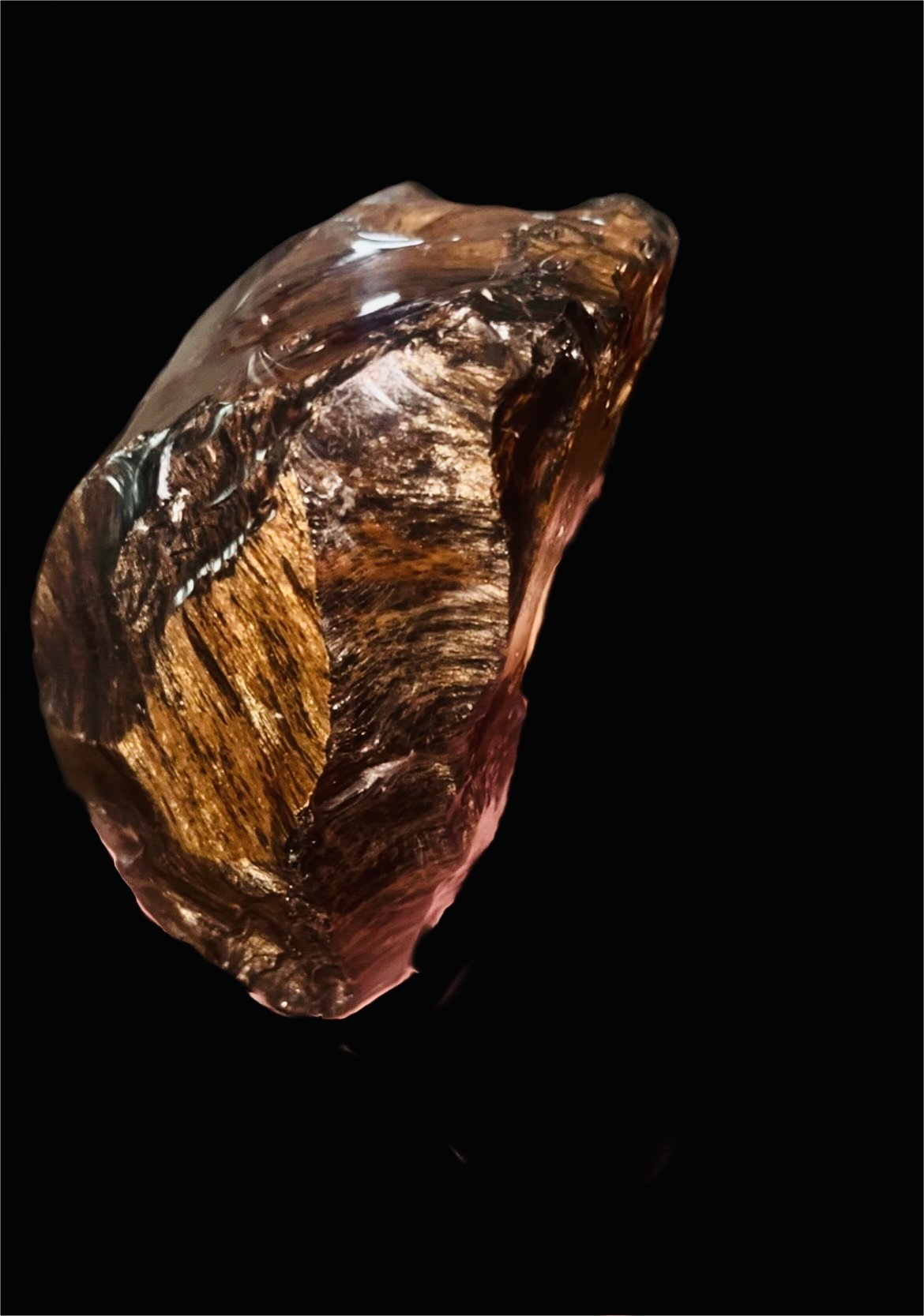
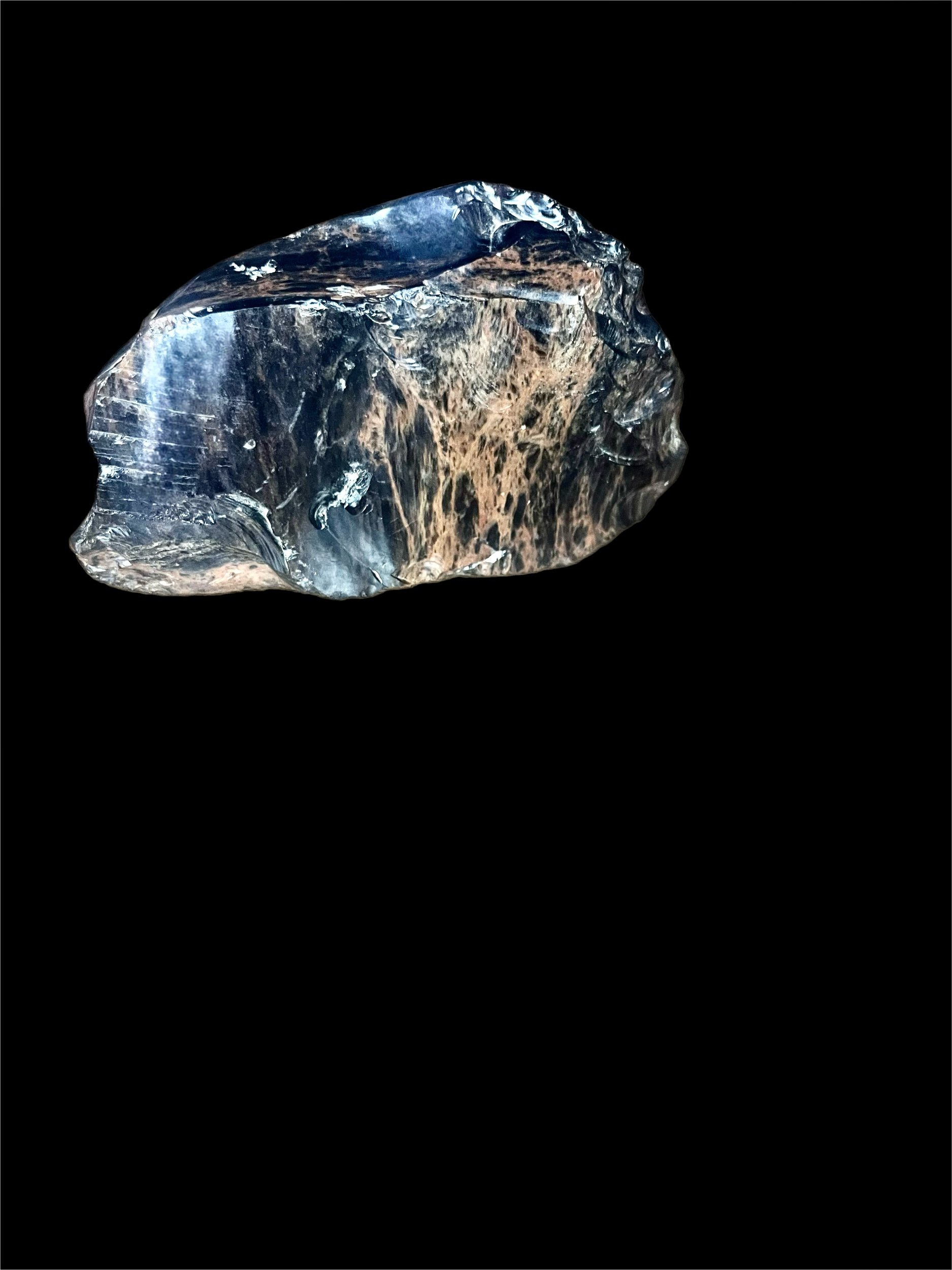
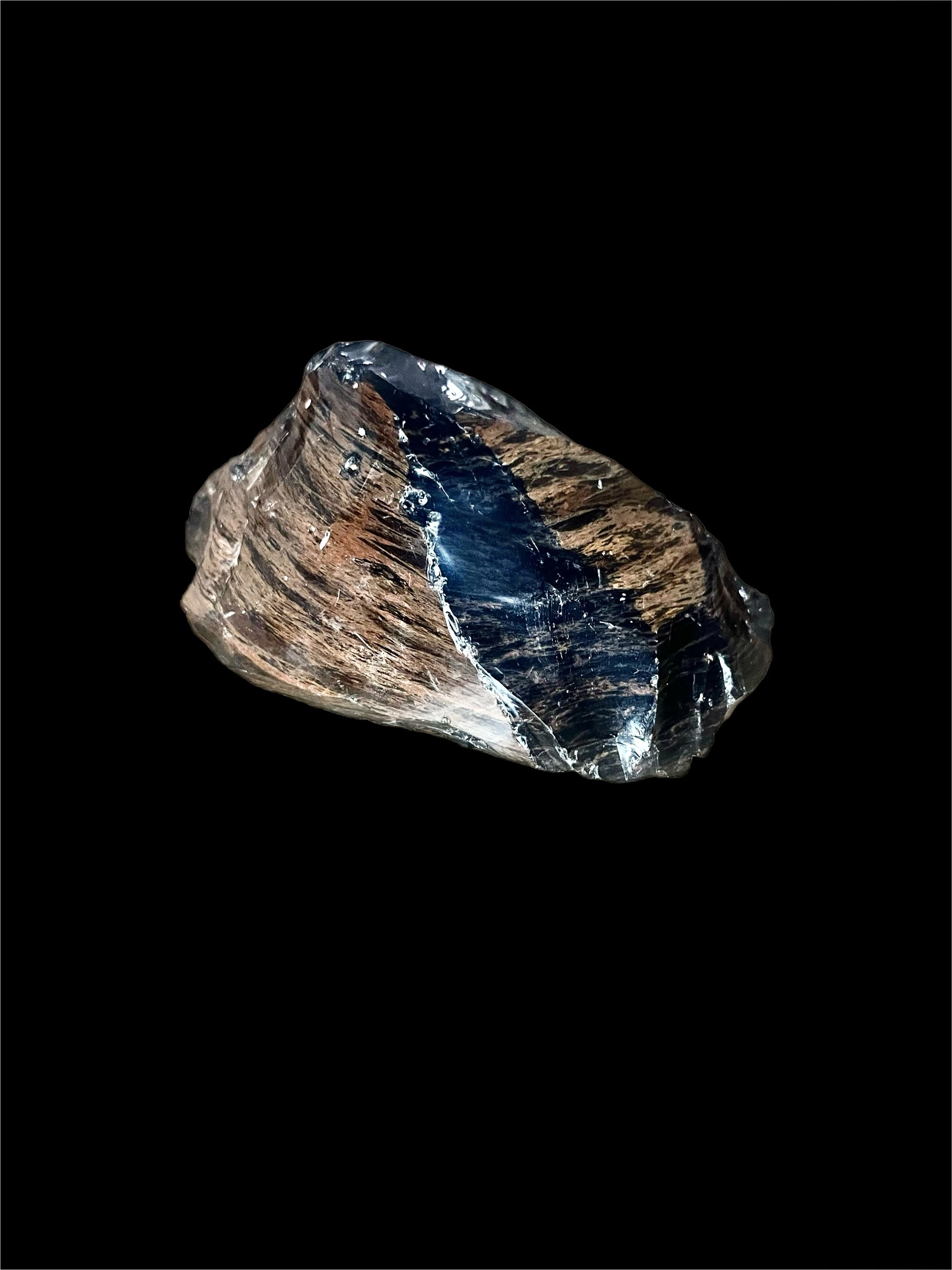
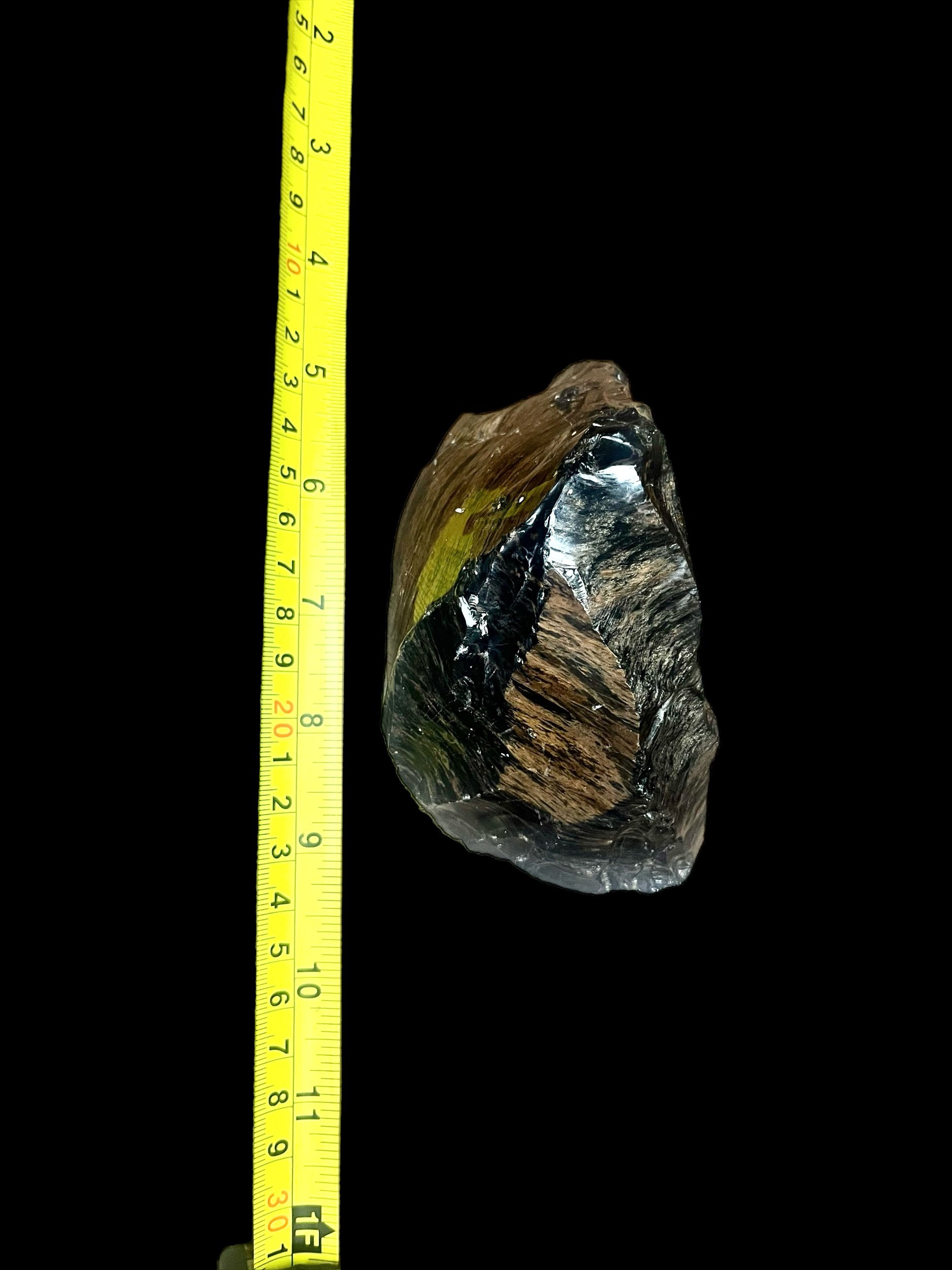
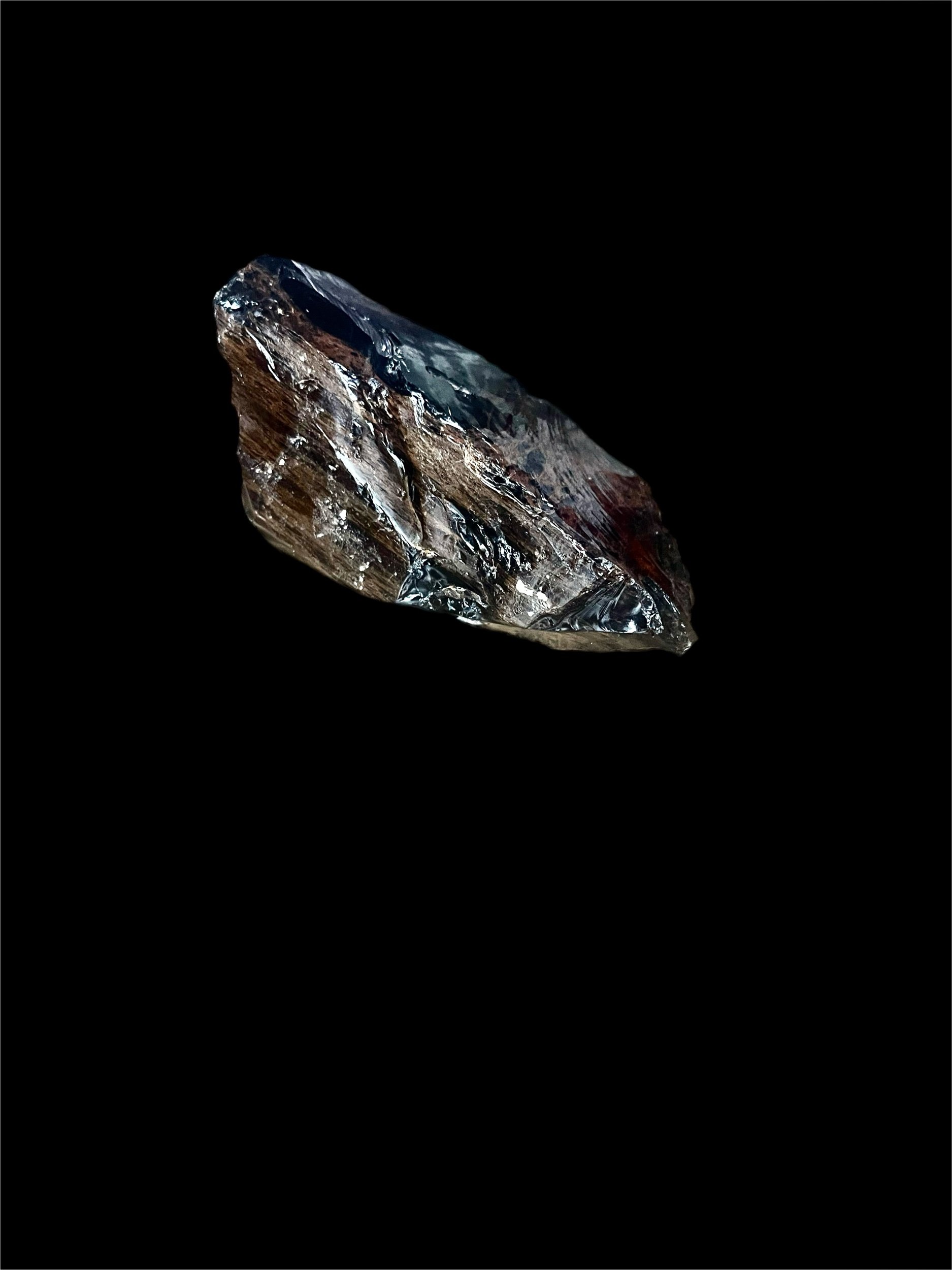
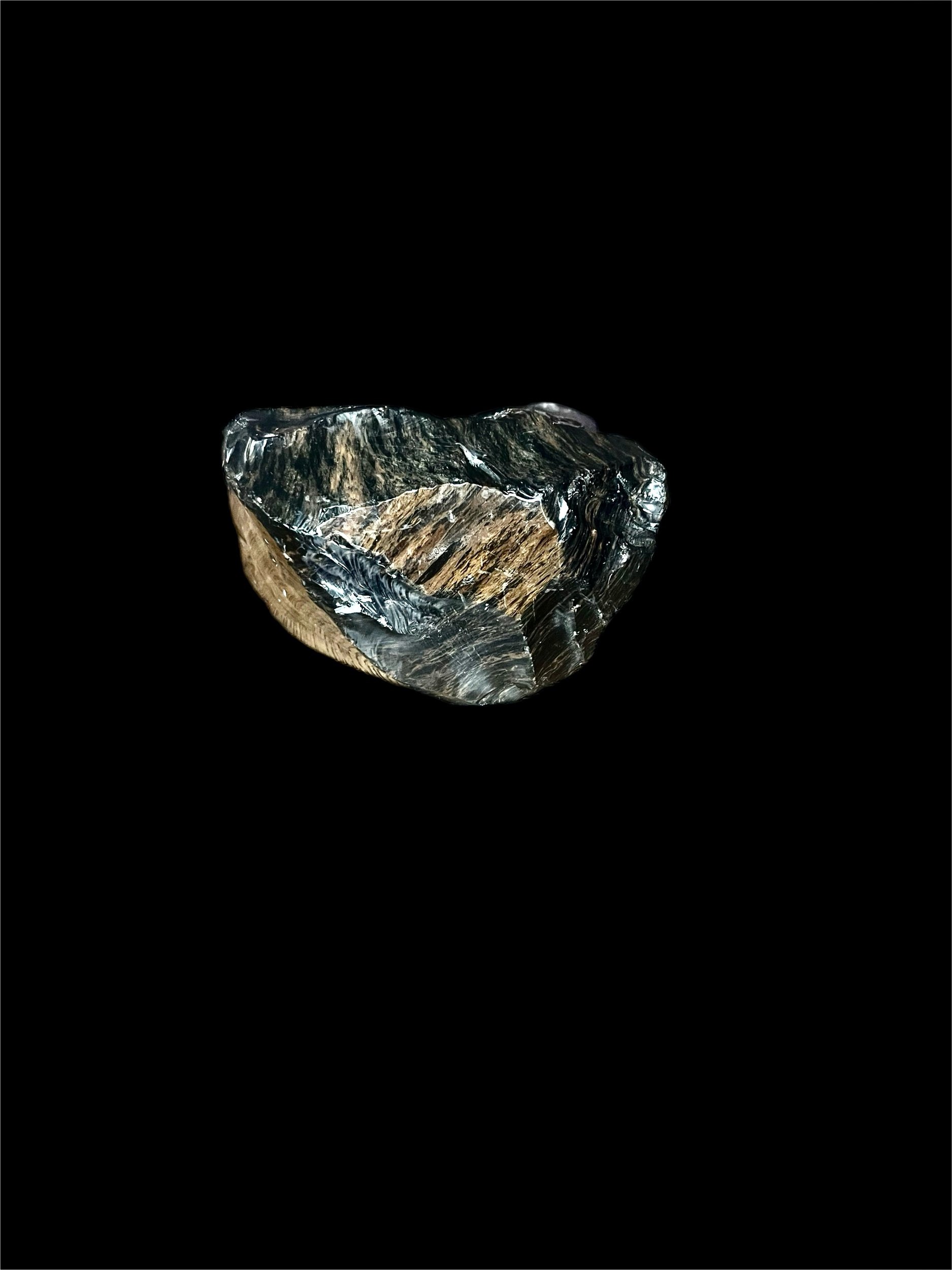
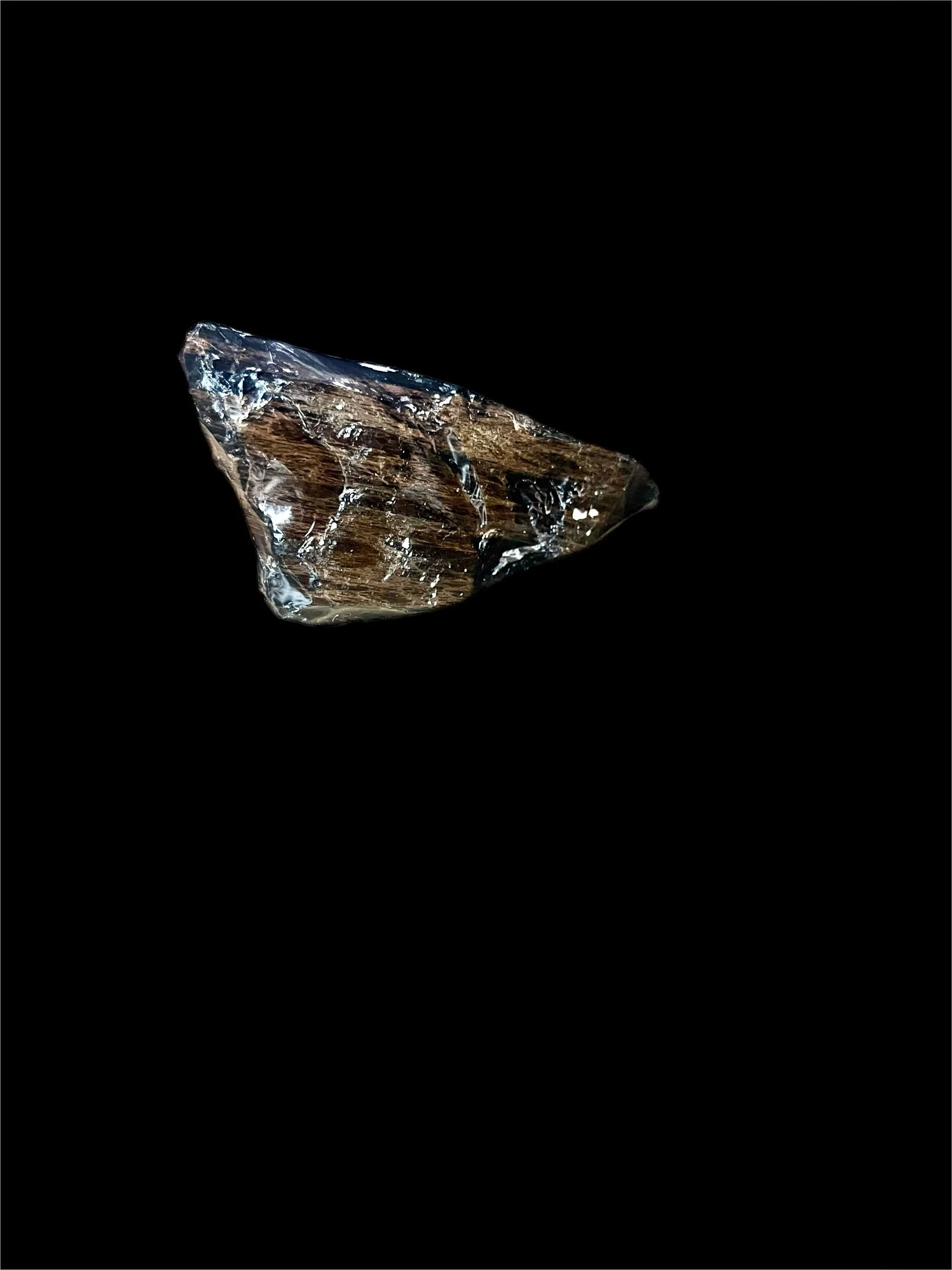
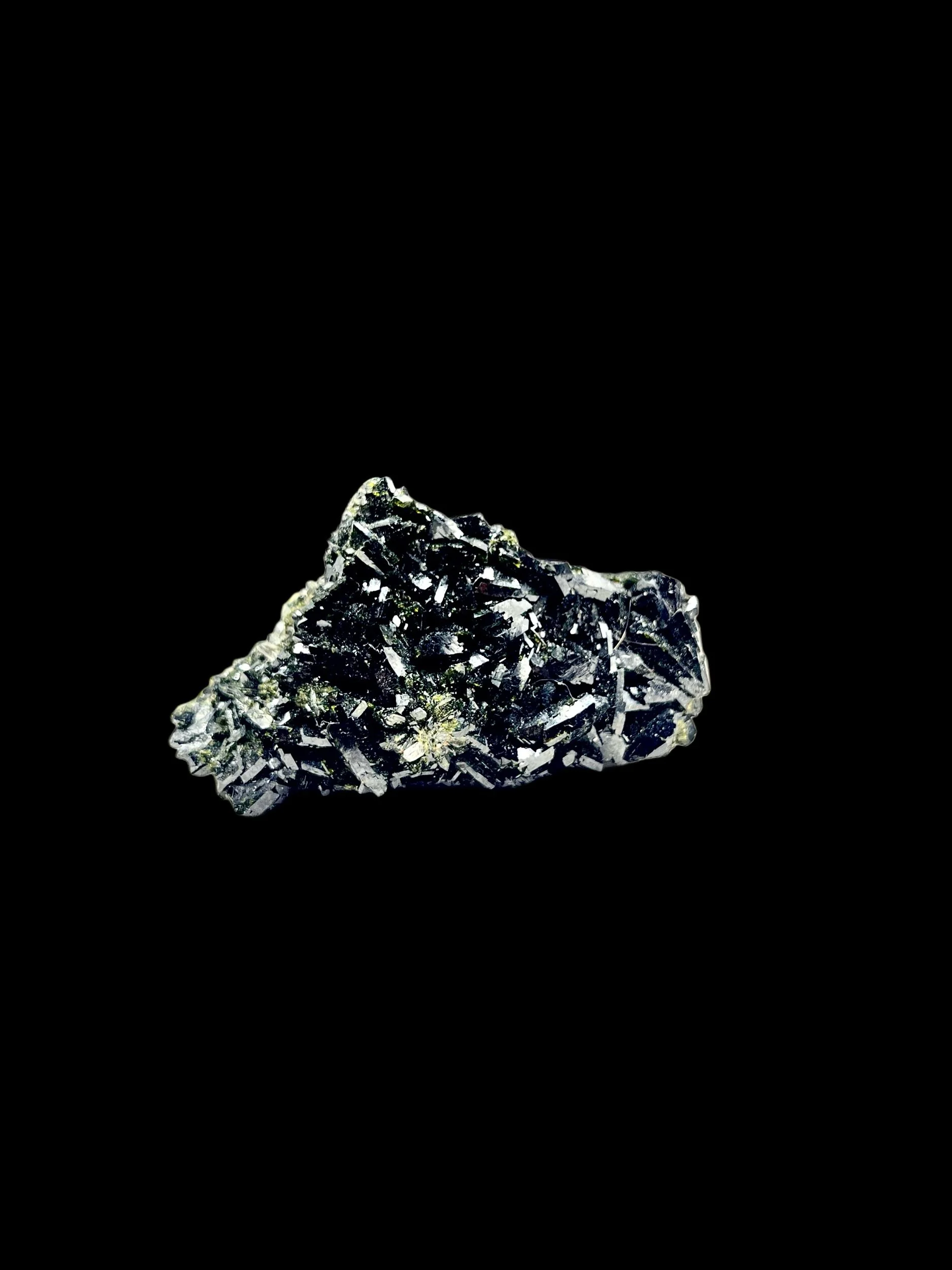
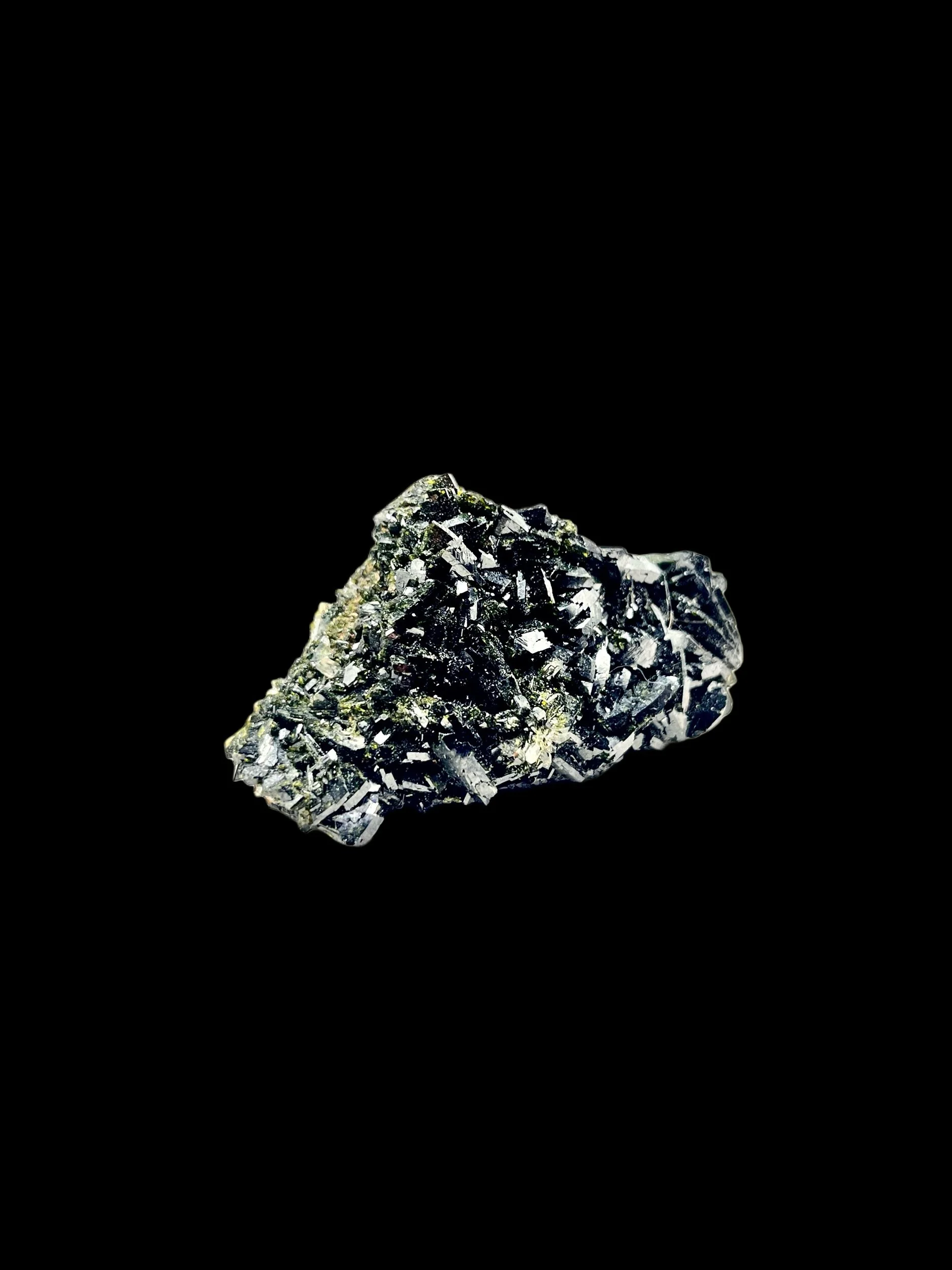
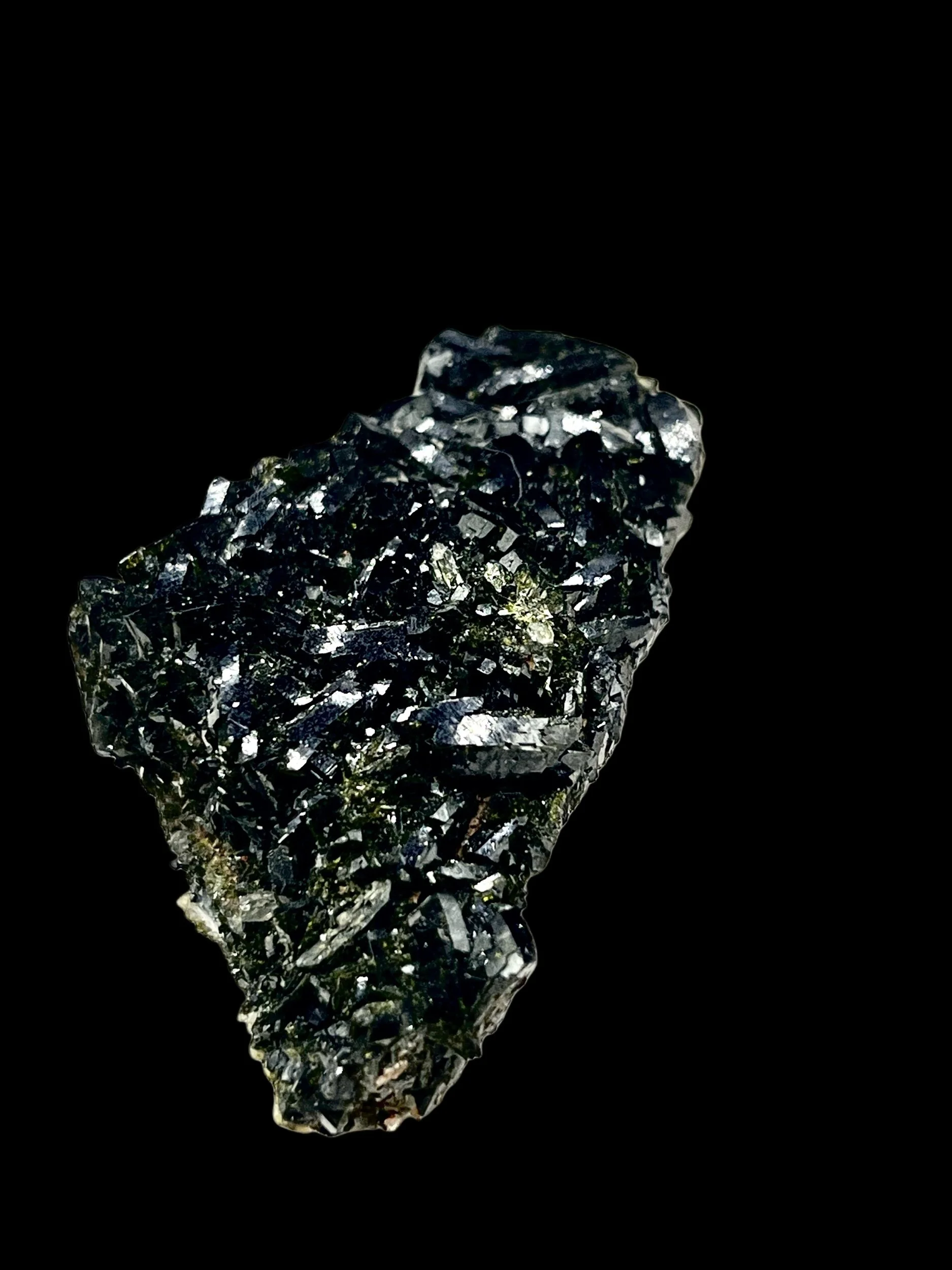
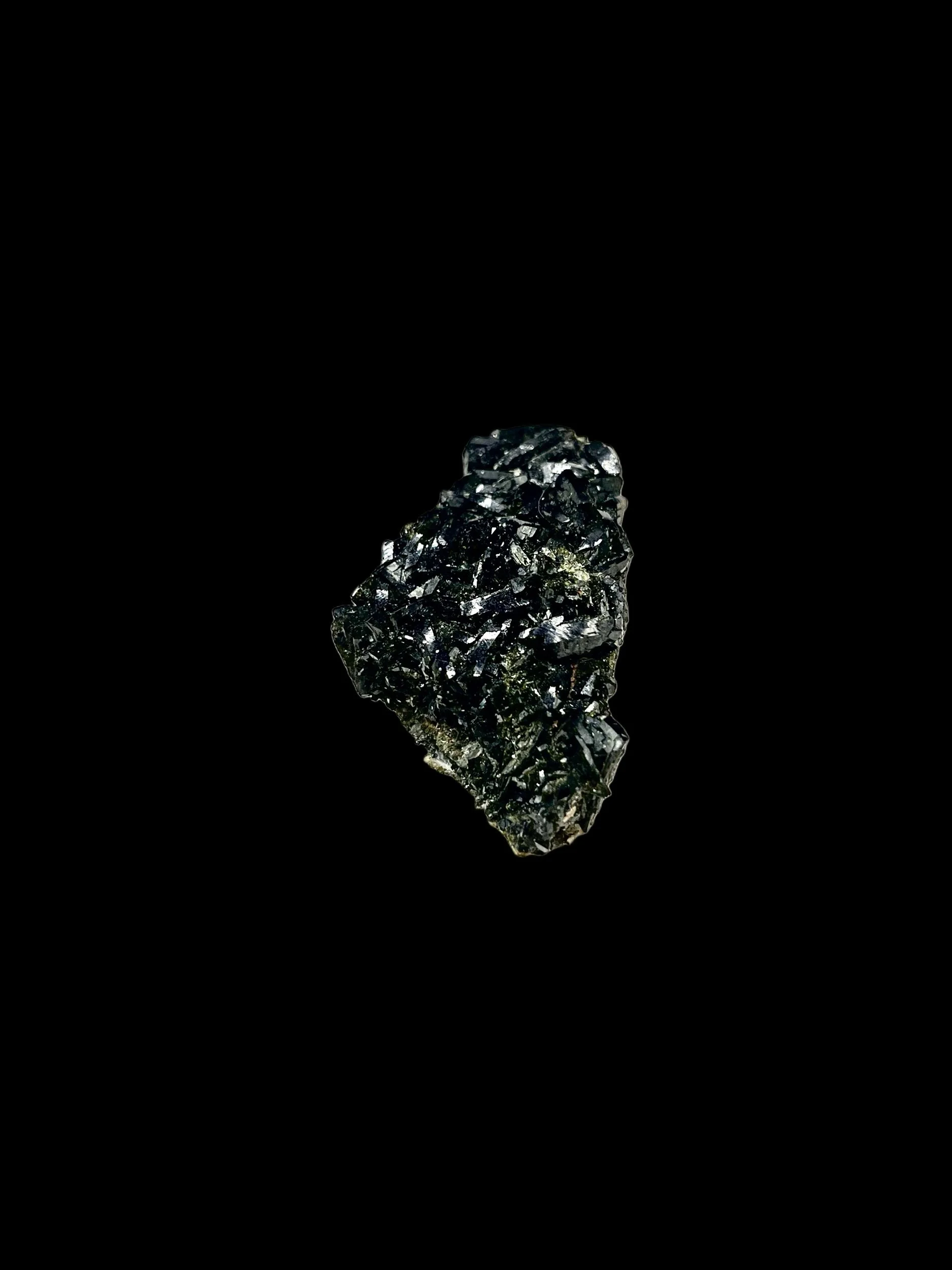
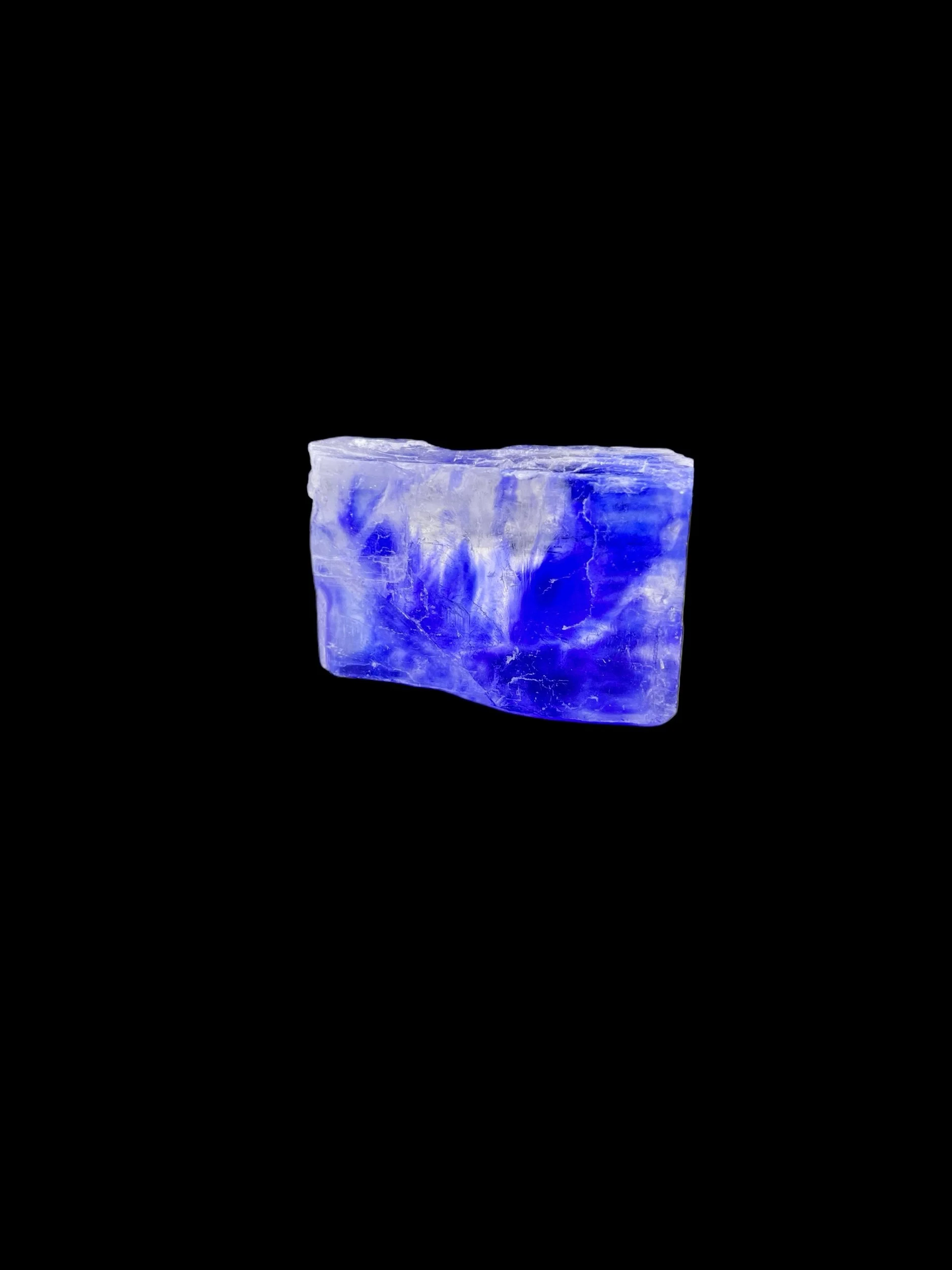
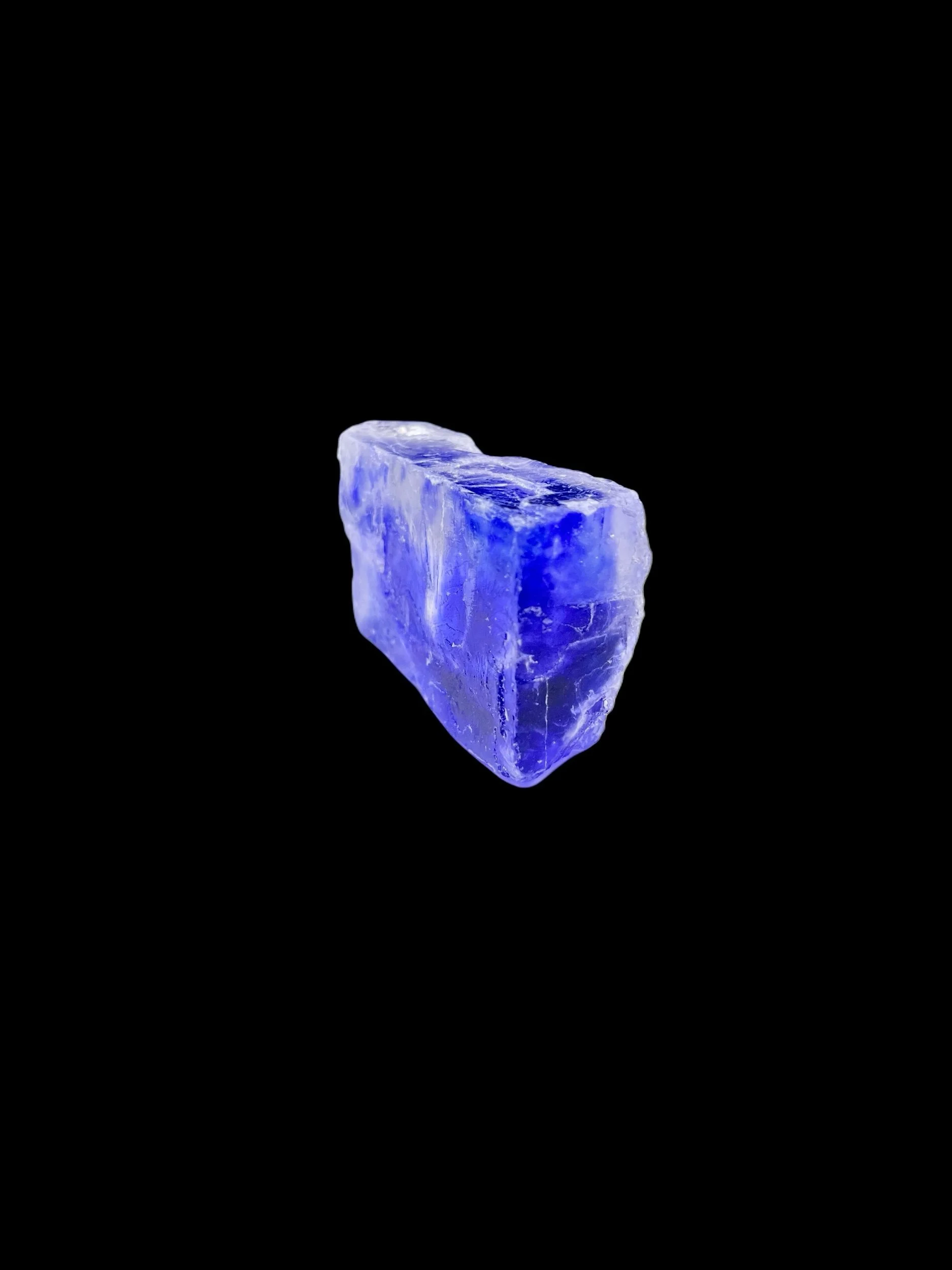
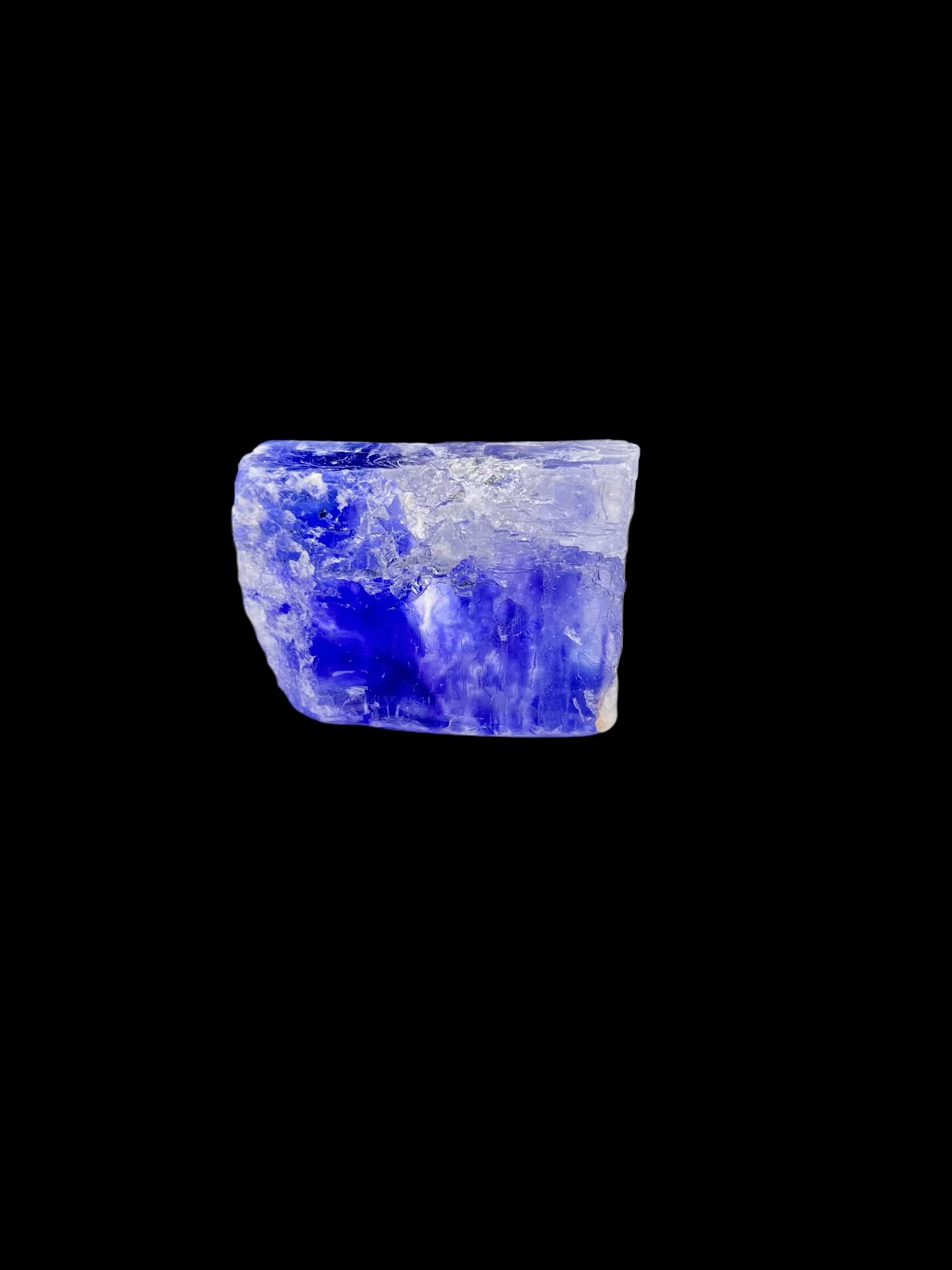
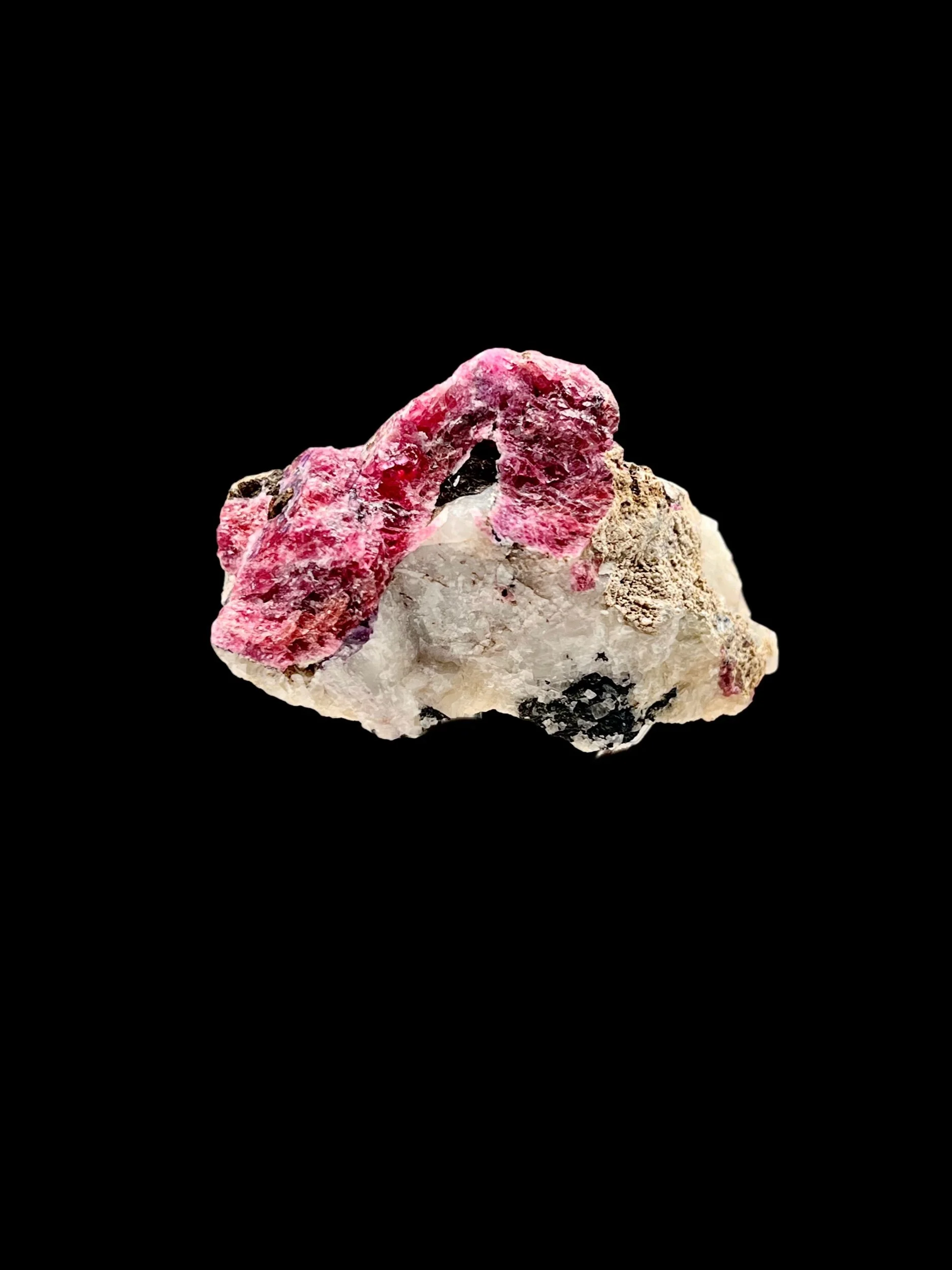
A richly textured and mineralogically complex specimen featuring vivid raspberry-red eudialyte intergrown within a pale nepheline matrix, accented by dark amphibole and subtle mosandrite associations from the renowned Kipawa Complex in Quebec.
The eudialyte forms striking, lusterous crystalline masses with a deep red to pink coloration, creating a bold visual contrast against the lighter host rock. Its glassy luster gives the specimen depth and aesthetic appeal, while the surrounding nepheline and amphibole provide a natural framework that highlights the complexity of the formation.
Kipawa specimens are known for their unusual chemistry and rare mineral assemblages, and this piece reflects that uniqueness—offering both visual appeal and strong mineralogical significance in a compact, display-friendly form.
2.5” x 1.5” x 1”
92 grams
Eudialyte is often associated with vitality, personal strength, and emotional balance. Amphibole is thought to support grounding and protection, while nepheline is linked to clarity and self-awareness. Together, they are said to promote both stability and energetic flow.
Kipawa Complex is a globally recognized alkaline intrusion, known for rare mineral diversity
The Kipawa Complex is one of Canada’s most important alkaline intrusions, producing a wide range of unusual and often rare minerals. Eudialyte from this locality is particularly valued due to its association with other uncommon species such as mosandrite, making multi-mineral specimens especially desirable.
Unlike more common red minerals, eudialyte occupies a niche space within advanced collections, appealing to collectors interested in zirconium-bearing minerals, rare earth element associations, and alkaline geology. Pieces from Kipawa with strong color and clear mineral relationships—like this one—are increasingly recognized for both their scientific and collector value.
Ideal for collectors focused on:
Rare alkaline complex minerals
REE-associated mineral assemblages
Canadian classic localities
Rare Eudialyte, highly sought after in well-defined or richly colored specimens
Presence of mosandrite (rare REE-bearing mineral) adds significant collector interest
Strong contrast between red eudialyte and pale nepheline matrix
Association with amphibole enhances geological context and visual structure
Collector-grade, niche mineral piece
Eudialyte is a complex zirconium silicate mineral often forming in alkaline igneous environments. Its characteristic red coloration is due to manganese and rare earth element content.
Amphibole represents a group of silicate minerals commonly found in metamorphic and igneous environments, contributing dark, fibrous to prismatic structures.
Mosandrite is a rare calcium-rare earth element silicate, typically associated with alkaline complexes like Kipawa, and is of particular interest to collectors of REE minerals.
Nepheline is a feldspathoid mineral forming in silica-poor igneous rocks, commonly acting as the host matrix in alkaline systems.
A richly textured and mineralogically complex specimen featuring vivid raspberry-red eudialyte intergrown within a pale nepheline matrix, accented by dark amphibole and subtle mosandrite associations from the renowned Kipawa Complex in Quebec.
The eudialyte forms striking, lusterous crystalline masses with a deep red to pink coloration, creating a bold visual contrast against the lighter host rock. Its glassy luster gives the specimen depth and aesthetic appeal, while the surrounding nepheline and amphibole provide a natural framework that highlights the complexity of the formation.
Kipawa specimens are known for their unusual chemistry and rare mineral assemblages, and this piece reflects that uniqueness—offering both visual appeal and strong mineralogical significance in a compact, display-friendly form.
2.5” x 1.5” x 1”
92 grams
Eudialyte is often associated with vitality, personal strength, and emotional balance. Amphibole is thought to support grounding and protection, while nepheline is linked to clarity and self-awareness. Together, they are said to promote both stability and energetic flow.
Kipawa Complex is a globally recognized alkaline intrusion, known for rare mineral diversity
The Kipawa Complex is one of Canada’s most important alkaline intrusions, producing a wide range of unusual and often rare minerals. Eudialyte from this locality is particularly valued due to its association with other uncommon species such as mosandrite, making multi-mineral specimens especially desirable.
Unlike more common red minerals, eudialyte occupies a niche space within advanced collections, appealing to collectors interested in zirconium-bearing minerals, rare earth element associations, and alkaline geology. Pieces from Kipawa with strong color and clear mineral relationships—like this one—are increasingly recognized for both their scientific and collector value.
Ideal for collectors focused on:
Rare alkaline complex minerals
REE-associated mineral assemblages
Canadian classic localities
Rare Eudialyte, highly sought after in well-defined or richly colored specimens
Presence of mosandrite (rare REE-bearing mineral) adds significant collector interest
Strong contrast between red eudialyte and pale nepheline matrix
Association with amphibole enhances geological context and visual structure
Collector-grade, niche mineral piece
Eudialyte is a complex zirconium silicate mineral often forming in alkaline igneous environments. Its characteristic red coloration is due to manganese and rare earth element content.
Amphibole represents a group of silicate minerals commonly found in metamorphic and igneous environments, contributing dark, fibrous to prismatic structures.
Mosandrite is a rare calcium-rare earth element silicate, typically associated with alkaline complexes like Kipawa, and is of particular interest to collectors of REE minerals.
Nepheline is a feldspathoid mineral forming in silica-poor igneous rocks, commonly acting as the host matrix in alkaline systems.