 Image 1 of 4
 Image 2 of 4
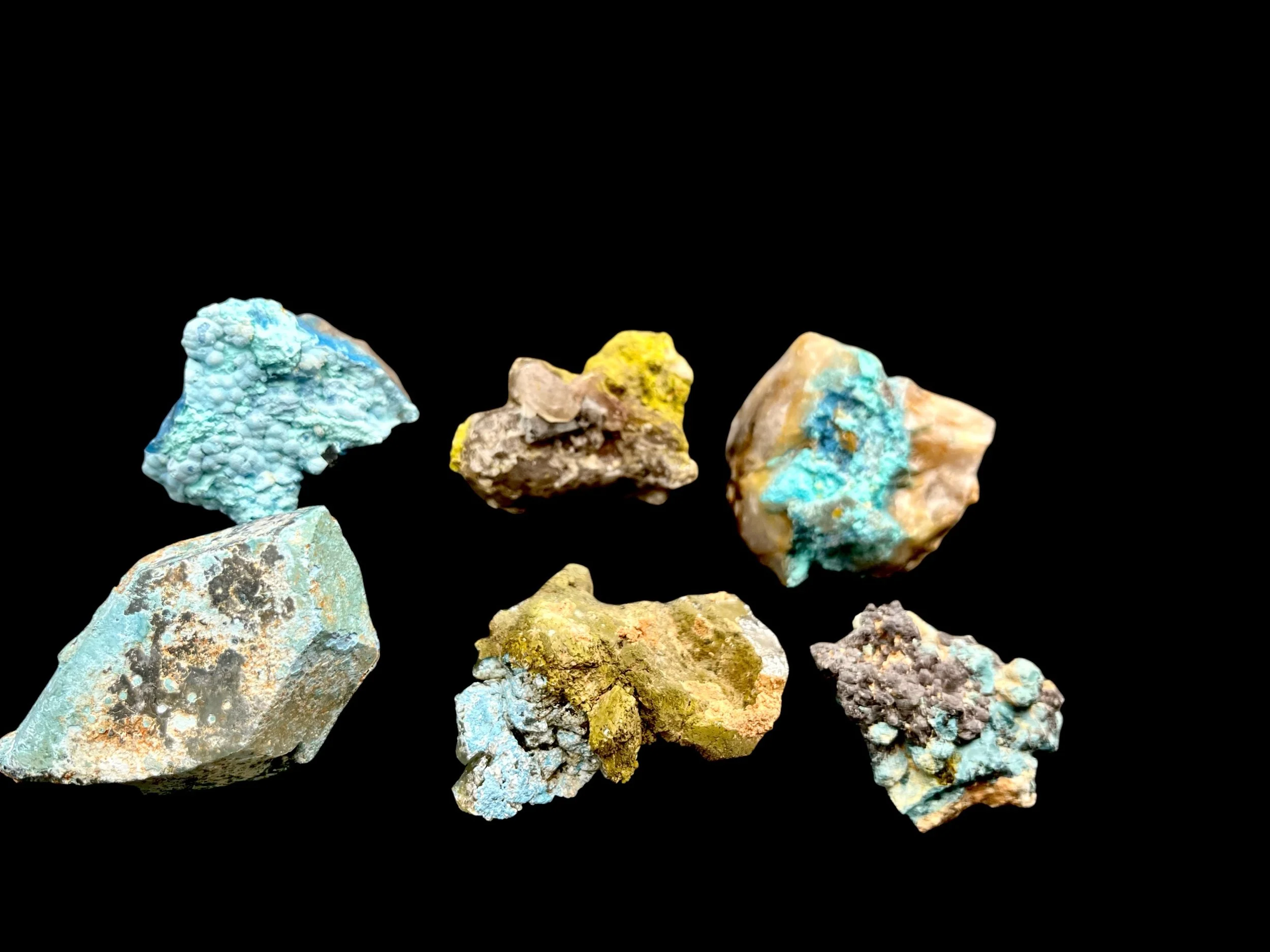 Image 3 of 4
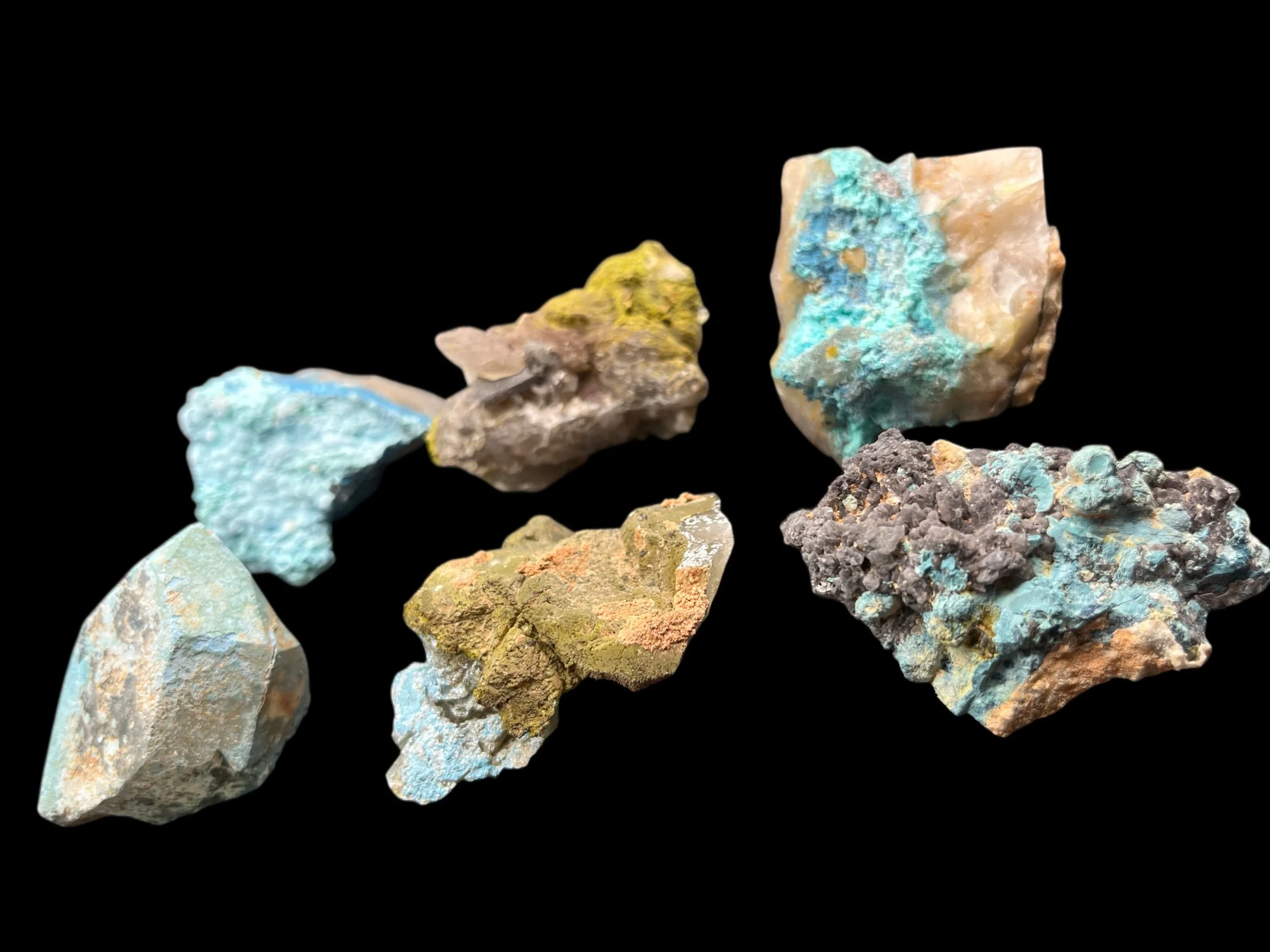 Image 4 of 4
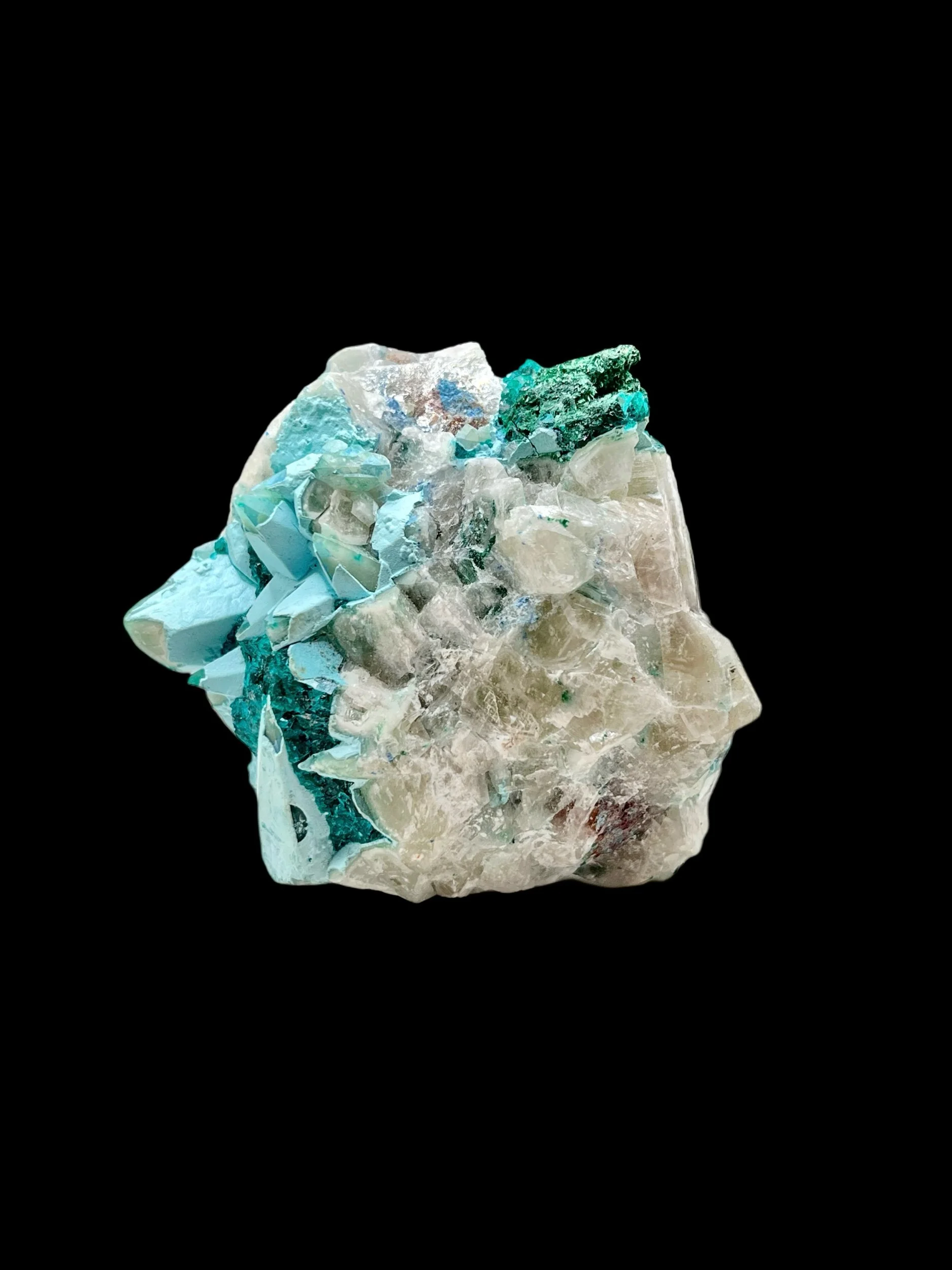
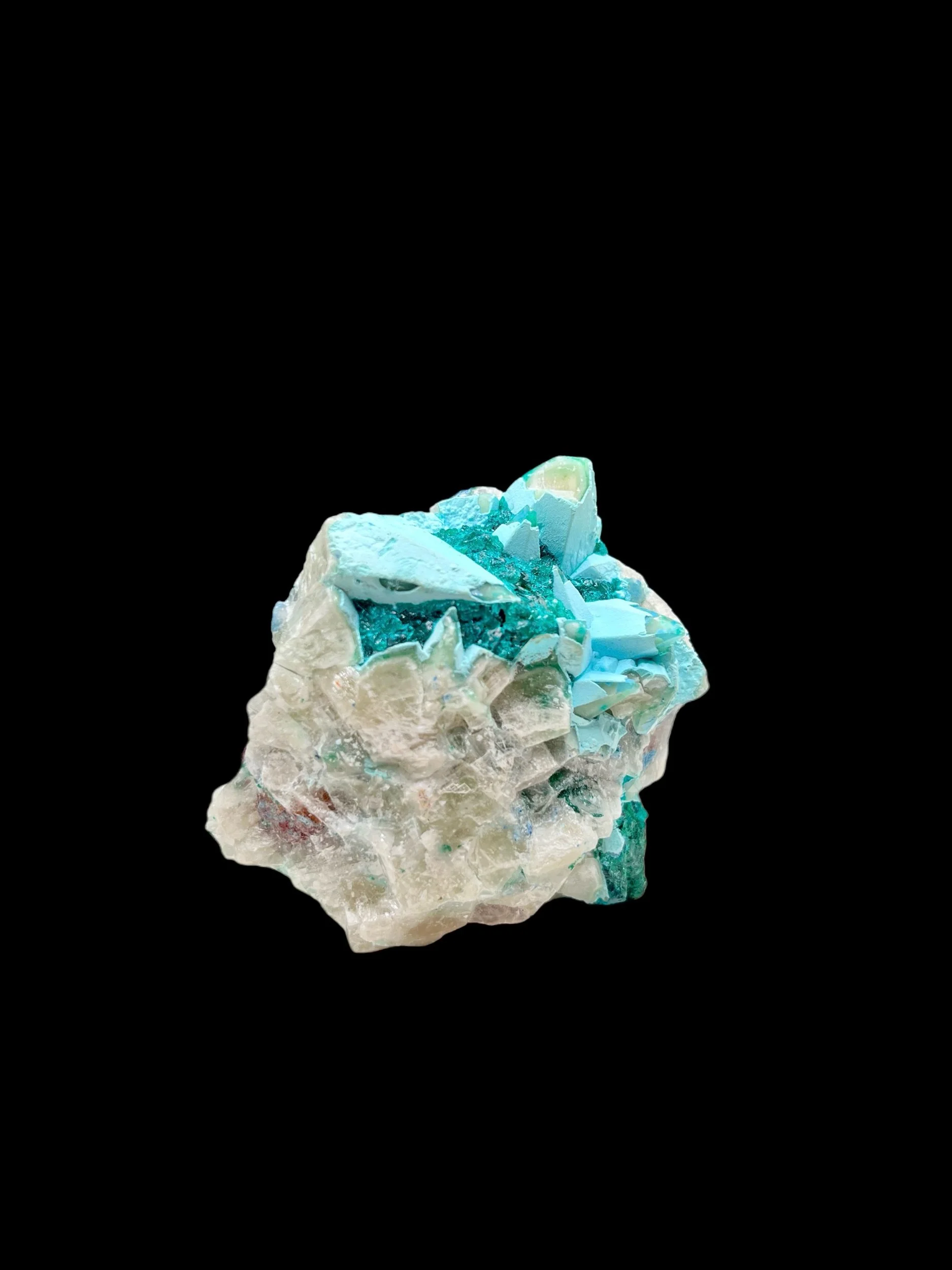
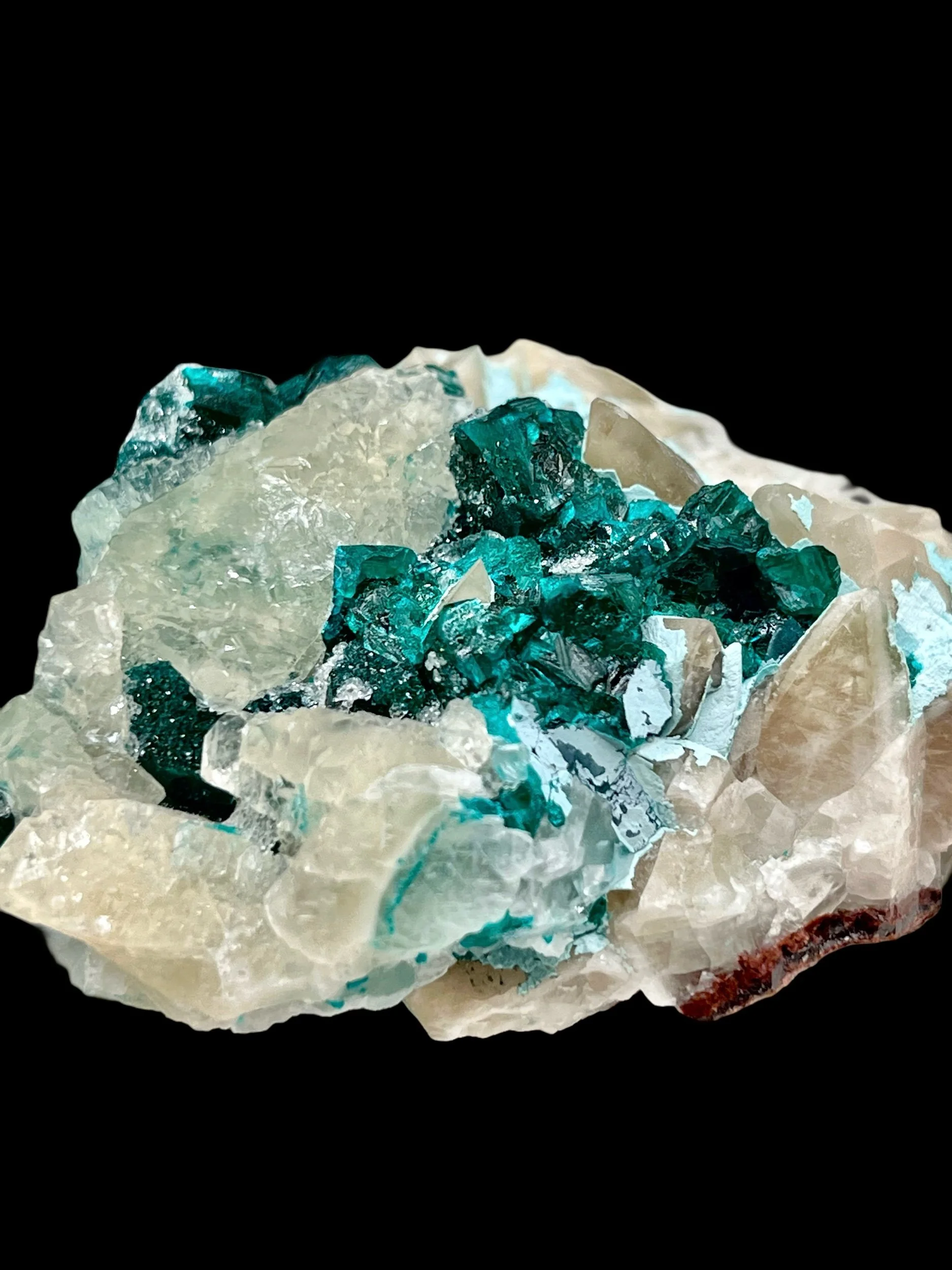
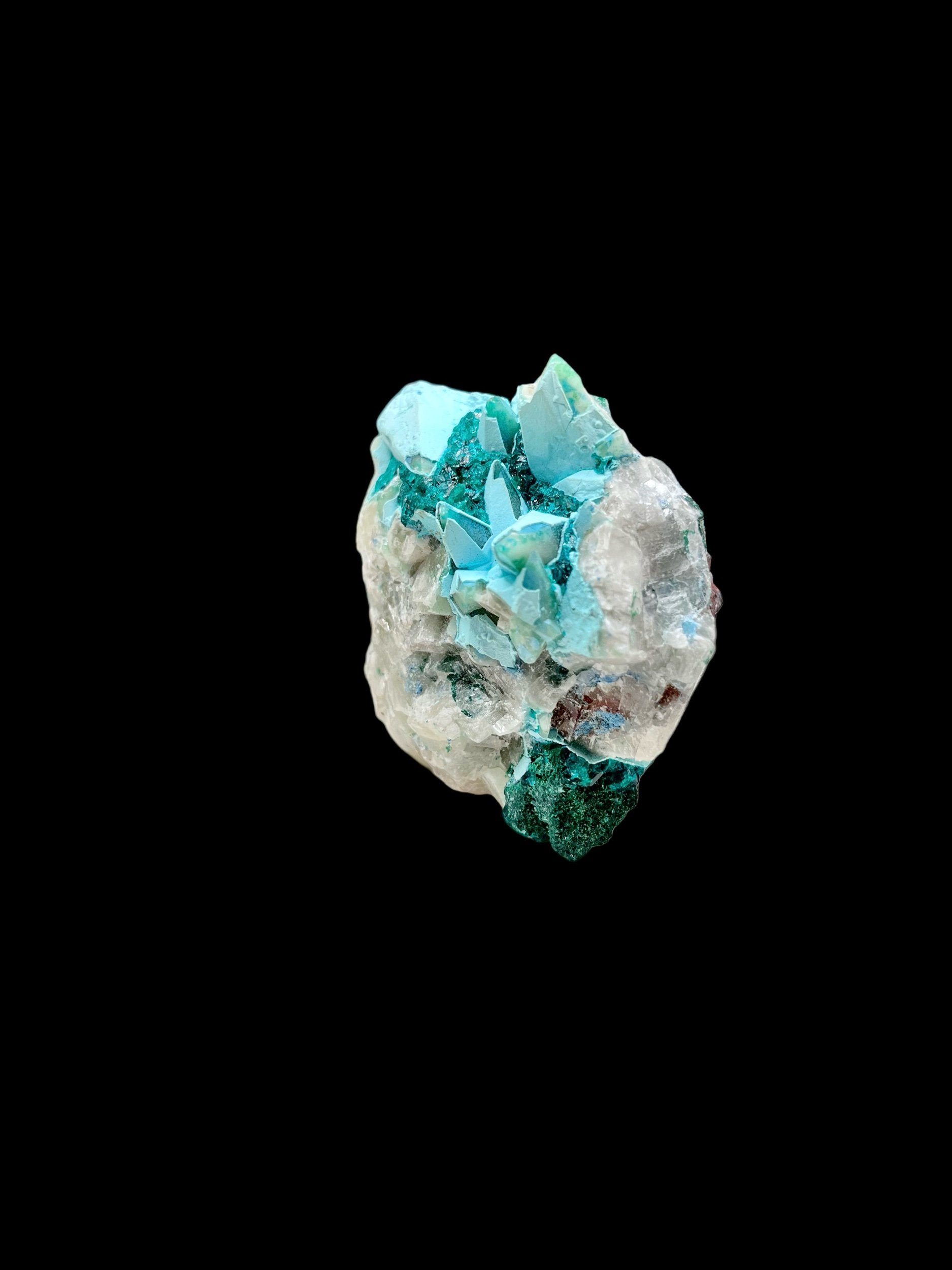
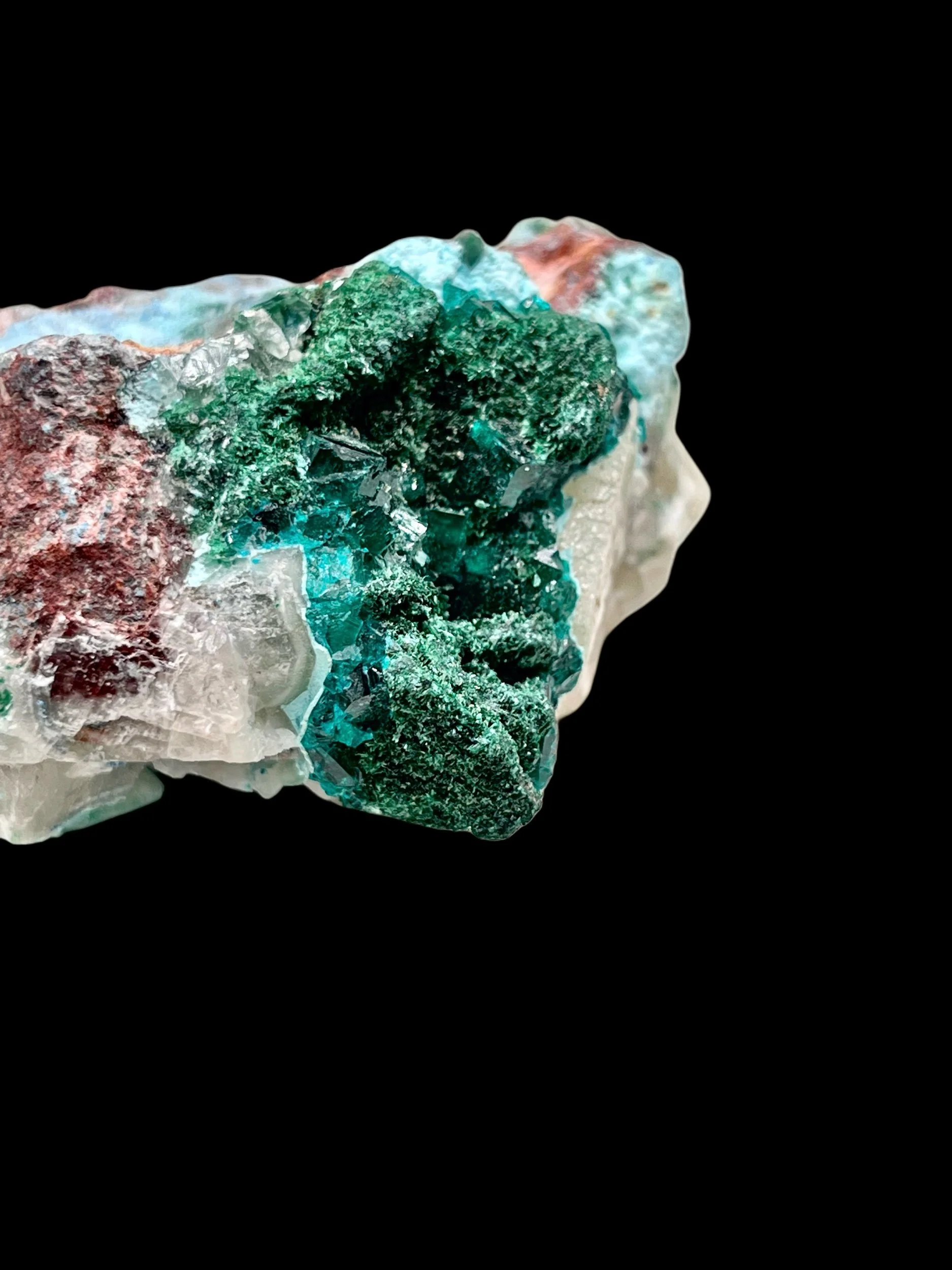
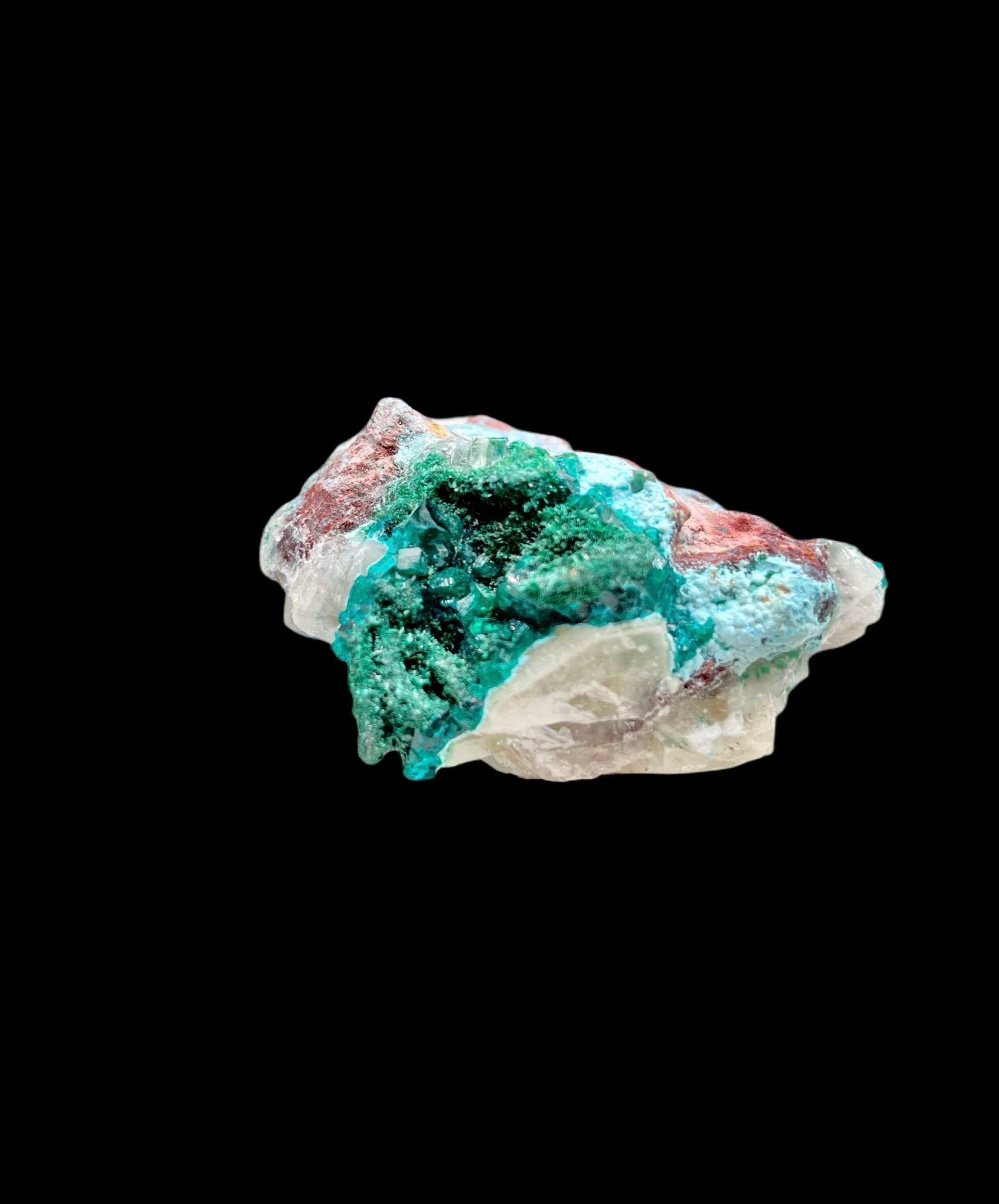
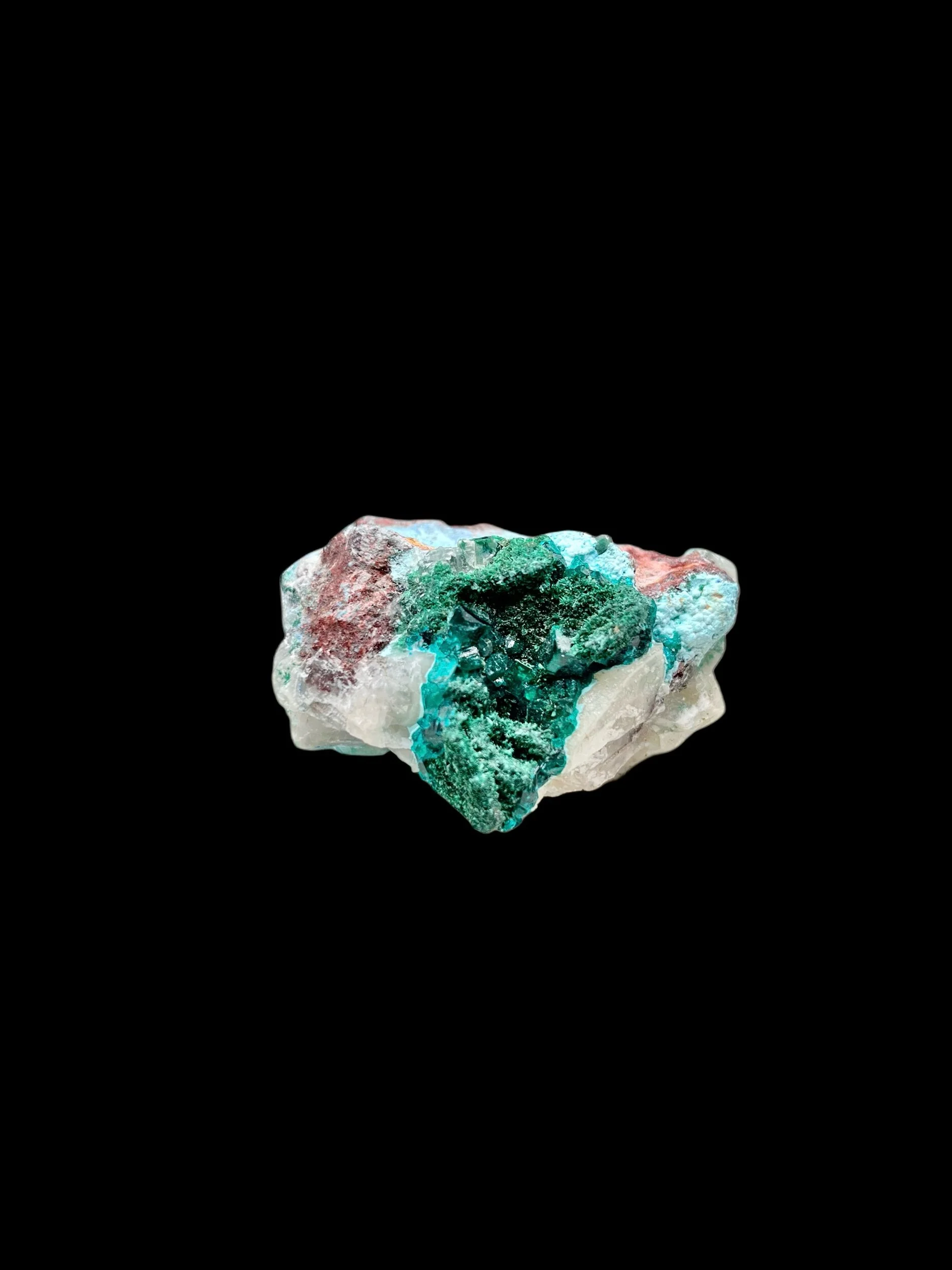
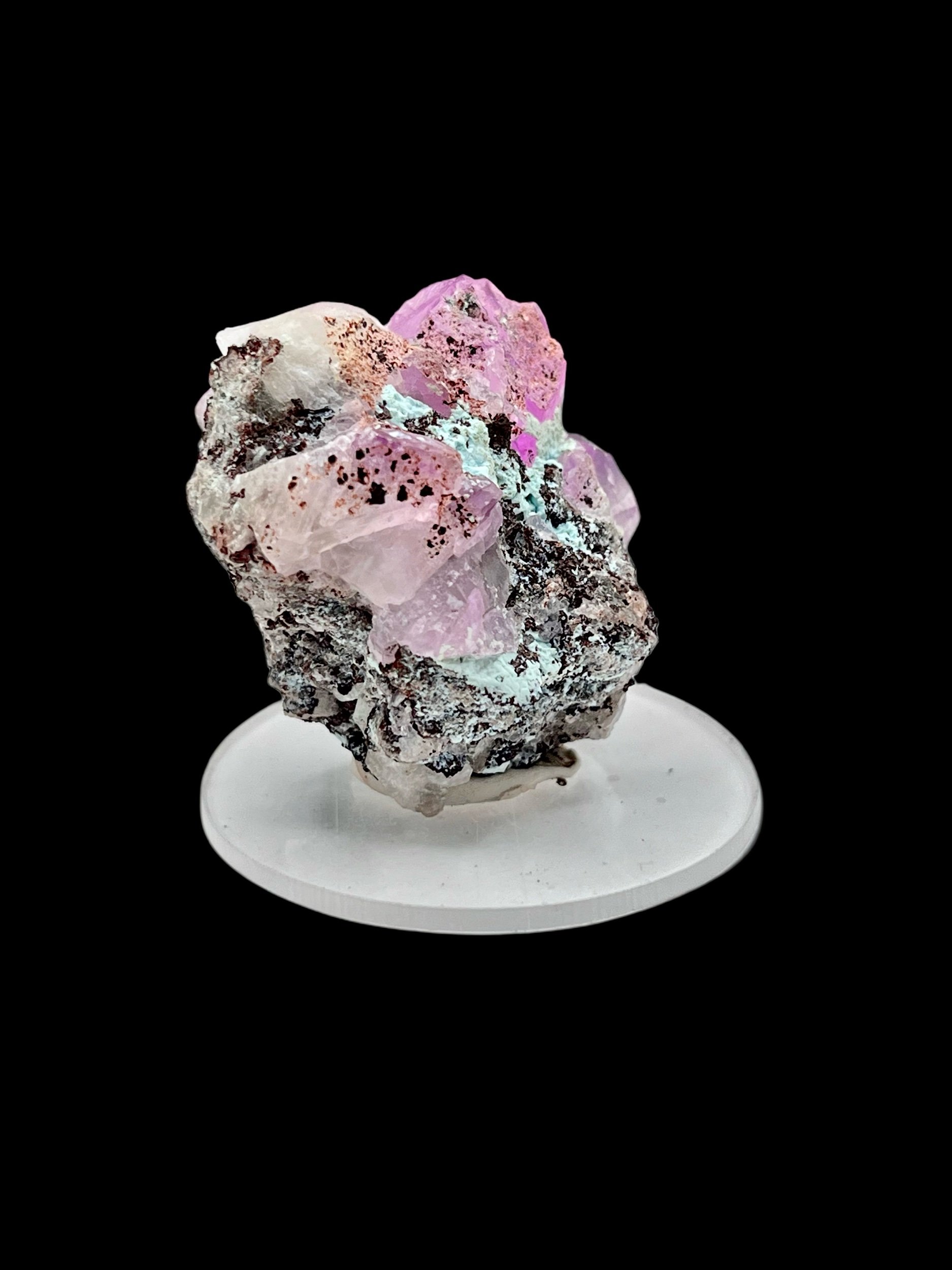
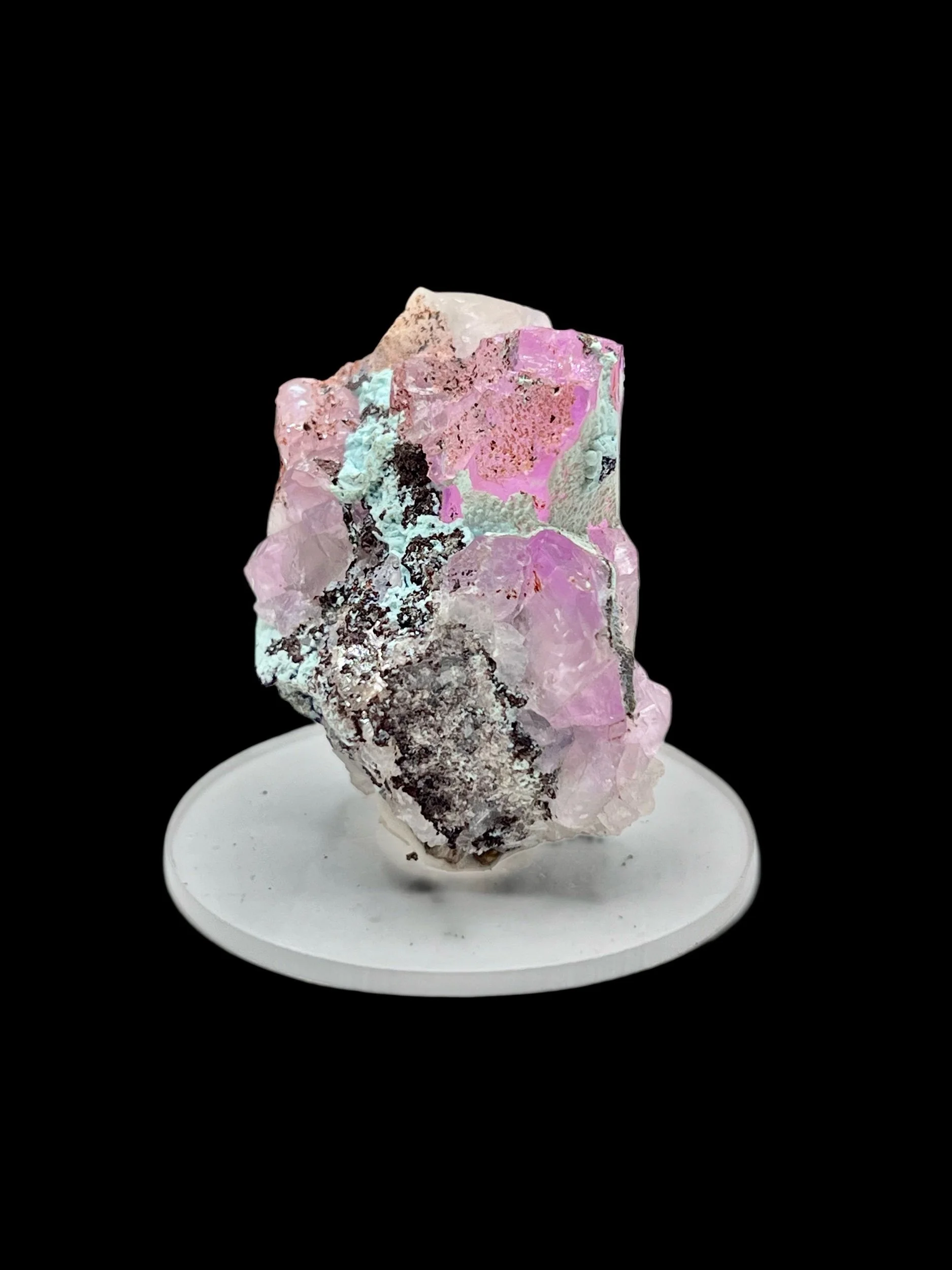
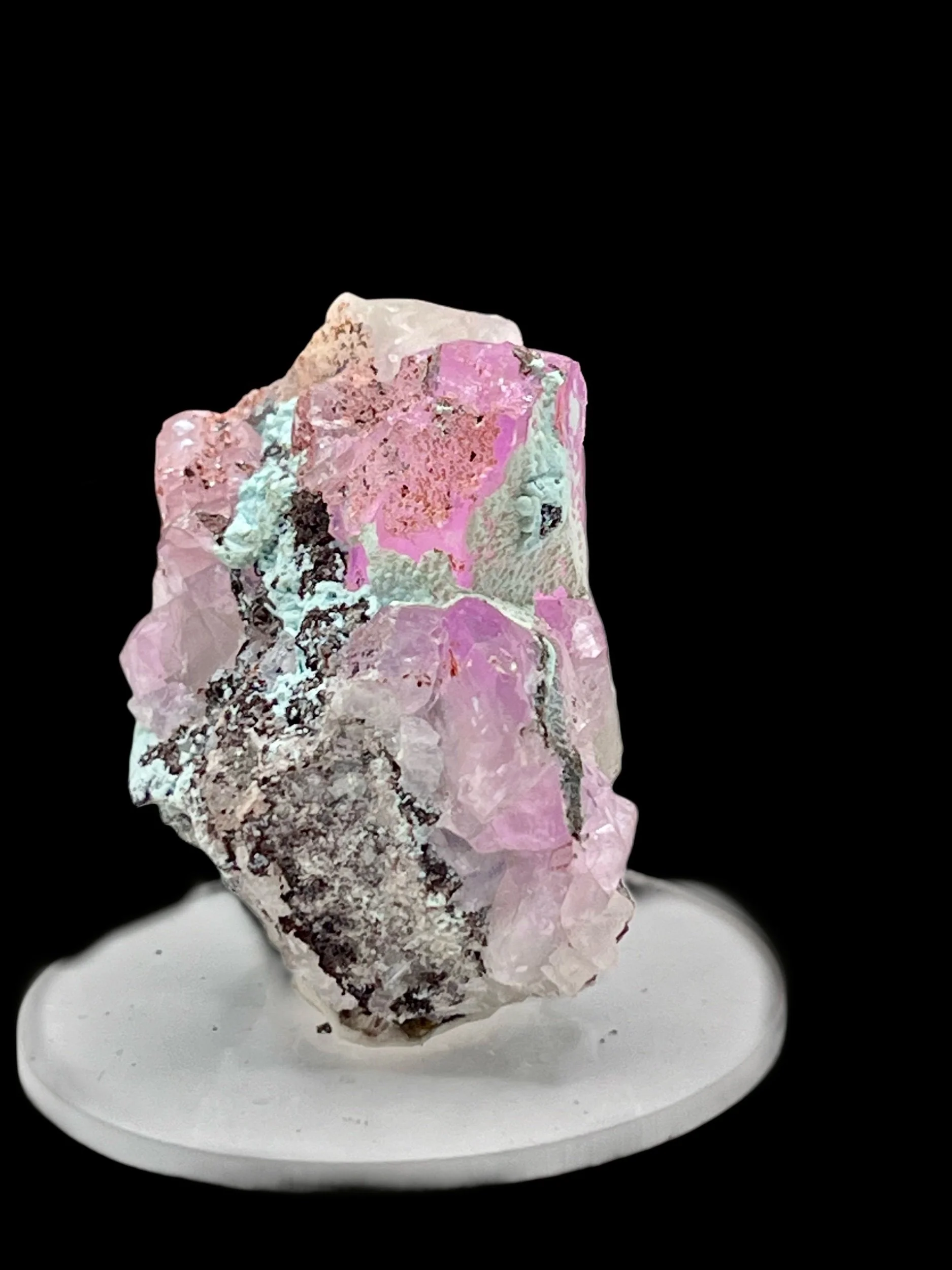
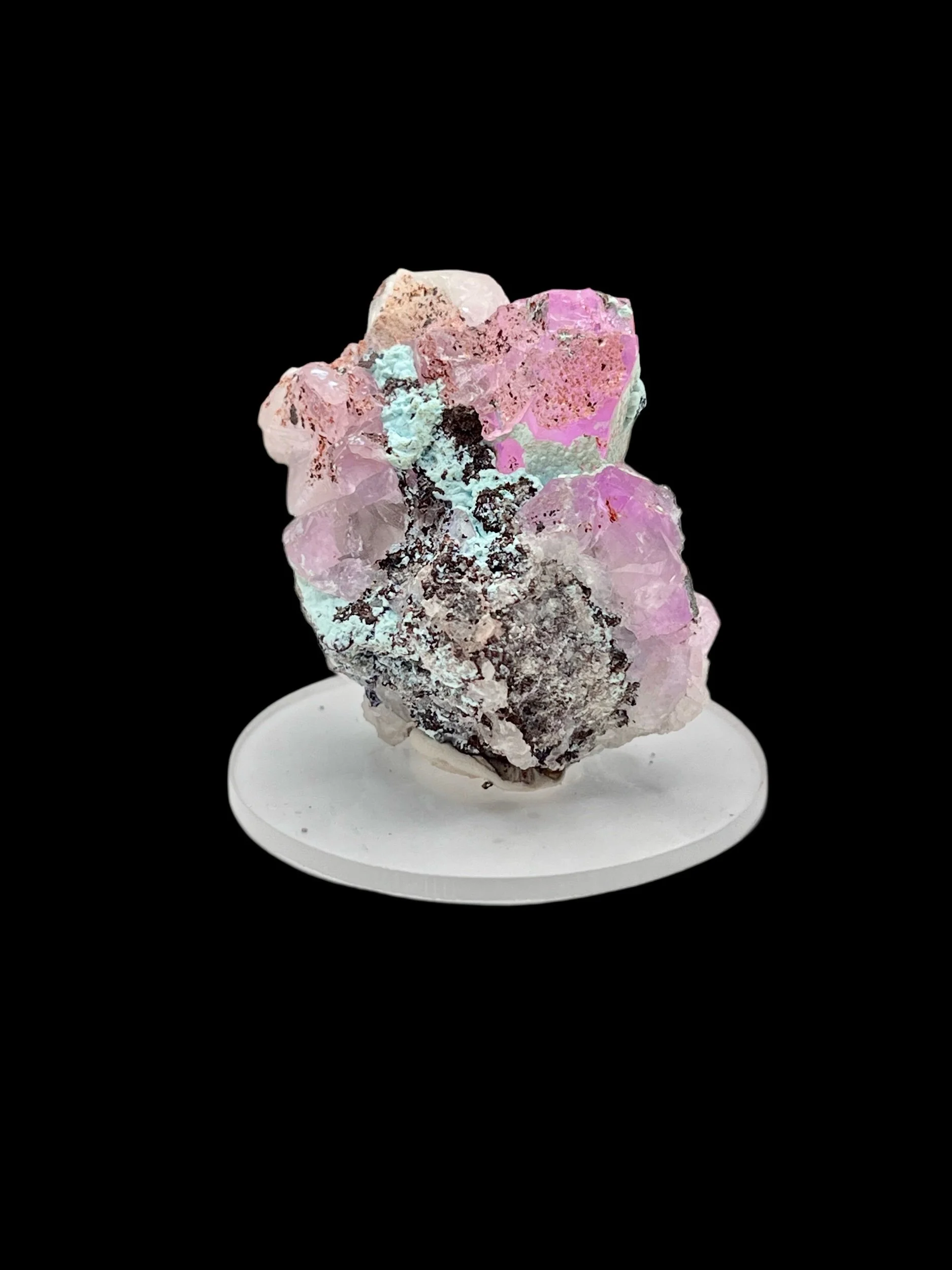
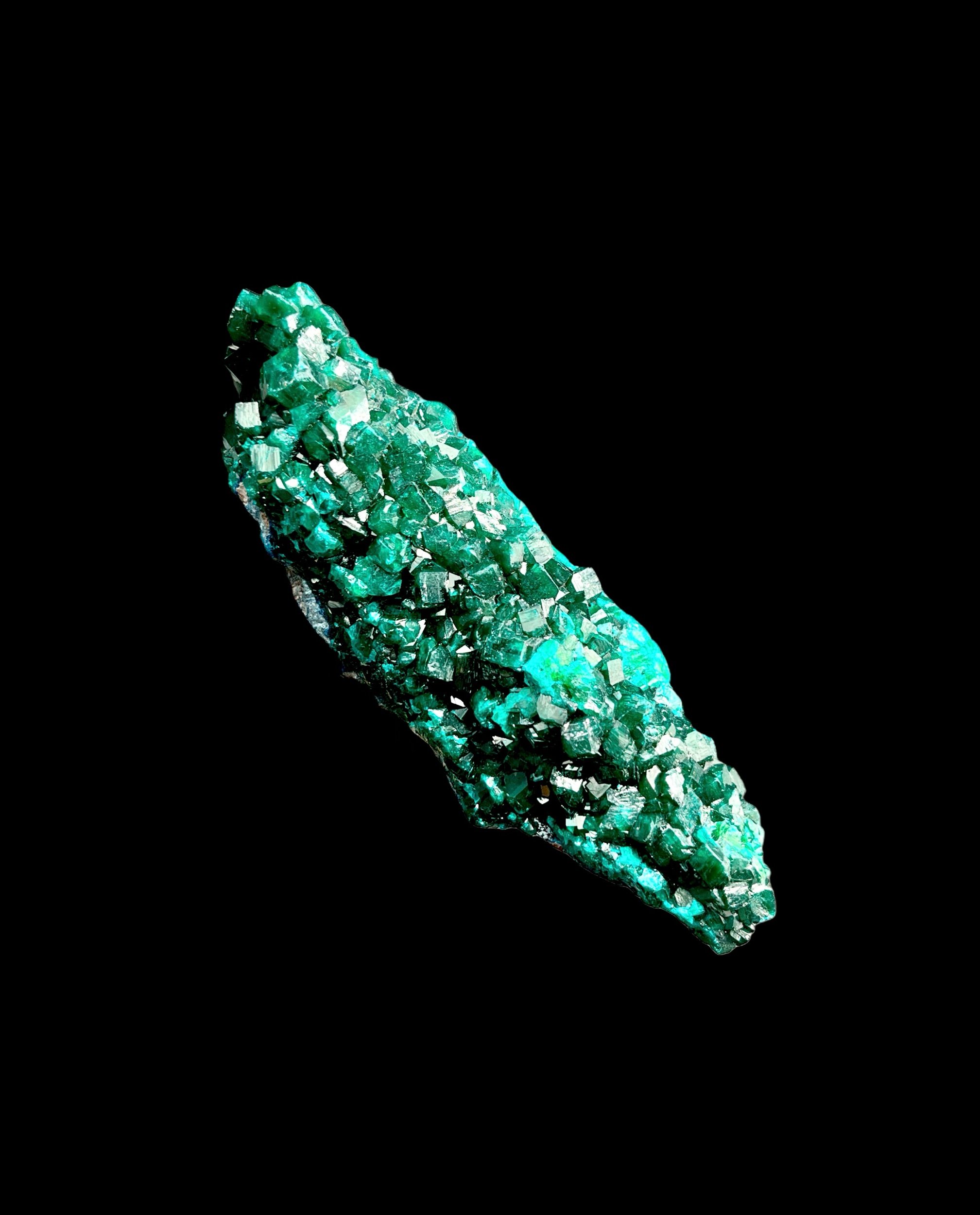
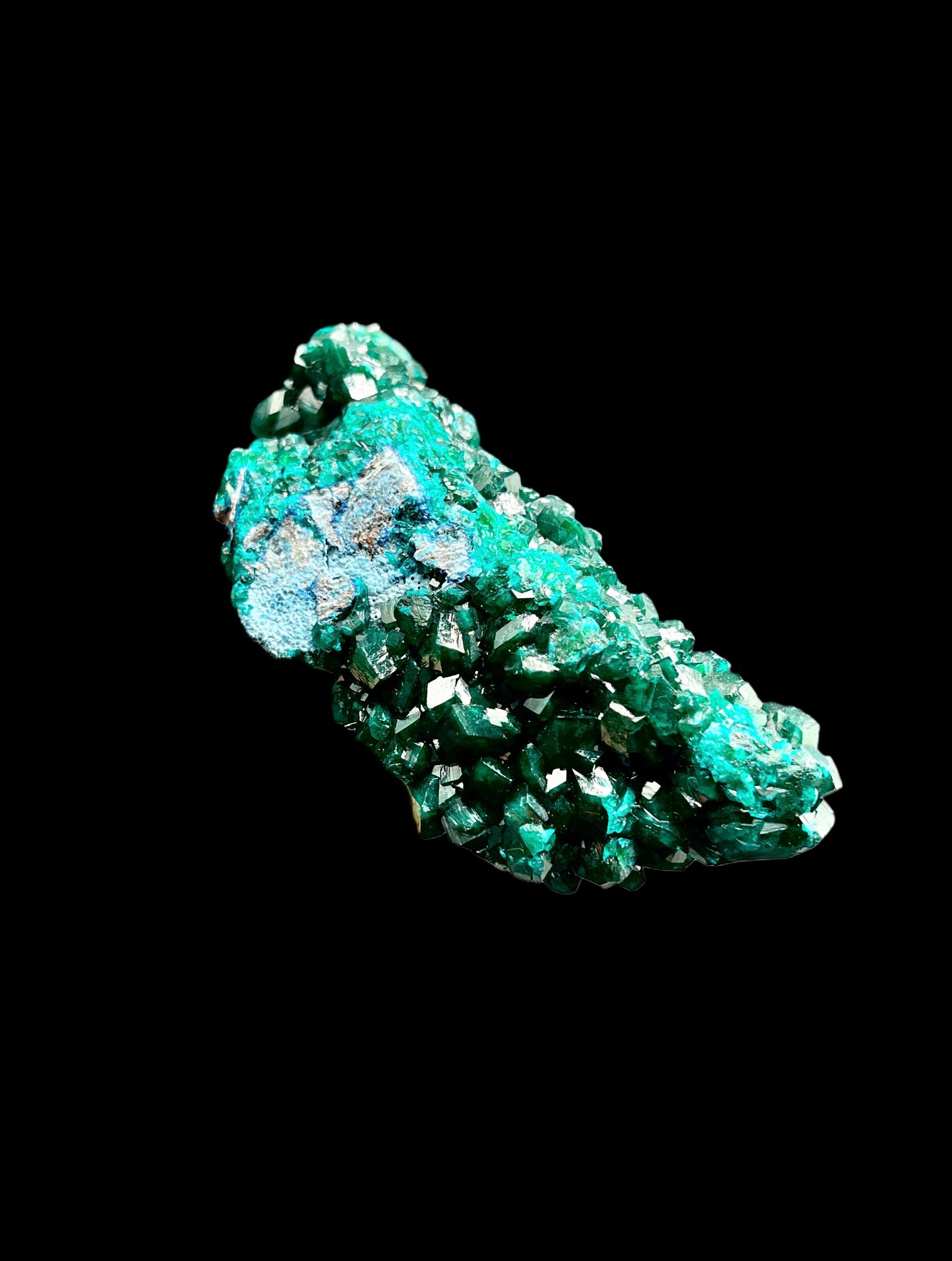
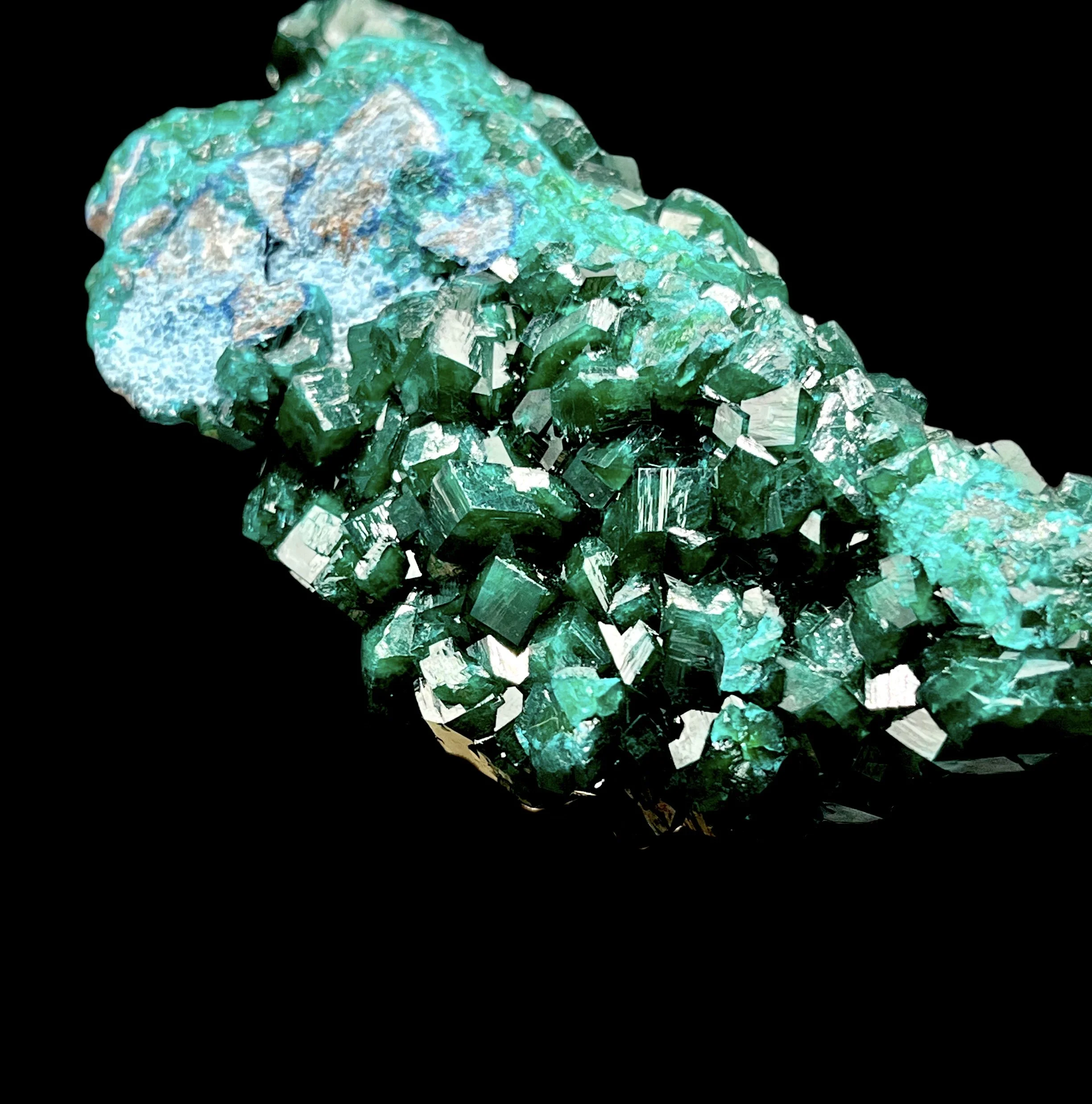
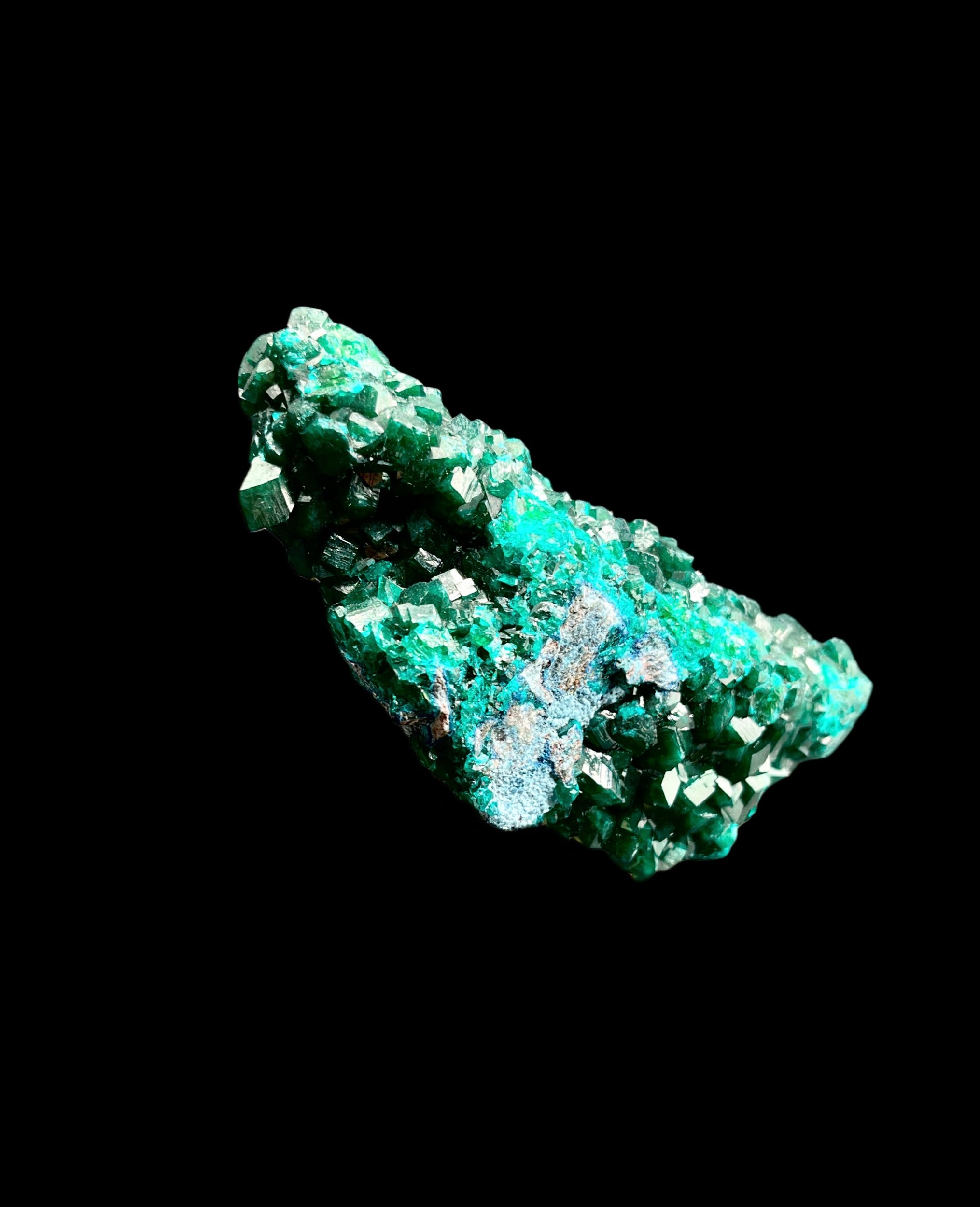
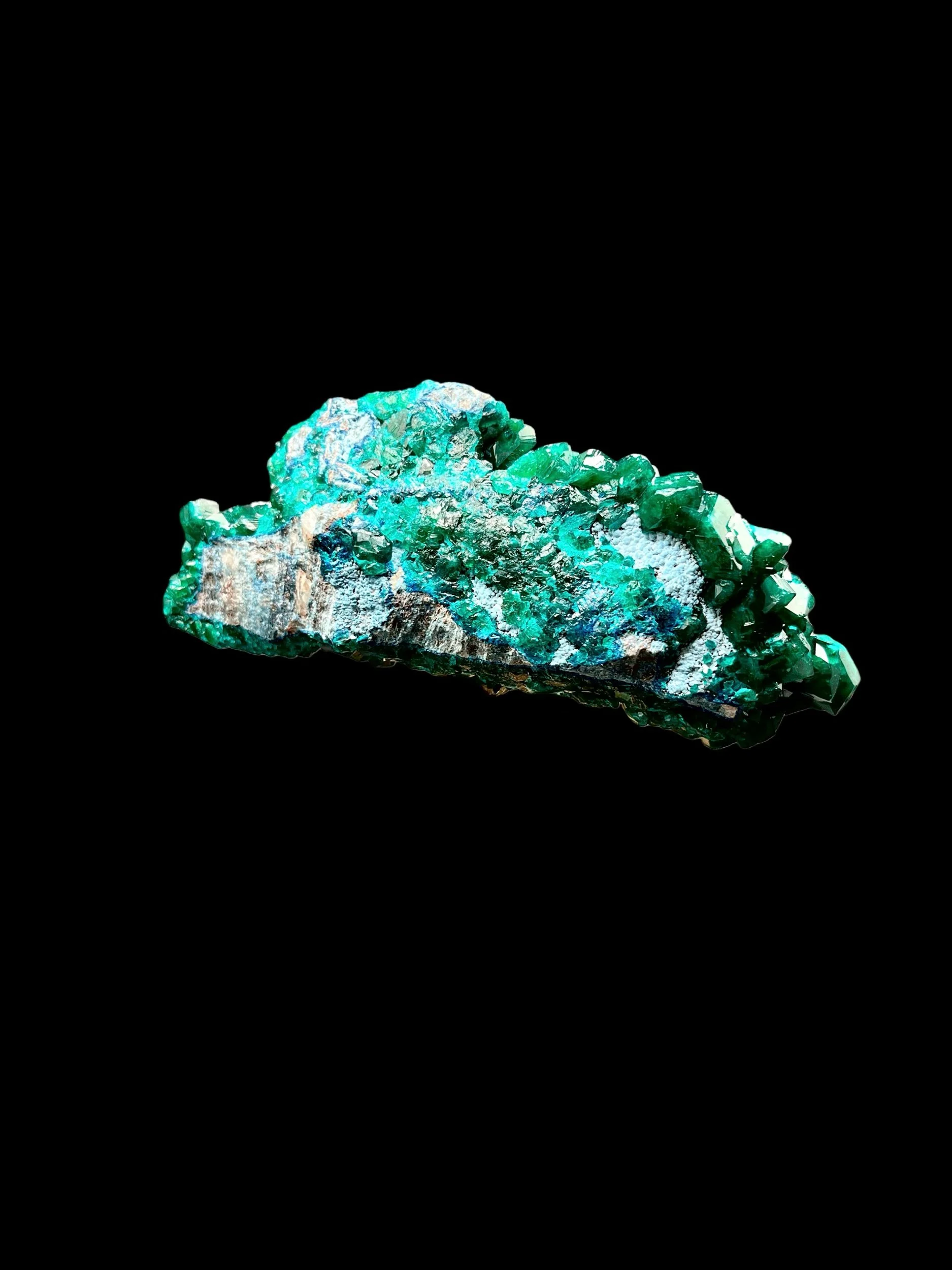
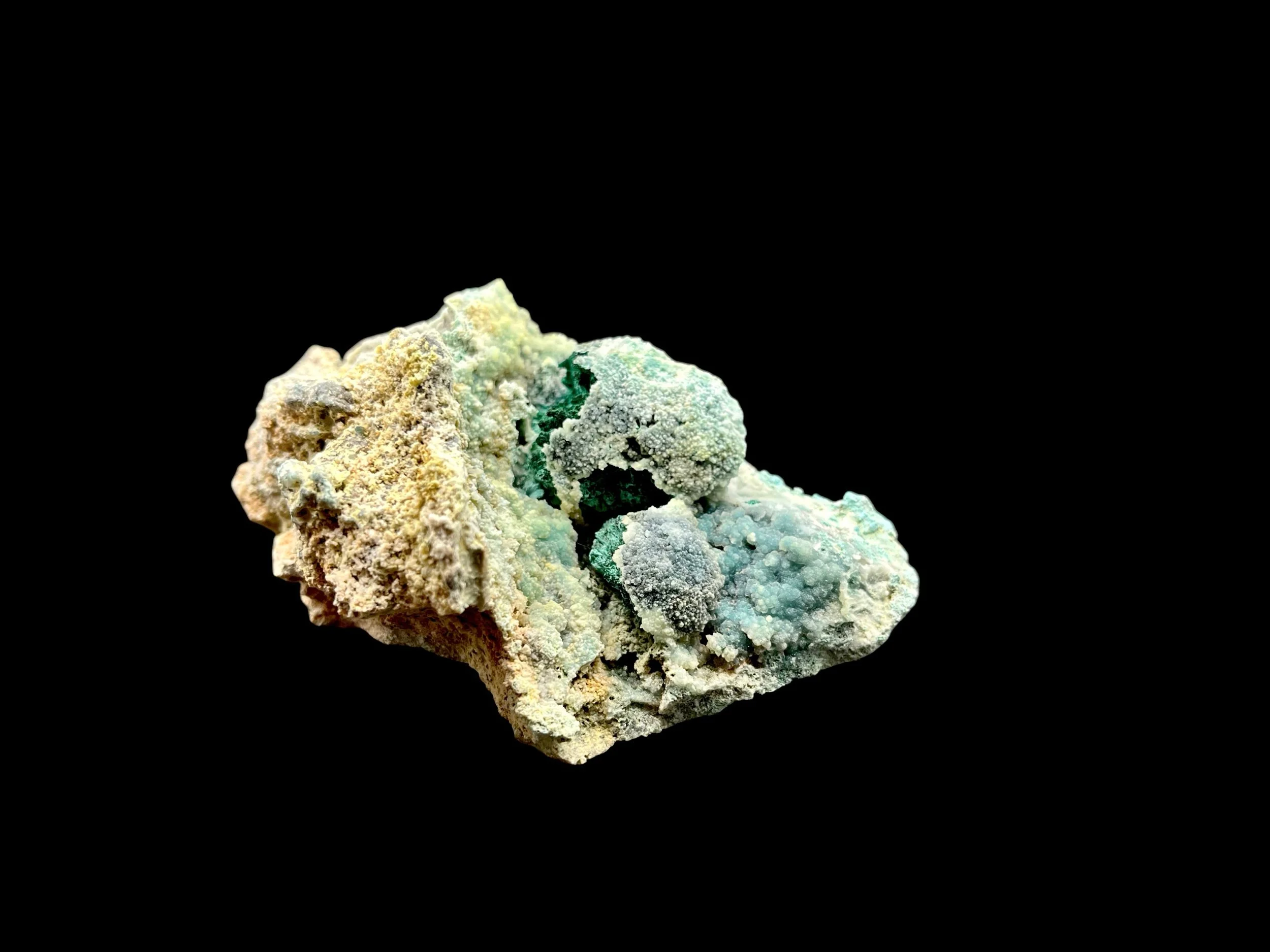
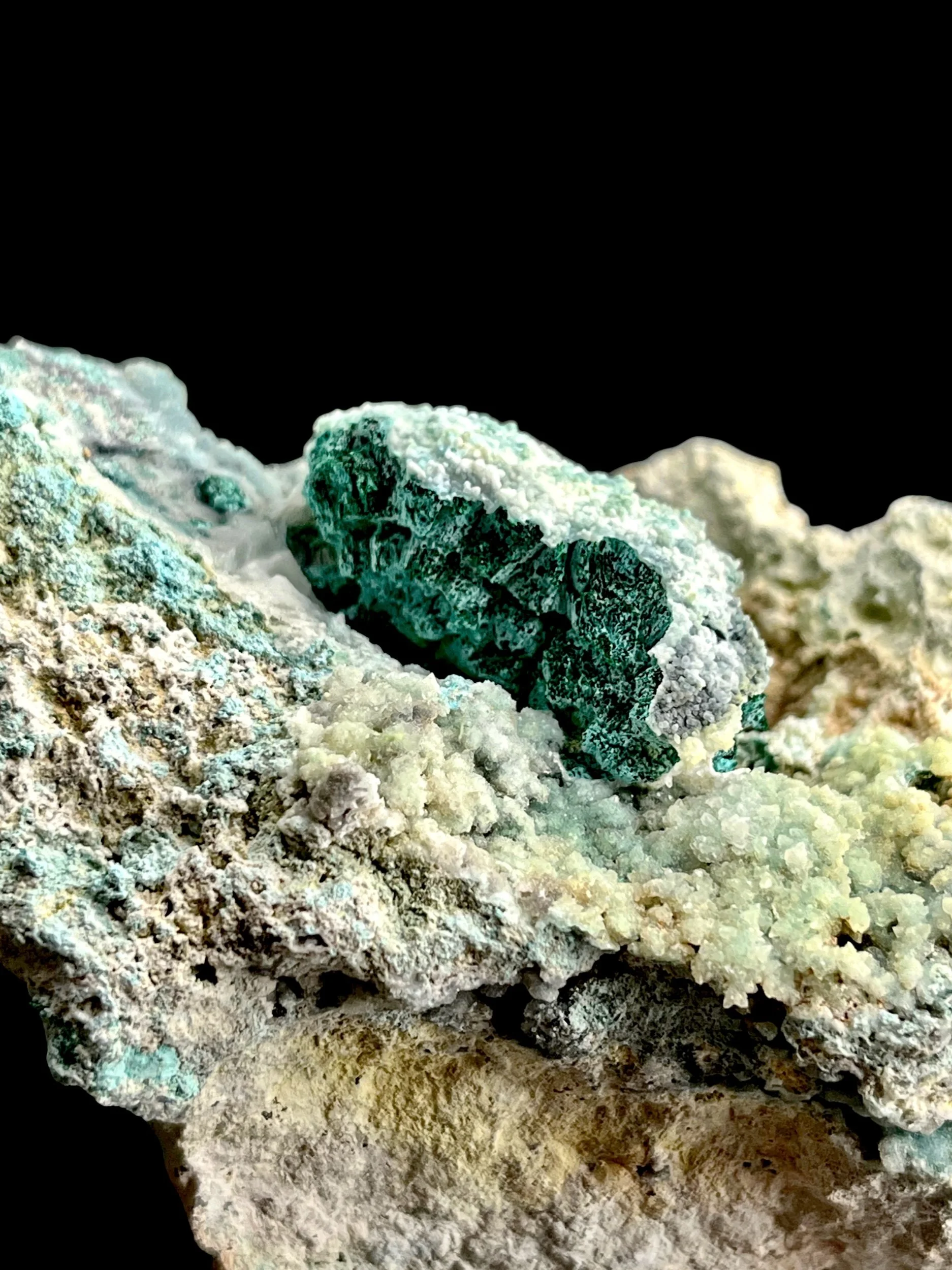
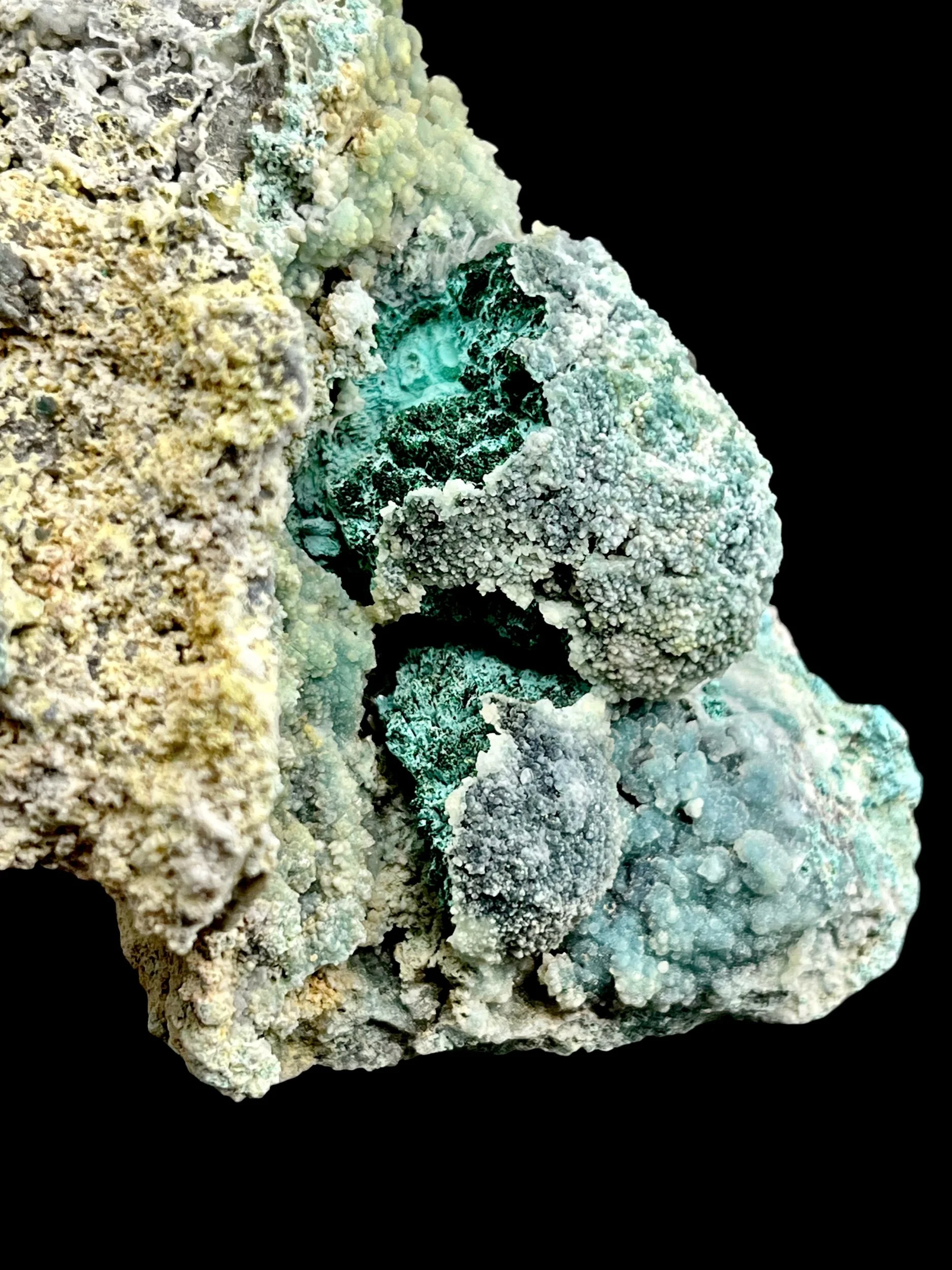
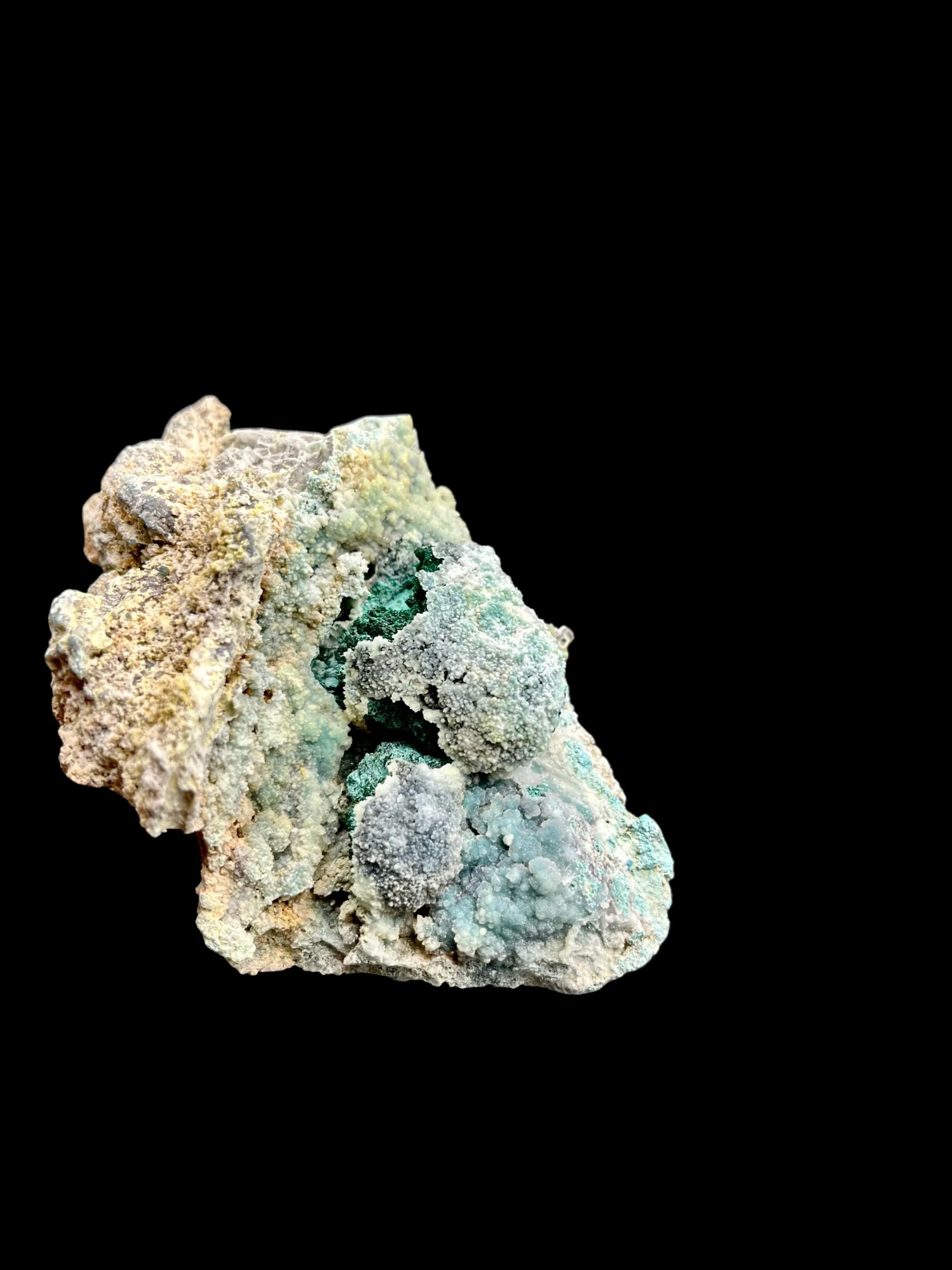
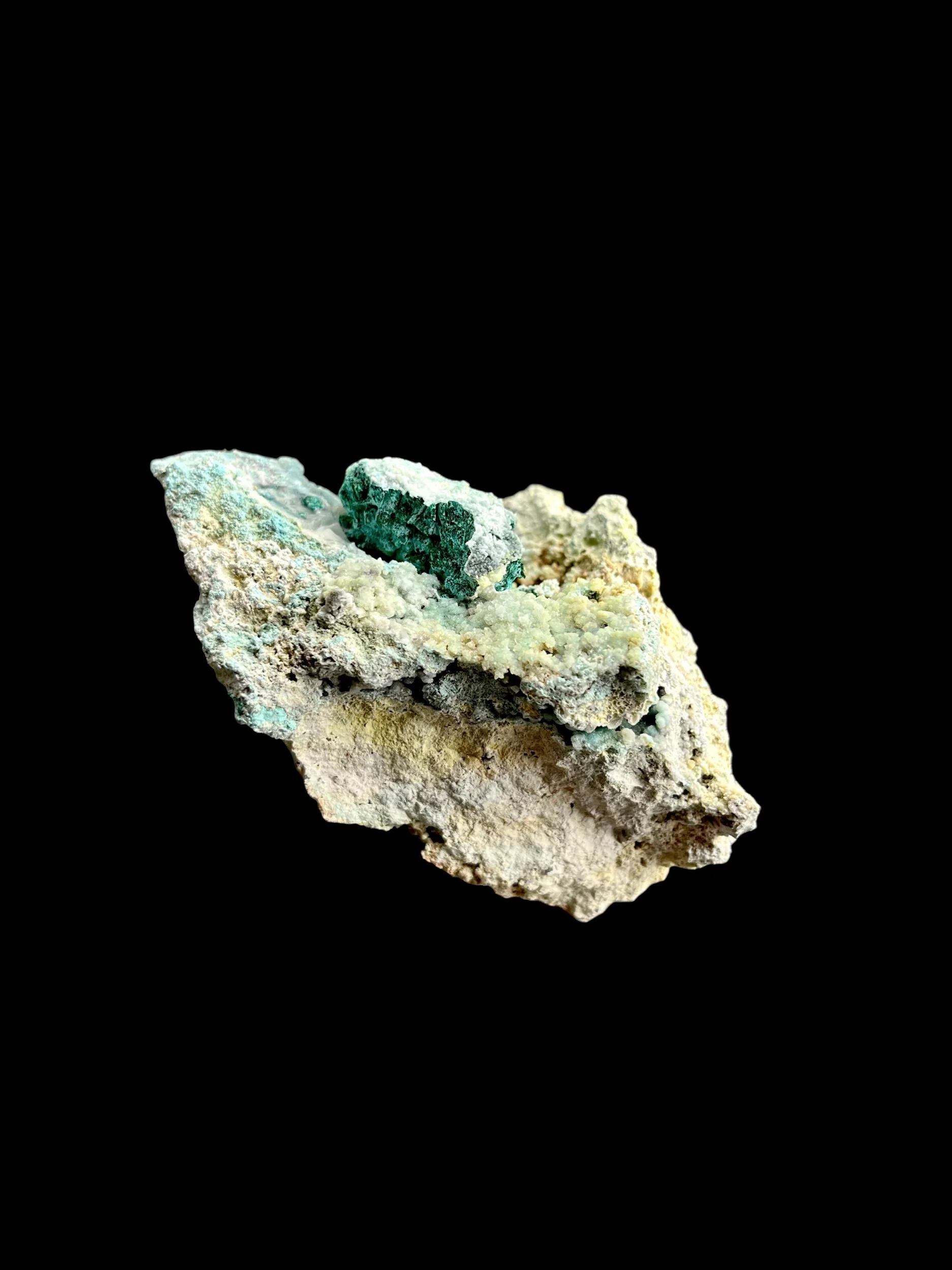
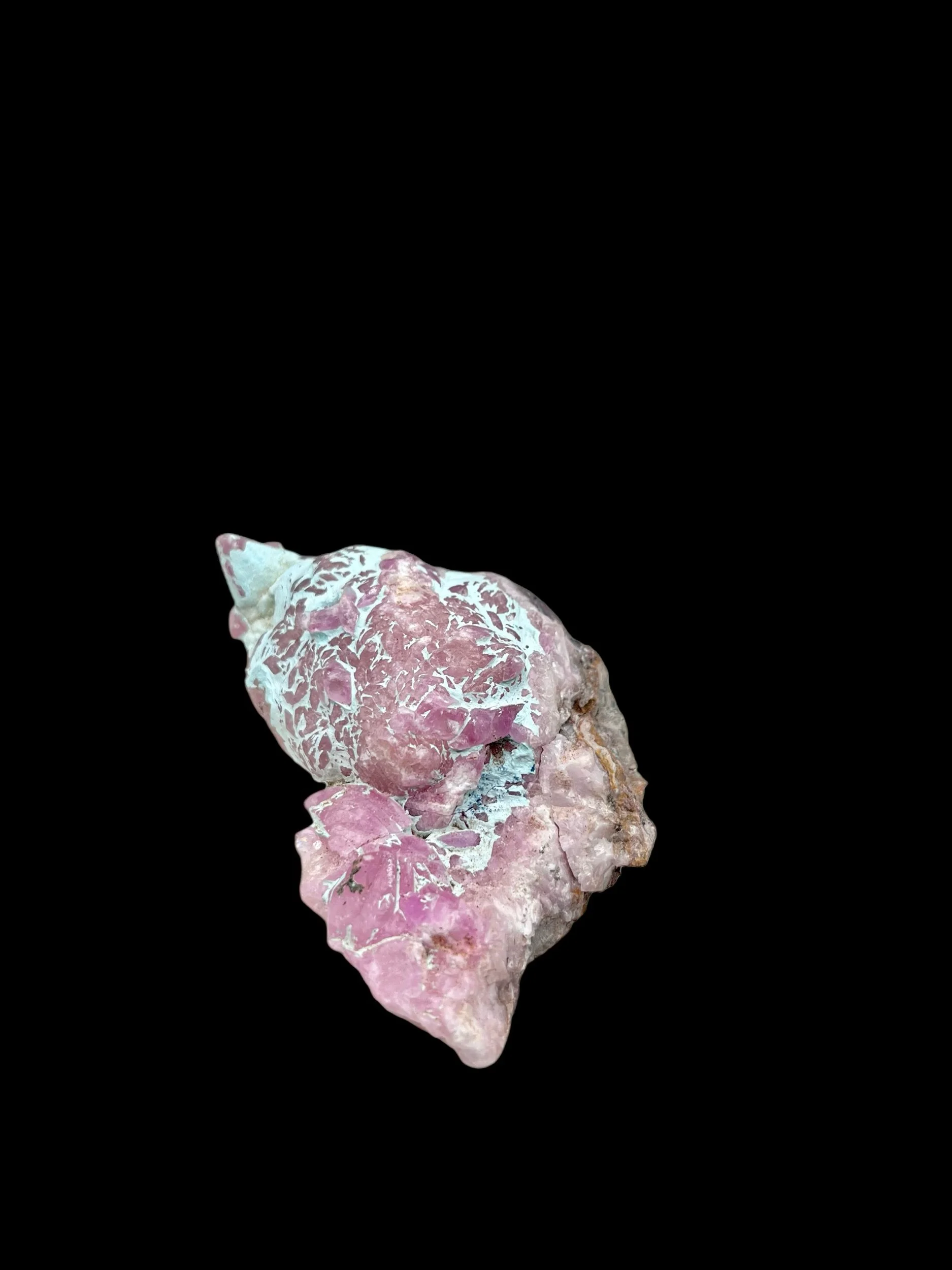
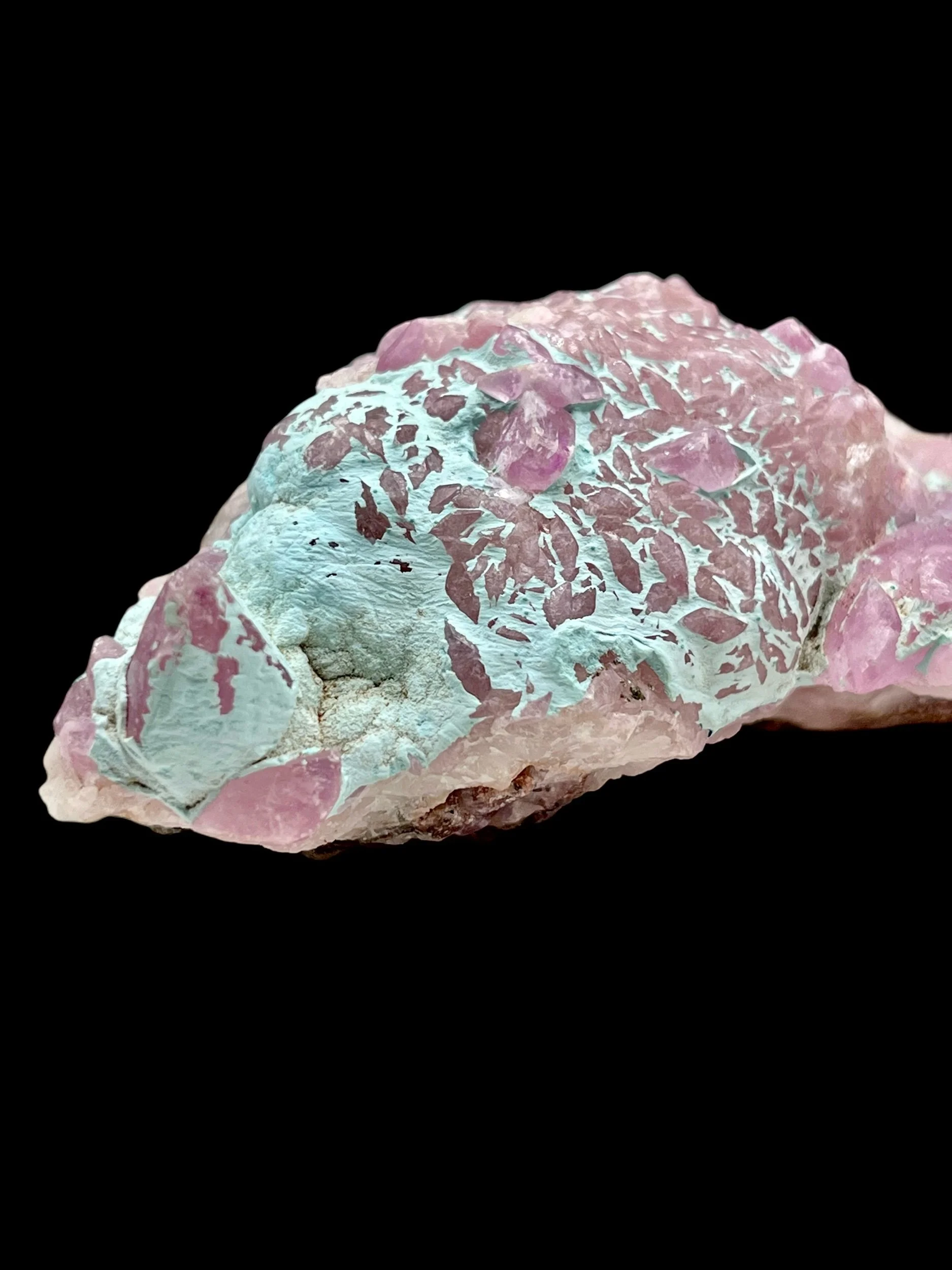
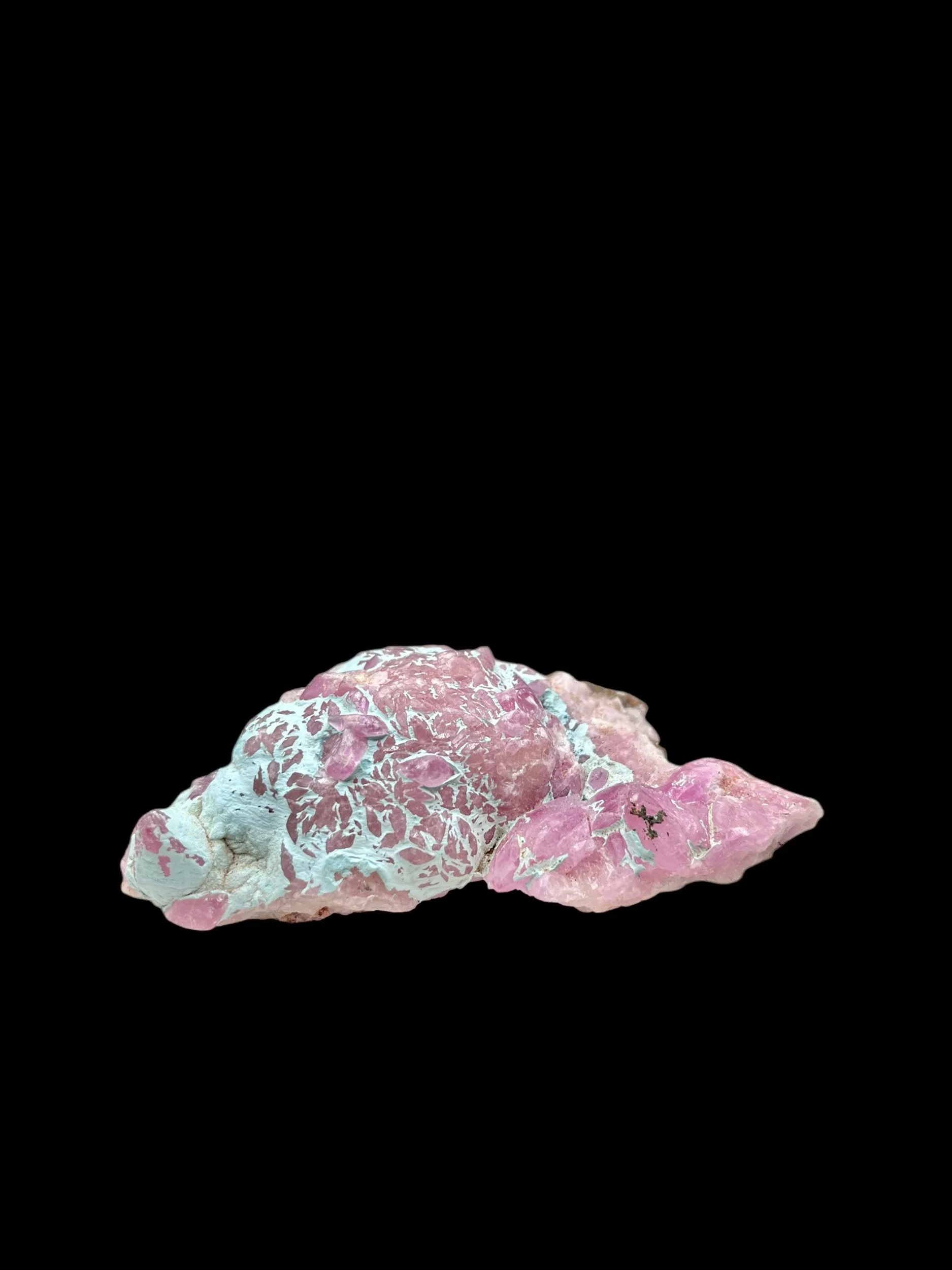
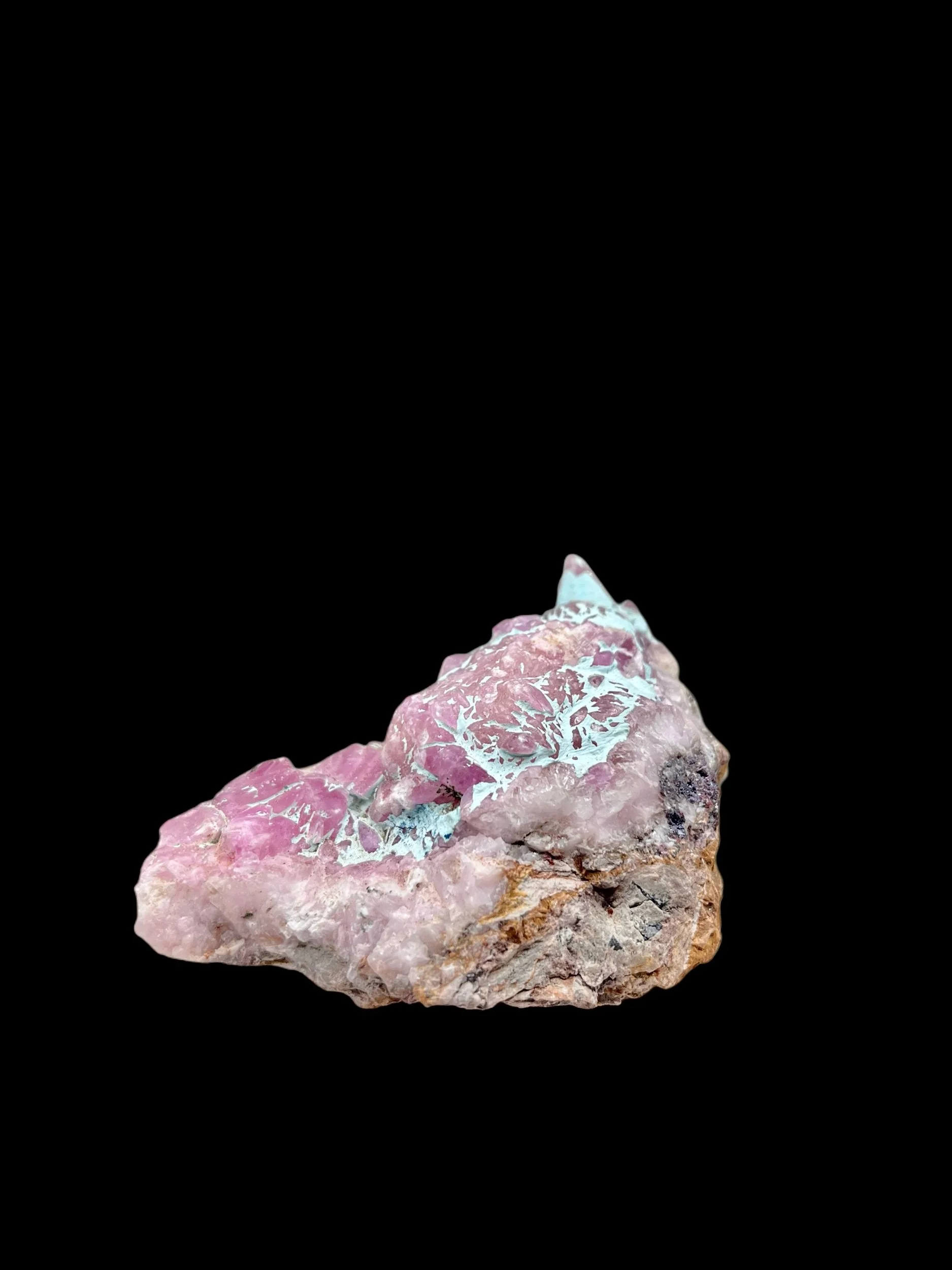
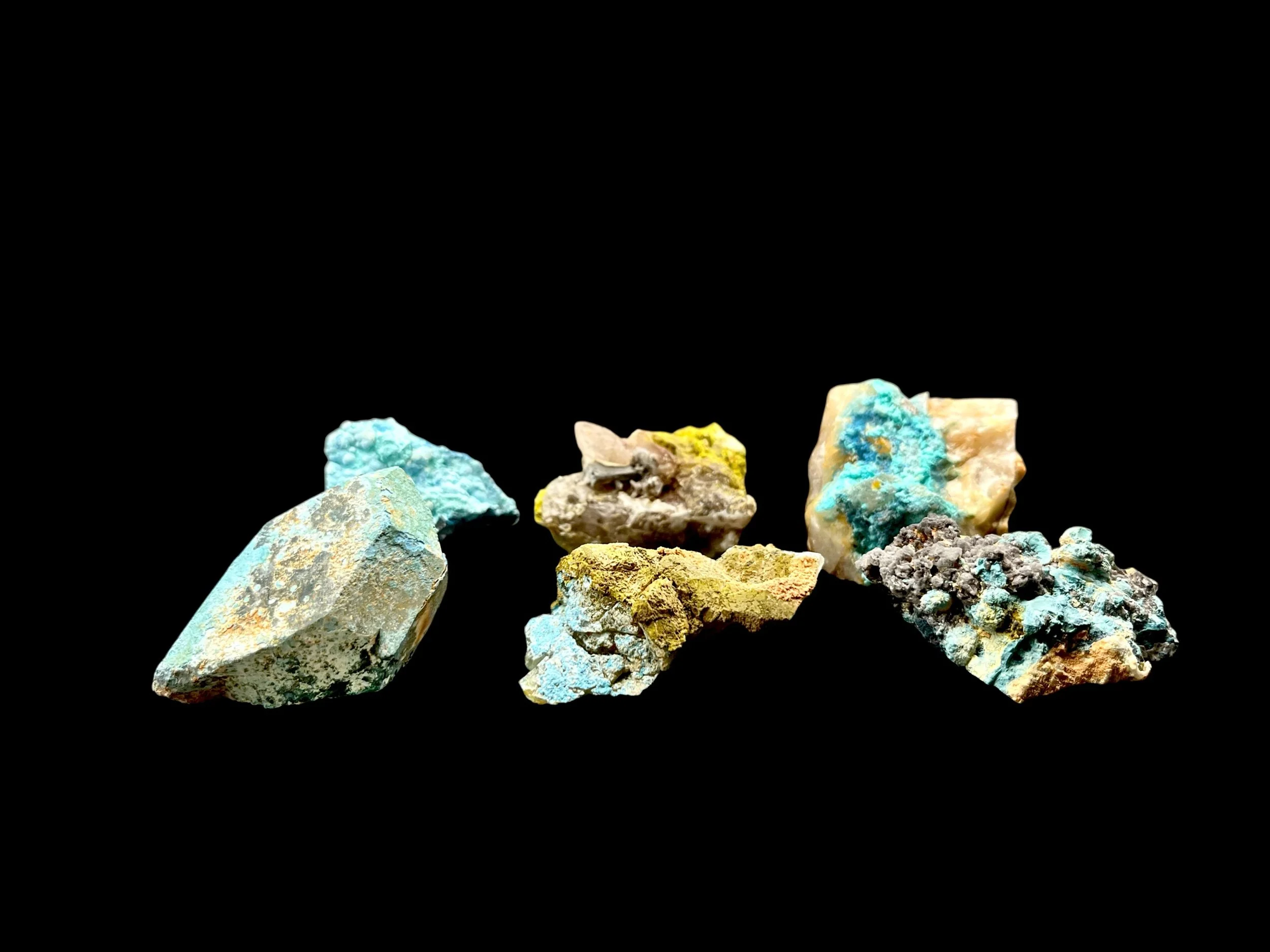
Each of these mixed mineral specimens from the Erongo Mountains showcases the naturally complex and colorful mineralogy that has made this region of Namibia famous. No two pieces are alike, with each specimen featuring its own unique combination of copper-rich secondary minerals and contrasting matrices.
Depending on the individual specimen selected, combinations may include vibrant blue Shattuckite, oceanic Chrysocolla, deep Azurite, rich green Malachite, army green Kolwezite, sparkling Quartz, and creamy Calcite. Some pieces display delicate drusy crystal pockets, while others feature earthy botryoidal formations, contrasting textures, or painterly mineral layering created through natural oxidation and hydrothermal activity.
These are highly collectible specimens that offer the feel of miniature mineral landscapes—visually complex and endlessly interesting.
Pictures are examples. You will receive one expertly chosen specimen. Every piece is unique and individually formed by nature.
Approximately 2”
Approximately 30g–70g each
Shattuckite is often associated with intuition, communication, and higher awareness, while Chrysocolla is traditionally connected to calmness, balance, and emotional clarity. Malachite has long been regarded as a stone of transformation and protection, and Azurite is frequently linked with insight and mental expansion. Together, these minerals create visually striking combinations that many collectors and crystal enthusiasts appreciate for both their beauty and energetic symbolism.
The Erongo Mountains of Namibia are considered one of the world’s most incredible mineral-producing regions, known for generating unusual and visually dramatic mineral associations. The area’s volcanic history and mineral-rich hydrothermal systems created ideal conditions for a wide variety of copper minerals to form together in intricate combinations.
Mixed mineral specimens like these are especially appealing because they capture the diversity of the locality in a single piece. Many collectors enjoy these “micro-landscape” style specimens because every angle reveals different textures, colors, and minerals.
Because these are natural mixed specimens, expect variation in color, composition, crystal coverage, and overall appearance. Some specimens may feature stronger Shattuckite presence, while others may emphasize Chrysocolla, Malachite, Azurite, or Quartz.
Mixed mineral specimens from the Erongo Mountains, Namibia
Unique
Rare minerals
Rich blue, teal, green, and earthy natural color combinations
Excellent starter collector pieces or affordable locality specimens
Great for mineral collectors, curiosity cabinets, and educational collections
Primary Minerals: Shattuckite, Chrysocolla, Malachite, Azurite, Kolwezite
Associated Minerals: Quartz, Calcite
Locality: Erongo Mountains, Namibia
Formation Environment: Secondary copper mineralization within hydrothermal systems
Luster: Silky, earthy, vitreous, drusy
Transparency: Opaque to translucent depending on mineral species
Each of these mixed mineral specimens from the Erongo Mountains showcases the naturally complex and colorful mineralogy that has made this region of Namibia famous. No two pieces are alike, with each specimen featuring its own unique combination of copper-rich secondary minerals and contrasting matrices.
Depending on the individual specimen selected, combinations may include vibrant blue Shattuckite, oceanic Chrysocolla, deep Azurite, rich green Malachite, army green Kolwezite, sparkling Quartz, and creamy Calcite. Some pieces display delicate drusy crystal pockets, while others feature earthy botryoidal formations, contrasting textures, or painterly mineral layering created through natural oxidation and hydrothermal activity.
These are highly collectible specimens that offer the feel of miniature mineral landscapes—visually complex and endlessly interesting.
Pictures are examples. You will receive one expertly chosen specimen. Every piece is unique and individually formed by nature.
Approximately 2”
Approximately 30g–70g each
Shattuckite is often associated with intuition, communication, and higher awareness, while Chrysocolla is traditionally connected to calmness, balance, and emotional clarity. Malachite has long been regarded as a stone of transformation and protection, and Azurite is frequently linked with insight and mental expansion. Together, these minerals create visually striking combinations that many collectors and crystal enthusiasts appreciate for both their beauty and energetic symbolism.
The Erongo Mountains of Namibia are considered one of the world’s most incredible mineral-producing regions, known for generating unusual and visually dramatic mineral associations. The area’s volcanic history and mineral-rich hydrothermal systems created ideal conditions for a wide variety of copper minerals to form together in intricate combinations.
Mixed mineral specimens like these are especially appealing because they capture the diversity of the locality in a single piece. Many collectors enjoy these “micro-landscape” style specimens because every angle reveals different textures, colors, and minerals.
Because these are natural mixed specimens, expect variation in color, composition, crystal coverage, and overall appearance. Some specimens may feature stronger Shattuckite presence, while others may emphasize Chrysocolla, Malachite, Azurite, or Quartz.
Mixed mineral specimens from the Erongo Mountains, Namibia
Unique
Rare minerals
Rich blue, teal, green, and earthy natural color combinations
Excellent starter collector pieces or affordable locality specimens
Great for mineral collectors, curiosity cabinets, and educational collections
Primary Minerals: Shattuckite, Chrysocolla, Malachite, Azurite, Kolwezite
Associated Minerals: Quartz, Calcite
Locality: Erongo Mountains, Namibia
Formation Environment: Secondary copper mineralization within hydrothermal systems
Luster: Silky, earthy, vitreous, drusy
Transparency: Opaque to translucent depending on mineral species