 Image 1 of 3
 Image 2 of 3
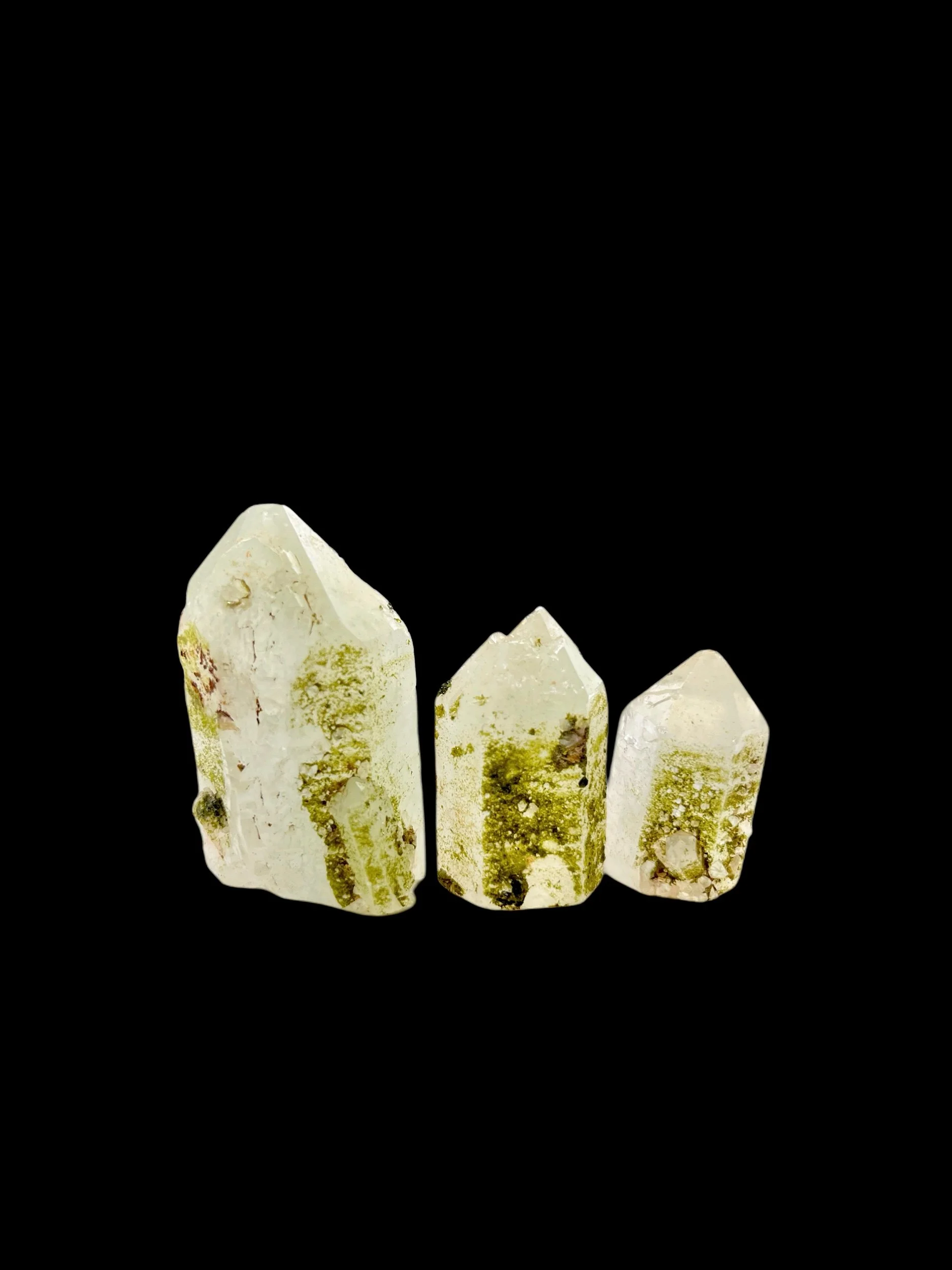 Image 3 of 3
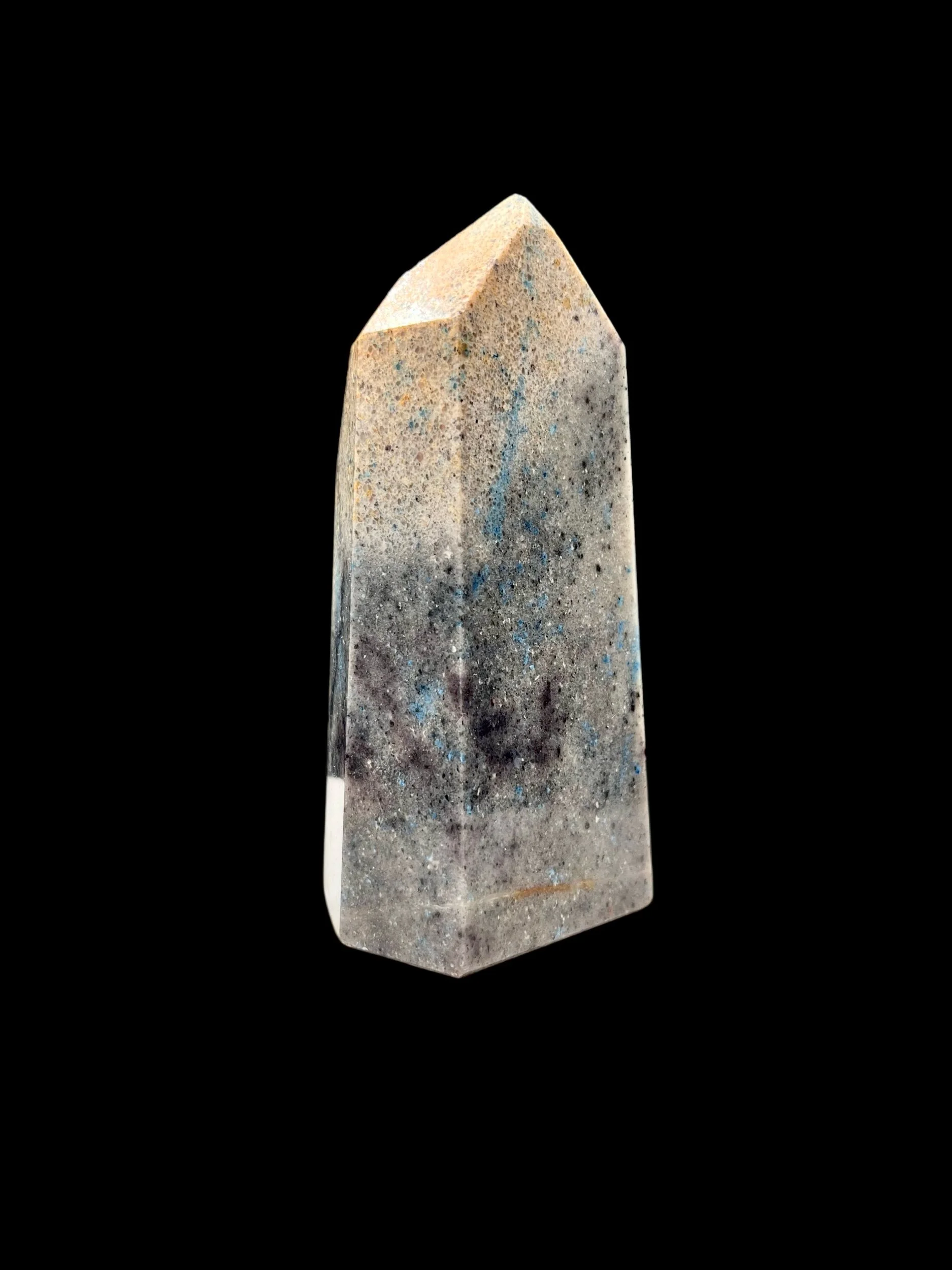
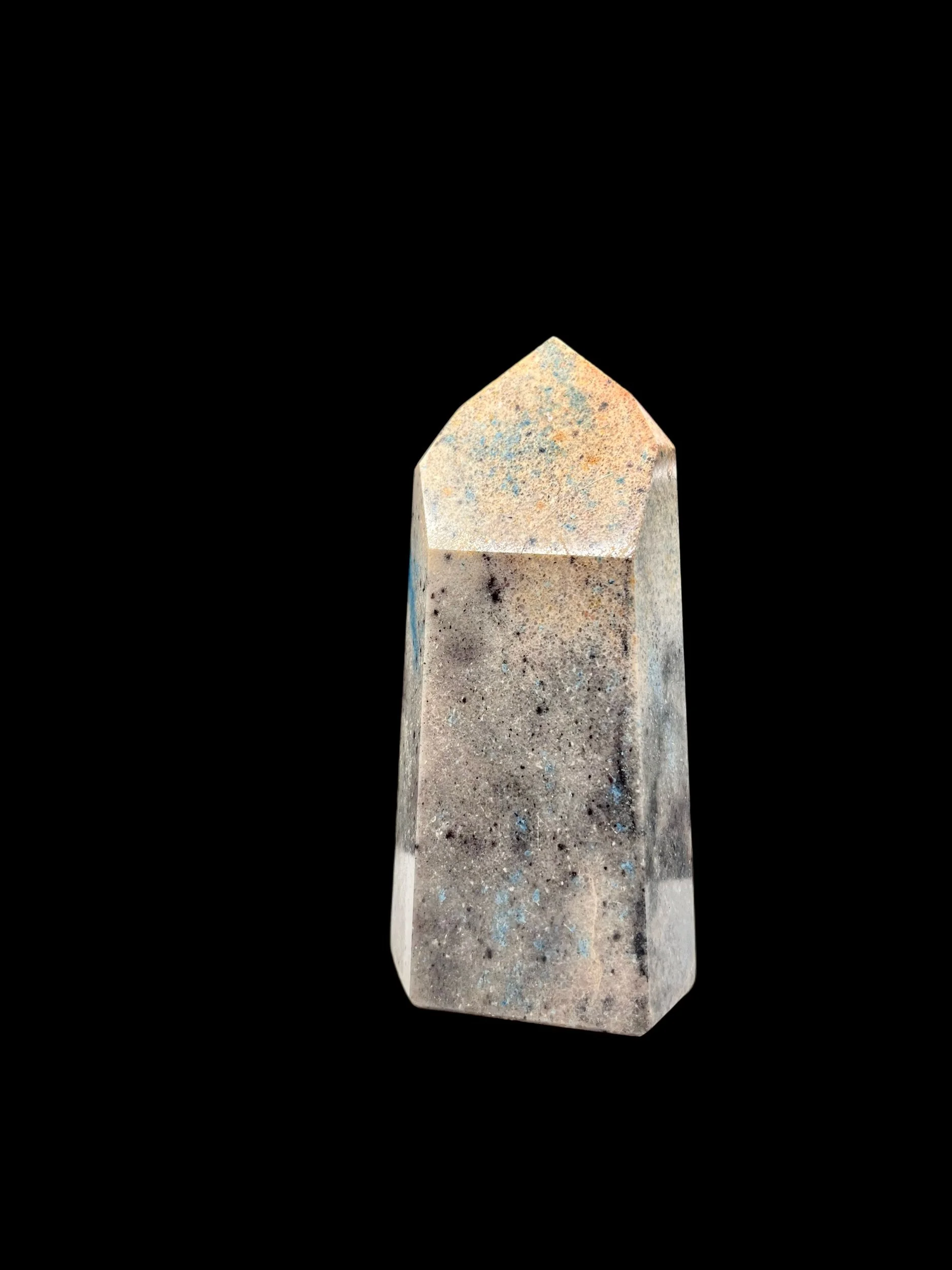
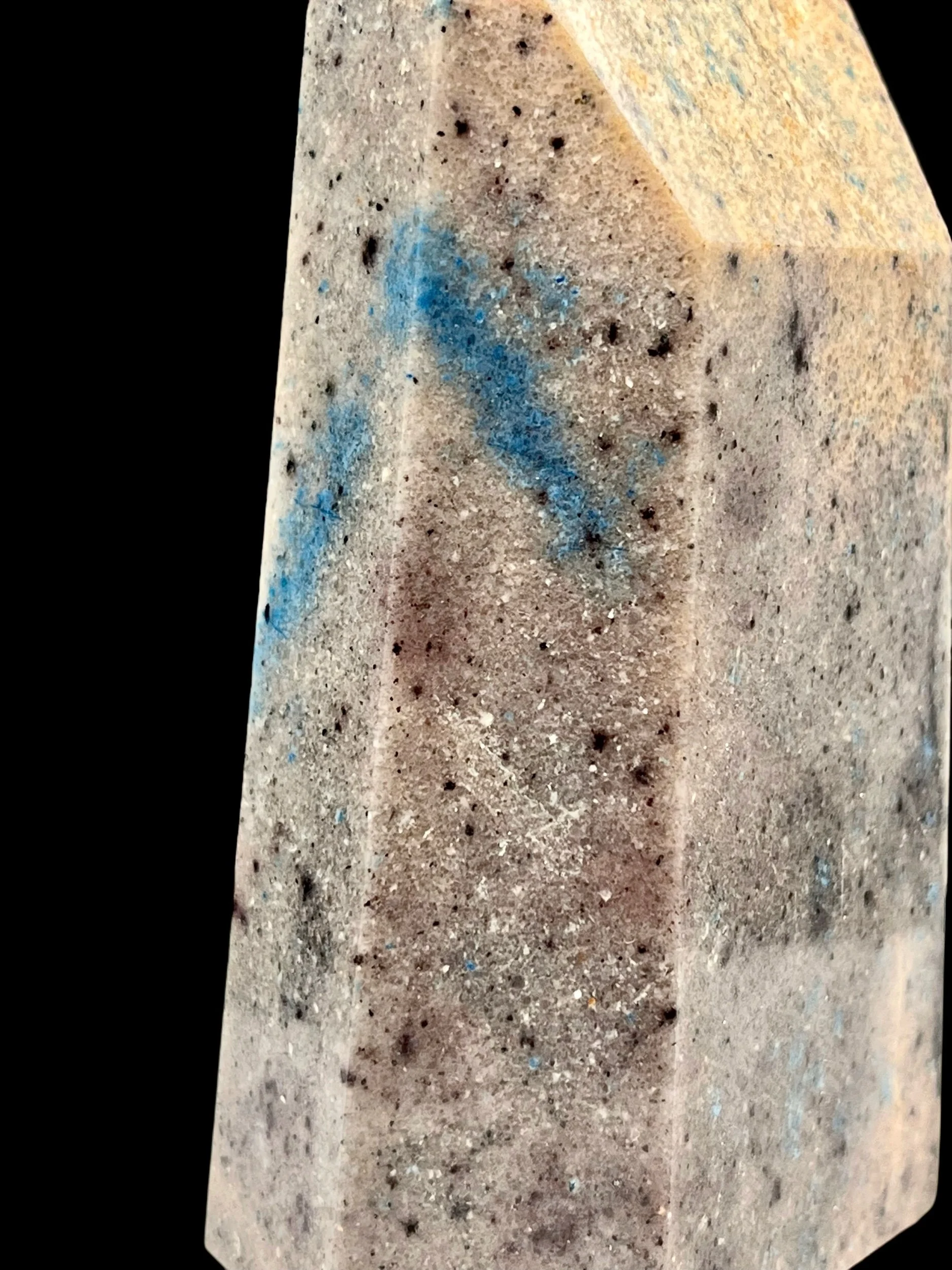
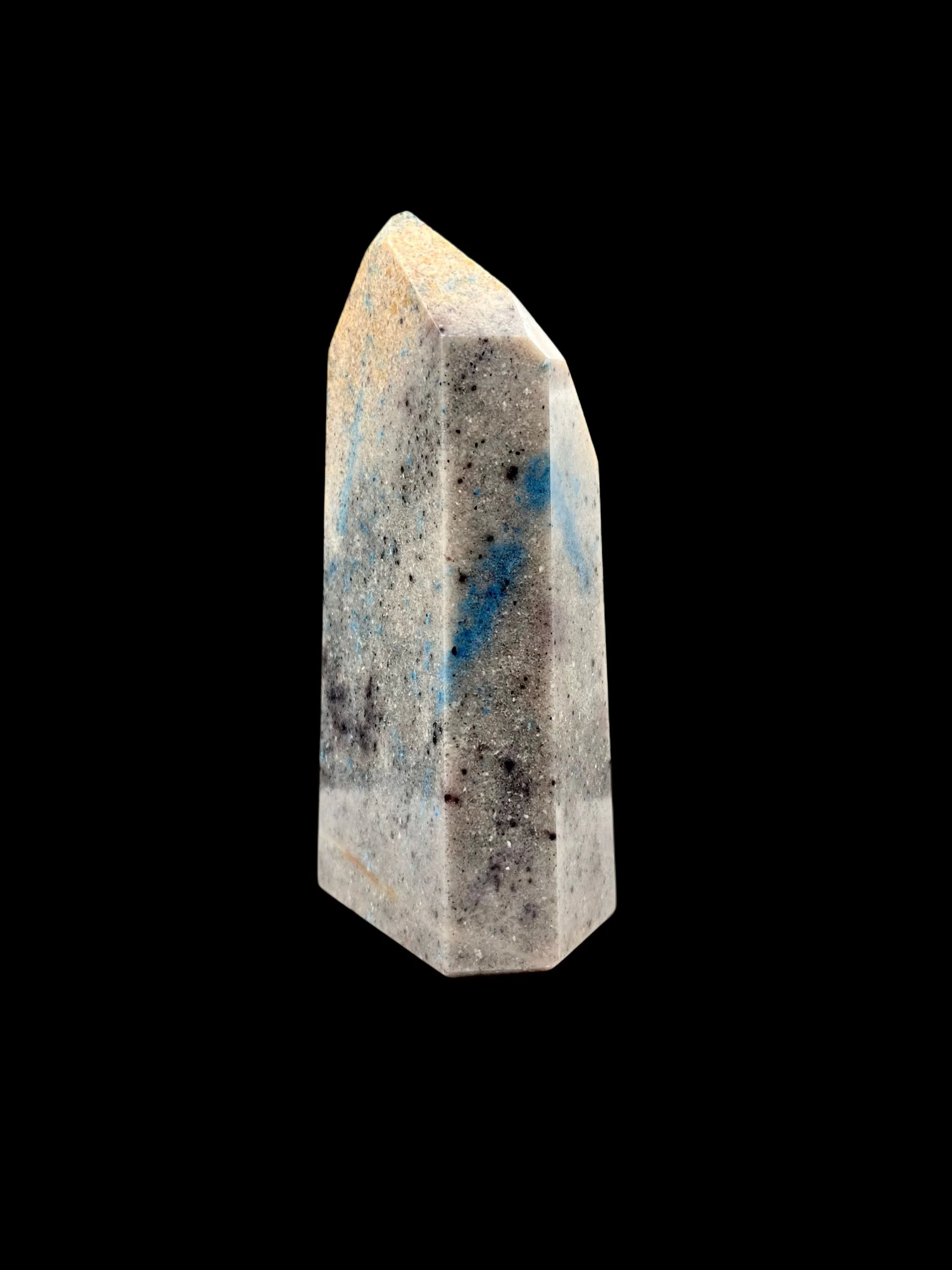
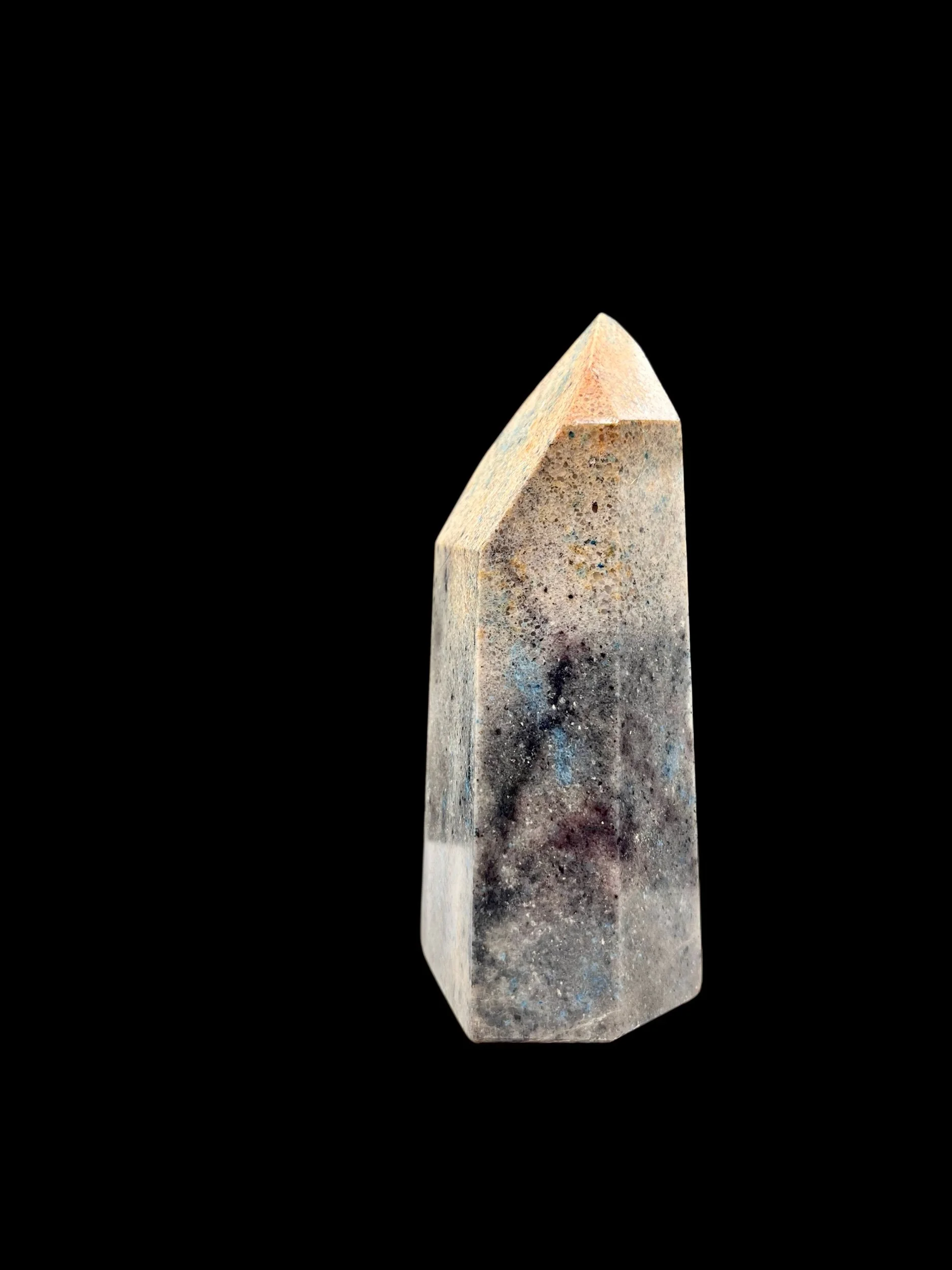
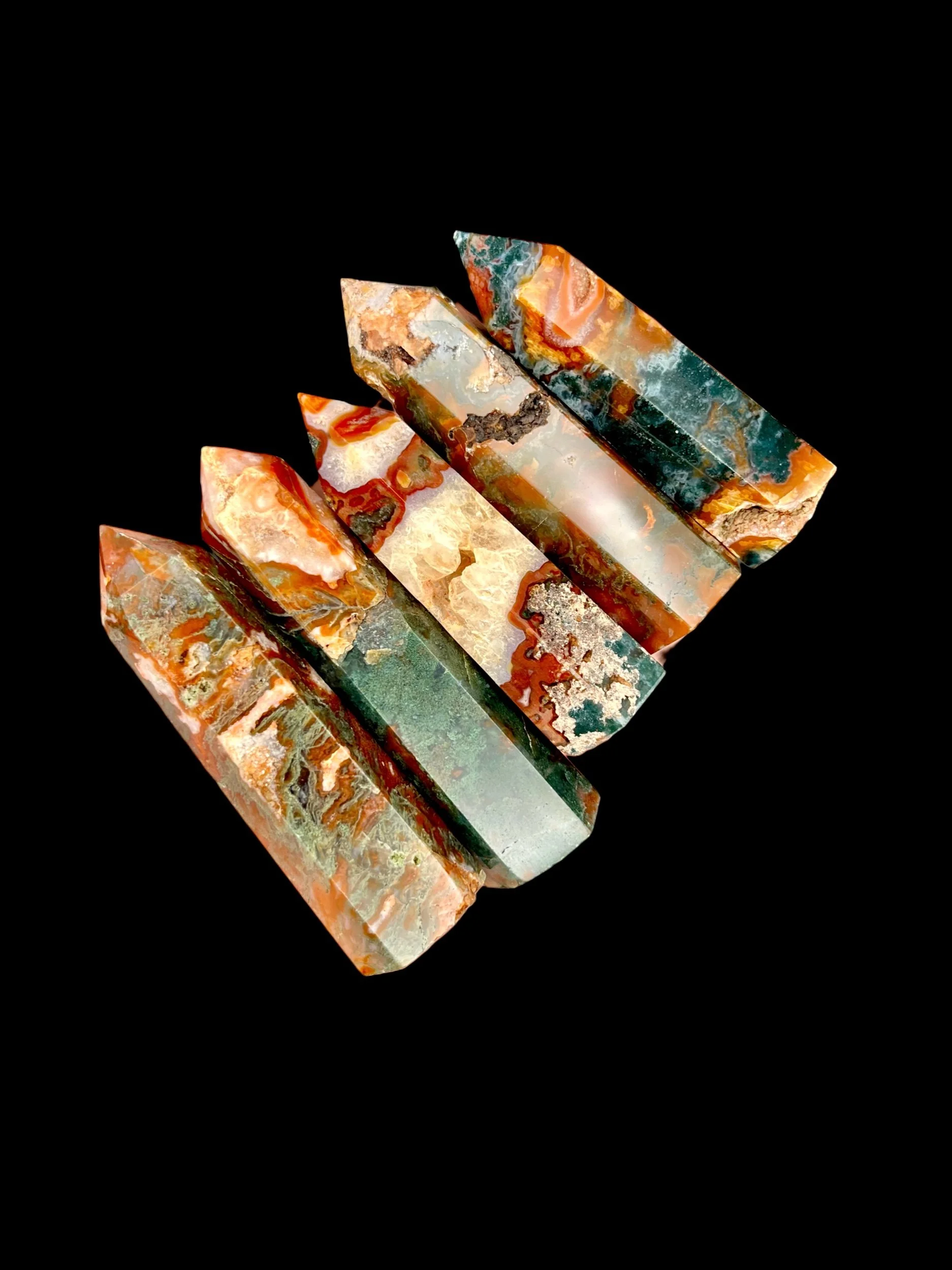
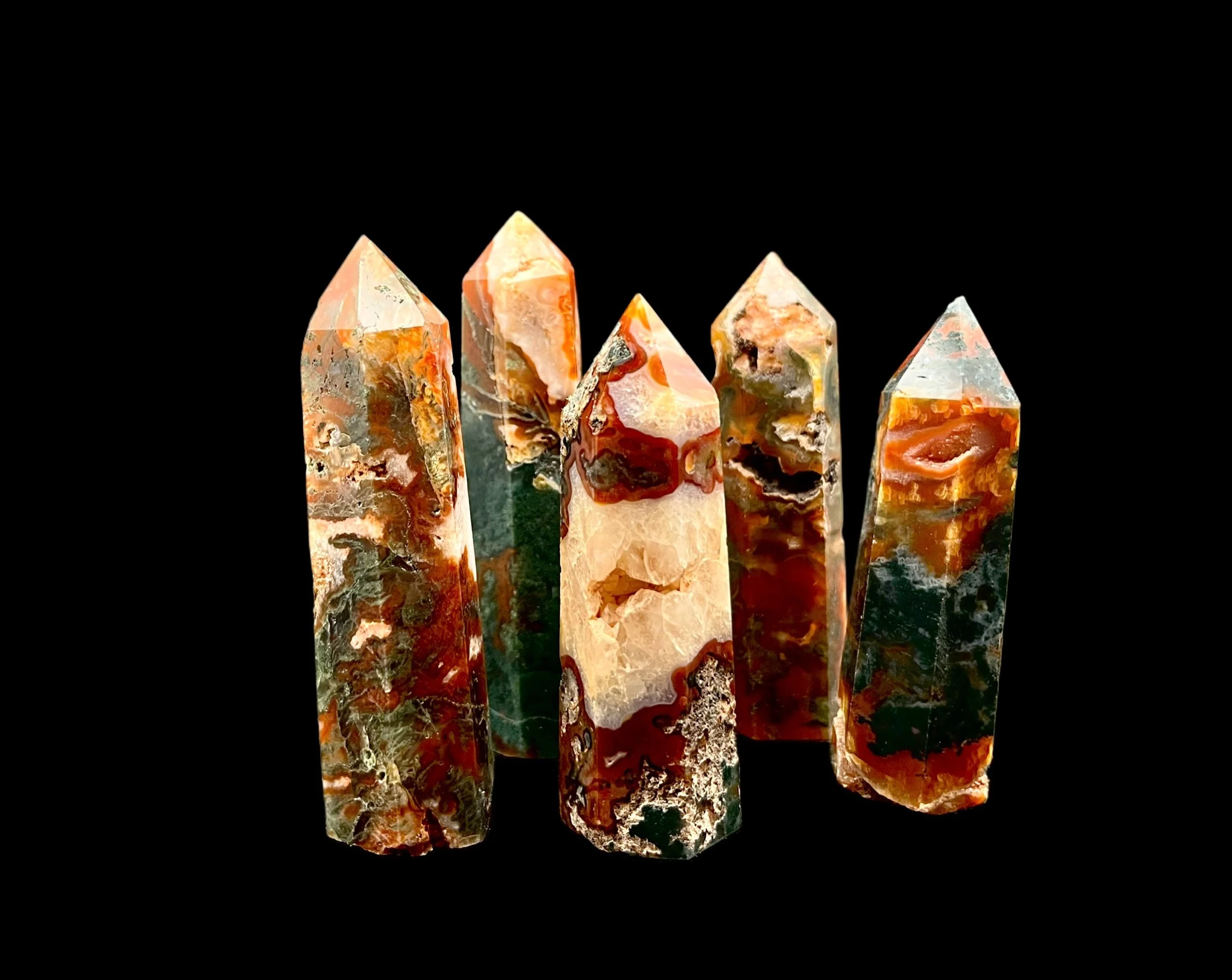
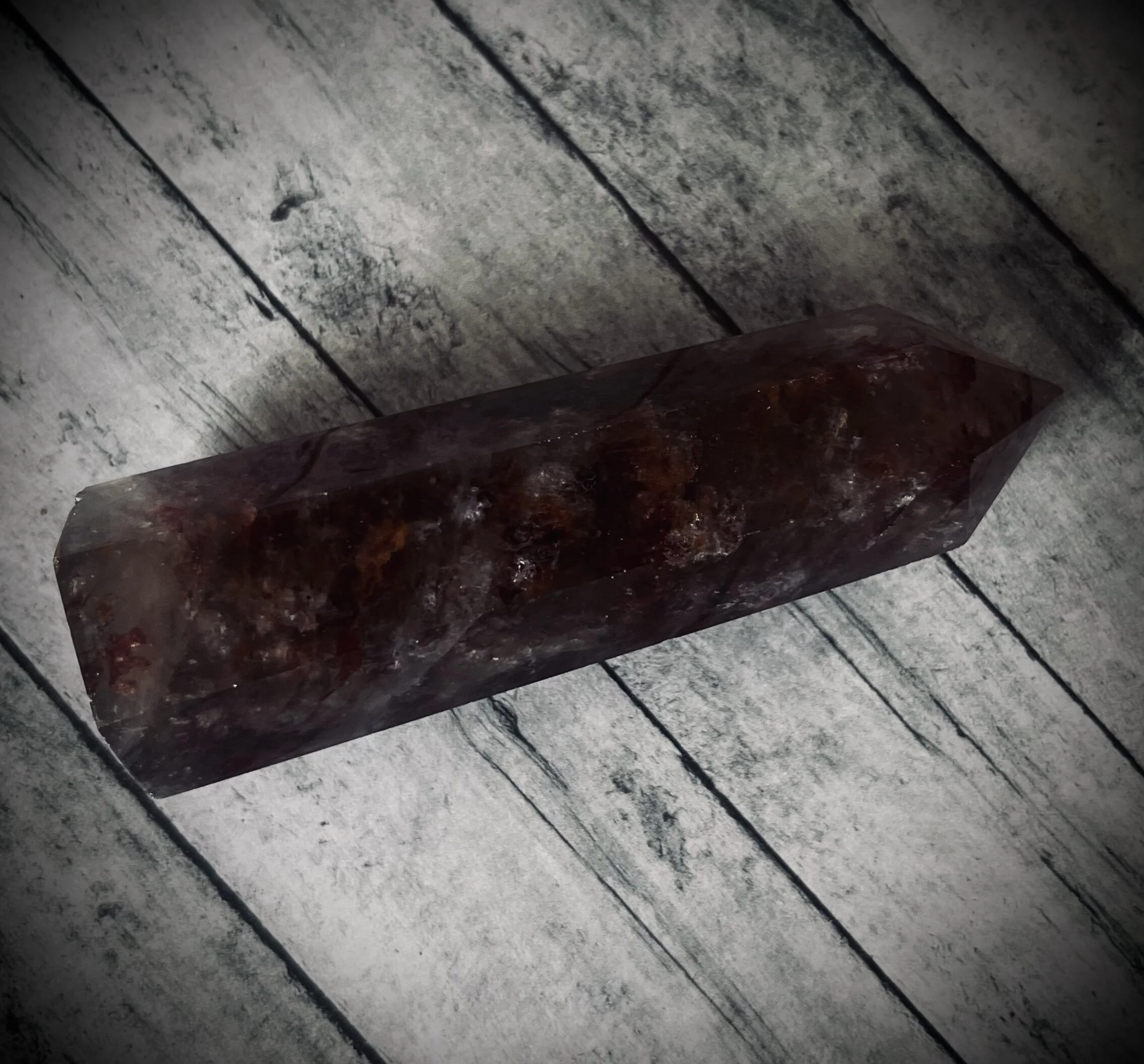
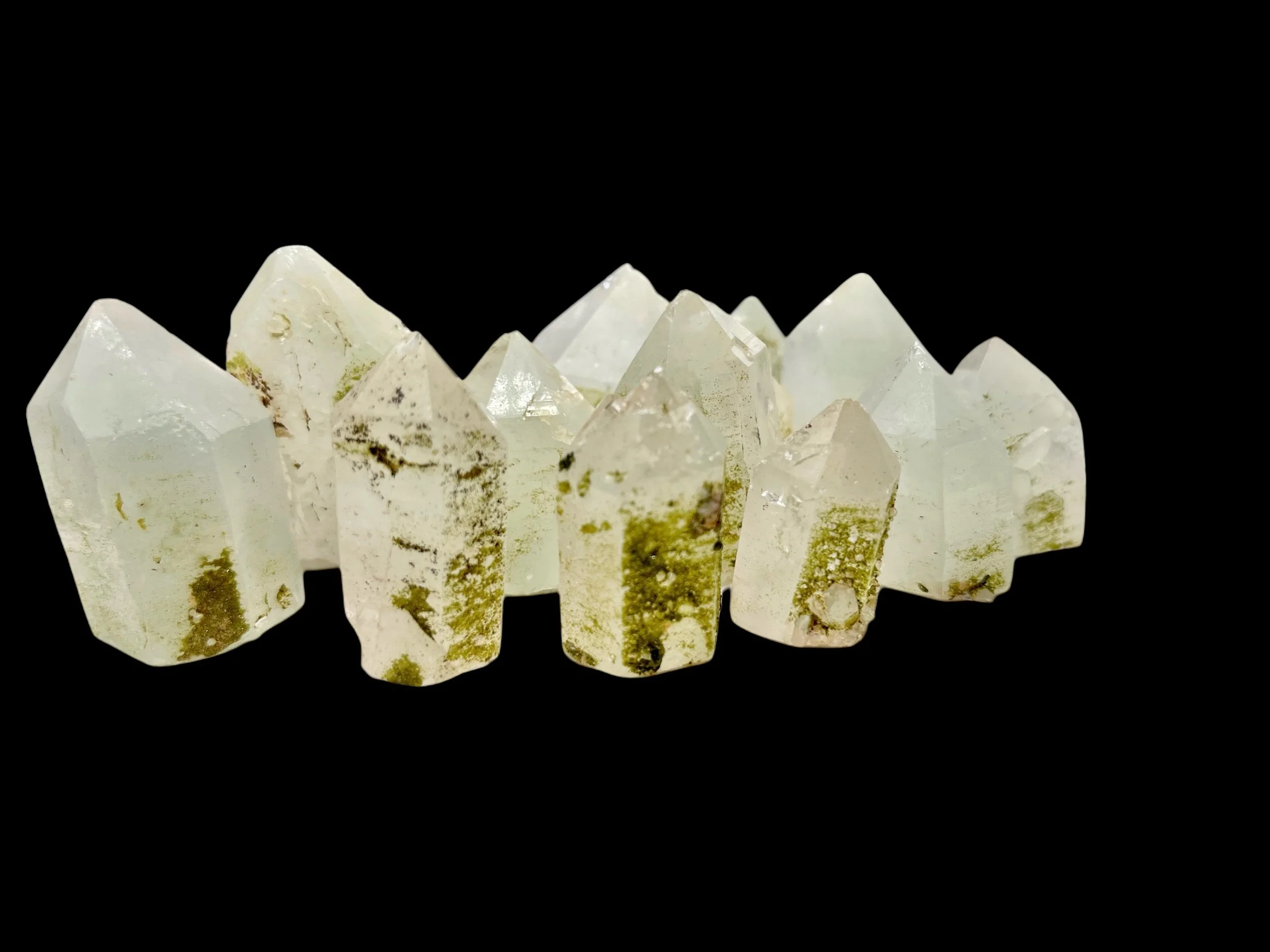
These refined epidote-on-quartz points features crisp, translucent quartz points accented by apple-green epidote inclusions and surface growths. The quartz crystals are well-formed with clean terminations, while the epidote appears as mossy to granular concentrations.
Price is for one natural crystal point.
Size (approx.): 1”-2”
Weight: small 10g-20g, medium 20g-35g, large 40g-50g
Epidote is often associated with growth, patience, and energetic refinement, while quartz is commonly linked to clarity and amplification. Together, they are appreciated for supporting steady progress and grounded focus rather than intensity or excess.
Natural points with cut bases. Epidote on quartz from the Munzur Mountains of eastern Turkey has become increasingly sought after for its consistent crystal quality and distinctive coloration. This region is known for producing quartz with excellent clarity paired with epidote that presents in soft green tones rather than dark, opaque masses.
Compared to epidote-quartz material from Pakistan or Peru, Turkish specimens often display lighter quartz, gentler color contrast, and a more refined, cabinet-friendly aesthetic—qualities well represented in these points.
Sparkly green epidote
Well-formed quartz points with green epidote inclusions
Natural, unpolished points
Famous Turkish locality
Quartz (SiO₂) is one of the most abundant minerals on Earth and commonly forms prismatic crystals with hexagonal terminations. Epidote is a calcium aluminum iron silicate mineral that develops in metamorphic and hydrothermal environments, often appearing as green crystalline or granular growths on quartz.
In regions such as the Munzur Mountains, tectonic activity and hydrothermal fluids created conditions that allowed epidote to form alongside or slightly after quartz crystallization, resulting in aesthetically cohesive specimens with strong mineralogical context.
These refined epidote-on-quartz points features crisp, translucent quartz points accented by apple-green epidote inclusions and surface growths. The quartz crystals are well-formed with clean terminations, while the epidote appears as mossy to granular concentrations.
Price is for one natural crystal point.
Size (approx.): 1”-2”
Weight: small 10g-20g, medium 20g-35g, large 40g-50g
Epidote is often associated with growth, patience, and energetic refinement, while quartz is commonly linked to clarity and amplification. Together, they are appreciated for supporting steady progress and grounded focus rather than intensity or excess.
Natural points with cut bases. Epidote on quartz from the Munzur Mountains of eastern Turkey has become increasingly sought after for its consistent crystal quality and distinctive coloration. This region is known for producing quartz with excellent clarity paired with epidote that presents in soft green tones rather than dark, opaque masses.
Compared to epidote-quartz material from Pakistan or Peru, Turkish specimens often display lighter quartz, gentler color contrast, and a more refined, cabinet-friendly aesthetic—qualities well represented in these points.
Sparkly green epidote
Well-formed quartz points with green epidote inclusions
Natural, unpolished points
Famous Turkish locality
Quartz (SiO₂) is one of the most abundant minerals on Earth and commonly forms prismatic crystals with hexagonal terminations. Epidote is a calcium aluminum iron silicate mineral that develops in metamorphic and hydrothermal environments, often appearing as green crystalline or granular growths on quartz.
In regions such as the Munzur Mountains, tectonic activity and hydrothermal fluids created conditions that allowed epidote to form alongside or slightly after quartz crystallization, resulting in aesthetically cohesive specimens with strong mineralogical context.