Image 1 of 5
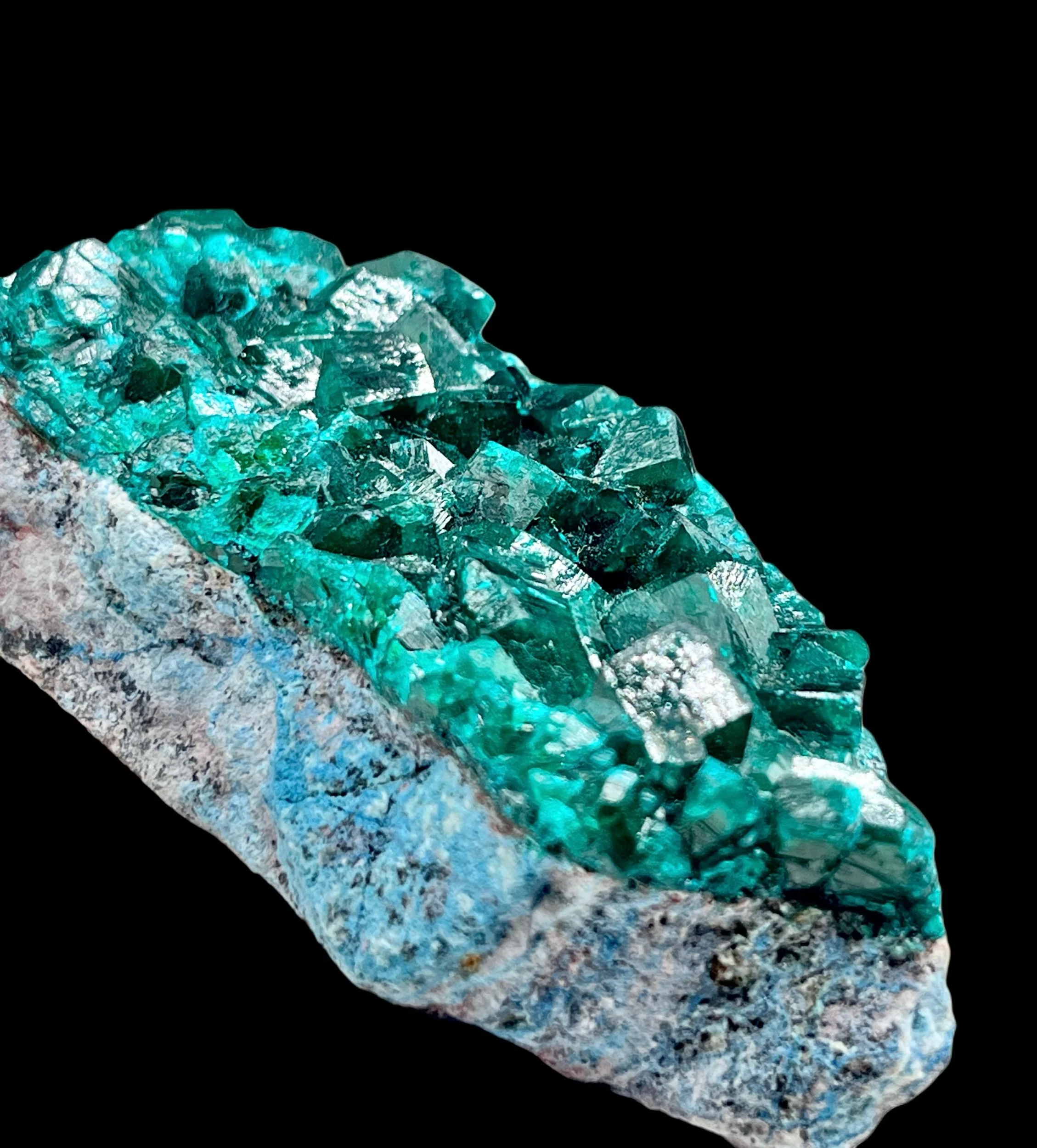 Image 2 of 5
 Image 3 of 5
 Image 4 of 5
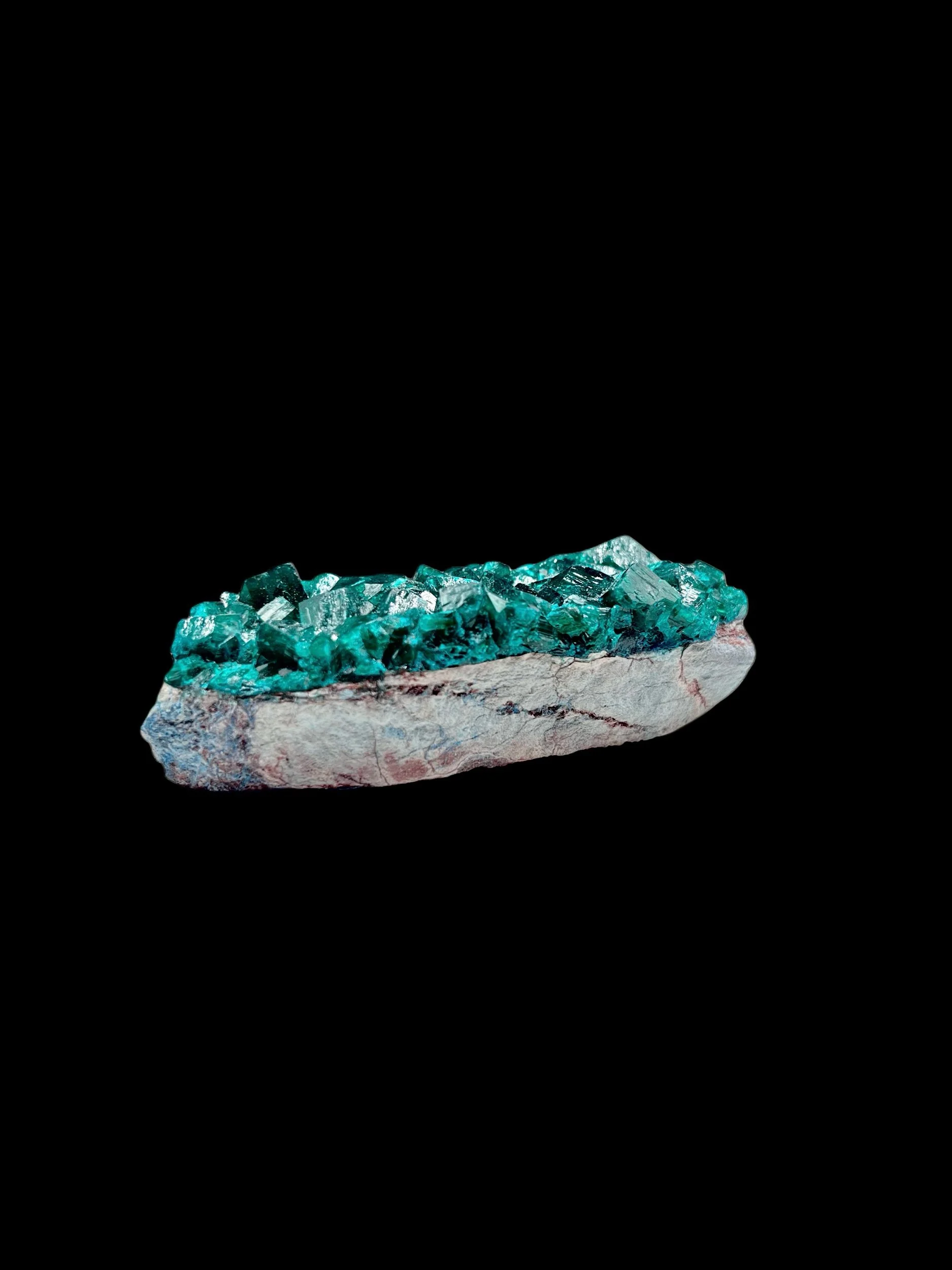 Image 5 of 5
Description
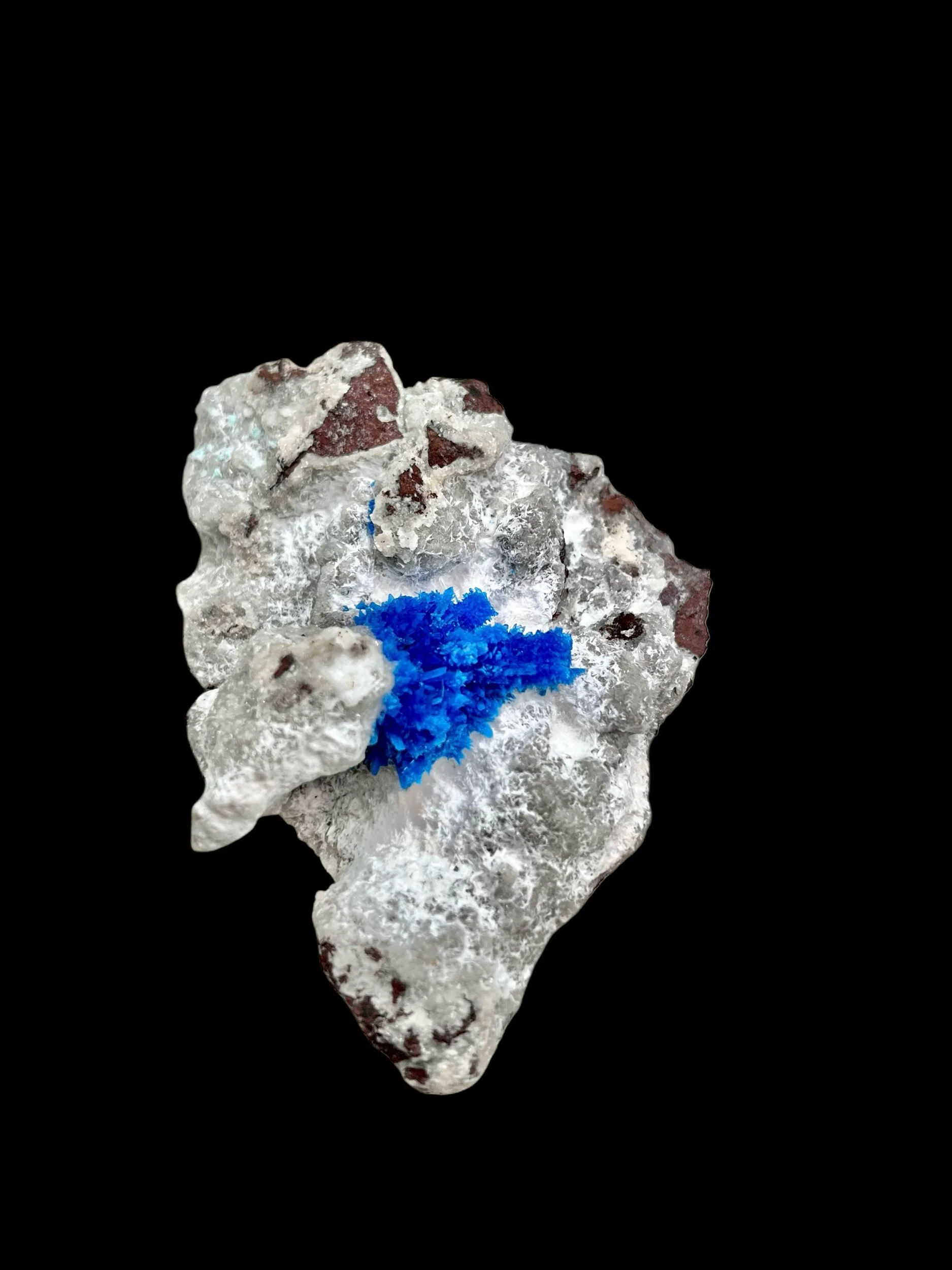
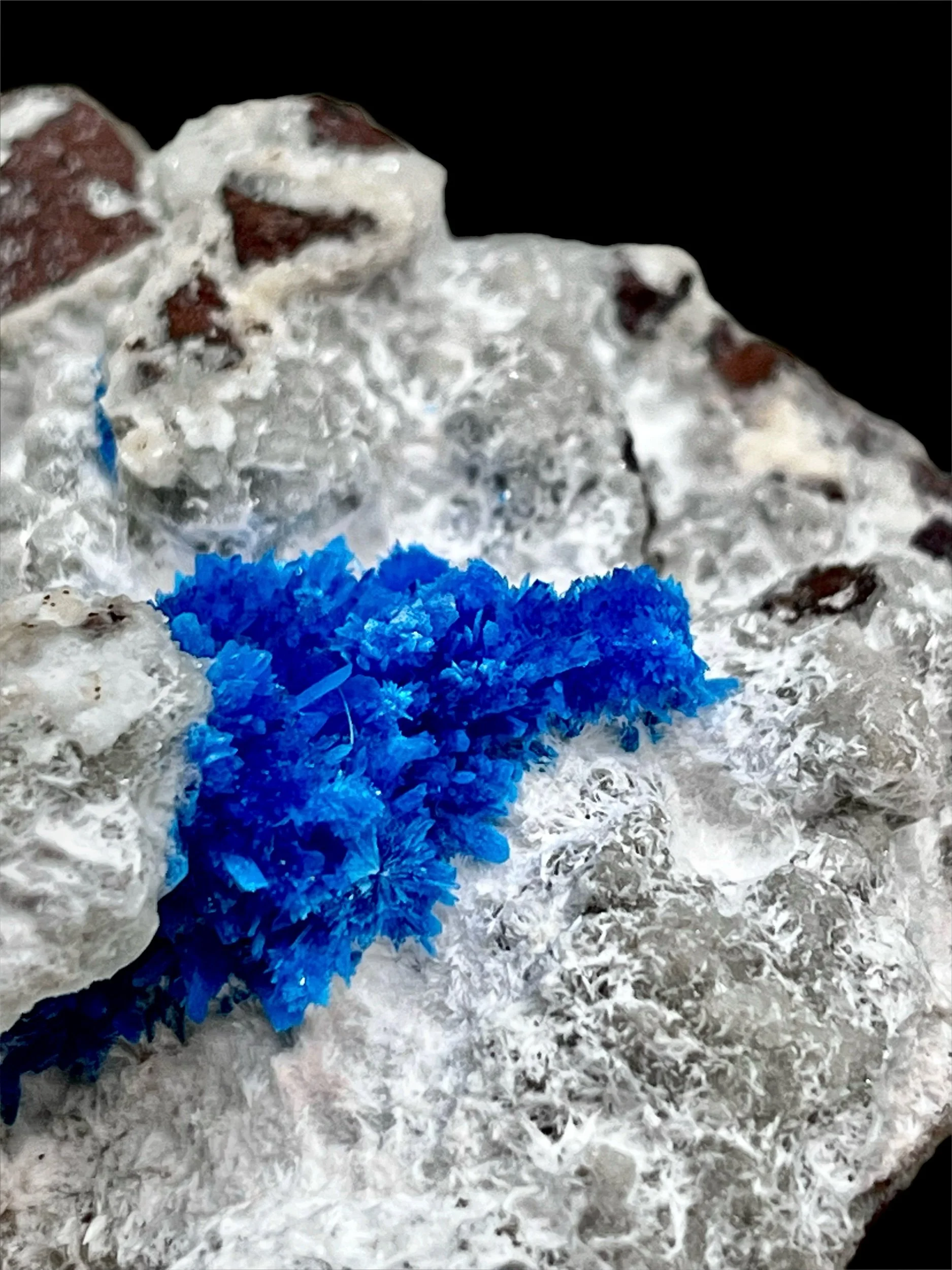
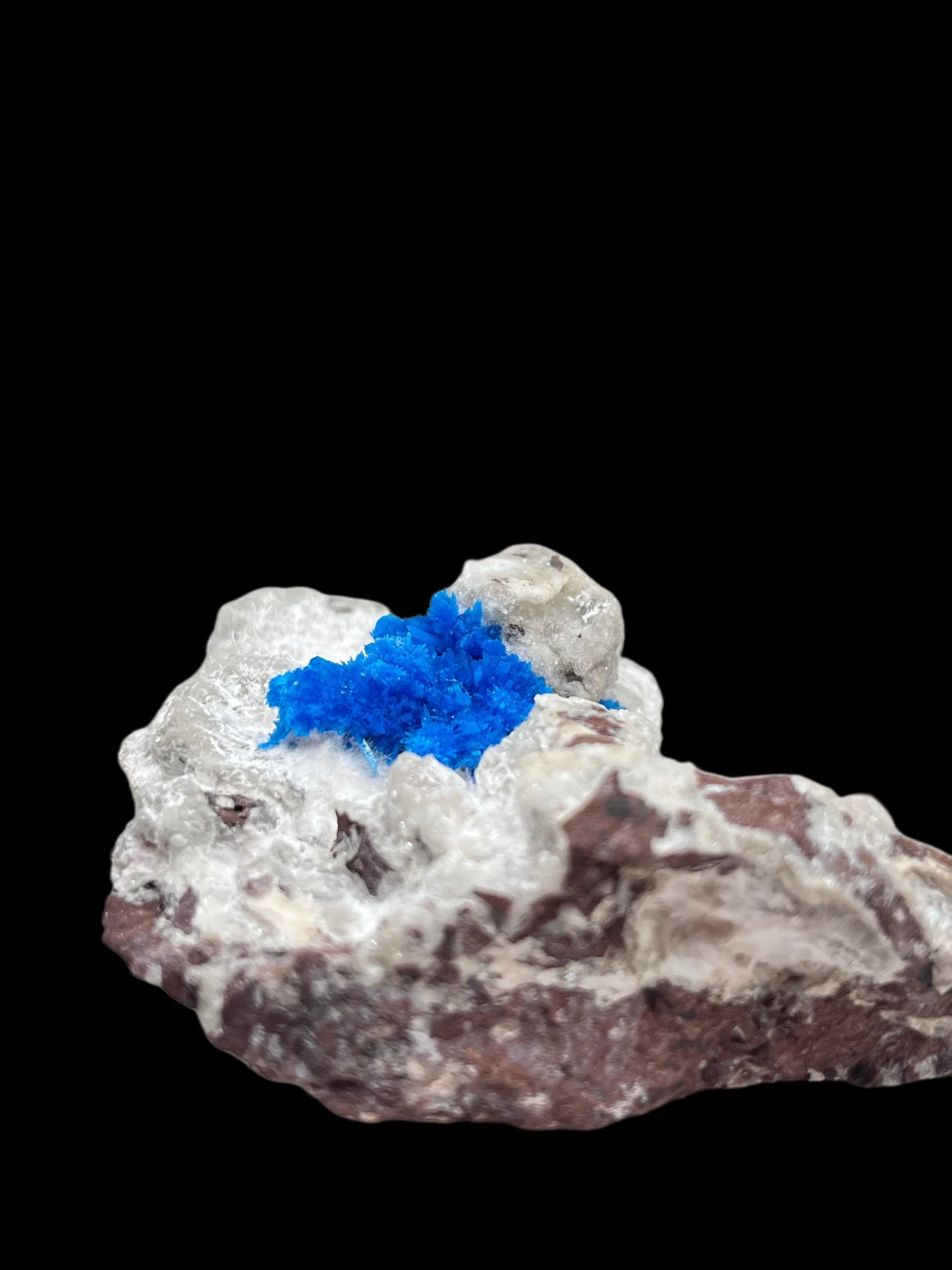
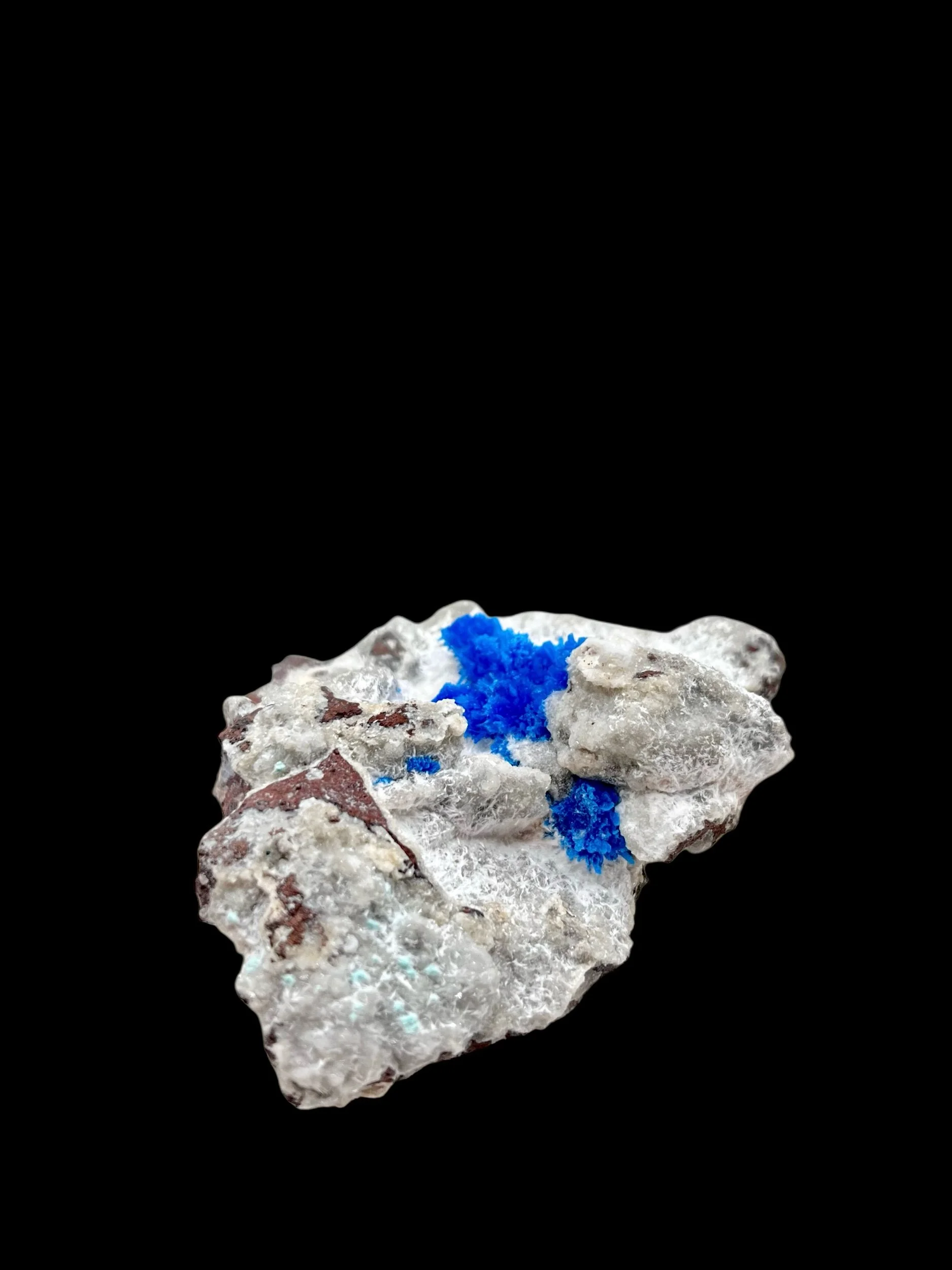
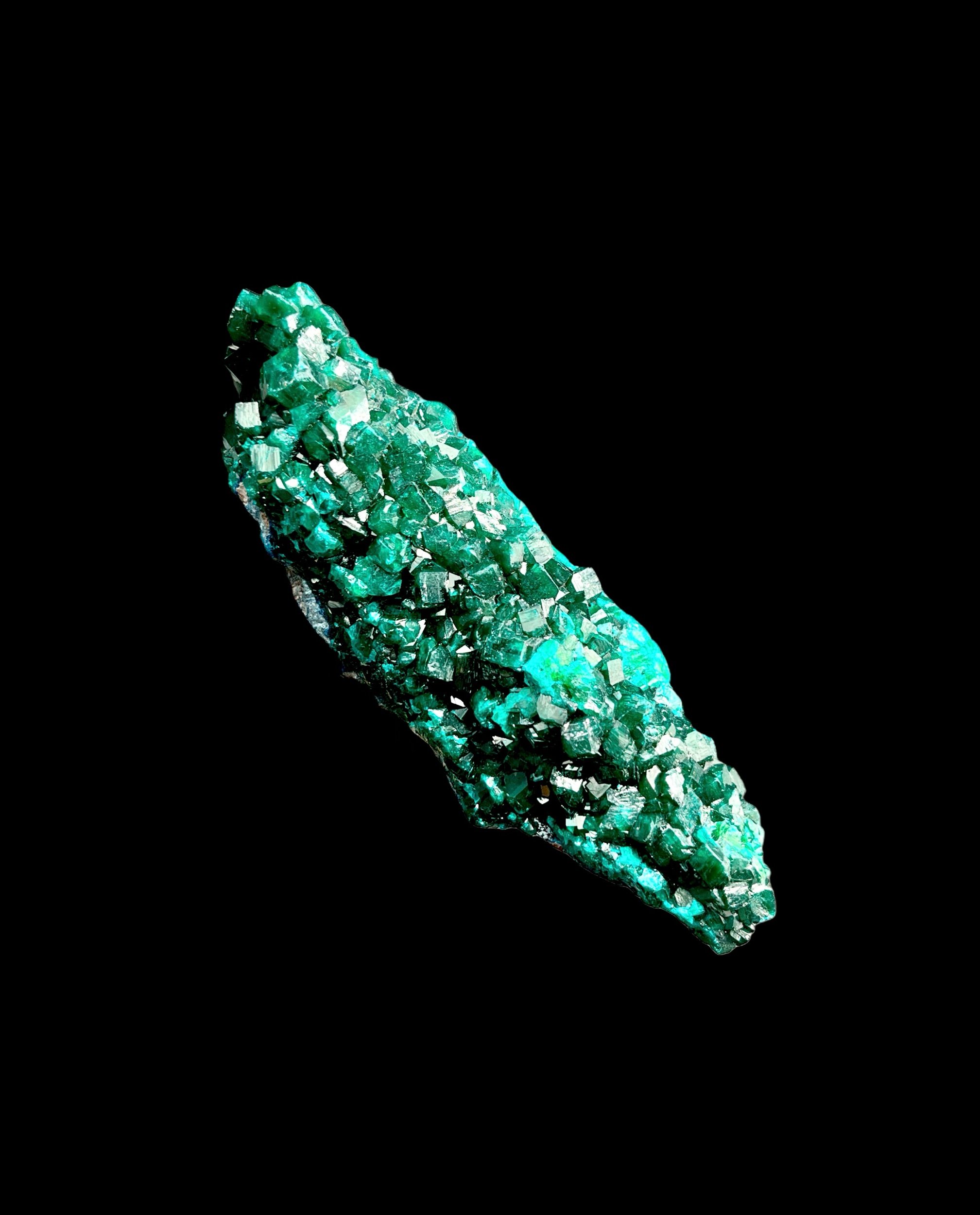
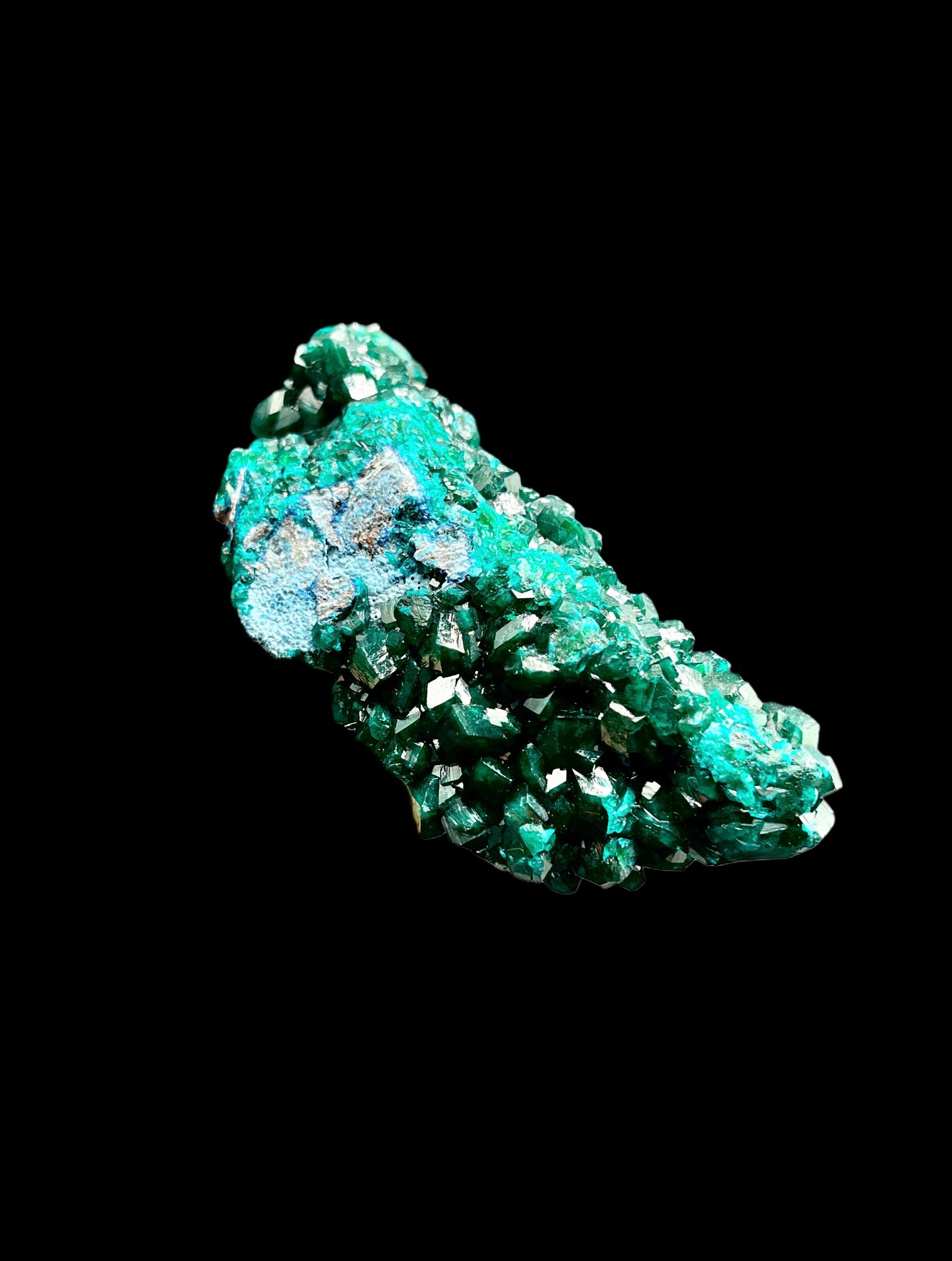
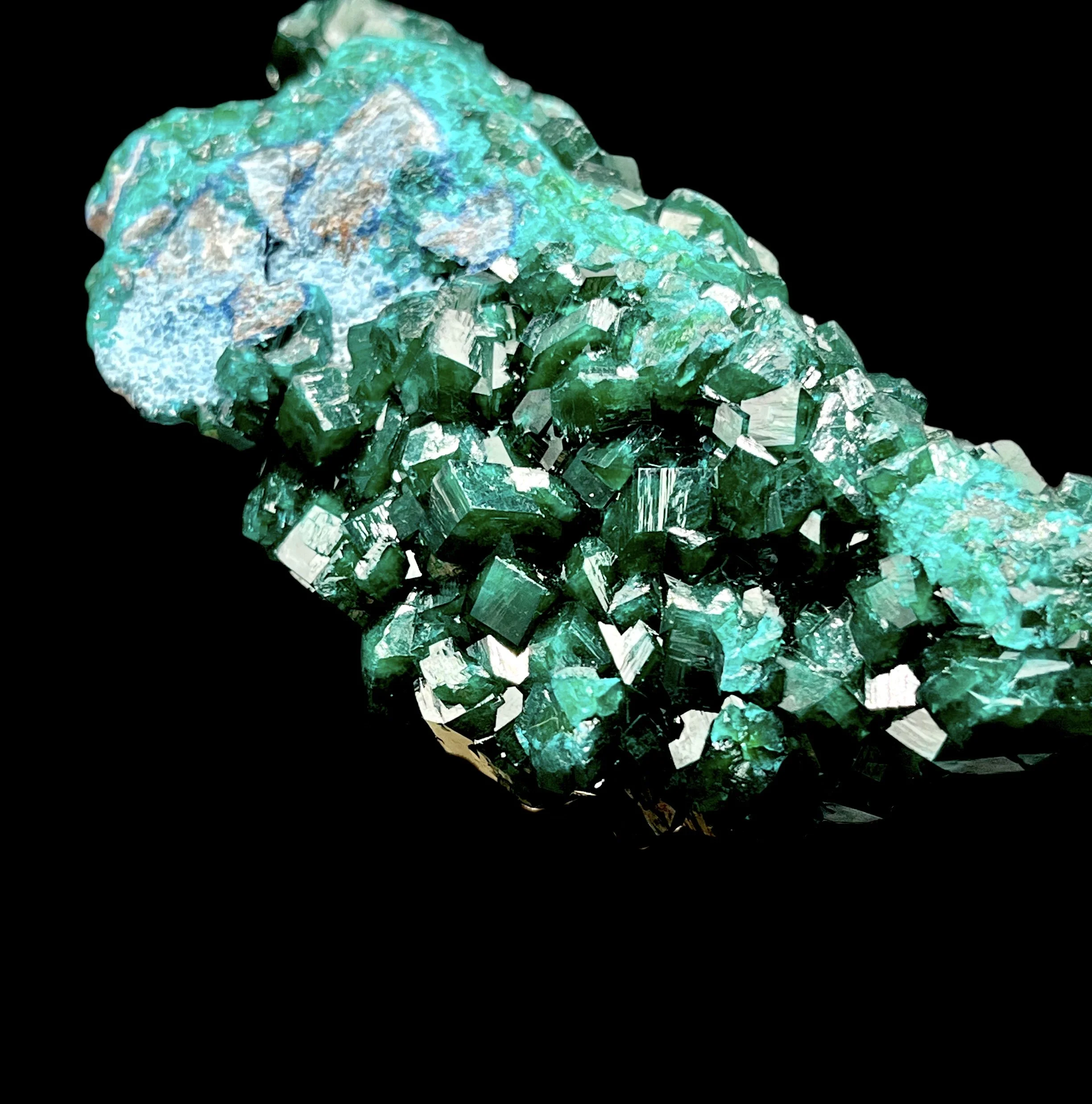
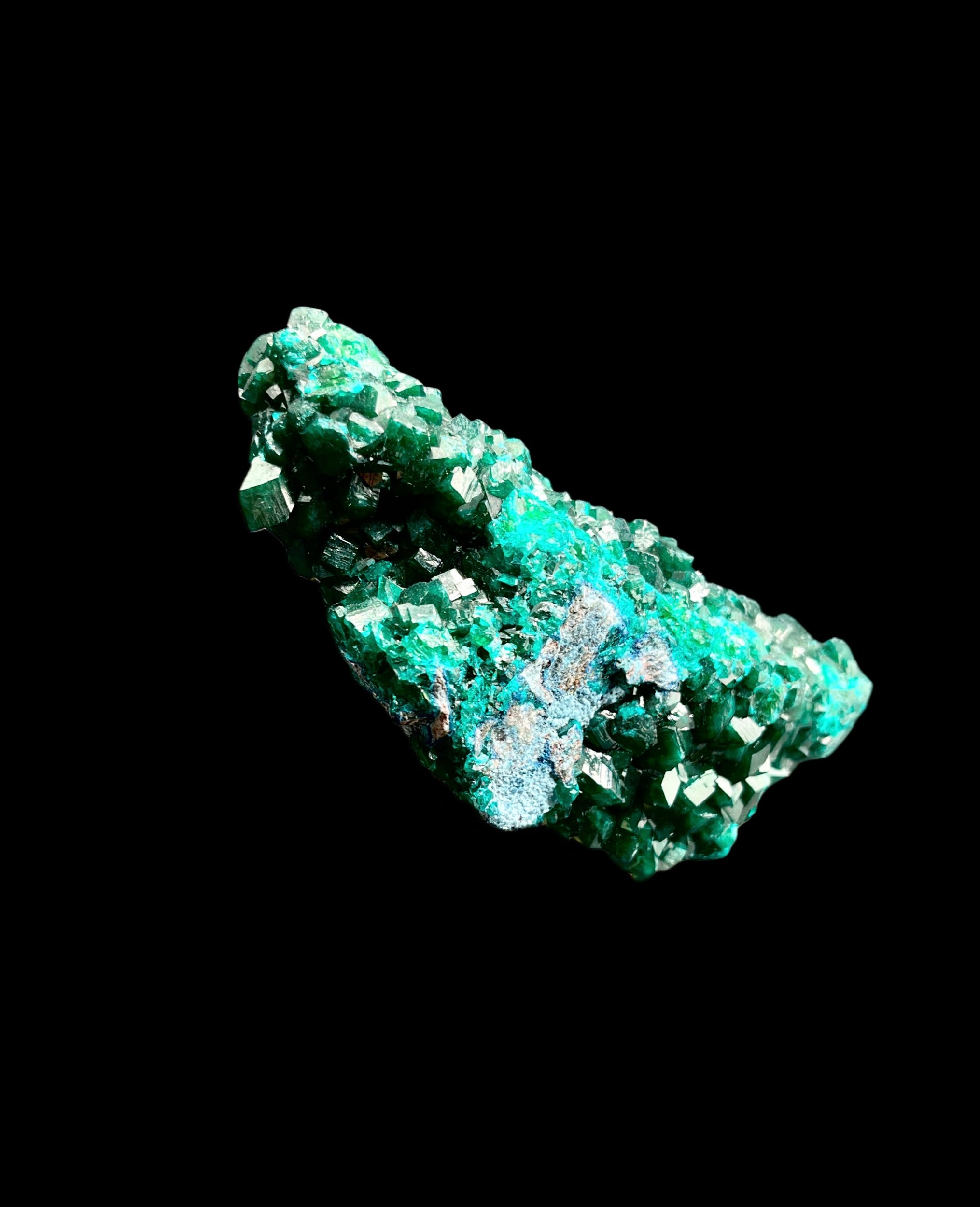
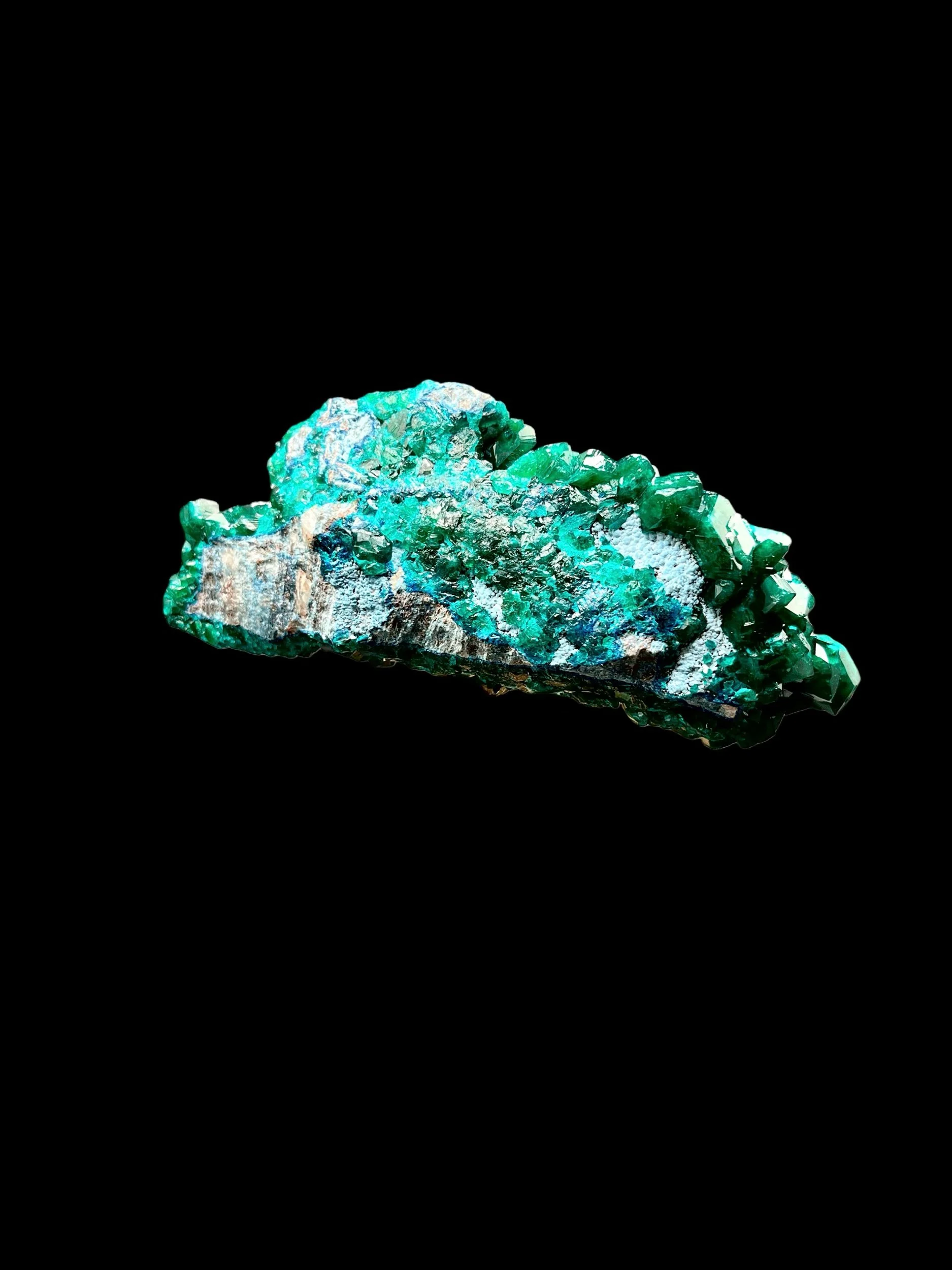
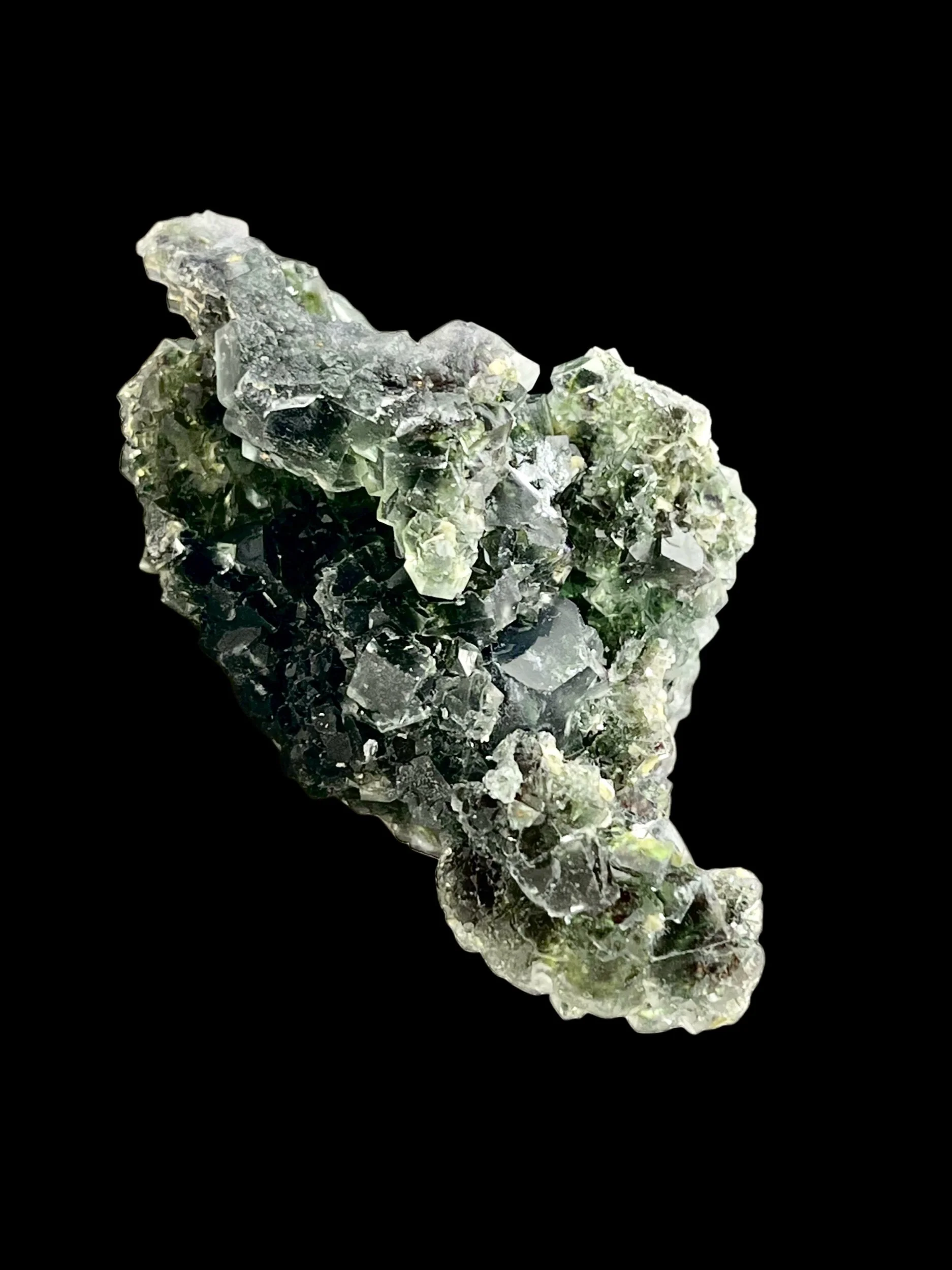
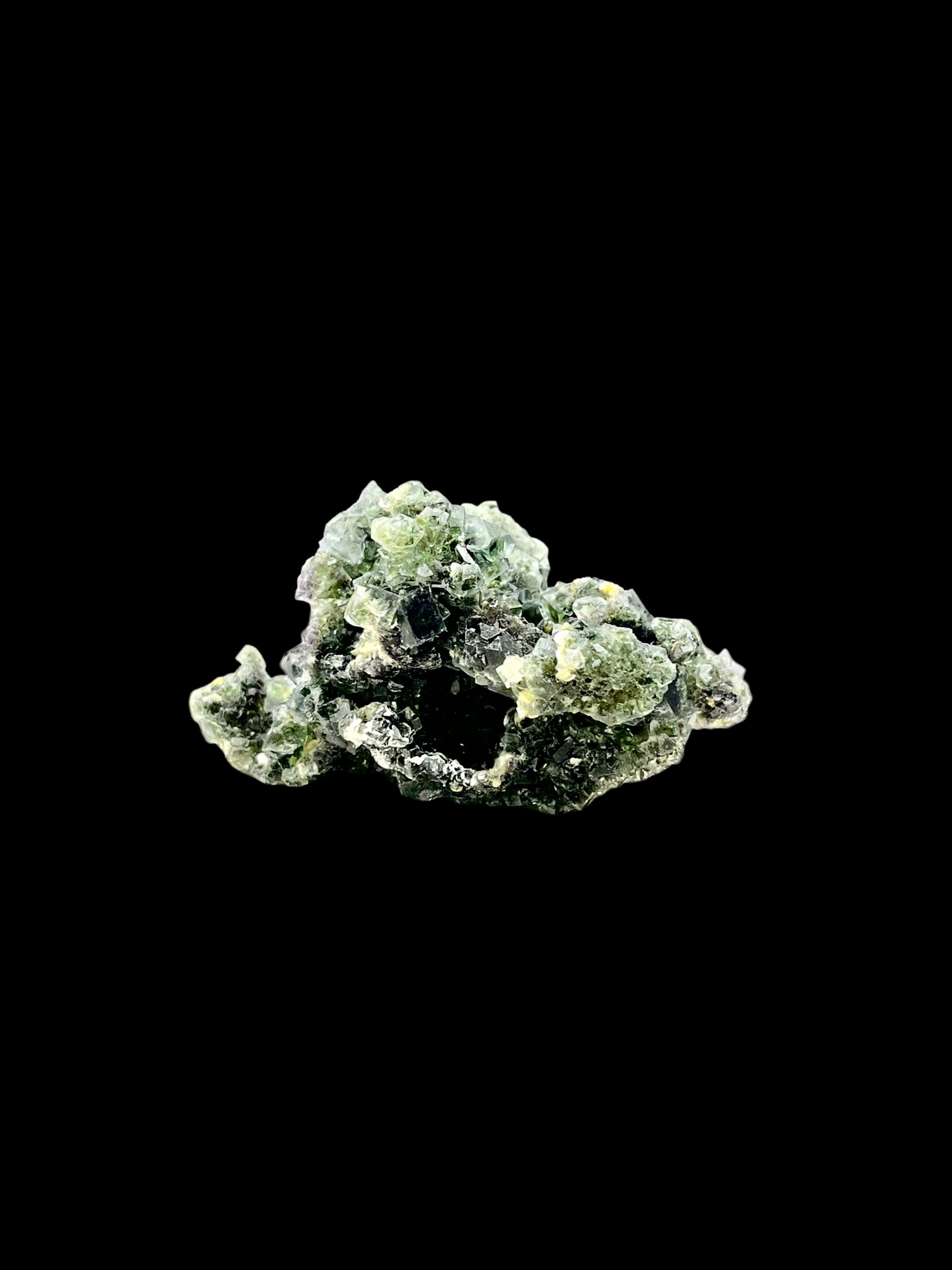
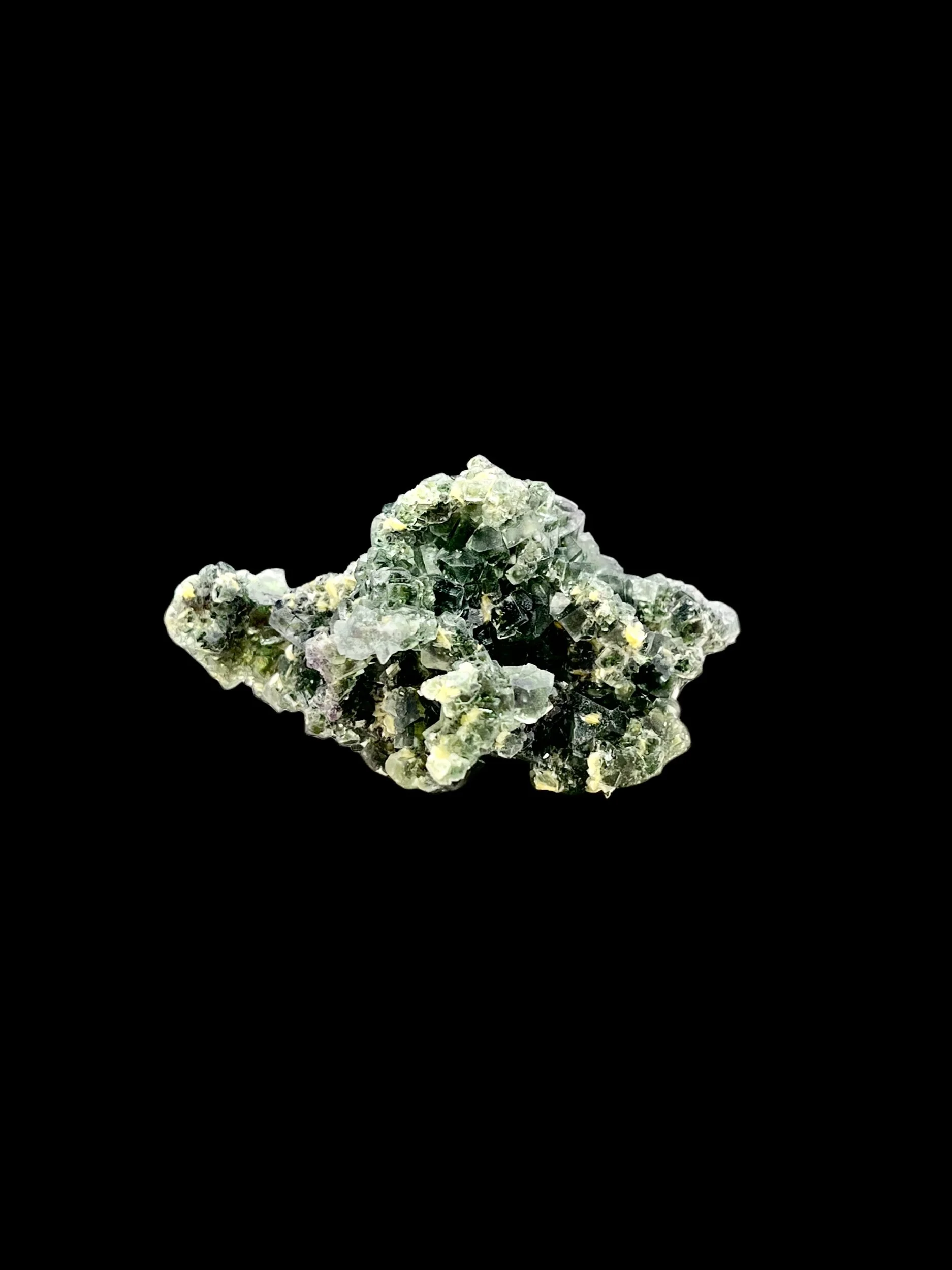
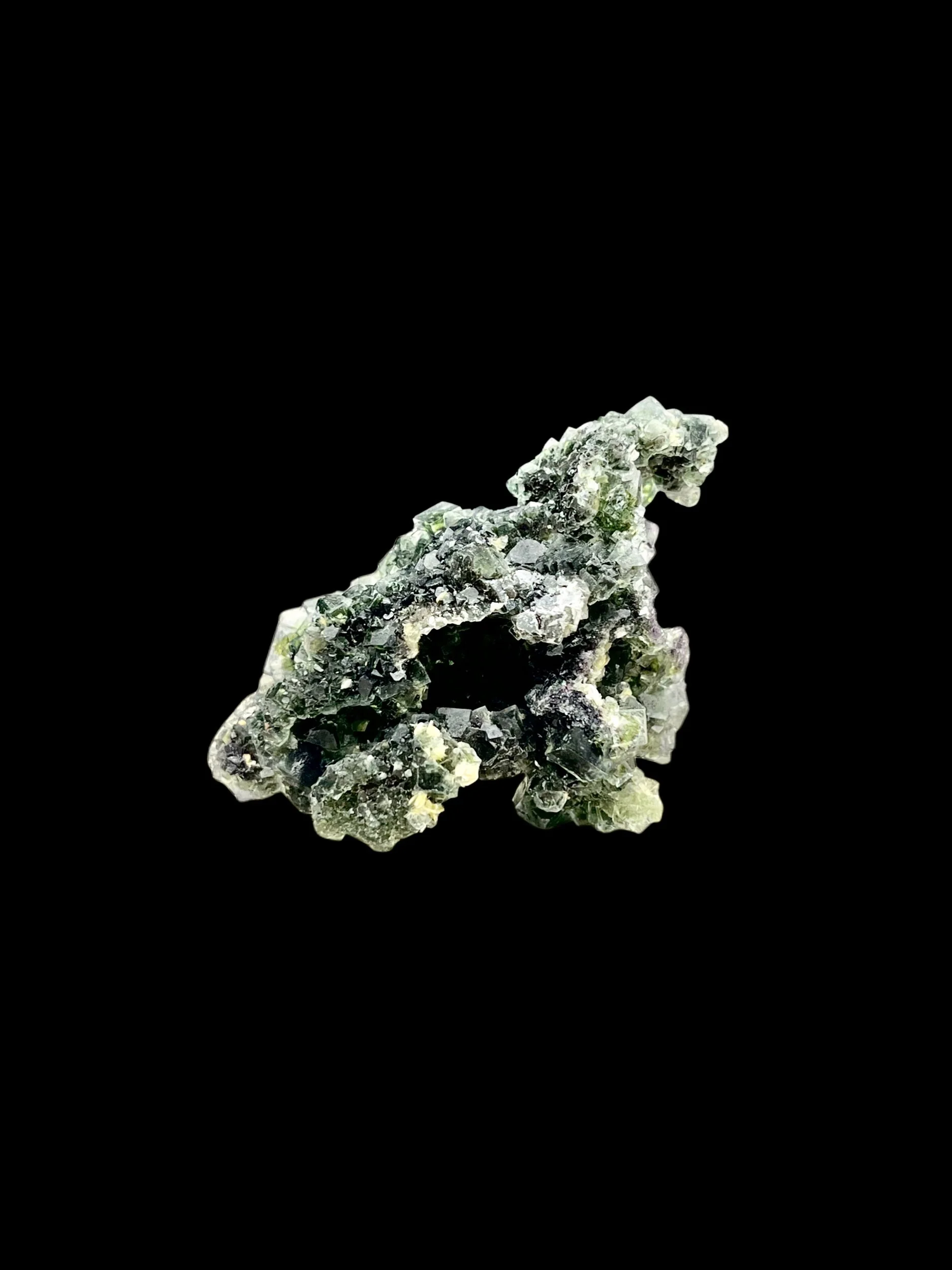
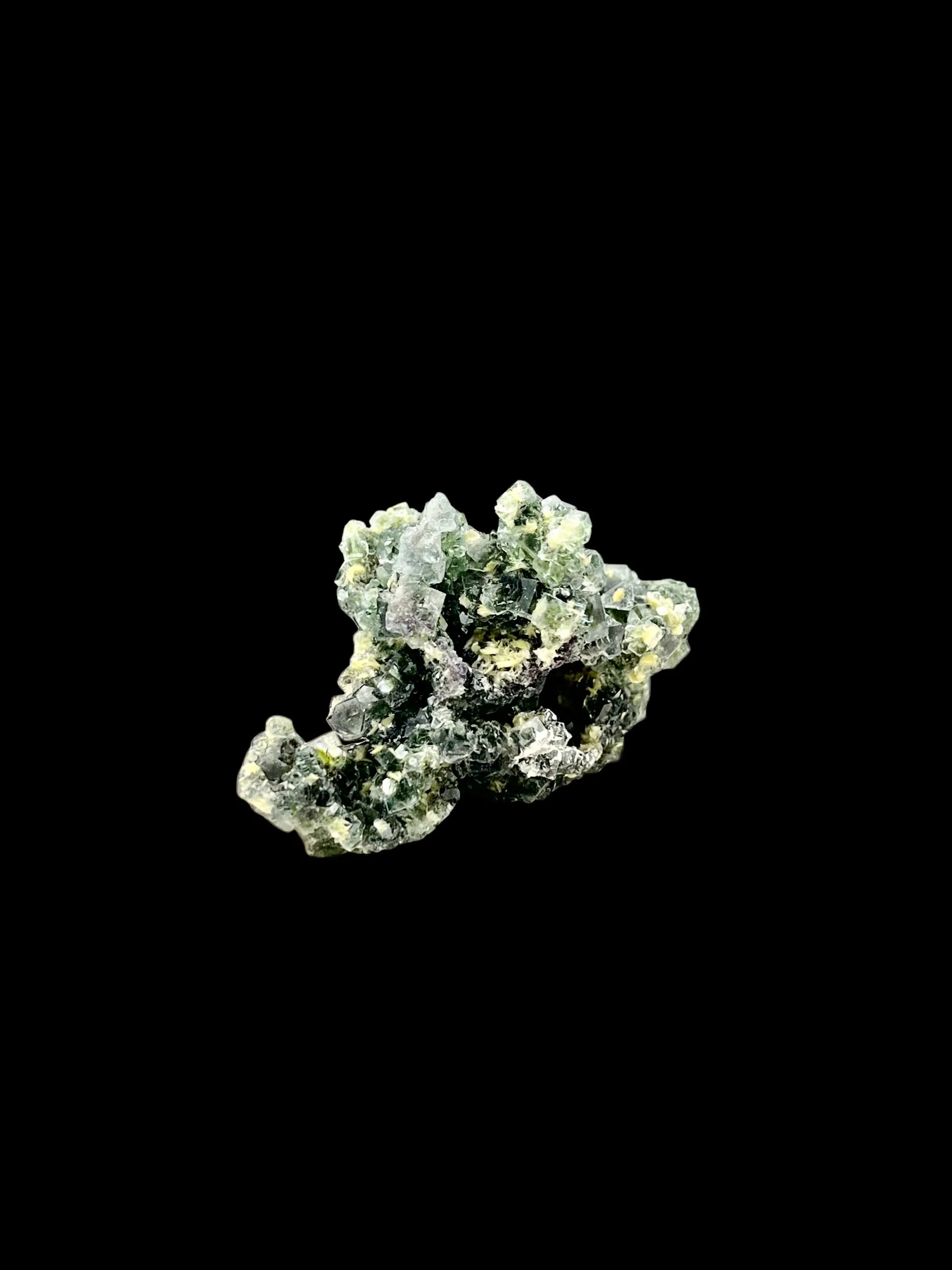
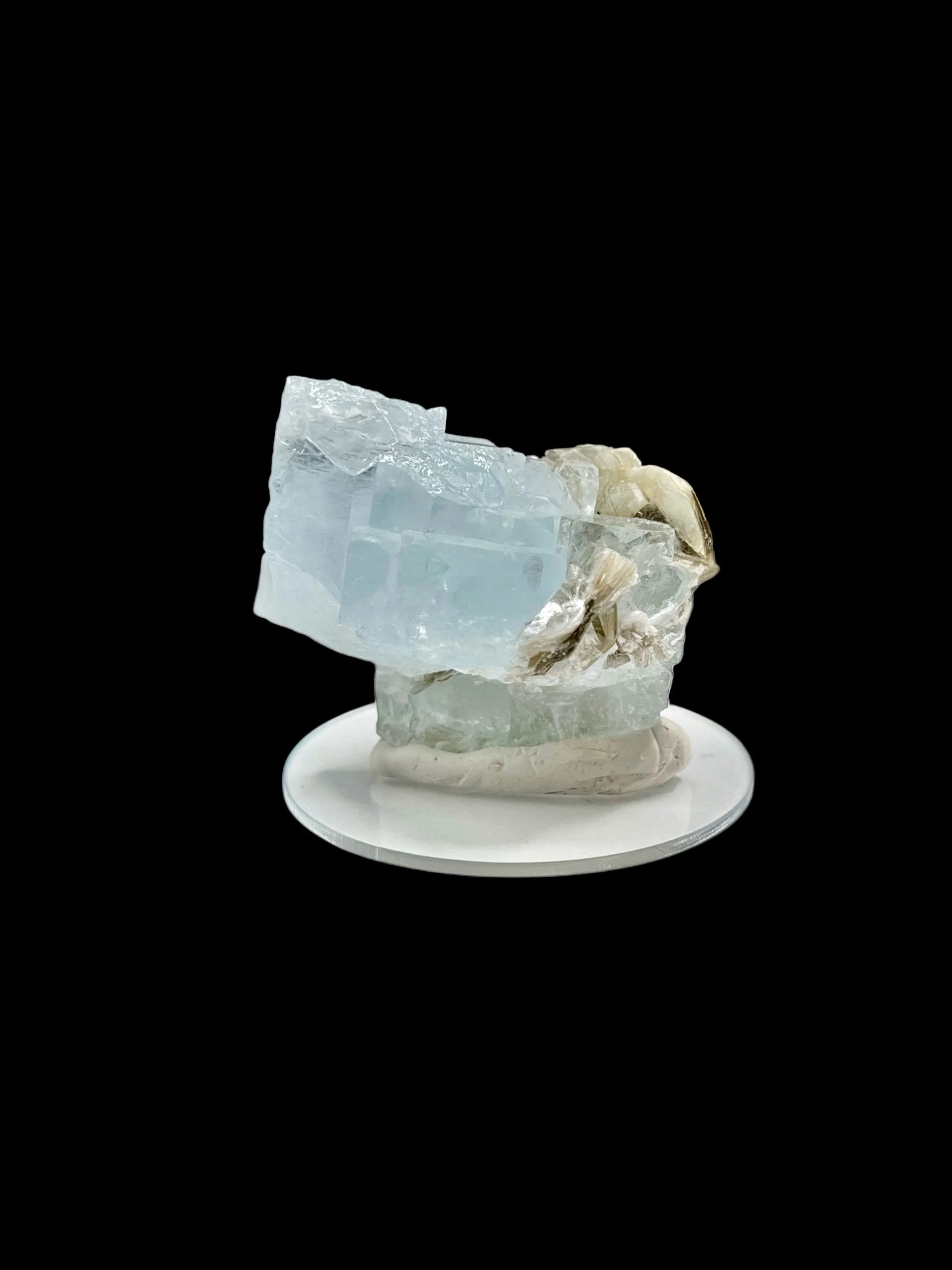
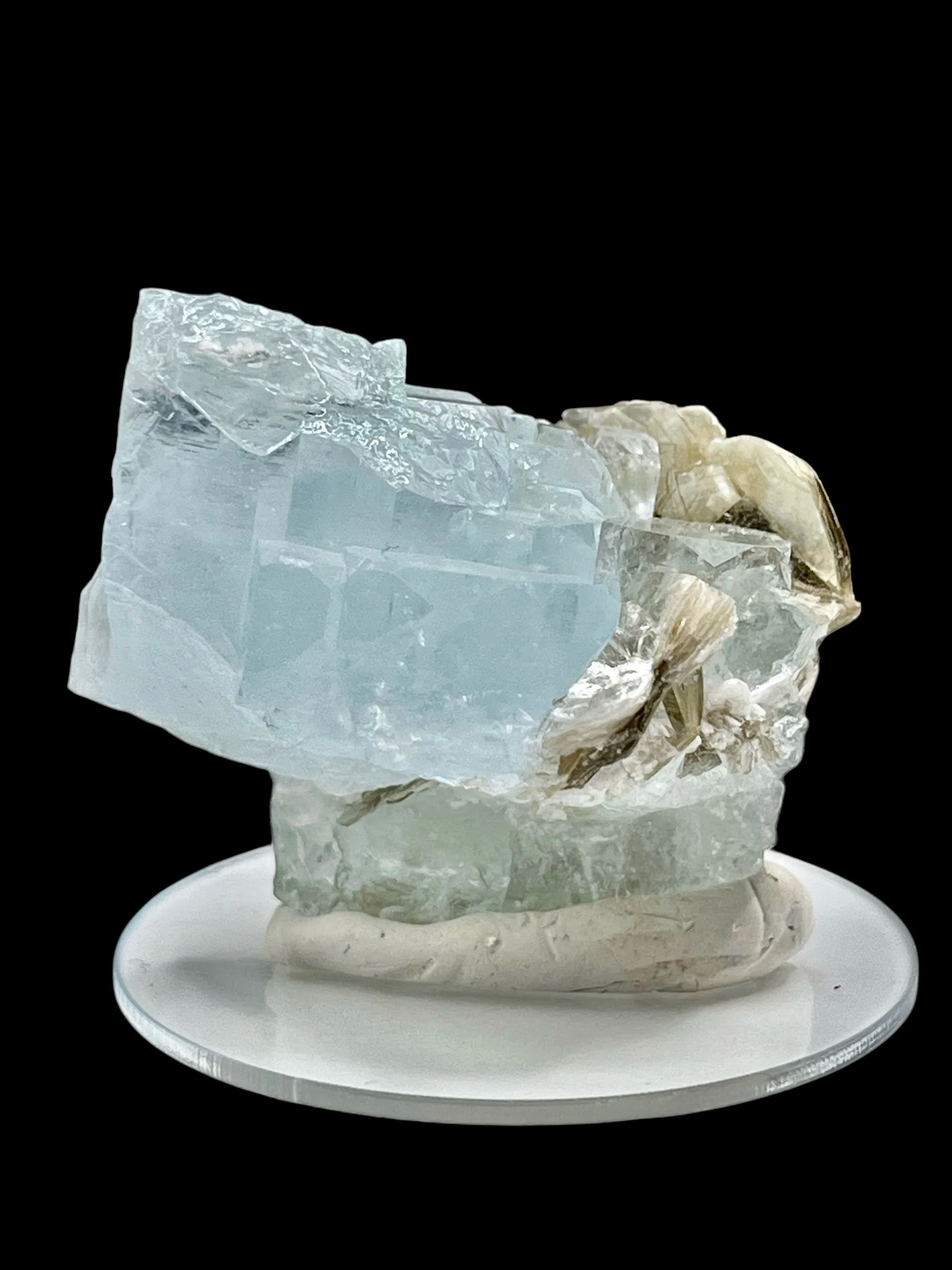
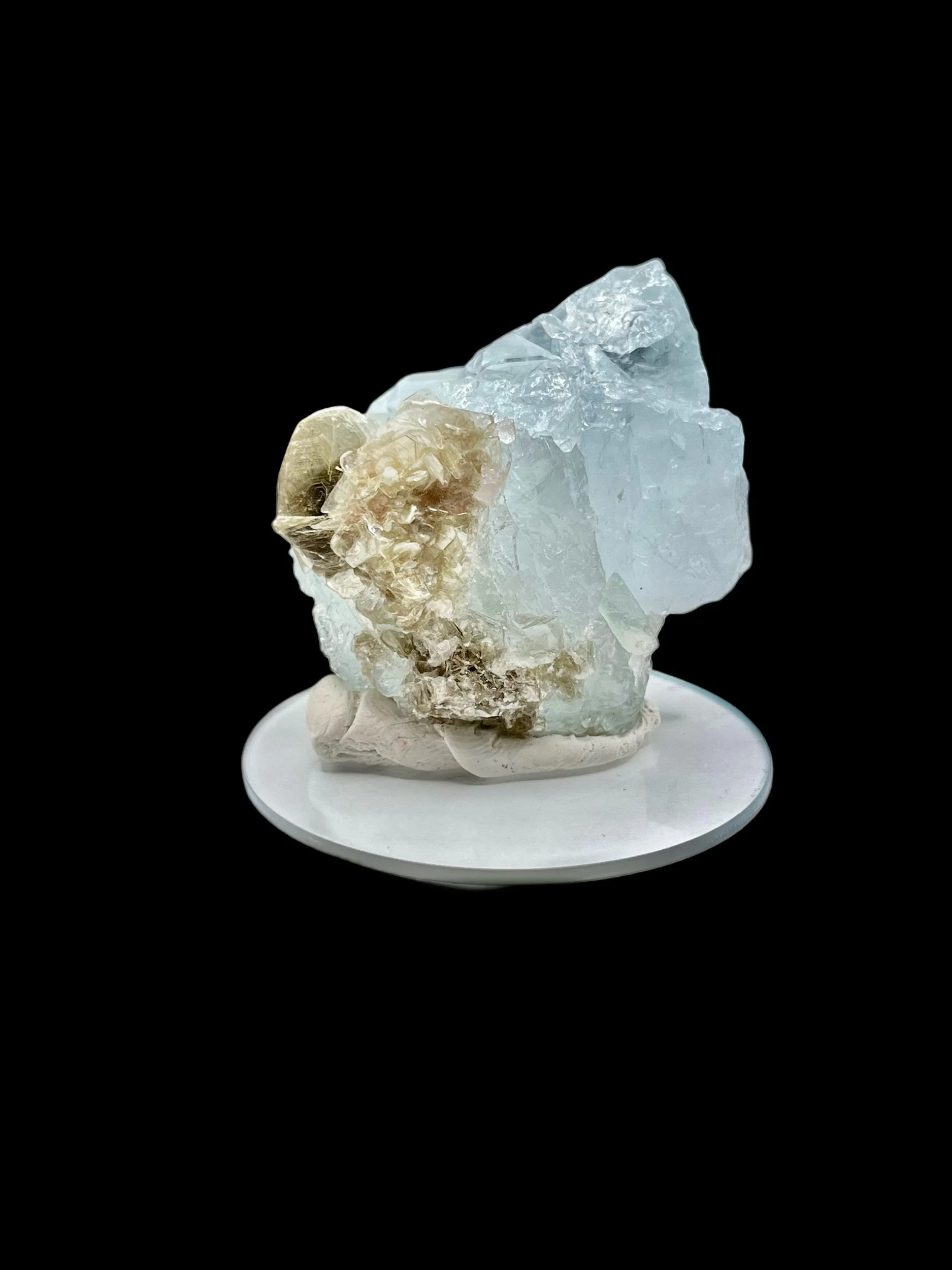
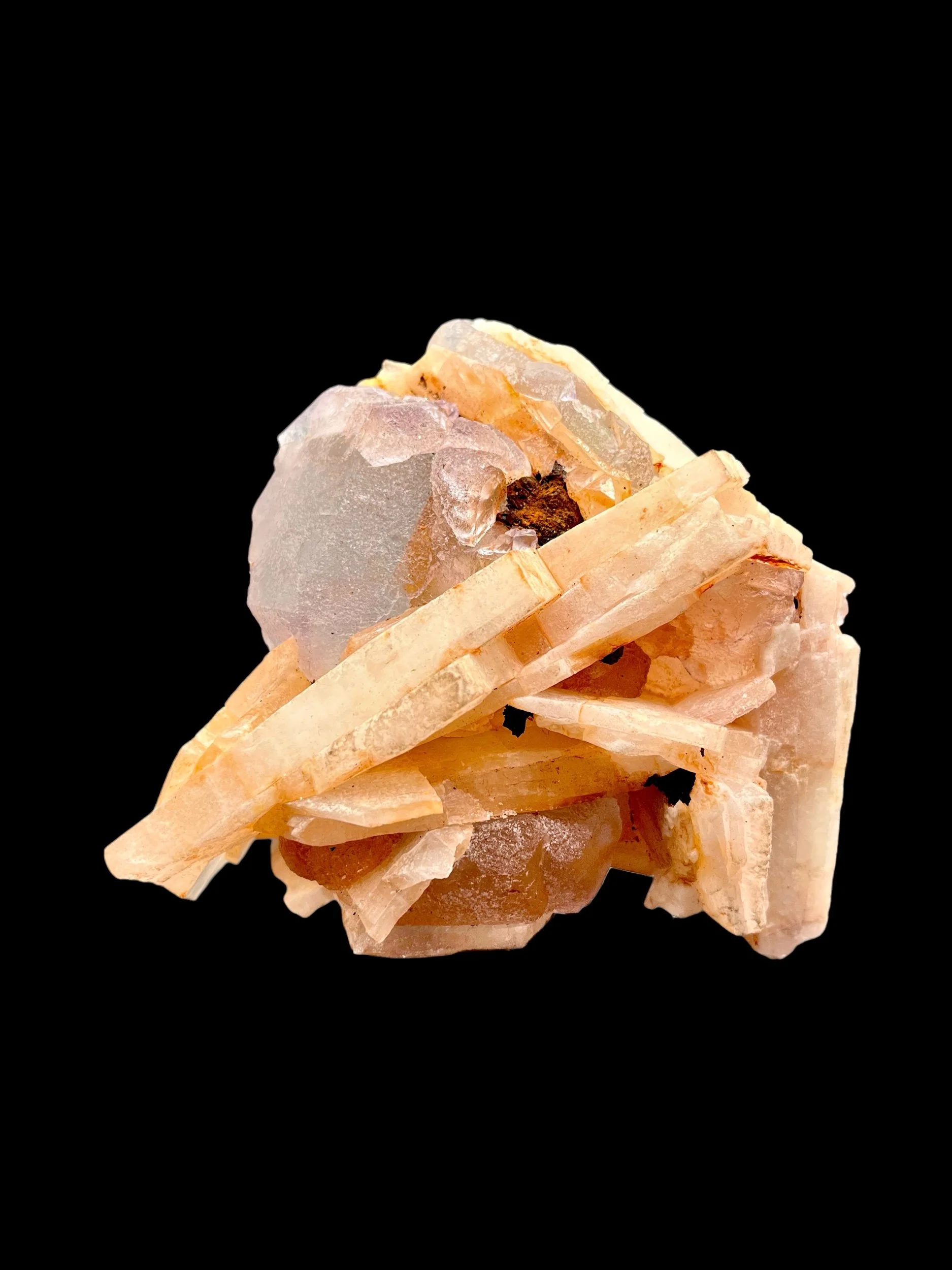
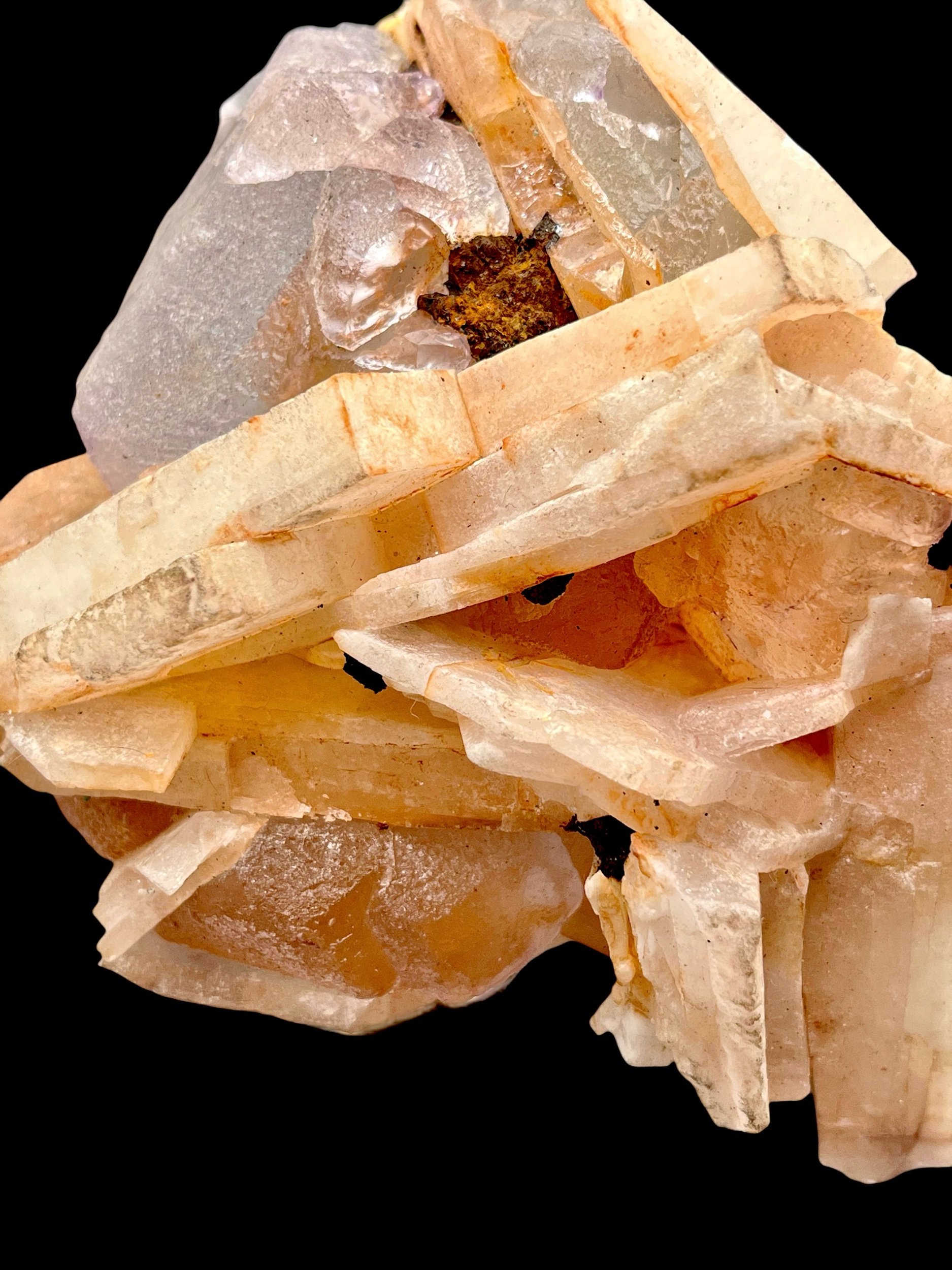
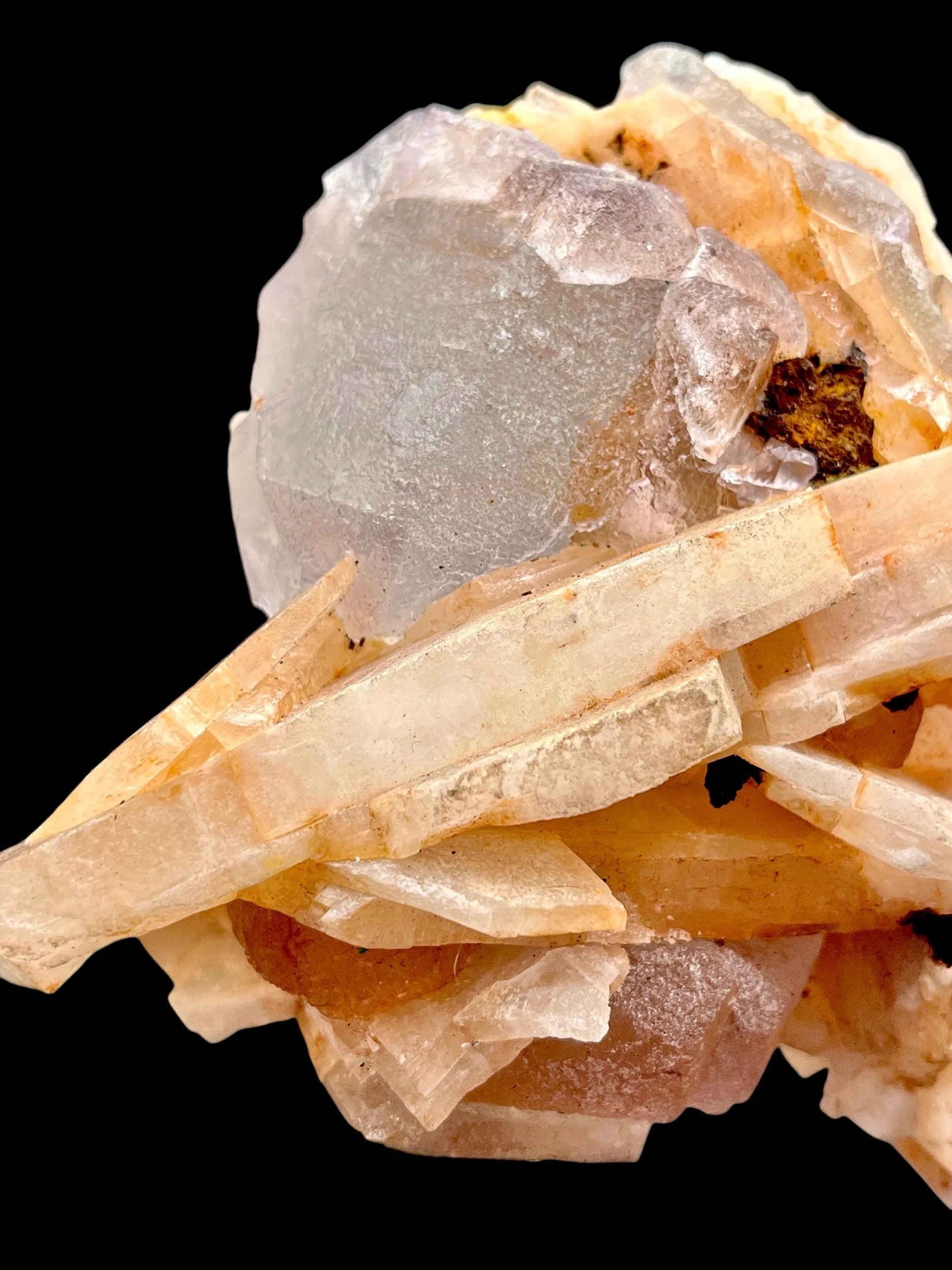
This striking Dioptase specimen features sharply formed, high-luster emerald-green crystals densely coating a contrasting pale matrix, with subtle areas of chrysocolla adding soft blue-green tonal variation. The crystals display excellent vitreous sparkle and well-defined faces, creating strong visual depth and saturation. The natural matrix provides stability and context, highlighting the vivid copper-rich coloration that makes Dioptase one of the most visually intense collector minerals.
This is a classic, display-ready example that balances crystal quality, color, and composition—an ideal piece for collectors drawn to copper silicates with strong aesthetic presence.
Dimensions & Weight
• 3″ × 1.5″ × 1″
• 94 g
Metaphysical Properties
Dioptase is often associated with emotional clarity, heart-centered awareness, and energetic renewal. It is thought to support deep release, compassion, and personal growth. Chrysocolla is commonly linked to calm communication and soothing energy, complementing Dioptase’s intensity with a grounding influence.
Collector’s Notes
Dioptase is prized for its rarity, and unmistakable color—true saturated green crystals with high luster are increasingly difficult to source. The presence of chrysocolla on the matrix reflects the copper-rich environment in which these minerals form and adds visual and mineralogical interest without overpowering the Dioptase itself.
Highlights
• Vivid emerald-green Dioptase crystals
• Excellent surface luster and crystal definition
• Subtle chrysocolla present on the matrix
• Strong color contrast and natural presentation
• Rare
Mineralogy
Dioptase is a hydrated copper cyclosilicate that forms in oxidized copper deposits, often alongside chrysocolla, malachite, and quartz. Its intense color is due to copper content, and its crystal habit commonly appears as short prismatic crystals with high vitreous brilliance. Specimens with intact crystals on matrix are especially valued due to Dioptase’s inherent fragility.
Description
This striking Dioptase specimen features sharply formed, high-luster emerald-green crystals densely coating a contrasting pale matrix, with subtle areas of chrysocolla adding soft blue-green tonal variation. The crystals display excellent vitreous sparkle and well-defined faces, creating strong visual depth and saturation. The natural matrix provides stability and context, highlighting the vivid copper-rich coloration that makes Dioptase one of the most visually intense collector minerals.
This is a classic, display-ready example that balances crystal quality, color, and composition—an ideal piece for collectors drawn to copper silicates with strong aesthetic presence.
Dimensions & Weight
• 3″ × 1.5″ × 1″
• 94 g
Metaphysical Properties
Dioptase is often associated with emotional clarity, heart-centered awareness, and energetic renewal. It is thought to support deep release, compassion, and personal growth. Chrysocolla is commonly linked to calm communication and soothing energy, complementing Dioptase’s intensity with a grounding influence.
Collector’s Notes
Dioptase is prized for its rarity, and unmistakable color—true saturated green crystals with high luster are increasingly difficult to source. The presence of chrysocolla on the matrix reflects the copper-rich environment in which these minerals form and adds visual and mineralogical interest without overpowering the Dioptase itself.
Highlights
• Vivid emerald-green Dioptase crystals
• Excellent surface luster and crystal definition
• Subtle chrysocolla present on the matrix
• Strong color contrast and natural presentation
• Rare
Mineralogy
Dioptase is a hydrated copper cyclosilicate that forms in oxidized copper deposits, often alongside chrysocolla, malachite, and quartz. Its intense color is due to copper content, and its crystal habit commonly appears as short prismatic crystals with high vitreous brilliance. Specimens with intact crystals on matrix are especially valued due to Dioptase’s inherent fragility.