 Image 1 of 5
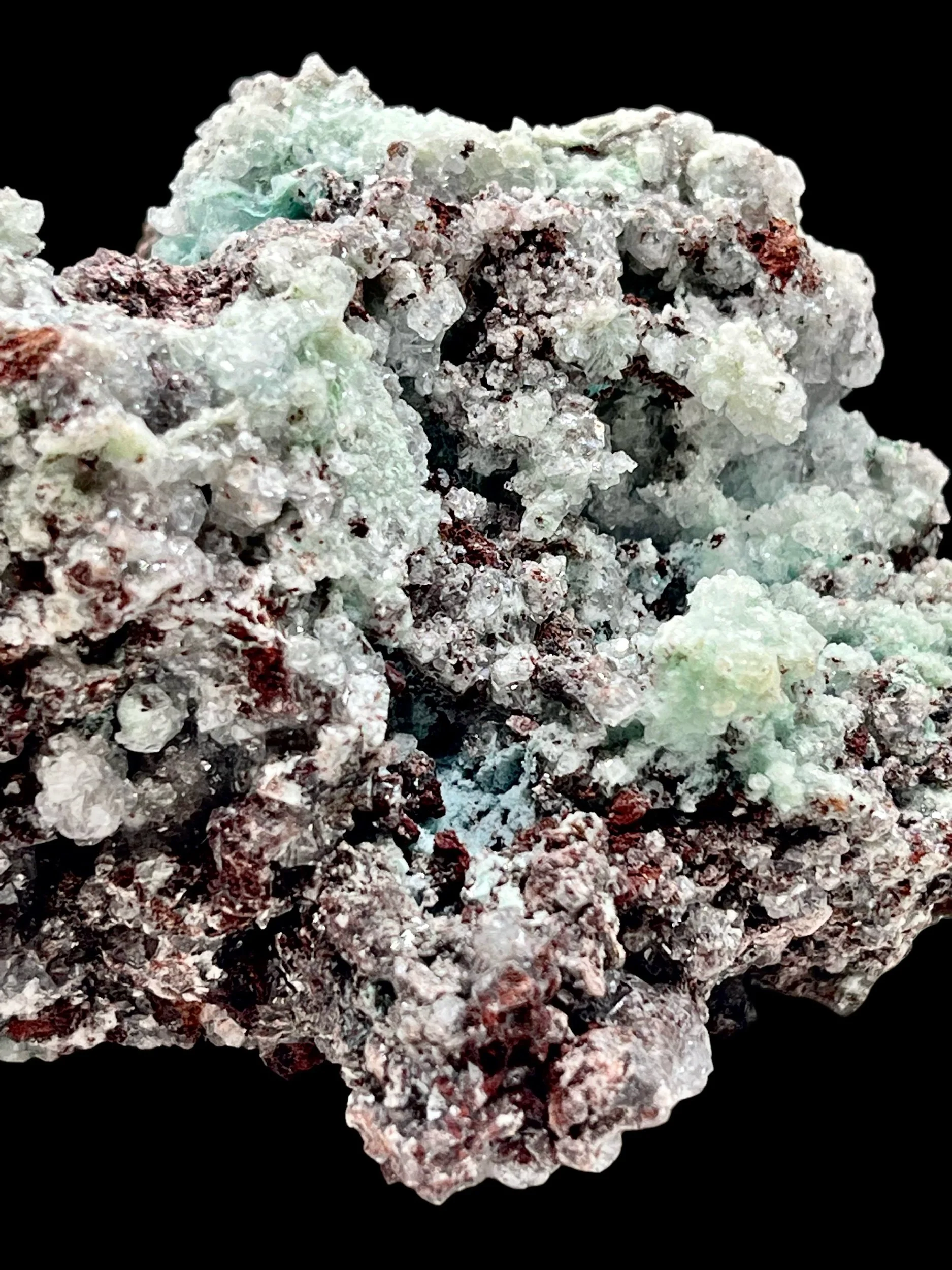 Image 2 of 5
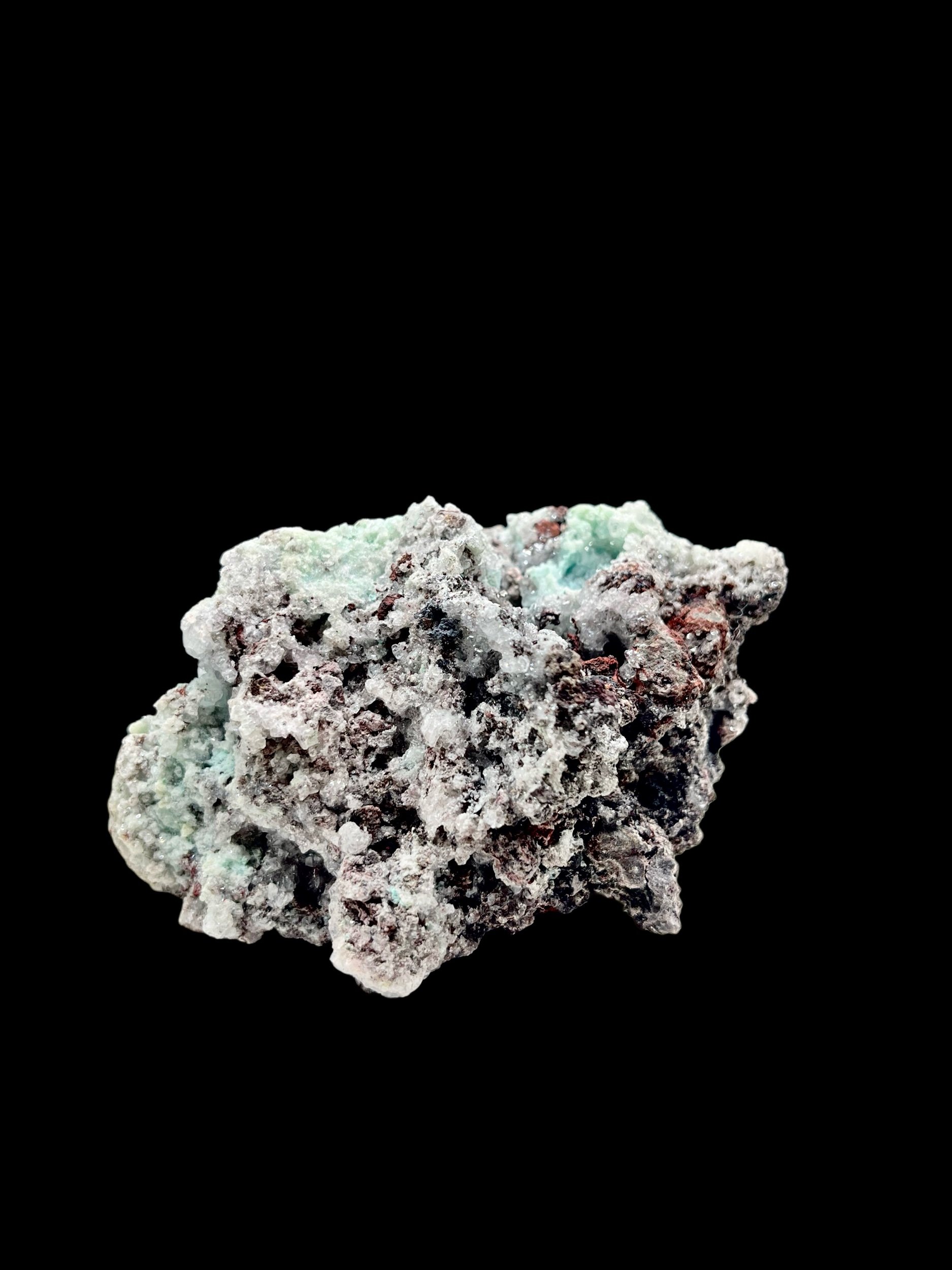 Image 3 of 5
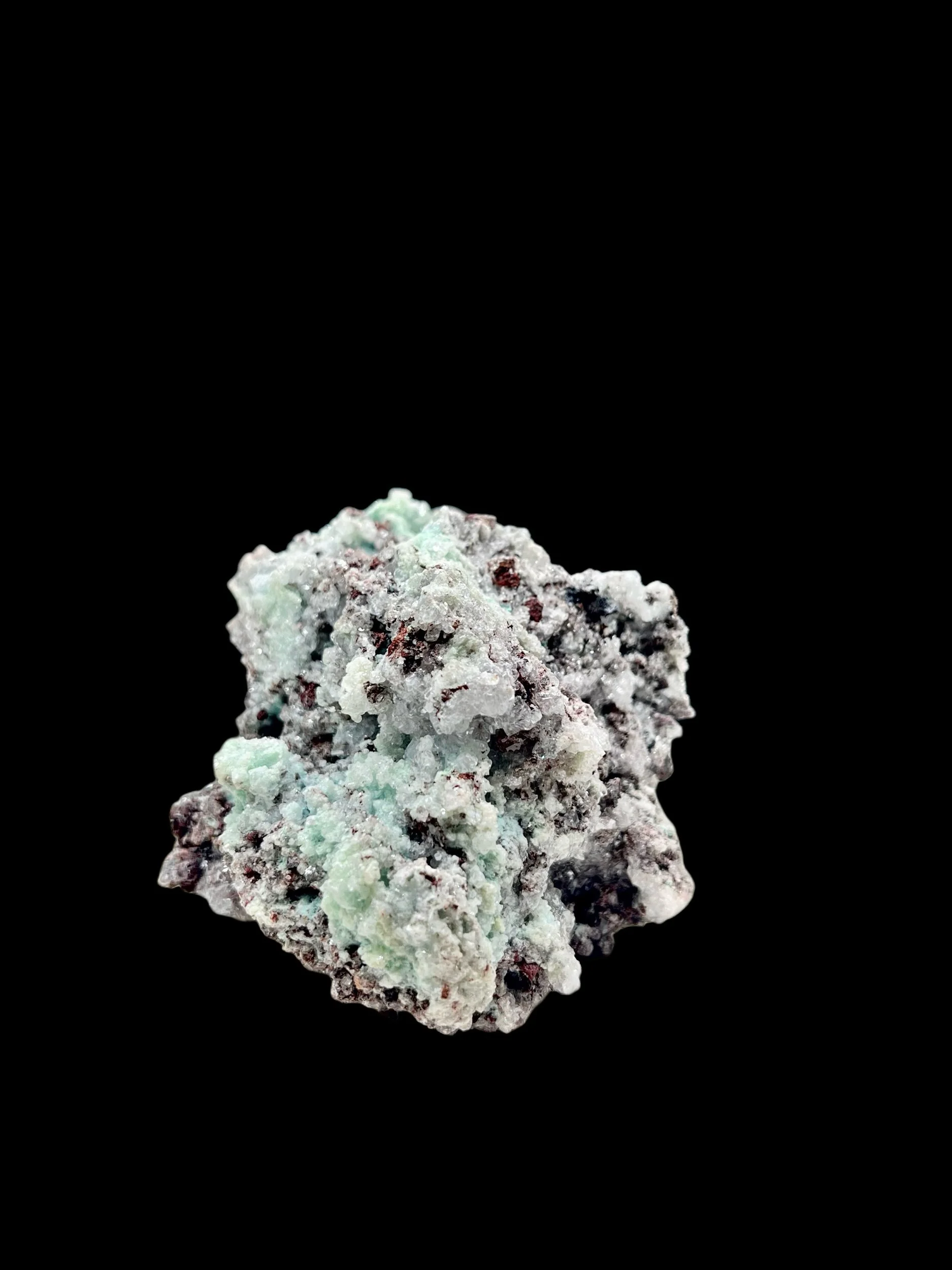 Image 4 of 5
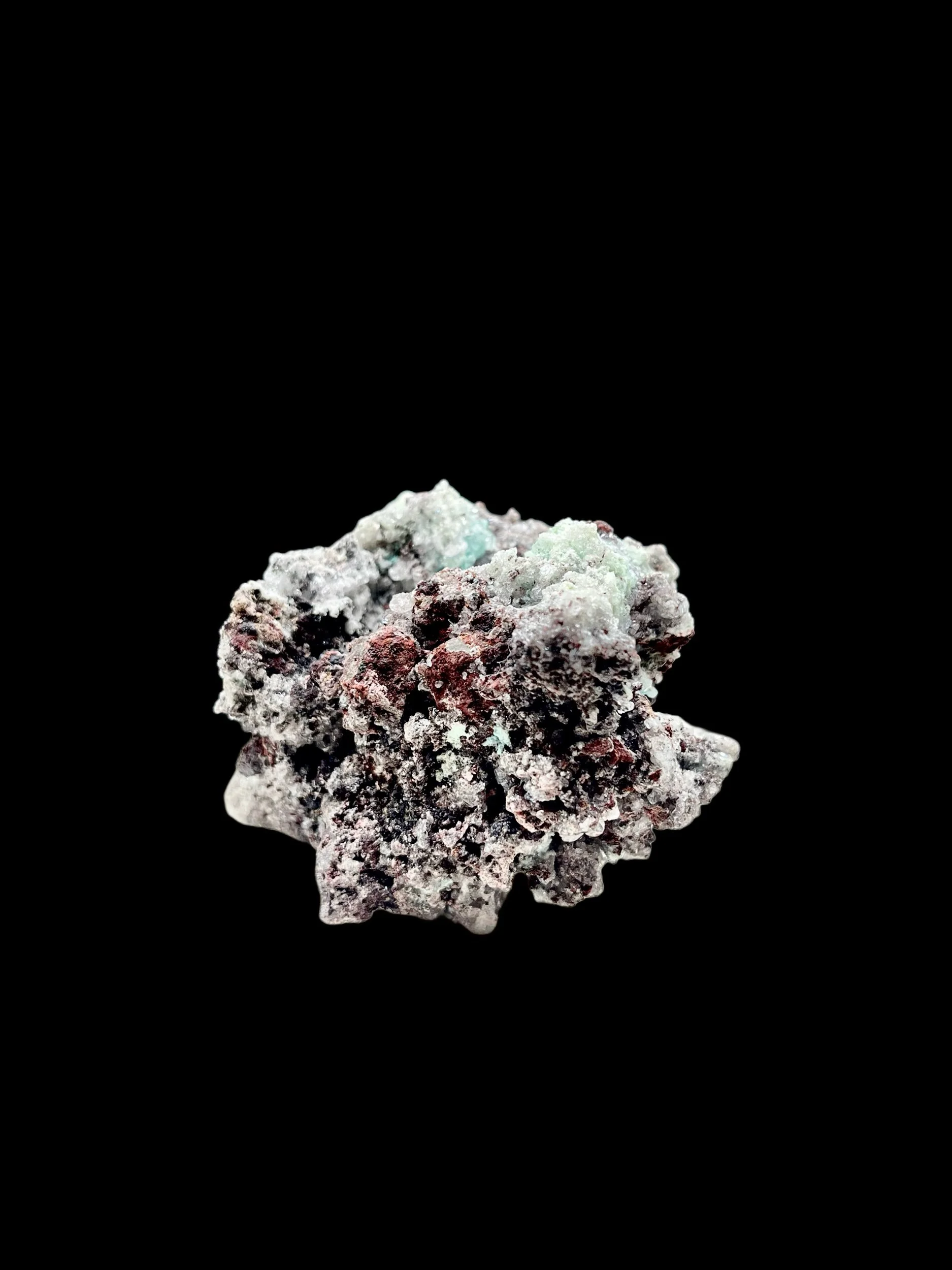 Image 5 of 5
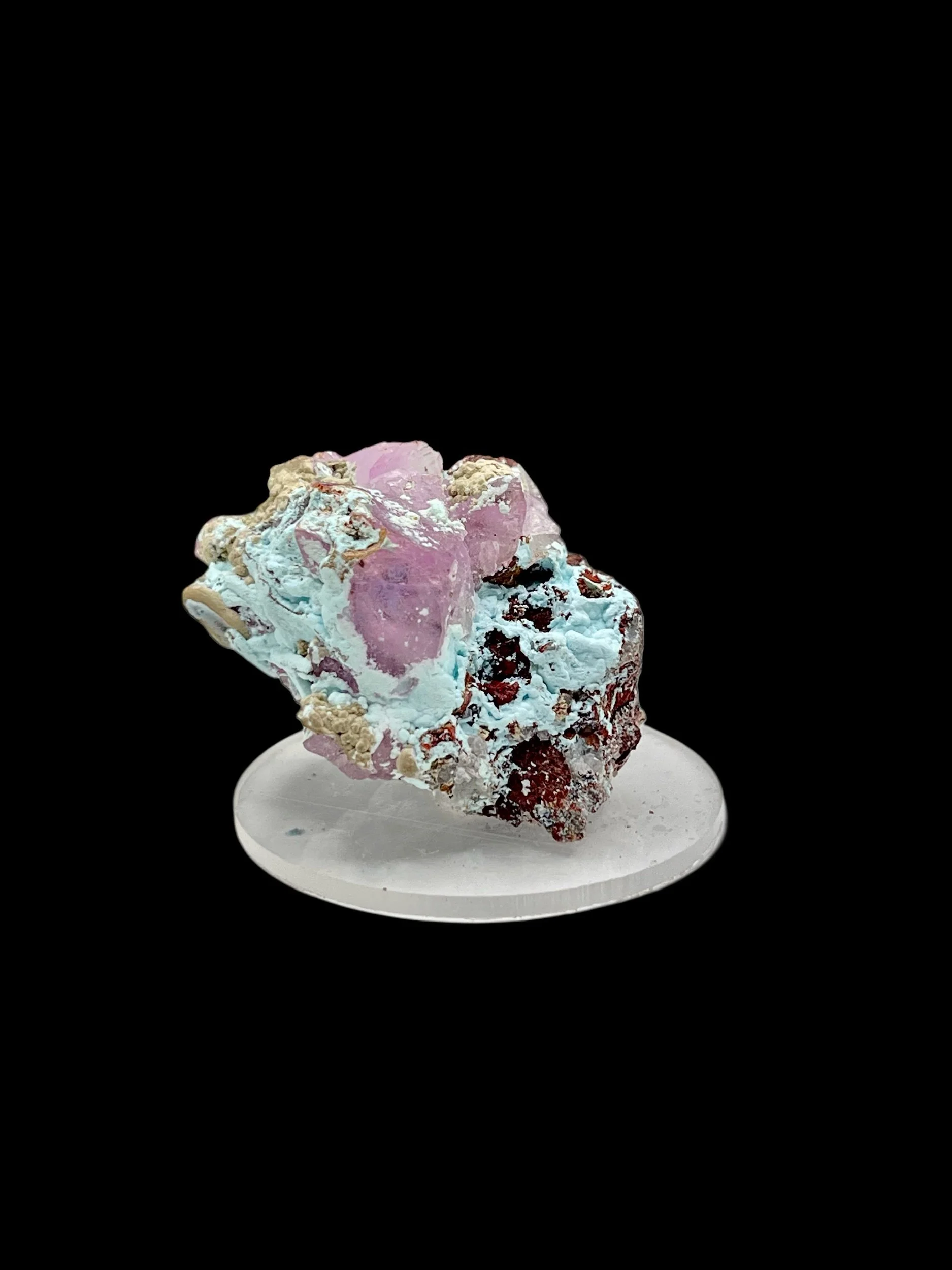
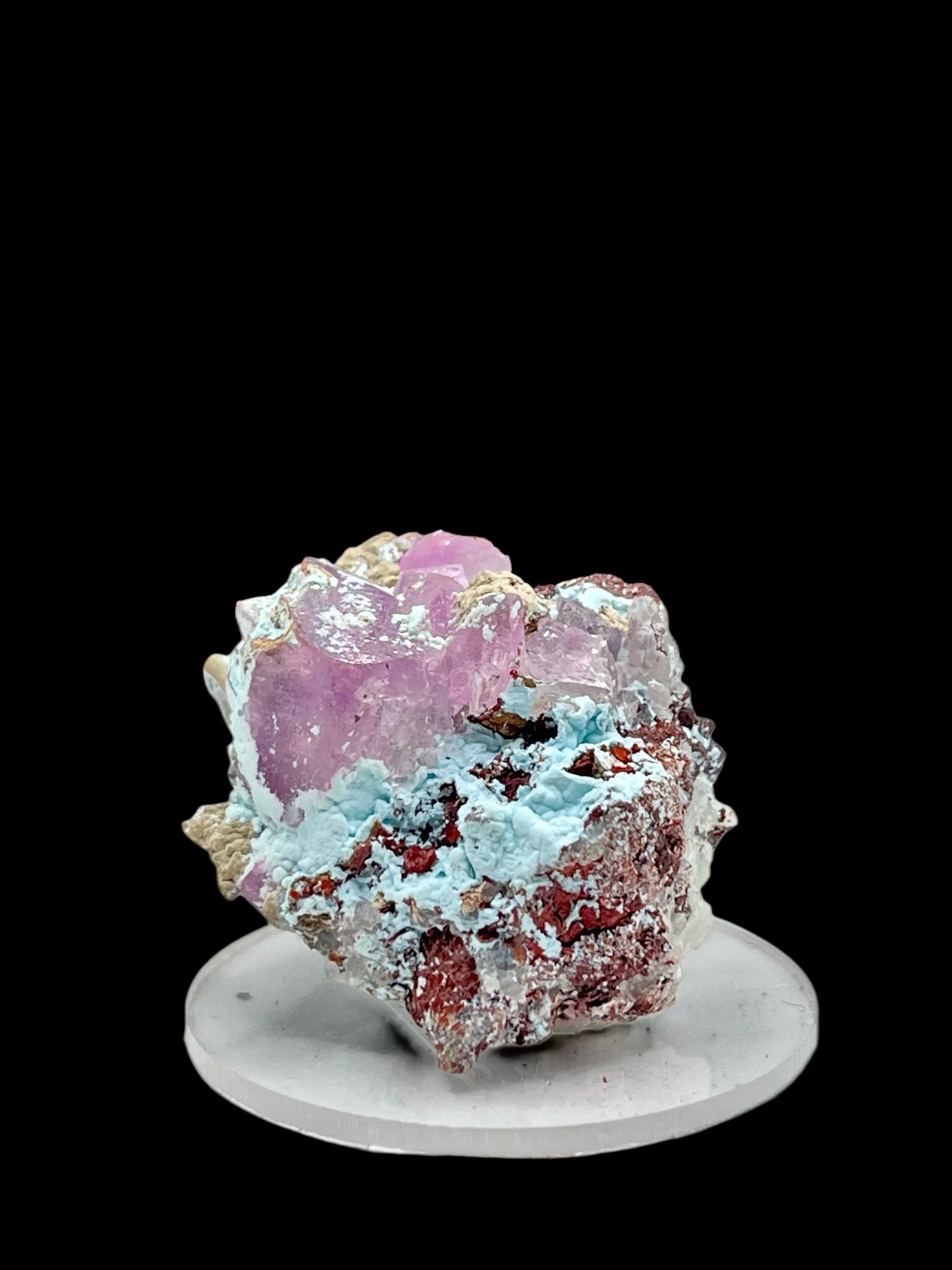
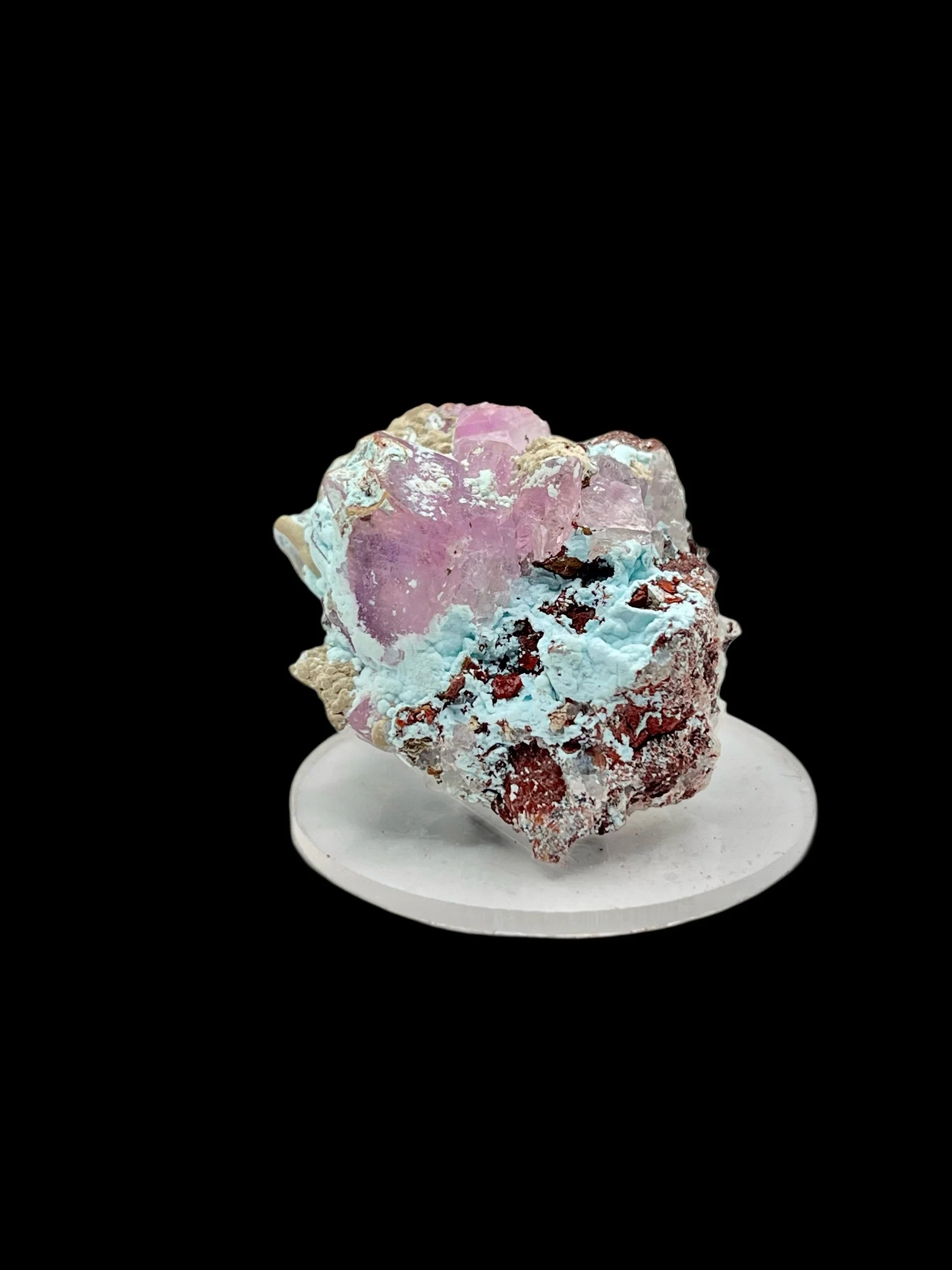
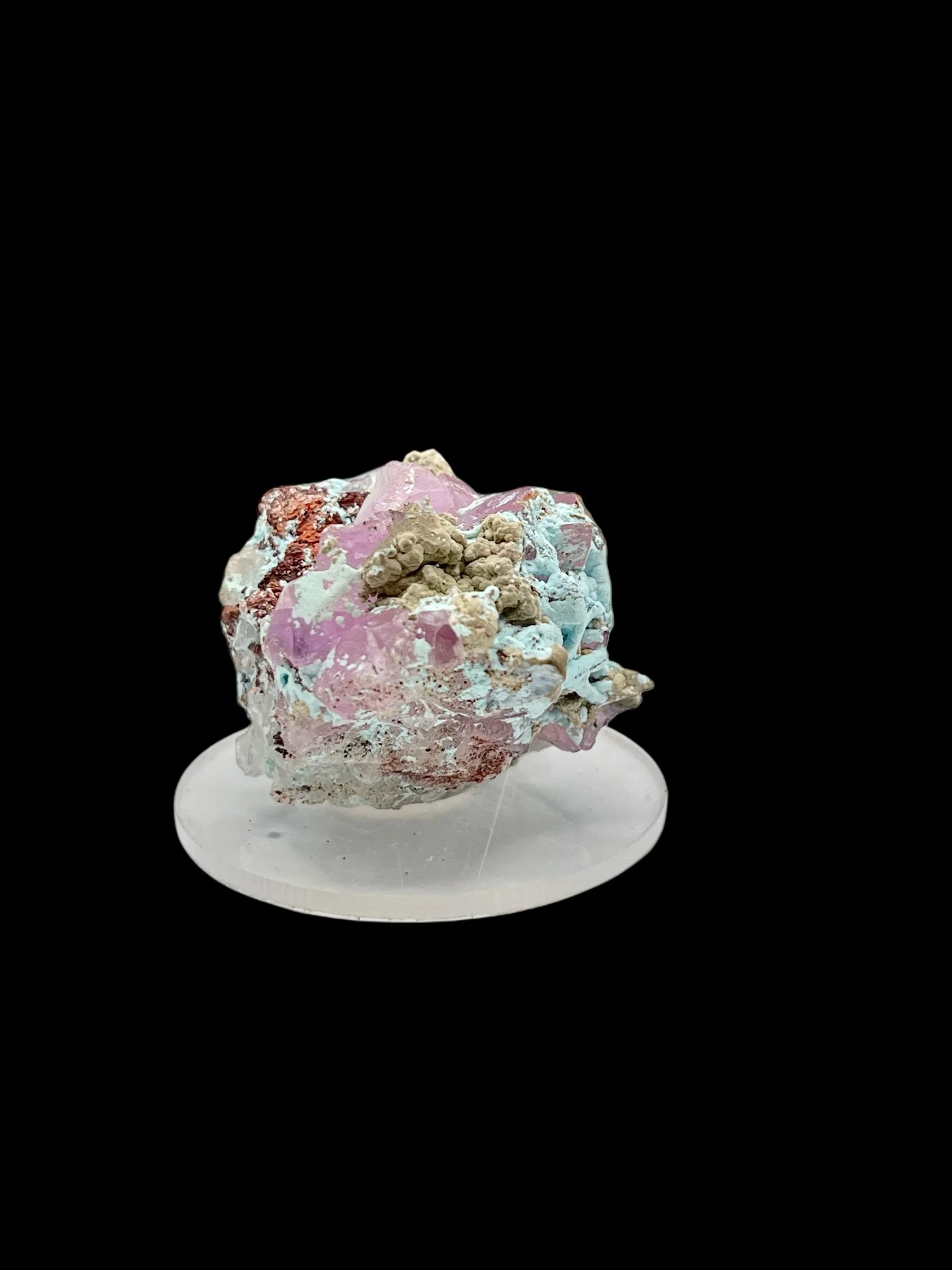
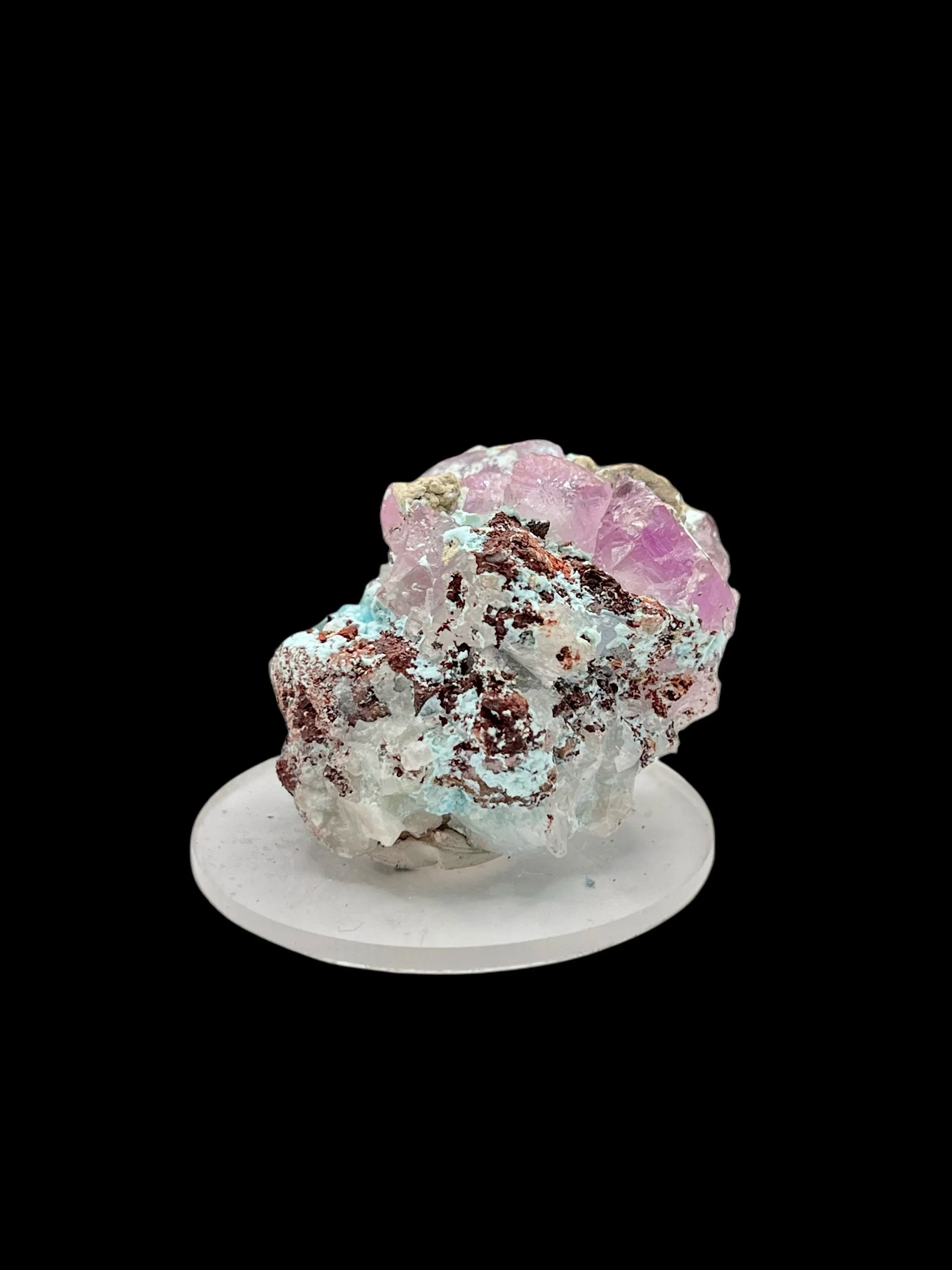
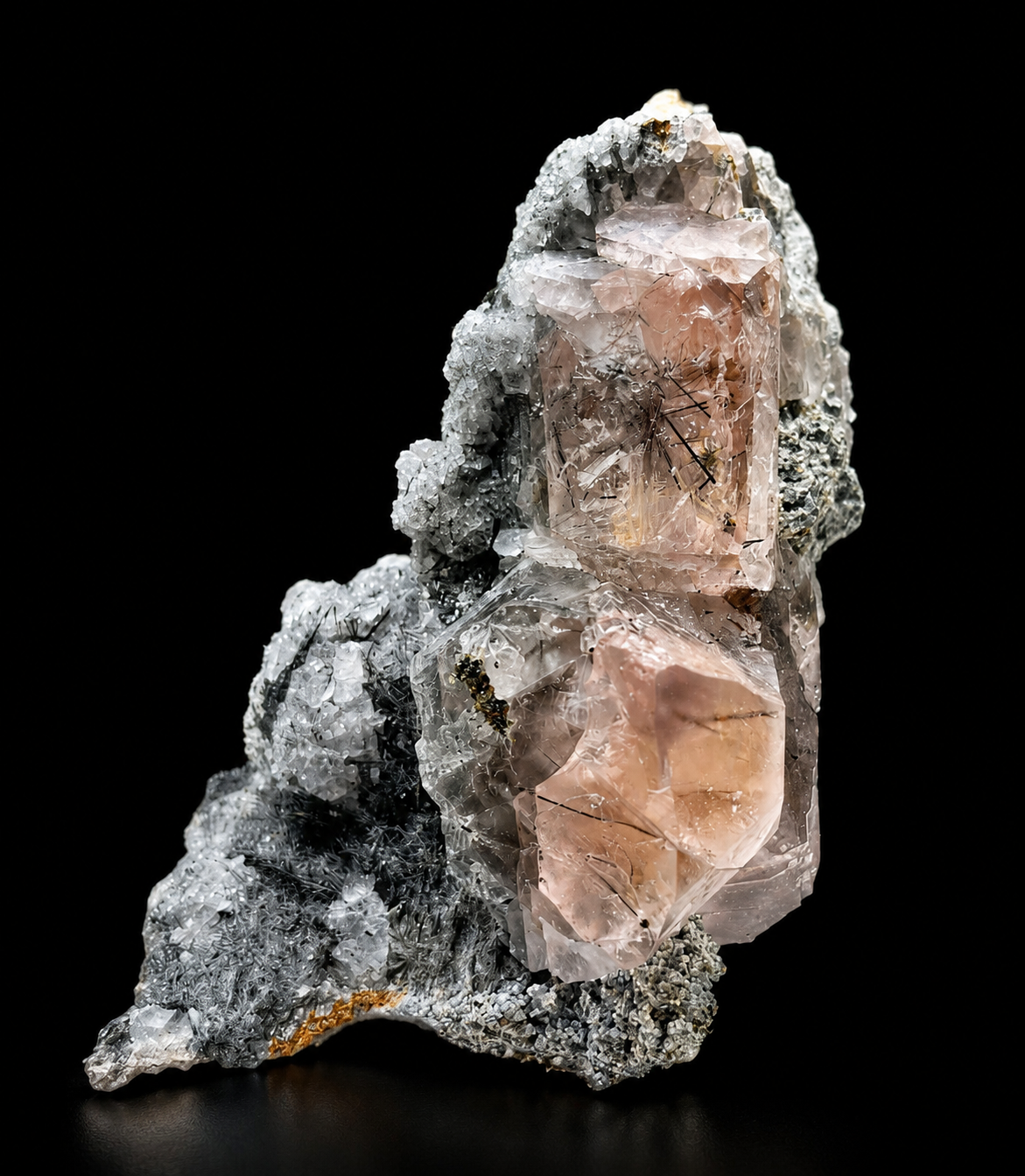
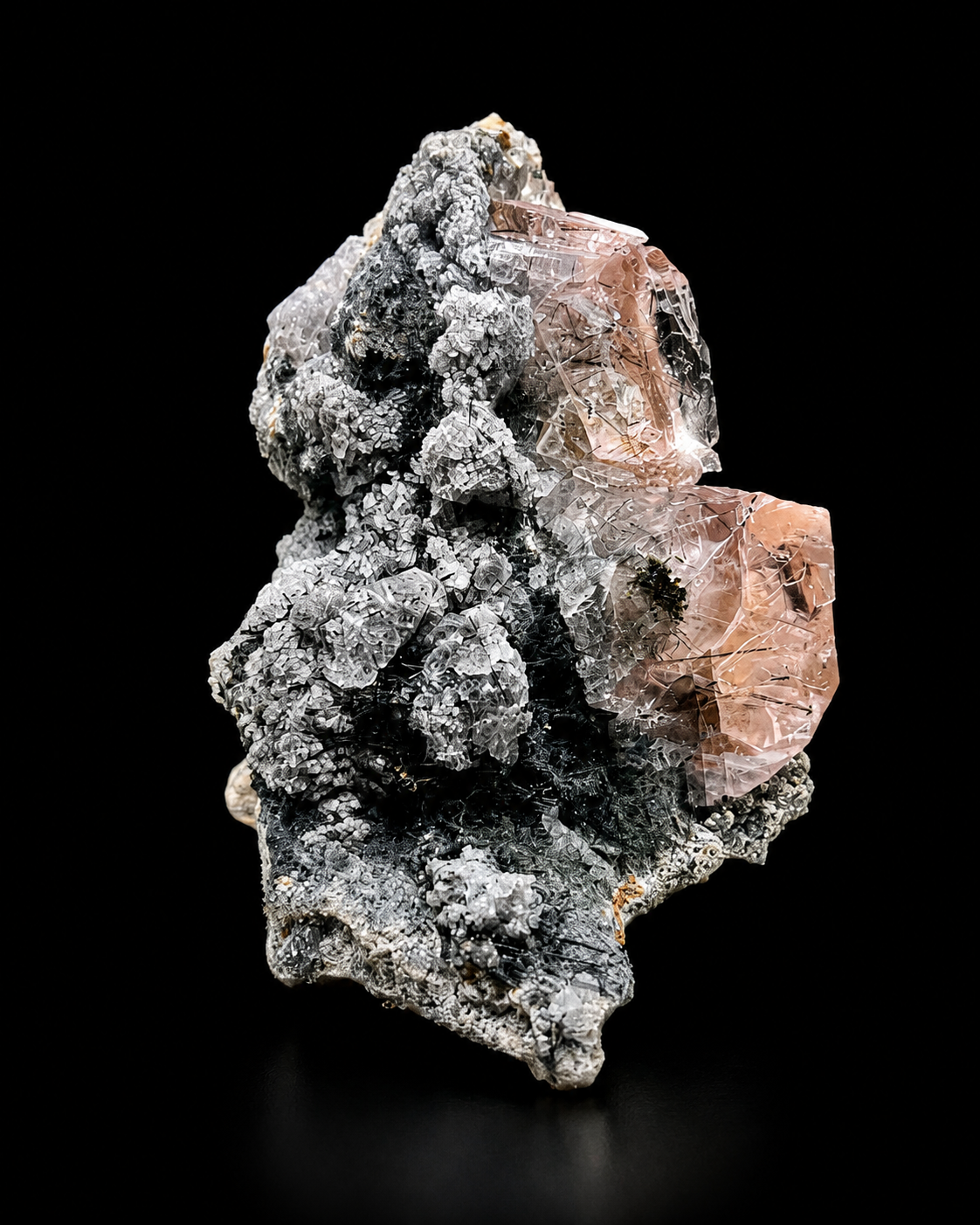
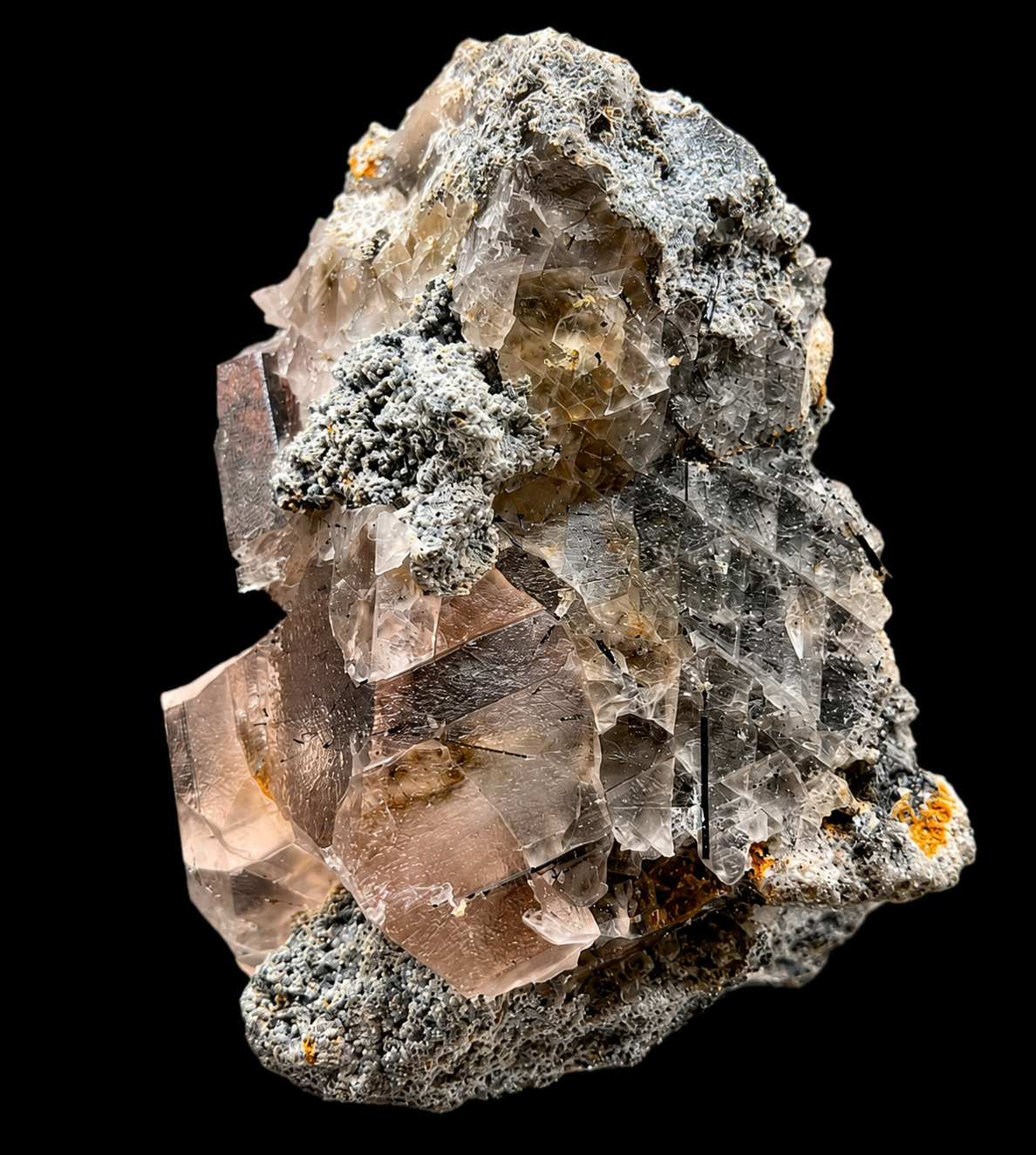
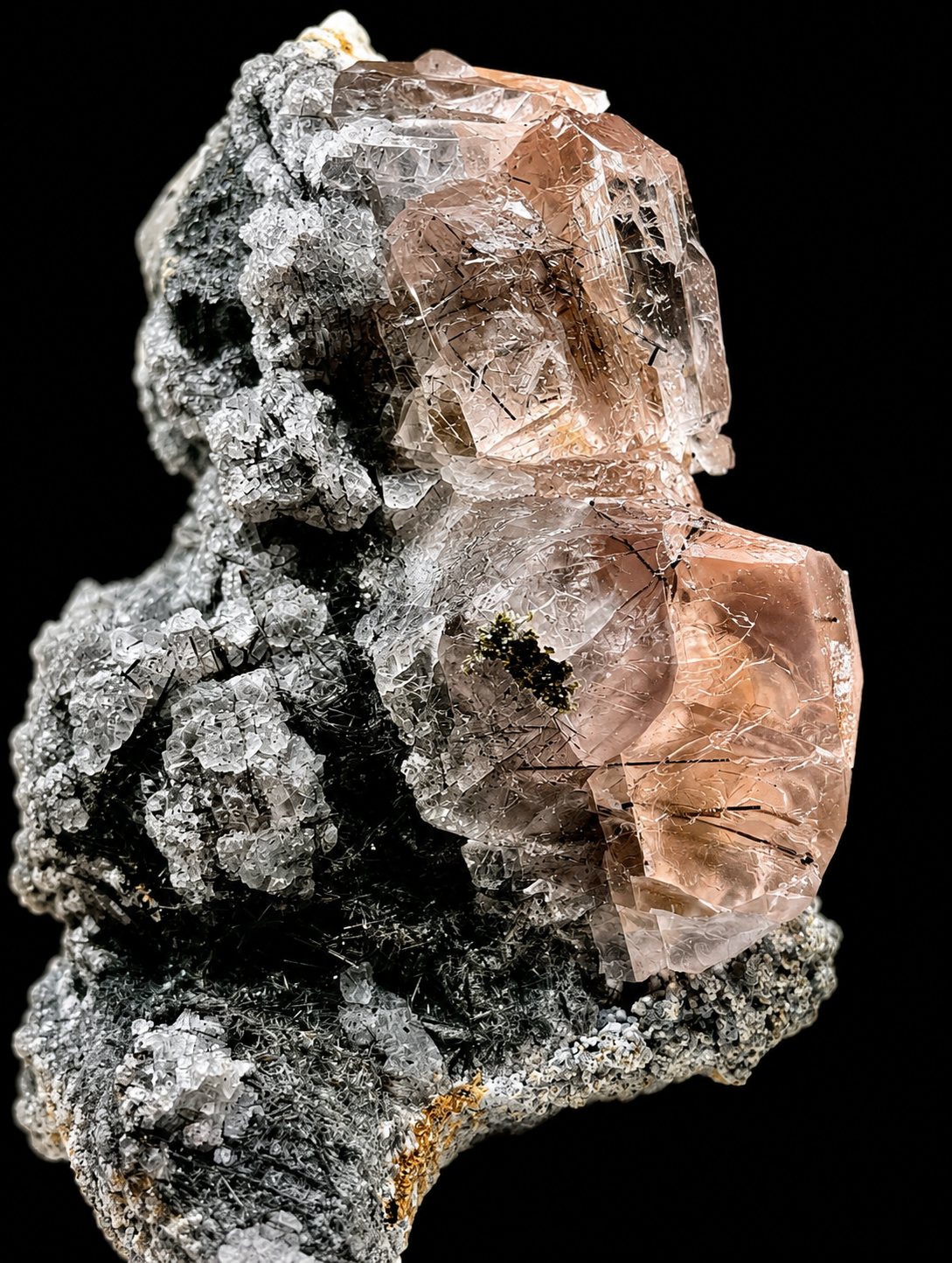
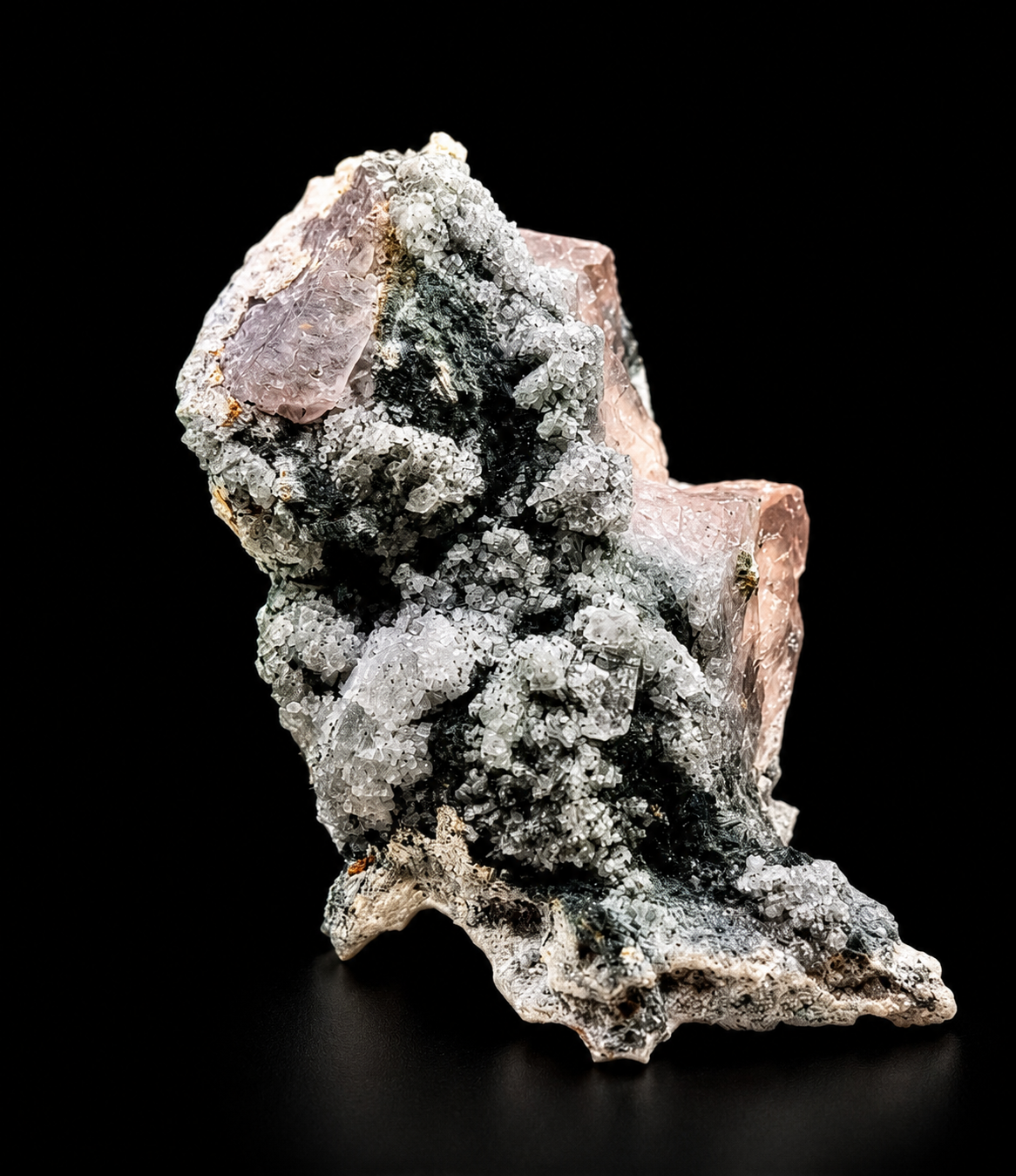
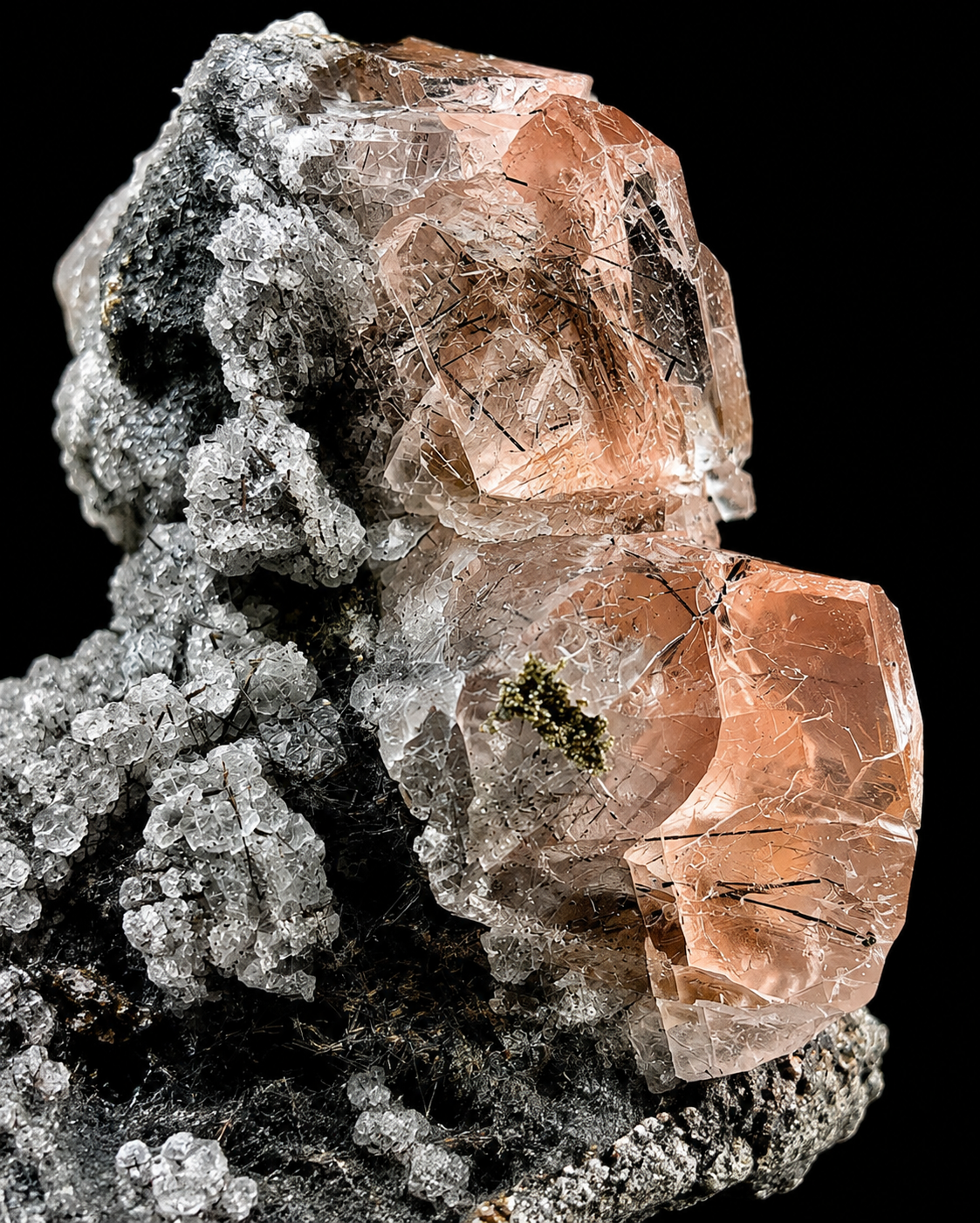
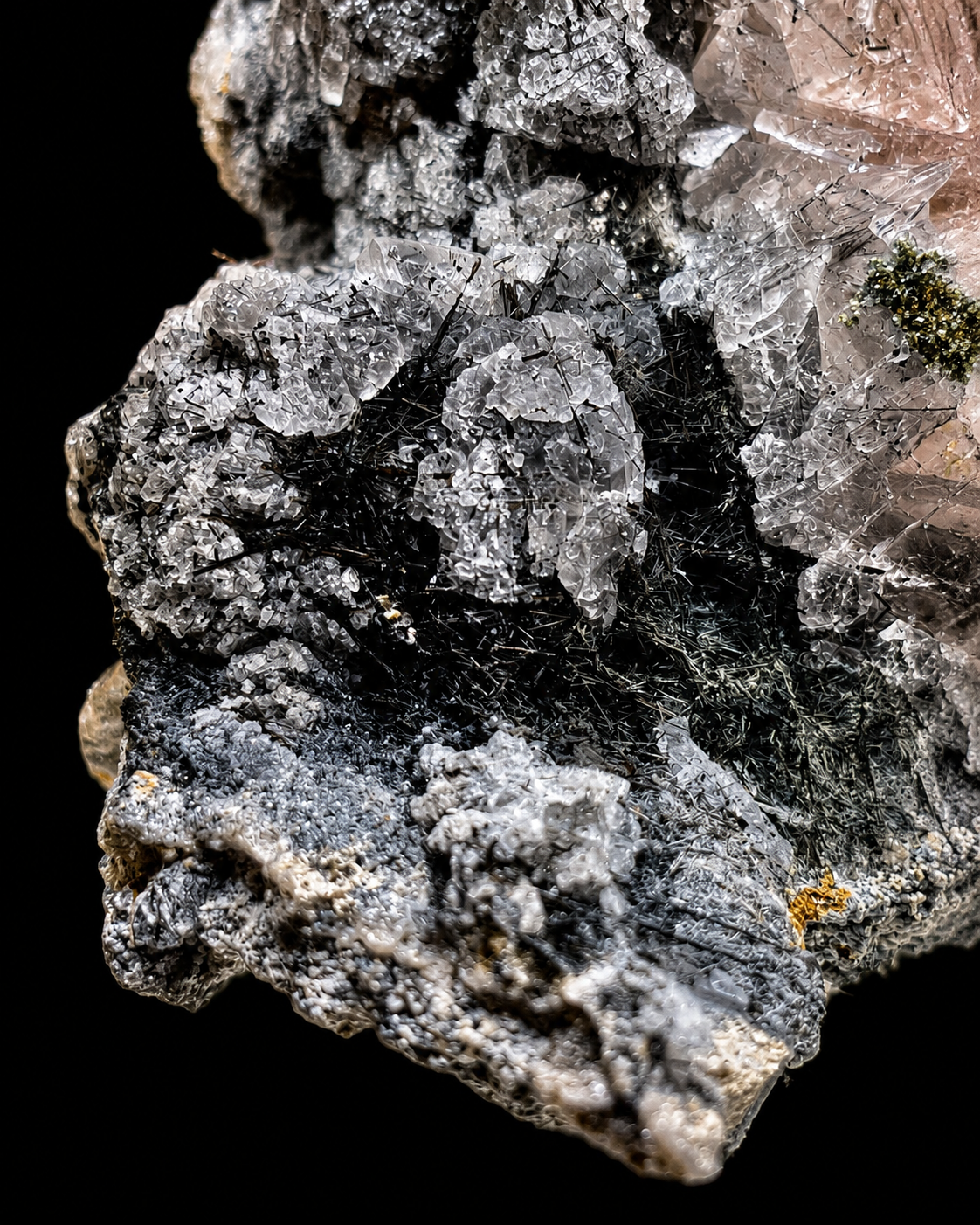
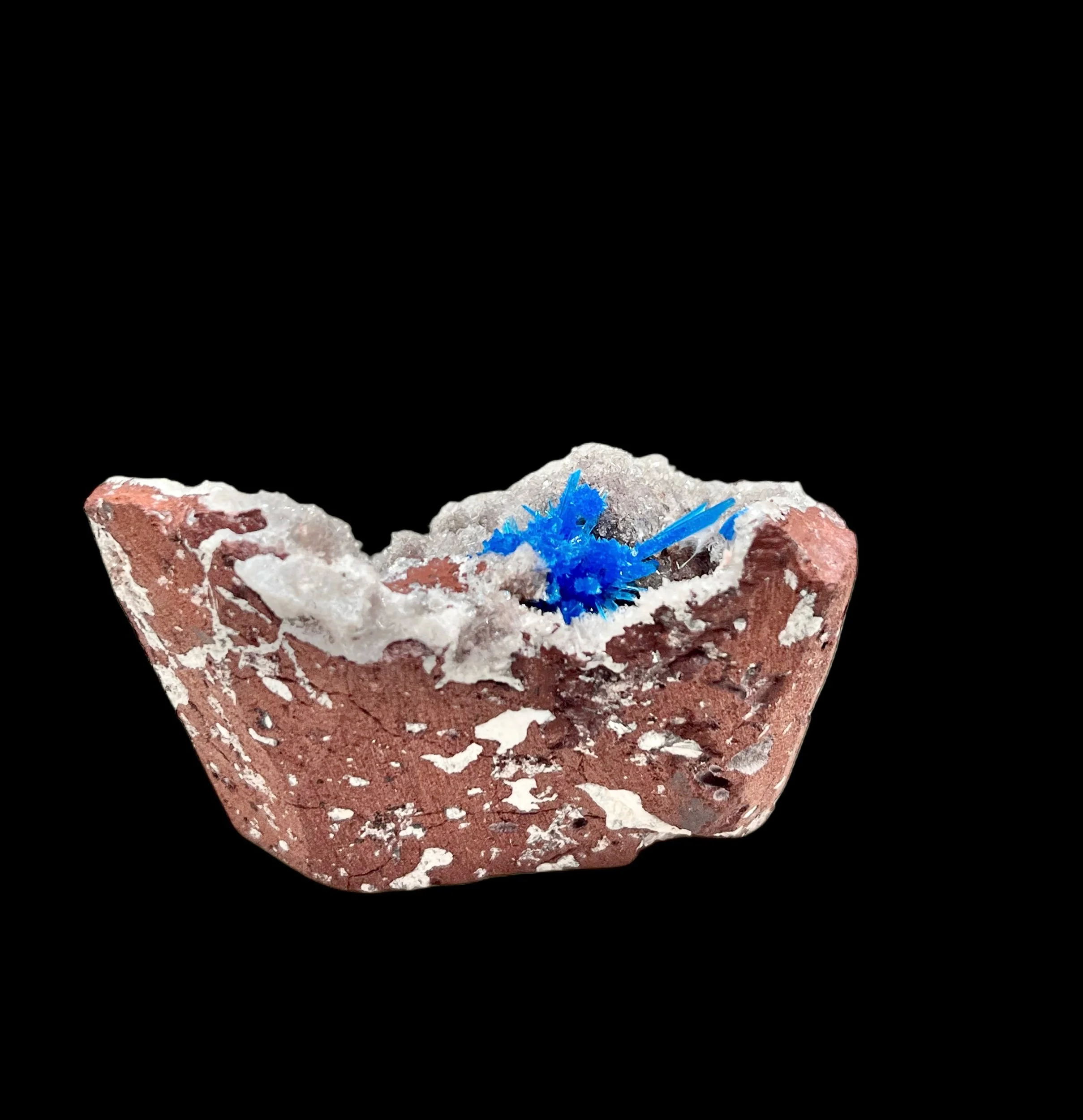
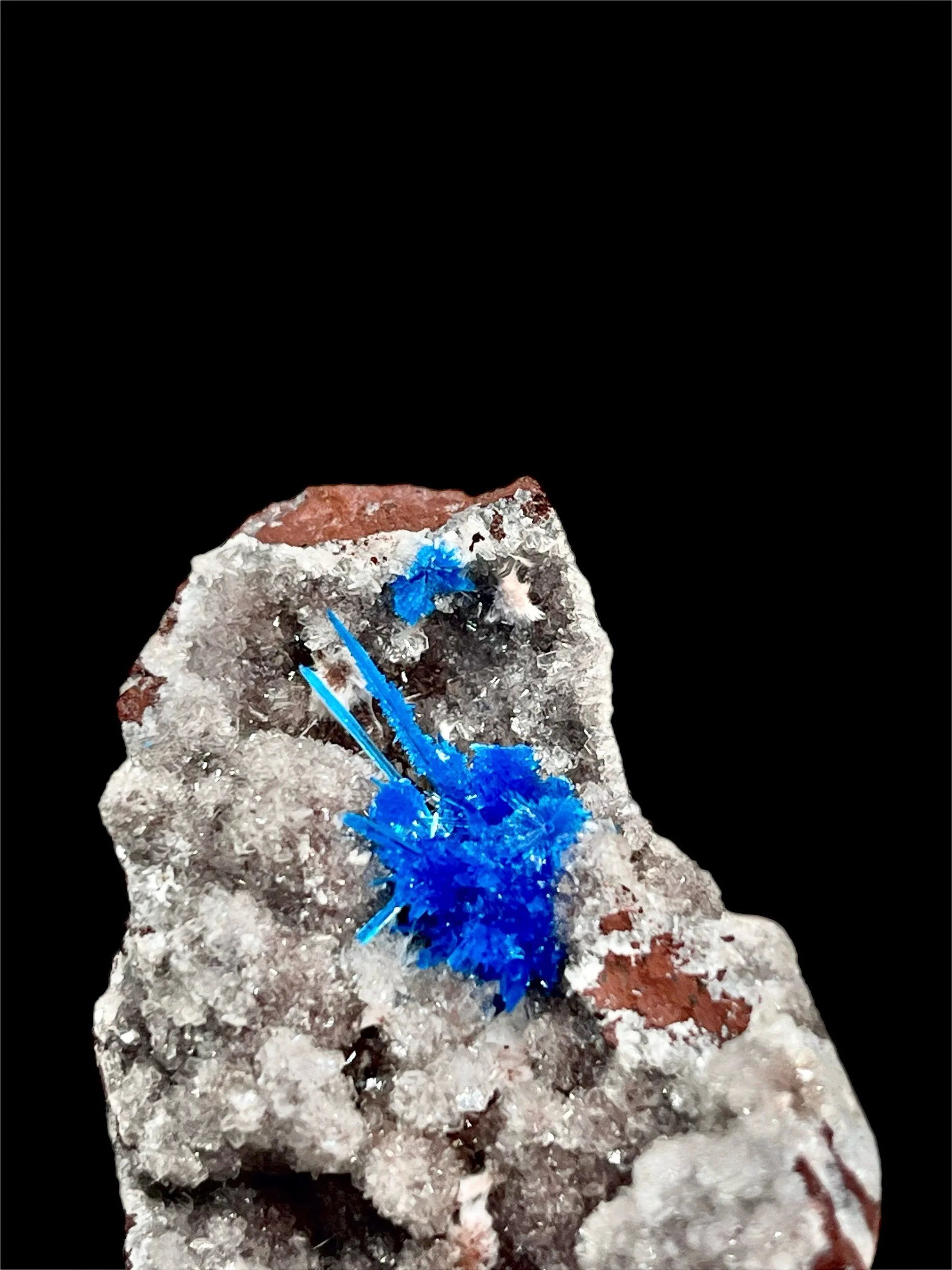
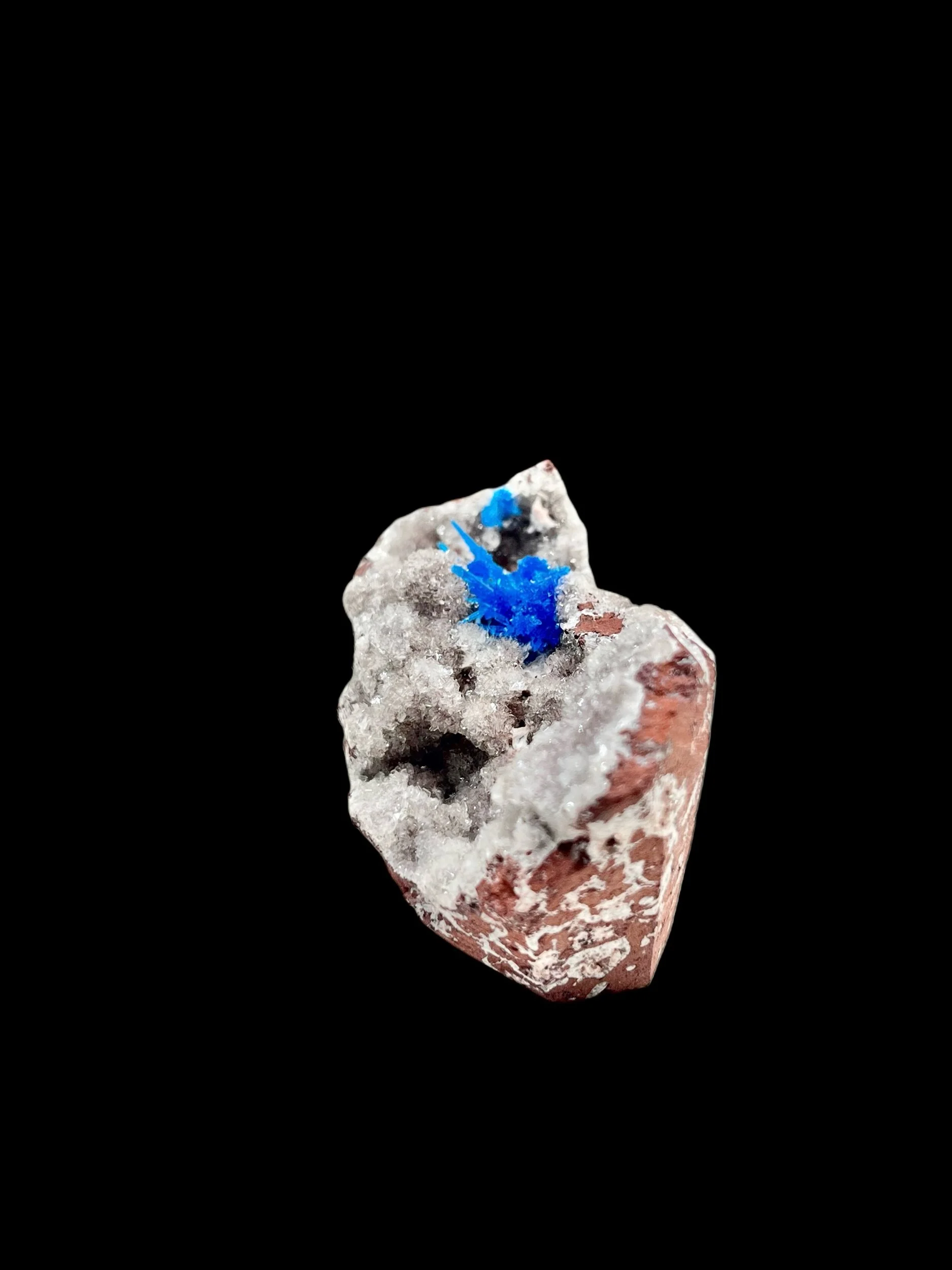
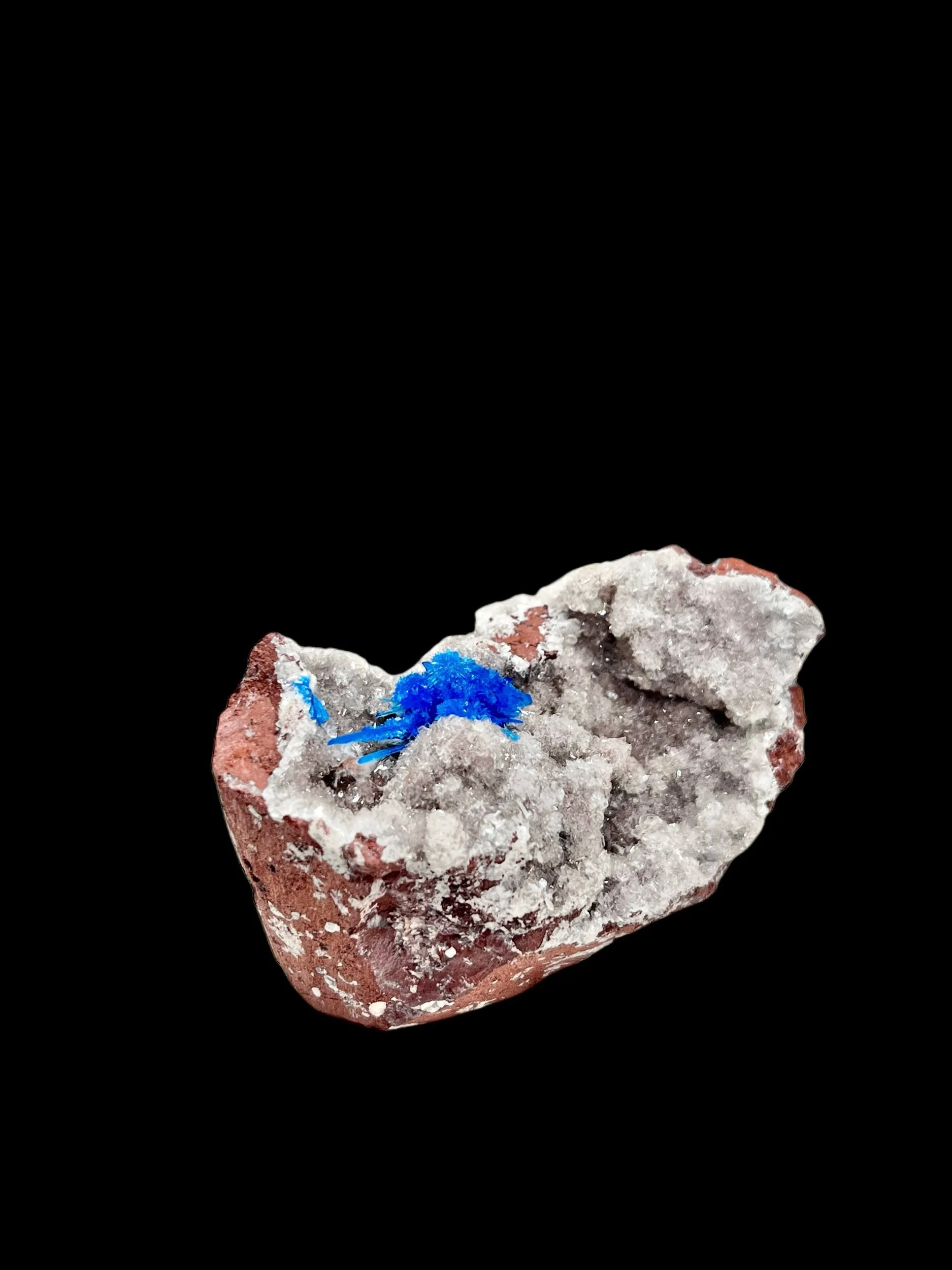
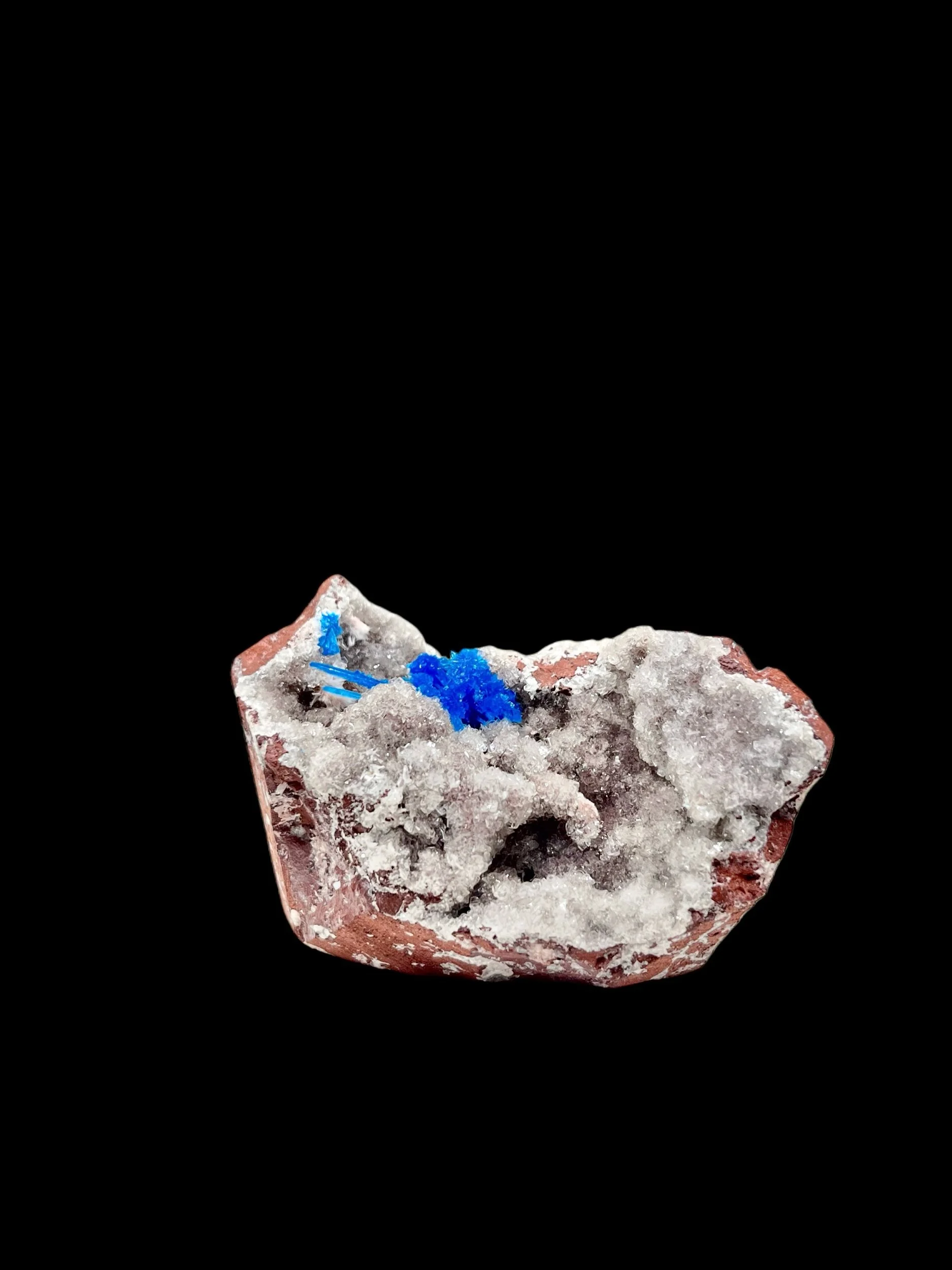
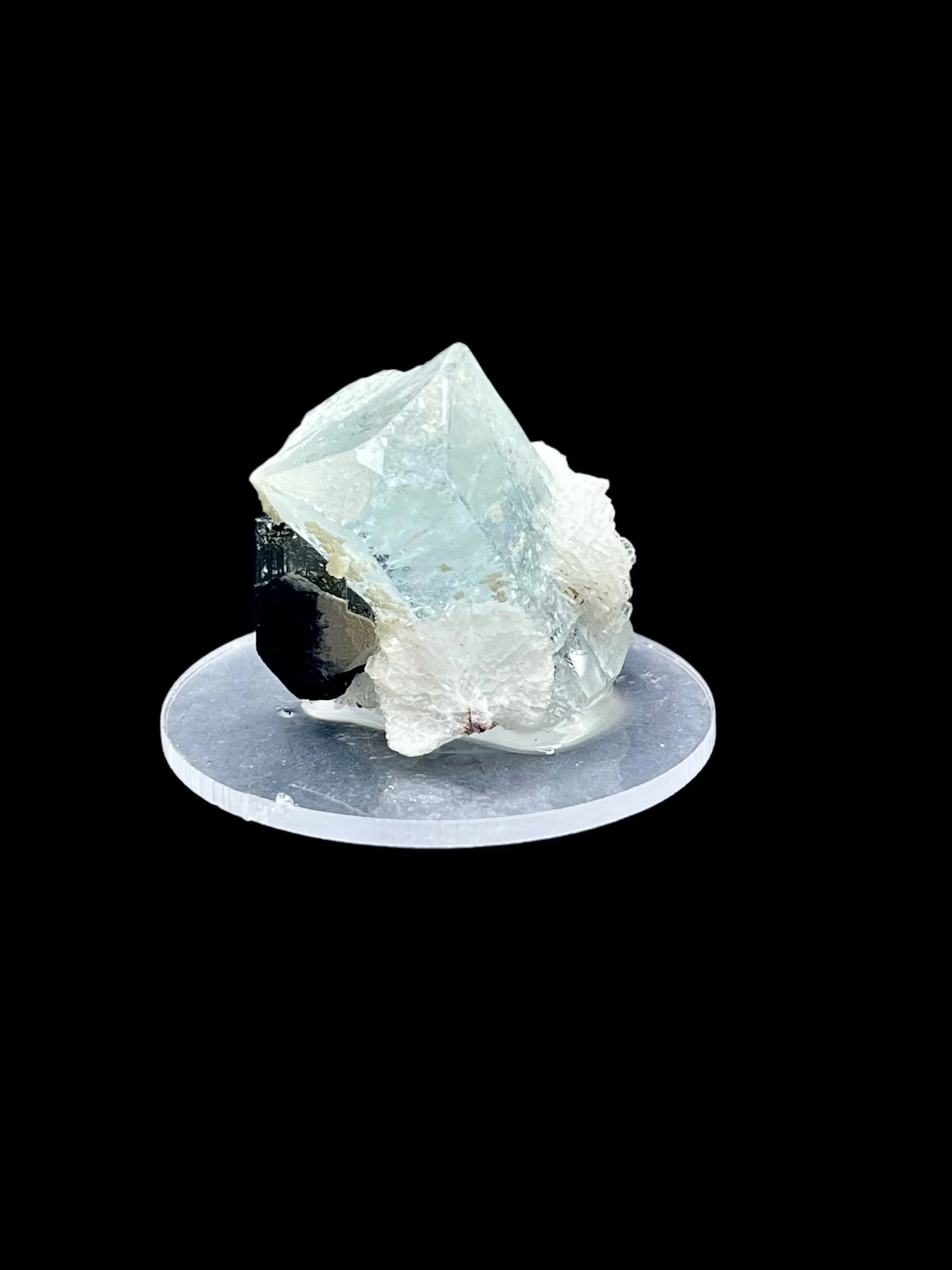
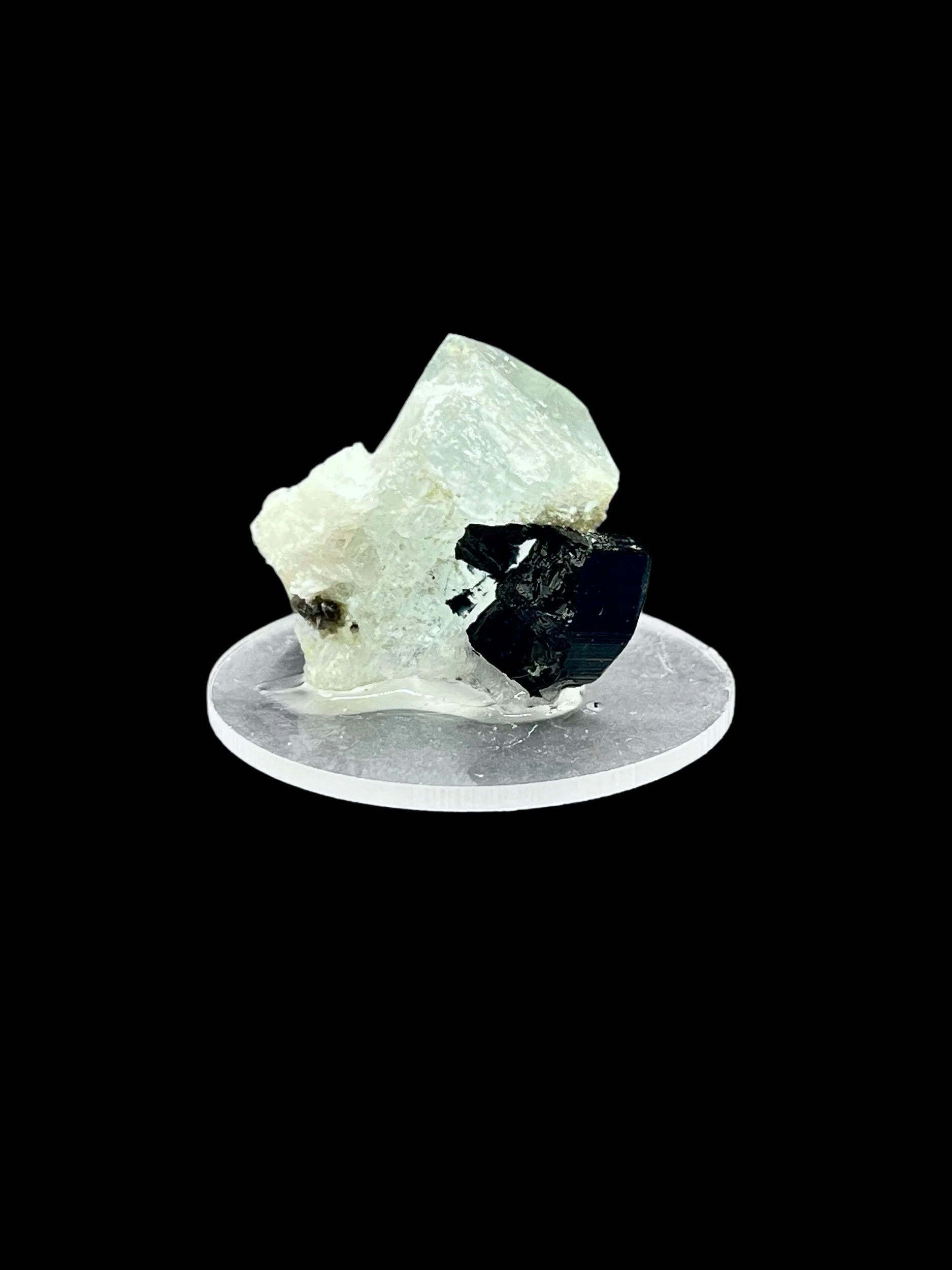
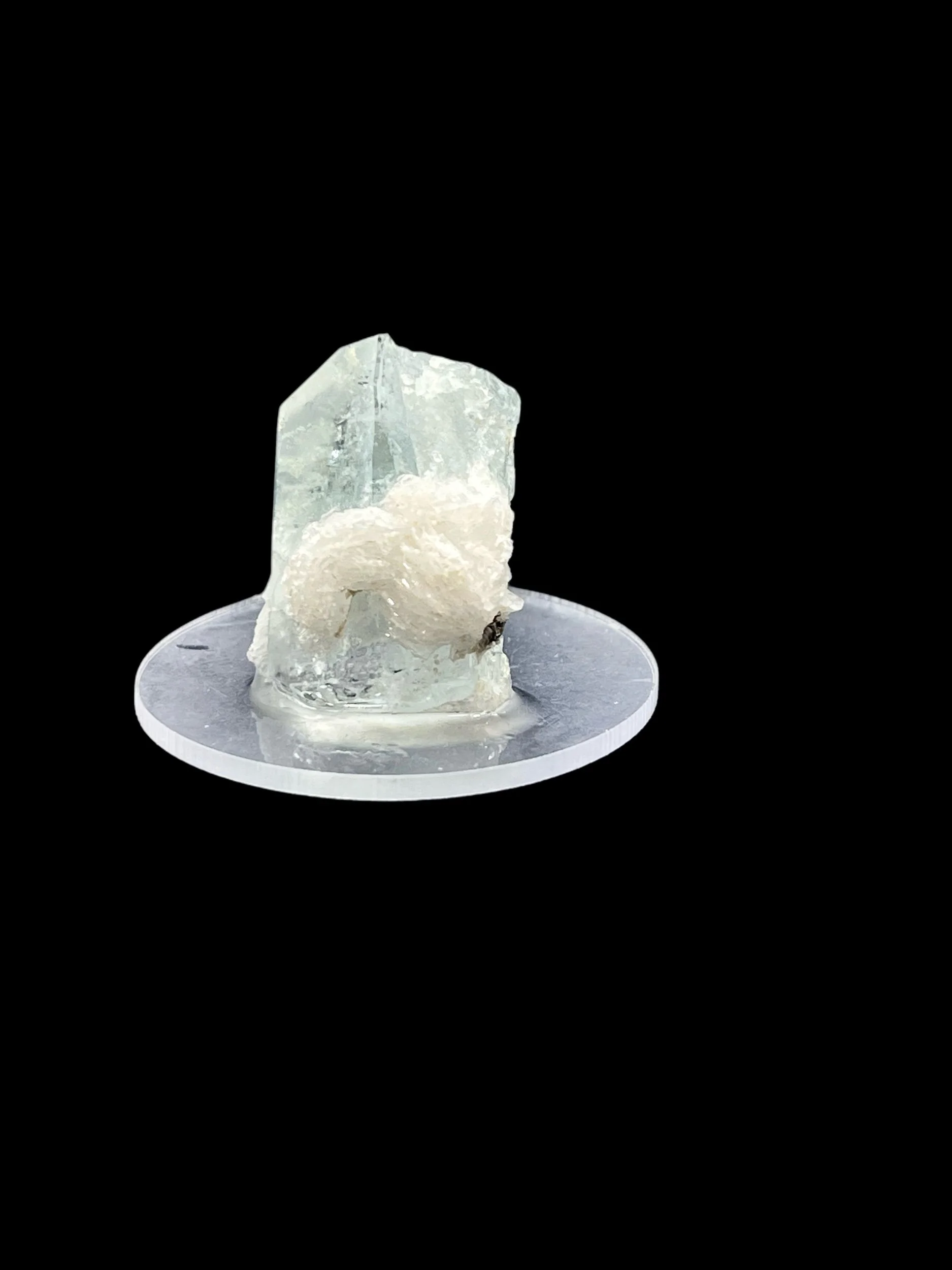
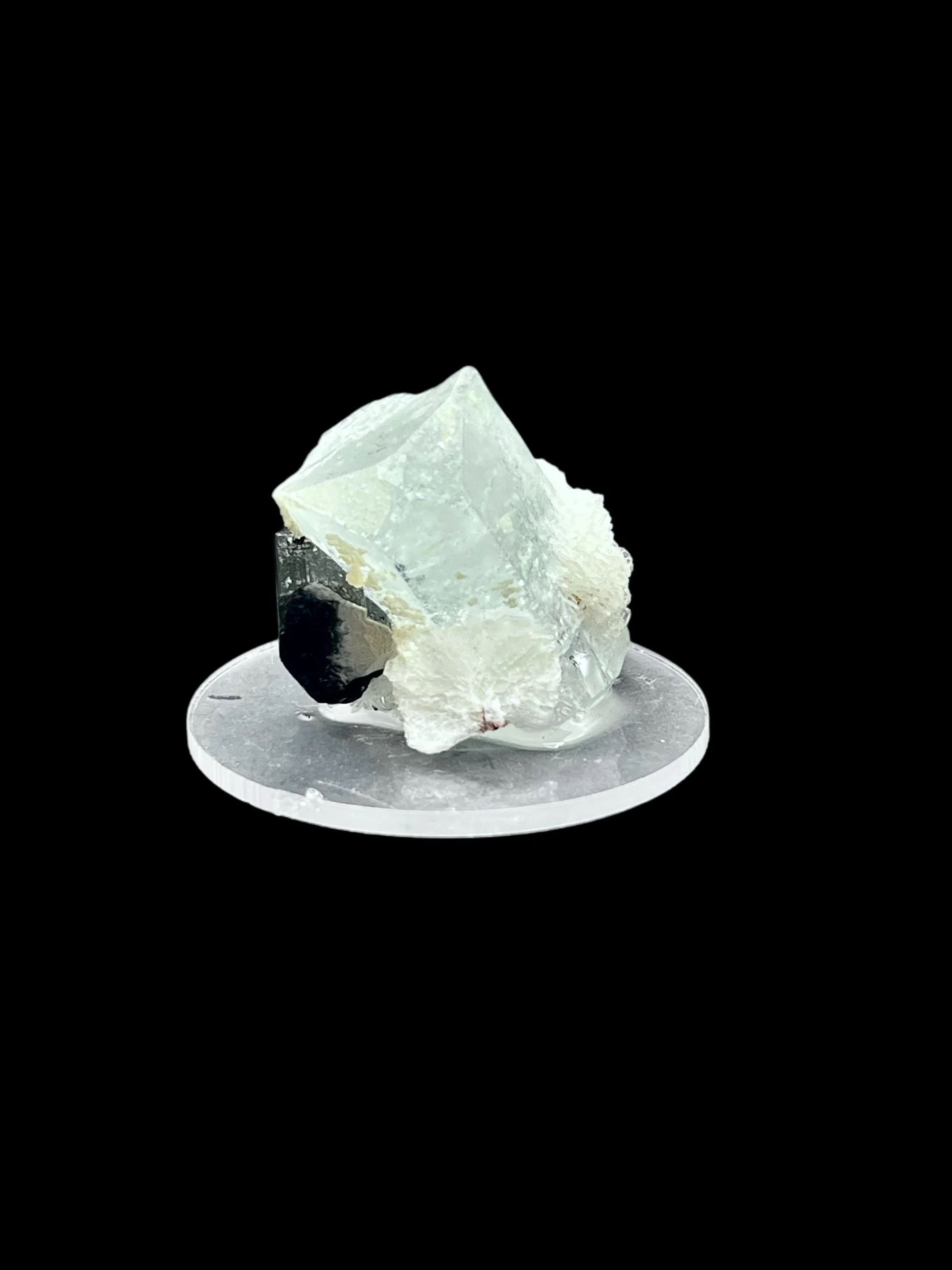
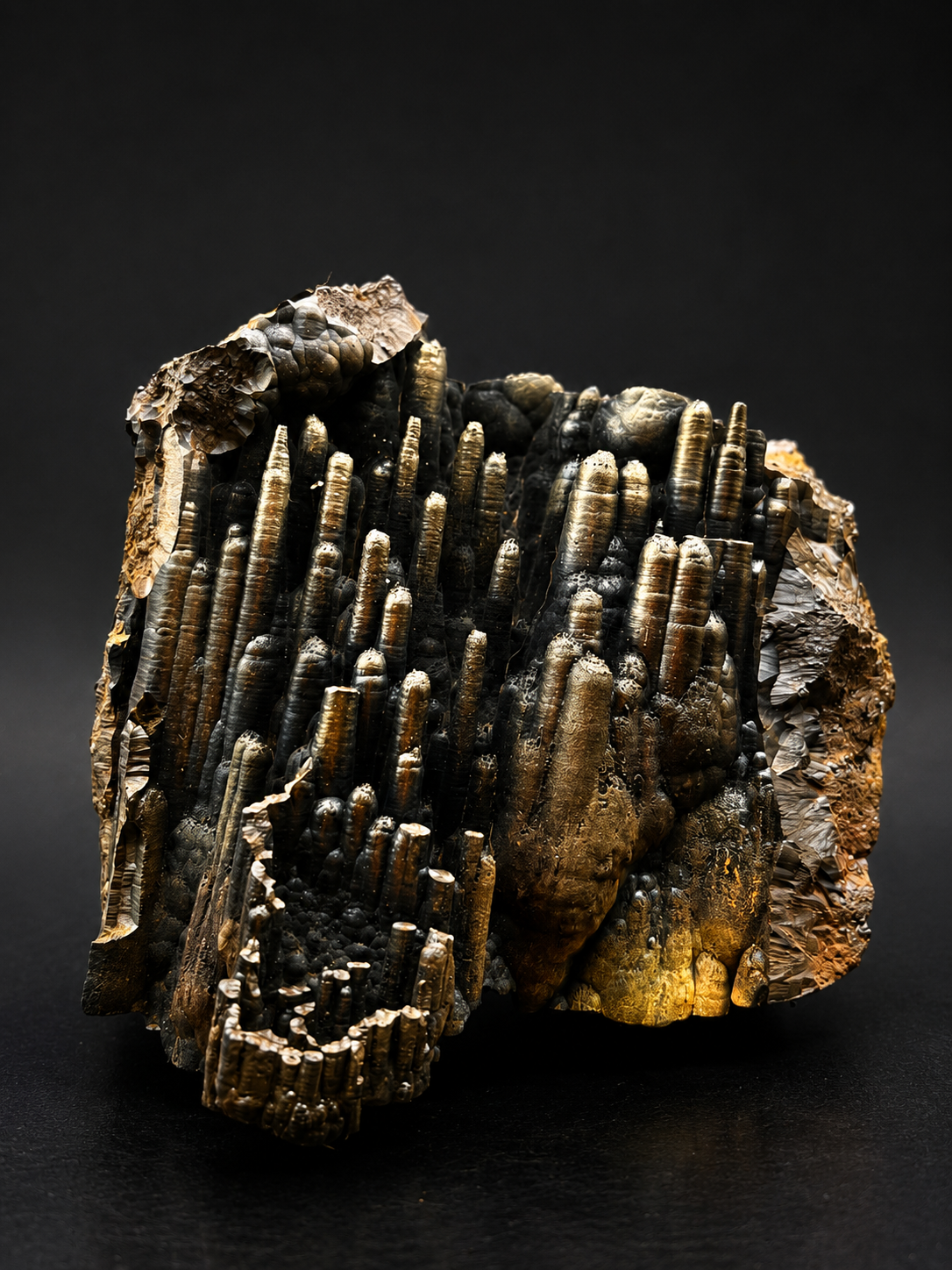
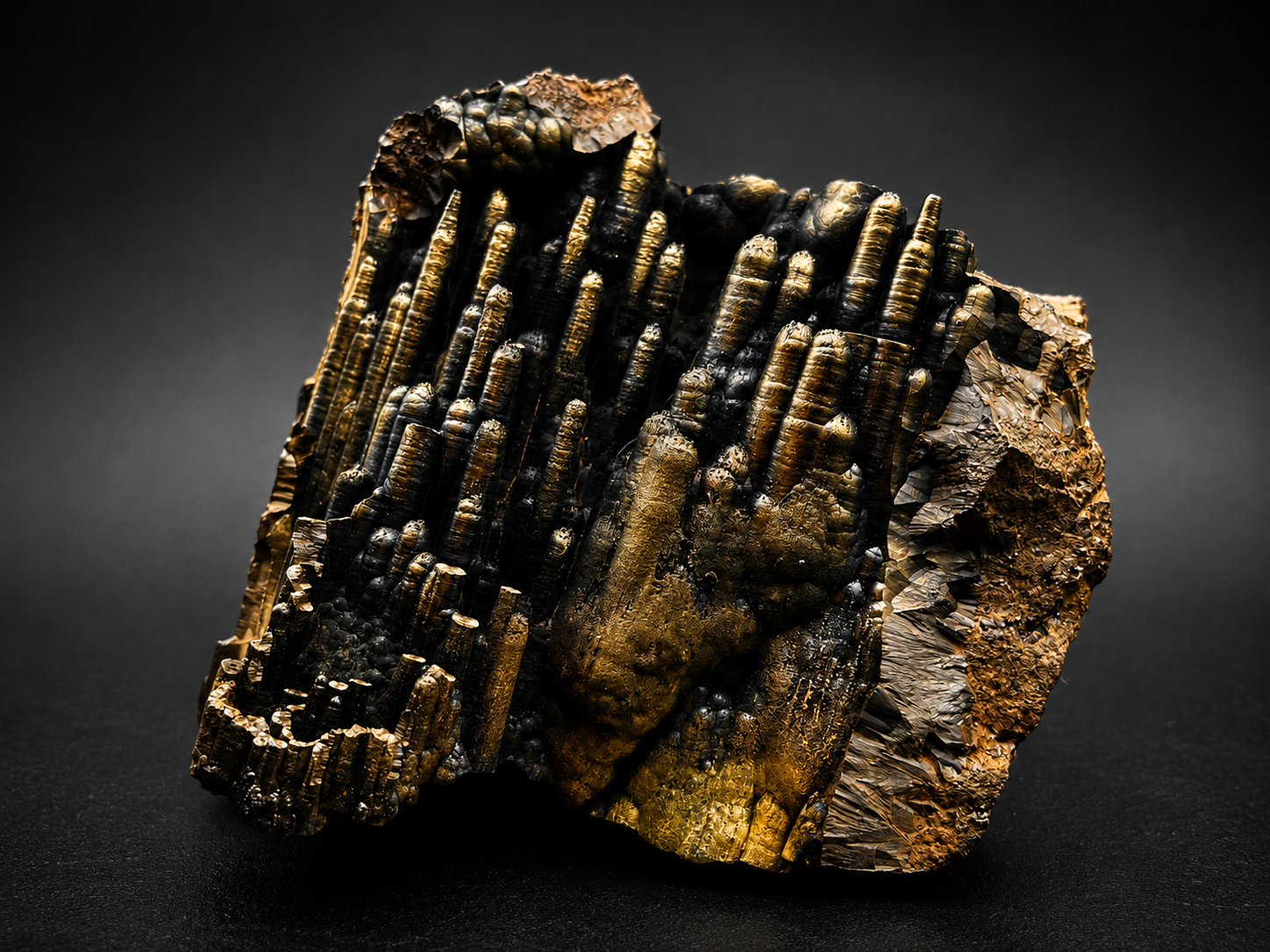
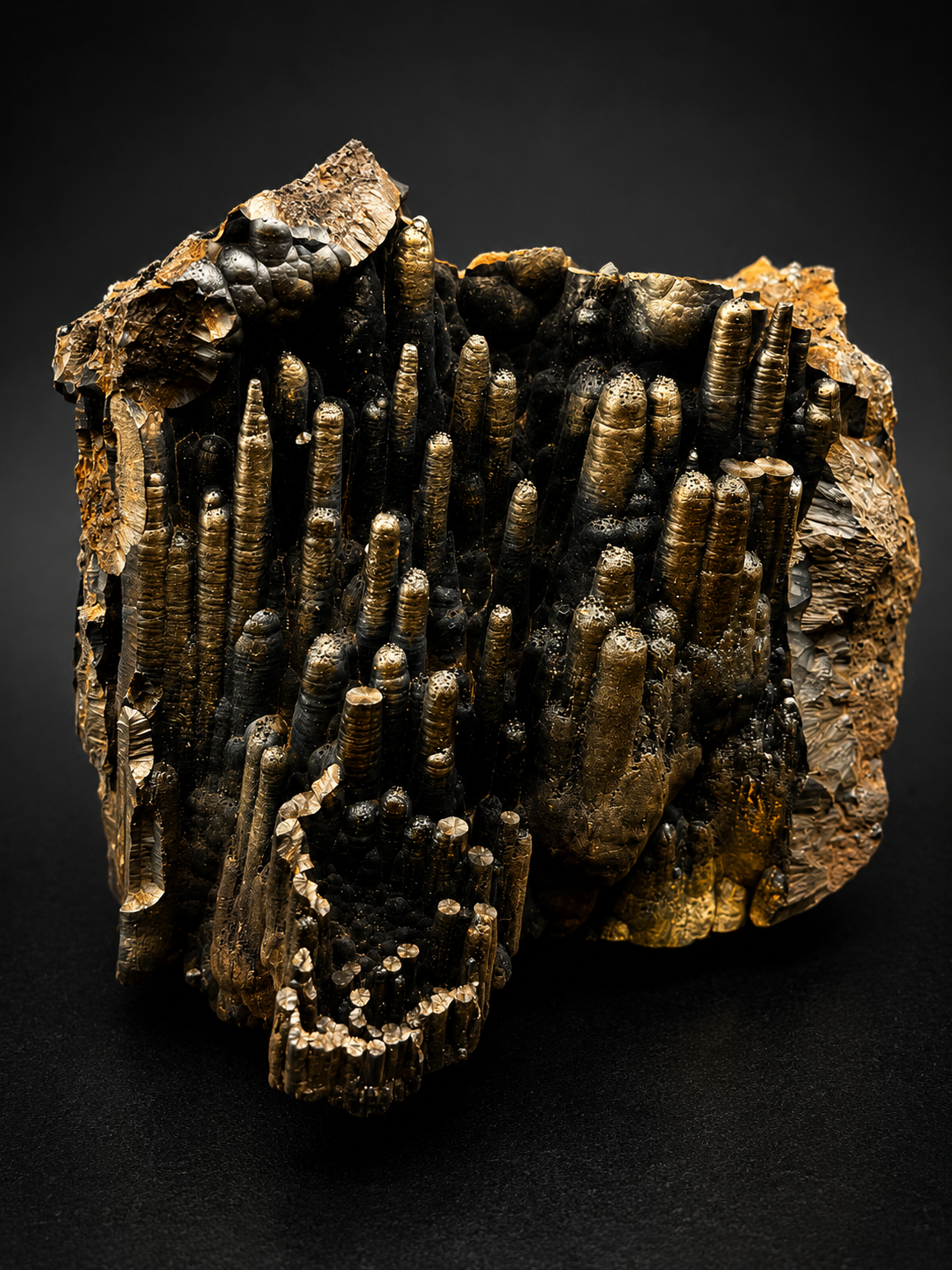
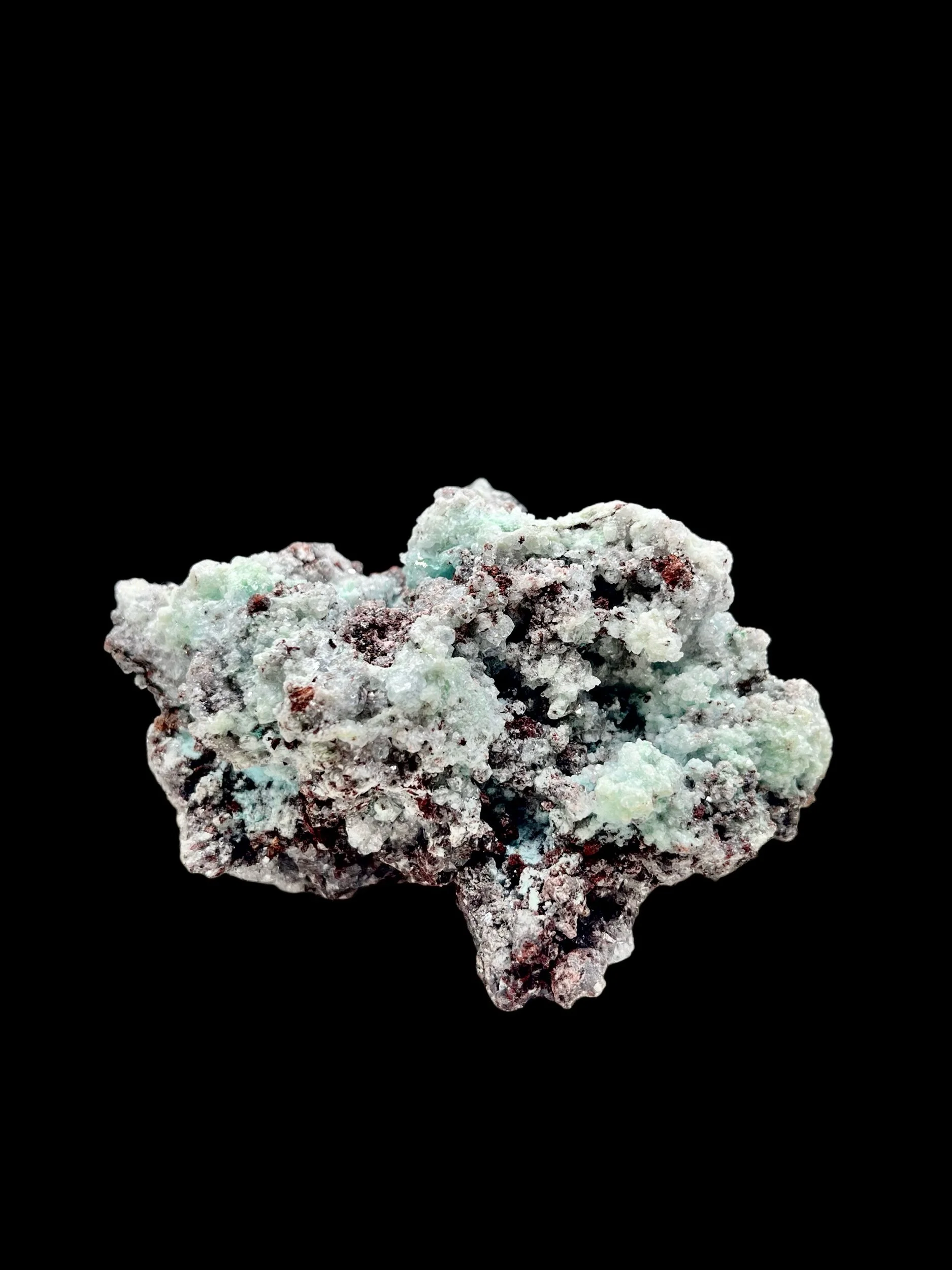
This enchanting mineral specimen features delicate blue aragonite growing naturally alongside sparkling calcite across a rugged natural matrix. The soothing sea-foam blue tones contrast beautifully with the bright crystalline calcite, creating a layered, organic composition.
The raw crystal growth gives this piece a serene, natural beauty — a reminder of the slow geological processes that formed it deep within the Earth.
Measurement: 5” x 3.5” x 3”
Weight: 377g
Delicate blue aragonite specimens with strong color saturation and well-distributed calcite are increasingly sought after by collectors. The crystal coverage on this piece is excellent, with vibrant blue clusters nestled throughout the matrix, creating depth and visual interest from every angle.
This specimen was chosen for its luster, color balance, natural texture, and highly aesthetic crystal formation.
Naturally occurring blue aragonite crystals
Lustrous calcite crystal association
Excellent color contrast and crystal coverage
No treatments or enhancements
Unique, one-of-a-kind formation
Blue aragonite is believed to be a stone of calm, emotional healing, and gentle communication, often used to soothe anxiety and promote inner peace. Calcite is associated with clarity, amplification, and energetic cleansing, believed to enhance intention and remove stagnant energy. Together, they are thought to support emotional balance, self-expression, and spiritual clarity.
Aragonite (CaCO₃) is a calcium carbonate mineral that forms in needle-like and clustered crystal habits. Blue coloration comes from trace elements such as copper.
Calcite (CaCO₃) is a widely occurring carbonate mineral known for its clarity, crystal forms, and ability to grow alongside many other mineral species.
These minerals crystallized together from mineral-rich fluids, creating the intricate intergrown formations seen in this specimen.
This enchanting mineral specimen features delicate blue aragonite growing naturally alongside sparkling calcite across a rugged natural matrix. The soothing sea-foam blue tones contrast beautifully with the bright crystalline calcite, creating a layered, organic composition.
The raw crystal growth gives this piece a serene, natural beauty — a reminder of the slow geological processes that formed it deep within the Earth.
Measurement: 5” x 3.5” x 3”
Weight: 377g
Delicate blue aragonite specimens with strong color saturation and well-distributed calcite are increasingly sought after by collectors. The crystal coverage on this piece is excellent, with vibrant blue clusters nestled throughout the matrix, creating depth and visual interest from every angle.
This specimen was chosen for its luster, color balance, natural texture, and highly aesthetic crystal formation.
Naturally occurring blue aragonite crystals
Lustrous calcite crystal association
Excellent color contrast and crystal coverage
No treatments or enhancements
Unique, one-of-a-kind formation
Blue aragonite is believed to be a stone of calm, emotional healing, and gentle communication, often used to soothe anxiety and promote inner peace. Calcite is associated with clarity, amplification, and energetic cleansing, believed to enhance intention and remove stagnant energy. Together, they are thought to support emotional balance, self-expression, and spiritual clarity.
Aragonite (CaCO₃) is a calcium carbonate mineral that forms in needle-like and clustered crystal habits. Blue coloration comes from trace elements such as copper.
Calcite (CaCO₃) is a widely occurring carbonate mineral known for its clarity, crystal forms, and ability to grow alongside many other mineral species.
These minerals crystallized together from mineral-rich fluids, creating the intricate intergrown formations seen in this specimen.