Description
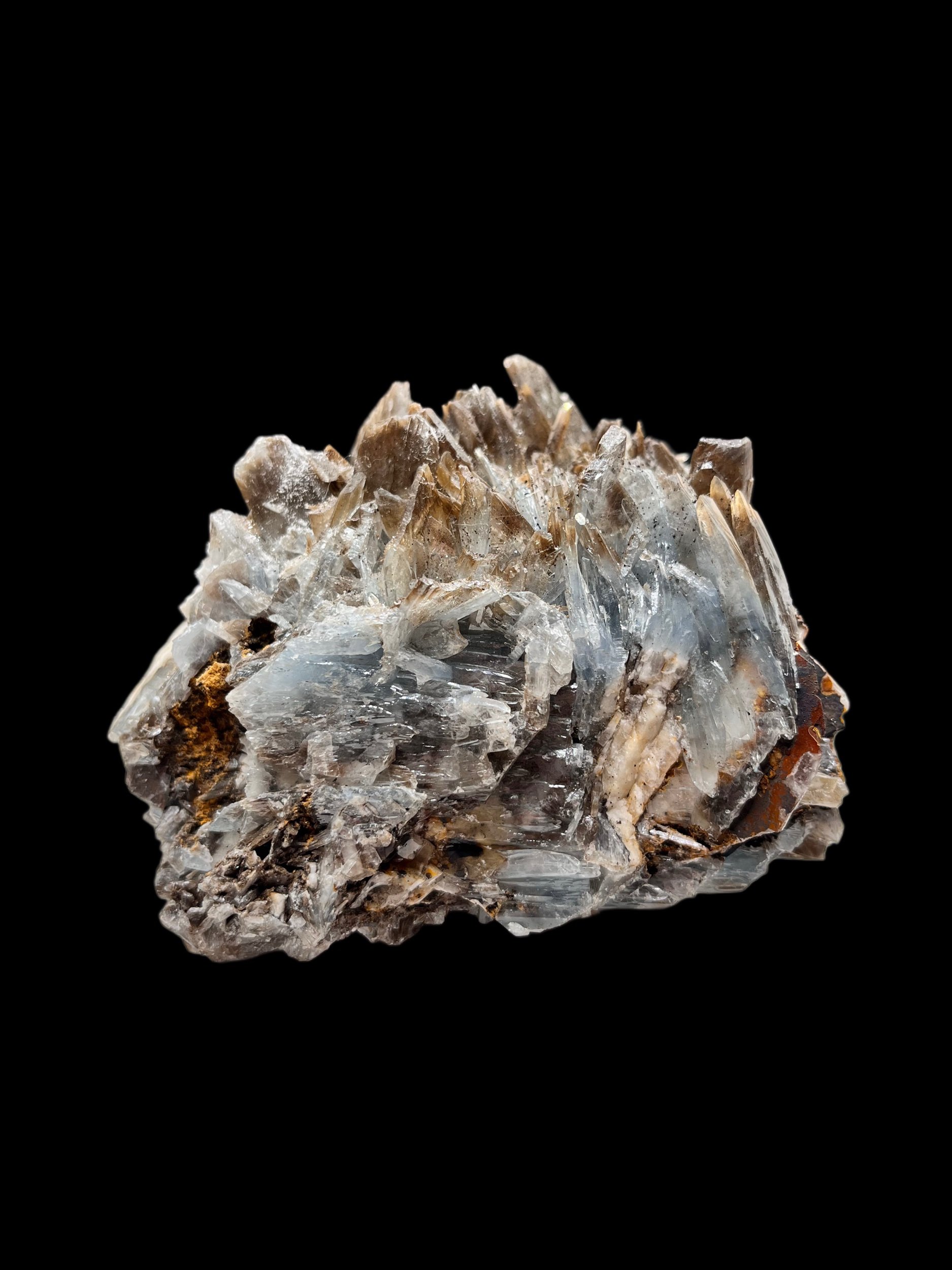
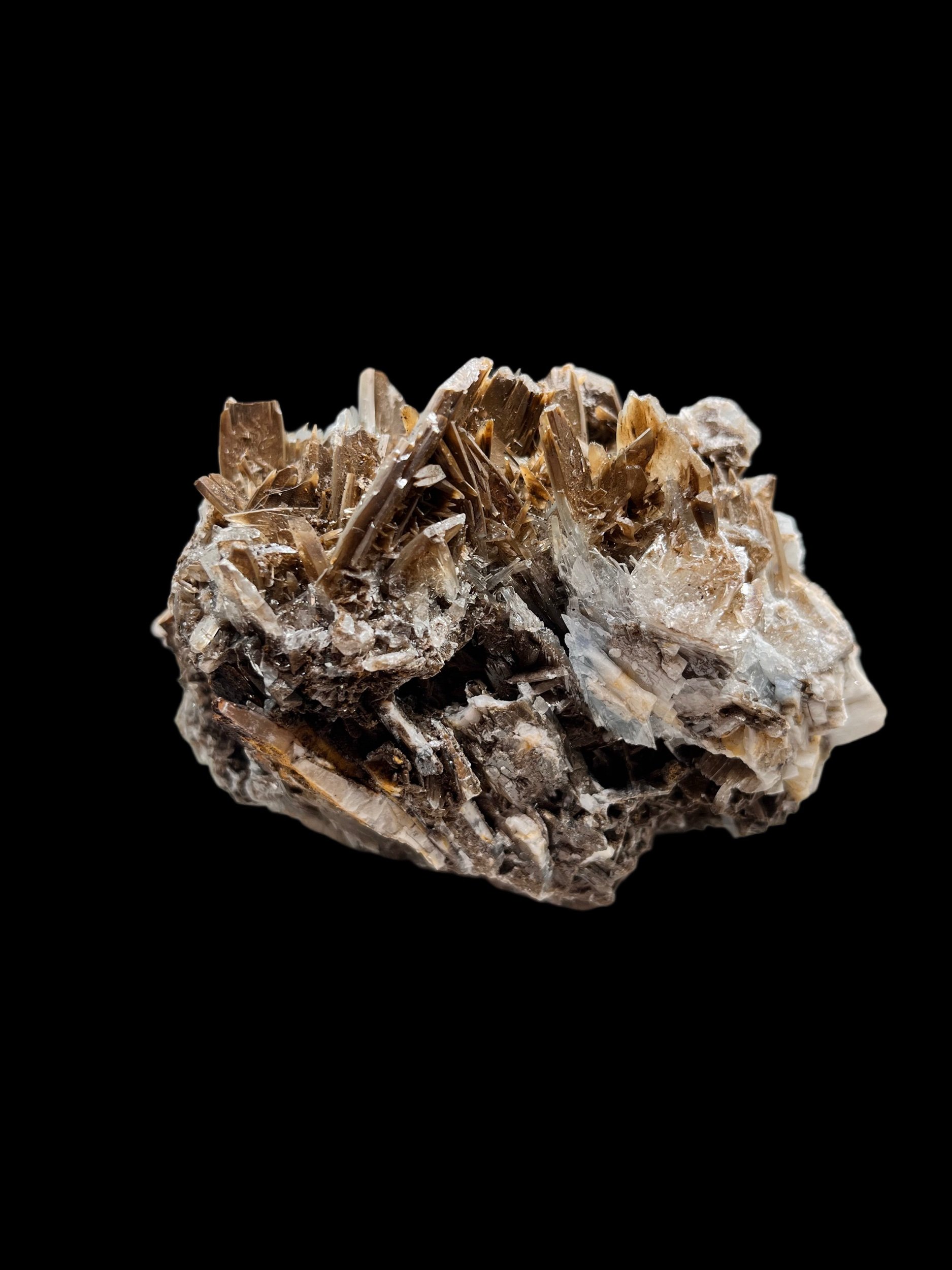
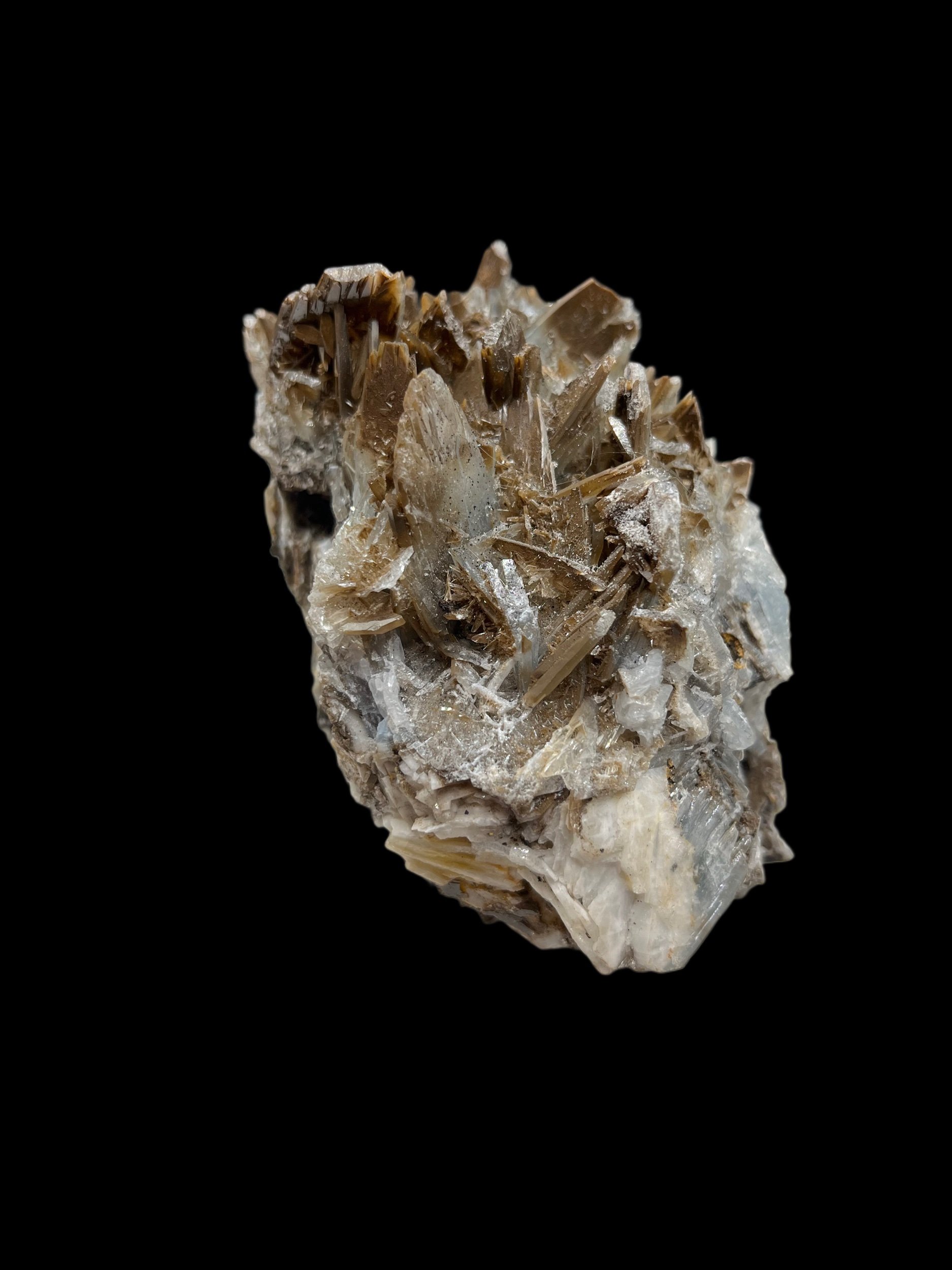
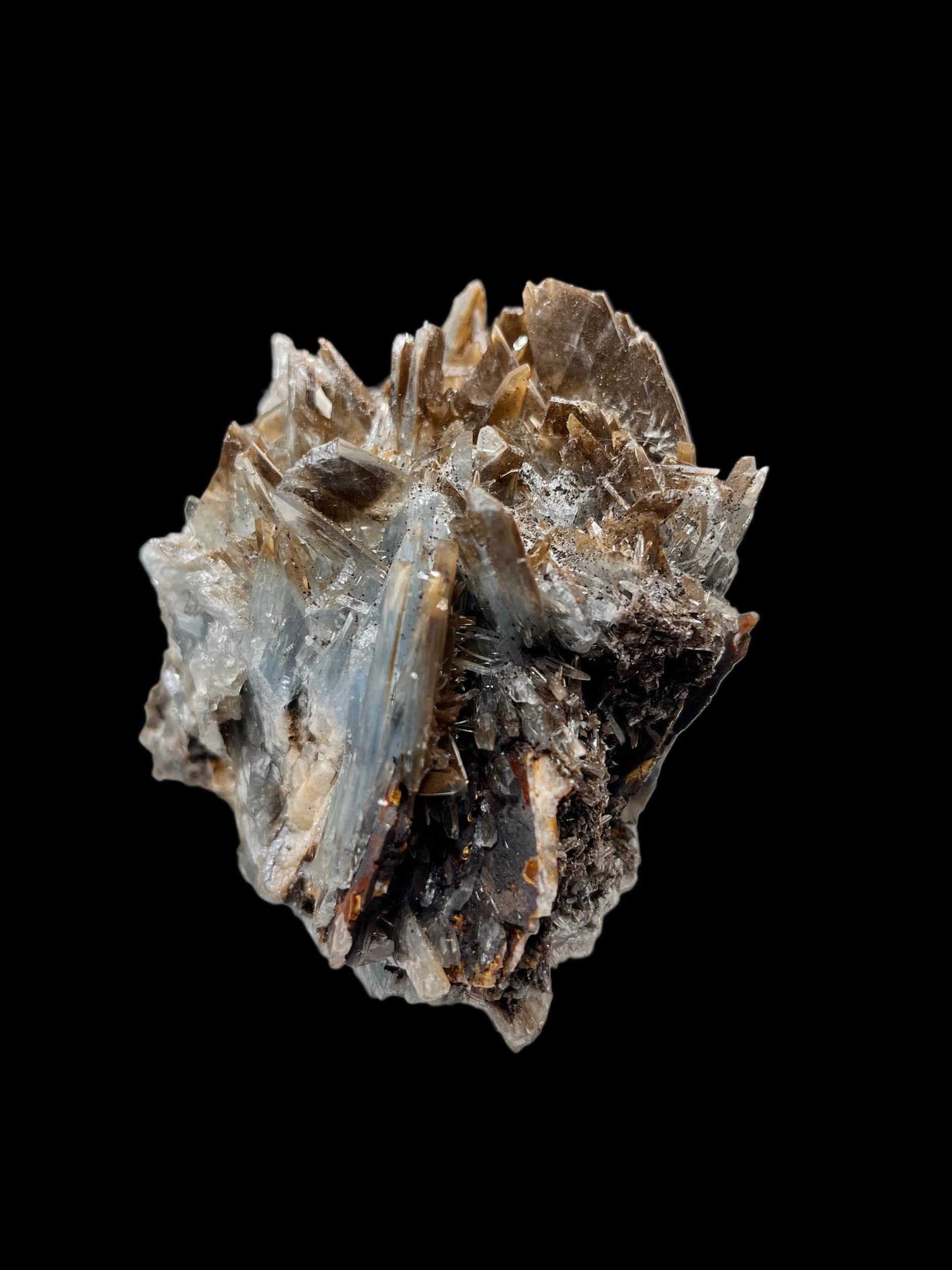
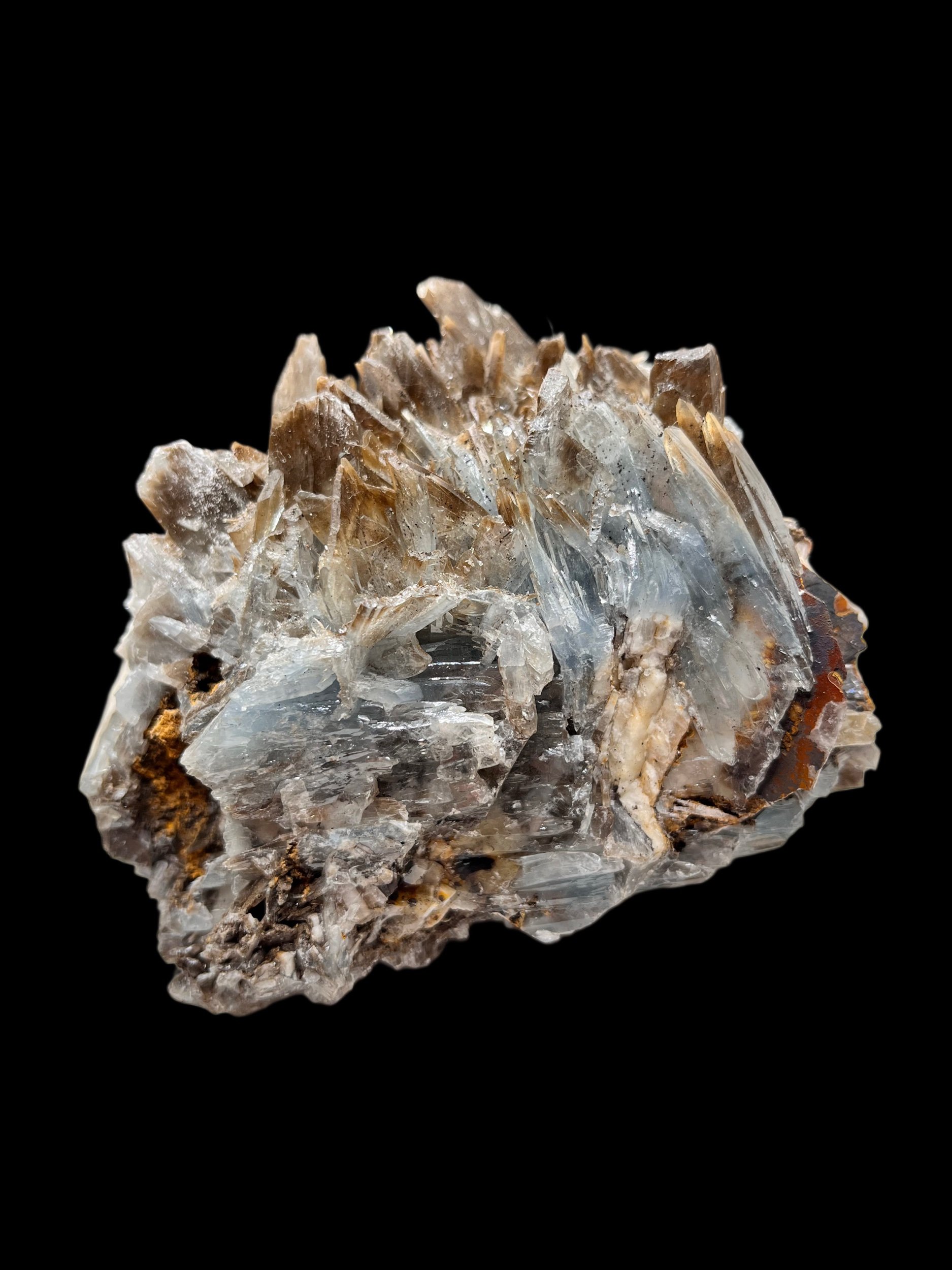
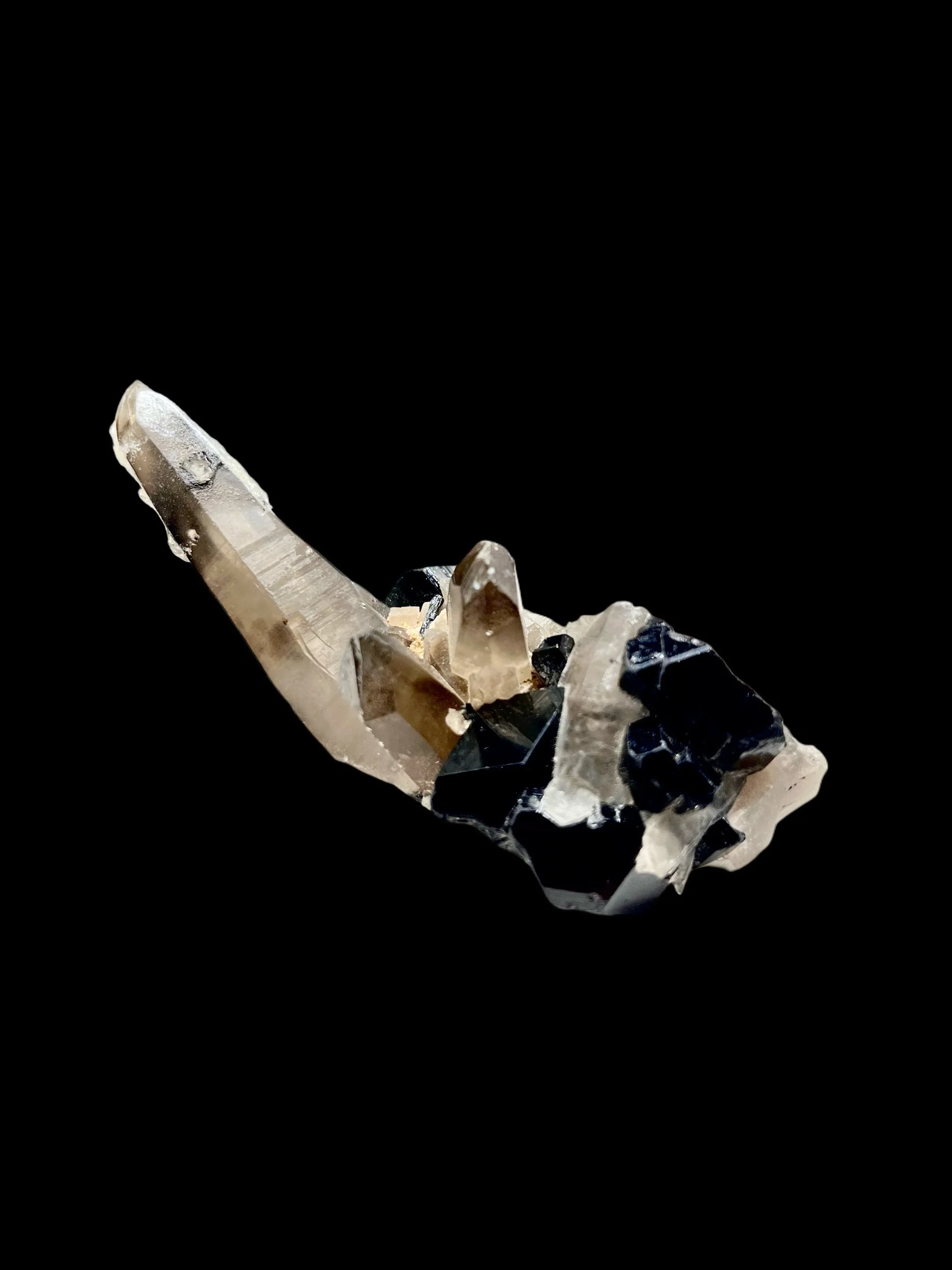
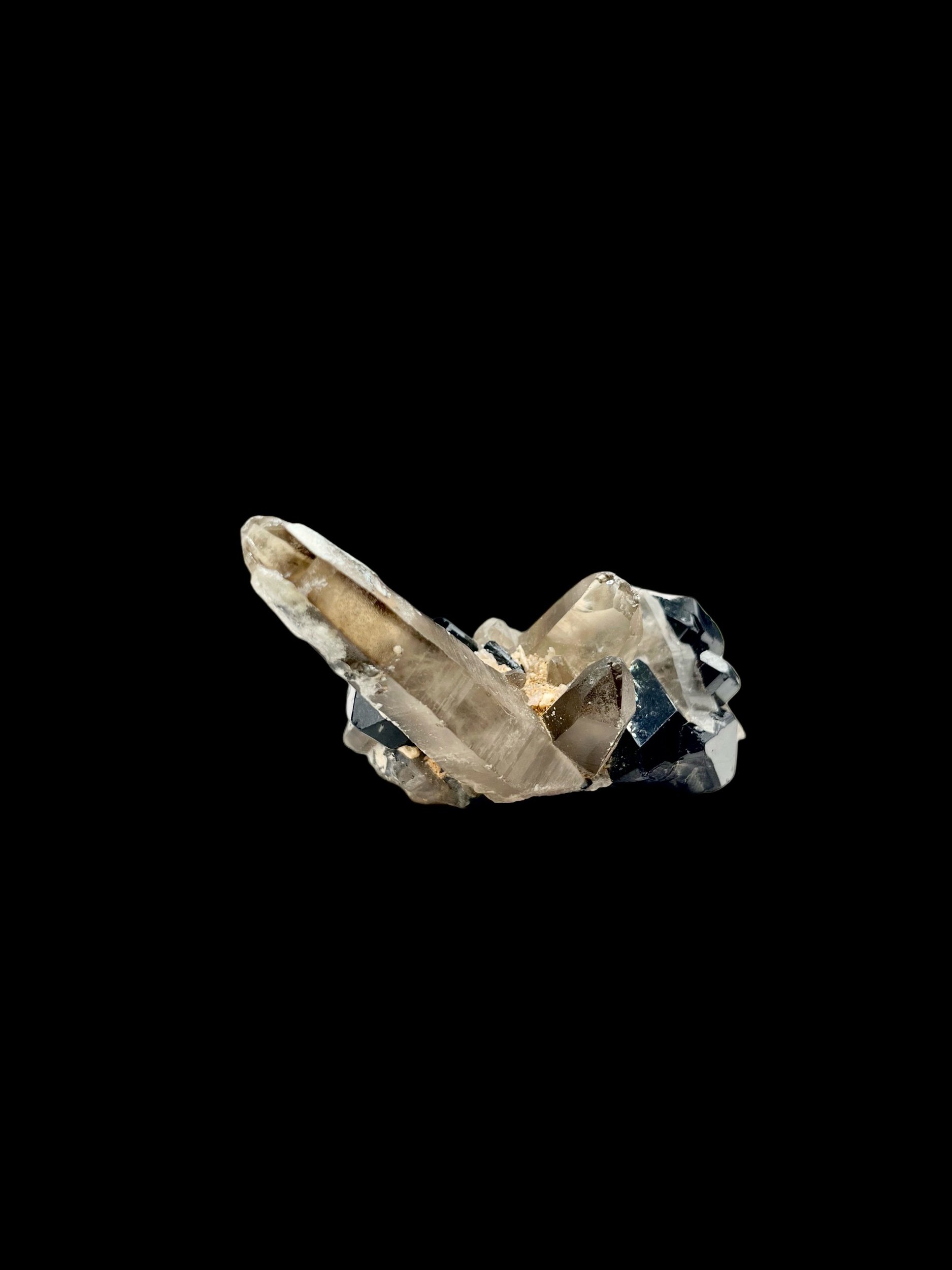
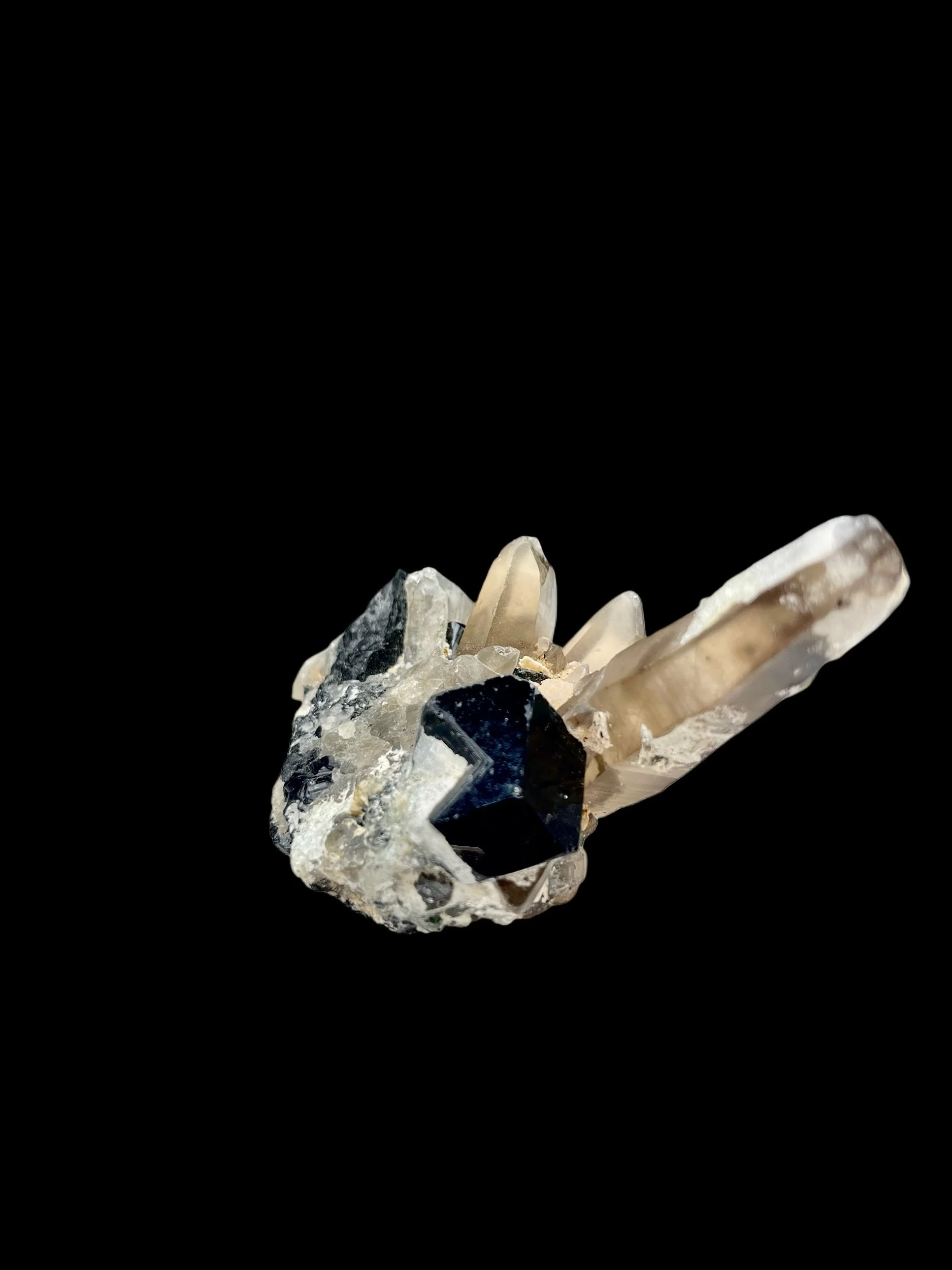
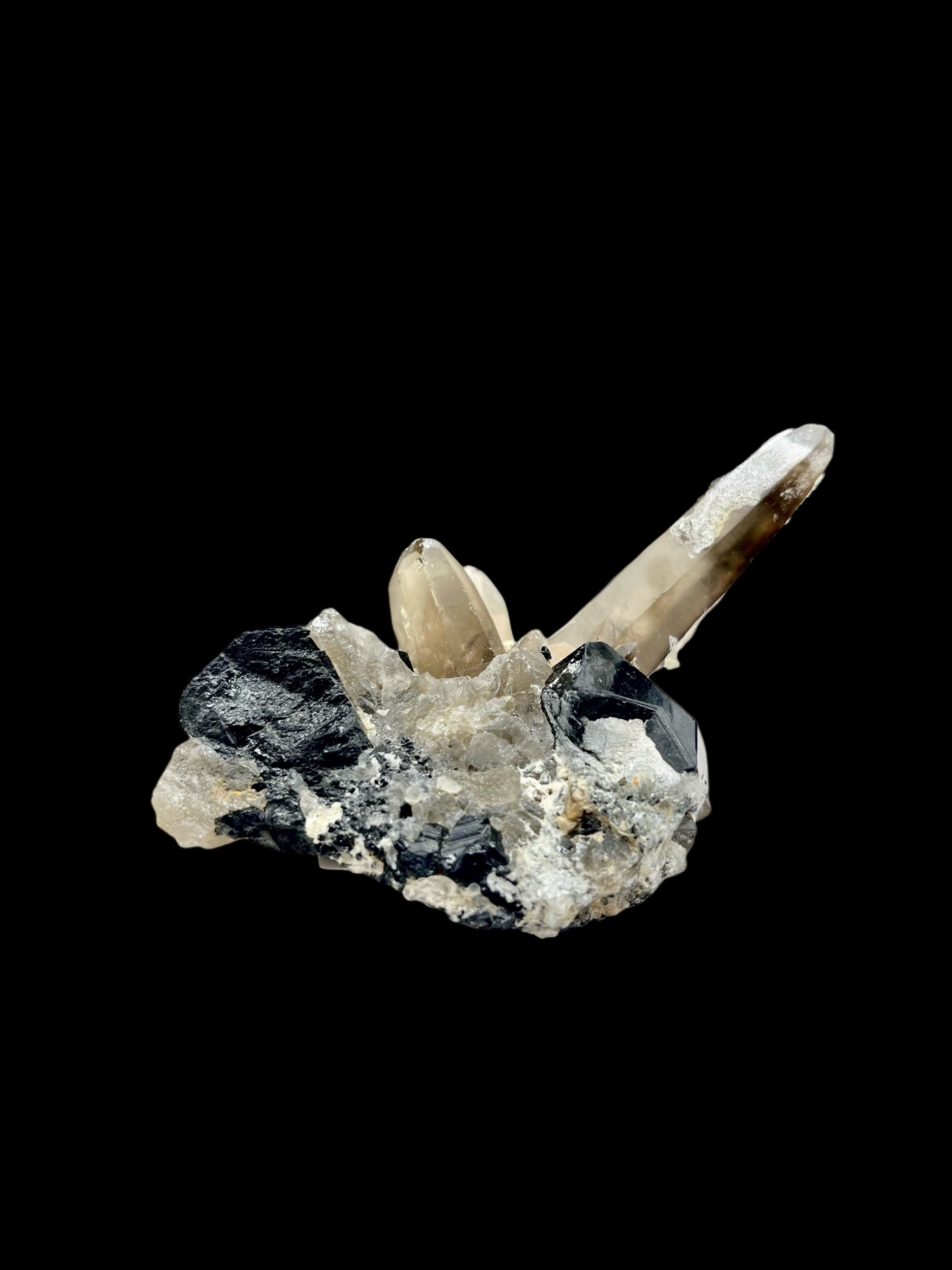
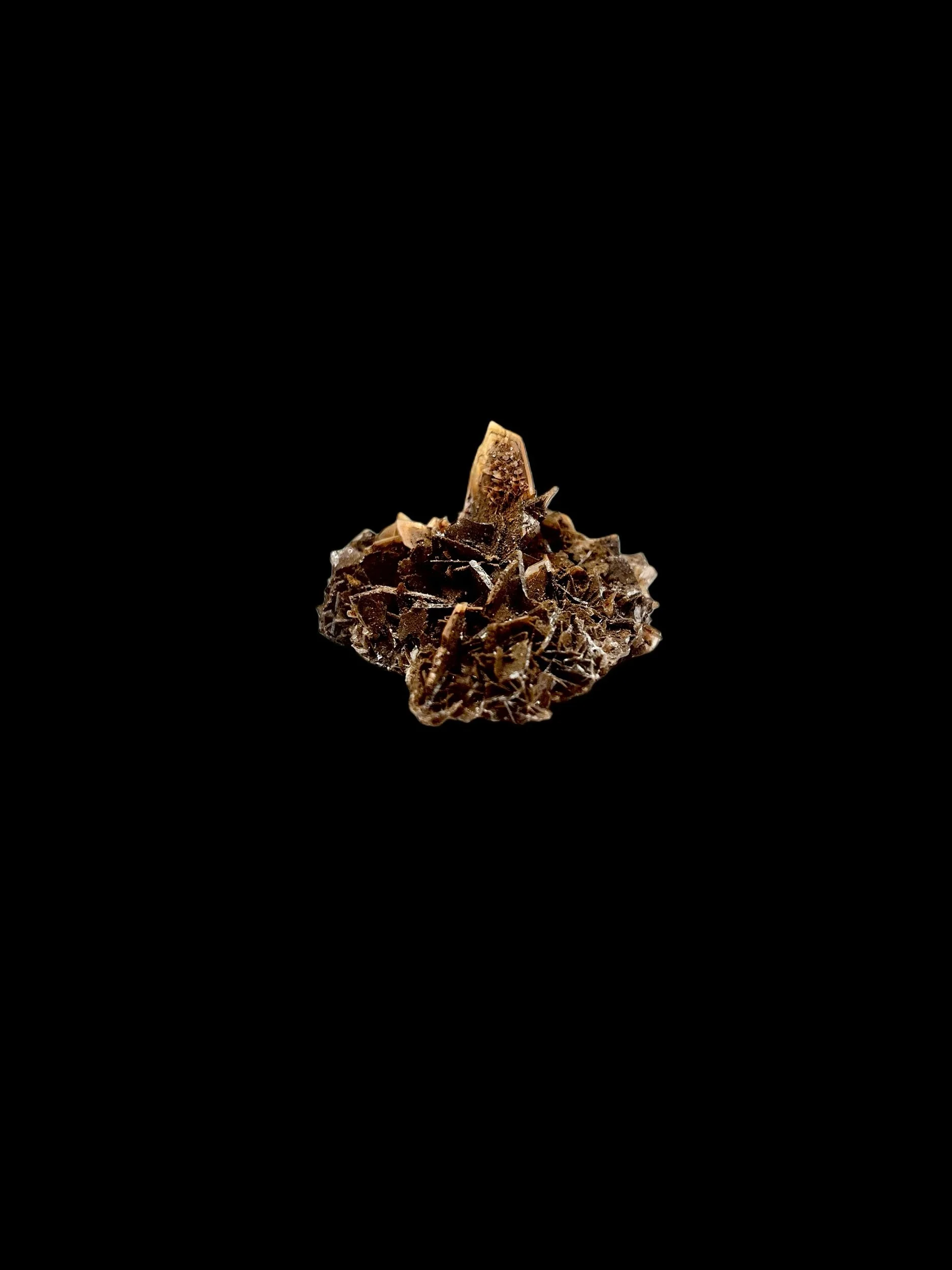
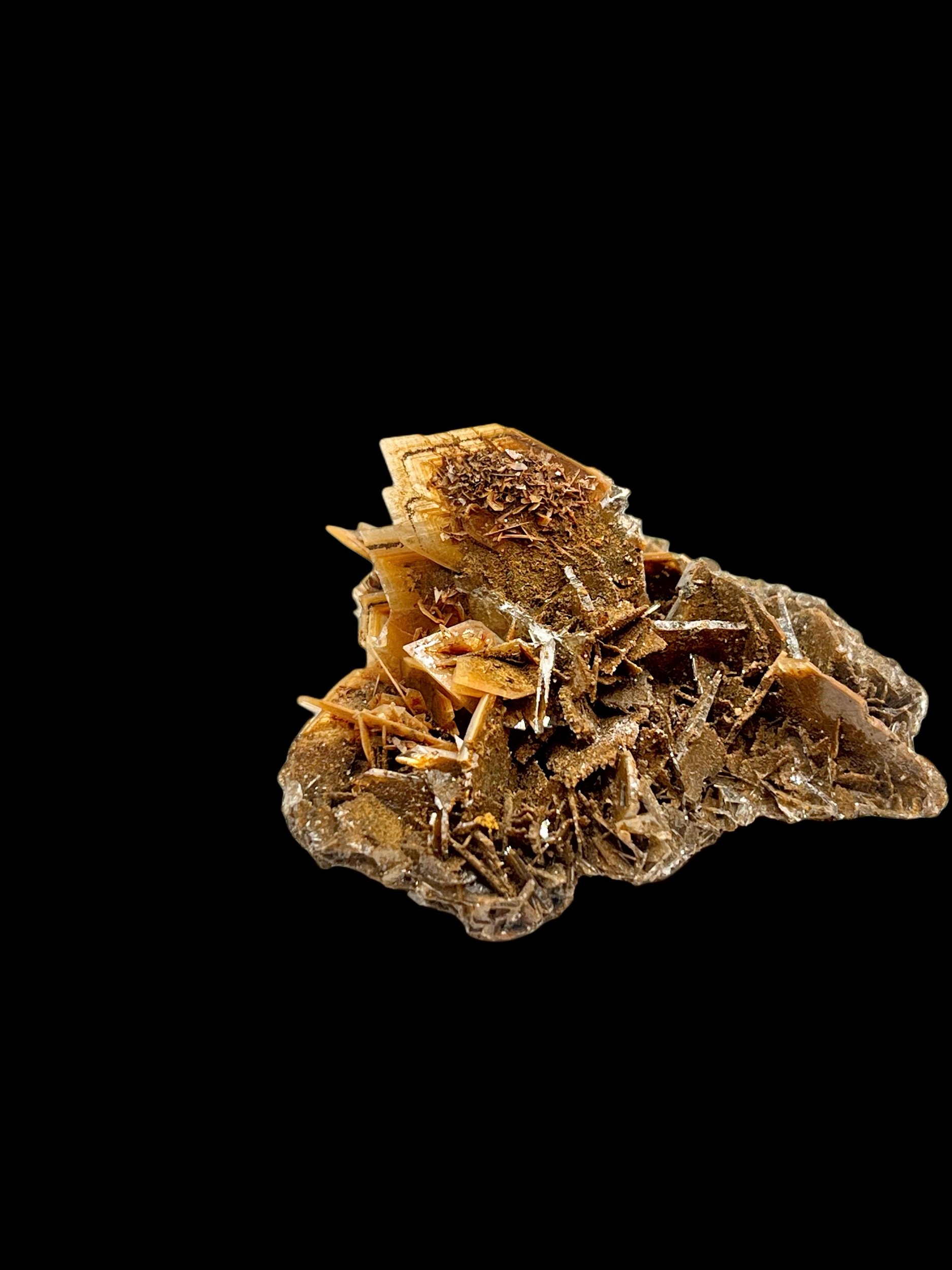
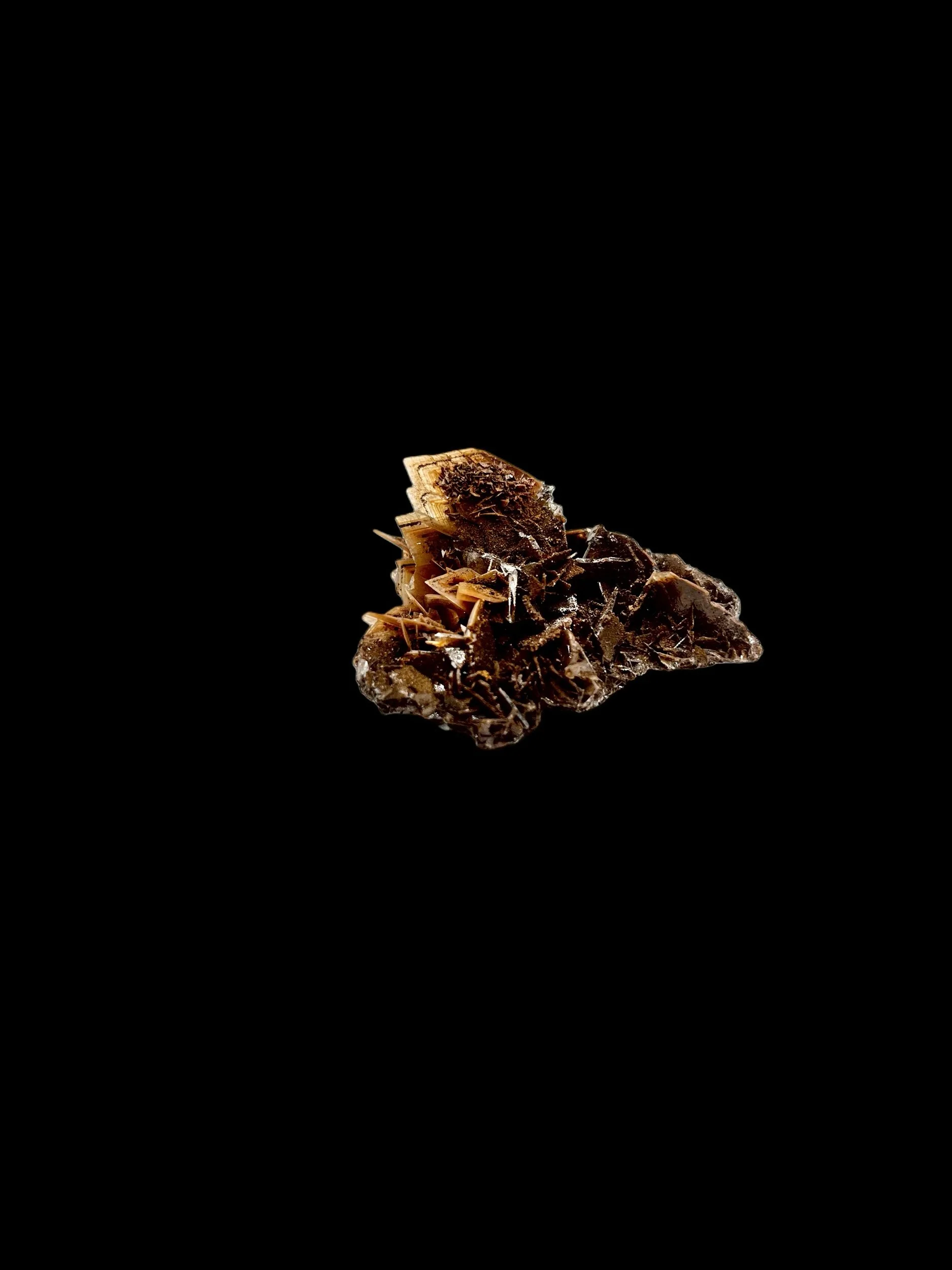
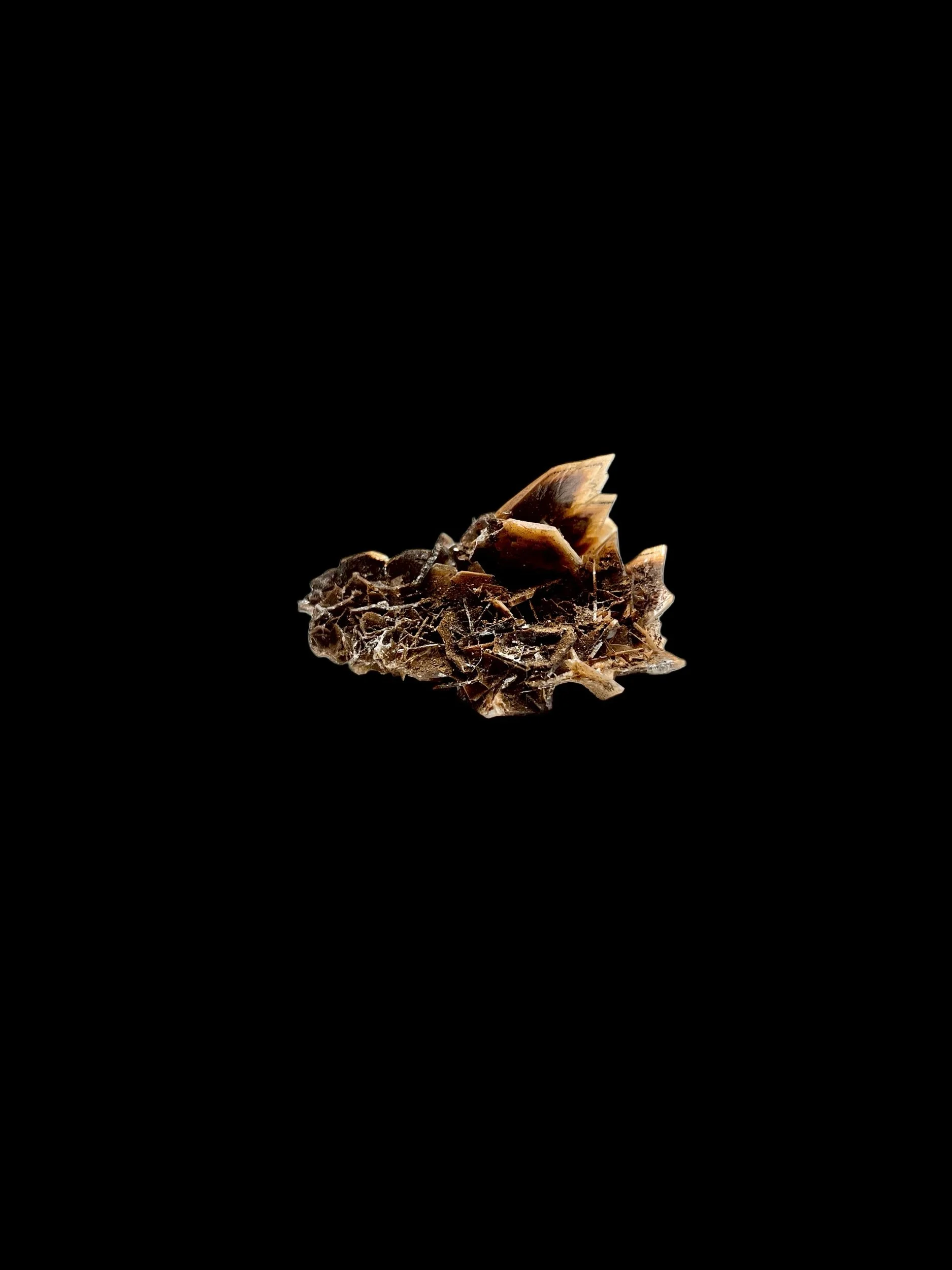
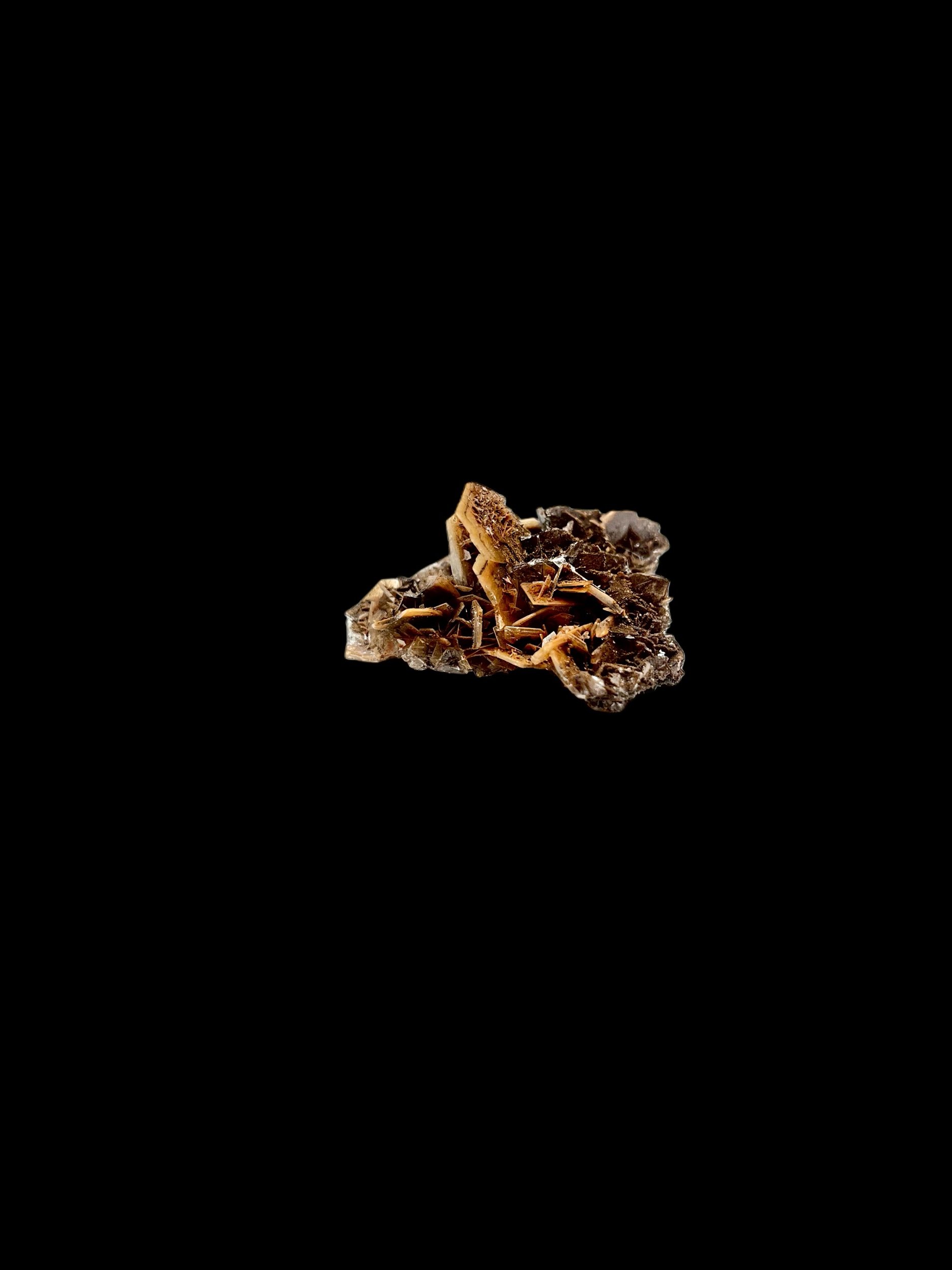
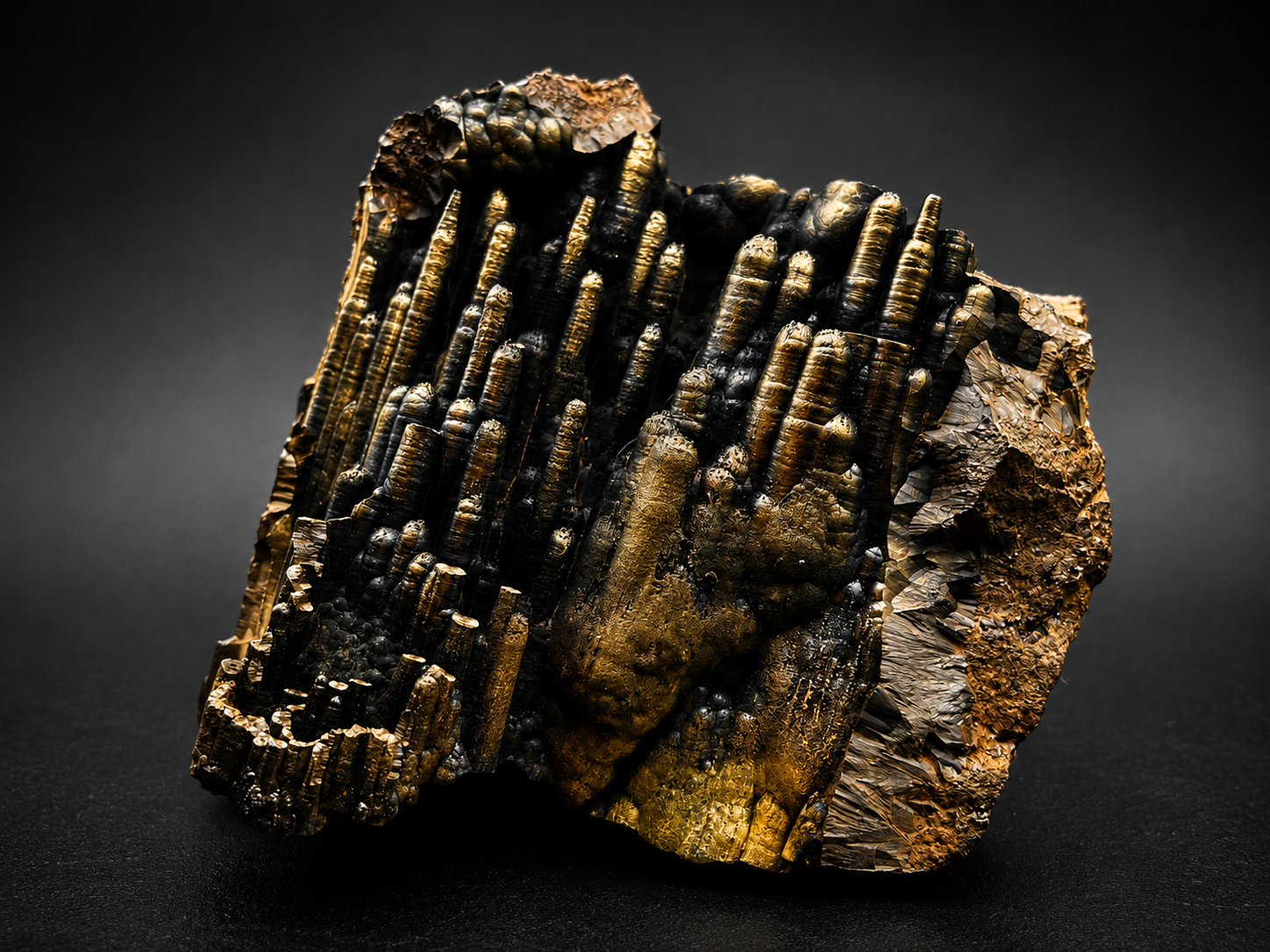
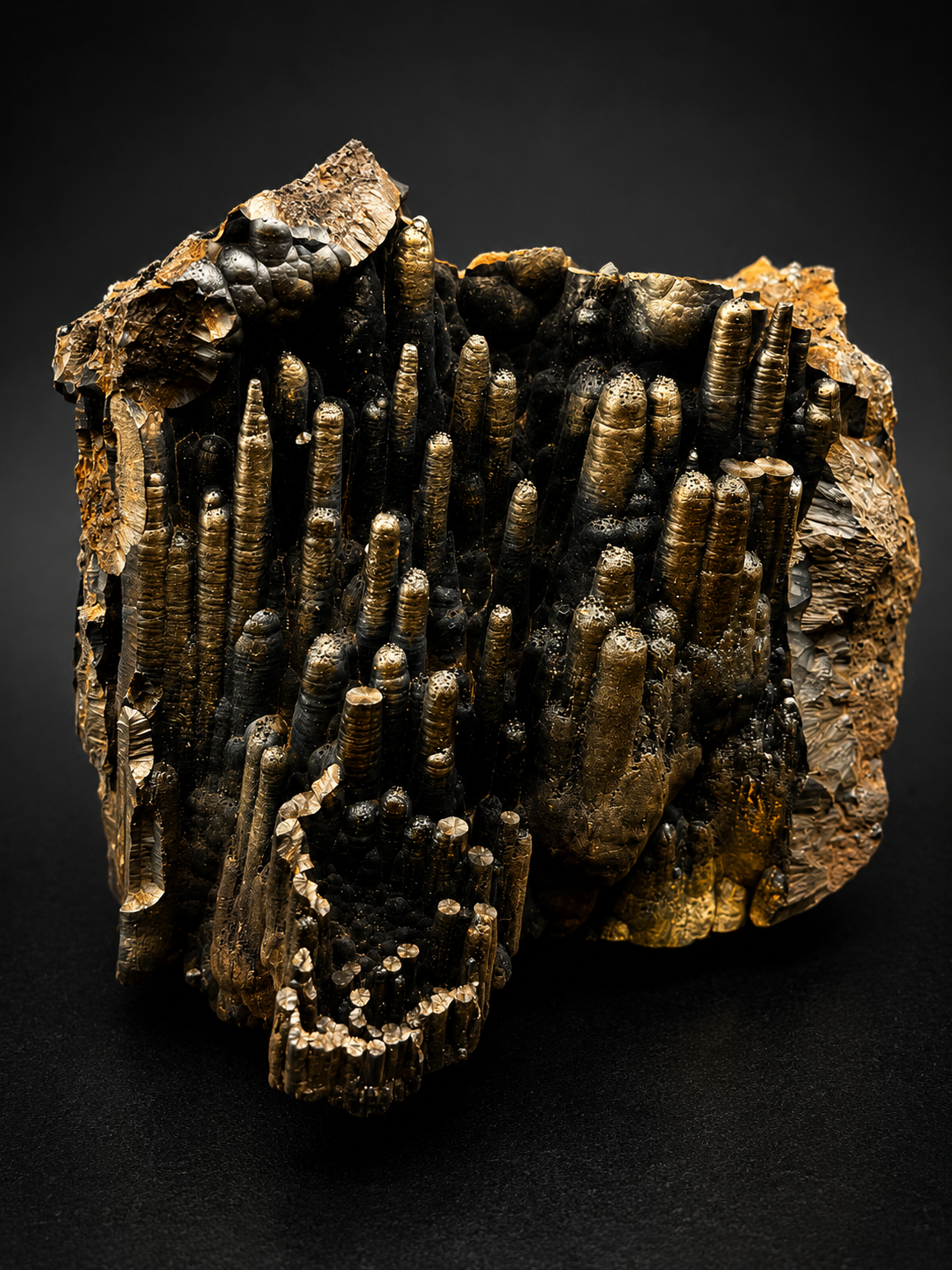
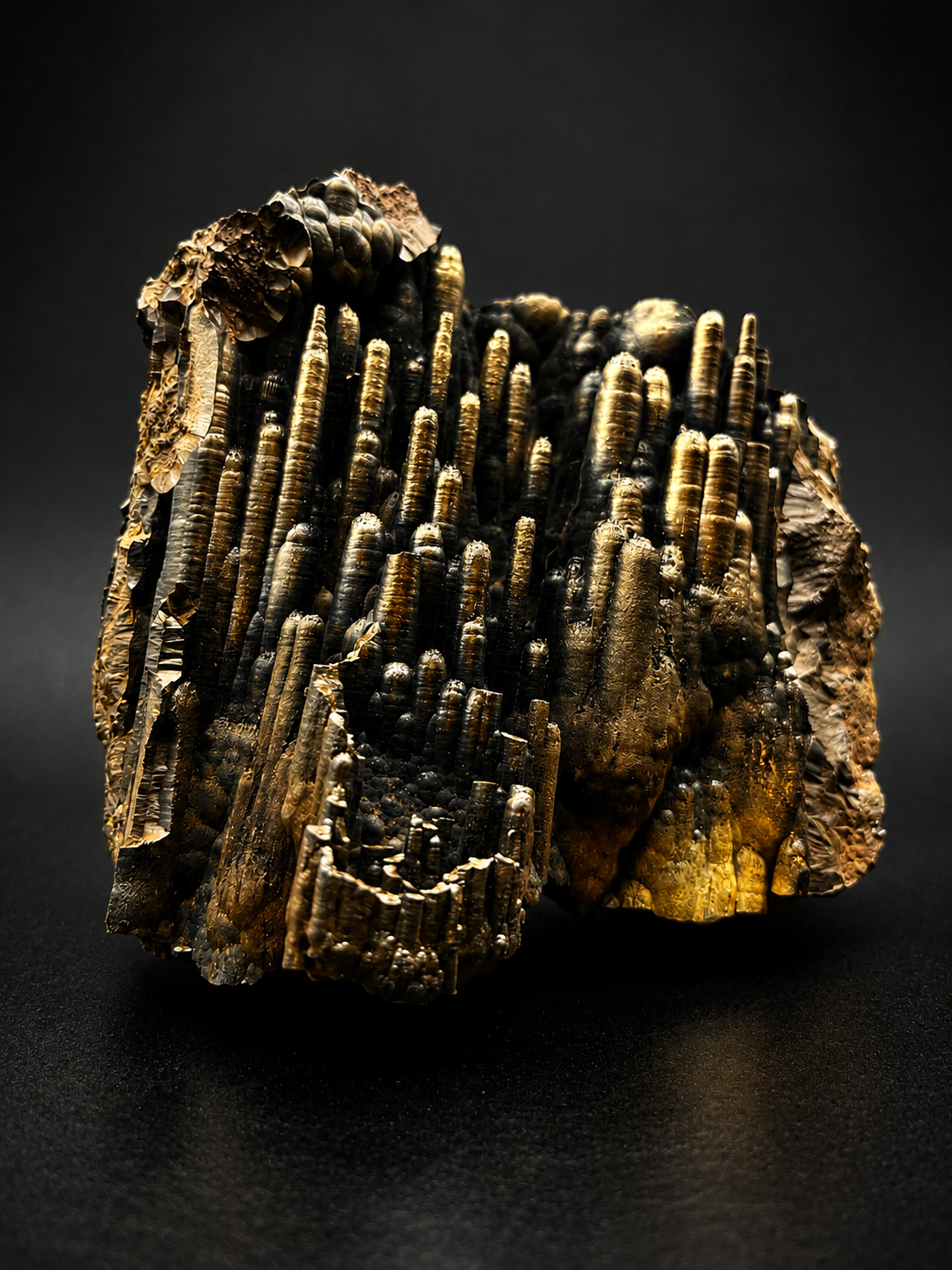
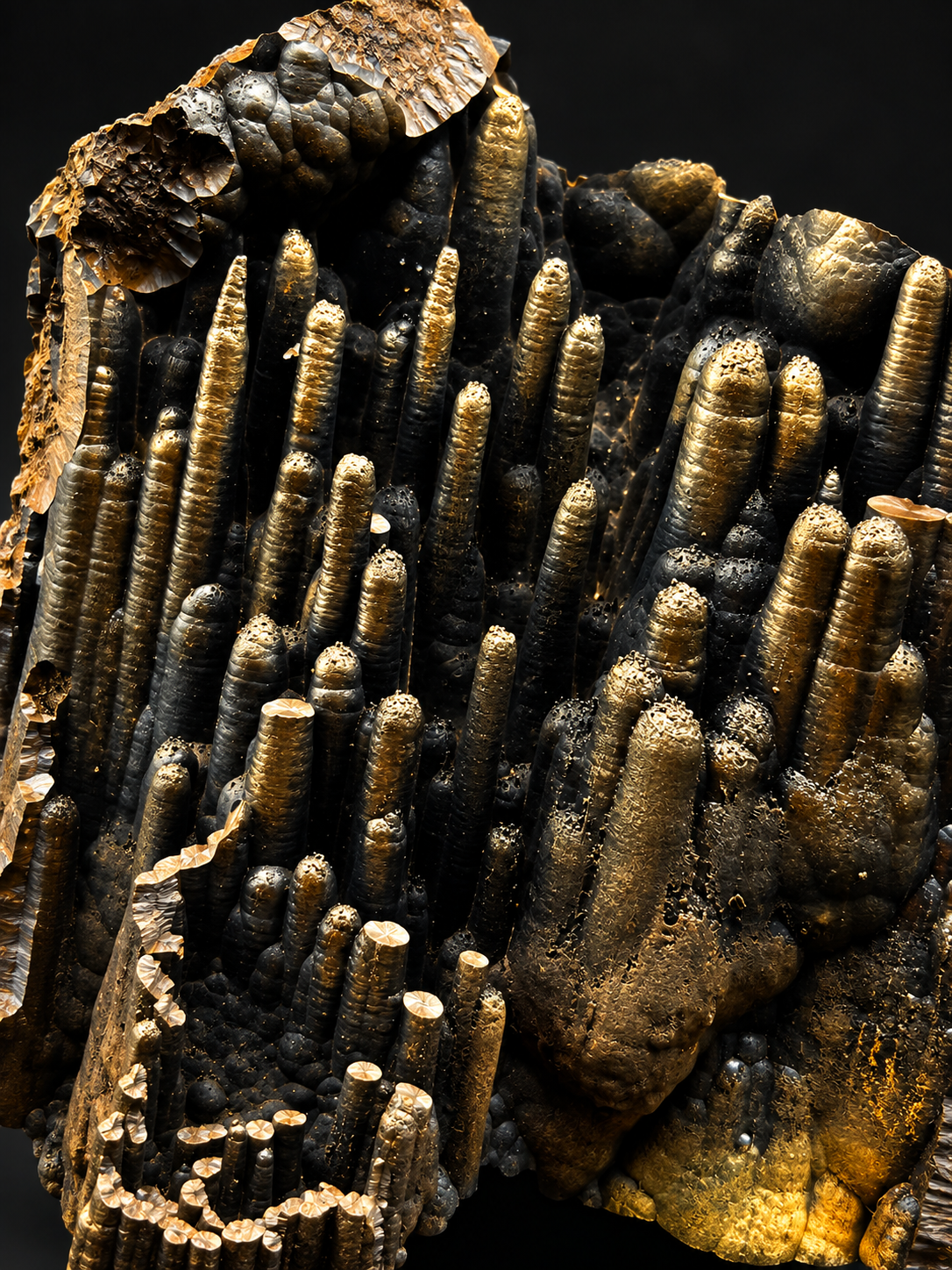
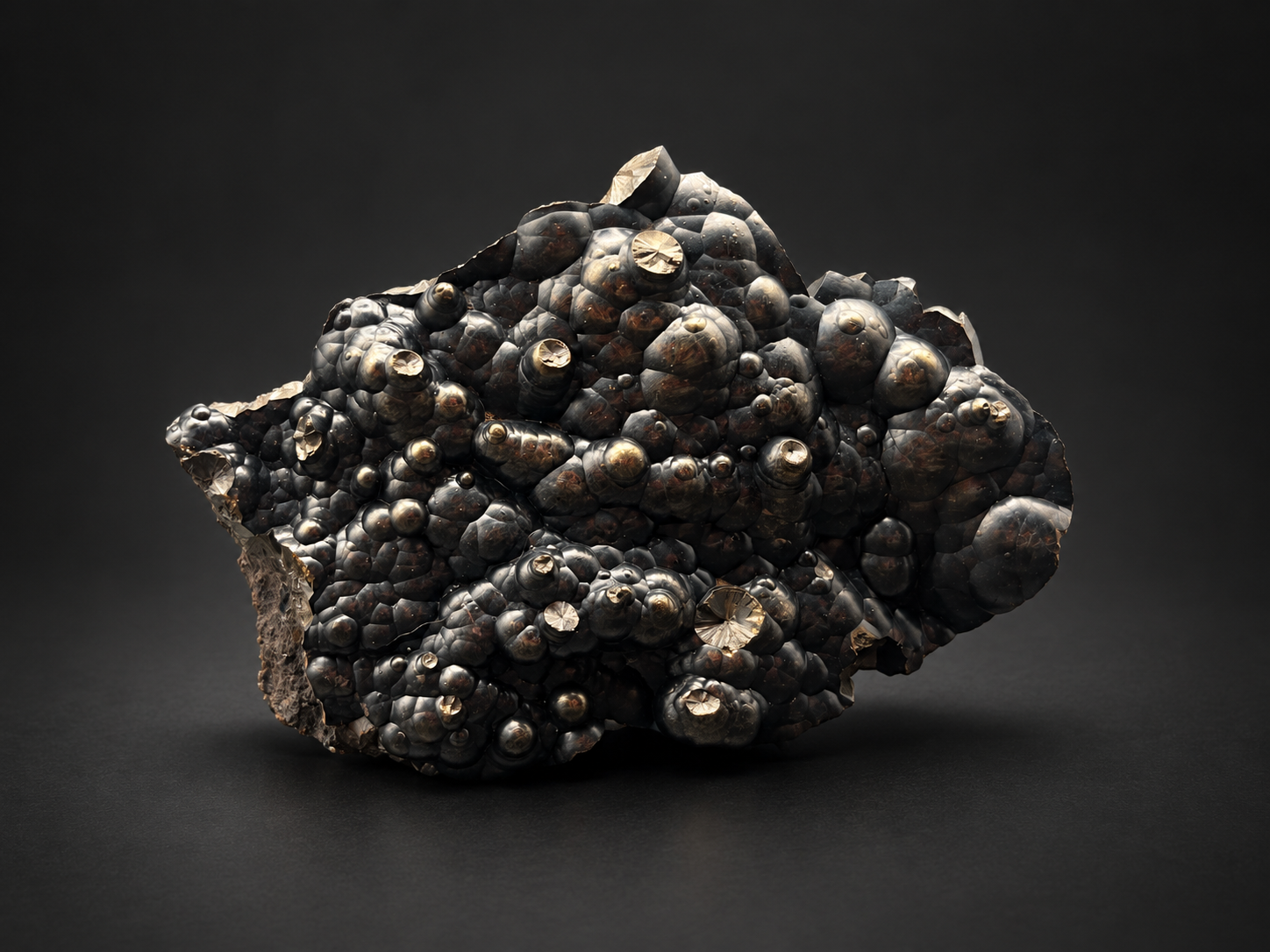
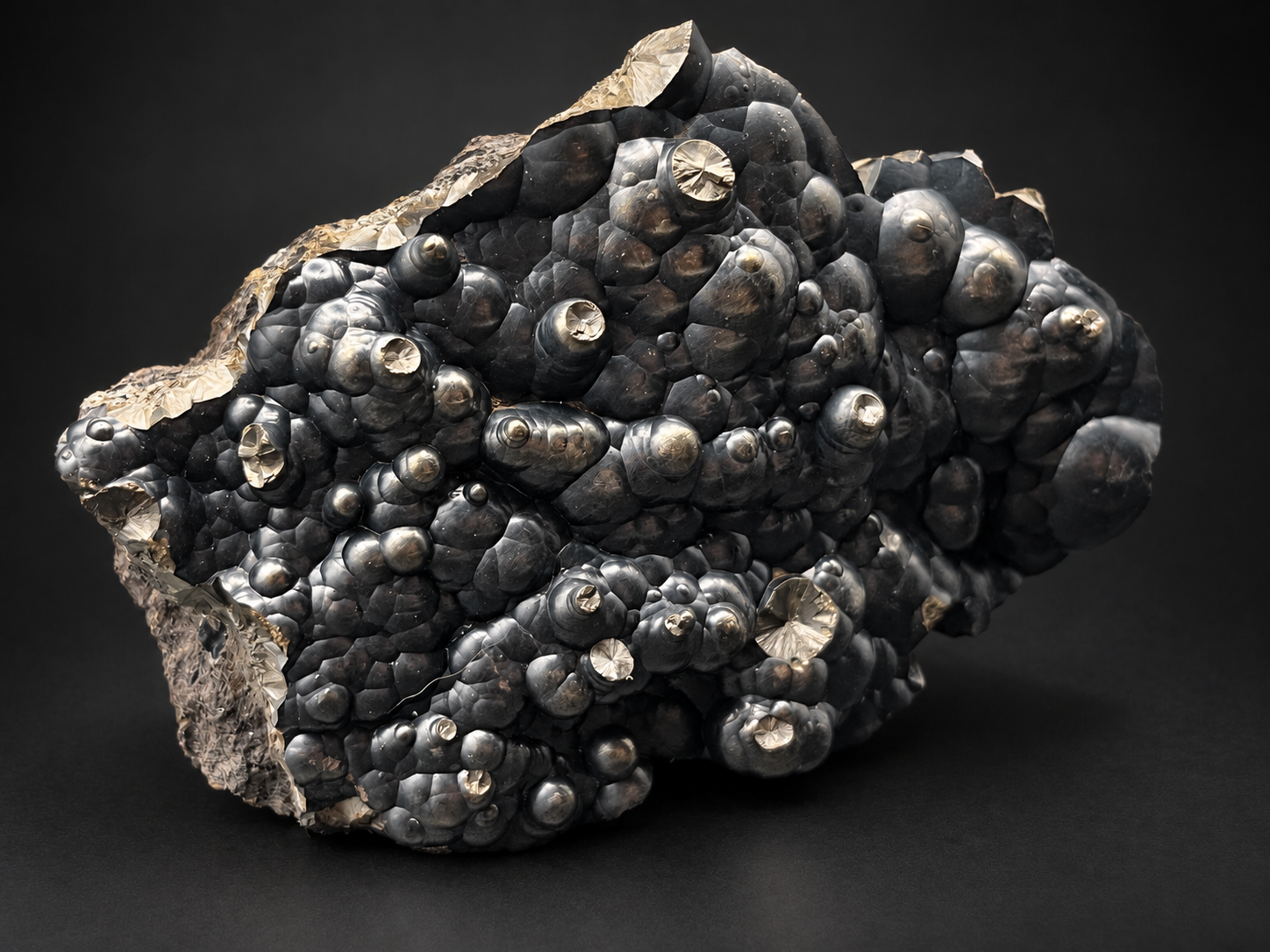
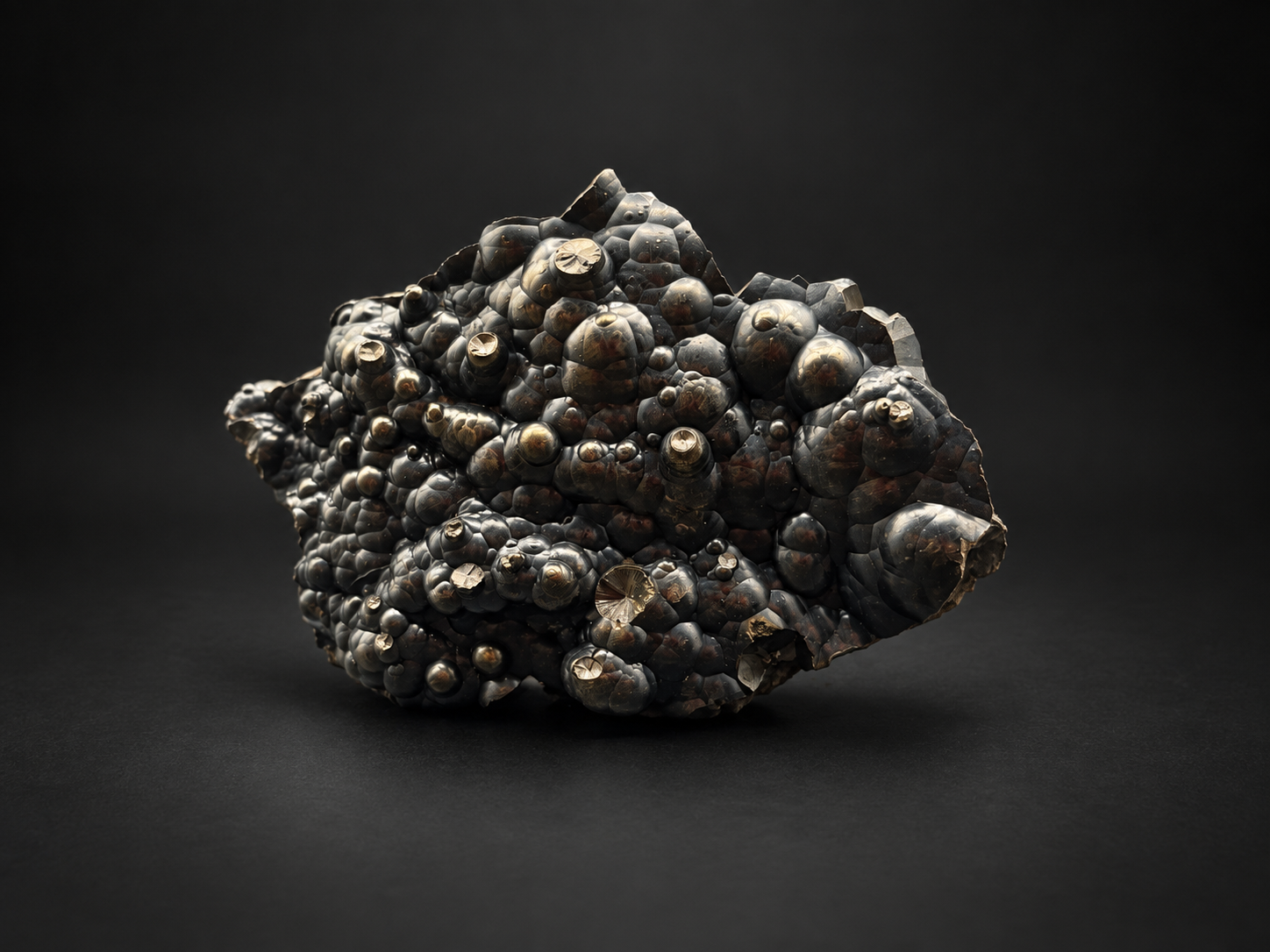
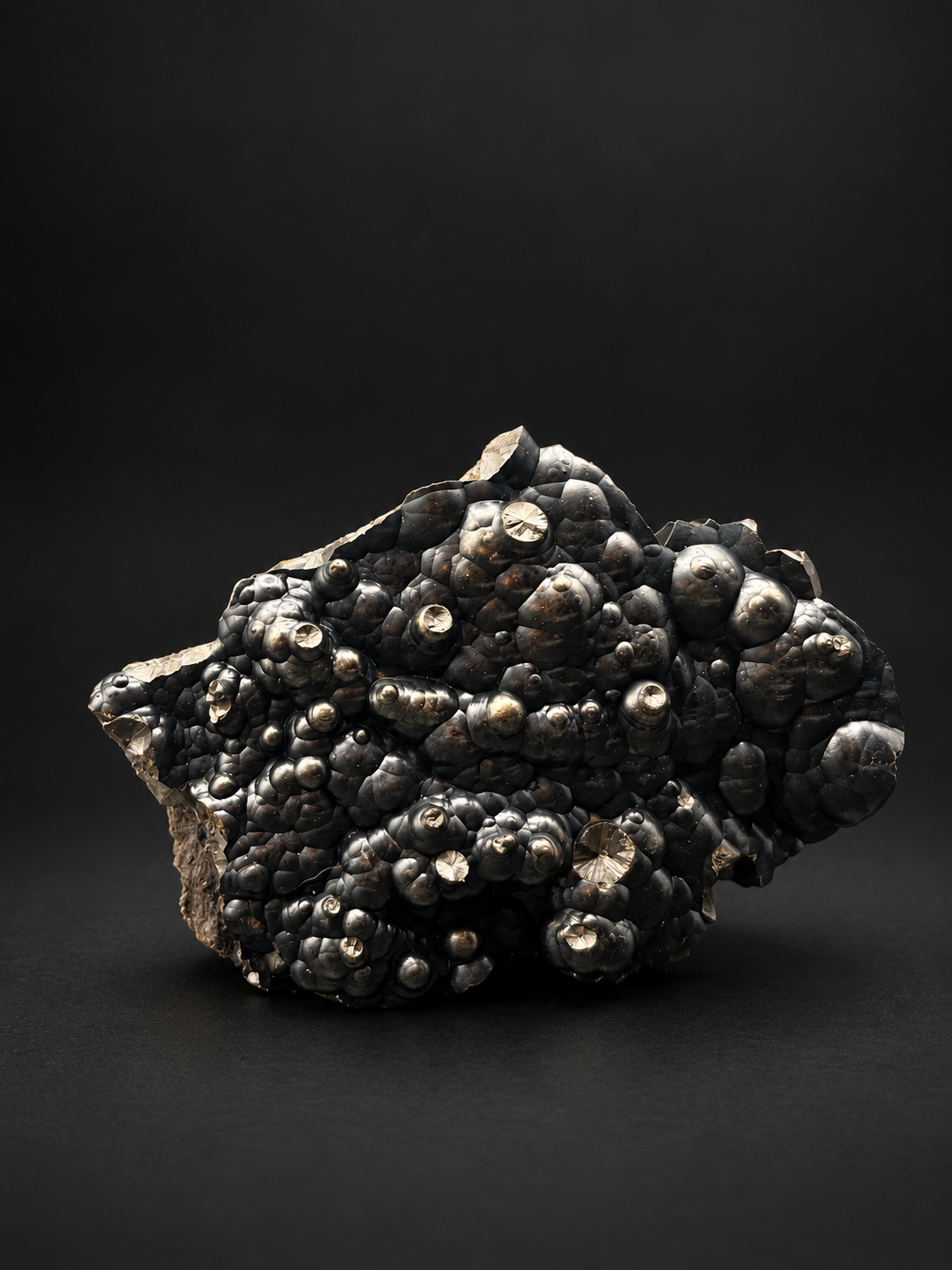
This Bladed Calcite with Quartz specimen presents an intricate natural crystal association, featuring sharply formed calcite blades intergrown with clear quartz crystals. In natural light, the specimen displays a refined palette of soft whites and pale neutrals, with excellent textural contrast between the flattened calcite blades and the more prismatic quartz growth.
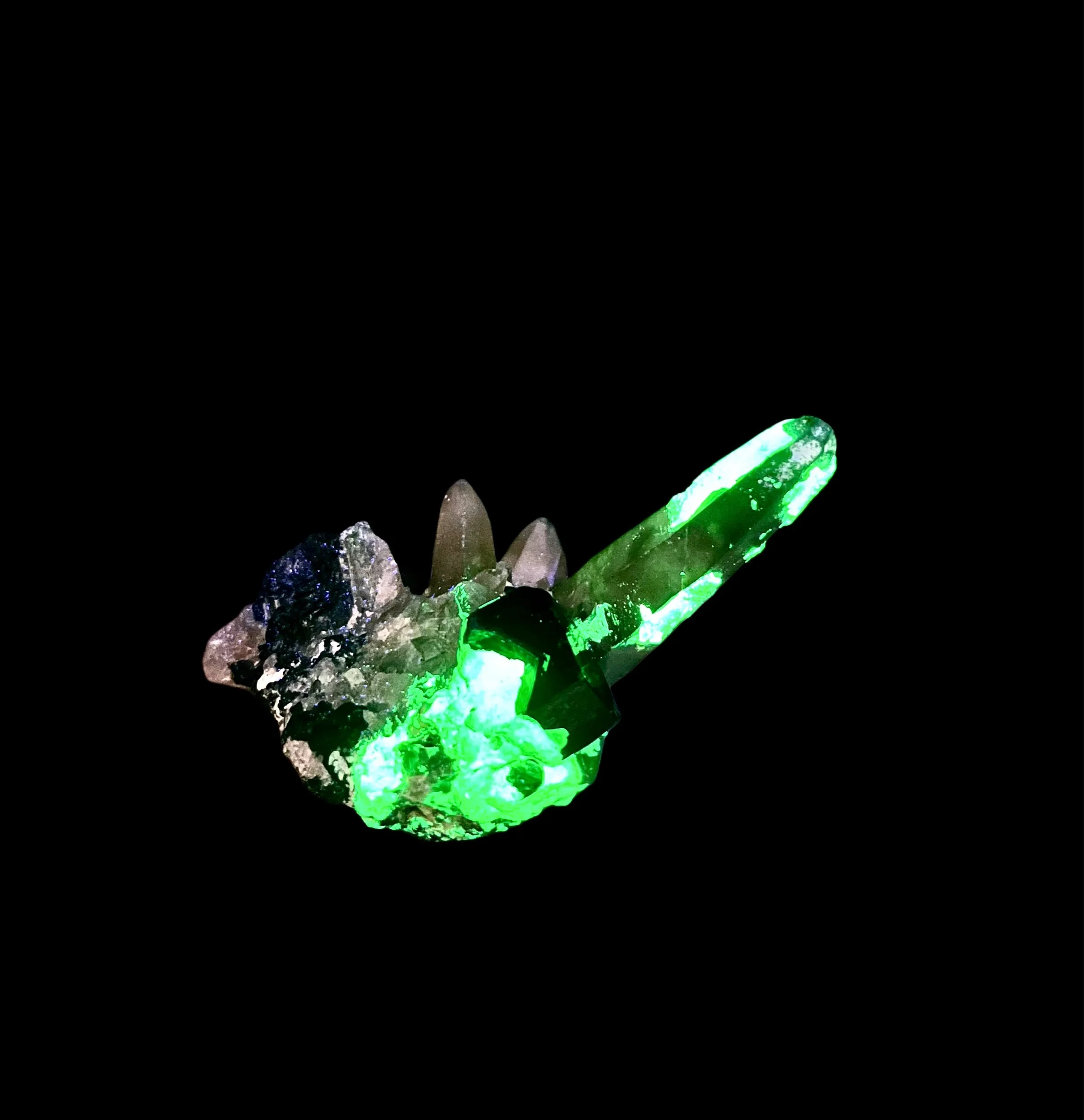
Under ultraviolet light, the specimen transforms dramatically. The calcite fluoresces in vivid pink to orange-red tones, while the quartz remains largely inert, creating a striking visual separation between the two minerals. This UV response accentuates crystal boundaries, growth directions, and layered formation in a way that is invisible under ambient lighting.
The specimen offers strong dimensional structure, preserved crystal edges, and multiple points of visual interest, making it equally suited for display, study, or inclusion in a fluorescent mineral collection.
Dimensions & Weight
Collector’s Notes
Bladed calcite is a less common habit, forming under specific geochemical and spatial conditions that promote directional crystal growth rather than typical rhombohedral forms. The presence of quartz indicates a multi-stage crystallization sequence, where silica-rich fluids followed or overlapped calcium carbonate deposition.
Specimens that combine distinct calcite habit, quartz association, and UV fluorescence are increasingly sought after by collectors for their educational and aesthetic value.
Metaphysical Properties
Calcite is often associated with amplification and clarity, while quartz is traditionally linked to focus and balance. These interpretations are included for general interest only.
Highlights
Natural bladed calcite crystal formations
Associated quartz crystal growth
Strong UV fluorescence in calcite
Dramatic contrast between natural and ultraviolet light
Well-preserved crystal edges and structure
Collector-grade association specimen
Mineralogy & Formation
Calcite (CaCO₃): Trigonal crystal system; bladed habit formed through sustained directional growth
Quartz (SiO₂): Hexagonal crystal system; crystallized from silica-rich fluids during later or overlapping growth phases
The coexistence of calcite and quartz reflects changing chemical conditions within the host environment, preserving a clear record of paragenetic sequence within a single specimen.
Fluorescence
Under ultraviolet light, the calcite displays bright pink to orange-red fluorescence, caused by trace activator elements incorporated during crystal growth. Quartz typically does not fluoresce, providing natural contrast that enhances the visual clarity of the specimen’s mineral association.
Fluorescent response may vary slightly depending on UV wavelength and viewing conditions.
Authenticity & Identification
This specimen exhibits natural crystal habits, growth zoning, and fluorescence consistent with untreated calcite and quartz. No dyes, coatings, or artificial enhancements have been applied. UV reactivity is a natural property of the calcite.
Description
This Bladed Calcite with Quartz specimen presents an intricate natural crystal association, featuring sharply formed calcite blades intergrown with clear quartz crystals. In natural light, the specimen displays a refined palette of soft whites and pale neutrals, with excellent textural contrast between the flattened calcite blades and the more prismatic quartz growth.
Under ultraviolet light, the specimen transforms dramatically. The calcite fluoresces in vivid pink to orange-red tones, while the quartz remains largely inert, creating a striking visual separation between the two minerals. This UV response accentuates crystal boundaries, growth directions, and layered formation in a way that is invisible under ambient lighting.
The specimen offers strong dimensional structure, preserved crystal edges, and multiple points of visual interest, making it equally suited for display, study, or inclusion in a fluorescent mineral collection.
Dimensions & Weight
Collector’s Notes
Bladed calcite is a less common habit, forming under specific geochemical and spatial conditions that promote directional crystal growth rather than typical rhombohedral forms. The presence of quartz indicates a multi-stage crystallization sequence, where silica-rich fluids followed or overlapped calcium carbonate deposition.
Specimens that combine distinct calcite habit, quartz association, and UV fluorescence are increasingly sought after by collectors for their educational and aesthetic value.
Metaphysical Properties
Calcite is often associated with amplification and clarity, while quartz is traditionally linked to focus and balance. These interpretations are included for general interest only.
Highlights
Natural bladed calcite crystal formations
Associated quartz crystal growth
Strong UV fluorescence in calcite
Dramatic contrast between natural and ultraviolet light
Well-preserved crystal edges and structure
Collector-grade association specimen
Mineralogy & Formation
Calcite (CaCO₃): Trigonal crystal system; bladed habit formed through sustained directional growth
Quartz (SiO₂): Hexagonal crystal system; crystallized from silica-rich fluids during later or overlapping growth phases
The coexistence of calcite and quartz reflects changing chemical conditions within the host environment, preserving a clear record of paragenetic sequence within a single specimen.
Fluorescence
Under ultraviolet light, the calcite displays bright pink to orange-red fluorescence, caused by trace activator elements incorporated during crystal growth. Quartz typically does not fluoresce, providing natural contrast that enhances the visual clarity of the specimen’s mineral association.
Fluorescent response may vary slightly depending on UV wavelength and viewing conditions.
Authenticity & Identification
This specimen exhibits natural crystal habits, growth zoning, and fluorescence consistent with untreated calcite and quartz. No dyes, coatings, or artificial enhancements have been applied. UV reactivity is a natural property of the calcite.


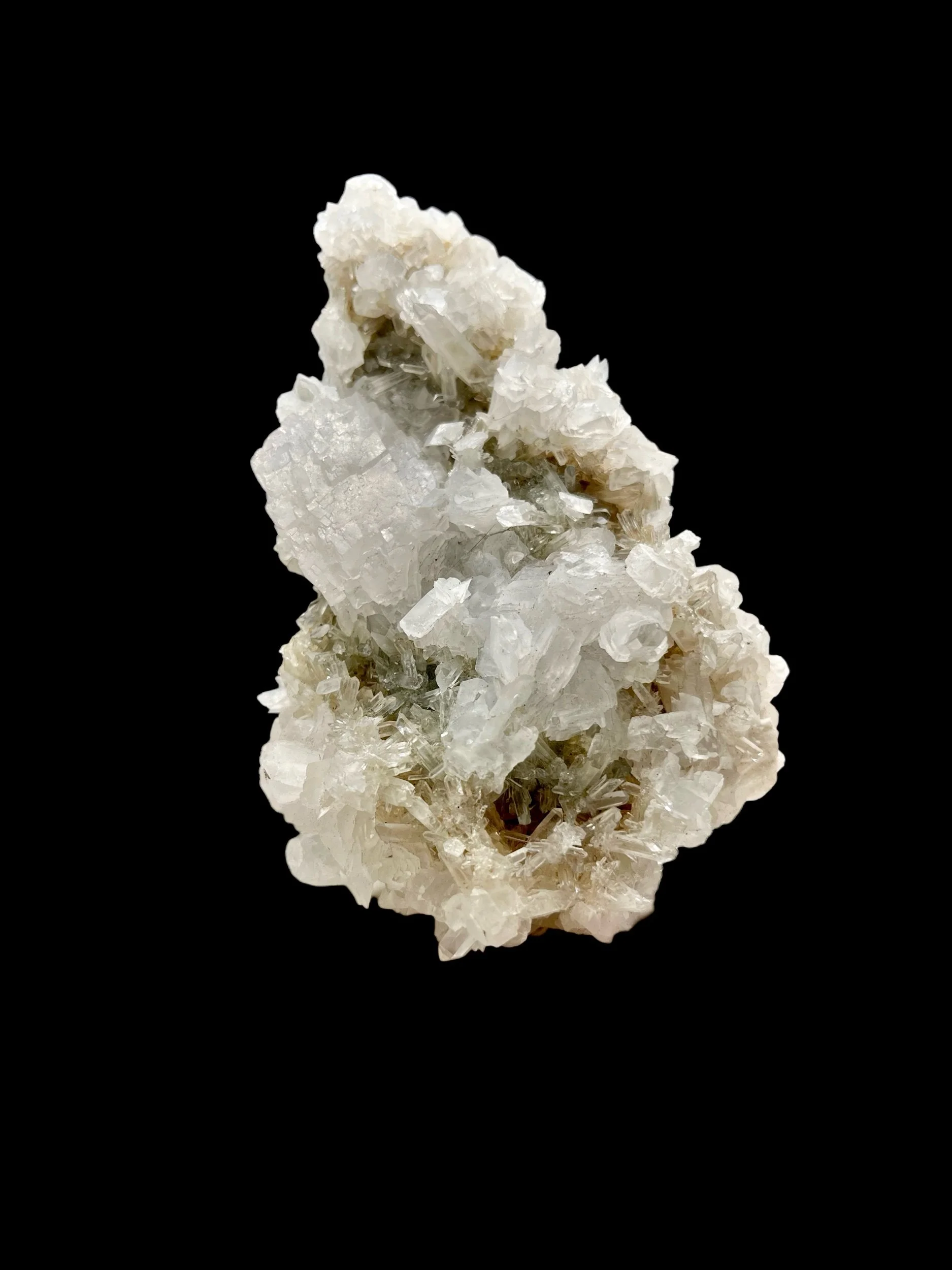 Image 1 of 7
 Image 2 of 7
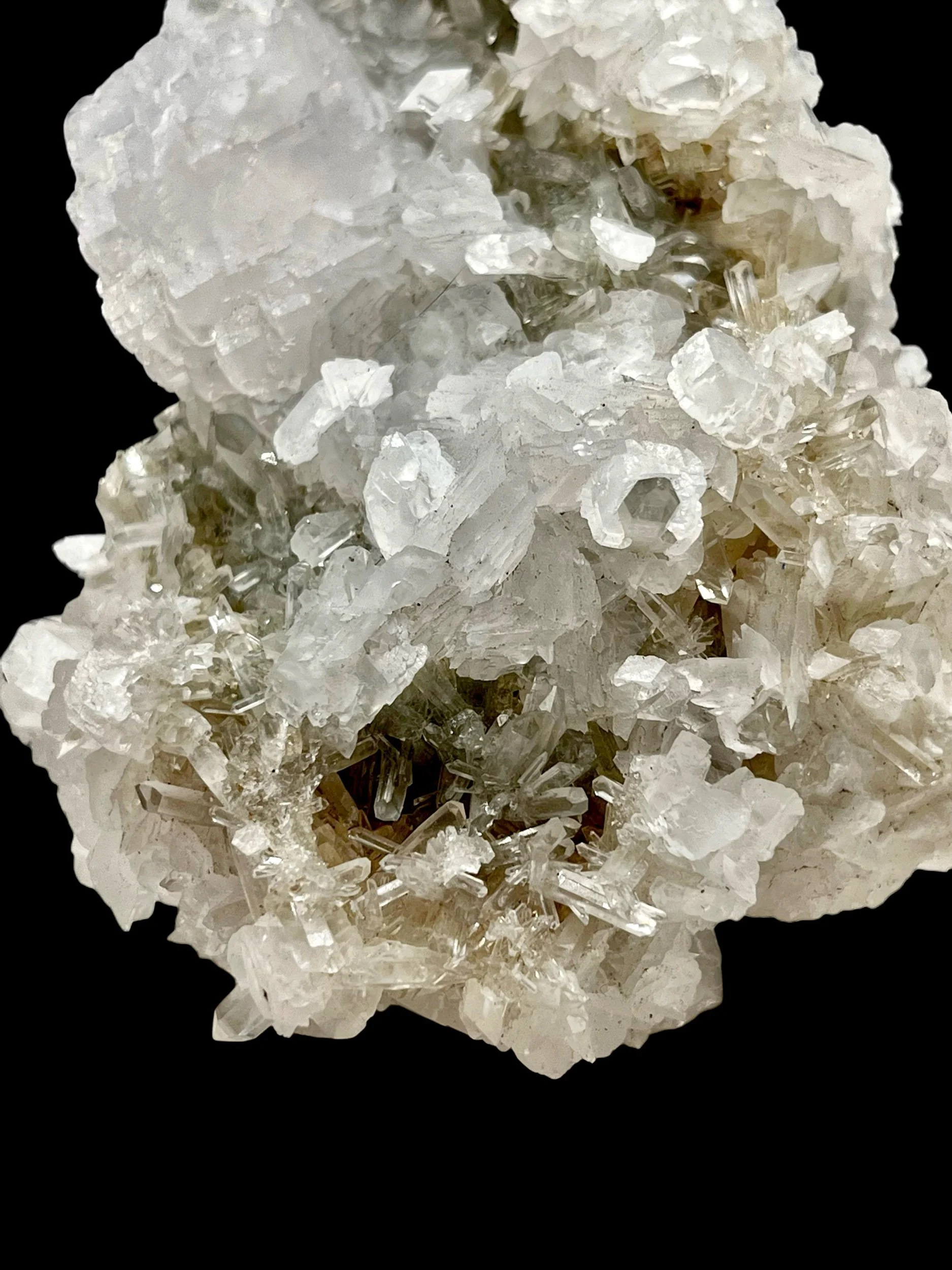 Image 3 of 7
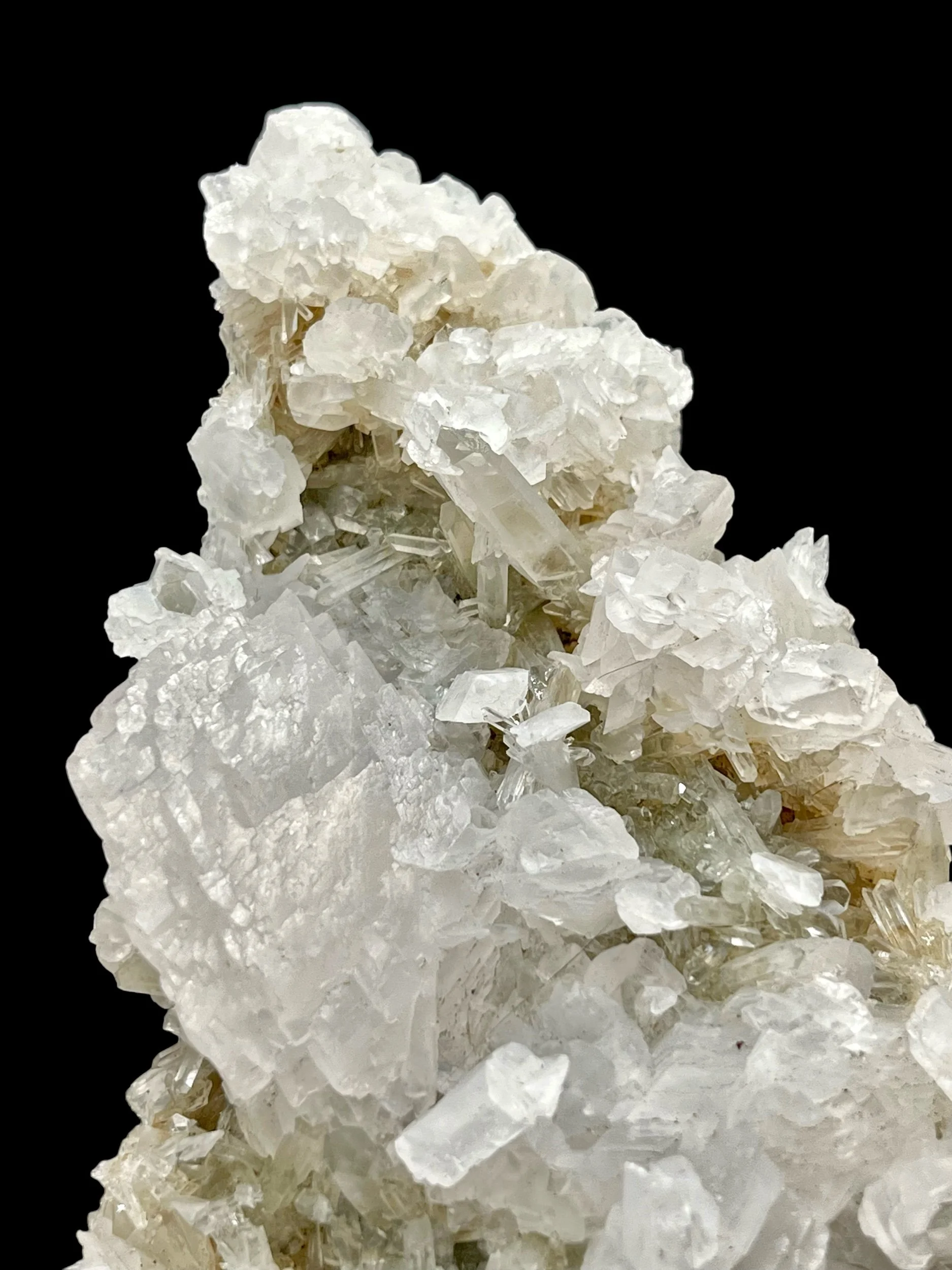 Image 4 of 7
 Image 5 of 7
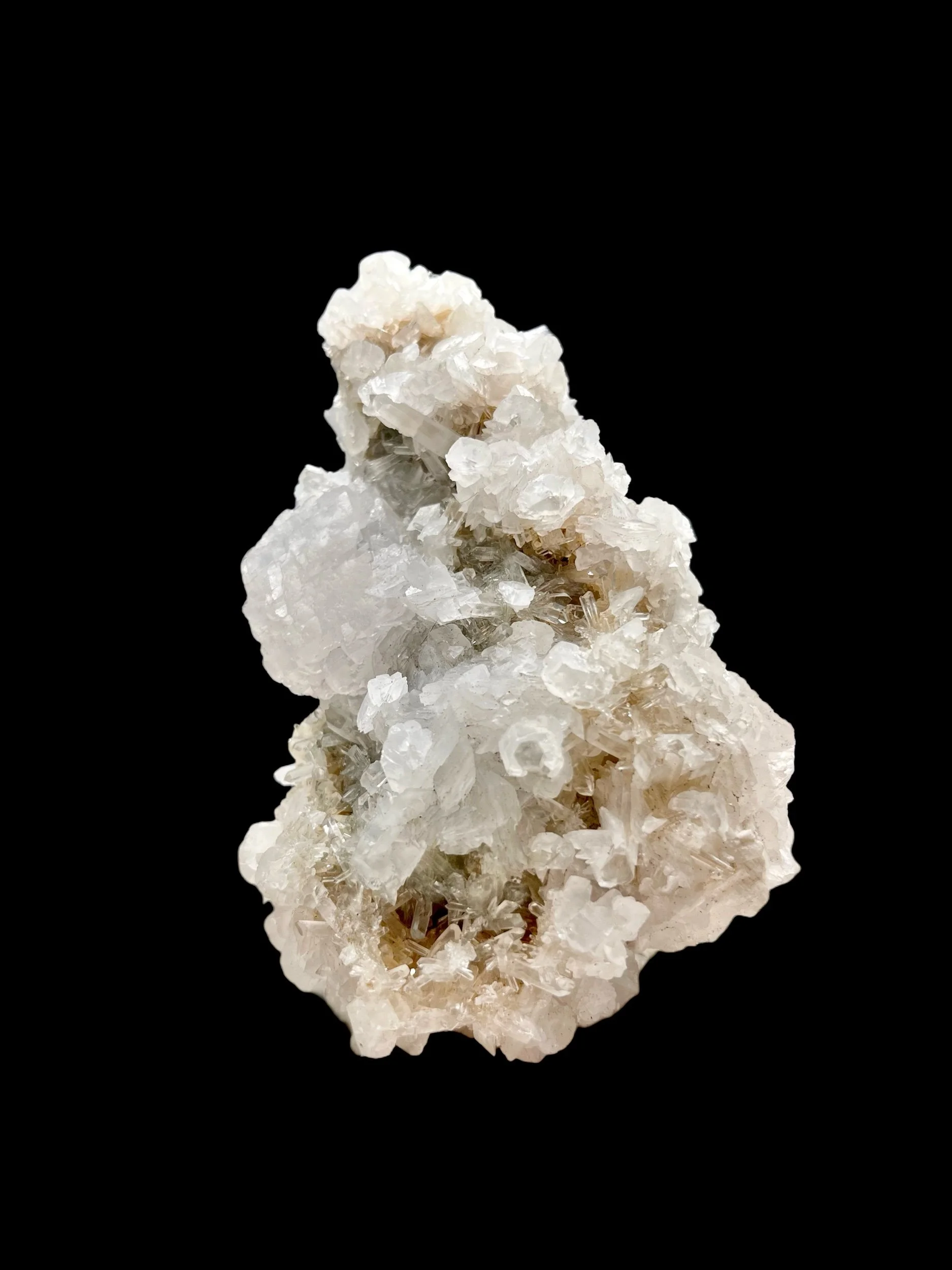 Image 6 of 7
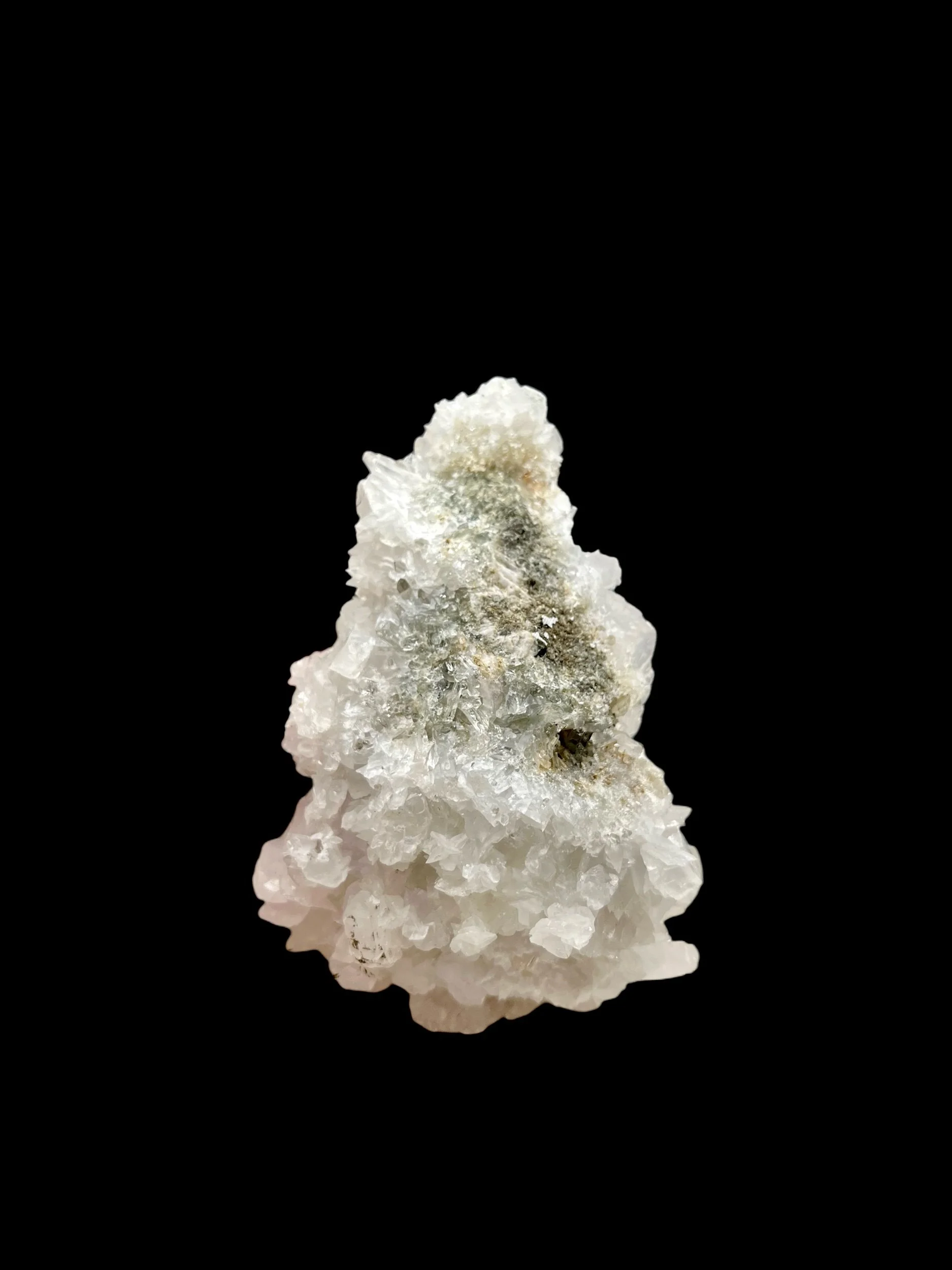 Image 7 of 7