 Image 1 of 5
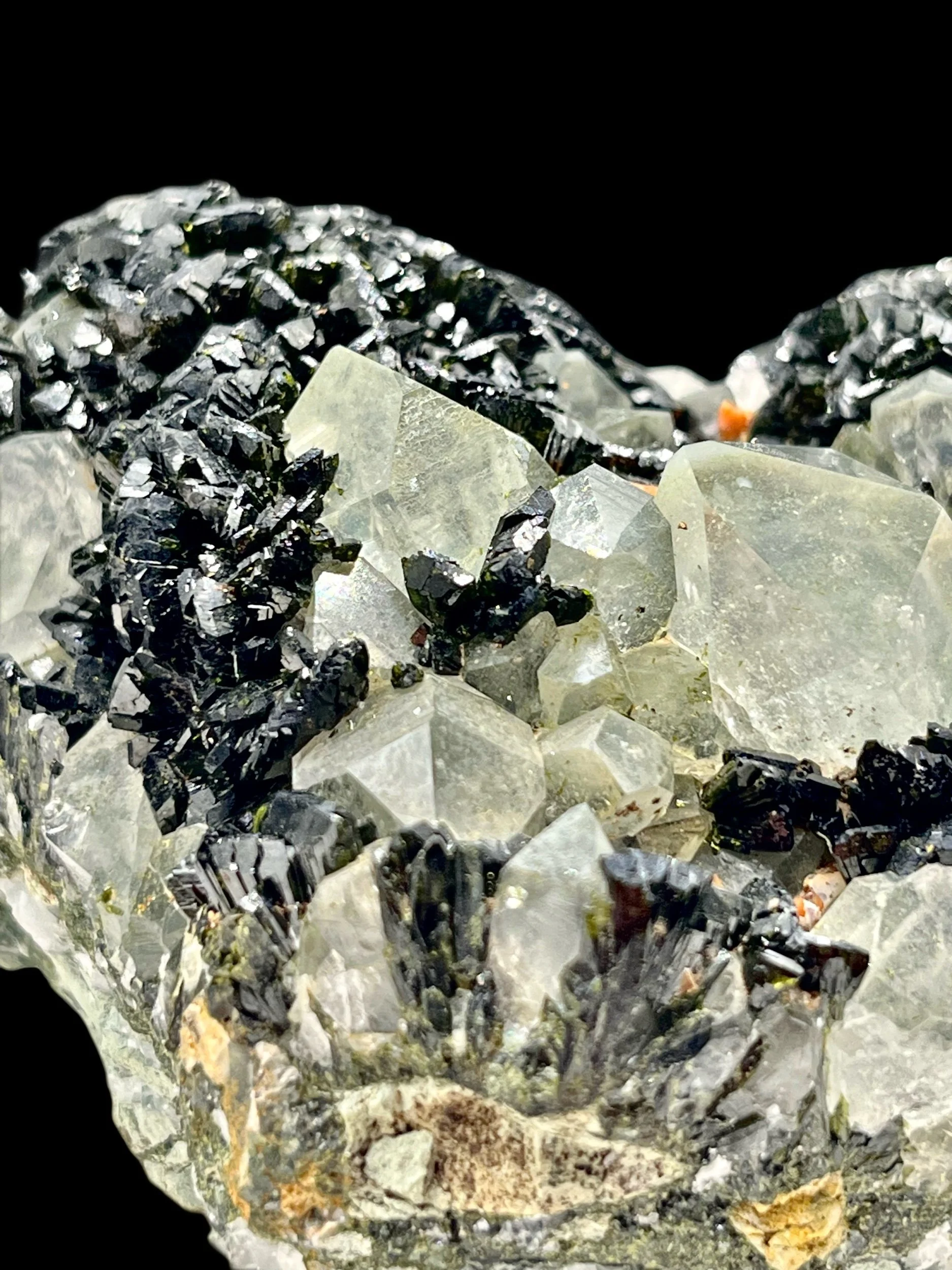 Image 2 of 5
 Image 3 of 5
 Image 4 of 5
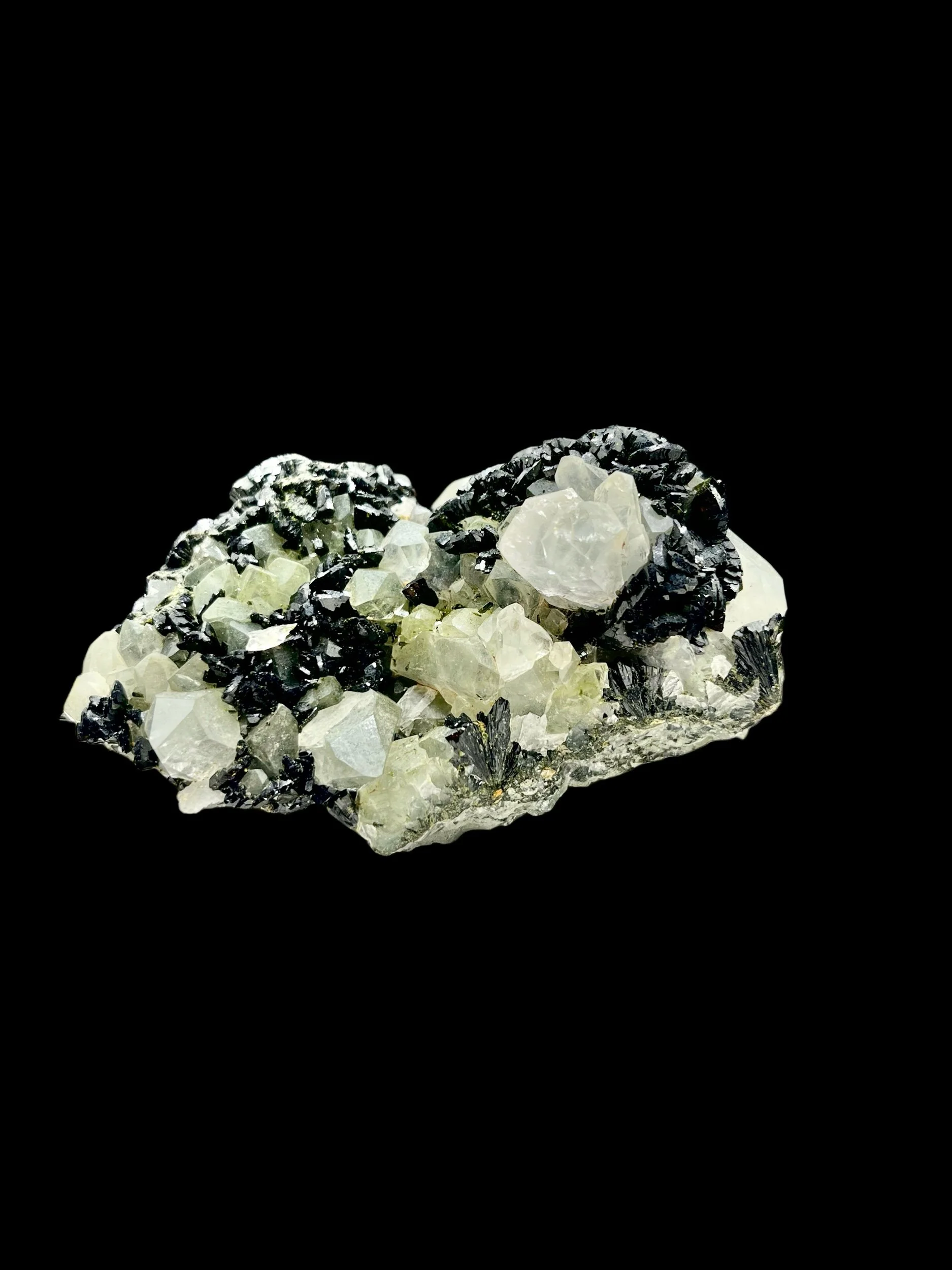 Image 5 of 5
Description
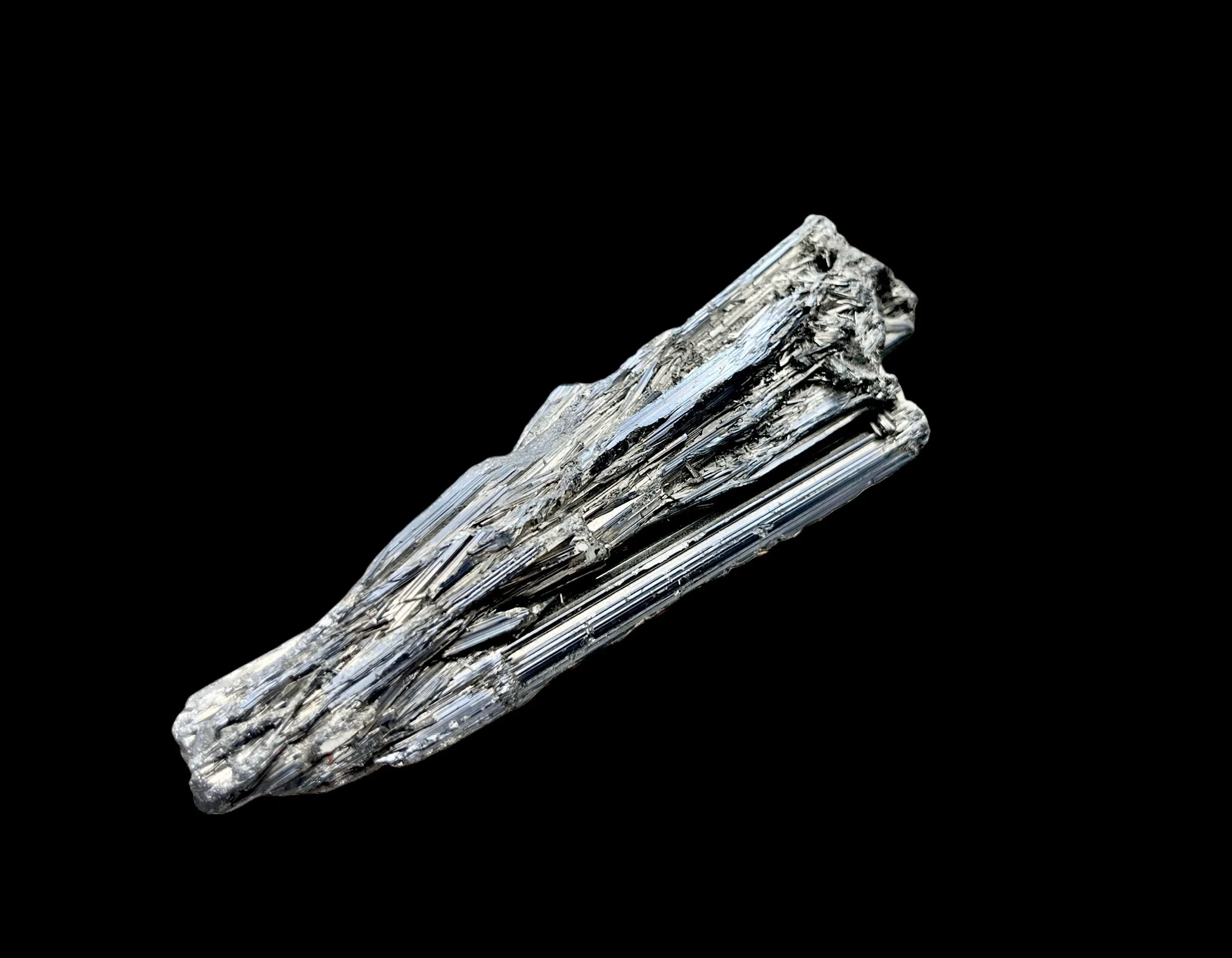
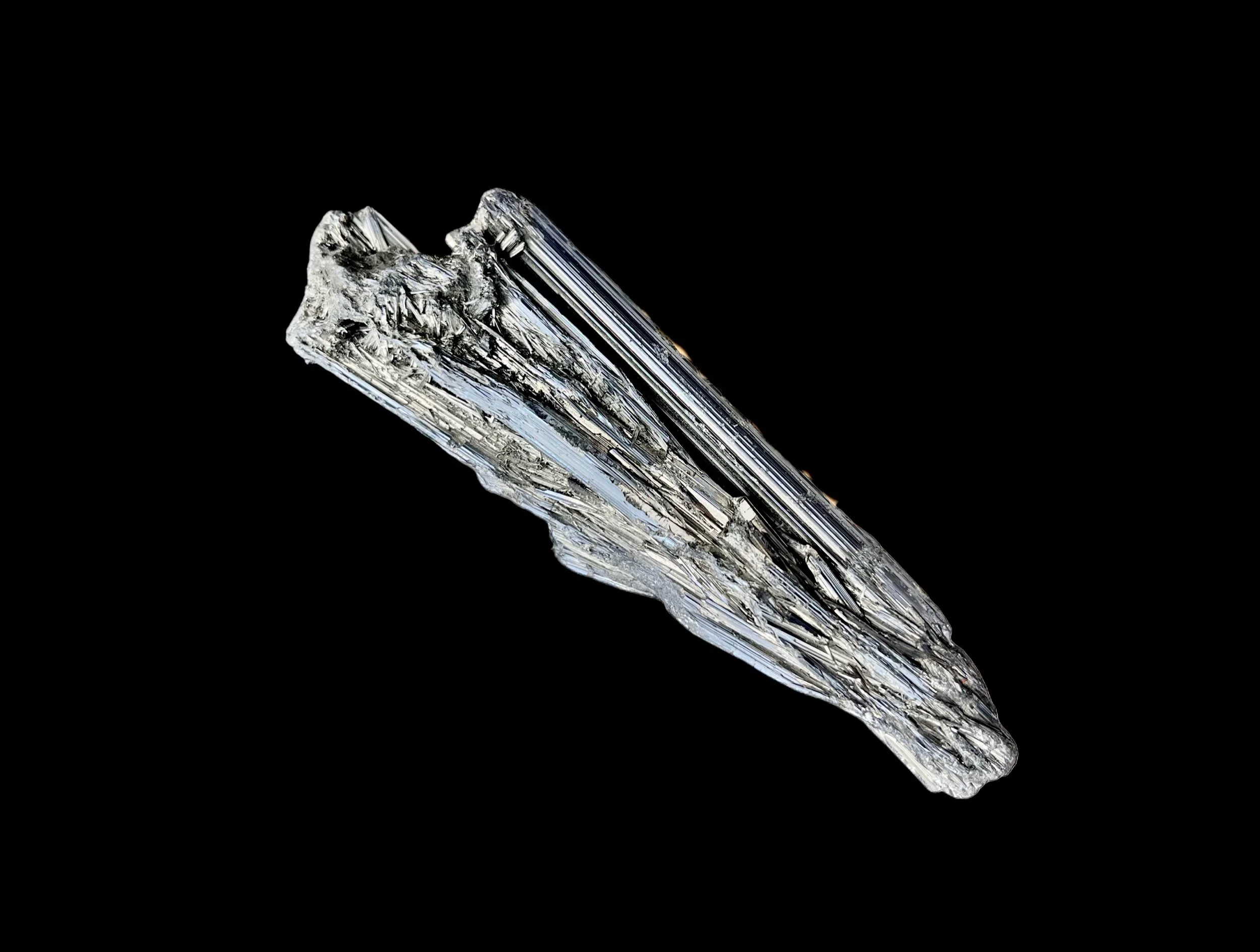
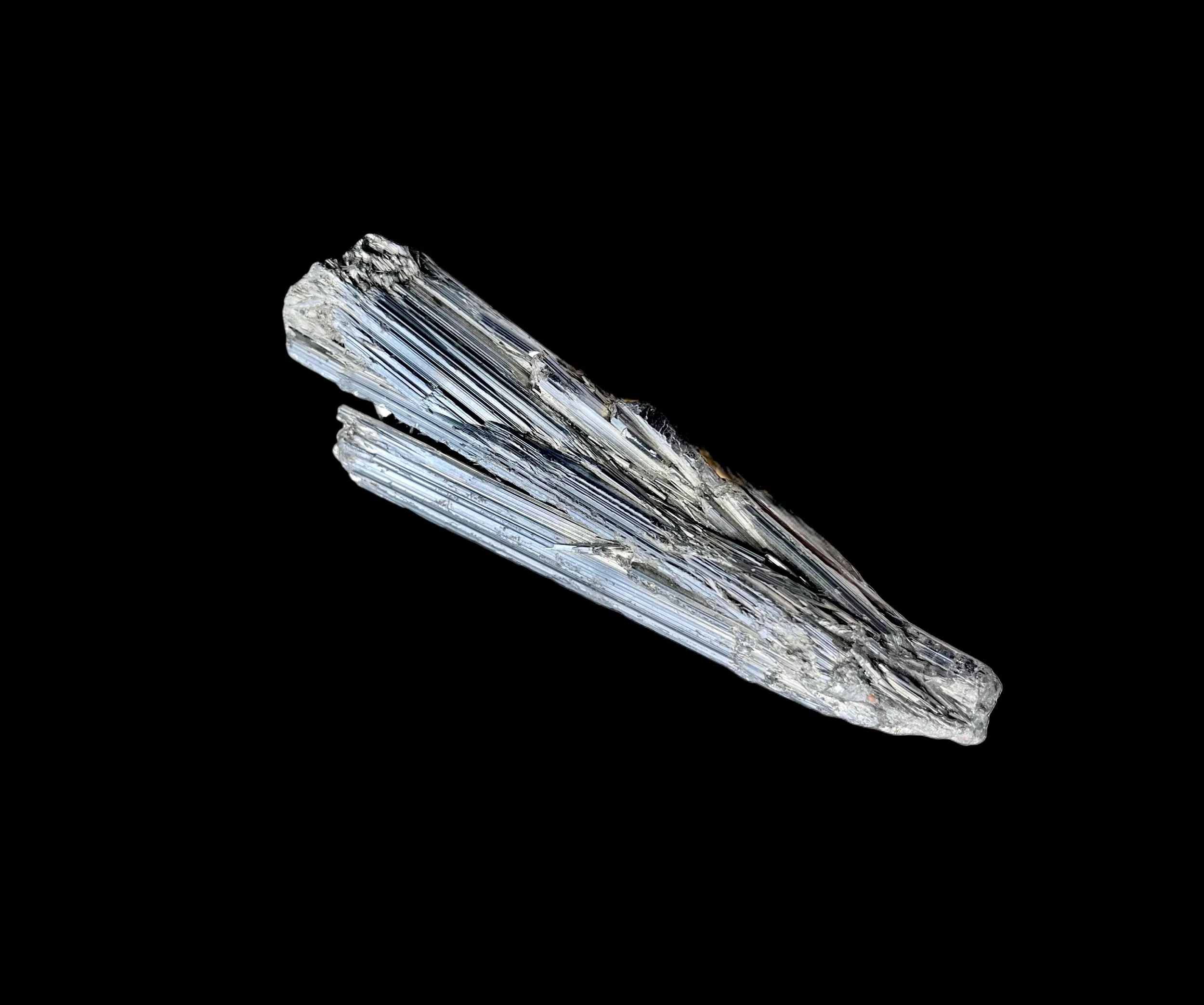
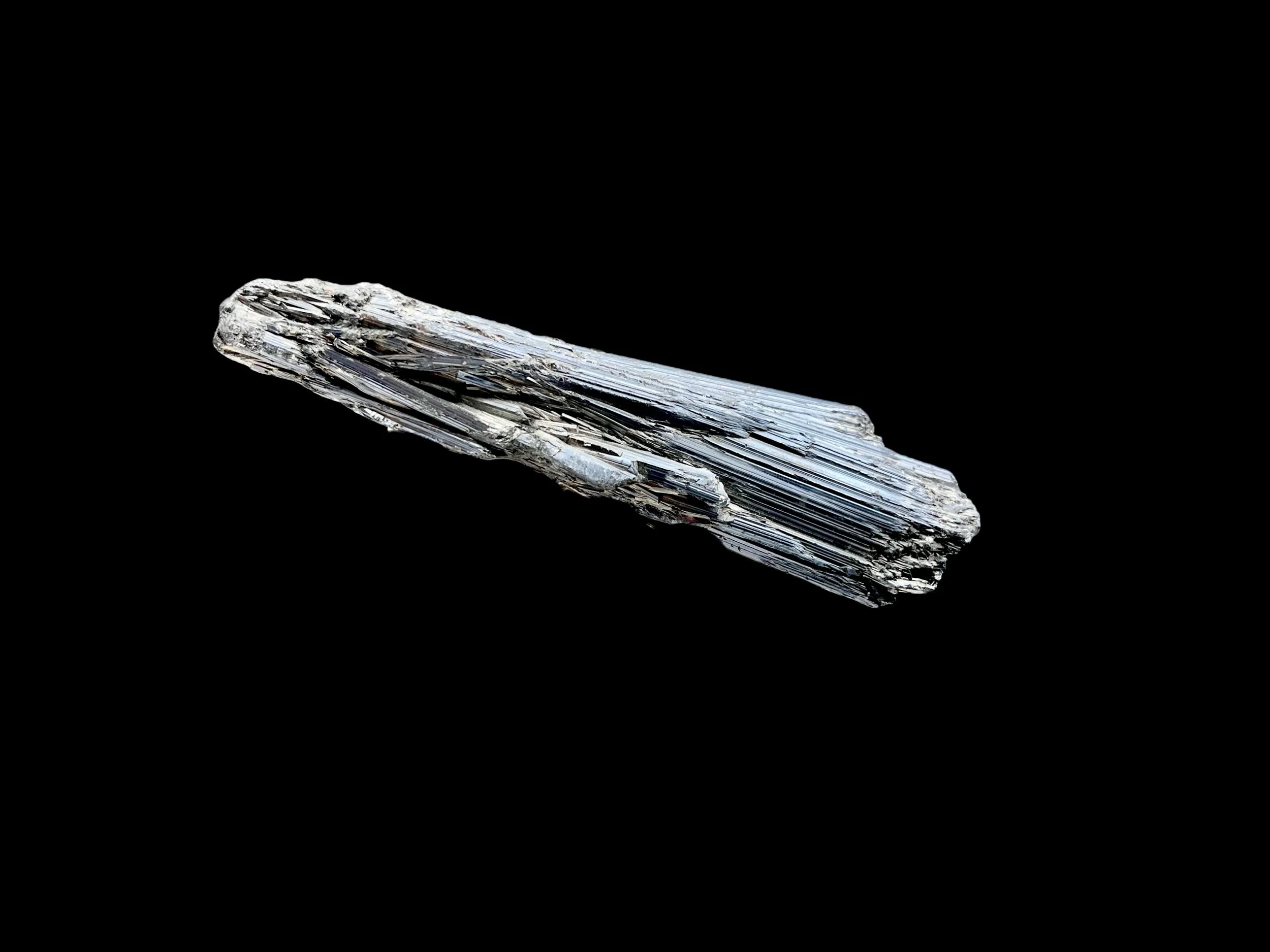
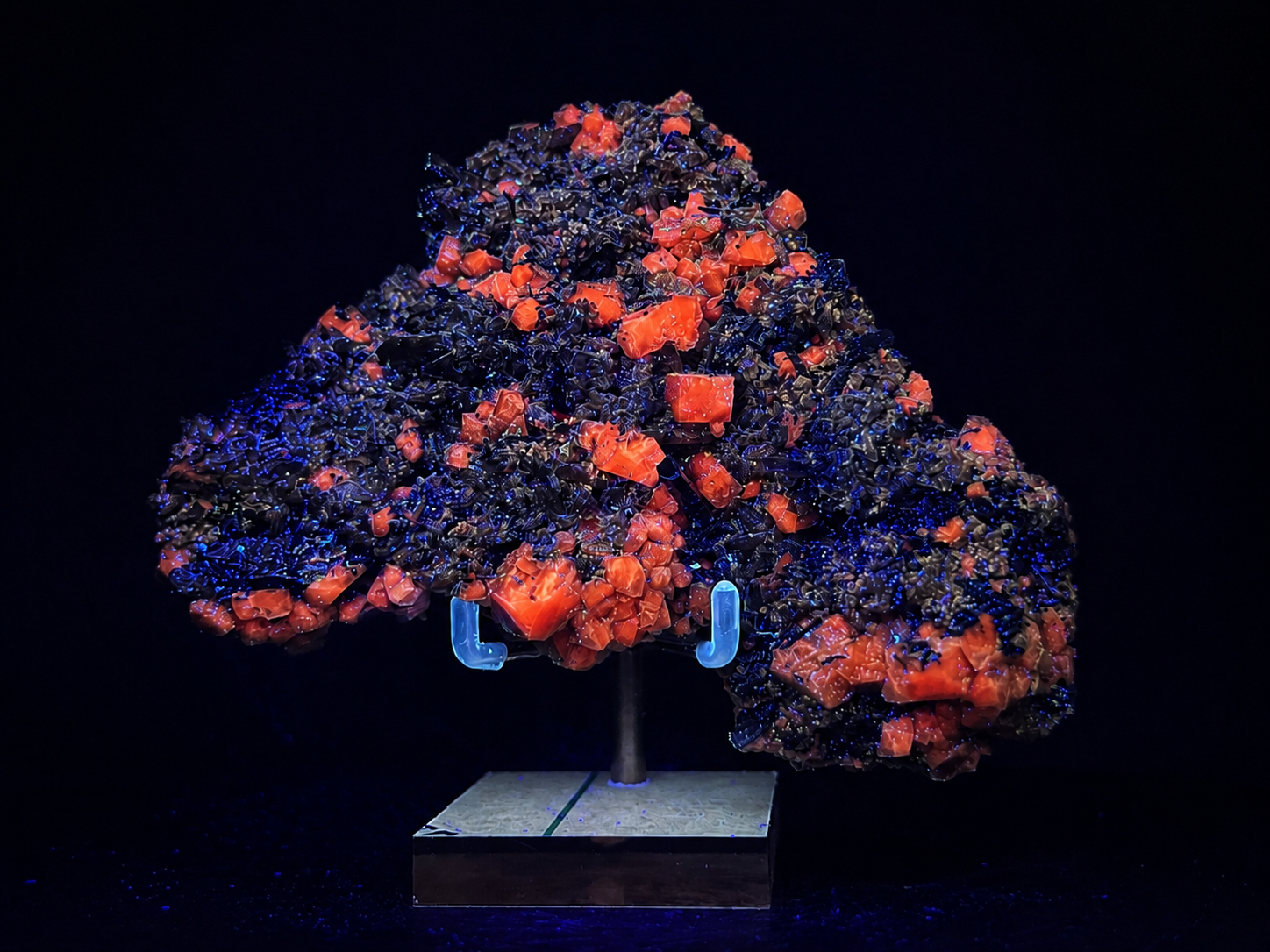
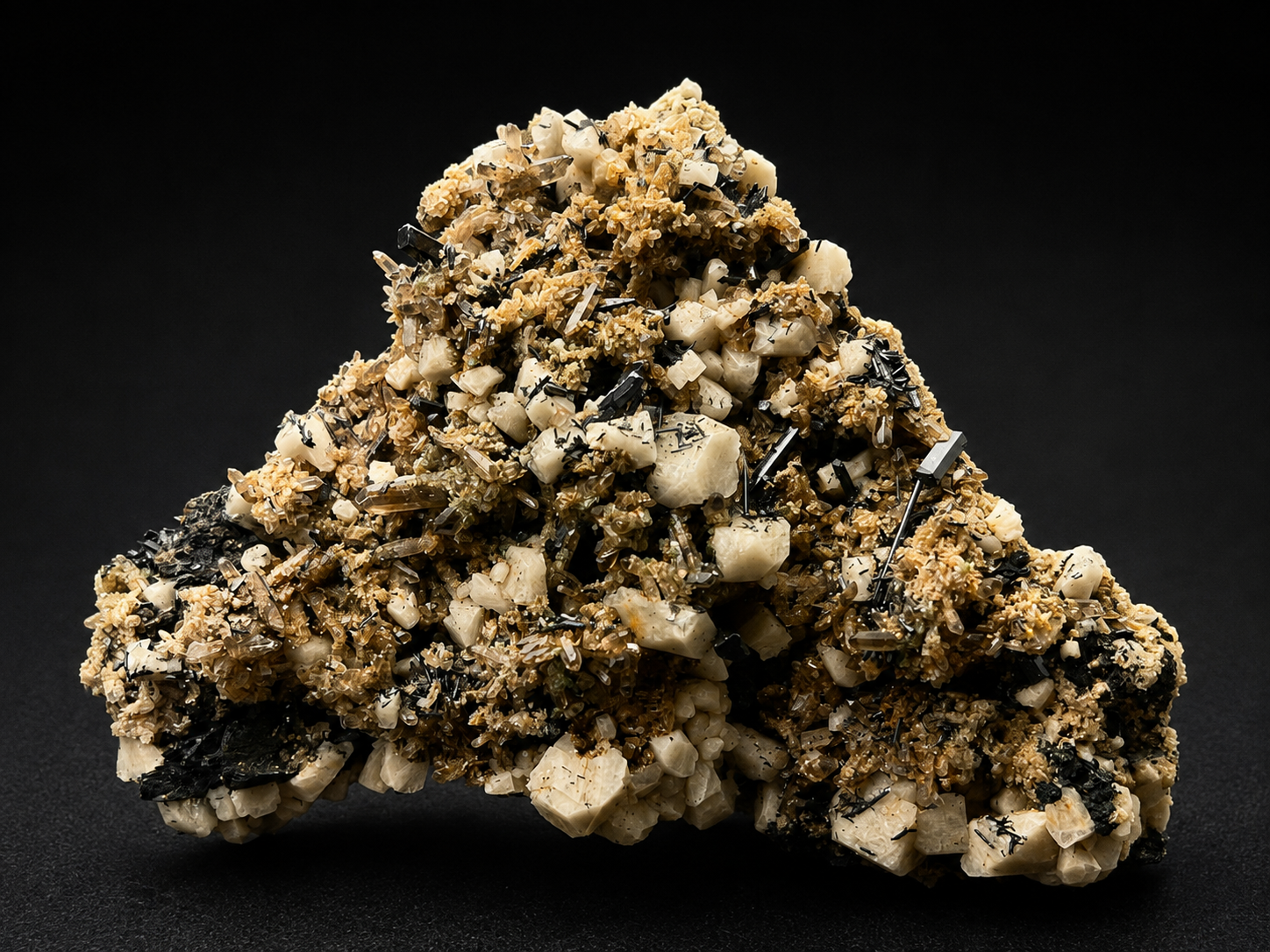
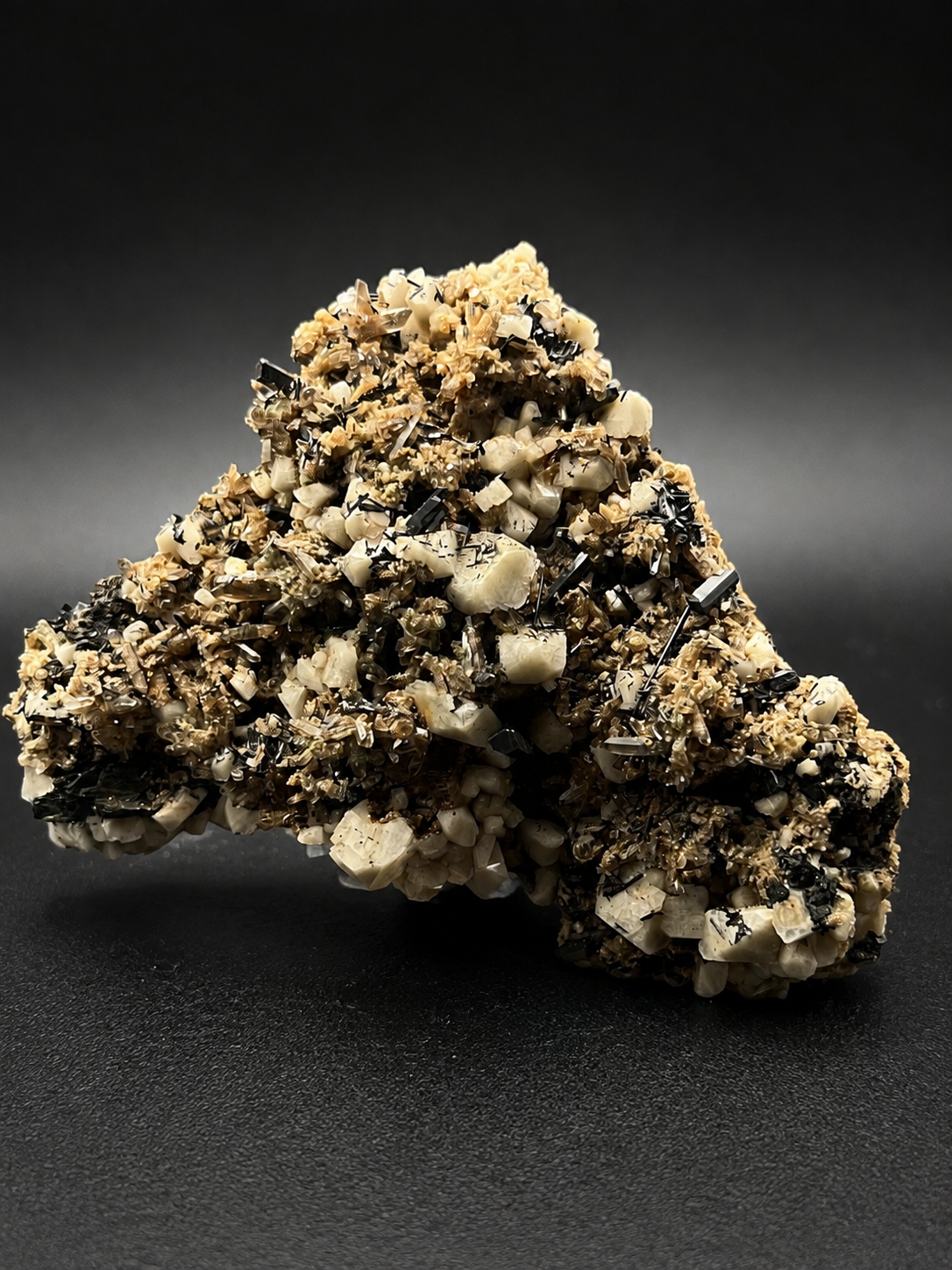
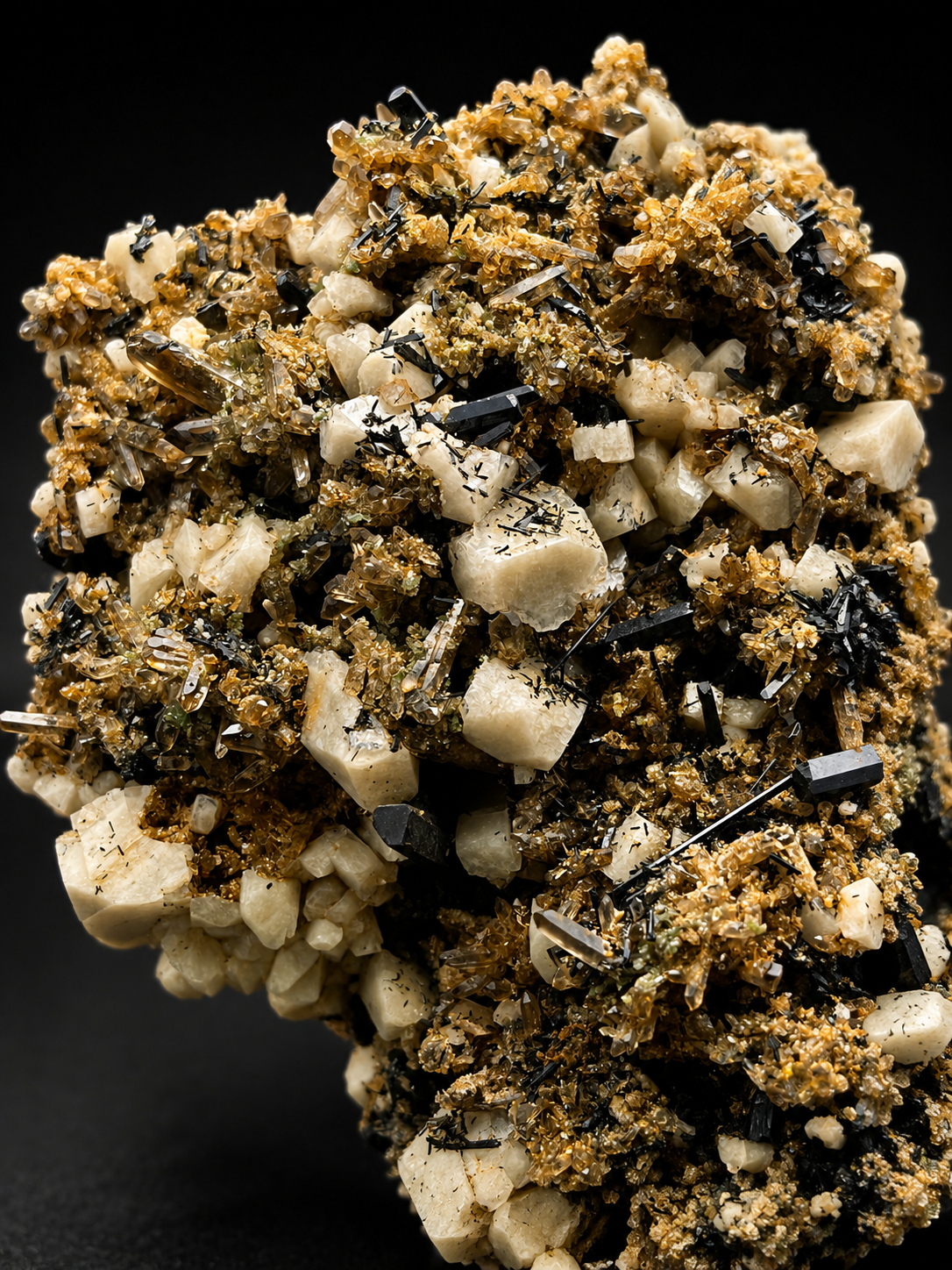
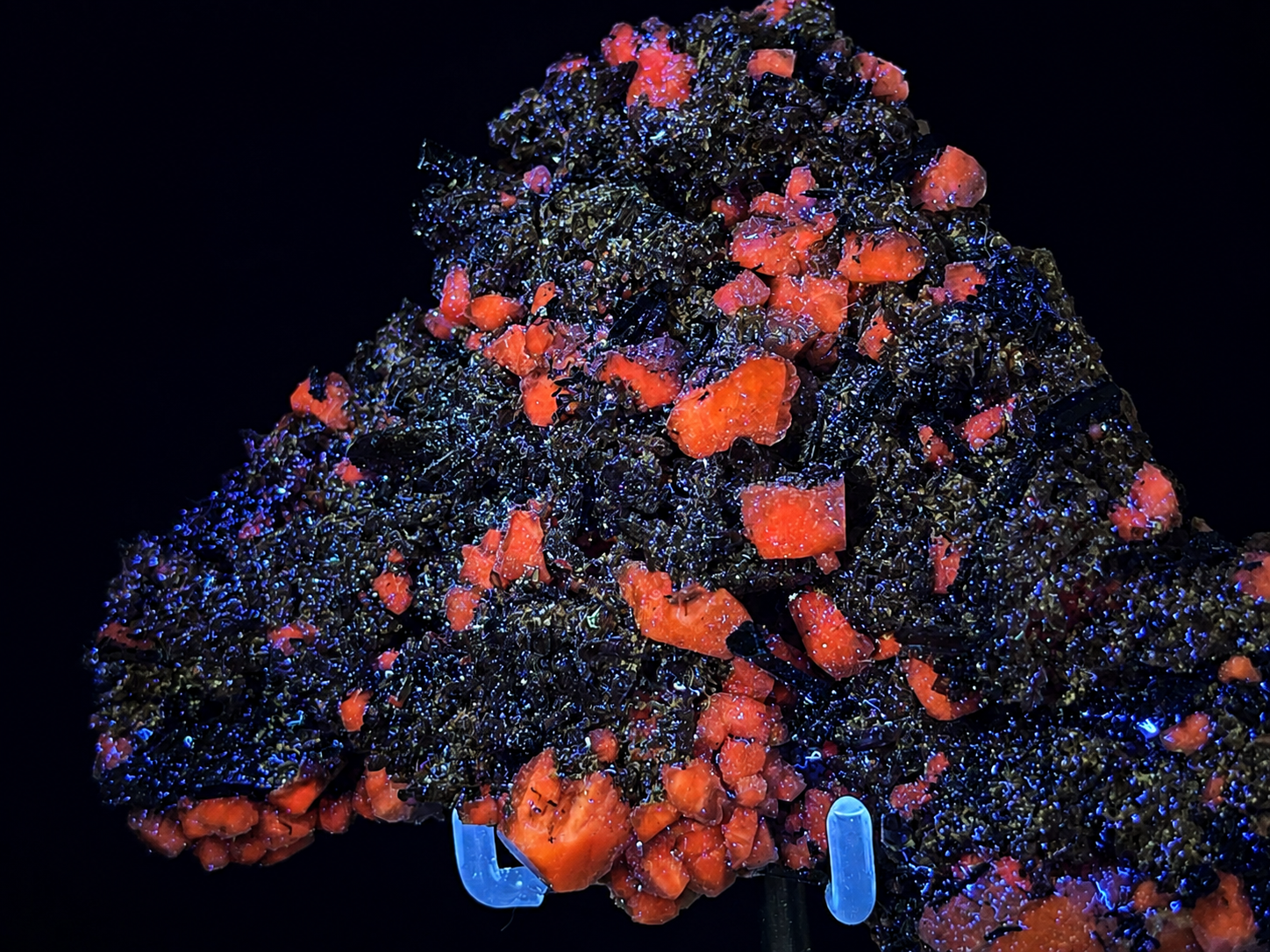
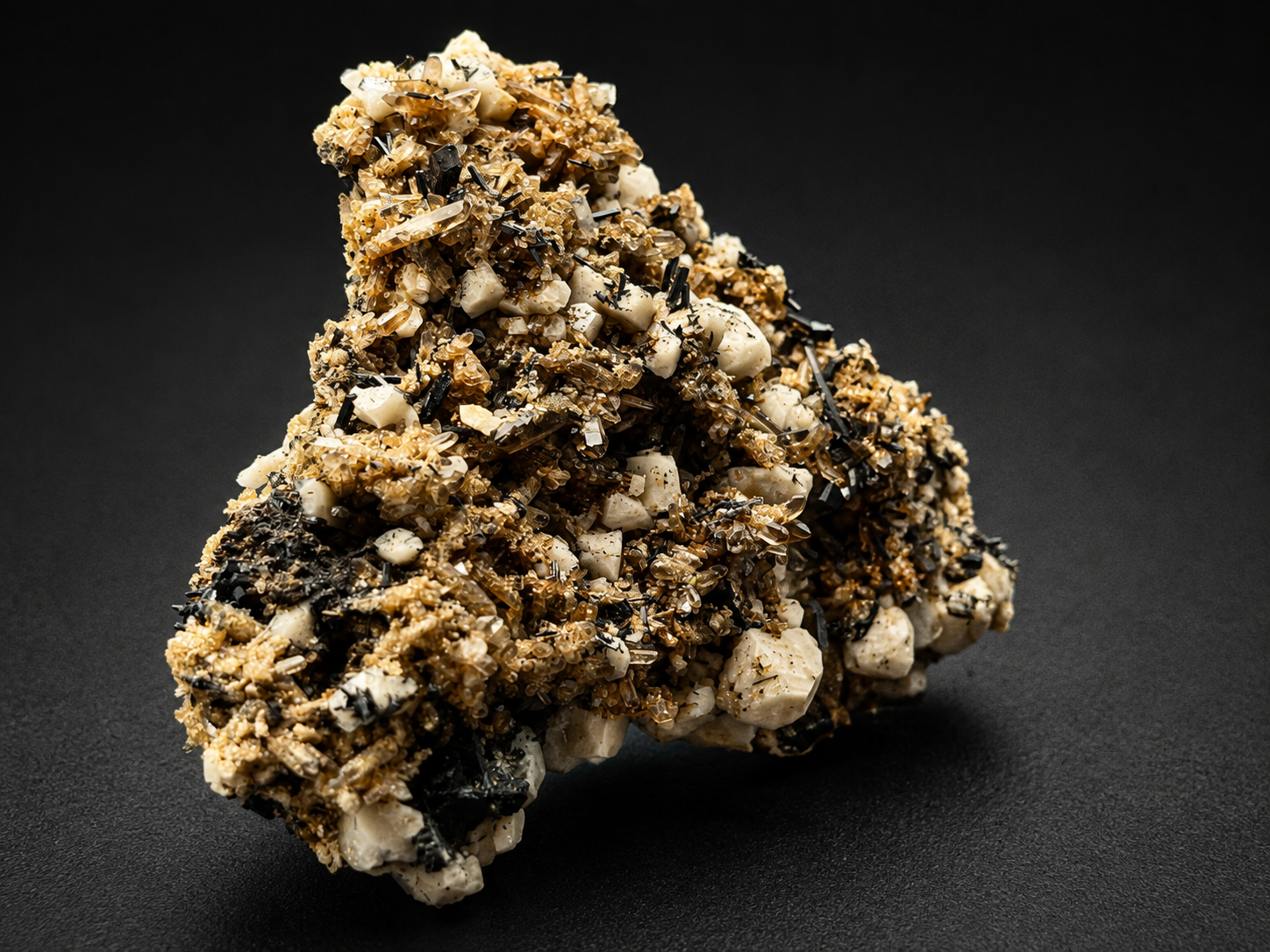
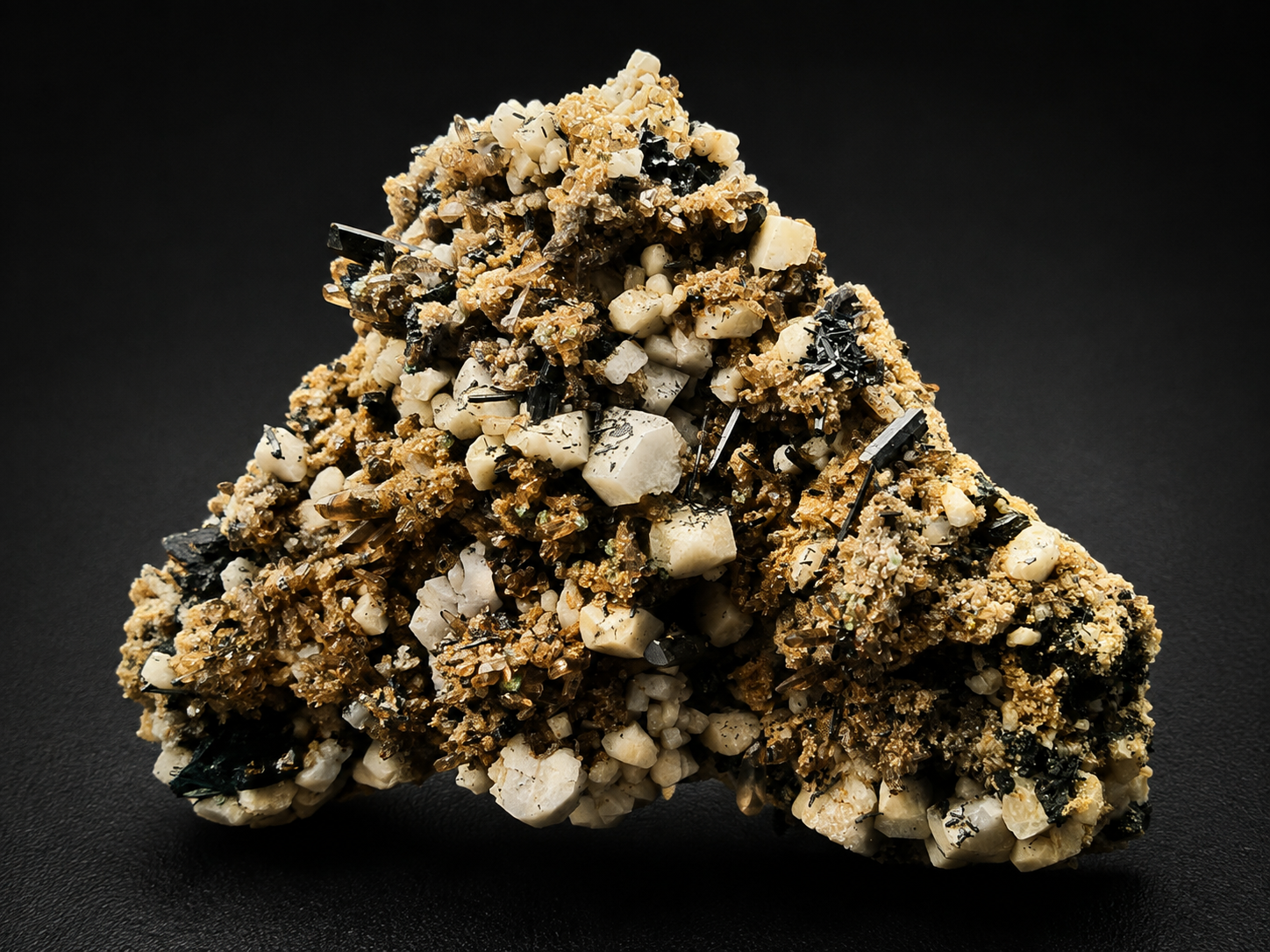
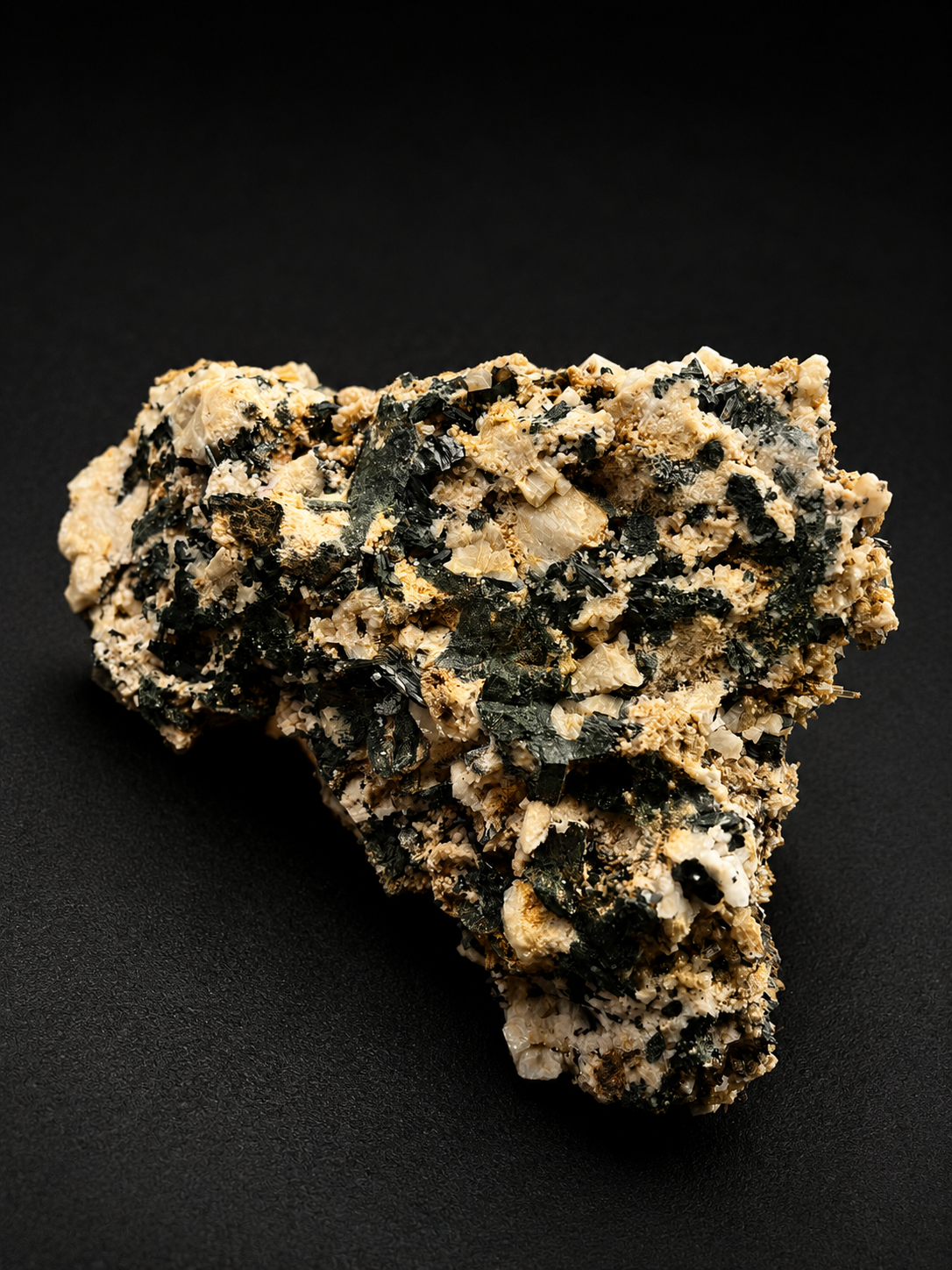
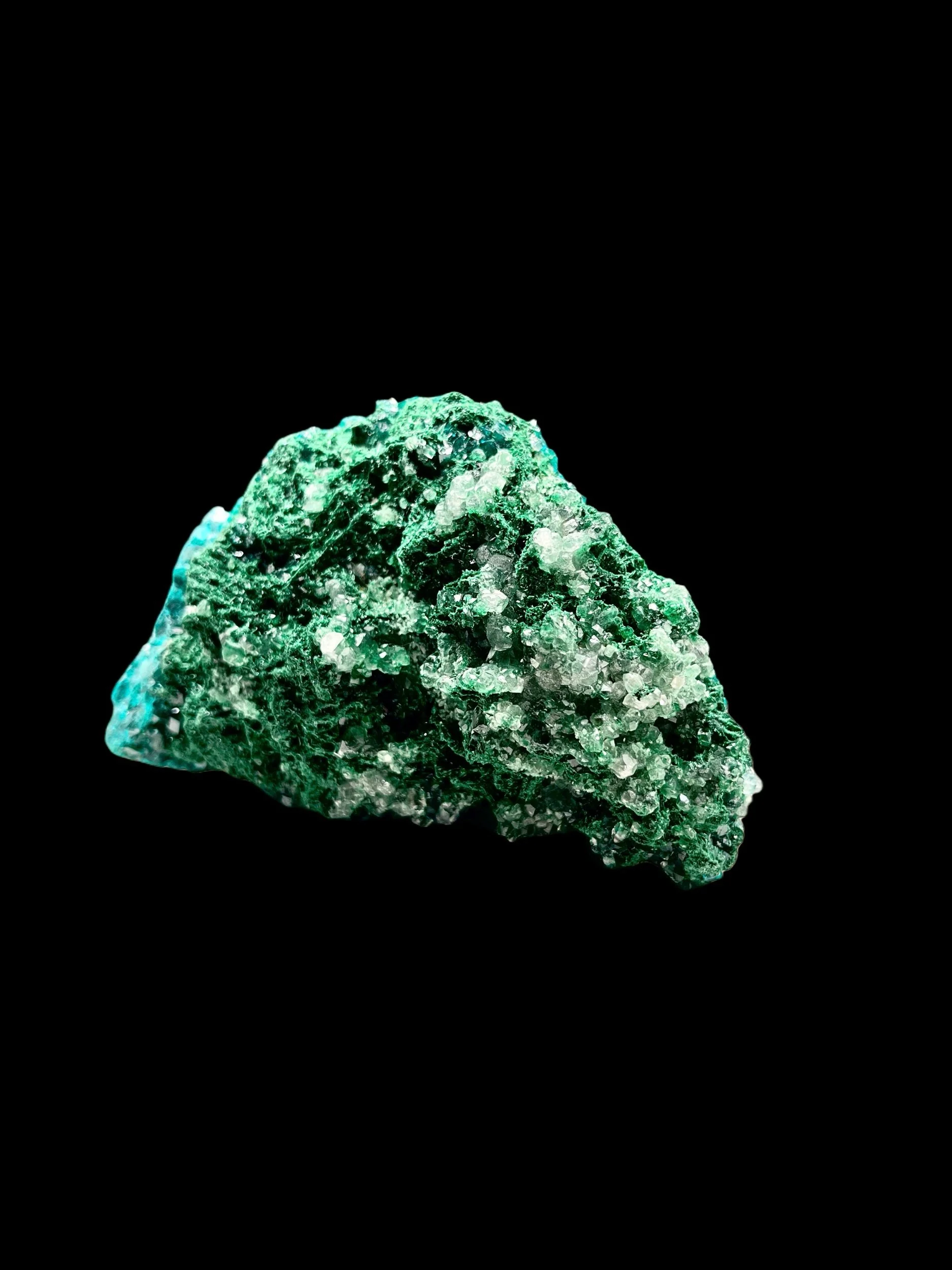
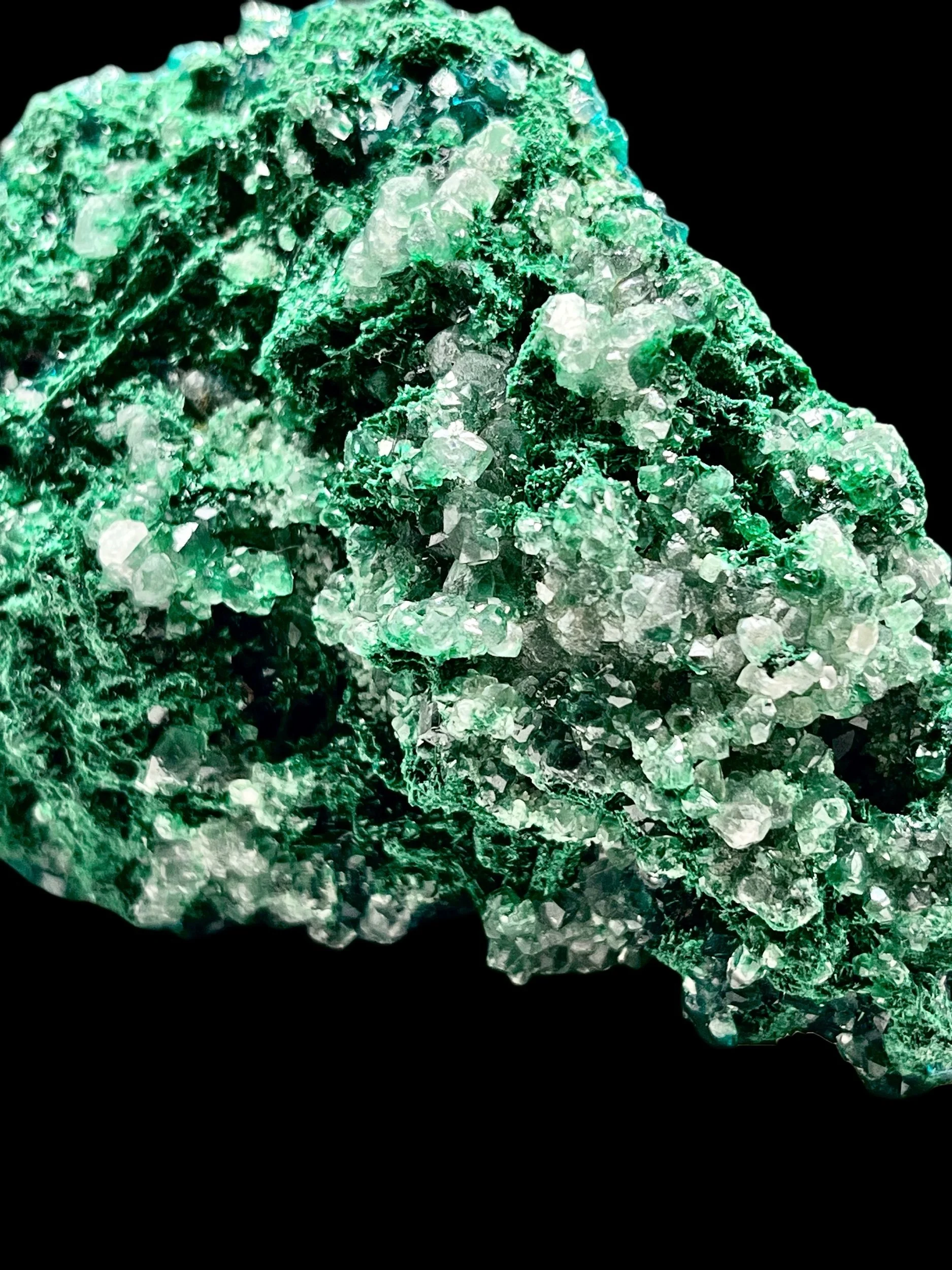
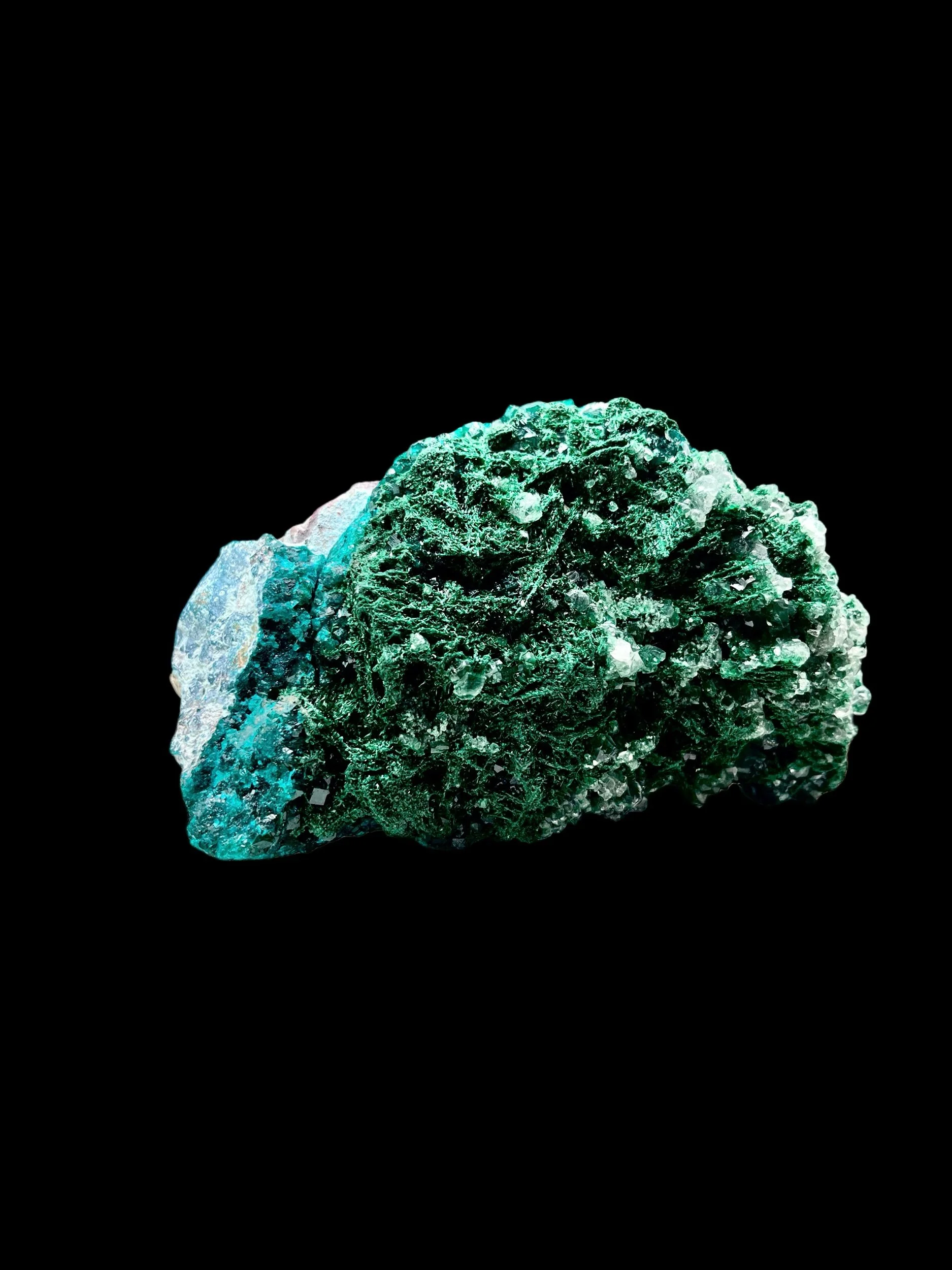
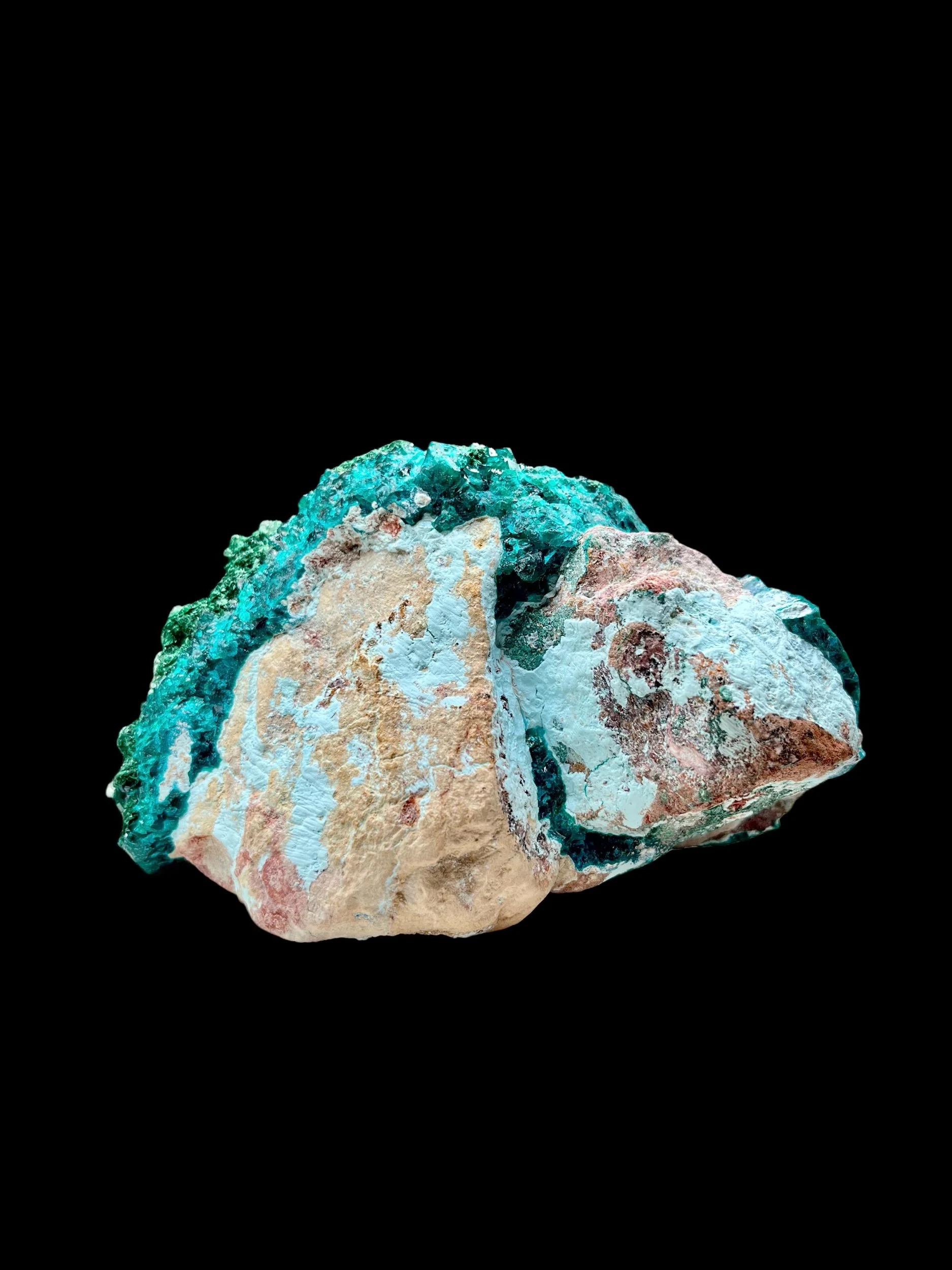
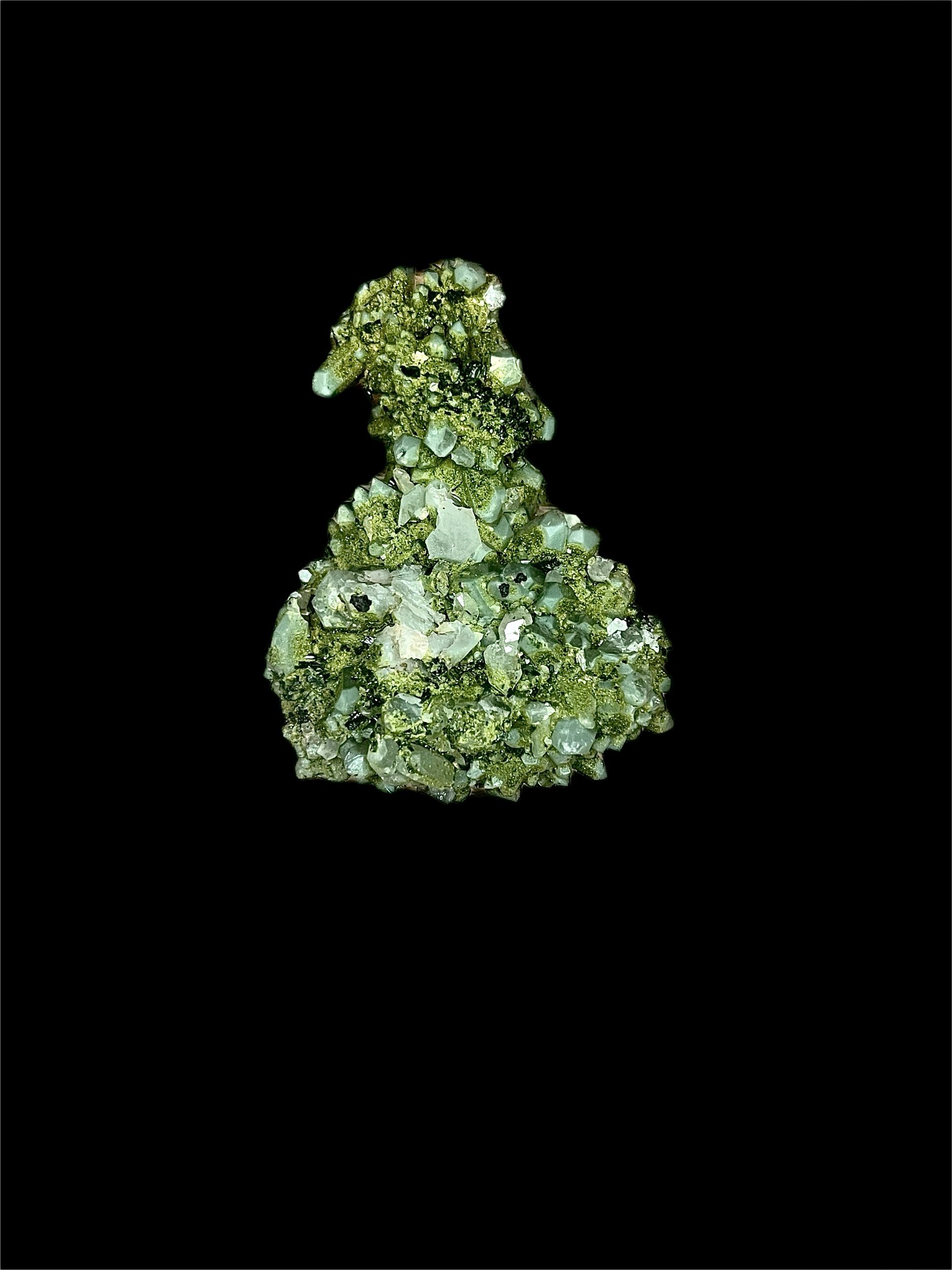
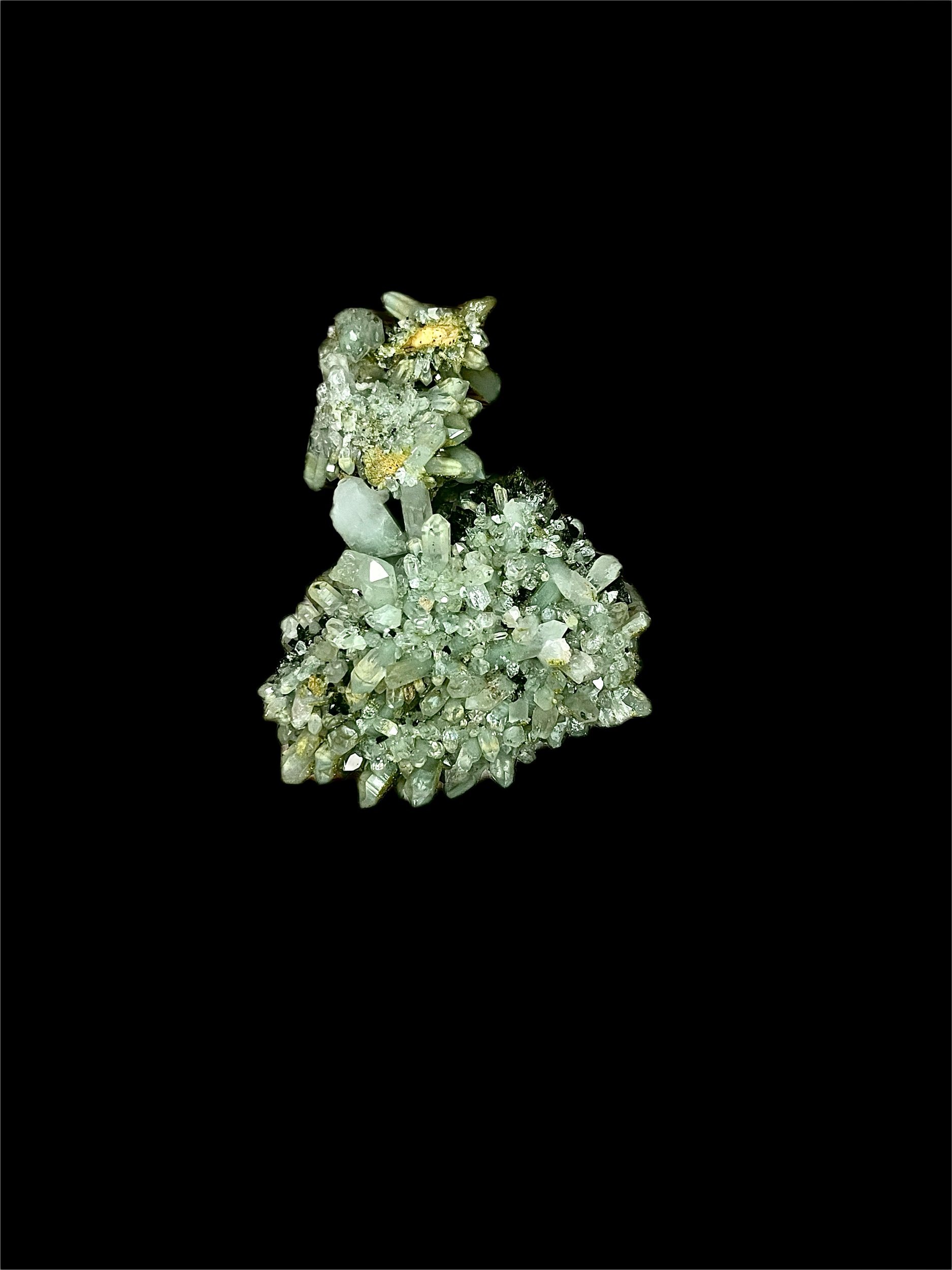
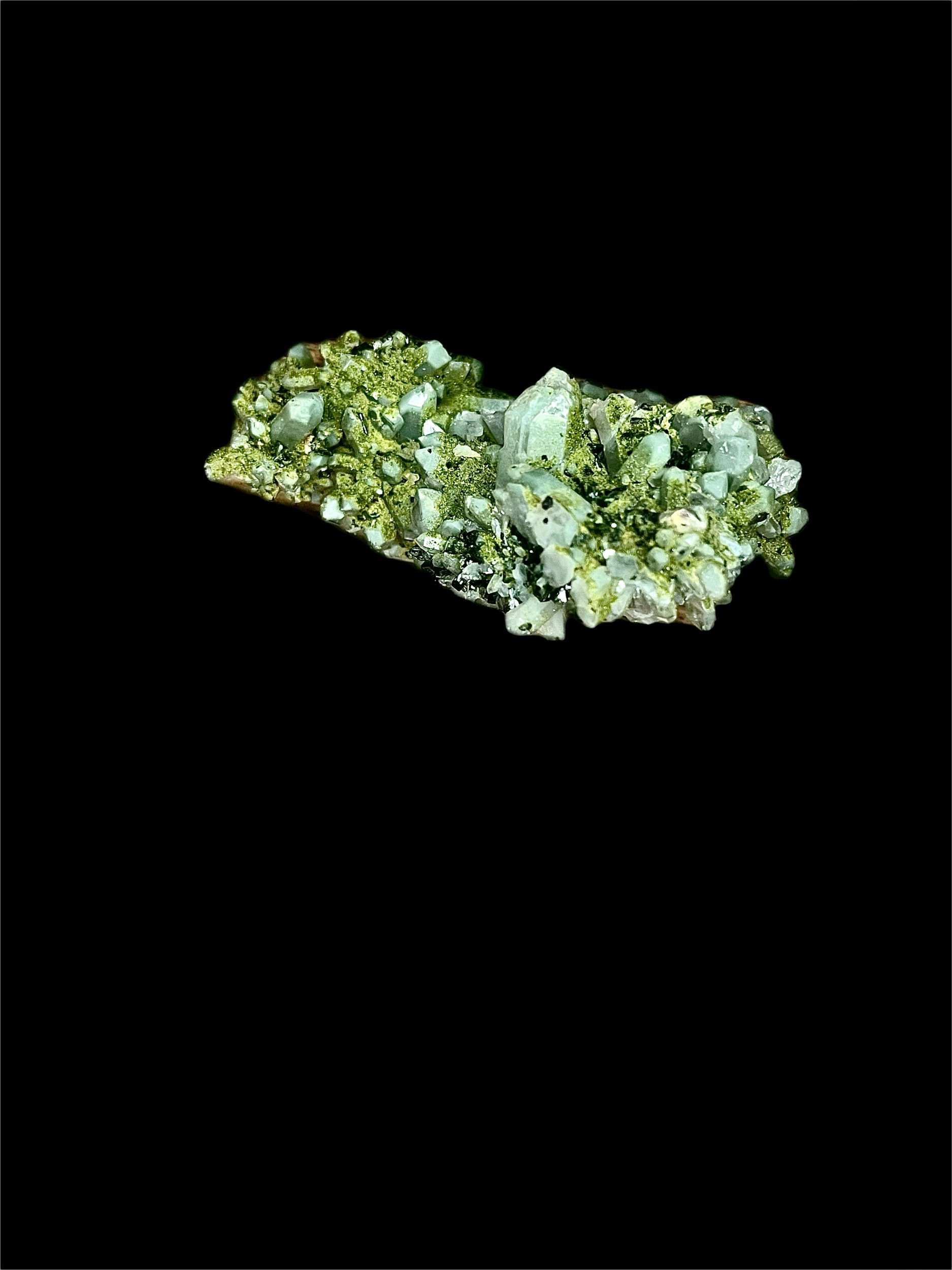
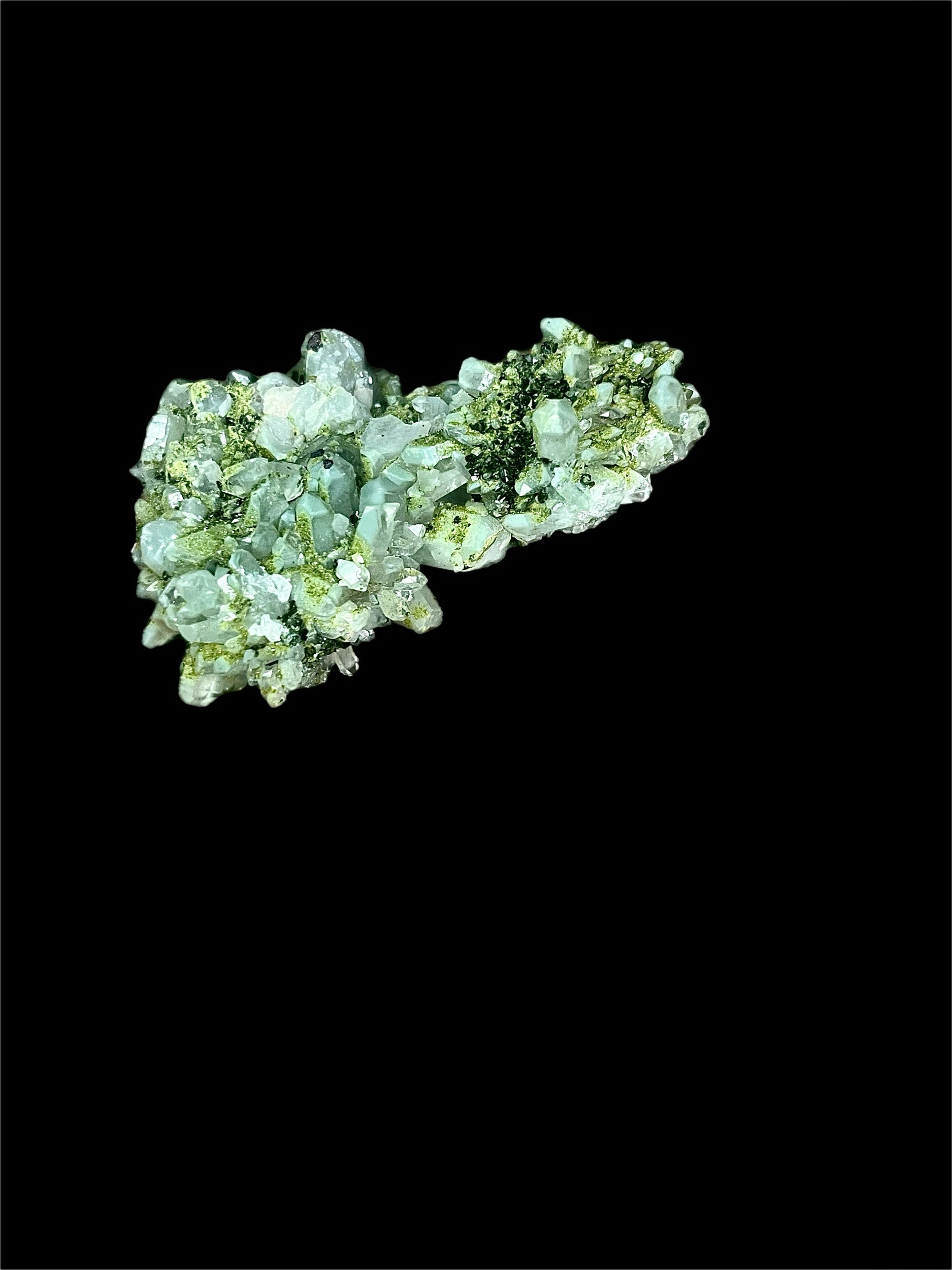
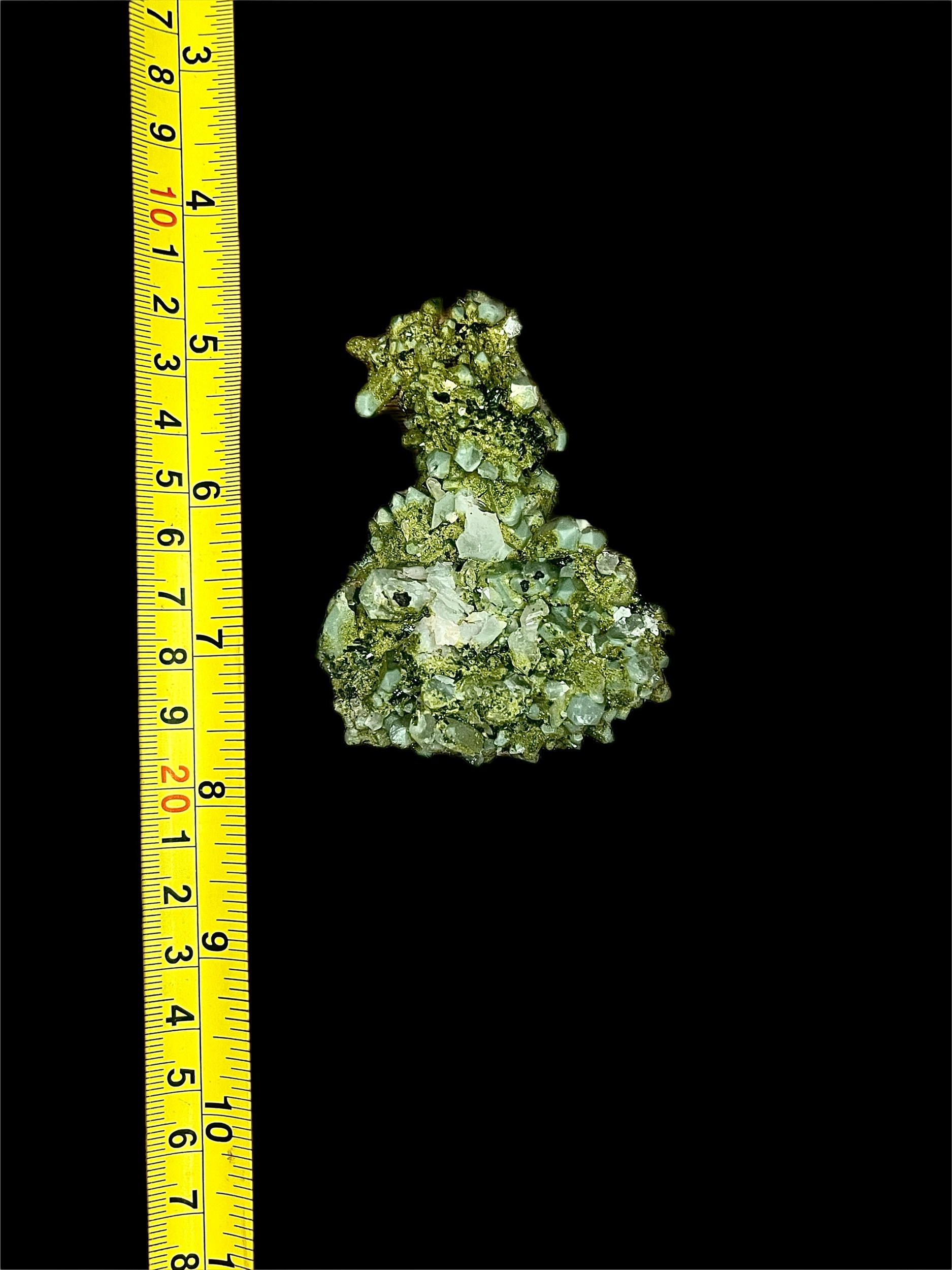
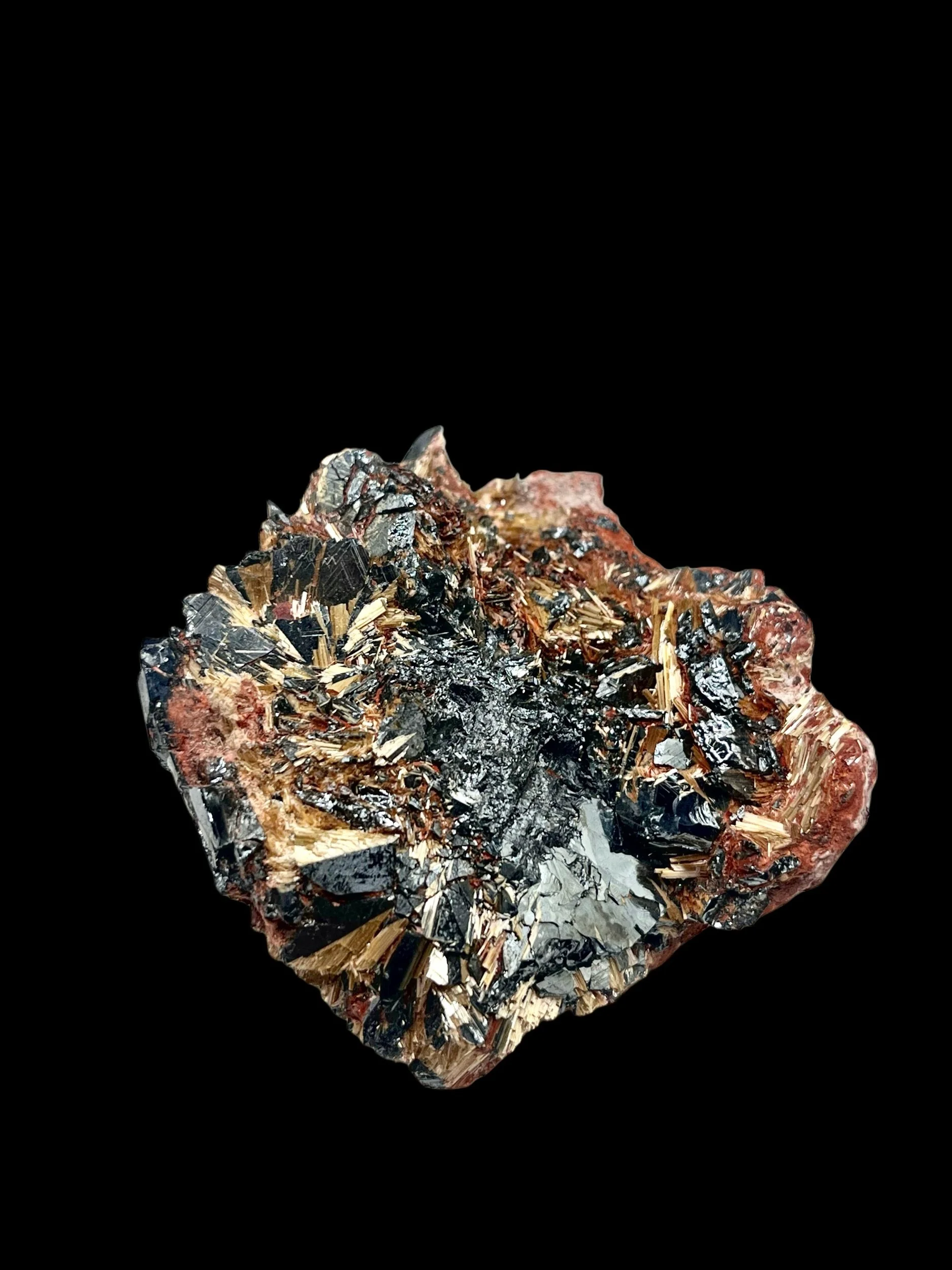
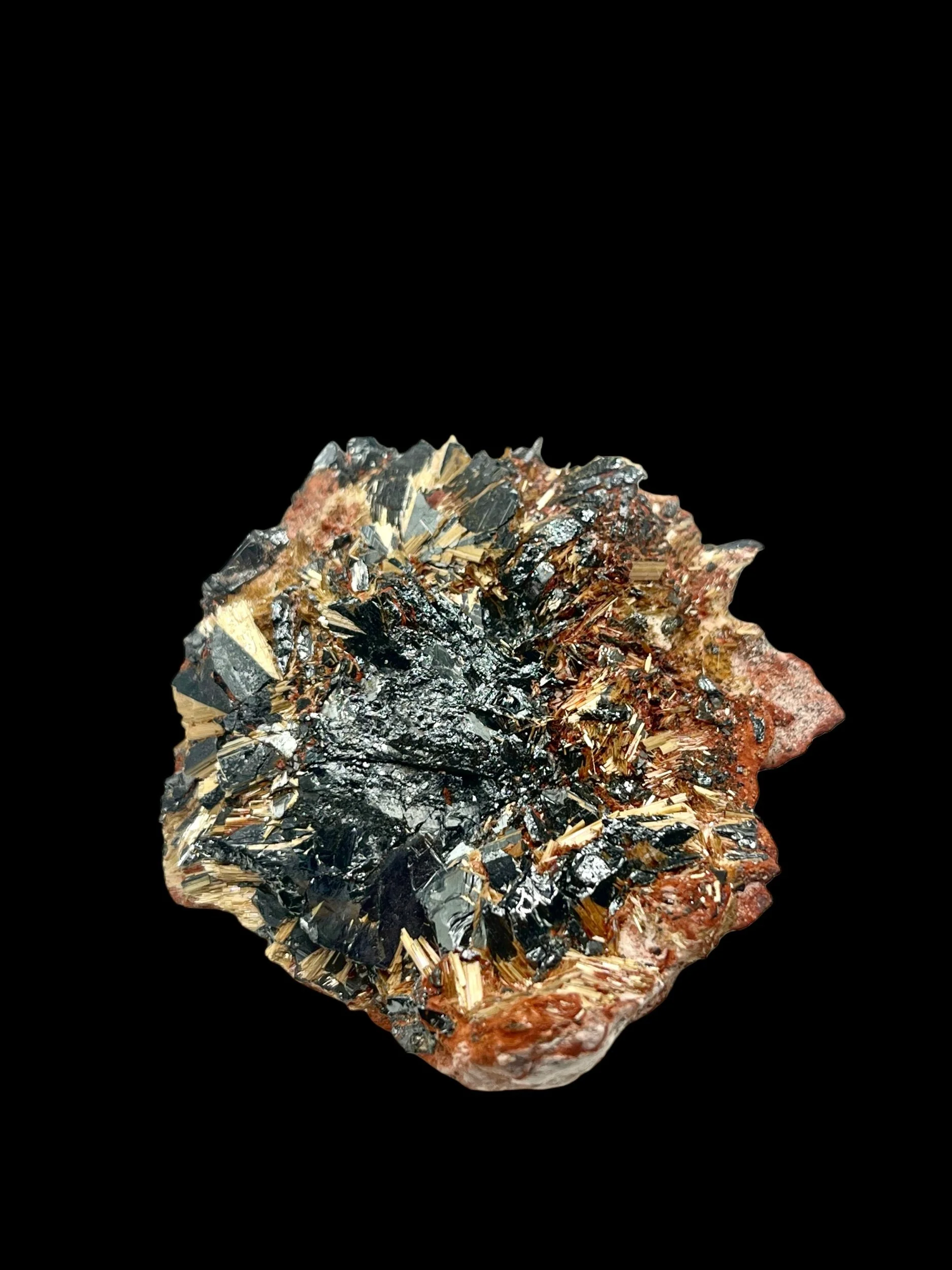
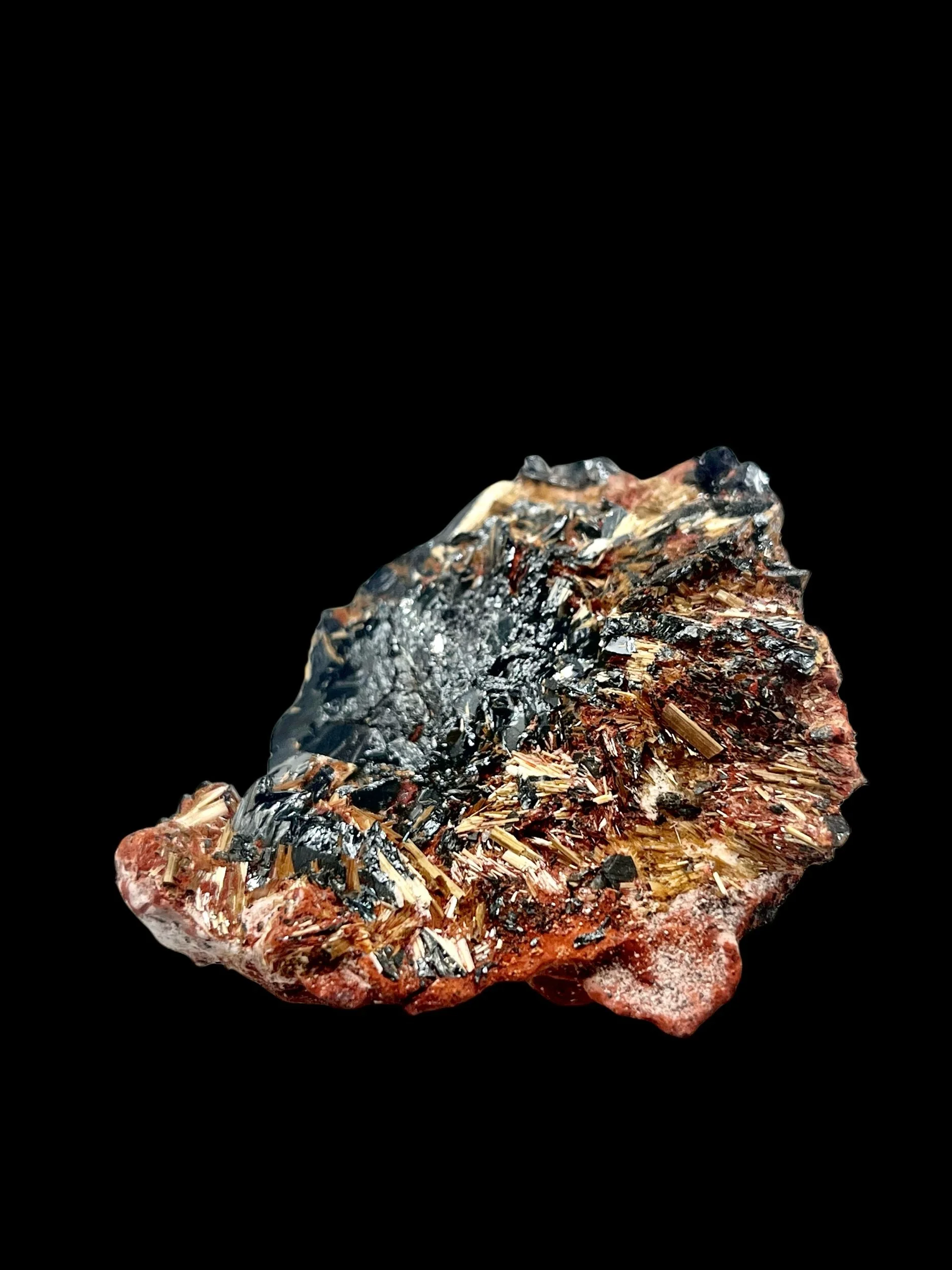
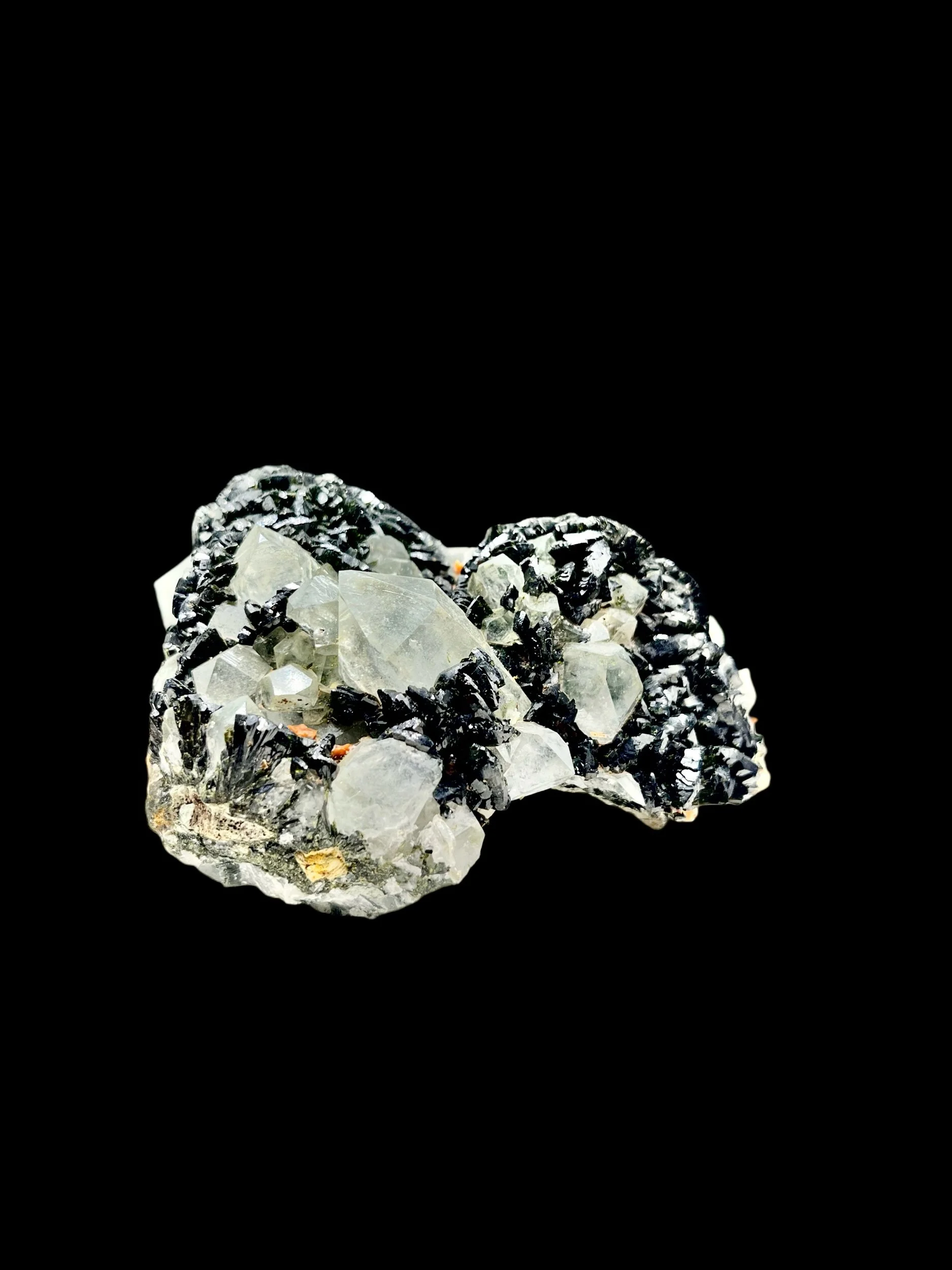
This Black Epidote with Chlorite Quartz specimen brings together density, contrast, and subtle color in a composition that feels both dramatic and refined. Deep green to near-black epidote forms a robust, prismatic foundation with reflective crystal faces that create flashes of metallic luster as the light shifts. Interspersed throughout are quartz crystals, carrying soft green chlorite inclusions that add a muted, earthy translucence to the piece.
The chlorite-included quartz introduces a quiet softness that offsets the strength of the epidote, giving the specimen a layered, dimensional quality. The overall form feels cohesive and intentional, with each mineral clearly expressed yet naturally integrated.
Dimensions & Weight
4” x 3” x 2.75” and 395g
Collector’s Notes
Specimens combining black epidote with chlorite quartz are particularly appealing to collectors who value mineral relationships and textural depth. This example stands out for its strong epidote presence balanced by the subtle complexity of chlorite inclusions. It rewards close inspection, offering both bold structure and fine internal detail—an excellent addition to a serious, mineral-forward collection.
Highlights
Naturally formed black to very dark green epidote crystals
Quartz crystals with visible chlorite inclusions
Strong contrast between reflective epidote and translucent quartz
Excellent dimensionality and surface texture
High luster
Metaphysical Properties
Black Epidote is often associated with grounding, clarity, and energetic protection, while chlorite quartz is commonly linked with cleansing and renewal. Together, they are thought to encourage steady growth, balance, and a strong connection to natural rhythms.
Mineralogy
Epidote is a calcium aluminum iron silicate mineral crystallizing in the monoclinic system, with darker coloration resulting from higher iron content. Quartz (SiO₂) crystallizes in the trigonal system, and chlorite inclusions form when iron- and magnesium-rich minerals are incorporated during quartz growth. This combination commonly occurs in metamorphic and hydrothermal environments.
Description
This Black Epidote with Chlorite Quartz specimen brings together density, contrast, and subtle color in a composition that feels both dramatic and refined. Deep green to near-black epidote forms a robust, prismatic foundation with reflective crystal faces that create flashes of metallic luster as the light shifts. Interspersed throughout are quartz crystals, carrying soft green chlorite inclusions that add a muted, earthy translucence to the piece.
The chlorite-included quartz introduces a quiet softness that offsets the strength of the epidote, giving the specimen a layered, dimensional quality. The overall form feels cohesive and intentional, with each mineral clearly expressed yet naturally integrated.
Dimensions & Weight
4” x 3” x 2.75” and 395g
Collector’s Notes
Specimens combining black epidote with chlorite quartz are particularly appealing to collectors who value mineral relationships and textural depth. This example stands out for its strong epidote presence balanced by the subtle complexity of chlorite inclusions. It rewards close inspection, offering both bold structure and fine internal detail—an excellent addition to a serious, mineral-forward collection.
Highlights
Naturally formed black to very dark green epidote crystals
Quartz crystals with visible chlorite inclusions
Strong contrast between reflective epidote and translucent quartz
Excellent dimensionality and surface texture
High luster
Metaphysical Properties
Black Epidote is often associated with grounding, clarity, and energetic protection, while chlorite quartz is commonly linked with cleansing and renewal. Together, they are thought to encourage steady growth, balance, and a strong connection to natural rhythms.
Mineralogy
Epidote is a calcium aluminum iron silicate mineral crystallizing in the monoclinic system, with darker coloration resulting from higher iron content. Quartz (SiO₂) crystallizes in the trigonal system, and chlorite inclusions form when iron- and magnesium-rich minerals are incorporated during quartz growth. This combination commonly occurs in metamorphic and hydrothermal environments.