Description
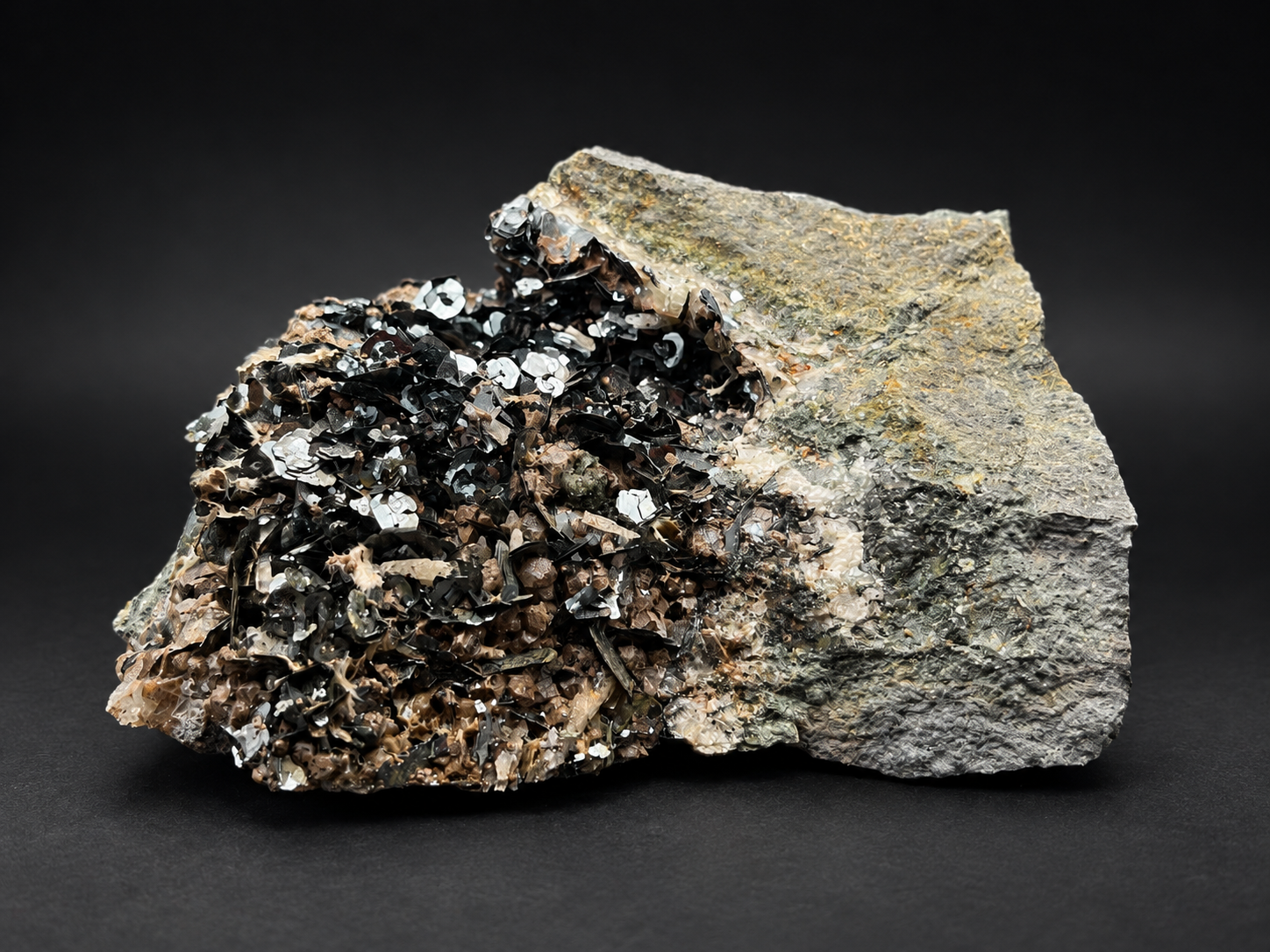
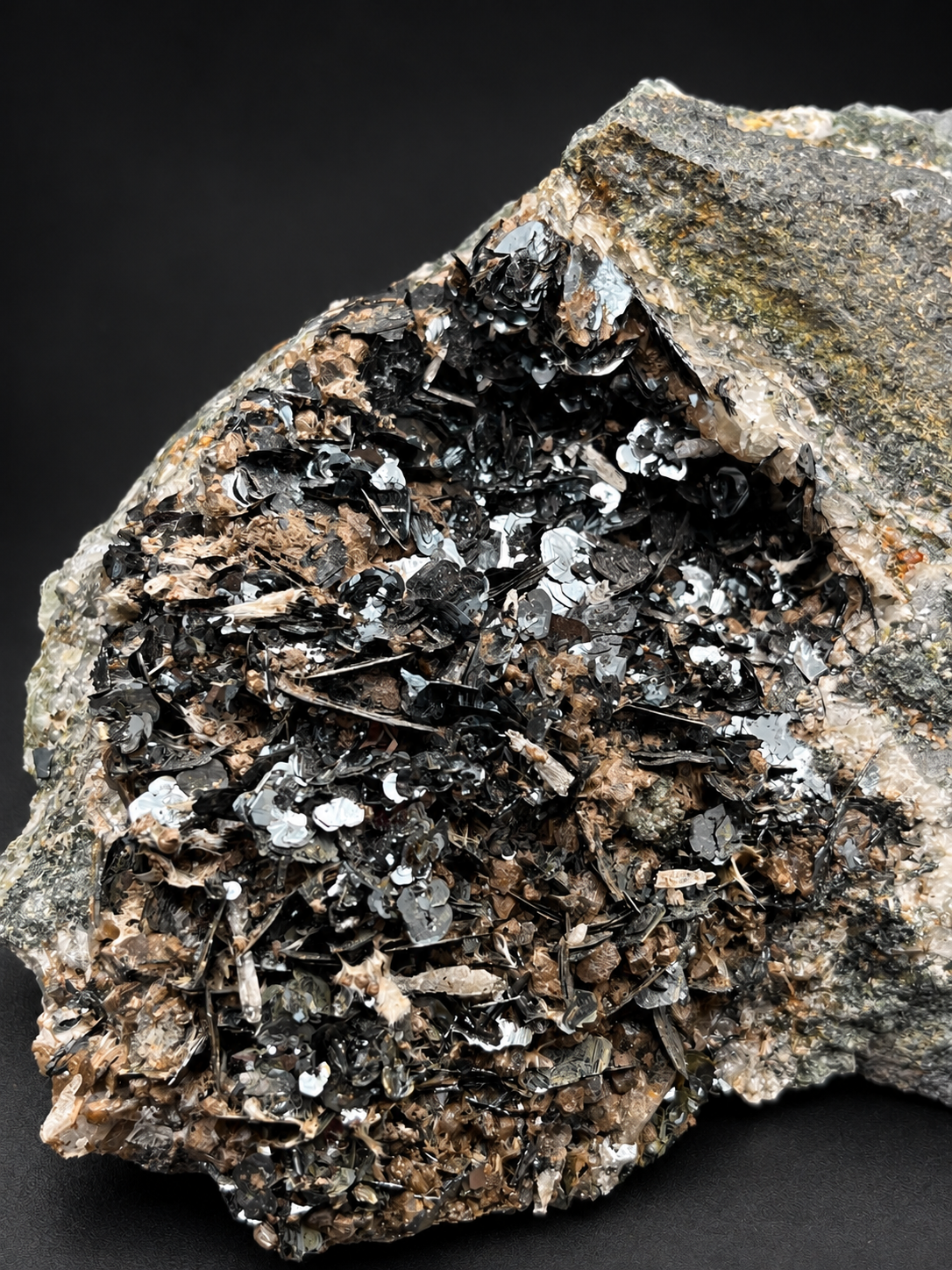
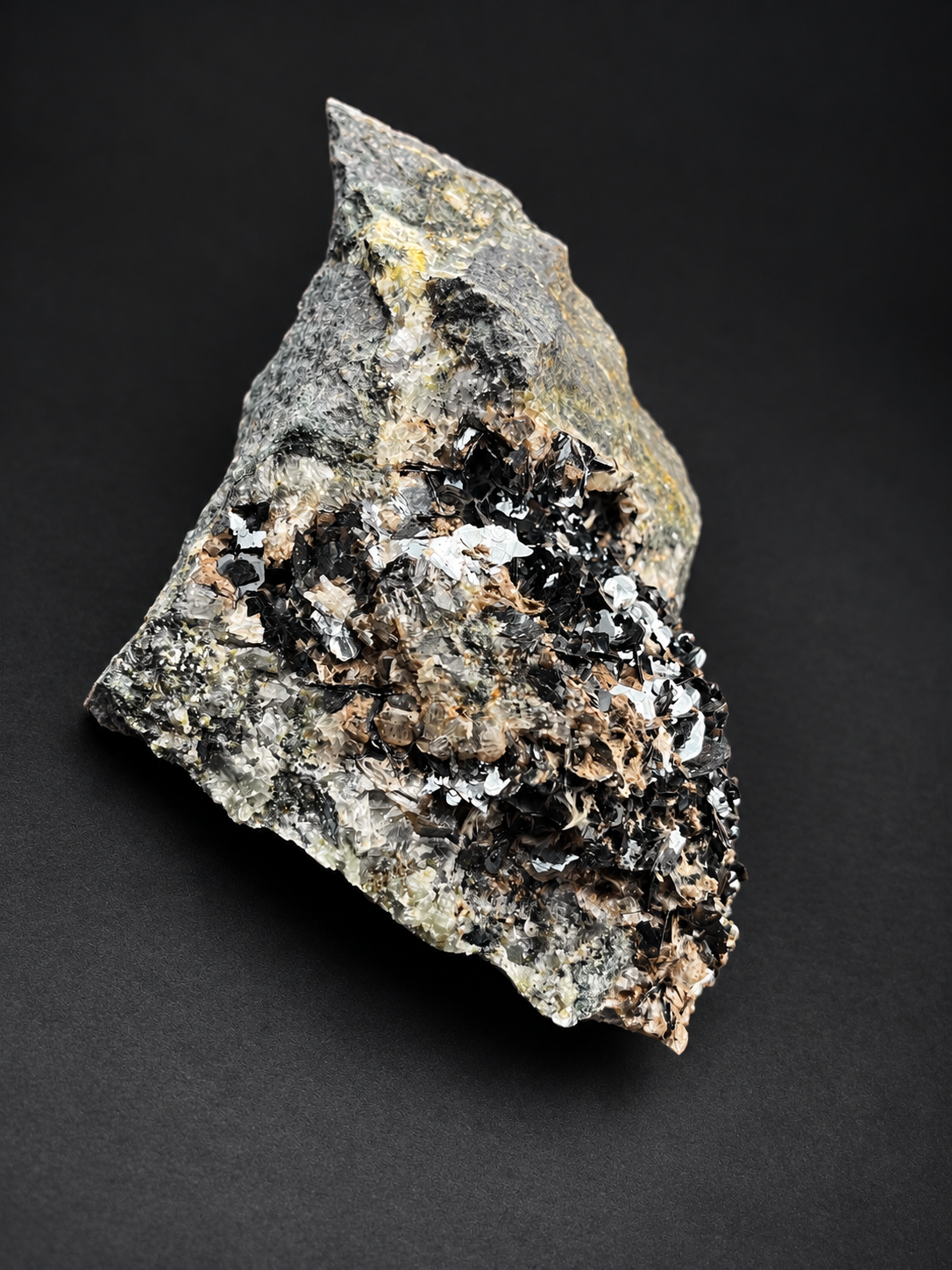
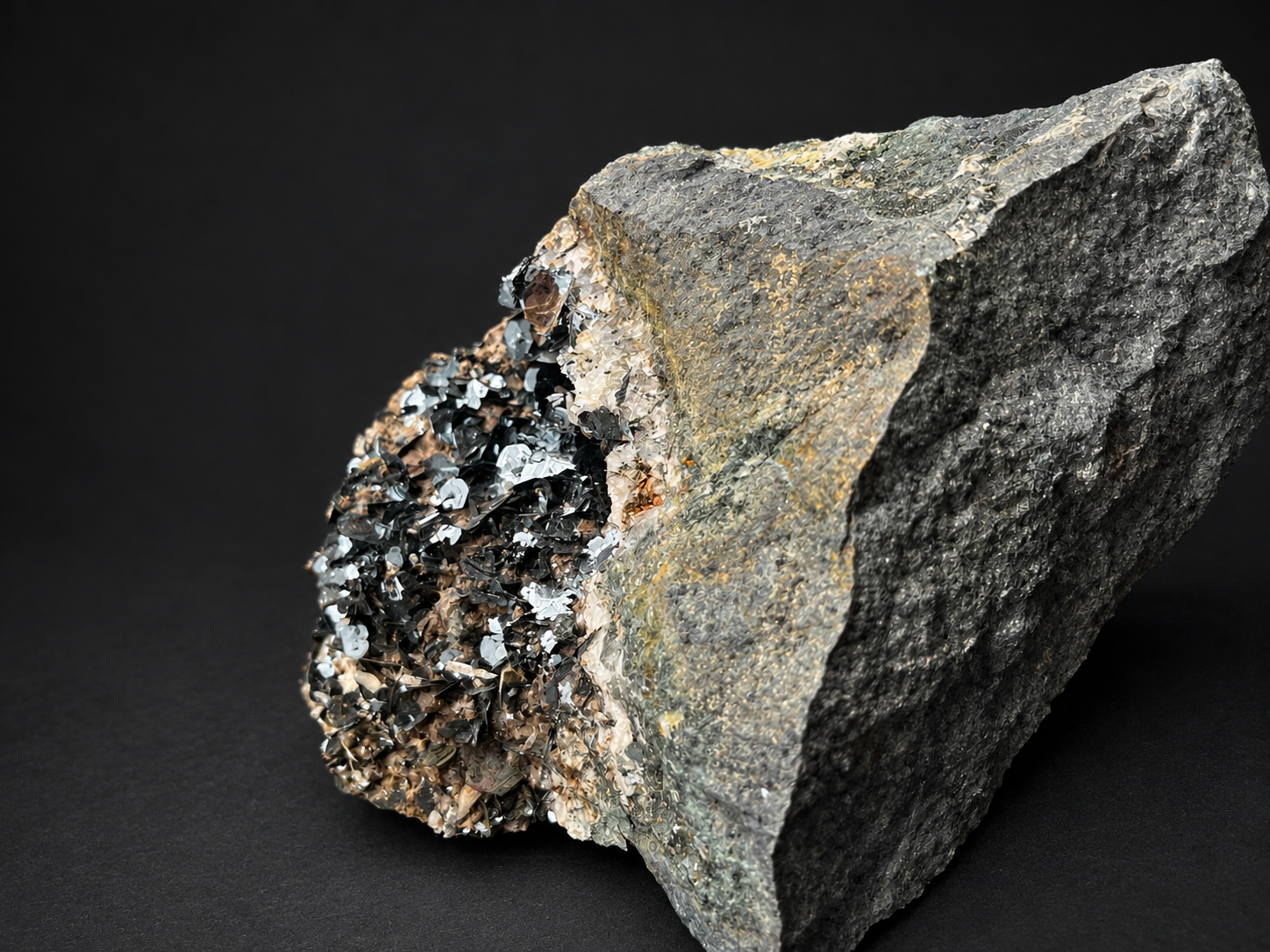
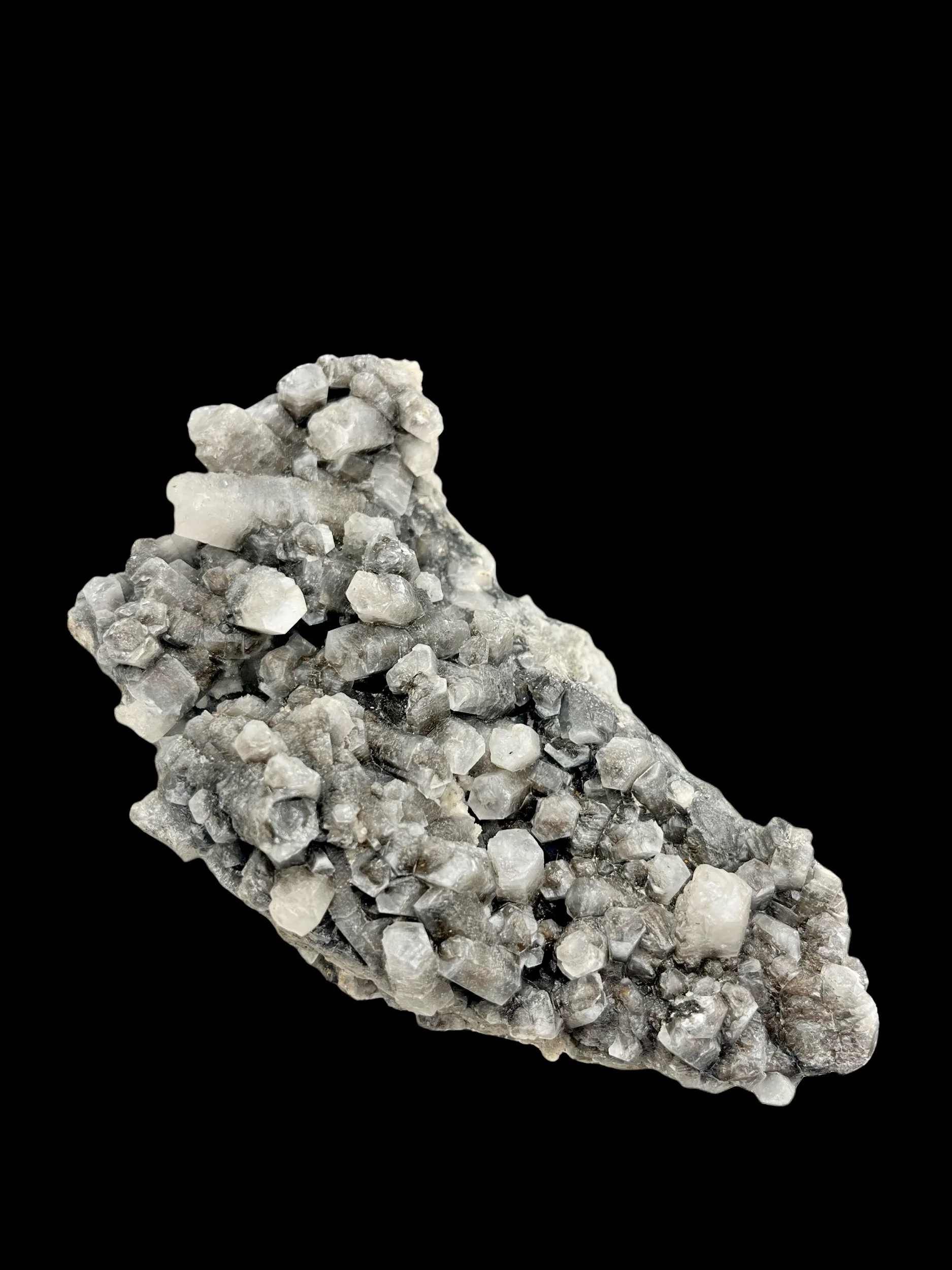
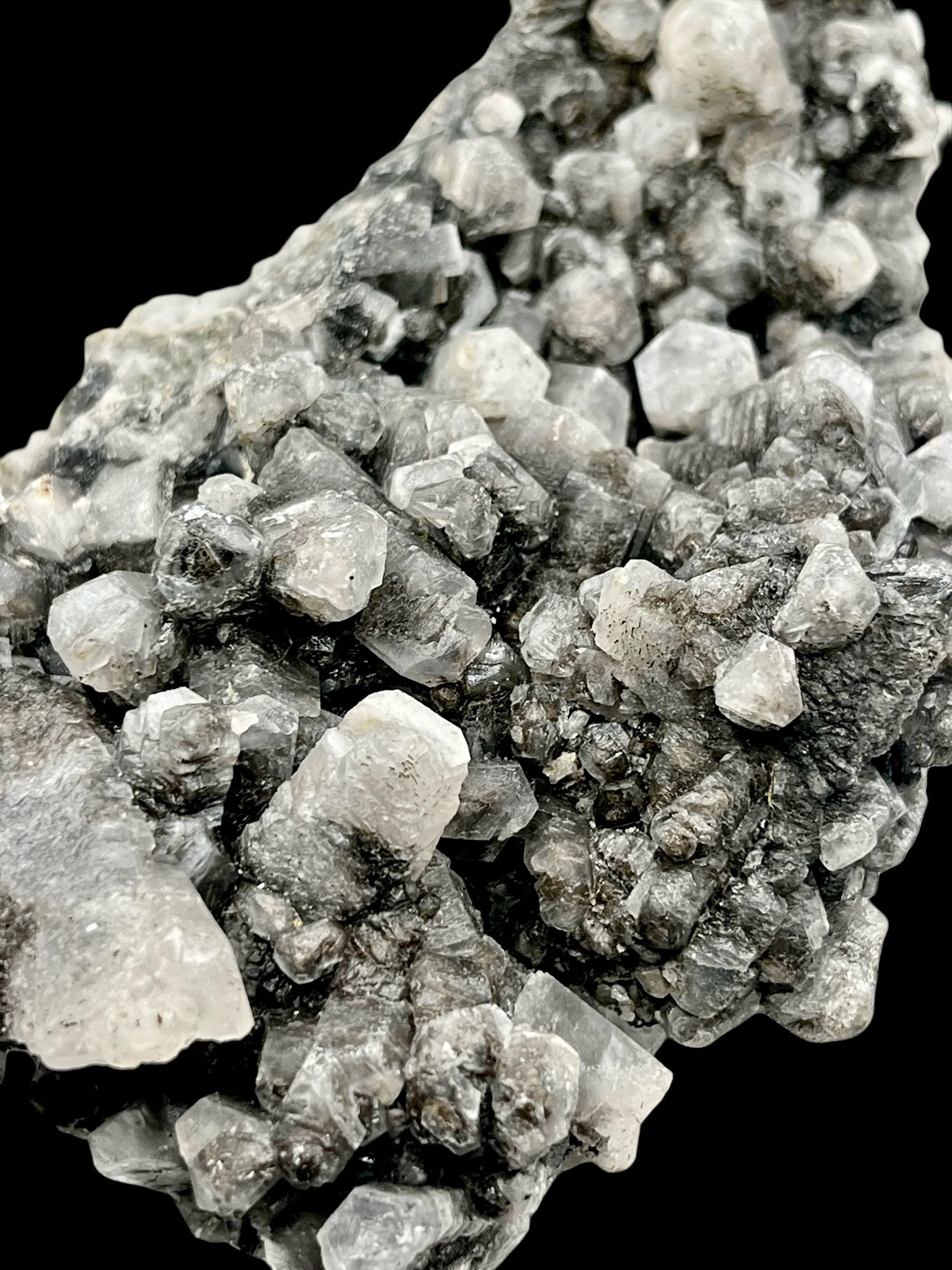
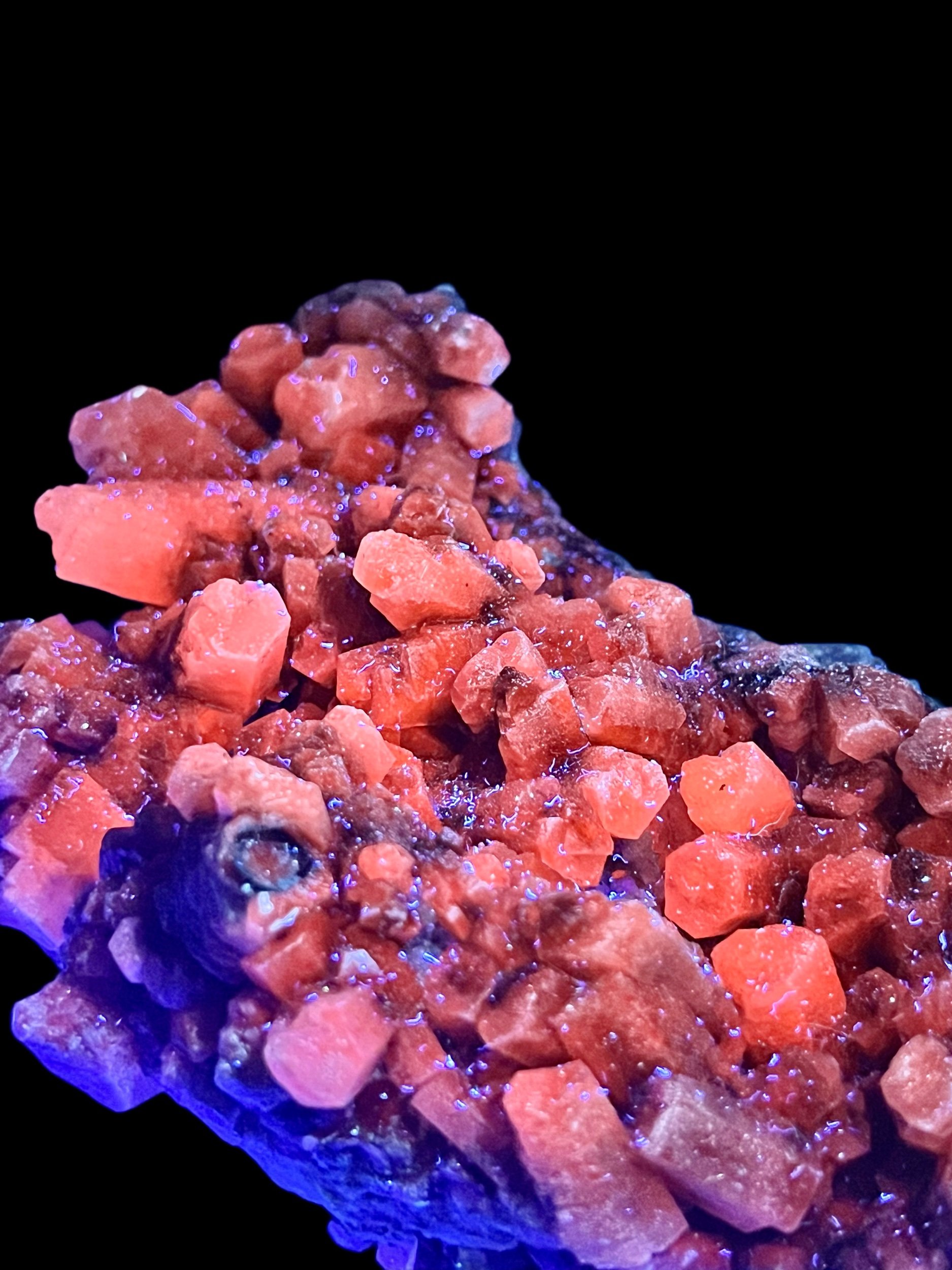
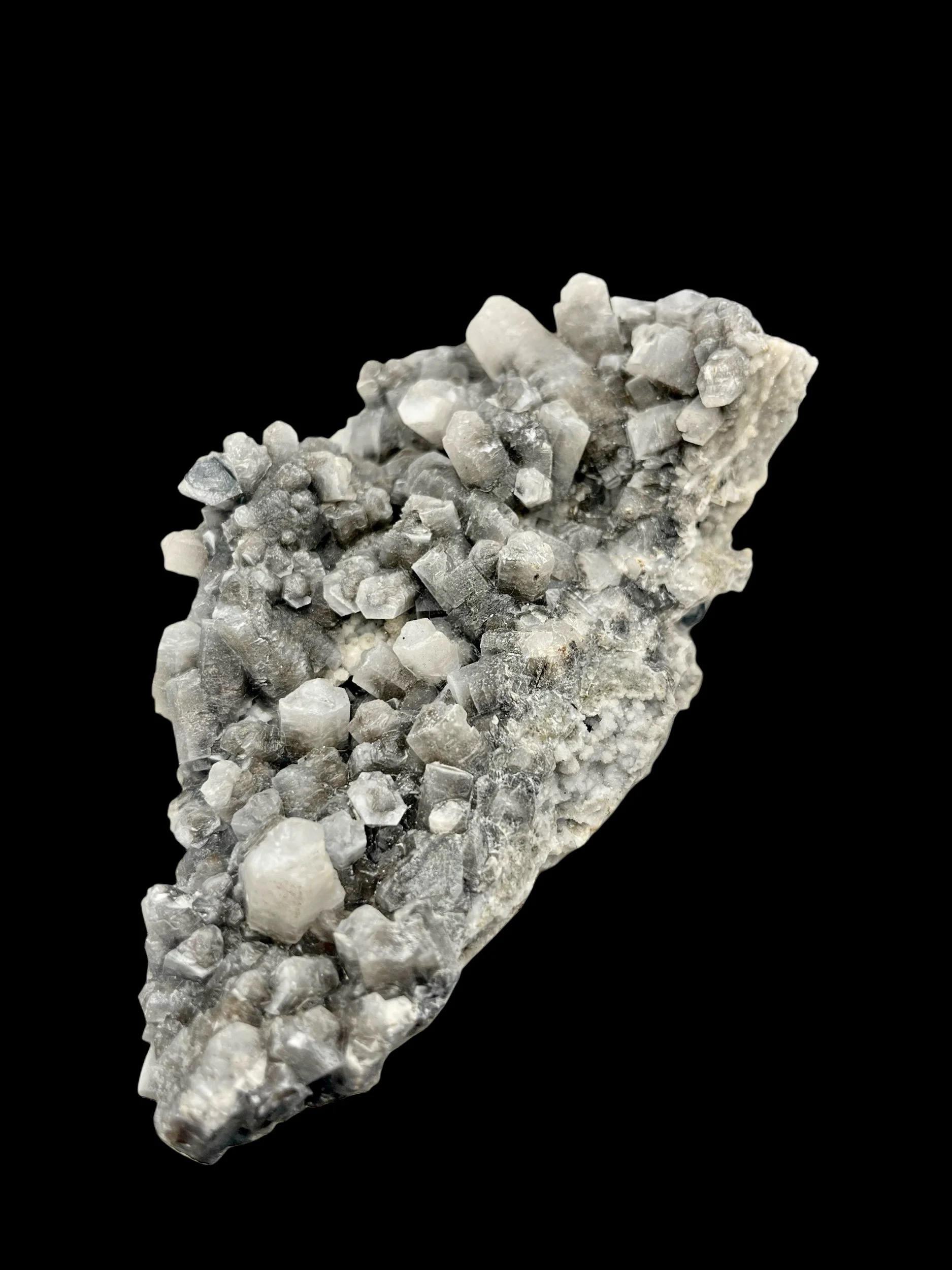
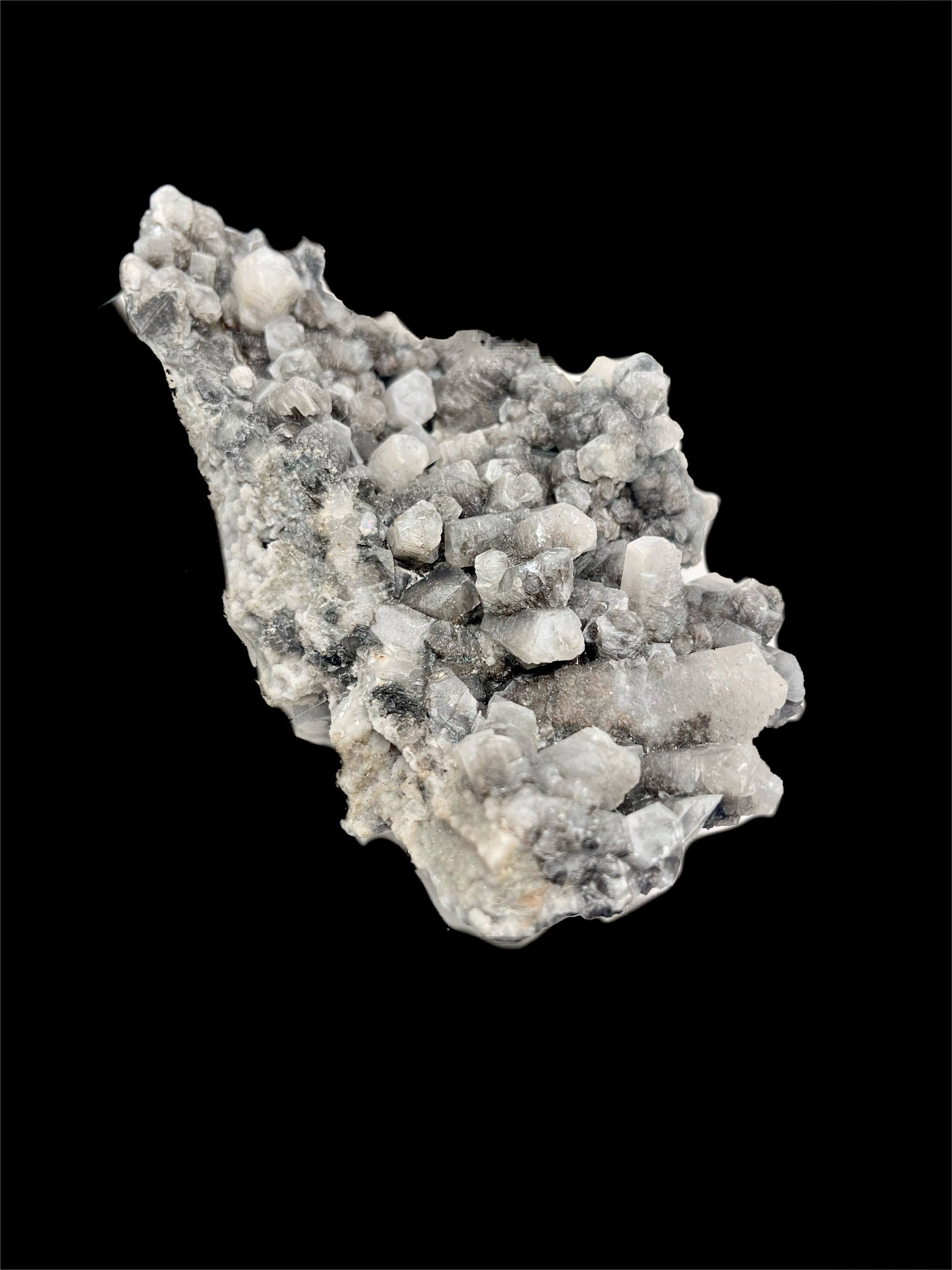
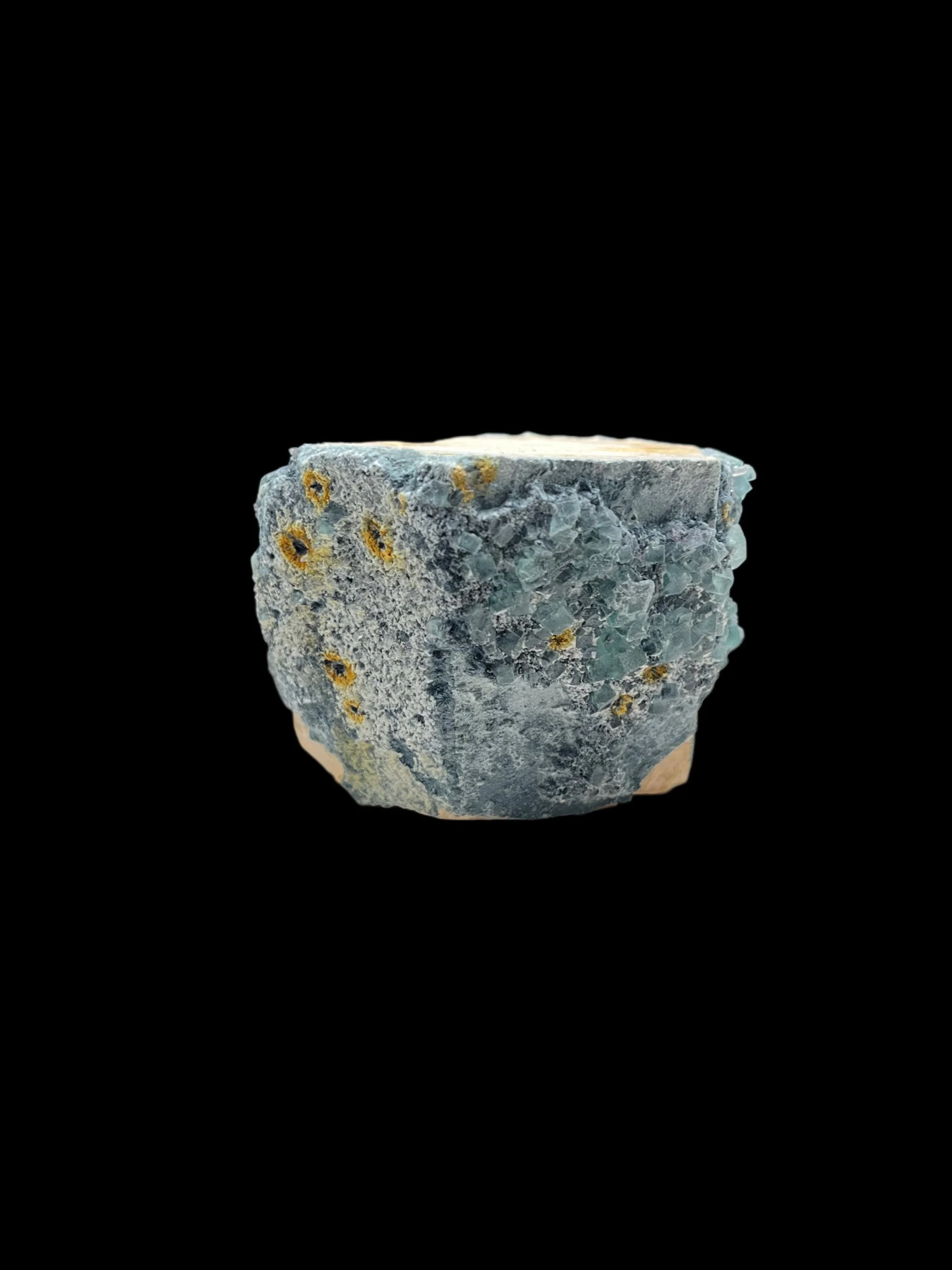
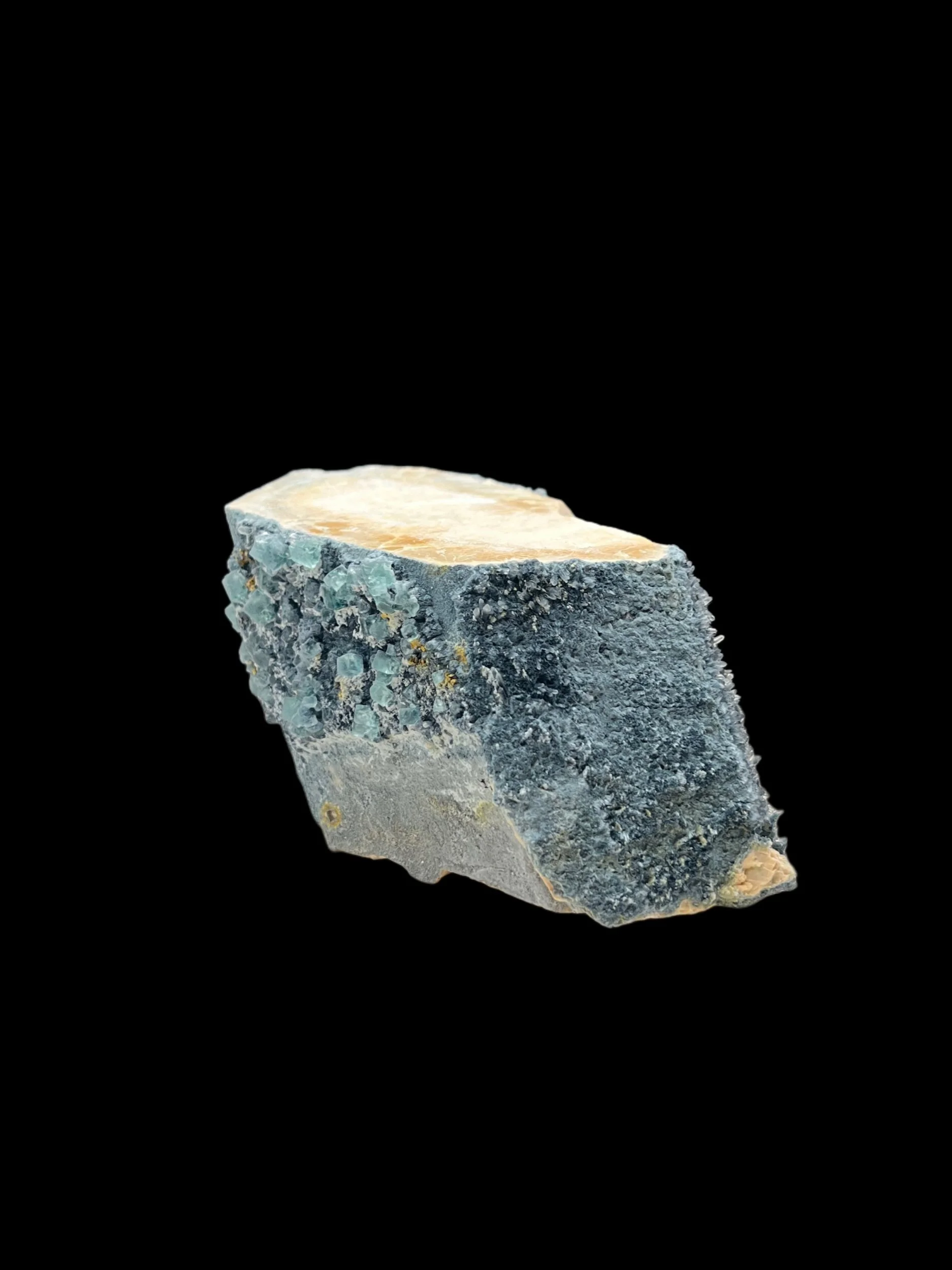
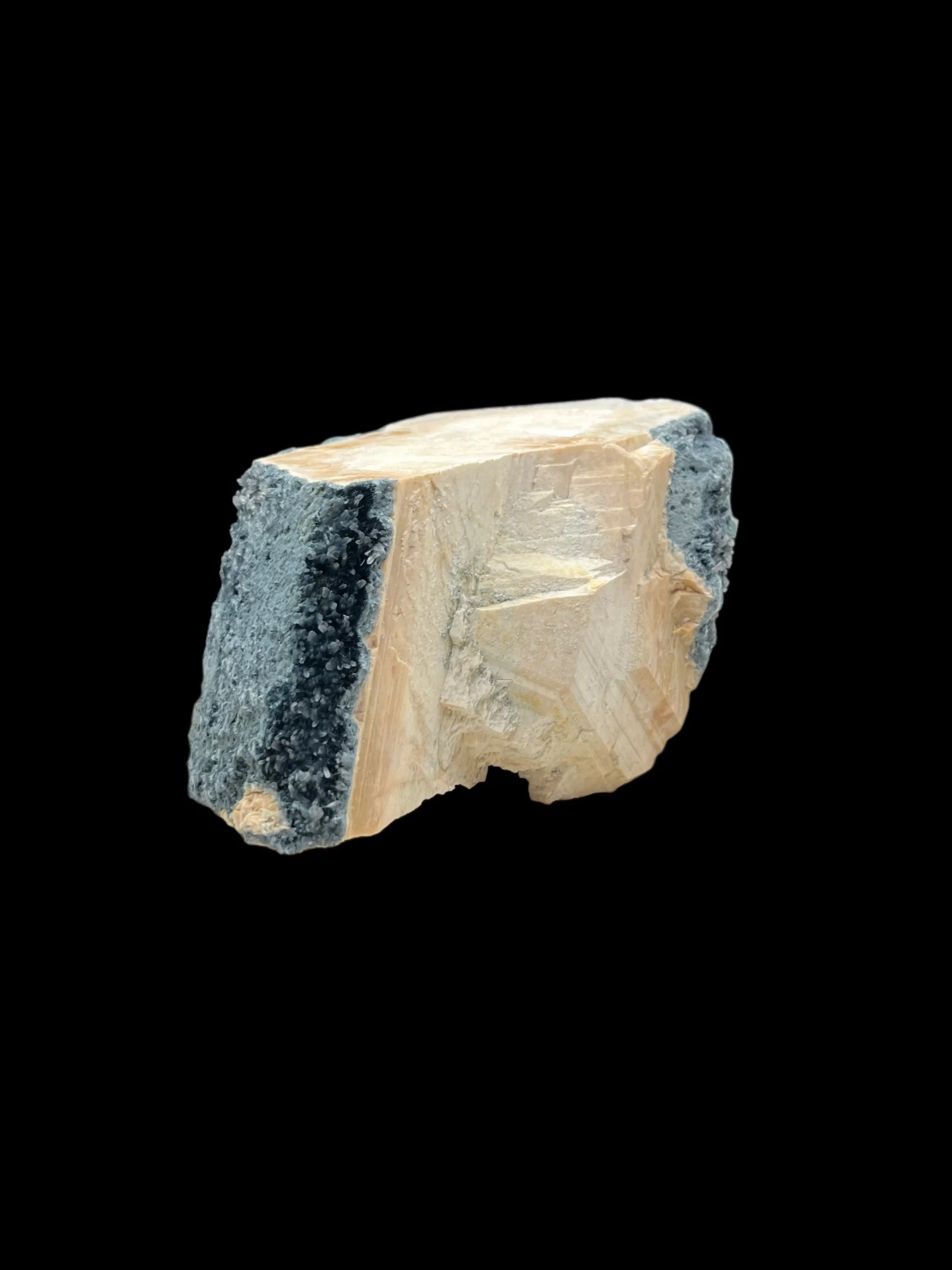
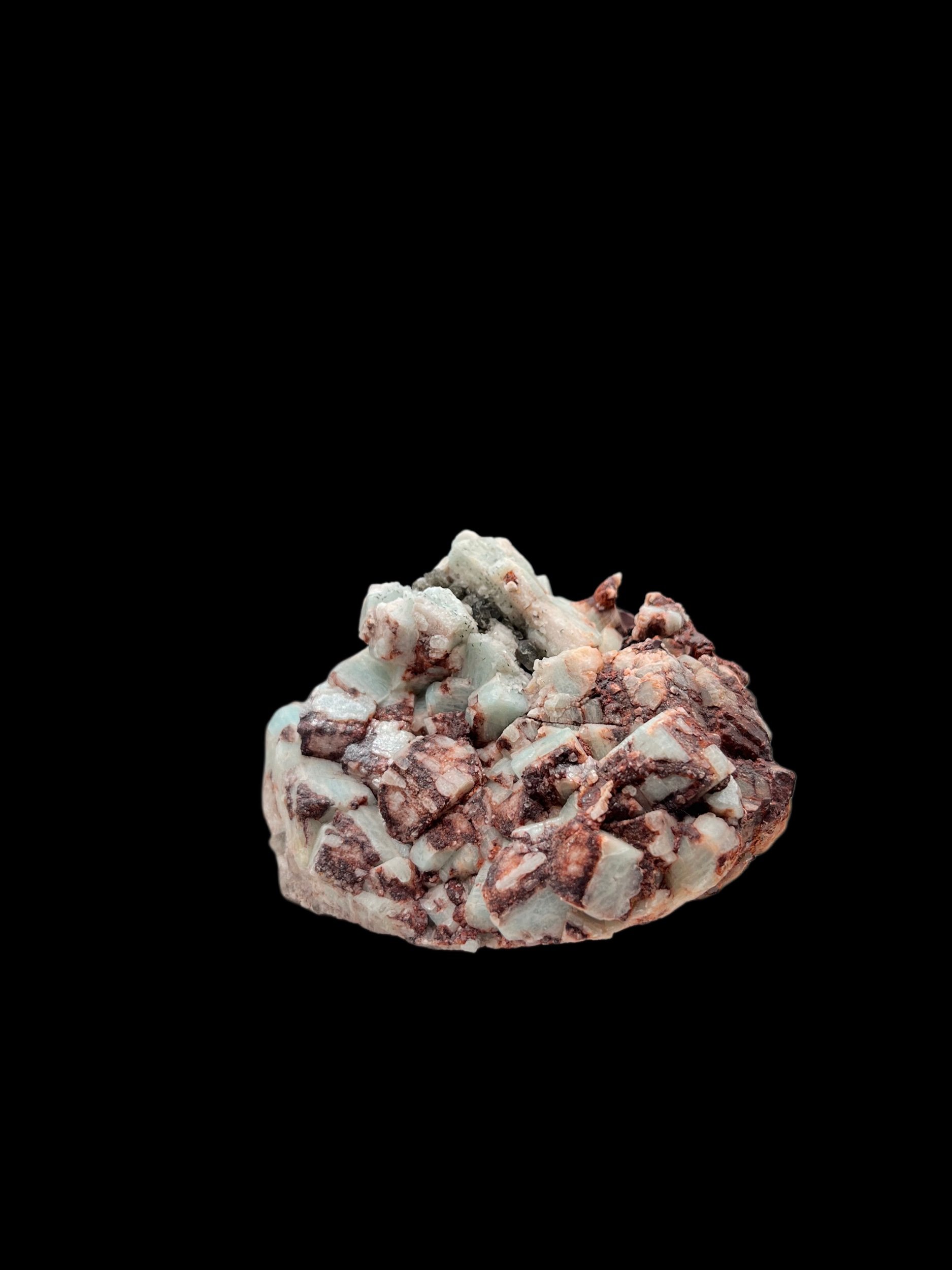
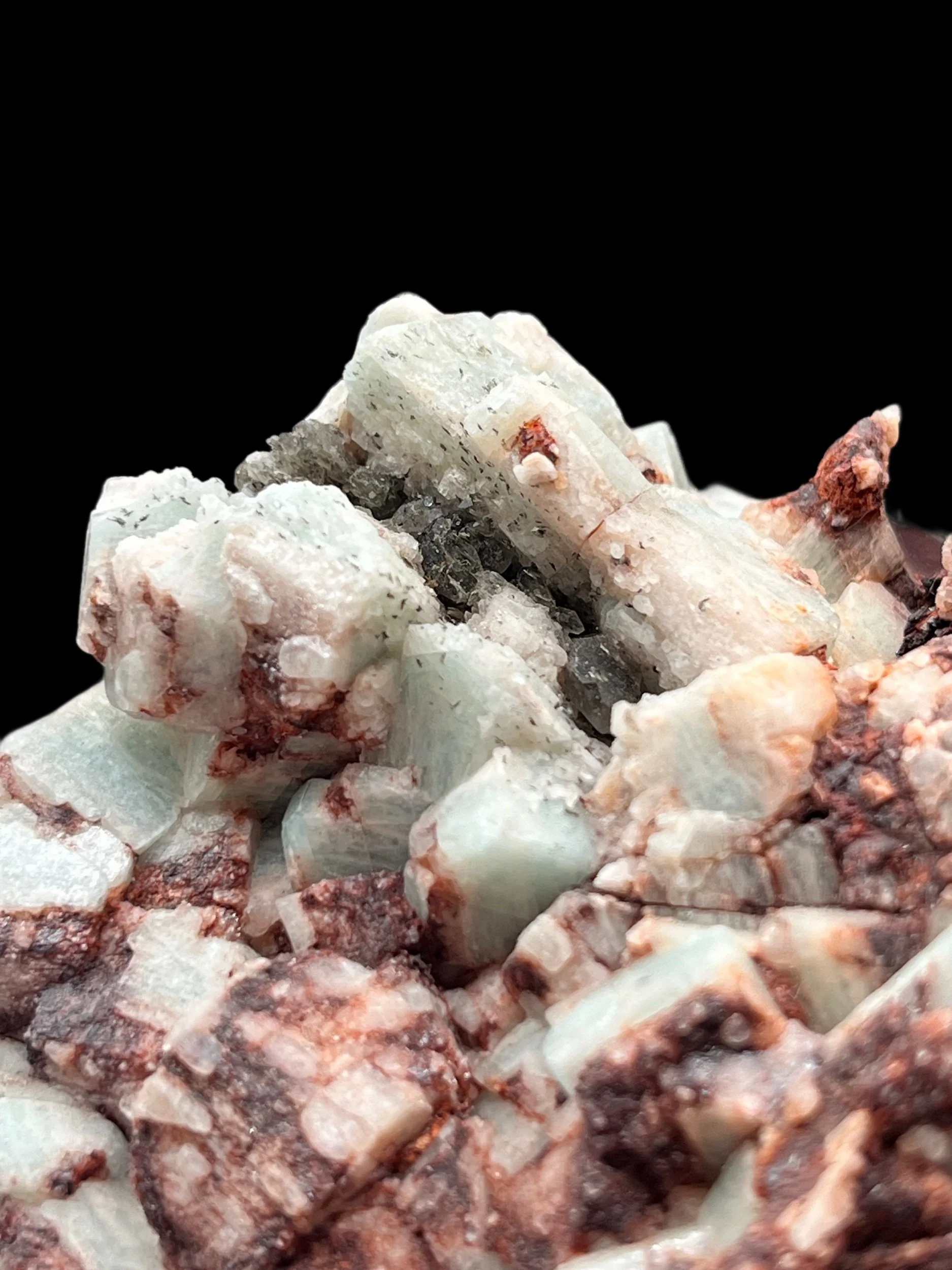
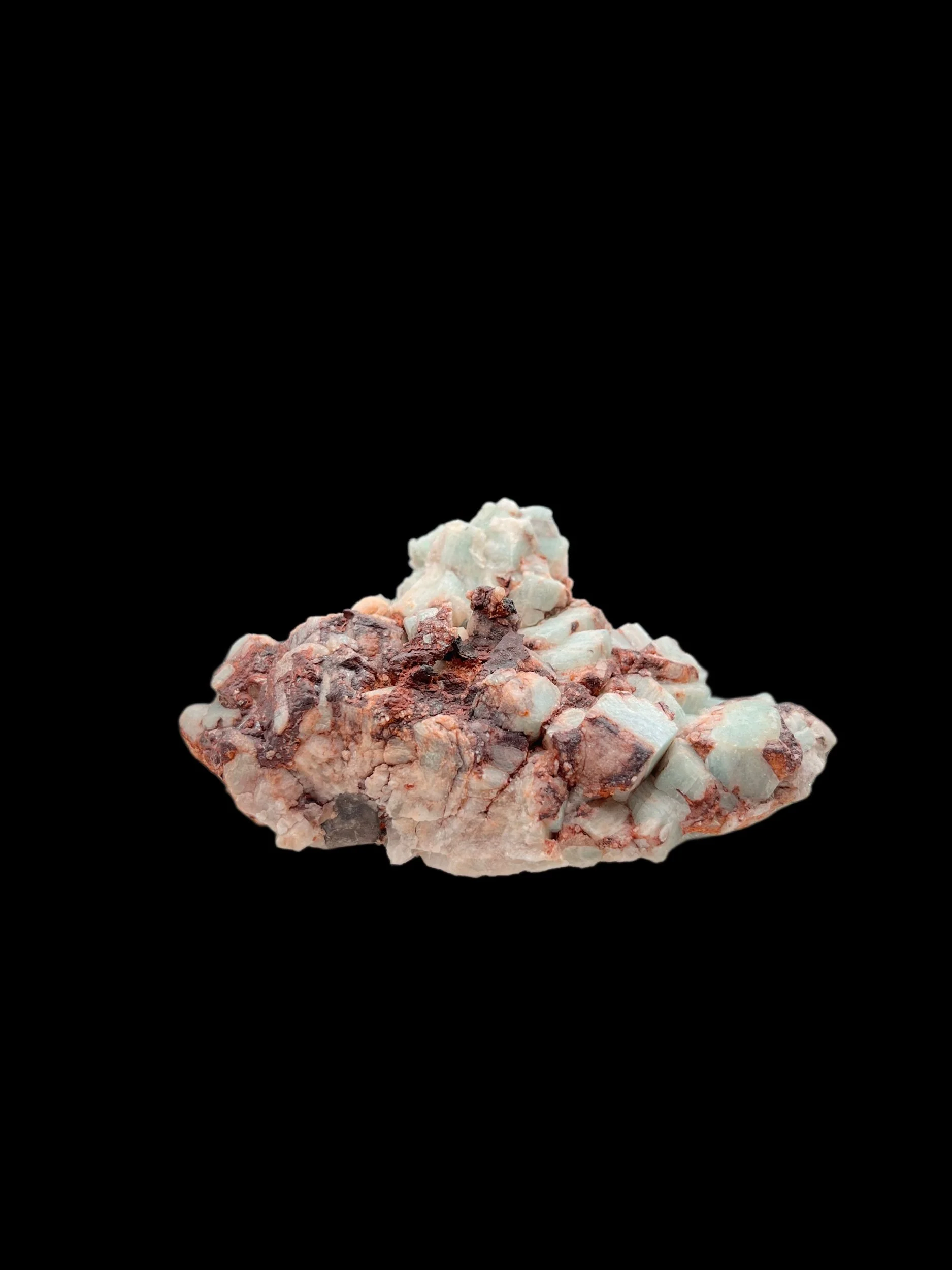
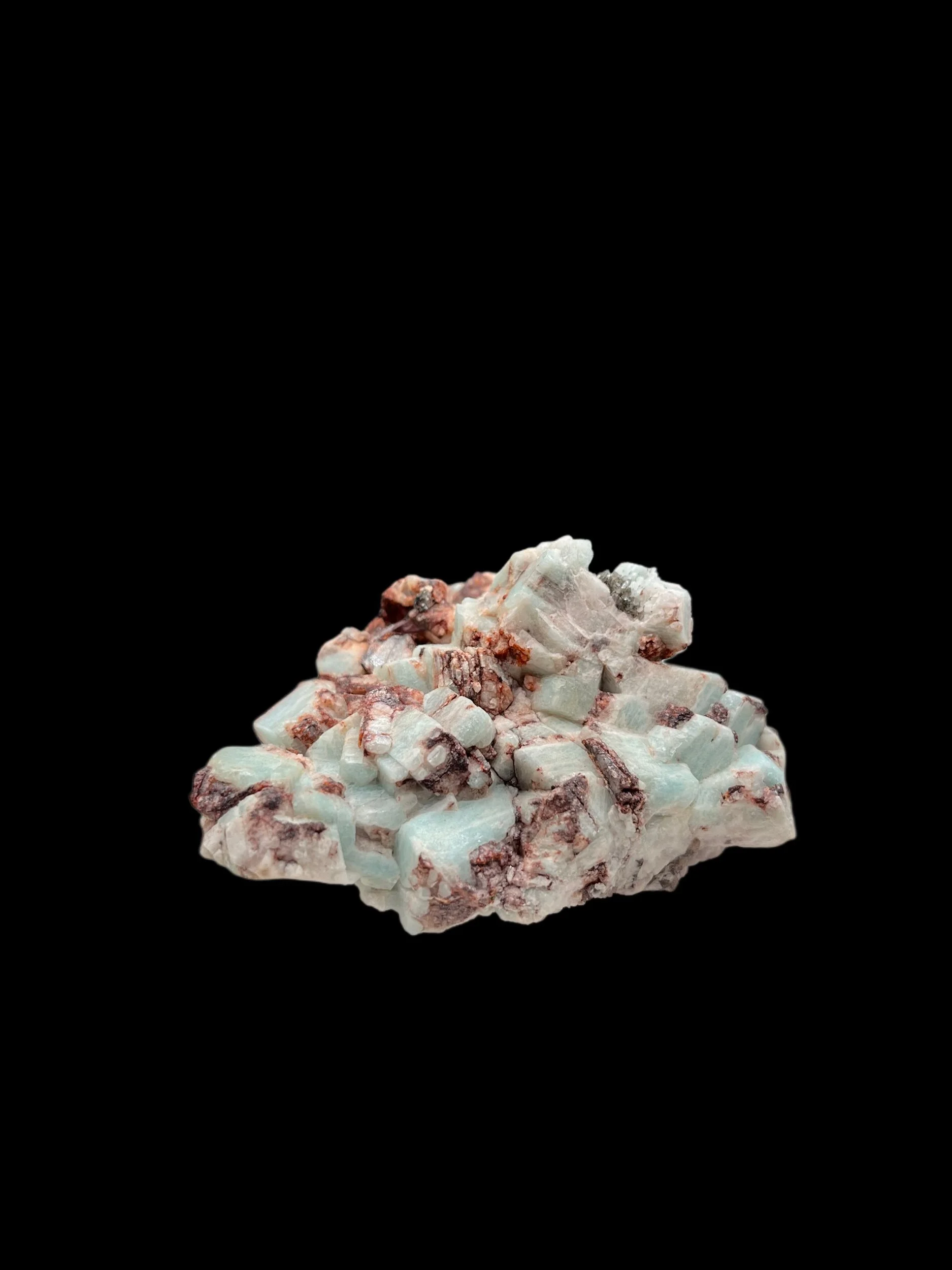
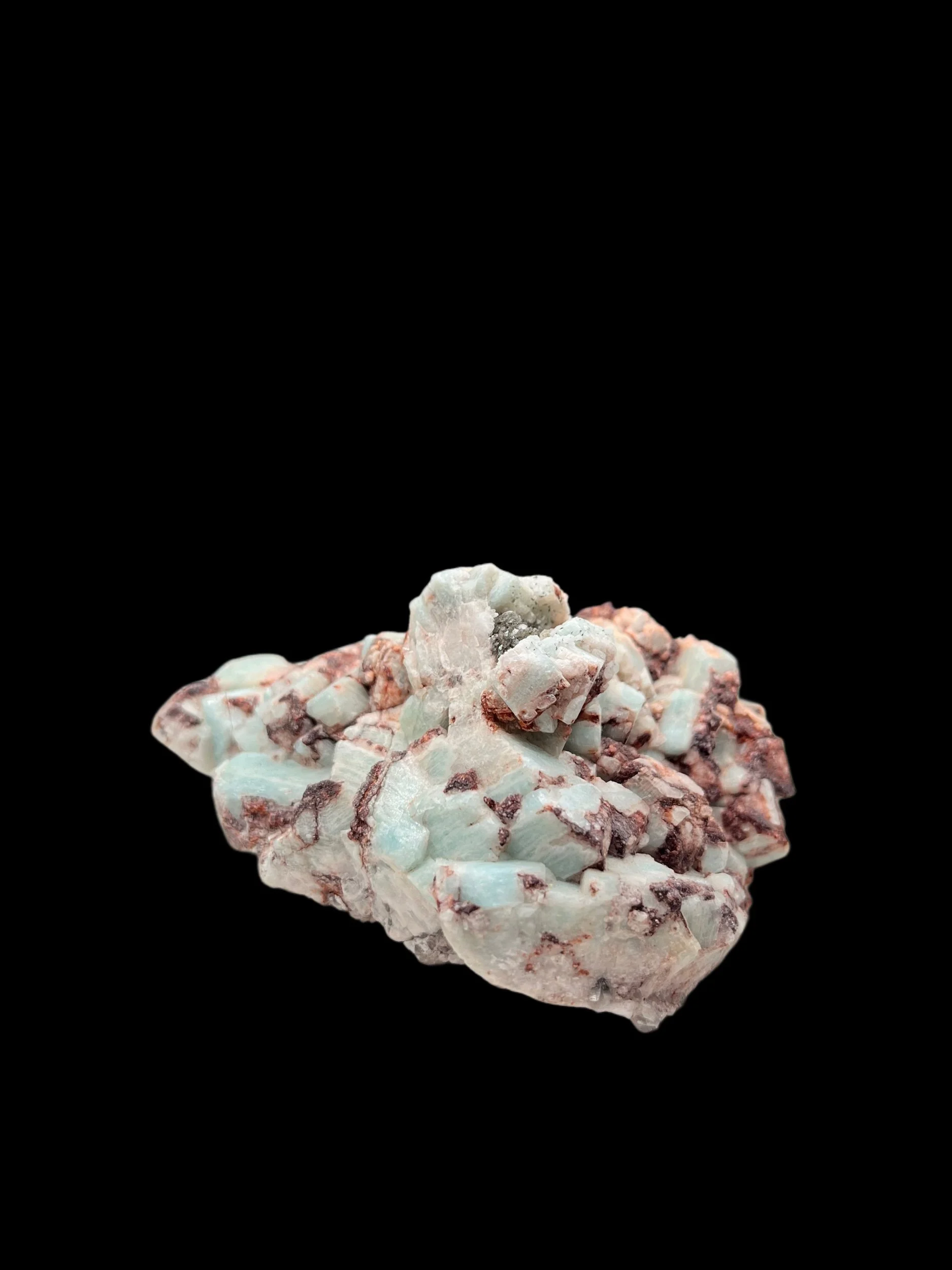
Who says grape agate has to be purple? This is the original grape agate, discovered way before the purple variety from Indonesia. These beautiful Red Grape Agate specimens from Utah offer a colorful twist on one of the mineral world's most recognizable formations!
Featuring clusters of rounded, grape-like formations, these fascinating specimens display an incredible range of colors, including fiery red, coral orange, peach, soft pink, and creamy yellows. Some feature larger, plump spheres resembling bunches of grapes, while others showcase intricate clusters of miniature bubbles. Their waxy to glossy surfaces and translucent areas make each specimen uniquely captivating.
Unlike the more familiar purple grape agate from Indonesia, Utah's red variety is celebrated for its warm coloration and distinctive botryoidal textures.
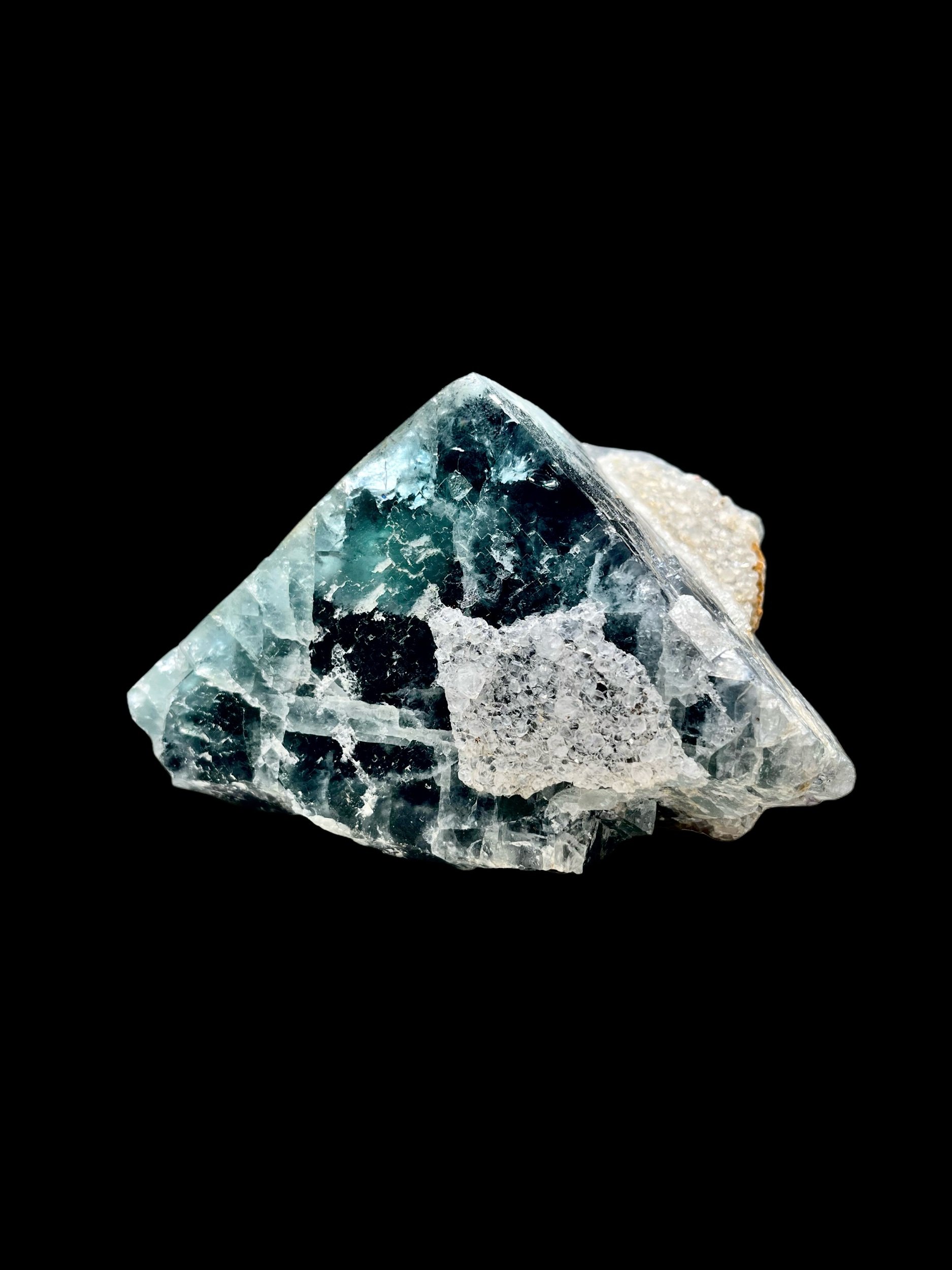
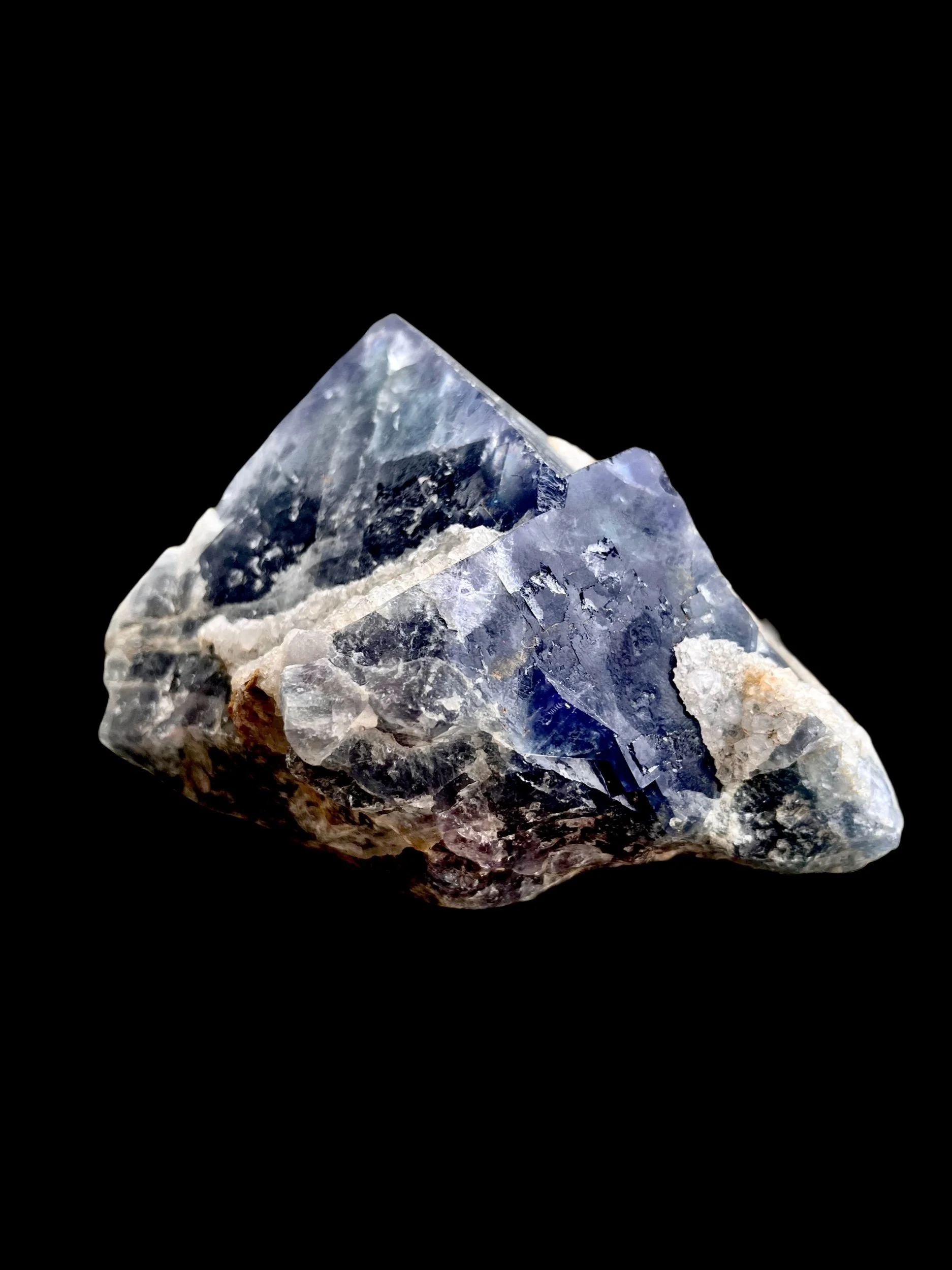
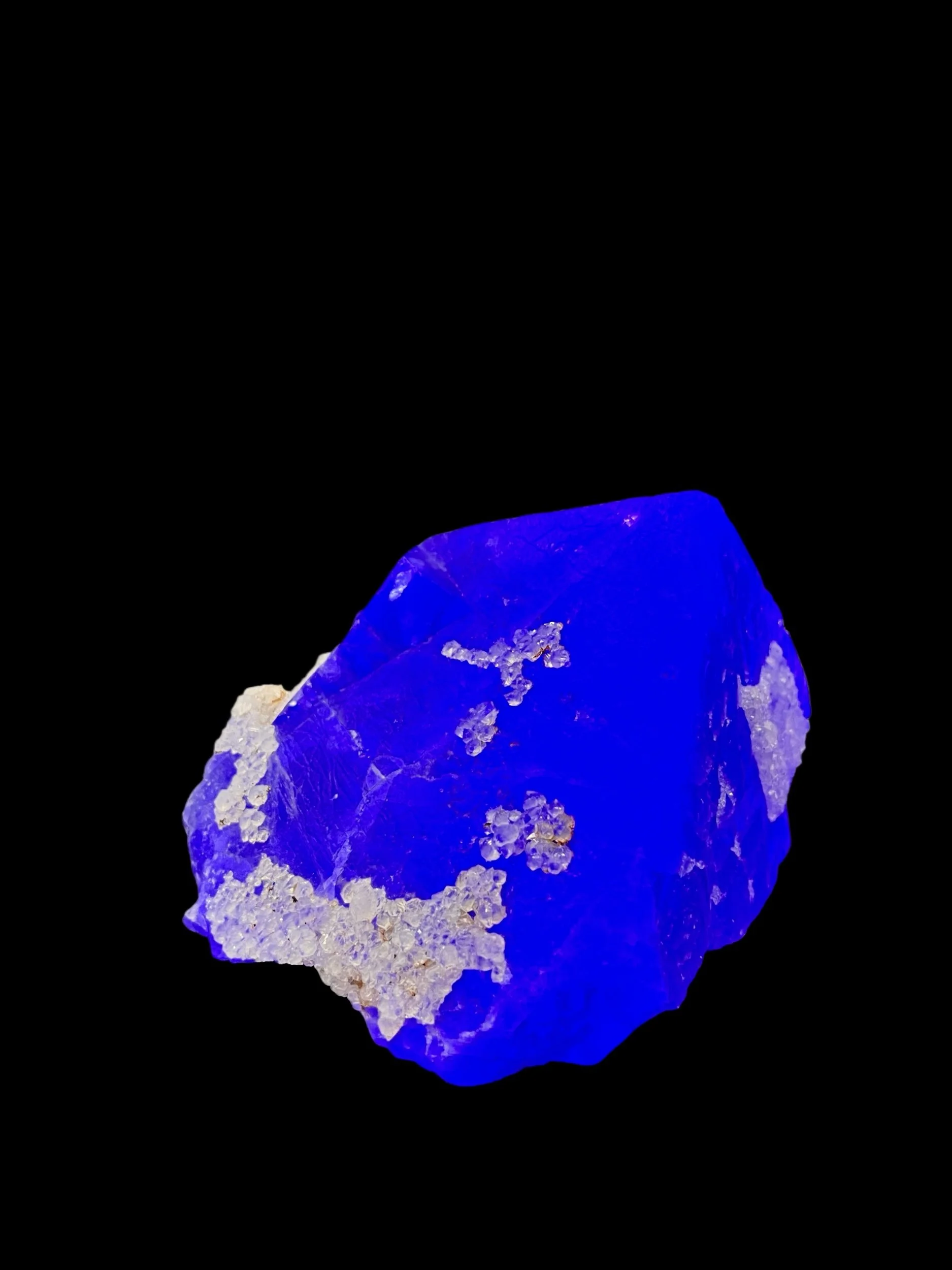
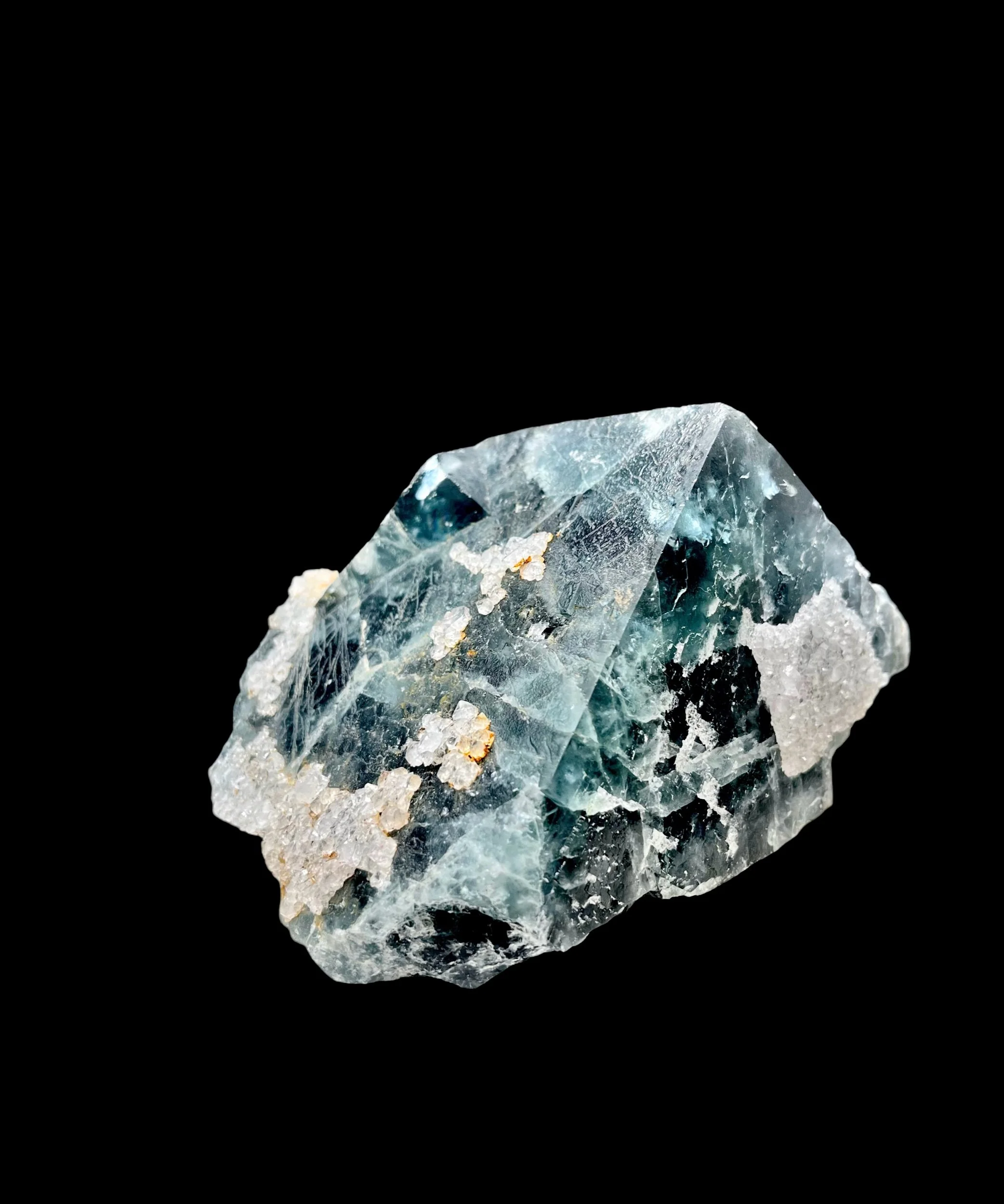
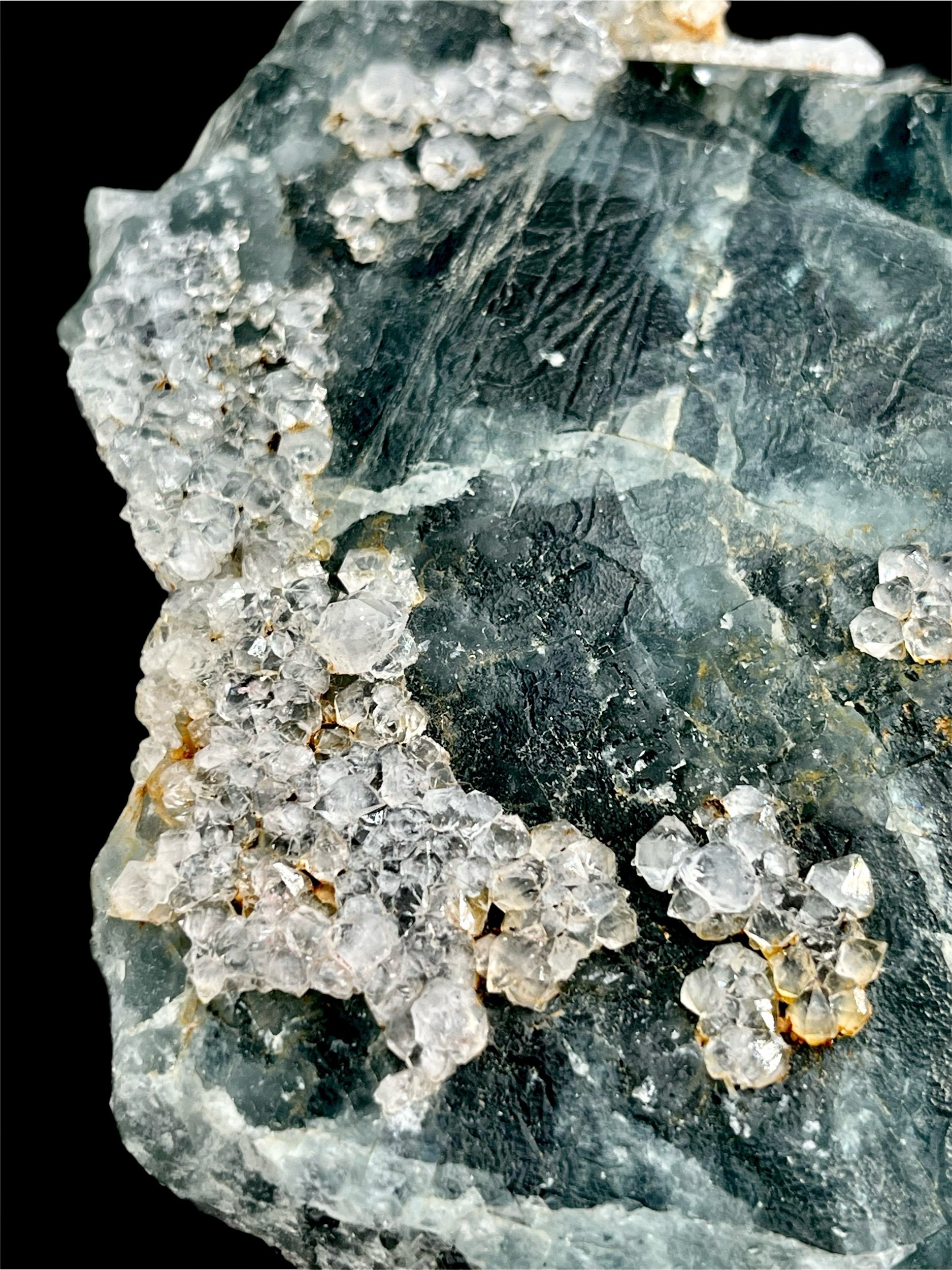
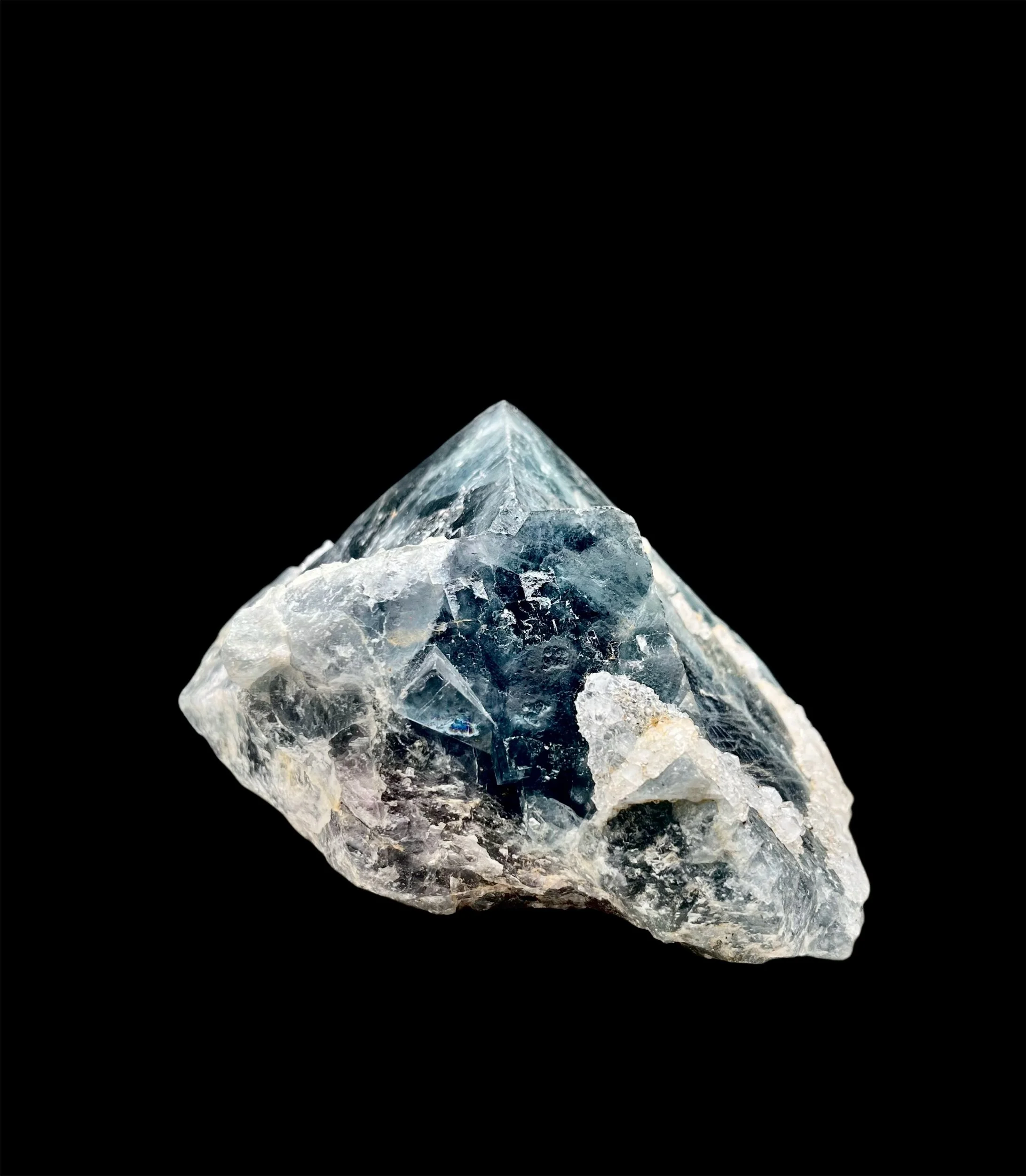
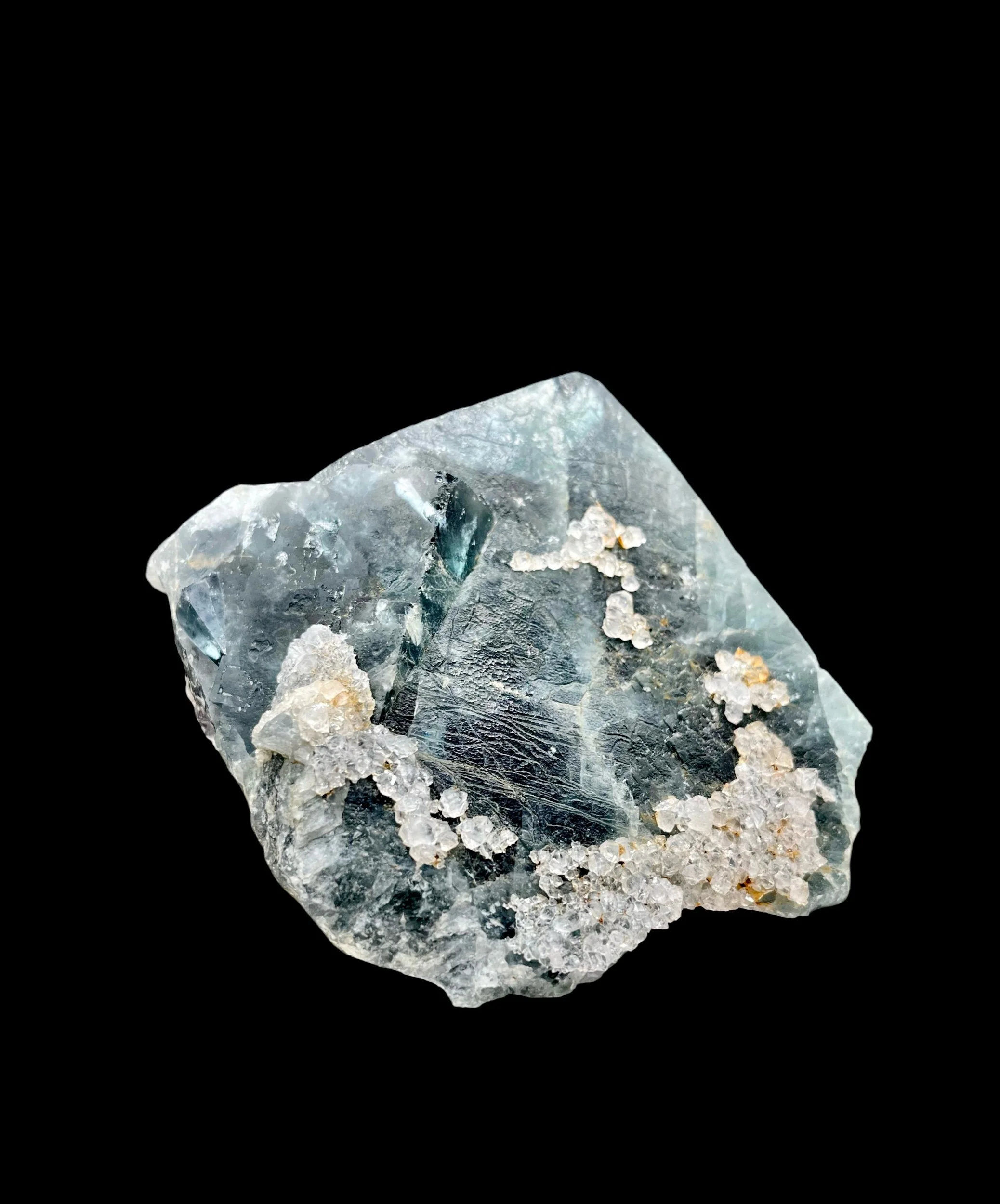
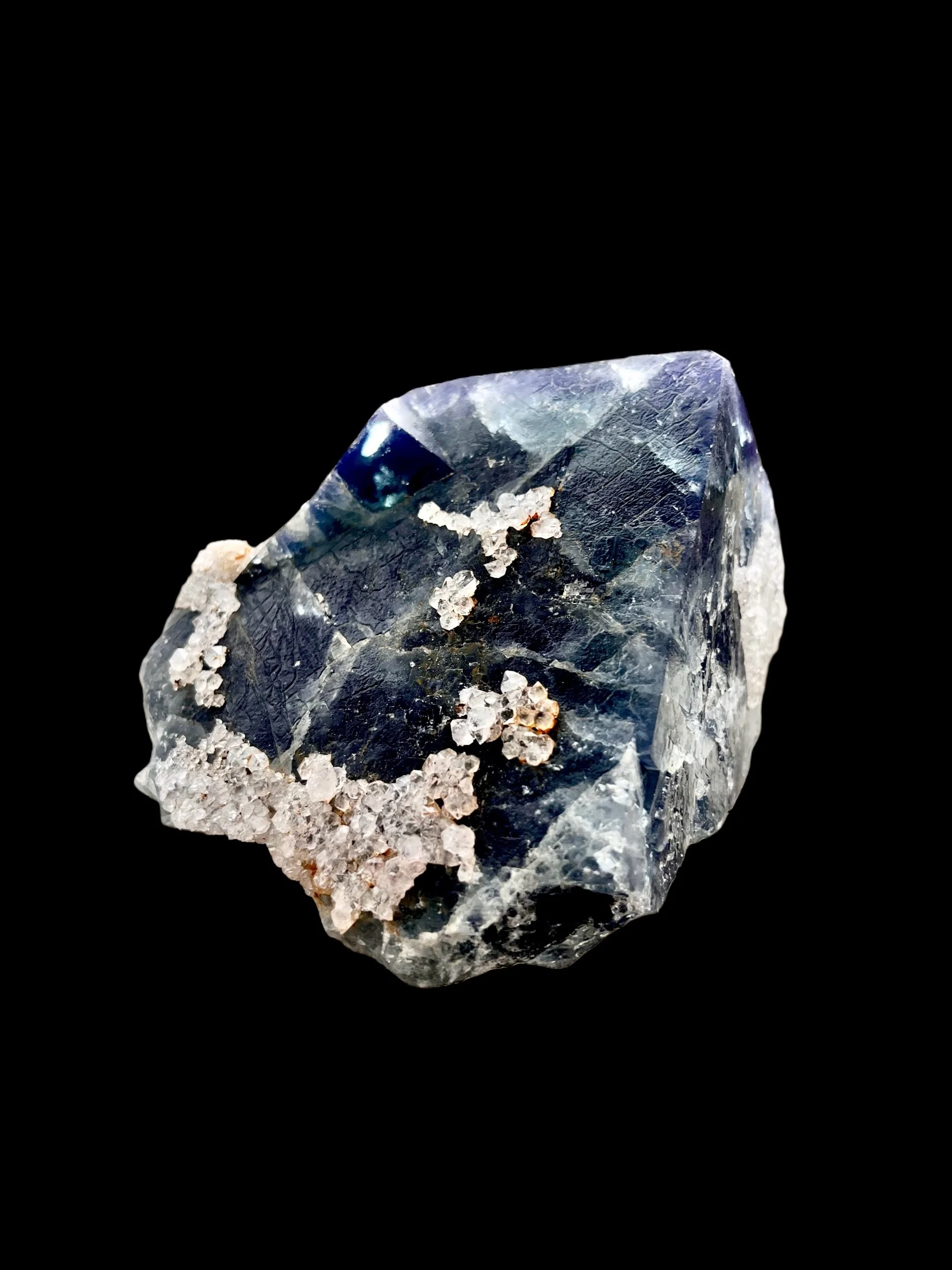
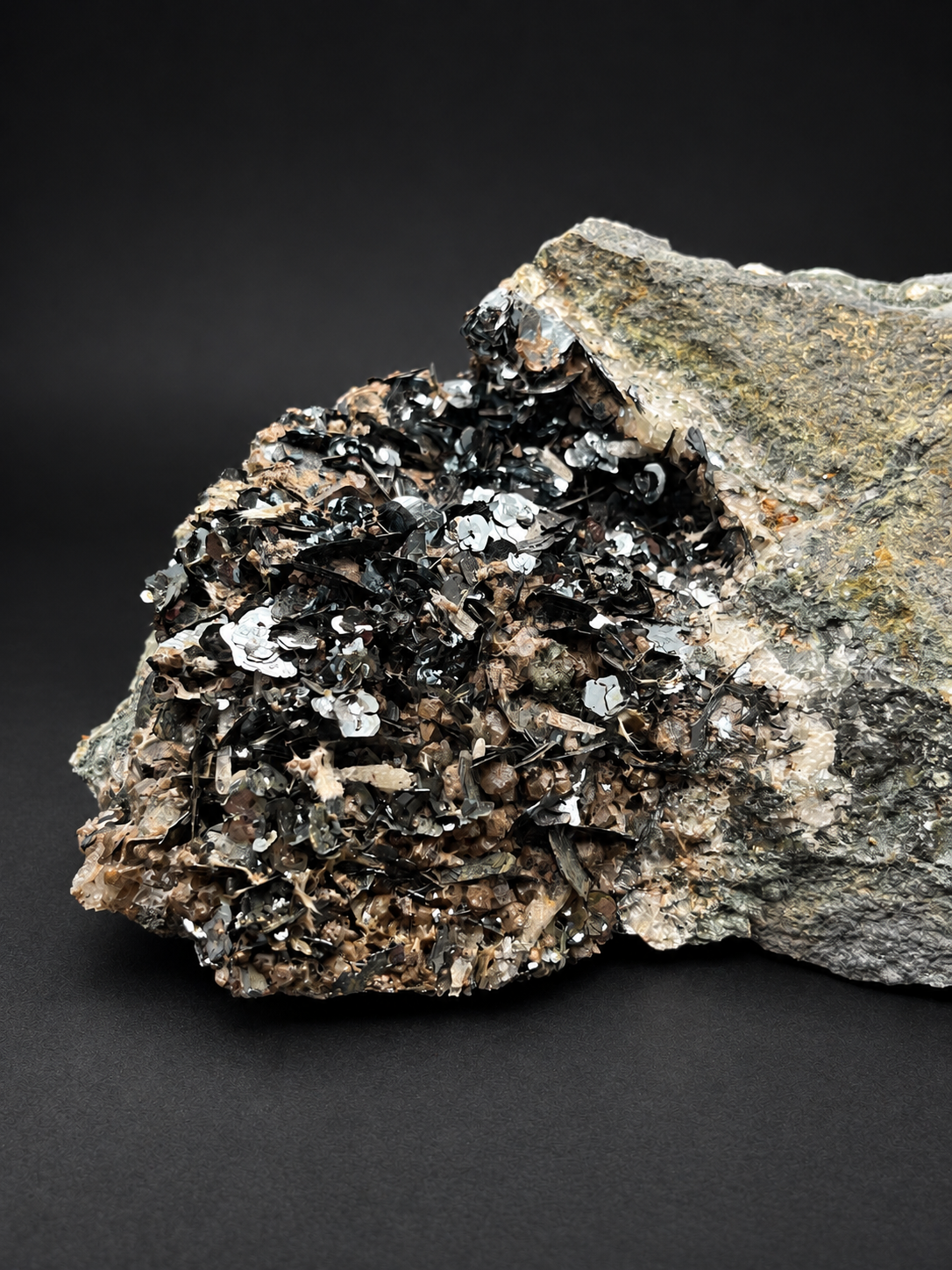
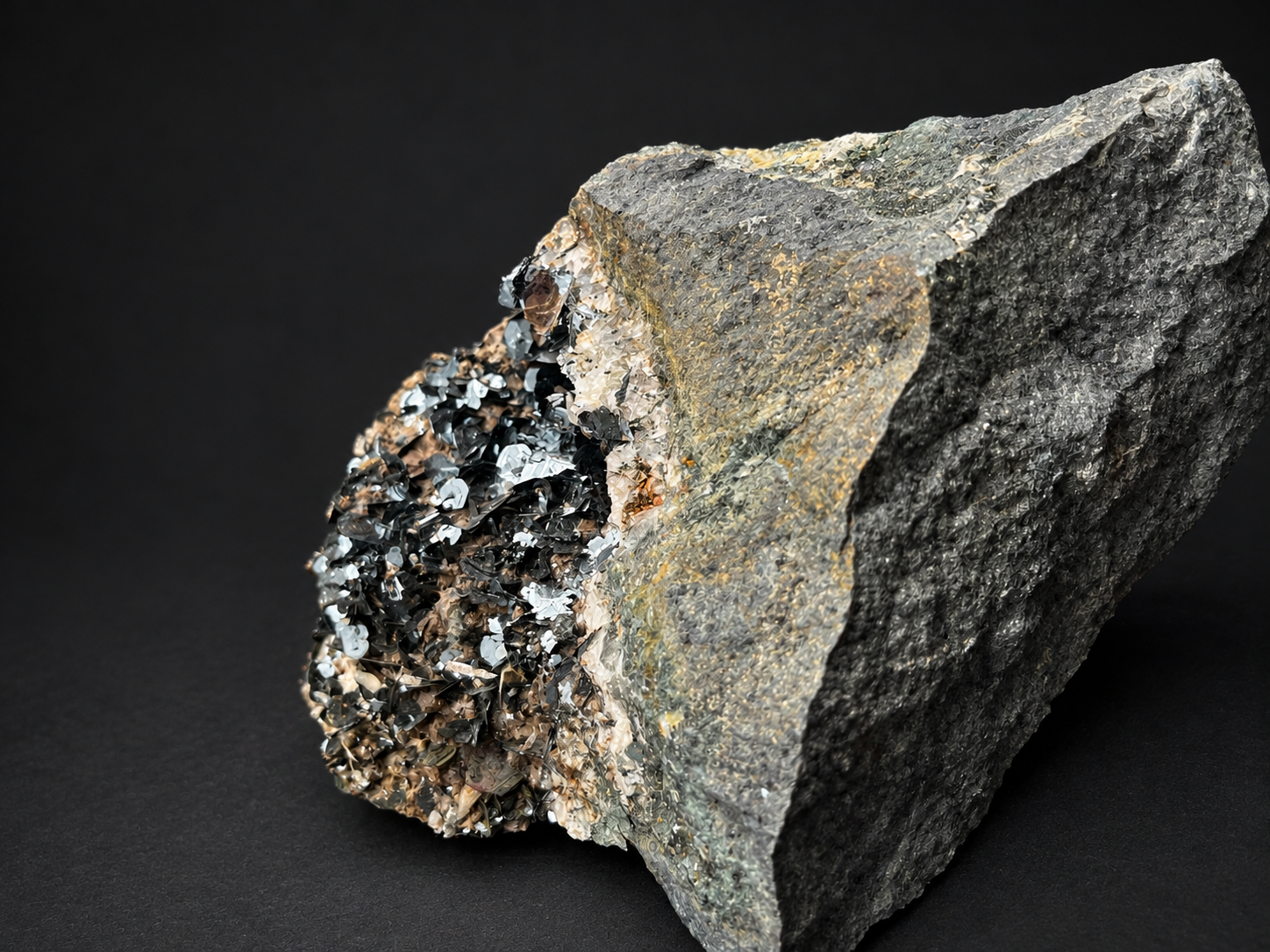
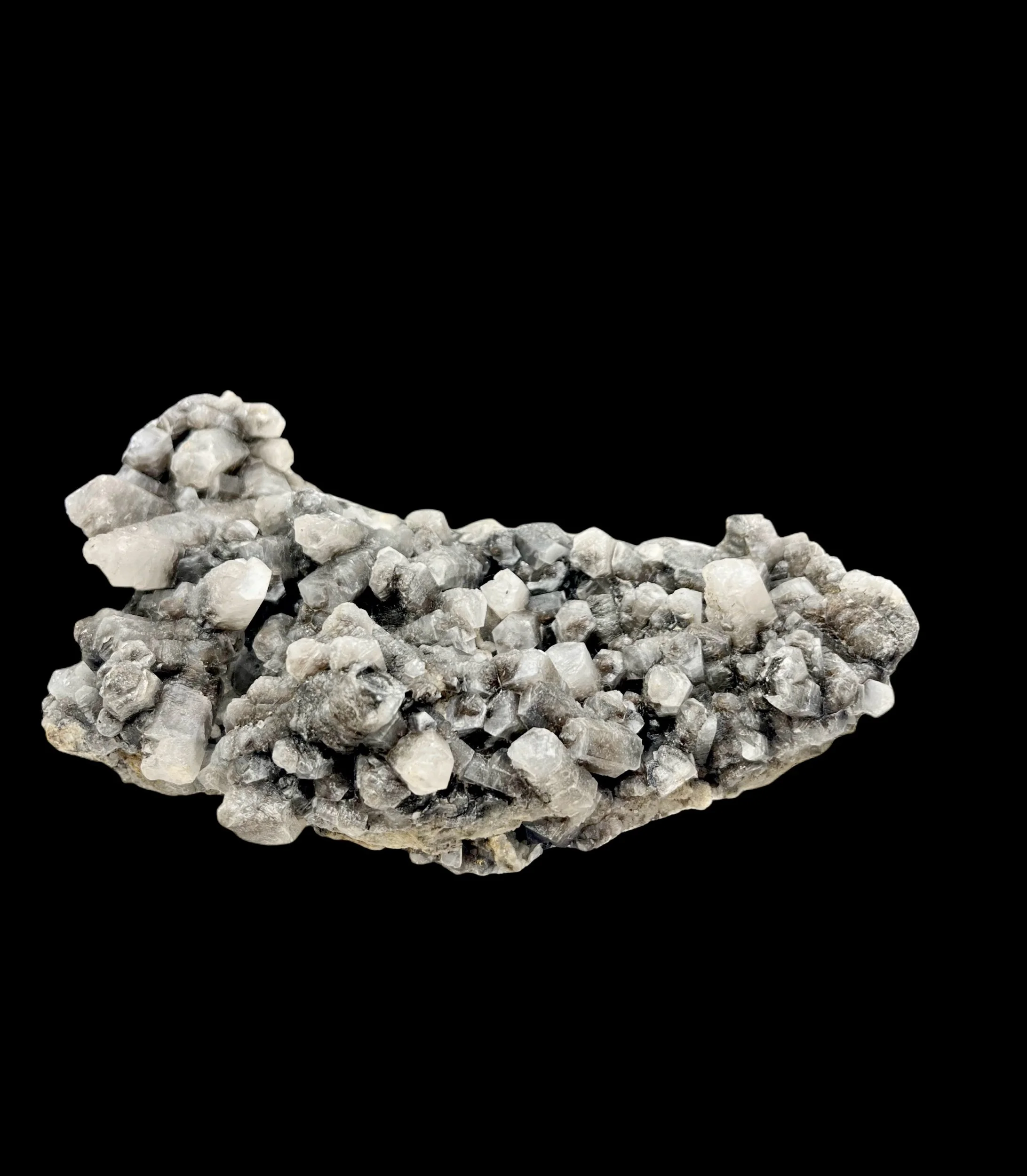
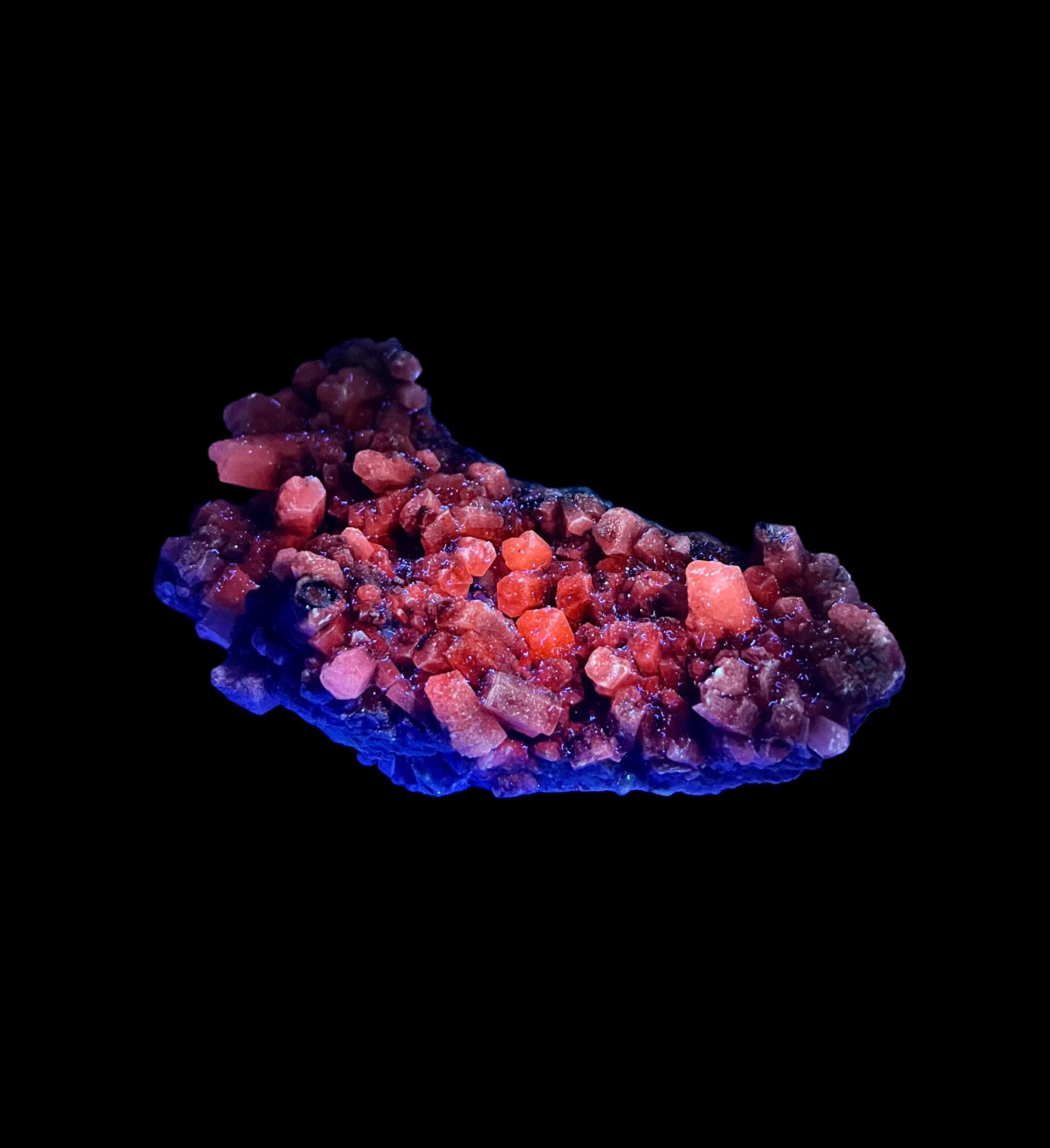
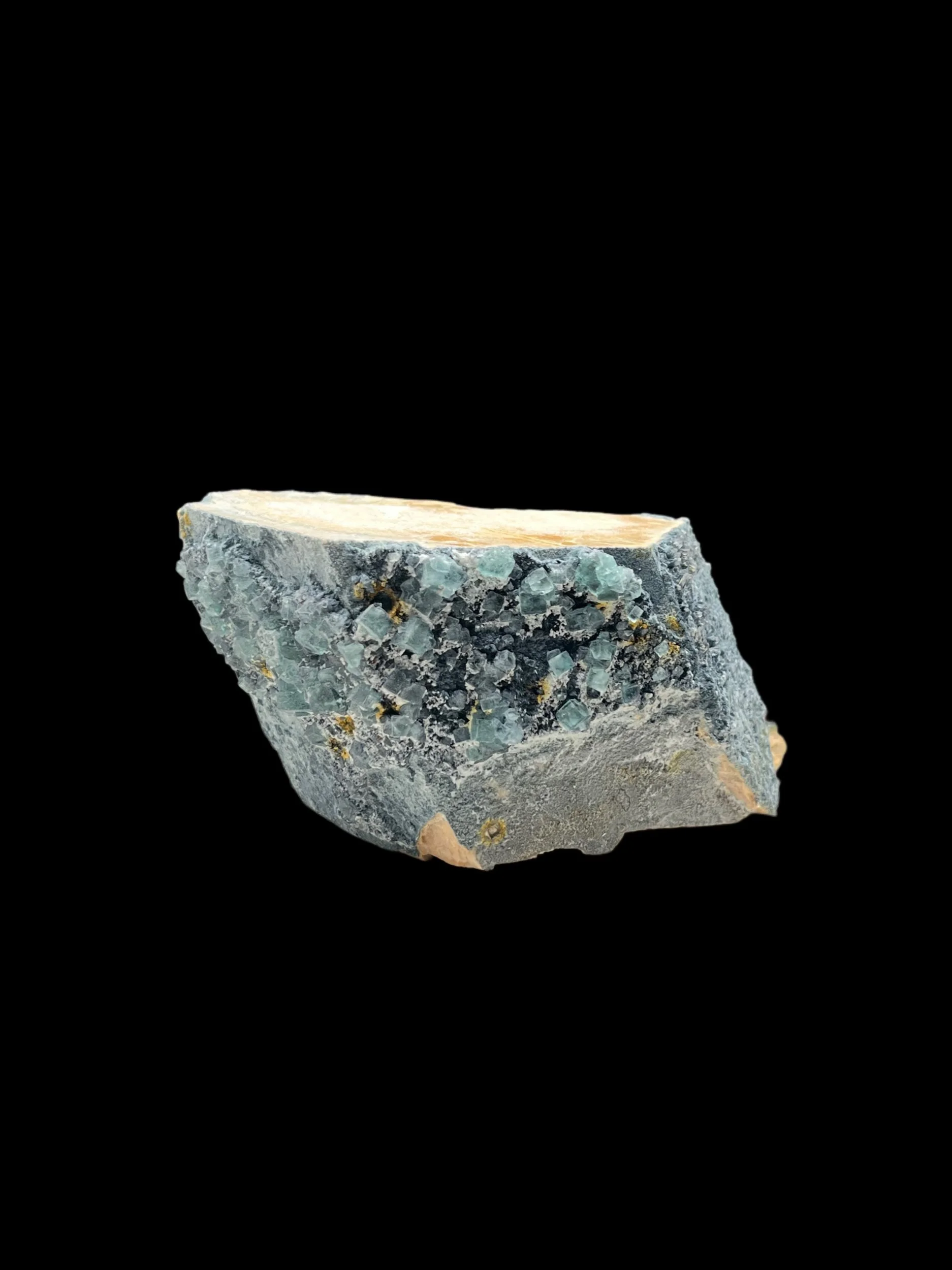
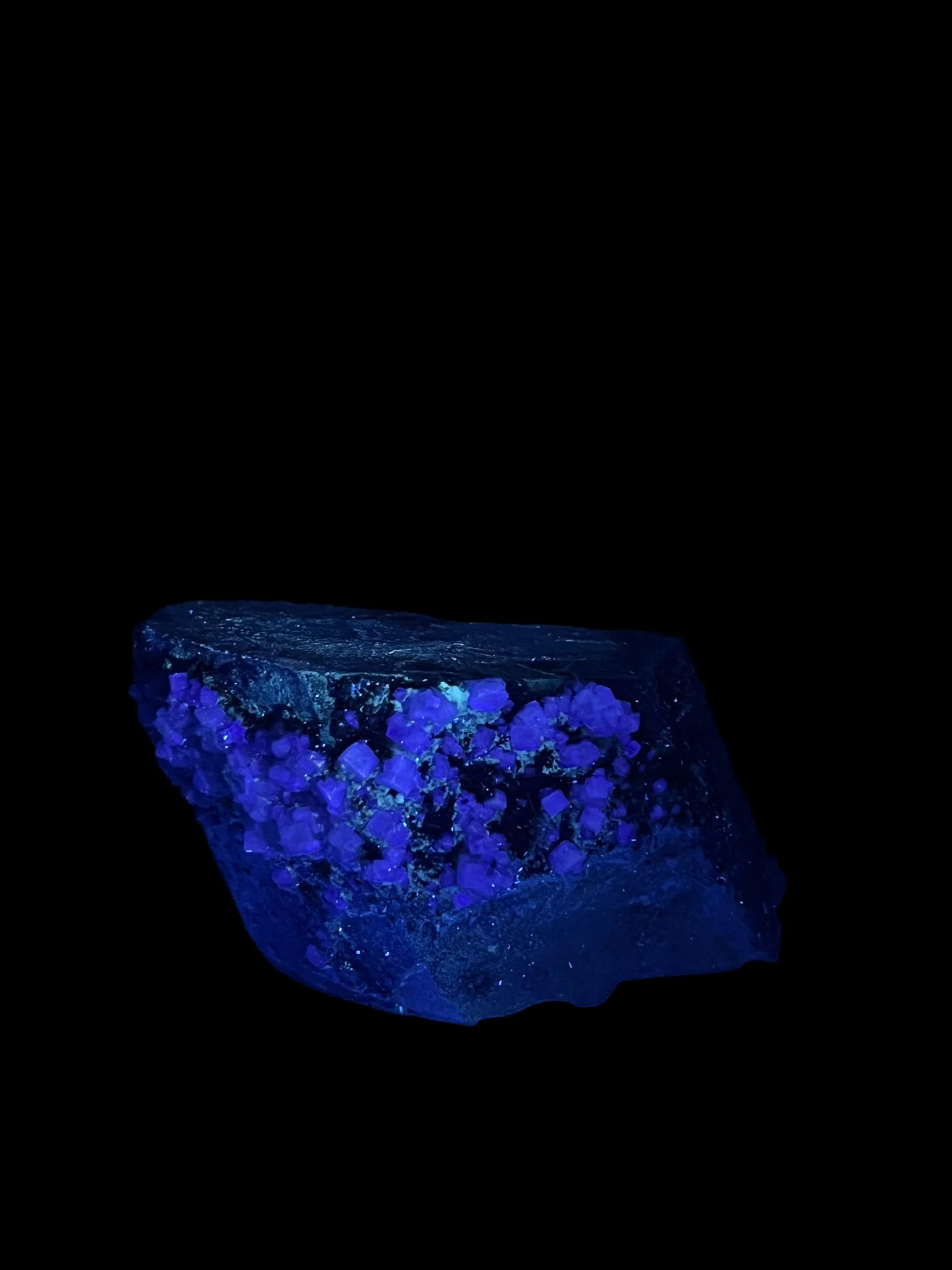
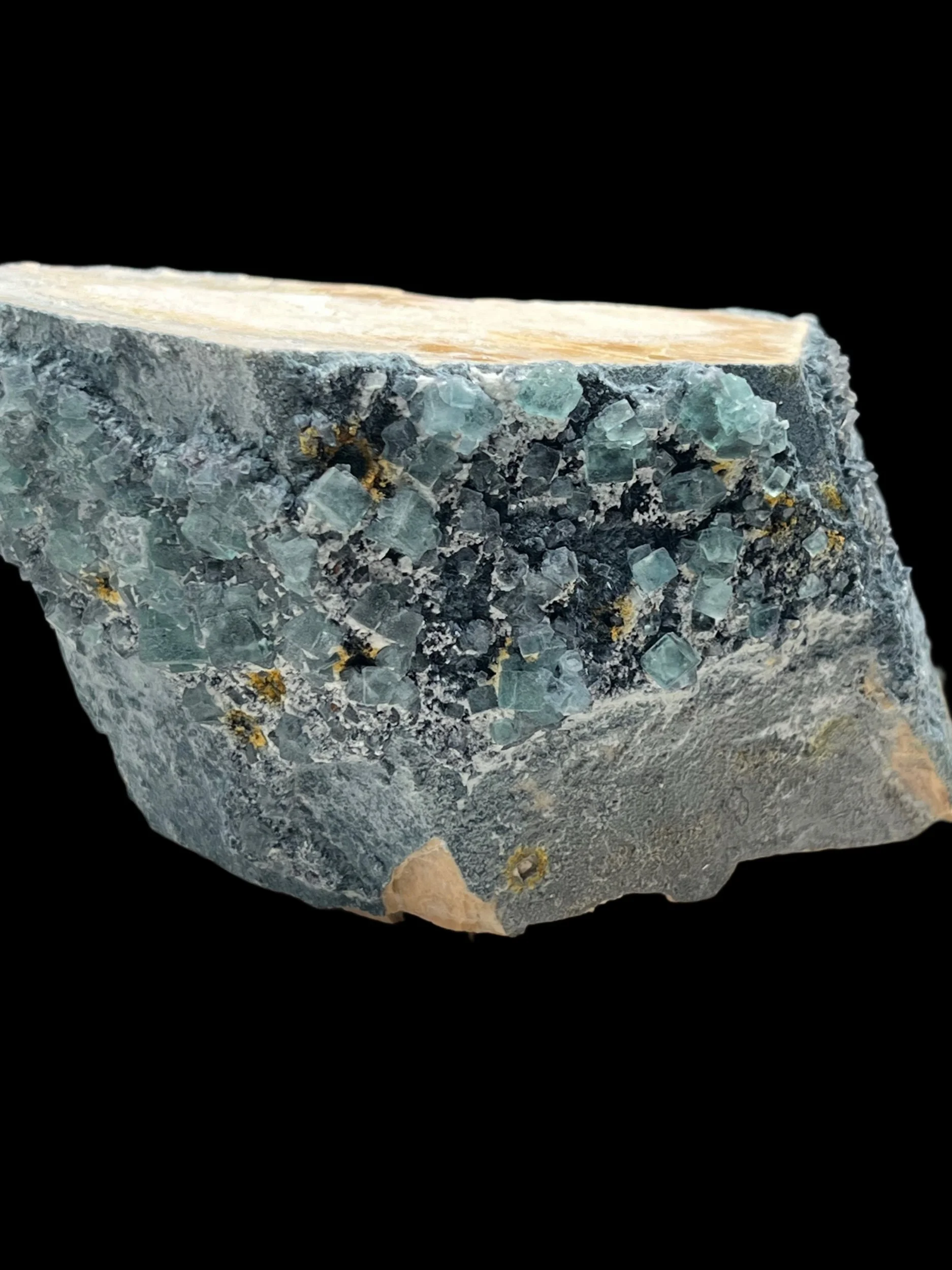
Each purchase includes ONE natural Red Grape Agate specimen in your selected size. The photographs show examples of the available material. Every specimen is unique, so colors, shapes, formations, and matrix will vary.
Dimensions, Weight & Locality
Small
Medium
Locality: Utah, USA
Metaphysical Properties
Traditionally associated with:
Emotional Balance: Believed to encourage inner peace, patience, and emotional stability.
Vitality & Motivation: Red and orange chalcedony are associated with renewed energy, enthusiasm, and creativity.
Grounding: Thought to promote stability and a stronger connection to the present moment.
Confidence: Associated with courage, positive self-expression, and personal empowerment.
Red Grape Agate is often appreciated for its combination of grounding energy and uplifting, encouraging symbolism.
Collector's Notes
The original Grape Agate! Most collectors recognize grape agate as the purple botryoidal chalcedony found in Indonesia. Utah's red variety shares the same fascinating grape-like appearance but features warm shades of red, orange, and pink instead. Red botryoidal examples from Utah are particularly interesting to collectors seeking something different from the familiar Indonesian material.
What makes the grapes? The rounded formations develop as silica-rich solutions deposit microscopic quartz crystals in growing layers. Rather than forming large, recognizable crystal points, the material develops rounded, bulbous surfaces that can cluster together like tiny grapes. The word botryoidal comes from the Greek word botrys, meaning a bunch of grapes. Geologists use this term to describe minerals that grow in rounded, interconnected formations.
A colorful mineral make-up: The red-orange coloration in Utah specimens is associated with iron-rich inclusions and pigmentation within the silica. These inclusions can create beautiful variations ranging from delicate peach to deep rusty red.
Not technically agate? Here's a fun mineralogical surprise! Although commonly sold as "grape agate," this material is more accurately described as botryoidal chalcedony. True agate generally displays characteristic banding, while Chalcedony consists of extremely fine crystalline silica. These specimen’s botryoidal formations develop through the growth of microscopic crystals into rounded, interconnected aggregates rather than large individual crystal points or banded masses.
Highlights
Natural Rare Red Grape Agate from Utah, USA
Beautiful botryoidal, grape-like formations
Vibrant color
Good luster
Fascinating mineral history
Perfect for chalcedony enthusiasts and mineral collectors
Mineralogy
Red Grape Agate (Botryoidal Chalcedony)
Chemical Formula: SiO₂
Mineral Class: Silicates (Tectosilicates)
Mineral Family: Quartz
Crystal System: Trigonal (microscopic quartz crystallites)
Mohs Hardness: 6.5–7
Luster: Waxy to dull, sometimes glossy
Streak: White
Cleavage: None
Fracture: Conchoidal to uneven
Specific Gravity: Approximately 2.6
Transparency: Translucent to opaque
Crystal Habit: Botryoidal, rounded, mammillary, and cryptocrystalline aggregates
Color: Red, orange, peach, pink, cream, and reddish brown, often associated with iron-rich inclusions


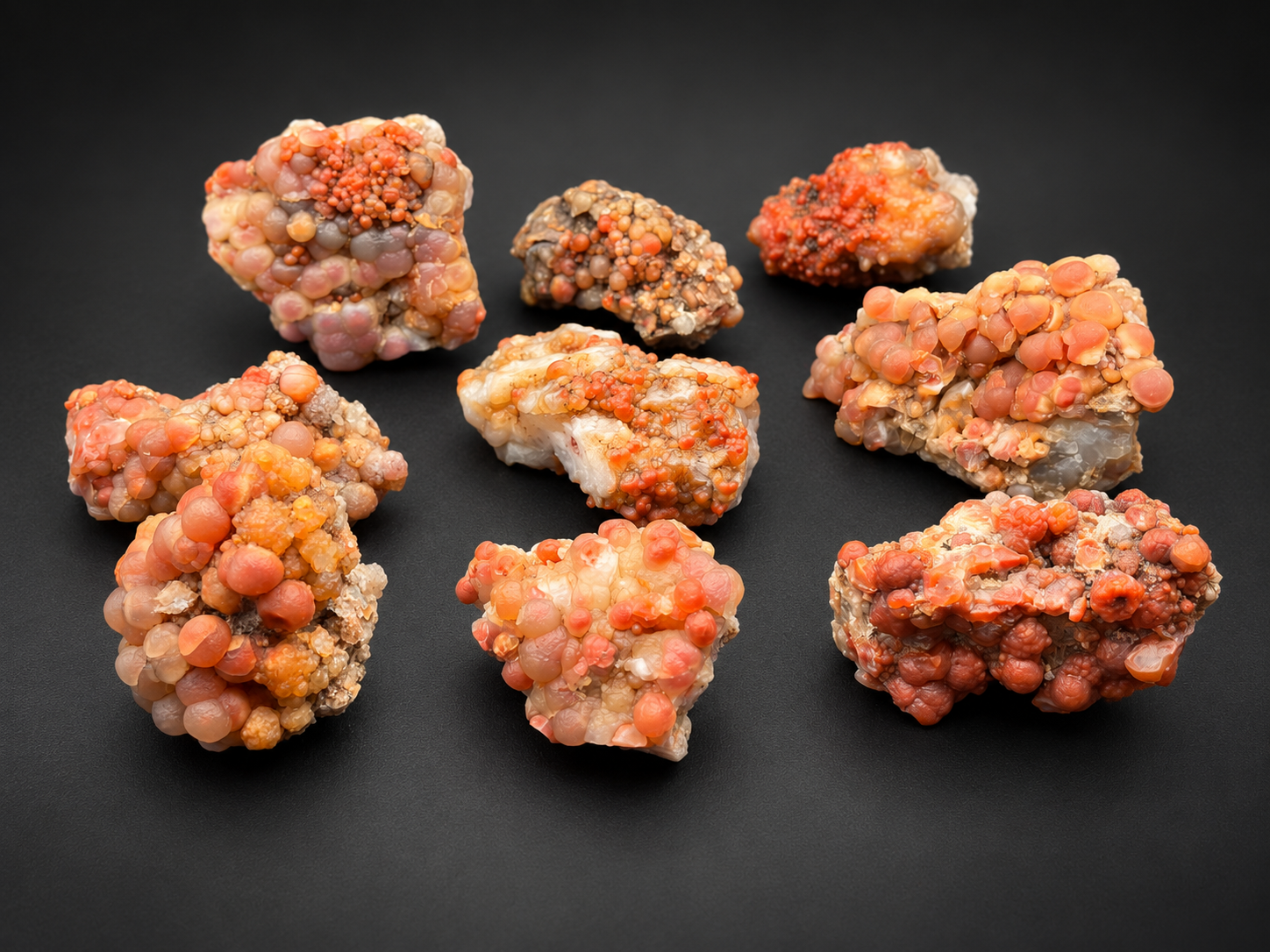 Image 1 of 6
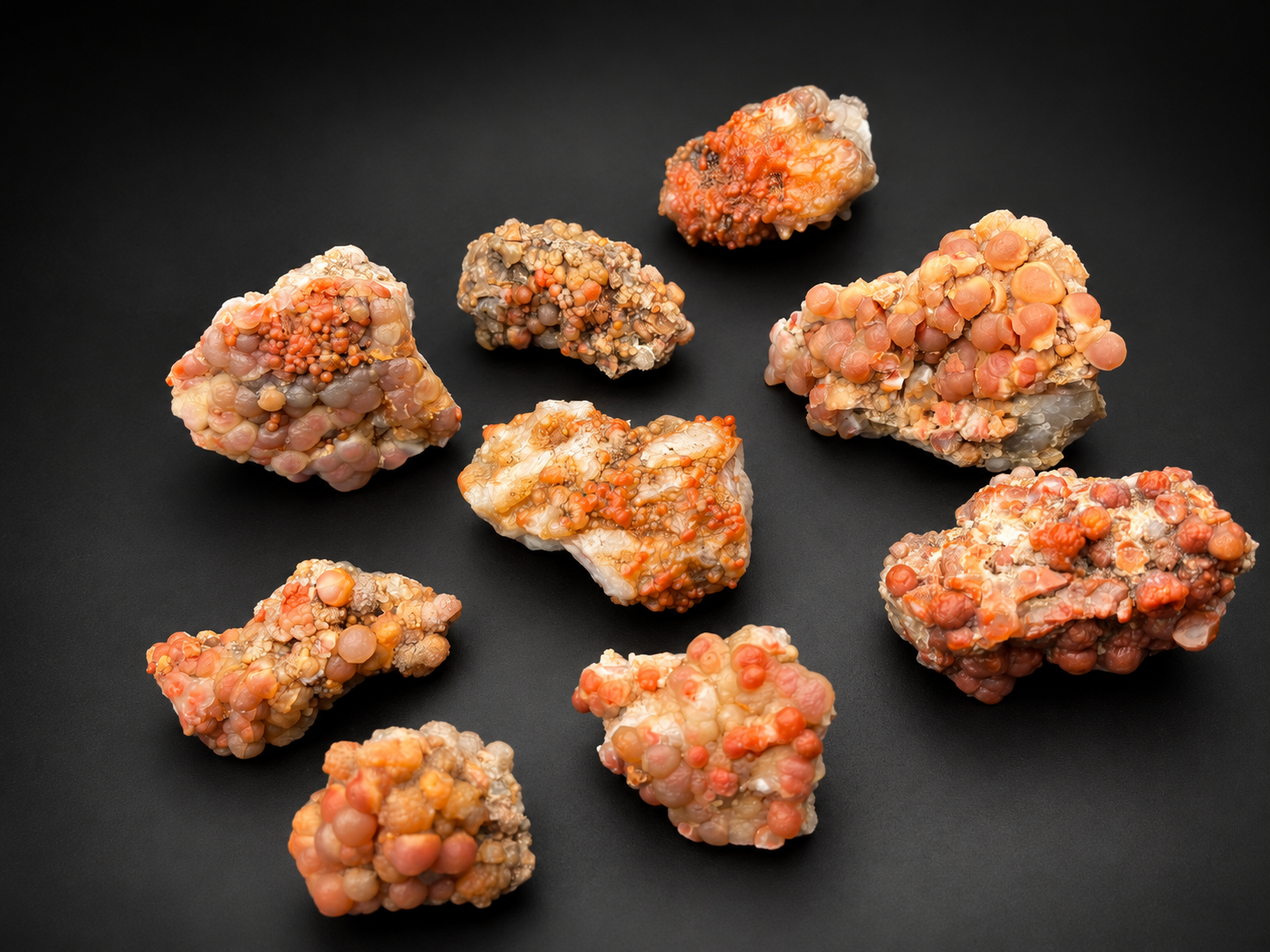 Image 2 of 6
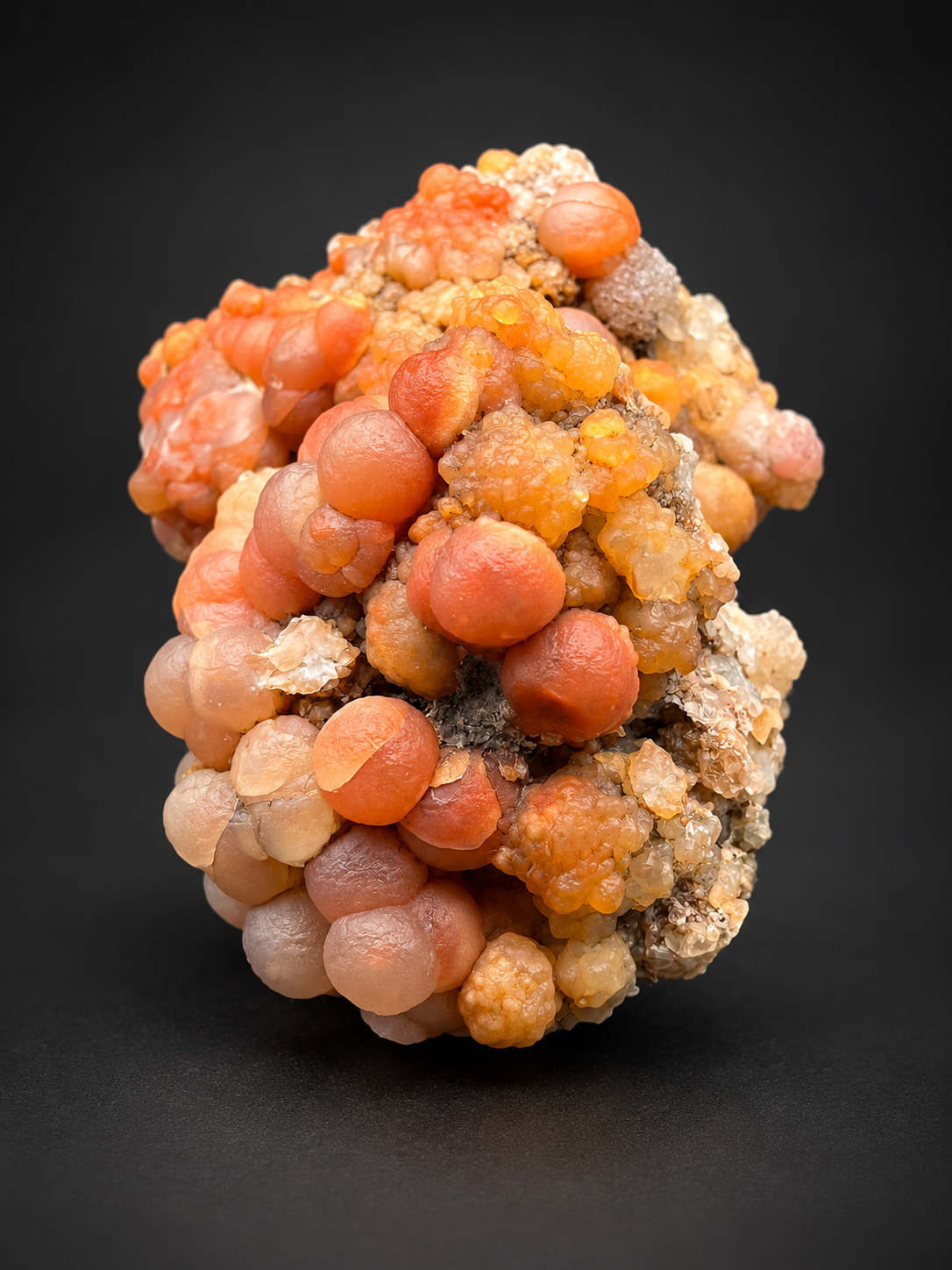 Image 3 of 6
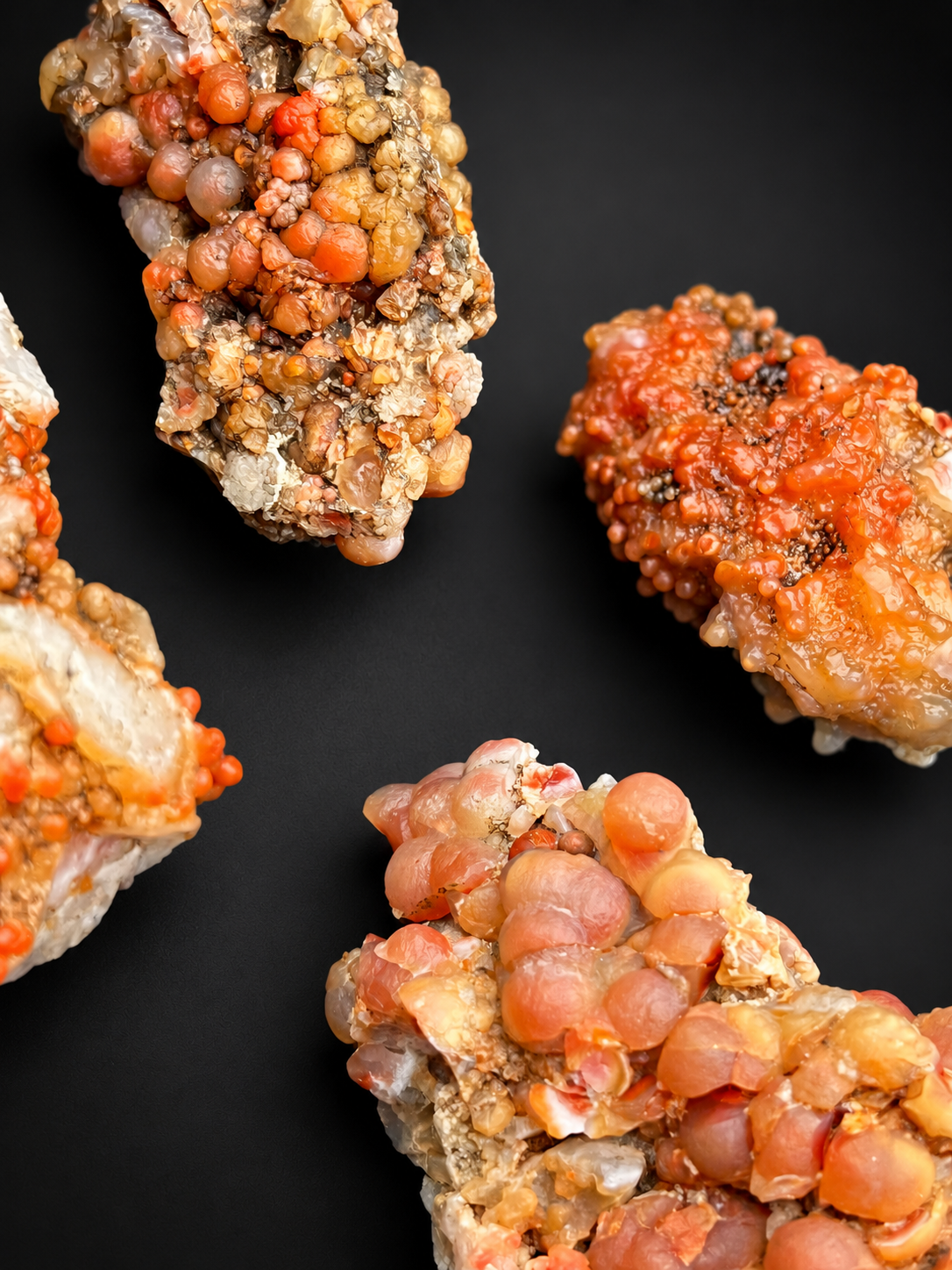 Image 4 of 6
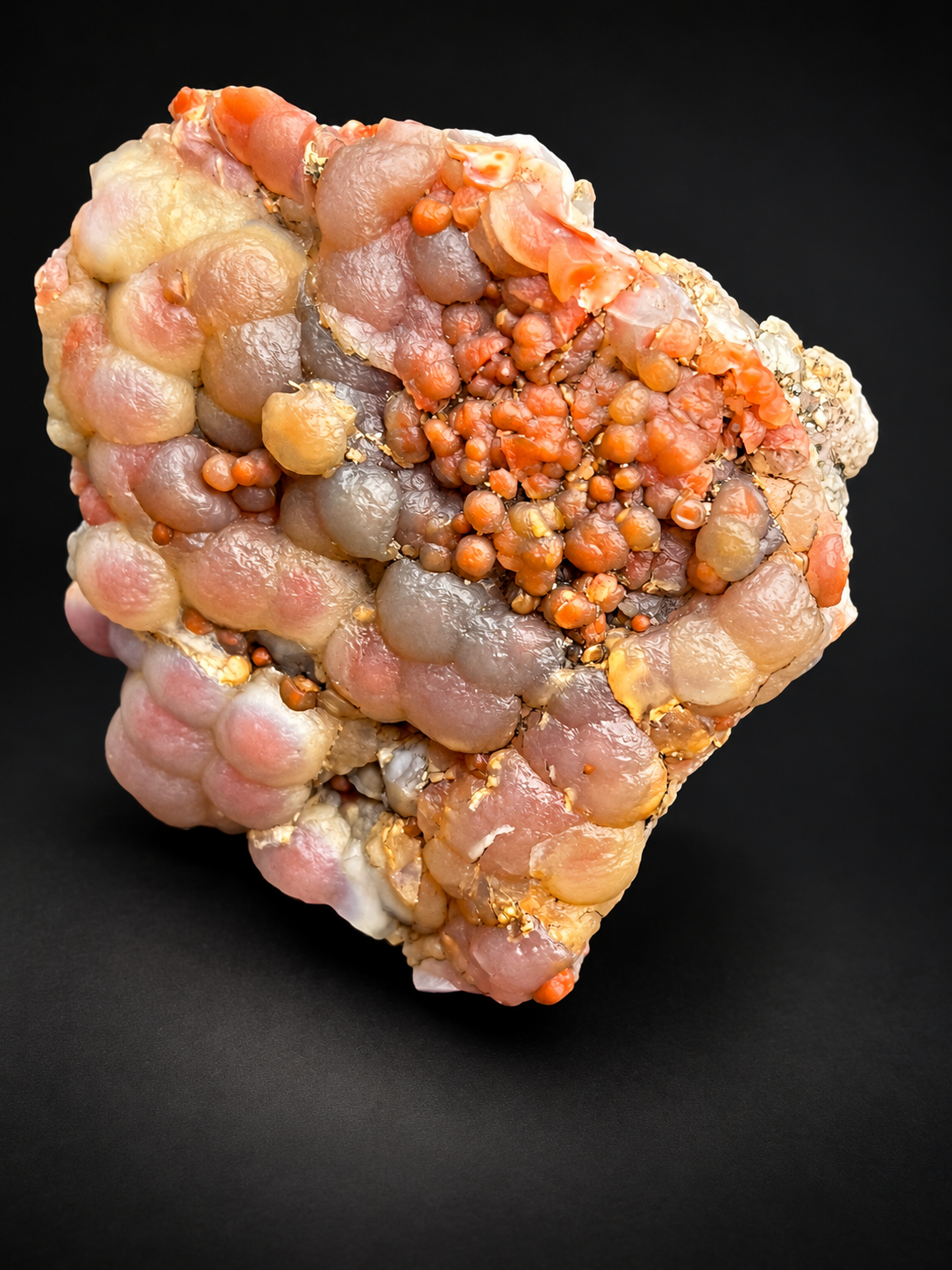 Image 5 of 6
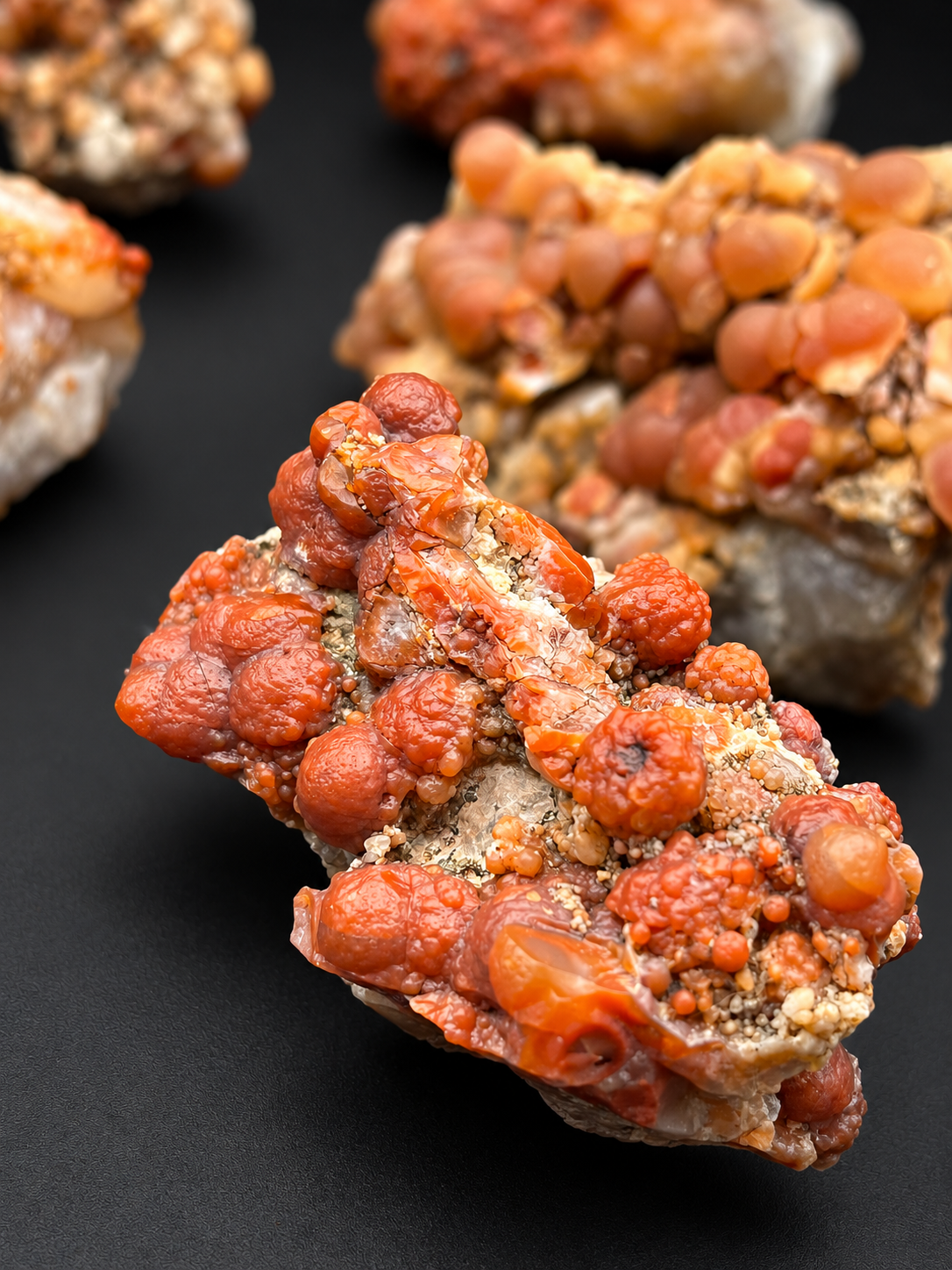 Image 6 of 6