Image 1 of 5
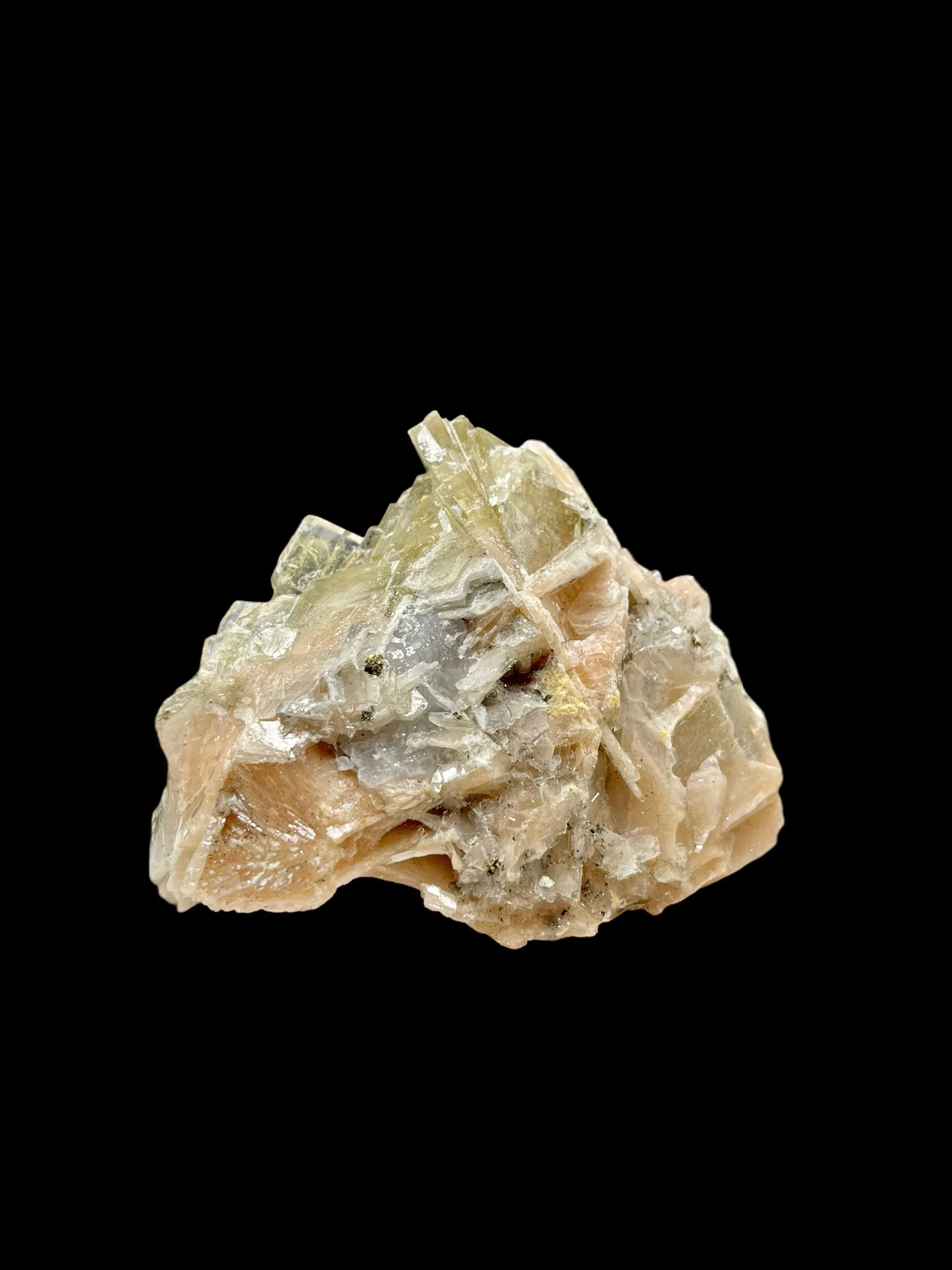 Image 2 of 5
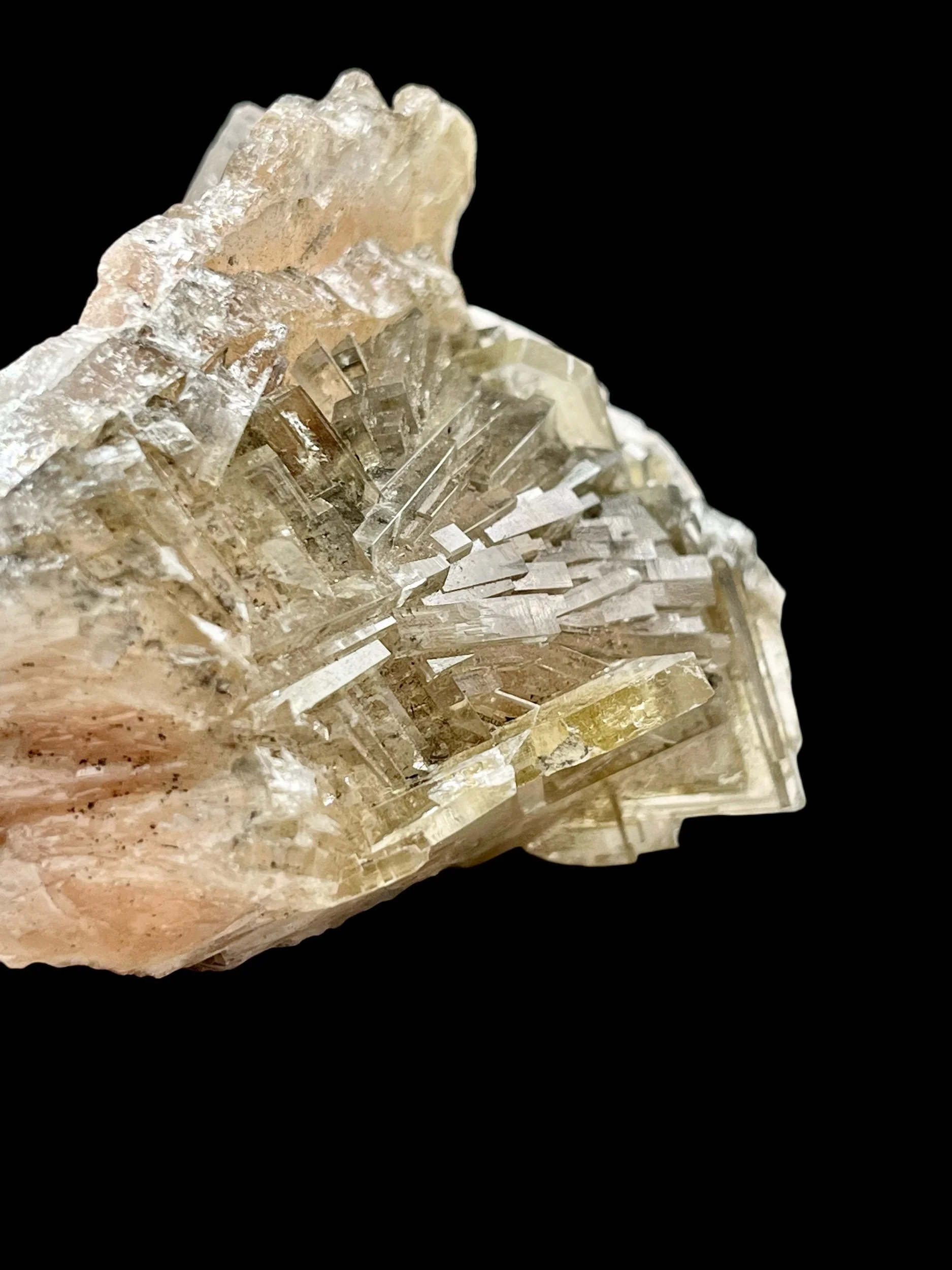 Image 3 of 5
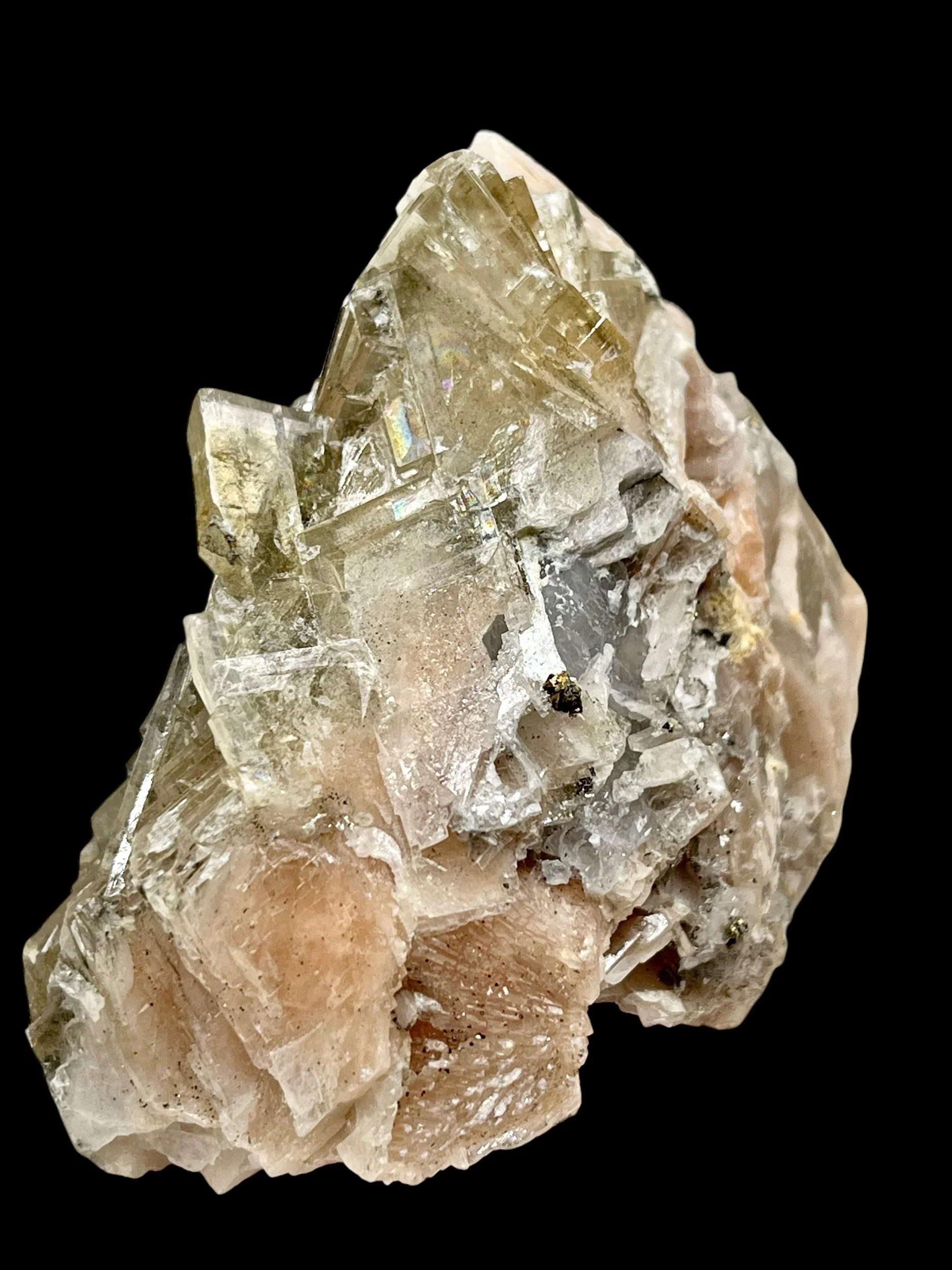 Image 4 of 5
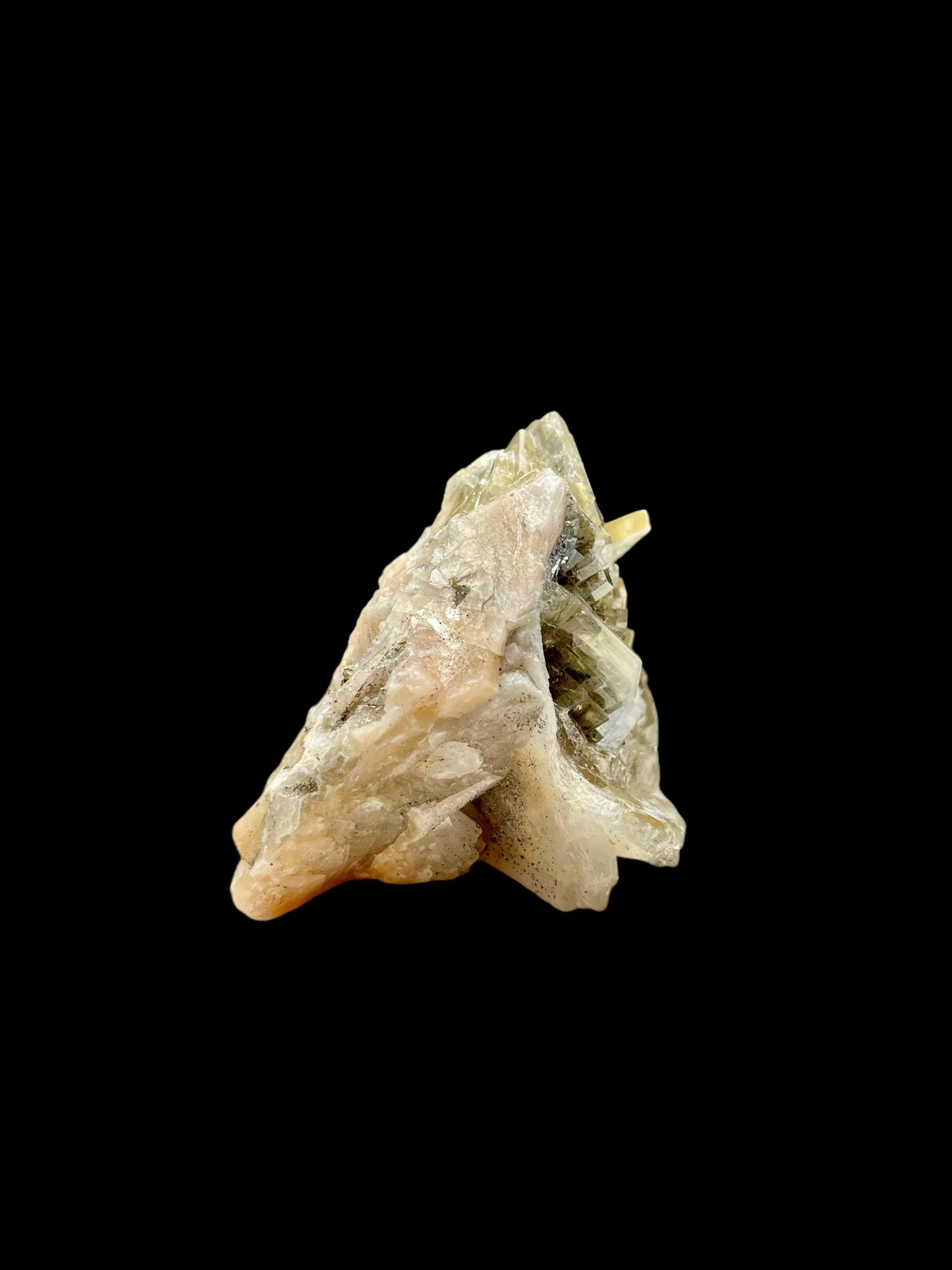 Image 5 of 5
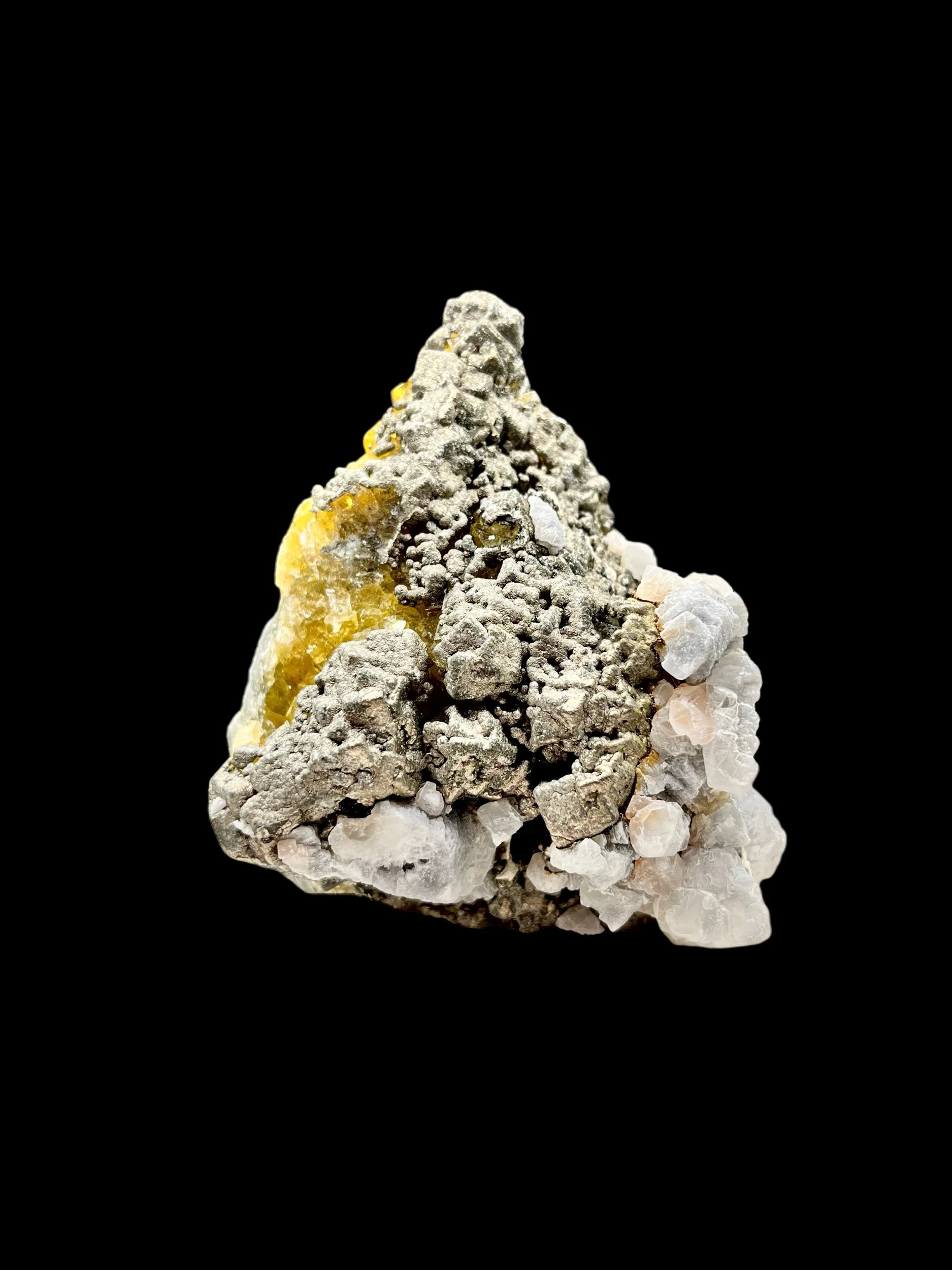
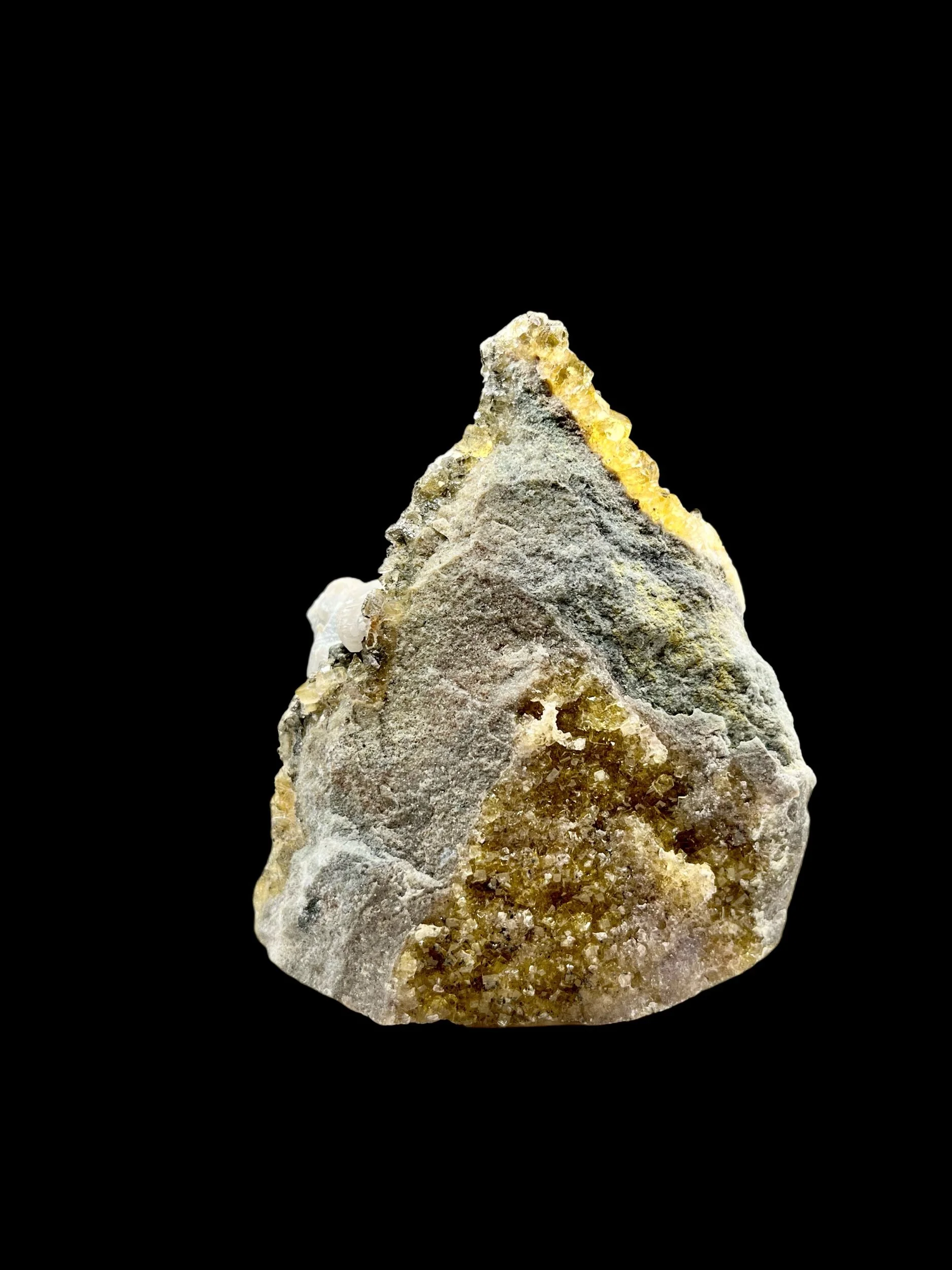
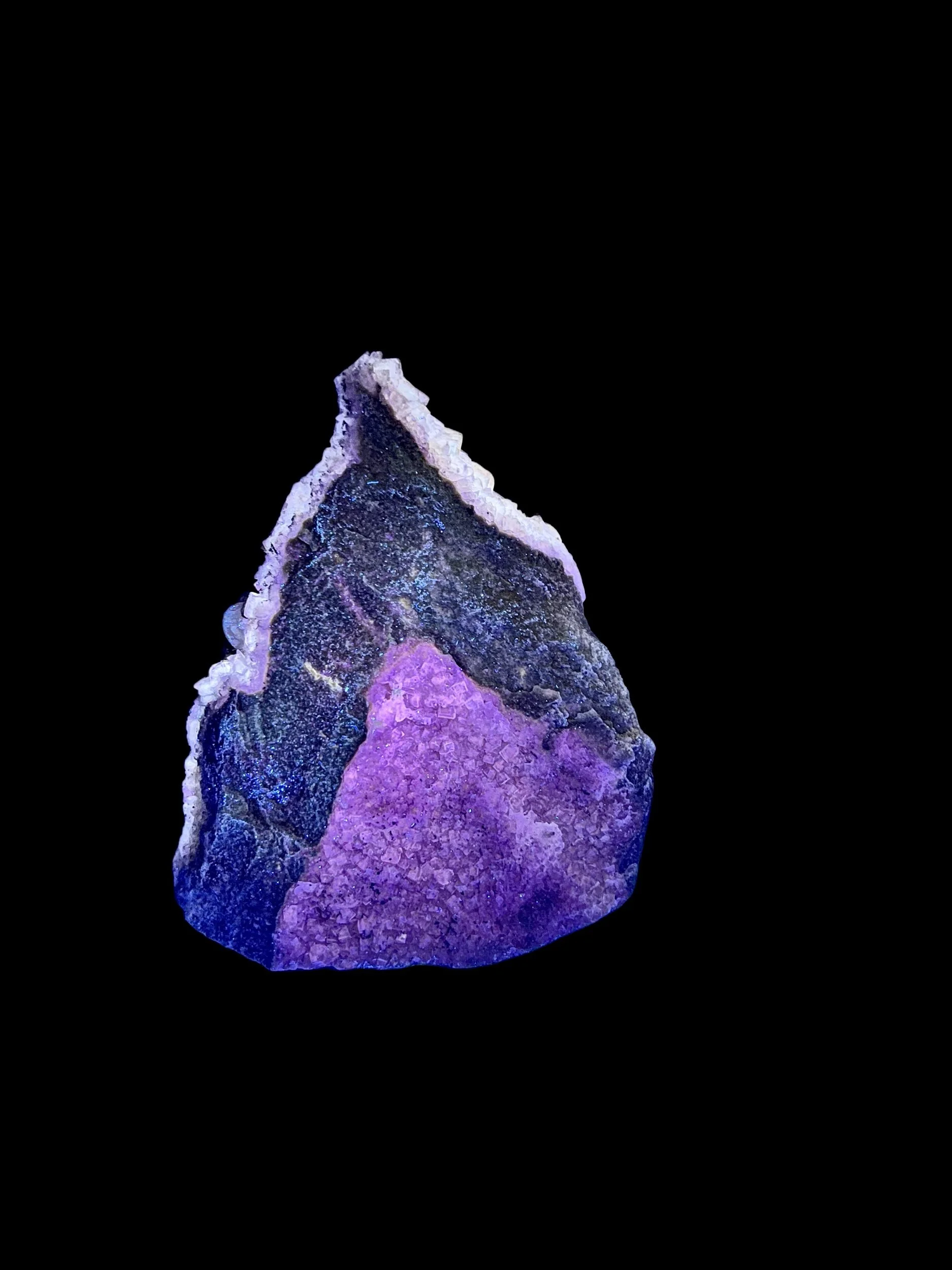
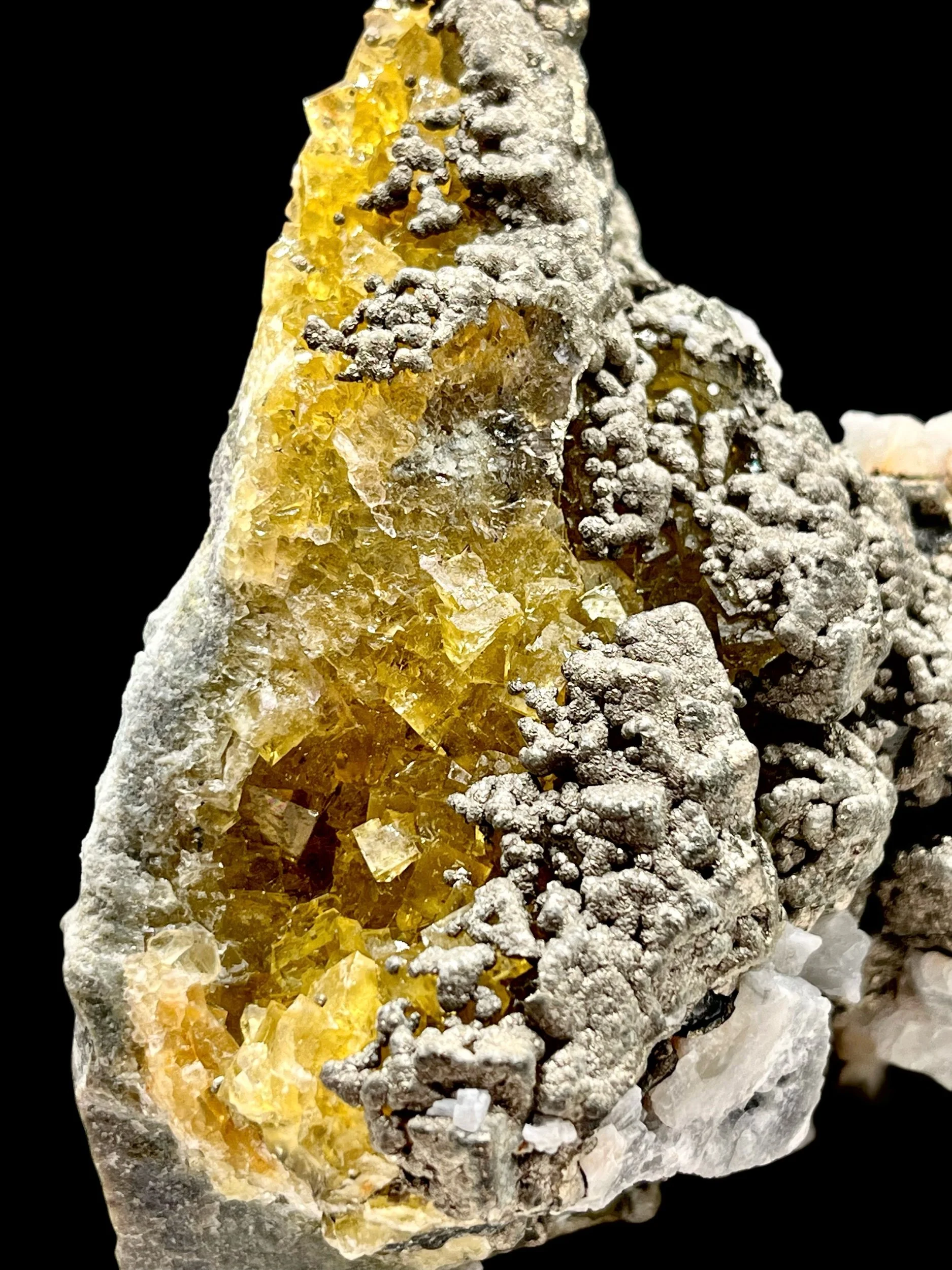
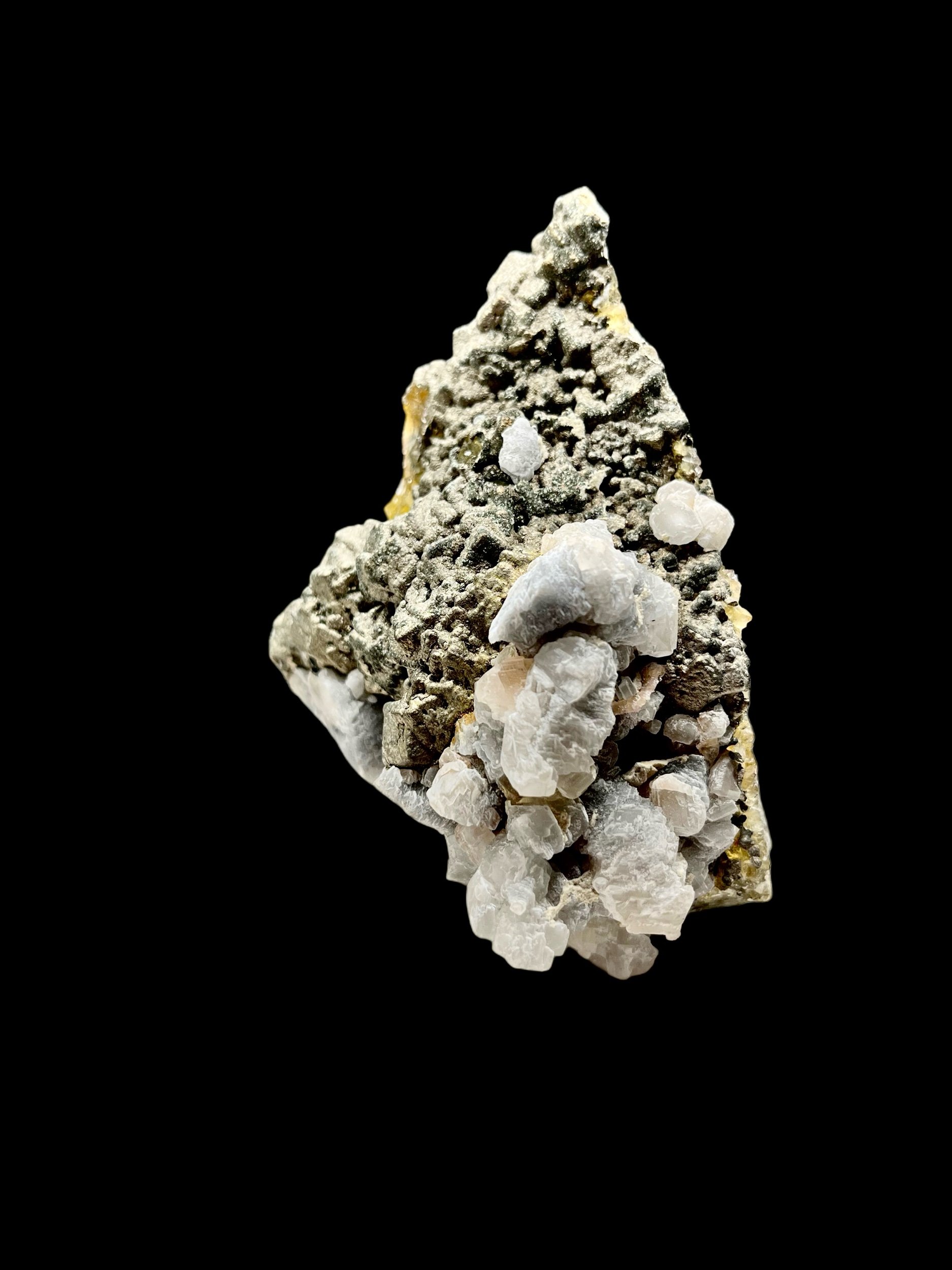
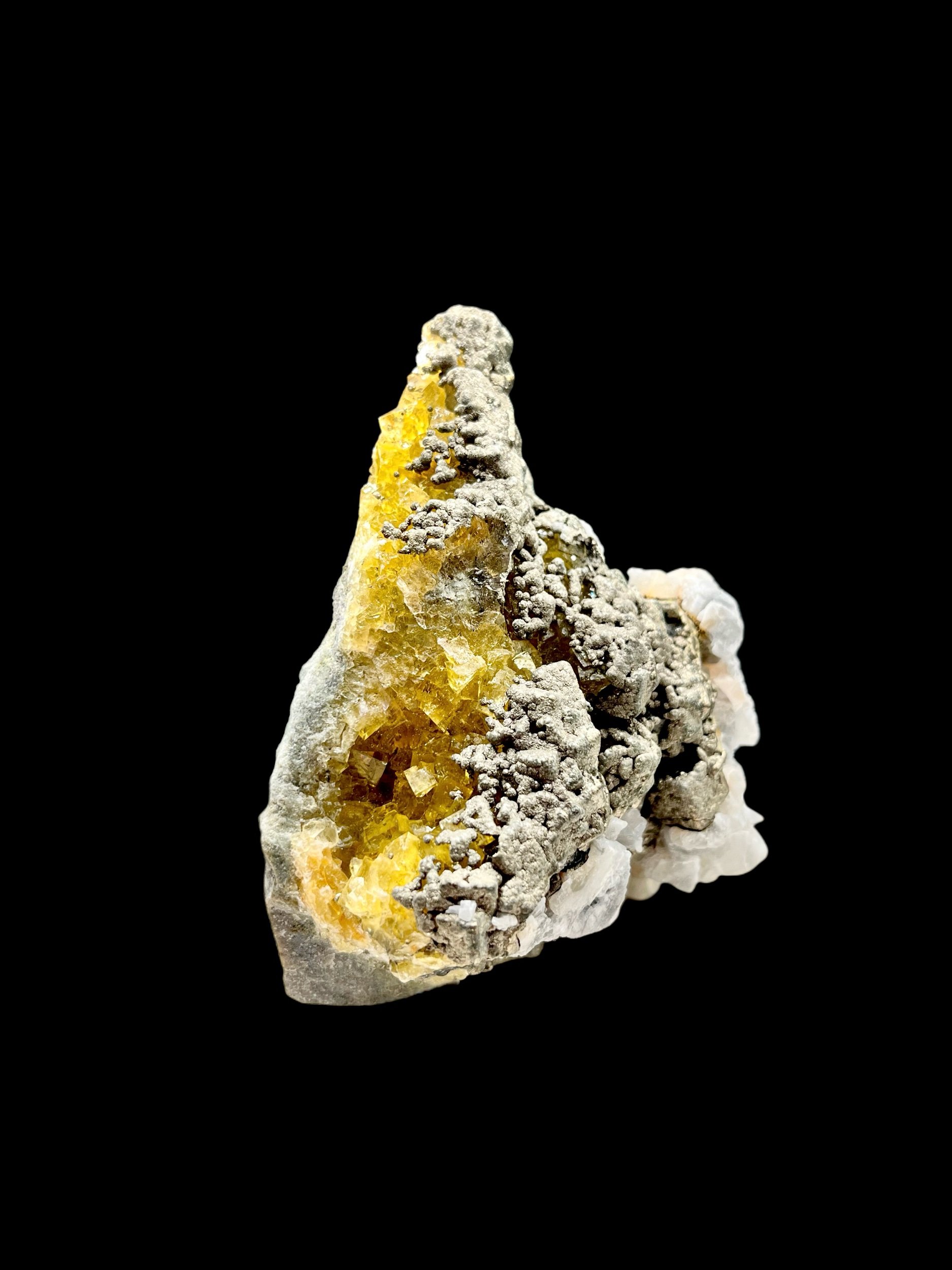
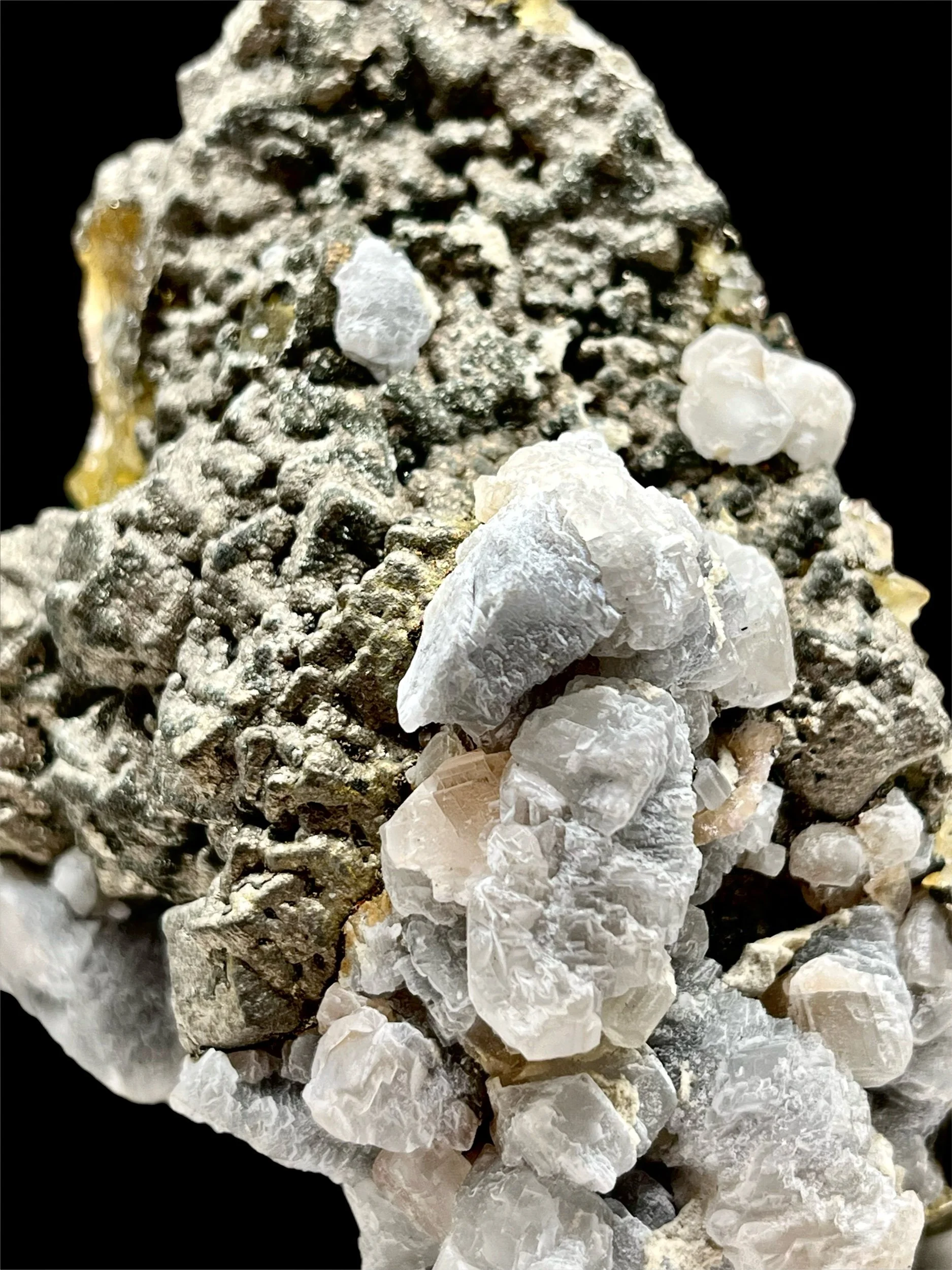
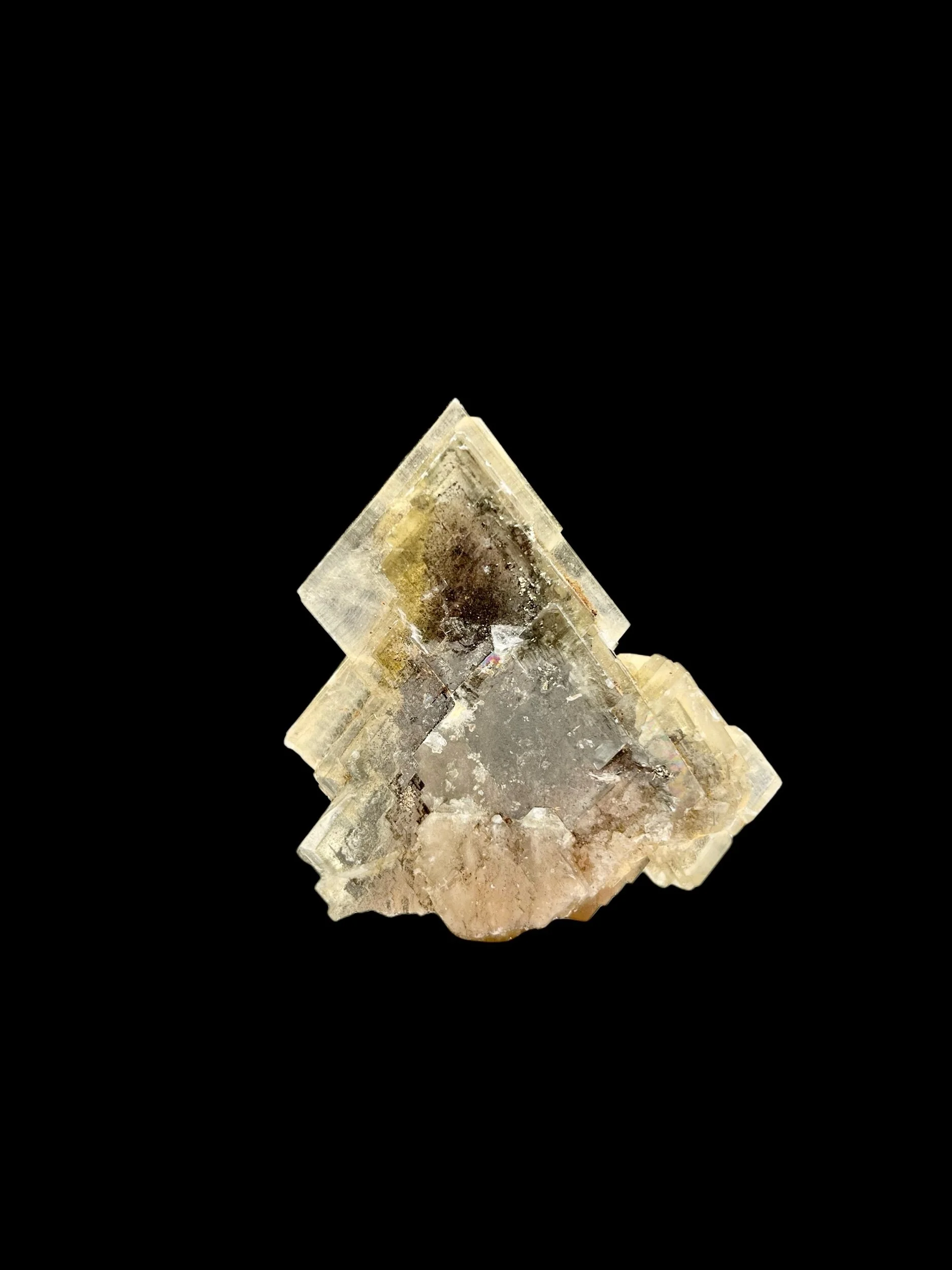
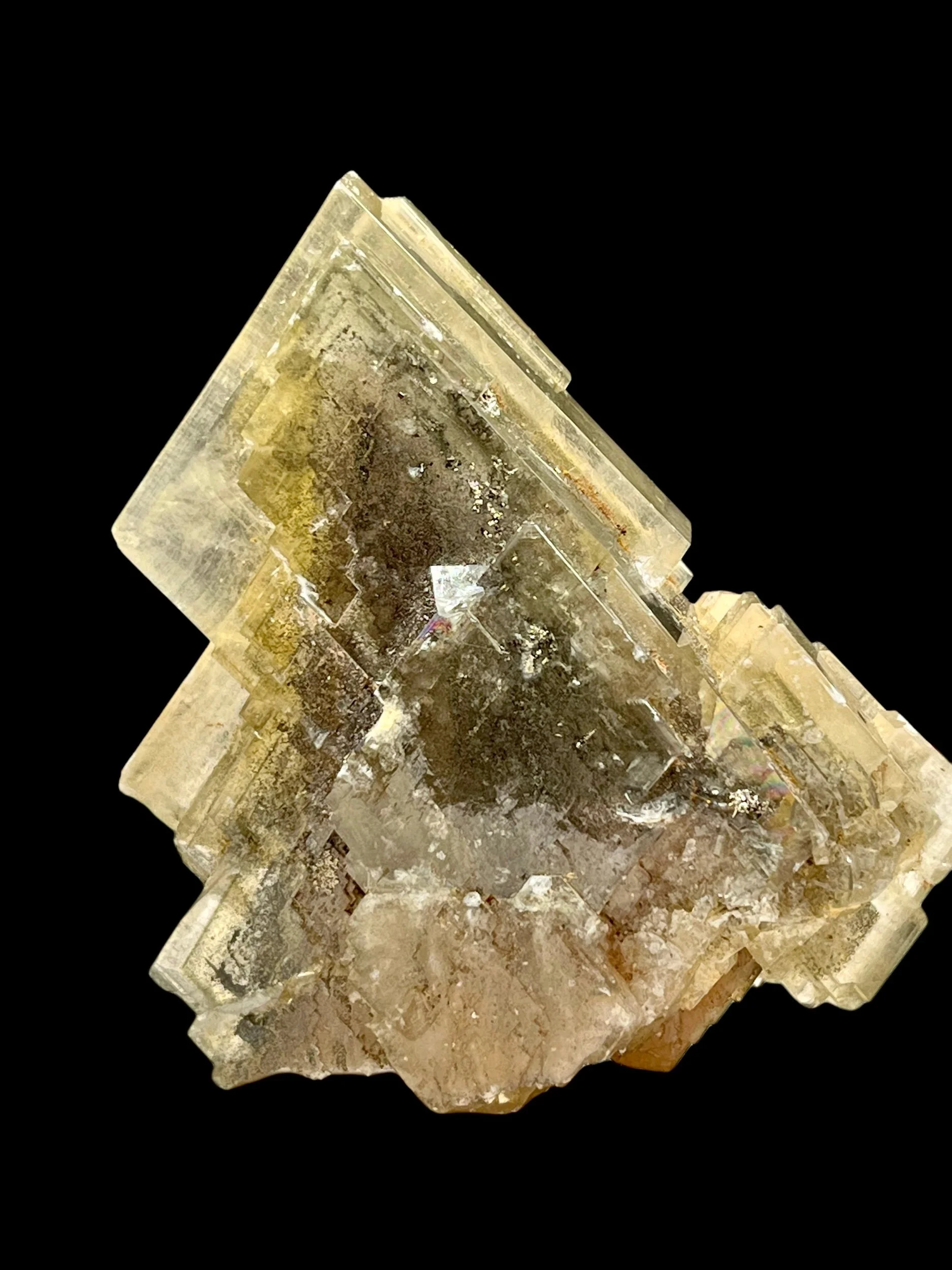
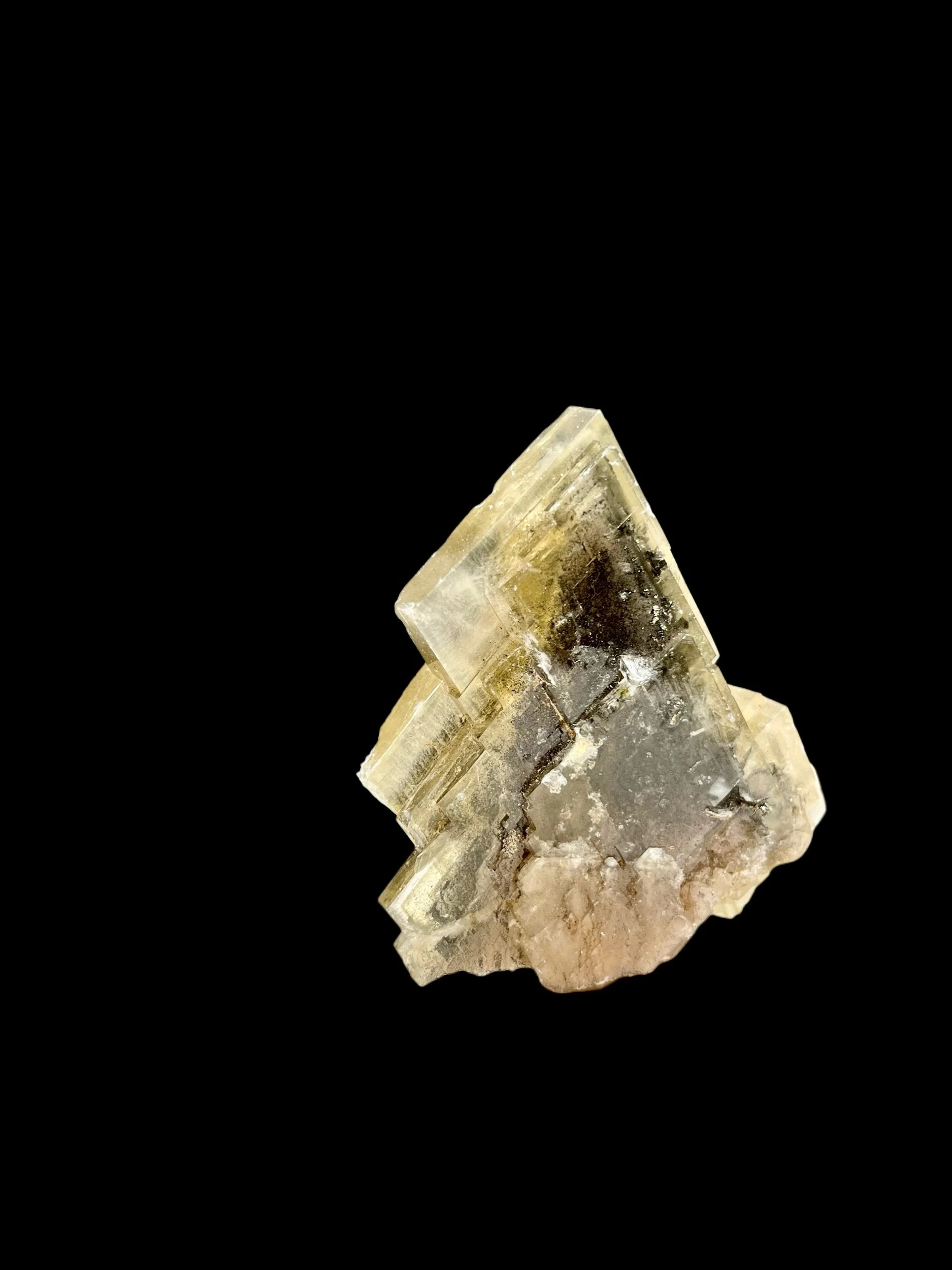
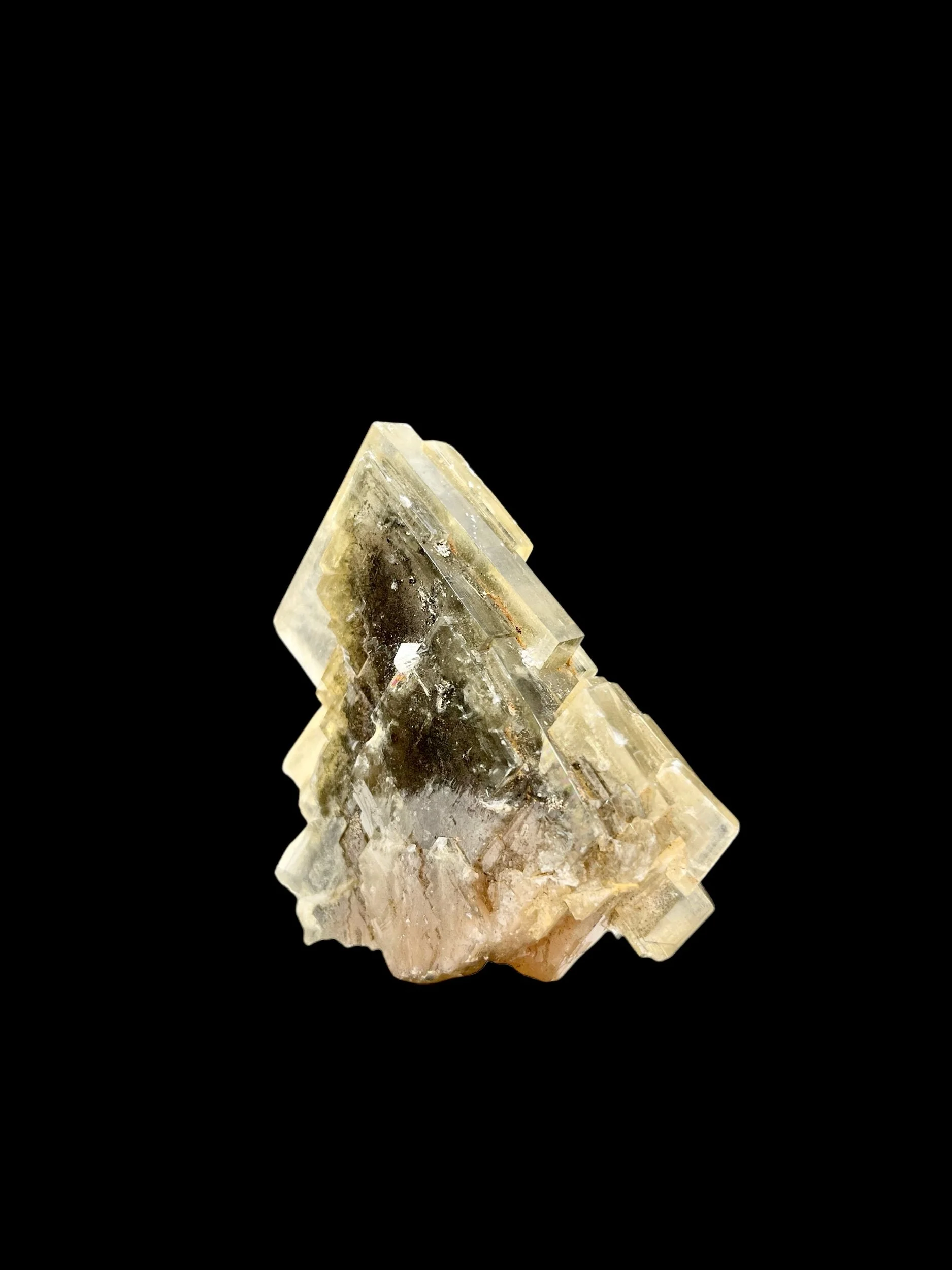
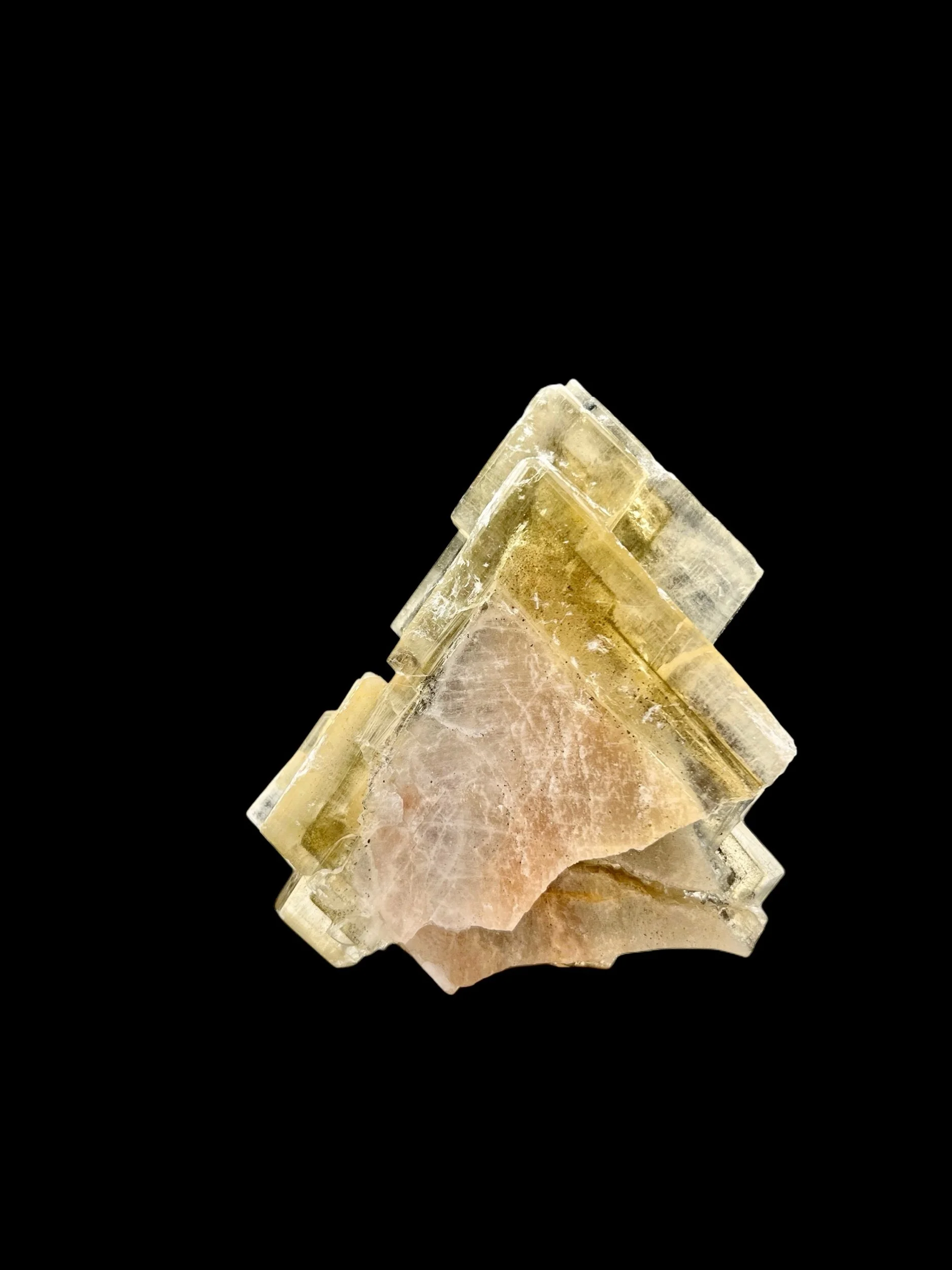
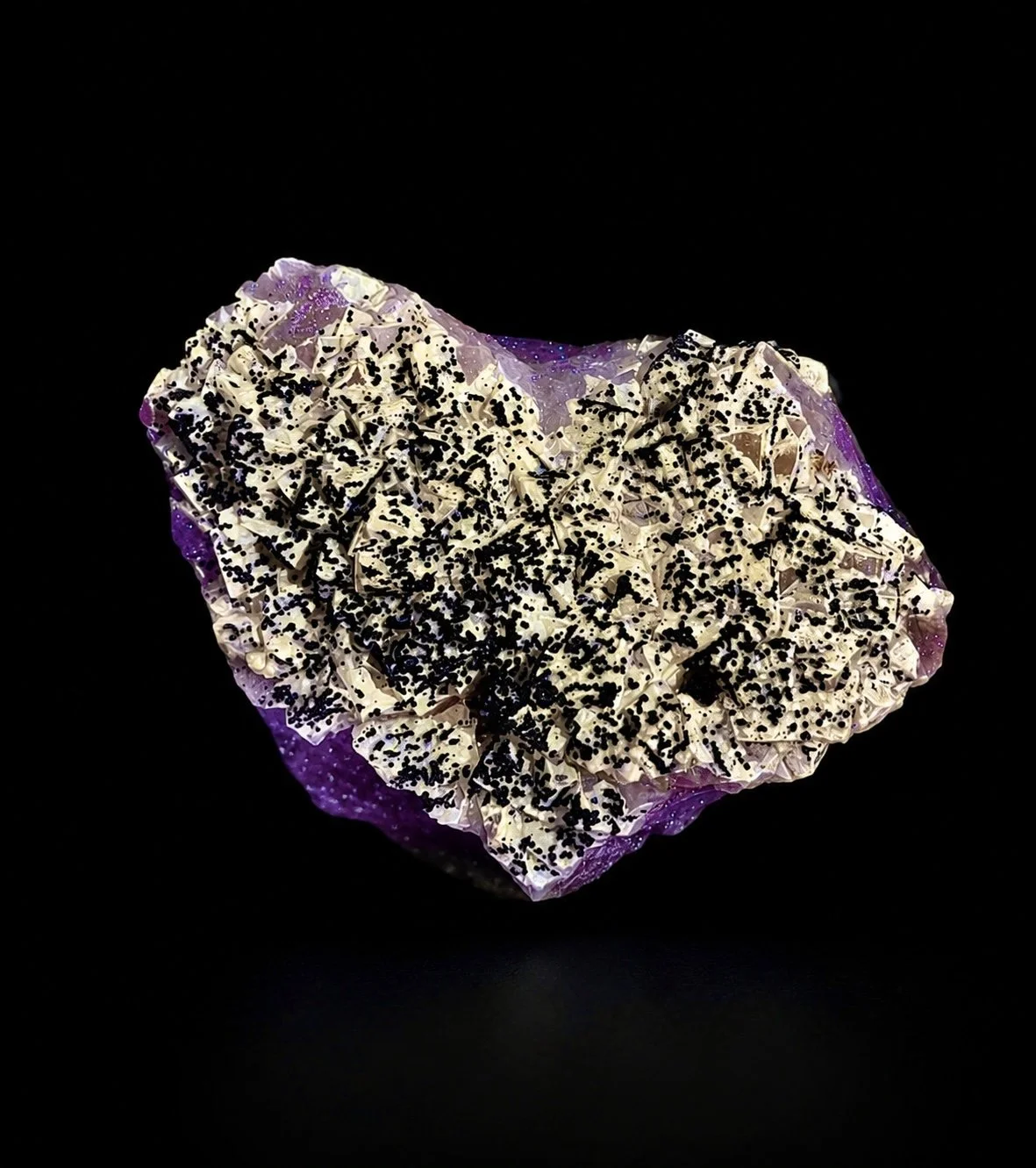
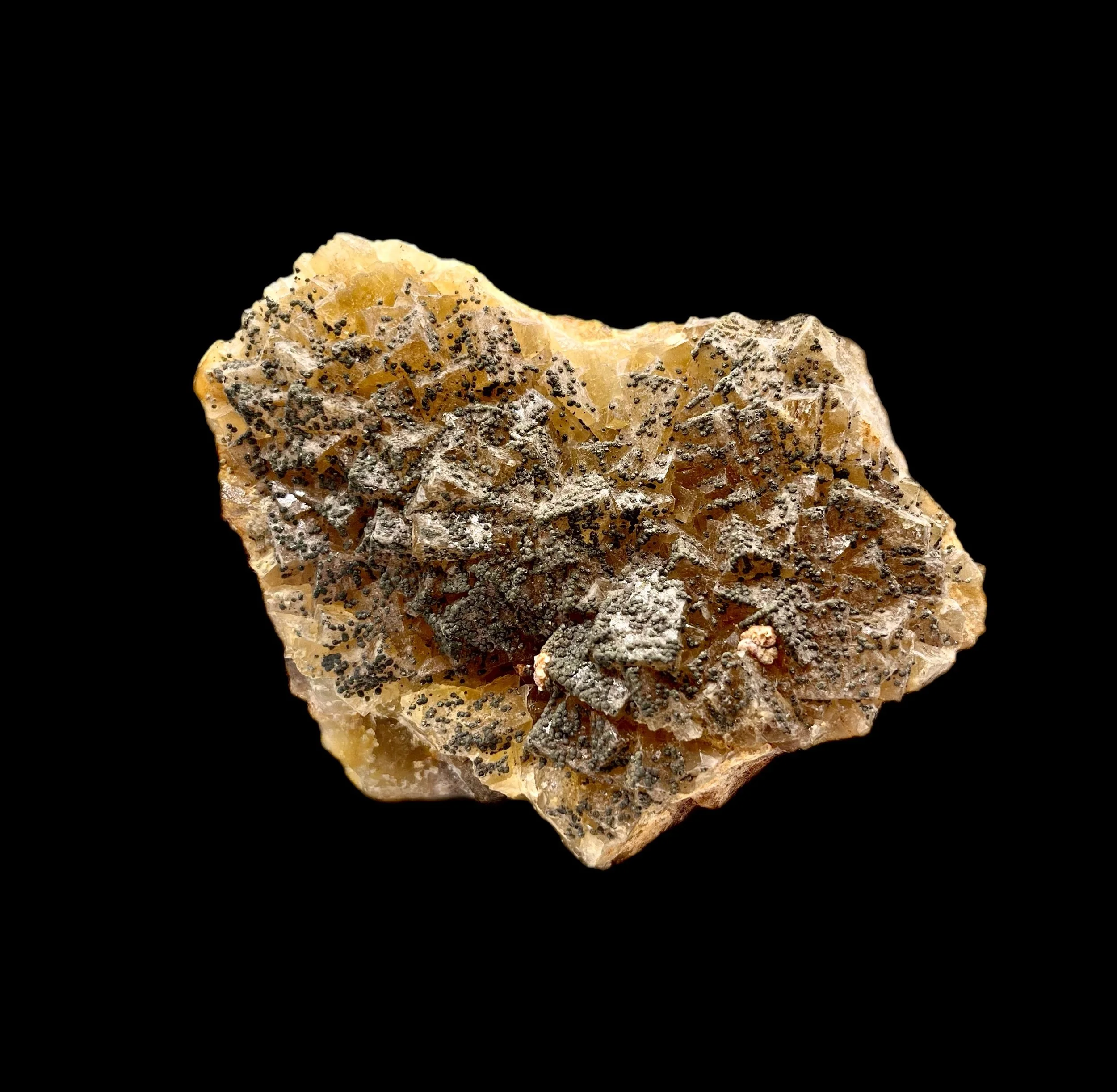
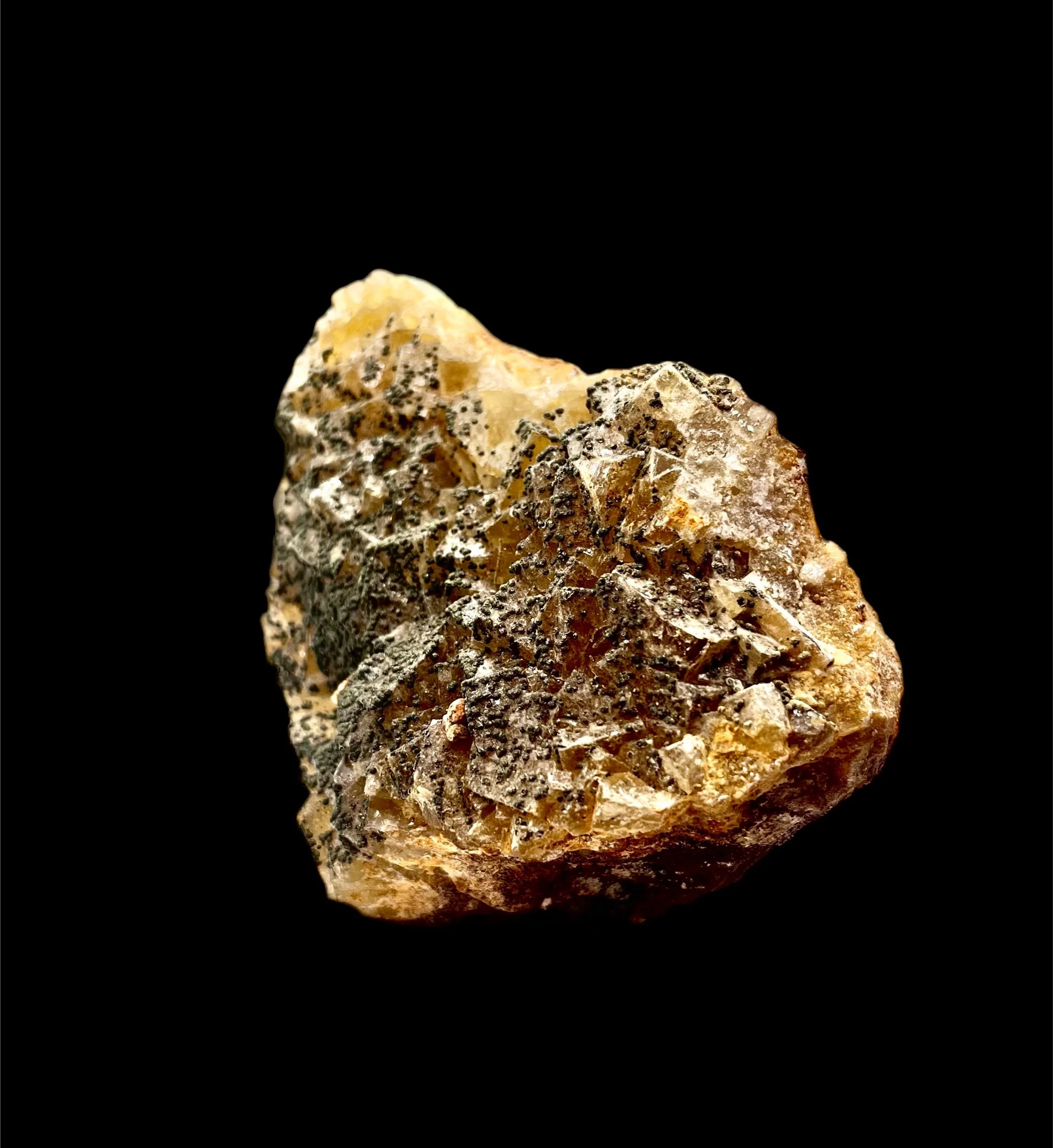
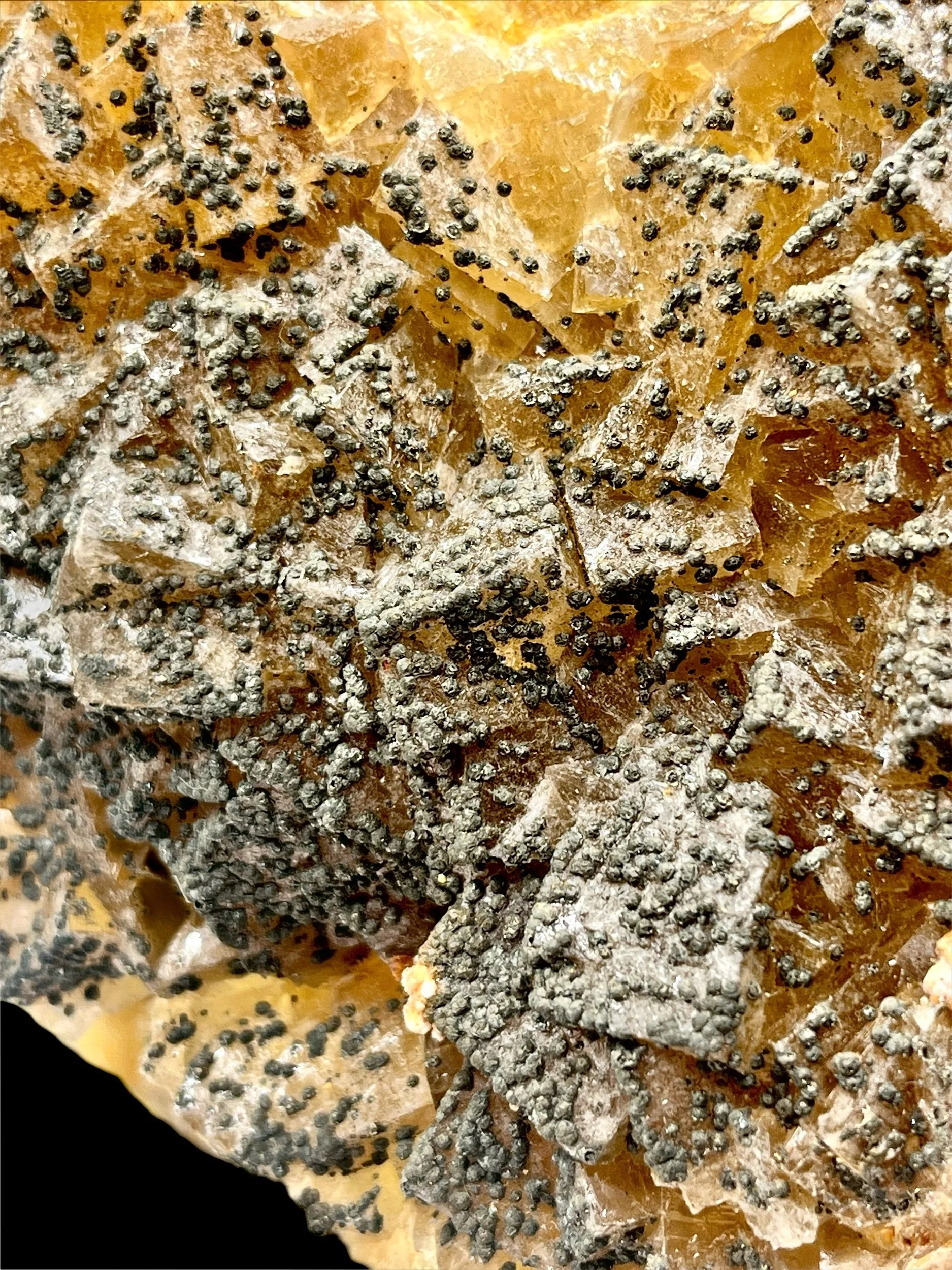
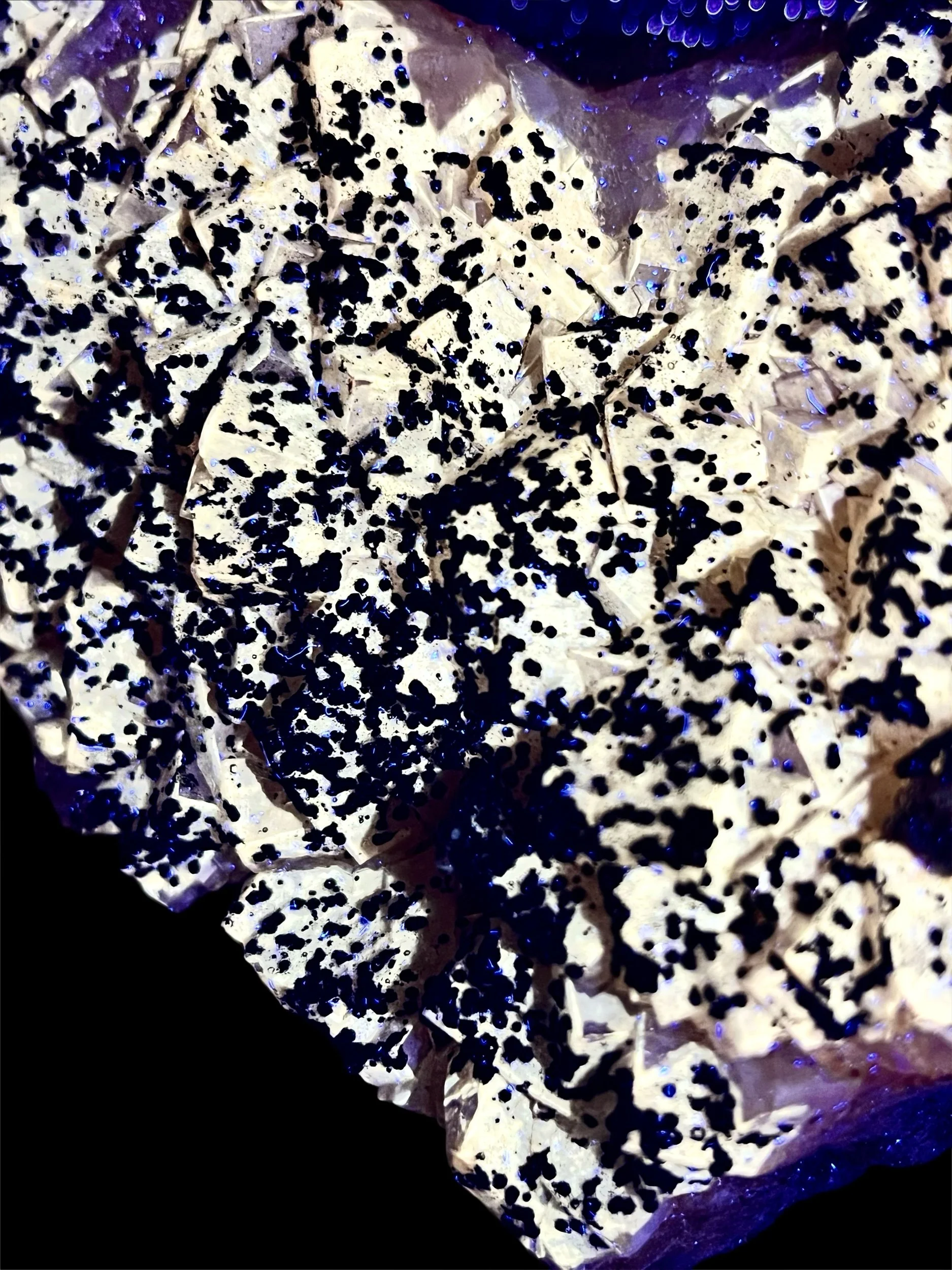
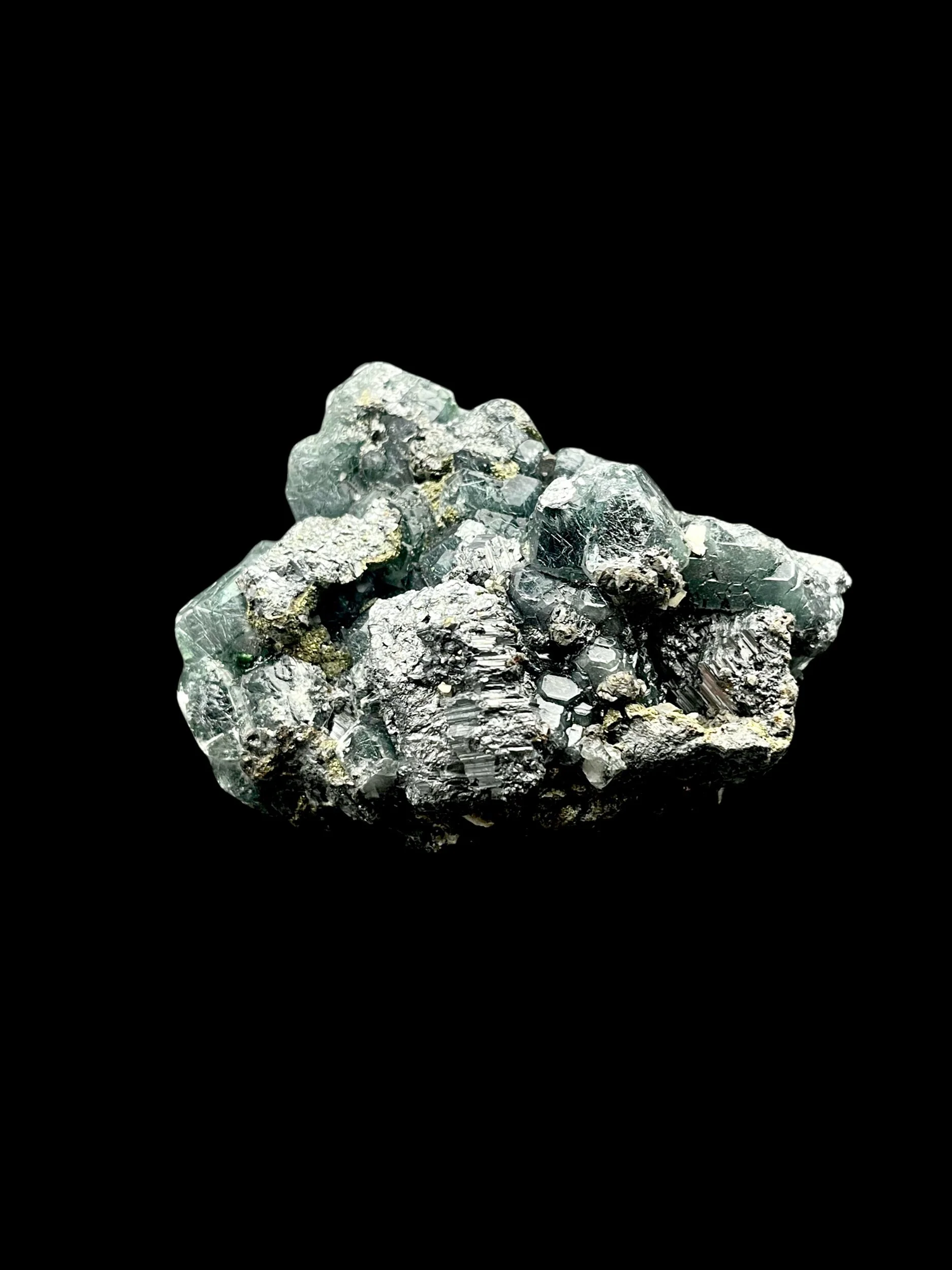
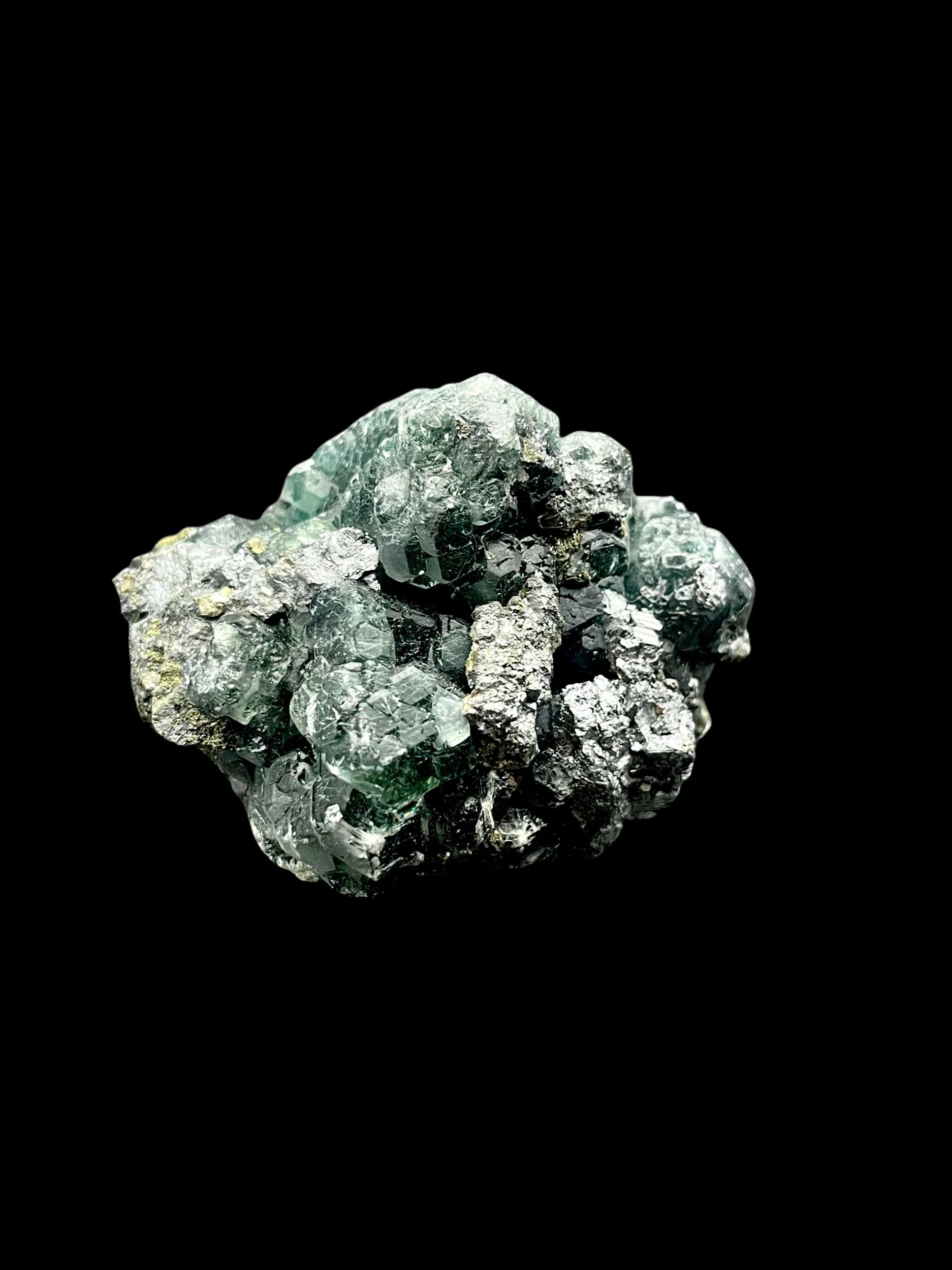
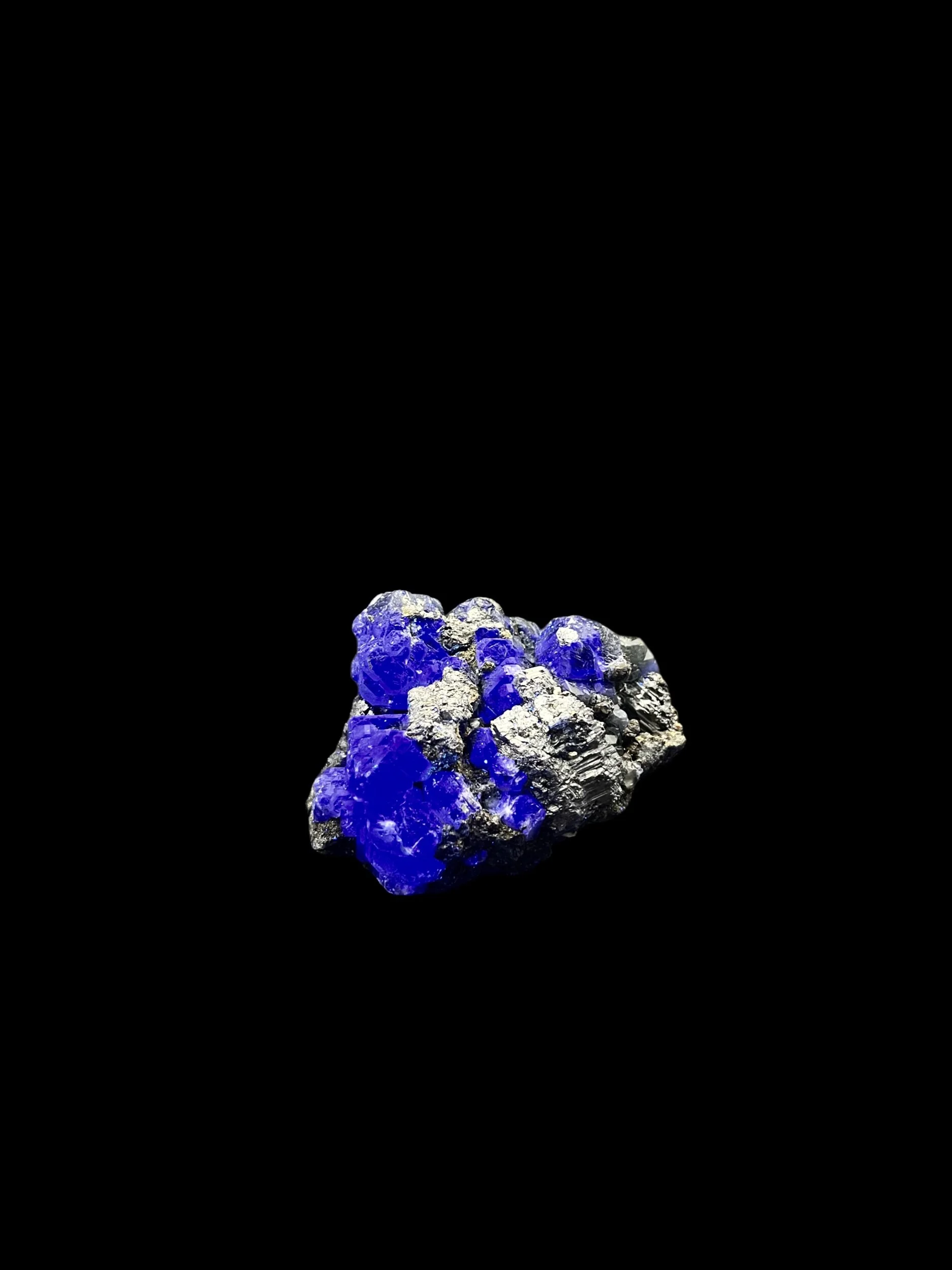
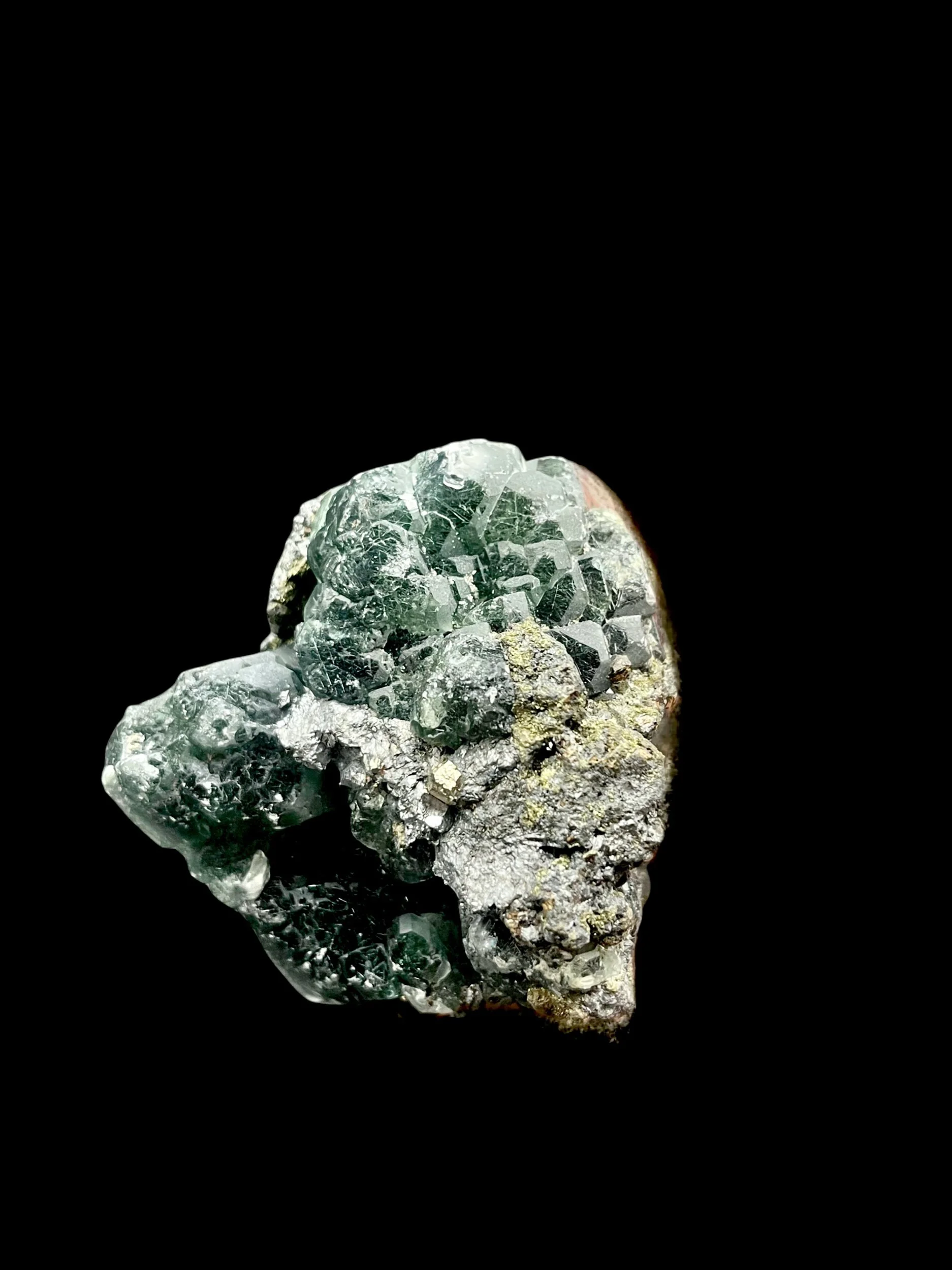
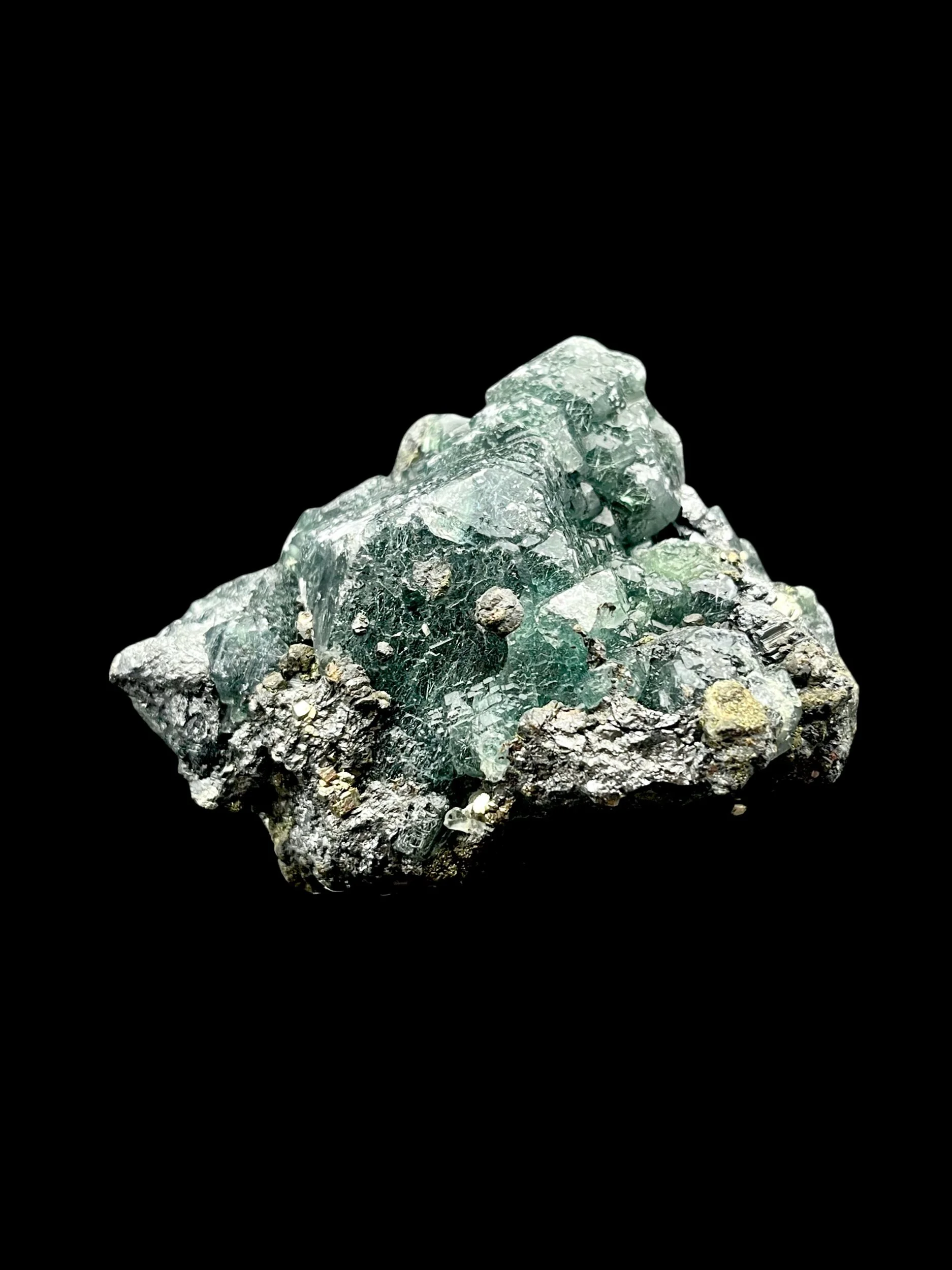
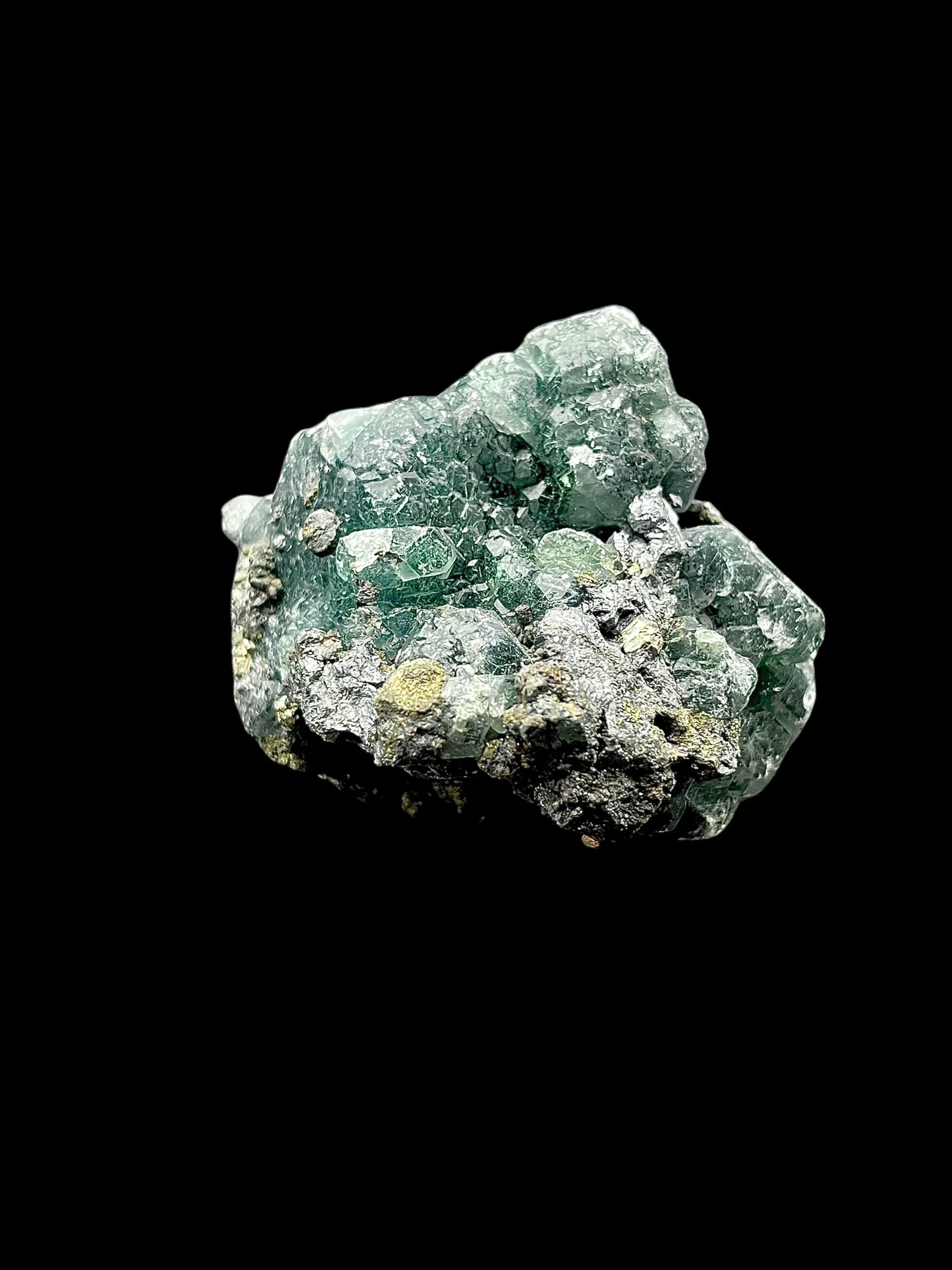
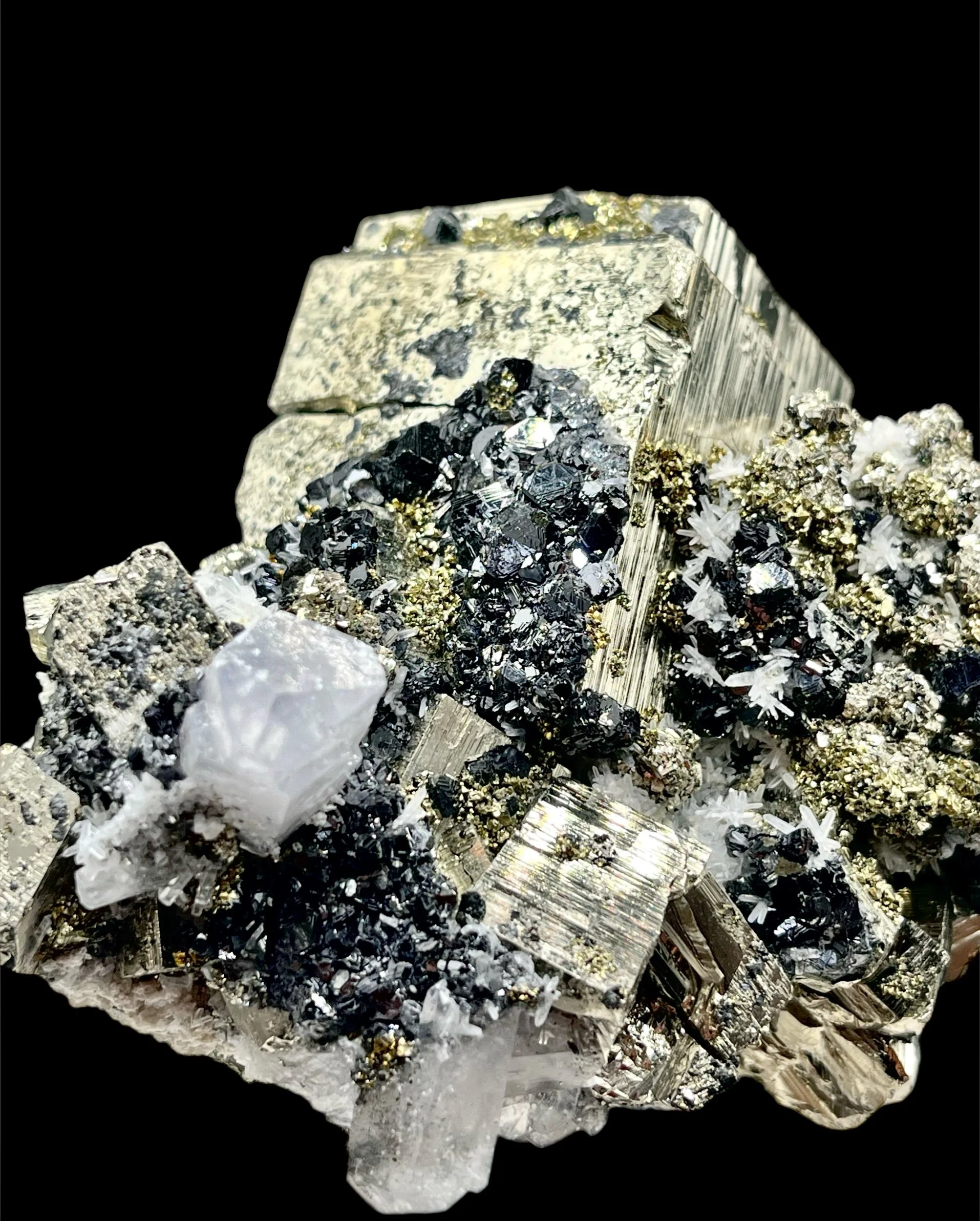
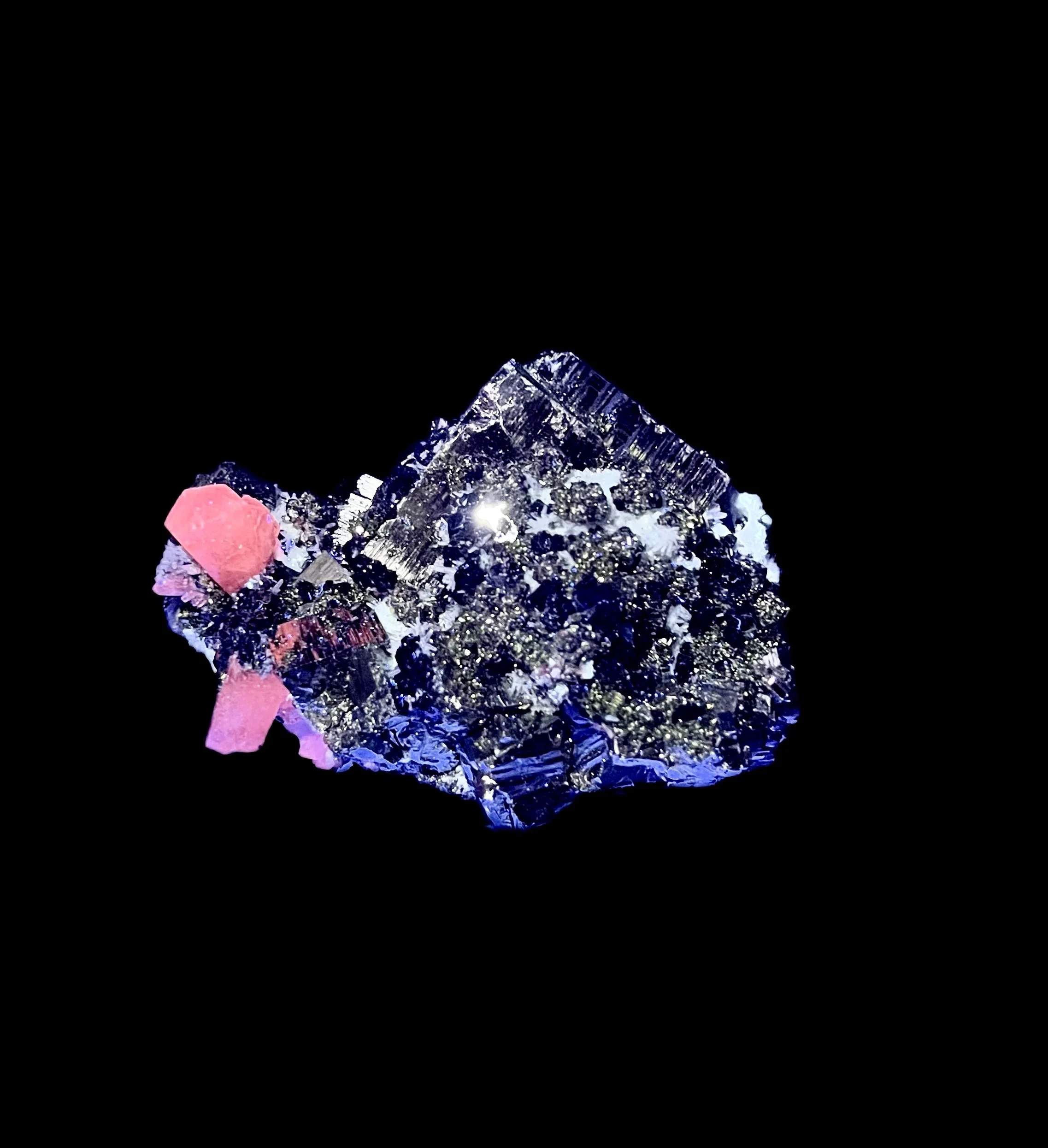
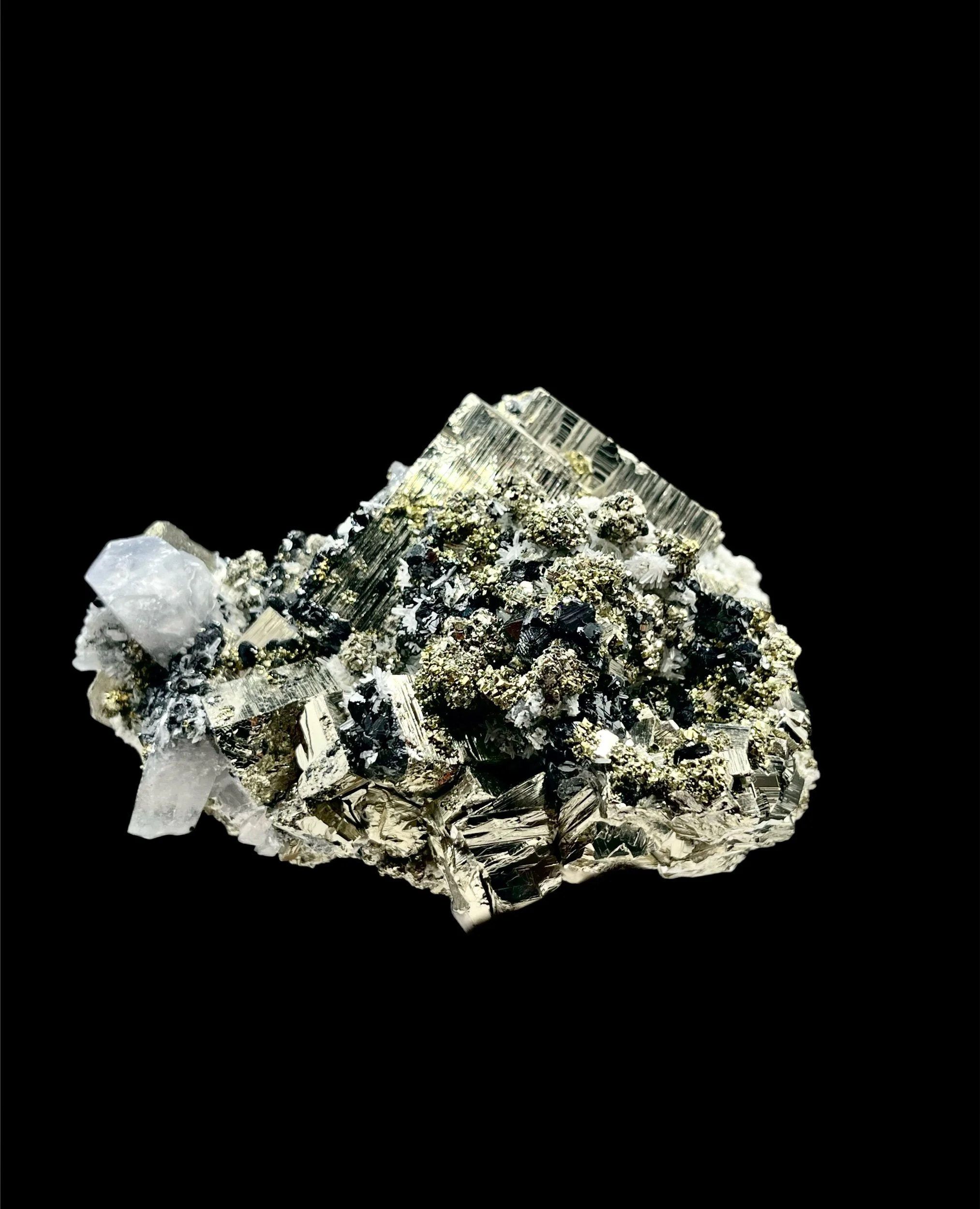
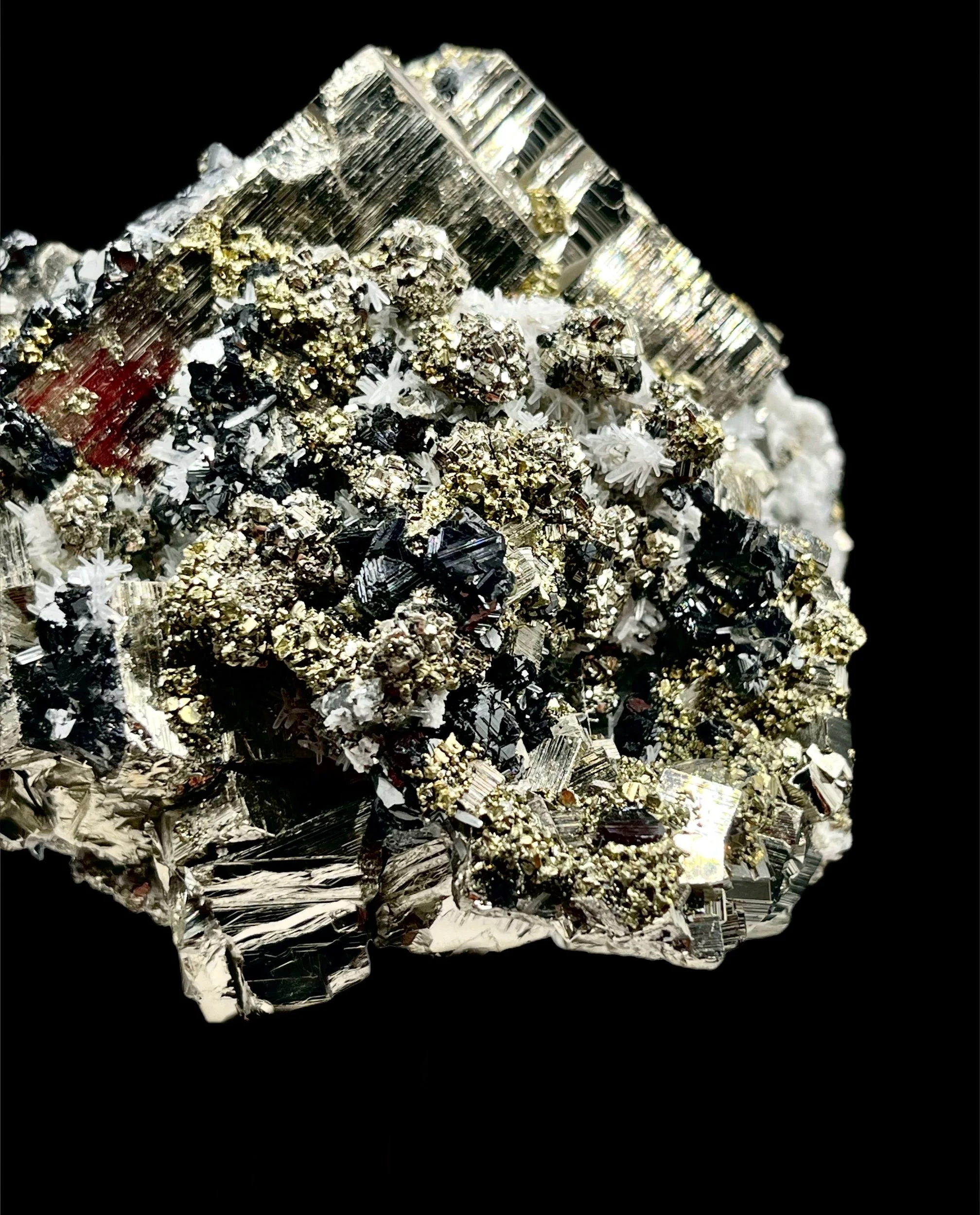
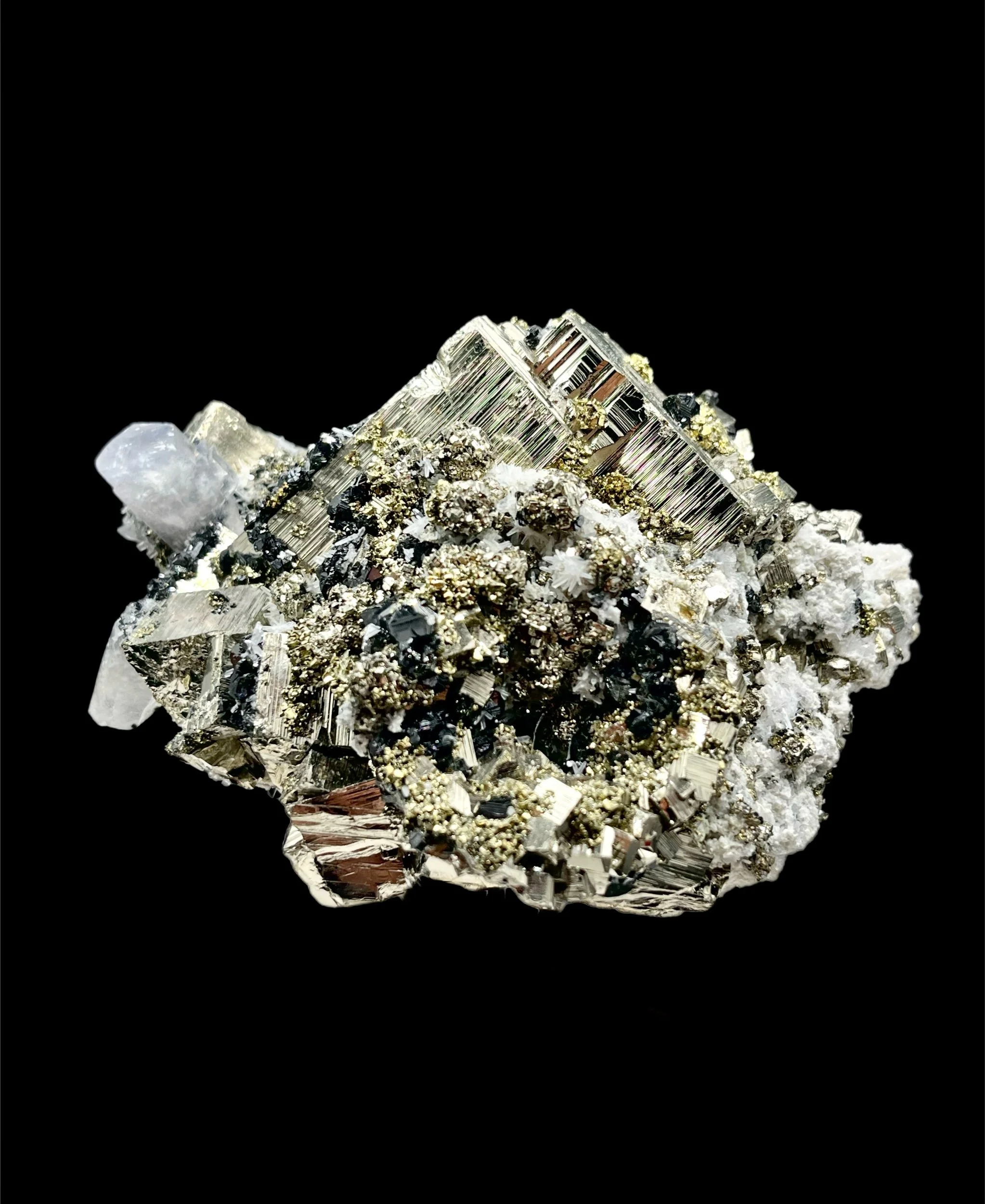
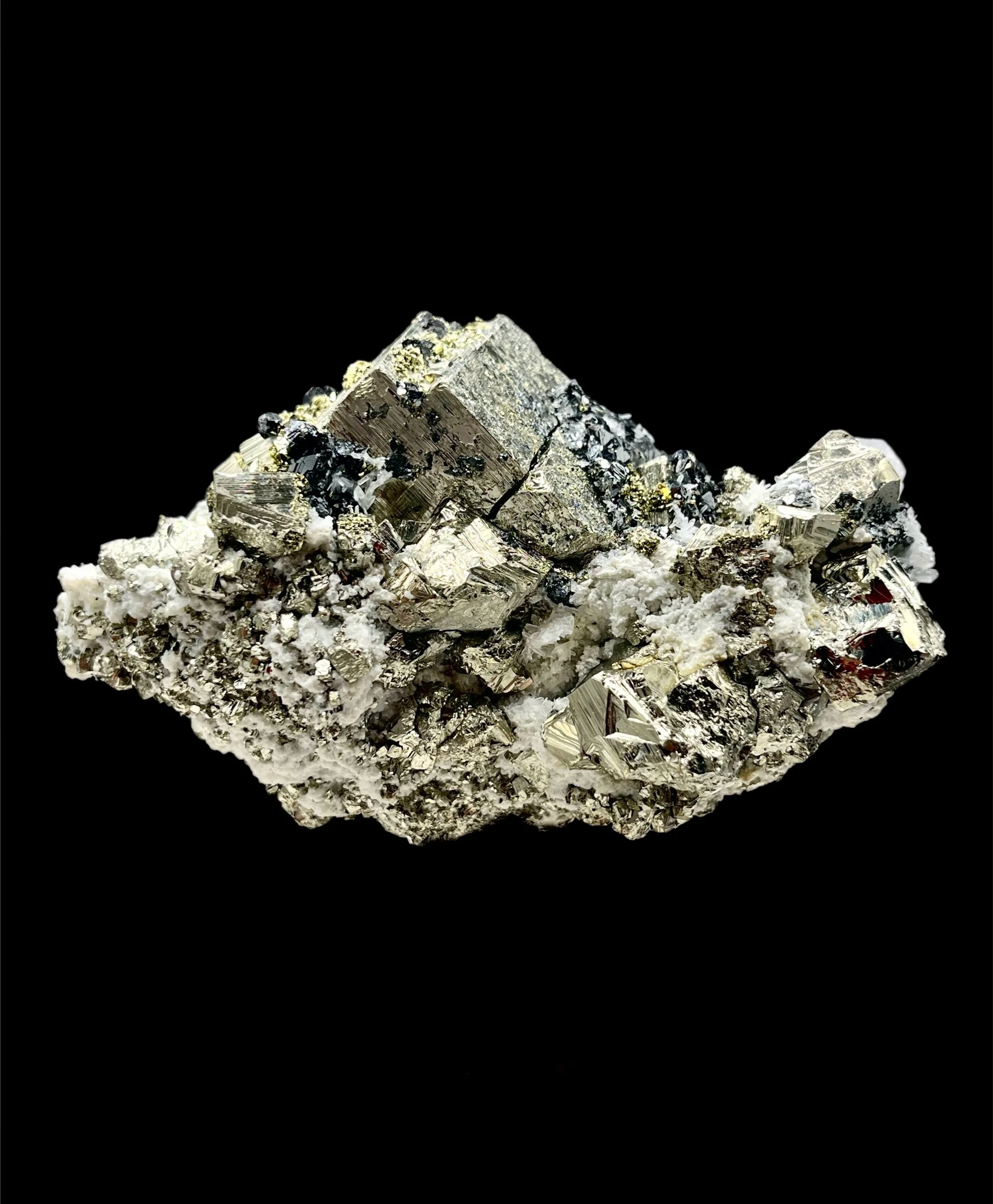
This barite with pyrite specimen features radiating, bladed barite crystals fanning outward from a dense central growth zone. The crystals range from pale champagne to warm honey tones, with translucent edges and crisp terminations that catch the light at multiple angles.
Fine pyrite inclusions are visible along internal seams and between crystal blades, adding metallic contrast and depth without dominating the specimen. The combination of radial growth and layered translucence gives this specimen a dynamic, almost starburst-like appearance.
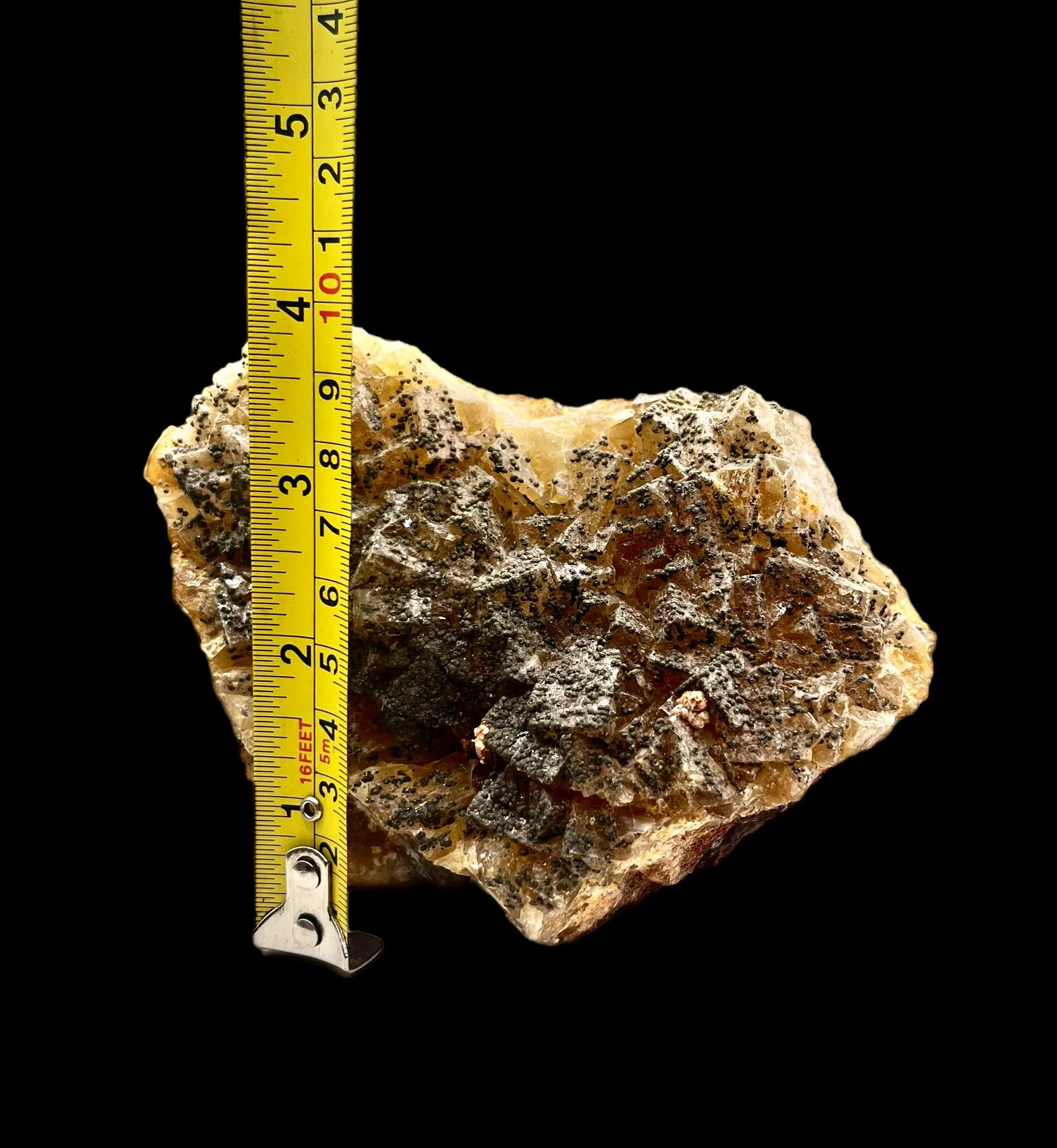
Dimensions: 3.5” x 2.75” x 2”
Weight: 457g
Barite is often associated with grounding complex energy and supporting clarity, organization, and focus. In radiating formations, it is sometimes thought to help disperse stagnant energy and encourage flow. Pyrite is traditionally linked with confidence, motivation, and protection, symbolically reinforcing strength and forward momentum.
This specimen stands out for its pronounced radial crystal habit, which is less common than stacked or parallel barite growth. The blades are well-defined with strong directional movement, creating visual impact from multiple viewing angles. Pyrite appears naturally integrated within the crystal structure, indicating genuine co-formation in a sulfur-rich hydrothermal environment. A standout choice for collectors who value dynamic form and expressive crystal growth.
Radiating, fan-like bladed barite crystals
Strong sense of movement and directional growth
Naturally occurring pyrite inclusions
Excellent champagne to honey coloration
Gemmy luster
Barite (BaSO₄) crystallizes in hydrothermal veins and sedimentary environments, commonly forming tabular or bladed habits. Radial growth occurs when crystals nucleate from a central point under fluctuating conditions. Pyrite (FeS₂) frequently forms in the same sulfur-rich systems and becomes incorporated along crystal boundaries and internal growth zones.
This barite with pyrite specimen features radiating, bladed barite crystals fanning outward from a dense central growth zone. The crystals range from pale champagne to warm honey tones, with translucent edges and crisp terminations that catch the light at multiple angles.
Fine pyrite inclusions are visible along internal seams and between crystal blades, adding metallic contrast and depth without dominating the specimen. The combination of radial growth and layered translucence gives this specimen a dynamic, almost starburst-like appearance.
Dimensions: 3.5” x 2.75” x 2”
Weight: 457g
Barite is often associated with grounding complex energy and supporting clarity, organization, and focus. In radiating formations, it is sometimes thought to help disperse stagnant energy and encourage flow. Pyrite is traditionally linked with confidence, motivation, and protection, symbolically reinforcing strength and forward momentum.
This specimen stands out for its pronounced radial crystal habit, which is less common than stacked or parallel barite growth. The blades are well-defined with strong directional movement, creating visual impact from multiple viewing angles. Pyrite appears naturally integrated within the crystal structure, indicating genuine co-formation in a sulfur-rich hydrothermal environment. A standout choice for collectors who value dynamic form and expressive crystal growth.
Radiating, fan-like bladed barite crystals
Strong sense of movement and directional growth
Naturally occurring pyrite inclusions
Excellent champagne to honey coloration
Gemmy luster
Barite (BaSO₄) crystallizes in hydrothermal veins and sedimentary environments, commonly forming tabular or bladed habits. Radial growth occurs when crystals nucleate from a central point under fluctuating conditions. Pyrite (FeS₂) frequently forms in the same sulfur-rich systems and becomes incorporated along crystal boundaries and internal growth zones.