 Image 1 of 5
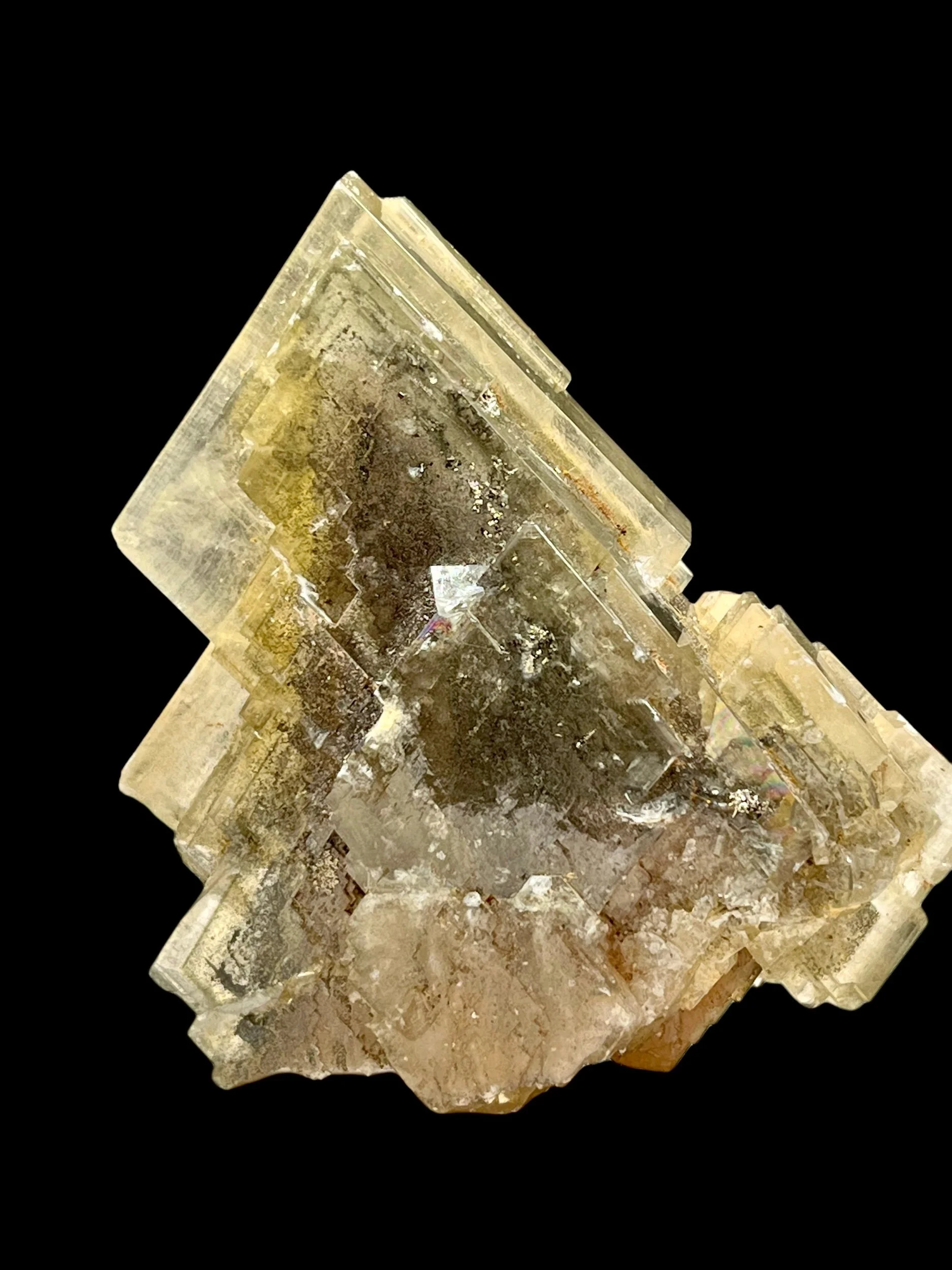 Image 2 of 5
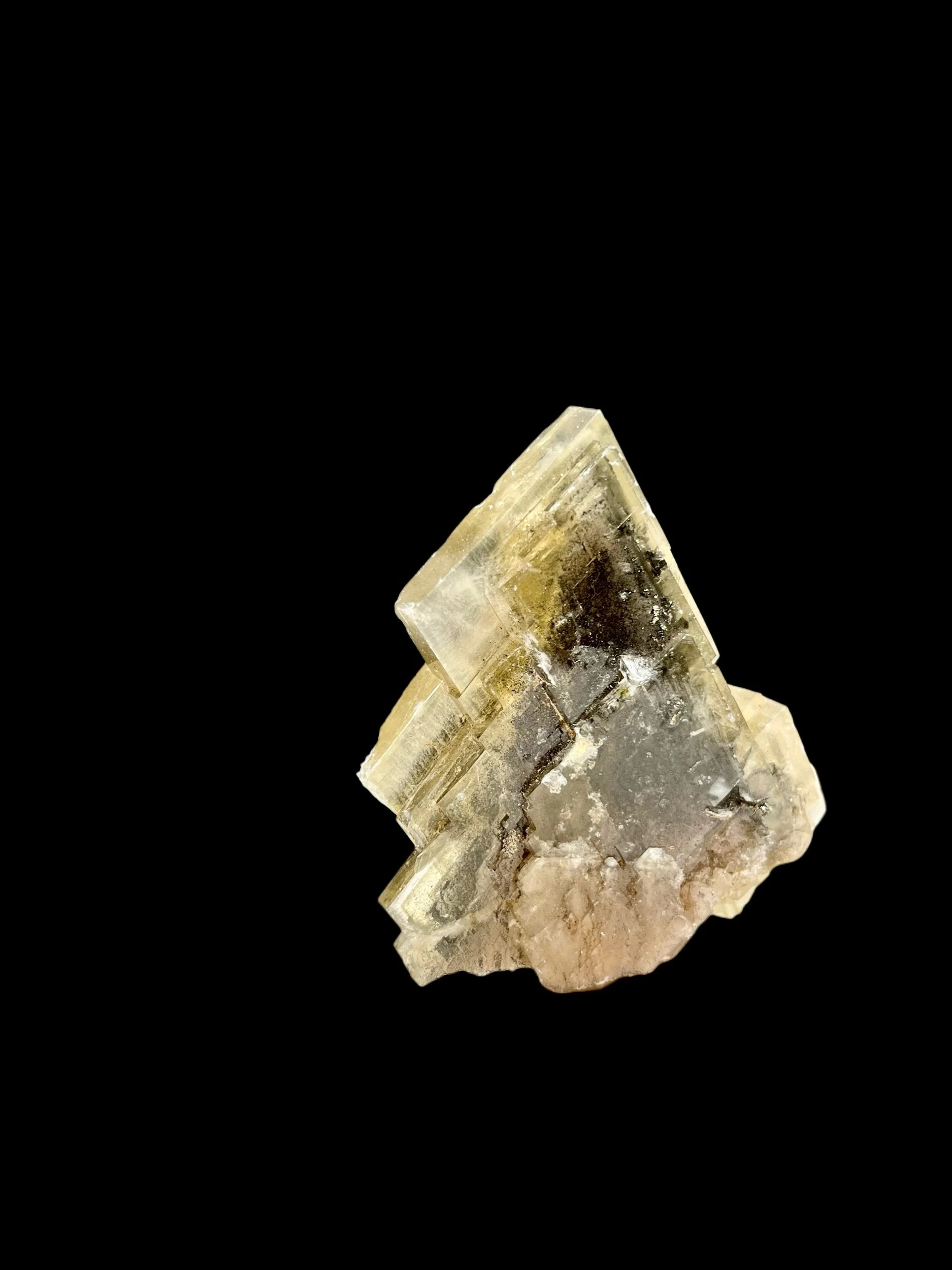 Image 3 of 5
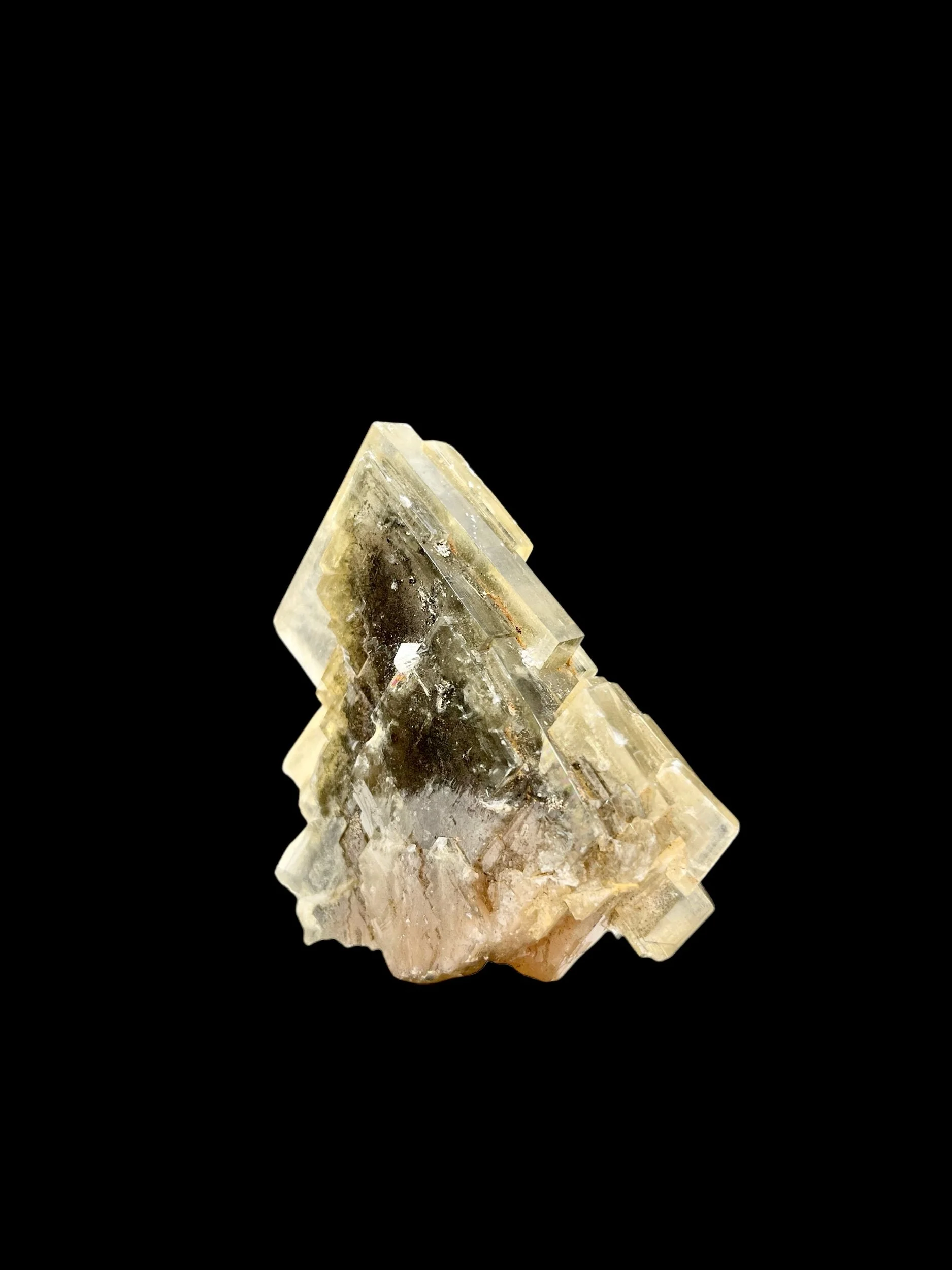 Image 4 of 5
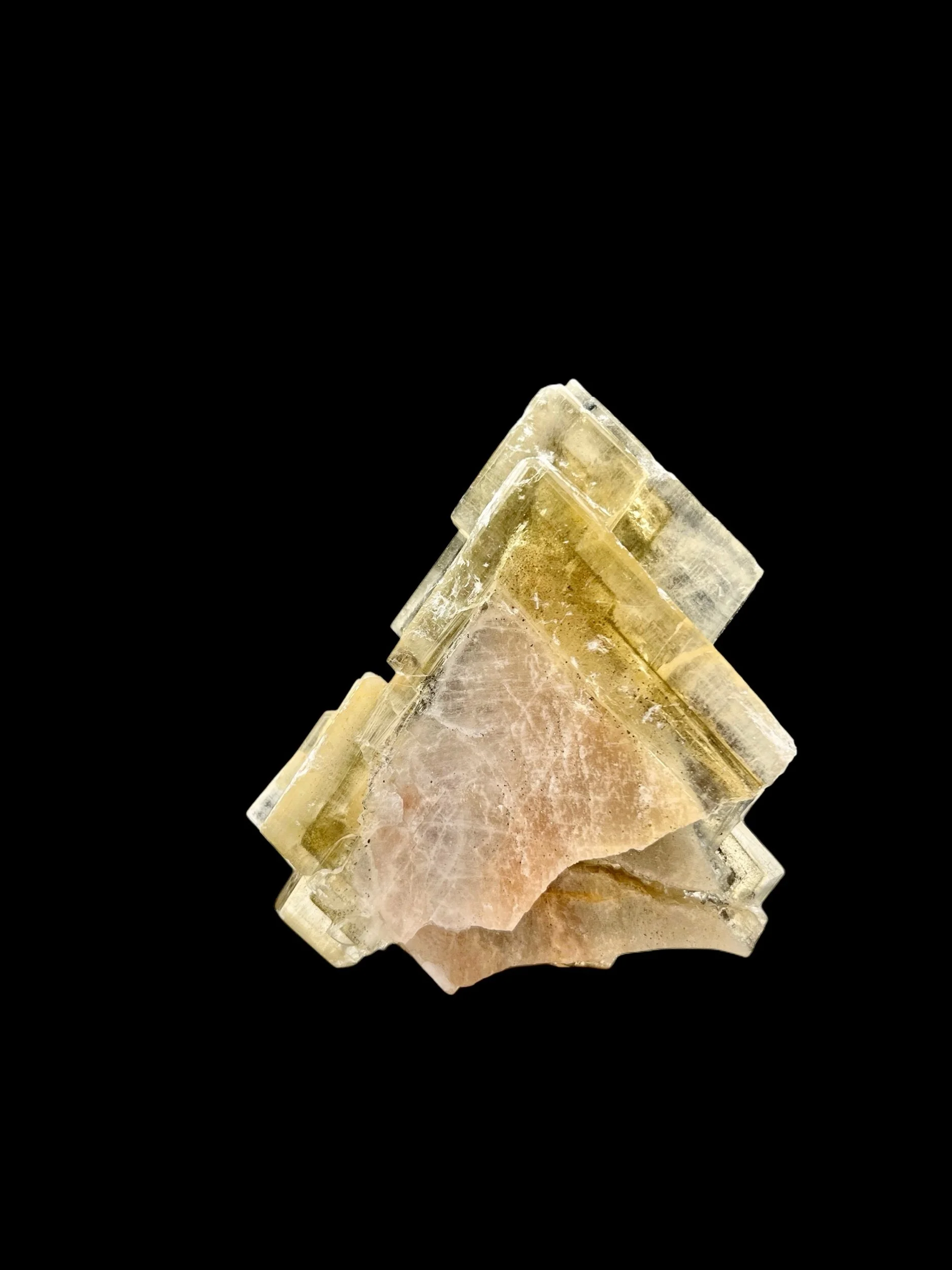 Image 5 of 5
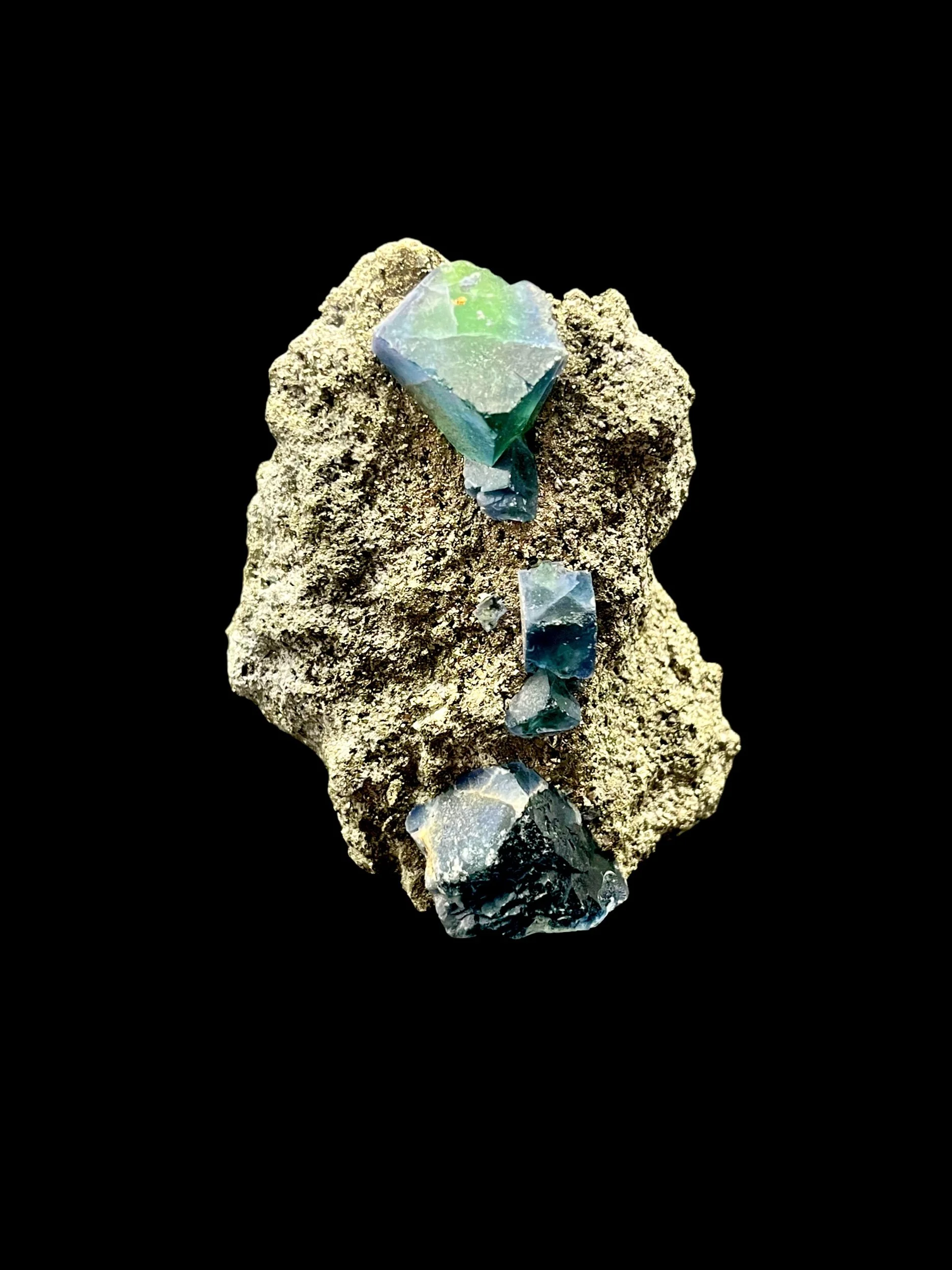
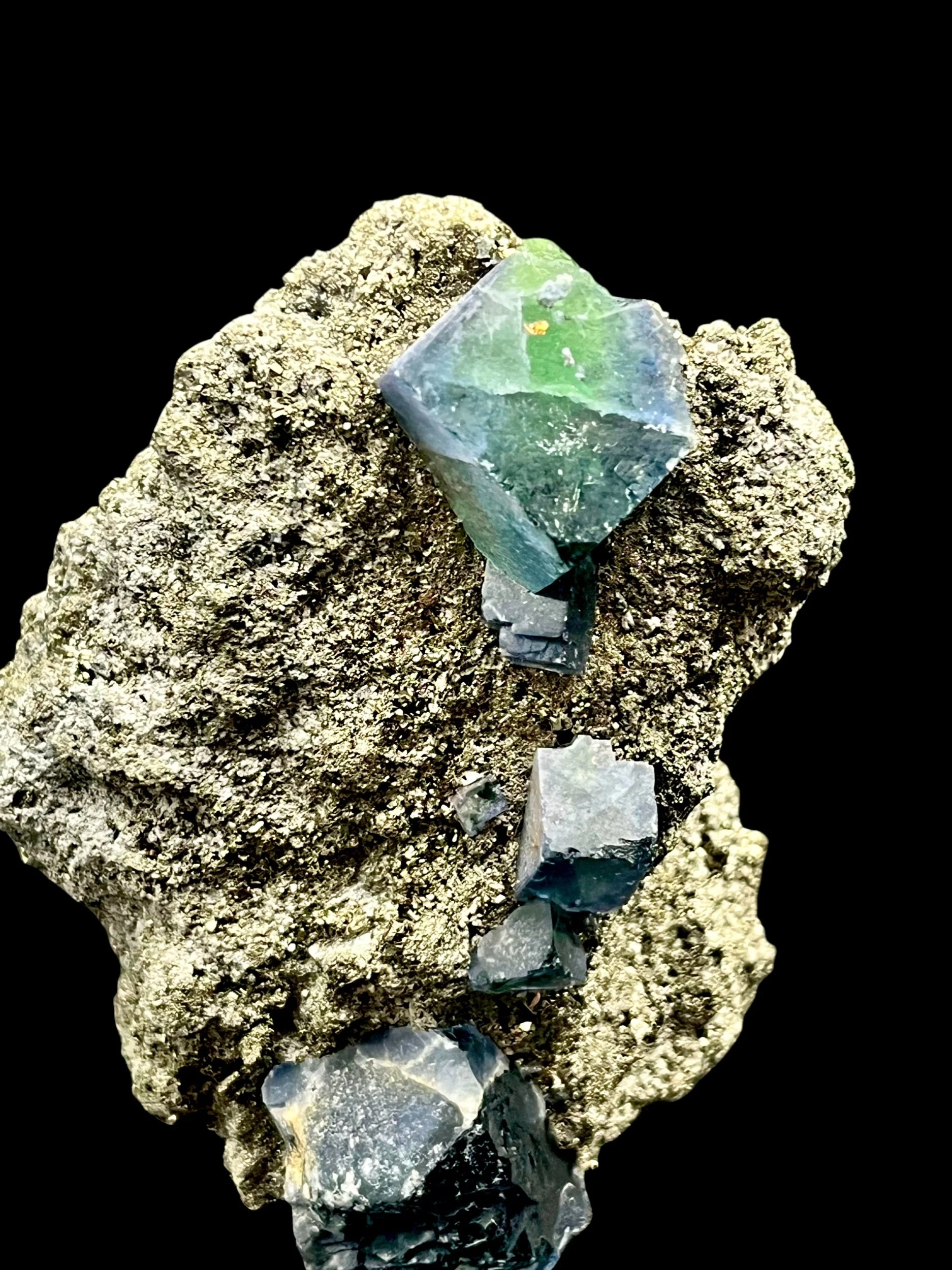
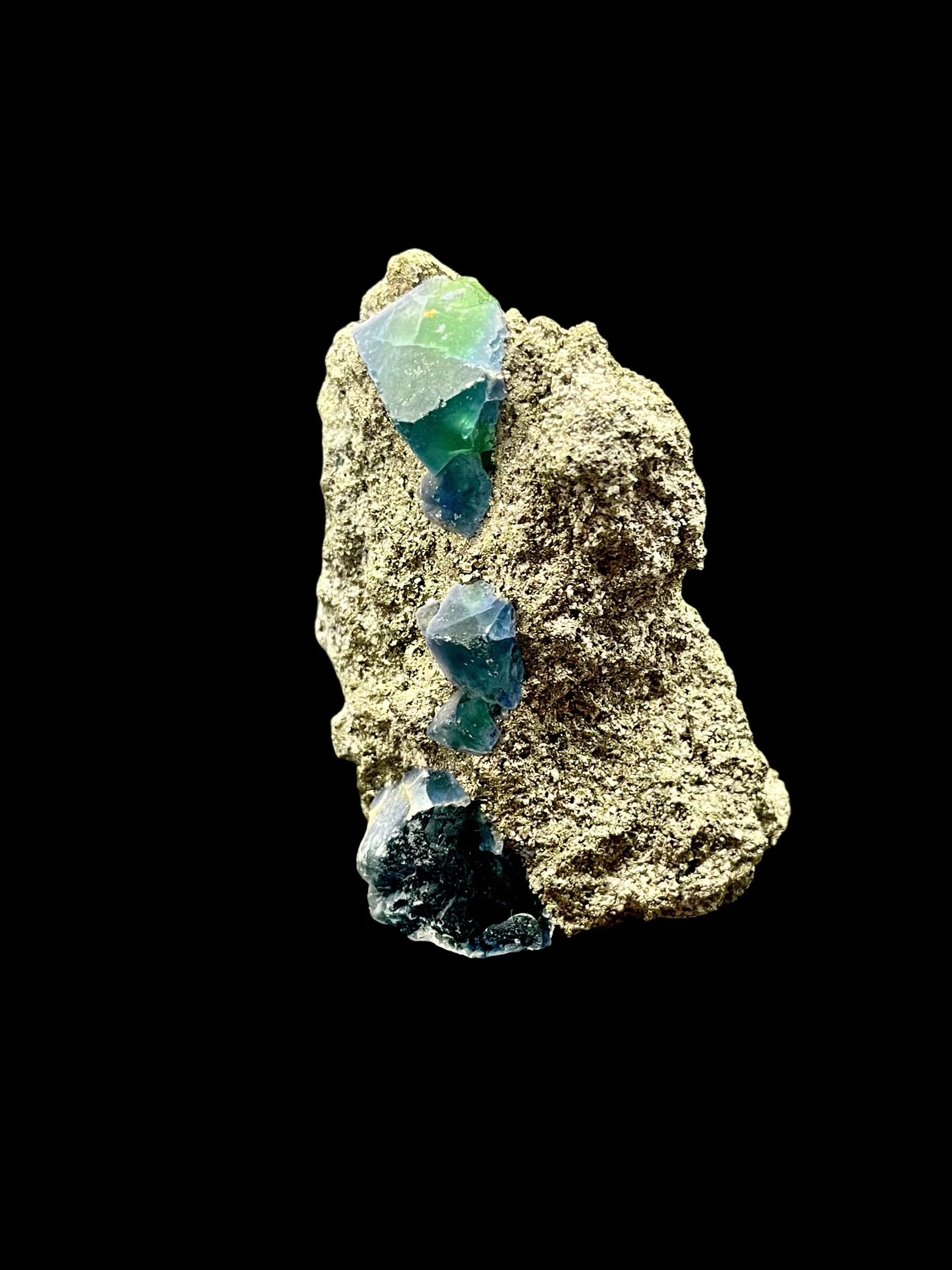
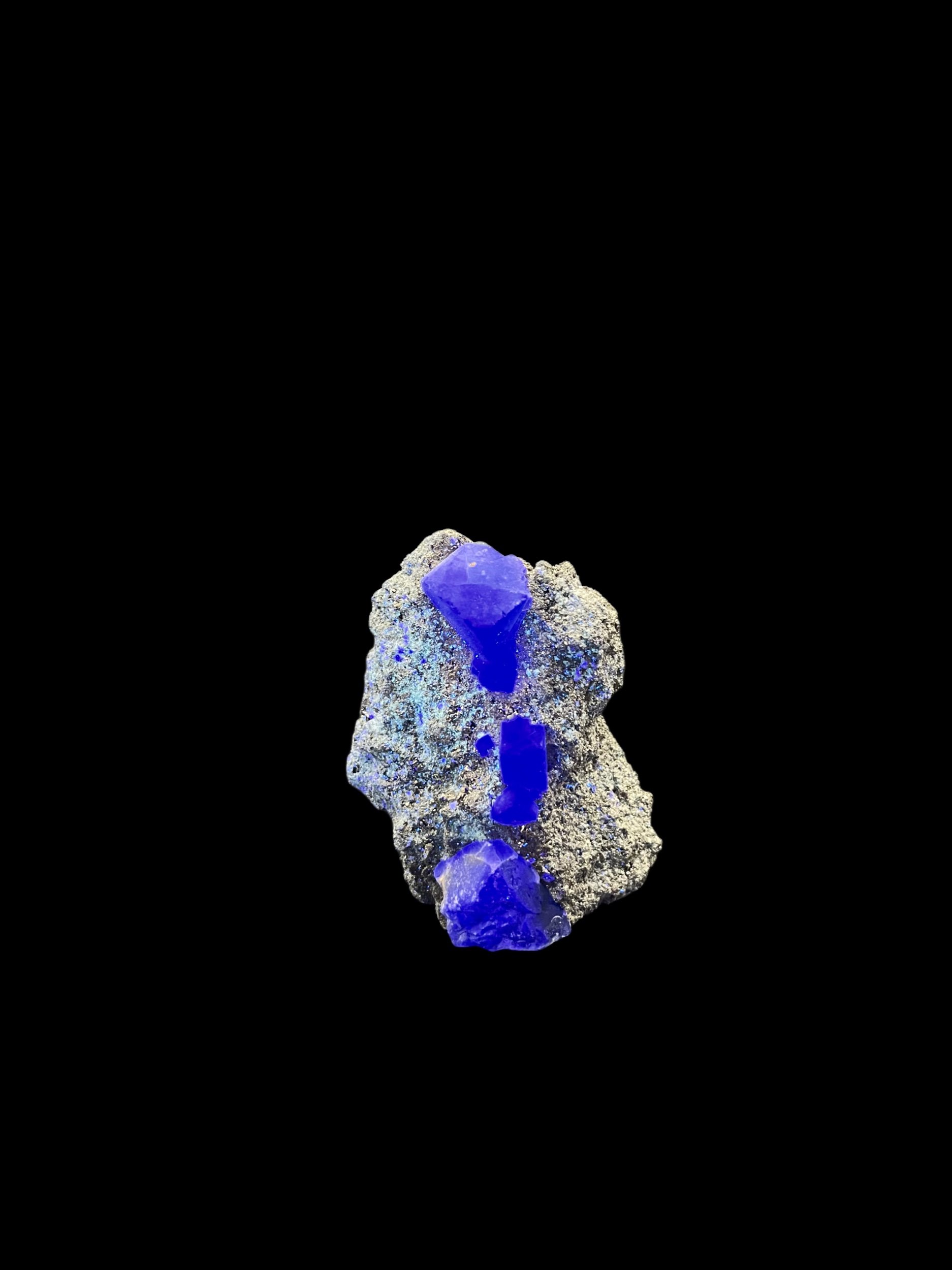
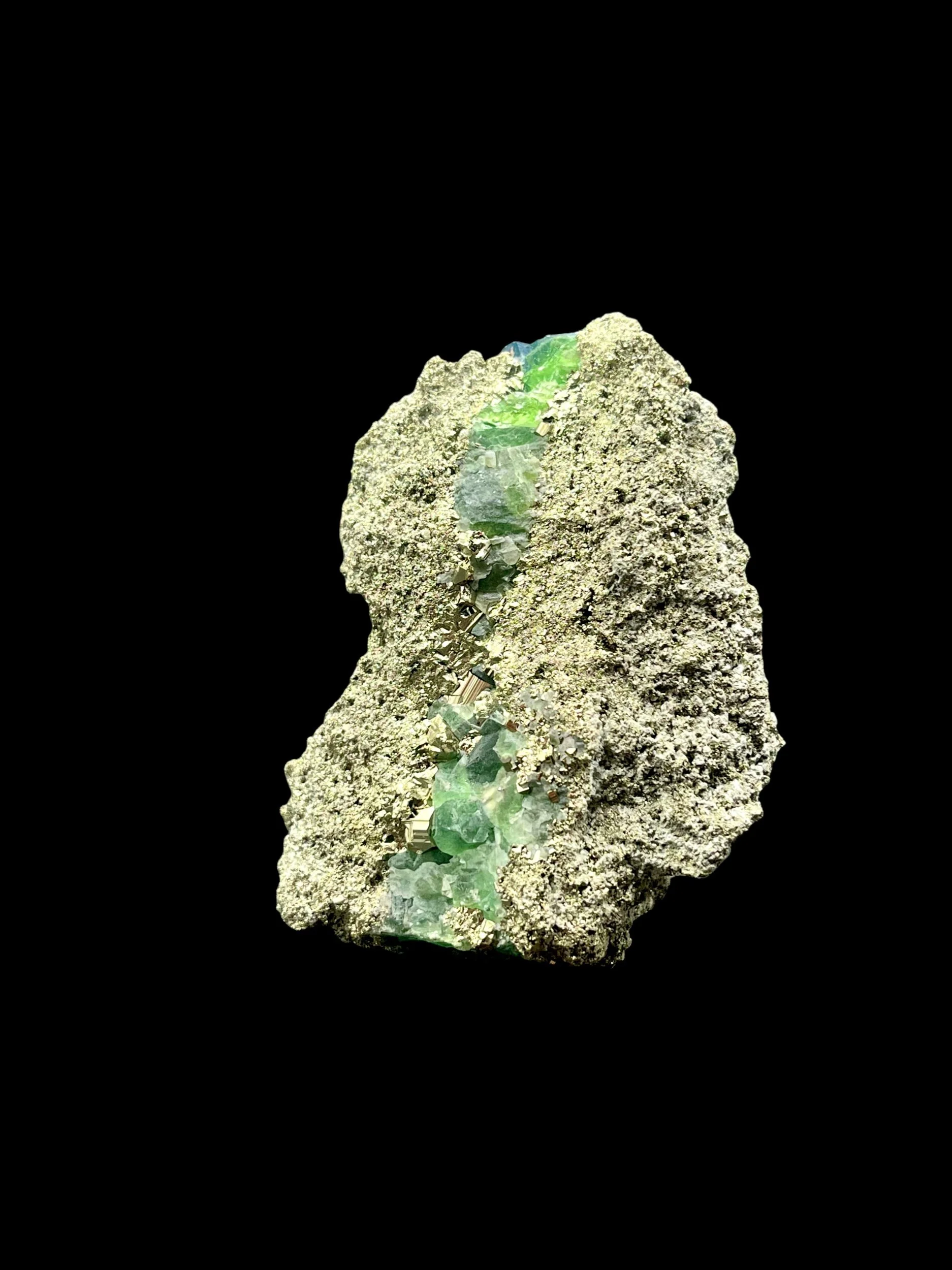
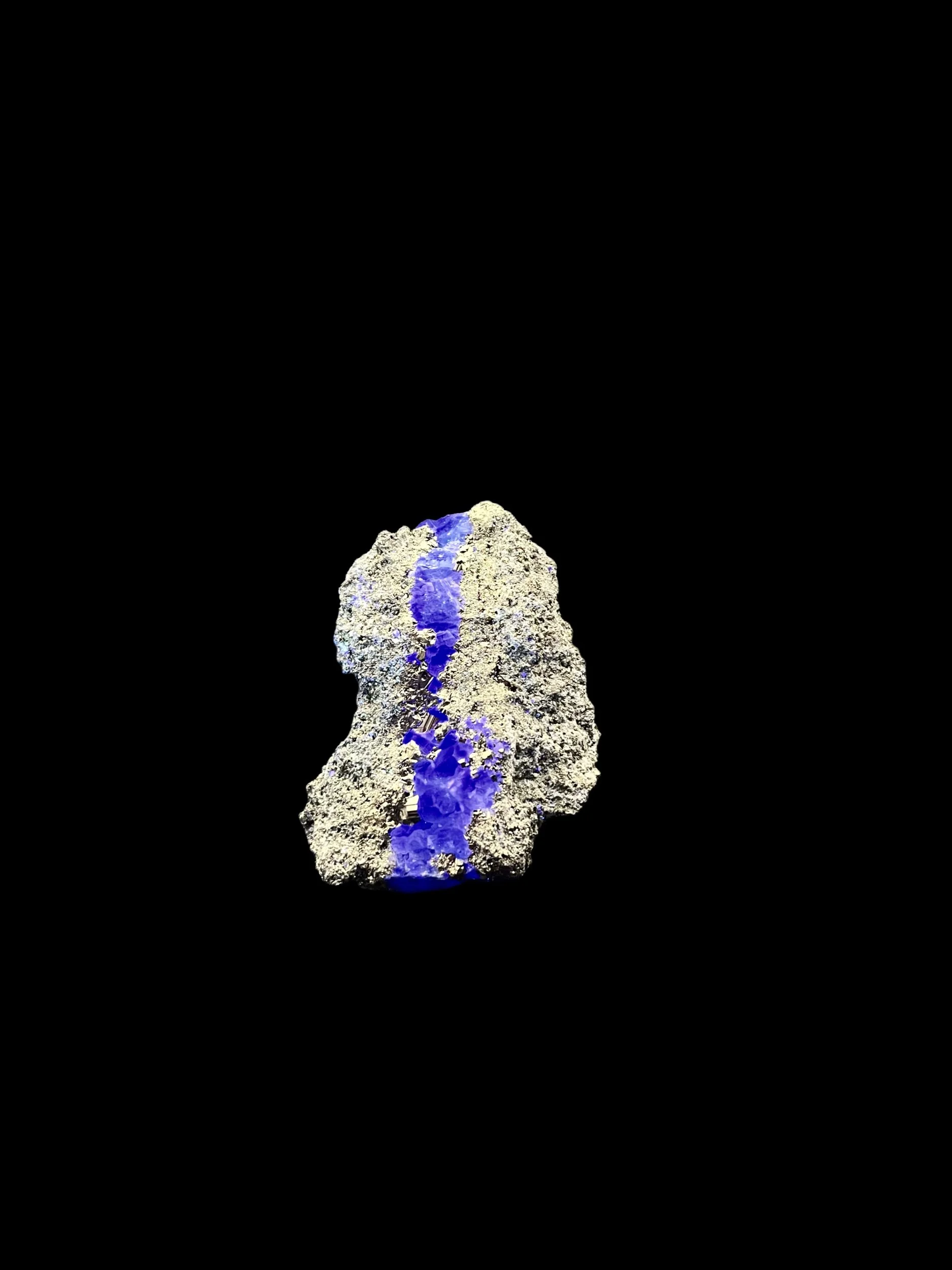
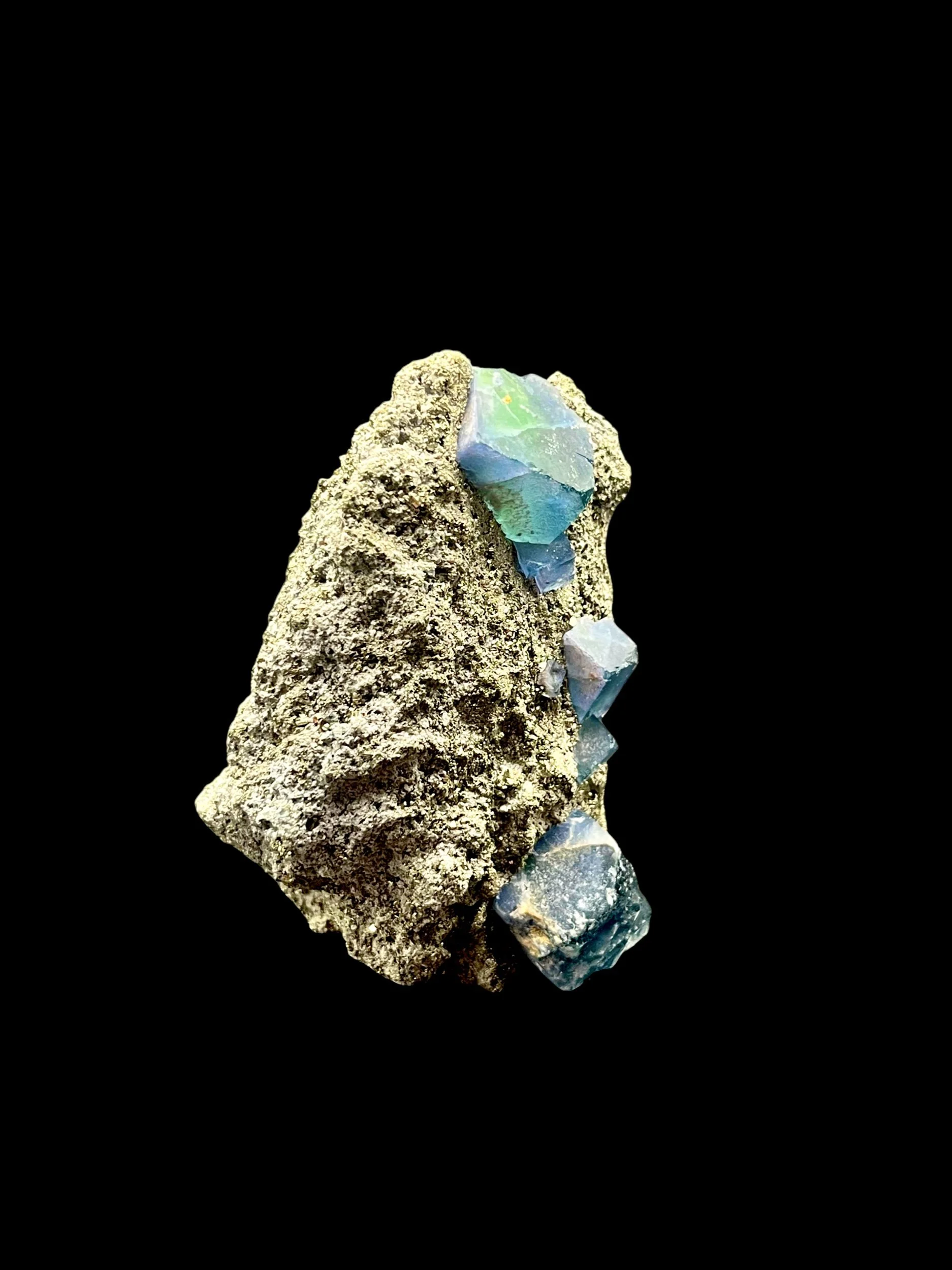
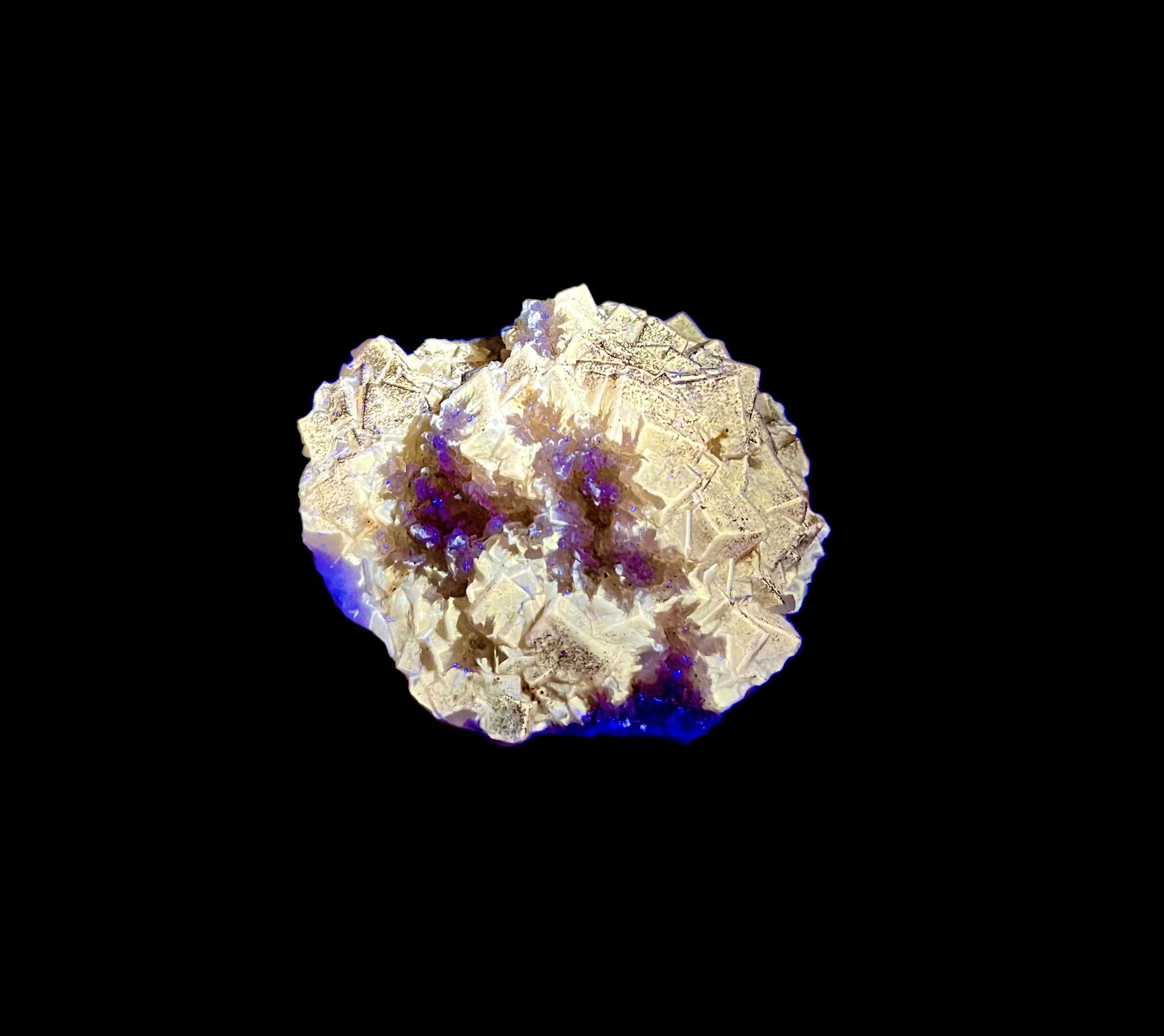
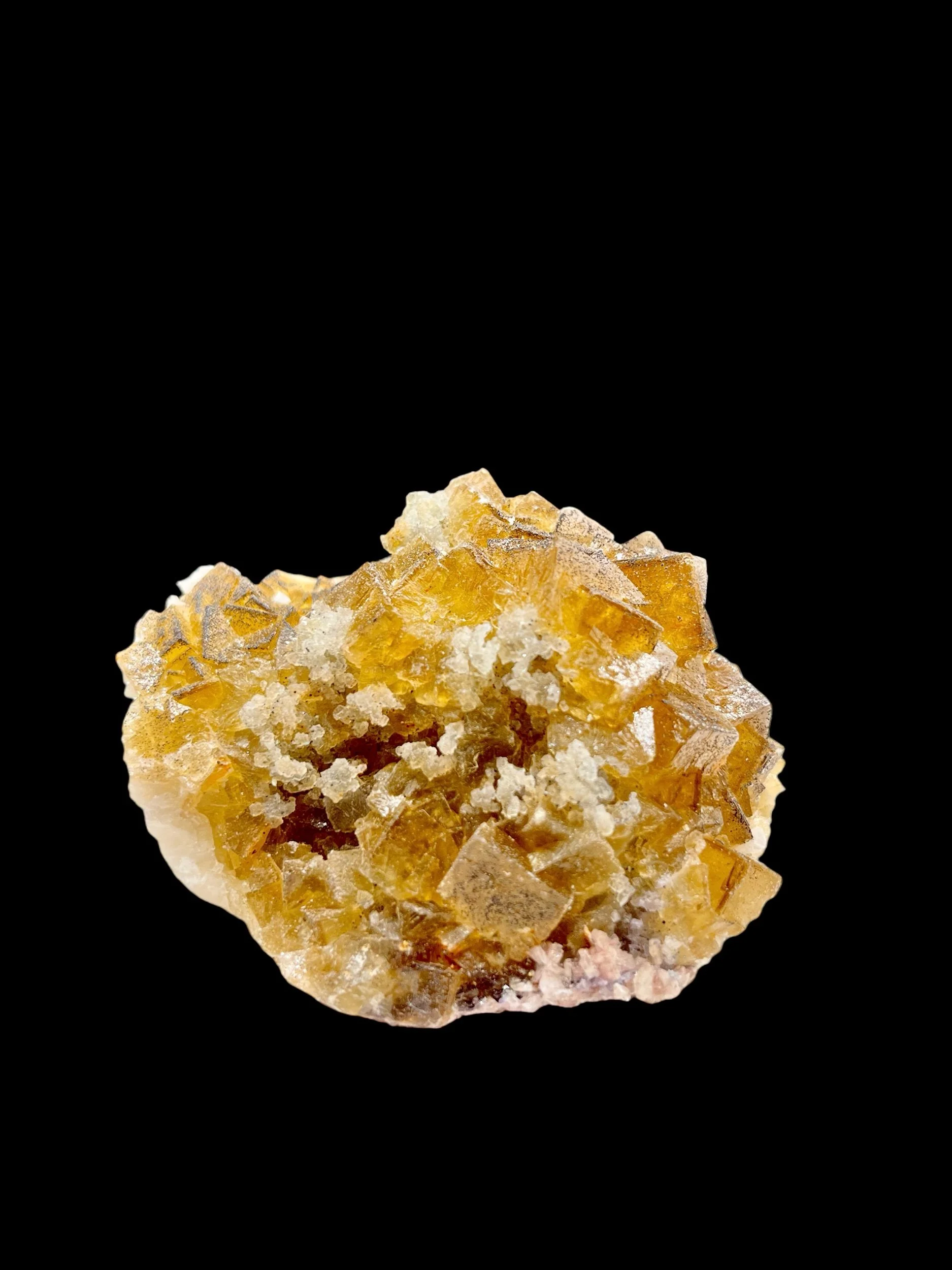
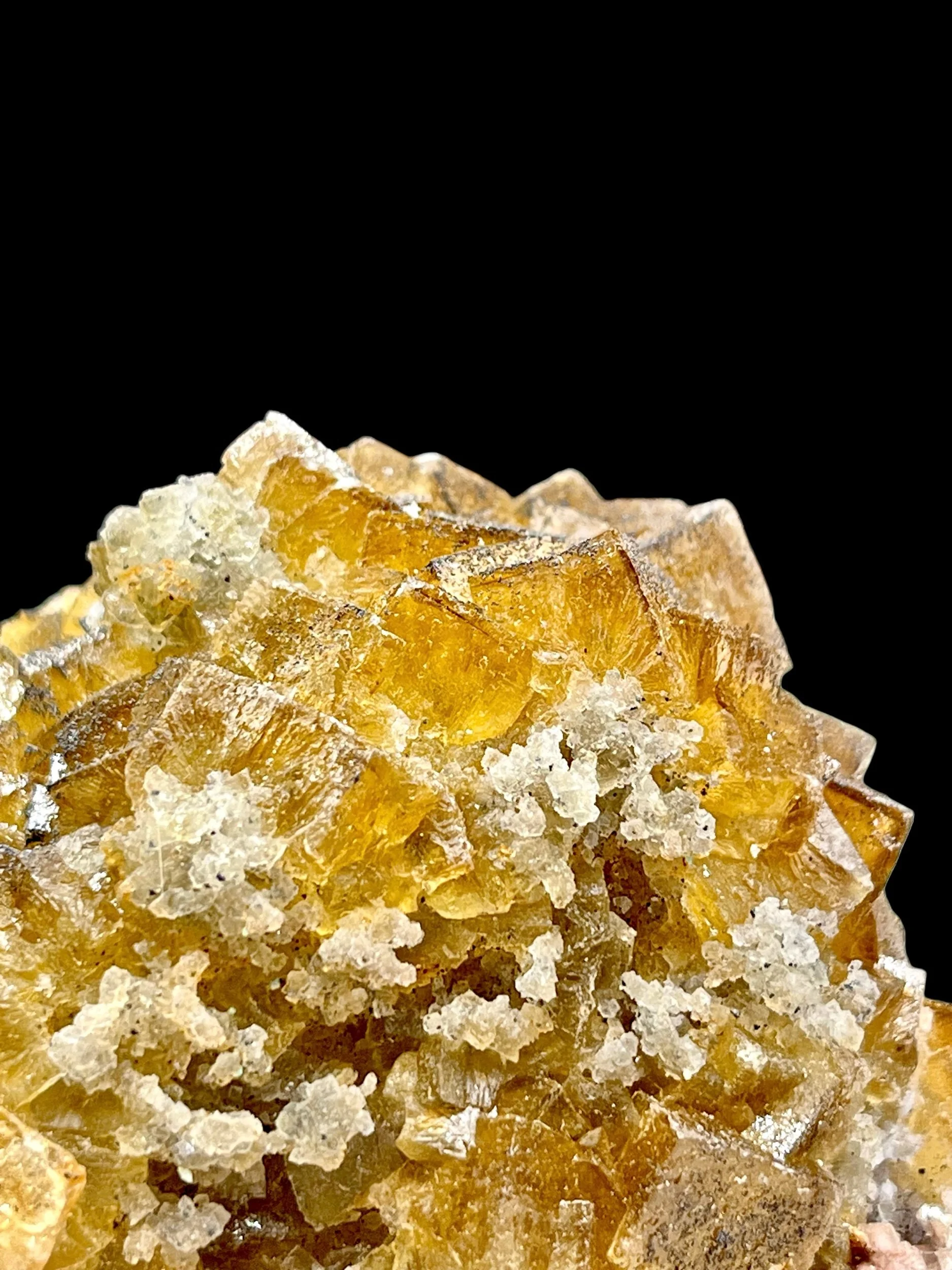
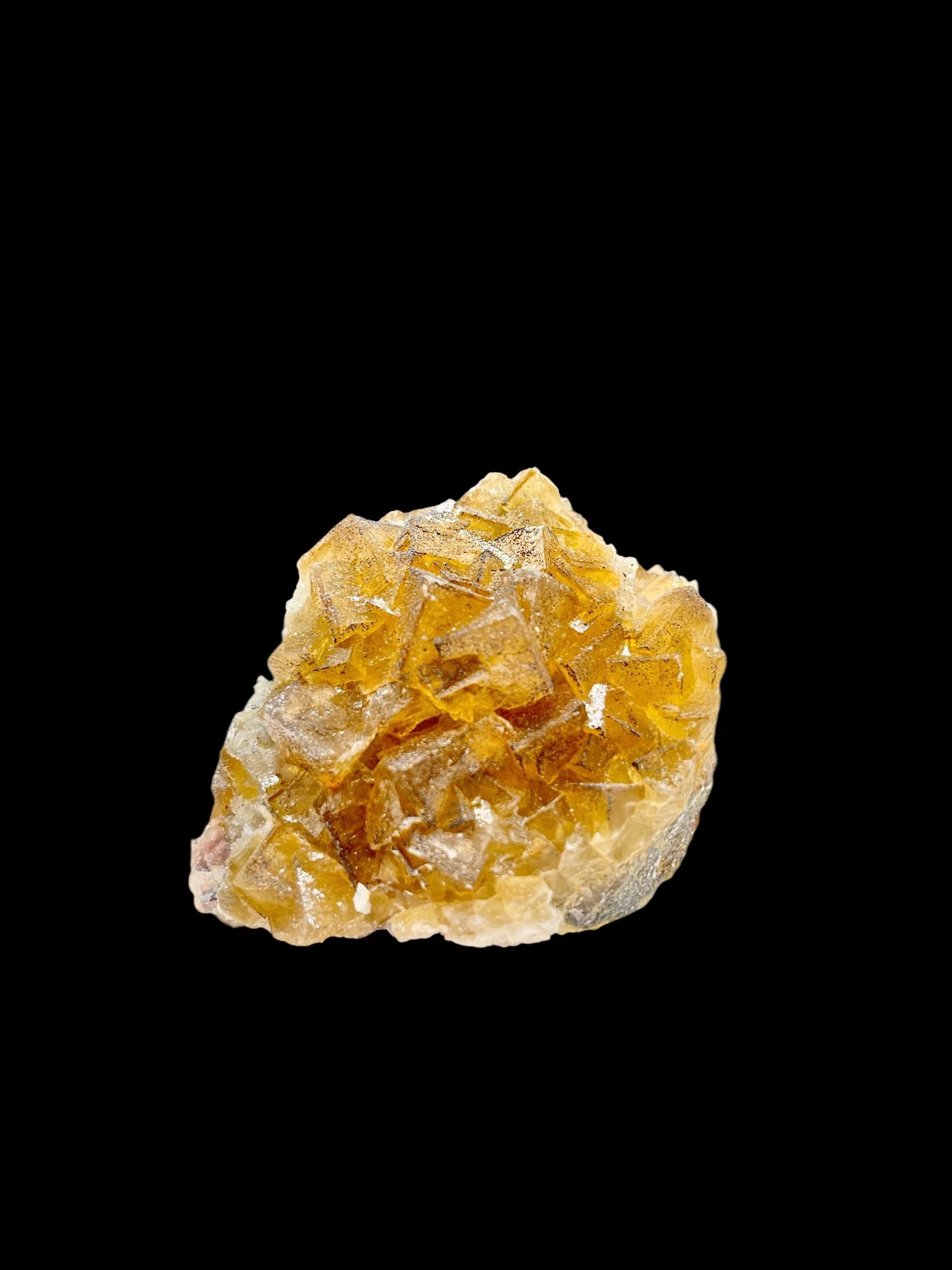
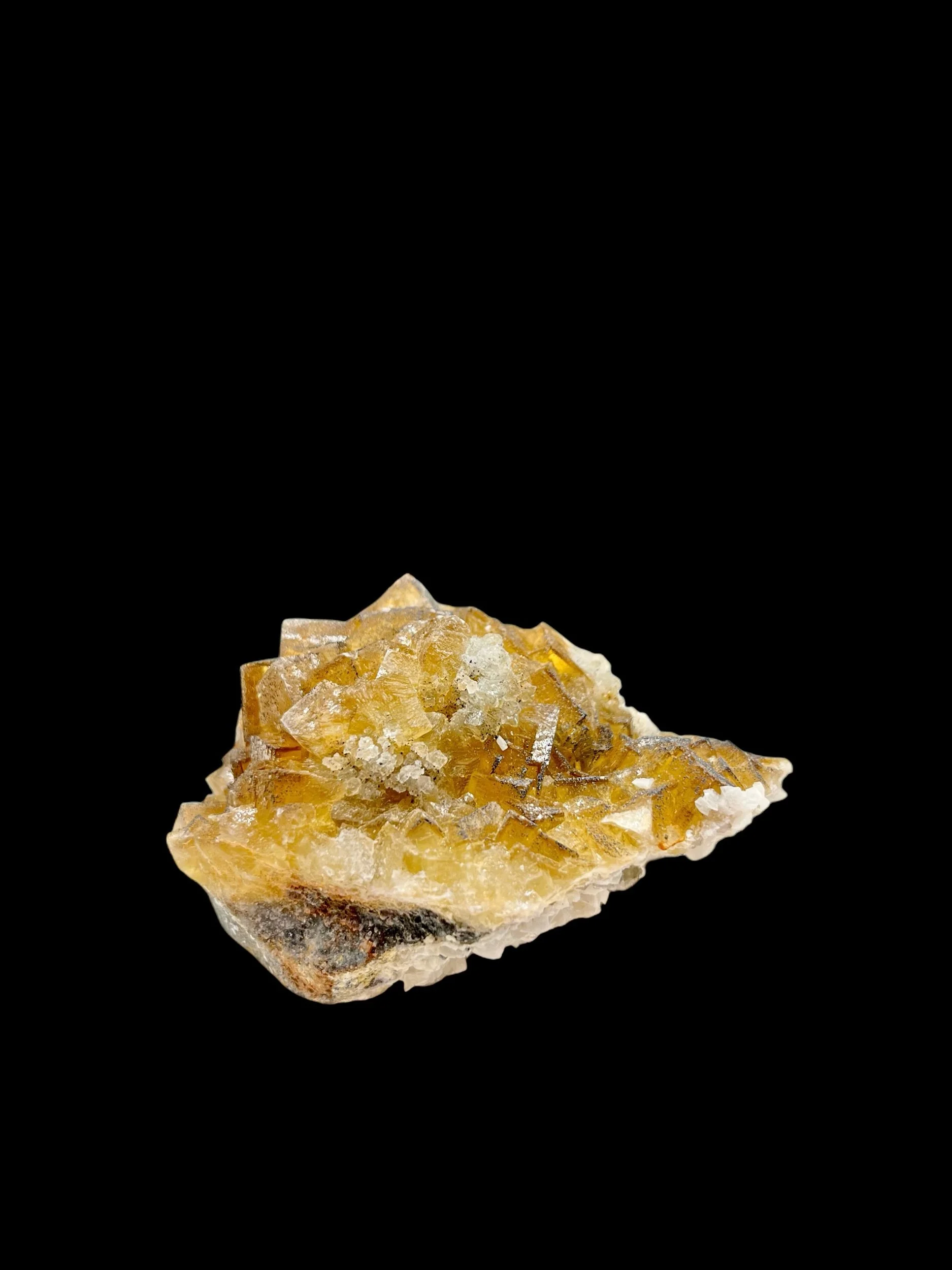
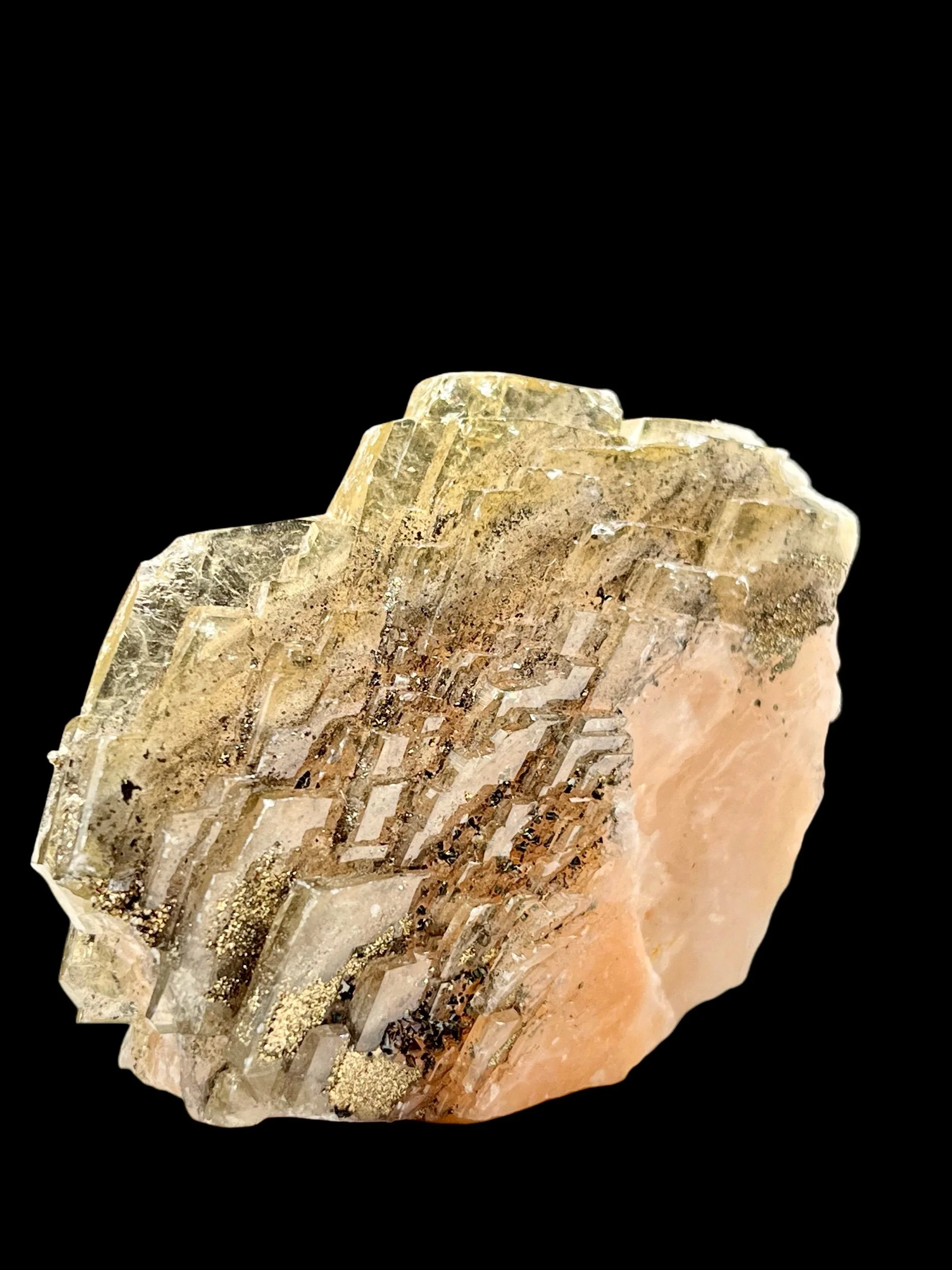
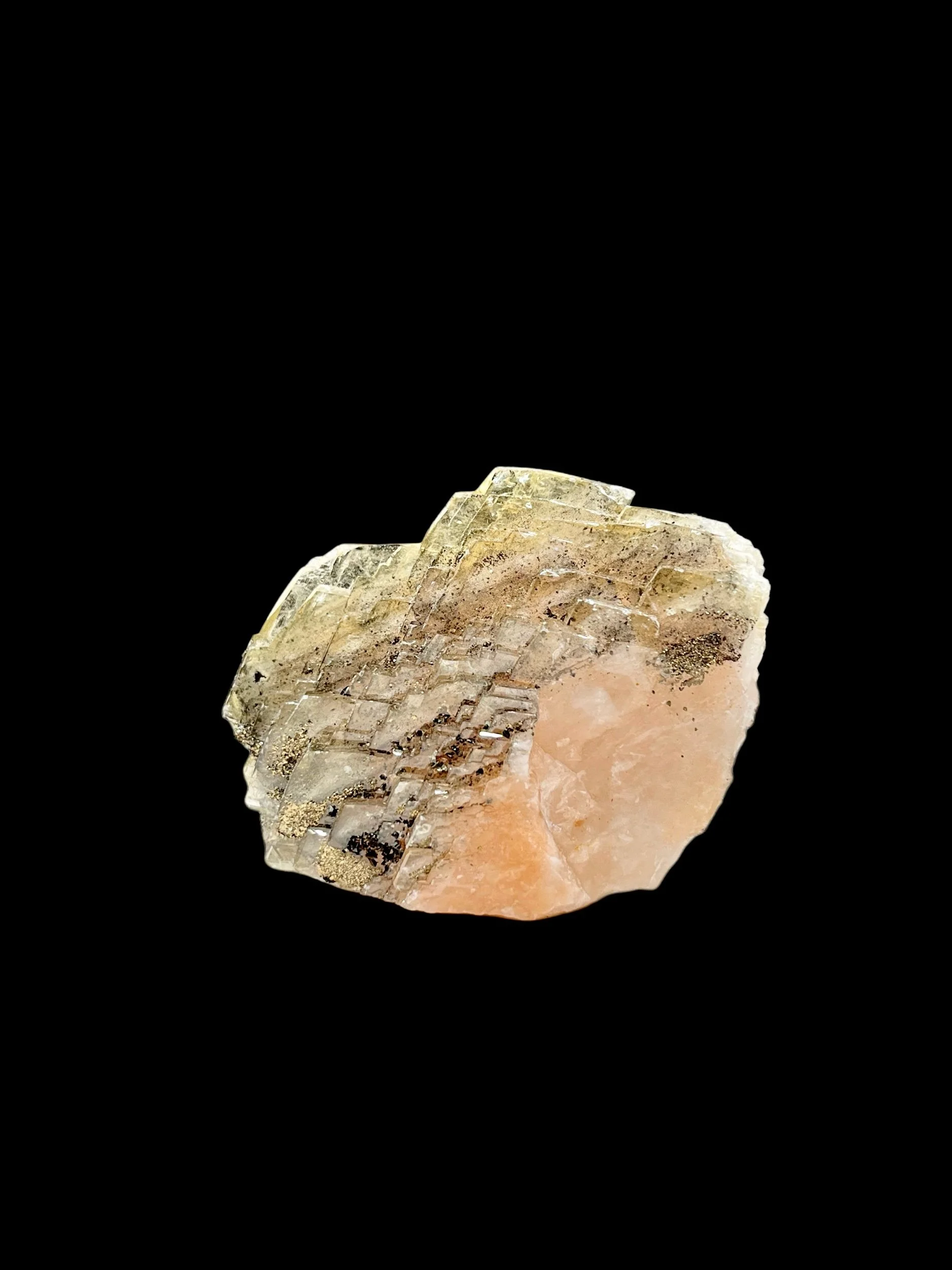
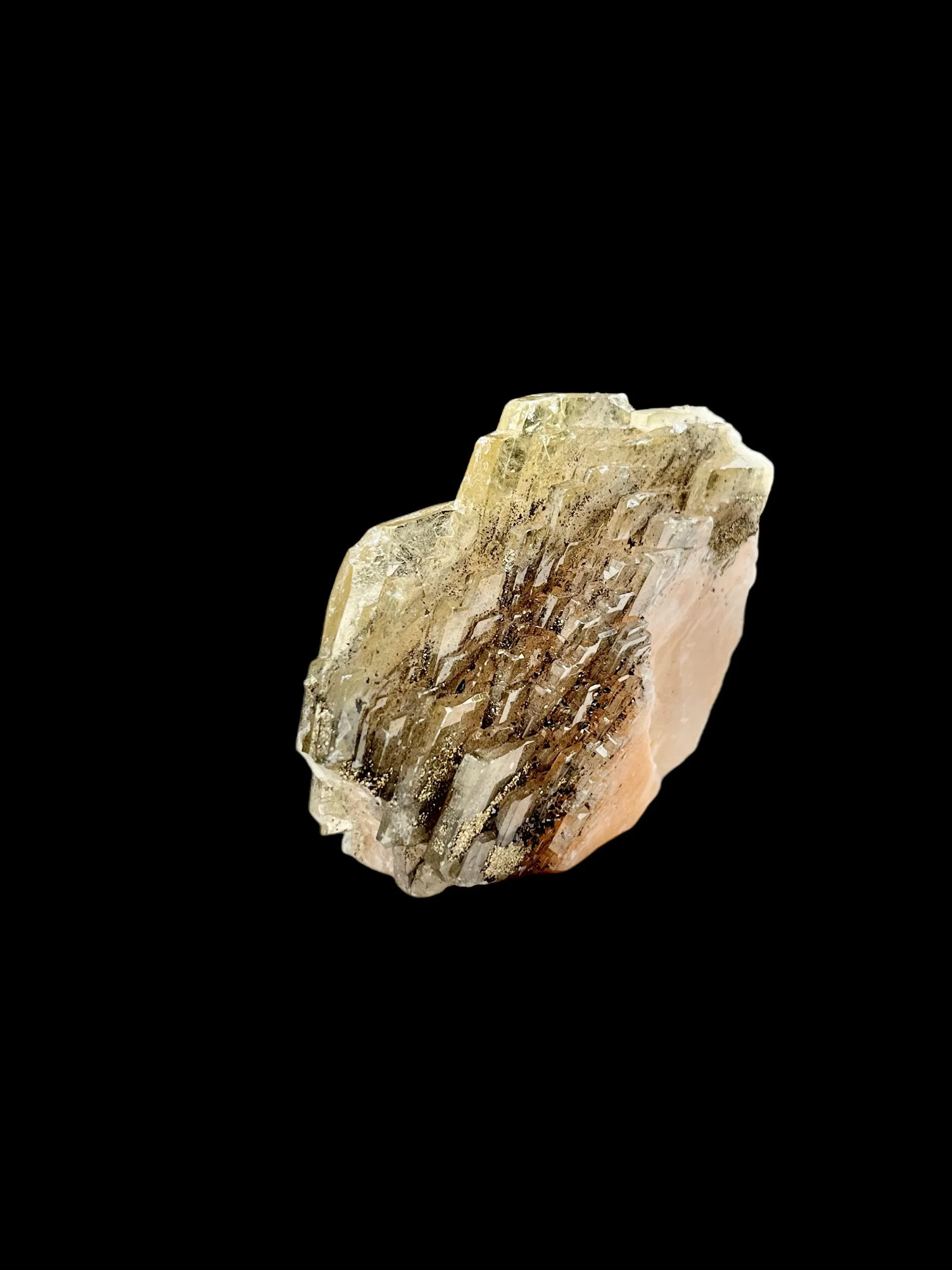
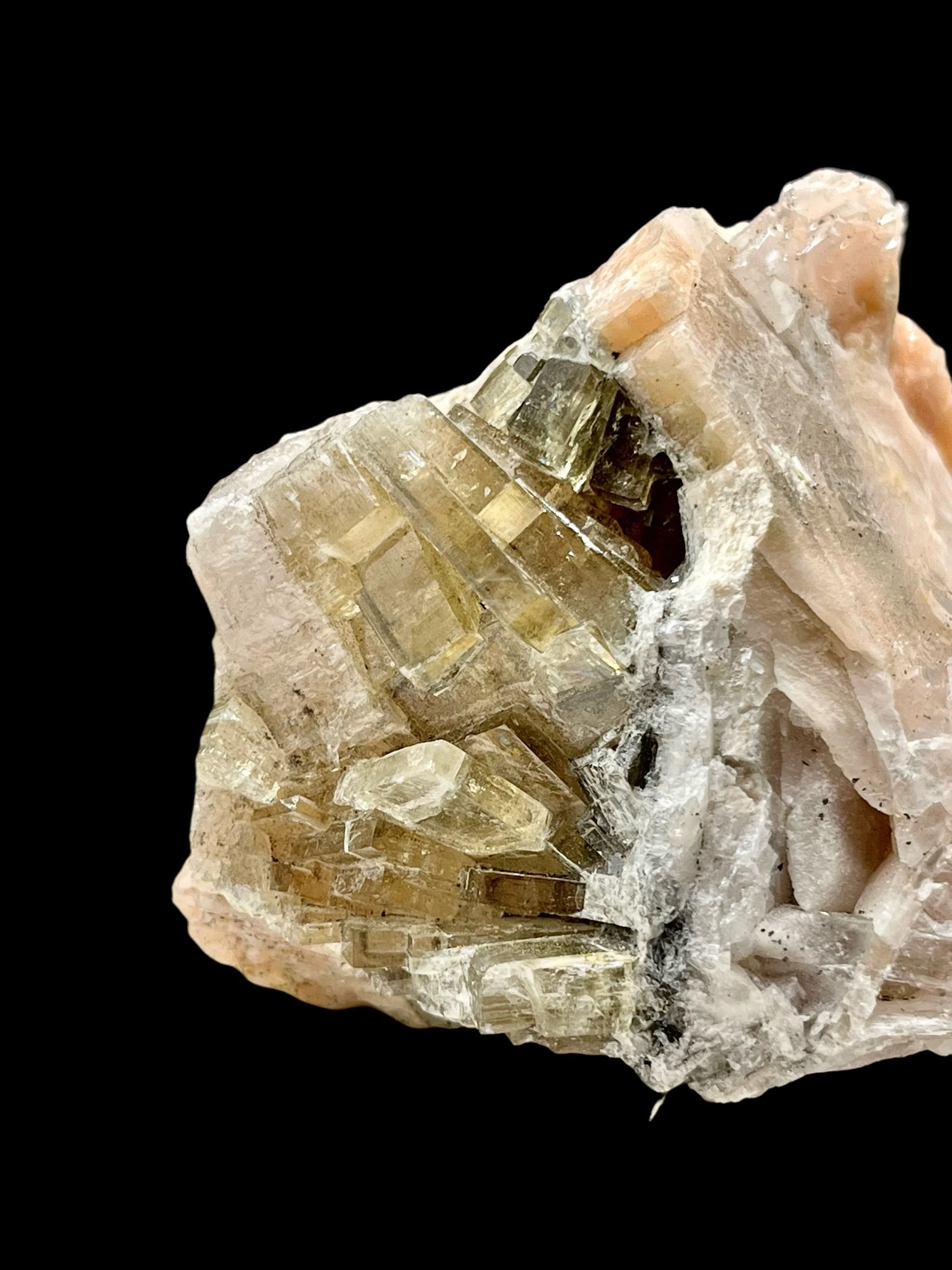
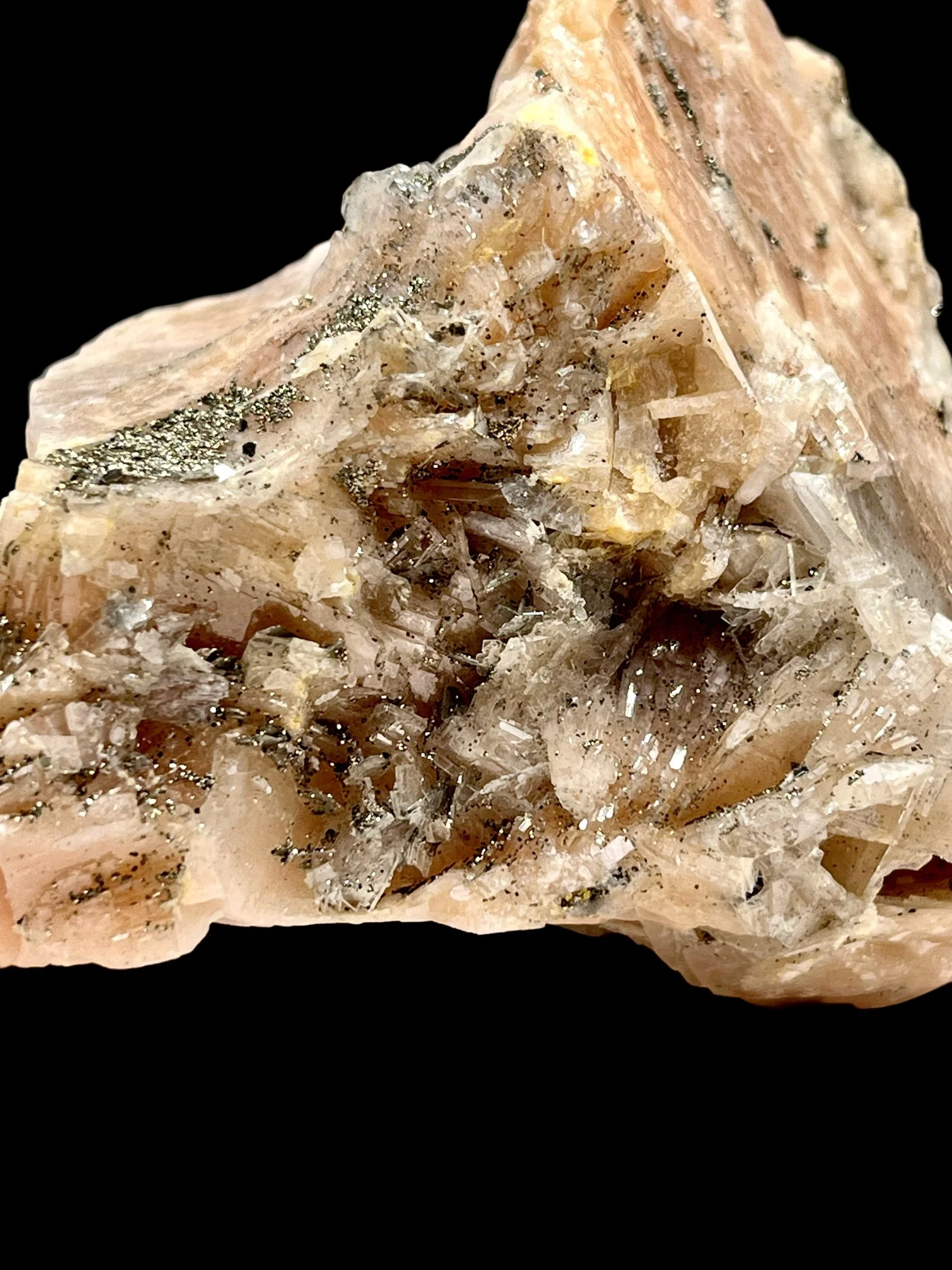
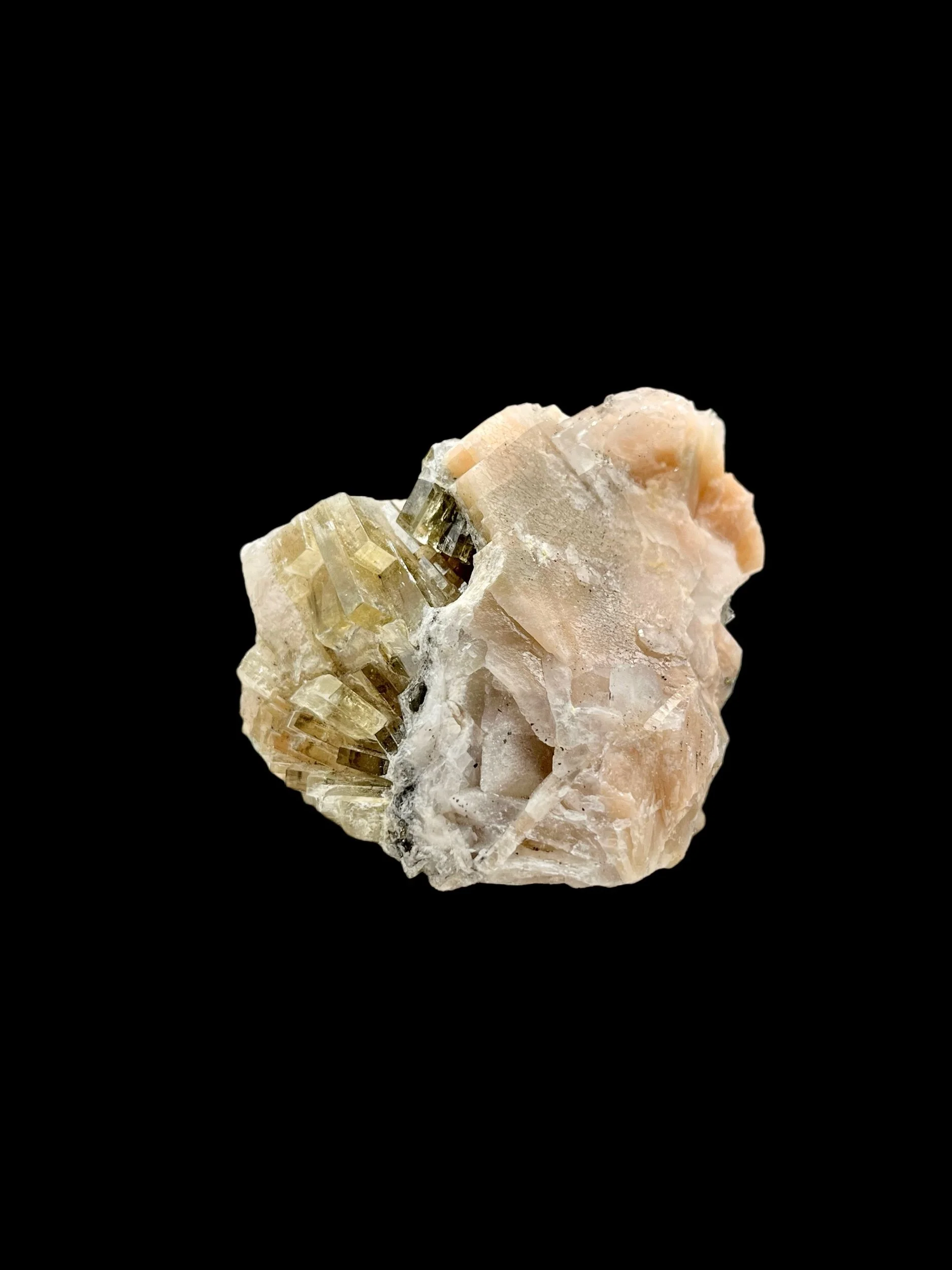
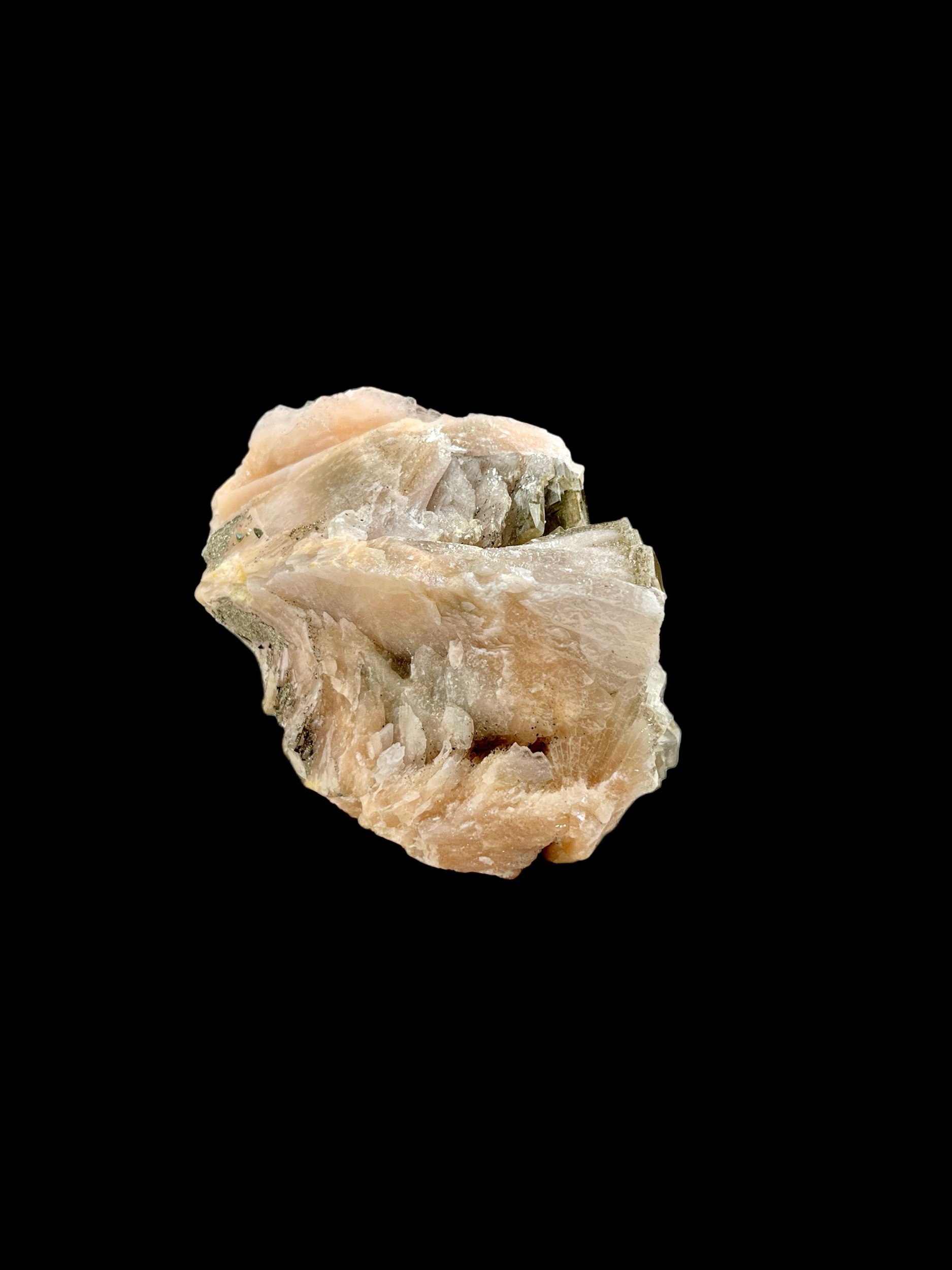
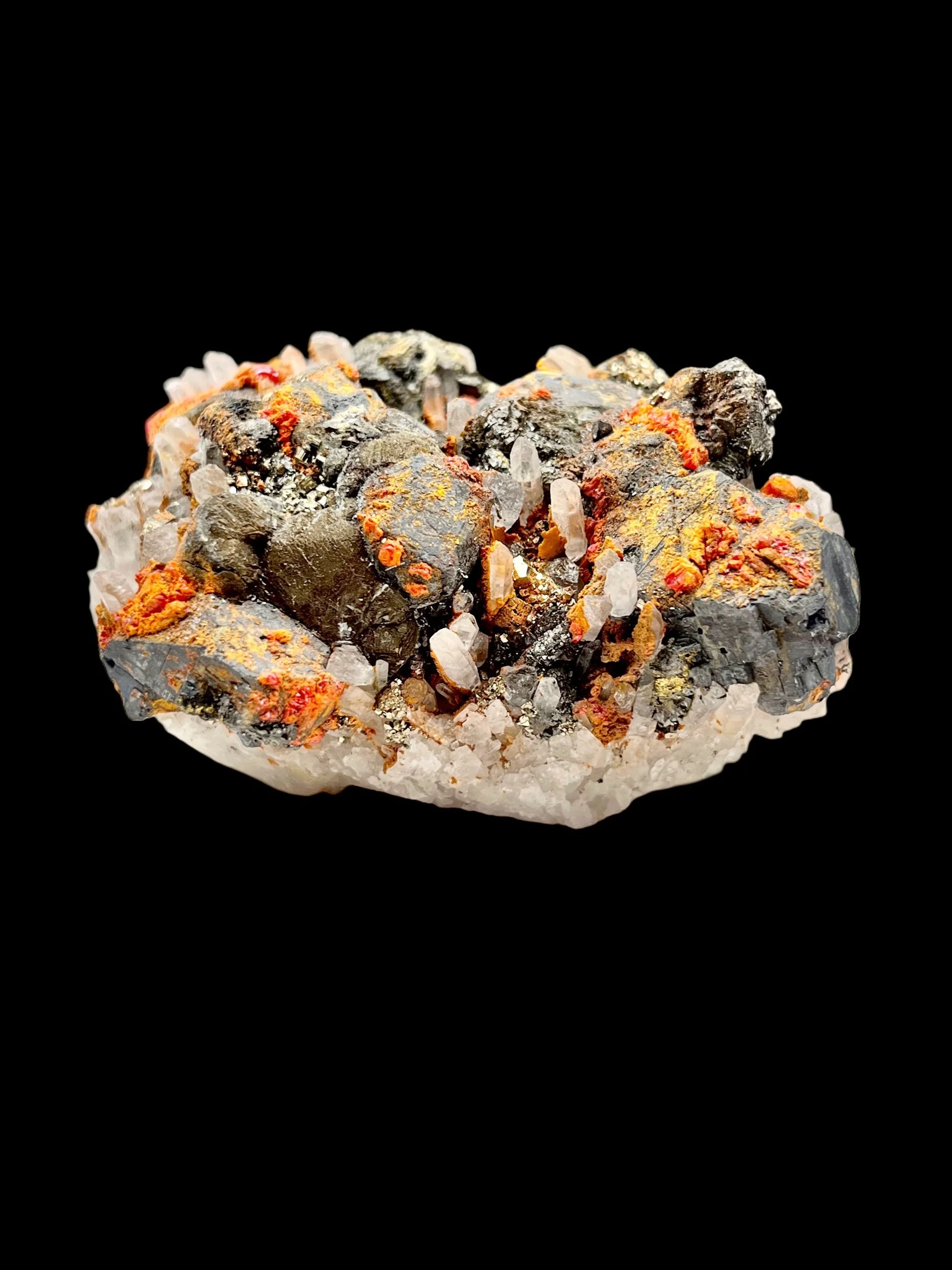
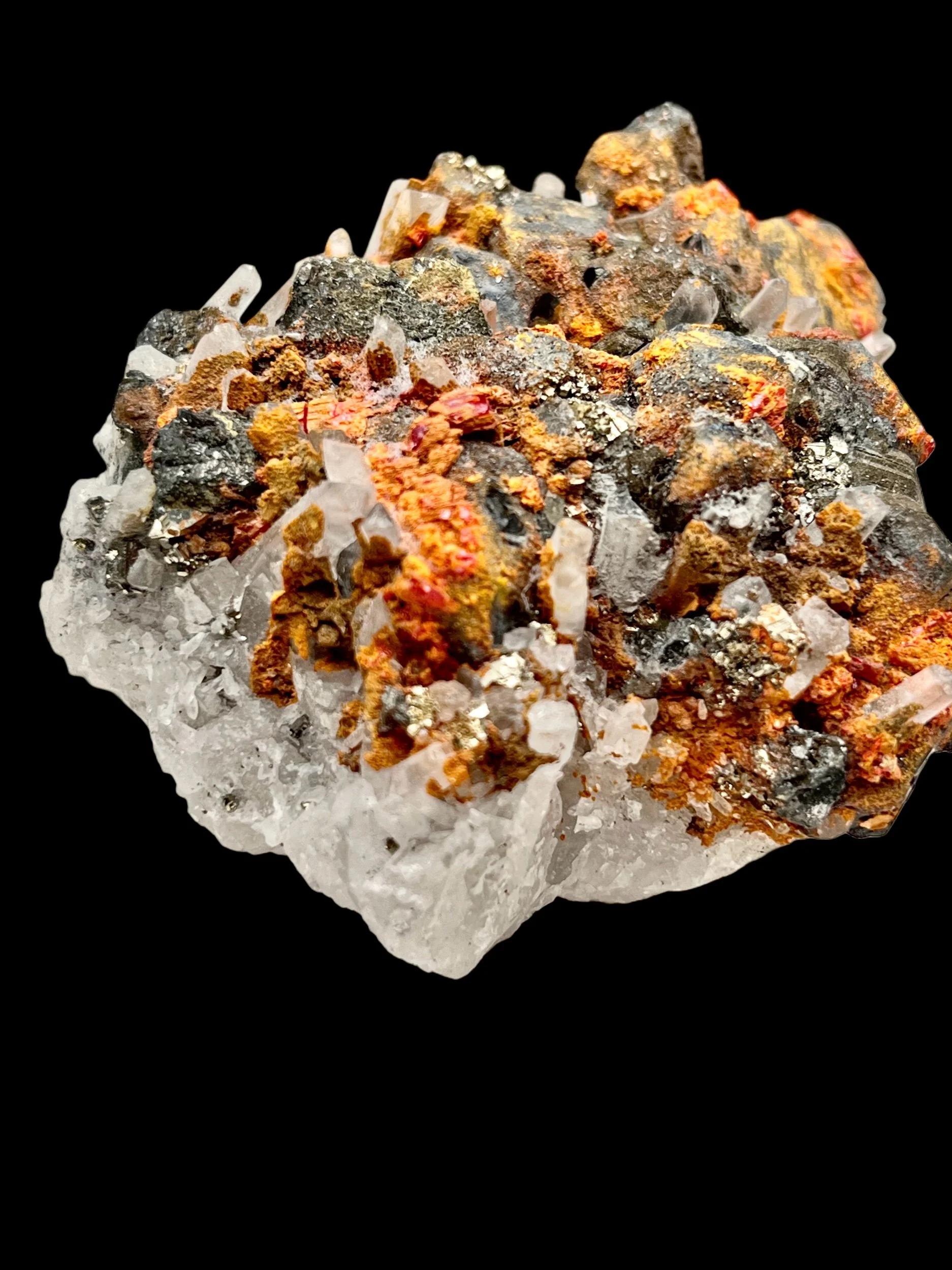
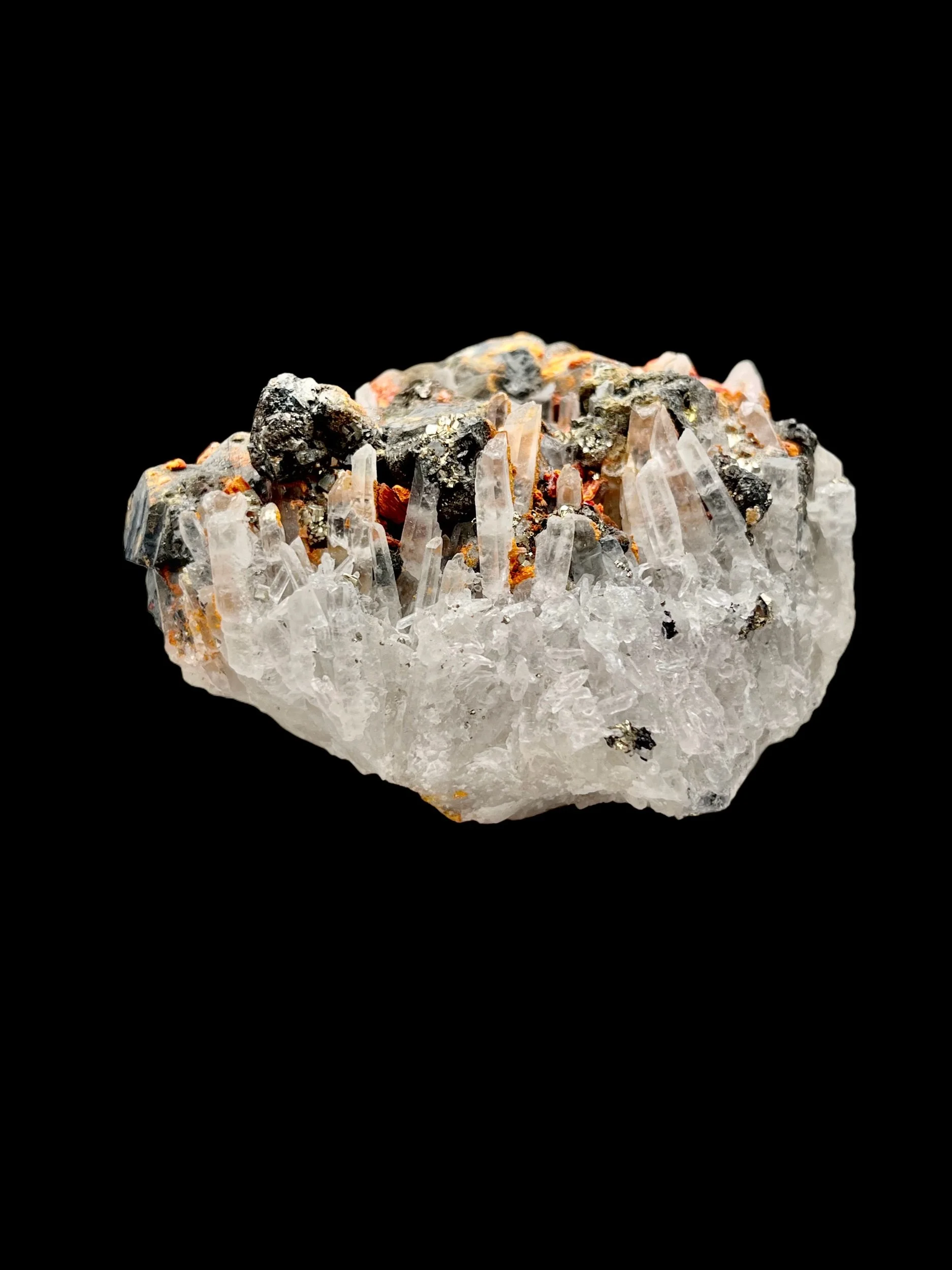
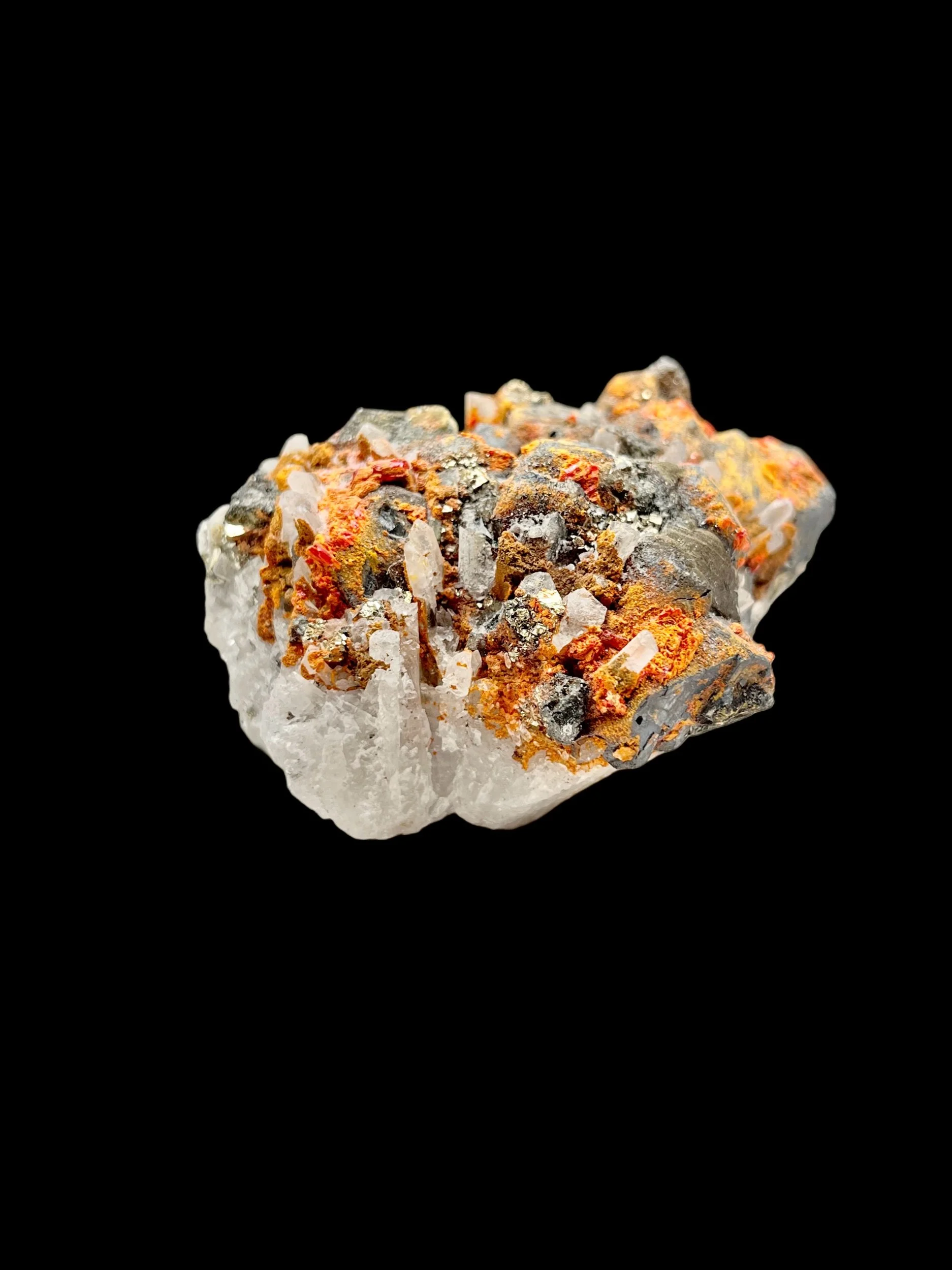
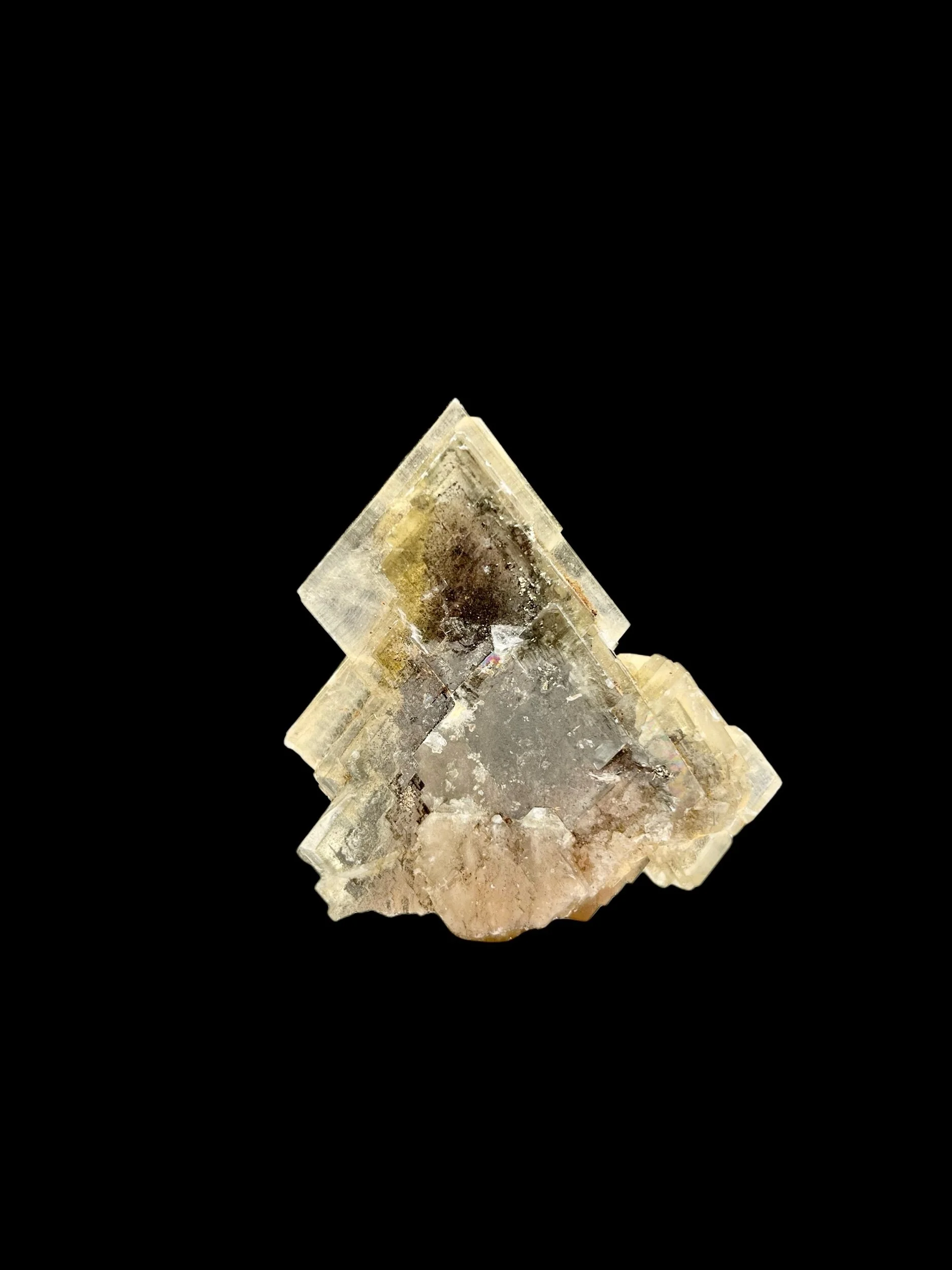
This striking barite specimen features sharply defined, tabular barite crystals arranged in an architectural, stepped formation, accented by scattered pyrite inclusions. The barite displays soft champagne to pale honey tones with natural internal zoning and translucent edges, while the pyrite adds subtle metallic contrast without overwhelming the overall form.
The geometry of this piece is its standout feature—layered plates intersecting at clean angles, giving the specimen a distinctly sculptural presence. It’s an excellent example of barite’s ability to form crisp, planar crystals when conditions are just right.
Dimensions: 2.5” x 2.5” x 0.75”
Weight: 127g
In metaphysical traditions, barite is often associated with clarity of thought, organization, and grounding mental energy into practical action. It’s believed to support structured thinking and help bring abstract ideas into tangible form. Pyrite is commonly linked with confidence, protection, and motivation, symbolically reinforcing focus and personal strength.
Barite specimens with well-preserved tabular crystal faces are highly sought after, particularly when the crystal edges remain sharp and undamaged. The presence of pyrite here adds geological interest and confirms formation within a sulfur-rich hydrothermal environment. This is a solid collector piece that balances visual impact with mineralogical integrity.
Well-formed tabular barite crystals
Pyrite inclusions
Natural stepped, geometric crystal growth
Translucent crystal edges with internal zoning
Gemmy luster
Barite (BaSO₄) commonly forms in hydrothermal veins and sedimentary environments, often crystallizing in tabular or bladed habits under stable growth conditions. Pyrite (FeS₂) frequently forms in the same sulfur-rich systems and may crystallize alongside or shortly after barite, becoming incorporated along crystal seams and internal boundaries.
This striking barite specimen features sharply defined, tabular barite crystals arranged in an architectural, stepped formation, accented by scattered pyrite inclusions. The barite displays soft champagne to pale honey tones with natural internal zoning and translucent edges, while the pyrite adds subtle metallic contrast without overwhelming the overall form.
The geometry of this piece is its standout feature—layered plates intersecting at clean angles, giving the specimen a distinctly sculptural presence. It’s an excellent example of barite’s ability to form crisp, planar crystals when conditions are just right.
Dimensions: 2.5” x 2.5” x 0.75”
Weight: 127g
In metaphysical traditions, barite is often associated with clarity of thought, organization, and grounding mental energy into practical action. It’s believed to support structured thinking and help bring abstract ideas into tangible form. Pyrite is commonly linked with confidence, protection, and motivation, symbolically reinforcing focus and personal strength.
Barite specimens with well-preserved tabular crystal faces are highly sought after, particularly when the crystal edges remain sharp and undamaged. The presence of pyrite here adds geological interest and confirms formation within a sulfur-rich hydrothermal environment. This is a solid collector piece that balances visual impact with mineralogical integrity.
Well-formed tabular barite crystals
Pyrite inclusions
Natural stepped, geometric crystal growth
Translucent crystal edges with internal zoning
Gemmy luster
Barite (BaSO₄) commonly forms in hydrothermal veins and sedimentary environments, often crystallizing in tabular or bladed habits under stable growth conditions. Pyrite (FeS₂) frequently forms in the same sulfur-rich systems and may crystallize alongside or shortly after barite, becoming incorporated along crystal seams and internal boundaries.