Image 1 of 5
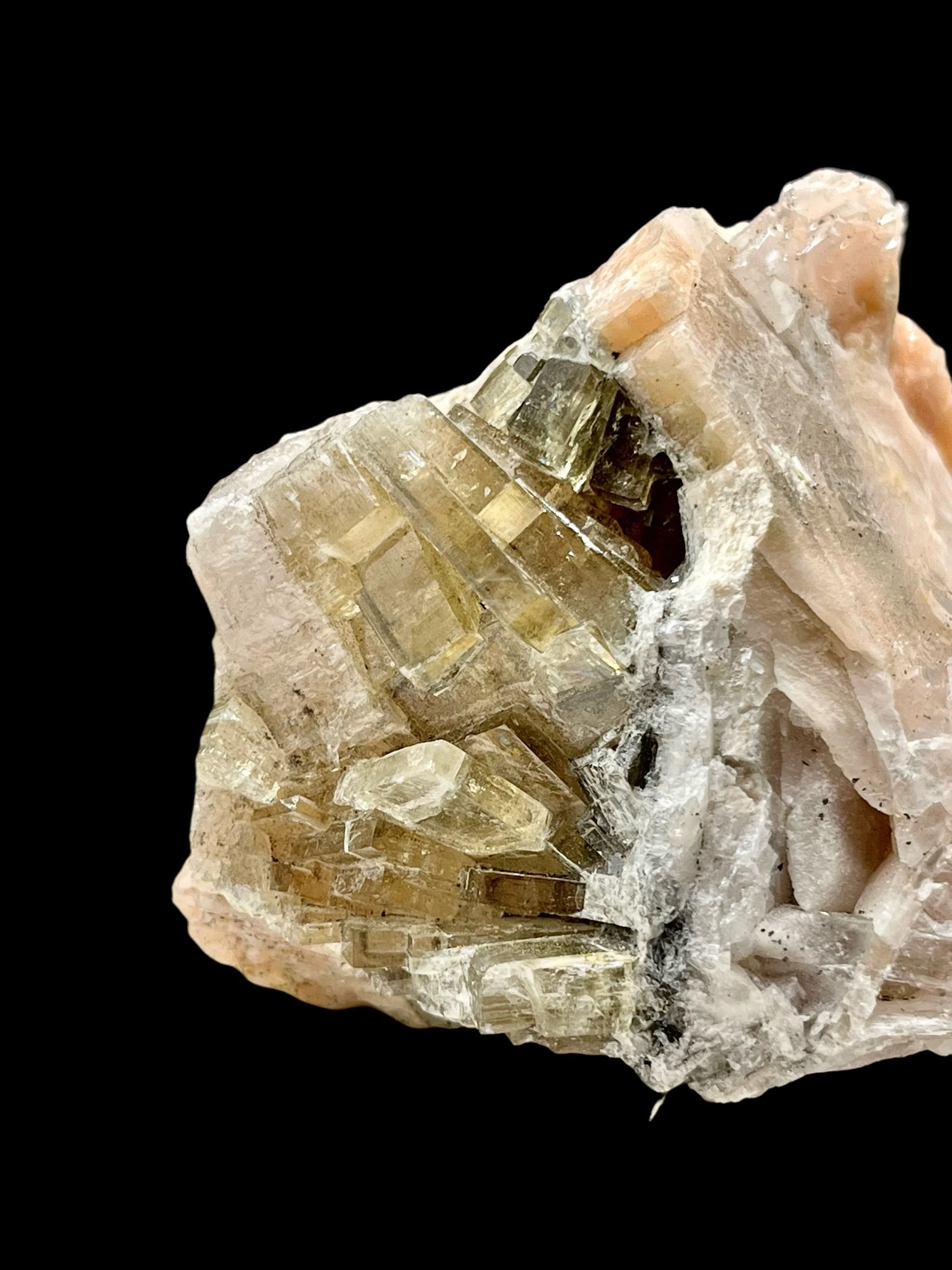 Image 2 of 5
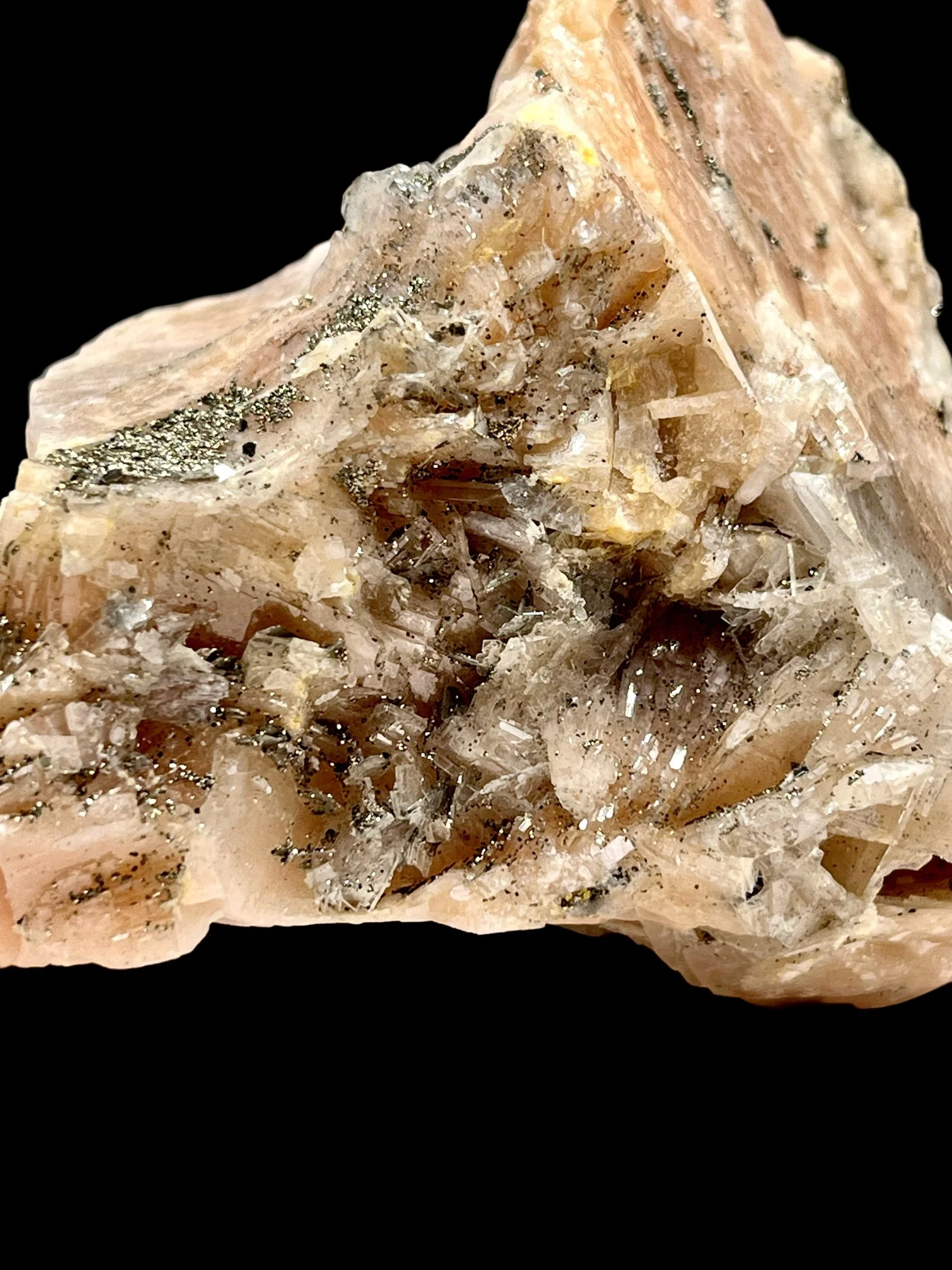 Image 3 of 5
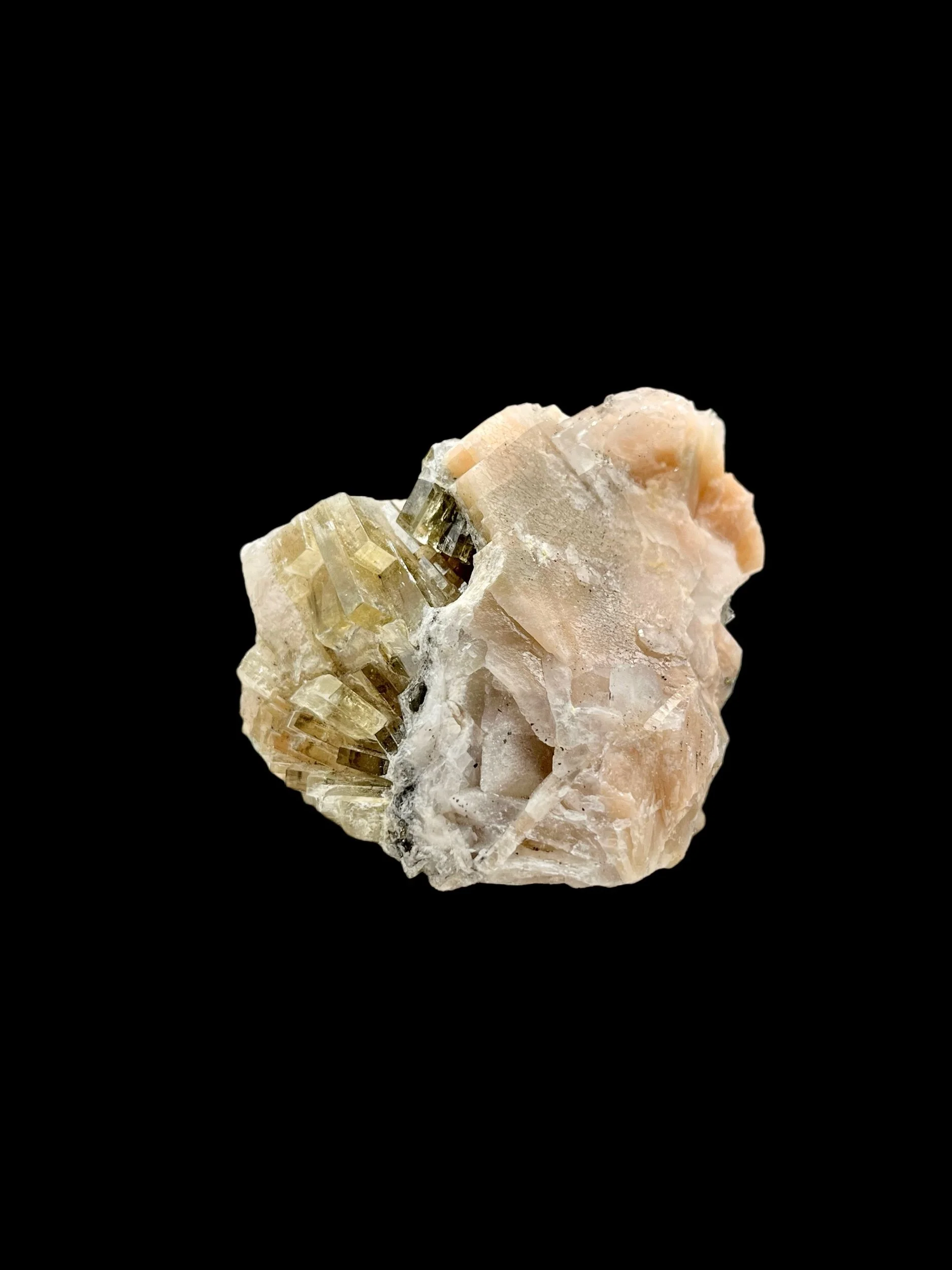 Image 4 of 5
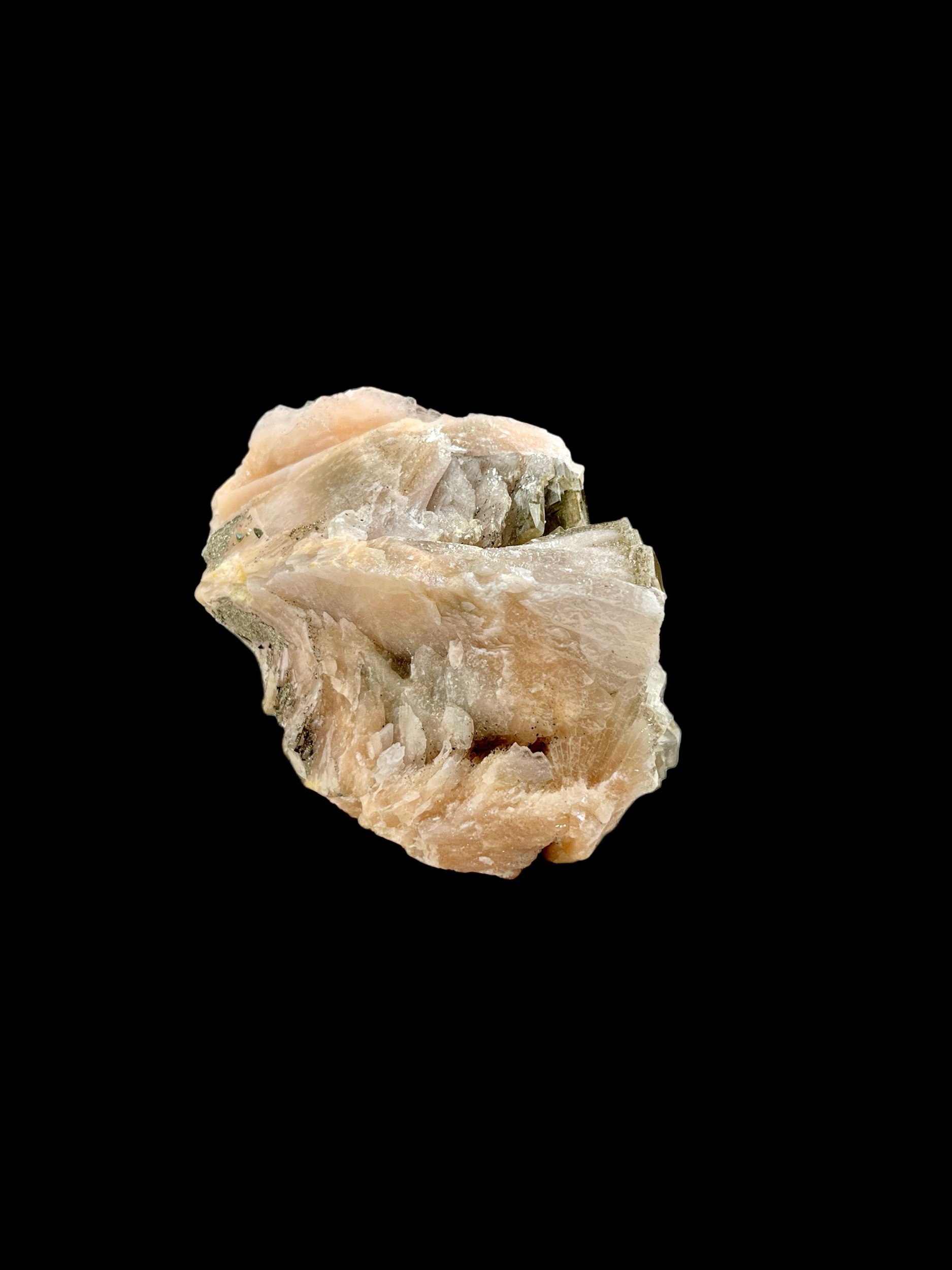 Image 5 of 5
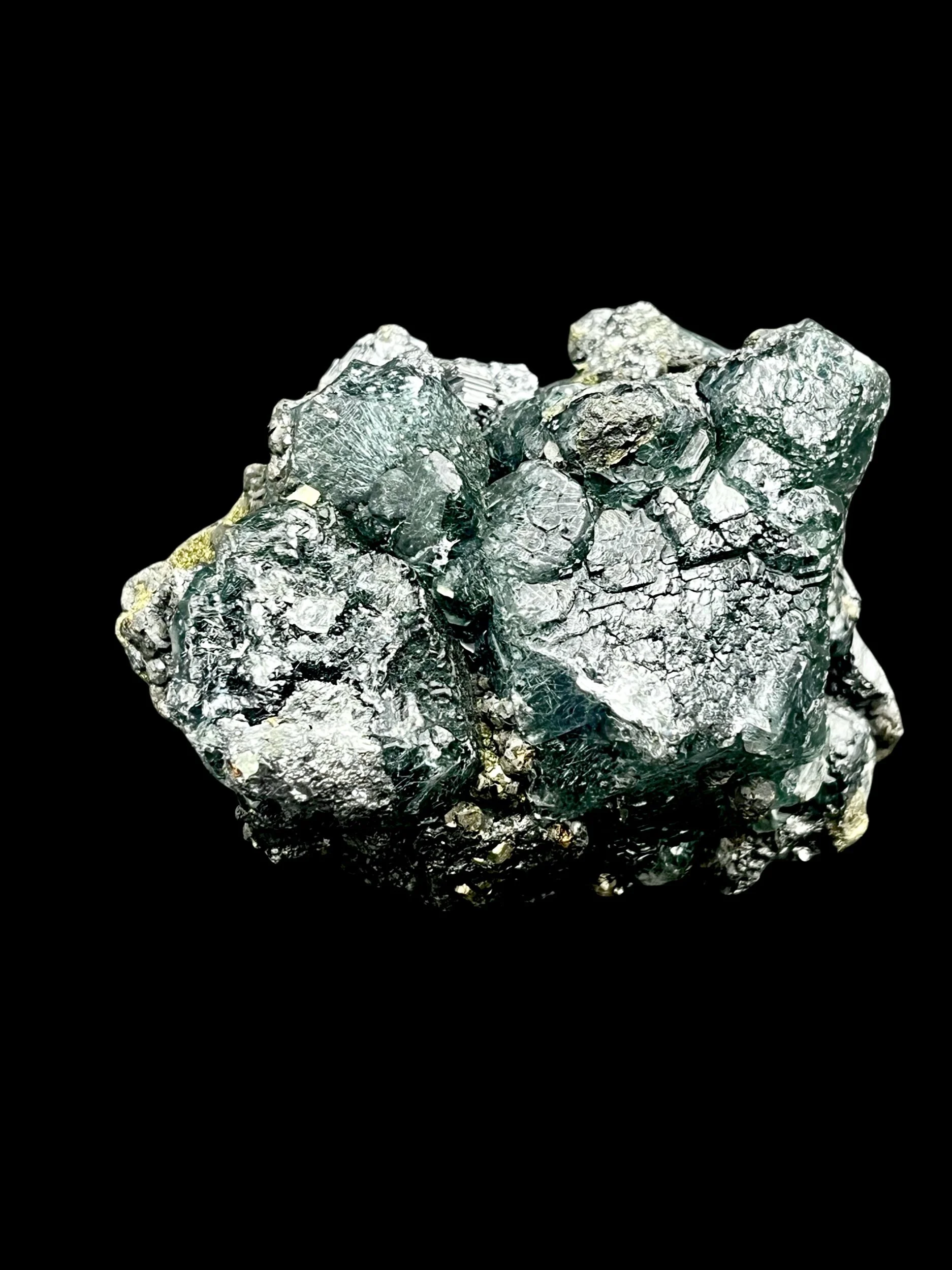
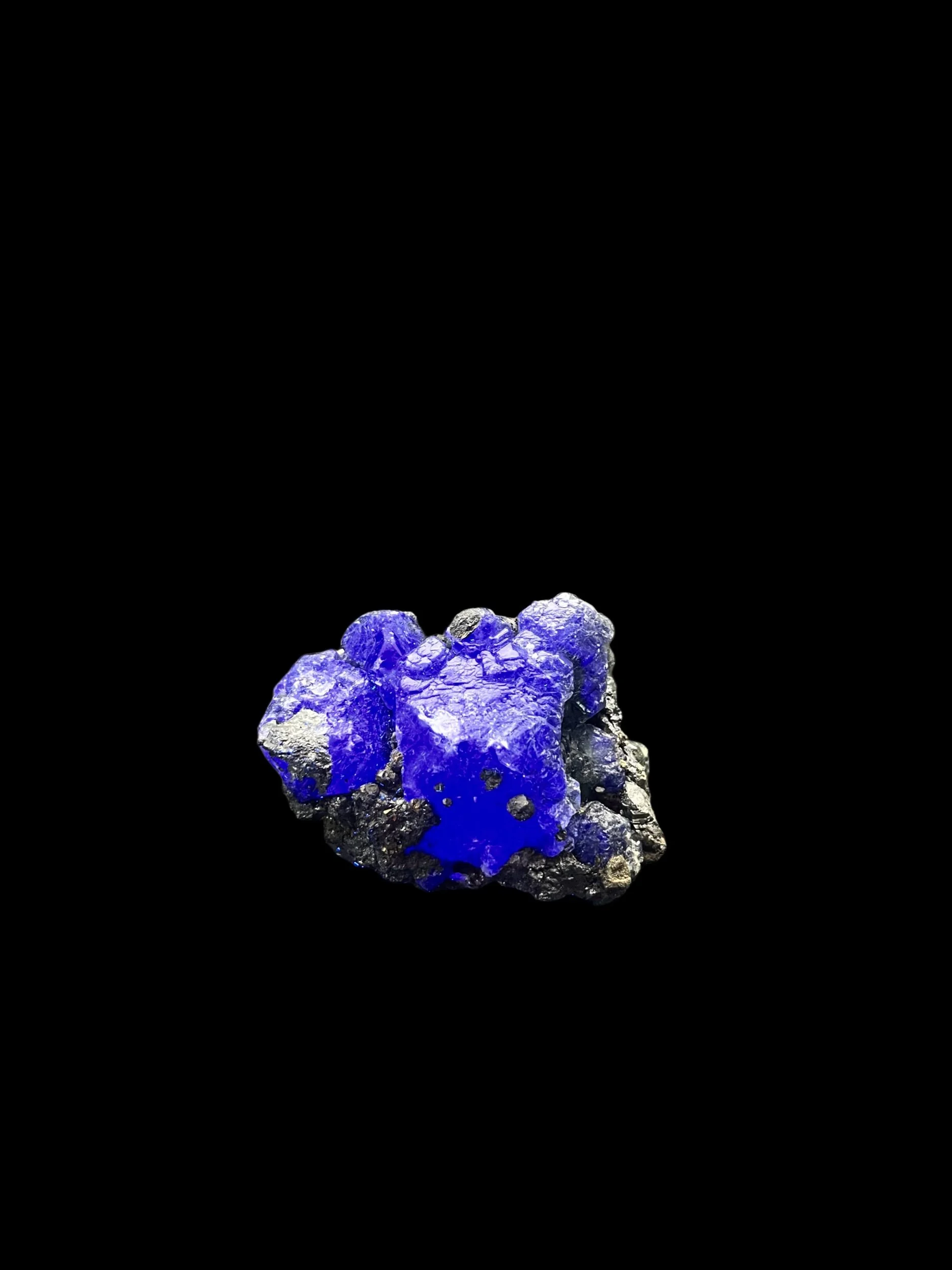
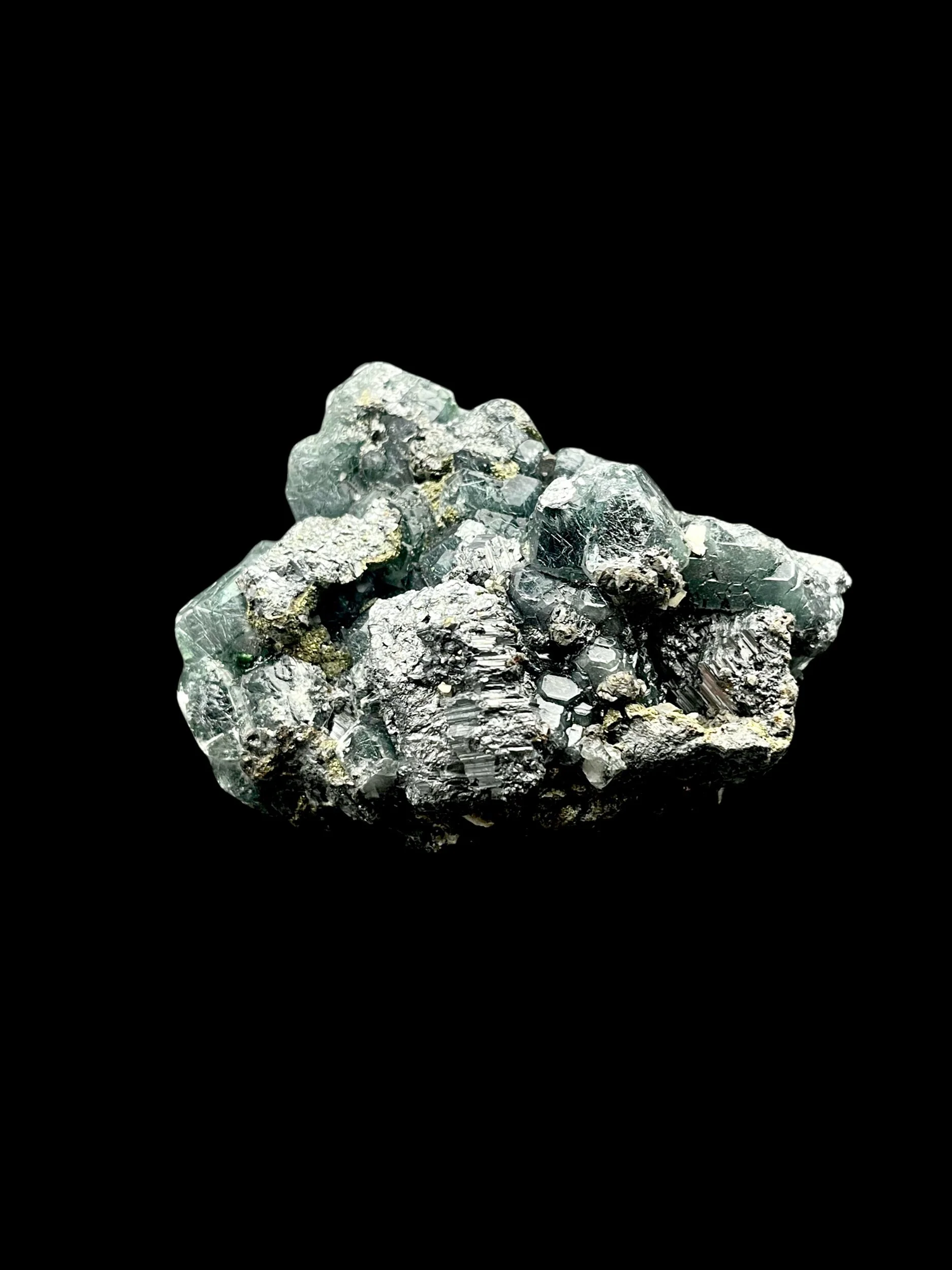
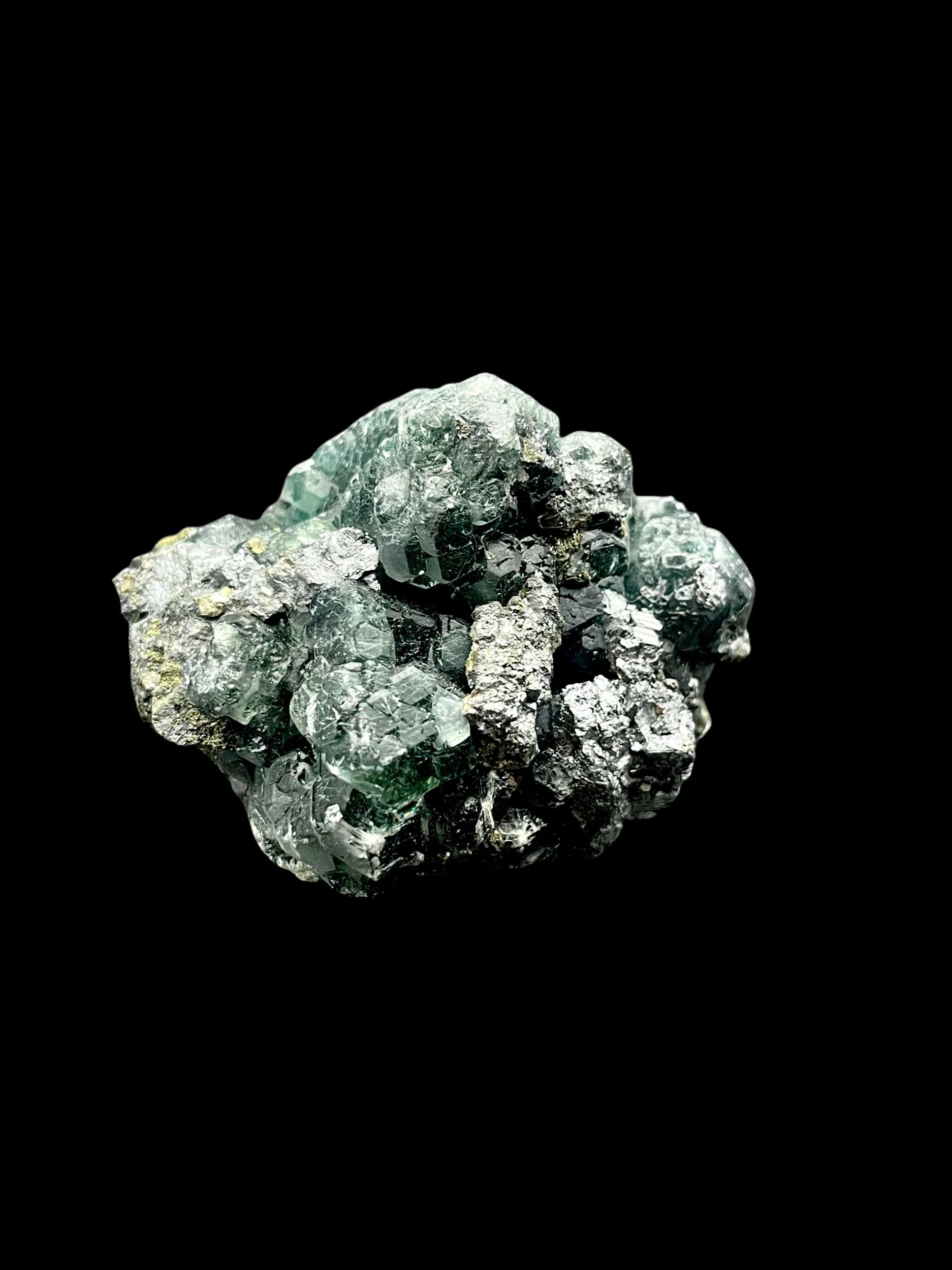
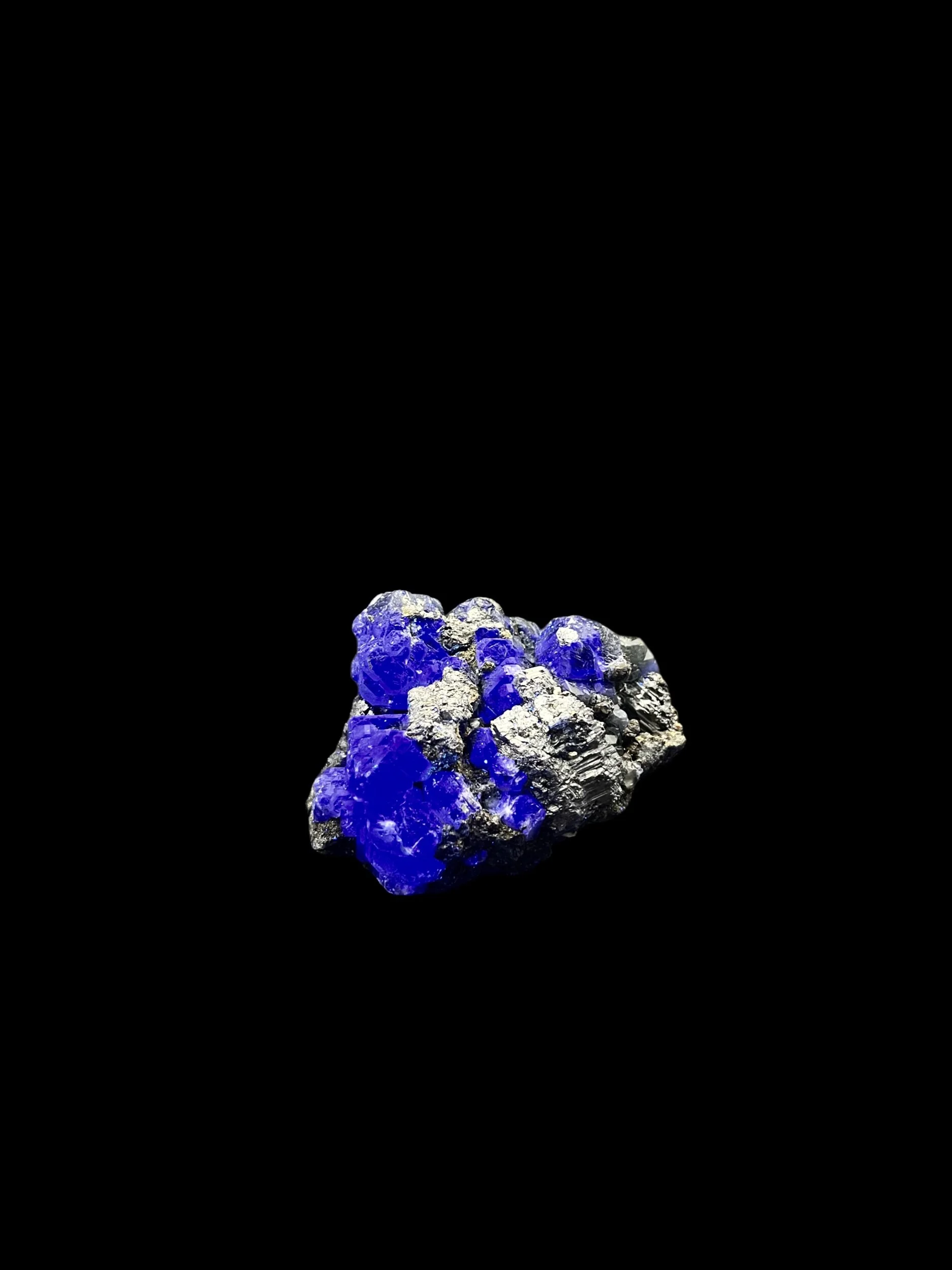
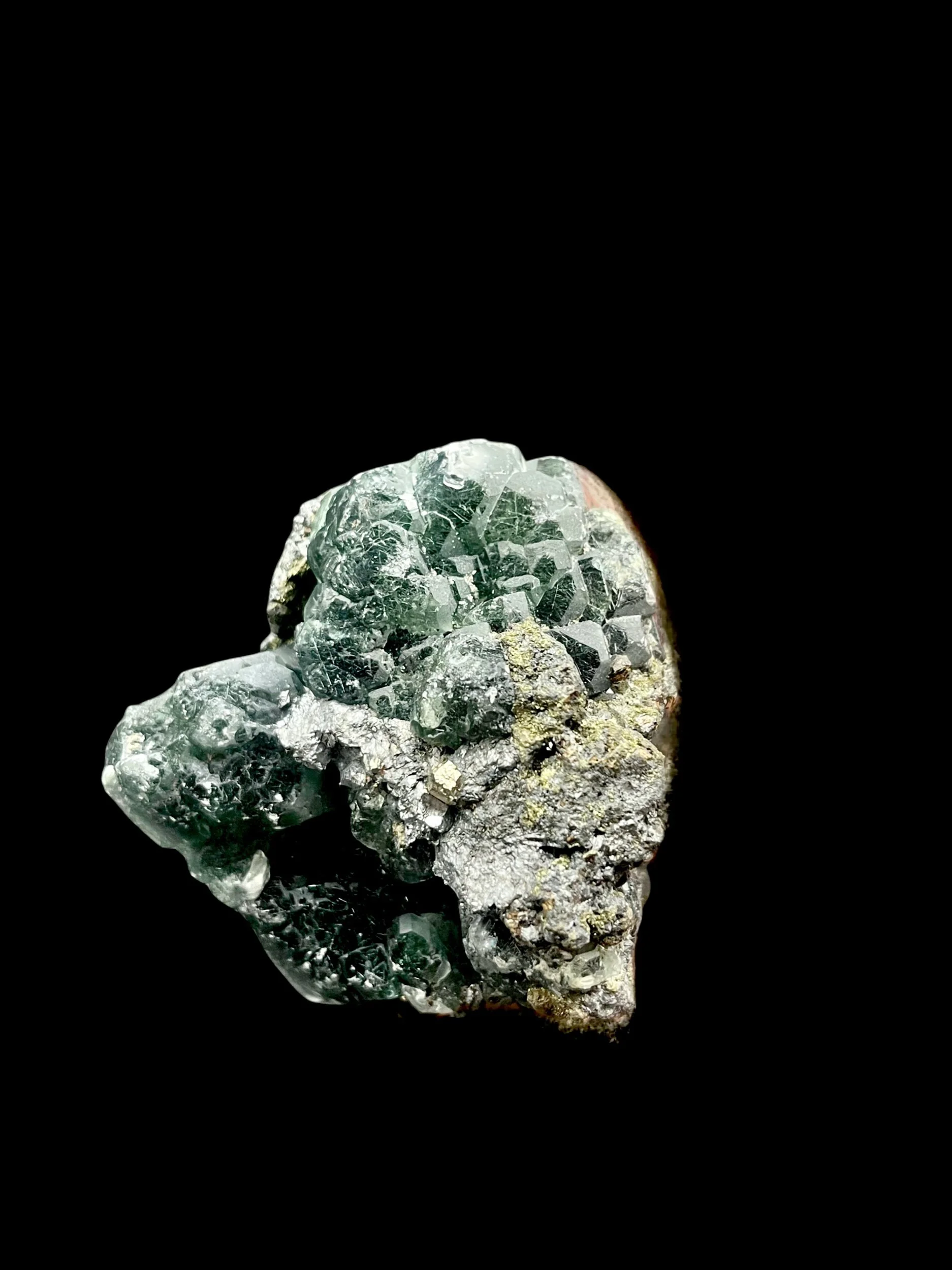
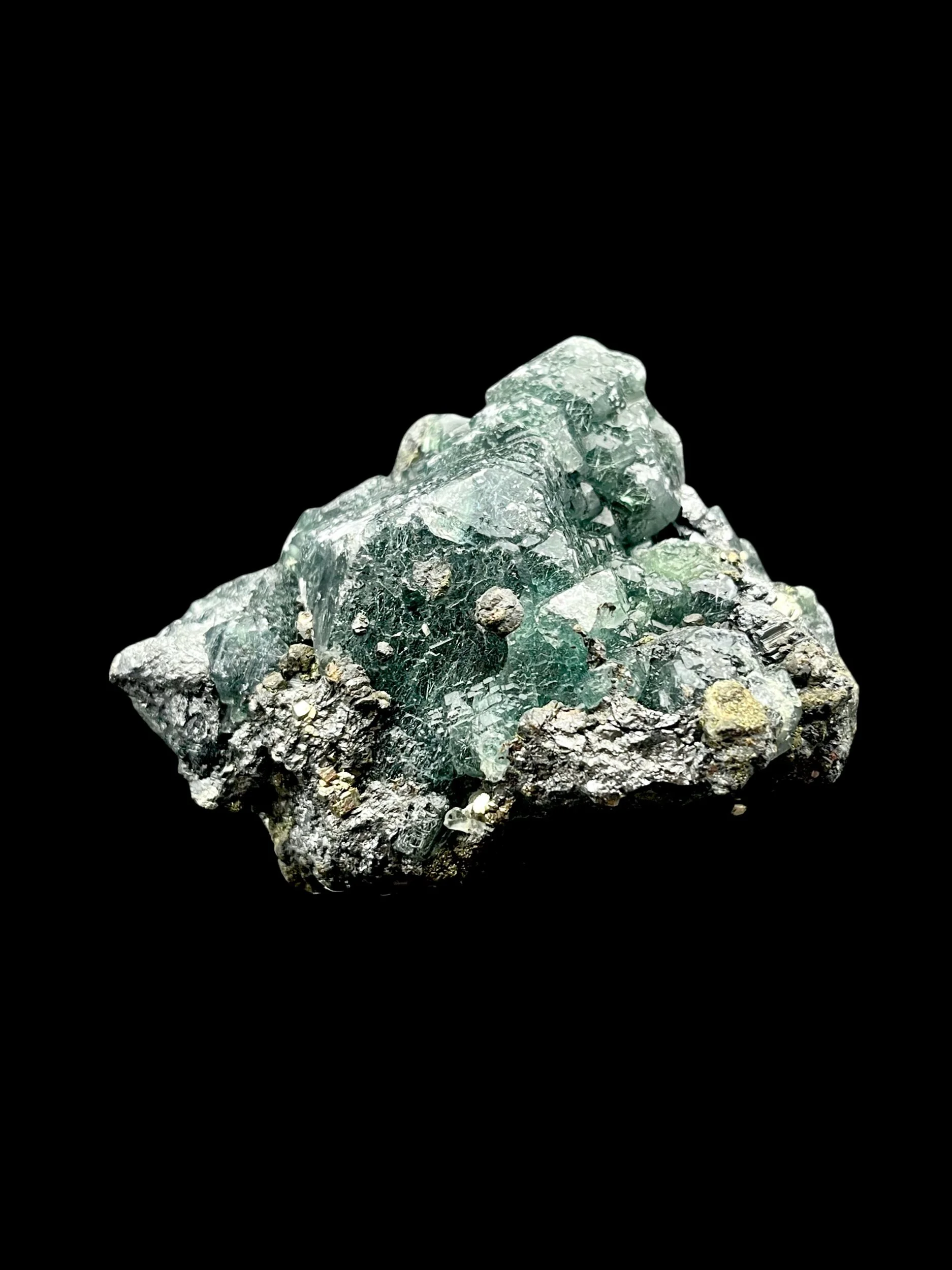
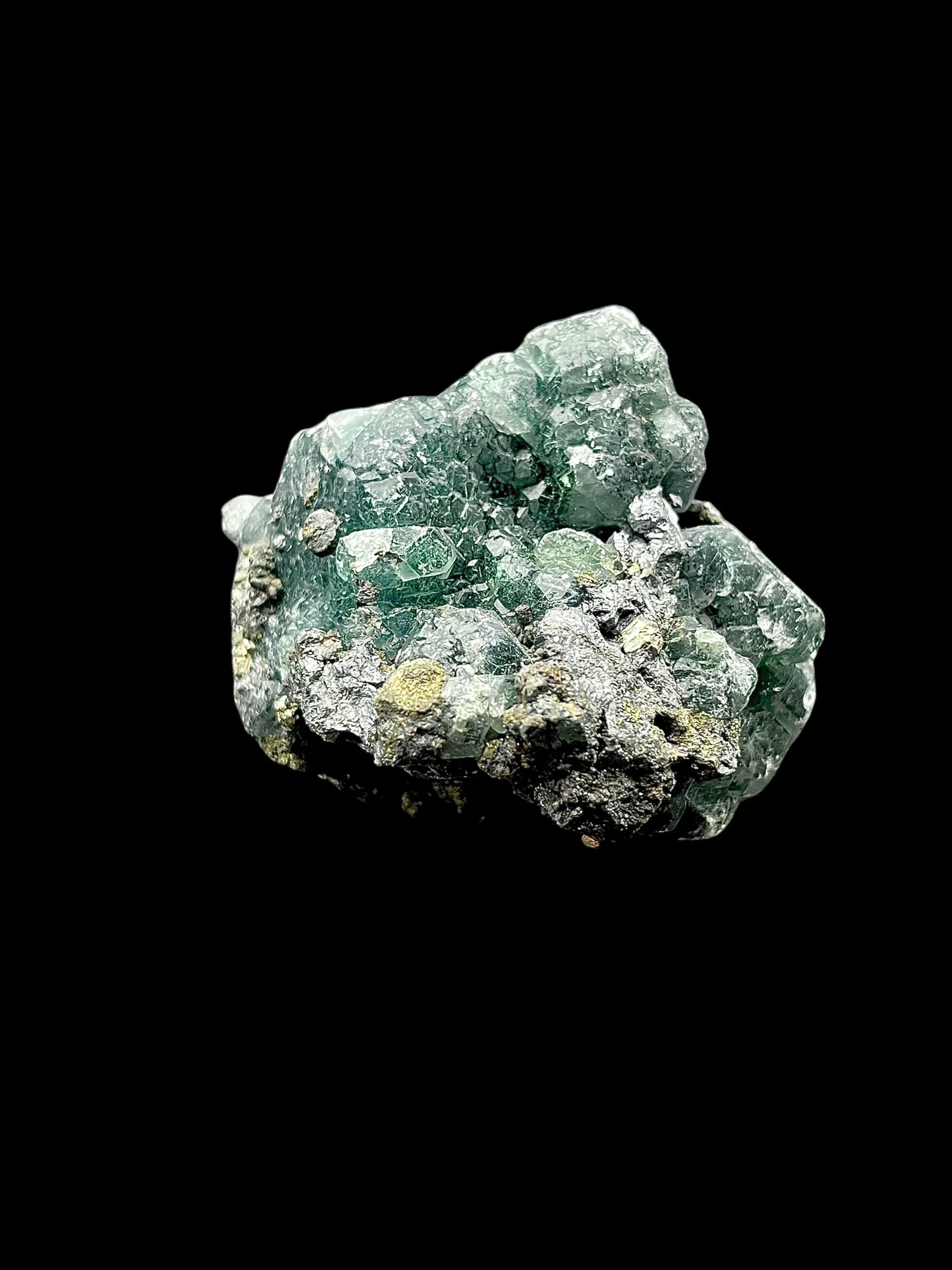
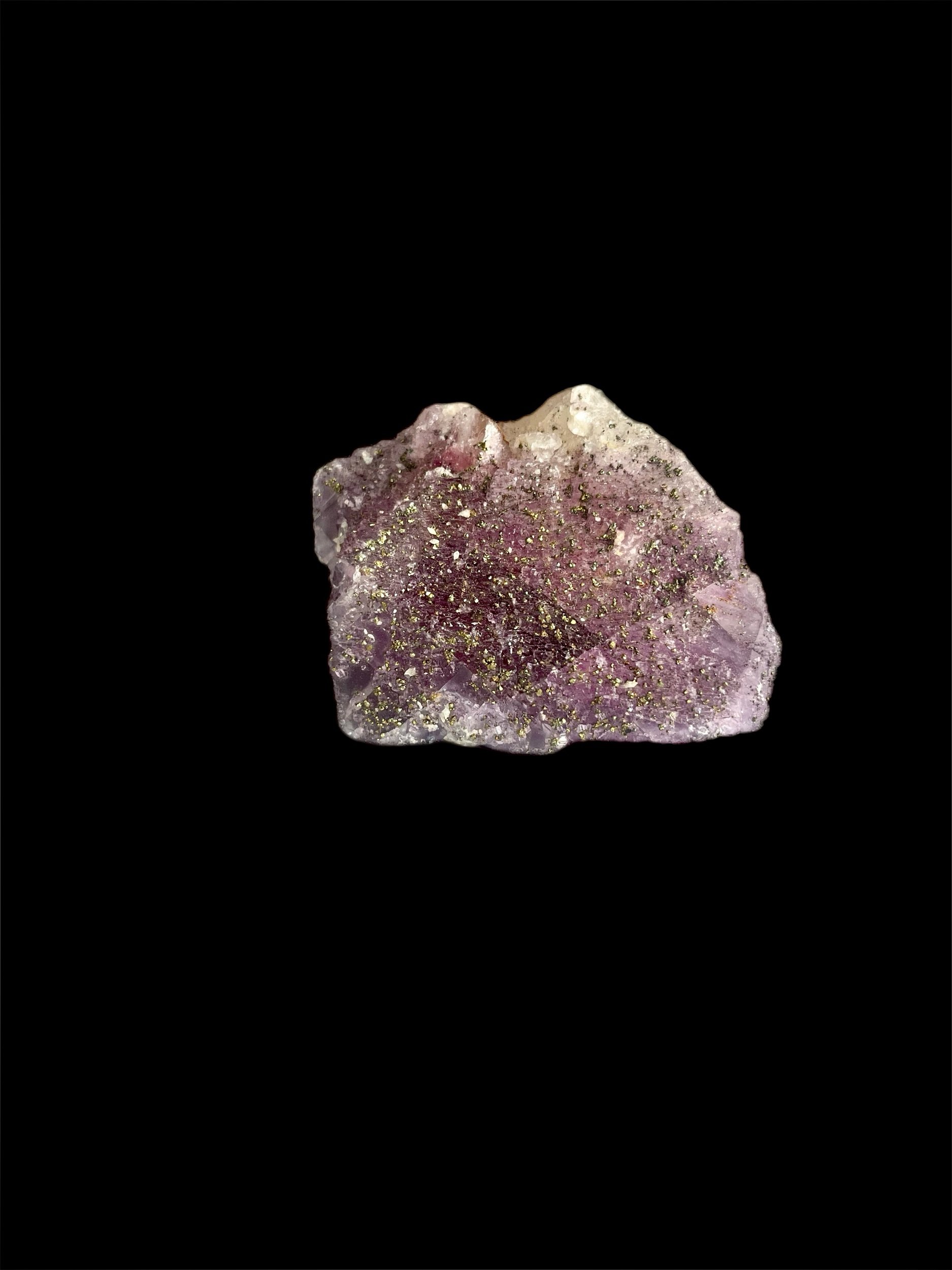
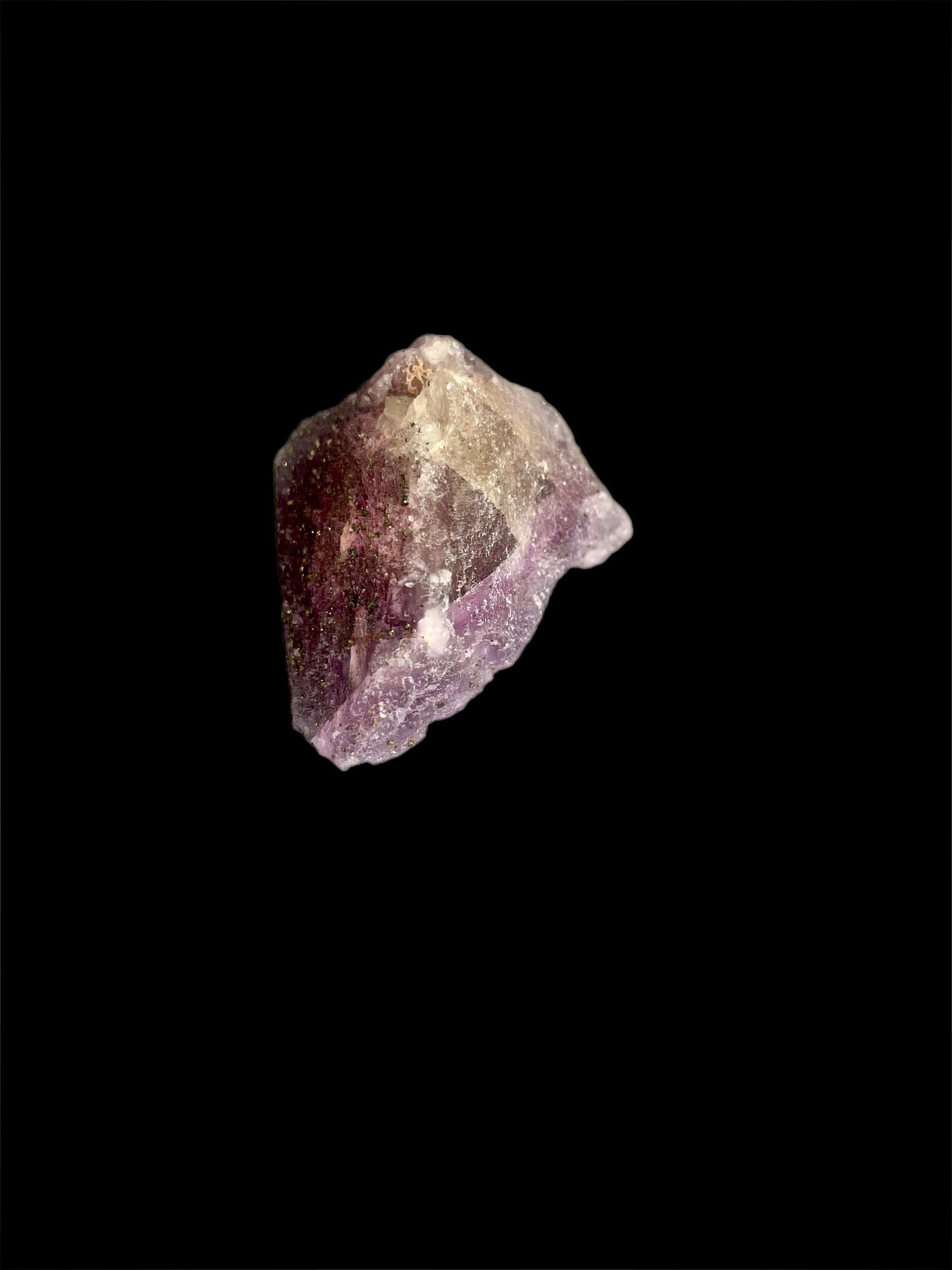
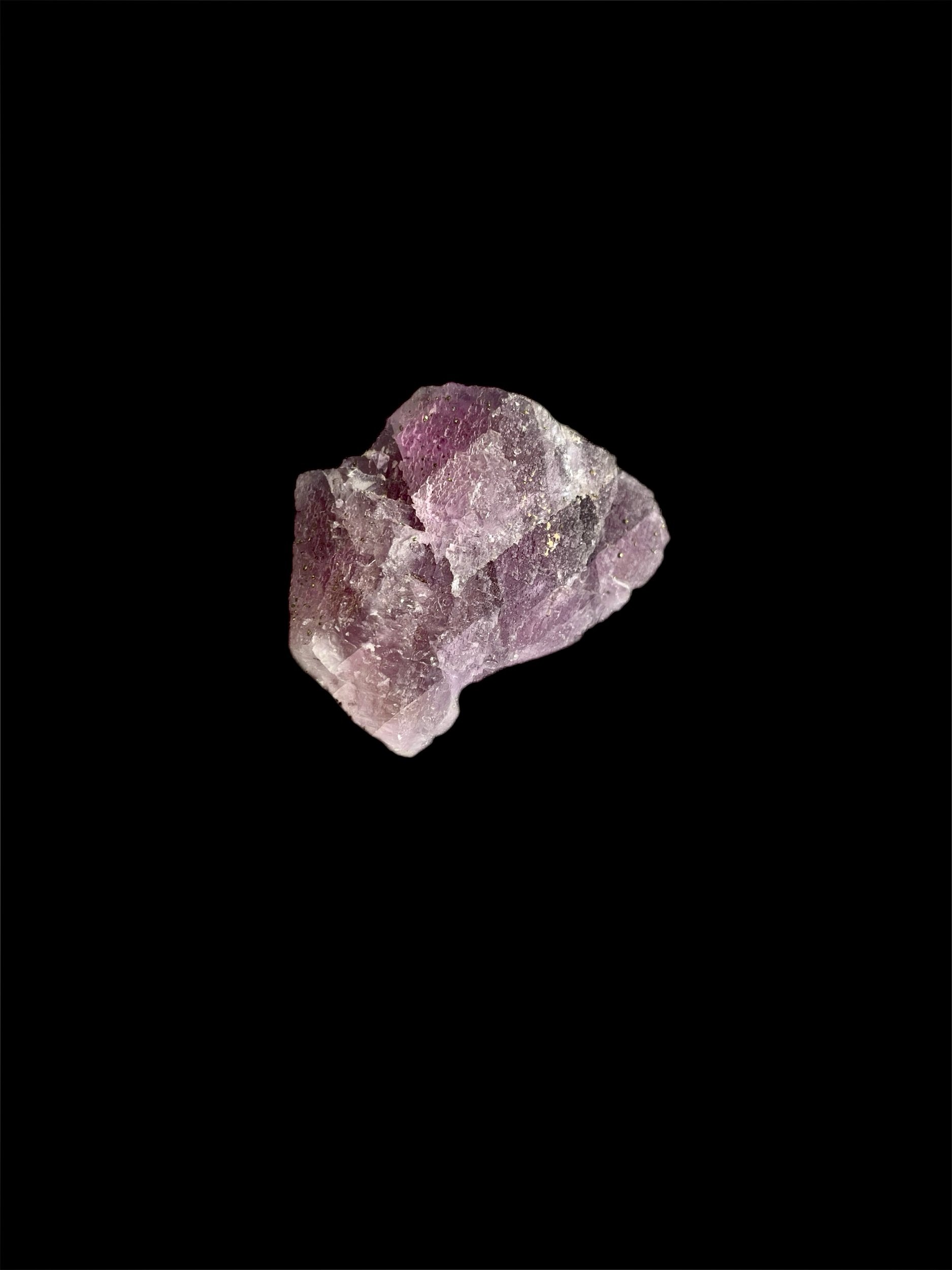
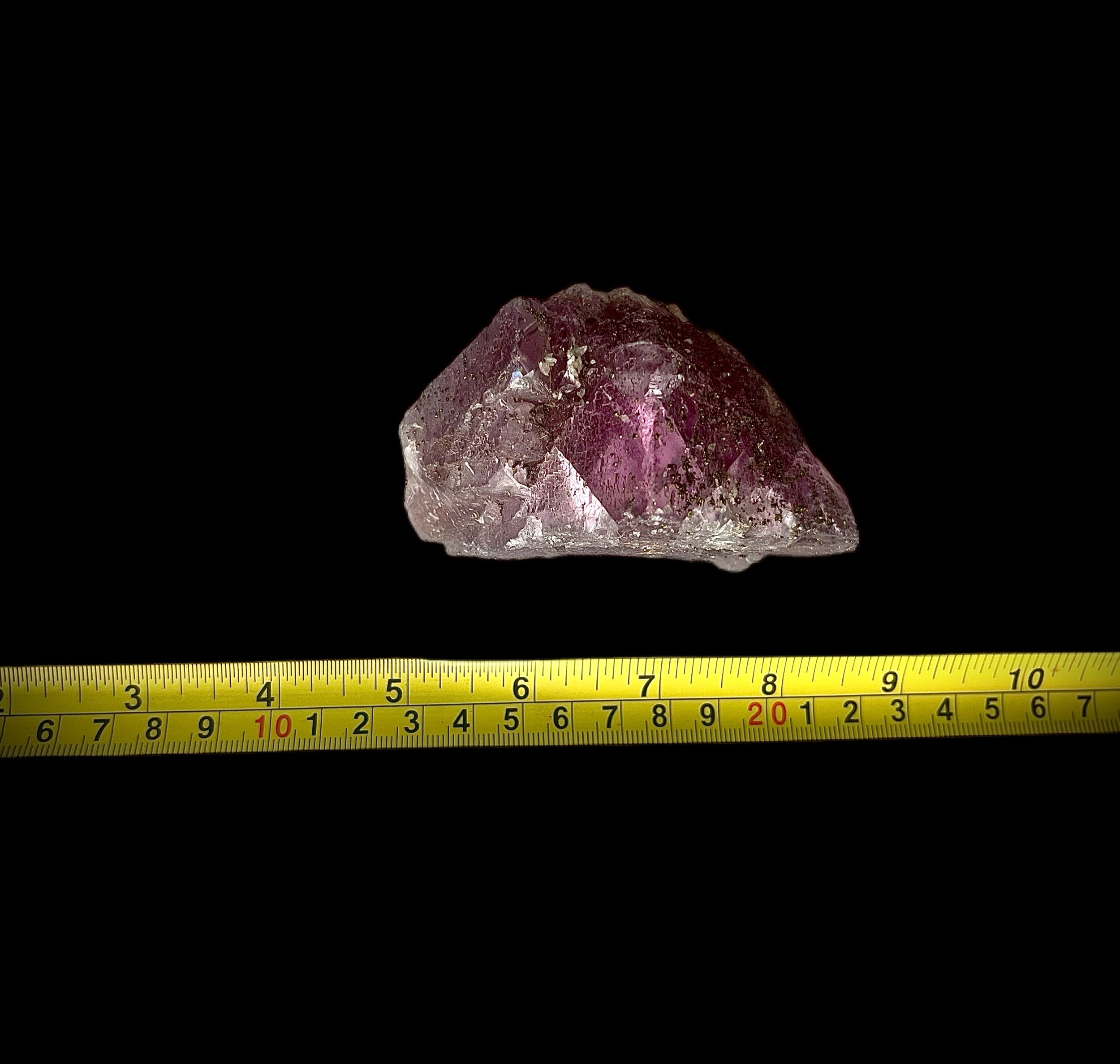
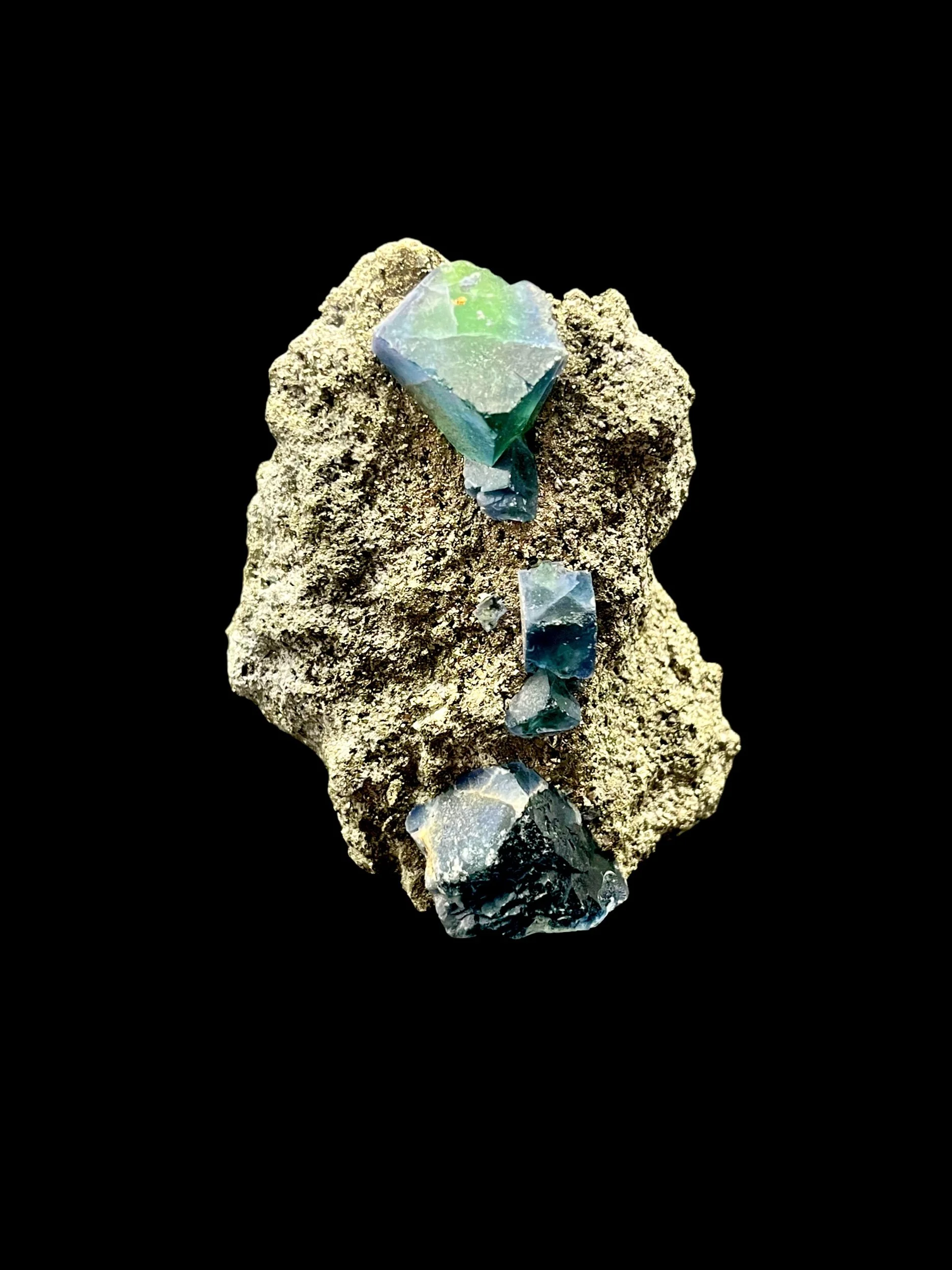
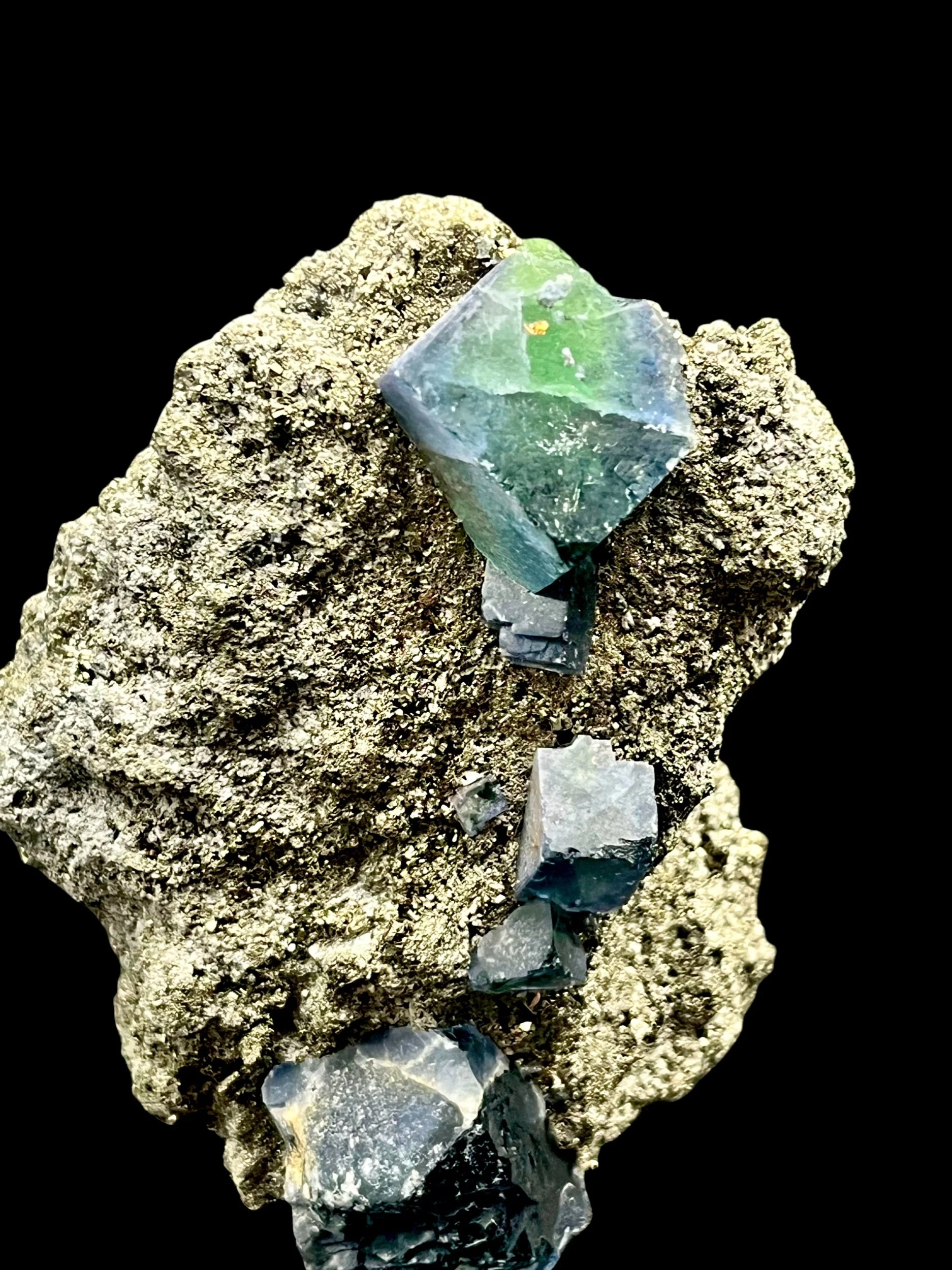
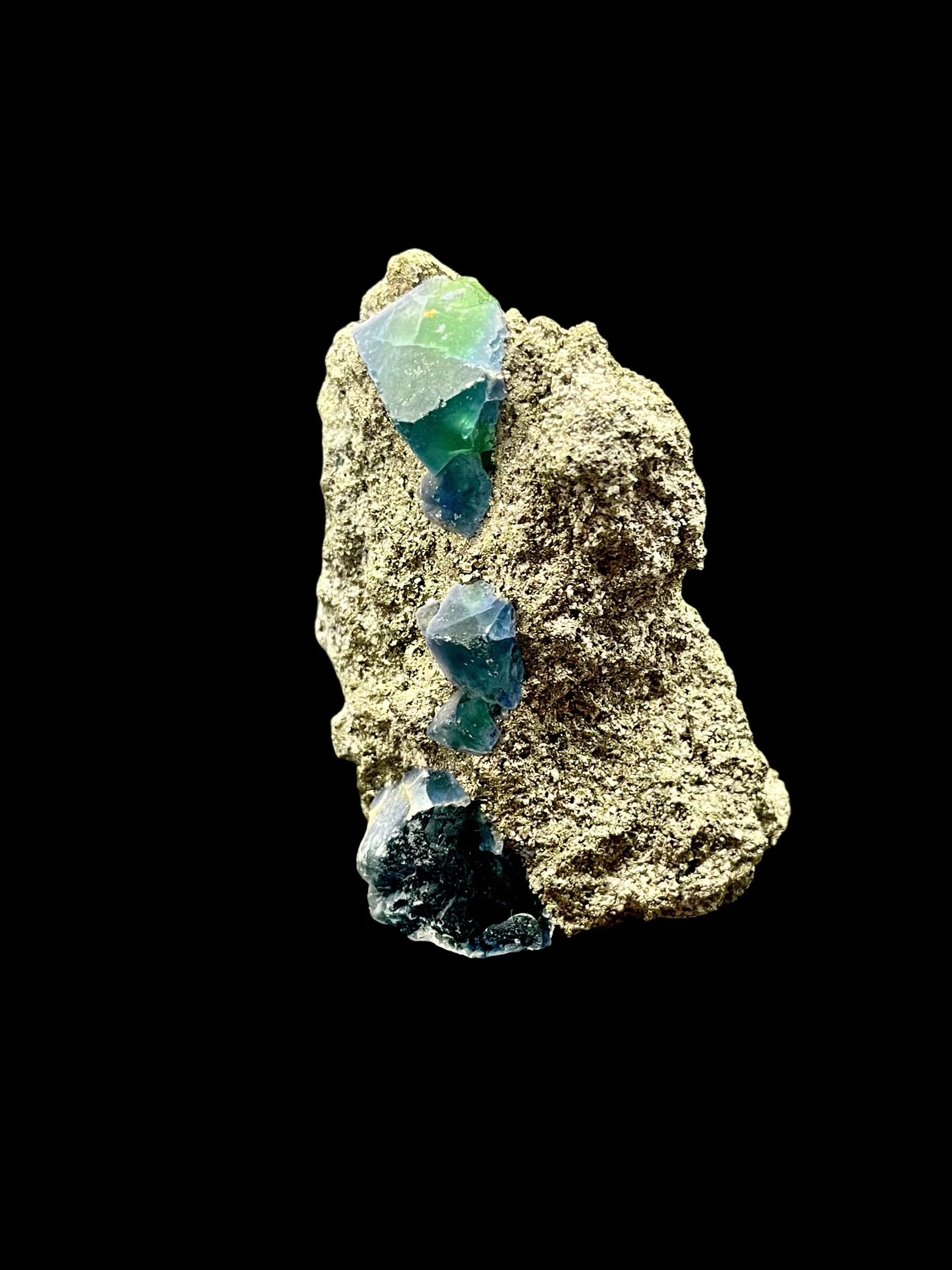
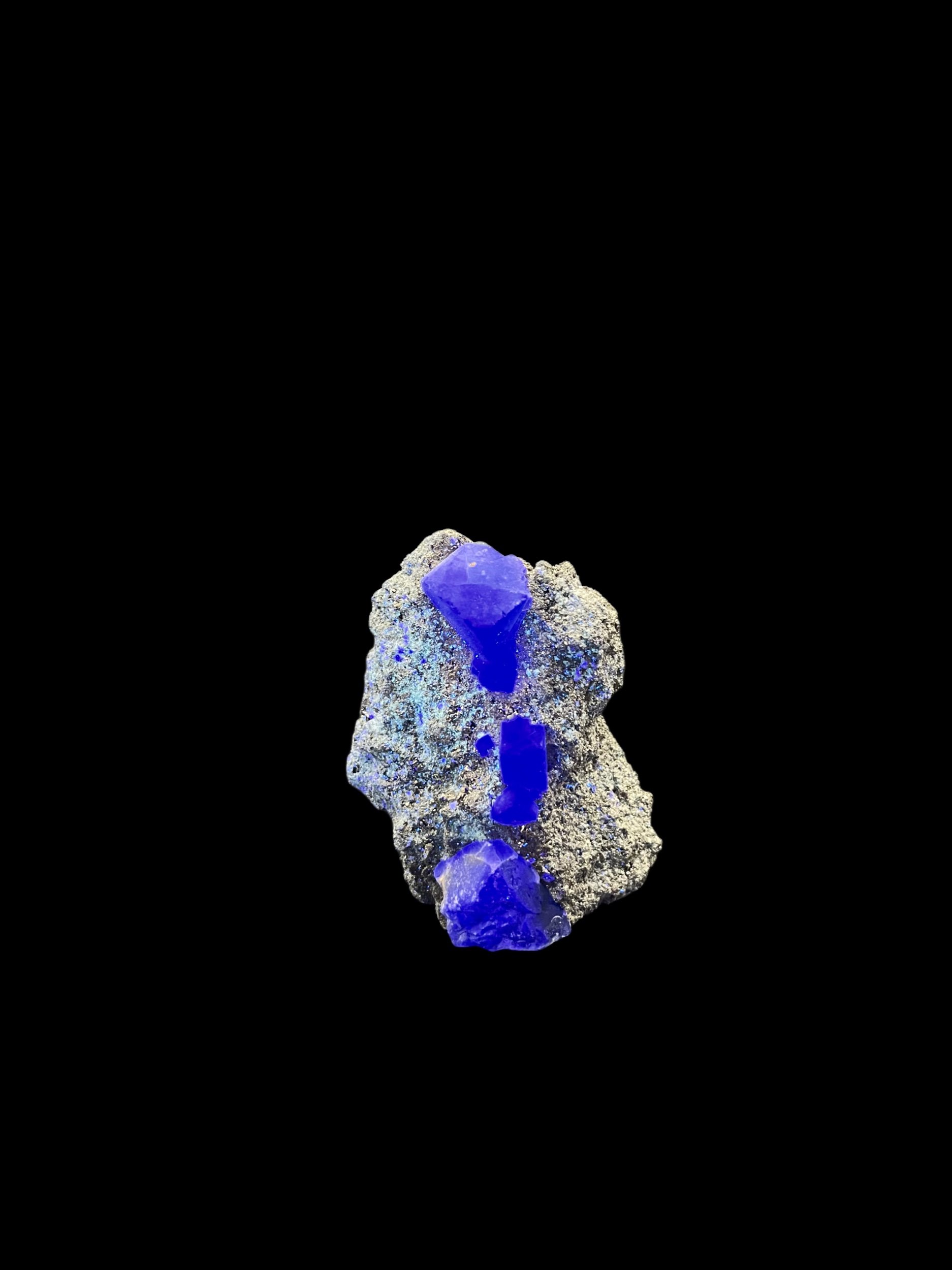
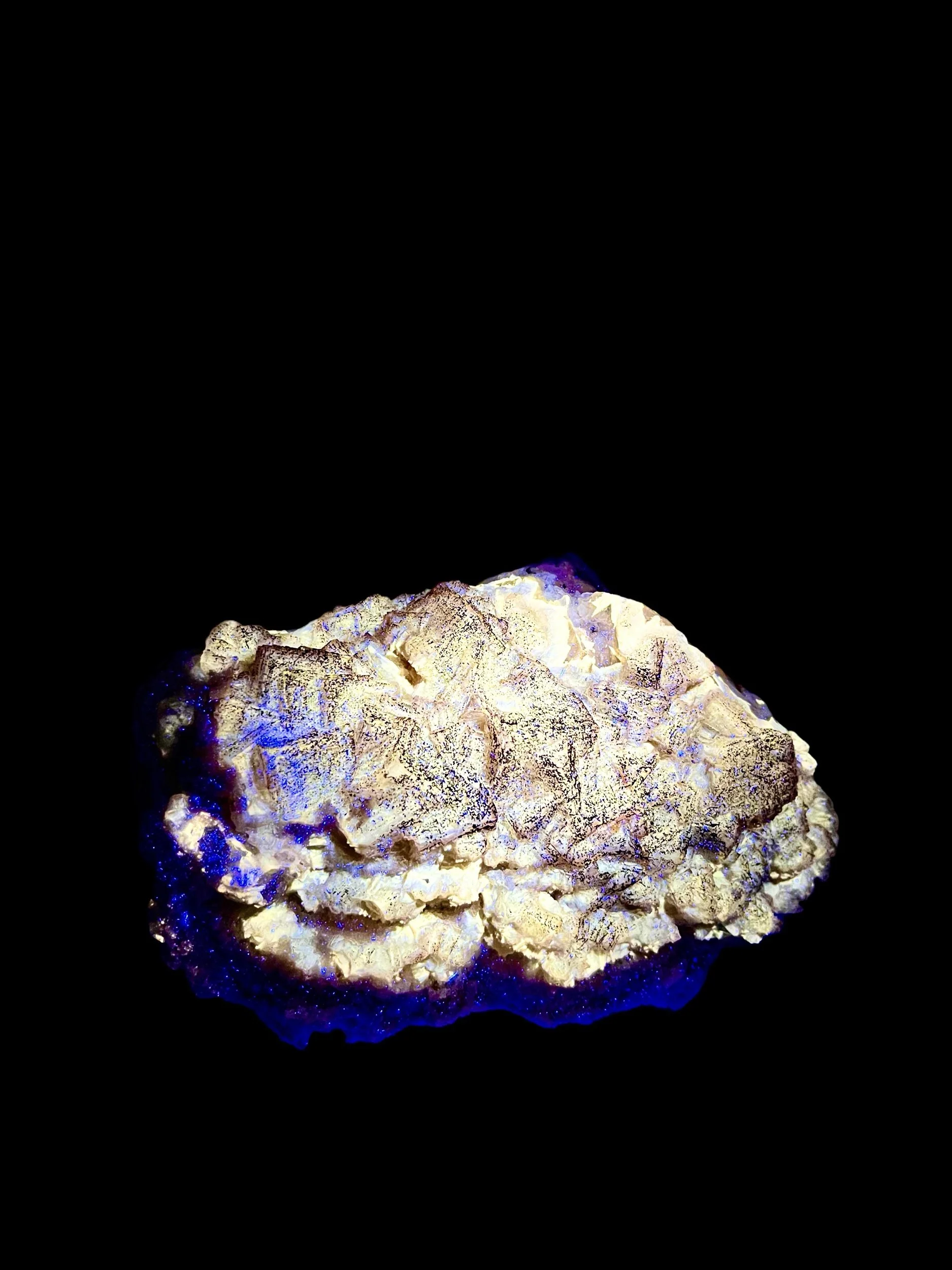
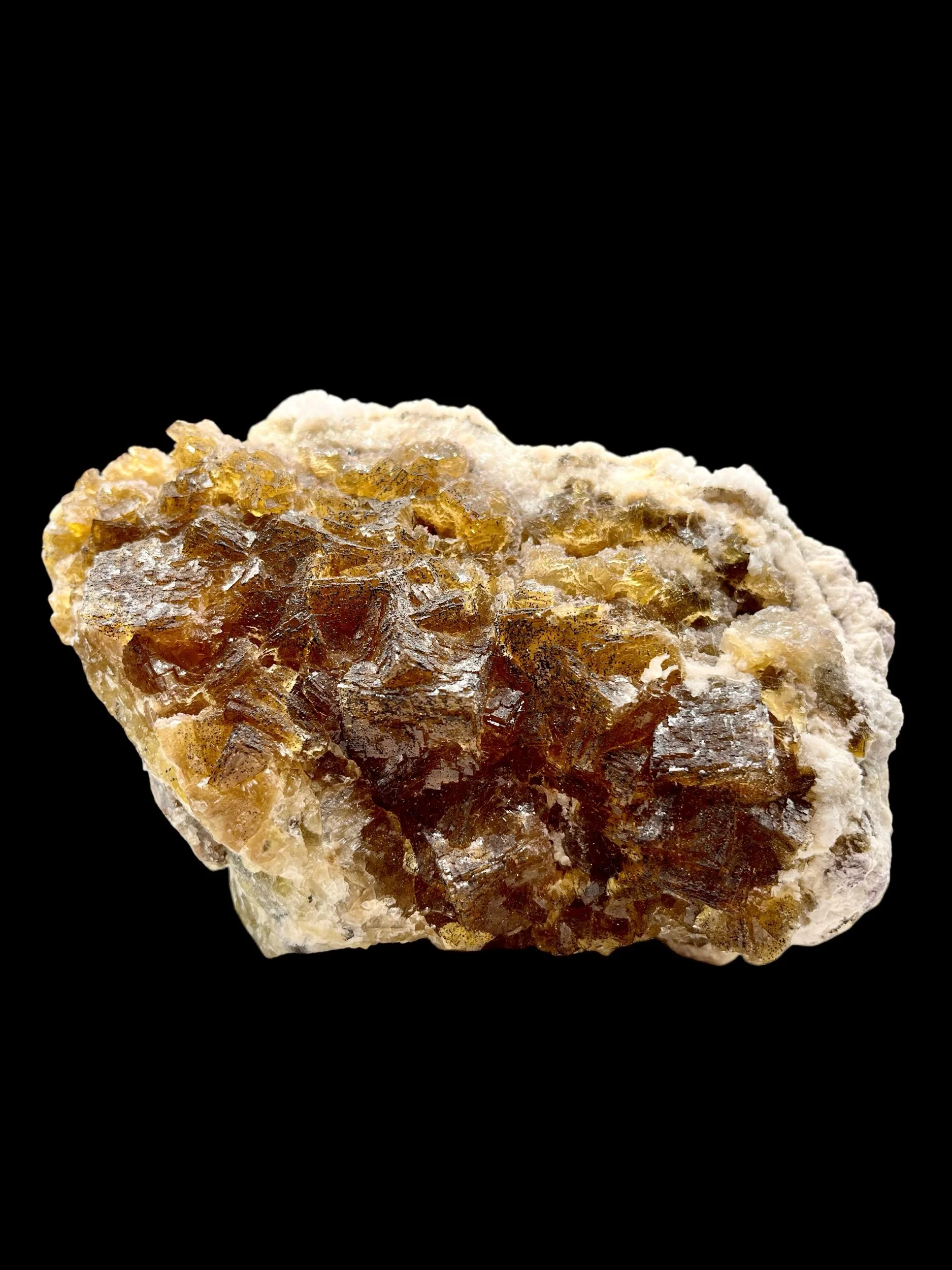
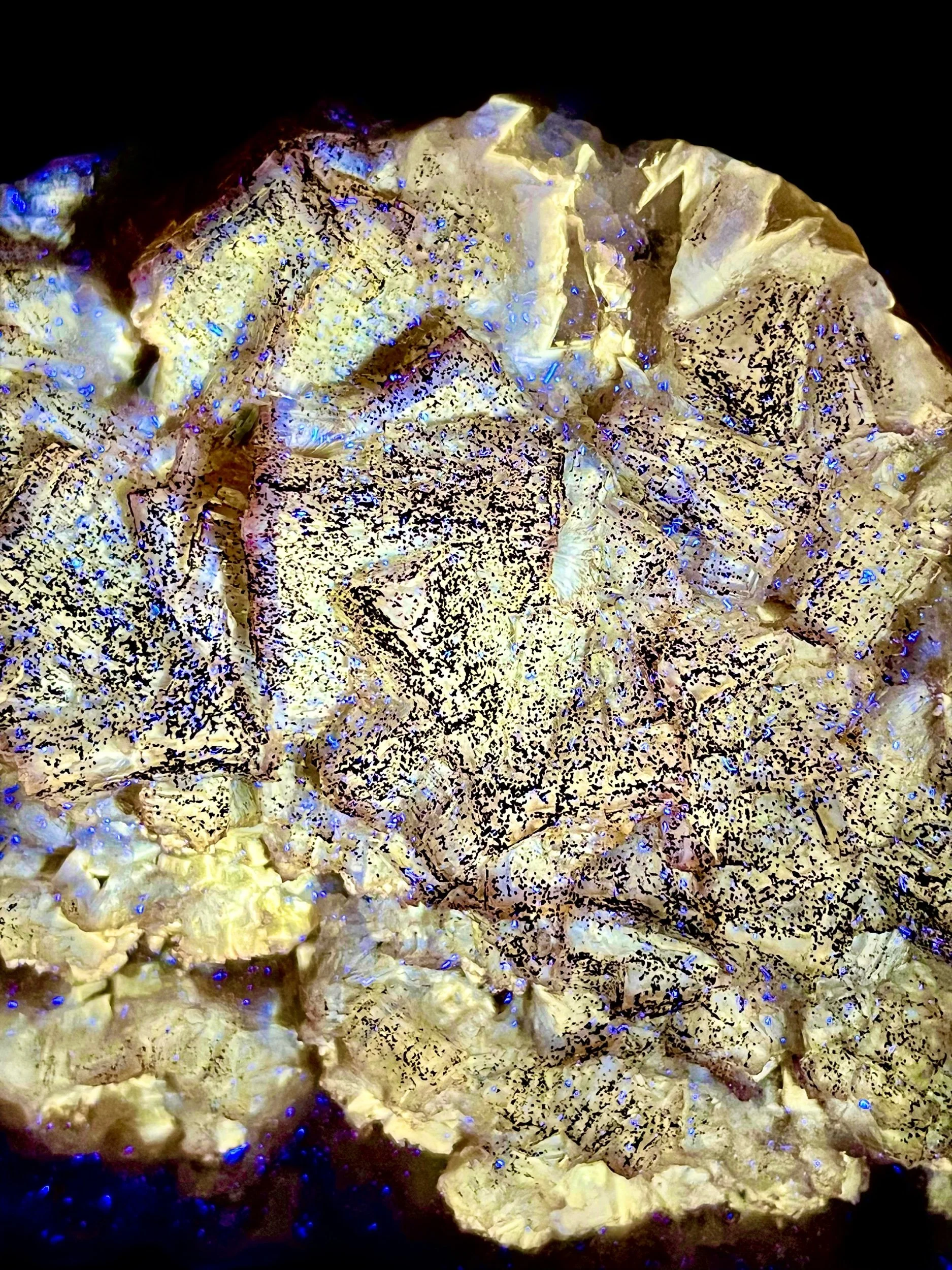
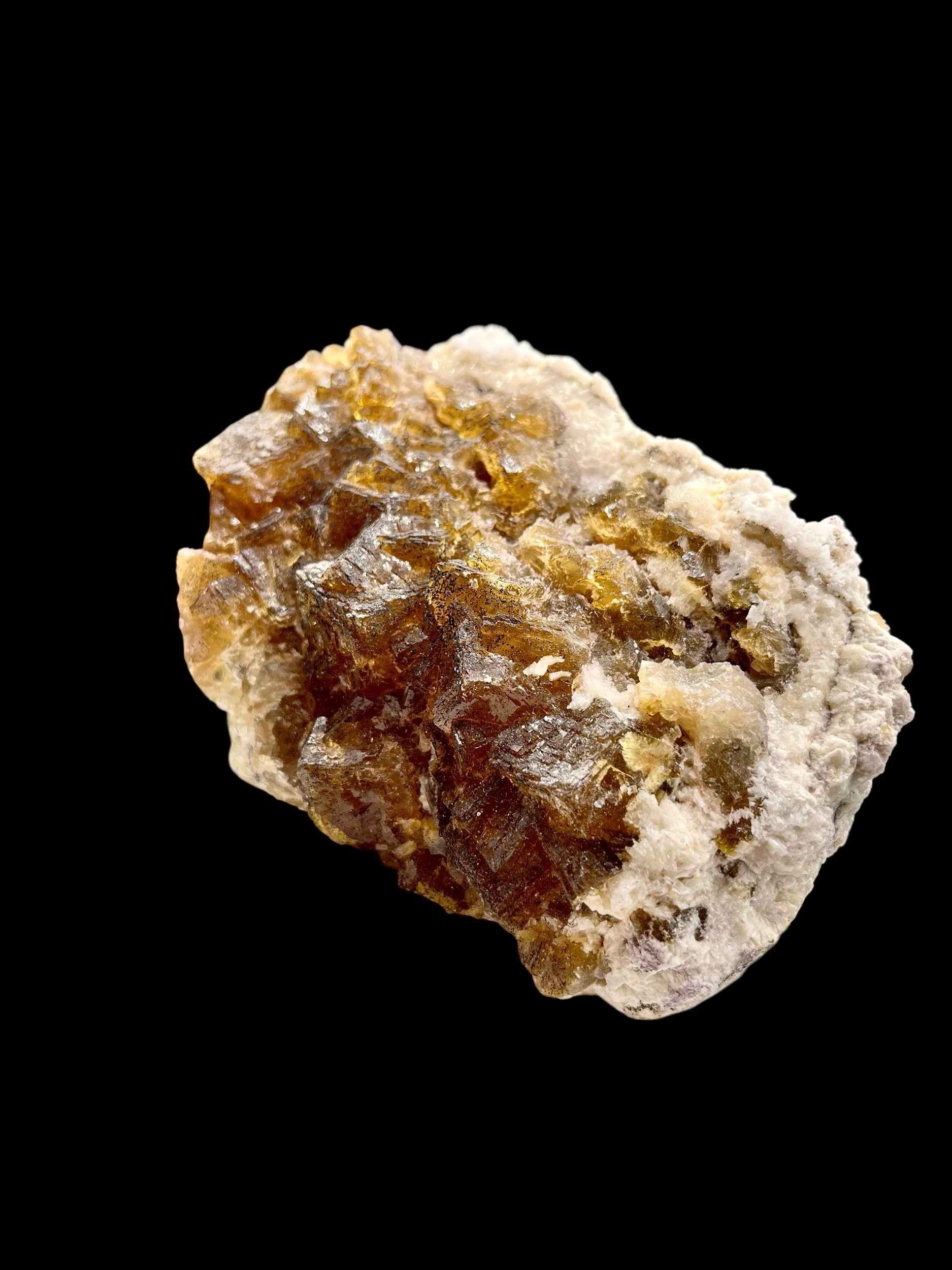
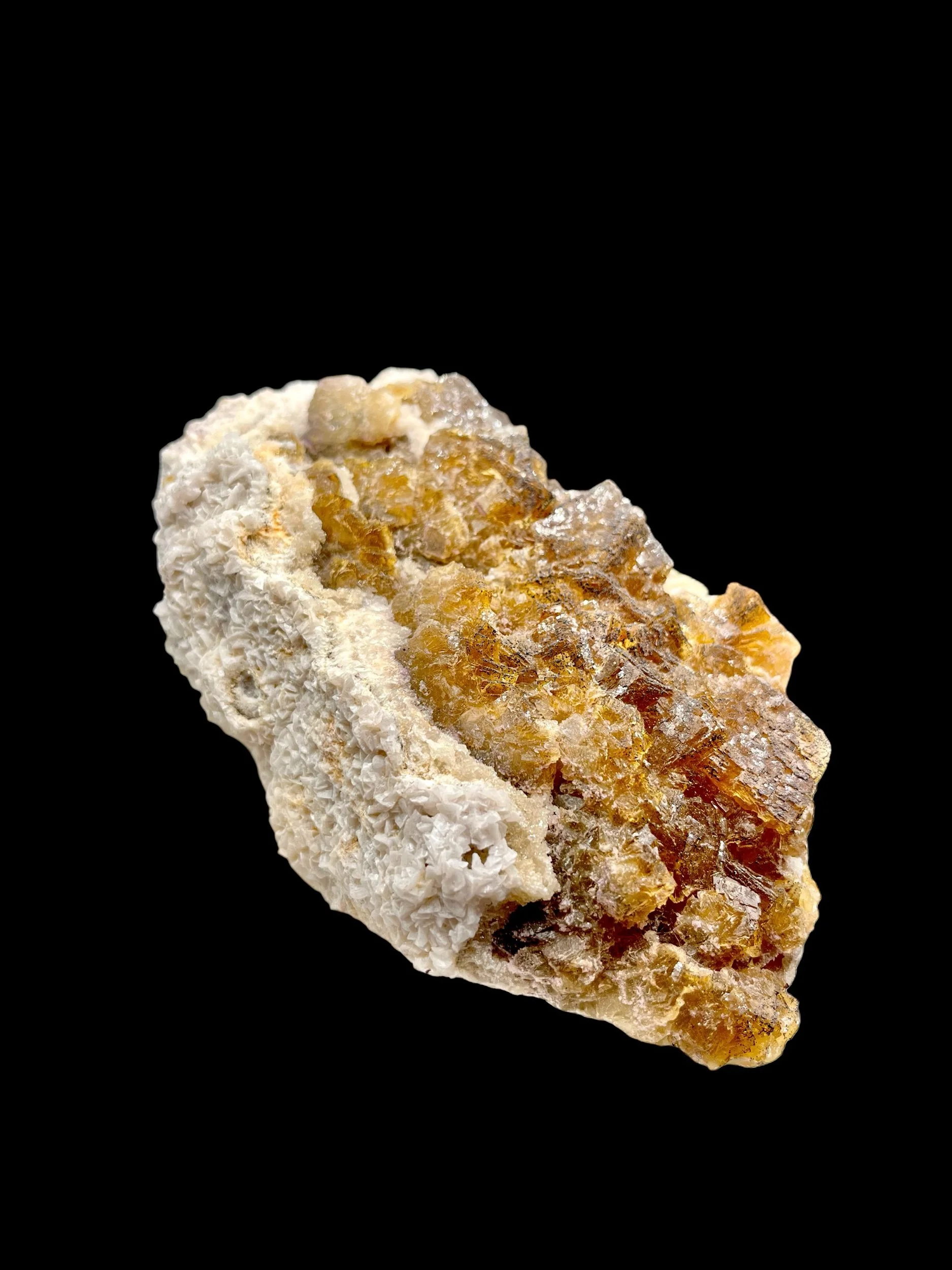
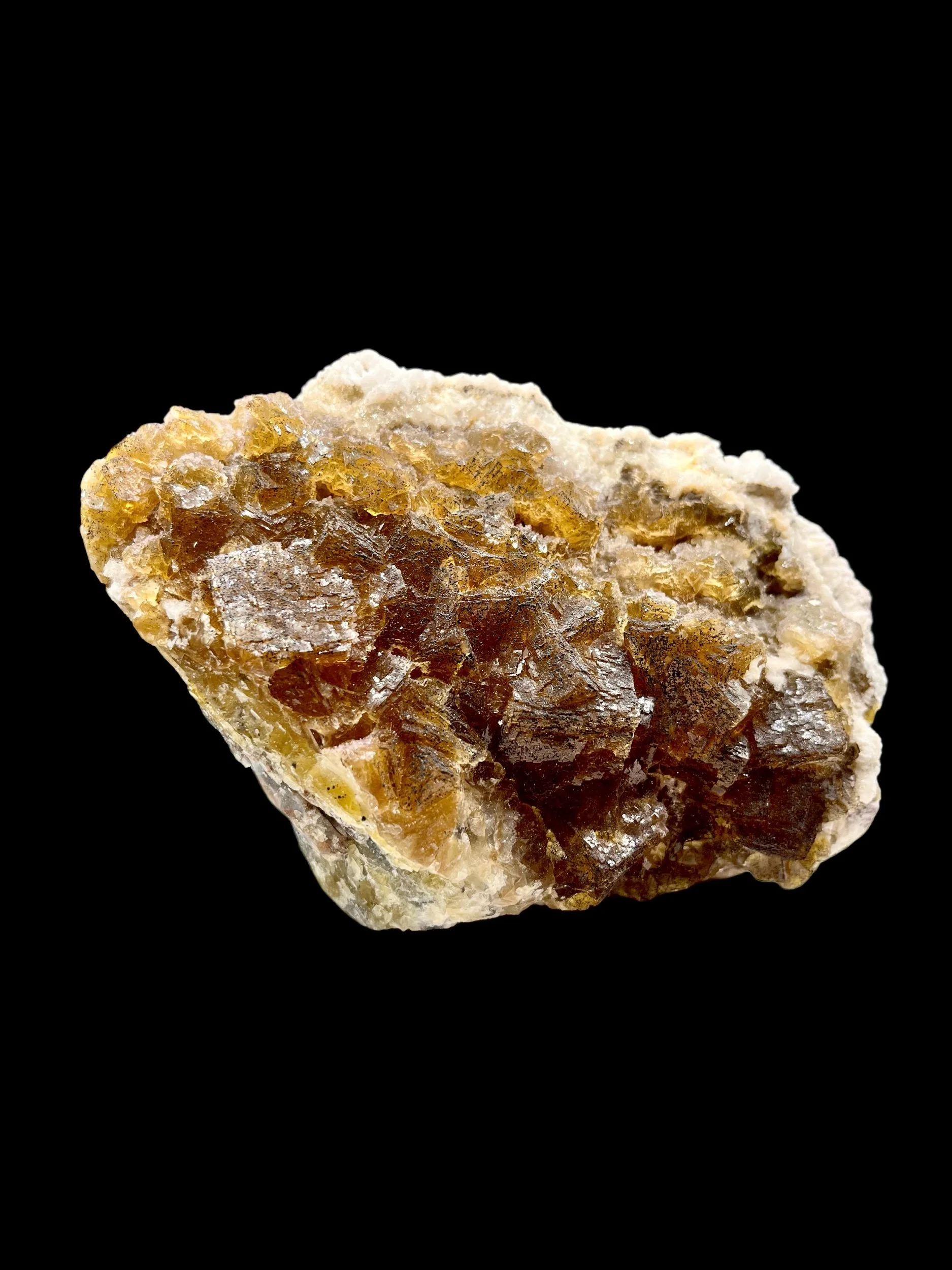
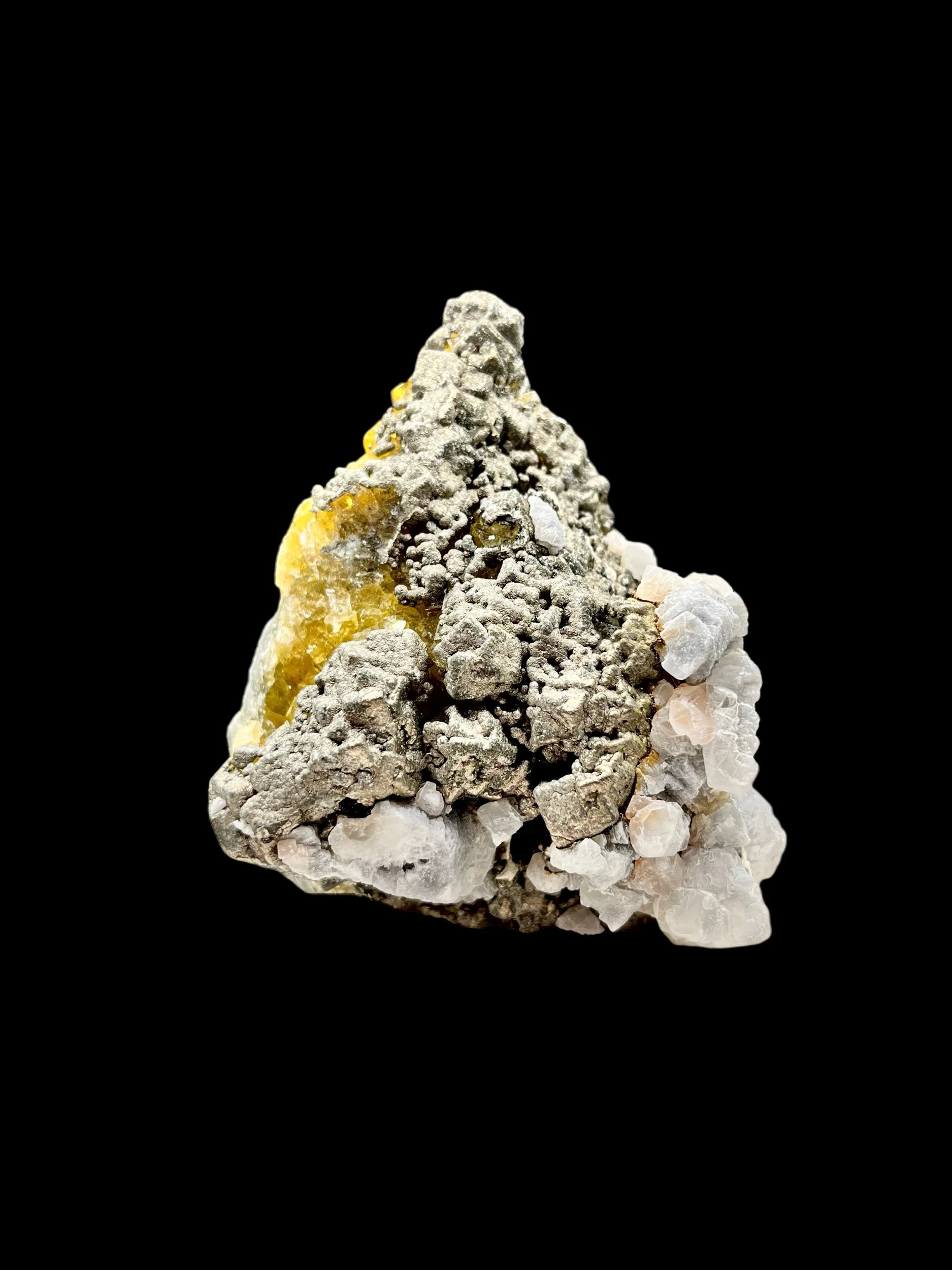
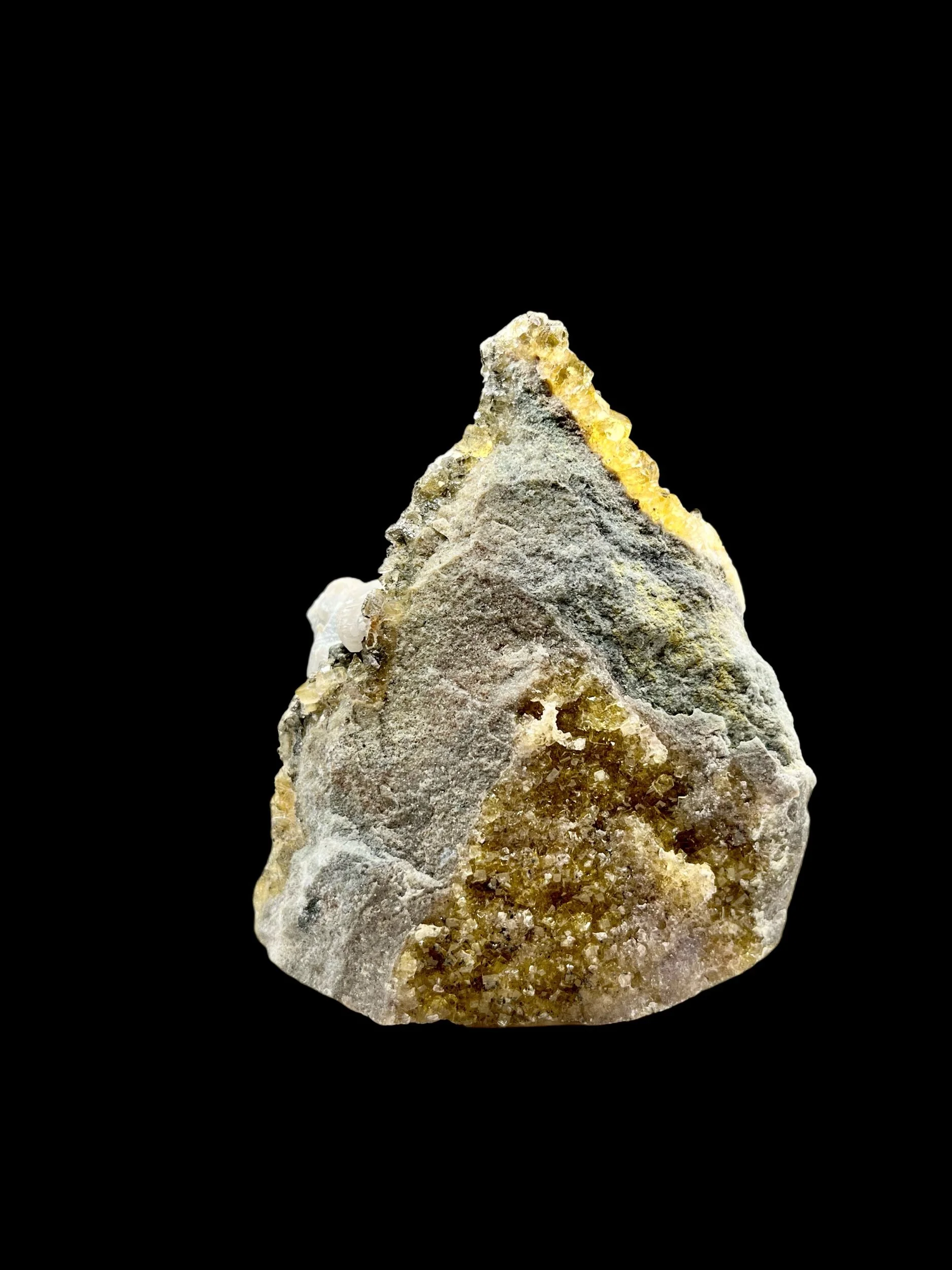
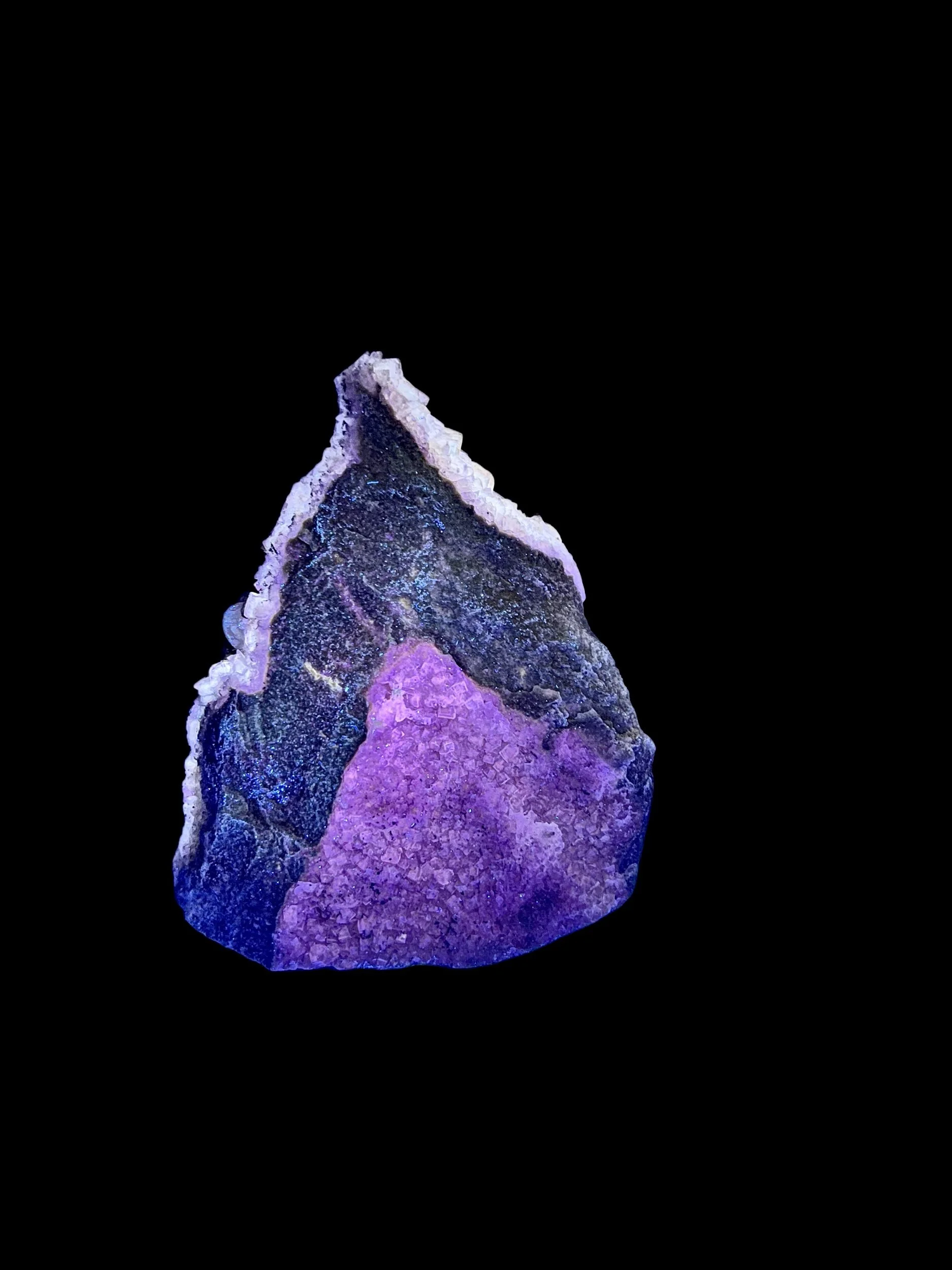
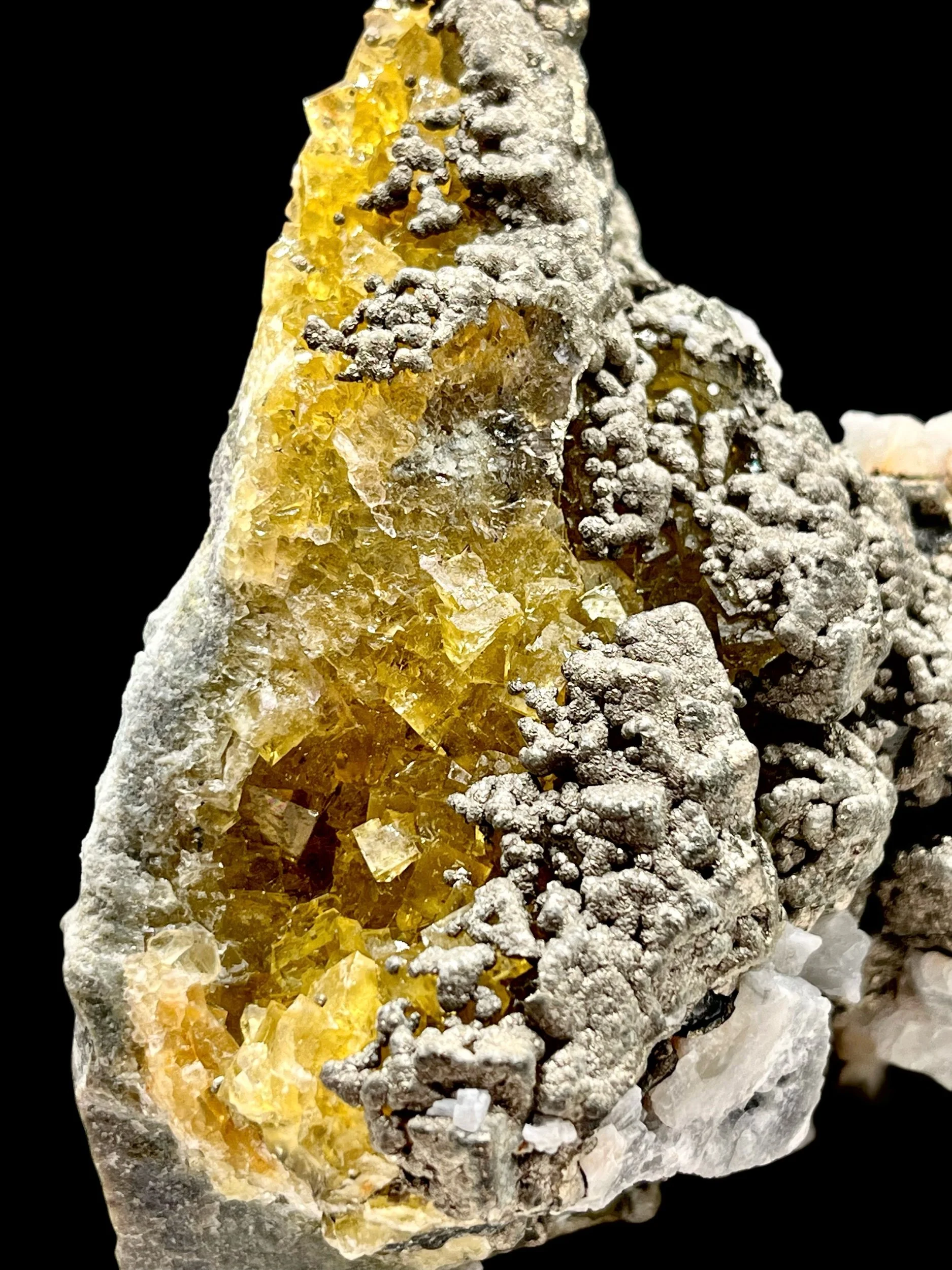
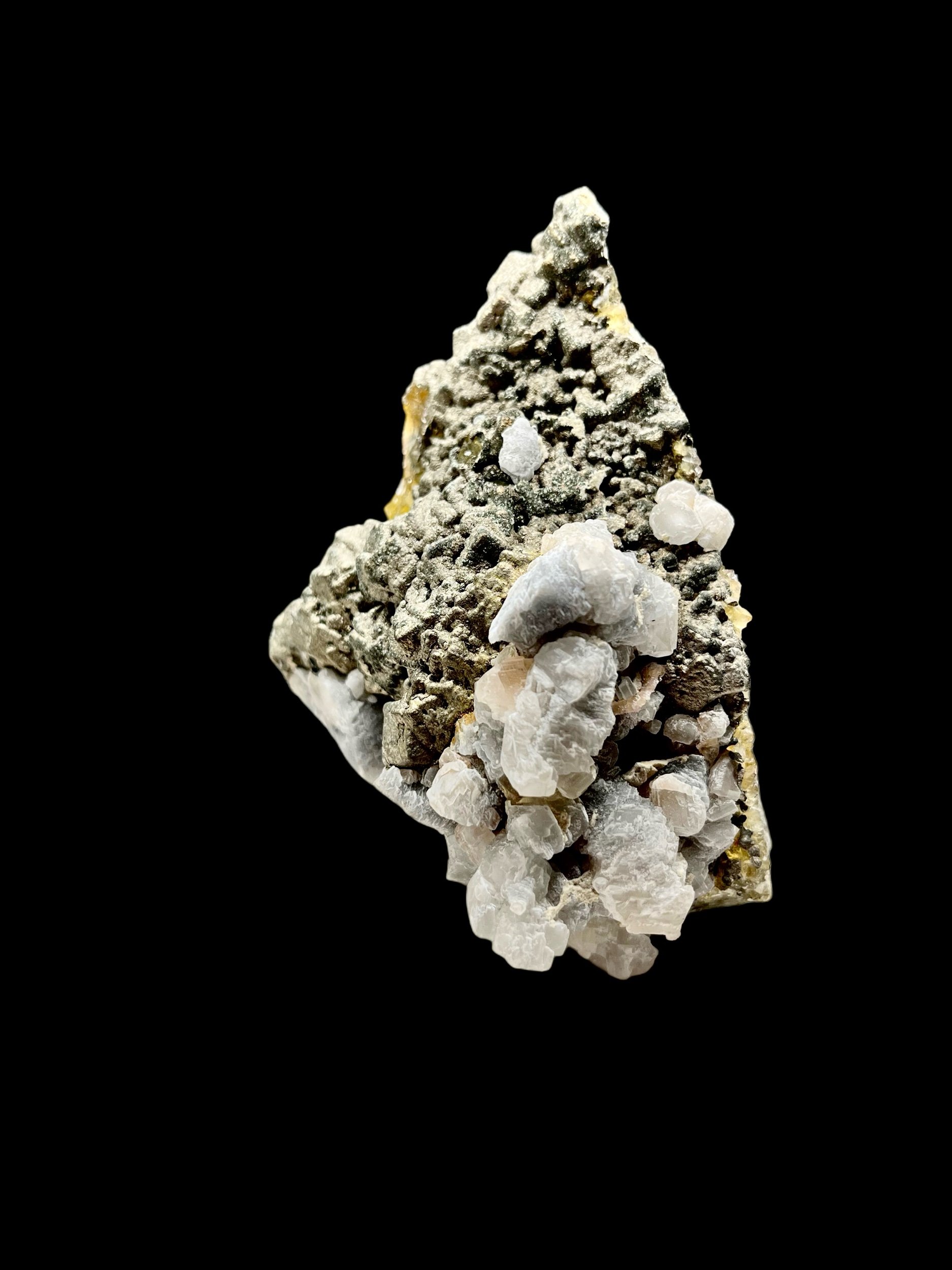
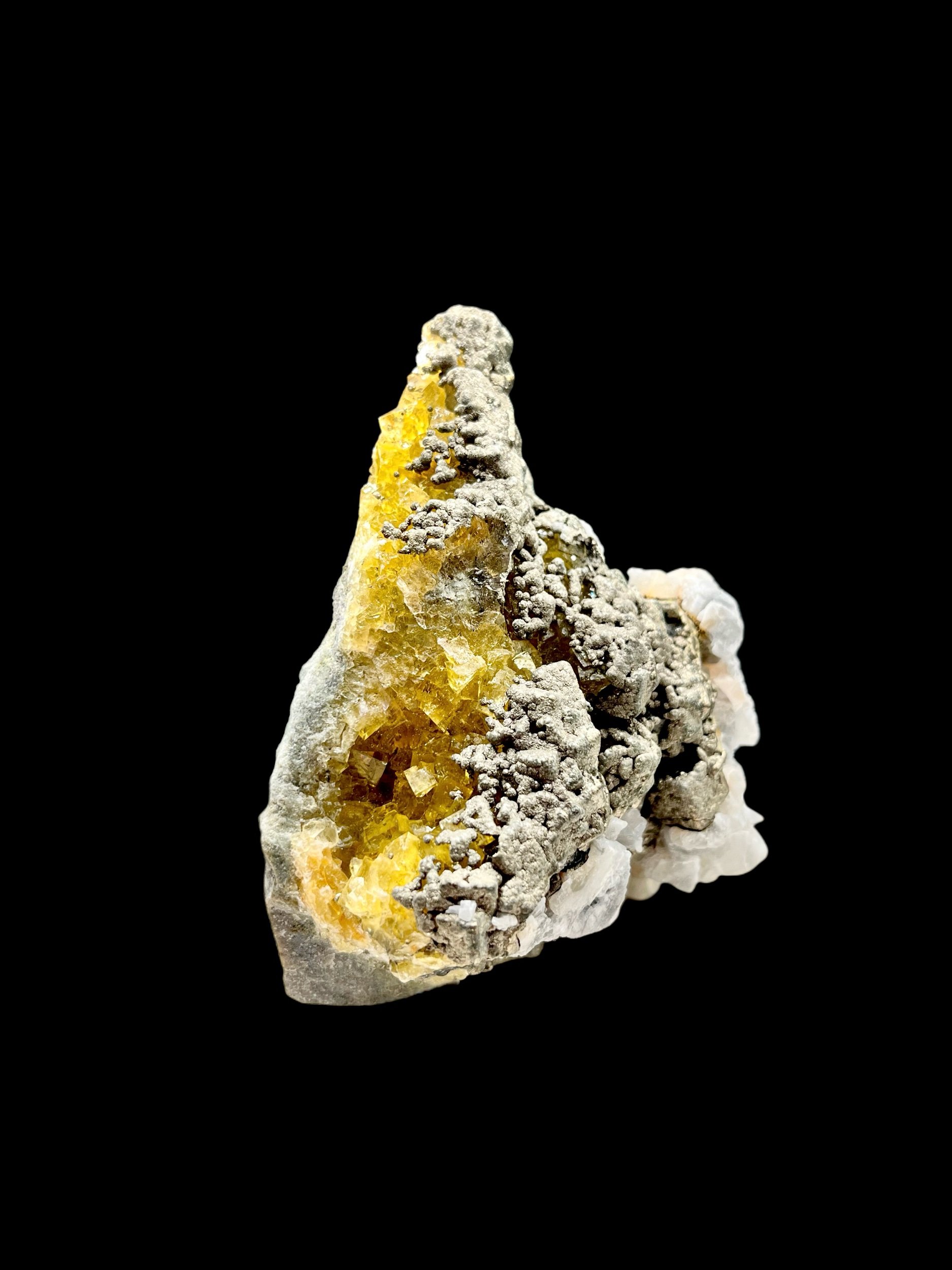
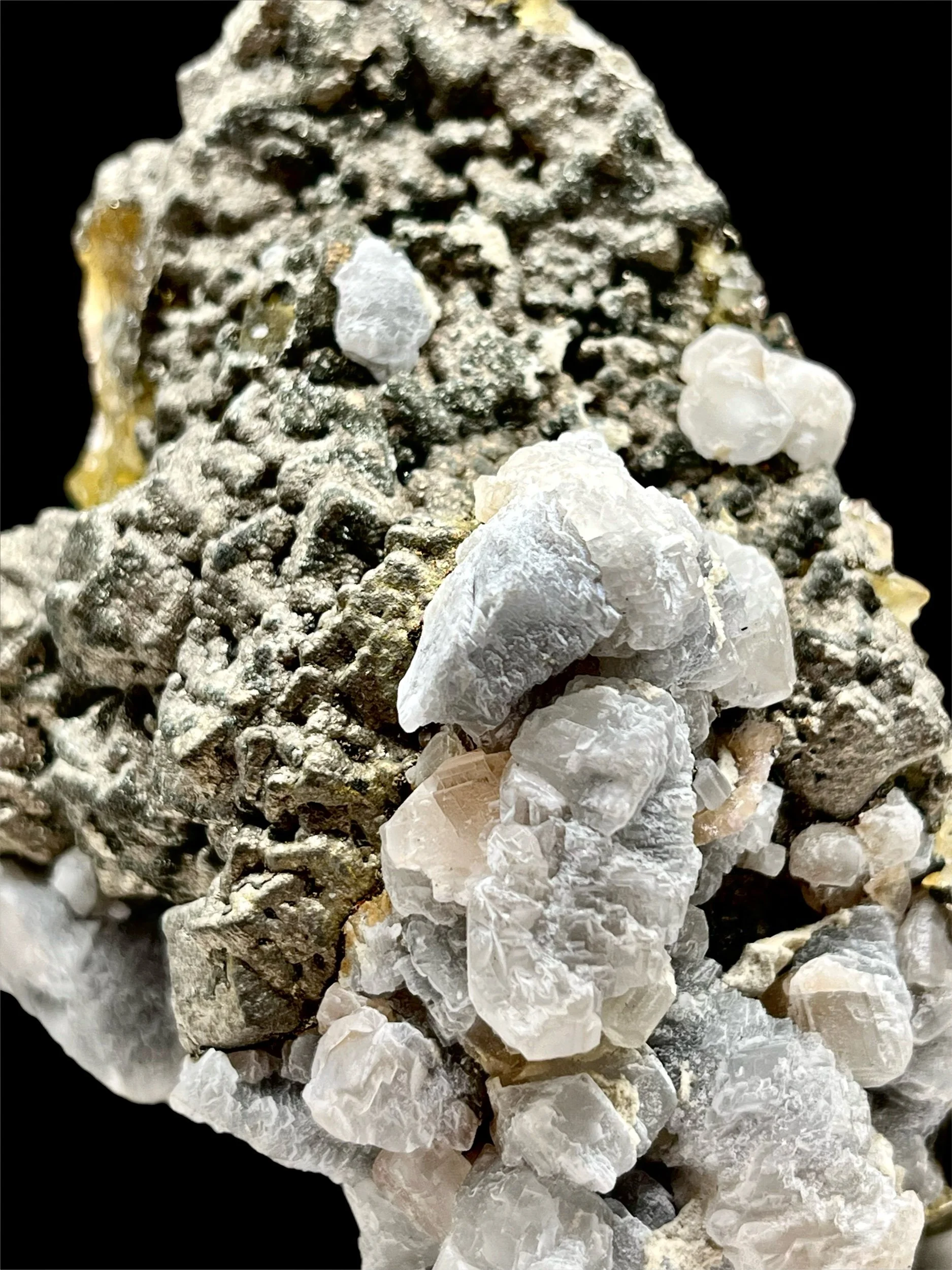
This barite with pyrite specimen displays a complex intergrowth of tabular and bladed barite crystals layered across a pale peach to cream-colored barite. The specimen shows mixed crystal orientations, with overlapping plates, partial terminations, and exposed growth planes that reveal the specimen’s multi-stage formation history. Color ranges from soft champagne to warm honey, with translucent edges and frosted internal textures.
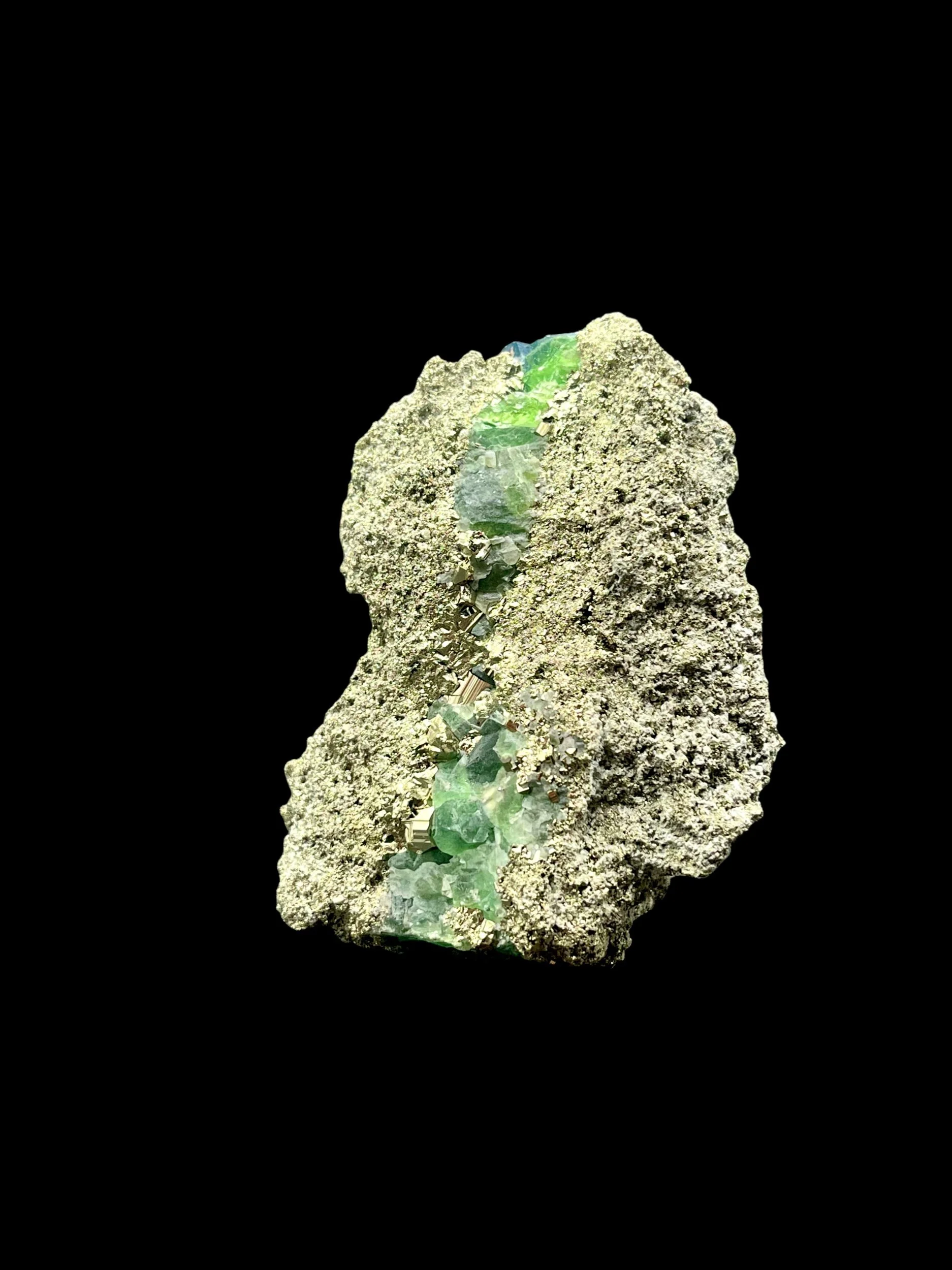
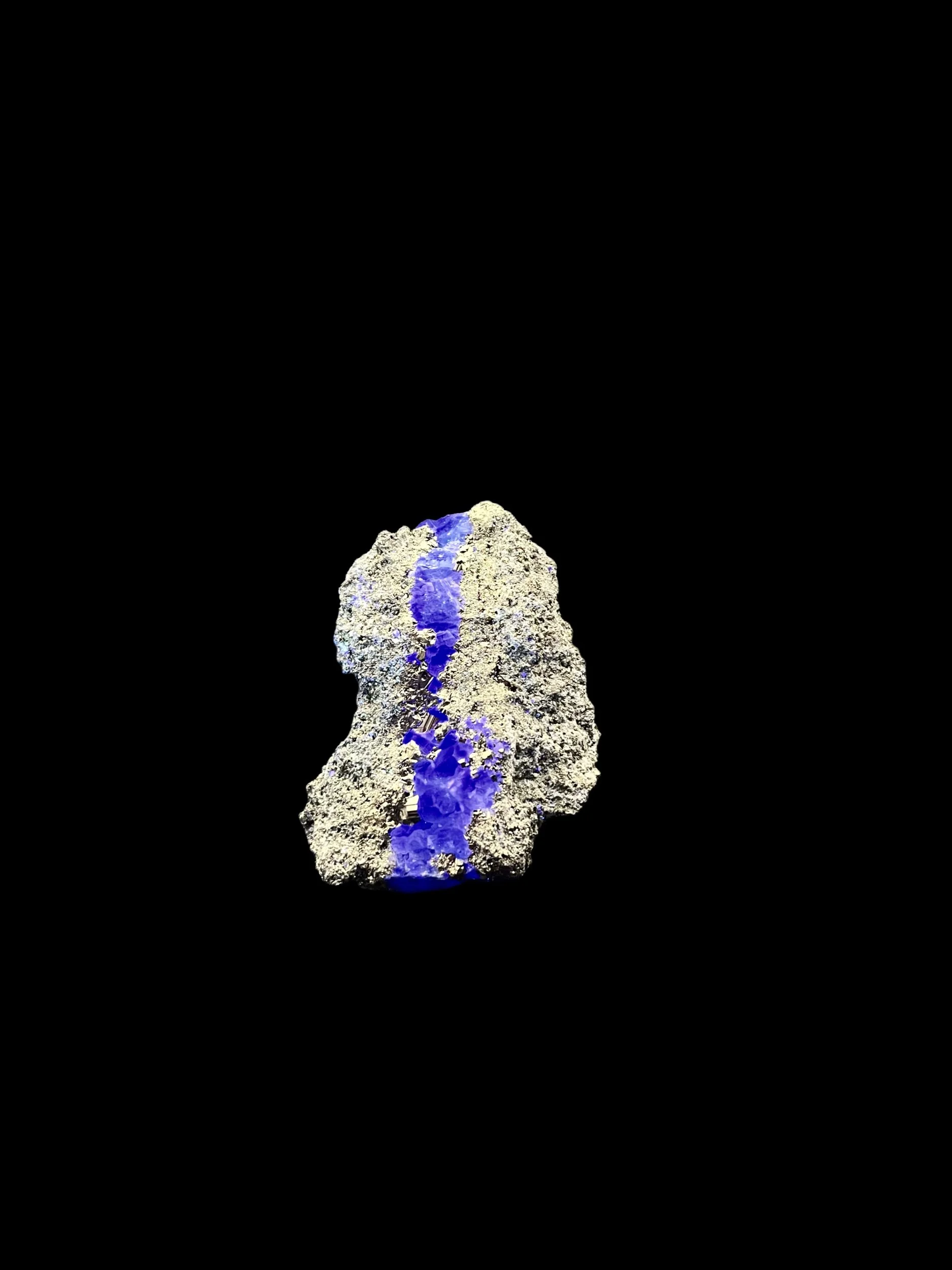
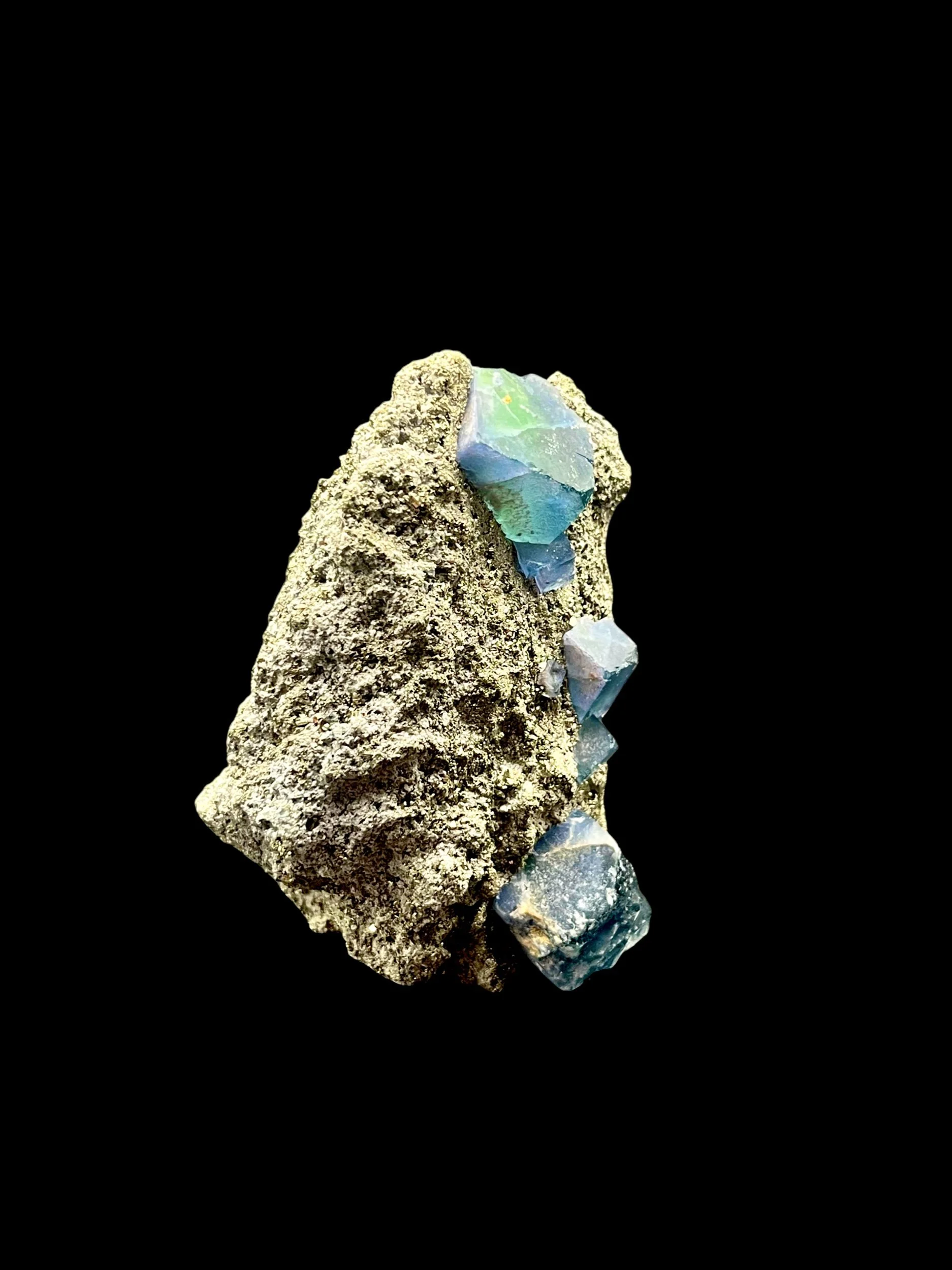
Fine pyrite occurs throughout the piece as scattered metallic grains and small clusters, concentrated along fractures, seams, and crystal boundaries. Rather than a single dominant growth direction, this specimen feels richly interwoven—offering visual complexity and depth from every angle.
Dimensions: 2.75” x 3” x 2.5”
Weight: 500g
Barite is often associated with grounding energy, organization, and mental clarity, especially during periods of complexity or transition. In intergrown formations, it is sometimes thought to help integrate scattered thoughts into a cohesive whole. Pyrite is traditionally linked with confidence, protection, and vitality, symbolically reinforcing resilience and inner strength.
This specimen is particularly appealing for collectors who appreciate barite beyond simple crystal habits. The intergrown structure, visible growth interruptions, and naturally distributed pyrite inclusions point to changing conditions during formation—making this an excellent study piece. It offers strong educational value while still maintaining natural aesthetic appeal.
Complex intergrown tabular and bladed barite crystals
Visible multi-stage growth and exposed crystal planes
Naturally occurring pyrite inclusions throughout
Excellent champagne, honey, and peach coloration
Gemmy luster
Barite (BaSO₄) forms in hydrothermal veins and sedimentary environments, commonly crystallizing in tabular or bladed habits. Complex intergrowths develop when growth conditions fluctuate, causing crystals to form, pause, and resume in varying orientations. Pyrite (FeS₂) often forms concurrently or during later stages, becoming incorporated along fractures and crystal boundaries within sulfur-rich systems.
This barite with pyrite specimen displays a complex intergrowth of tabular and bladed barite crystals layered across a pale peach to cream-colored barite. The specimen shows mixed crystal orientations, with overlapping plates, partial terminations, and exposed growth planes that reveal the specimen’s multi-stage formation history. Color ranges from soft champagne to warm honey, with translucent edges and frosted internal textures.
Fine pyrite occurs throughout the piece as scattered metallic grains and small clusters, concentrated along fractures, seams, and crystal boundaries. Rather than a single dominant growth direction, this specimen feels richly interwoven—offering visual complexity and depth from every angle.
Dimensions: 2.75” x 3” x 2.5”
Weight: 500g
Barite is often associated with grounding energy, organization, and mental clarity, especially during periods of complexity or transition. In intergrown formations, it is sometimes thought to help integrate scattered thoughts into a cohesive whole. Pyrite is traditionally linked with confidence, protection, and vitality, symbolically reinforcing resilience and inner strength.
This specimen is particularly appealing for collectors who appreciate barite beyond simple crystal habits. The intergrown structure, visible growth interruptions, and naturally distributed pyrite inclusions point to changing conditions during formation—making this an excellent study piece. It offers strong educational value while still maintaining natural aesthetic appeal.
Complex intergrown tabular and bladed barite crystals
Visible multi-stage growth and exposed crystal planes
Naturally occurring pyrite inclusions throughout
Excellent champagne, honey, and peach coloration
Gemmy luster
Barite (BaSO₄) forms in hydrothermal veins and sedimentary environments, commonly crystallizing in tabular or bladed habits. Complex intergrowths develop when growth conditions fluctuate, causing crystals to form, pause, and resume in varying orientations. Pyrite (FeS₂) often forms concurrently or during later stages, becoming incorporated along fractures and crystal boundaries within sulfur-rich systems.