 Image 1 of 5
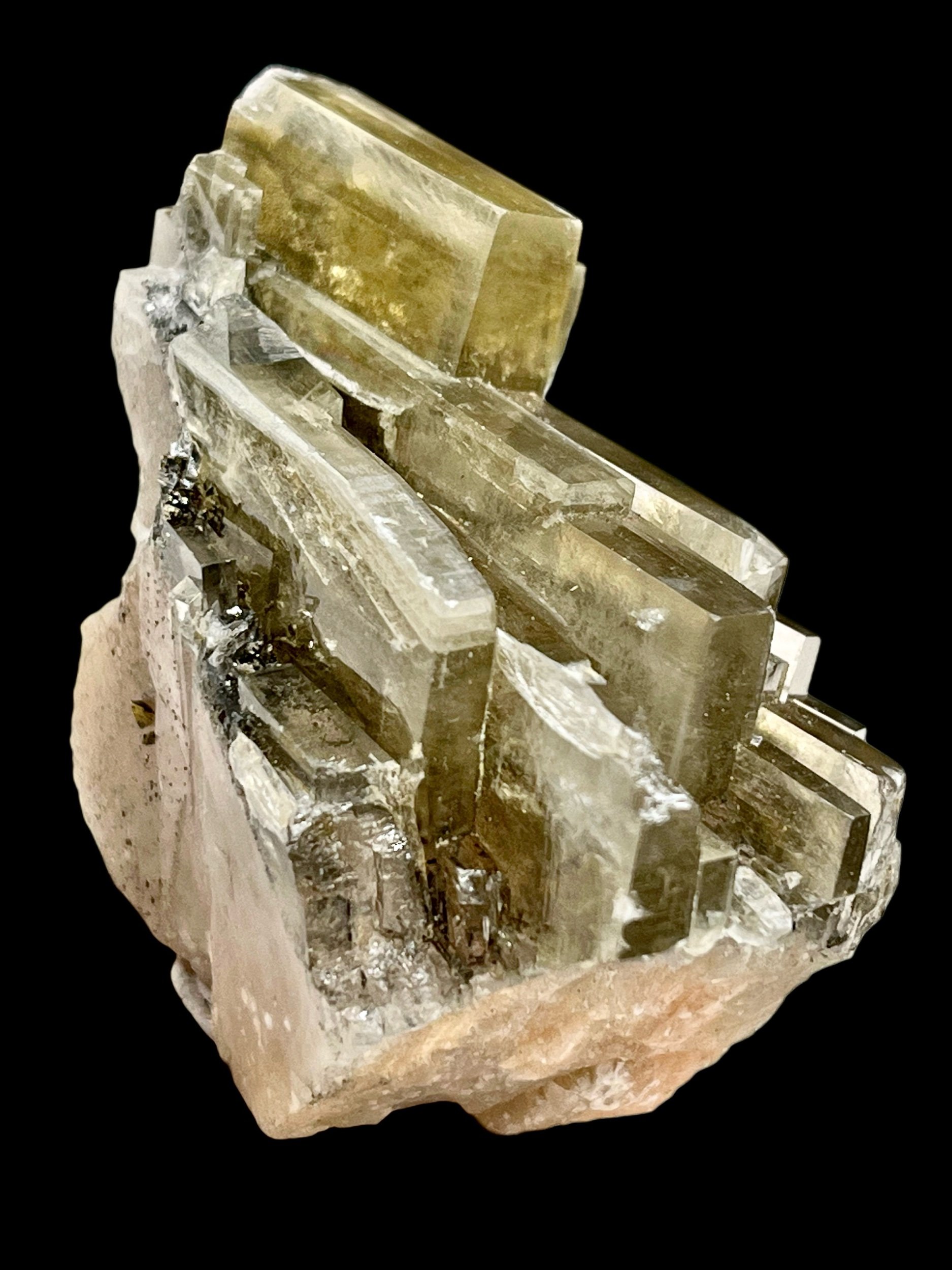 Image 2 of 5
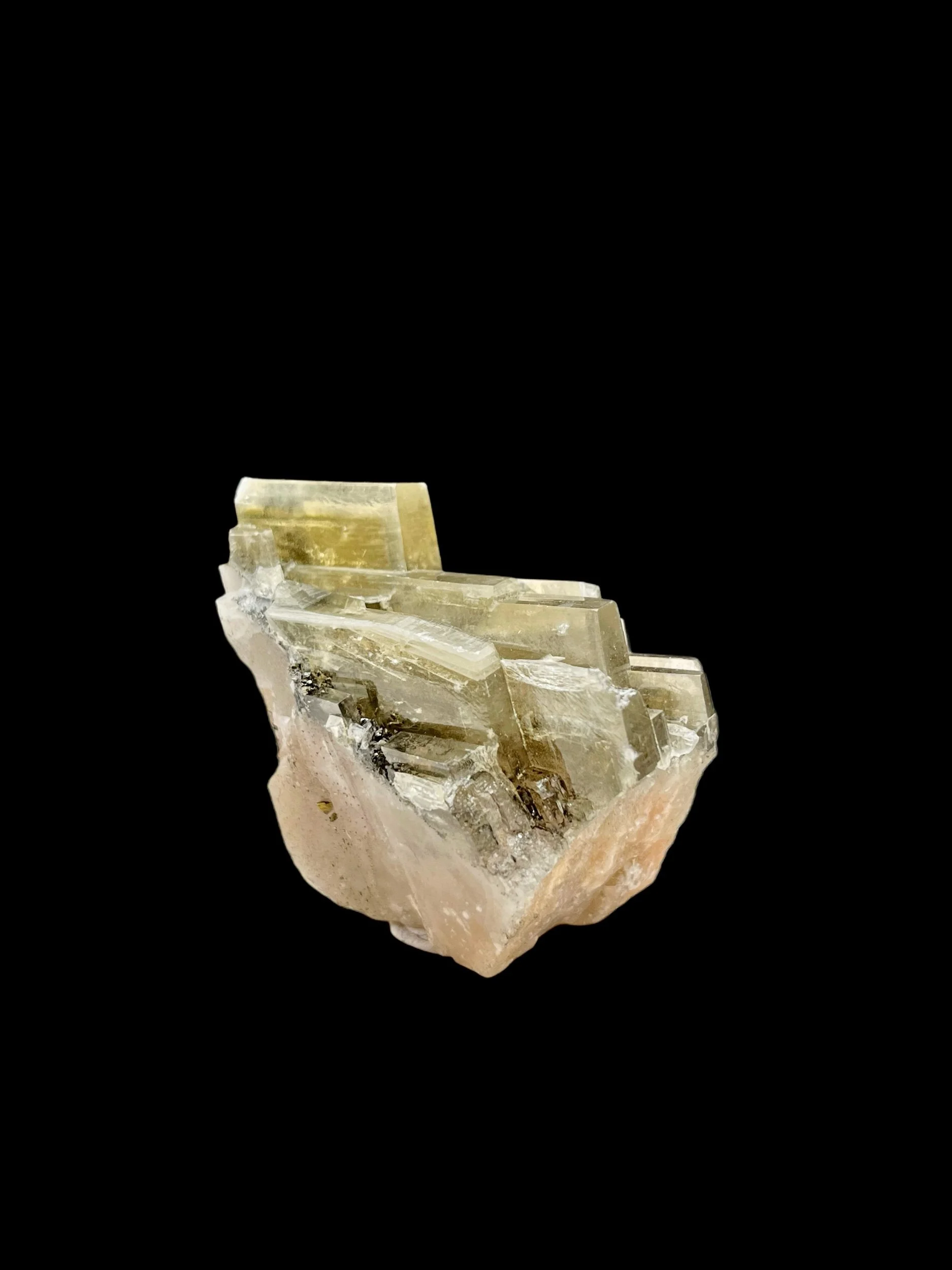 Image 3 of 5
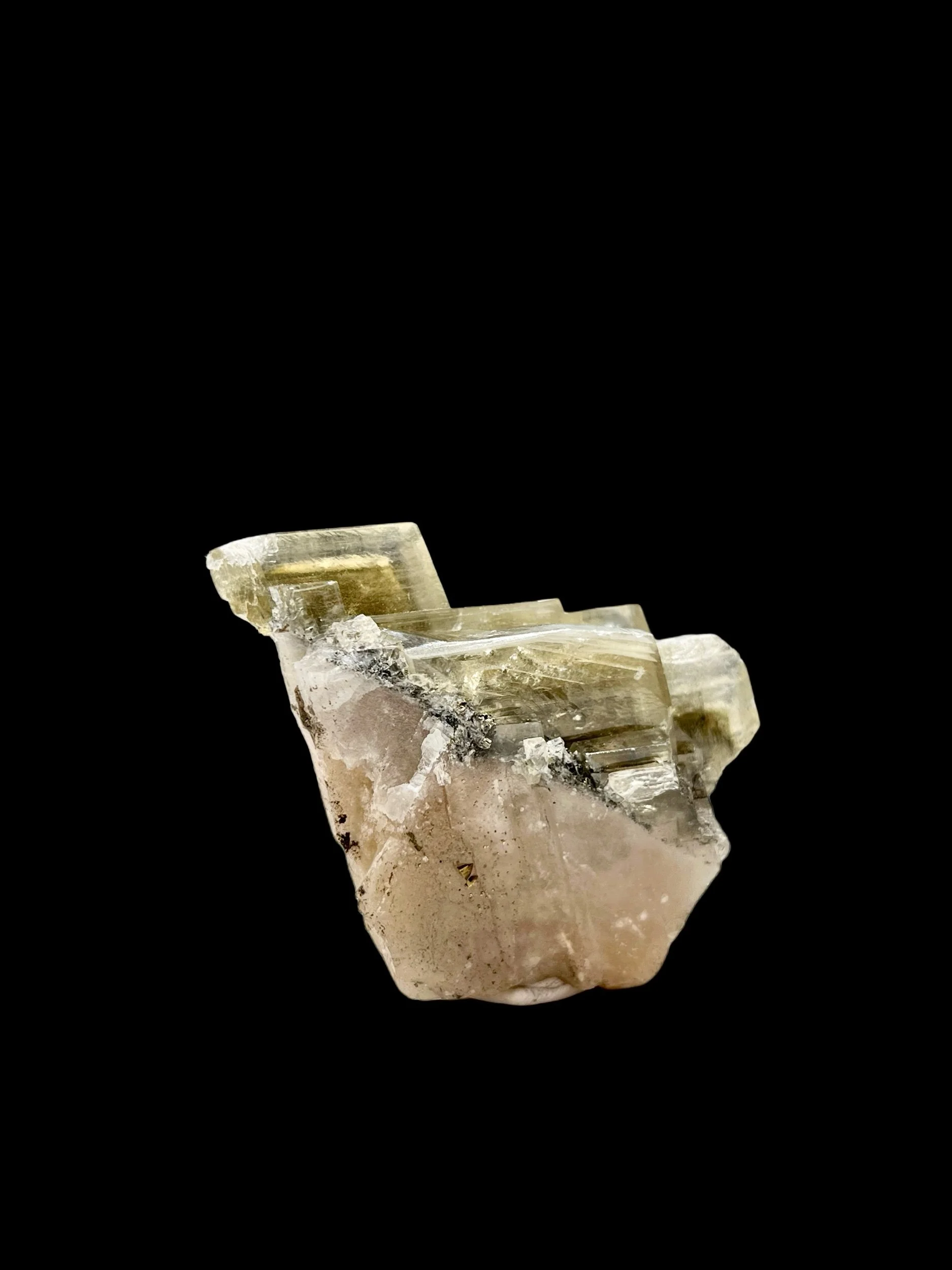 Image 4 of 5
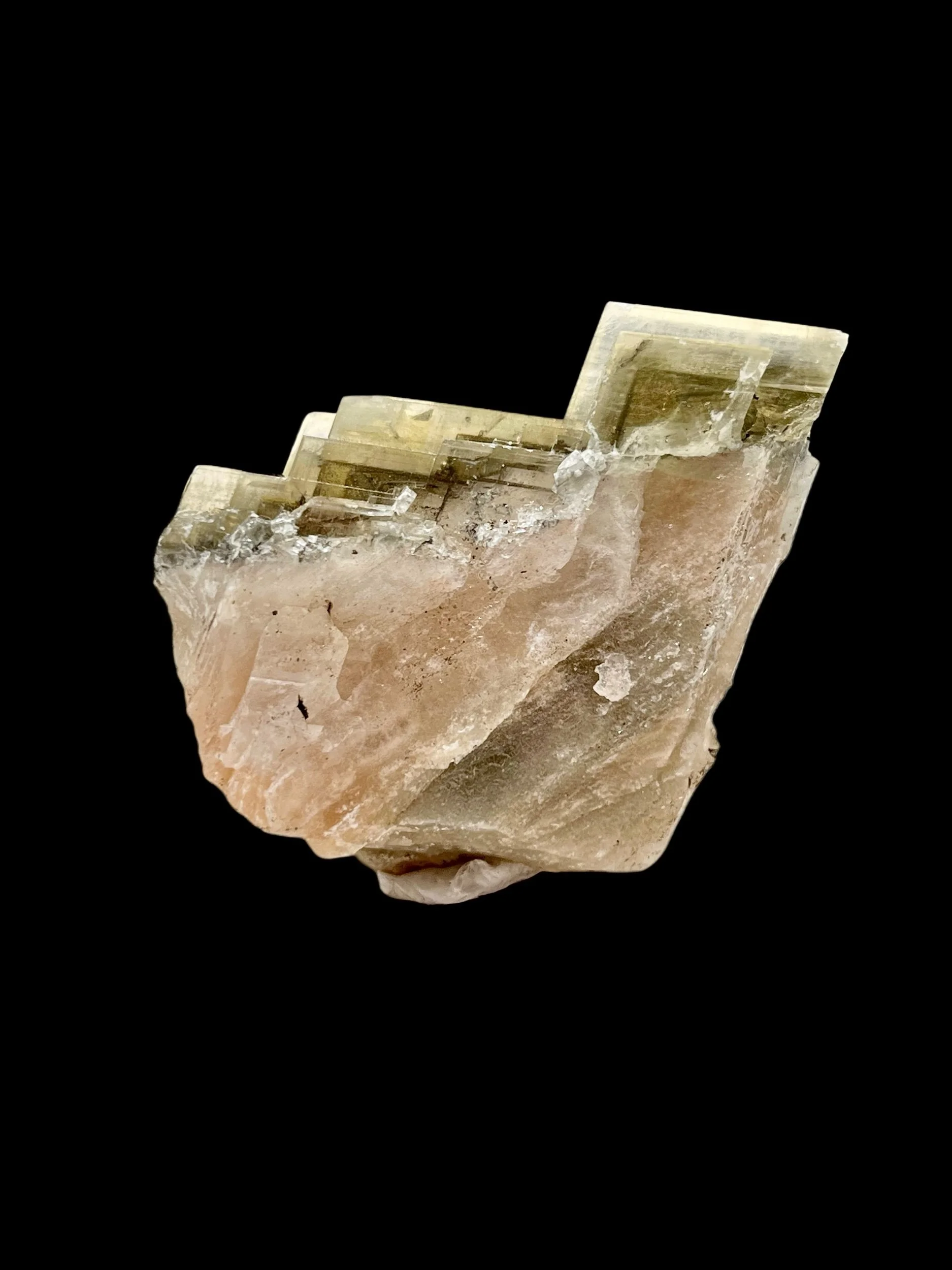 Image 5 of 5
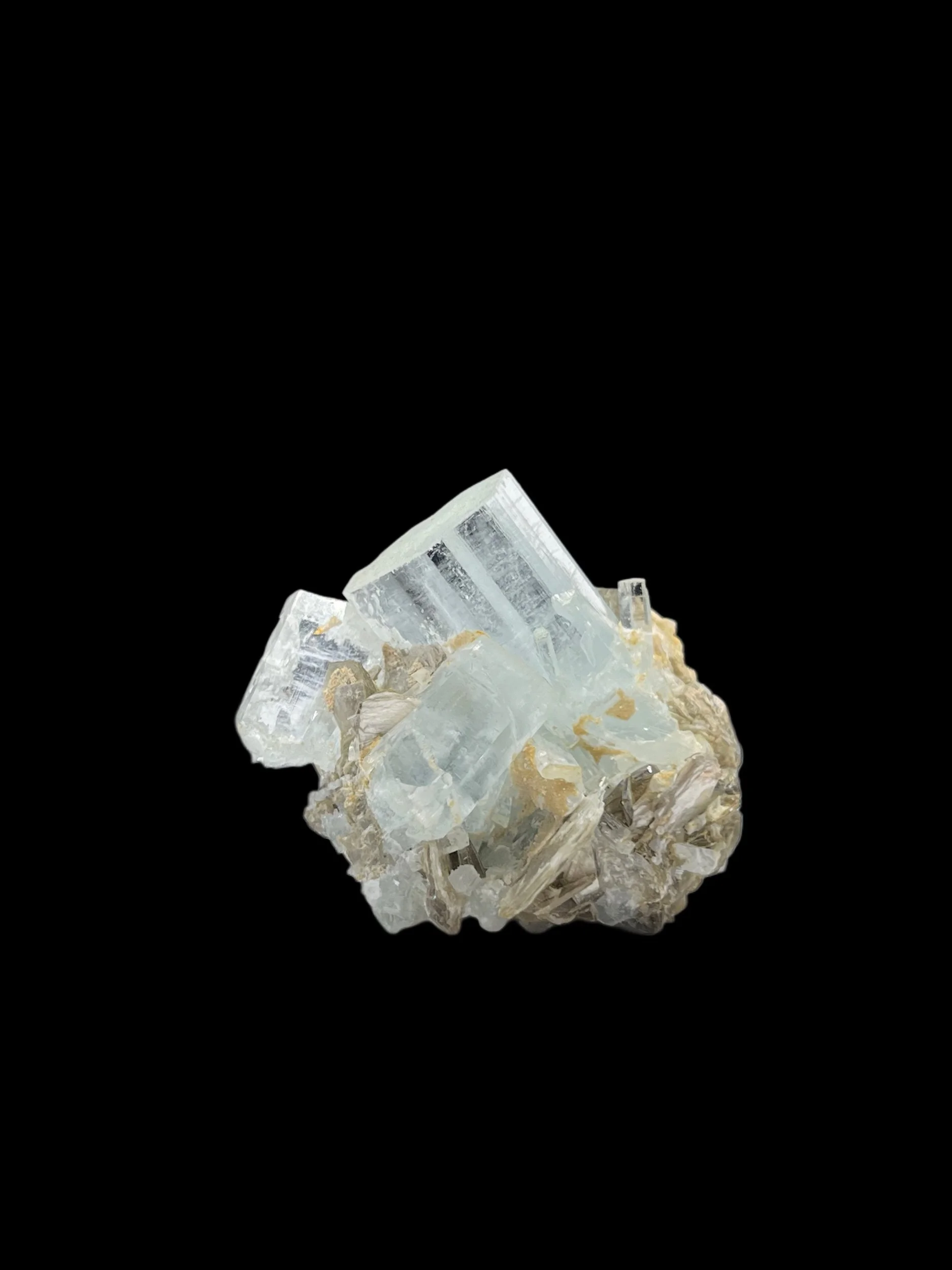
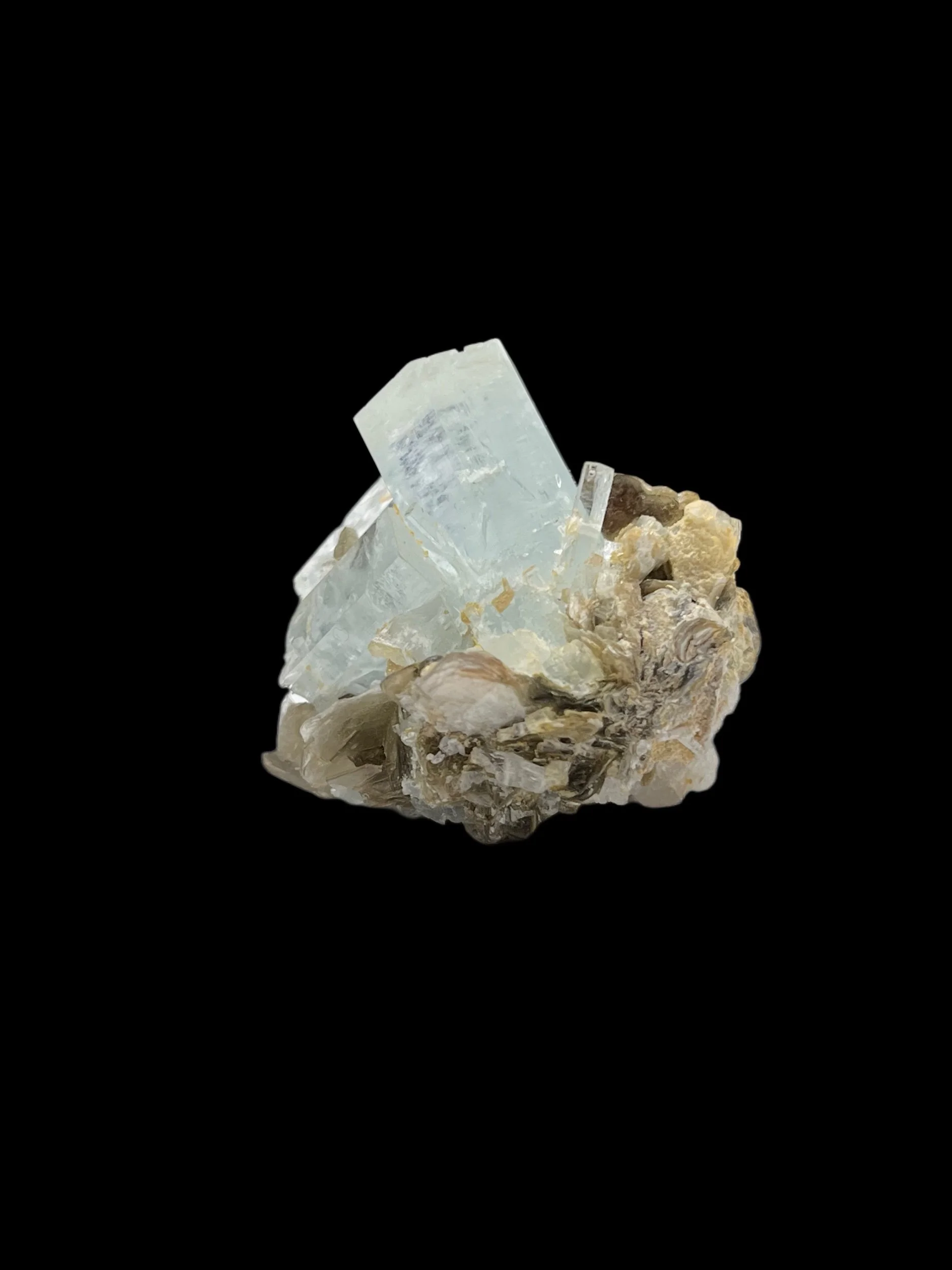
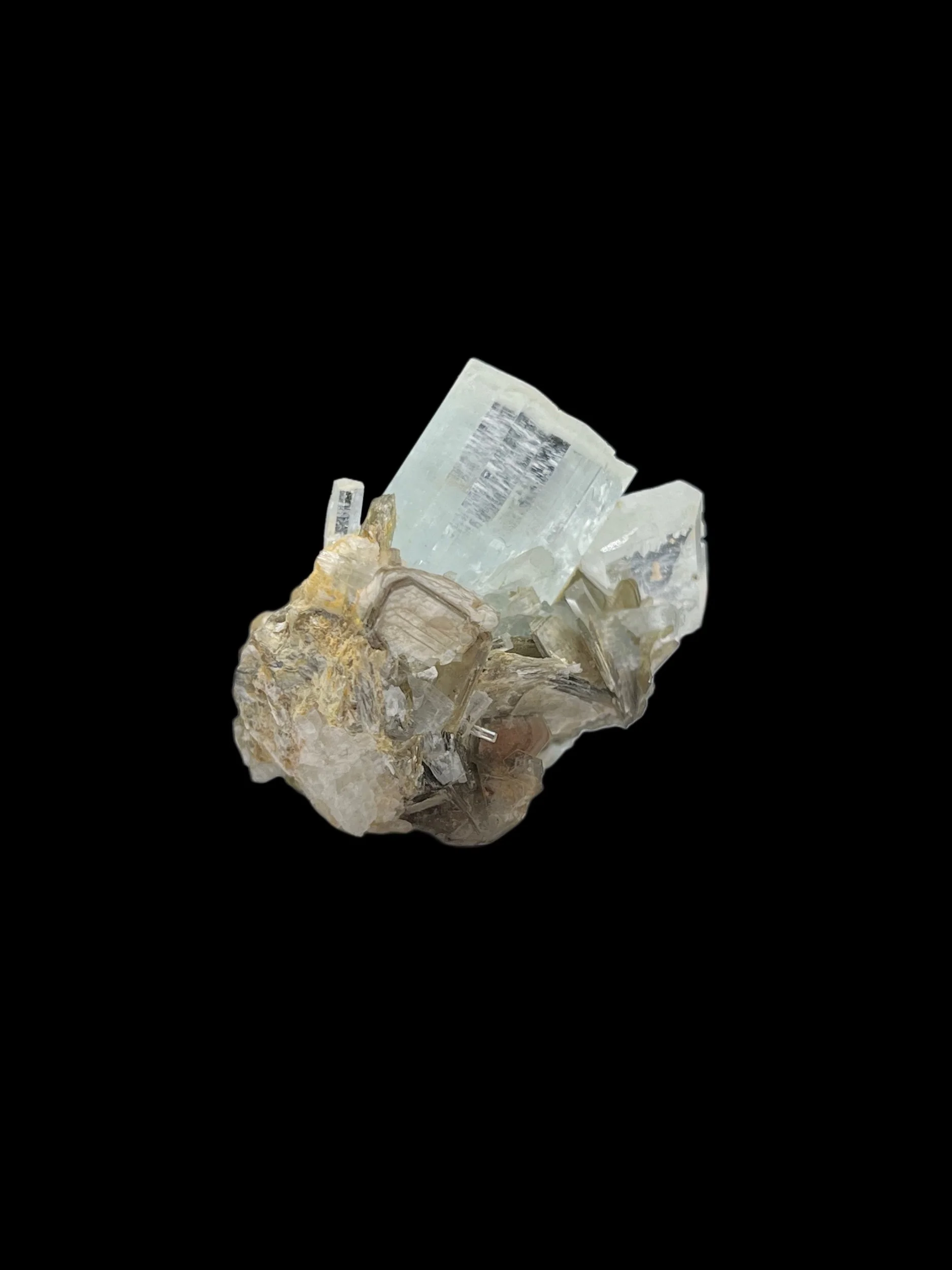
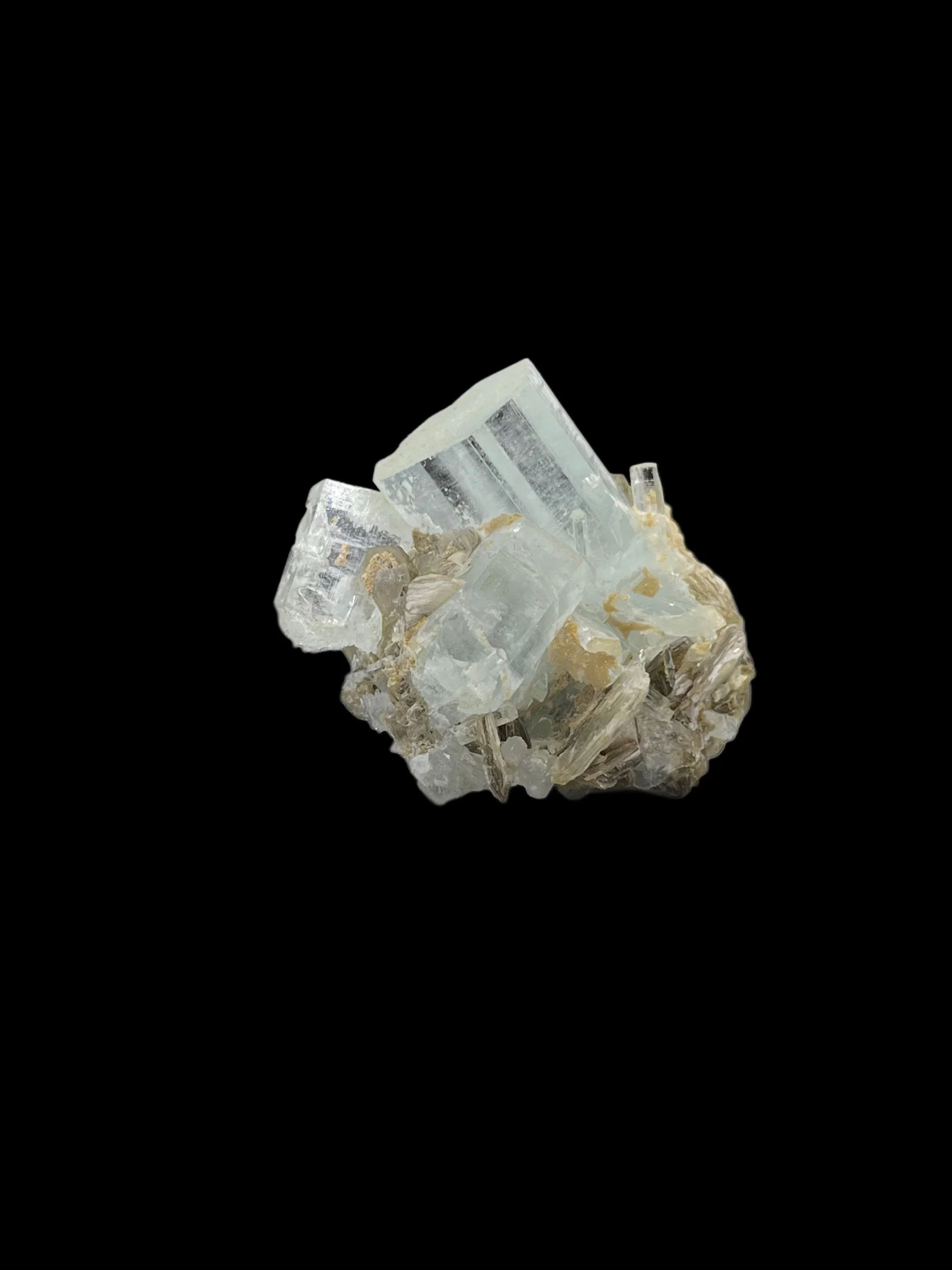
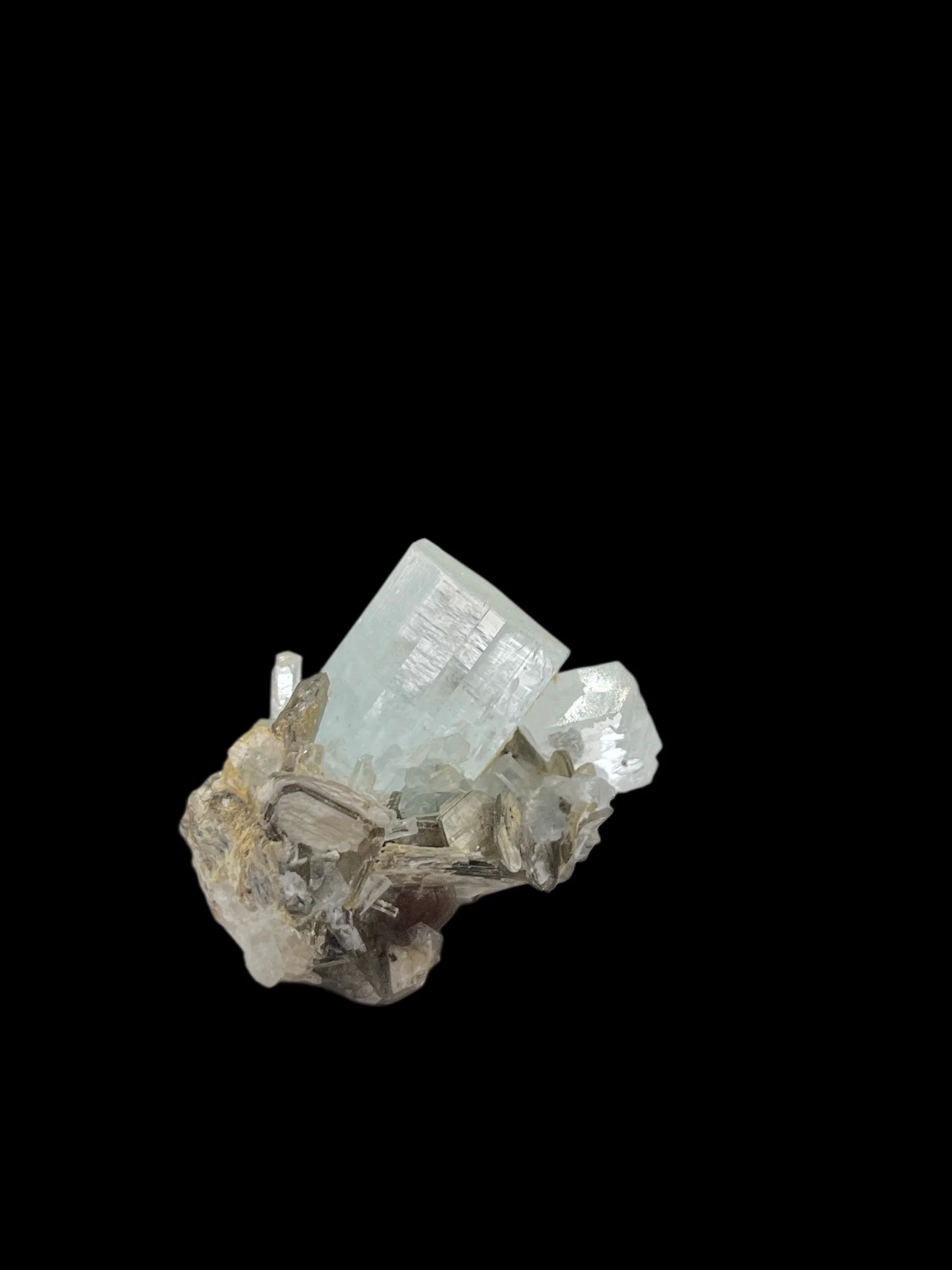
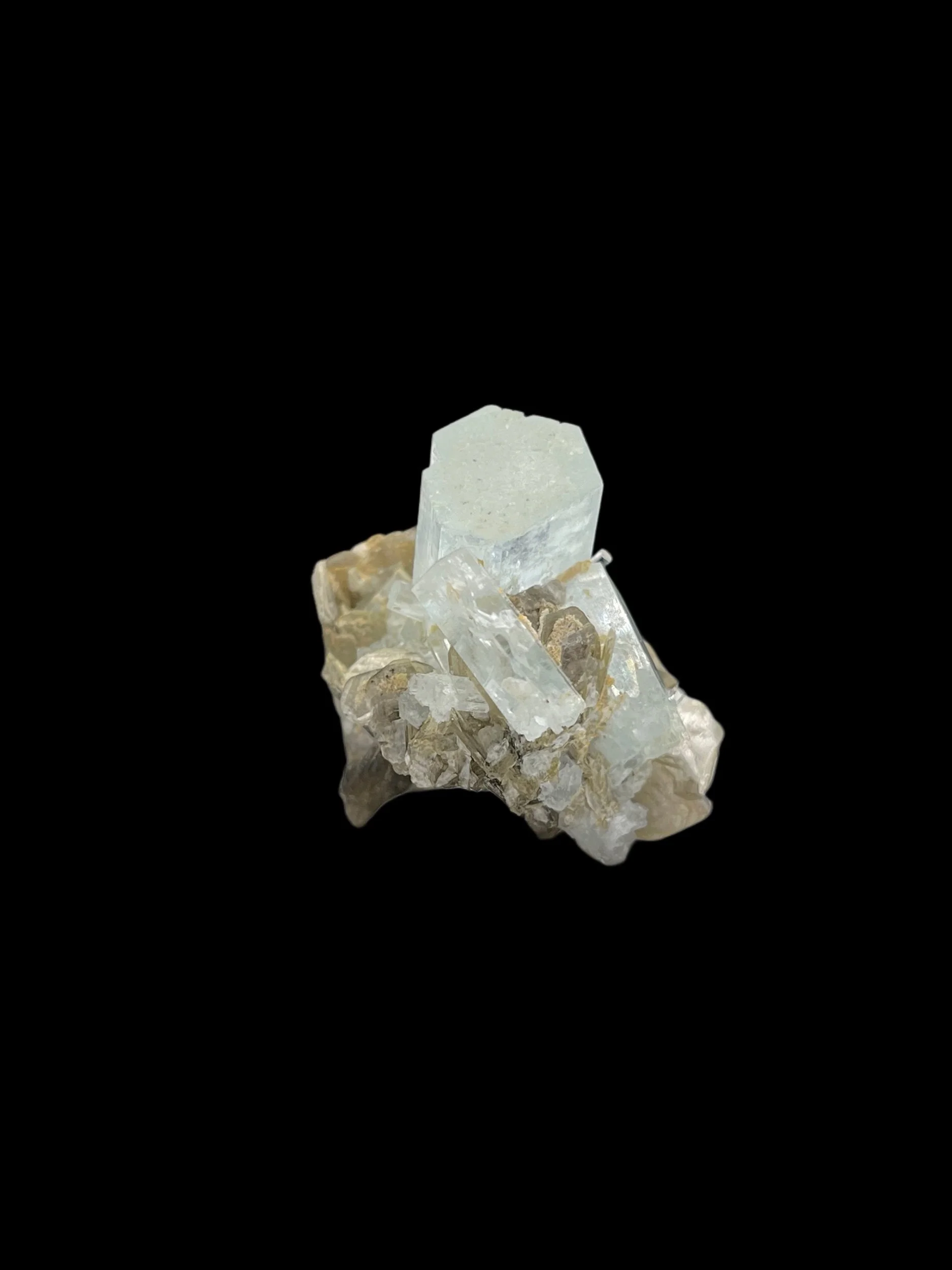
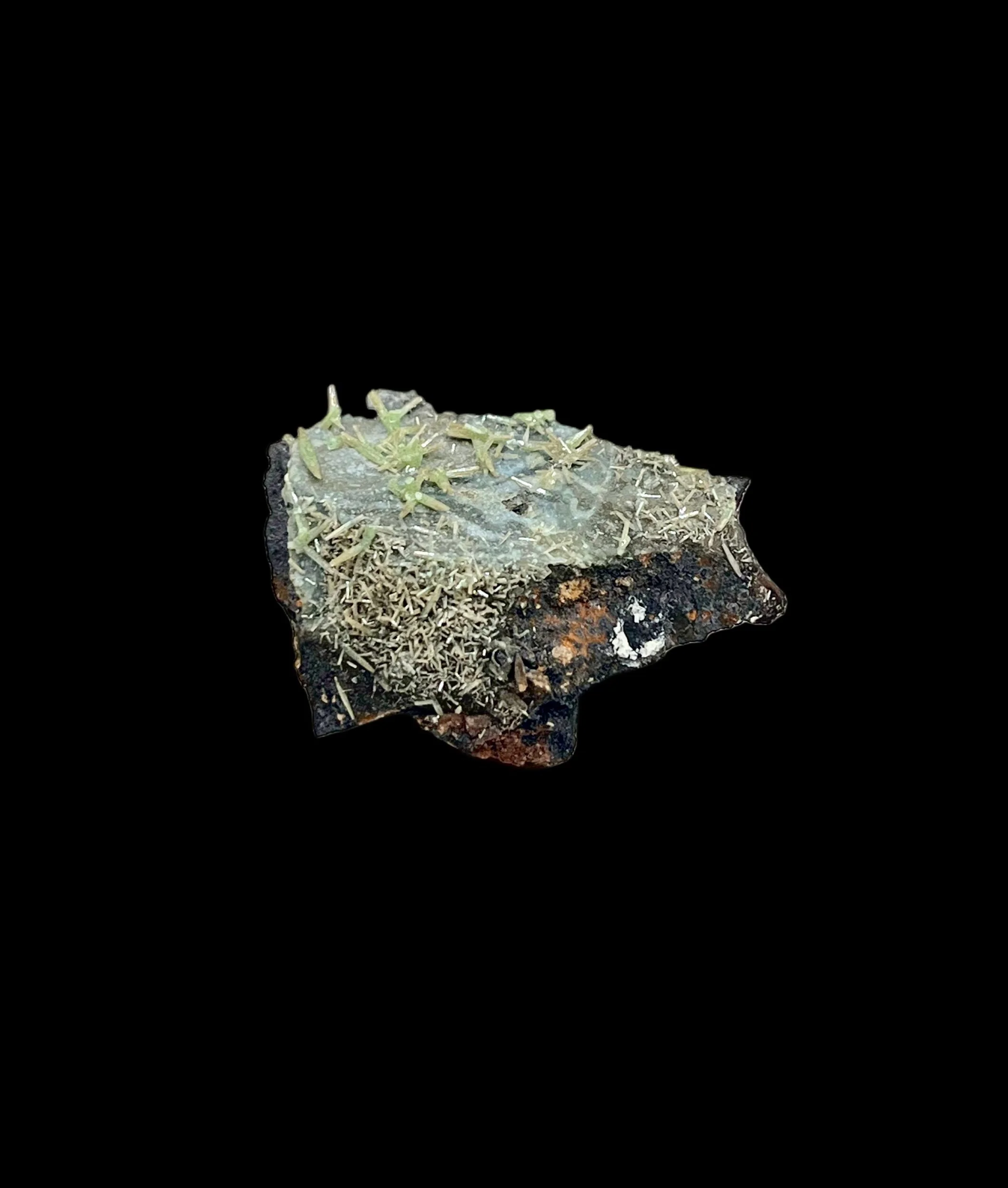
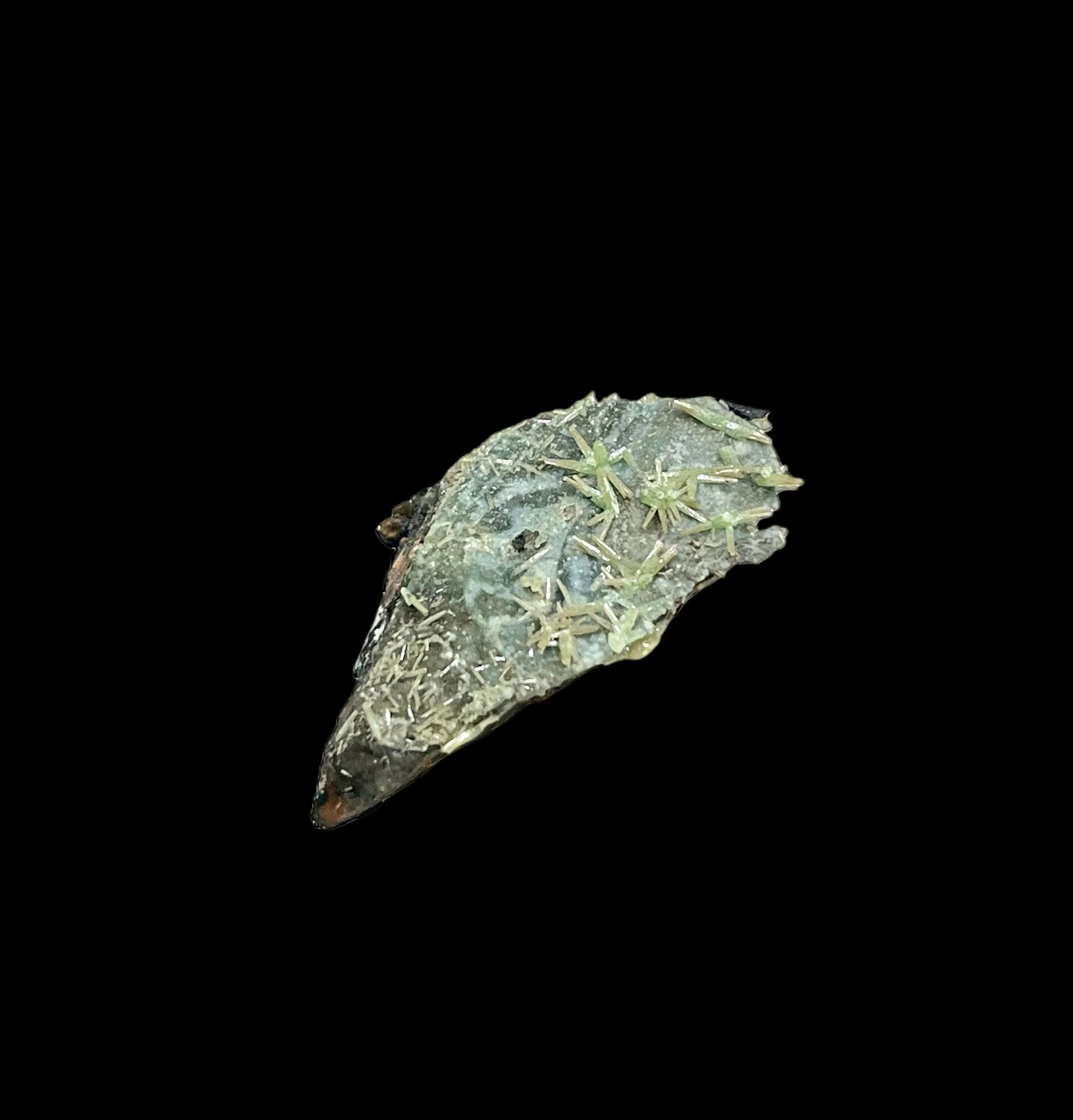
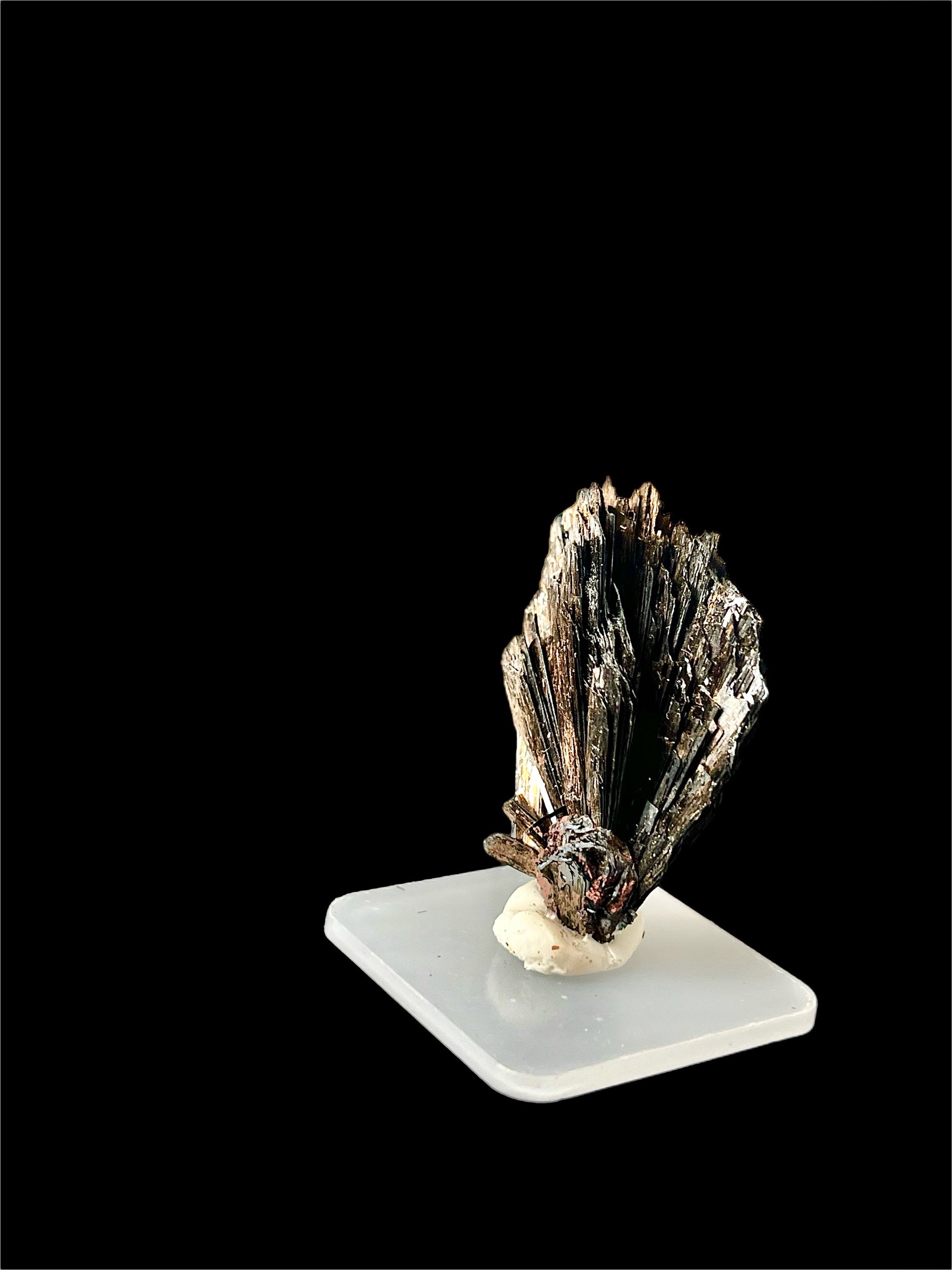
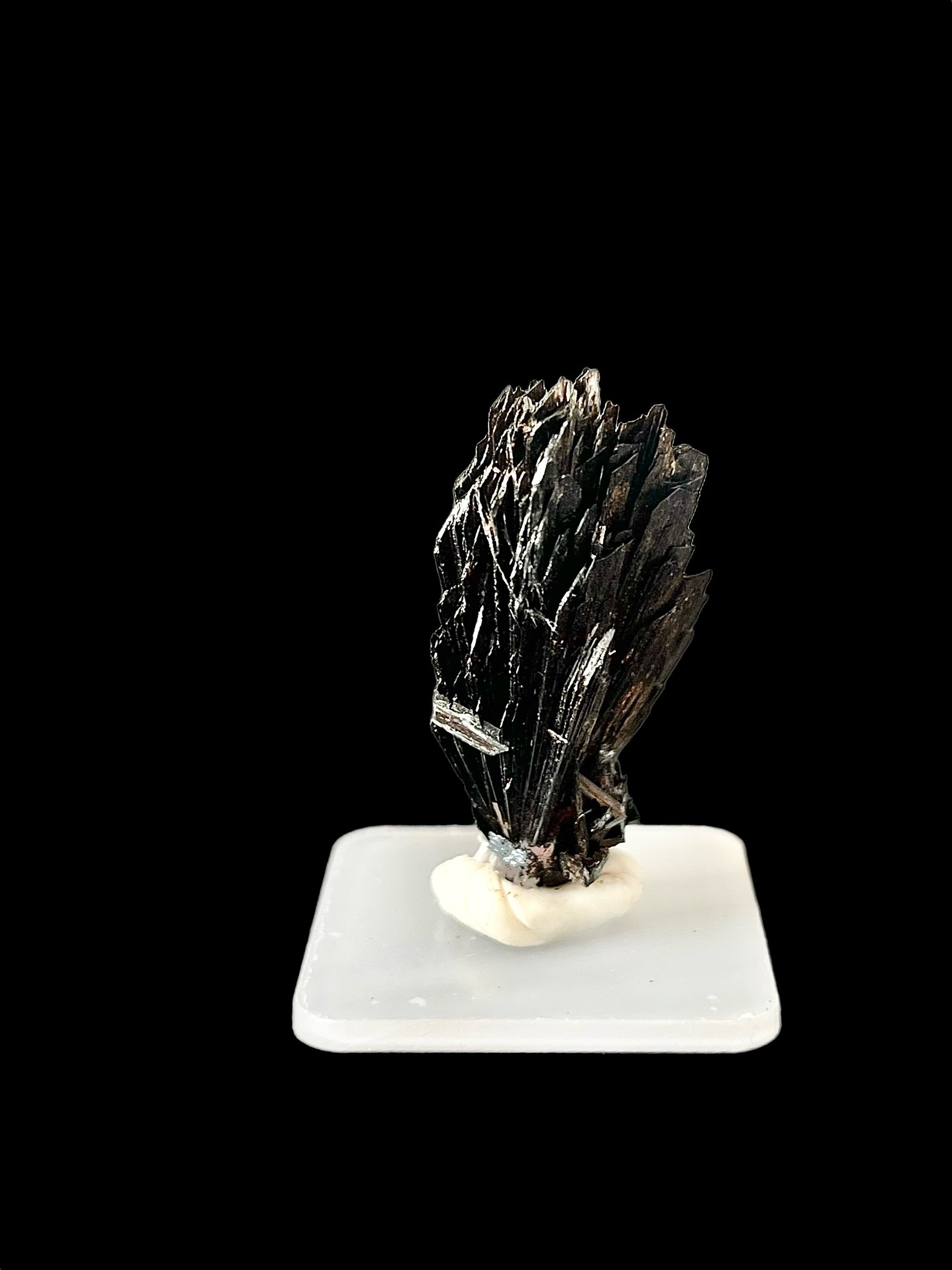
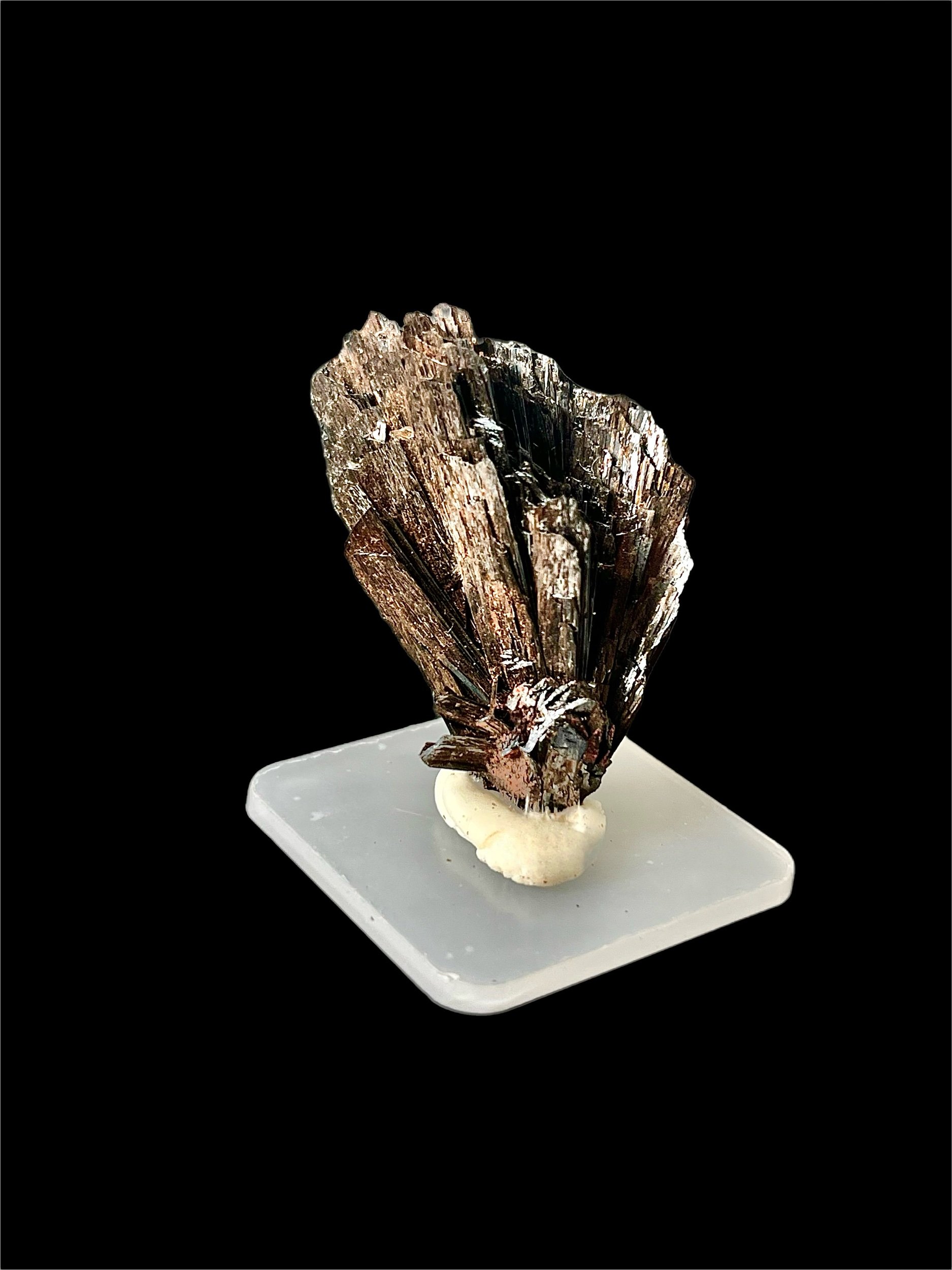
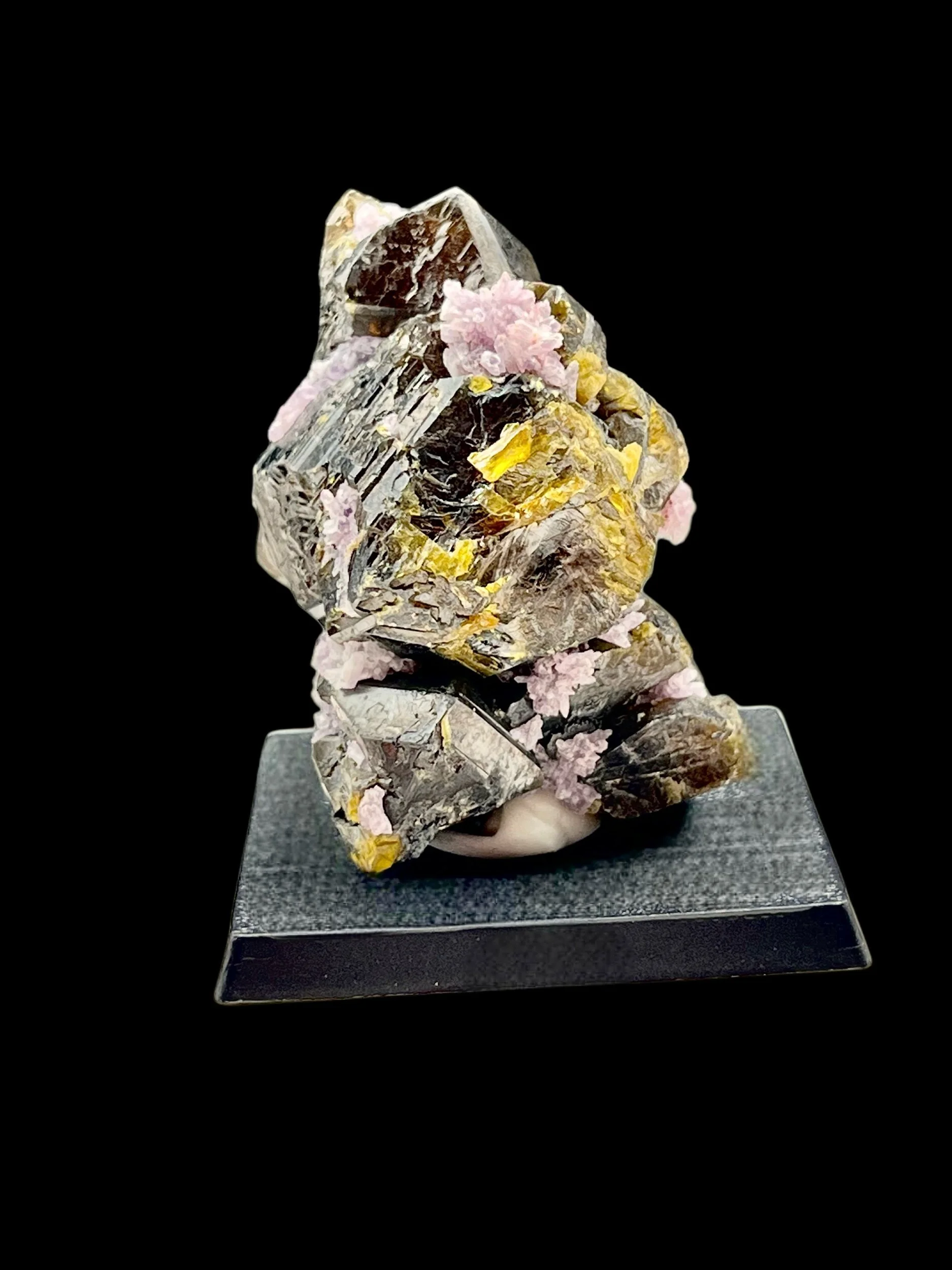
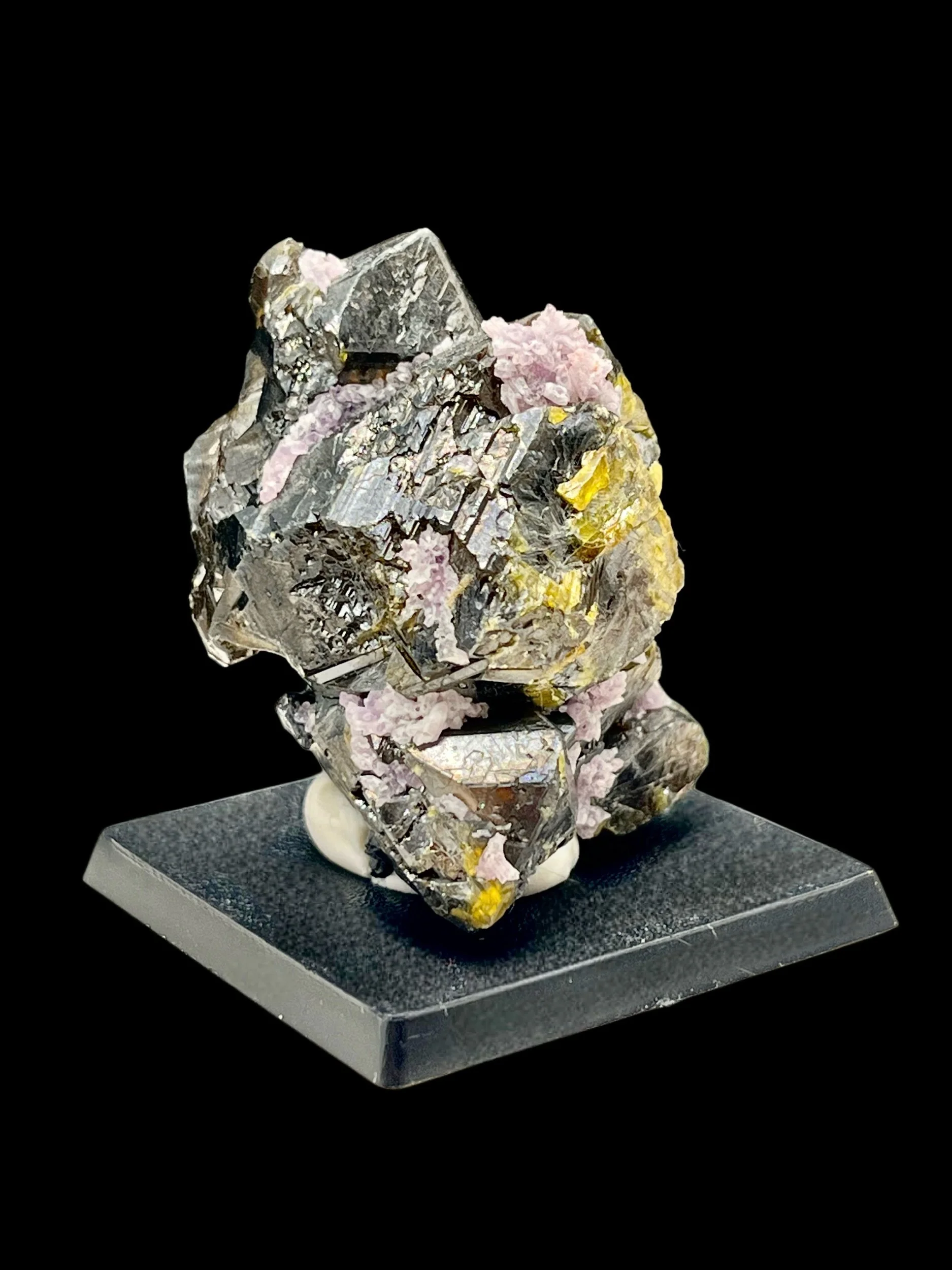
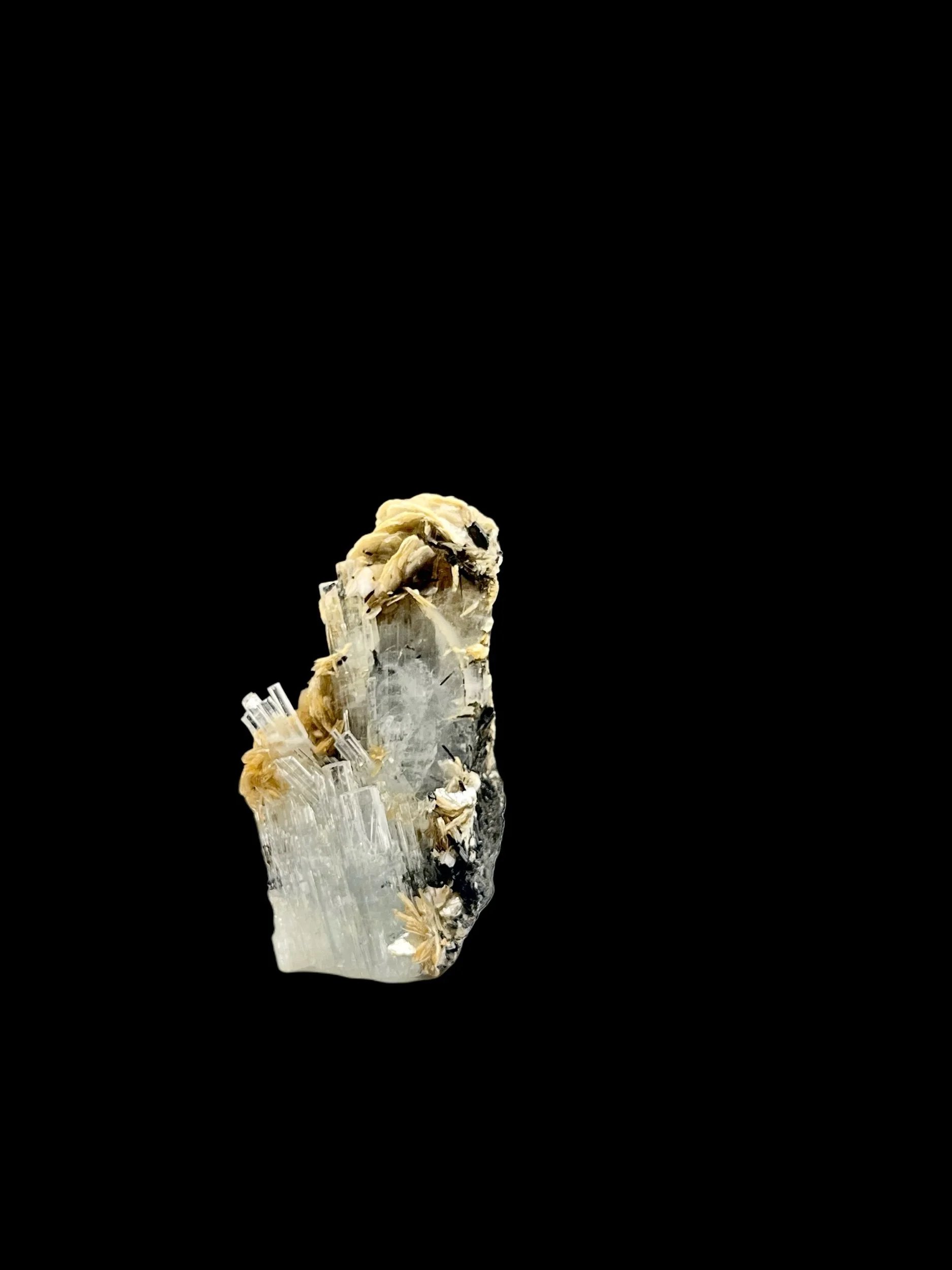
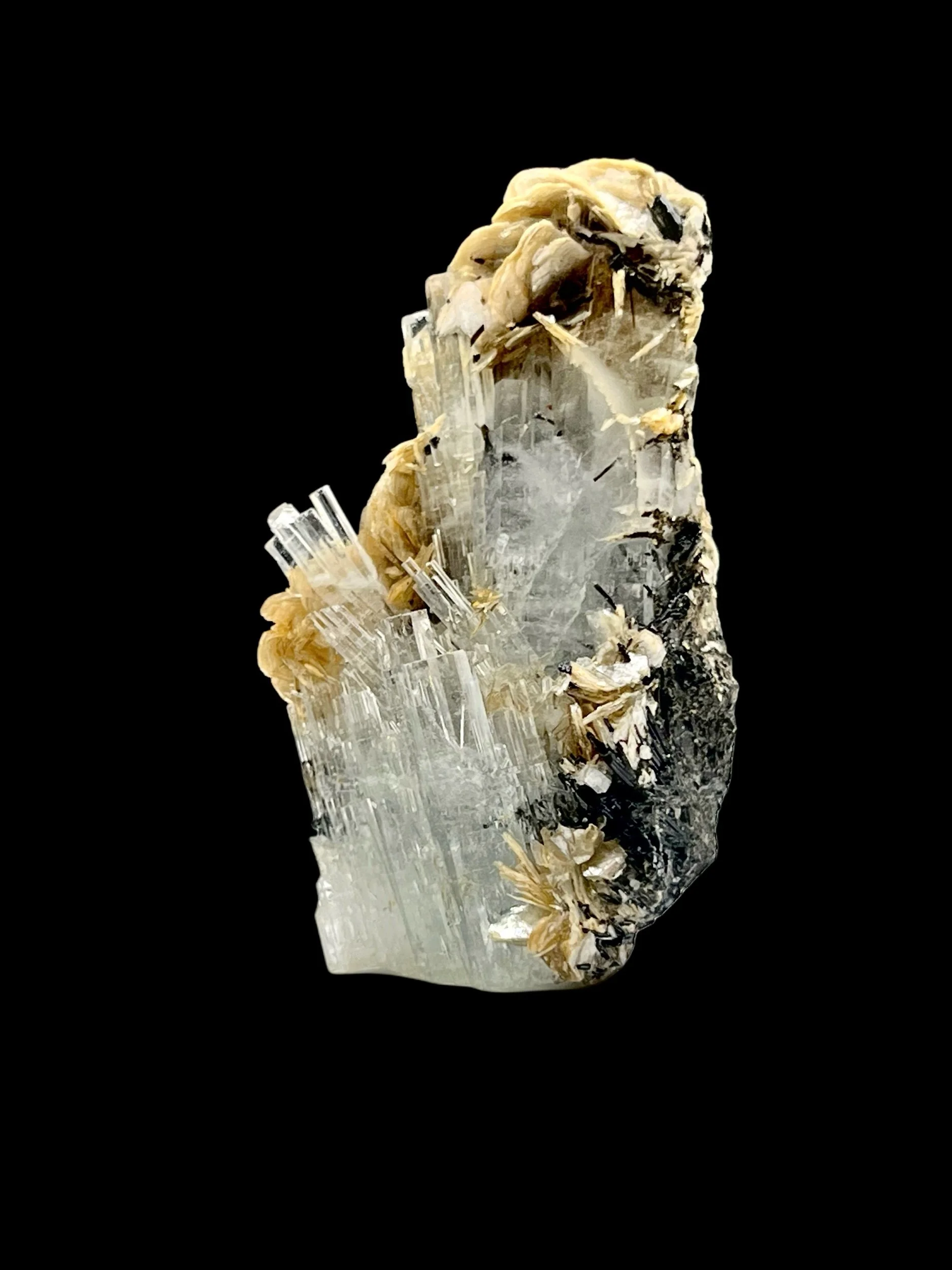
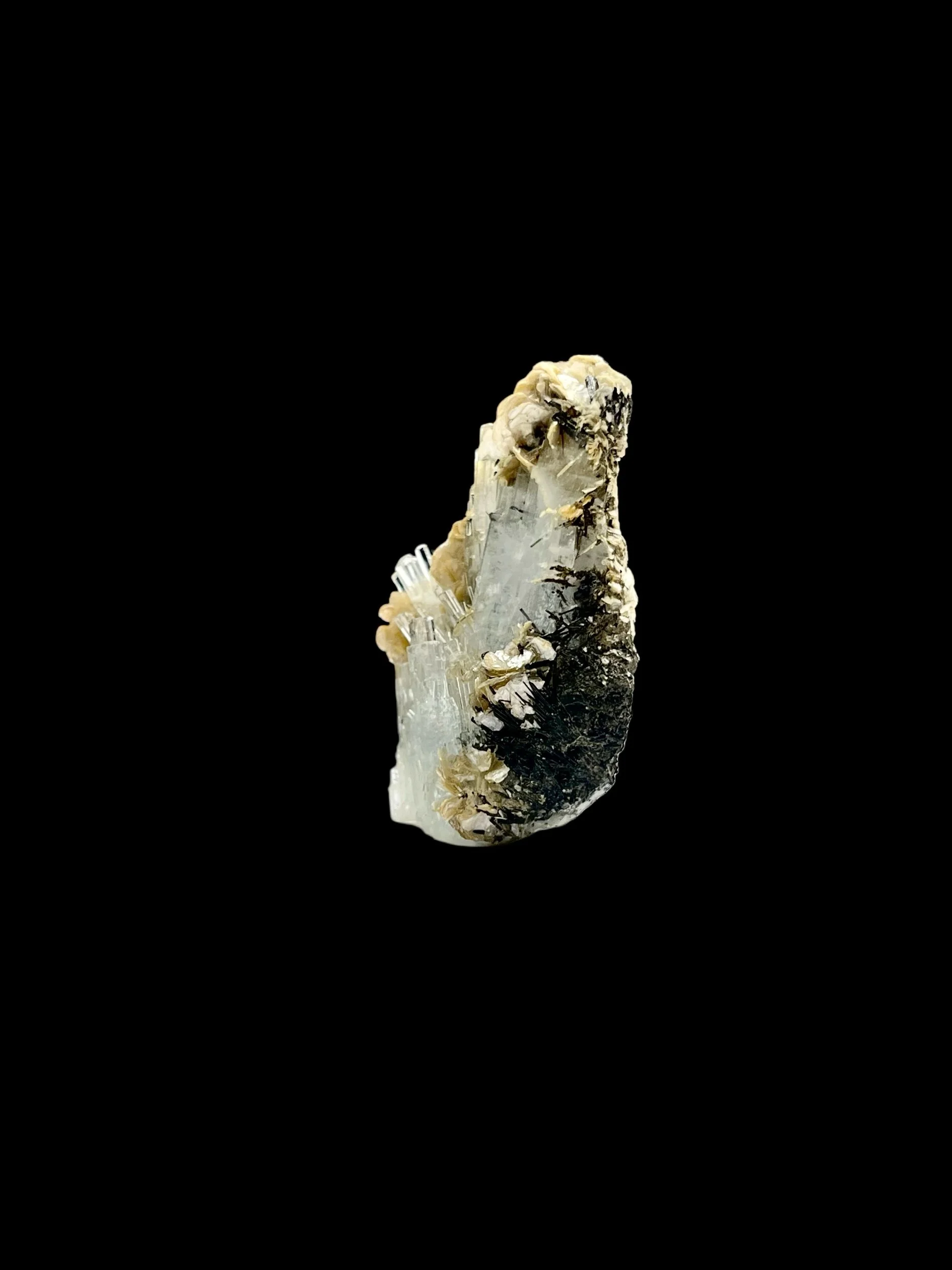
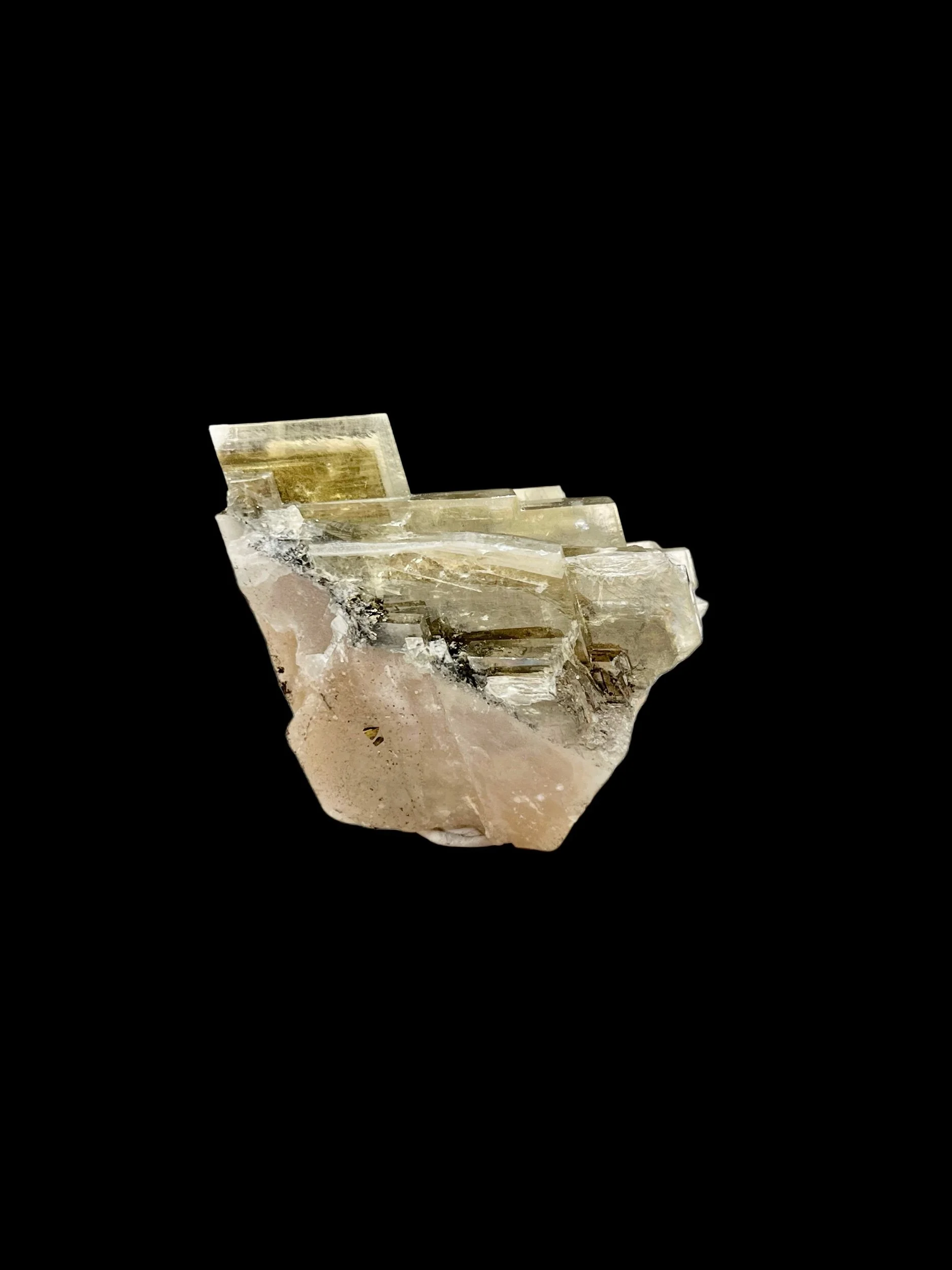
This barite with pyrite specimen features exceptional bladed barite crystals rising in parallel and slightly offset layers, creating a strong vertical rhythm throughout the piece. The barite displays muted honey to pale champagne tones, with semi-translucent faces and clearly defined crystal edges. Small pyrite inclusions are present along internal seams and growth boundaries, adding metallic contrast without distracting from the dominant barite structure.
Compared to more compact or terraced barite clusters, this specimen emphasizes geometrical structure and directionality. The blades feel stacked and purposeful, giving the piece a sense of upward movement and architectural strength.
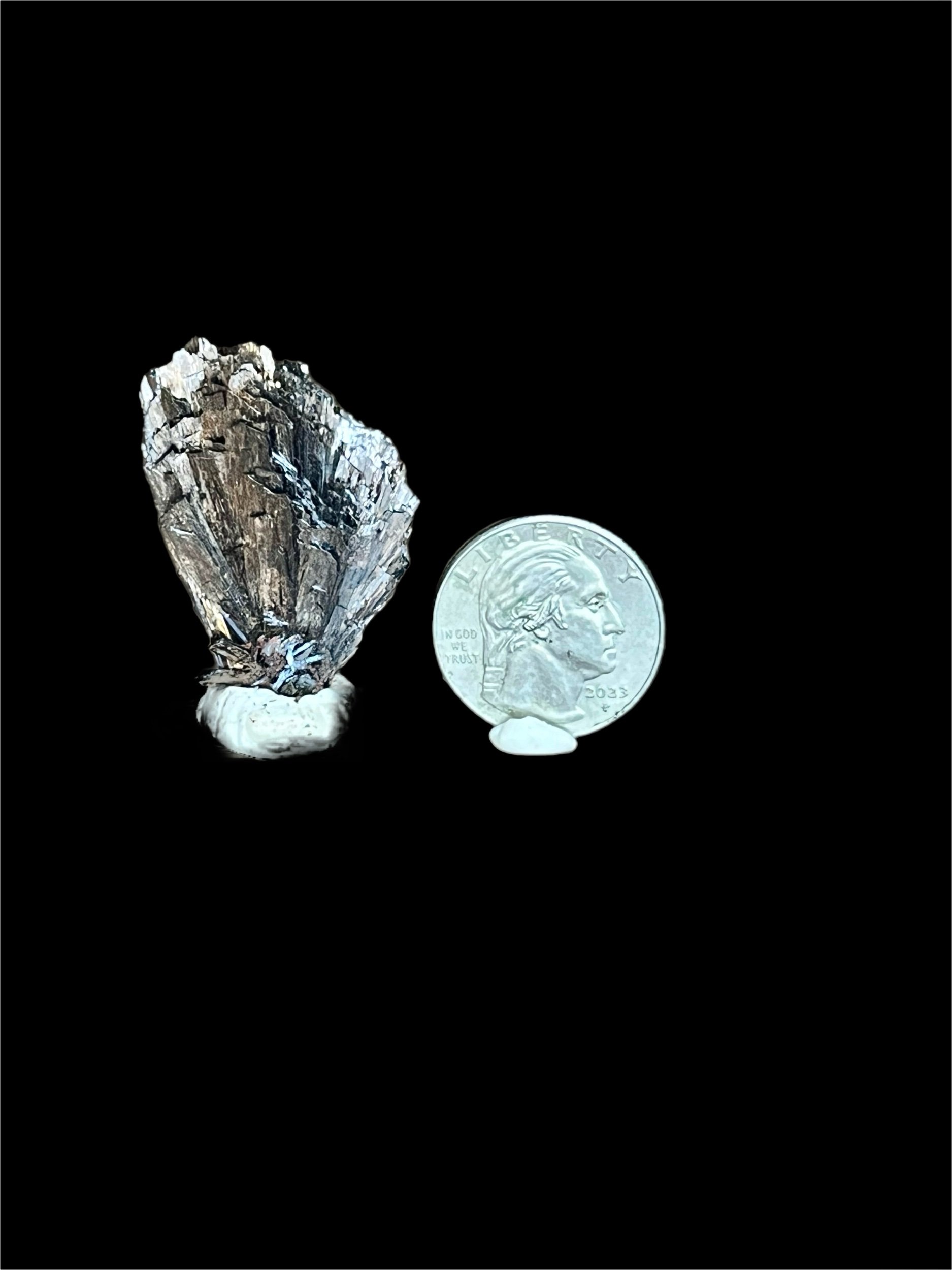
Dimensions: 2” x 1.5” x 1.25”
Weight: 90g
Barite is often associated with grounding scattered energy and supporting clear, organized thinking. Its structured, bladed crystal habit is believed to encourage focus and mental alignment. Pyrite is traditionally linked with confidence, protection, and motivation, symbolically reinforcing personal strength and resilience.
This specimen stands out for its pronounced bladed crystal habit and clean vertical stacking. The barite blades remain well-defined with no edge damage, and the pyrite appears naturally integrated within the specimen. A strong choice for collectors who appreciate form, symmetry, and classic barite crystal habits presented with clarity.
Strong, bladed barite crystal growth
Vertical, layered crystal arrangement
Naturally occurring pyrite inclusions
Excellent honey to champagne coloration
Gemmy luster
Barite (BaSO₄) commonly forms in hydrothermal veins and sedimentary environments, often crystallizing in tabular or bladed habits under stable growth conditions. Pyrite (FeS₂) frequently forms in the same sulfur-rich systems and may crystallize alongside or shortly after barite, becoming incorporated along crystal seams and internal boundaries.
This barite with pyrite specimen features exceptional bladed barite crystals rising in parallel and slightly offset layers, creating a strong vertical rhythm throughout the piece. The barite displays muted honey to pale champagne tones, with semi-translucent faces and clearly defined crystal edges. Small pyrite inclusions are present along internal seams and growth boundaries, adding metallic contrast without distracting from the dominant barite structure.
Compared to more compact or terraced barite clusters, this specimen emphasizes geometrical structure and directionality. The blades feel stacked and purposeful, giving the piece a sense of upward movement and architectural strength.
Dimensions: 2” x 1.5” x 1.25”
Weight: 90g
Barite is often associated with grounding scattered energy and supporting clear, organized thinking. Its structured, bladed crystal habit is believed to encourage focus and mental alignment. Pyrite is traditionally linked with confidence, protection, and motivation, symbolically reinforcing personal strength and resilience.
This specimen stands out for its pronounced bladed crystal habit and clean vertical stacking. The barite blades remain well-defined with no edge damage, and the pyrite appears naturally integrated within the specimen. A strong choice for collectors who appreciate form, symmetry, and classic barite crystal habits presented with clarity.
Strong, bladed barite crystal growth
Vertical, layered crystal arrangement
Naturally occurring pyrite inclusions
Excellent honey to champagne coloration
Gemmy luster
Barite (BaSO₄) commonly forms in hydrothermal veins and sedimentary environments, often crystallizing in tabular or bladed habits under stable growth conditions. Pyrite (FeS₂) frequently forms in the same sulfur-rich systems and may crystallize alongside or shortly after barite, becoming incorporated along crystal seams and internal boundaries.