 Image 1 of 5
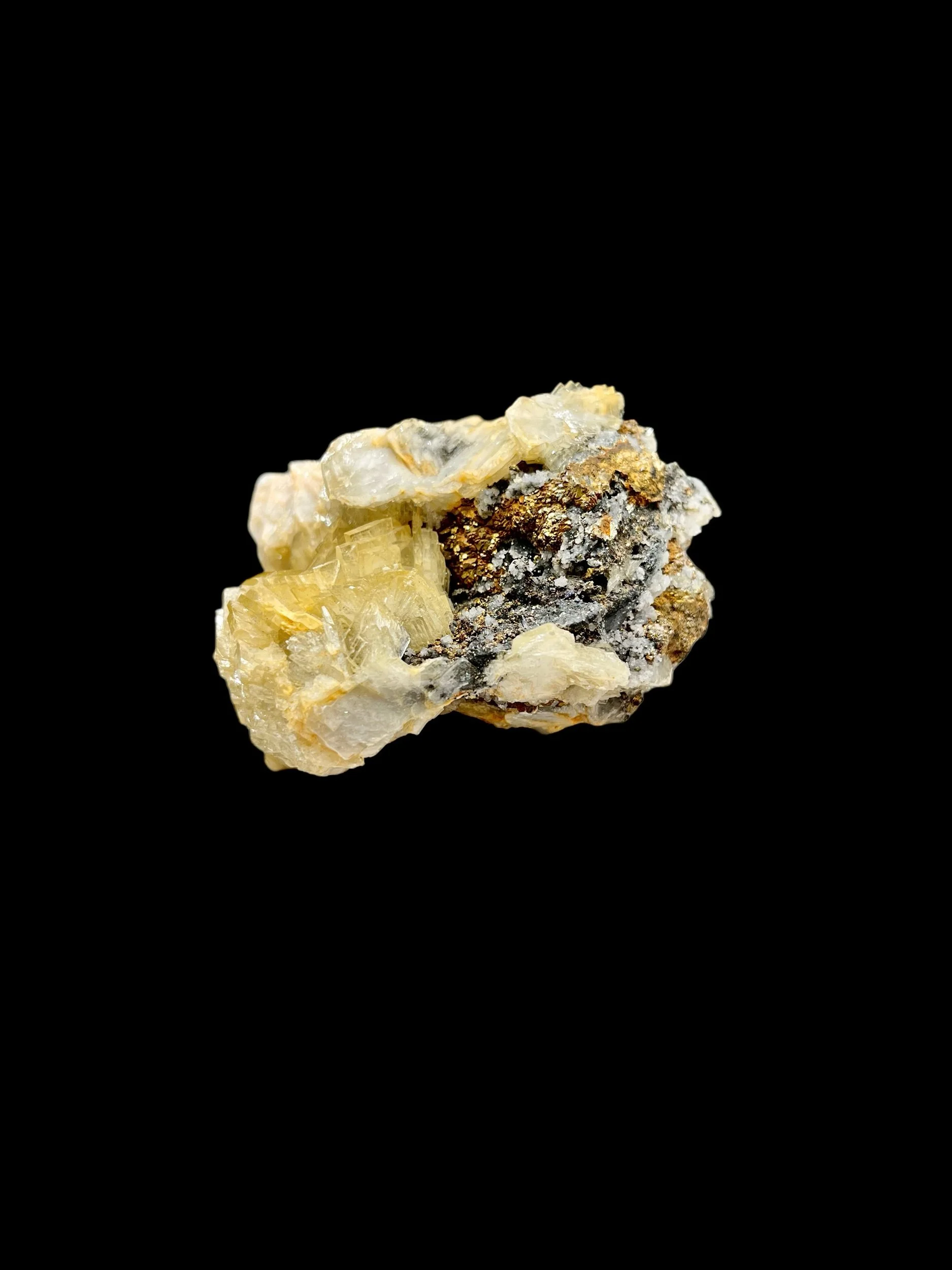 Image 2 of 5
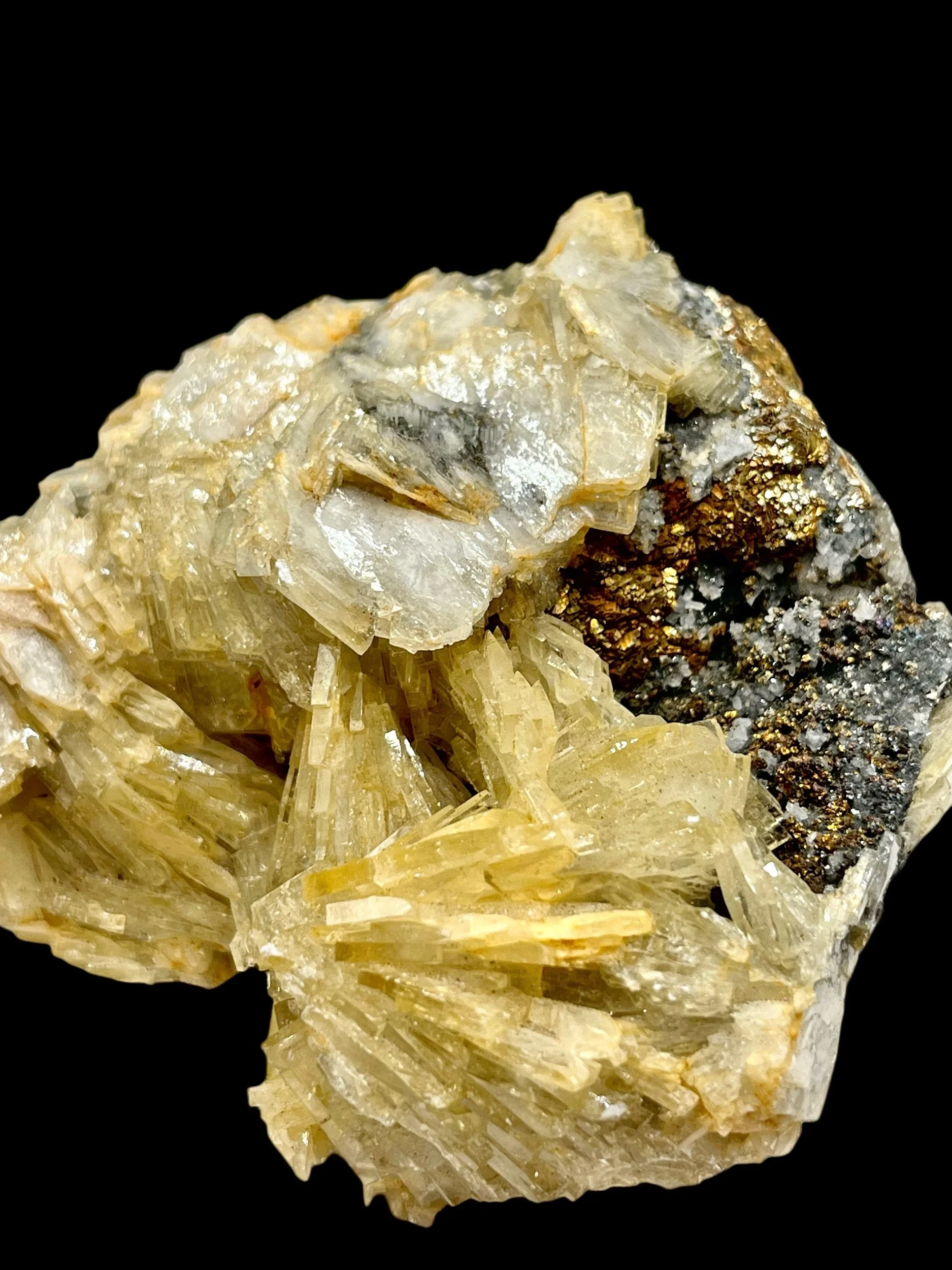 Image 3 of 5
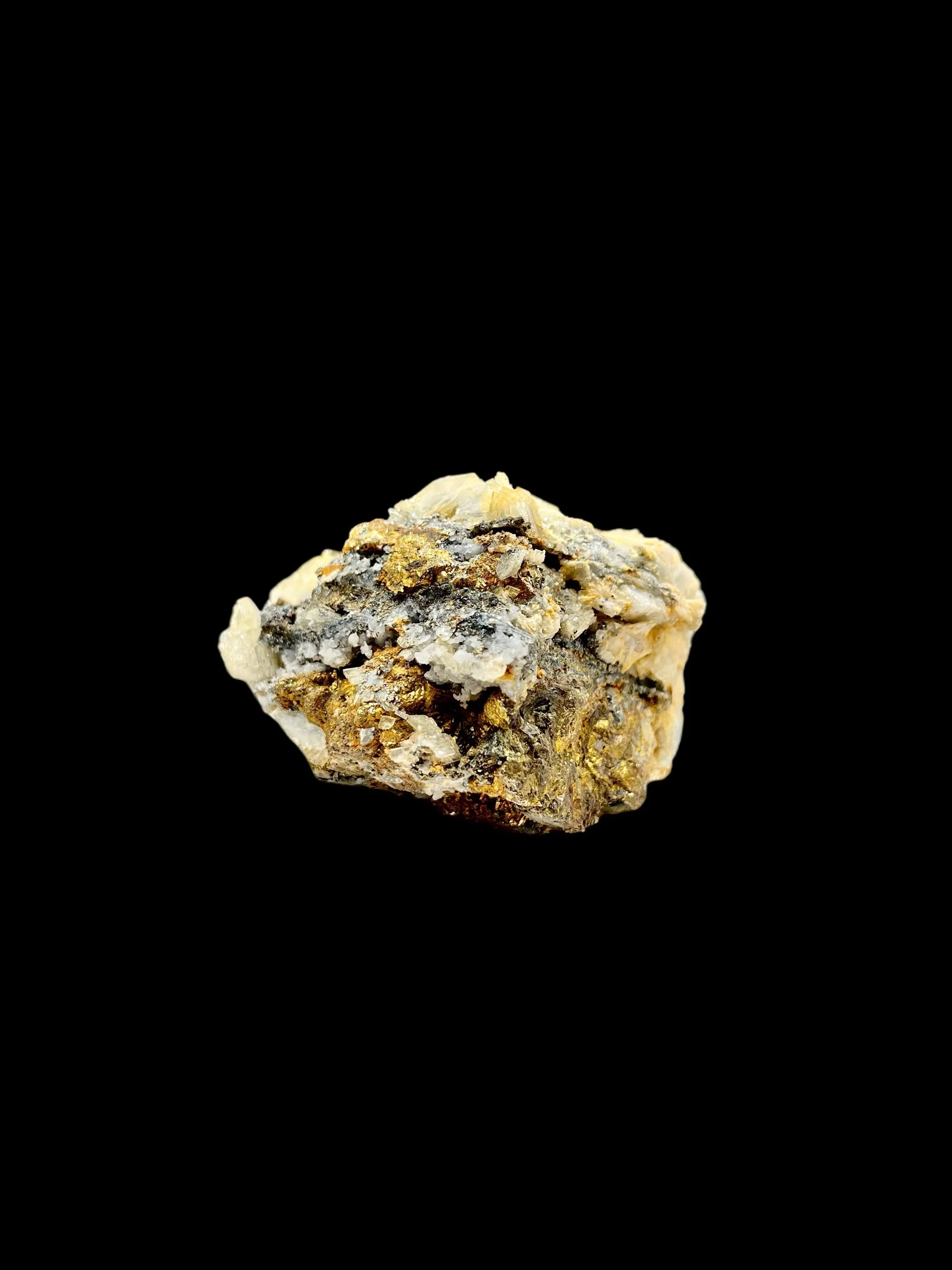 Image 4 of 5
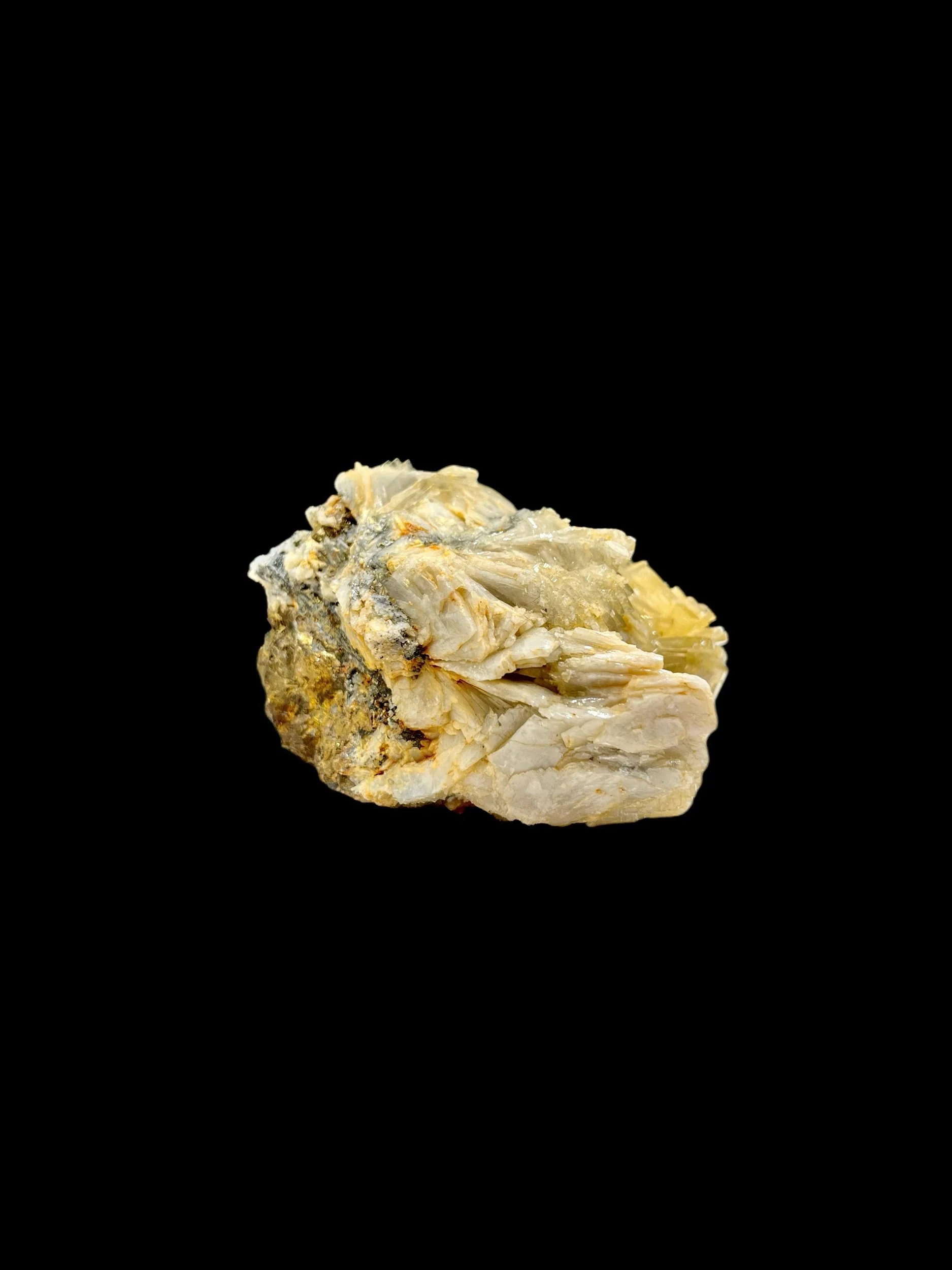 Image 5 of 5
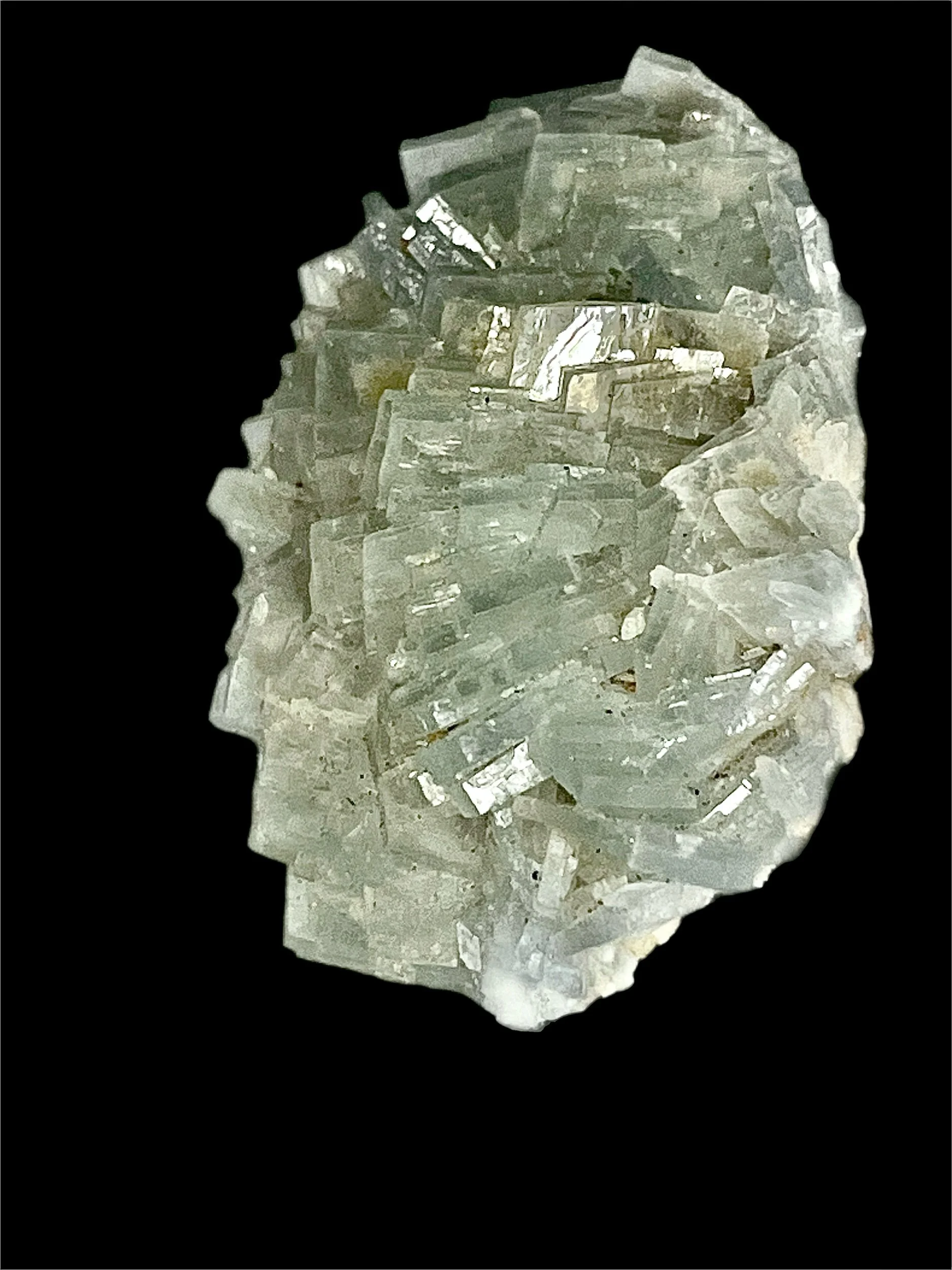
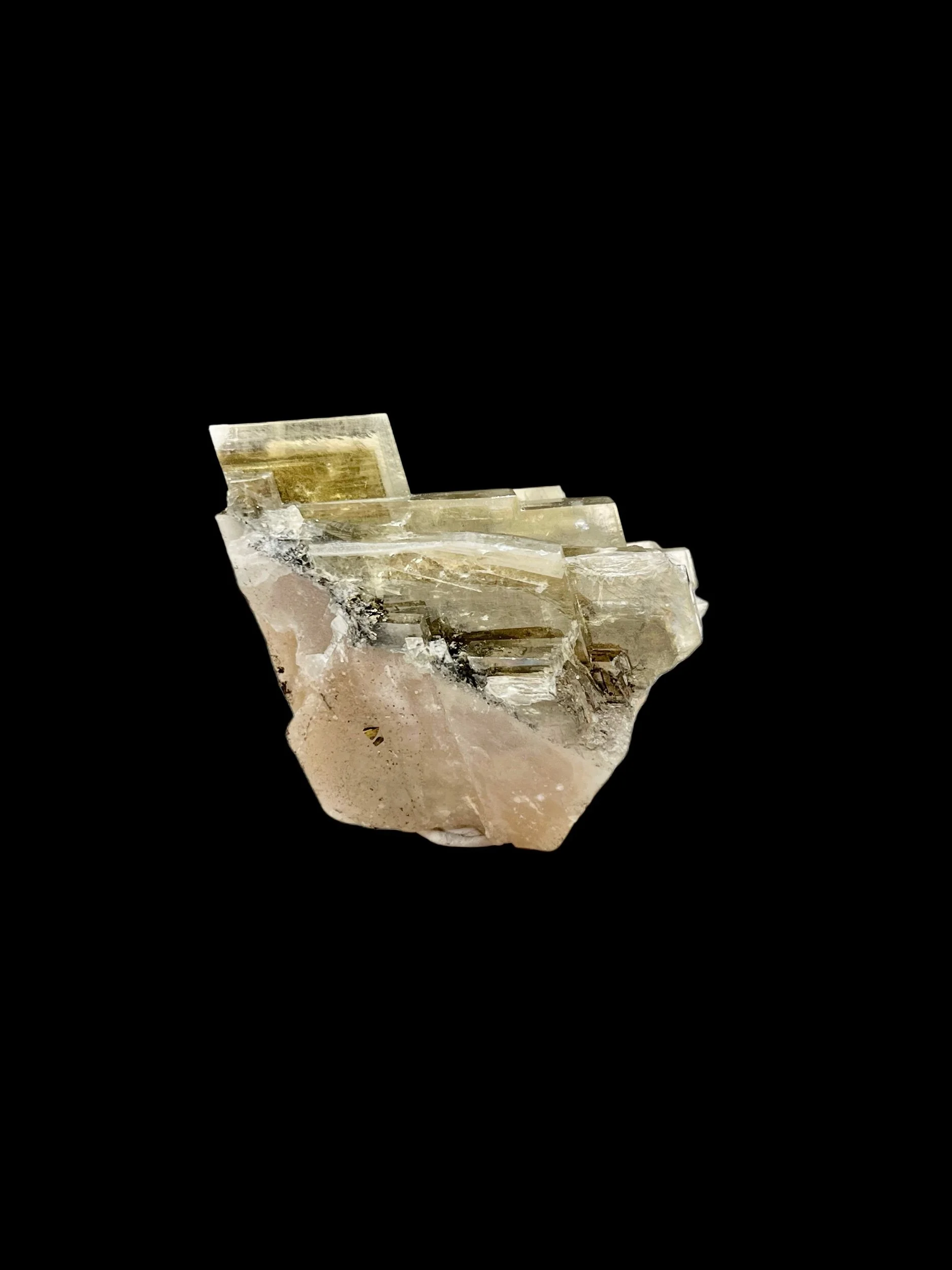
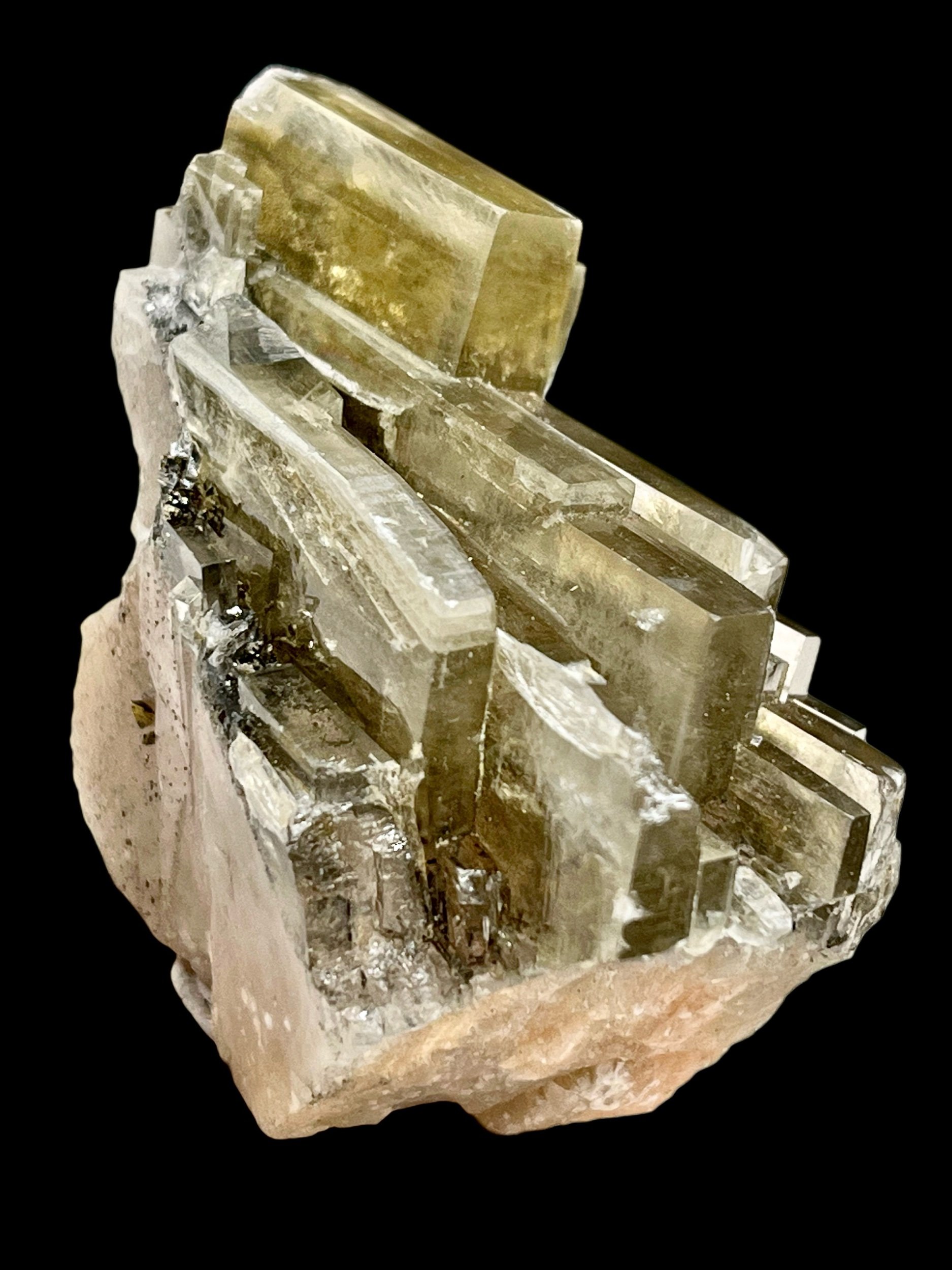
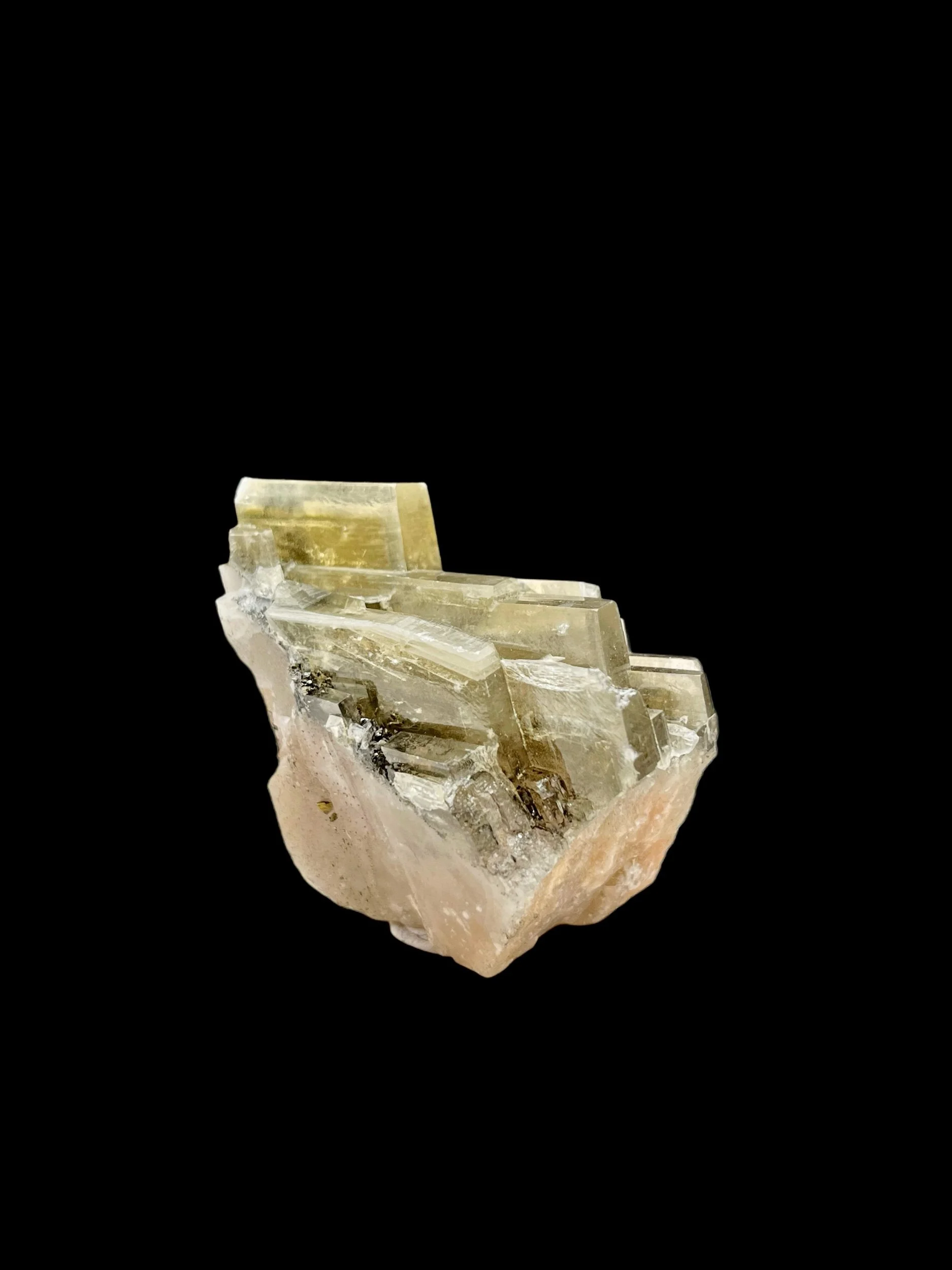
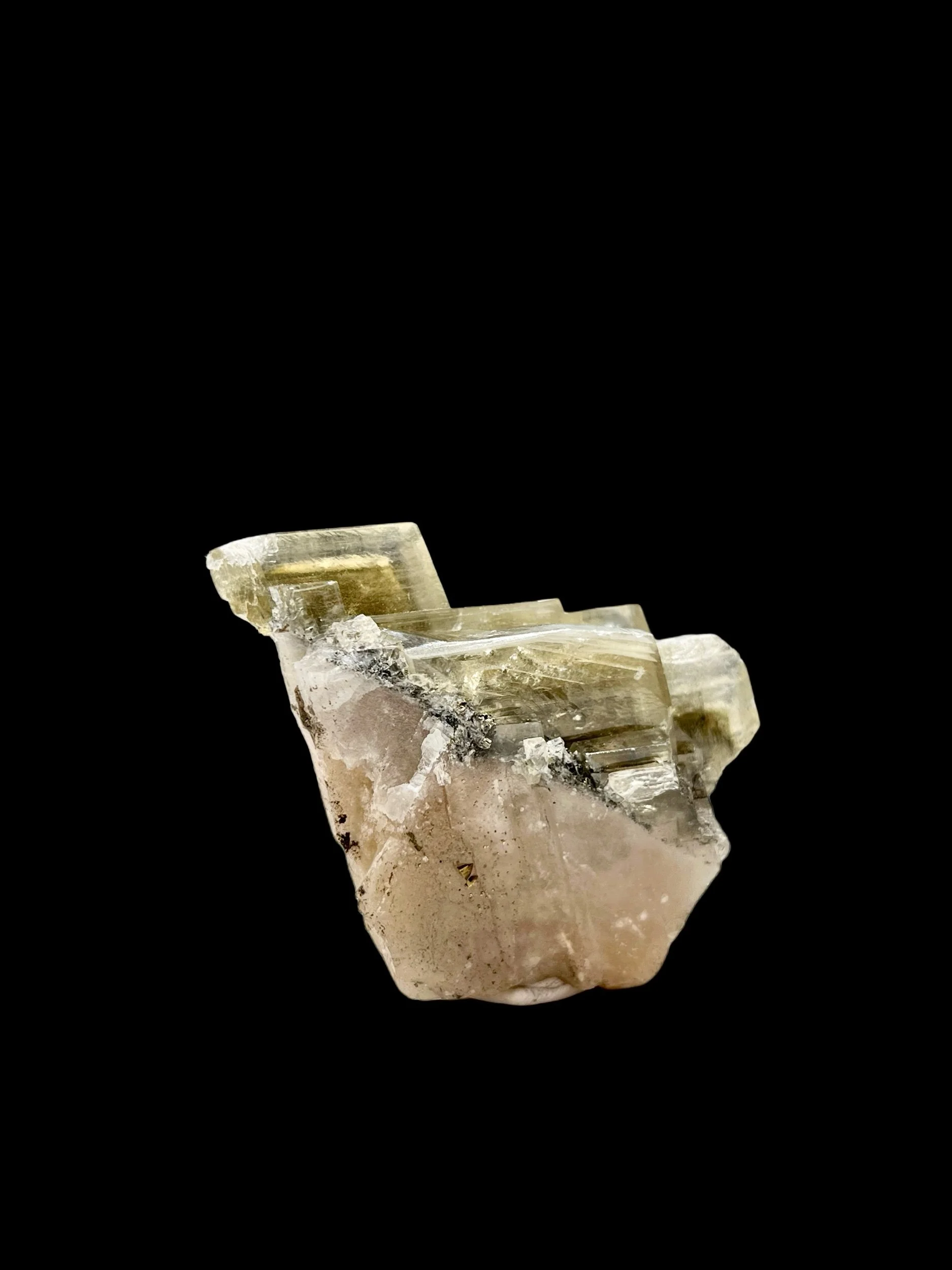
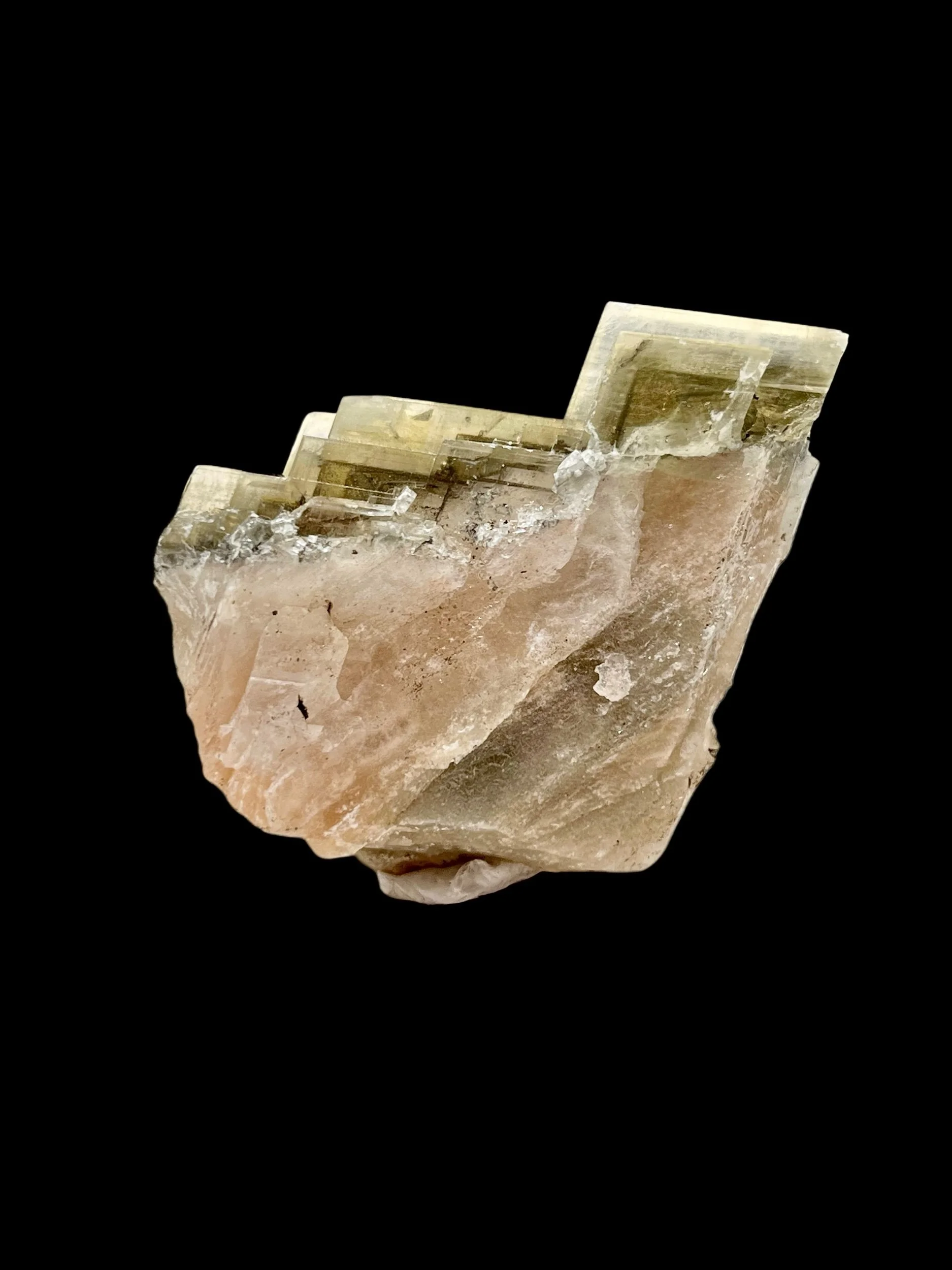
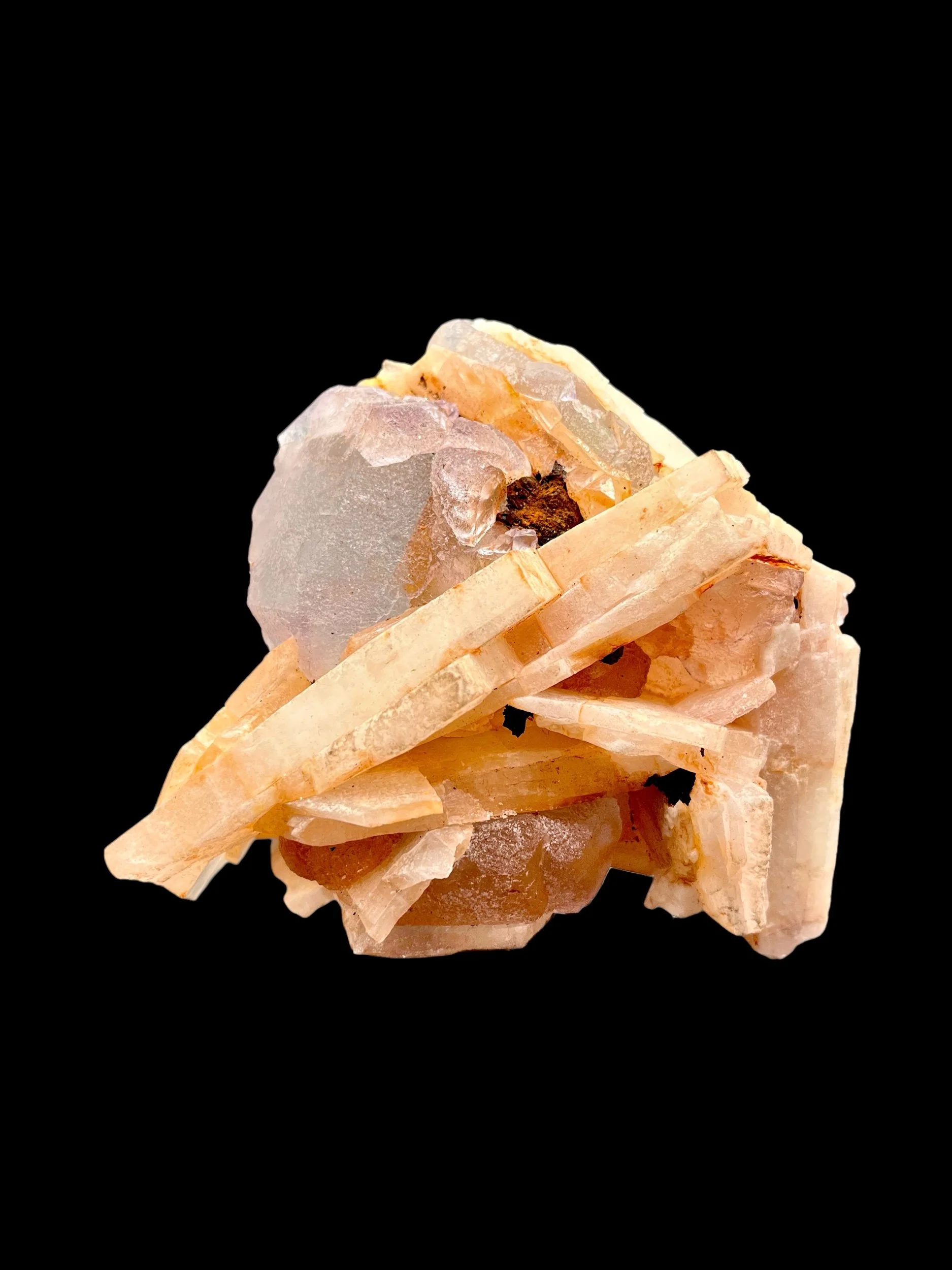
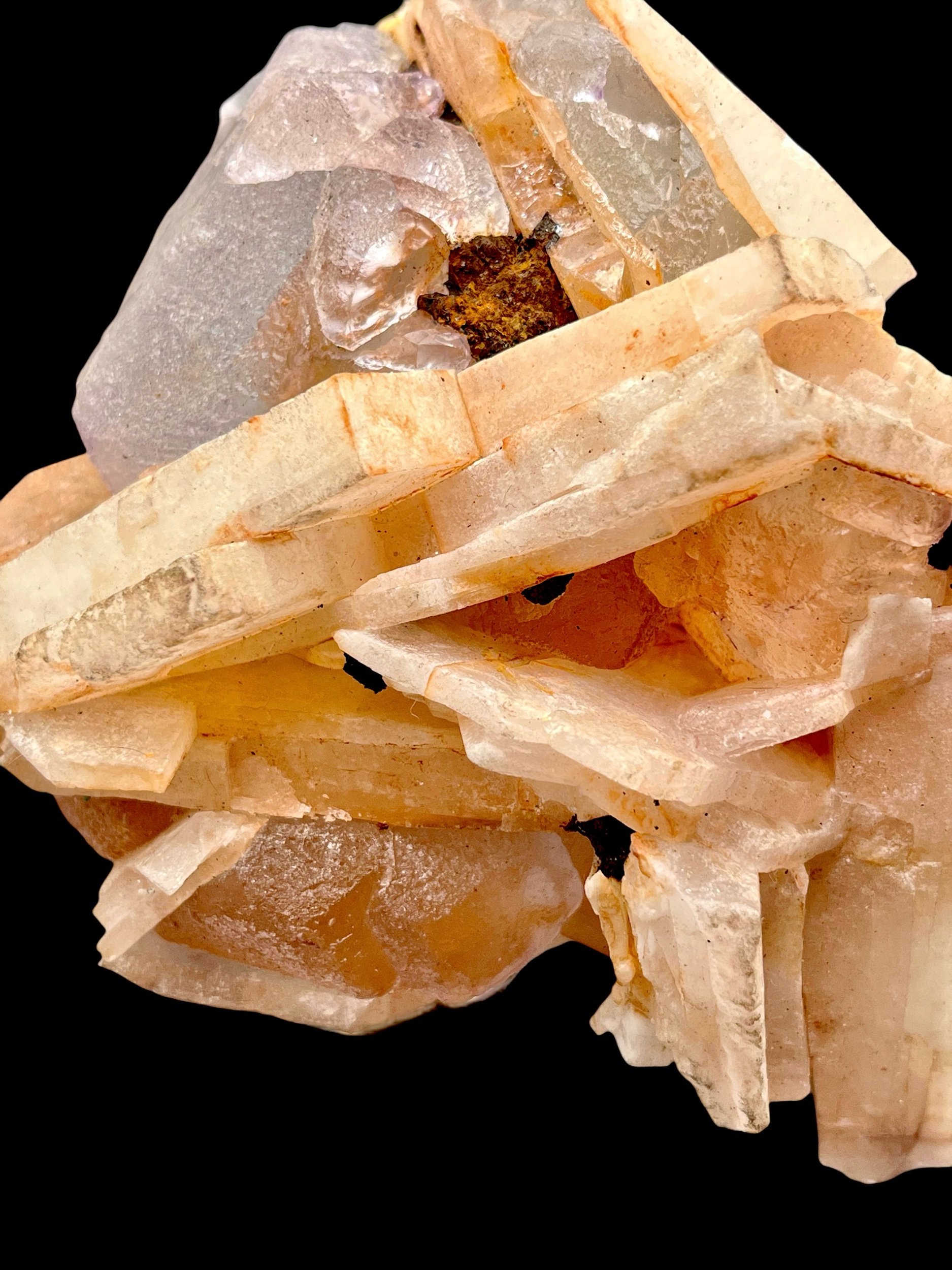
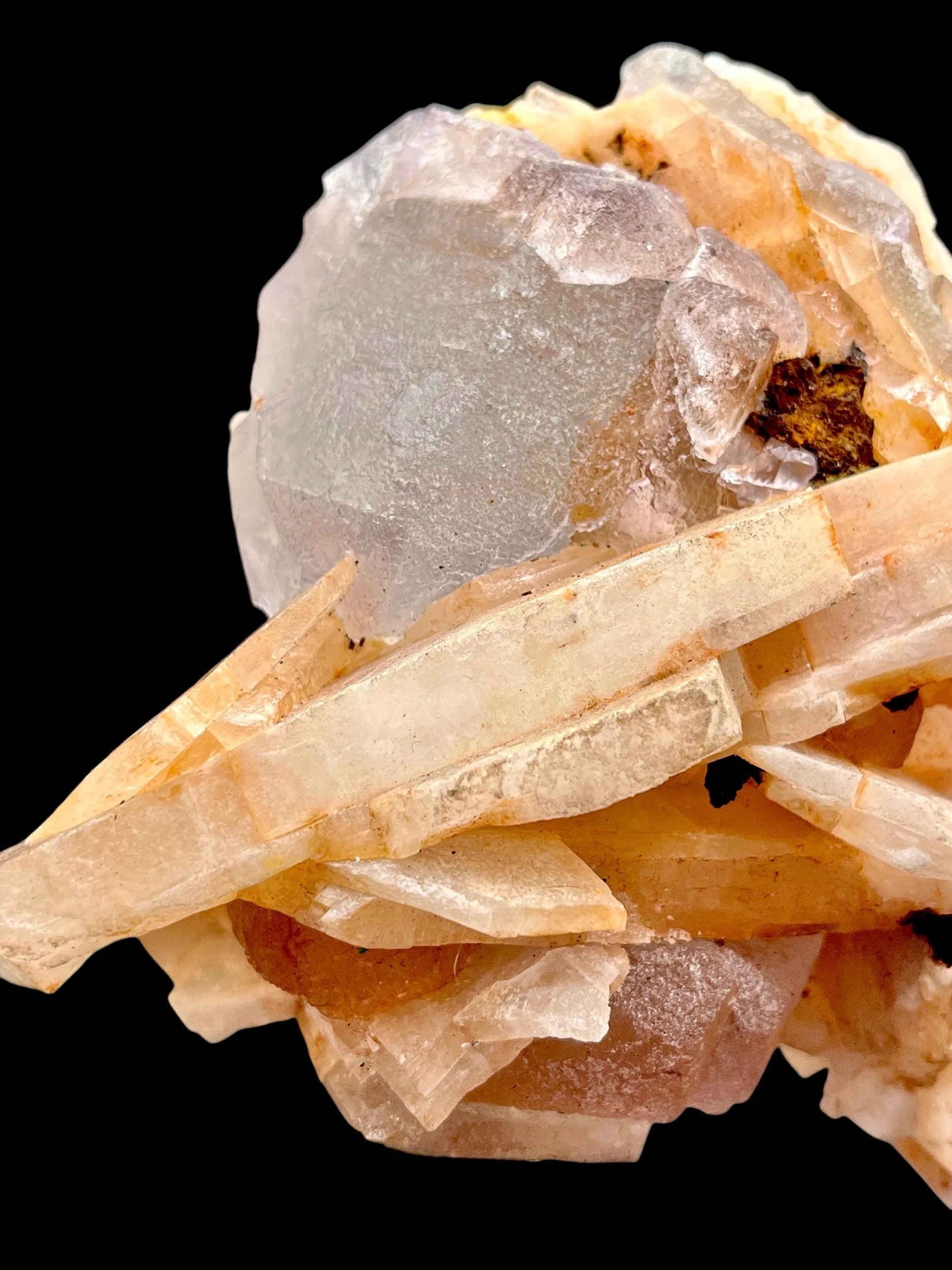
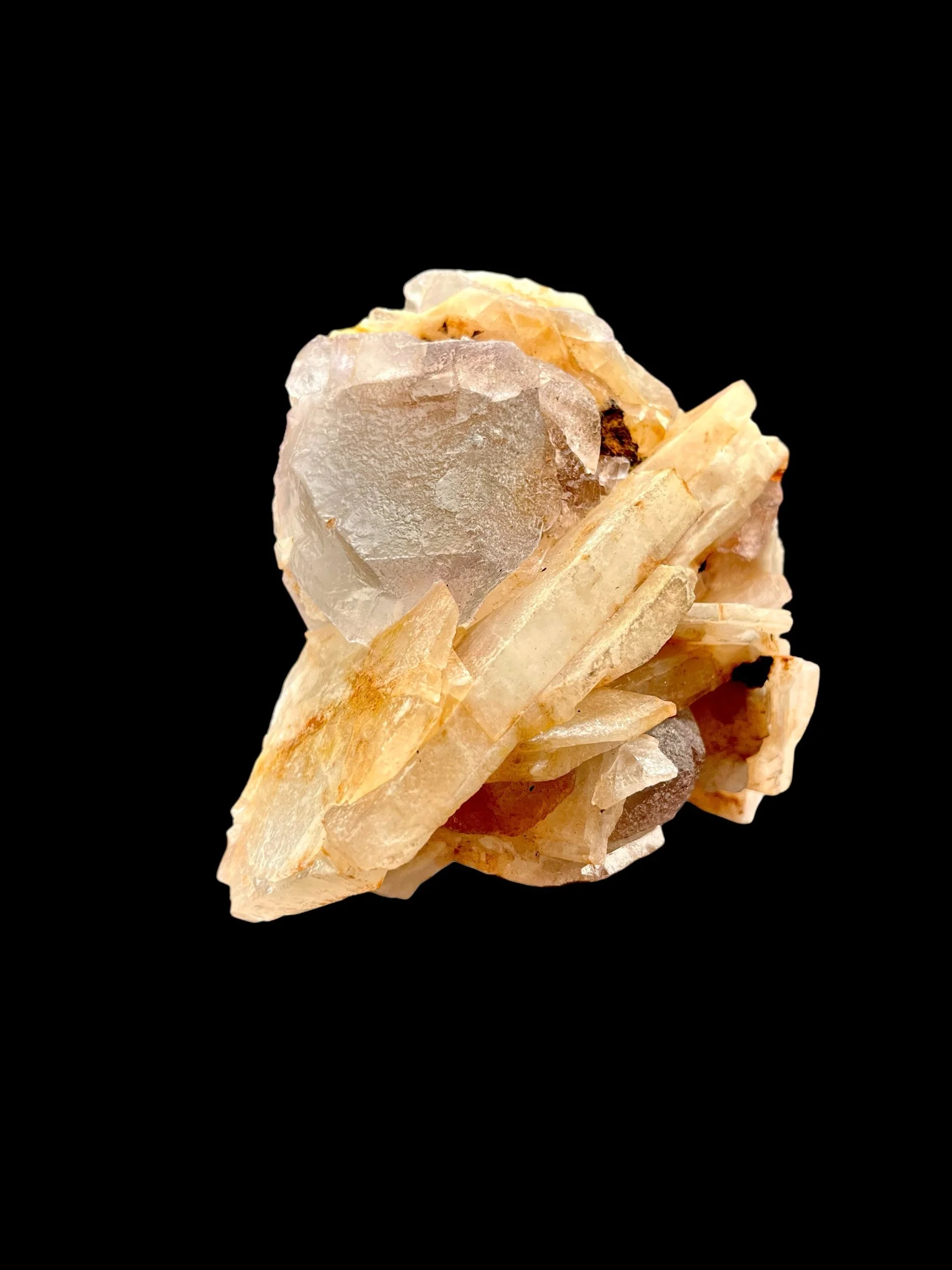
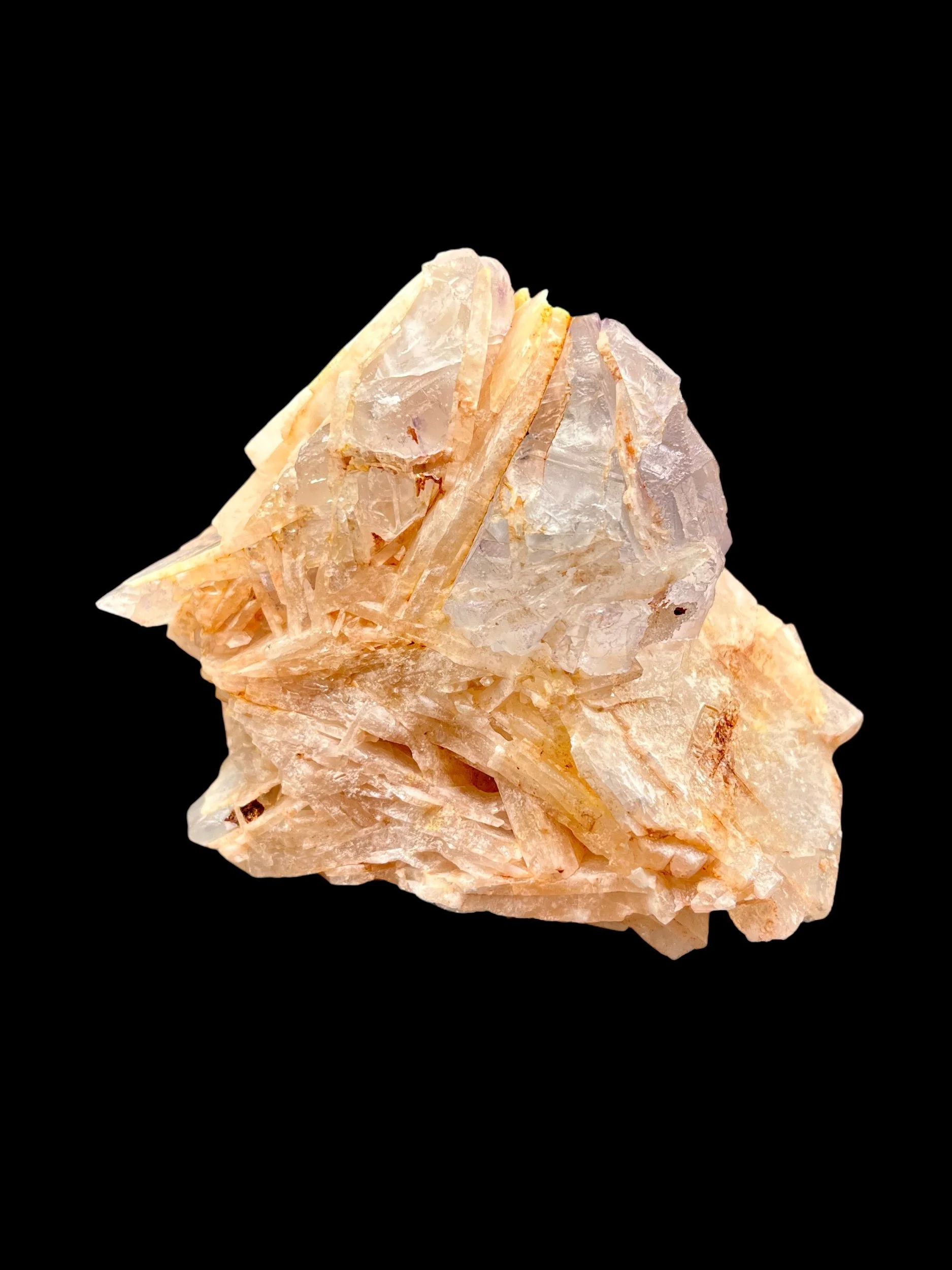
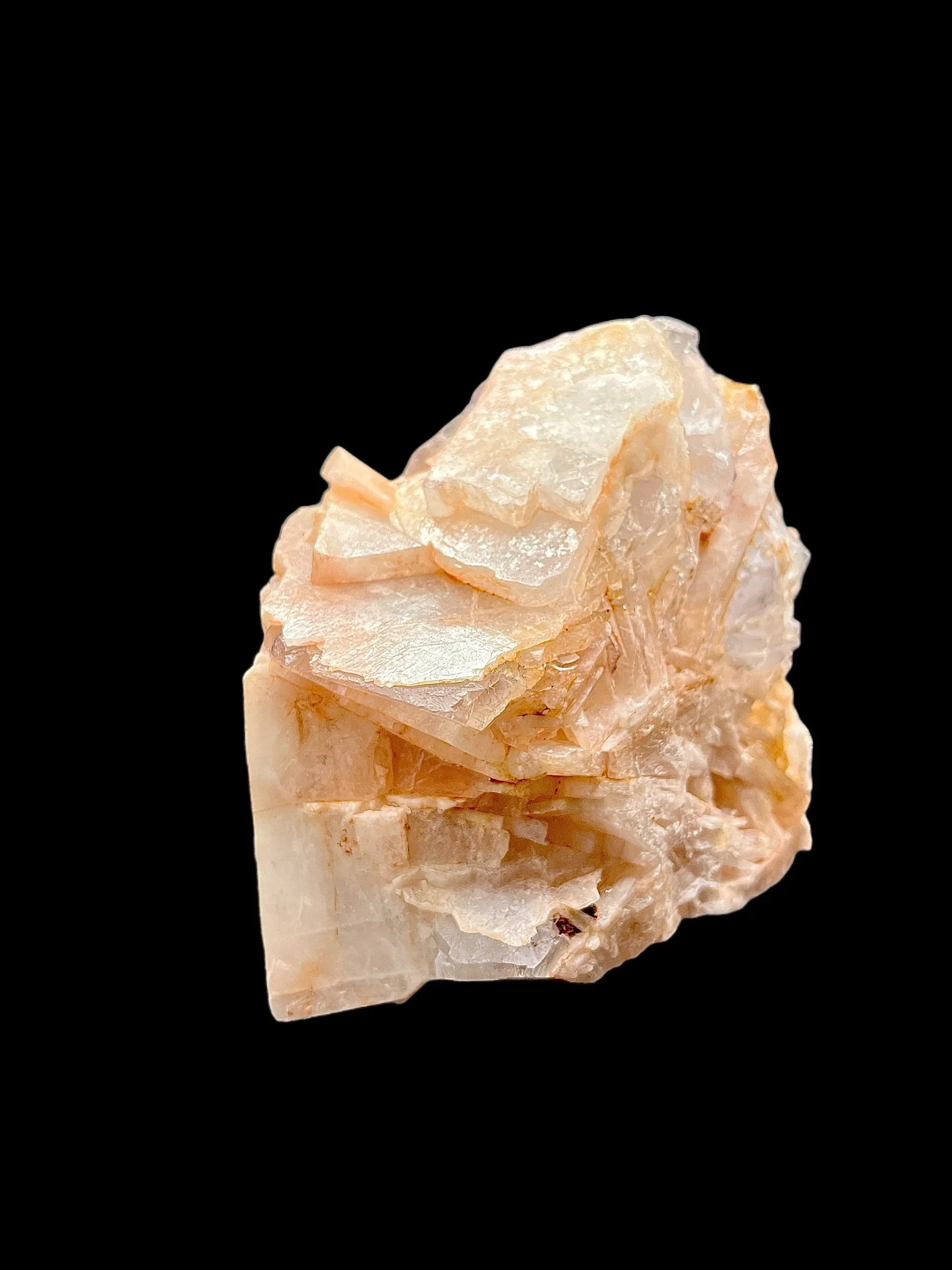
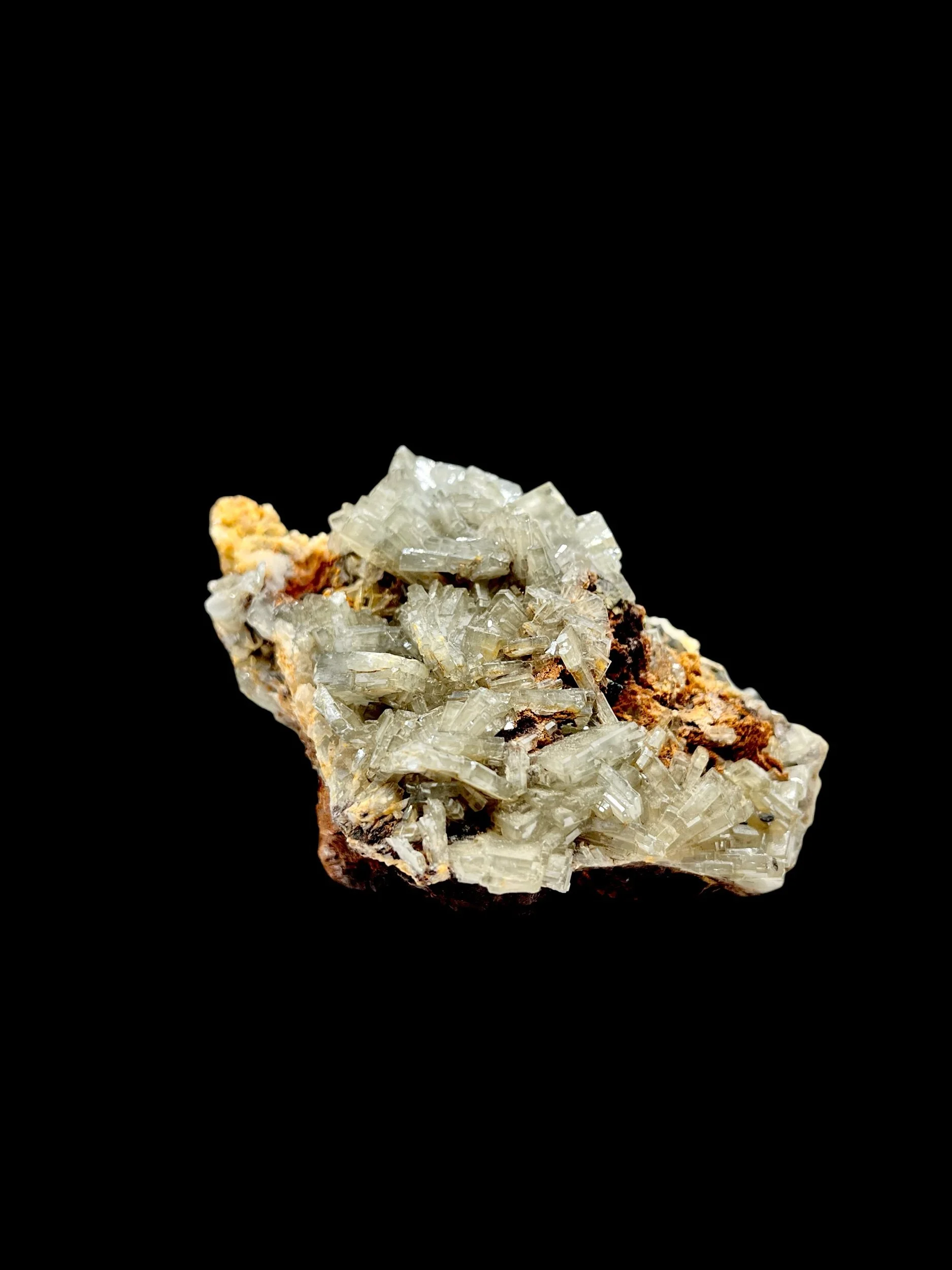
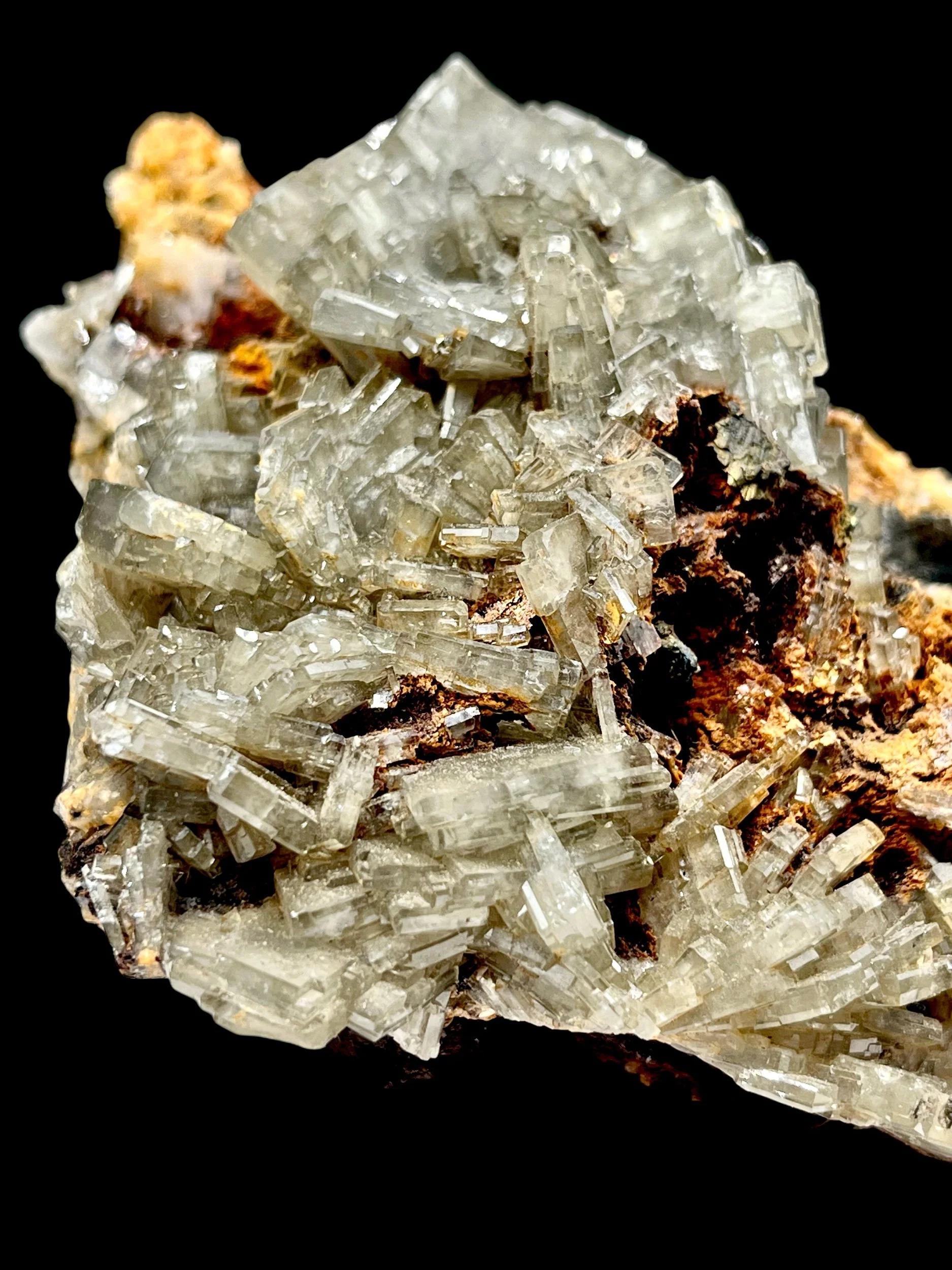
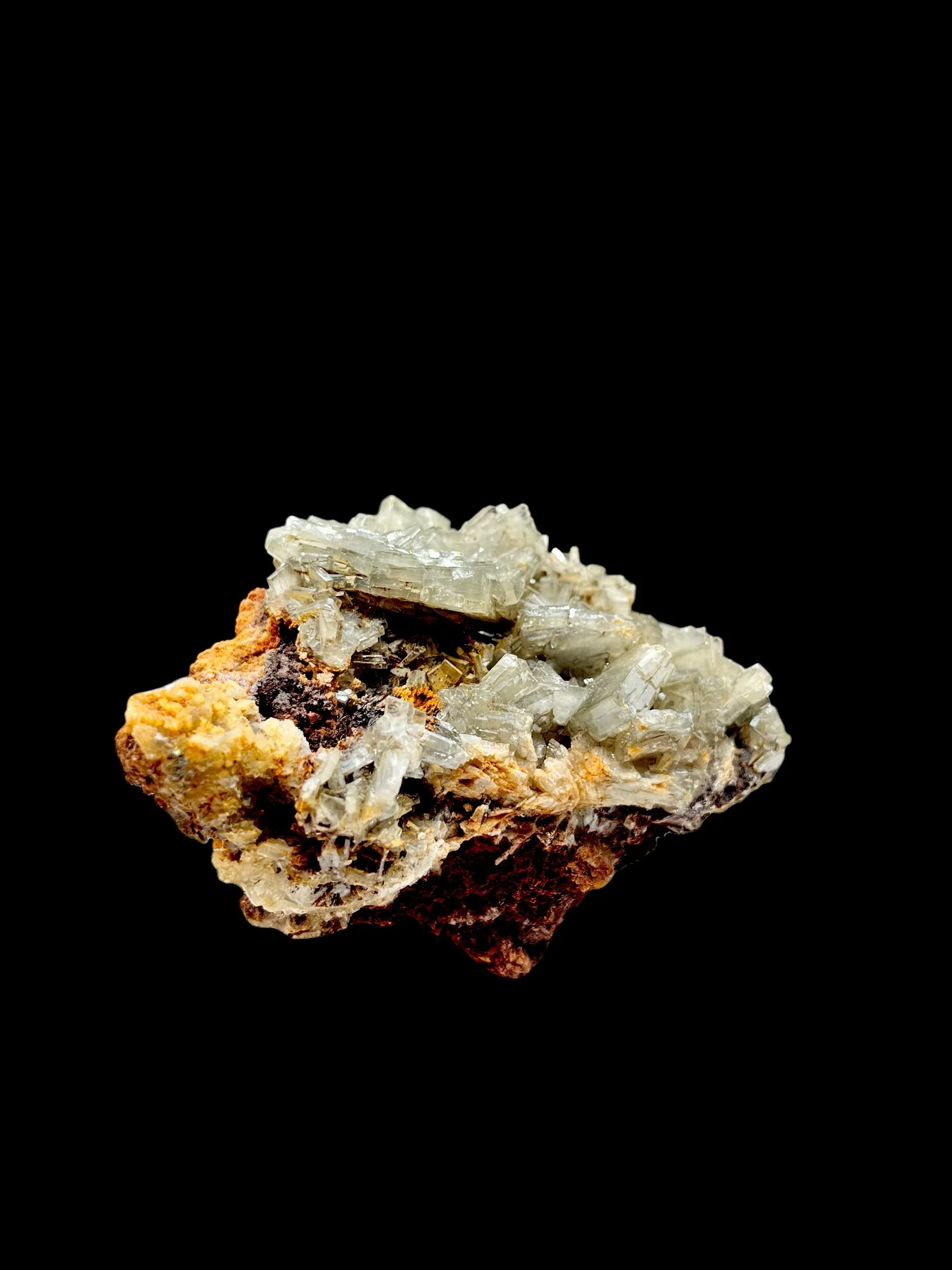
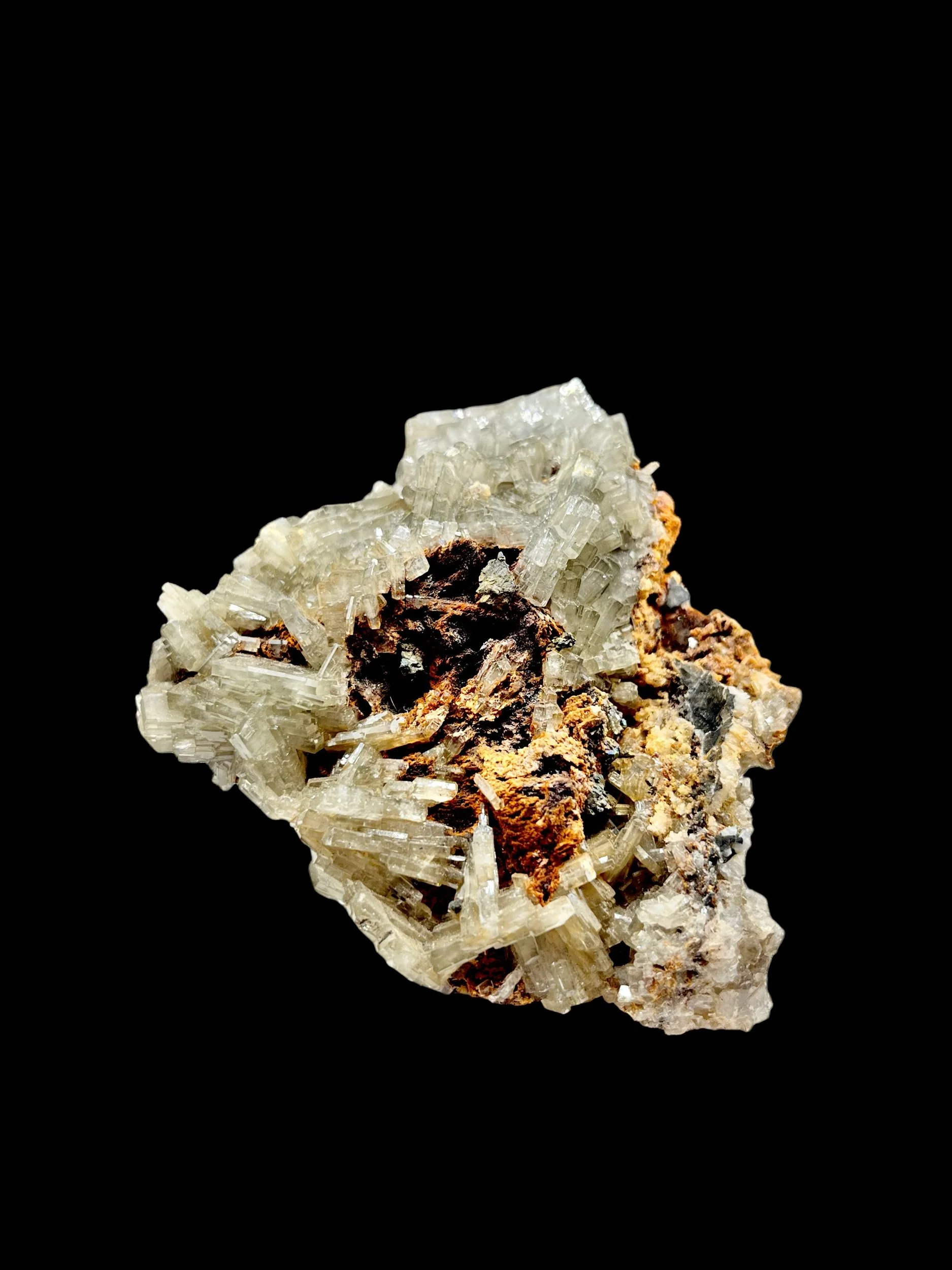
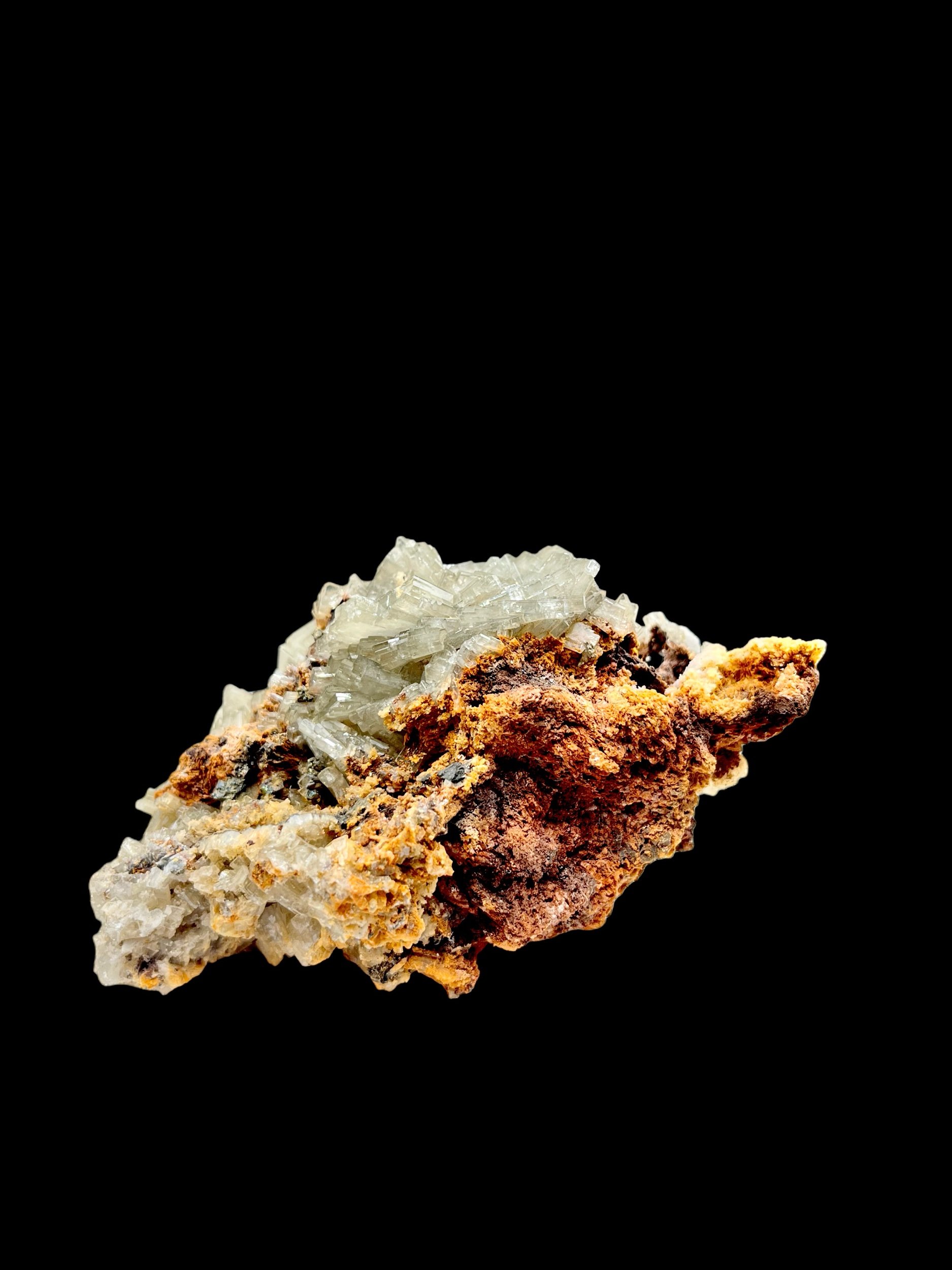
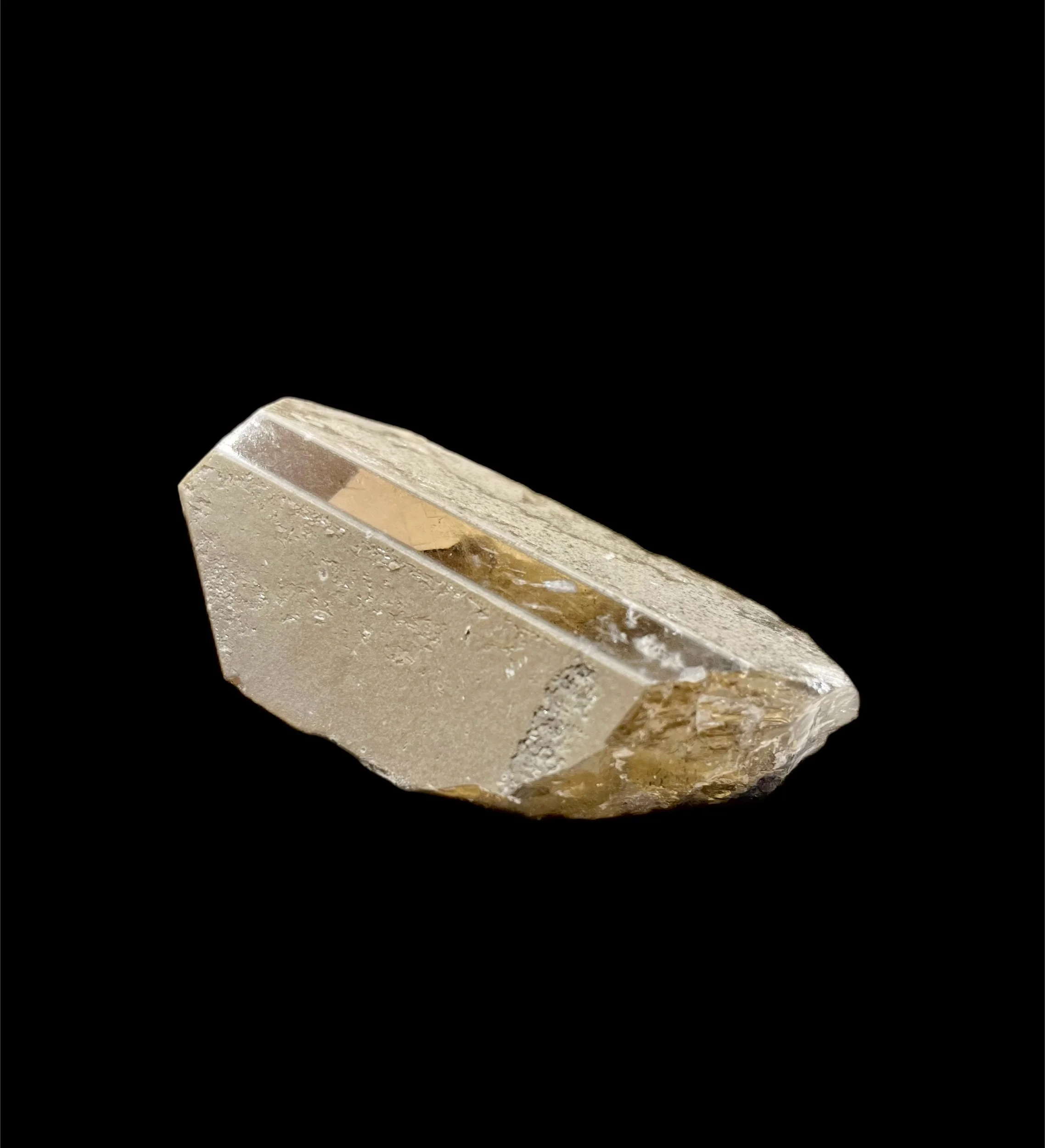
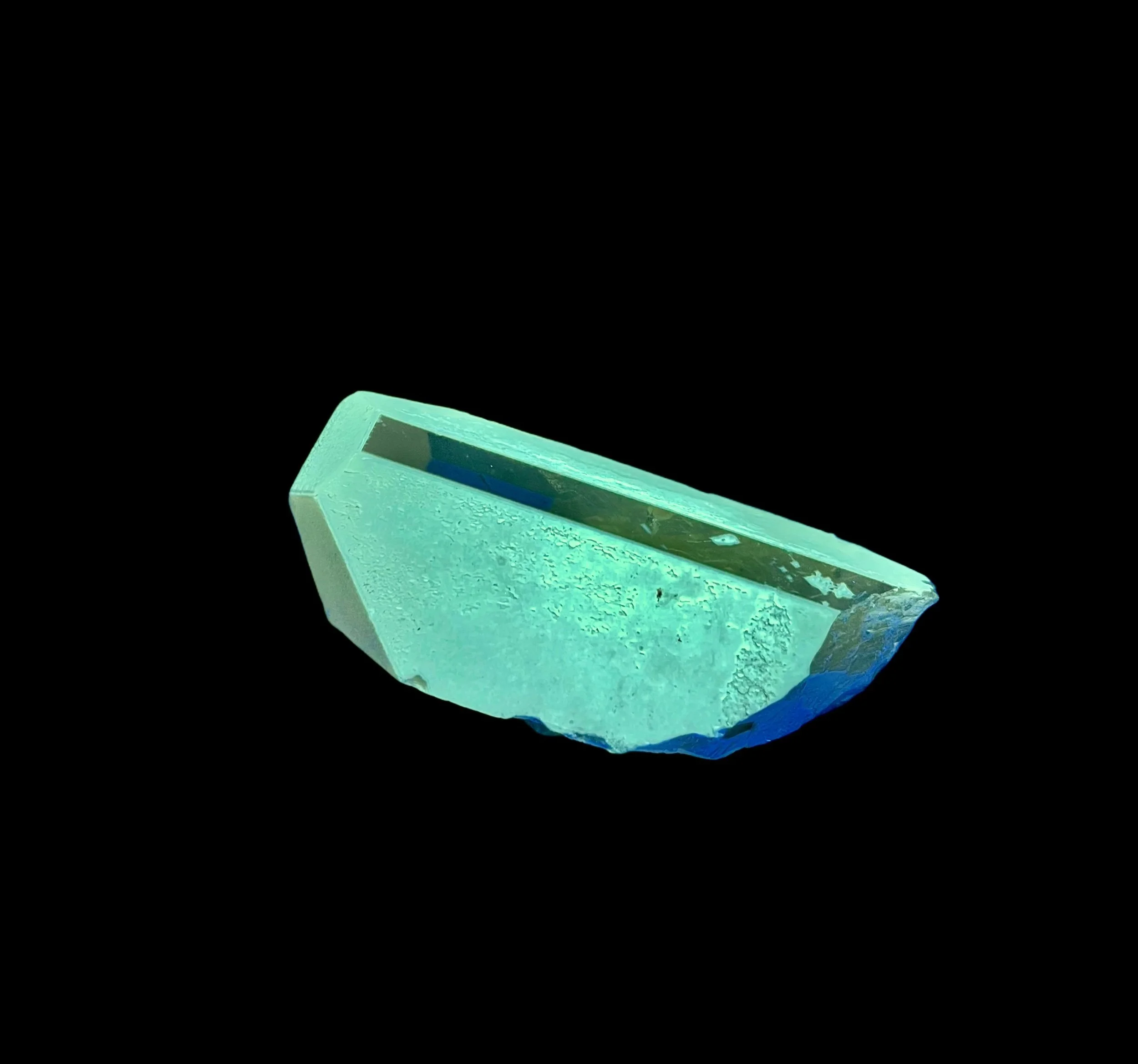
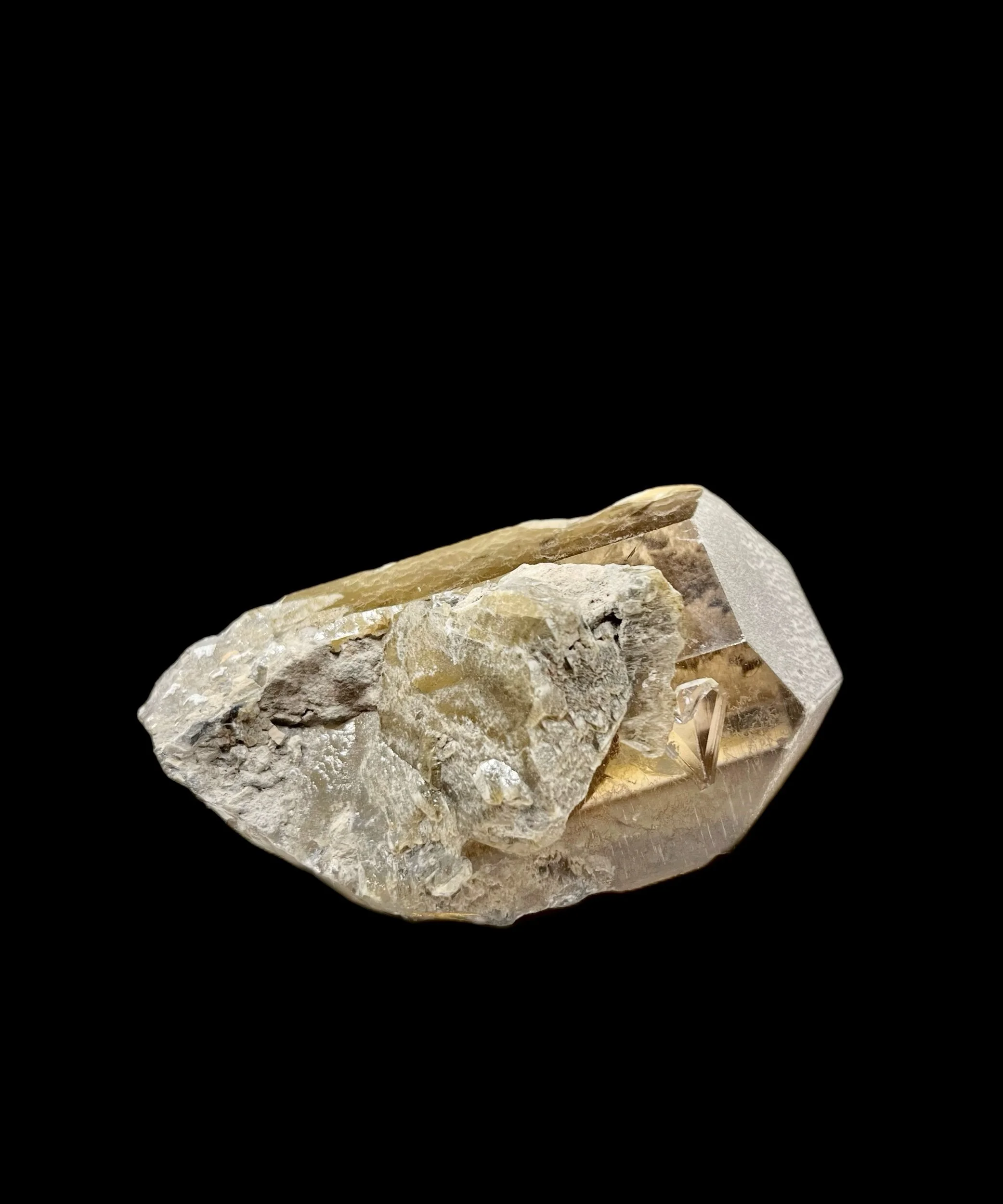
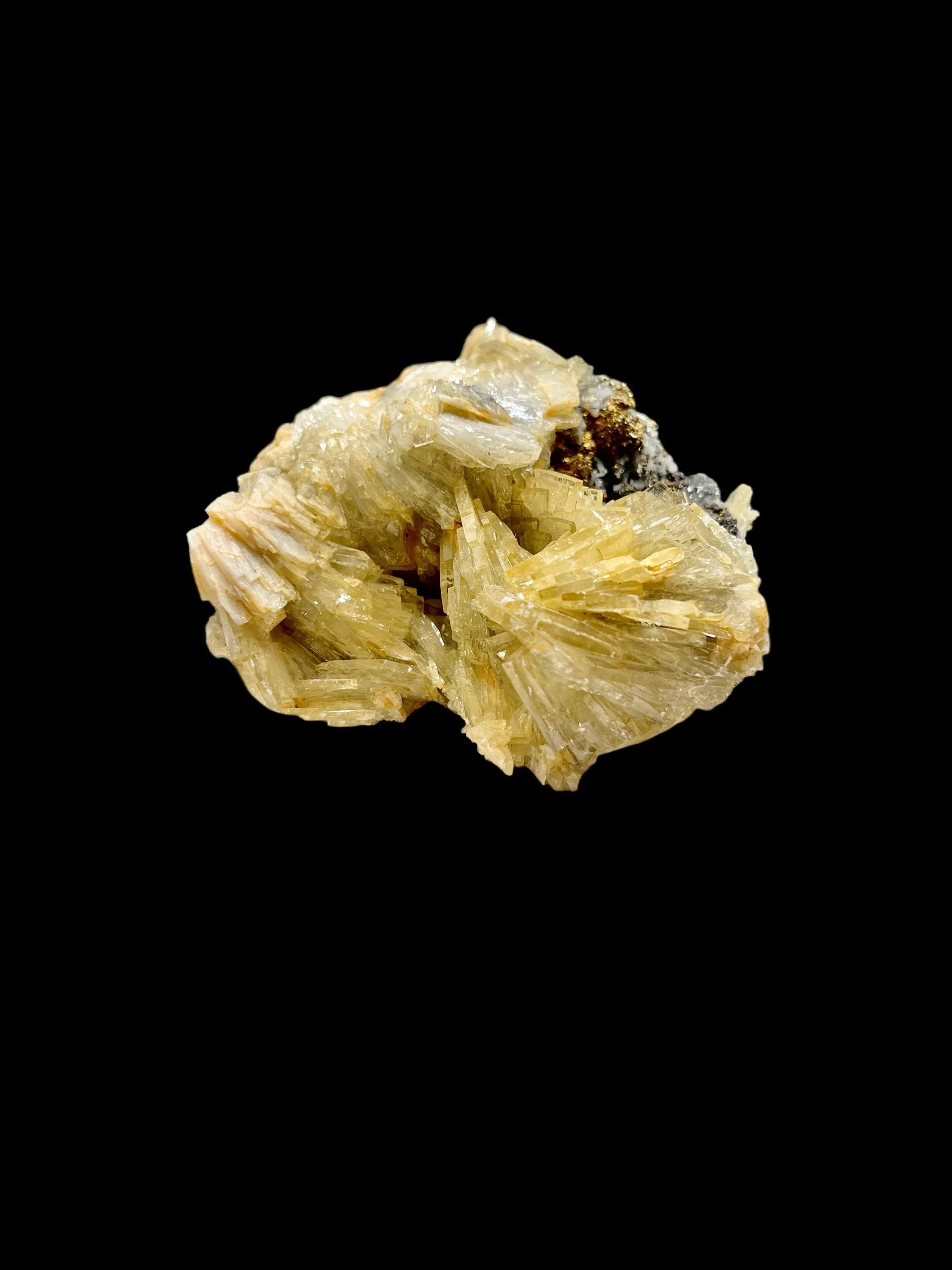
This striking mineral specimen features radiant golden chalcopyrite crystals embedded in a sculptural formation of bladed barite. The barite forms sharp, translucent blades in soft champagne and honey tones, while the metallic chalcopyrite adds brilliant flashes of gold that shimmer against the natural matrix.
The contrast between the luminous barite and the rich, brassy chalcopyrite gives this piece exceptional visual depth, making it a dramatic centerpiece for any mineral collection.
Measurement: 3.5” x 3.5” x 2.5”
Weight: 558g
Barite specimens with well-defined bladed crystal growth and strong metallic mineral associations are highly sought after. The presence of chalcopyrite adds both complexity and value, as it indicates hydrothermal mineralization conditions that allow multiple crystal species to grow together in aesthetic harmony.
This piece was selected for its excellent crystal coverage, strong luster, and bold color contrast — all qualities prized by serious collectors.
Sharp bladed barite crystal formation
Bright golden chalcopyrite crystals
Strong contrast between metallic and translucent minerals
Natural, untreated specimen
Highly aesthetic display quality
Barite is believed to be a stone of clarity, grounding, and higher awareness, often used to support mental focus and spiritual insight. Chalcopyrite is associated with abundance, confidence, and manifestation, believed to attract prosperity and remove energetic blockages. Together, this combination is thought to support clarity of purpose while encouraging positive change and growth.
Barite (BaSO₄) is a barium sulfate mineral known for its tabular and bladed crystal habit and high specific gravity.
Chalcopyrite (CuFeS₂) is a copper iron sulfide mineral prized for its golden metallic luster and iridescent surface oxidation.
These minerals formed together in hydrothermal veins, where hot mineral-rich fluids deposited both sulfate and sulfide minerals in crystalline layers over time.
This striking mineral specimen features radiant golden chalcopyrite crystals embedded in a sculptural formation of bladed barite. The barite forms sharp, translucent blades in soft champagne and honey tones, while the metallic chalcopyrite adds brilliant flashes of gold that shimmer against the natural matrix.
The contrast between the luminous barite and the rich, brassy chalcopyrite gives this piece exceptional visual depth, making it a dramatic centerpiece for any mineral collection.
Measurement: 3.5” x 3.5” x 2.5”
Weight: 558g
Barite specimens with well-defined bladed crystal growth and strong metallic mineral associations are highly sought after. The presence of chalcopyrite adds both complexity and value, as it indicates hydrothermal mineralization conditions that allow multiple crystal species to grow together in aesthetic harmony.
This piece was selected for its excellent crystal coverage, strong luster, and bold color contrast — all qualities prized by serious collectors.
Sharp bladed barite crystal formation
Bright golden chalcopyrite crystals
Strong contrast between metallic and translucent minerals
Natural, untreated specimen
Highly aesthetic display quality
Barite is believed to be a stone of clarity, grounding, and higher awareness, often used to support mental focus and spiritual insight. Chalcopyrite is associated with abundance, confidence, and manifestation, believed to attract prosperity and remove energetic blockages. Together, this combination is thought to support clarity of purpose while encouraging positive change and growth.
Barite (BaSO₄) is a barium sulfate mineral known for its tabular and bladed crystal habit and high specific gravity.
Chalcopyrite (CuFeS₂) is a copper iron sulfide mineral prized for its golden metallic luster and iridescent surface oxidation.
These minerals formed together in hydrothermal veins, where hot mineral-rich fluids deposited both sulfate and sulfide minerals in crystalline layers over time.