Image 1 of 5
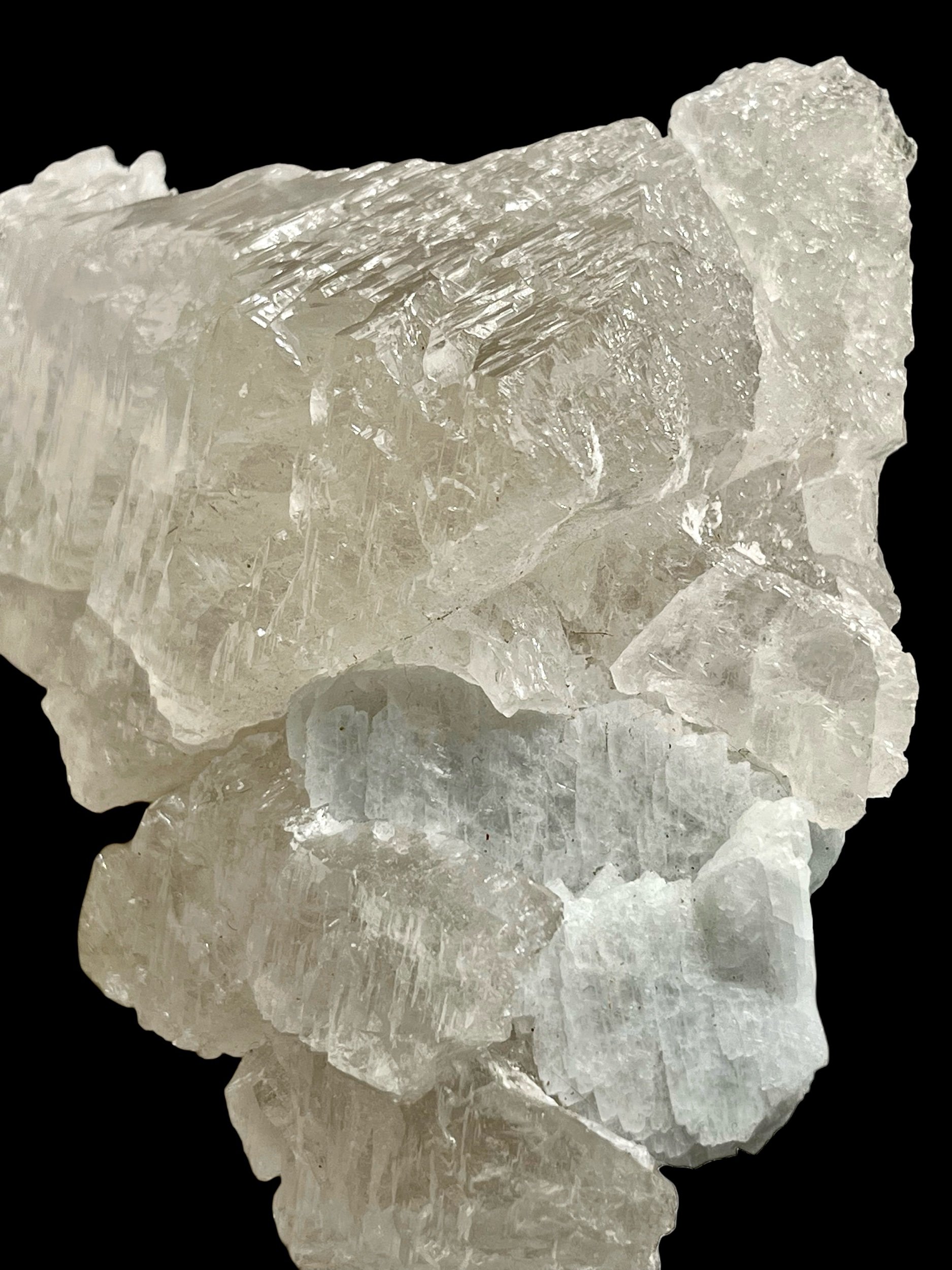 Image 2 of 5
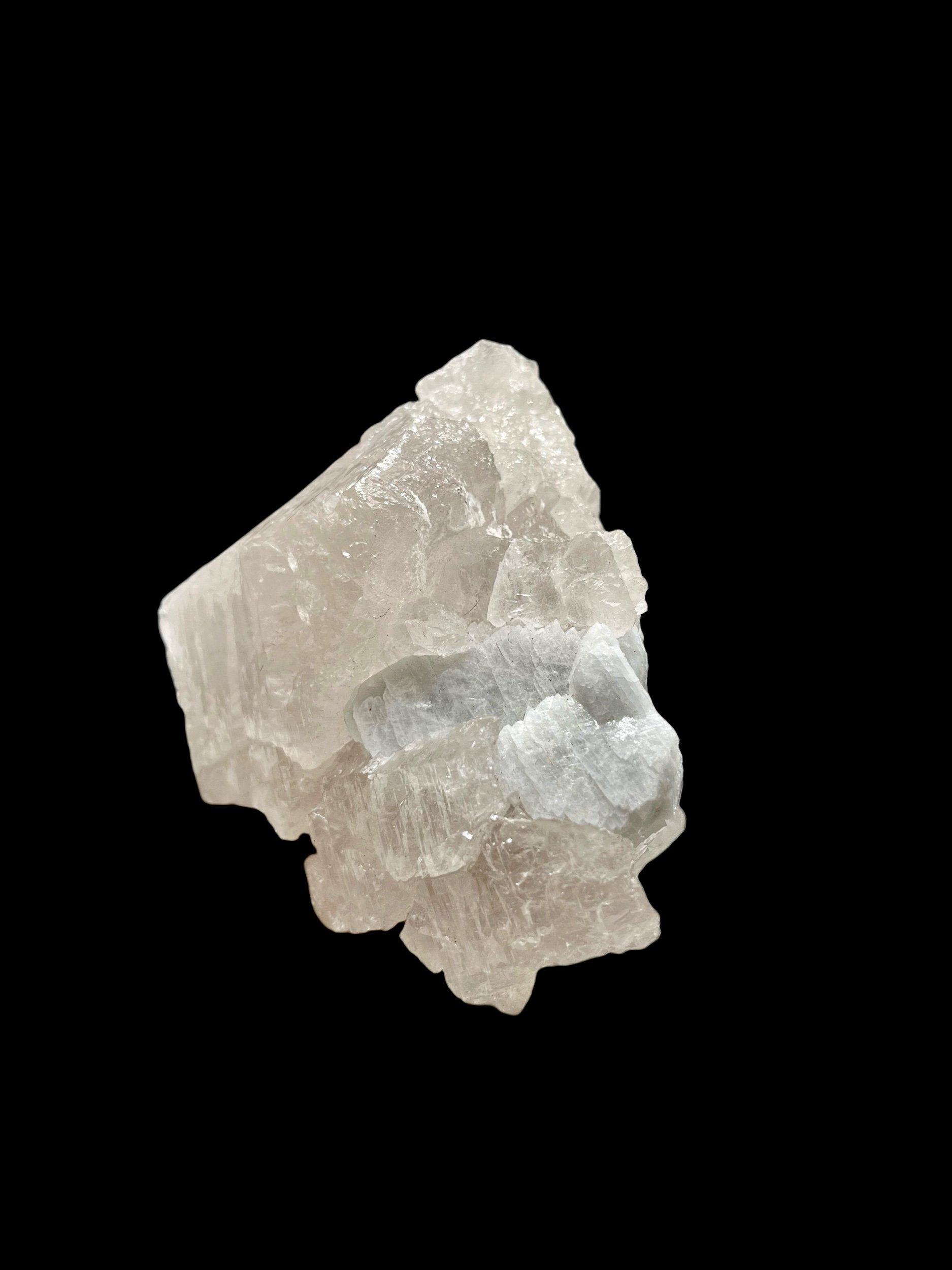 Image 3 of 5
 Image 4 of 5
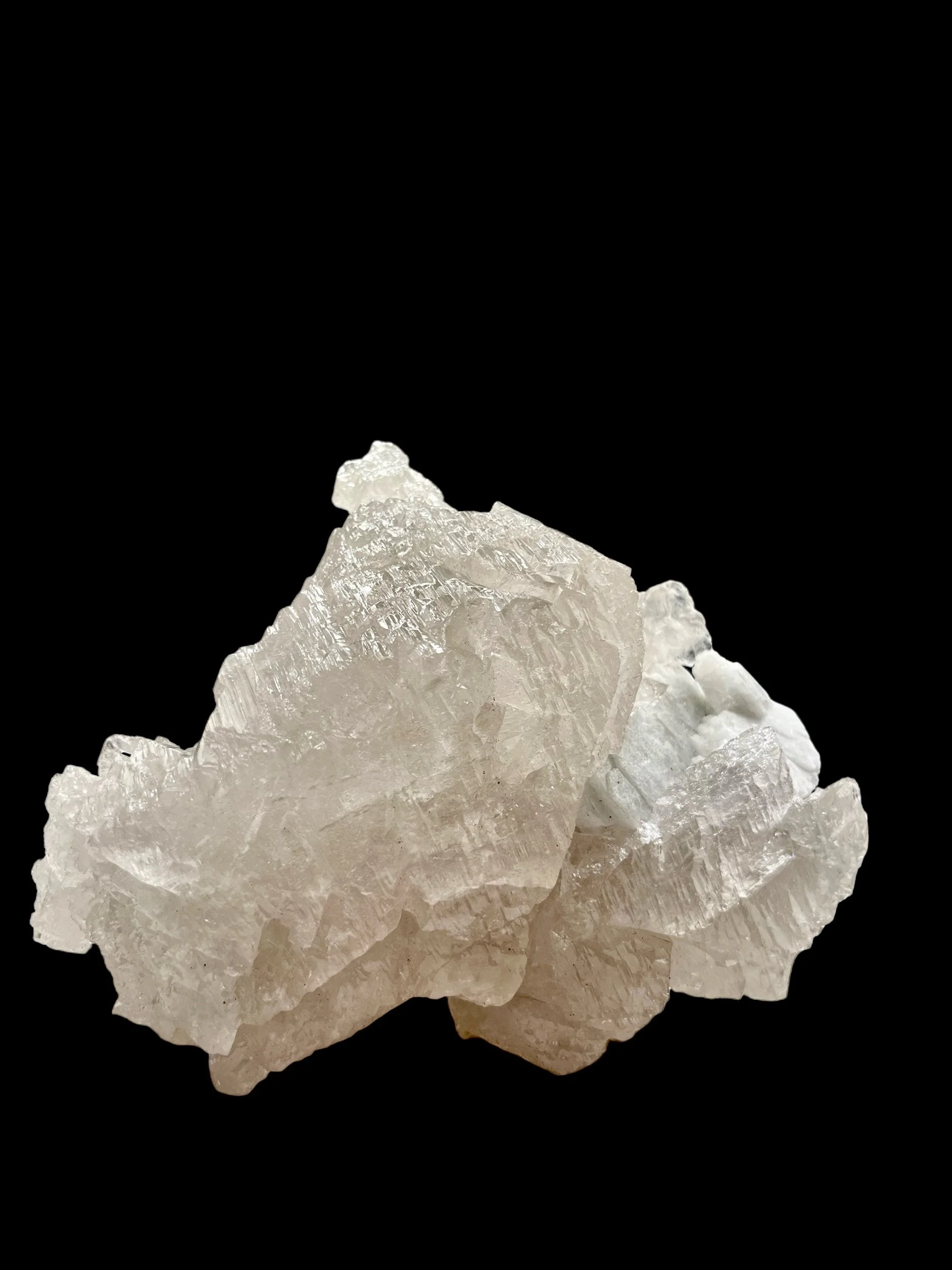 Image 5 of 5
Description
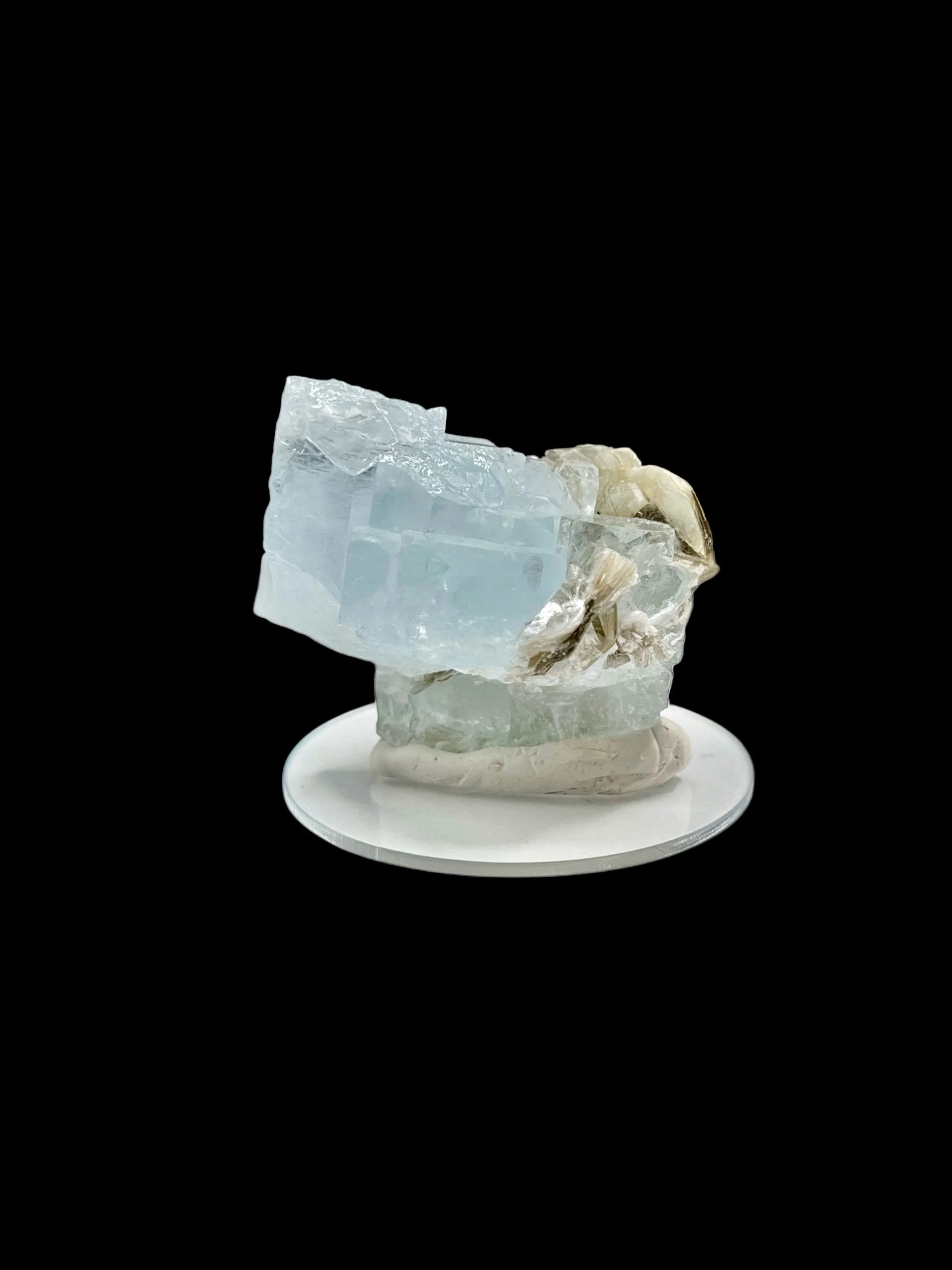
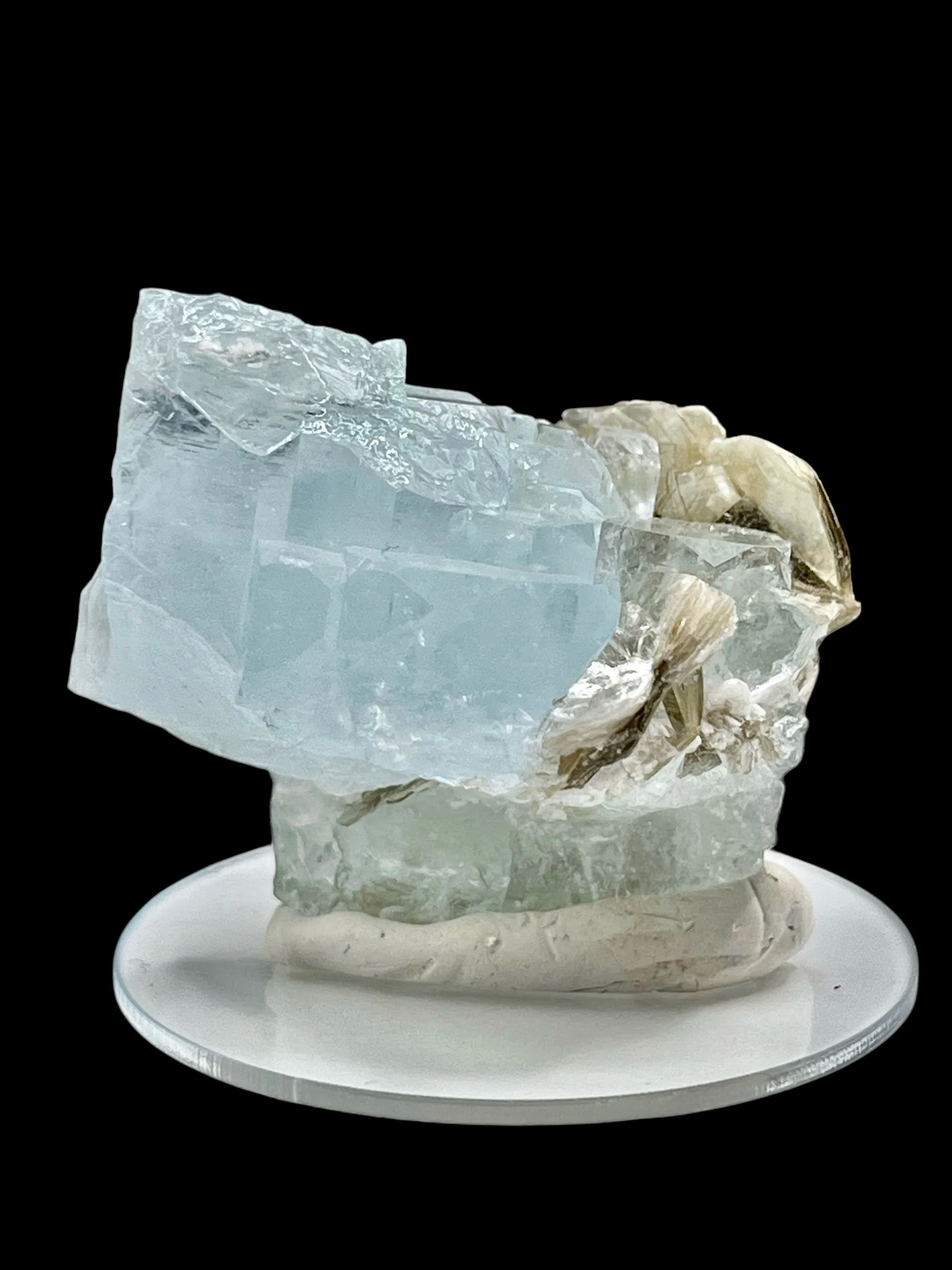
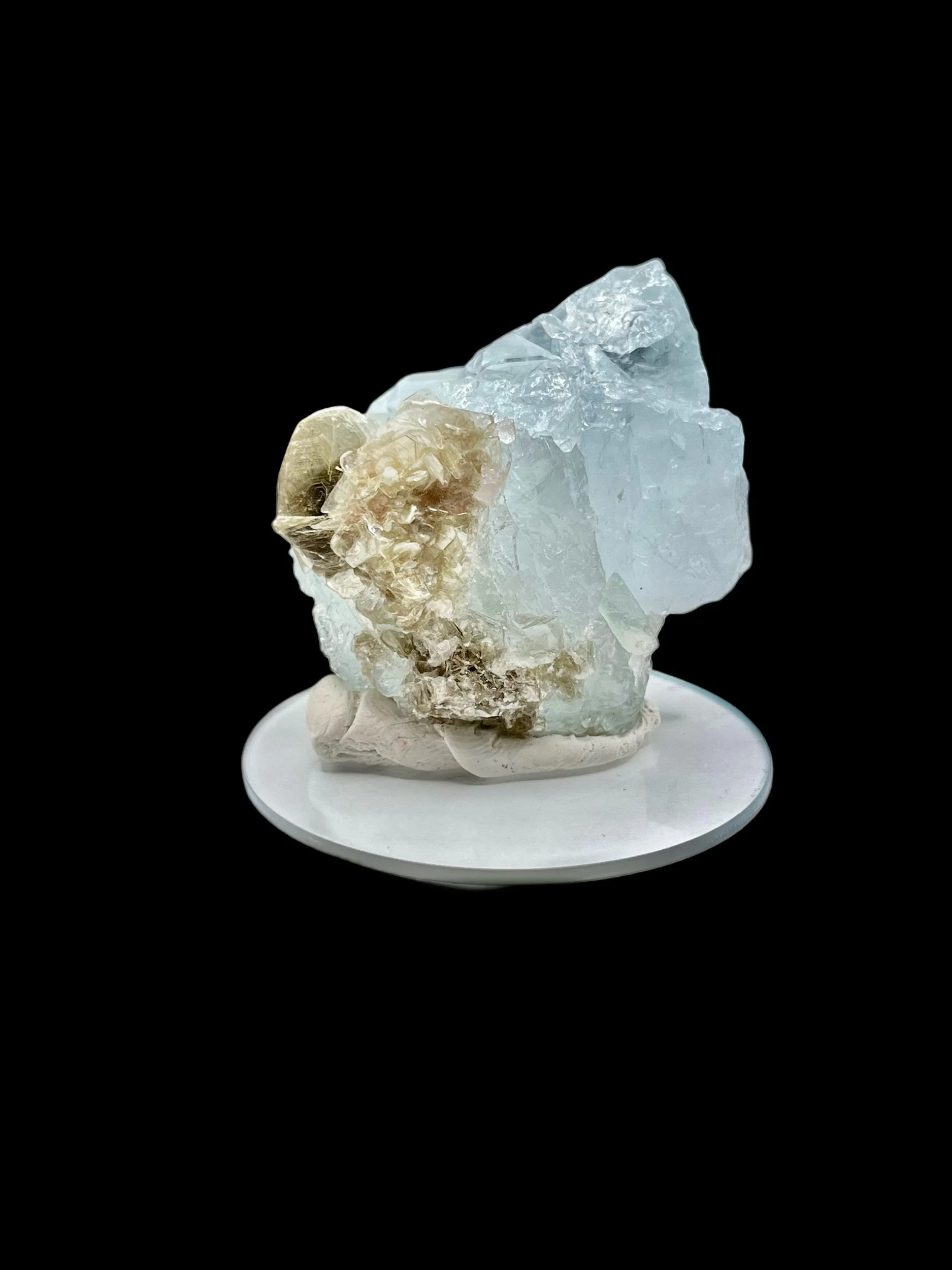
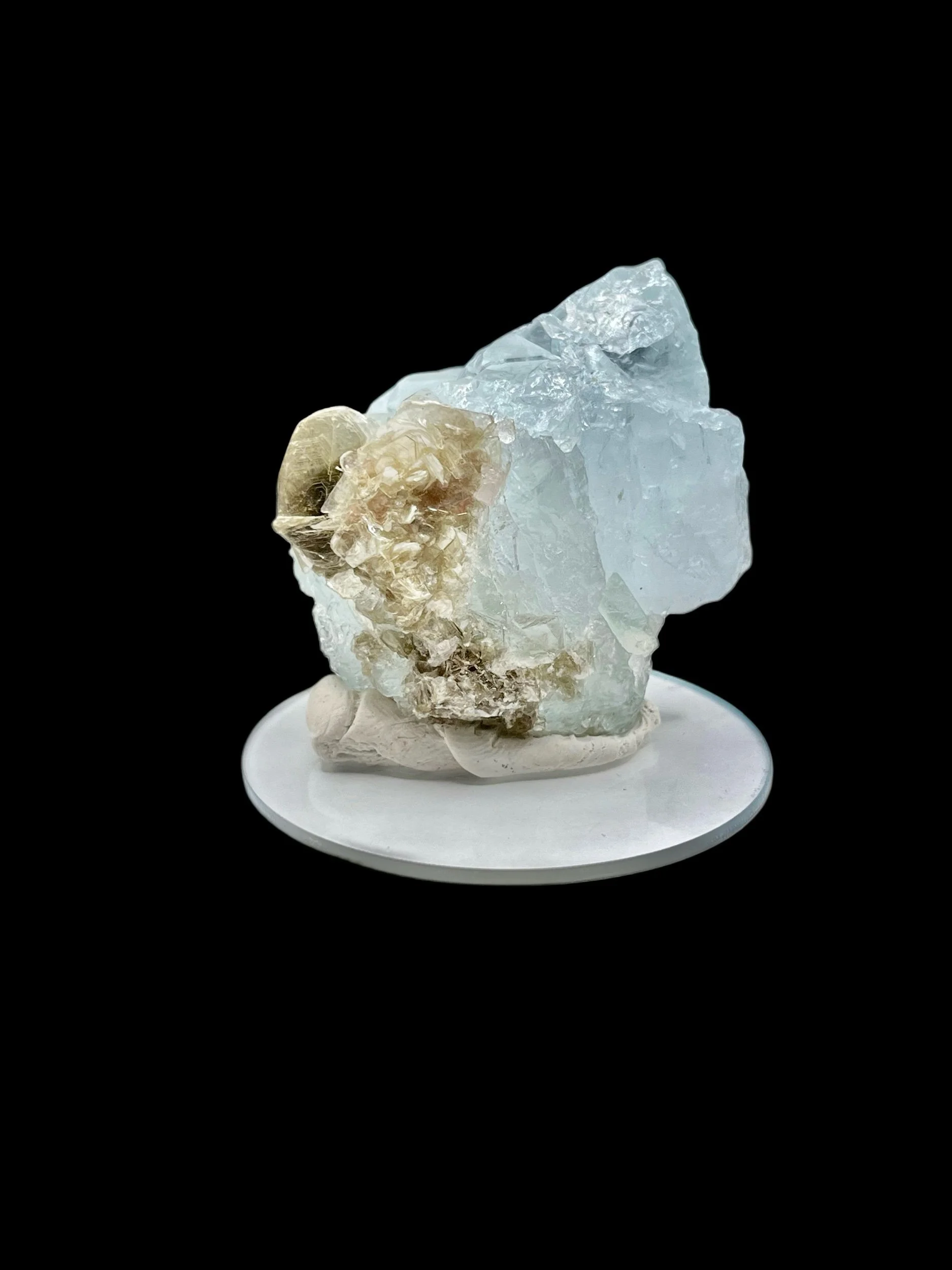
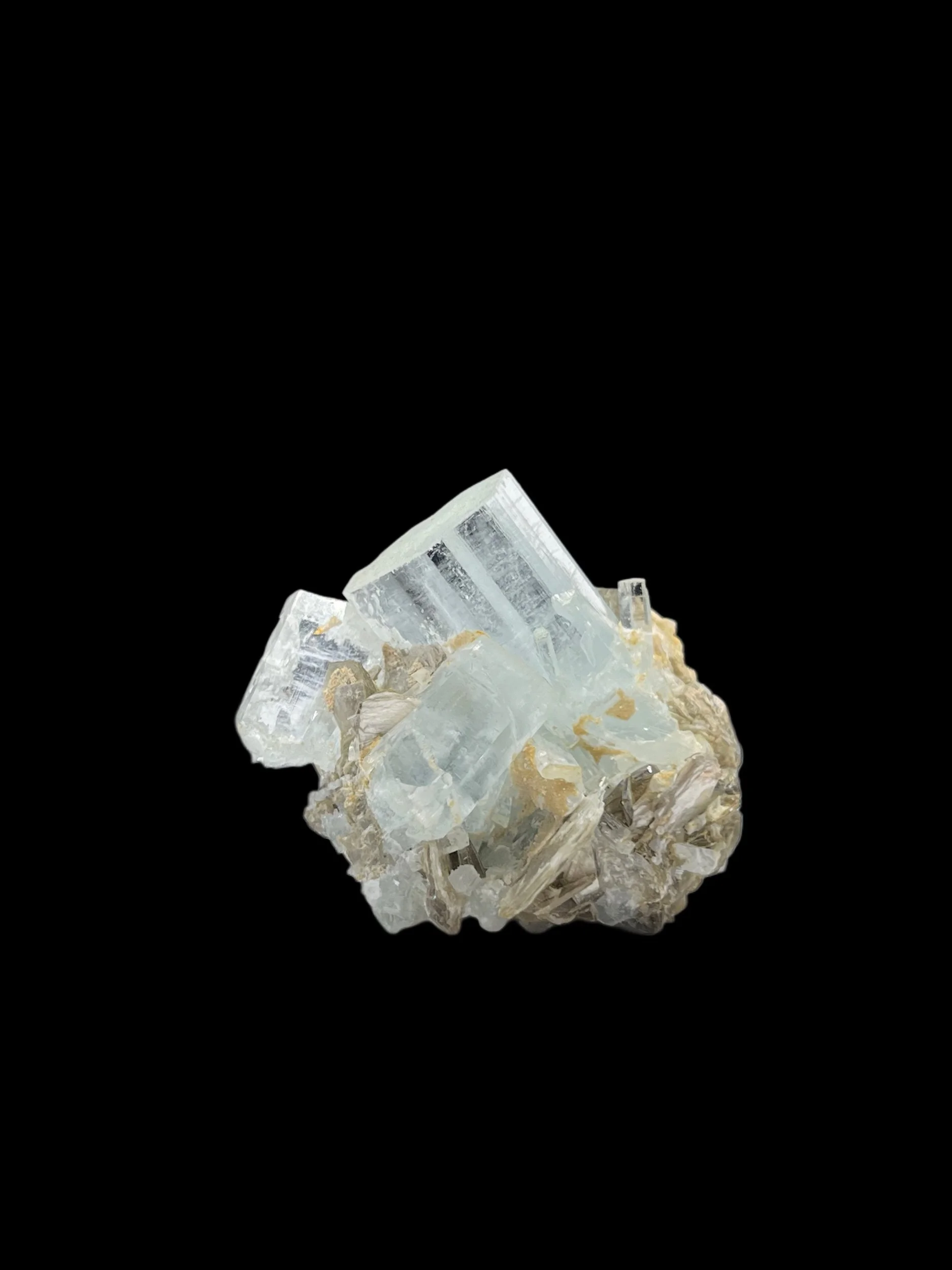
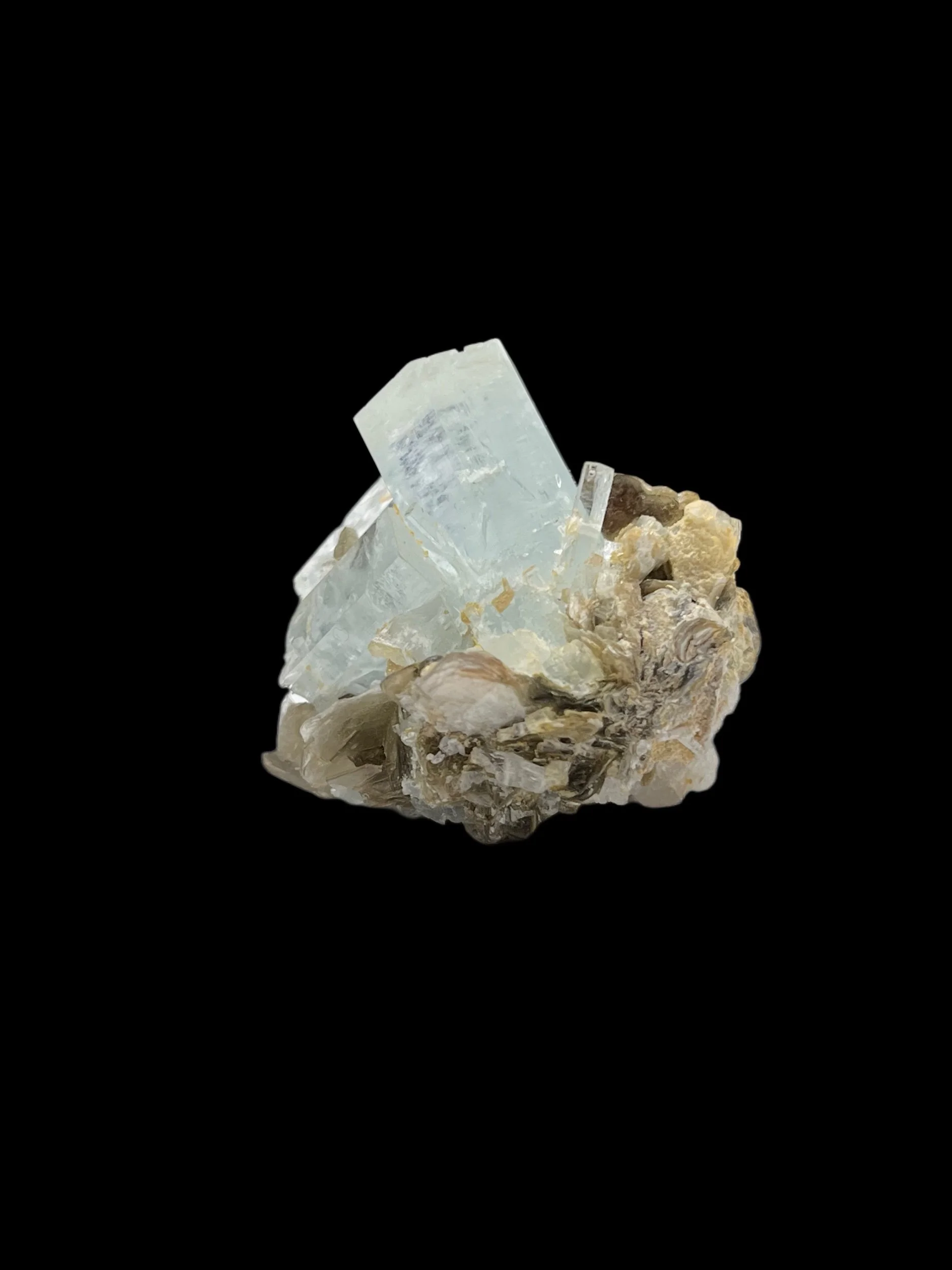
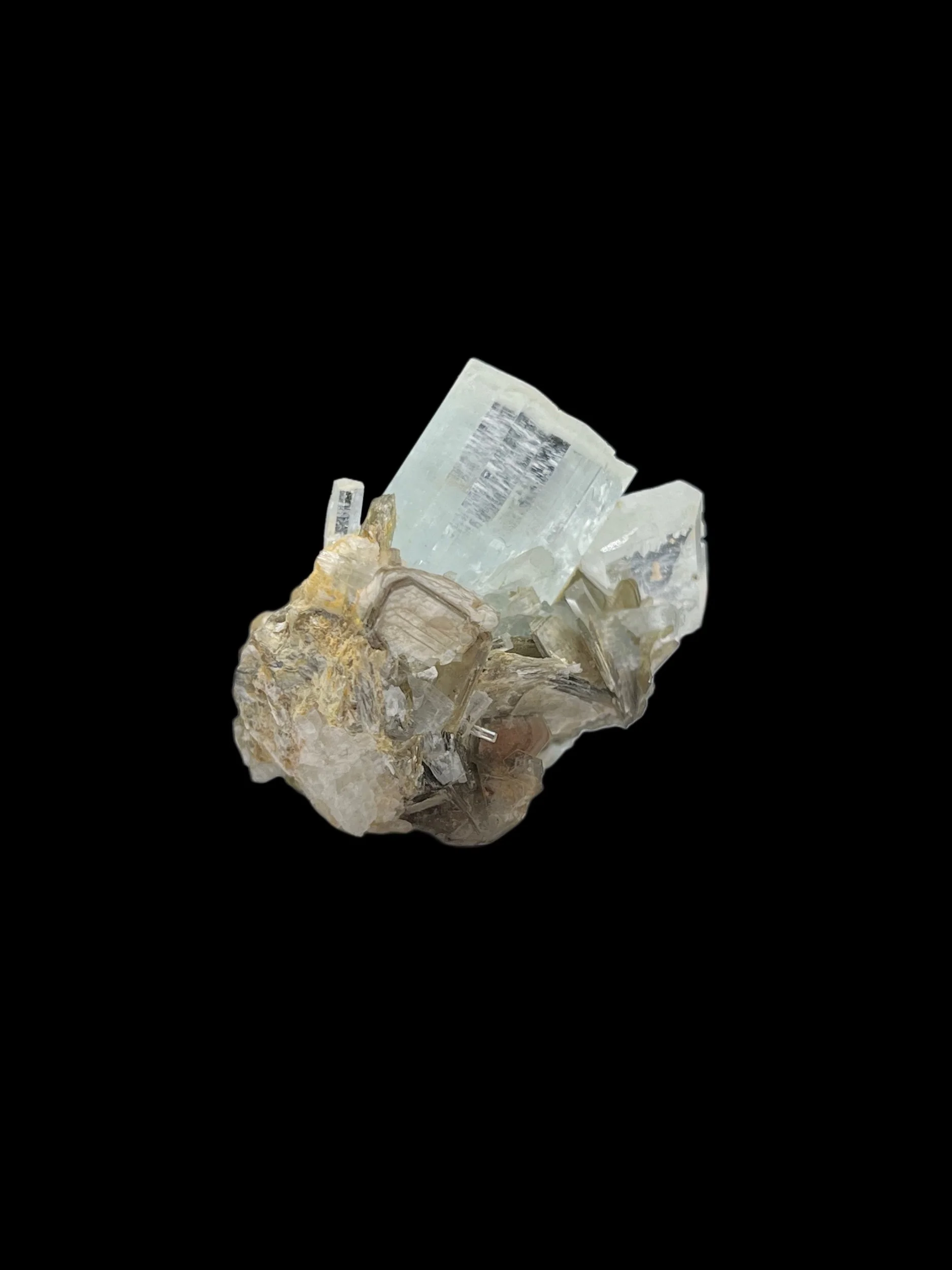
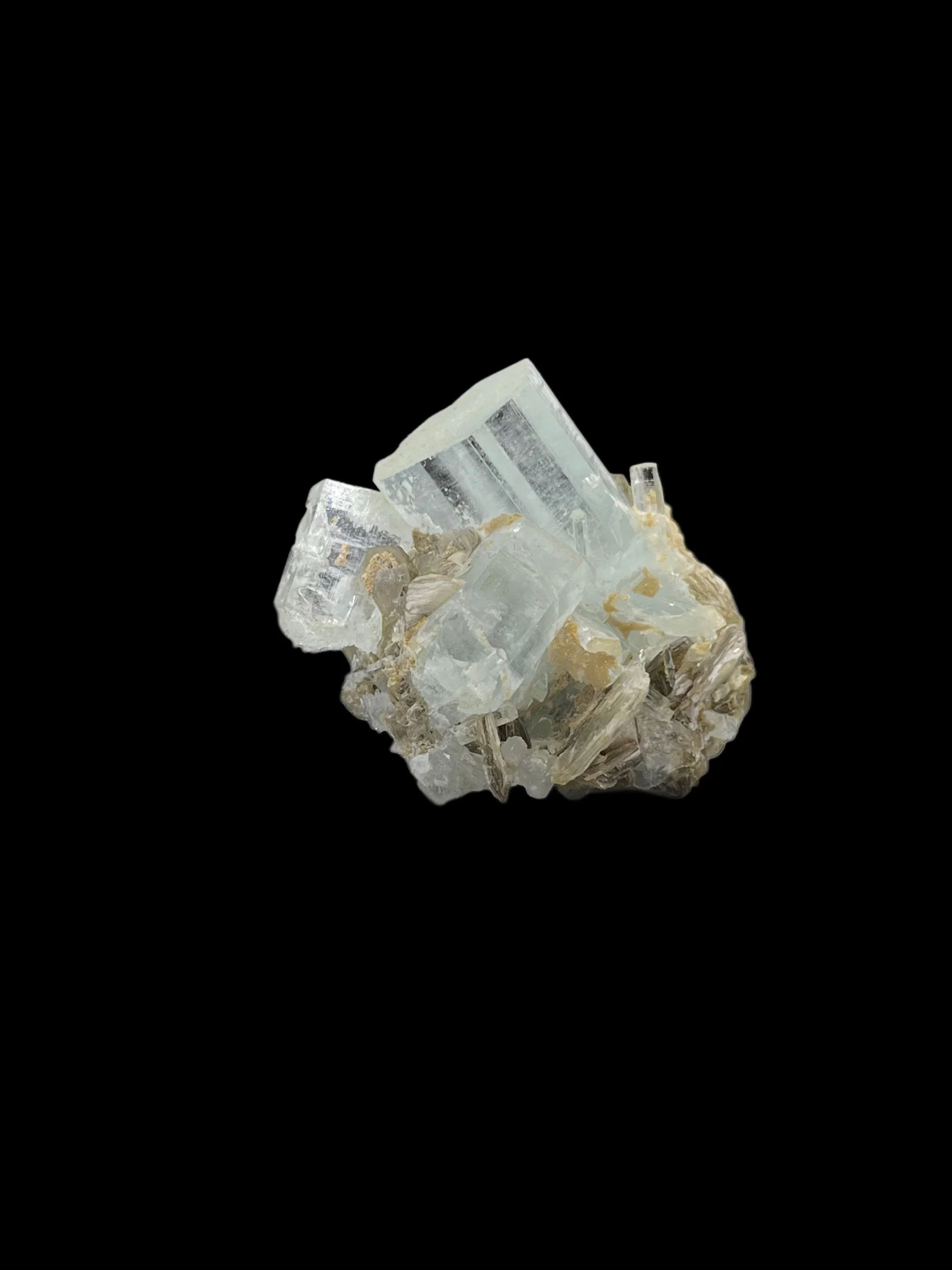
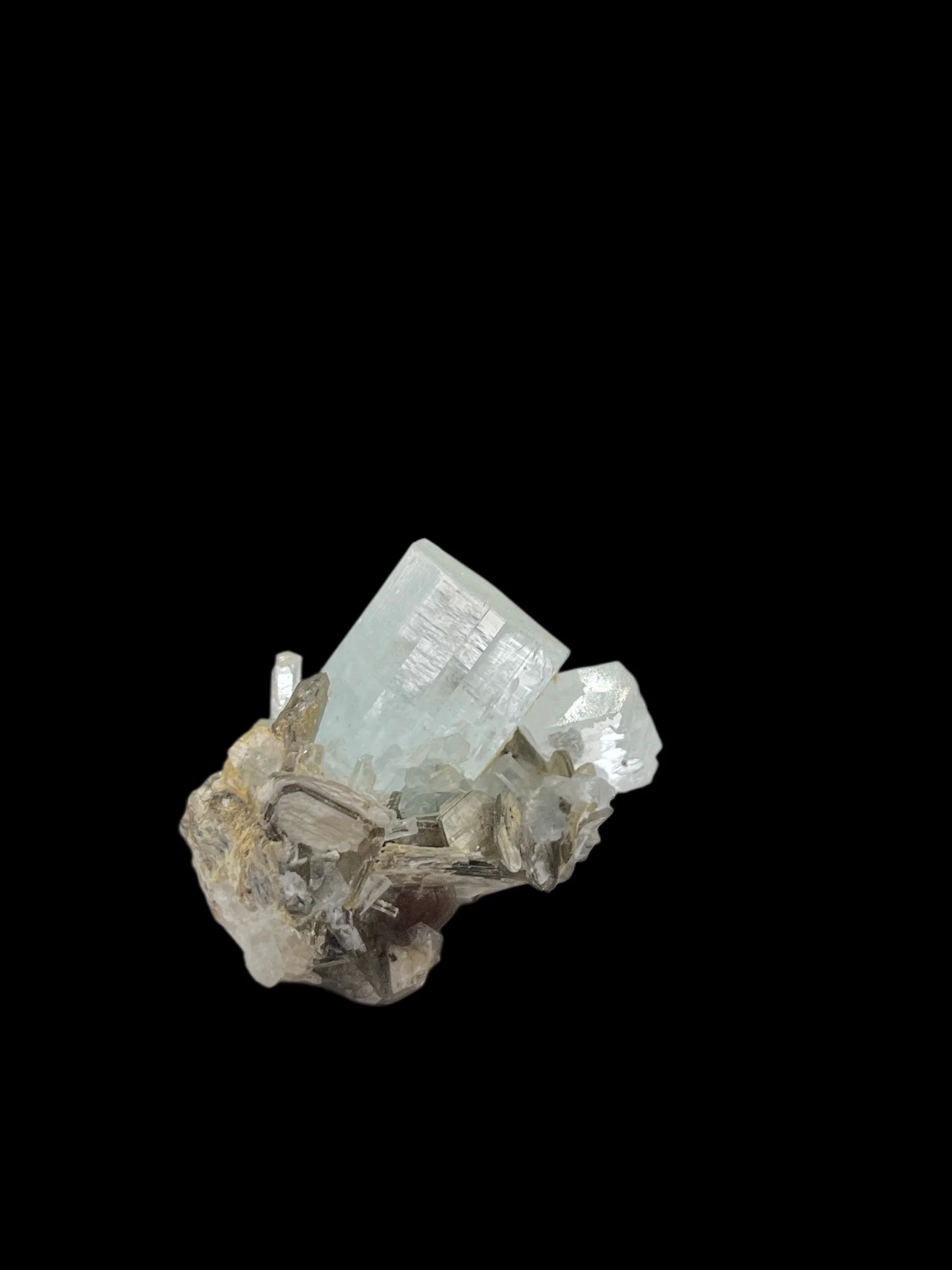
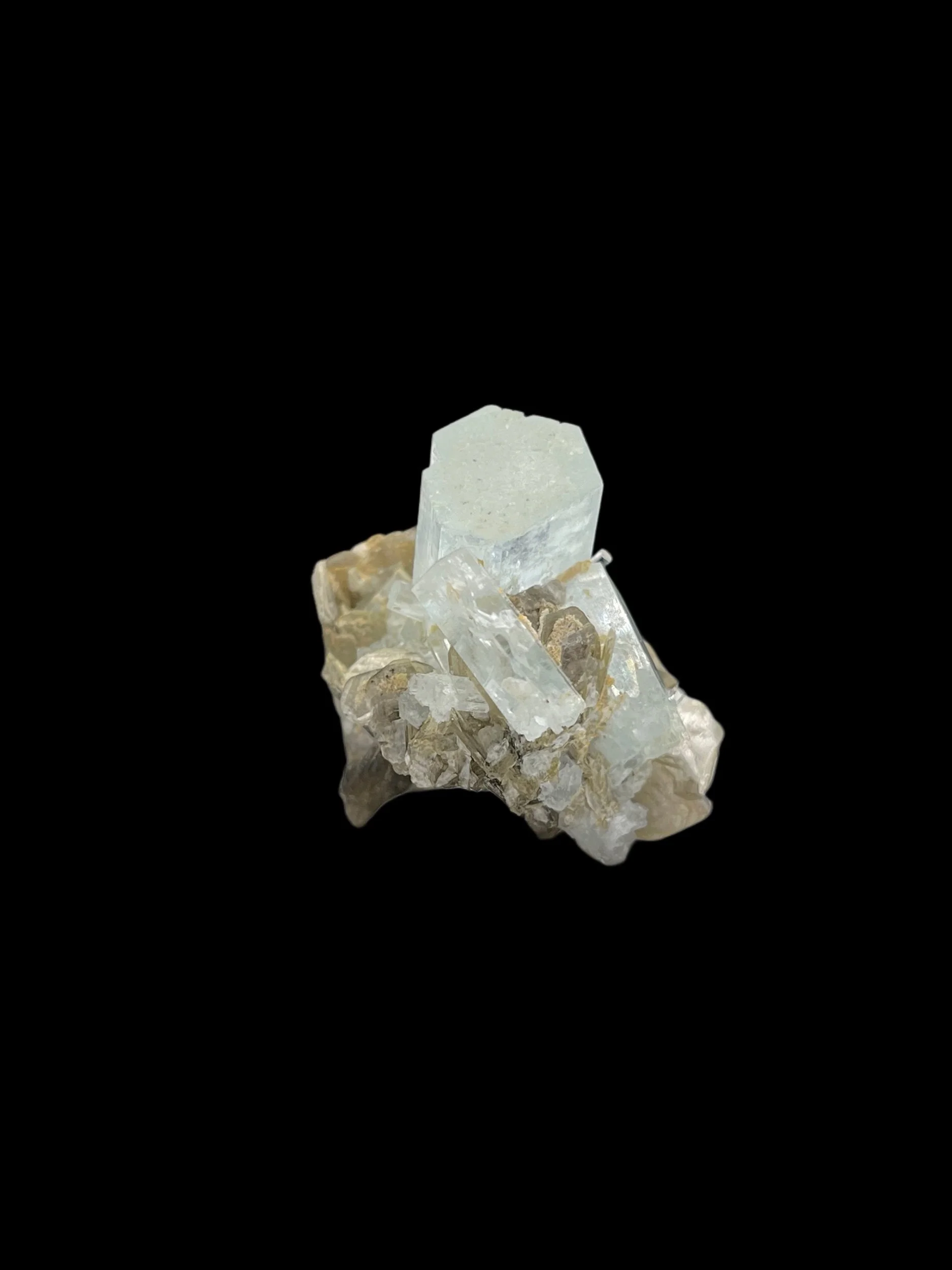
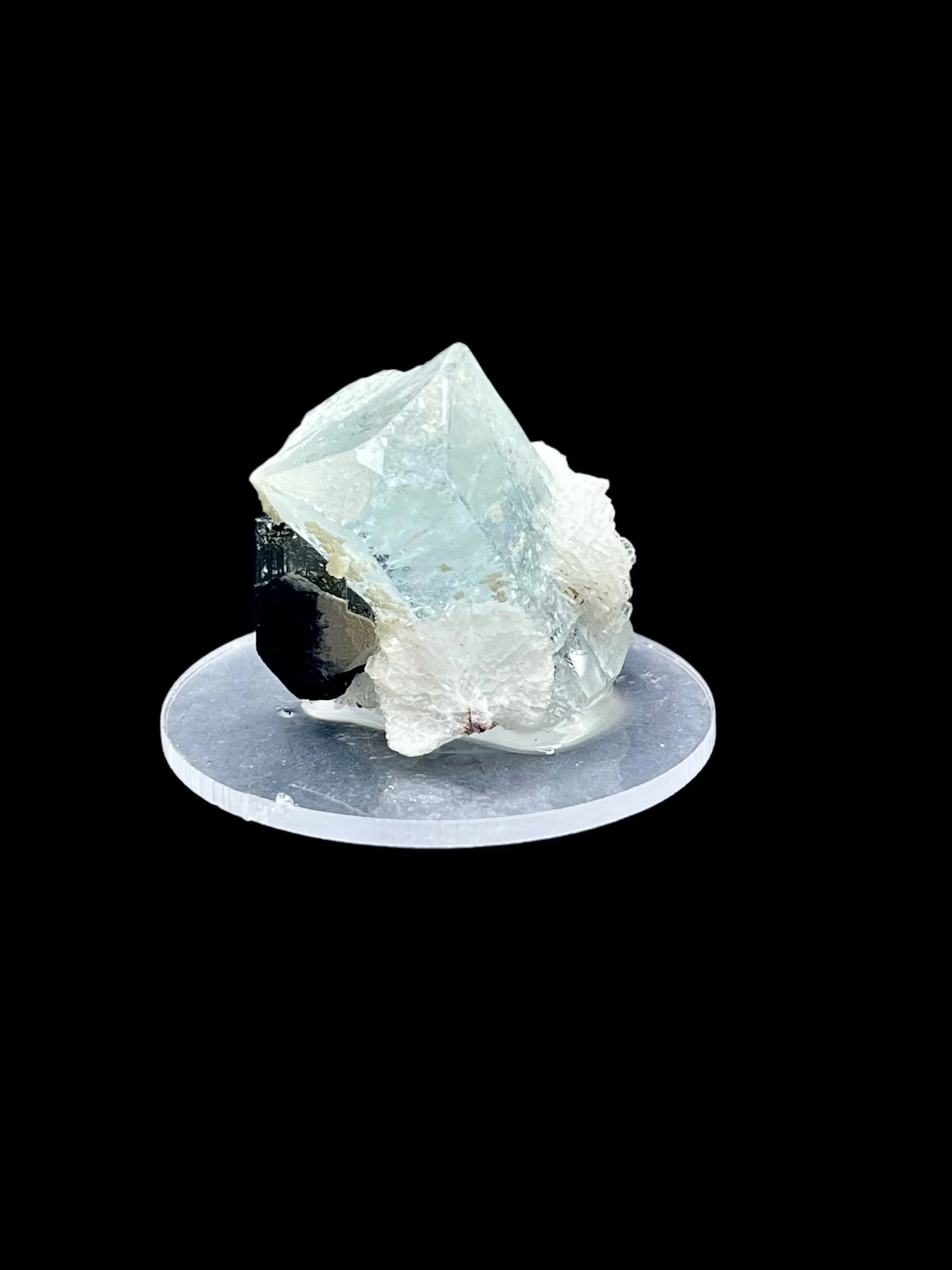
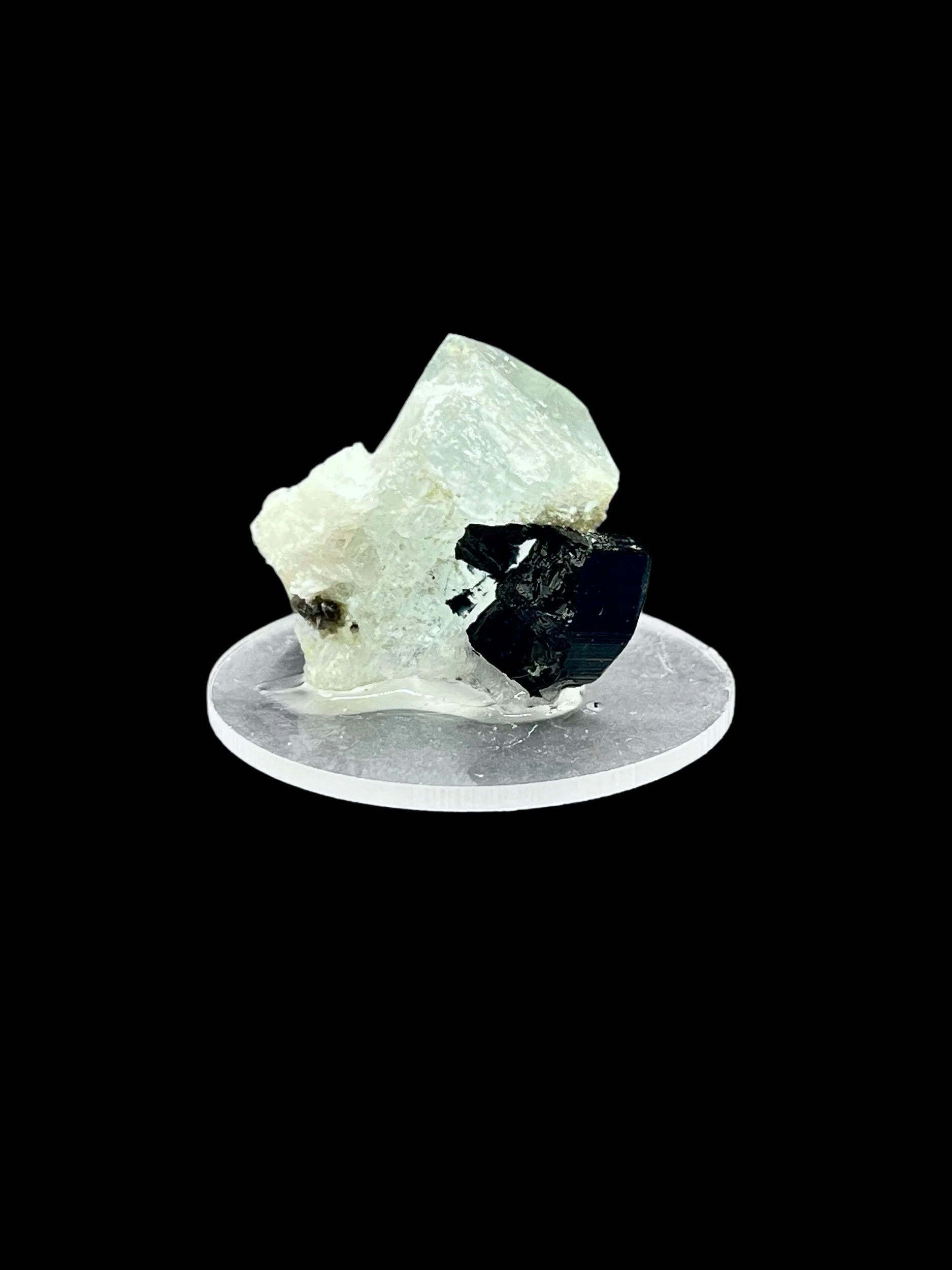
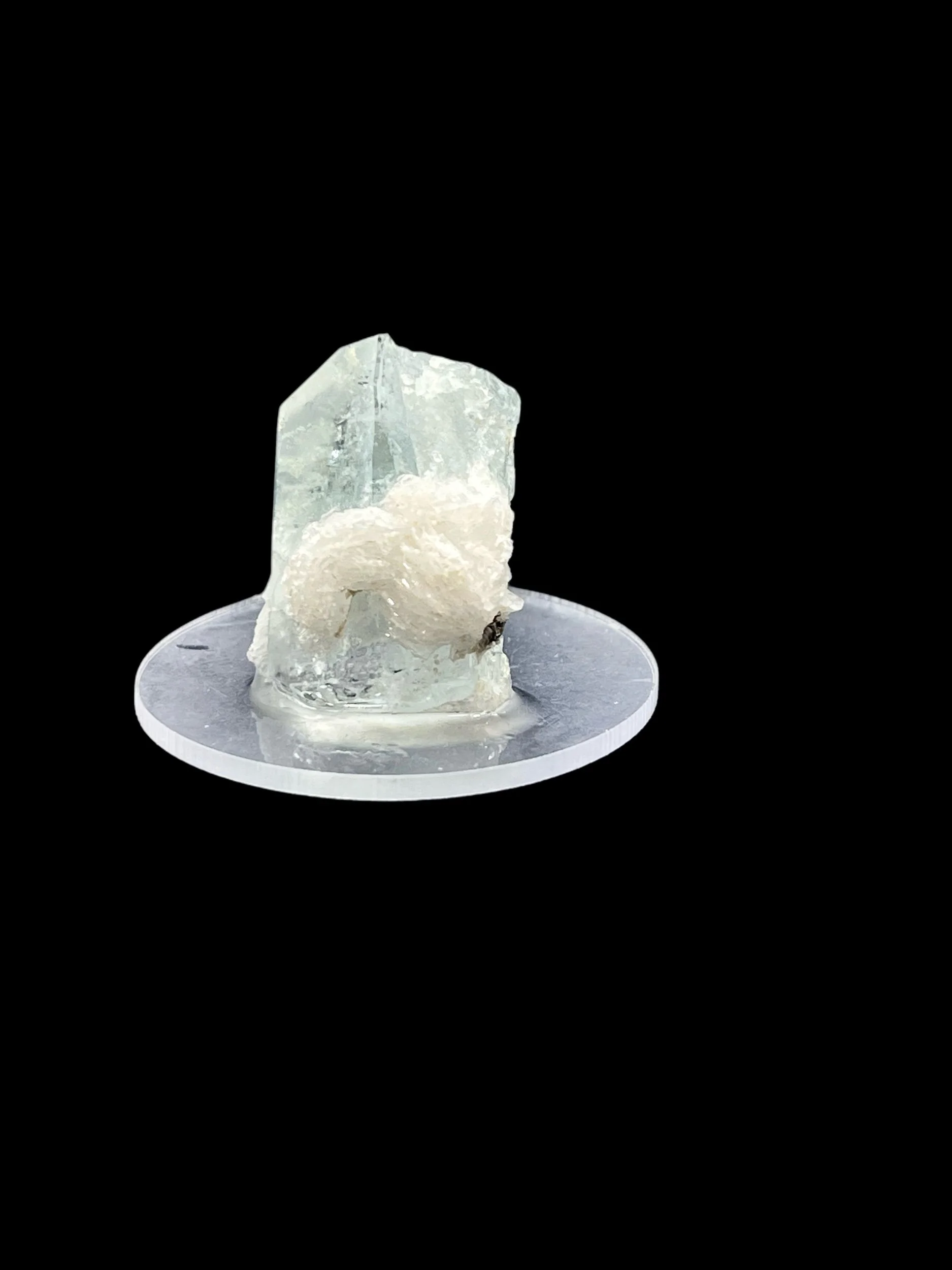
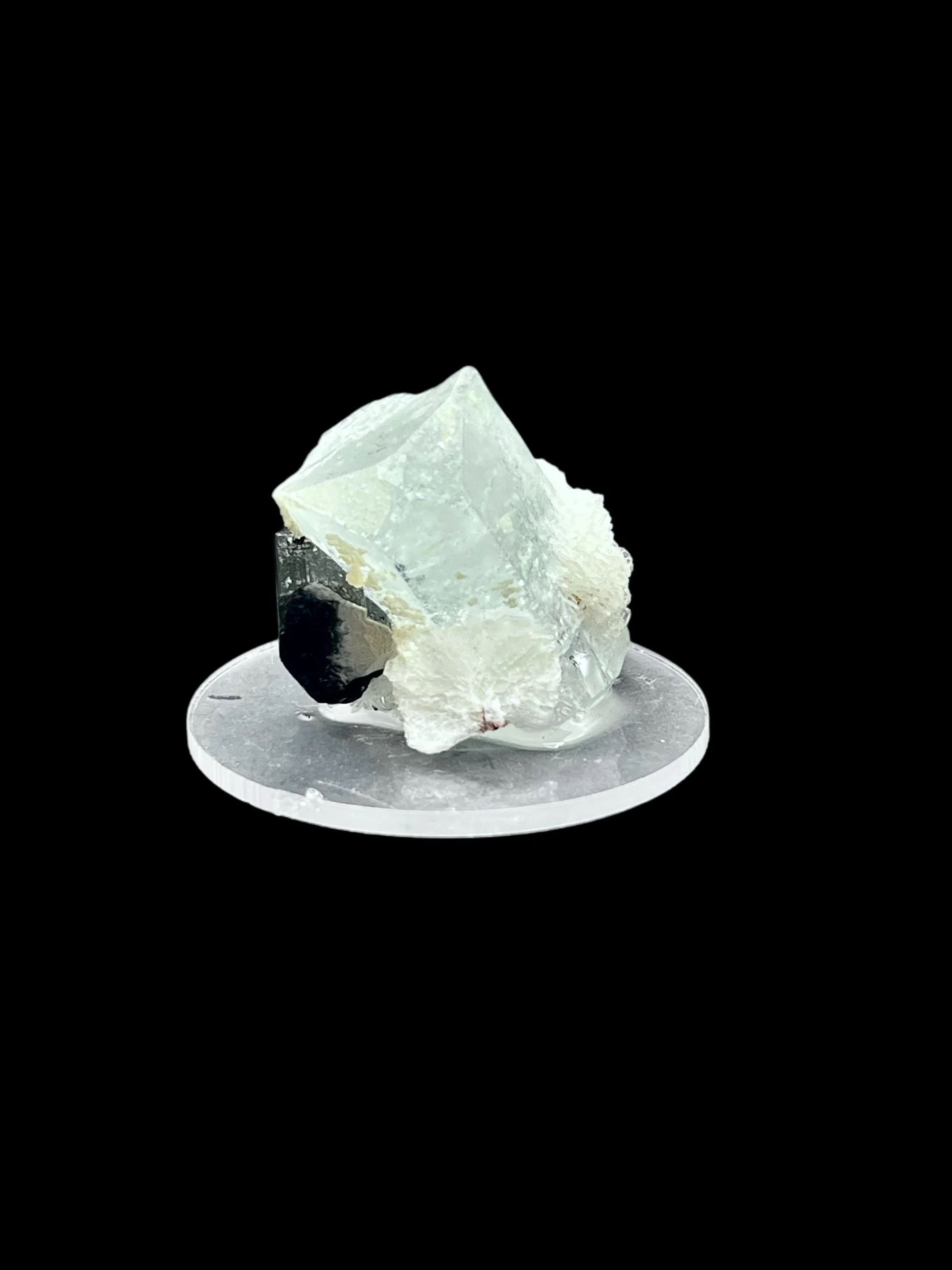
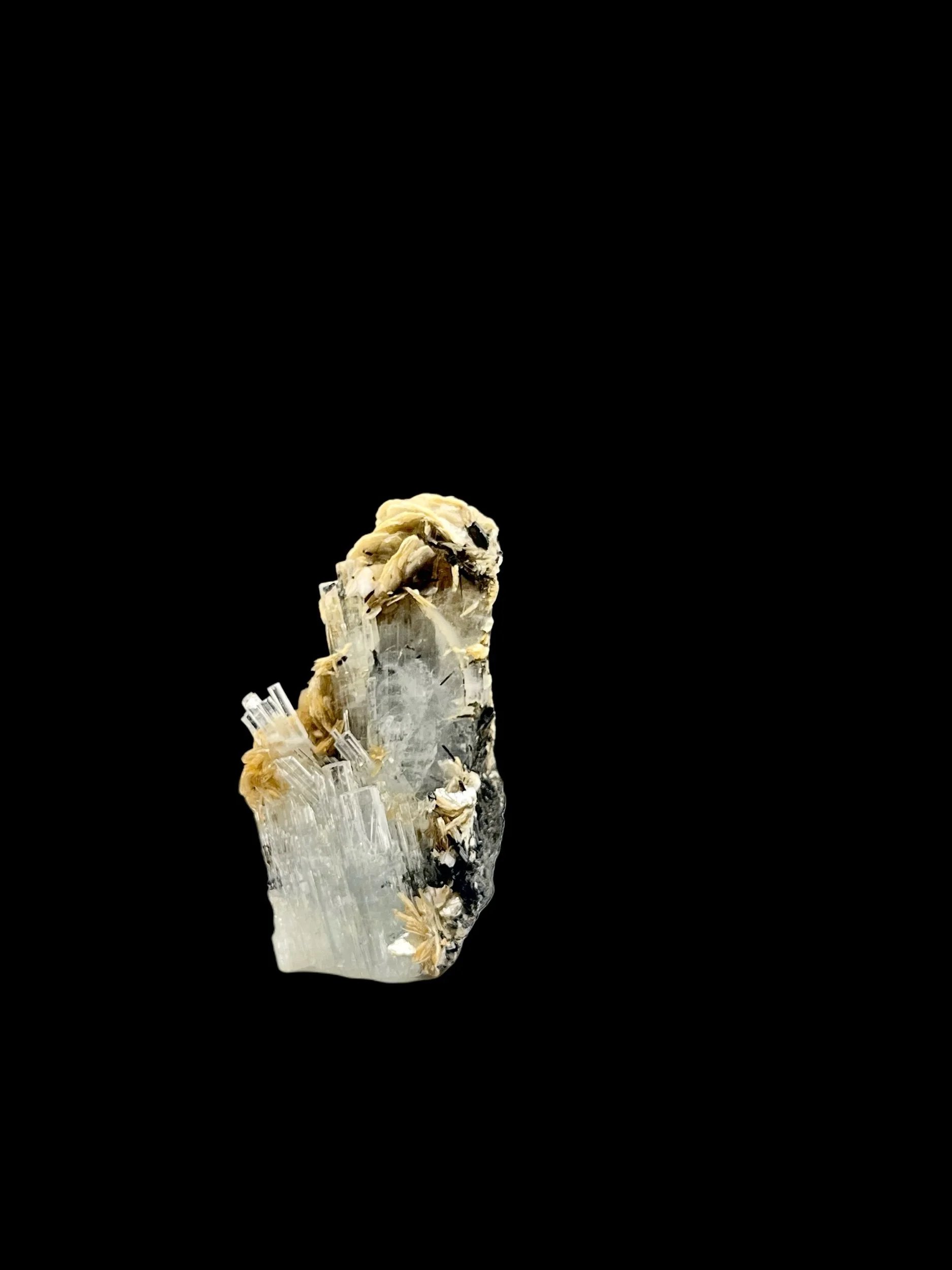
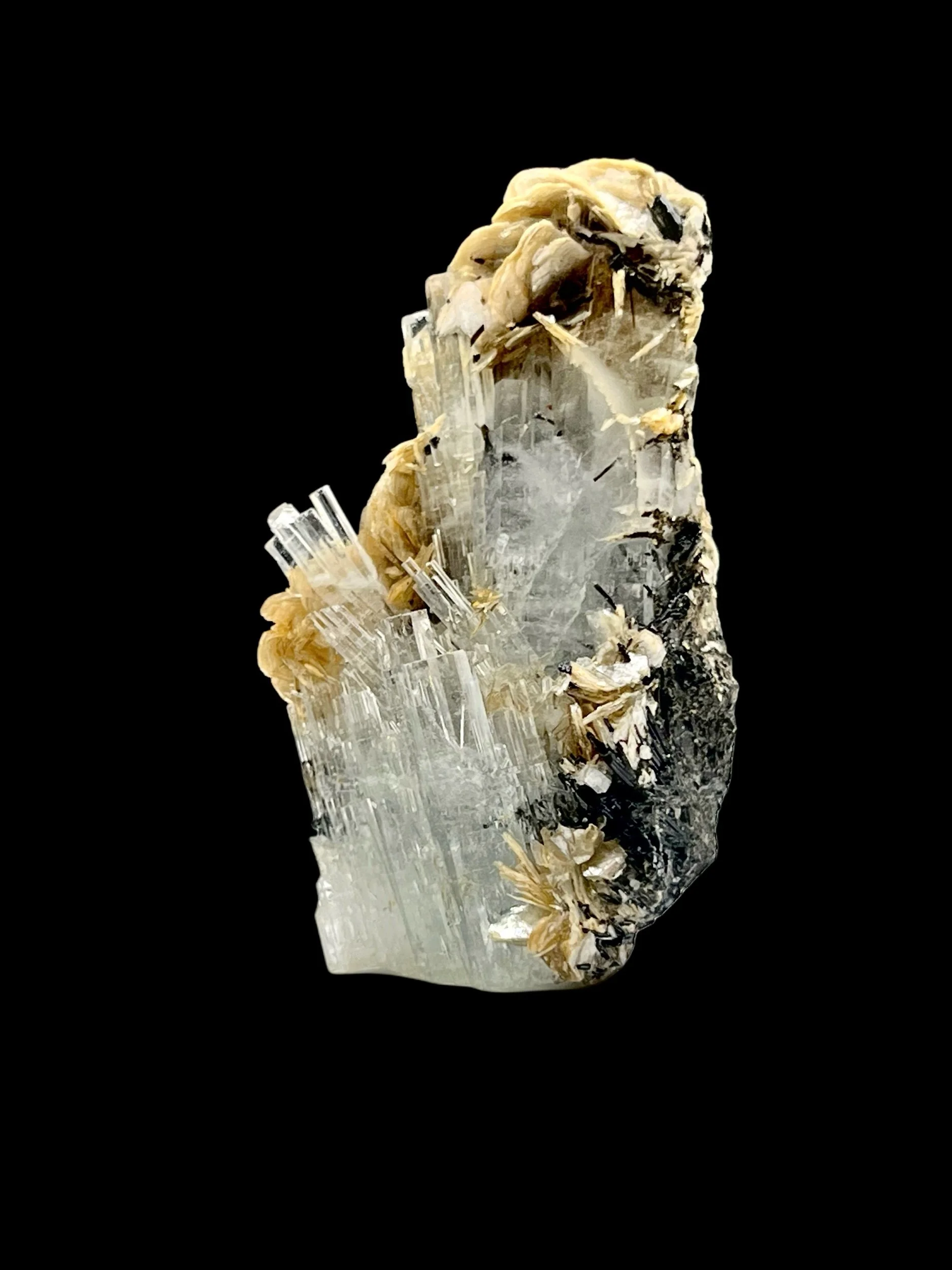
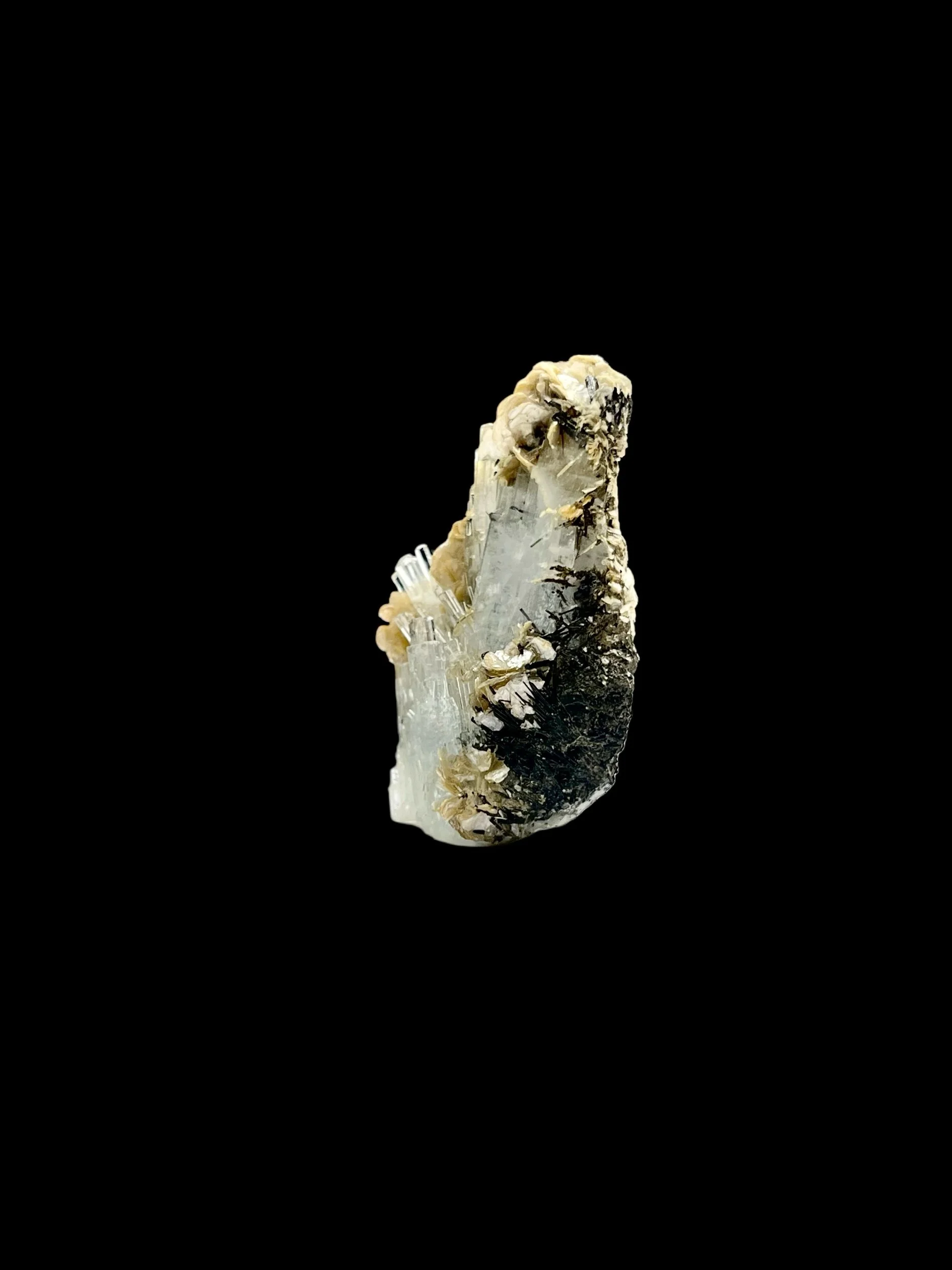
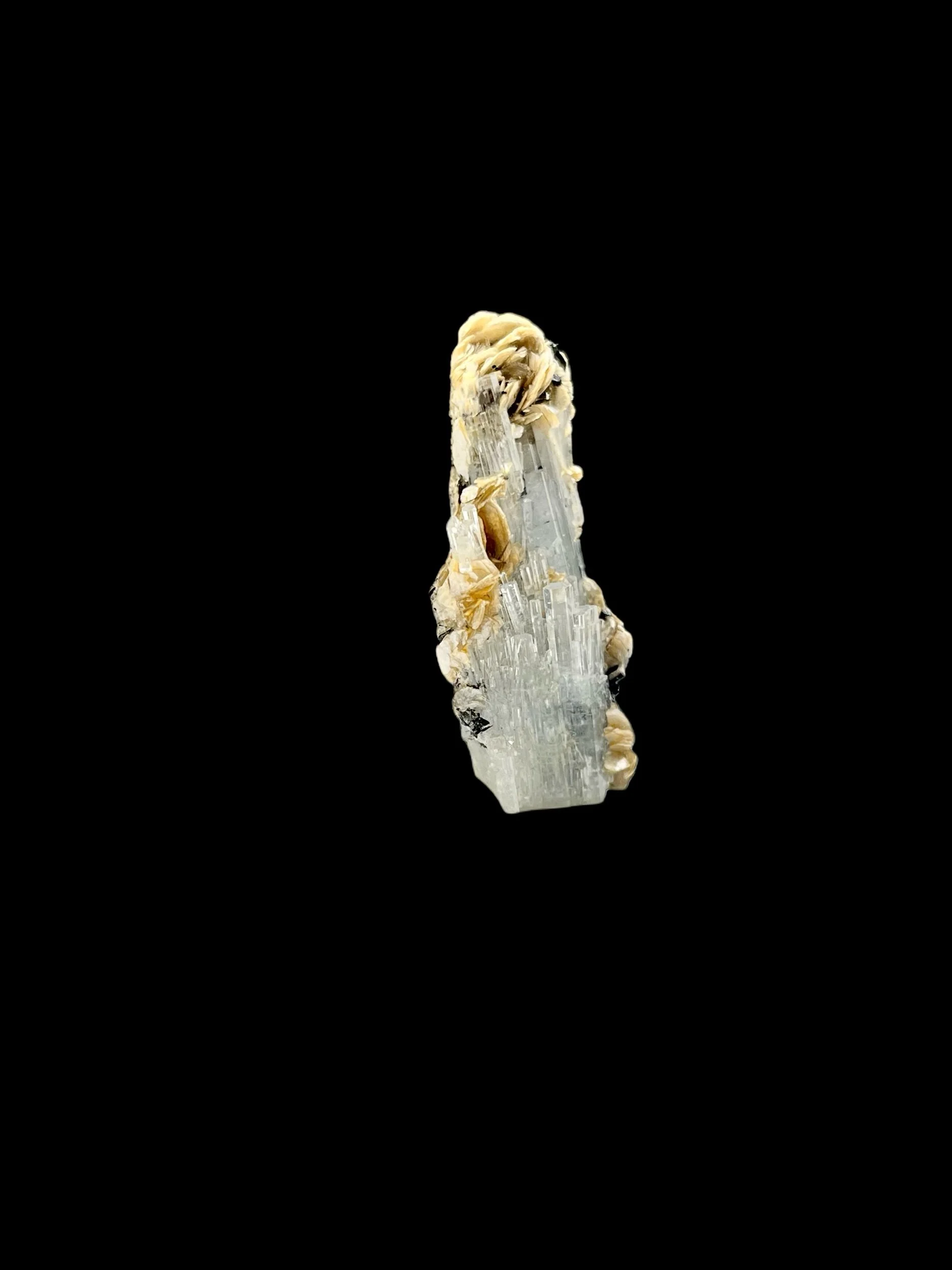
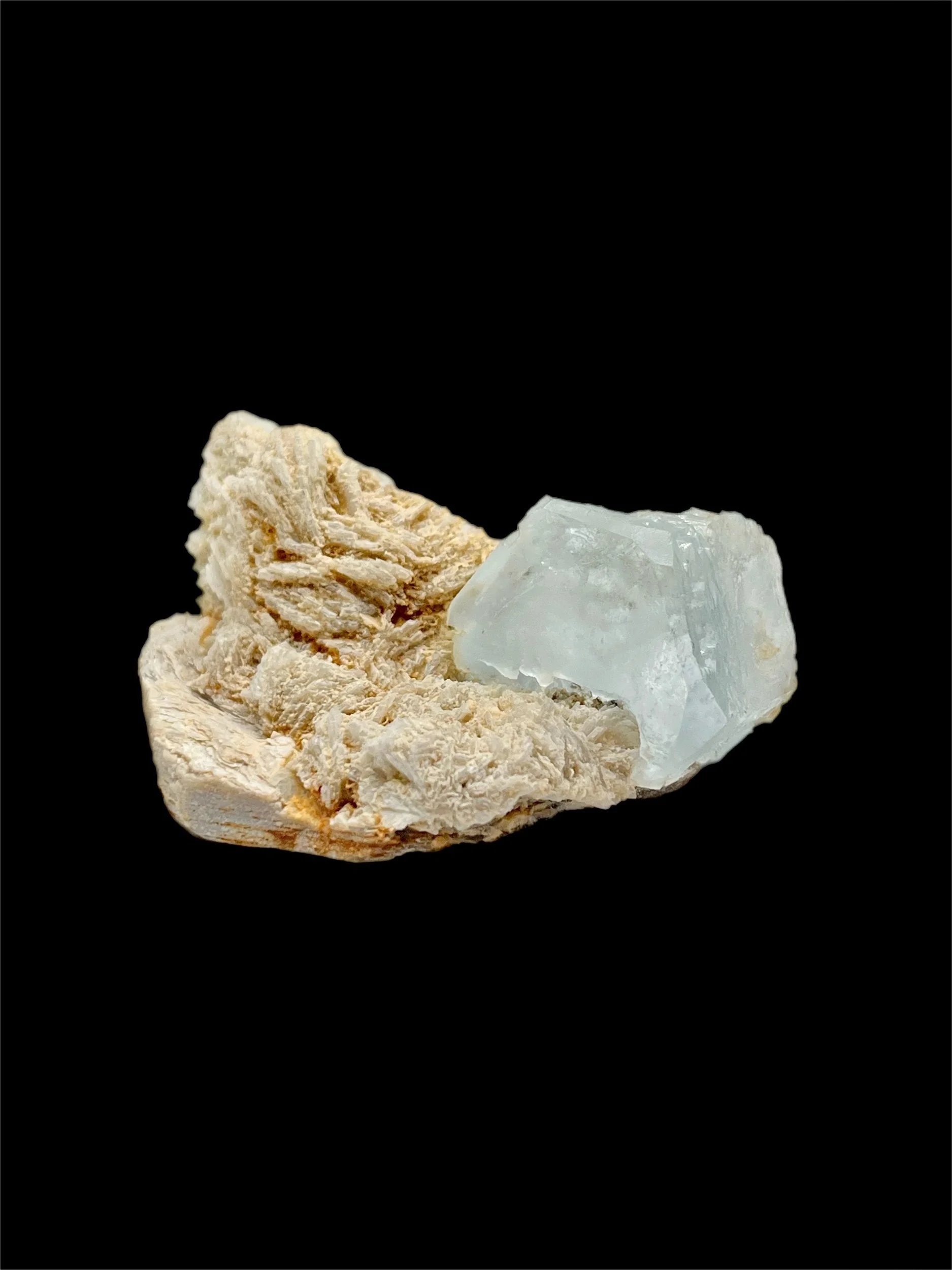
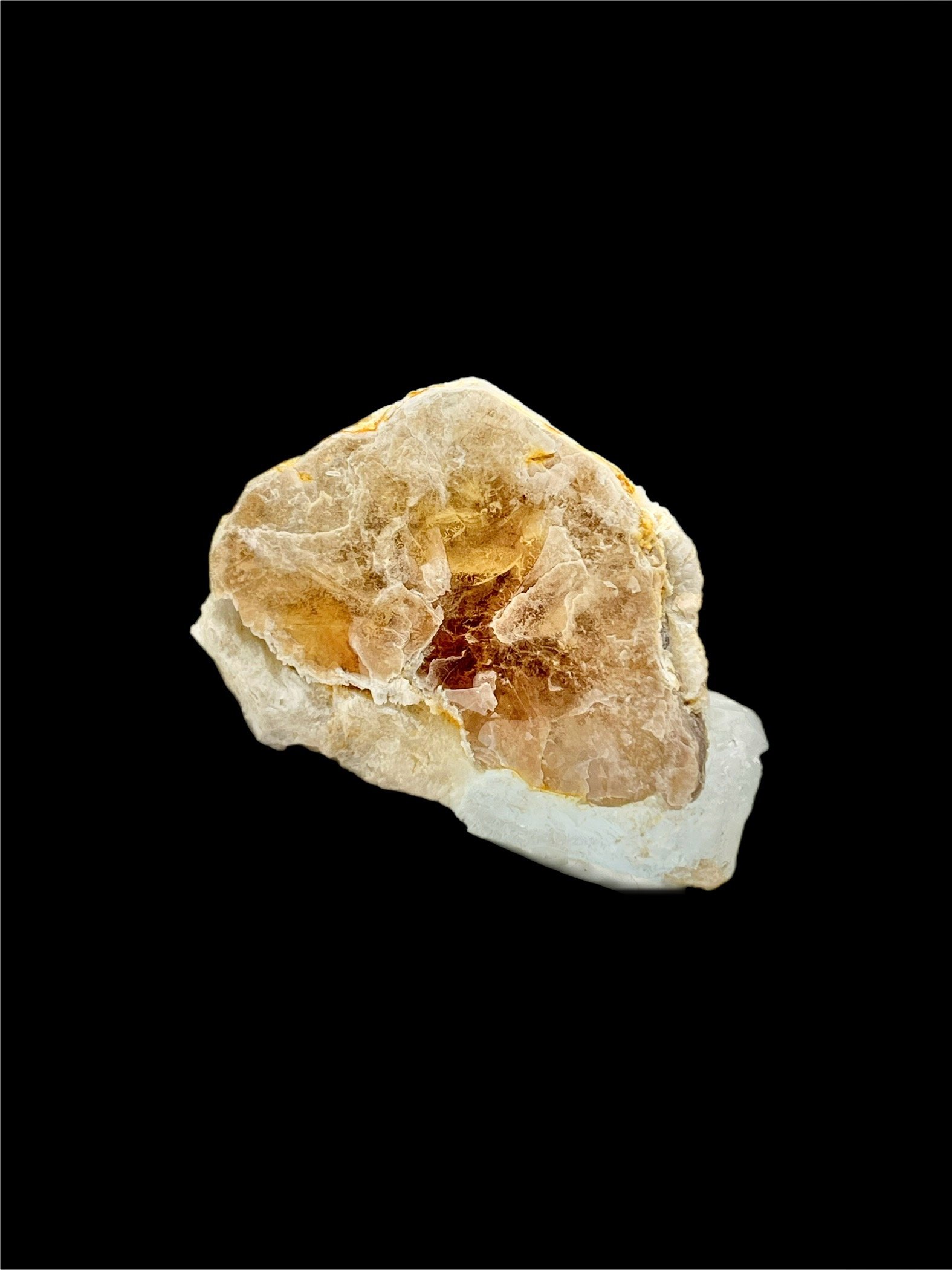
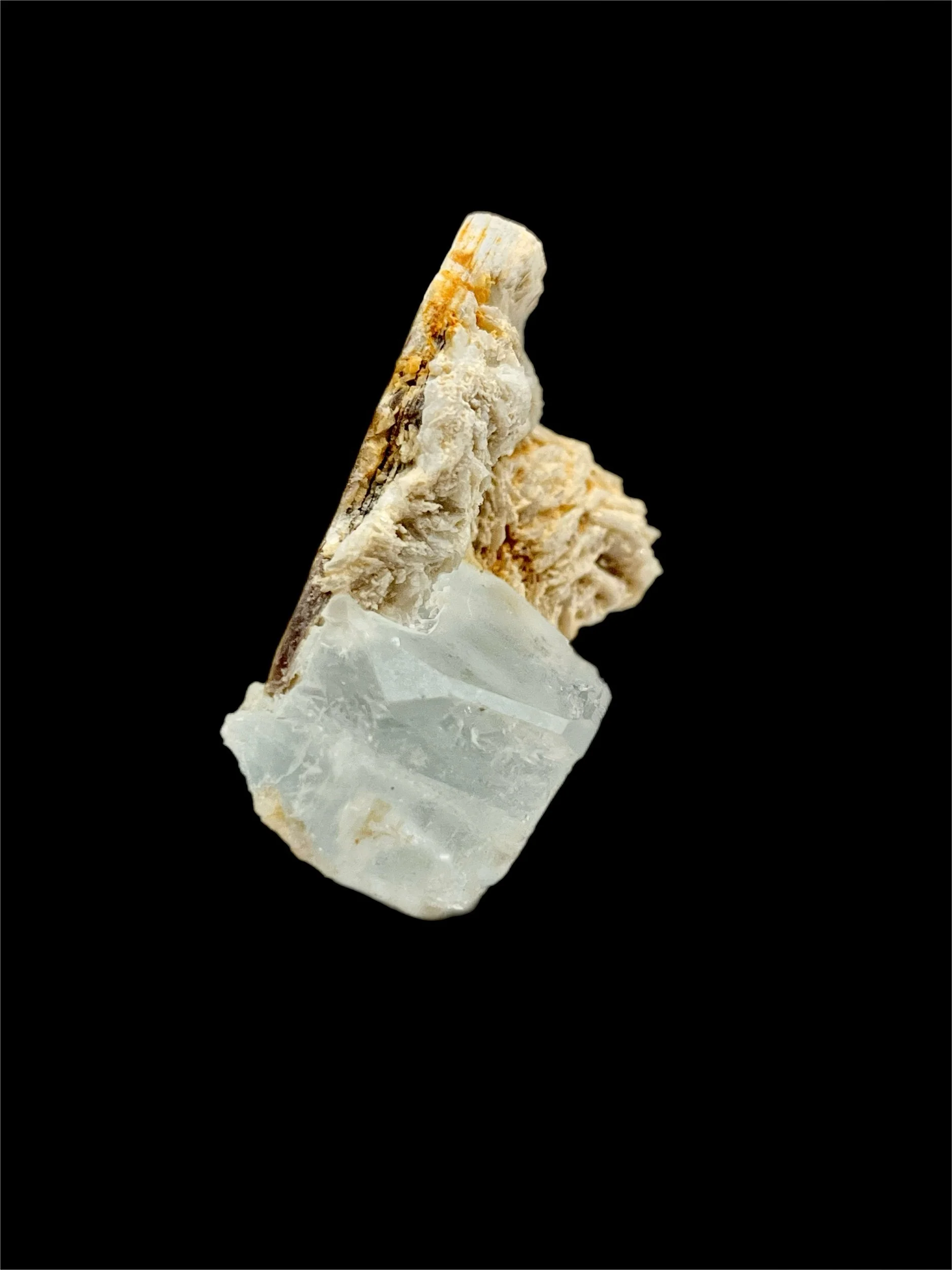
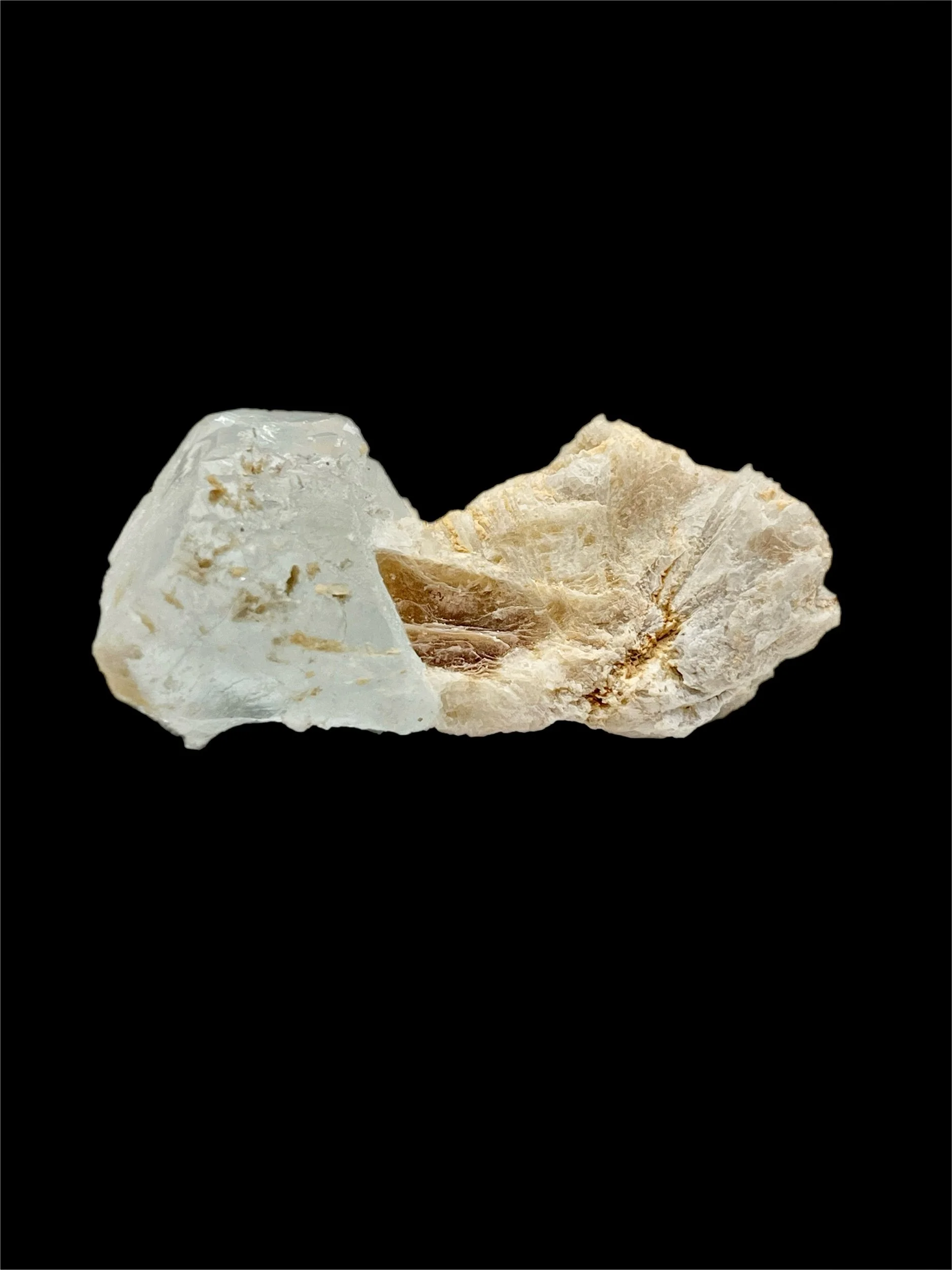
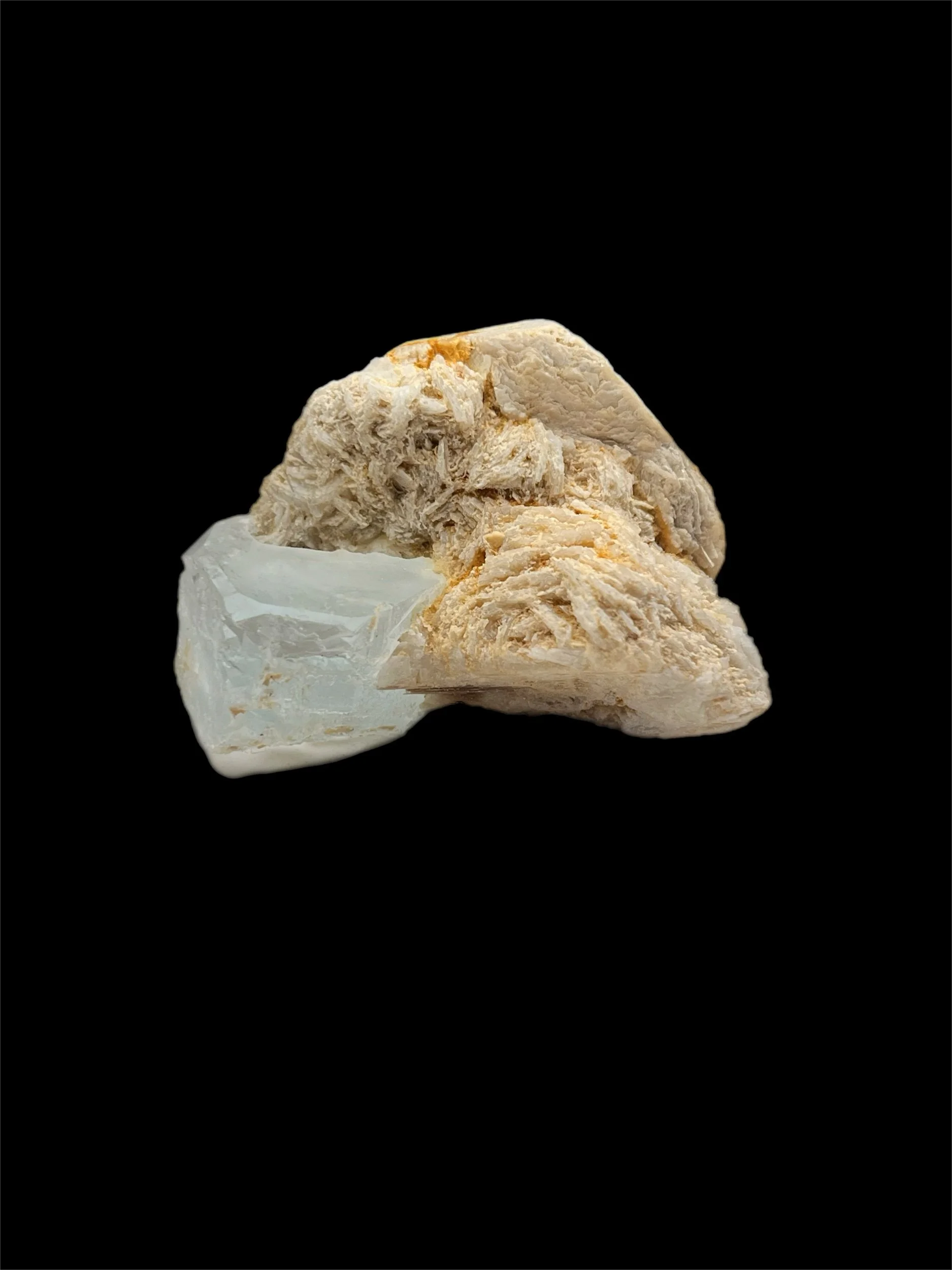
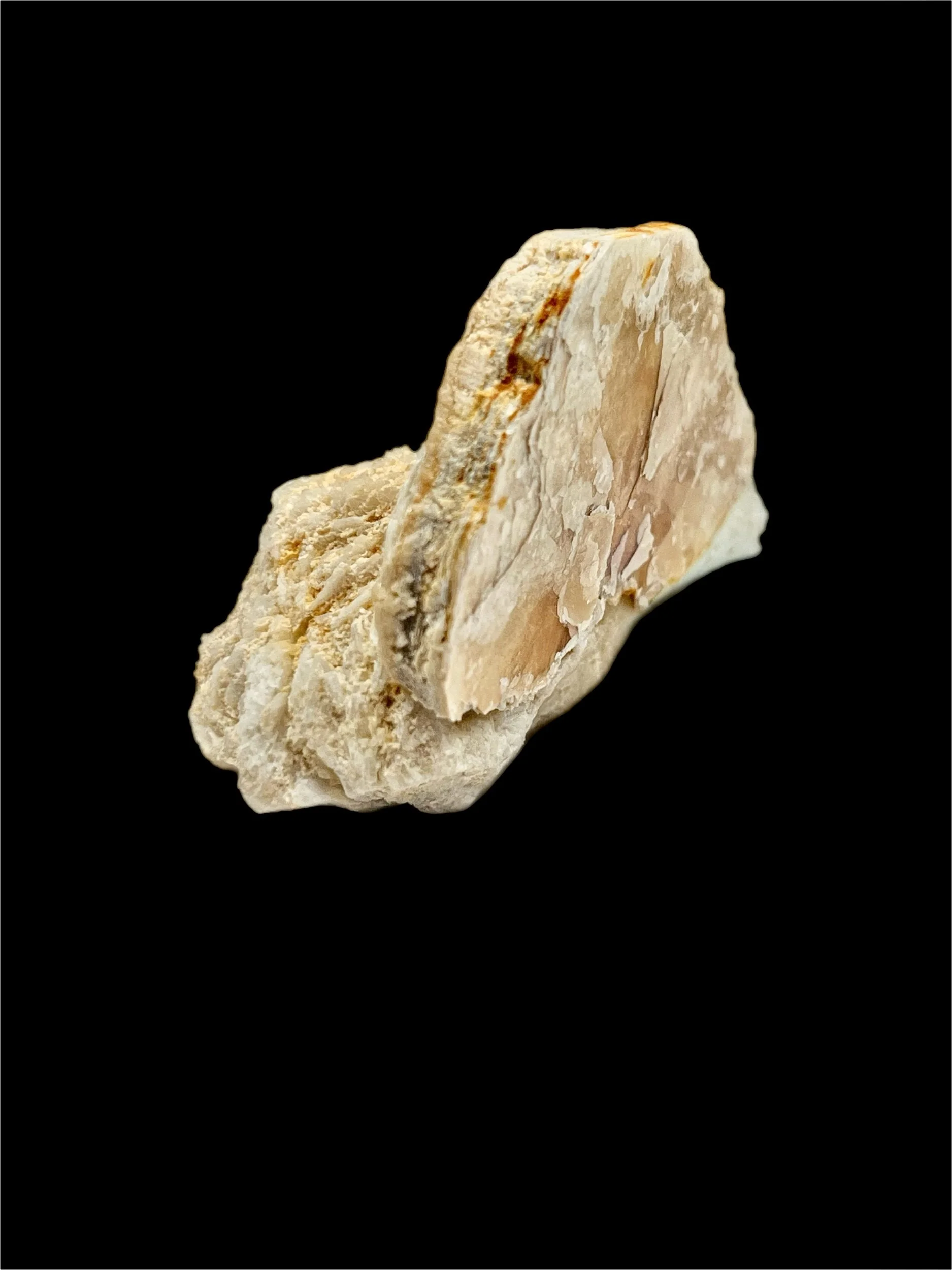
This Aquamarine in Fishtail Quartz specimen is a quietly striking example of natural crystal interplay, where clarity, structure, and rarity converge. The quartz displays a distinctive fishtail growth pattern—an uncommon habit characterized by intergrown crystal faces that meet at sharp, symmetrical angles. Within and alongside this crystalline framework, aquamarine appears as delicate blue presence, lending softness and depth to the otherwise icy quartz.
The quartz surface shows natural texturing and layered growth, catching light in a way that emphasizes both its internal architecture and external form. The aquamarine inclusion feels integrated rather than imposed —an effect that rewards slow viewing and close inspection.
Dimensions & Weight
6”x 5.5” x 3” and 1,213g
Collector’s Notes
Fishtail quartz is sought after for its unusual growth habit, and examples paired with aquamarine are especially appealing to collectors who value rarity over bold contrast. This specimen offers a refined balance of form and mineral interest. It is well suited for collectors drawn to geological nuance, crystal habit, and understated elegance.
Highlights
Naturally formed fishtail quartz crystal structure
Rare aquamarine
Strong internal texture and layered quartz growth
High luster
Visually engaging from multiple angles
Metaphysical Properties
Aquamarine is often associated with calm communication and emotional clarity, while quartz is regarded as a harmonizing and amplifying stone. Together, they are thought to encourage clarity of thought and gentle energetic balance, making this specimen both contemplative and grounding in presence.
Mineralogy
Aquamarine is a blue to blue-green variety of beryl (Be₃Al₂Si₆O₁₈), while quartz is silicon dioxide (SiO₂) crystallizing in the trigonal system. Fishtail quartz forms through specific twinning or intergrowth conditions during crystal development, resulting in its characteristic angular, mirrored appearance. The coexistence of aquamarine and quartz reflects compatible formation conditions within pegmatitic or hydrothermal environments.
Description
This Aquamarine in Fishtail Quartz specimen is a quietly striking example of natural crystal interplay, where clarity, structure, and rarity converge. The quartz displays a distinctive fishtail growth pattern—an uncommon habit characterized by intergrown crystal faces that meet at sharp, symmetrical angles. Within and alongside this crystalline framework, aquamarine appears as delicate blue presence, lending softness and depth to the otherwise icy quartz.
The quartz surface shows natural texturing and layered growth, catching light in a way that emphasizes both its internal architecture and external form. The aquamarine inclusion feels integrated rather than imposed —an effect that rewards slow viewing and close inspection.
Dimensions & Weight
6”x 5.5” x 3” and 1,213g
Collector’s Notes
Fishtail quartz is sought after for its unusual growth habit, and examples paired with aquamarine are especially appealing to collectors who value rarity over bold contrast. This specimen offers a refined balance of form and mineral interest. It is well suited for collectors drawn to geological nuance, crystal habit, and understated elegance.
Highlights
Naturally formed fishtail quartz crystal structure
Rare aquamarine
Strong internal texture and layered quartz growth
High luster
Visually engaging from multiple angles
Metaphysical Properties
Aquamarine is often associated with calm communication and emotional clarity, while quartz is regarded as a harmonizing and amplifying stone. Together, they are thought to encourage clarity of thought and gentle energetic balance, making this specimen both contemplative and grounding in presence.
Mineralogy
Aquamarine is a blue to blue-green variety of beryl (Be₃Al₂Si₆O₁₈), while quartz is silicon dioxide (SiO₂) crystallizing in the trigonal system. Fishtail quartz forms through specific twinning or intergrowth conditions during crystal development, resulting in its characteristic angular, mirrored appearance. The coexistence of aquamarine and quartz reflects compatible formation conditions within pegmatitic or hydrothermal environments.