 Image 1 of 5
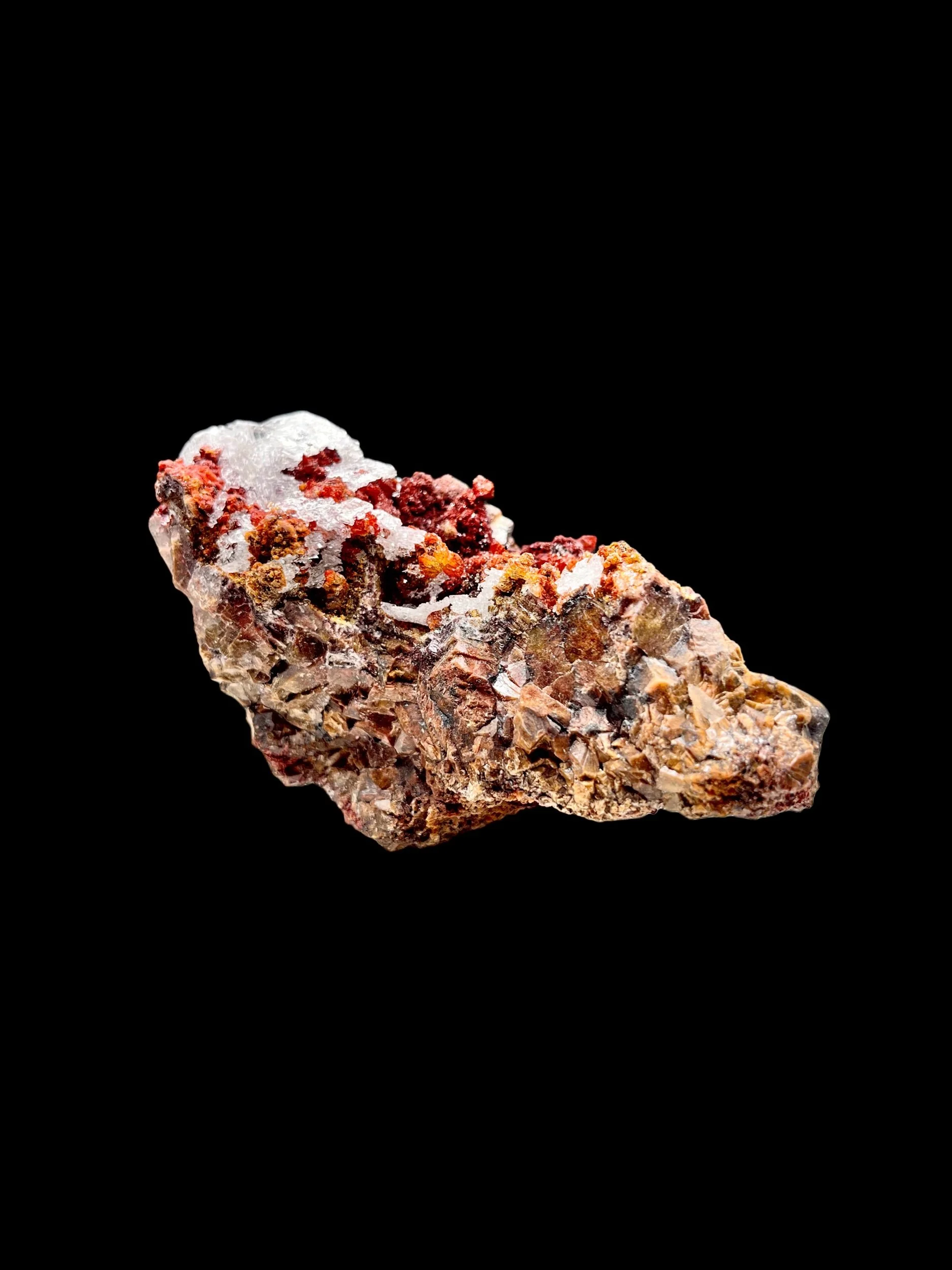 Image 2 of 5
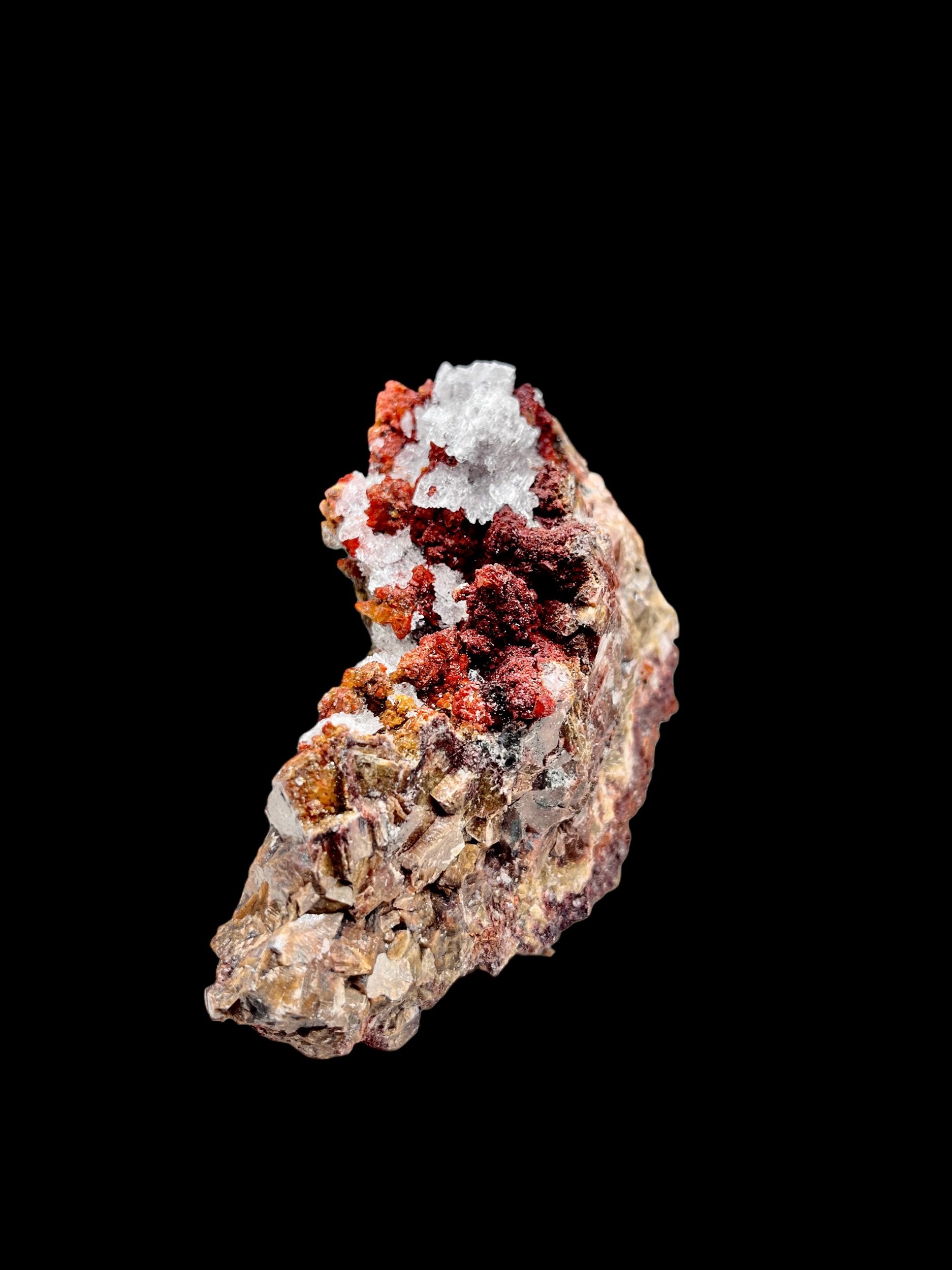 Image 3 of 5
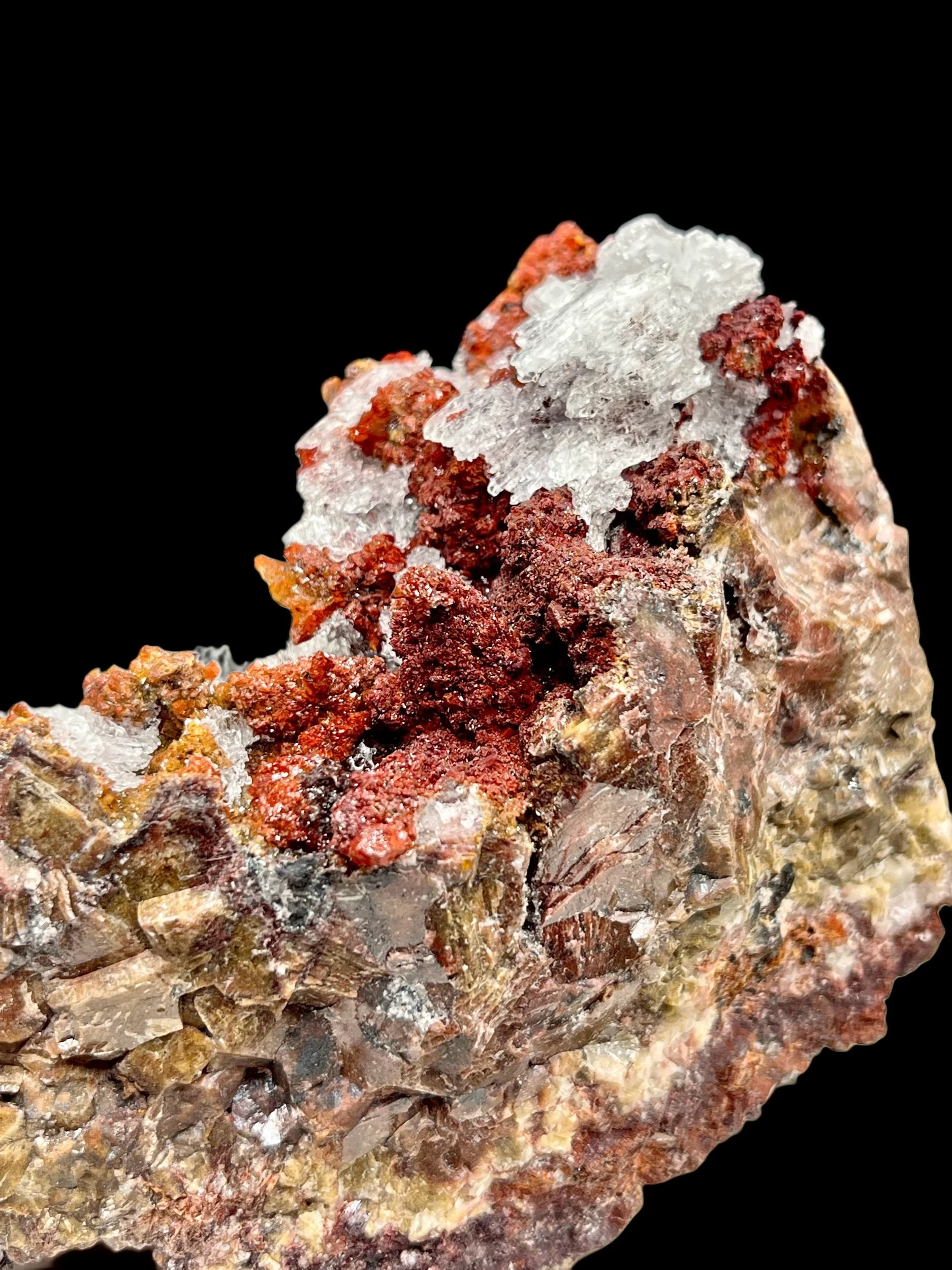 Image 4 of 5
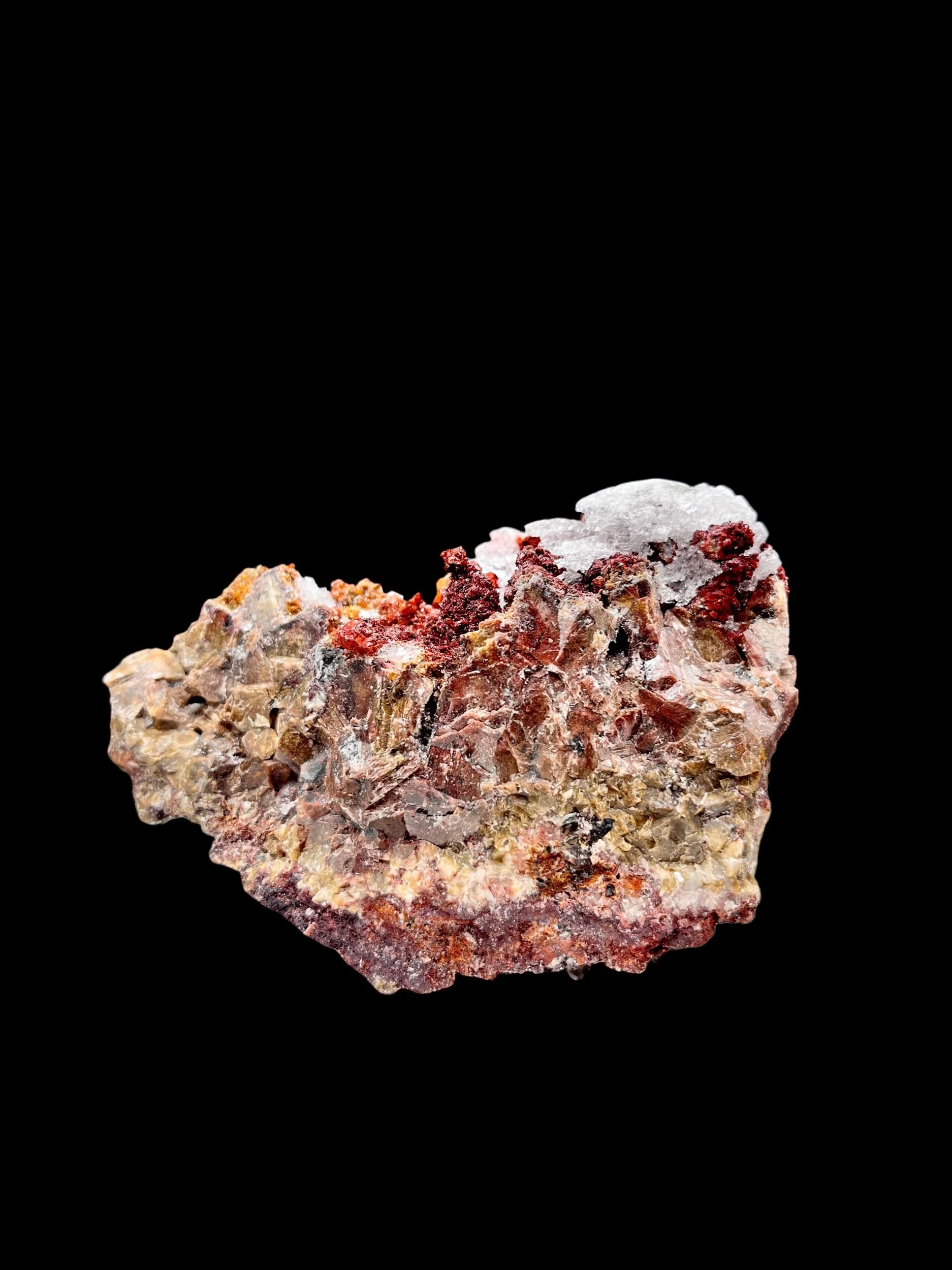 Image 5 of 5
Locality: Cocineras Mine, Santa Eulalia District, Chihuahua, Mexico
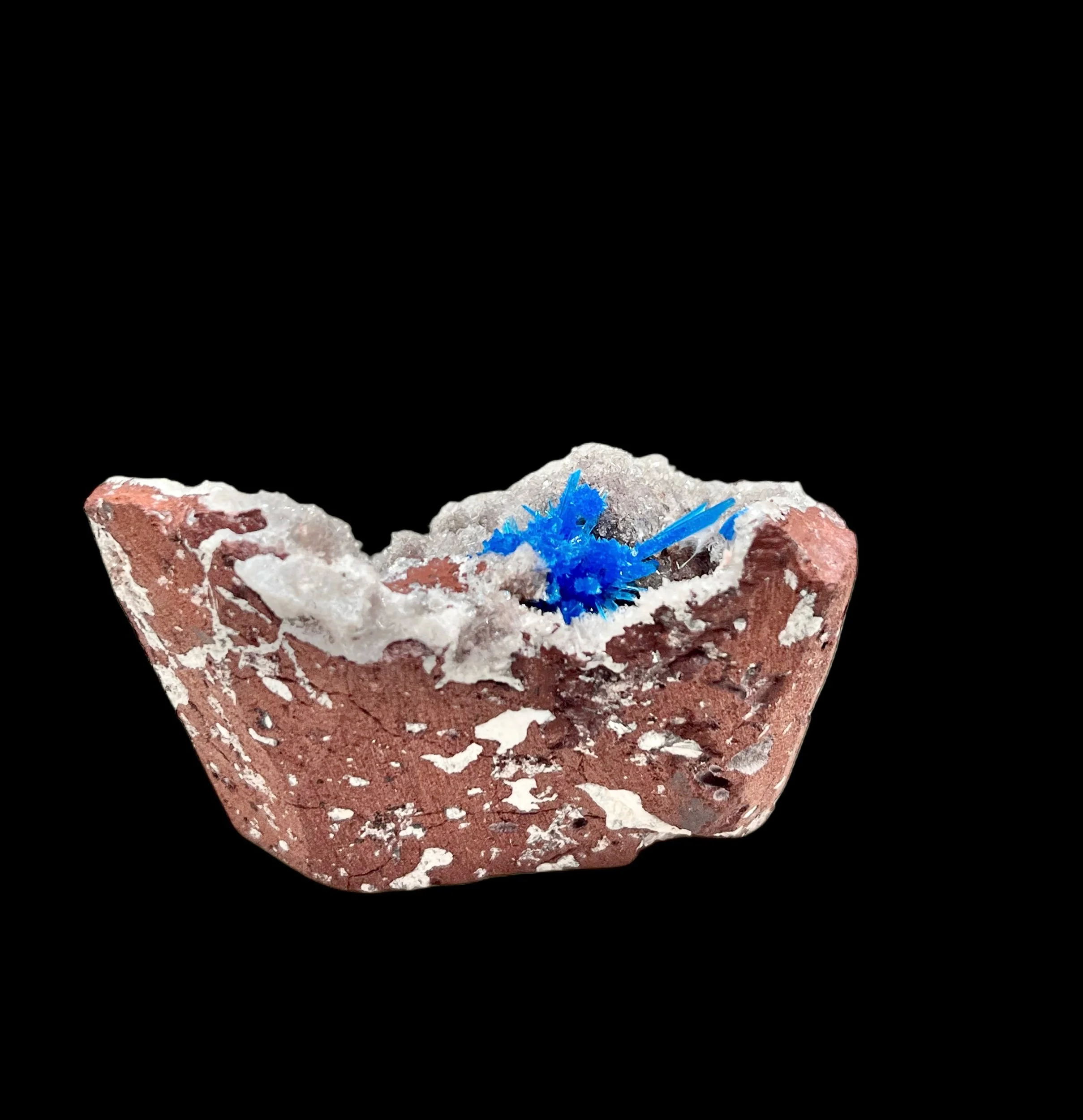
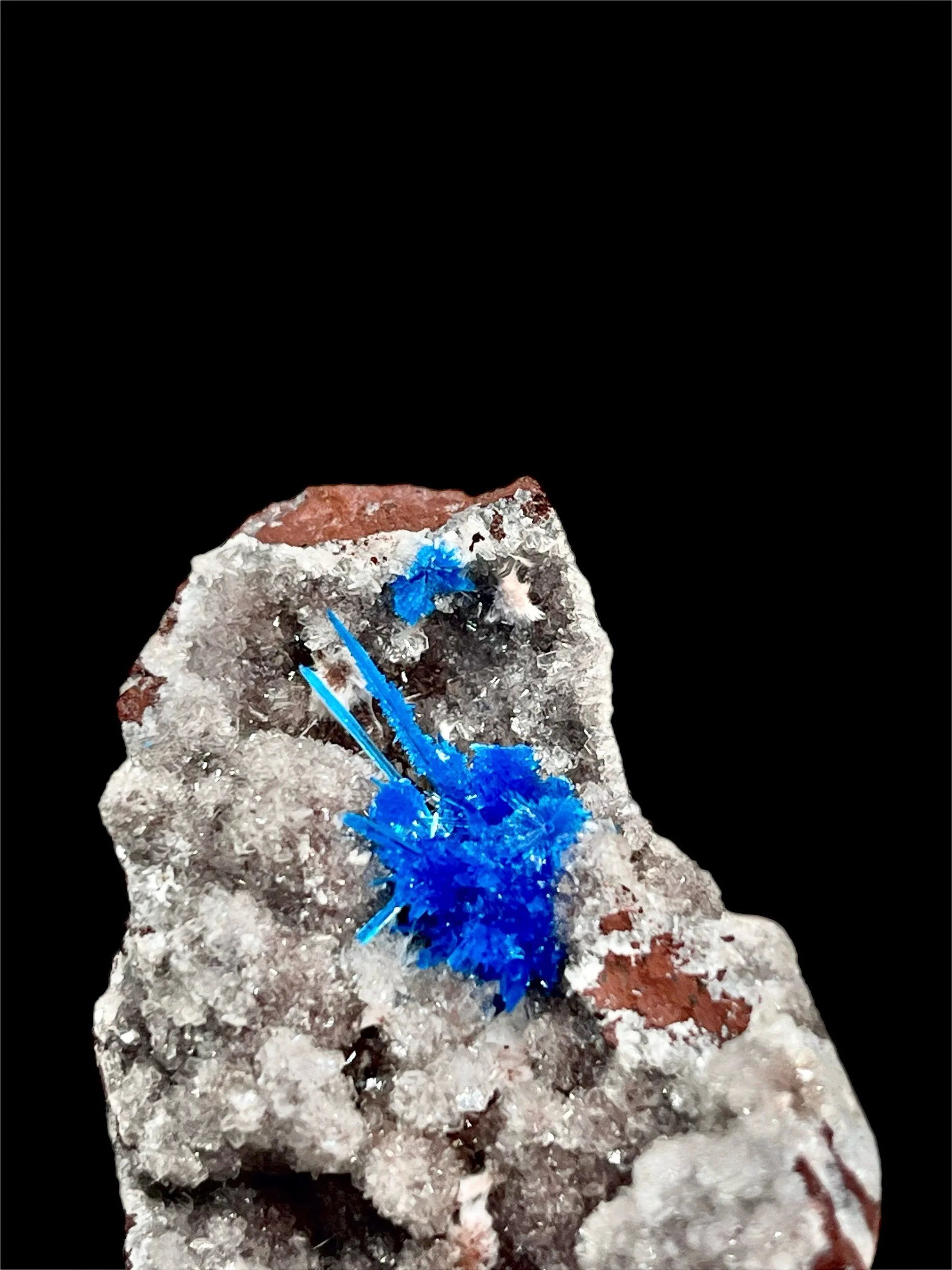
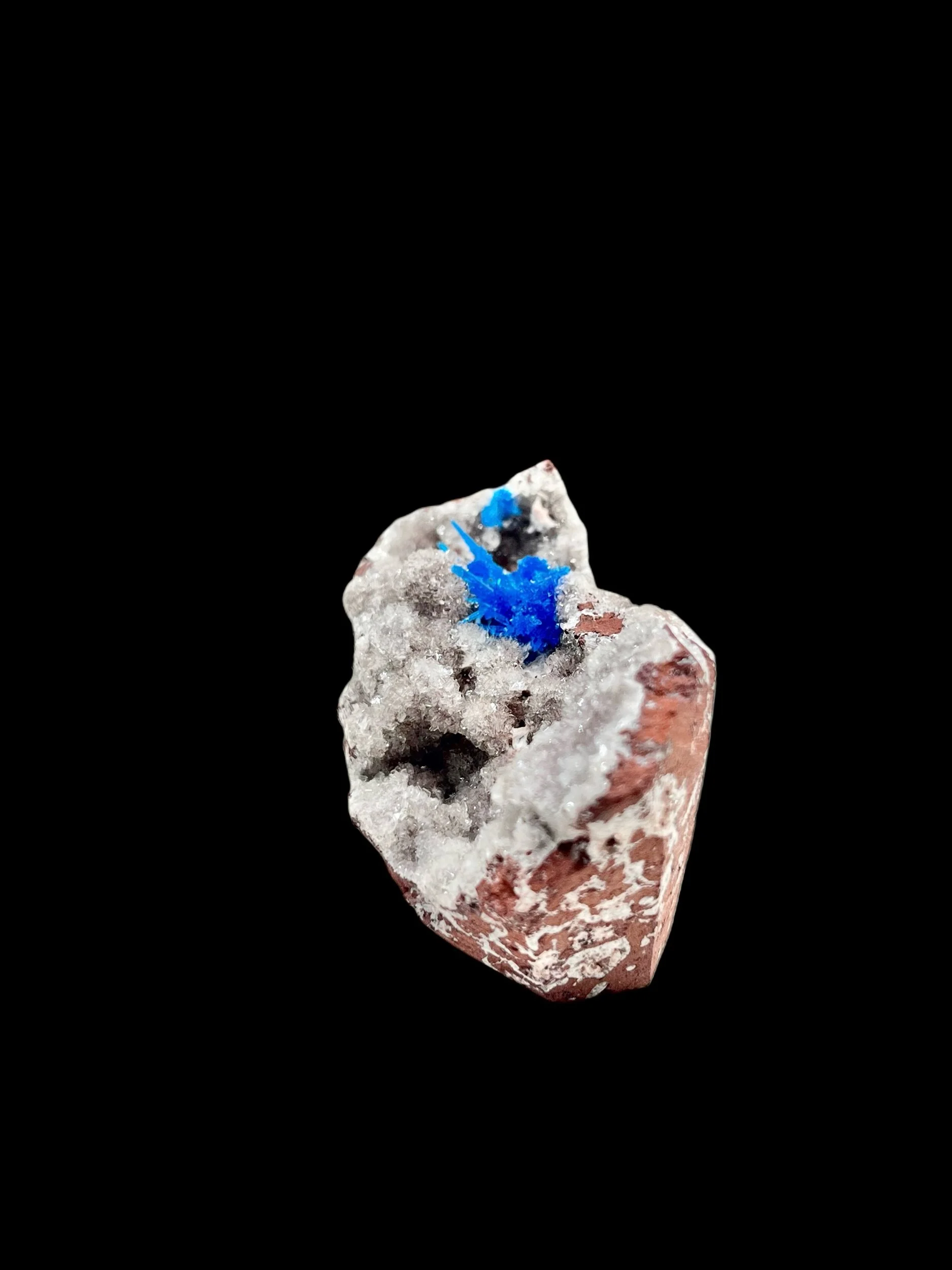
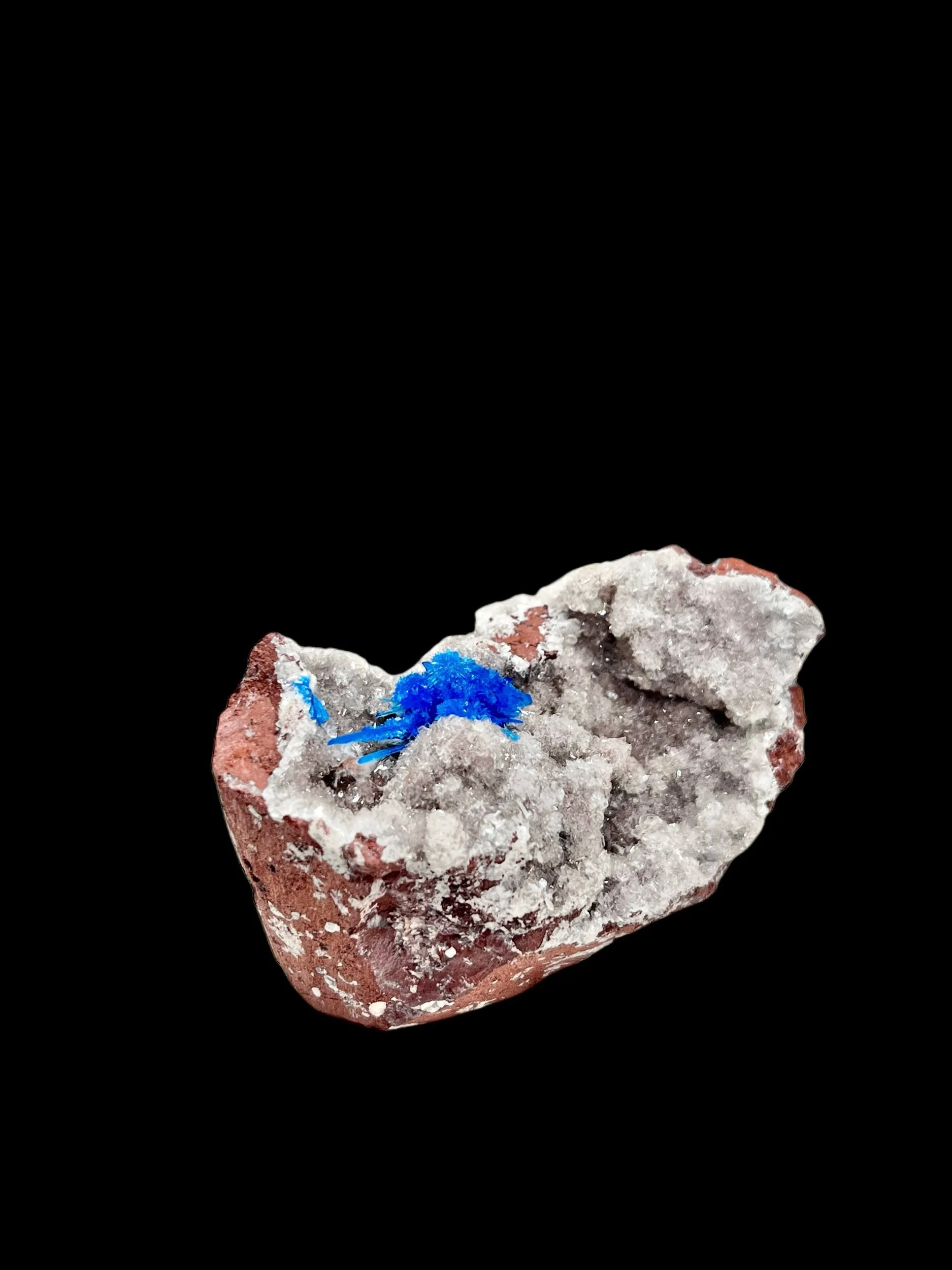
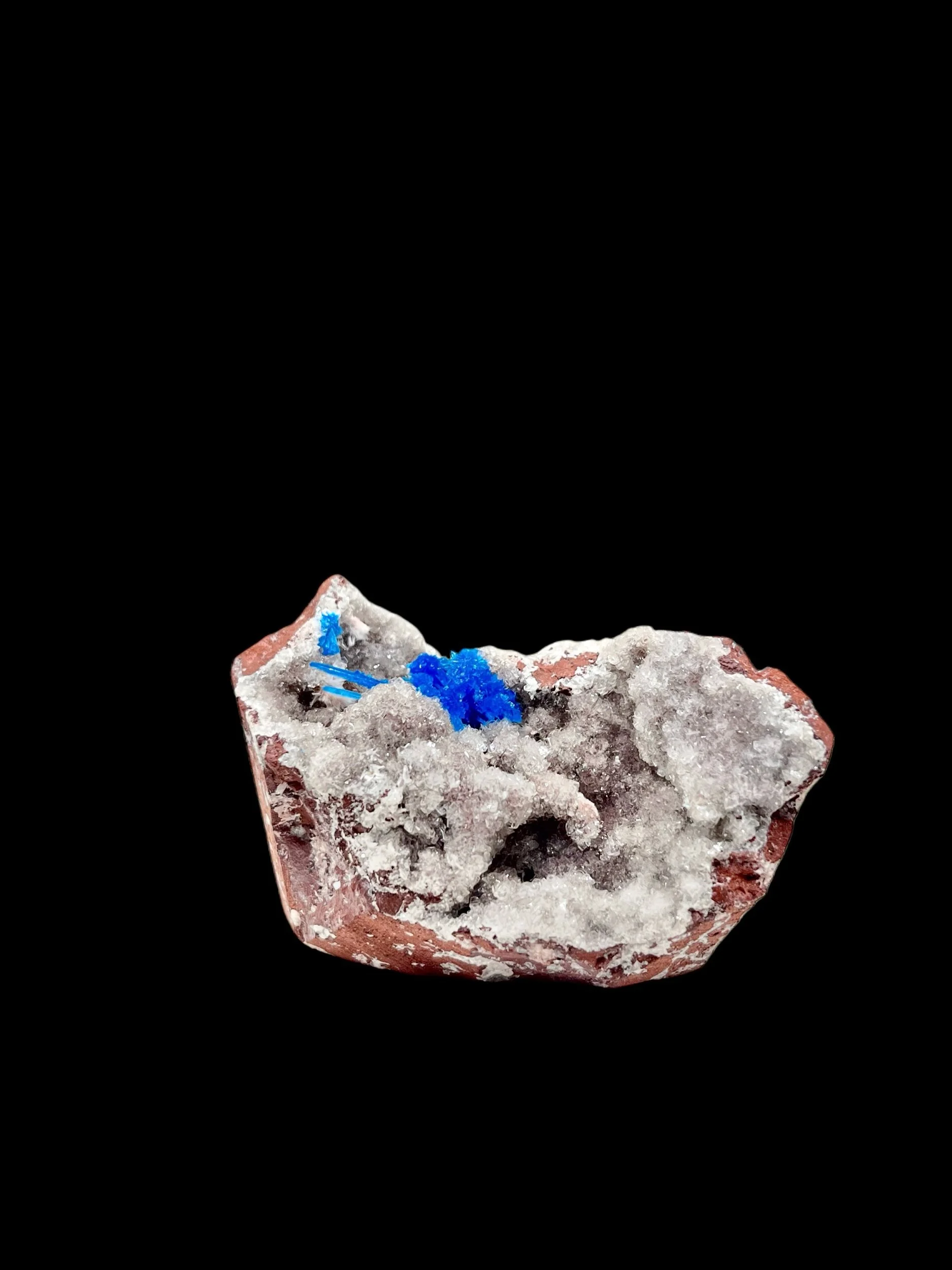
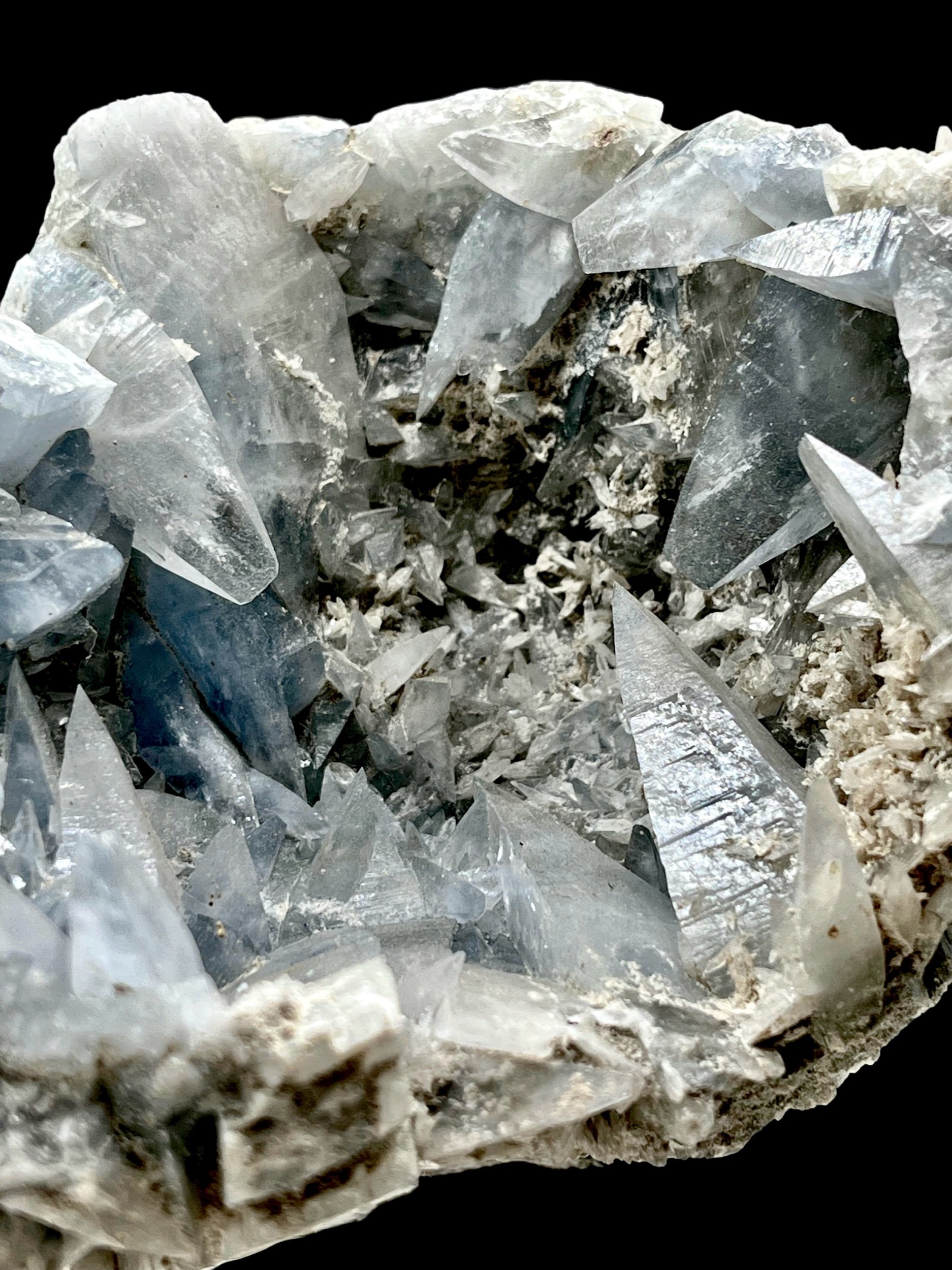
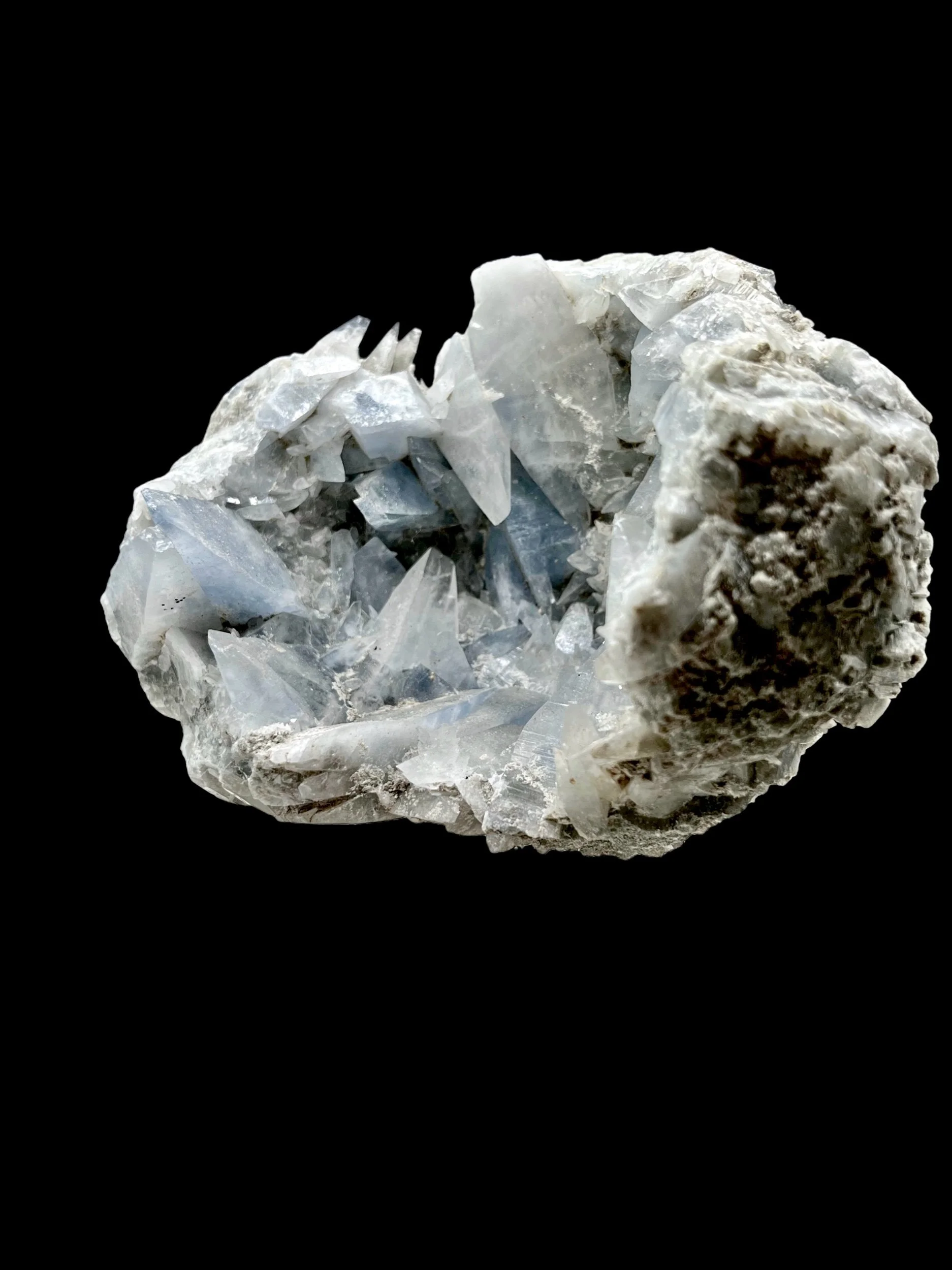
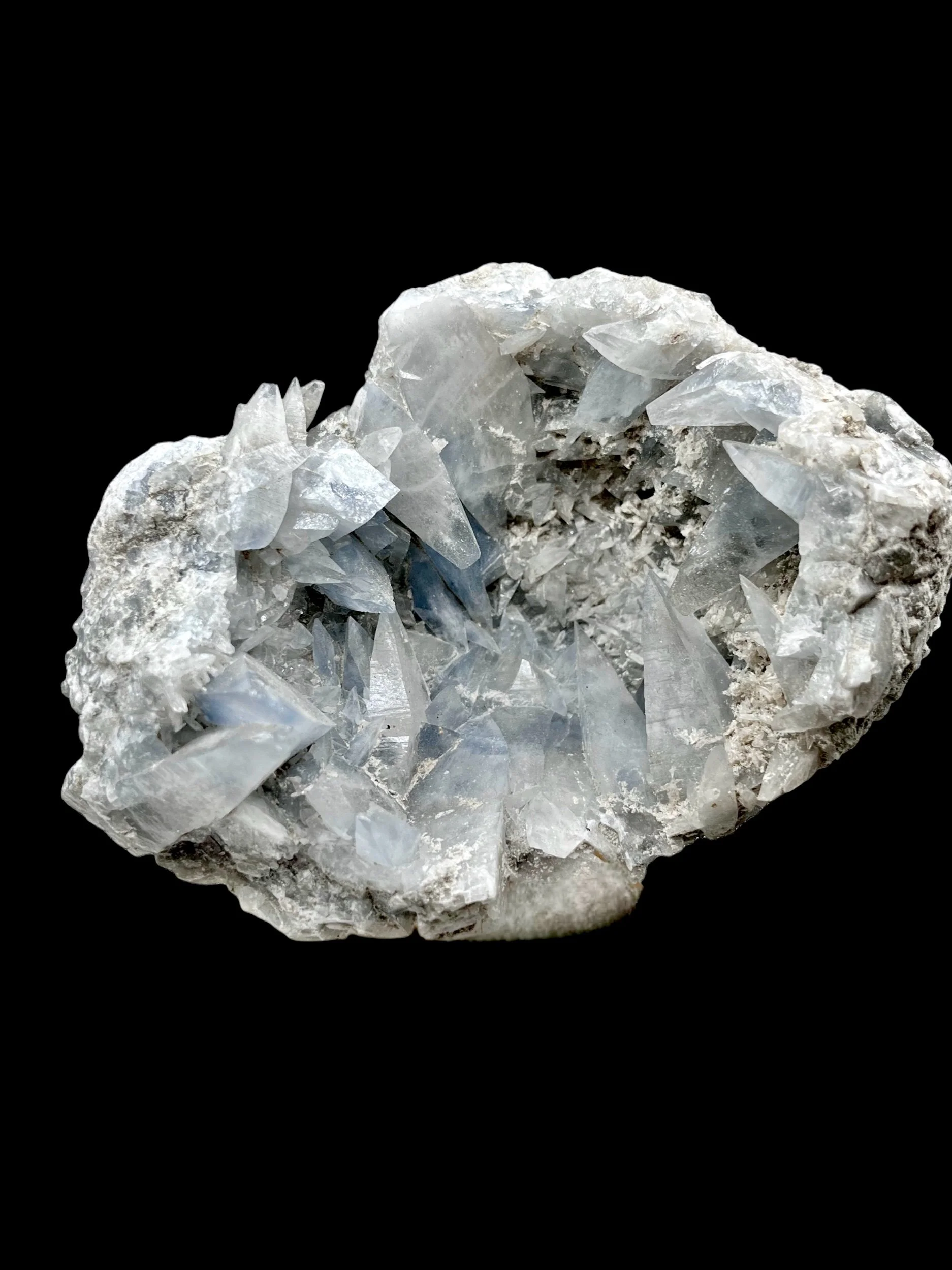
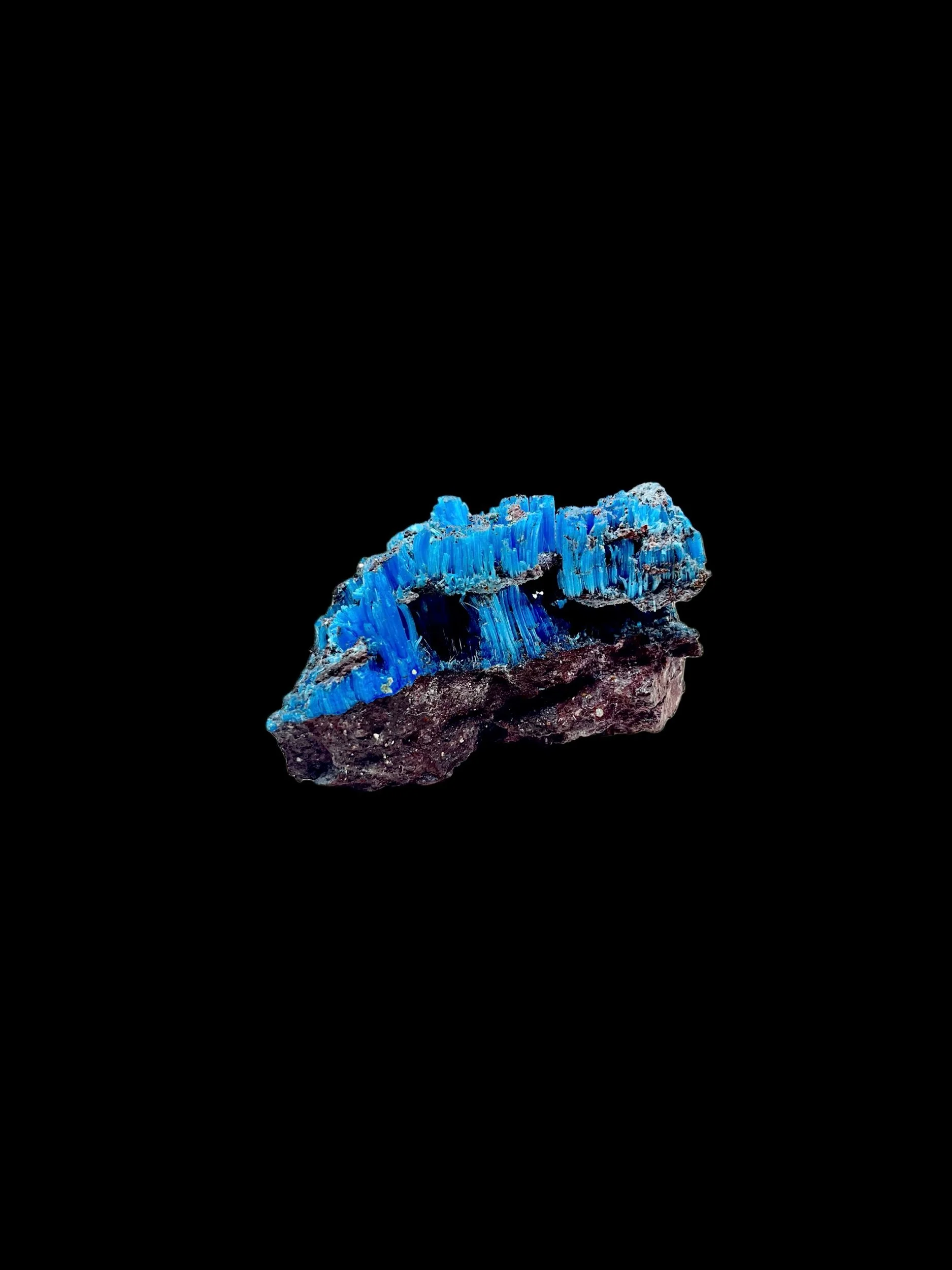
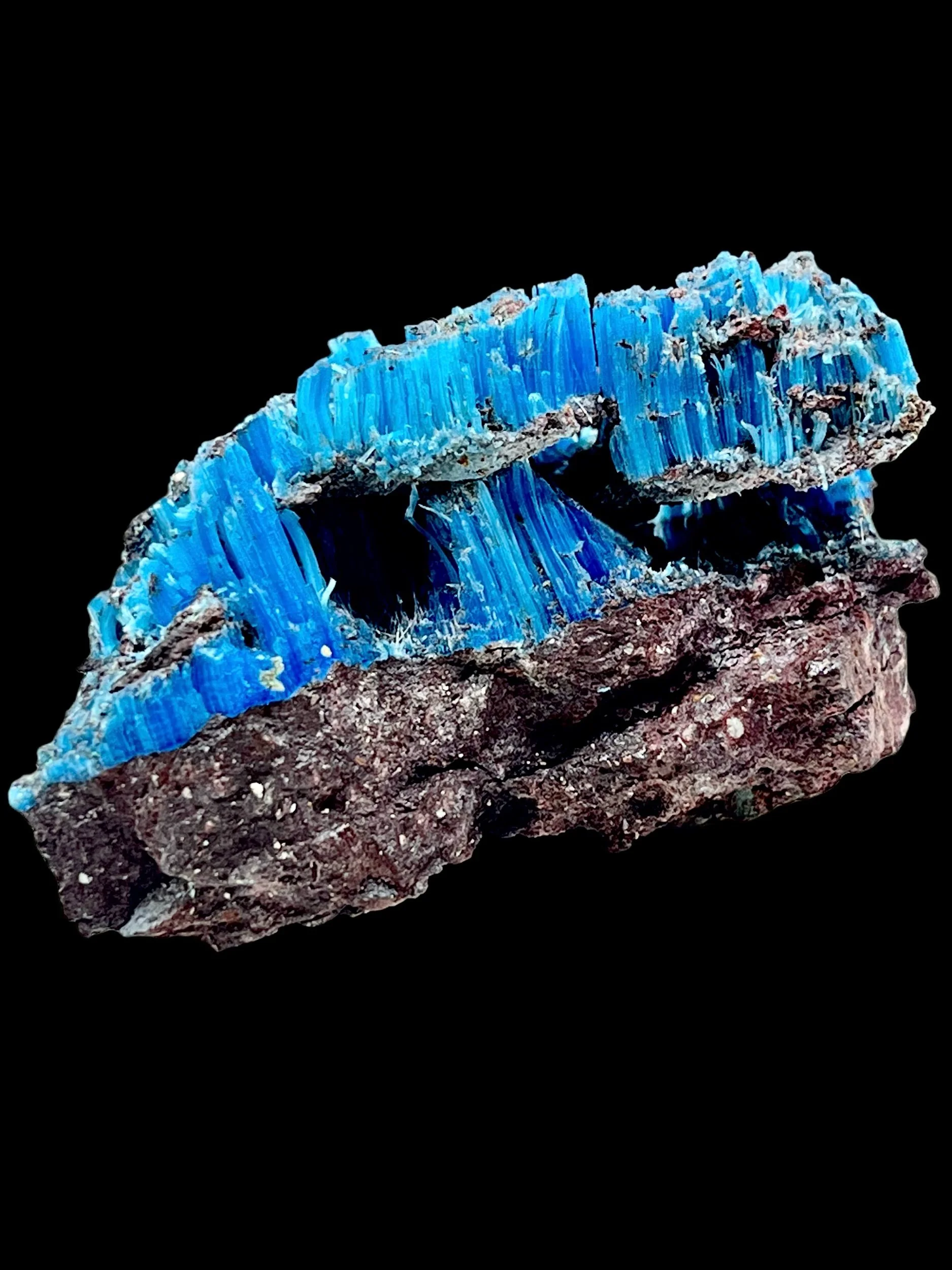
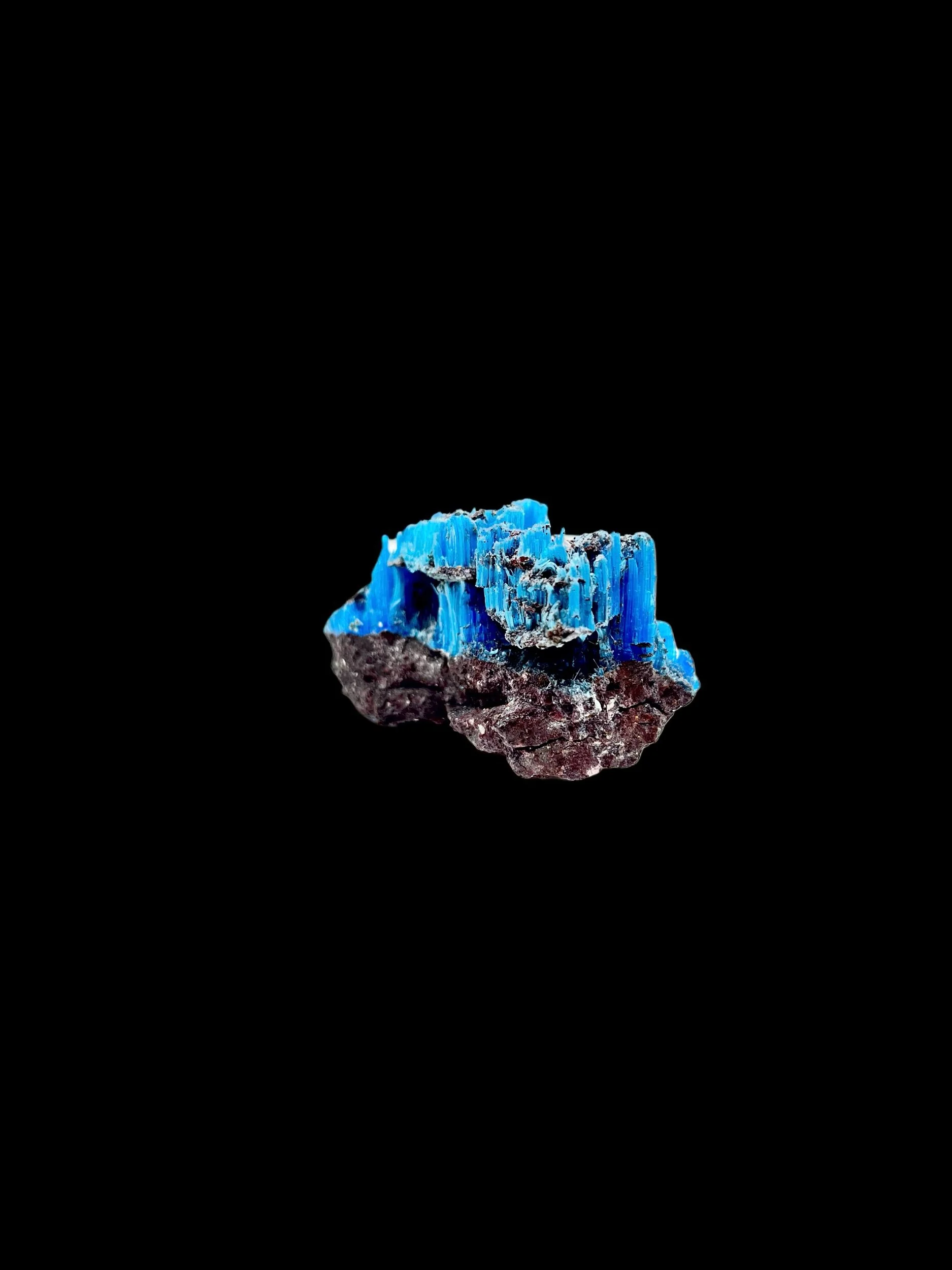
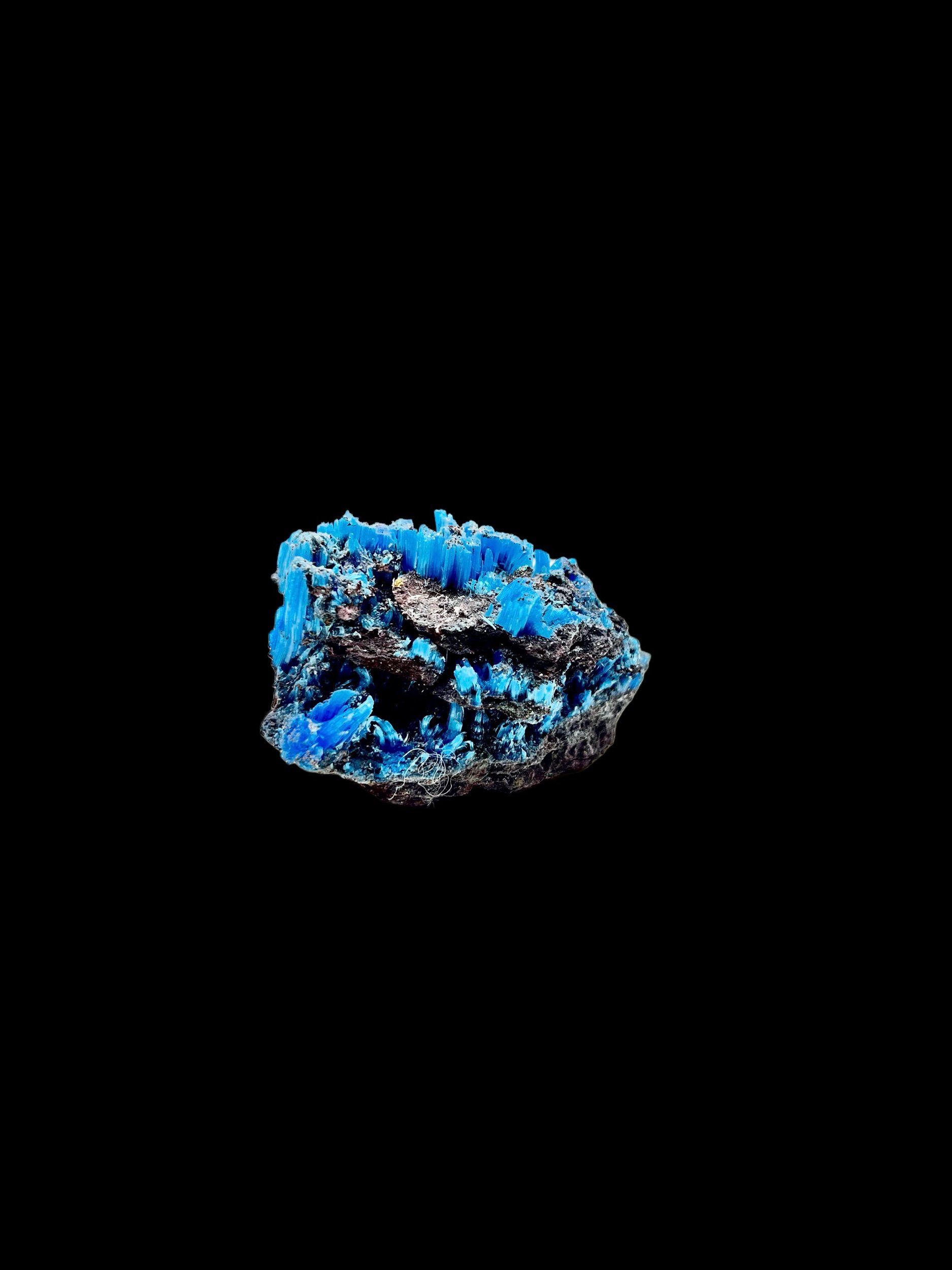
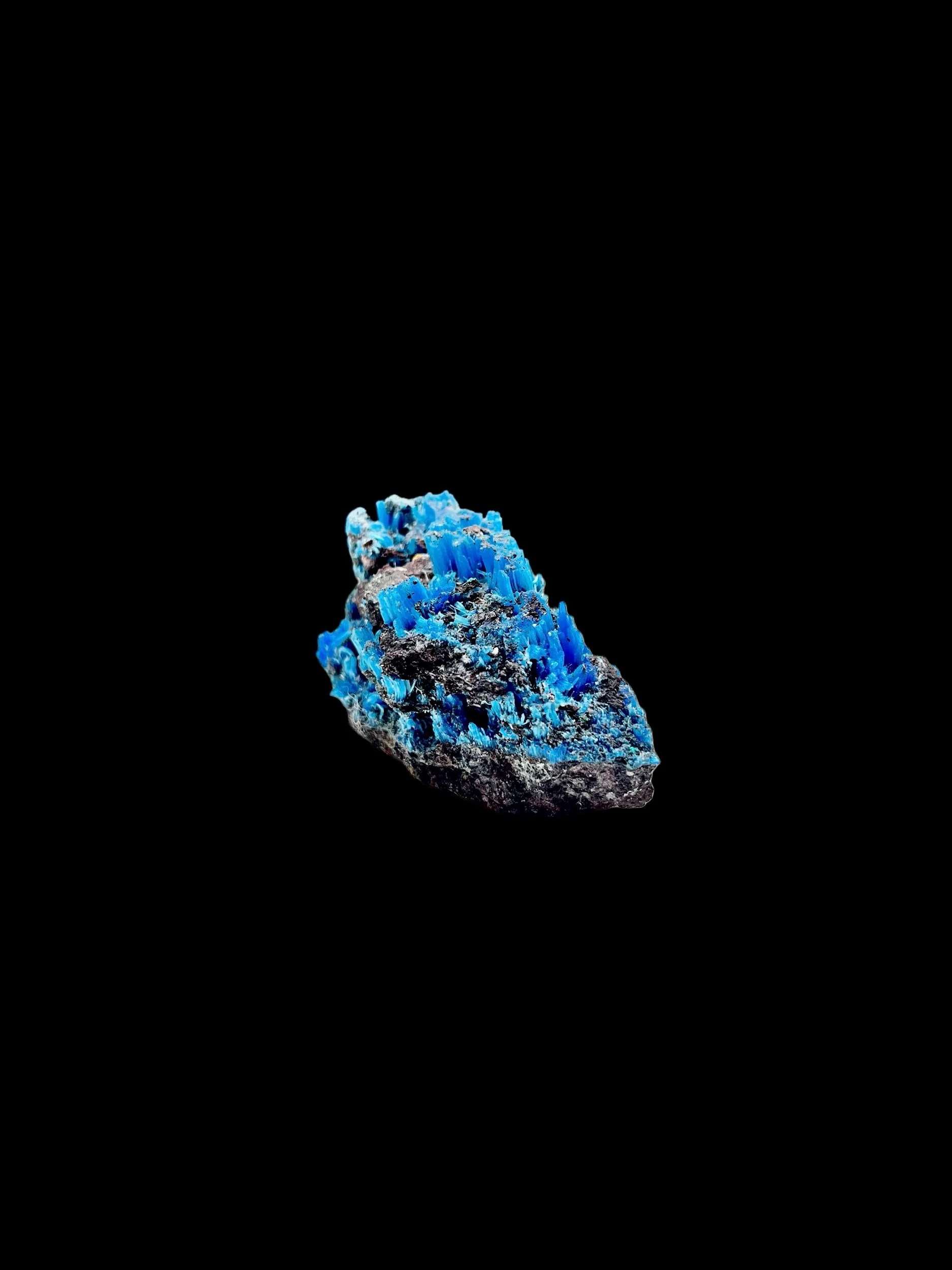
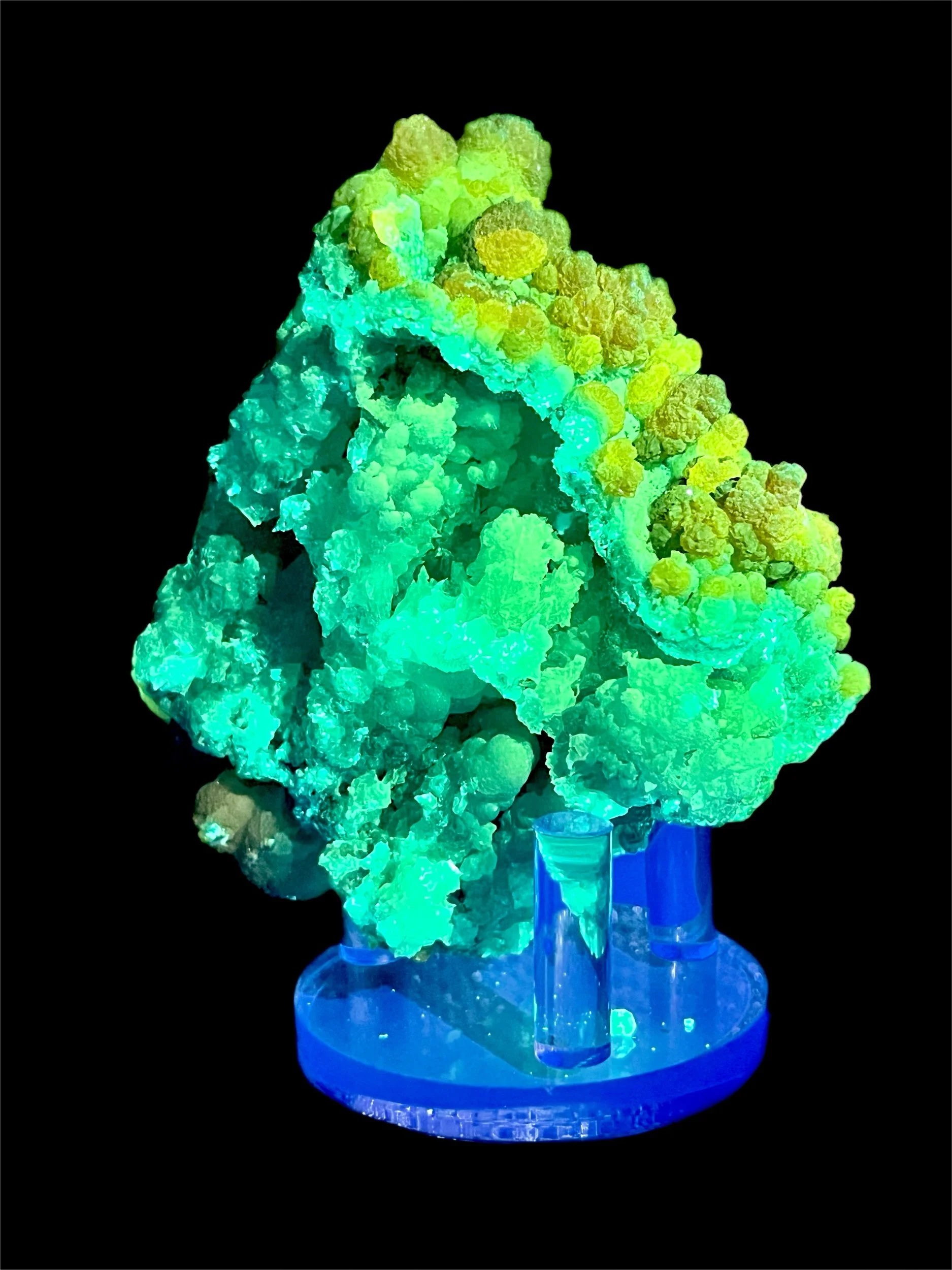
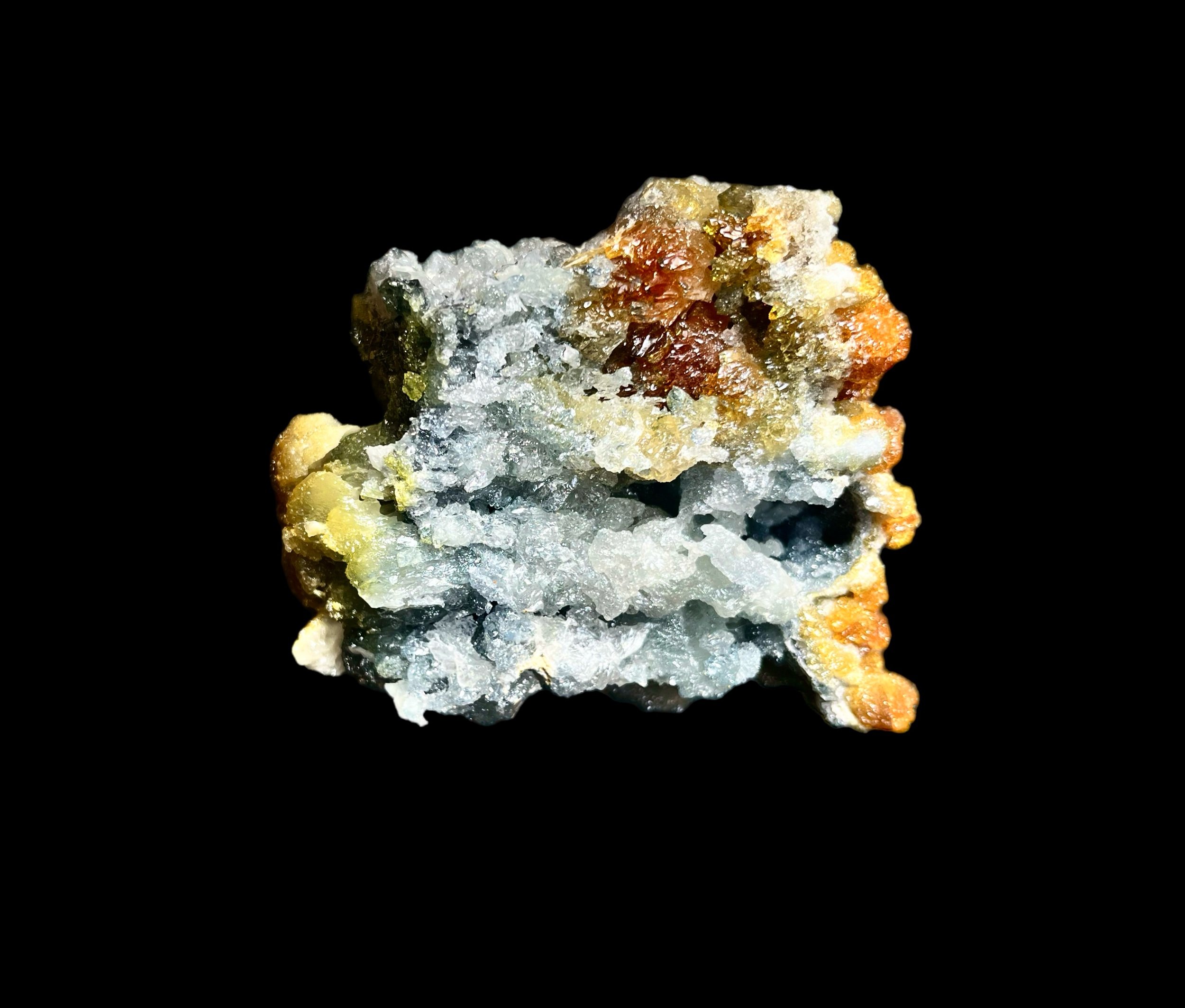
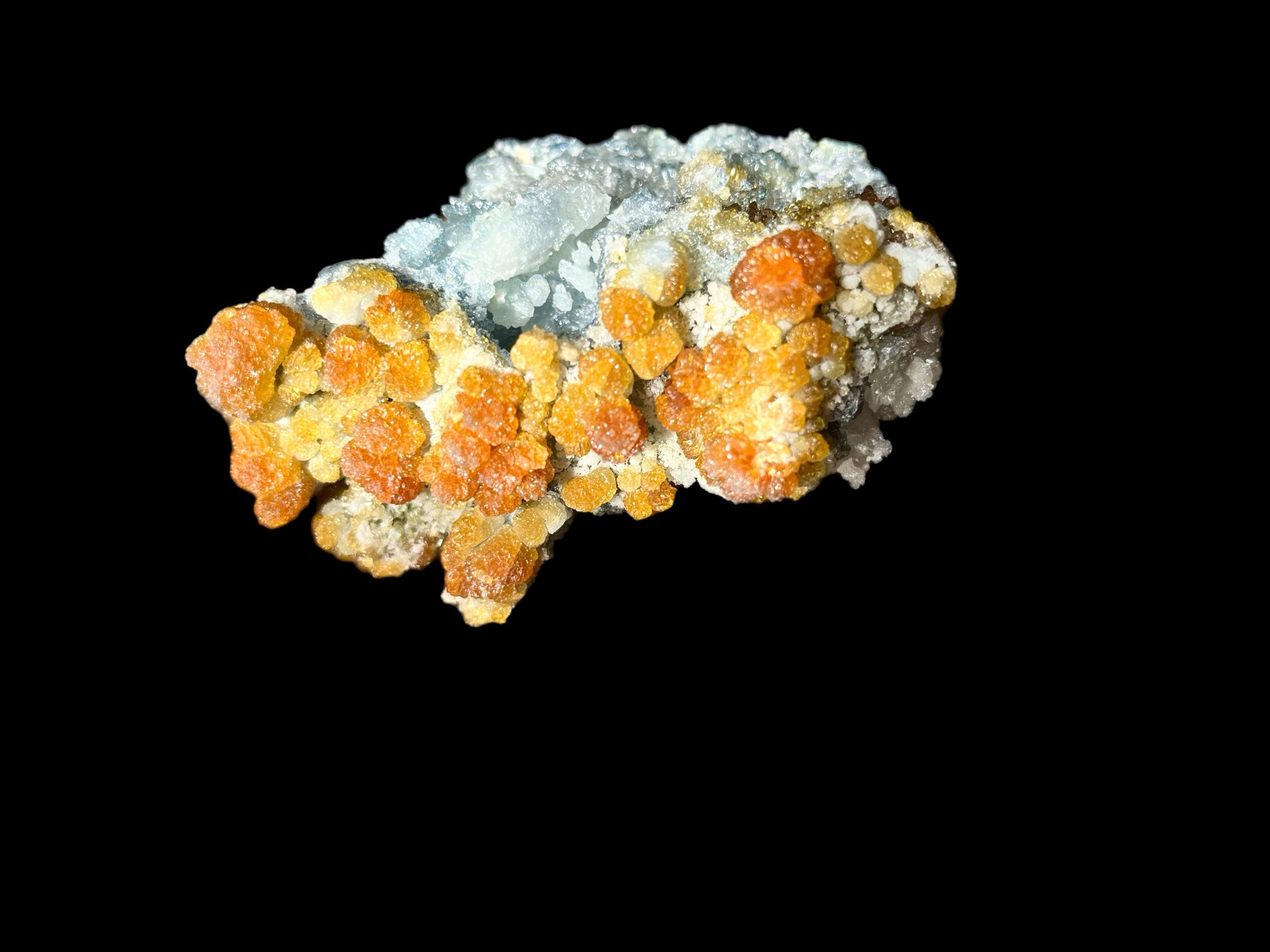
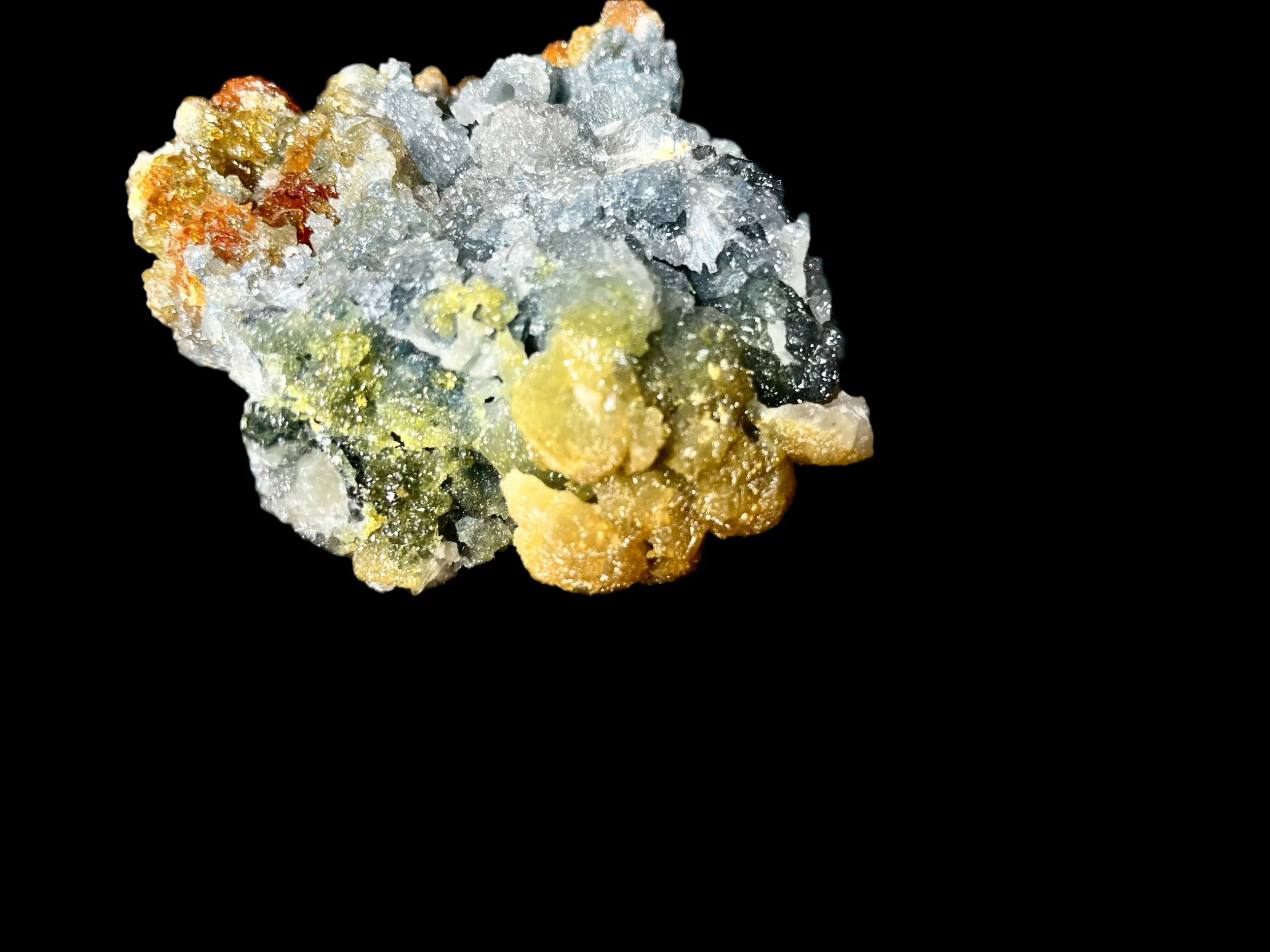
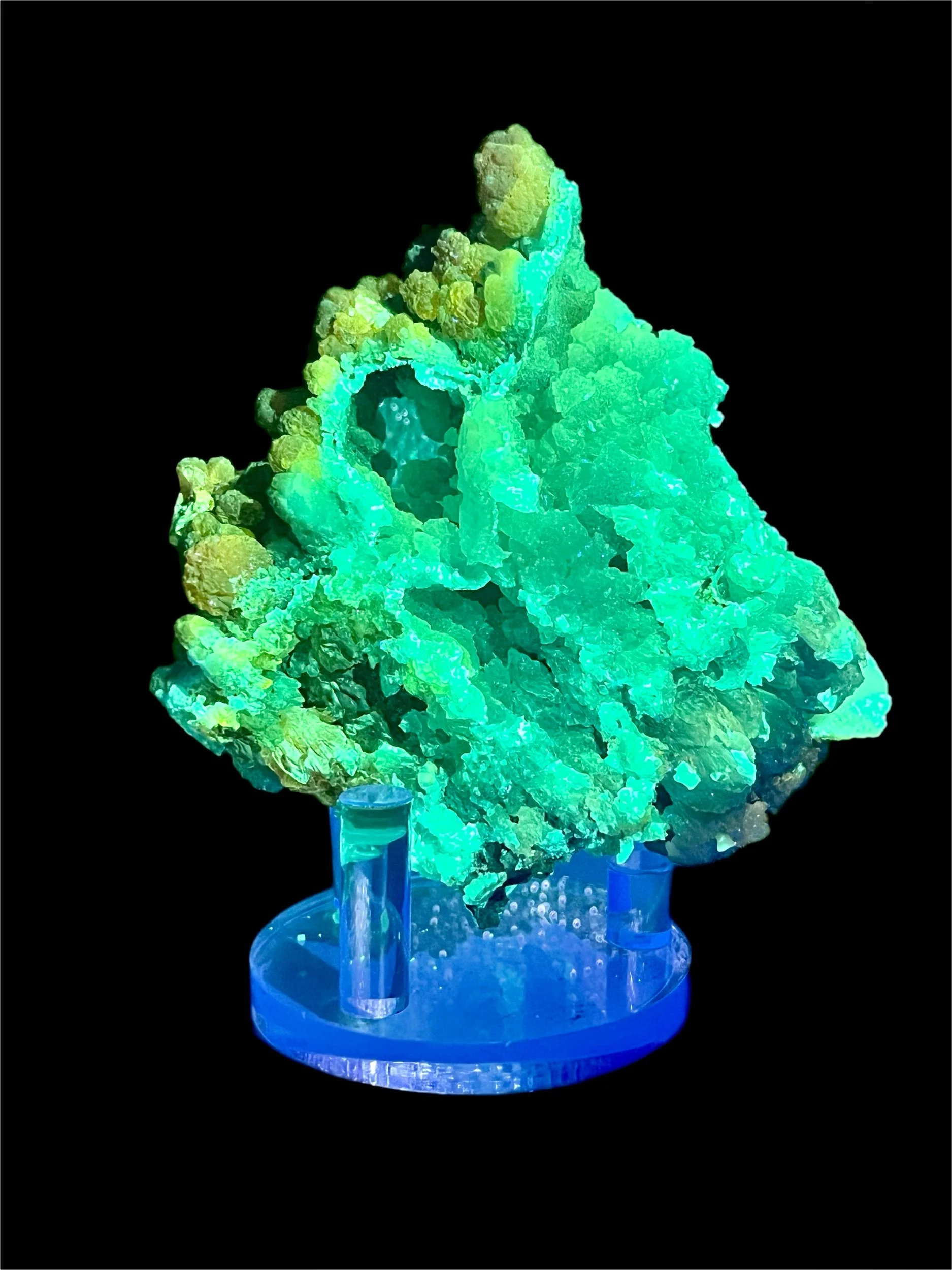
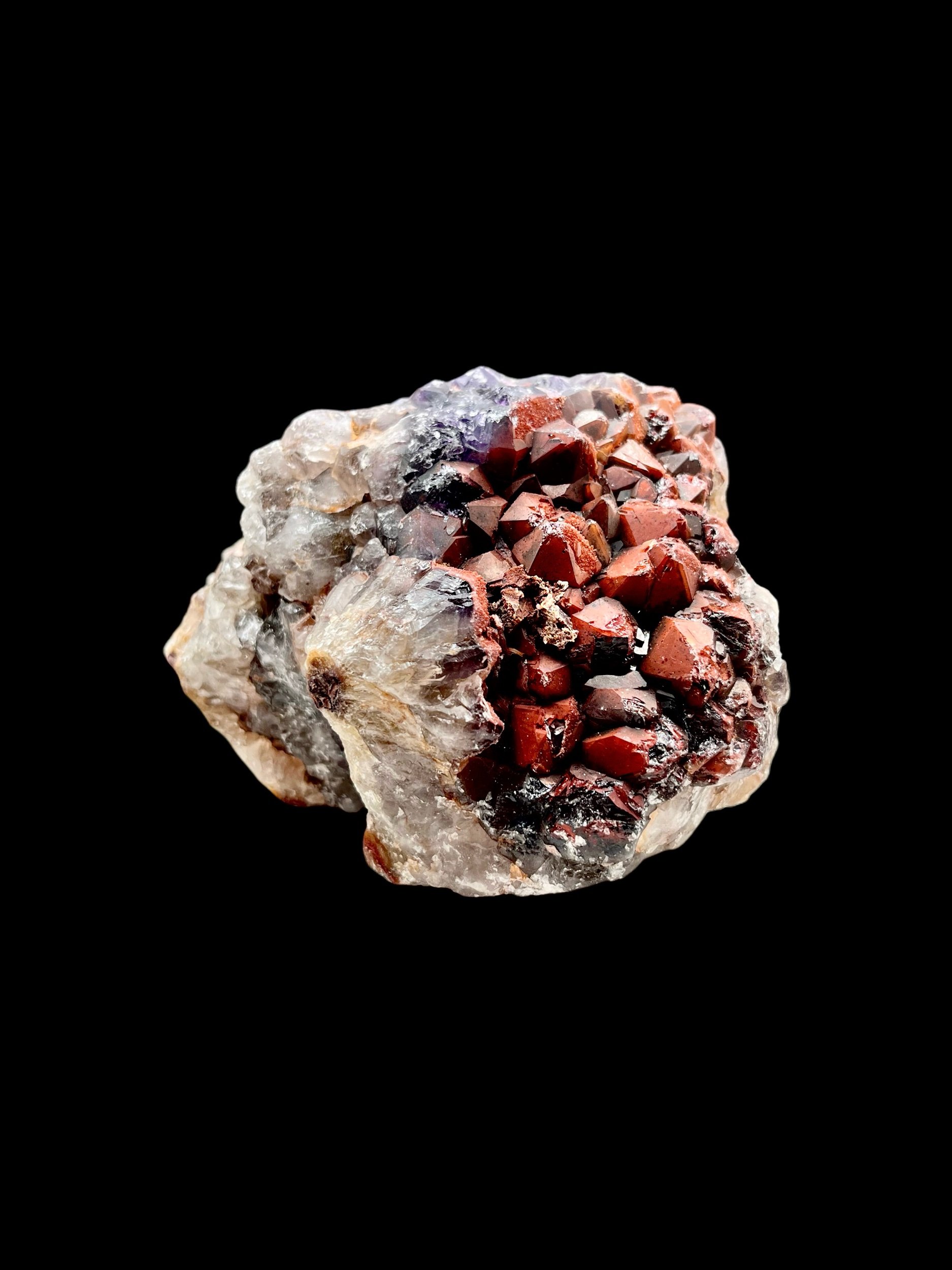
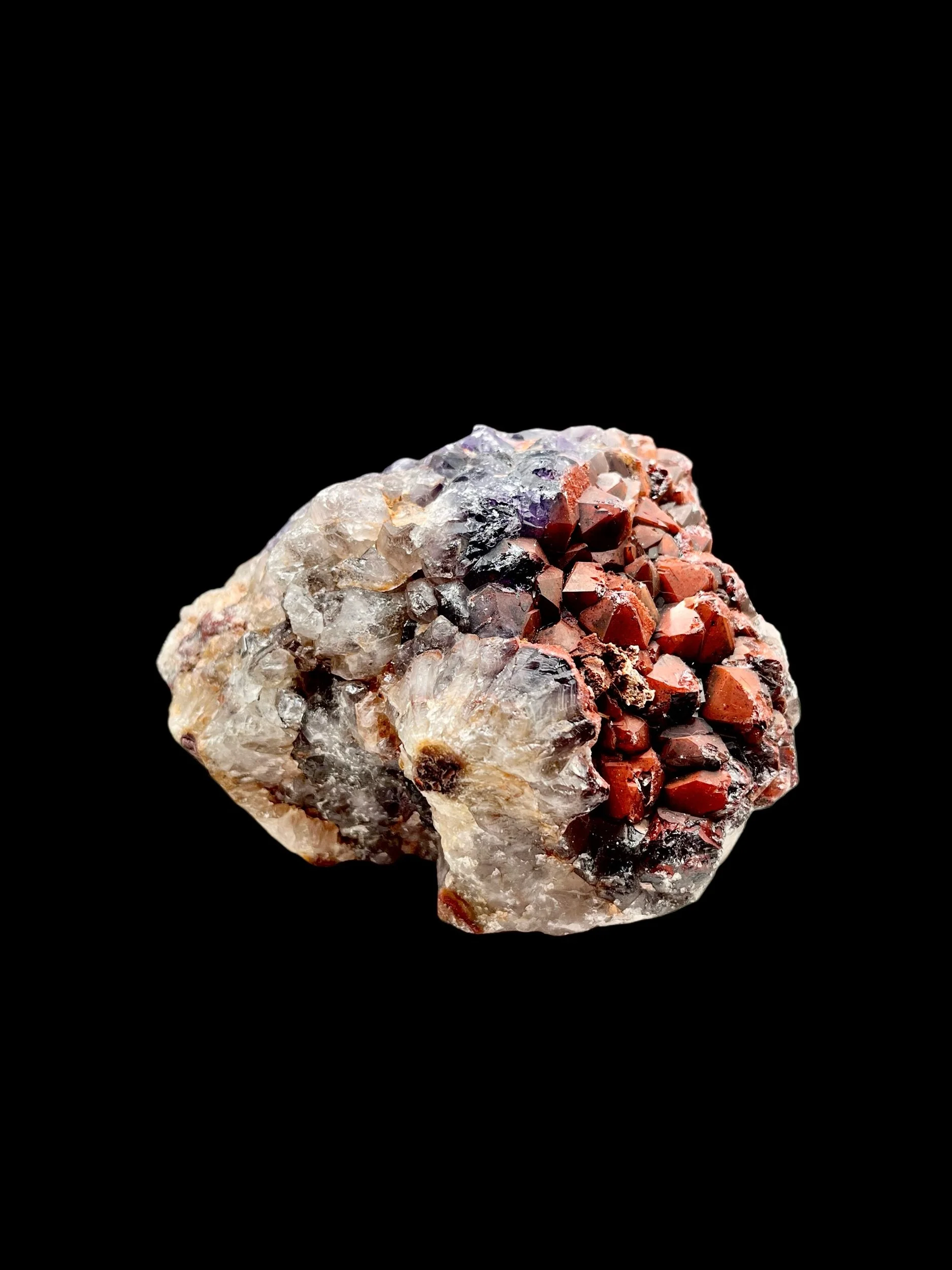
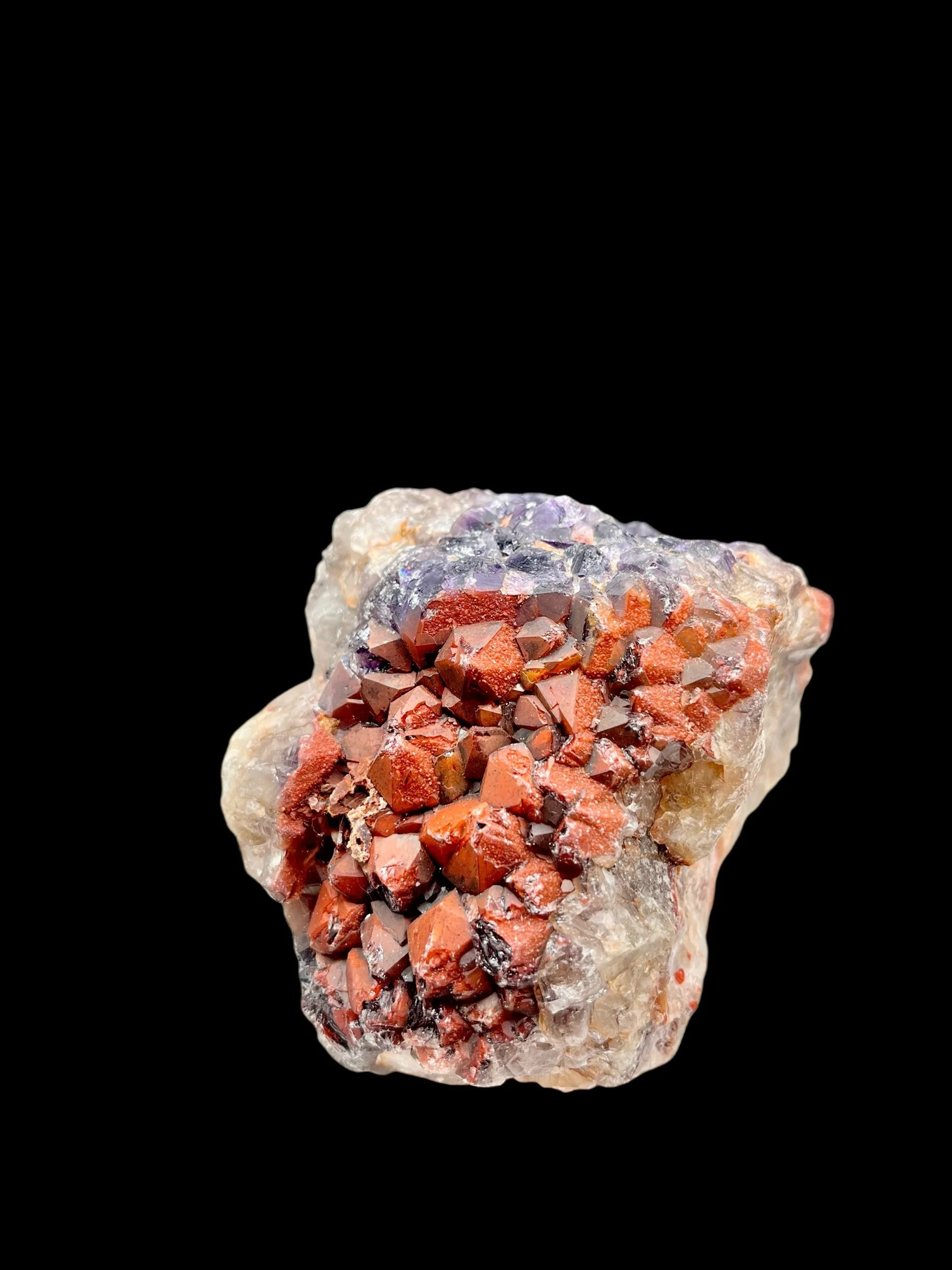
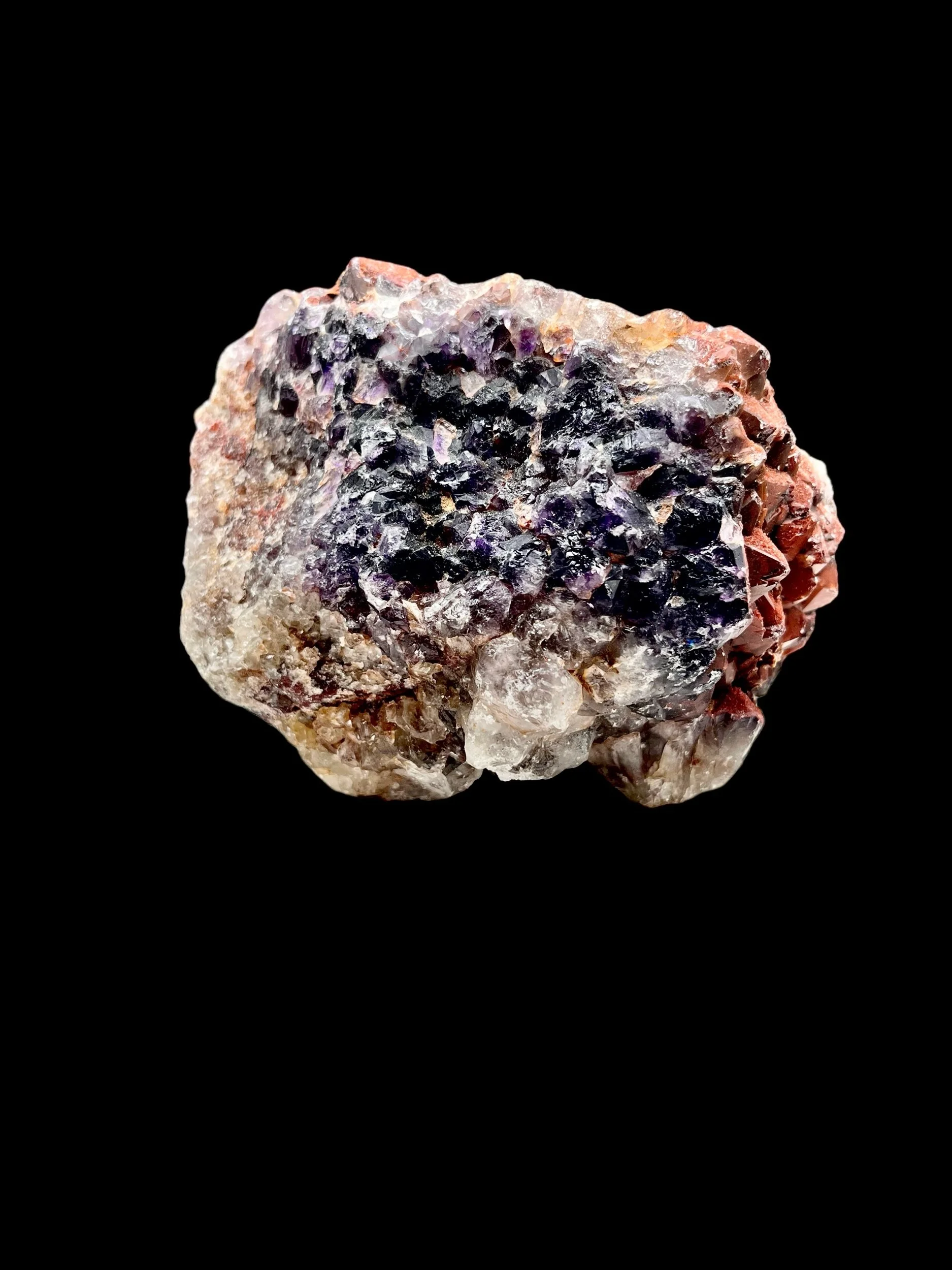
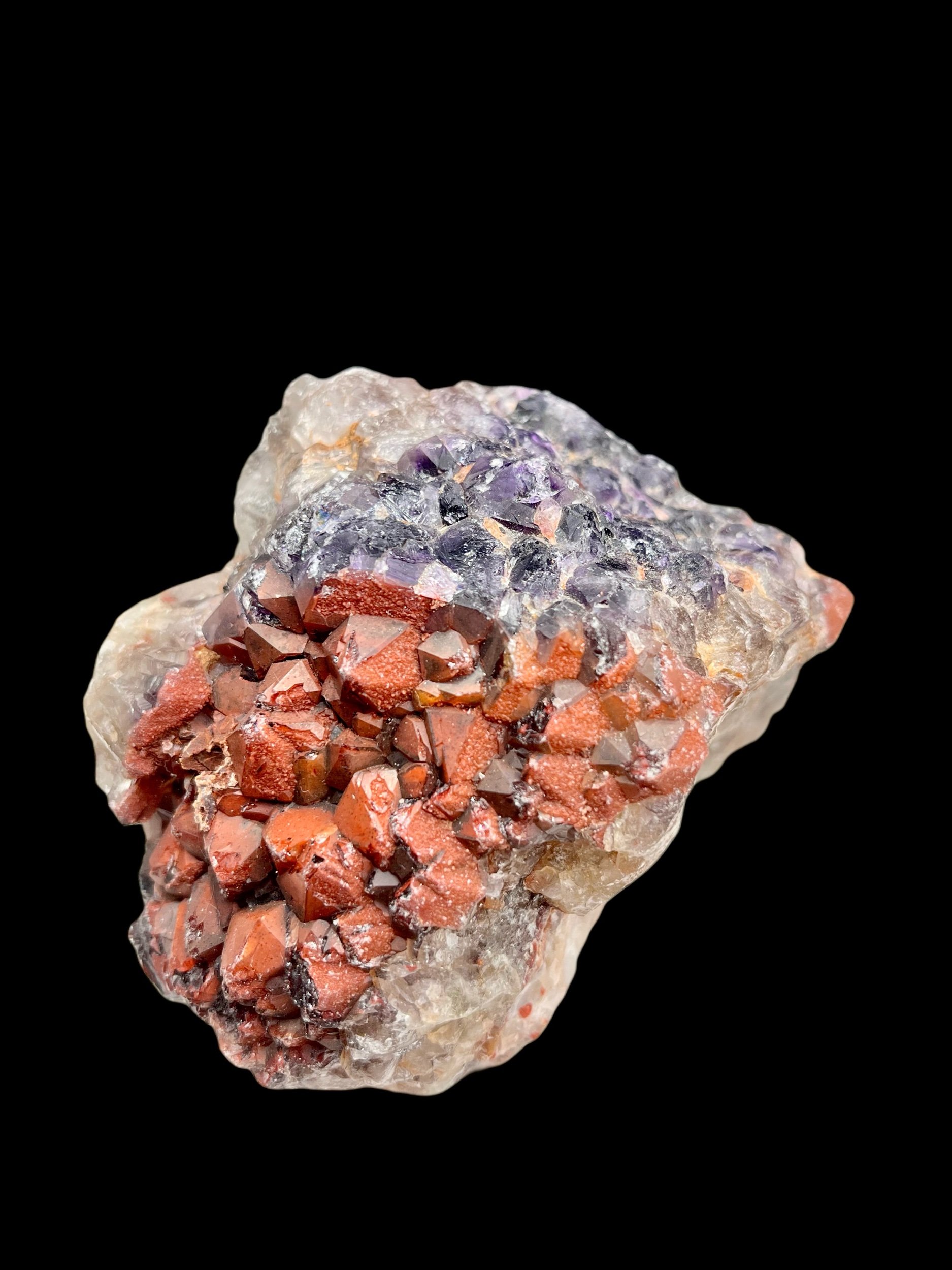
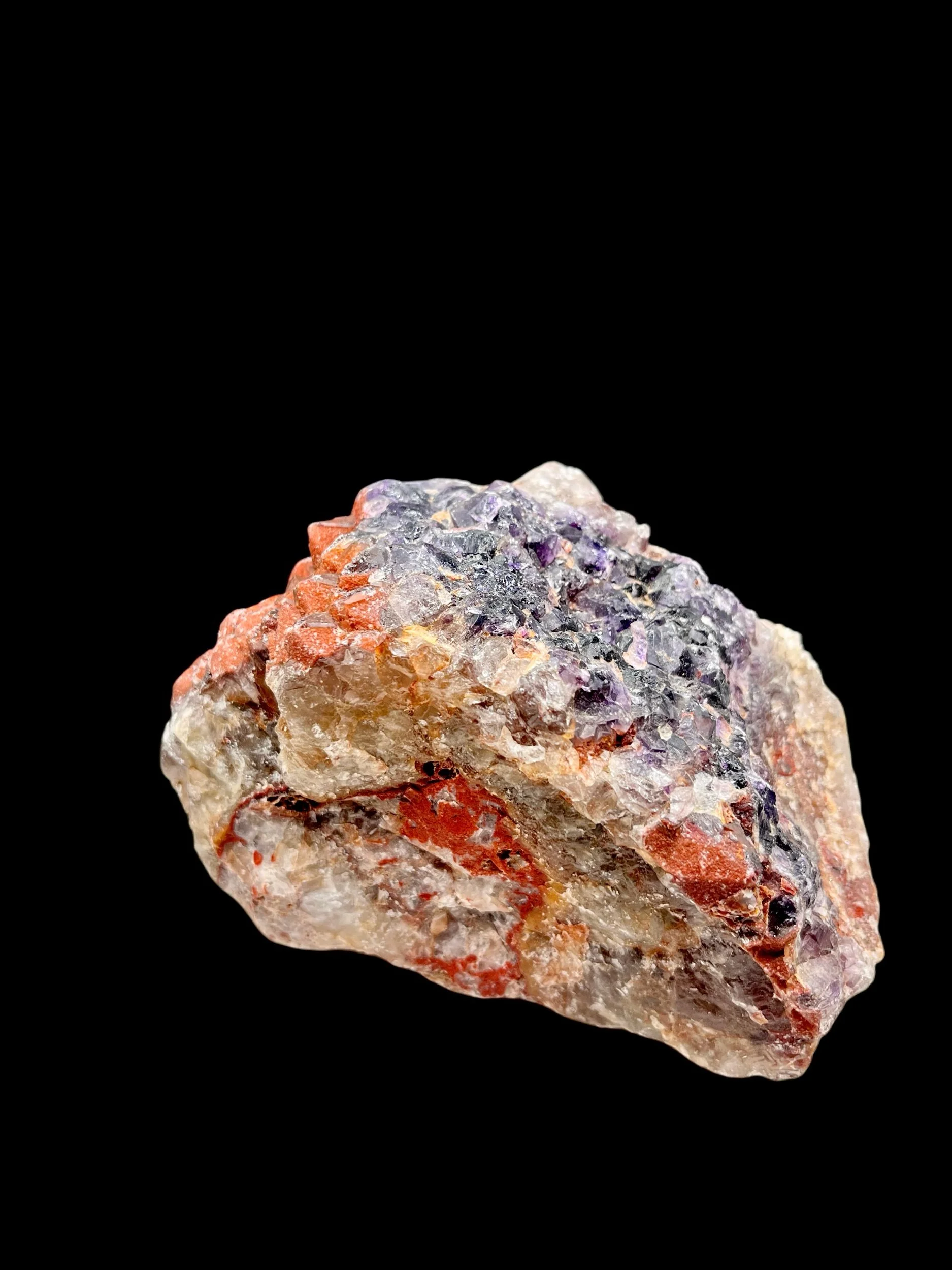
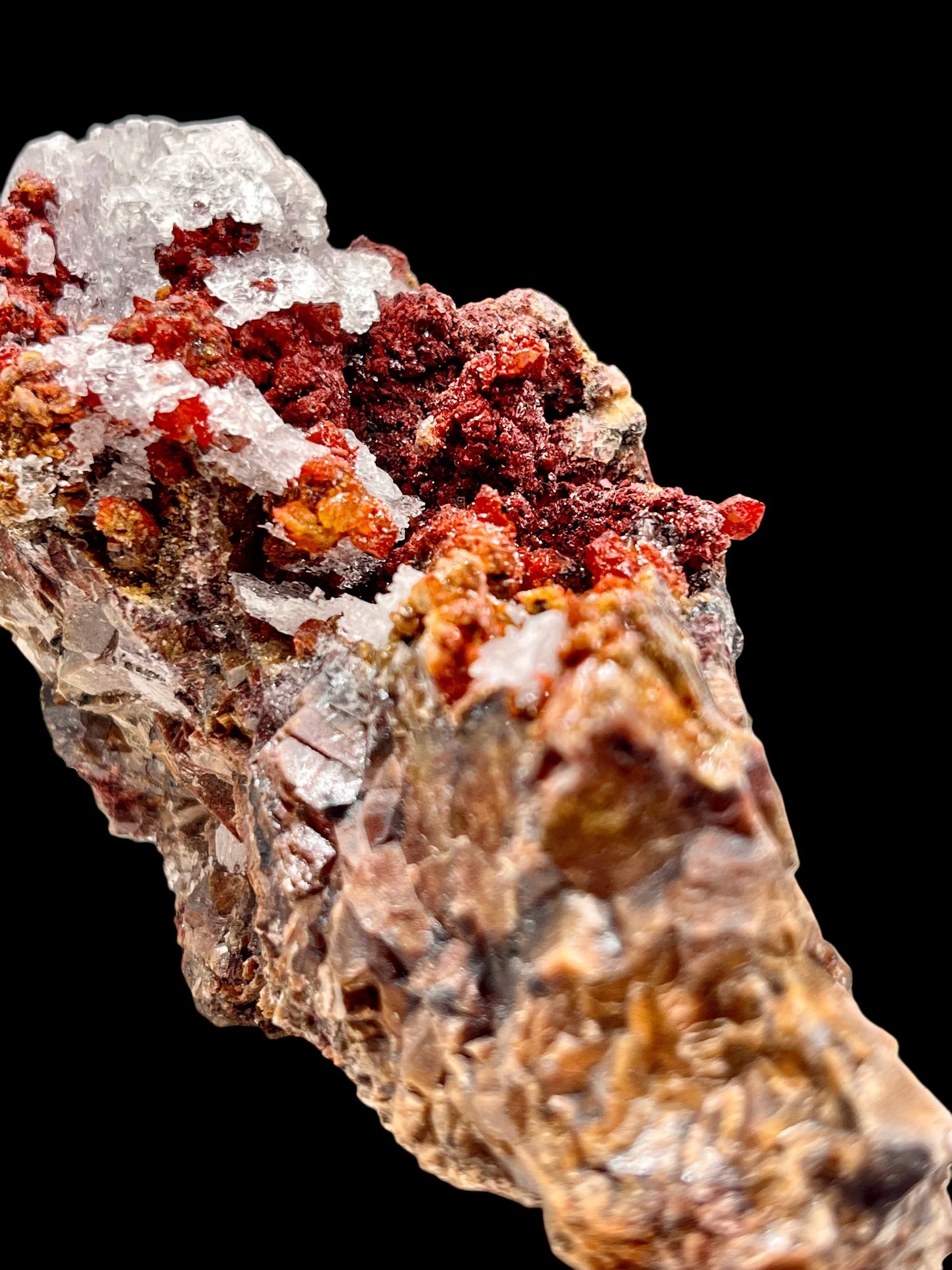
A dramatic and highly saturated example of Mexican cinnabar, this specimen features rich crimson cinnabar crystallization naturally perched on lustrous white and earthy brown calcite.
The cinnabar displays a vivid, deep red coloration with a slightly granular to crystalline surface texture, forming natural clusters across the calcite matrix. The contrast between the intense crimson red and the icy translucence of calcite creates immediate visual impact — a hallmark of fine Santa Eulalia material.
The warm, earthy calcite matrix adds depth and balance, giving the specimen a natural architectural quality.
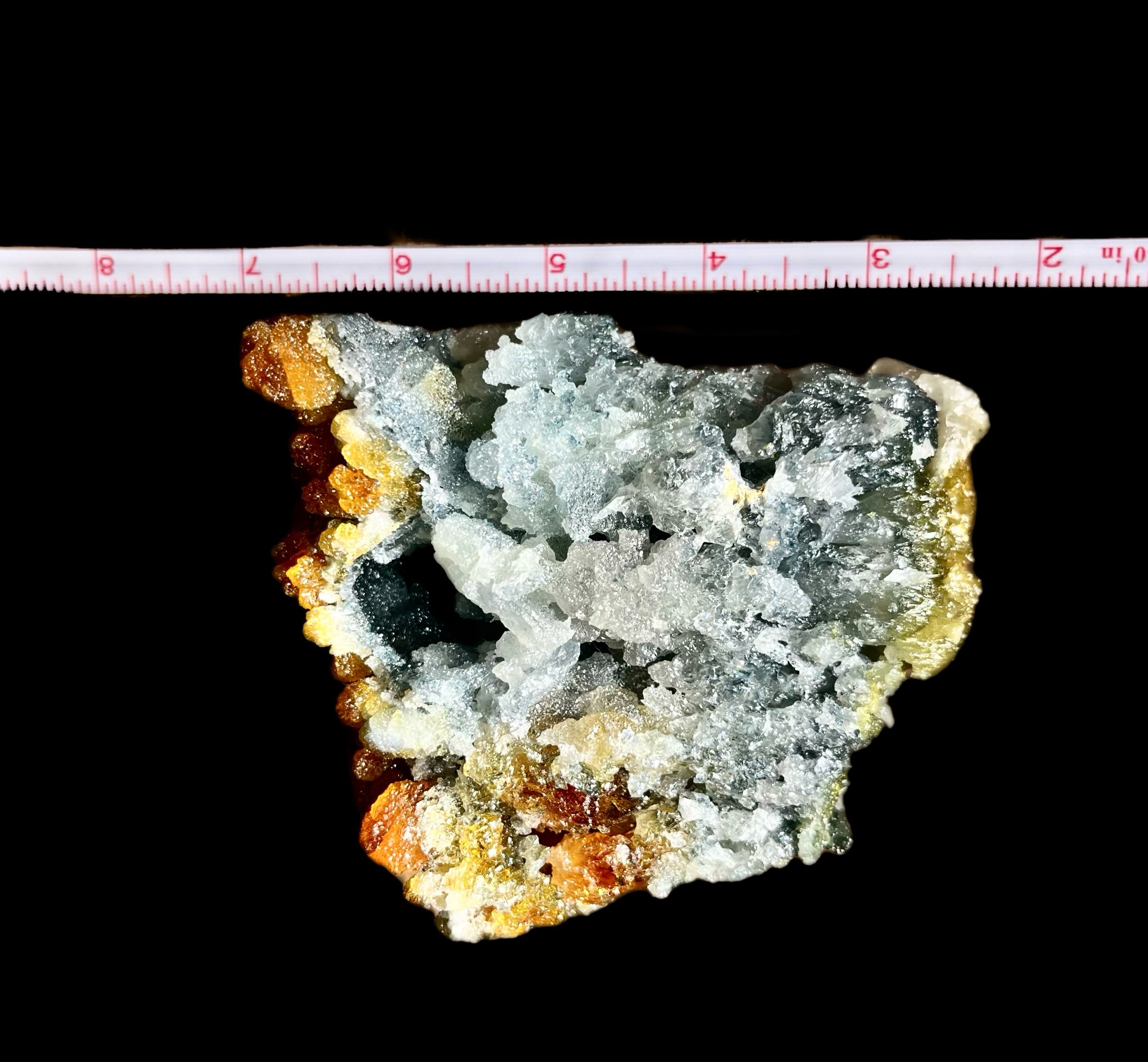
4” x 2.5” x 1.75”
373 grams
Cinnabar has long been associated with transformation, vitality, and focused intention. Traditionally linked with manifestation and personal power, it is said to stimulate motivation and energetic alignment.
Calcite is known for clarity and amplification — often considered a stone of mental focus and energetic cleansing.
Together, they create a dynamic pairing of activation and clarity.
Santa Eulalia is one of the most historically famed mineral districts in Mexico, renowned for world-class specimens of fluorite, calcite, galena, and cinnabar. Material from the Cocineras Mine is especially desirable due to its rich color saturation and strong aesthetic contrast.
High-quality cinnabar specimens from this locality are increasingly difficult to source, particularly those with this level of color intensity and contrast.
This specimen is perfect for those who collection crystals from what I lovingly refer to as “The Danger Dust Family.” Cinnabar is a mercury sulfide, but don’t let that scare you. It’s perfectly harmless as long as you don’t grind it up and snort it.
Fine cinnabar from Santa Eulalia has long been sought after by collectors due to its saturated color and classic mineral associations. With many historic mines no longer producing at previous levels, well-balanced, high-contrast, quality specimens like this have become increasingly desirable.
The combination of famed locality, vivid coloration, high luster, and sculptural presentation supports long-term value and collector appeal.
• Vivid, saturated red cinnabar
• Excellent contrast with crystalline white calcite
• Classic Santa Eulalia locality
• High luster
• Strong visual presence and display quality
Cinnabar (HgS) is a mercury sulfide mineral and the primary ore of mercury. It crystallizes in the trigonal system and is known for its unmistakable scarlet to deep red coloration caused by its mercury content.
In hydrothermal vein systems such as Santa Eulalia, cinnabar forms in association with calcite and other carbonate minerals. The juxtaposition of cinnabar on calcite is a classic expression of this paragenesis.
Calcite (CaCO₃) crystallizes in the trigonal system and commonly forms rhombohedral or scalenohedral crystals. In this specimen, calcite provides both structural framework and visual contrast, enhancing the vibrancy of the cinnabar.
Locality: Cocineras Mine, Santa Eulalia District, Chihuahua, Mexico
A dramatic and highly saturated example of Mexican cinnabar, this specimen features rich crimson cinnabar crystallization naturally perched on lustrous white and earthy brown calcite.
The cinnabar displays a vivid, deep red coloration with a slightly granular to crystalline surface texture, forming natural clusters across the calcite matrix. The contrast between the intense crimson red and the icy translucence of calcite creates immediate visual impact — a hallmark of fine Santa Eulalia material.
The warm, earthy calcite matrix adds depth and balance, giving the specimen a natural architectural quality.
4” x 2.5” x 1.75”
373 grams
Cinnabar has long been associated with transformation, vitality, and focused intention. Traditionally linked with manifestation and personal power, it is said to stimulate motivation and energetic alignment.
Calcite is known for clarity and amplification — often considered a stone of mental focus and energetic cleansing.
Together, they create a dynamic pairing of activation and clarity.
Santa Eulalia is one of the most historically famed mineral districts in Mexico, renowned for world-class specimens of fluorite, calcite, galena, and cinnabar. Material from the Cocineras Mine is especially desirable due to its rich color saturation and strong aesthetic contrast.
High-quality cinnabar specimens from this locality are increasingly difficult to source, particularly those with this level of color intensity and contrast.
This specimen is perfect for those who collection crystals from what I lovingly refer to as “The Danger Dust Family.” Cinnabar is a mercury sulfide, but don’t let that scare you. It’s perfectly harmless as long as you don’t grind it up and snort it.
Fine cinnabar from Santa Eulalia has long been sought after by collectors due to its saturated color and classic mineral associations. With many historic mines no longer producing at previous levels, well-balanced, high-contrast, quality specimens like this have become increasingly desirable.
The combination of famed locality, vivid coloration, high luster, and sculptural presentation supports long-term value and collector appeal.
• Vivid, saturated red cinnabar
• Excellent contrast with crystalline white calcite
• Classic Santa Eulalia locality
• High luster
• Strong visual presence and display quality
Cinnabar (HgS) is a mercury sulfide mineral and the primary ore of mercury. It crystallizes in the trigonal system and is known for its unmistakable scarlet to deep red coloration caused by its mercury content.
In hydrothermal vein systems such as Santa Eulalia, cinnabar forms in association with calcite and other carbonate minerals. The juxtaposition of cinnabar on calcite is a classic expression of this paragenesis.
Calcite (CaCO₃) crystallizes in the trigonal system and commonly forms rhombohedral or scalenohedral crystals. In this specimen, calcite provides both structural framework and visual contrast, enhancing the vibrancy of the cinnabar.