 Image 1 of 4
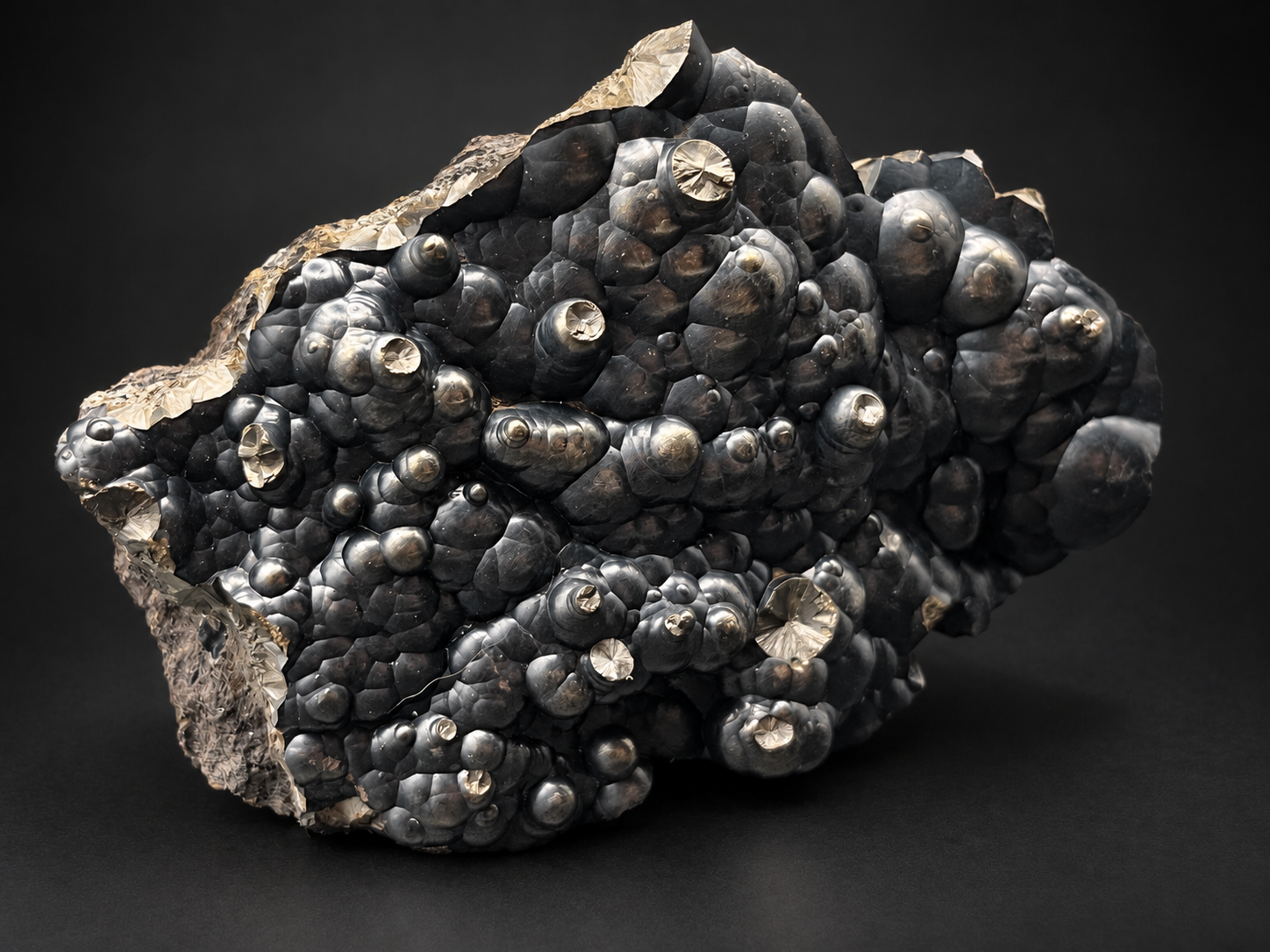 Image 2 of 4
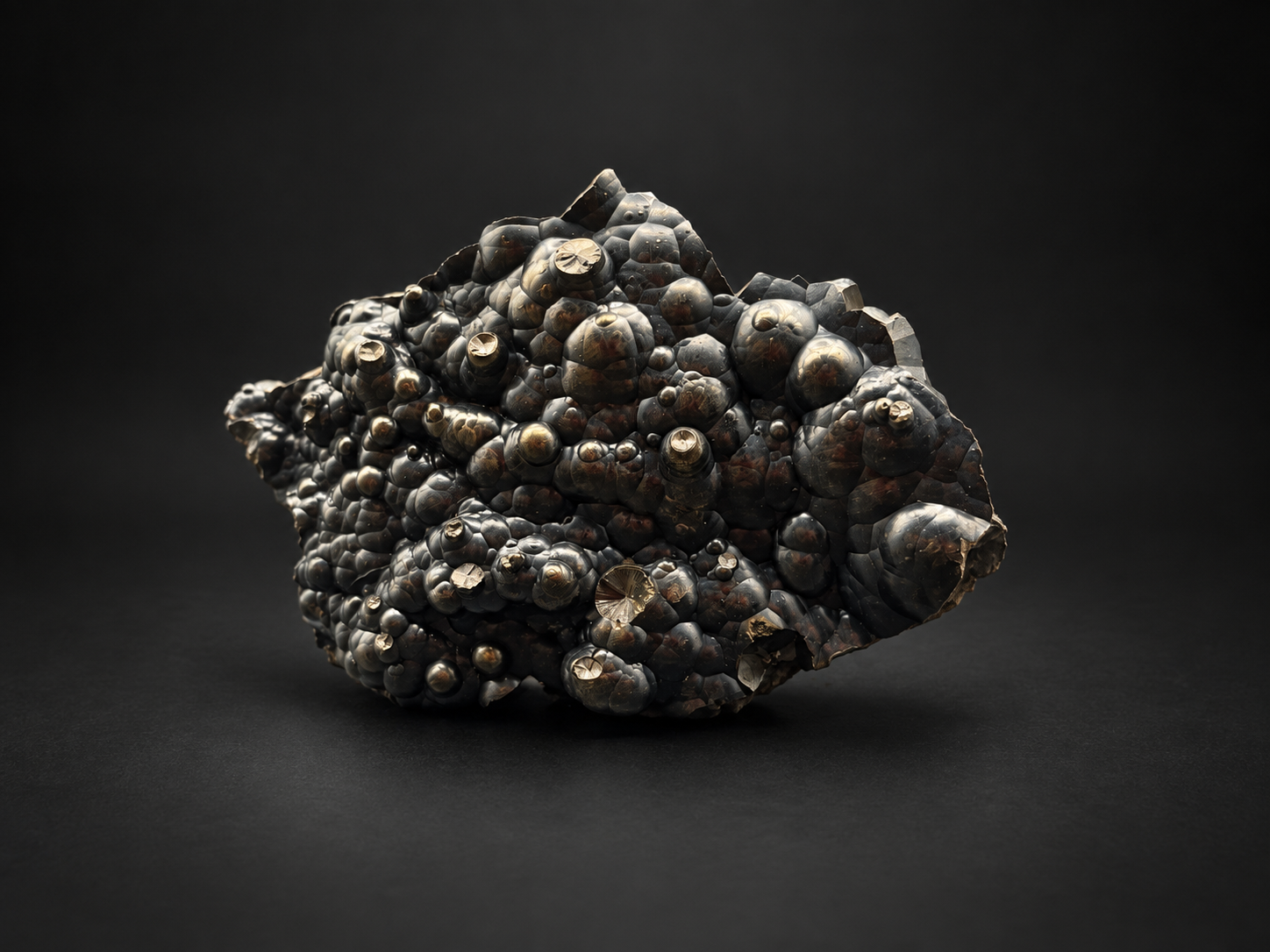 Image 3 of 4
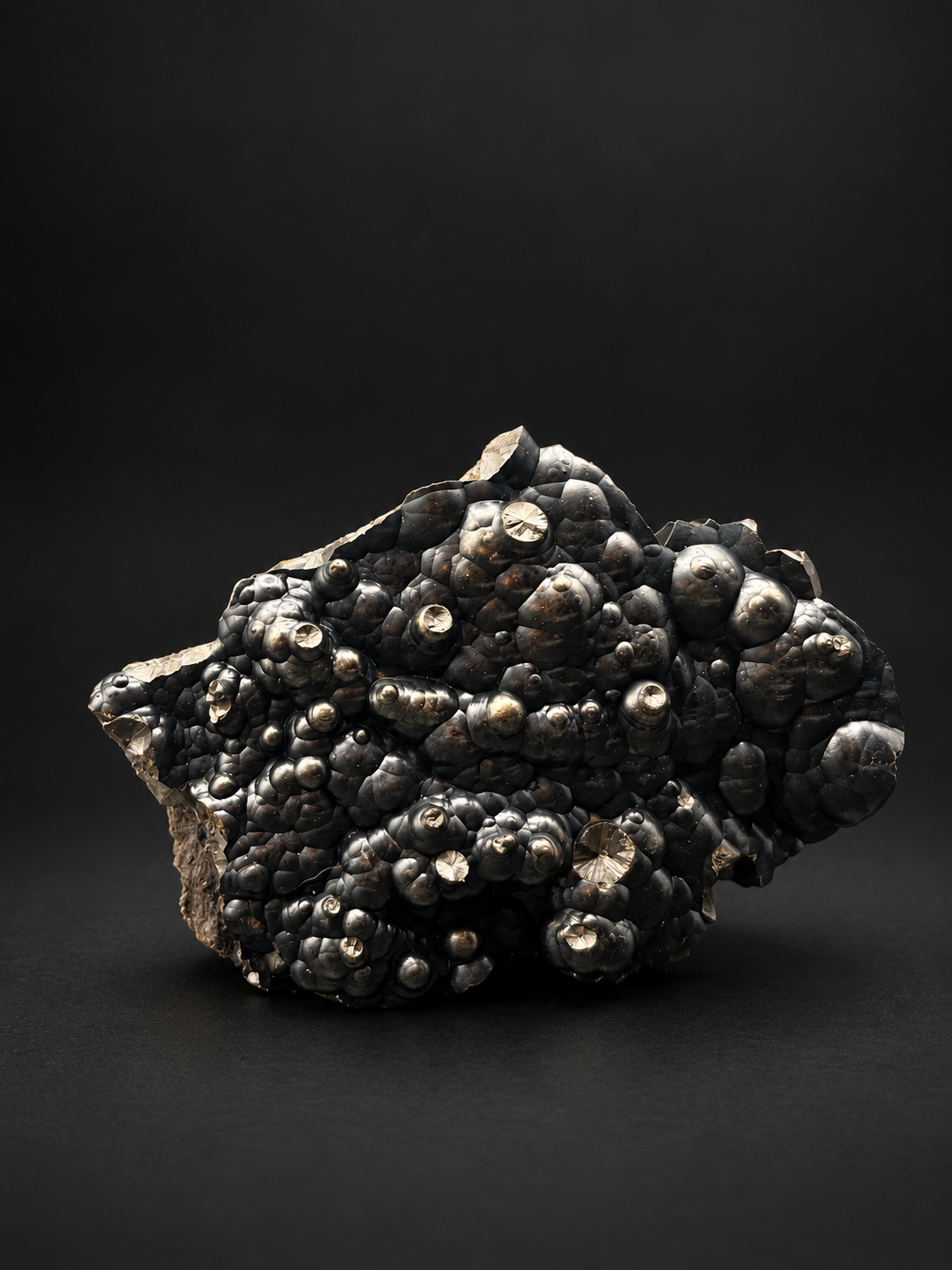 Image 4 of 4
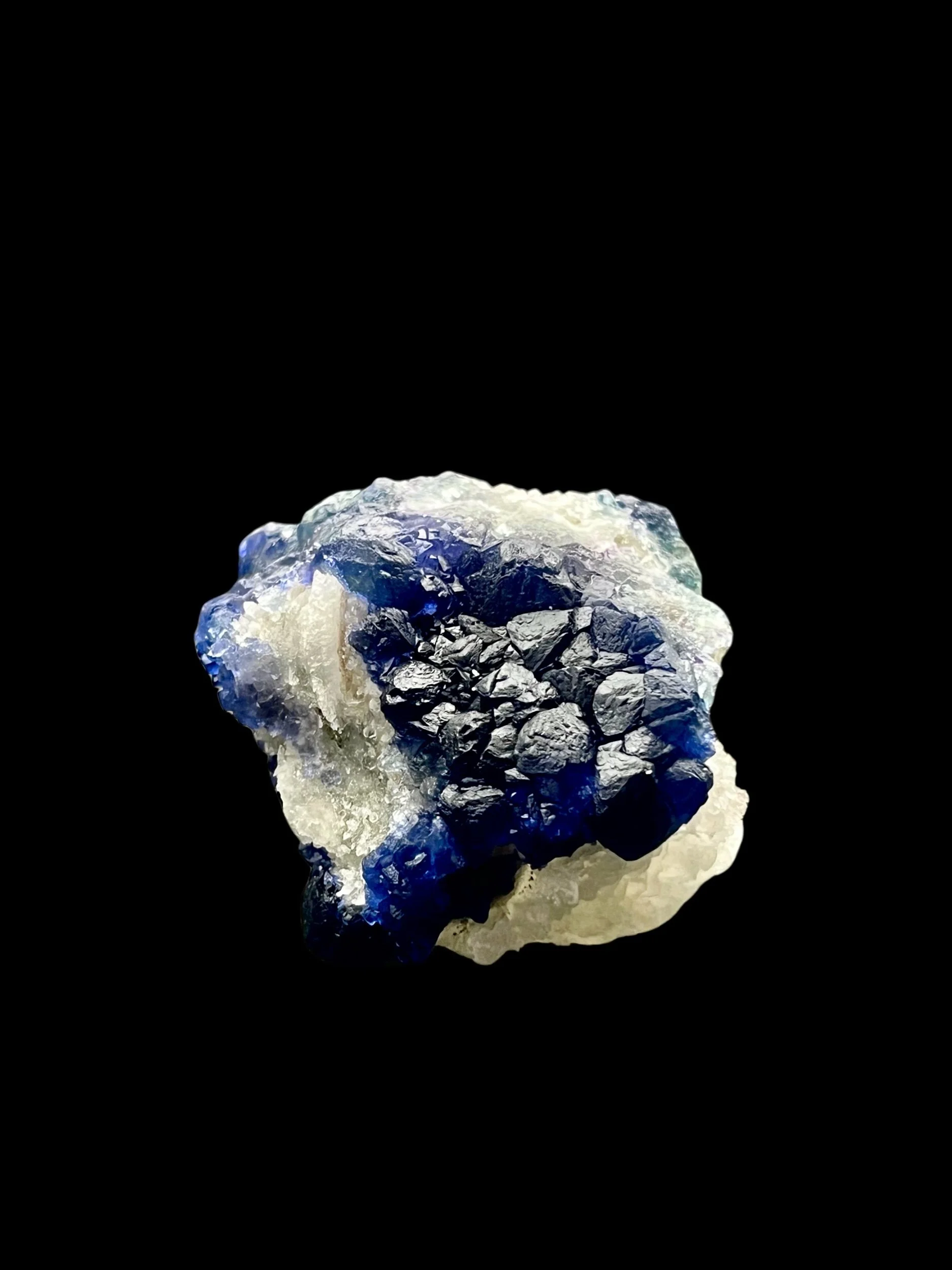
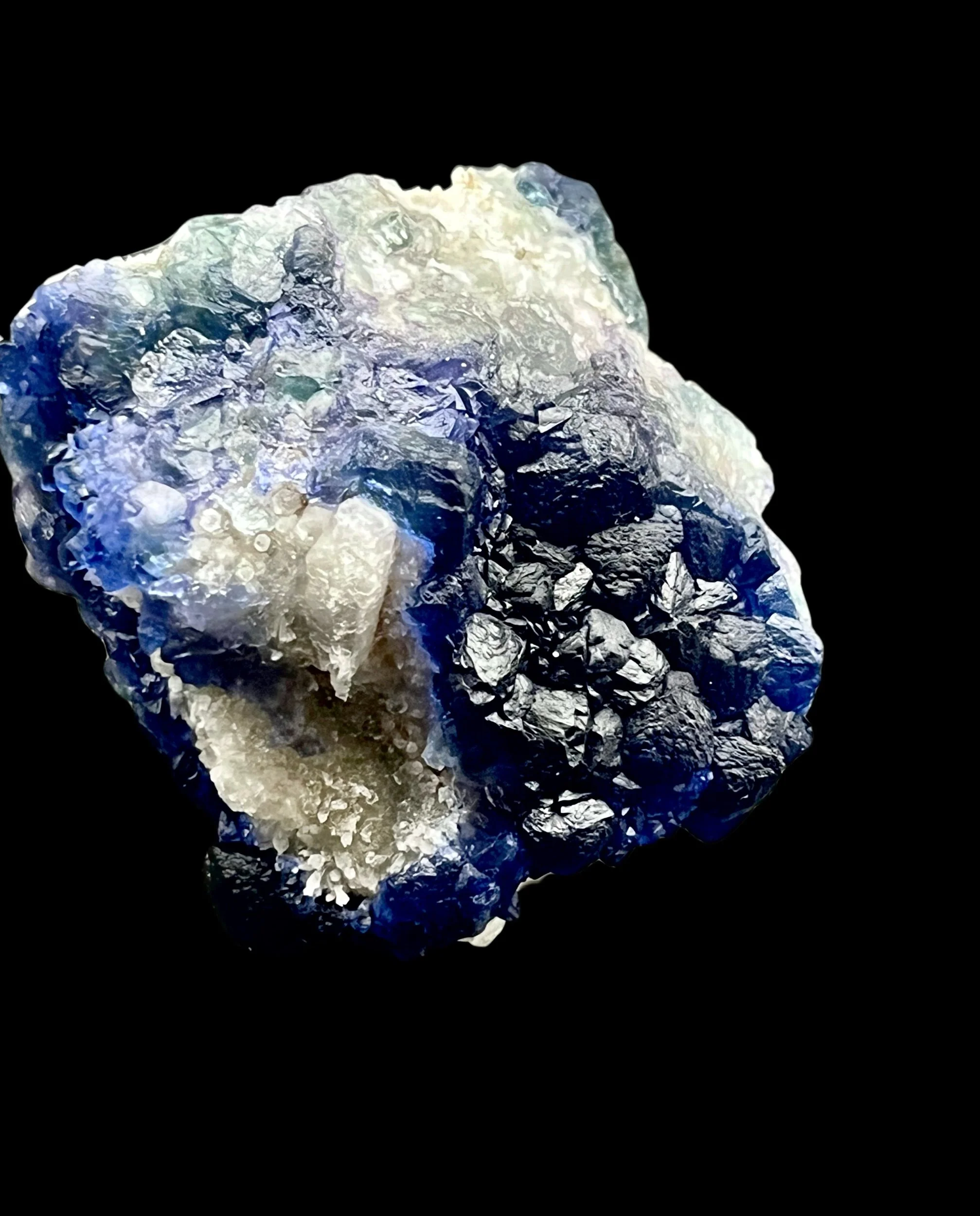
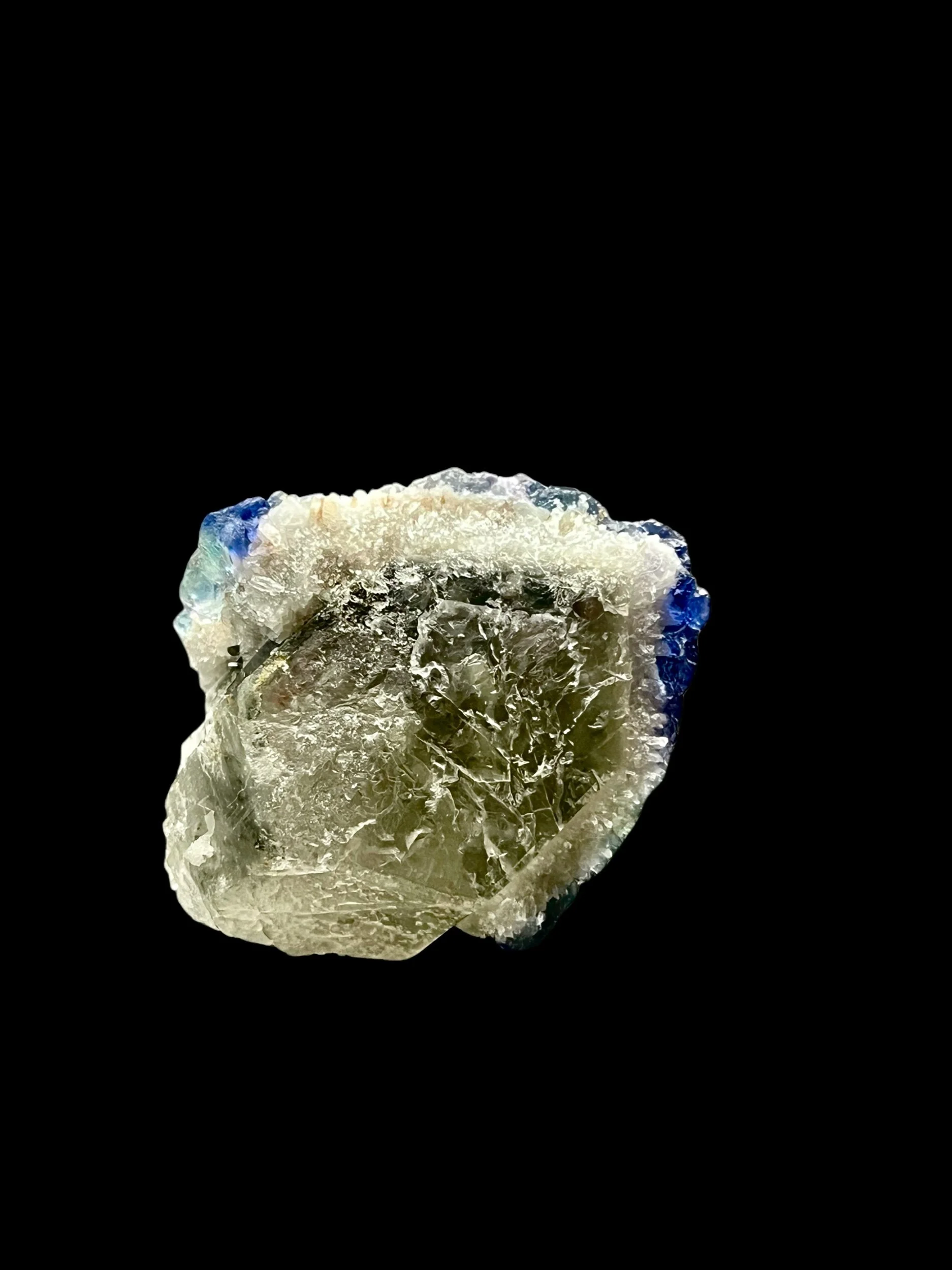
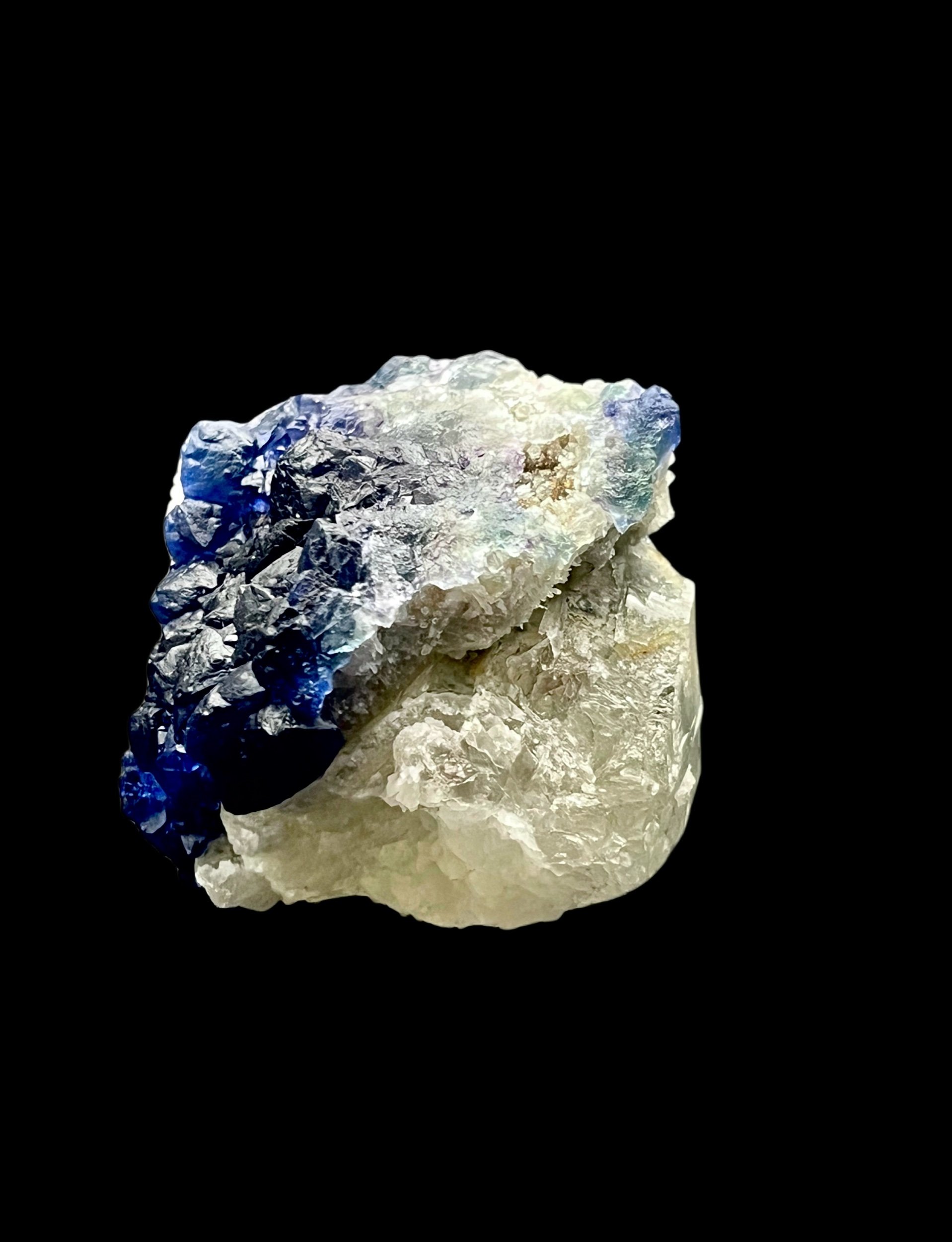
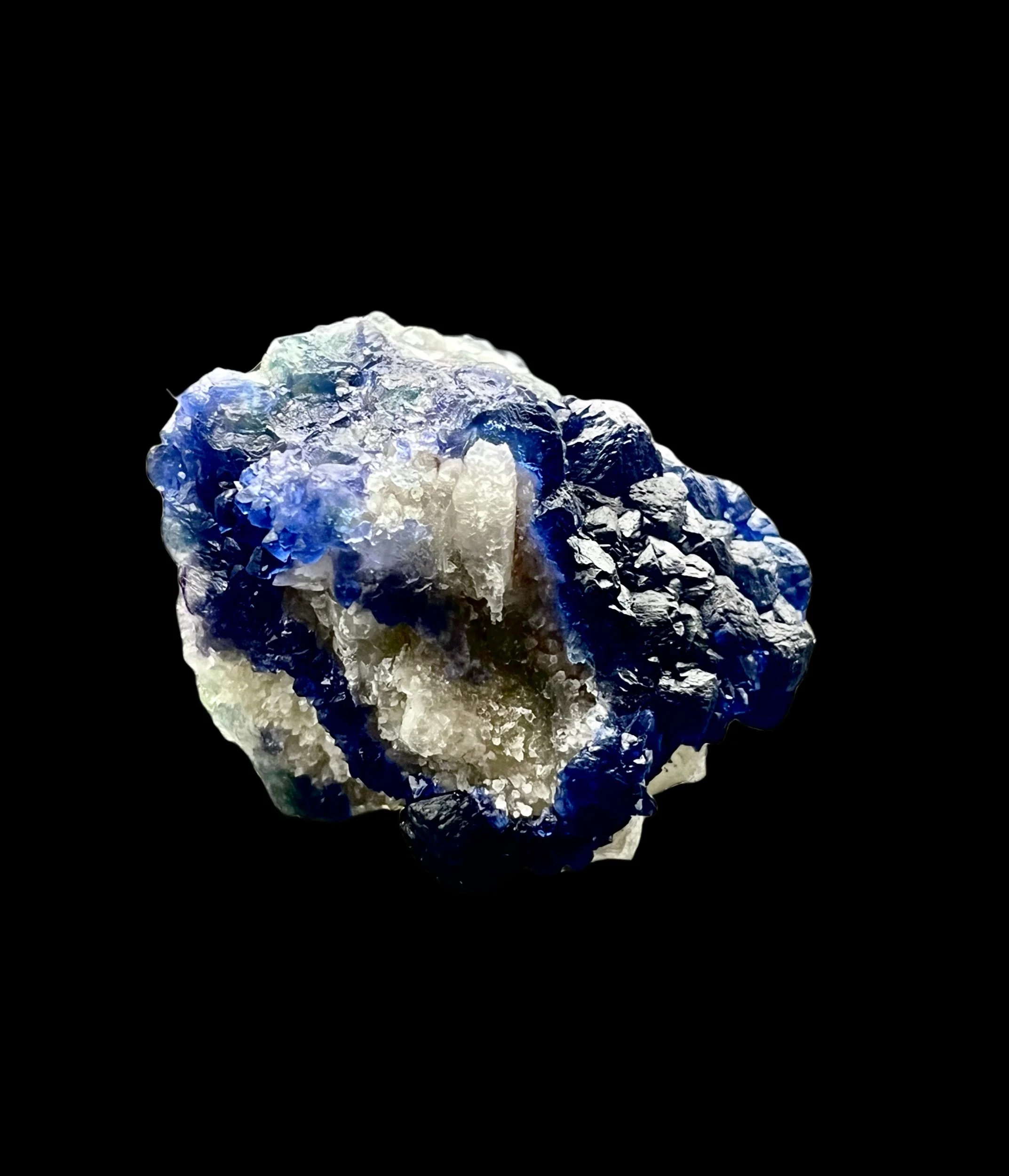
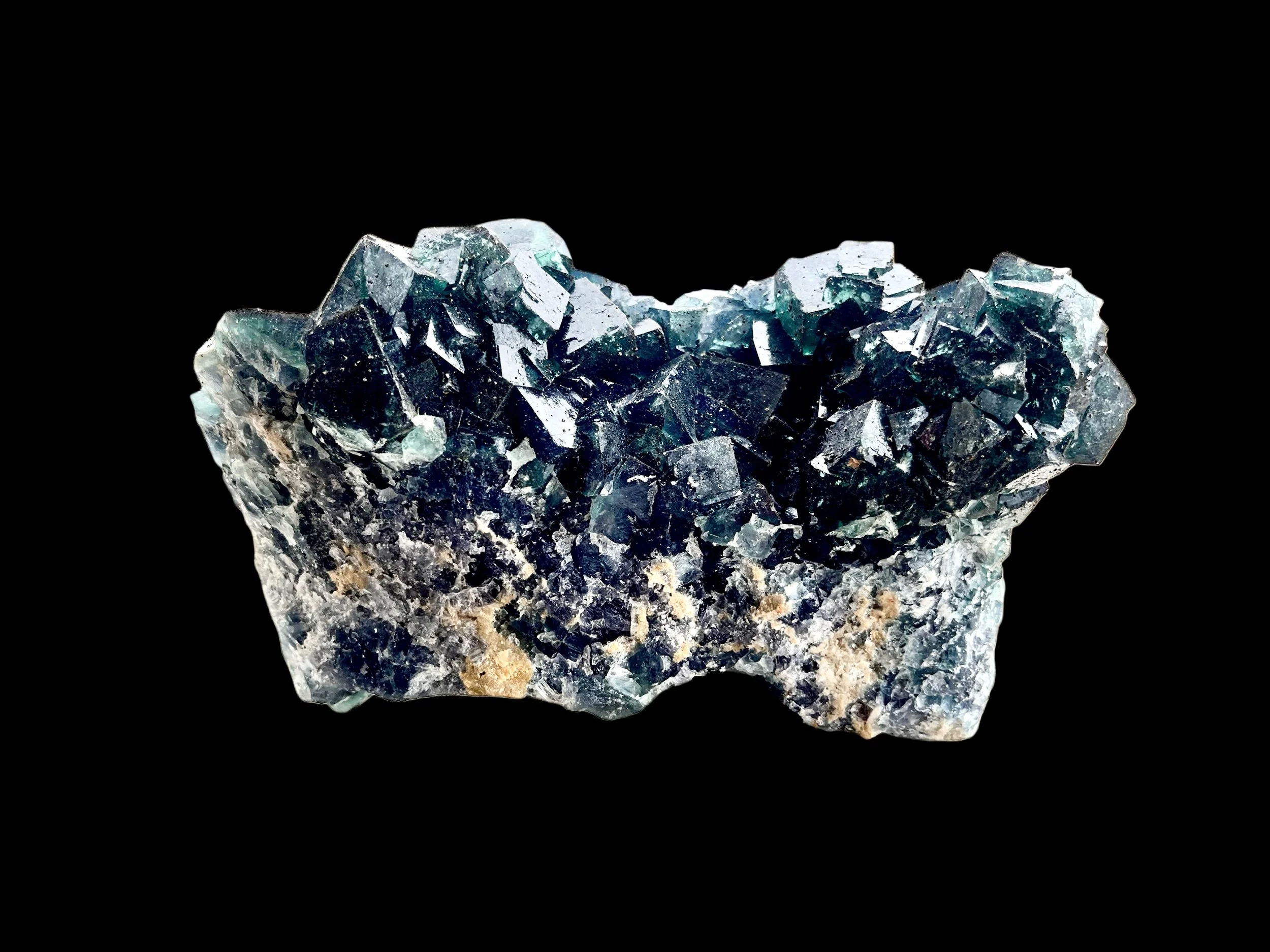
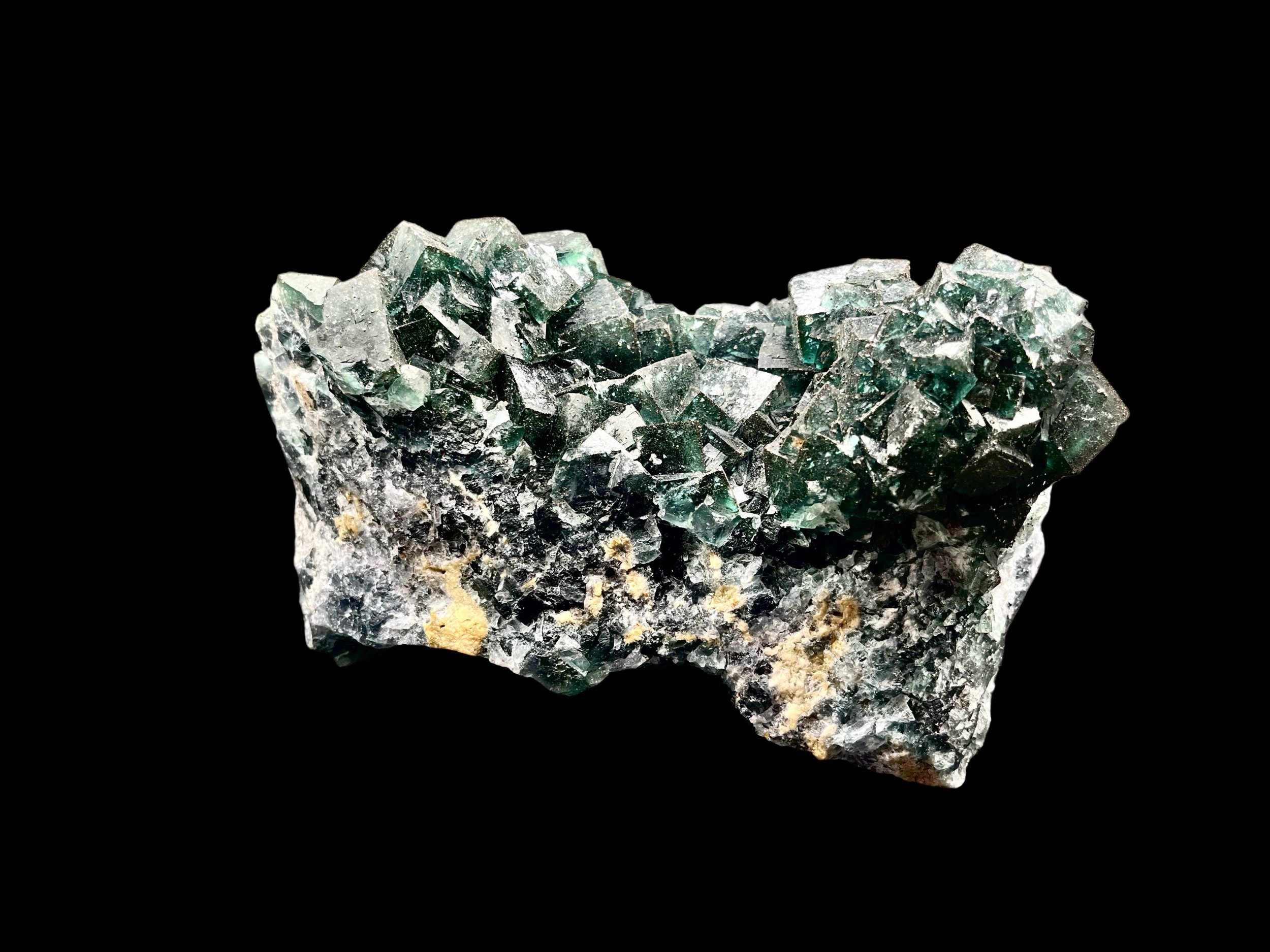
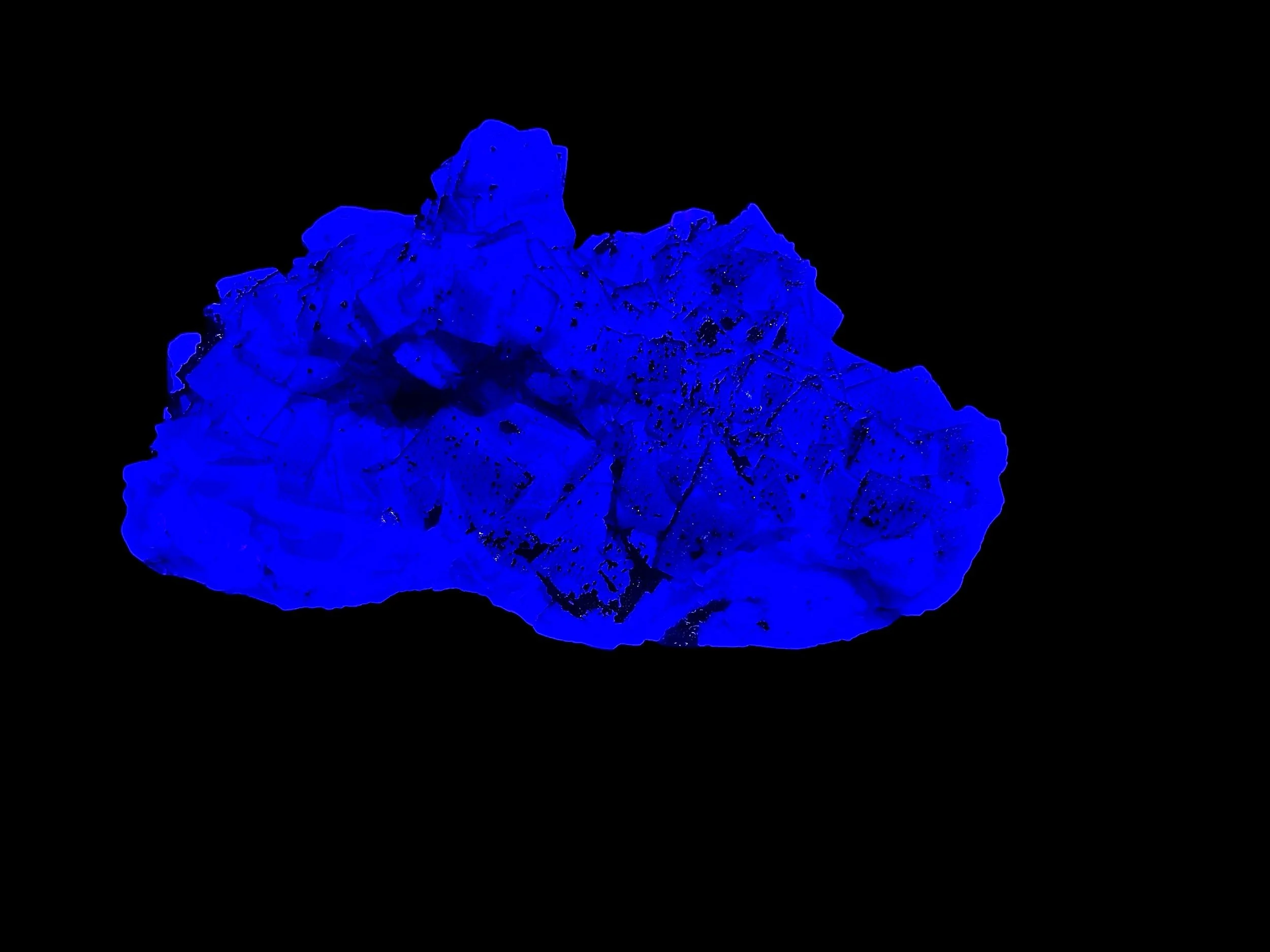
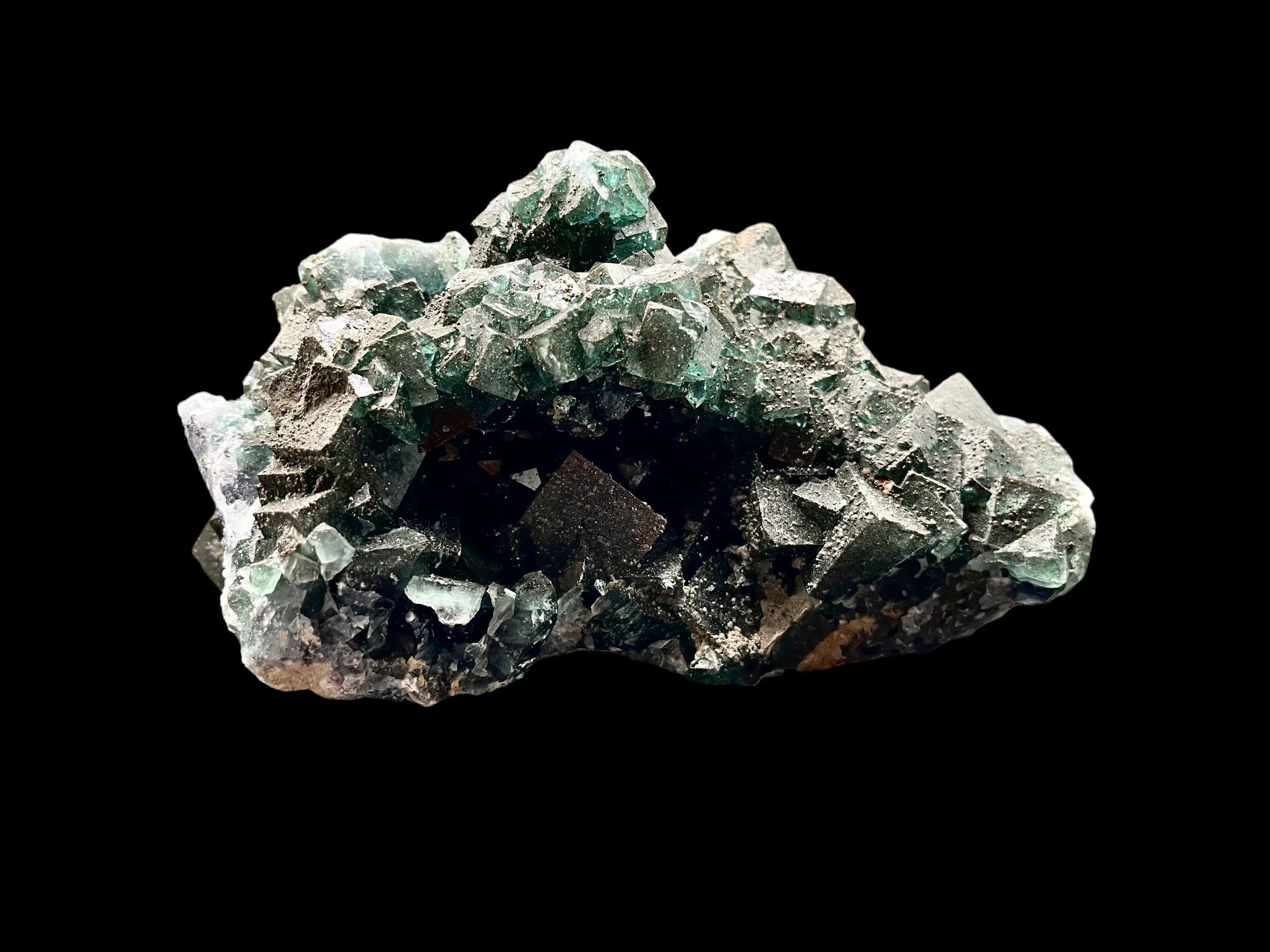
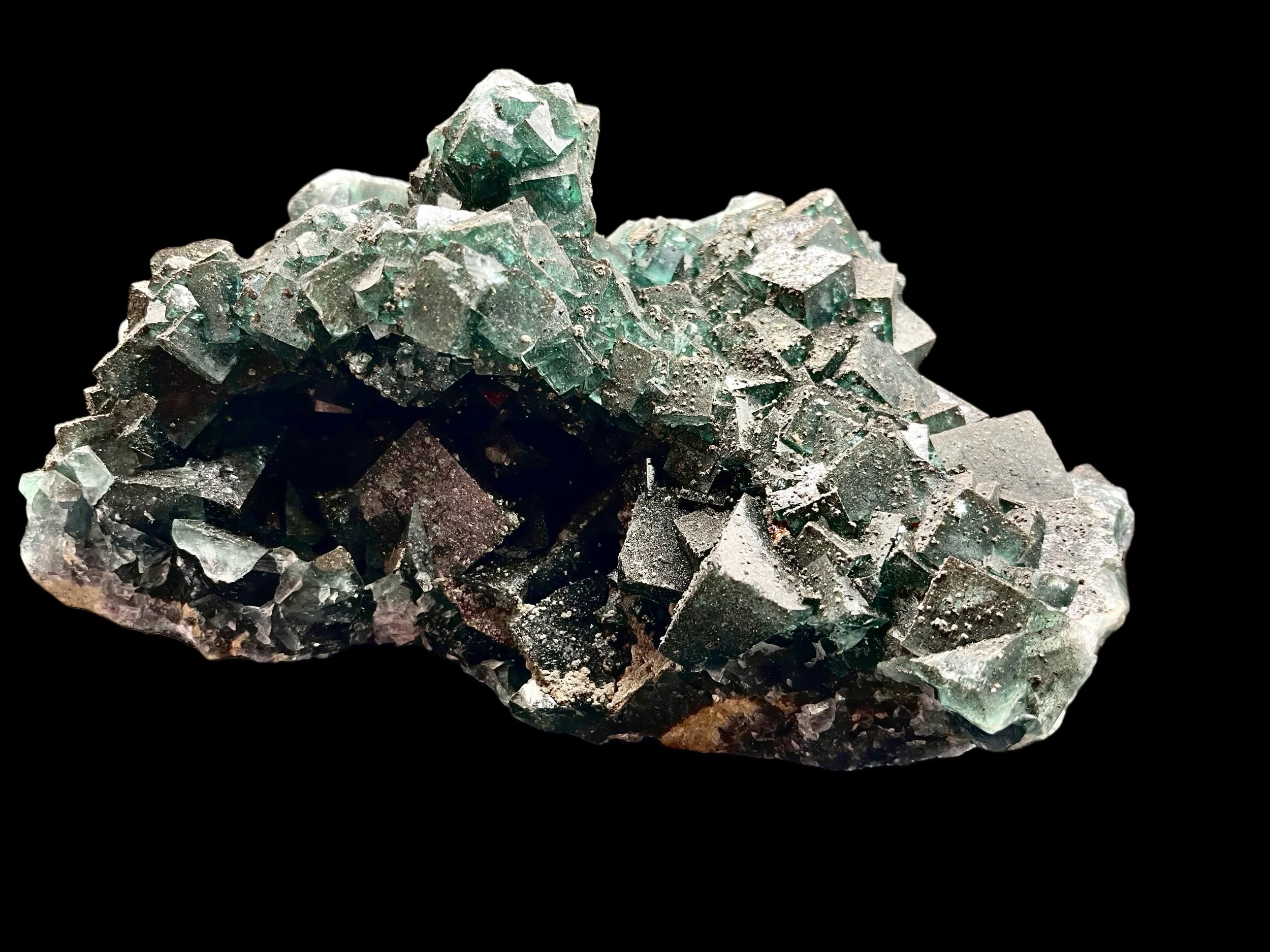
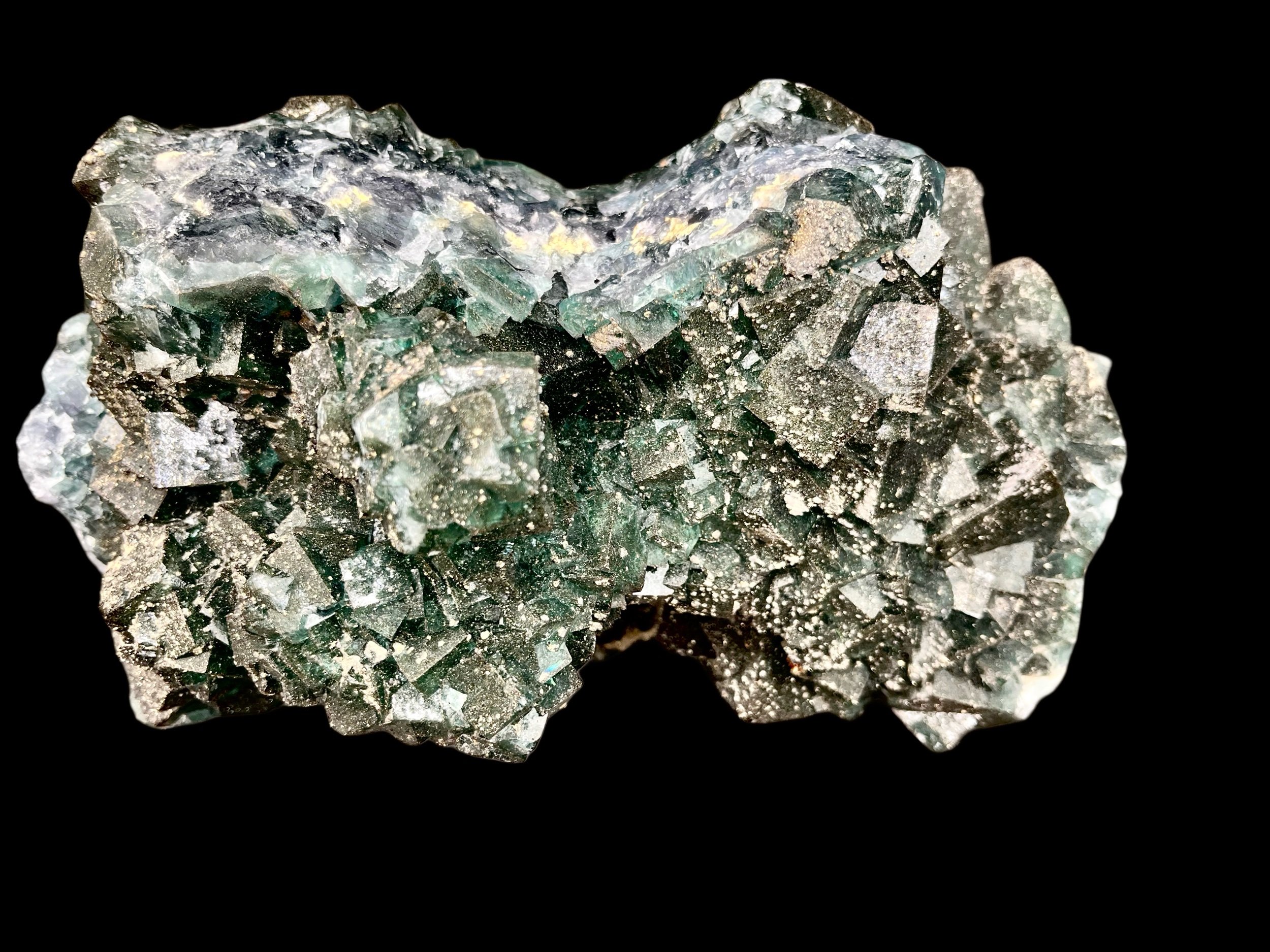
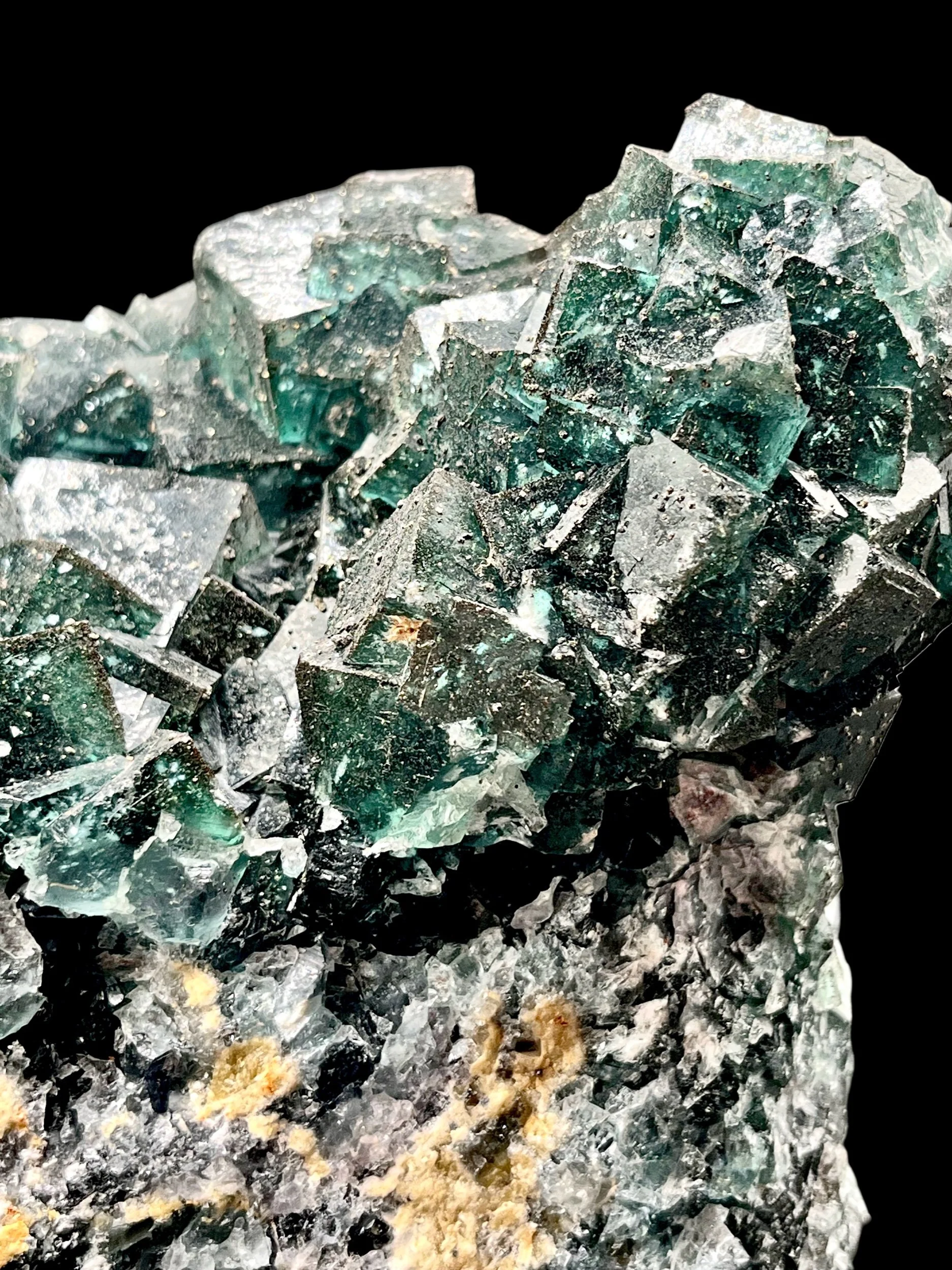
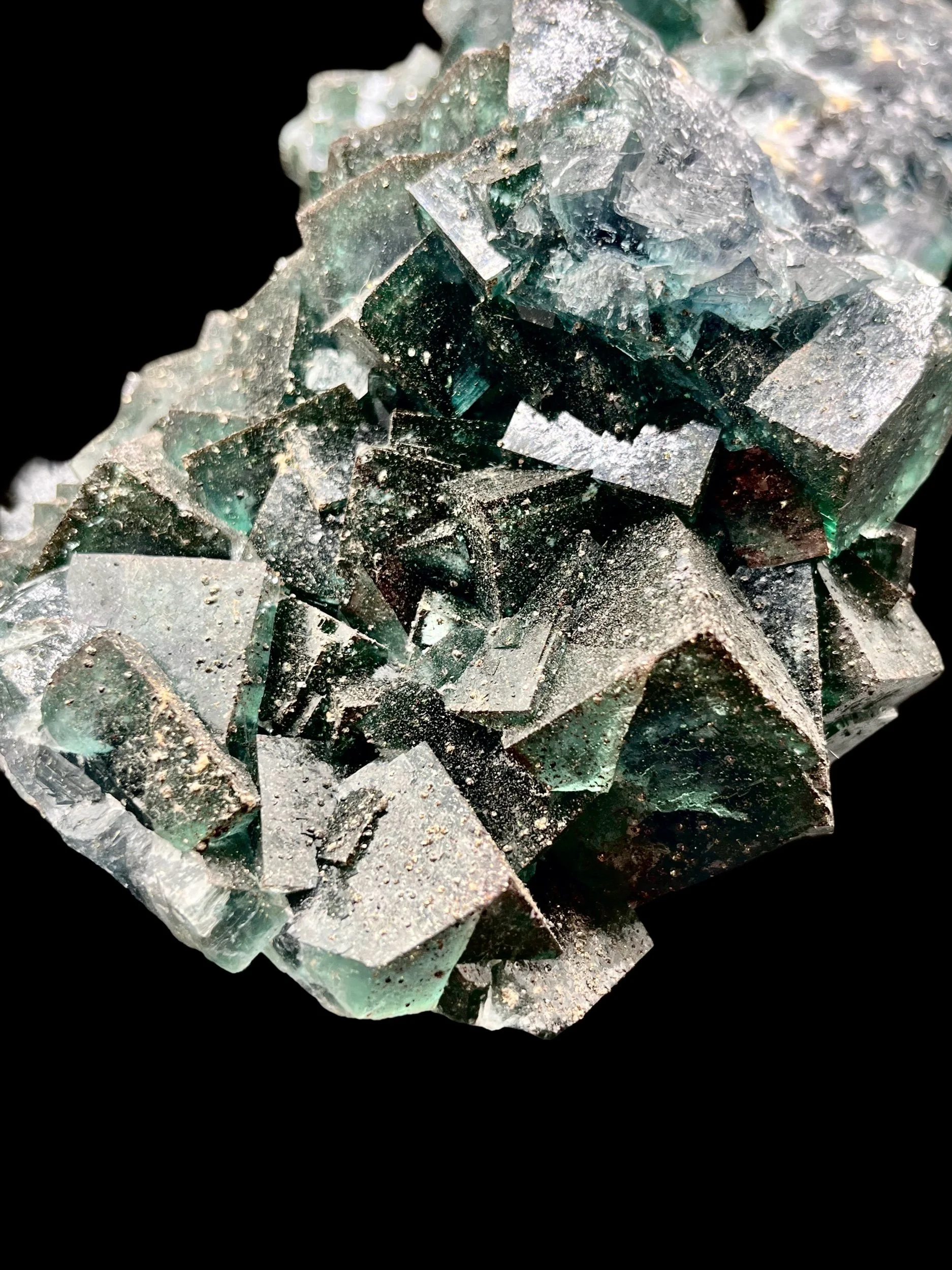
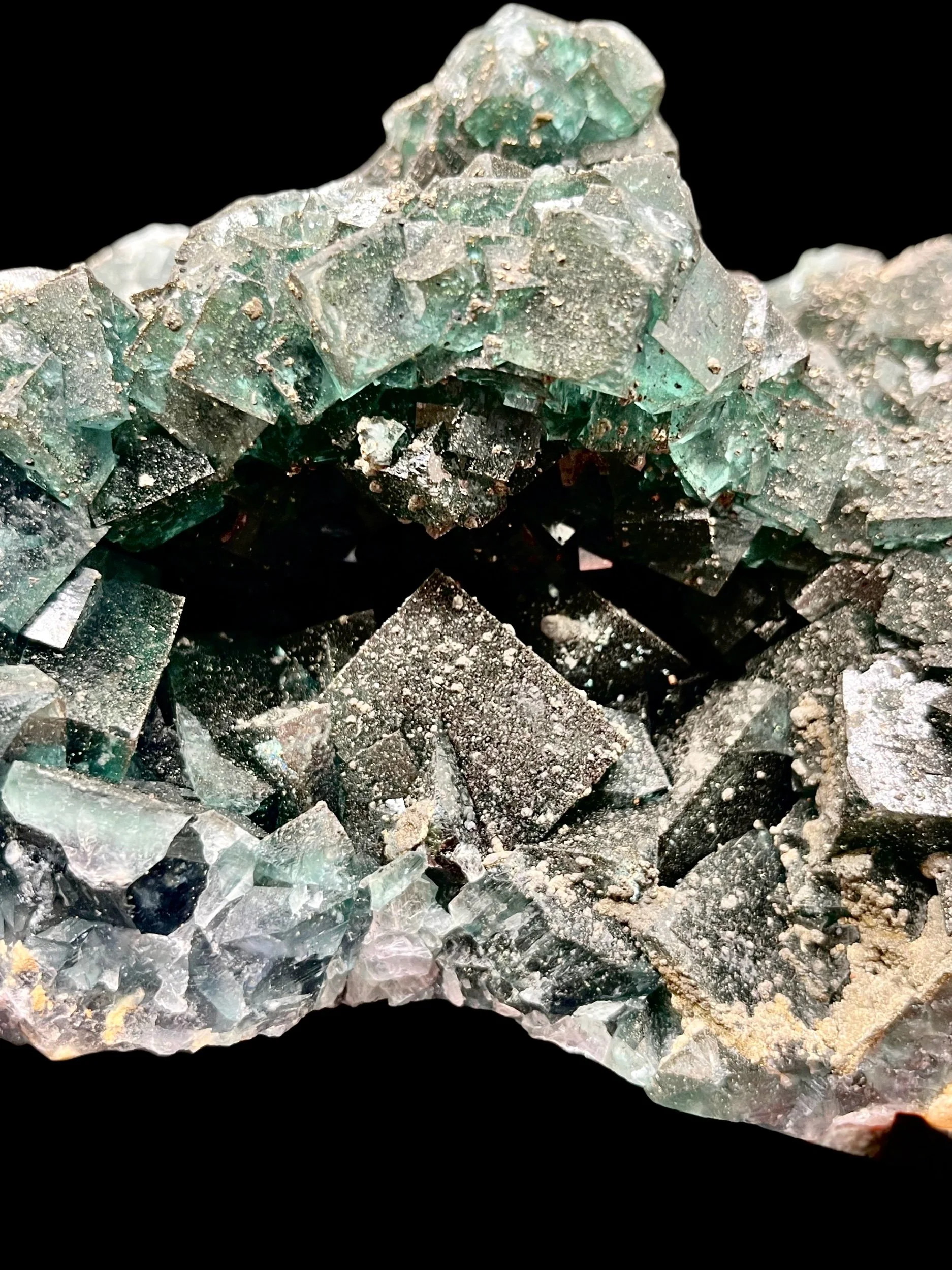
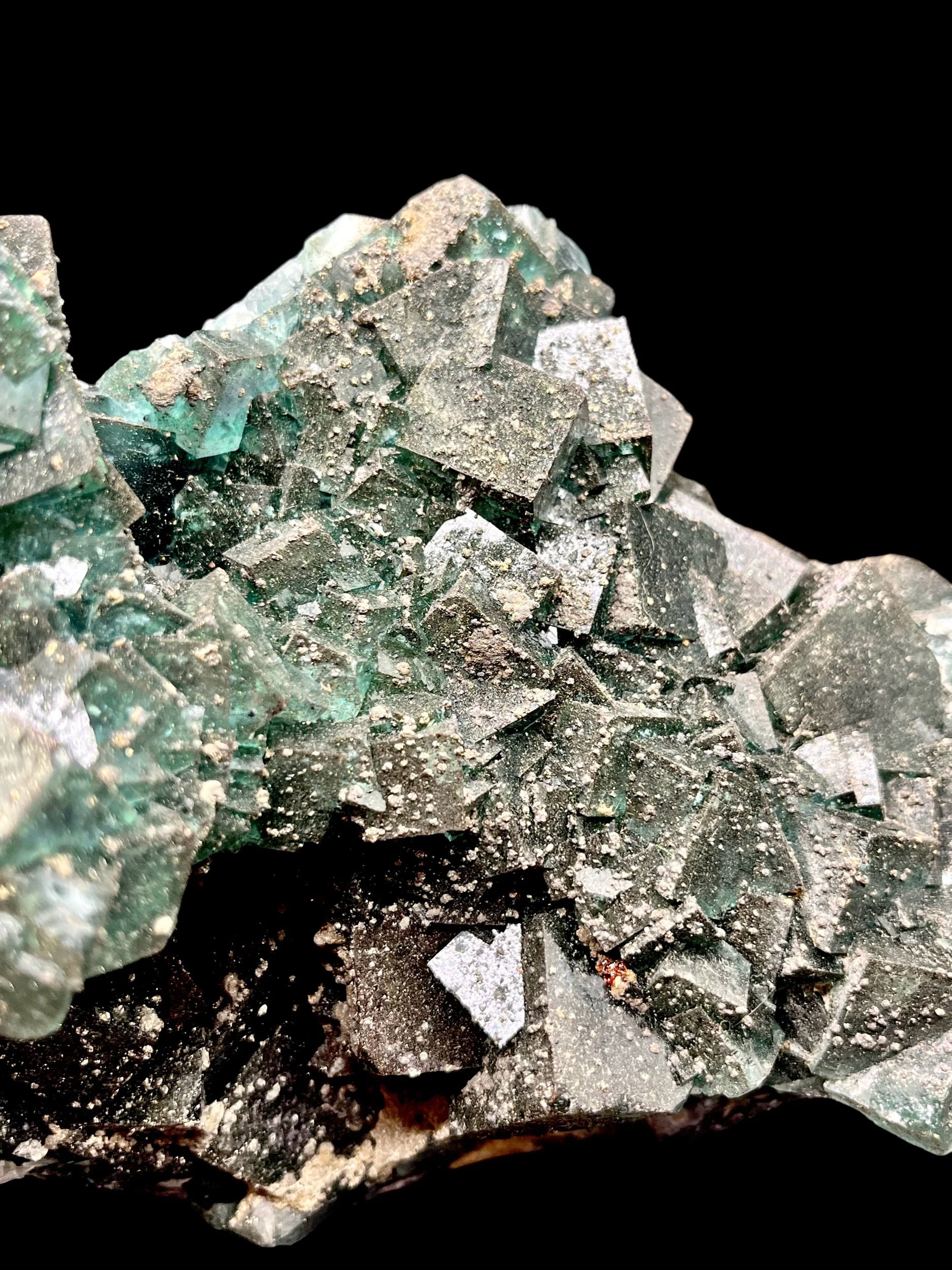
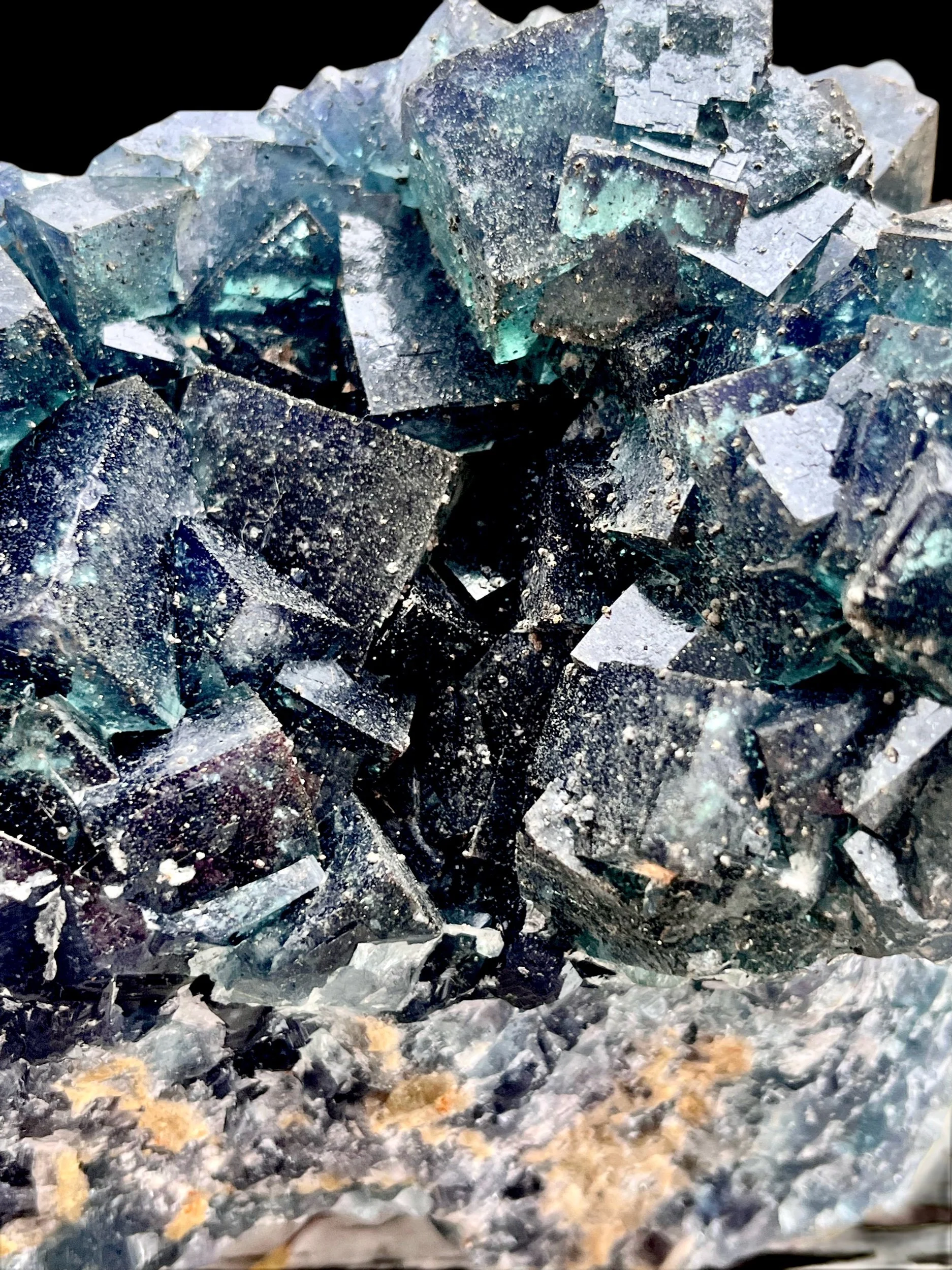
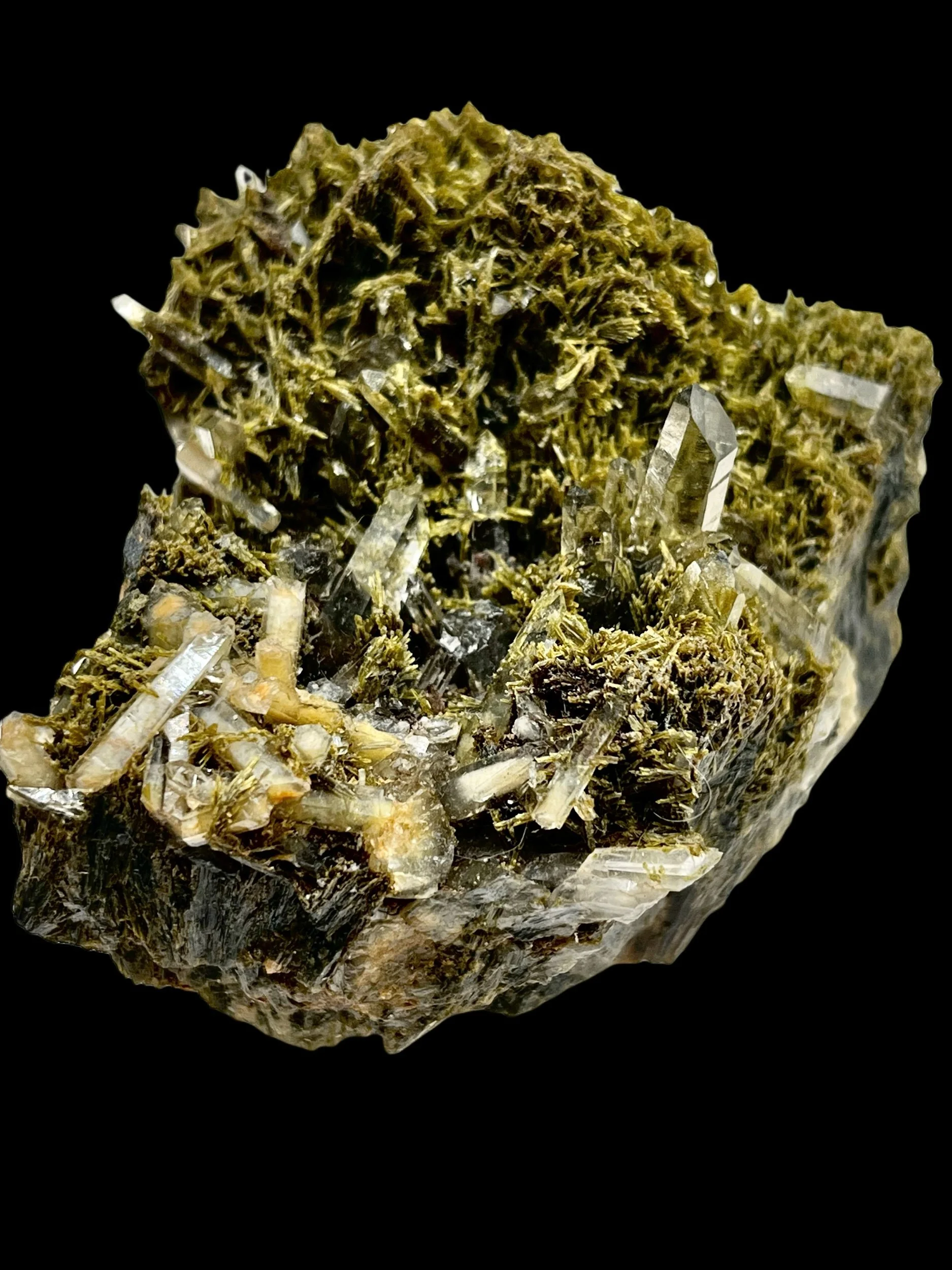
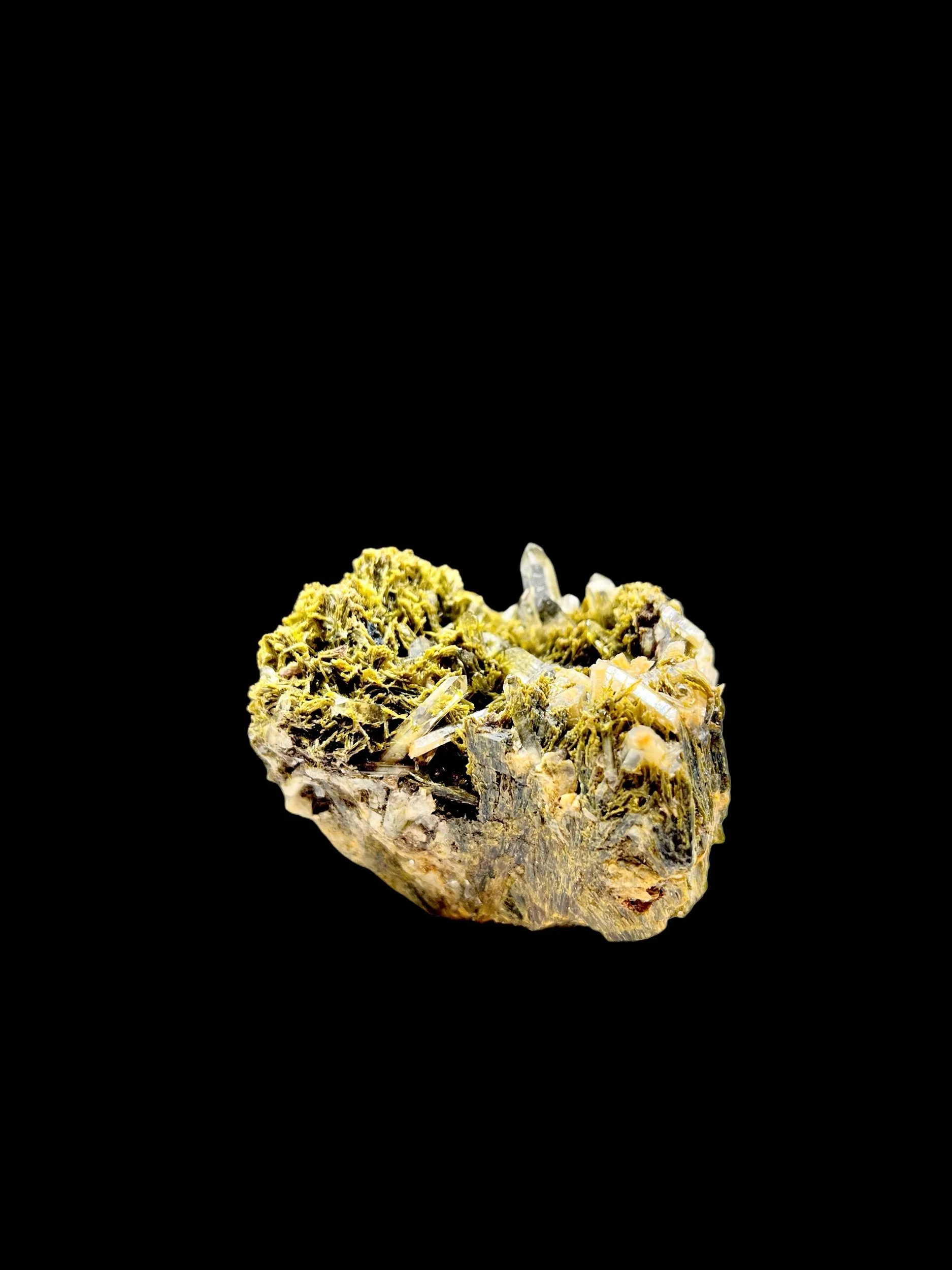
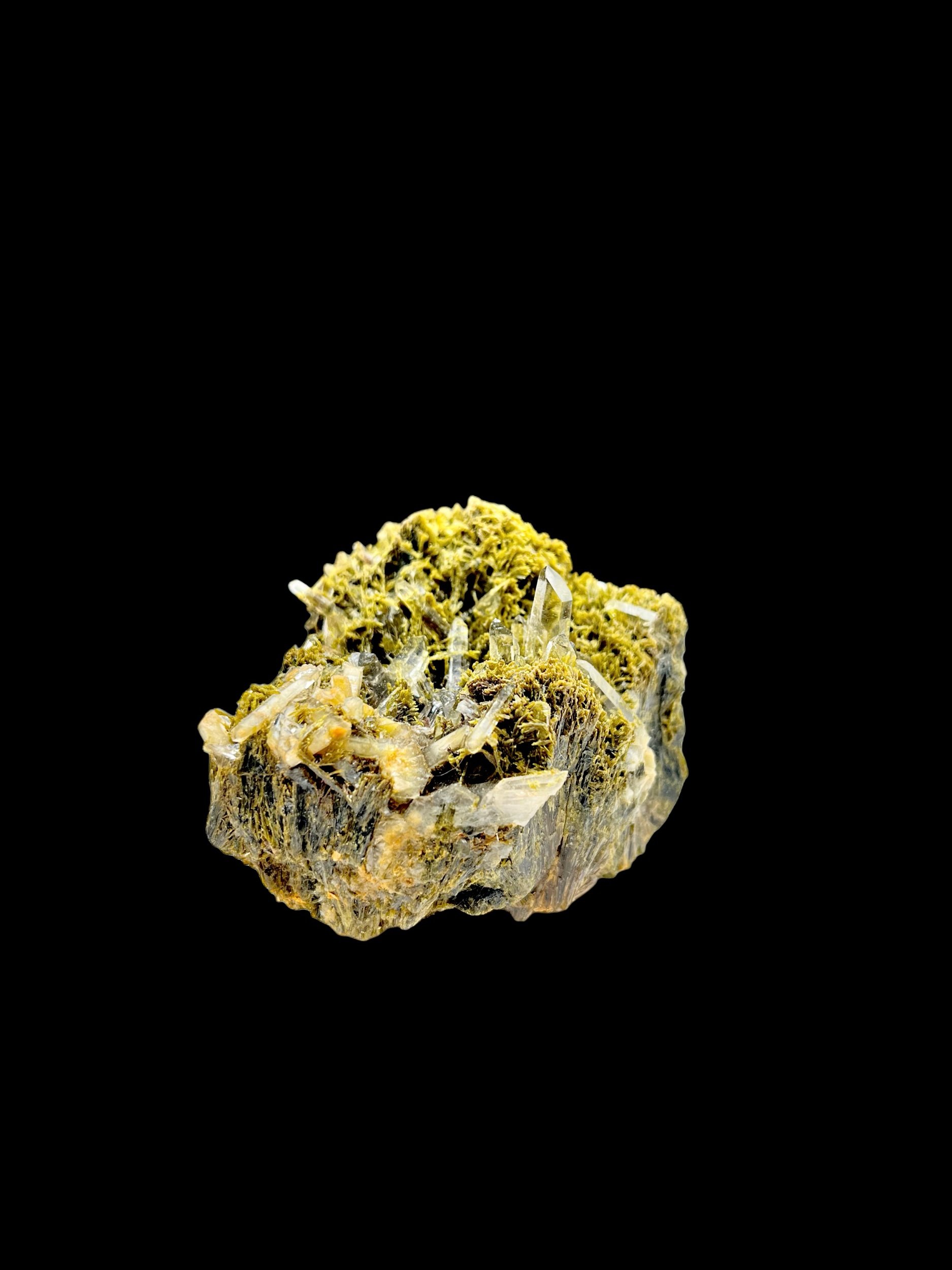
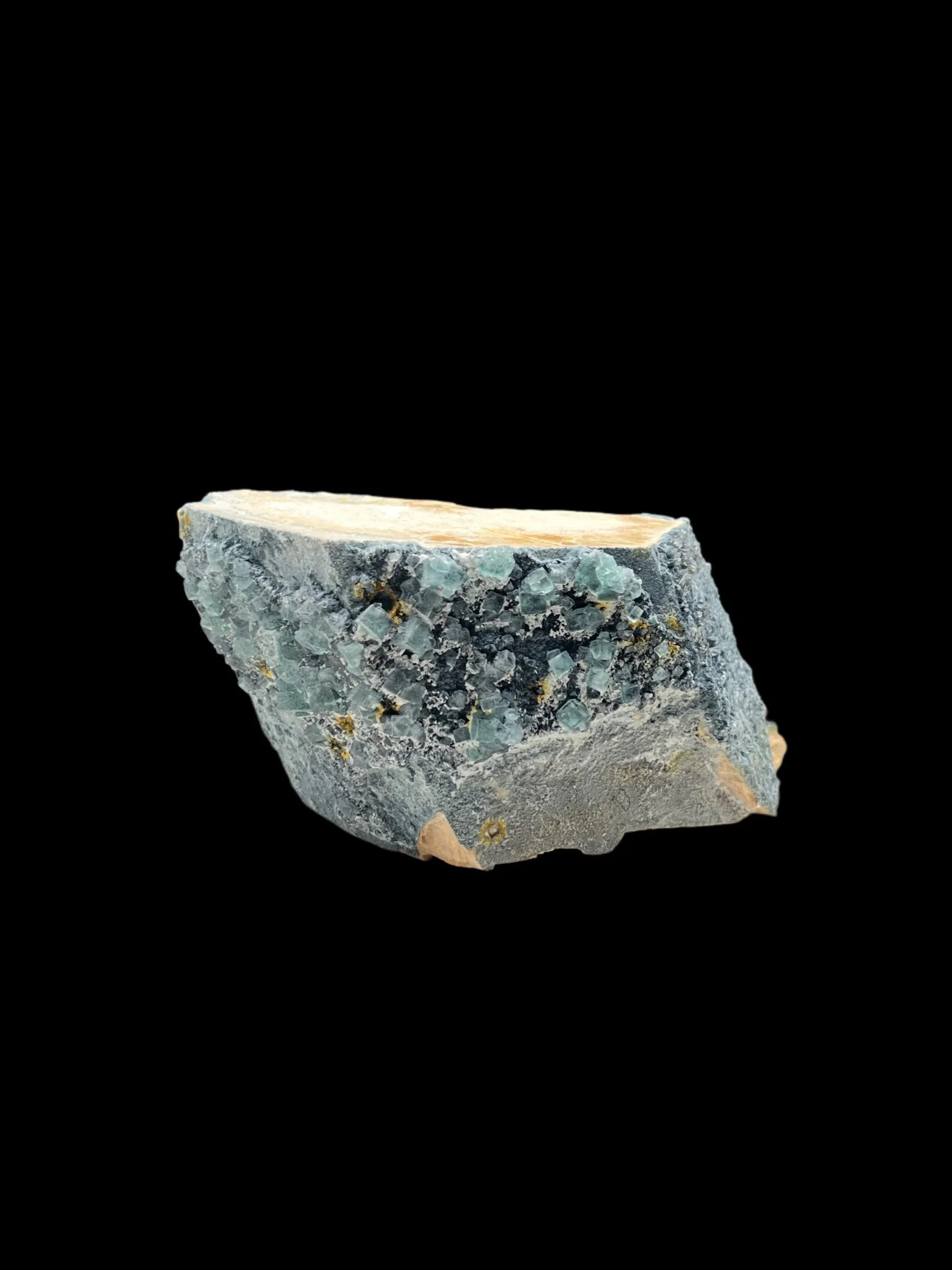
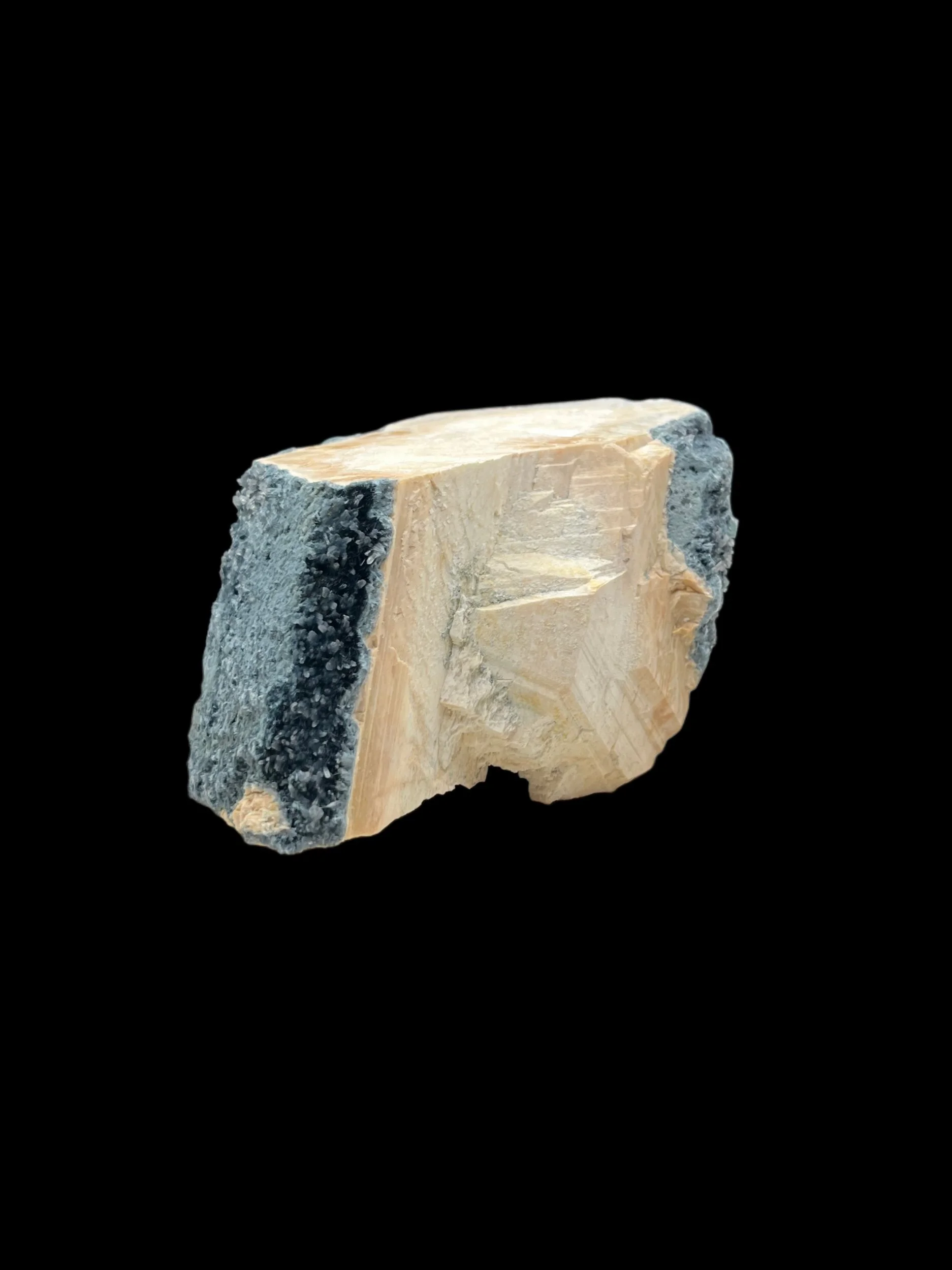
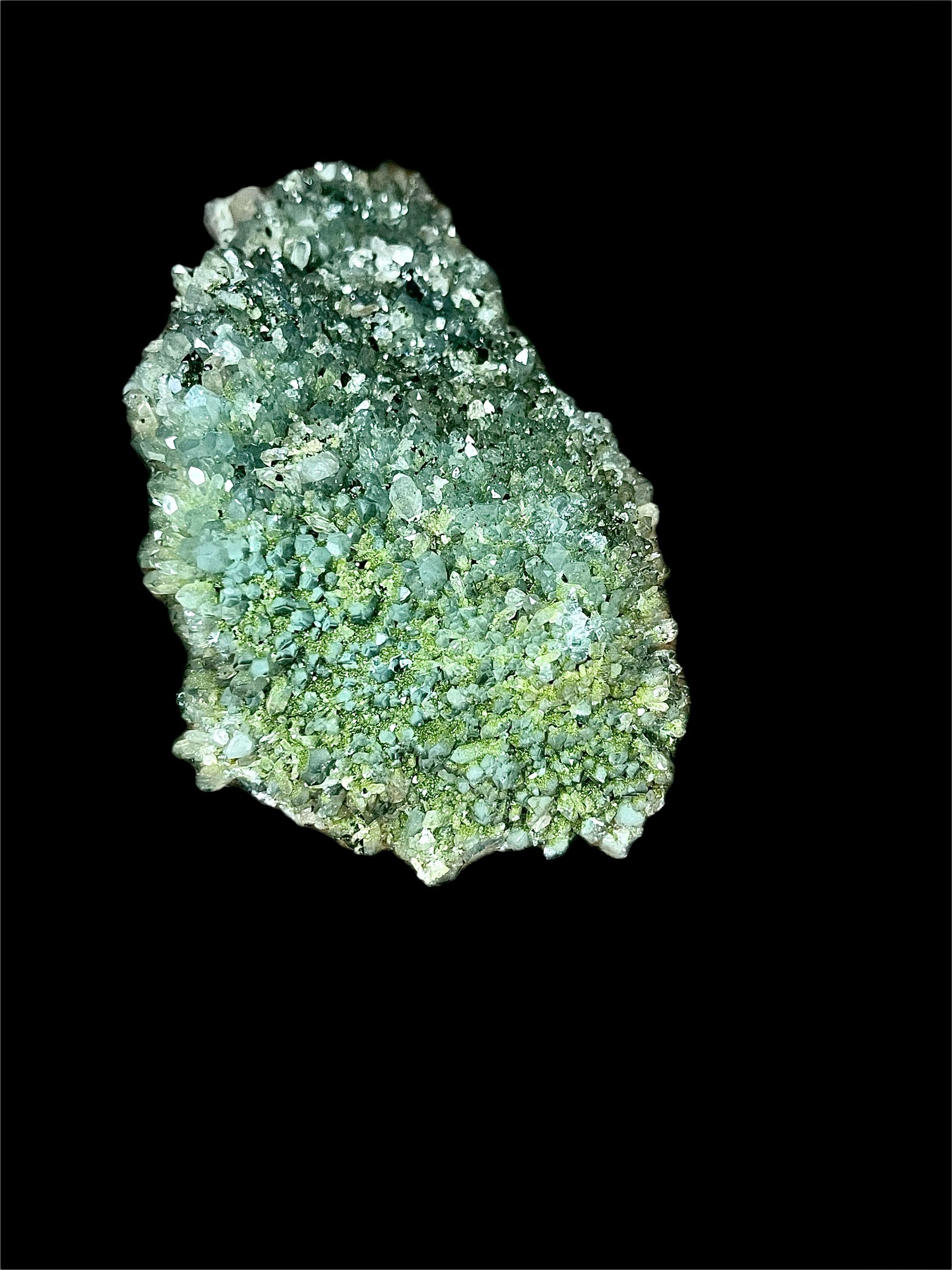
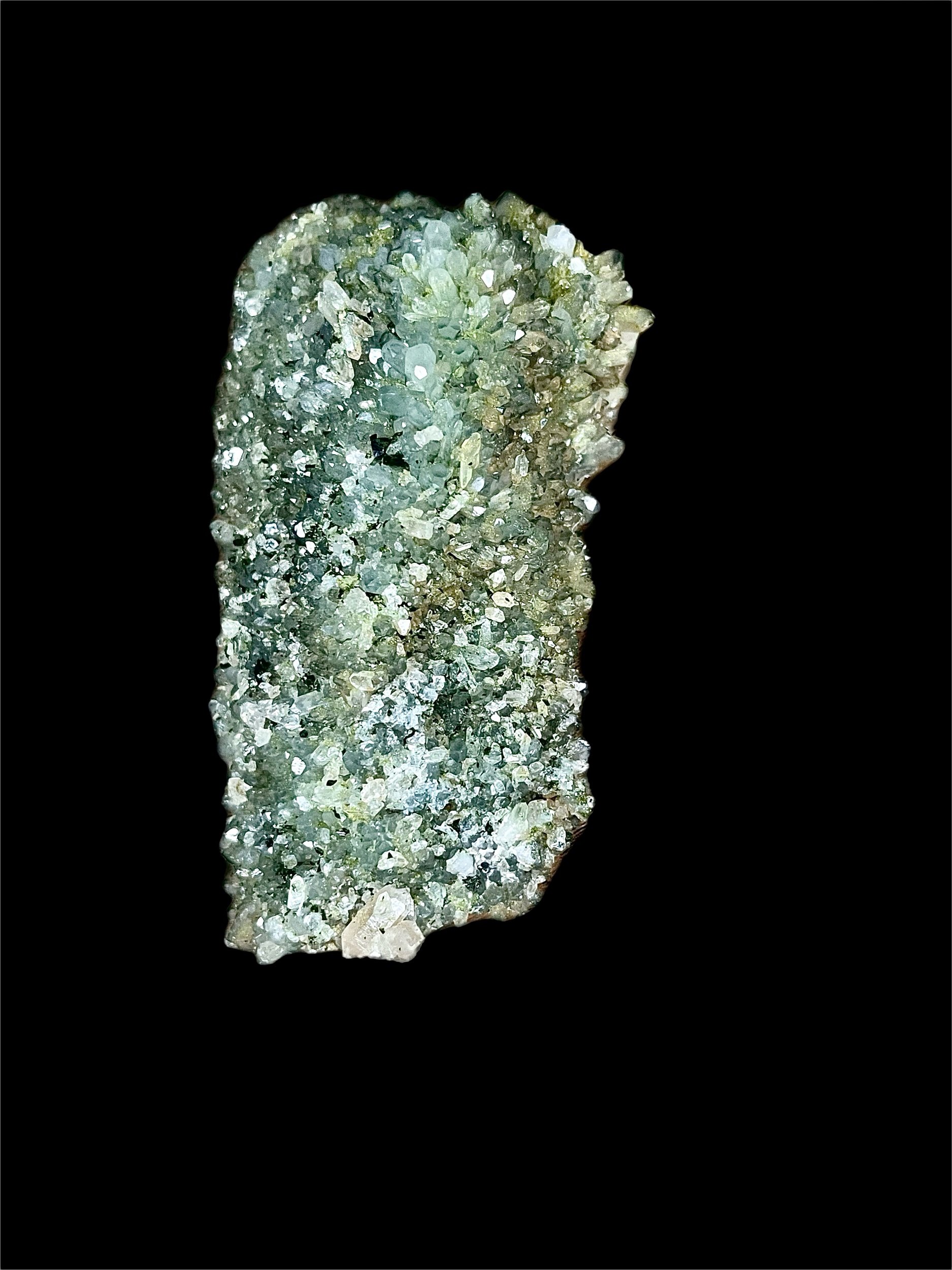
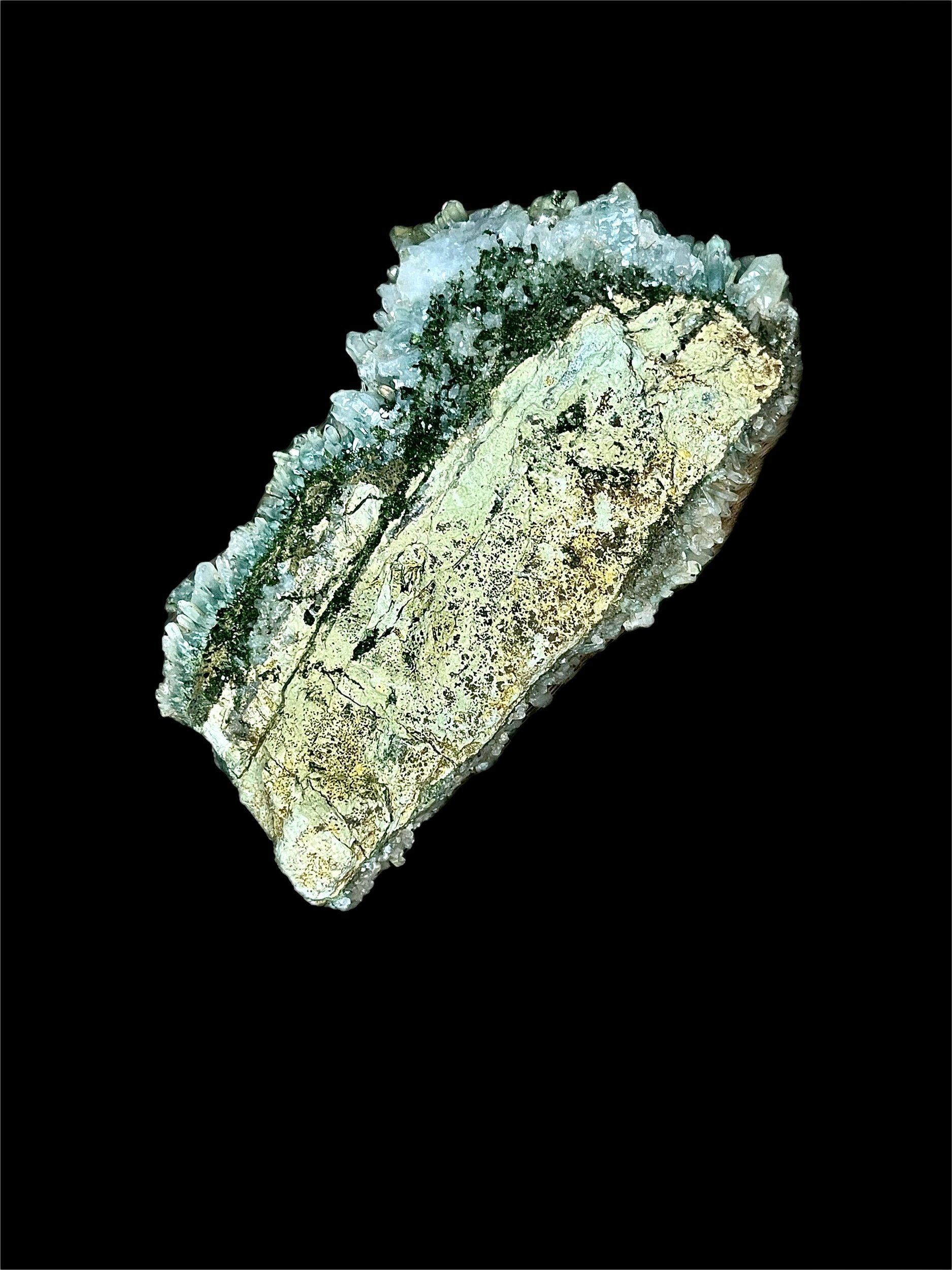
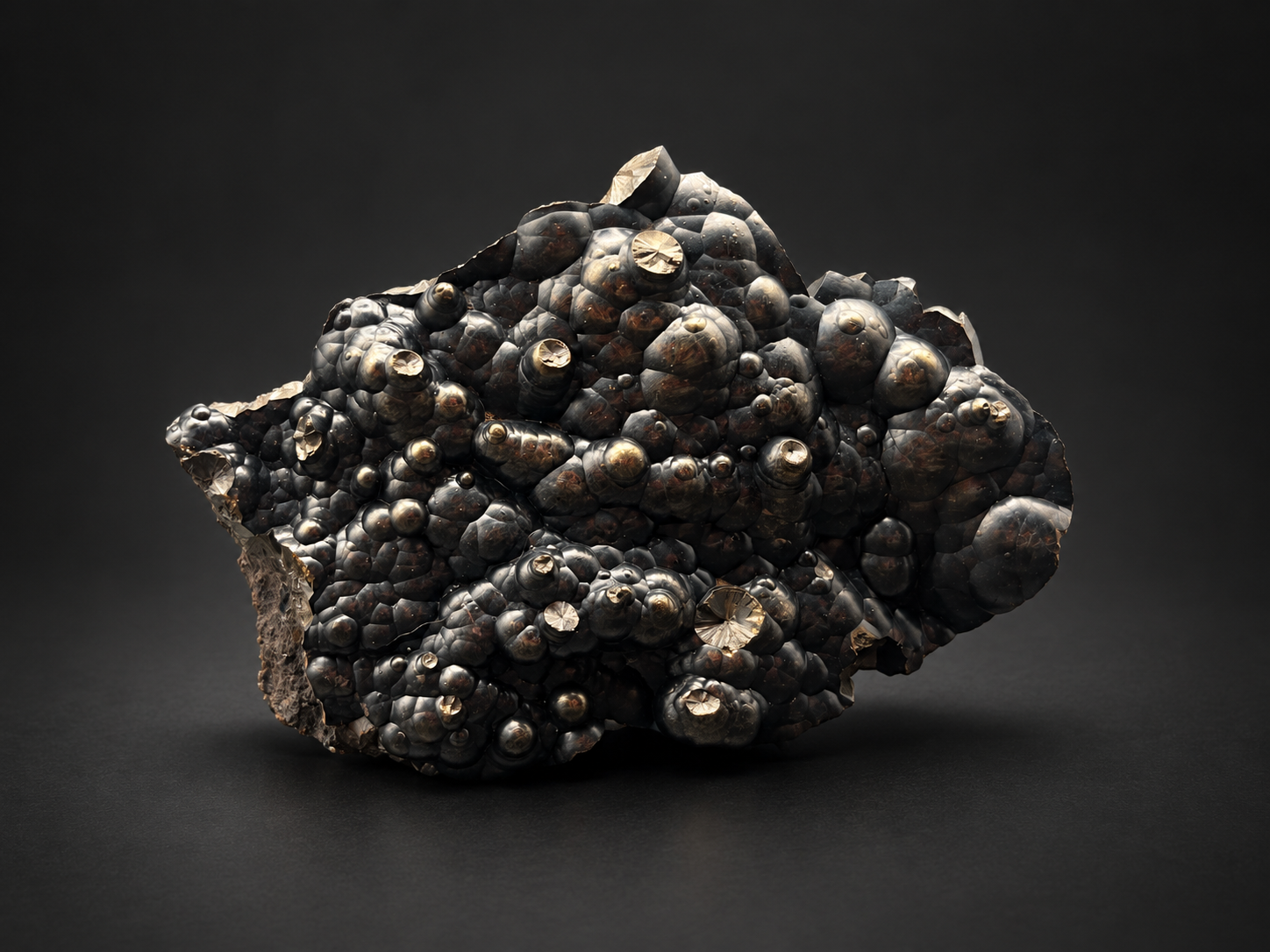
A beautifully sculptural Golden Hematite specimen from Kayseri Province, Turkey, covered in dense, rounded botryoidal formations with a naturally metallic luster.
The surface ranges from deep gunmetal and charcoal tones to warm bronze and golden highlights, with numerous rounded growths rising from the specimen in an almost bubbling formation. Scattered across the surface are brighter metallic faces and naturally cleaved terminations that catch the light and reveal striking radial patterns.
This piece has an incredible amount of texture and visual interest. Every angle reveals another cluster of rounded hematite growths, making it an especially attractive cabinet or display specimen.
Locality: Kayseri Province, Turkey
Dimensions: 3.25” × 2” × 1”
Weight: 285g
Hematite is traditionally associated with grounding, stability, focus, confidence, and protection. It is often used as a stone for staying centered and maintaining a strong connection to the present moment.
Please note: Metaphysical properties are based on spiritual traditions and are not scientifically established or intended as medical advice.
Kayseri Province lies in central Turkey, an area shaped by a long and complex geological history. The region is dominated by volcanic landscapes associated with Mount Erciyes, a massive stratovolcano that has played an important role in shaping the surrounding geology.
Hematite is an iron oxide mineral and one of the world's most important ores of iron, but collector-quality specimens can take forms far more interesting than the massive material typically associated with mining. Botryoidal hematite develops when mineral material grows outward in rounded, grape-like surfaces, producing the distinctive bubbly texture seen across this piece.
The warm golden and bronze appearance does not mean the hematite itself contains gold. These metallic colors can develop through surface effects, thin coatings, oxidation, and the way light interacts with extremely fine mineral layers. The contrast between the dark hematite body and its warmer metallic highlights is part of what makes specimens from this material so visually distinctive.
Dense botryoidal hematite growth covering nearly the entire display face
Naturally occurring gold, bronze, gunmetal, and dark metallic coloration
Bright metallic faces and naturally exposed radial structures throughout
Excellent three-dimensional texture
Strong luster that changes dramatically depending on the lighting
Mineral: Hematite
Chemical Formula: Fe₂O₃
Mineral Class: Oxide
Crystal System: Trigonal
Mohs Hardness: Approximately 5.5–6.5
Luster: Metallic to submetallic
Streak: Reddish brown to red
One of hematite's most useful identifying characteristics is its reddish-brown streak. Even specimens that appear nearly black, silver, or metallic gold on the surface typically reveal hematite's characteristic red coloration when powdered.
A beautifully sculptural Golden Hematite specimen from Kayseri Province, Turkey, covered in dense, rounded botryoidal formations with a naturally metallic luster.
The surface ranges from deep gunmetal and charcoal tones to warm bronze and golden highlights, with numerous rounded growths rising from the specimen in an almost bubbling formation. Scattered across the surface are brighter metallic faces and naturally cleaved terminations that catch the light and reveal striking radial patterns.
This piece has an incredible amount of texture and visual interest. Every angle reveals another cluster of rounded hematite growths, making it an especially attractive cabinet or display specimen.
Locality: Kayseri Province, Turkey
Dimensions: 3.25” × 2” × 1”
Weight: 285g
Hematite is traditionally associated with grounding, stability, focus, confidence, and protection. It is often used as a stone for staying centered and maintaining a strong connection to the present moment.
Please note: Metaphysical properties are based on spiritual traditions and are not scientifically established or intended as medical advice.
Kayseri Province lies in central Turkey, an area shaped by a long and complex geological history. The region is dominated by volcanic landscapes associated with Mount Erciyes, a massive stratovolcano that has played an important role in shaping the surrounding geology.
Hematite is an iron oxide mineral and one of the world's most important ores of iron, but collector-quality specimens can take forms far more interesting than the massive material typically associated with mining. Botryoidal hematite develops when mineral material grows outward in rounded, grape-like surfaces, producing the distinctive bubbly texture seen across this piece.
The warm golden and bronze appearance does not mean the hematite itself contains gold. These metallic colors can develop through surface effects, thin coatings, oxidation, and the way light interacts with extremely fine mineral layers. The contrast between the dark hematite body and its warmer metallic highlights is part of what makes specimens from this material so visually distinctive.
Dense botryoidal hematite growth covering nearly the entire display face
Naturally occurring gold, bronze, gunmetal, and dark metallic coloration
Bright metallic faces and naturally exposed radial structures throughout
Excellent three-dimensional texture
Strong luster that changes dramatically depending on the lighting
Mineral: Hematite
Chemical Formula: Fe₂O₃
Mineral Class: Oxide
Crystal System: Trigonal
Mohs Hardness: Approximately 5.5–6.5
Luster: Metallic to submetallic
Streak: Reddish brown to red
One of hematite's most useful identifying characteristics is its reddish-brown streak. Even specimens that appear nearly black, silver, or metallic gold on the surface typically reveal hematite's characteristic red coloration when powdered.