Description
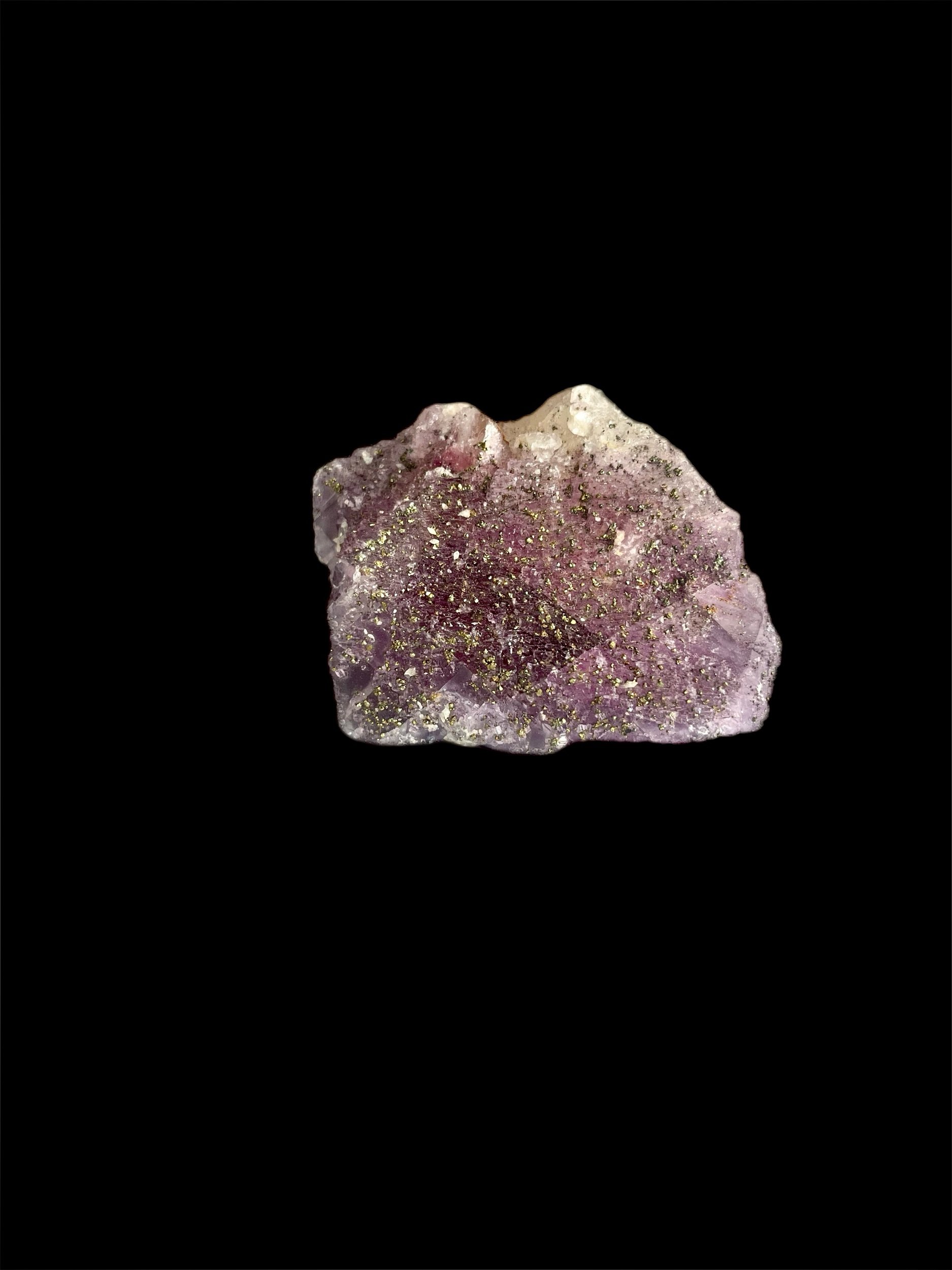
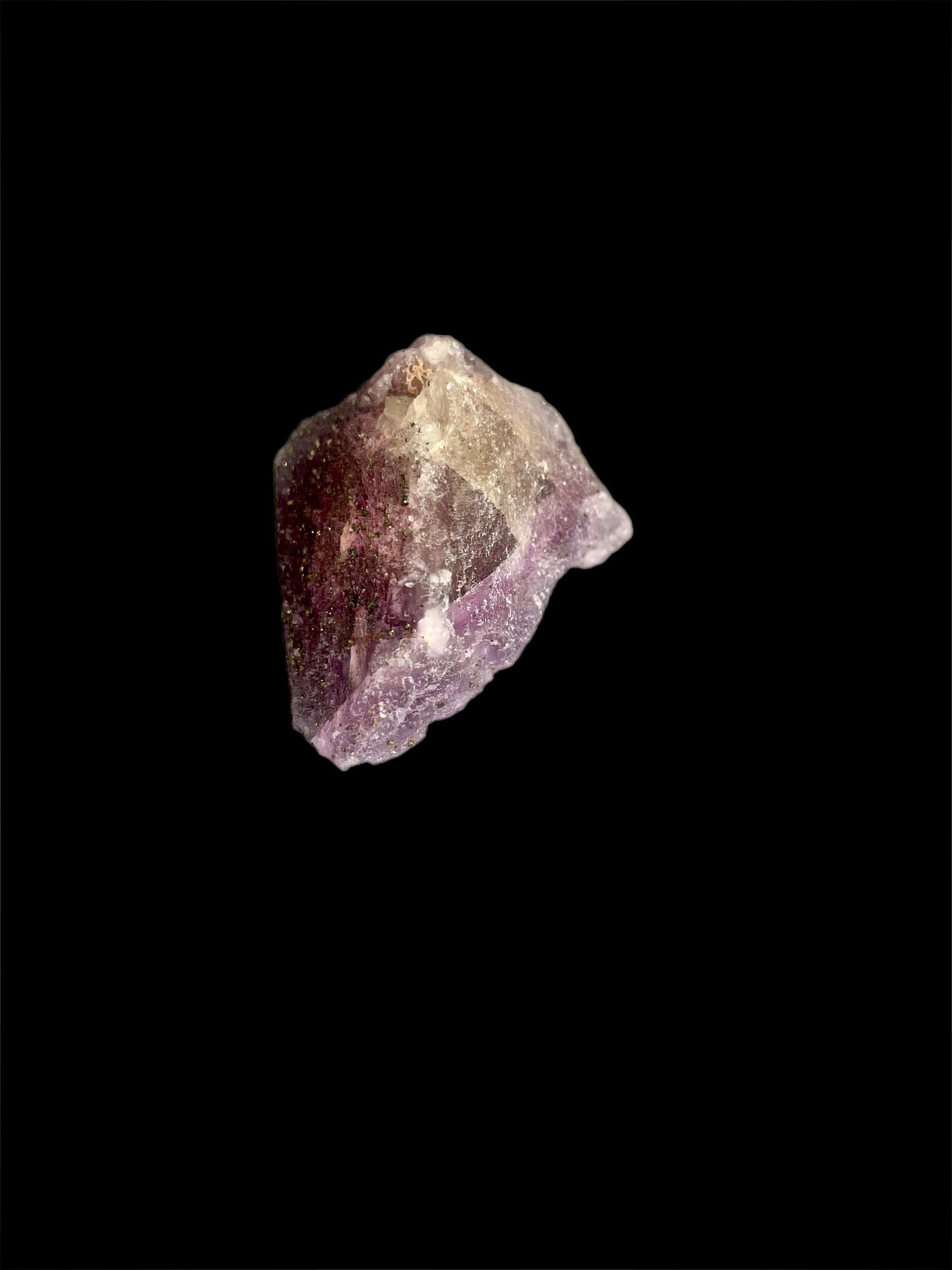
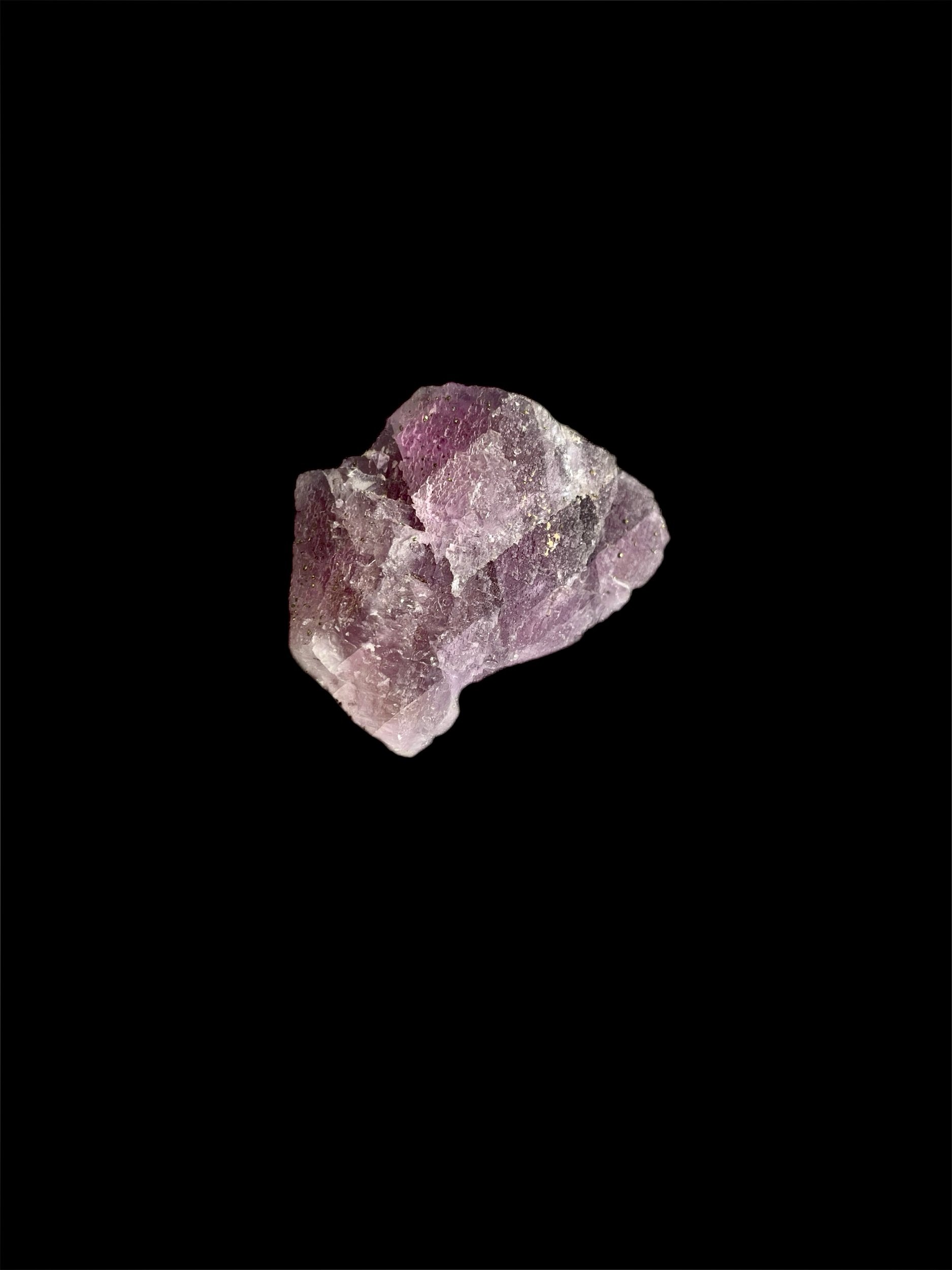
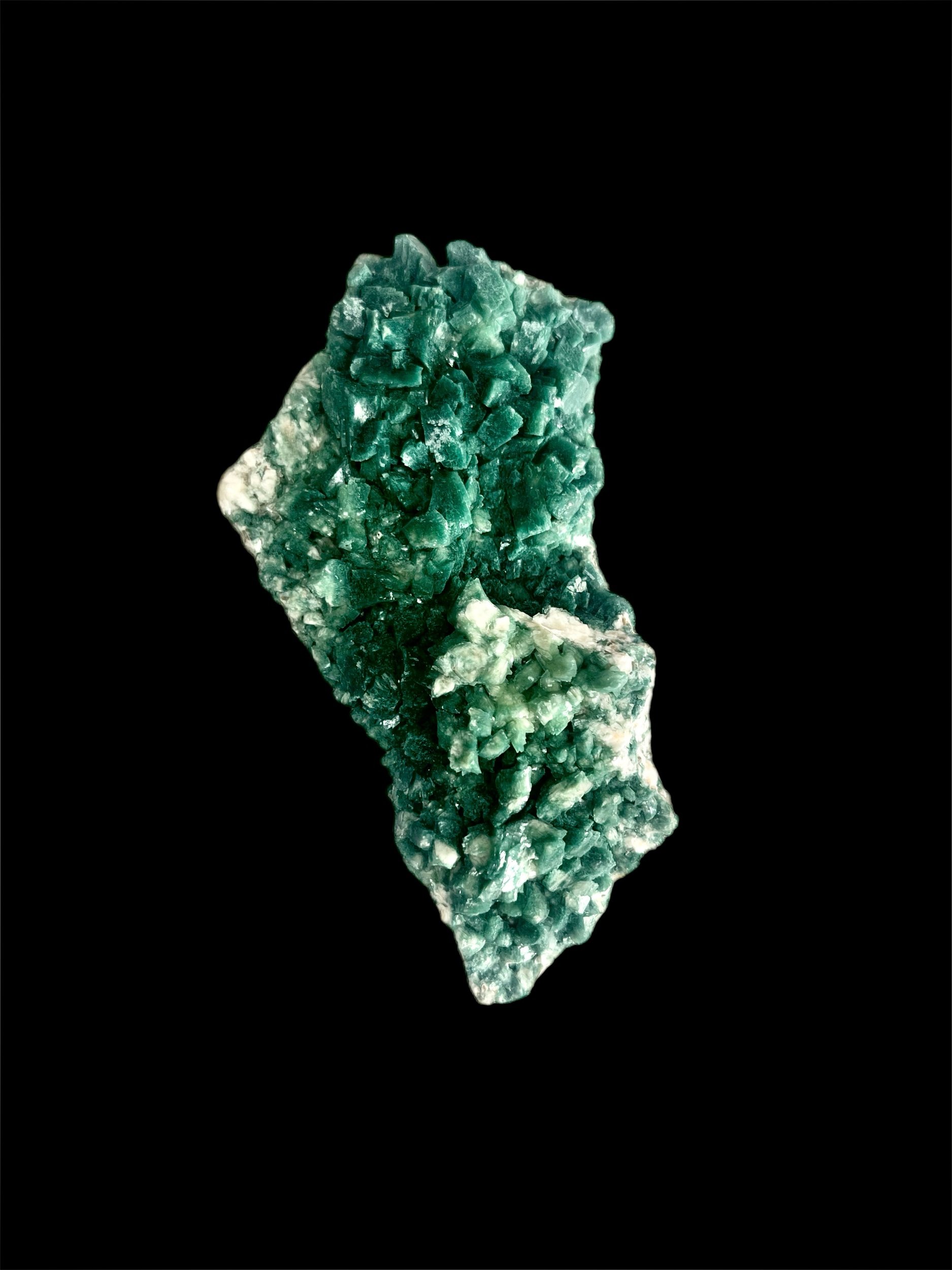
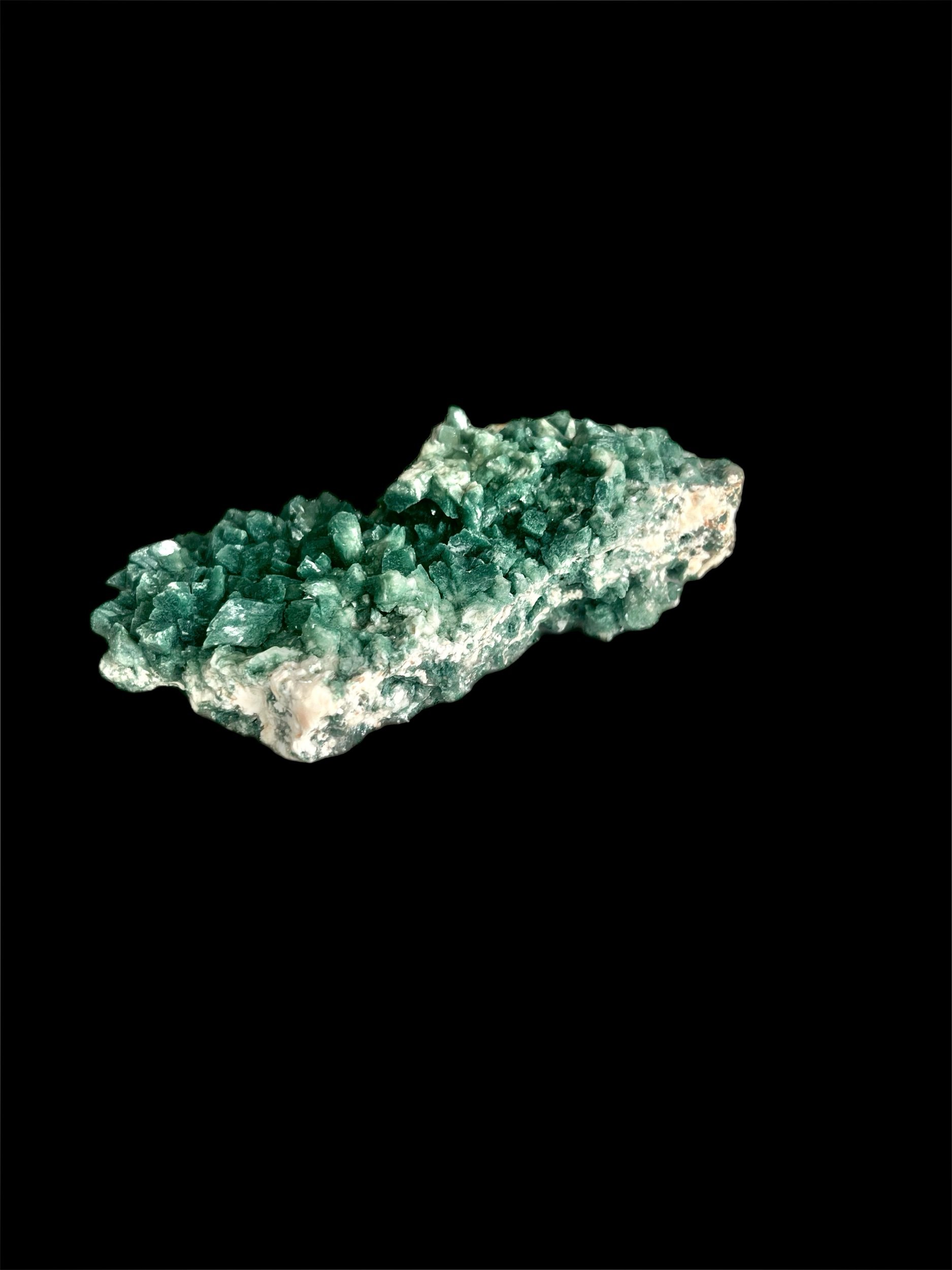
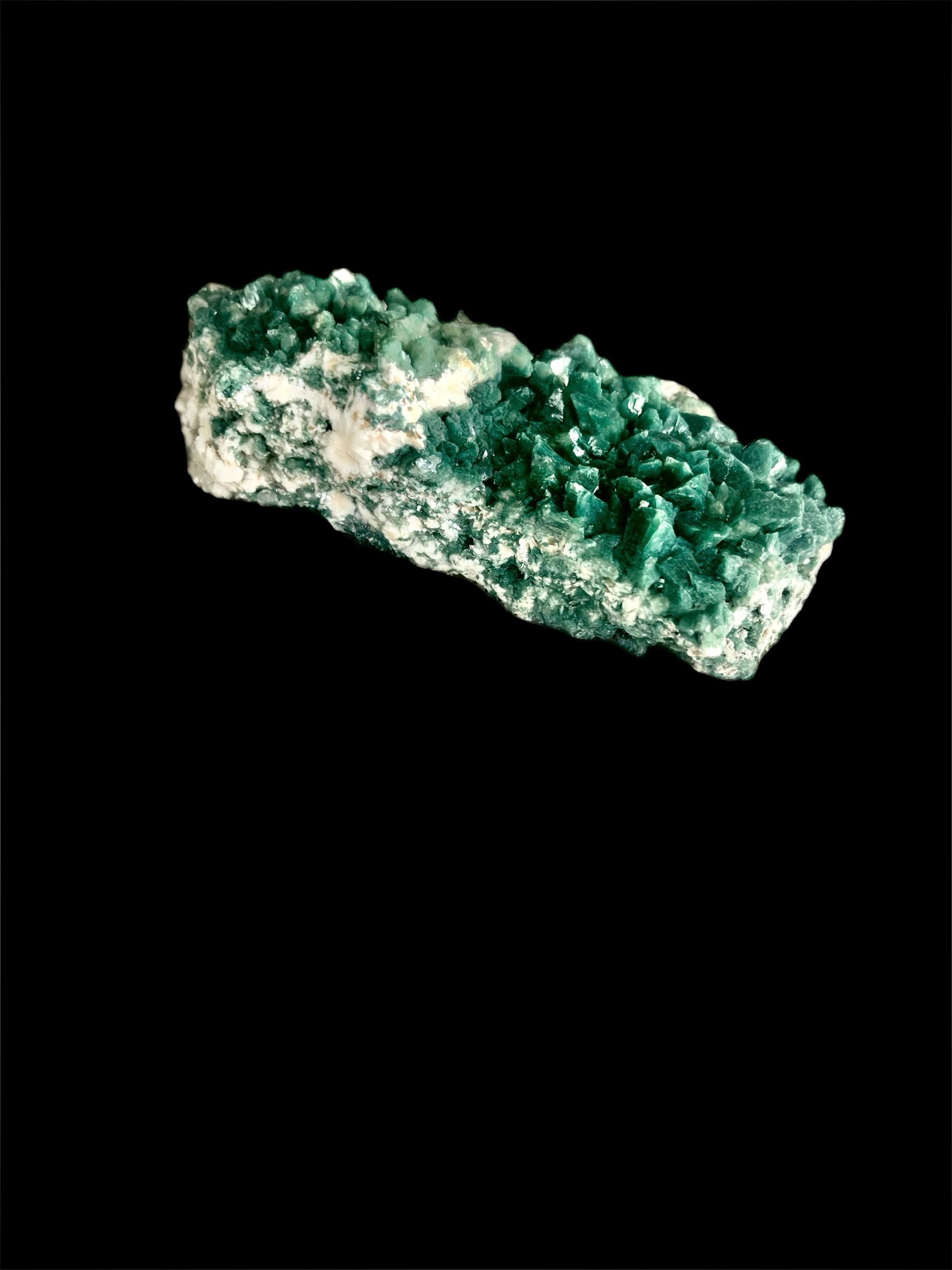
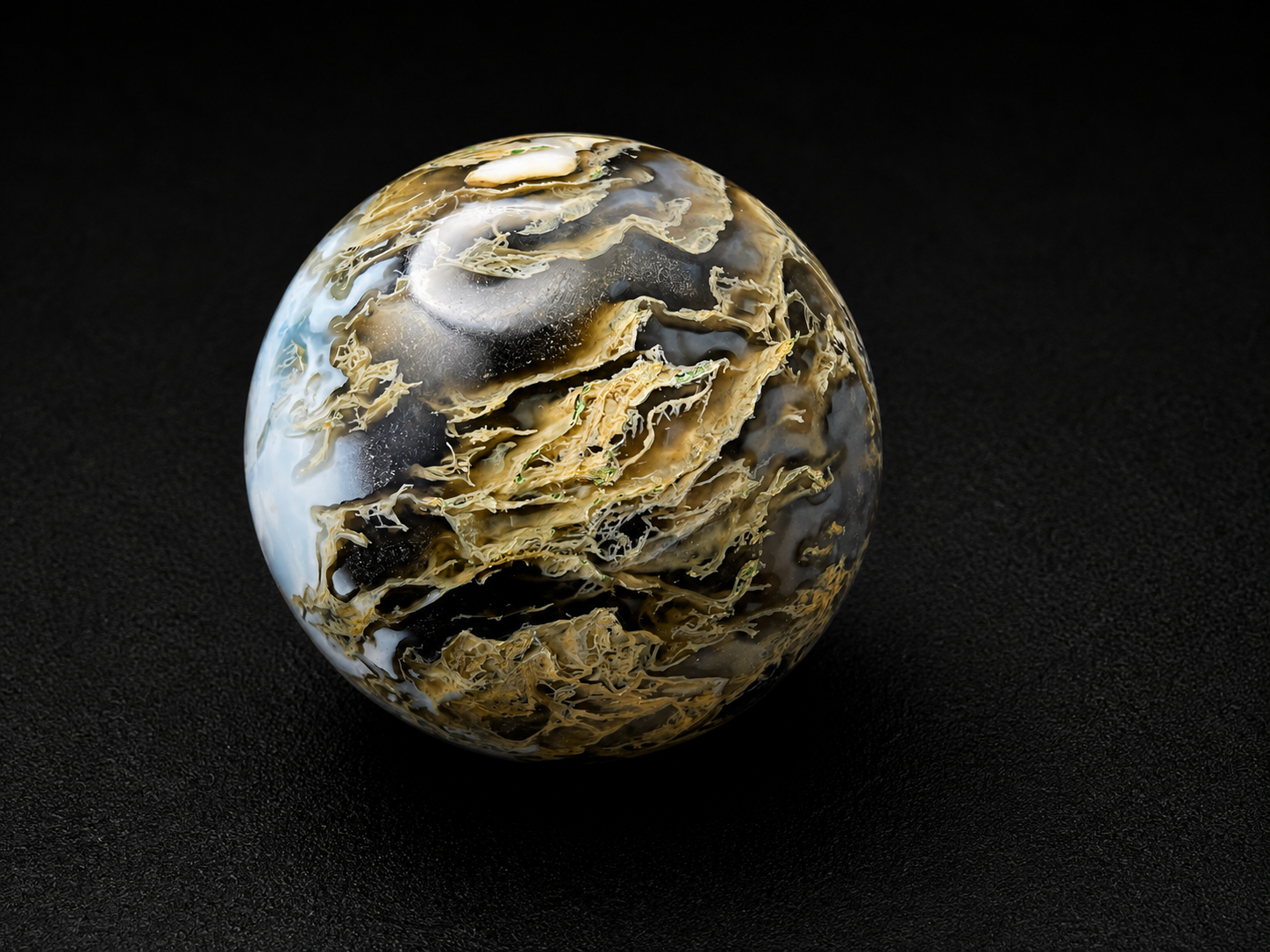
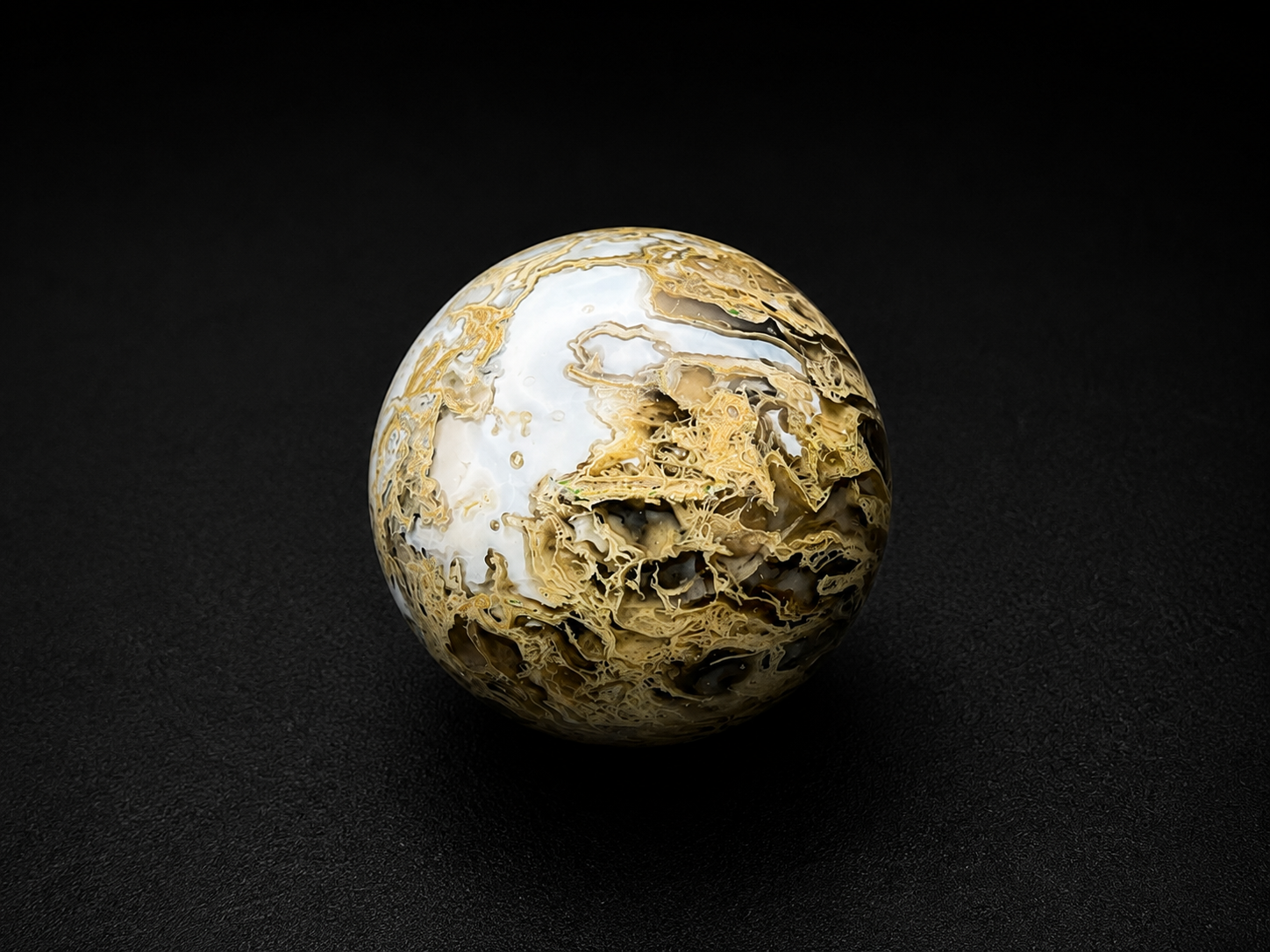
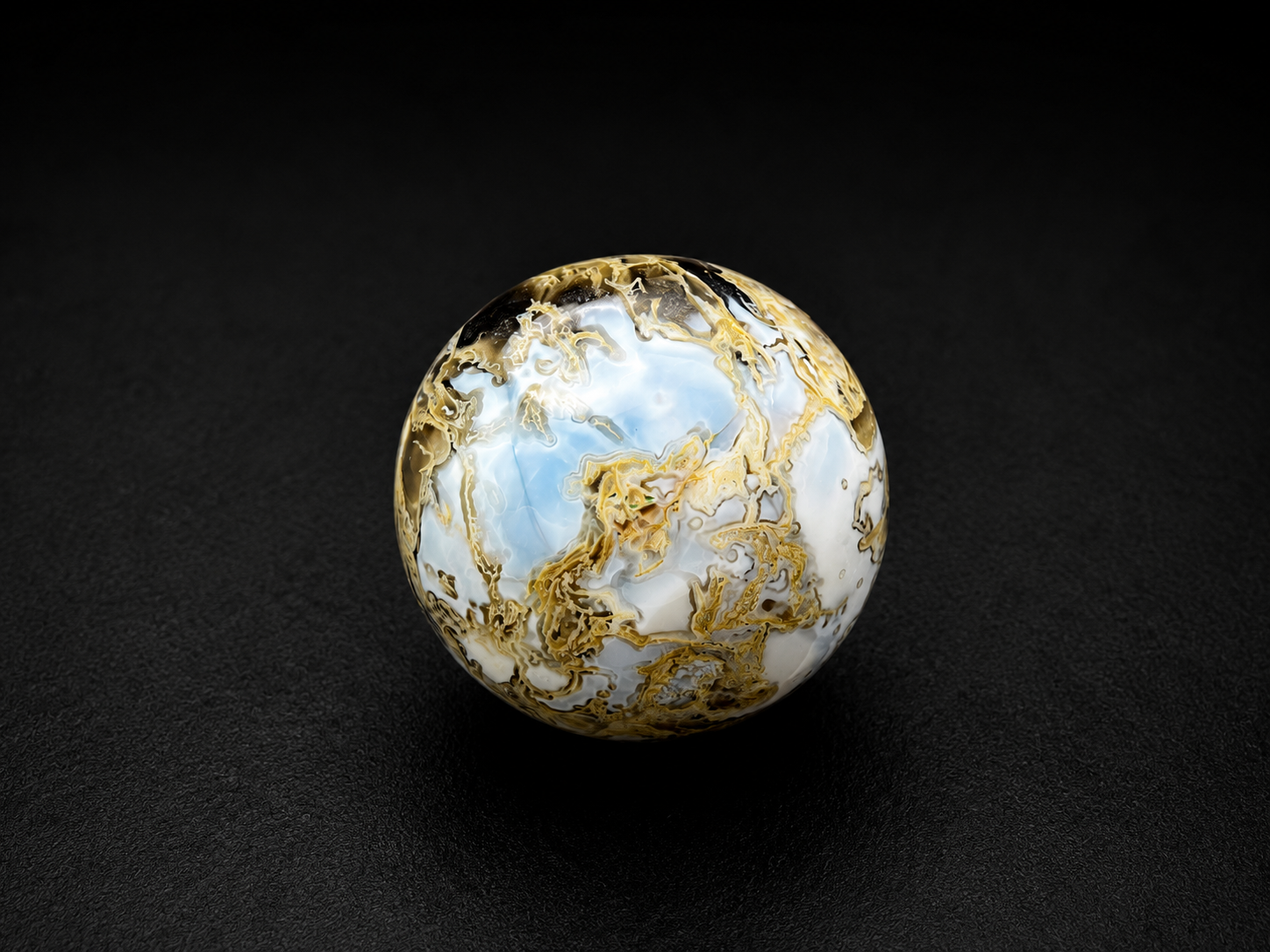
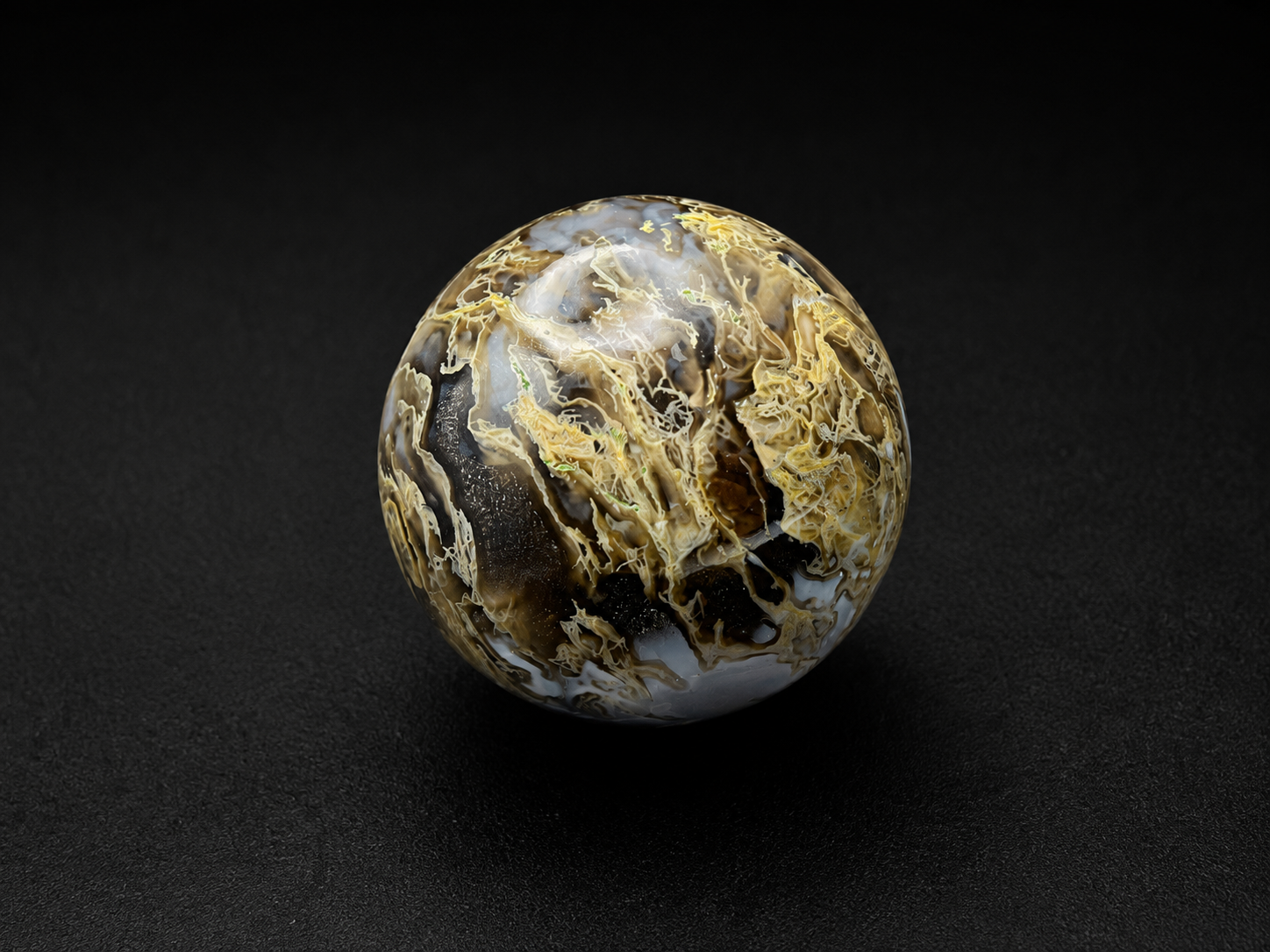
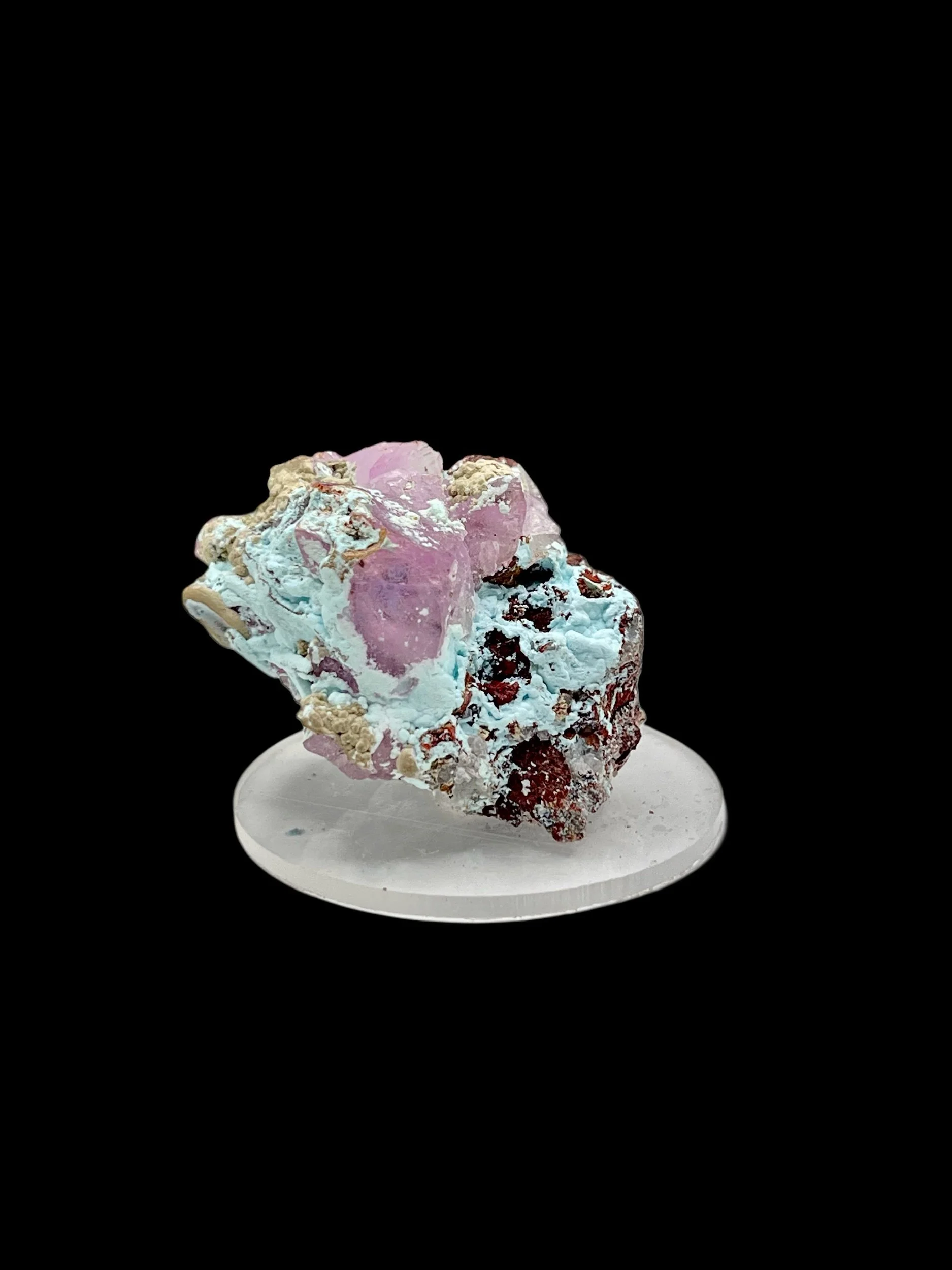
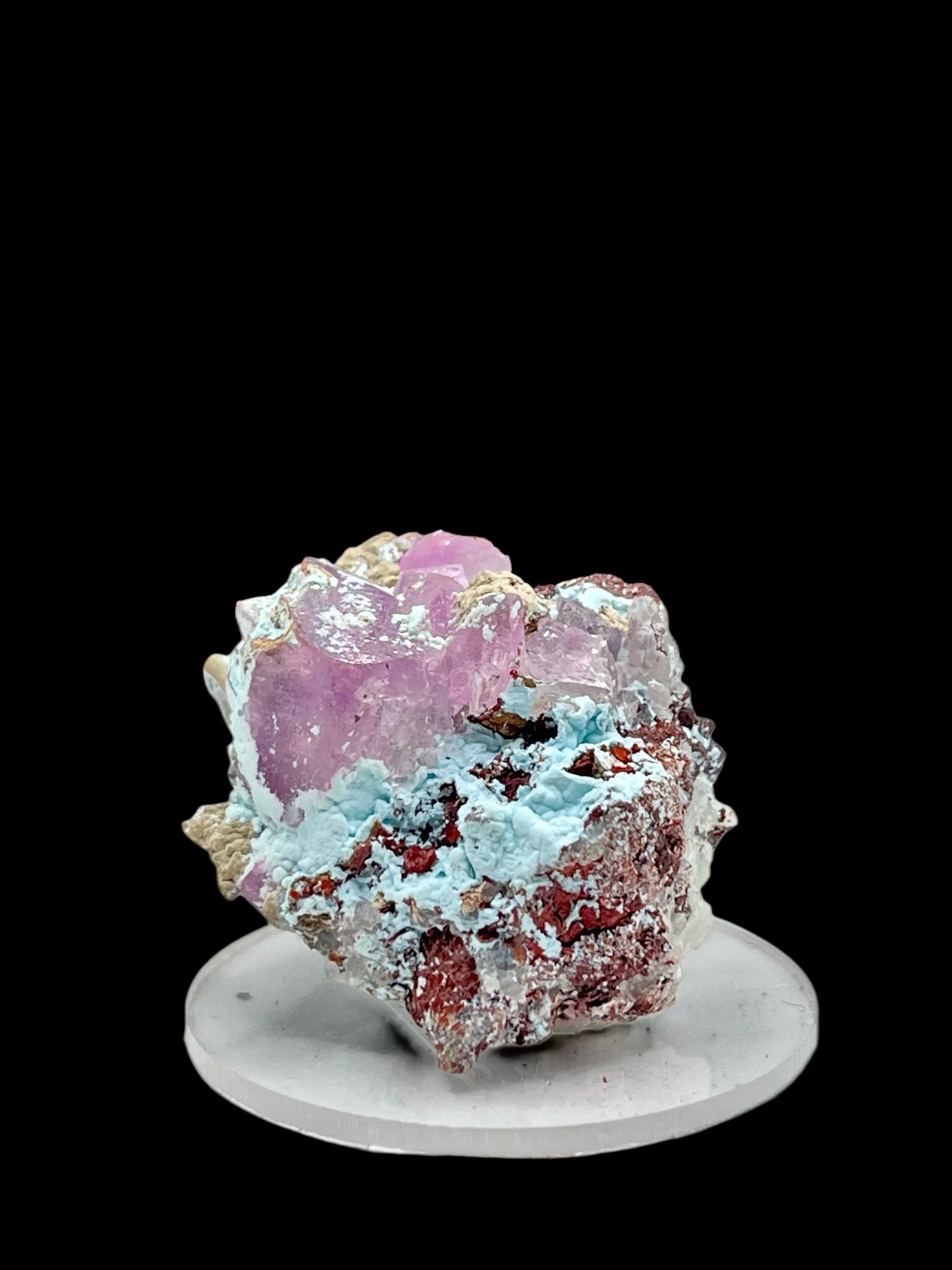
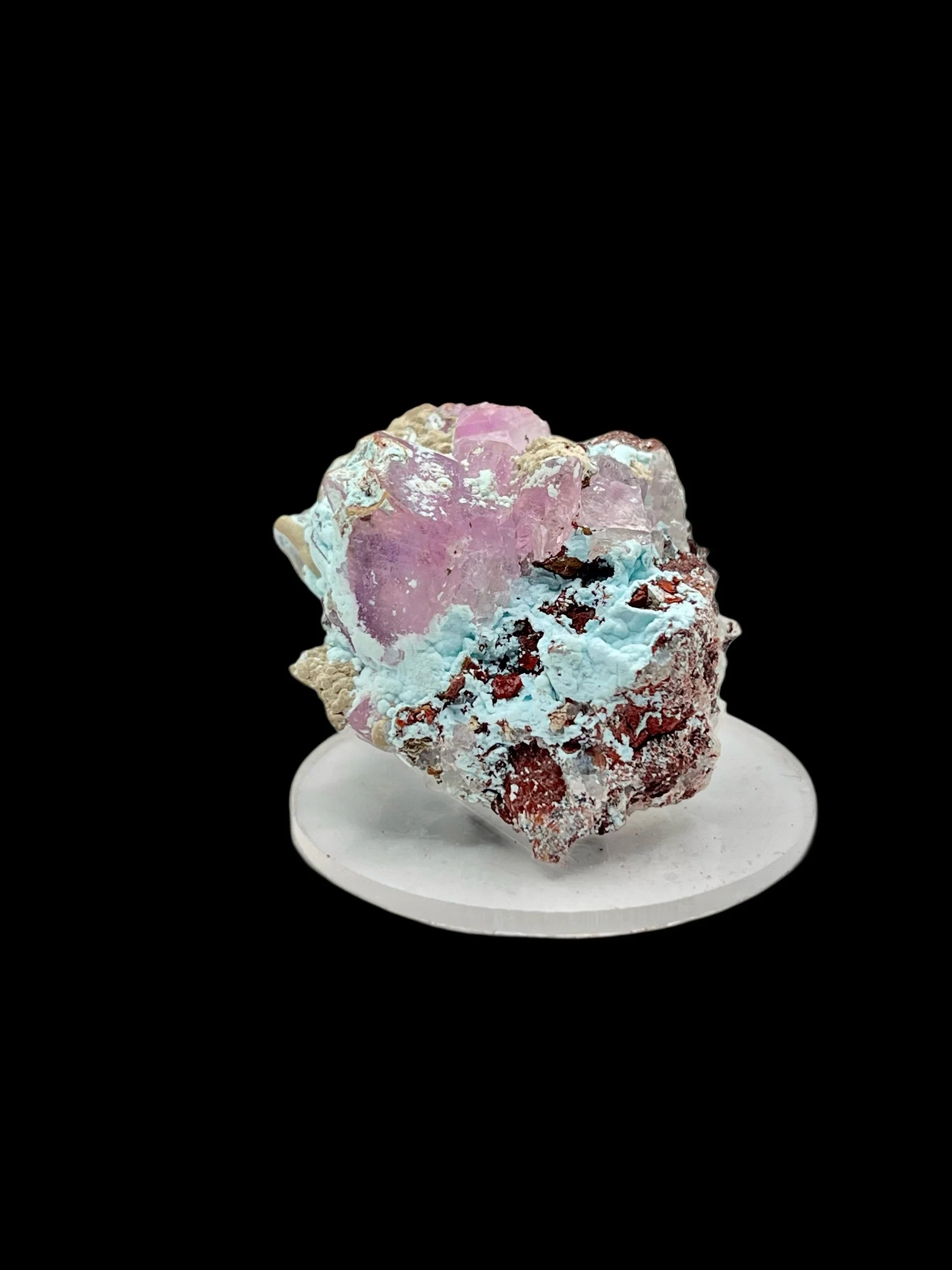
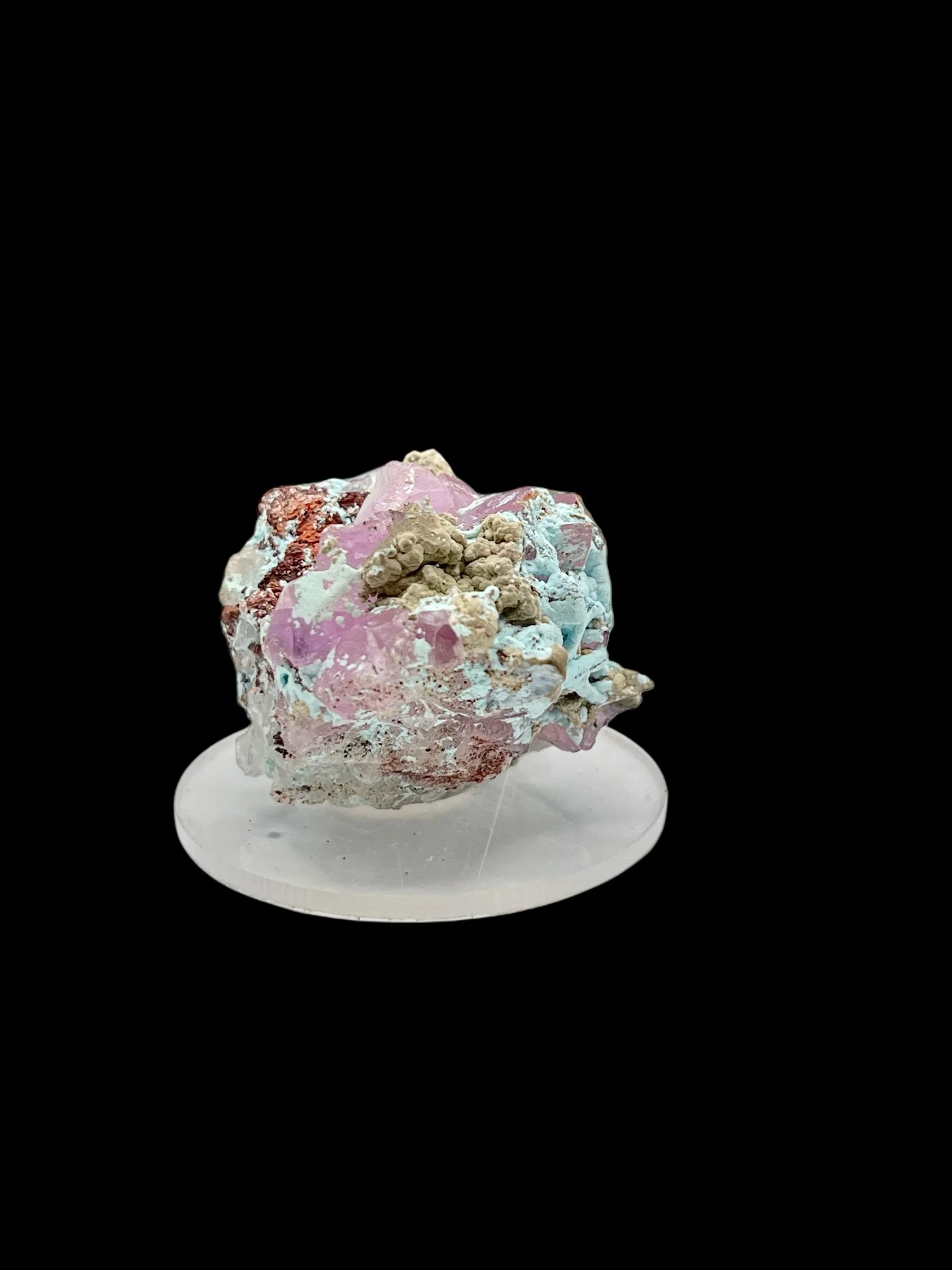
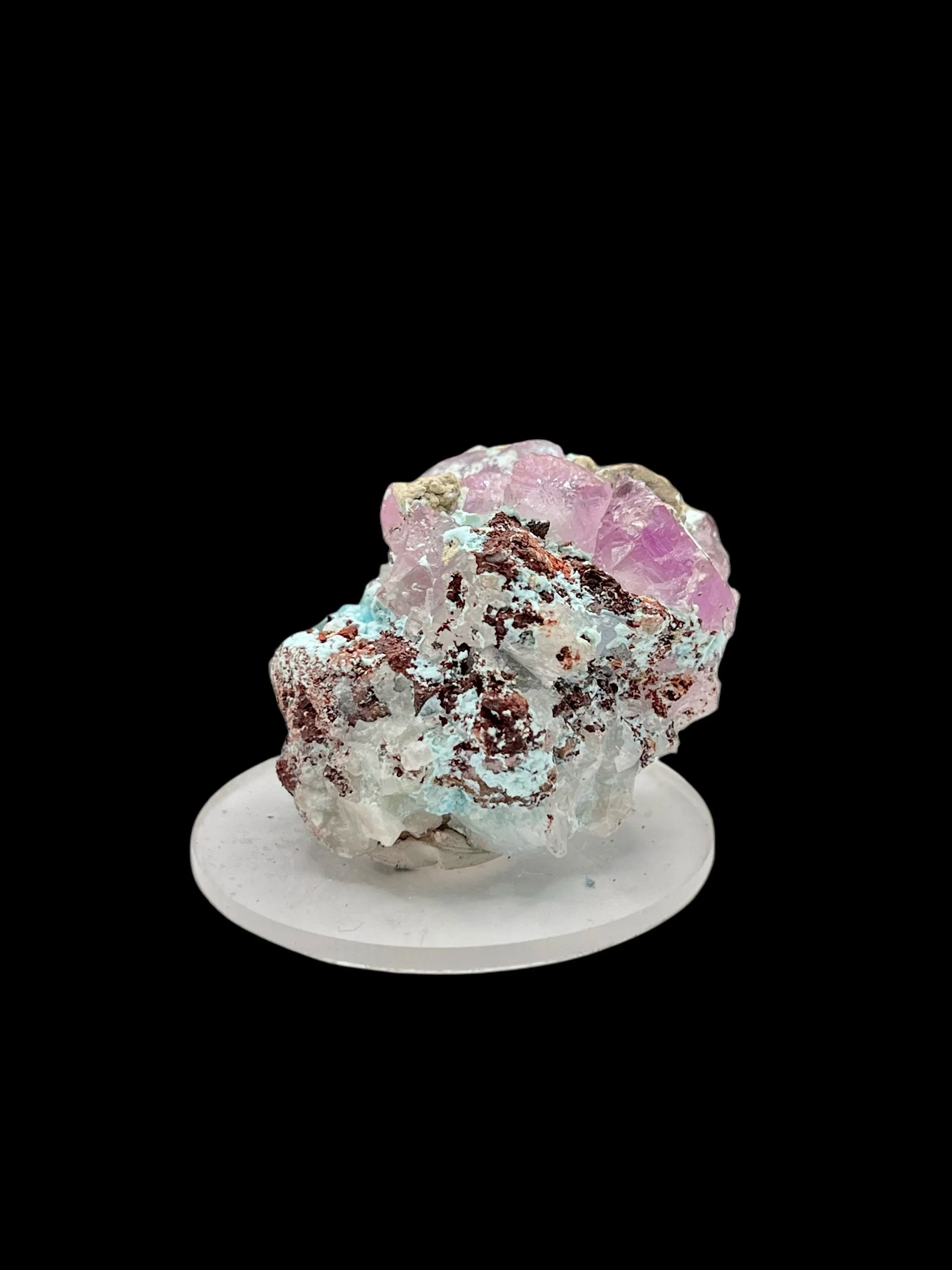
A beautiful pairing of cool and warm tones, this Moroccan mineral specimen features delicate, icy-blue barite crystals resting on a rich orange calcite base.
The barite forms a sparkling crown of overlapping, blade-like crystals, while the calcite displays flowing bands of honey, amber, and creamy white. Weighing over a kilogram, this substantial specimen brings together striking color, intricate crystal growth, and beautiful natural patterns.
An elegant and unusual addition to any mineral collection or display.
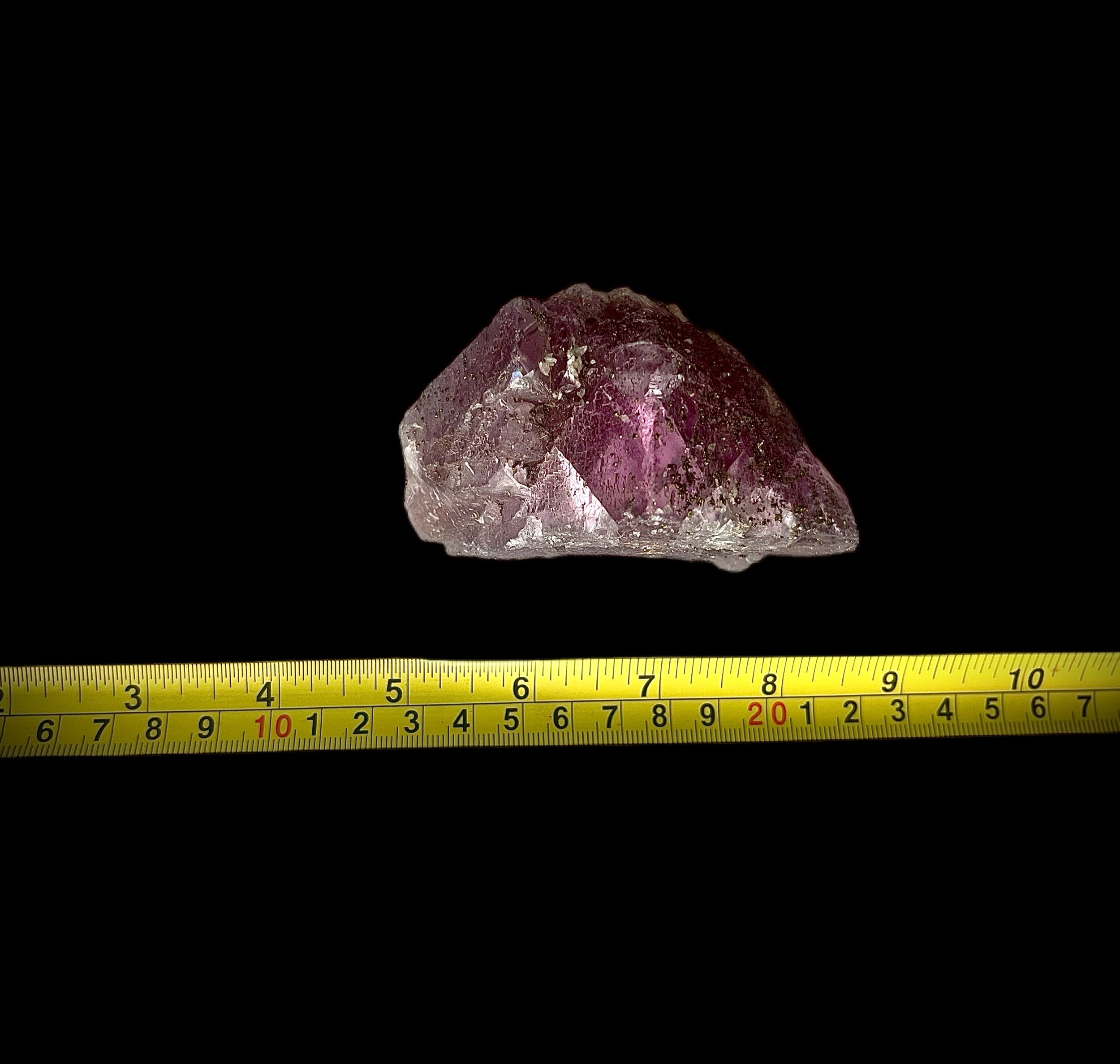
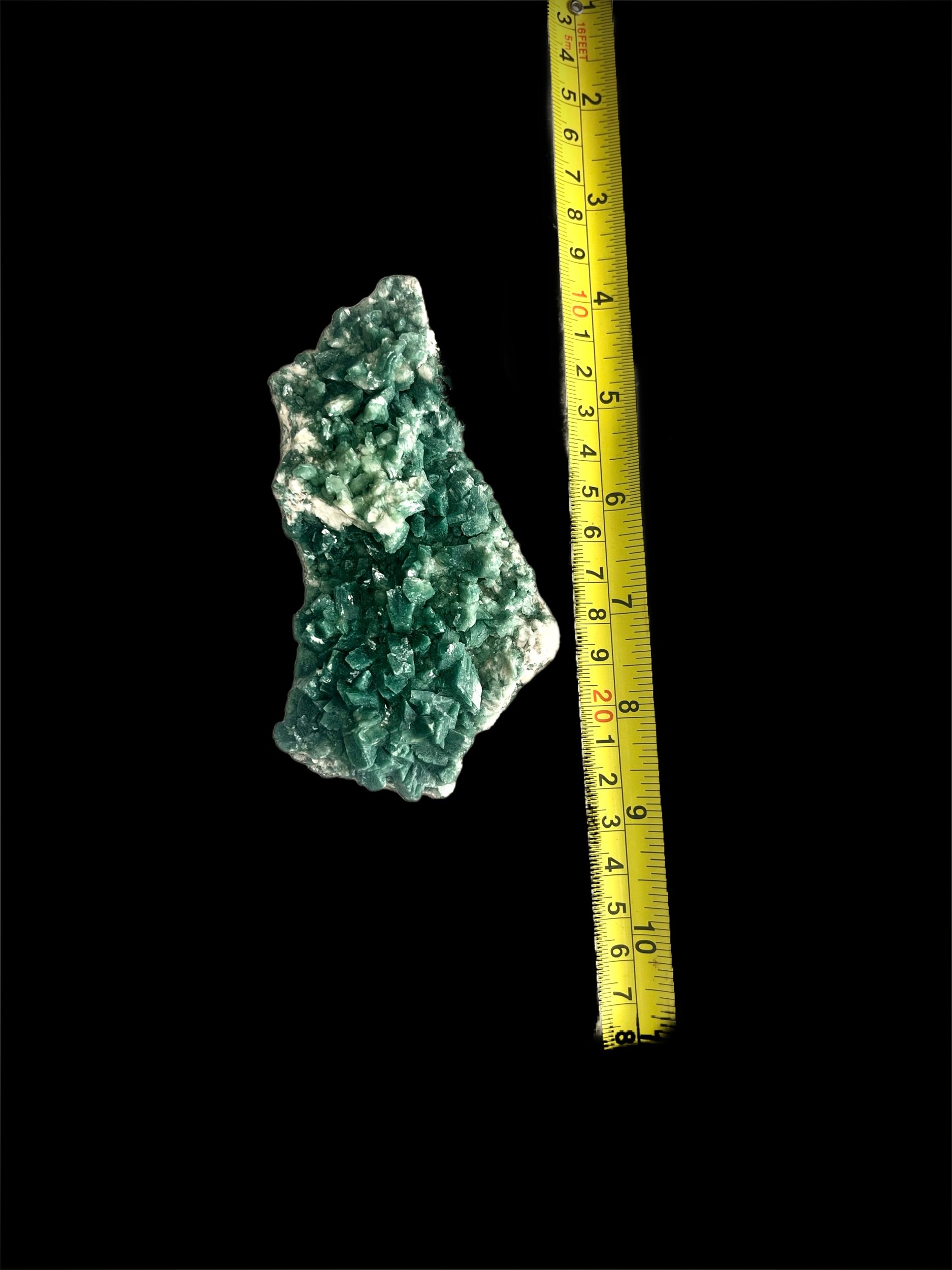
Dimensions, Weight & Locality
Metaphysical Properties
In crystal healing traditions, blue barite is associated with peaceful communication, mental clarity, and intuition. Orange calcite is believed to encourage creativity, motivation, and positive energy.
Together, they symbolize a beautiful balance between calm reflection and inspired action.
Collector's Notes
Morocco is famous for producing beautiful blue barite, particularly in its delicate, flattened crystal formations.
This specimen also tells a story through its calcite. The flowing orange and white bands developed as mineral-rich water deposited successive layers of calcite. The contrasting barite crystals add another chapter to its geological history.
One of the most appealing features is the contrast between the barite's sharp crystal edges and the softer, flowing patterns of the calcite.
Calcite is known for its remarkable variety of colors and crystal shapes. Its beautiful banding forms carrying trace elements that, in this specimen, create warm orange, honey, and cream tones.
Barite is especially interesting for its unusually high density, making it surprisingly heavy for its size. Its delicate blue coloring and layered crystal formations are particularly desirable among mineral collectors.
Interesting Fact: Barite is nearly twice as dense as calcite! Despite their different chemical compositions, both minerals can grow together in mineral-rich environments, creating striking natural combinations like this specimen.
Highlights
Rare, pale-blue barite crystal clusters
Beautiful orange, honey, and cream calcite banding
Naturally contrasting crystal shapes and textures
Substantial 1,112-gram collector specimen
Attractive from multiple viewing angles
Natural Moroccan mineral association
Unique mineral combination
Mineralogy
Blue Barite (Baryte)
Chemical Formula: BaSO₄
Mineral Class: Sulfate
Crystal System: Orthorhombic
Mohs Hardness: 3–3.5
Luster: Vitreous (glassy) to pearly
Streak: White
Cleavage: Perfect in one direction, good in others
Specific Gravity: 4.3–4.6
Crystal Habit: Tabular, bladed, and rosette-like formations
Orange Banded Calcite
Chemical Formula: CaCO₃
Mineral Class: Carbonate
Crystal System: Trigonal
Mohs Hardness: 3
Luster: Vitreous (glassy) to pearly
Streak: White
Cleavage: Perfect in three directions
Specific Gravity: Approximately 2.71
Crystal Habit: Rhombohedral, scalenohedral, massive, and banded formations
Description
A beautiful pairing of cool and warm tones, this Moroccan mineral specimen features delicate, icy-blue barite crystals resting on a rich orange calcite base.
The barite forms a sparkling crown of overlapping, blade-like crystals, while the calcite displays flowing bands of honey, amber, and creamy white. Weighing over a kilogram, this substantial specimen brings together striking color, intricate crystal growth, and beautiful natural patterns.
An elegant and unusual addition to any mineral collection or display.
Dimensions, Weight & Locality
Metaphysical Properties
In crystal healing traditions, blue barite is associated with peaceful communication, mental clarity, and intuition. Orange calcite is believed to encourage creativity, motivation, and positive energy.
Together, they symbolize a beautiful balance between calm reflection and inspired action.
Collector's Notes
Morocco is famous for producing beautiful blue barite, particularly in its delicate, flattened crystal formations.
This specimen also tells a story through its calcite. The flowing orange and white bands developed as mineral-rich water deposited successive layers of calcite. The contrasting barite crystals add another chapter to its geological history.
One of the most appealing features is the contrast between the barite's sharp crystal edges and the softer, flowing patterns of the calcite.
Calcite is known for its remarkable variety of colors and crystal shapes. Its beautiful banding forms carrying trace elements that, in this specimen, create warm orange, honey, and cream tones.
Barite is especially interesting for its unusually high density, making it surprisingly heavy for its size. Its delicate blue coloring and layered crystal formations are particularly desirable among mineral collectors.
Interesting Fact: Barite is nearly twice as dense as calcite! Despite their different chemical compositions, both minerals can grow together in mineral-rich environments, creating striking natural combinations like this specimen.
Highlights
Rare, pale-blue barite crystal clusters
Beautiful orange, honey, and cream calcite banding
Naturally contrasting crystal shapes and textures
Substantial 1,112-gram collector specimen
Attractive from multiple viewing angles
Natural Moroccan mineral association
Unique mineral combination
Mineralogy
Blue Barite (Baryte)
Chemical Formula: BaSO₄
Mineral Class: Sulfate
Crystal System: Orthorhombic
Mohs Hardness: 3–3.5
Luster: Vitreous (glassy) to pearly
Streak: White
Cleavage: Perfect in one direction, good in others
Specific Gravity: 4.3–4.6
Crystal Habit: Tabular, bladed, and rosette-like formations
Orange Banded Calcite
Chemical Formula: CaCO₃
Mineral Class: Carbonate
Crystal System: Trigonal
Mohs Hardness: 3
Luster: Vitreous (glassy) to pearly
Streak: White
Cleavage: Perfect in three directions
Specific Gravity: Approximately 2.71
Crystal Habit: Rhombohedral, scalenohedral, massive, and banded formations


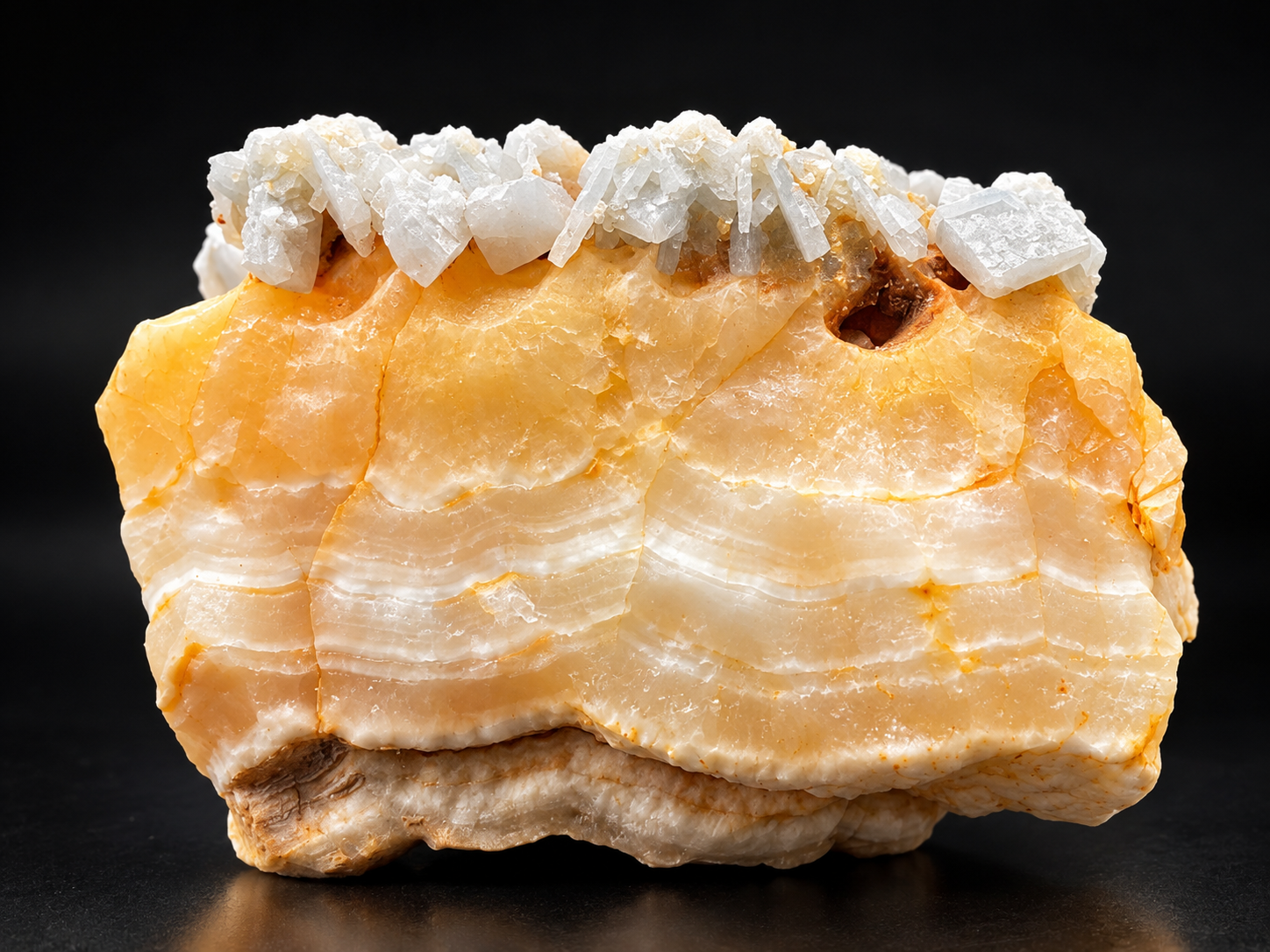 Image 1 of 6
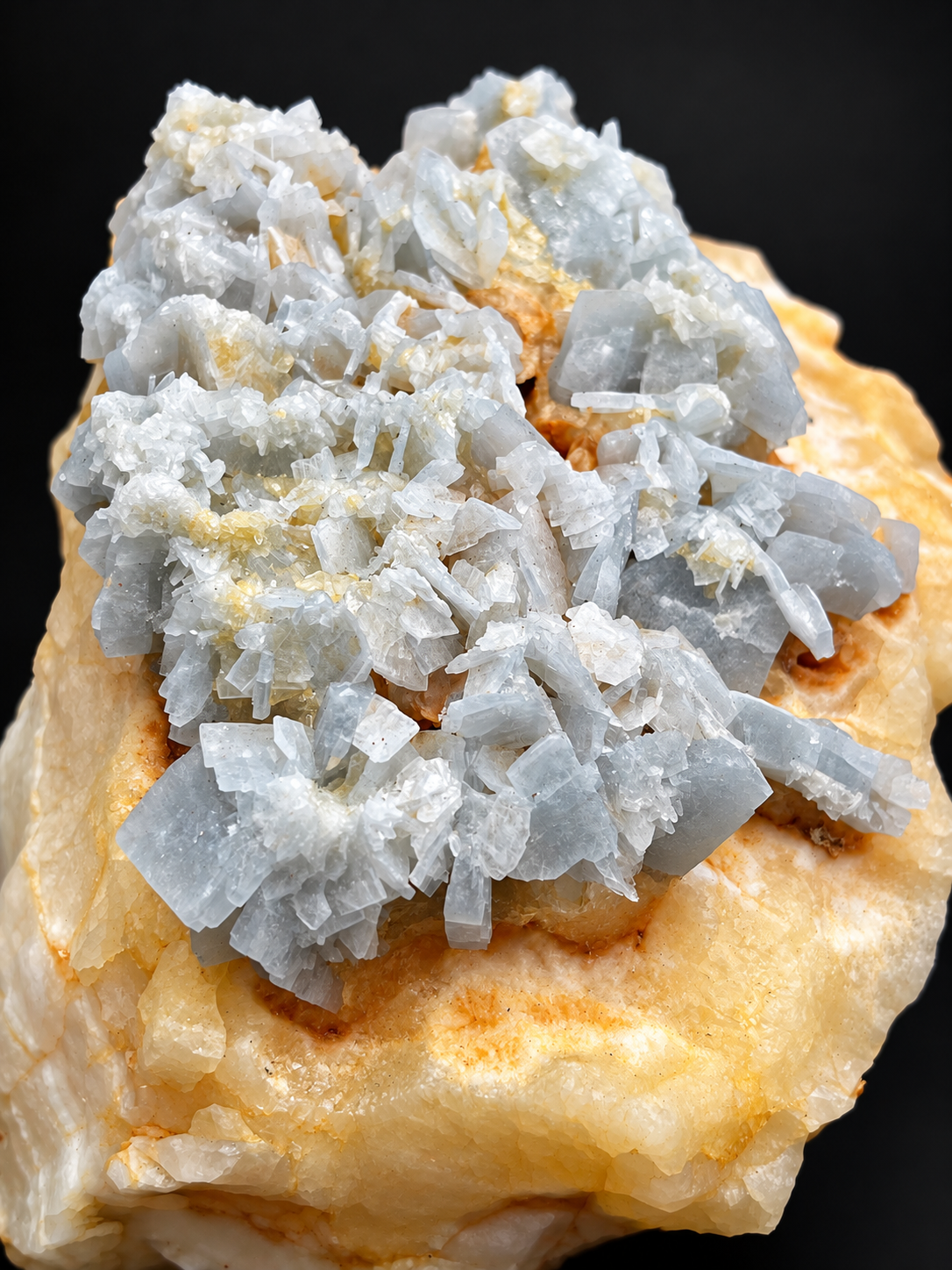 Image 2 of 6
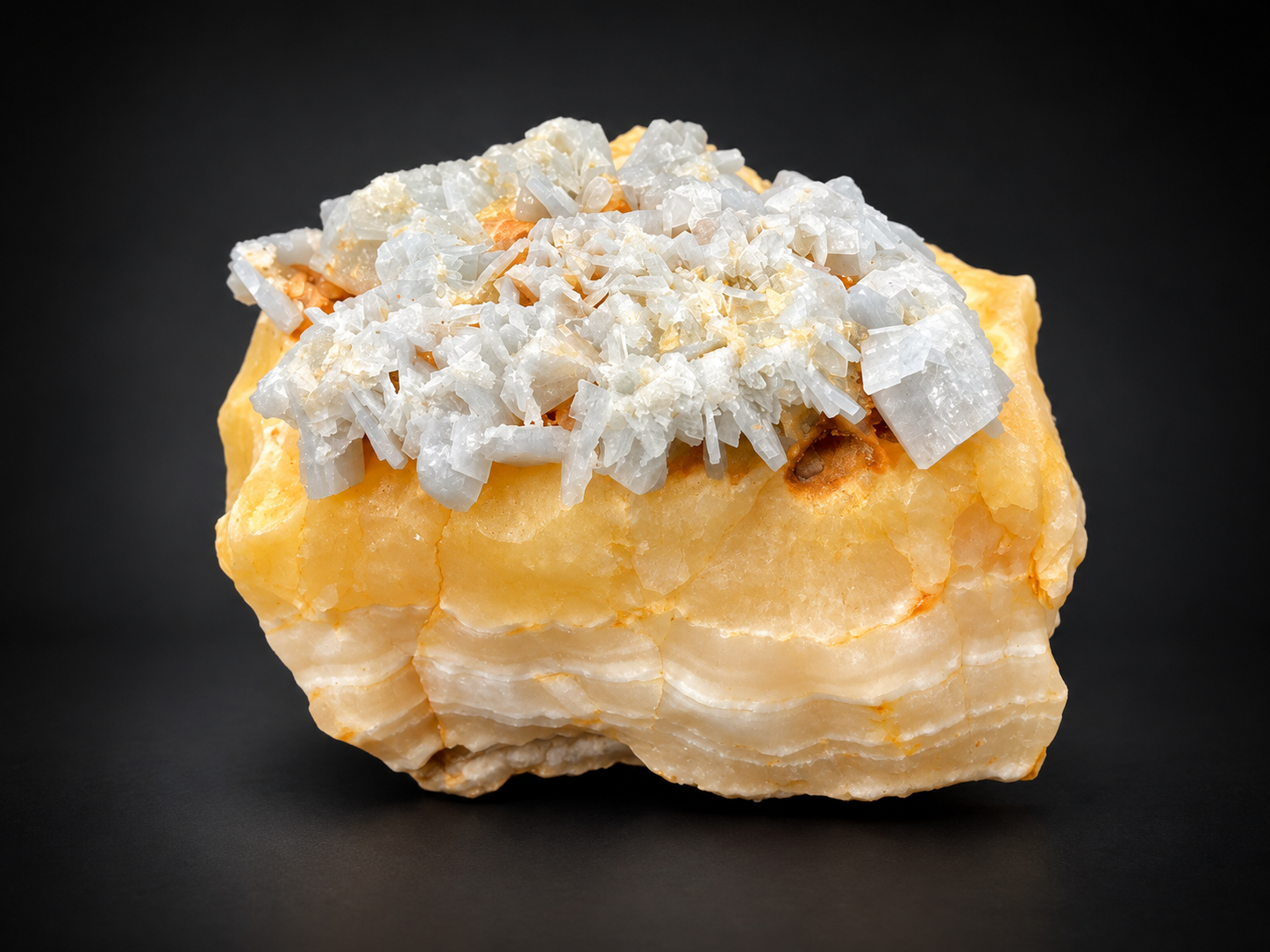 Image 3 of 6
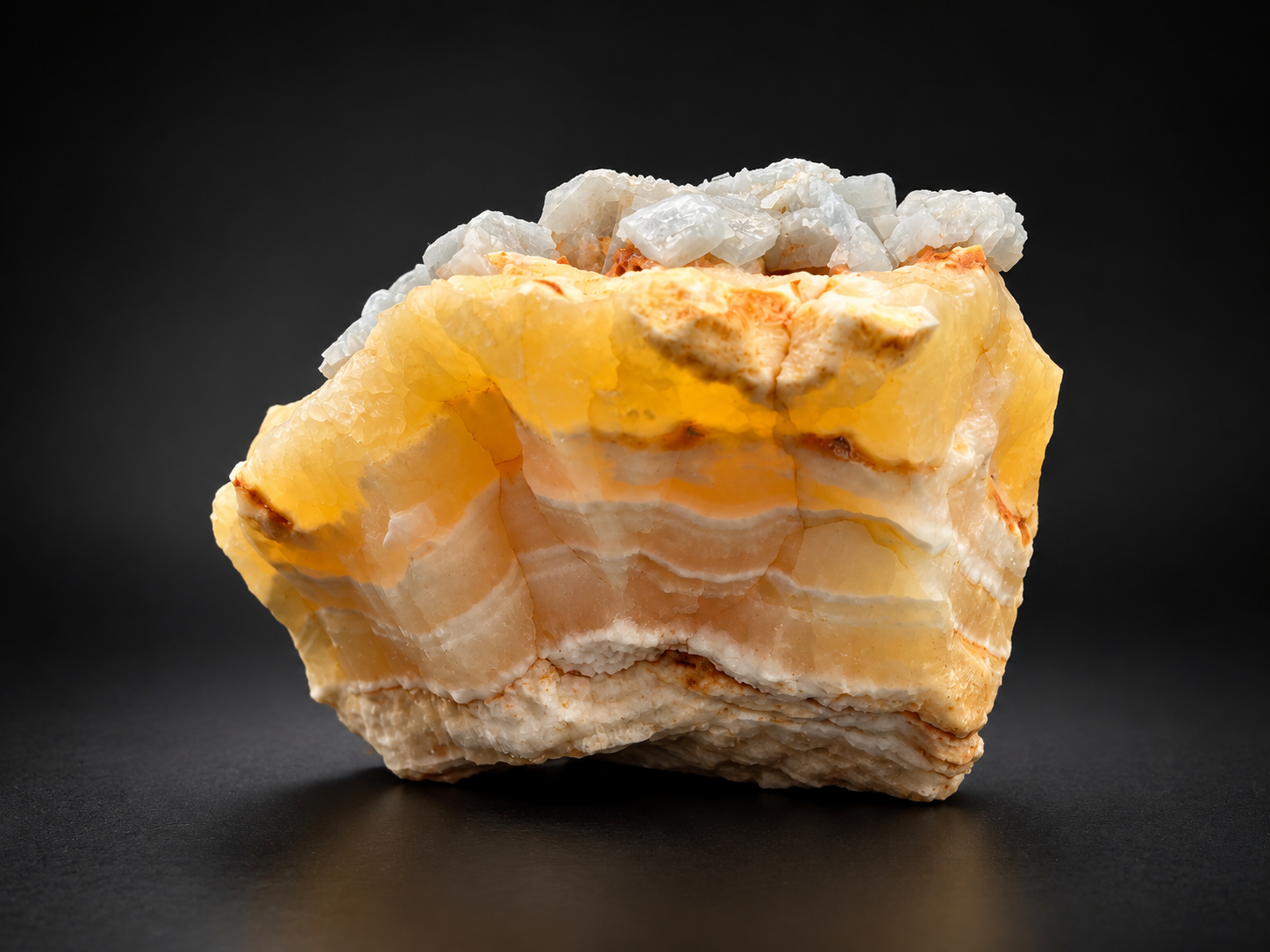 Image 4 of 6
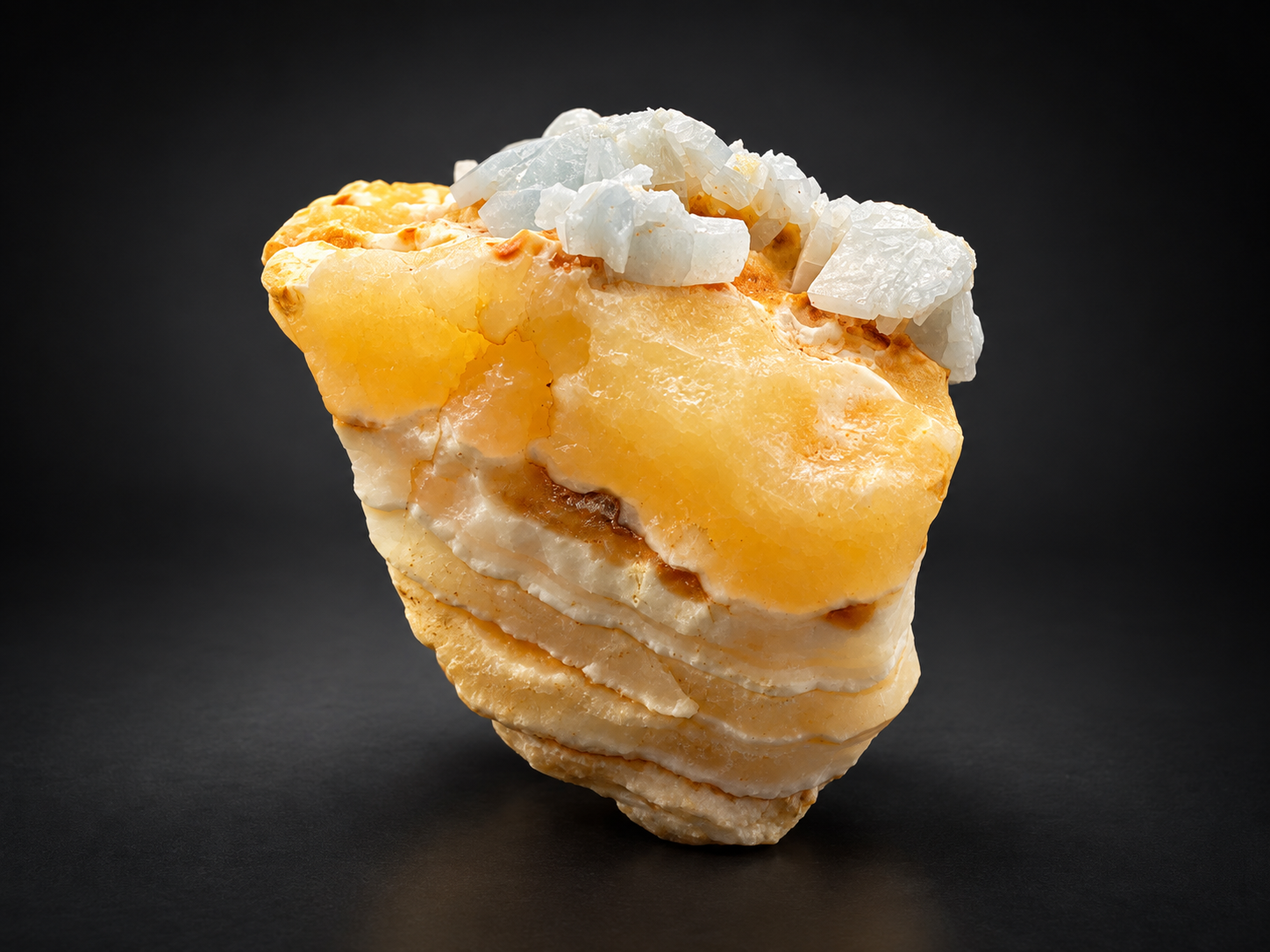 Image 5 of 6
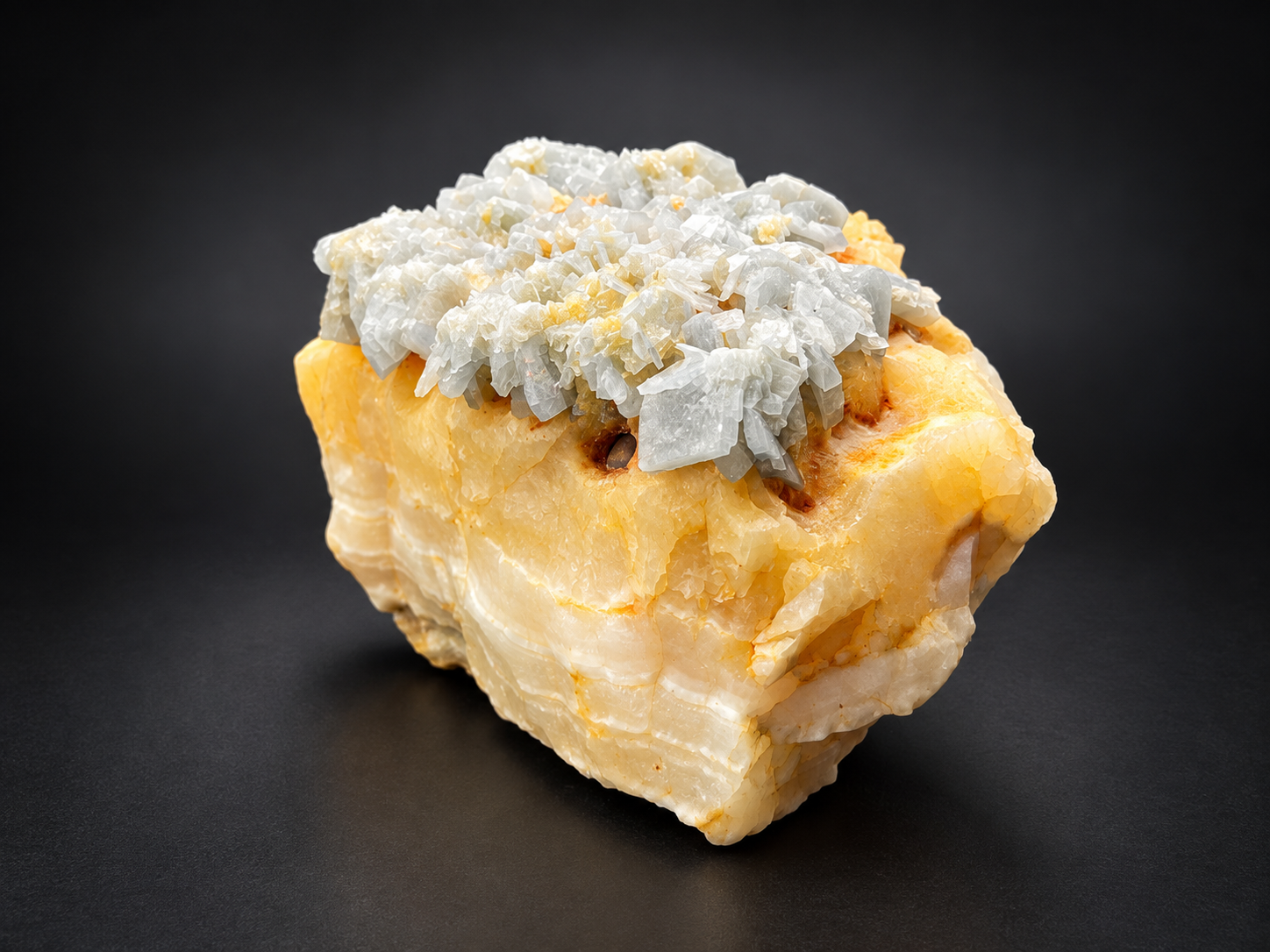 Image 6 of 6