 Image 1 of 5
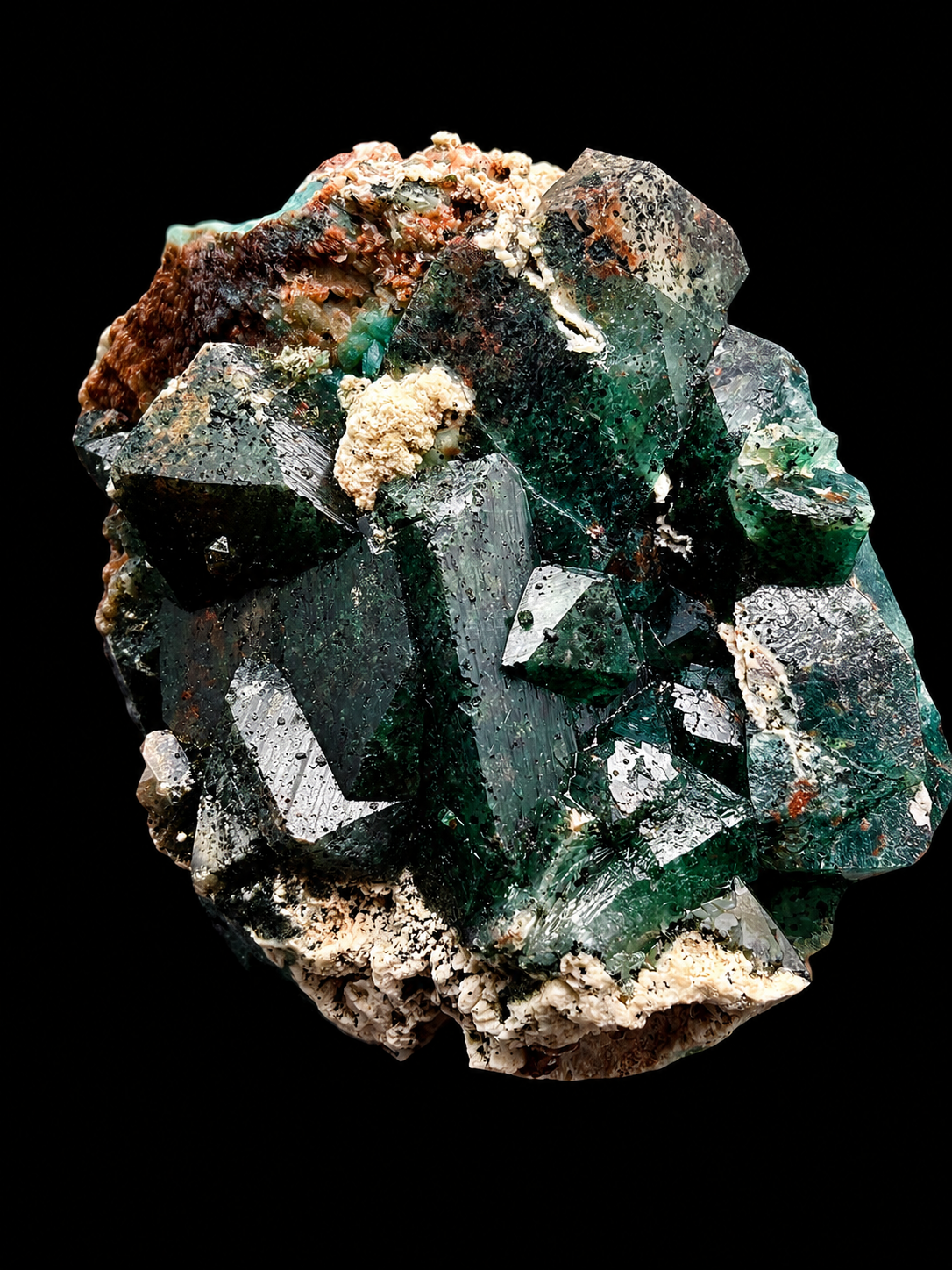 Image 2 of 5
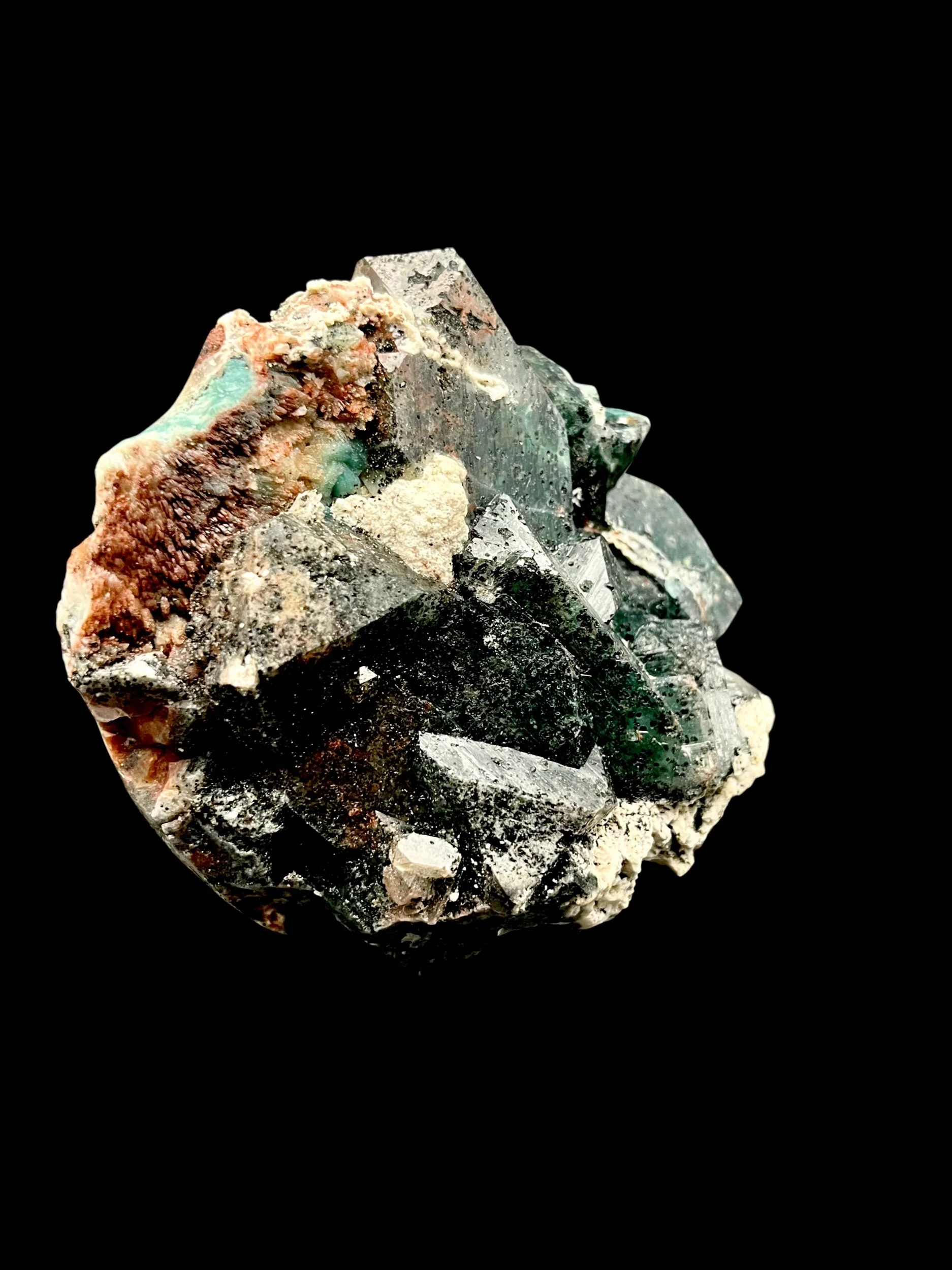 Image 3 of 5
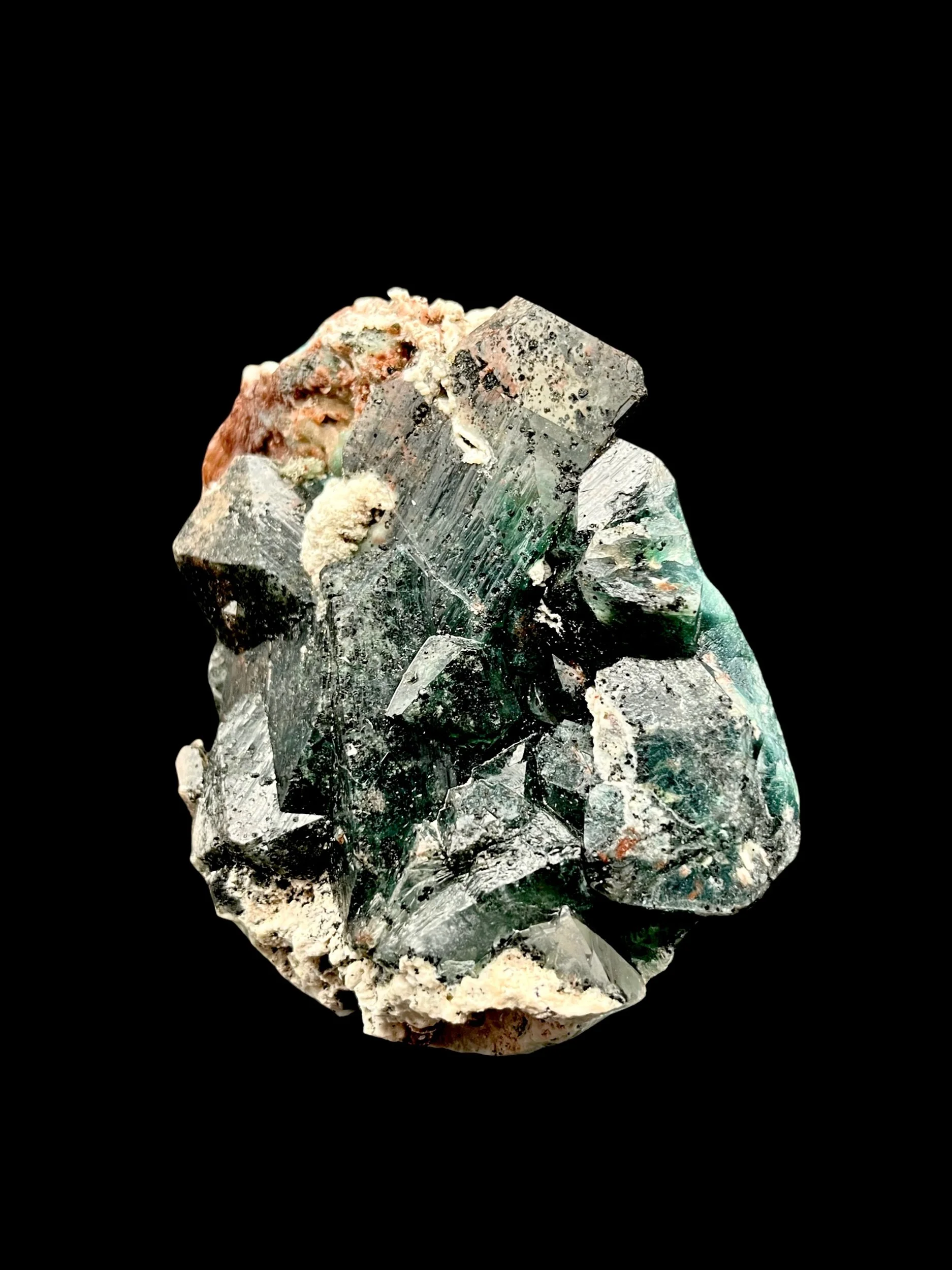 Image 4 of 5
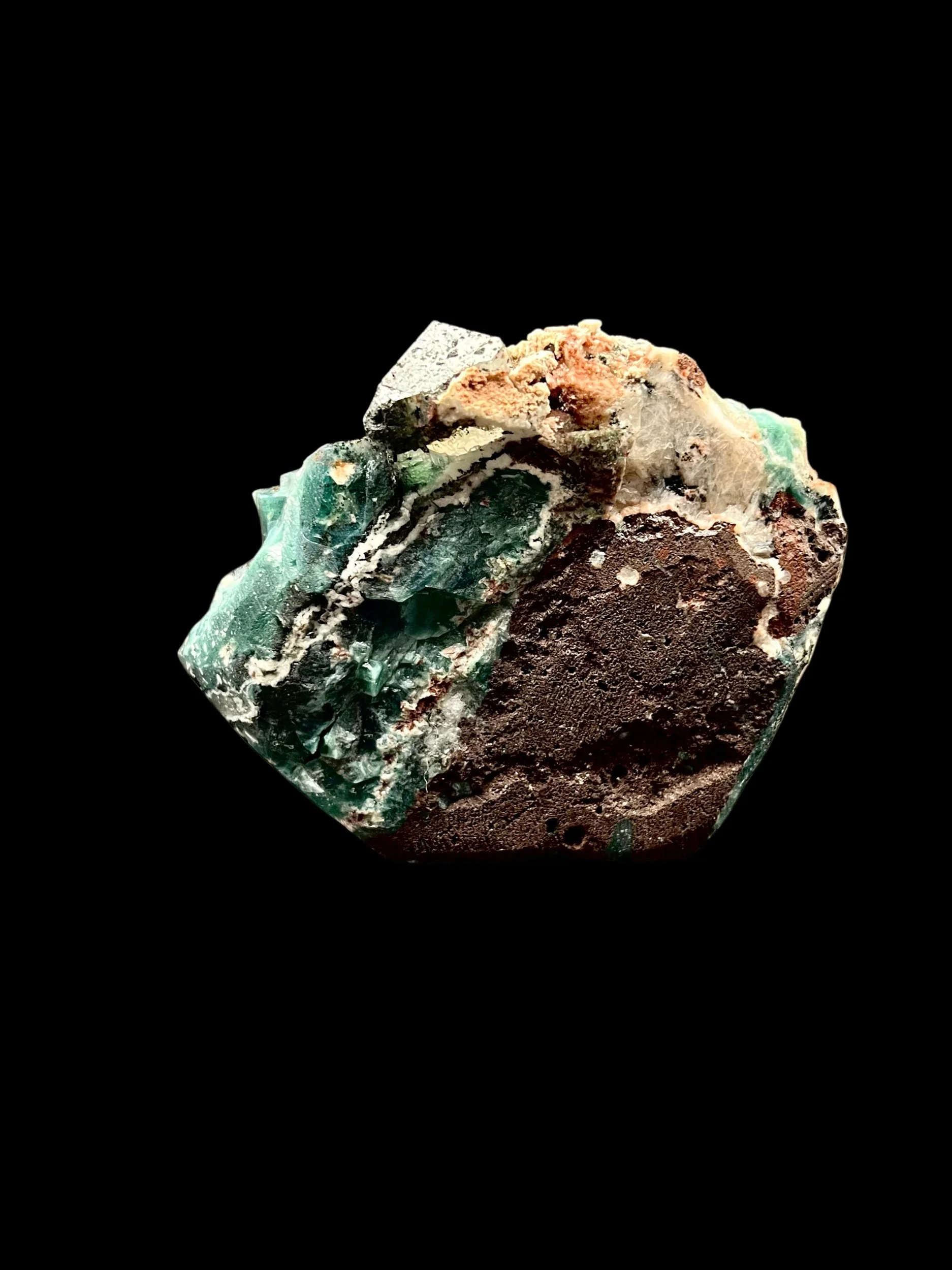 Image 5 of 5
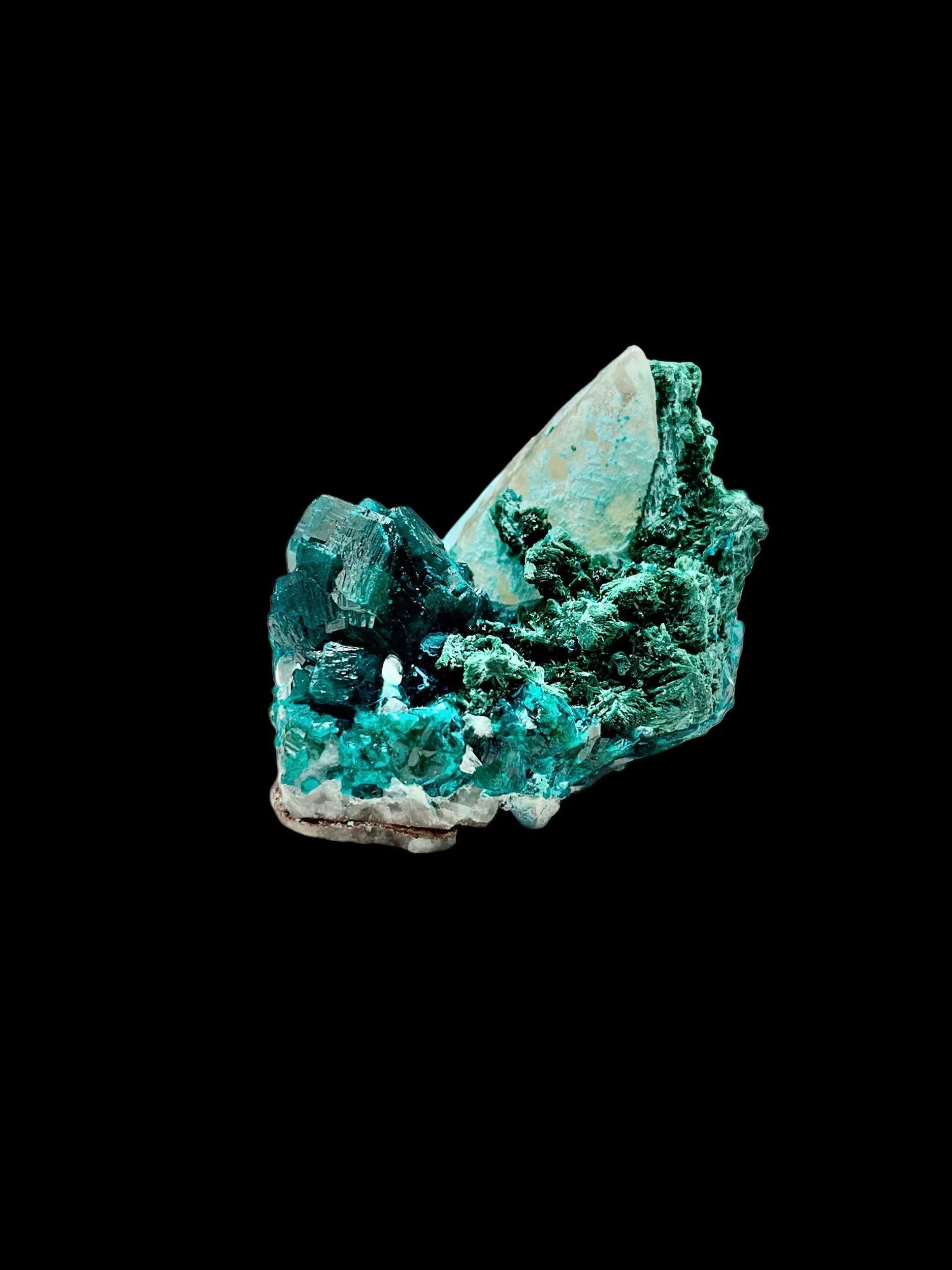
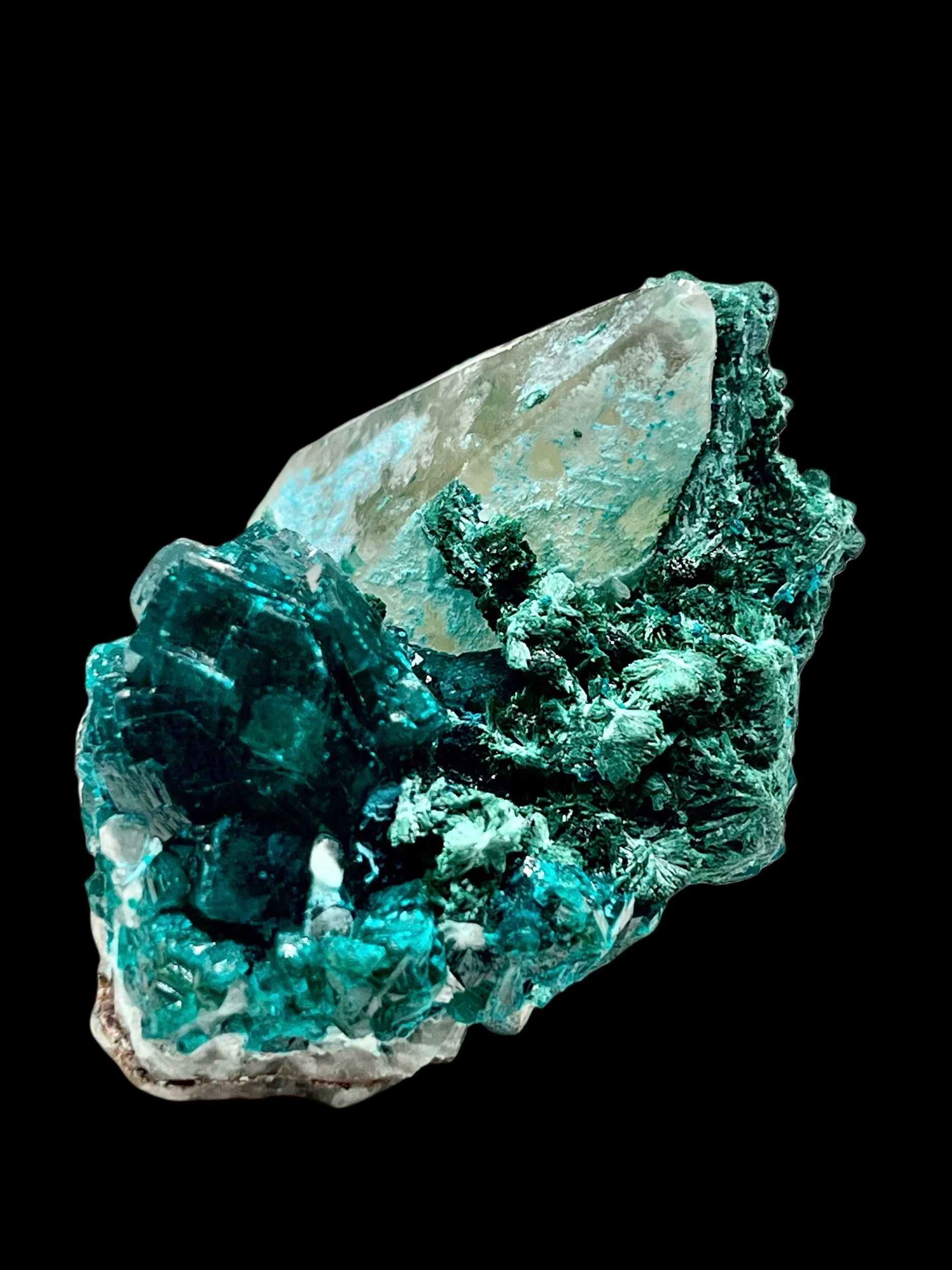
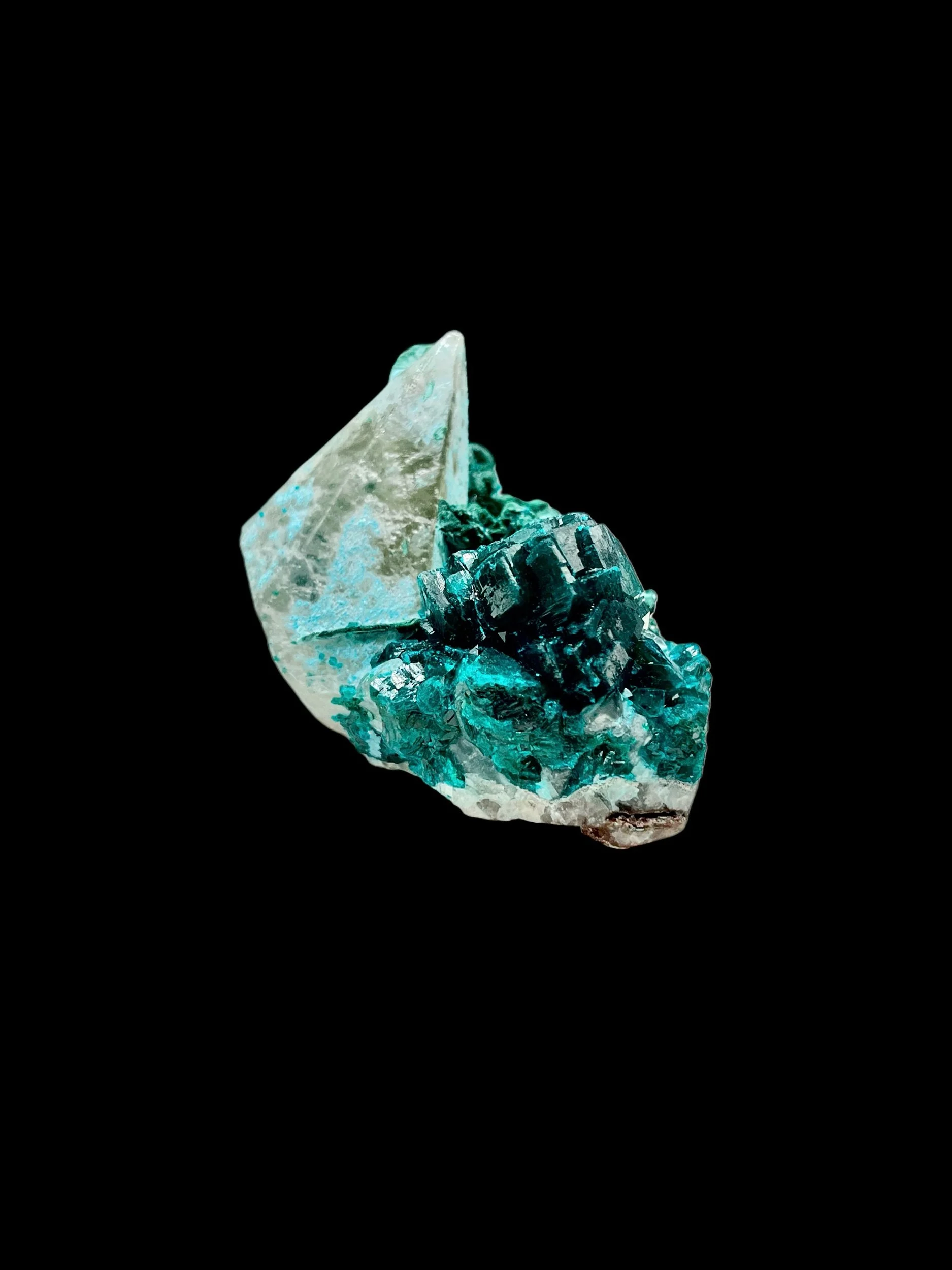
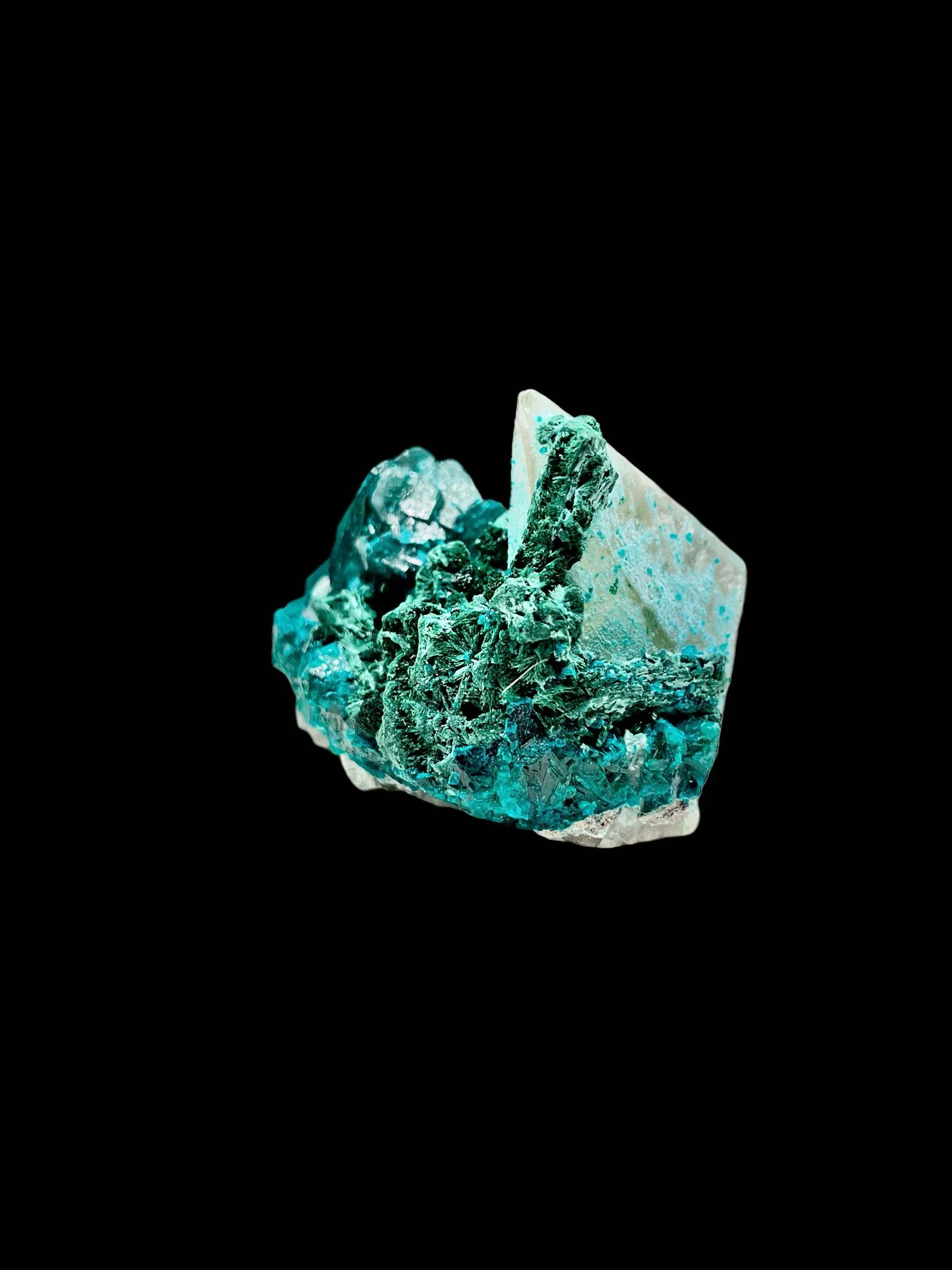
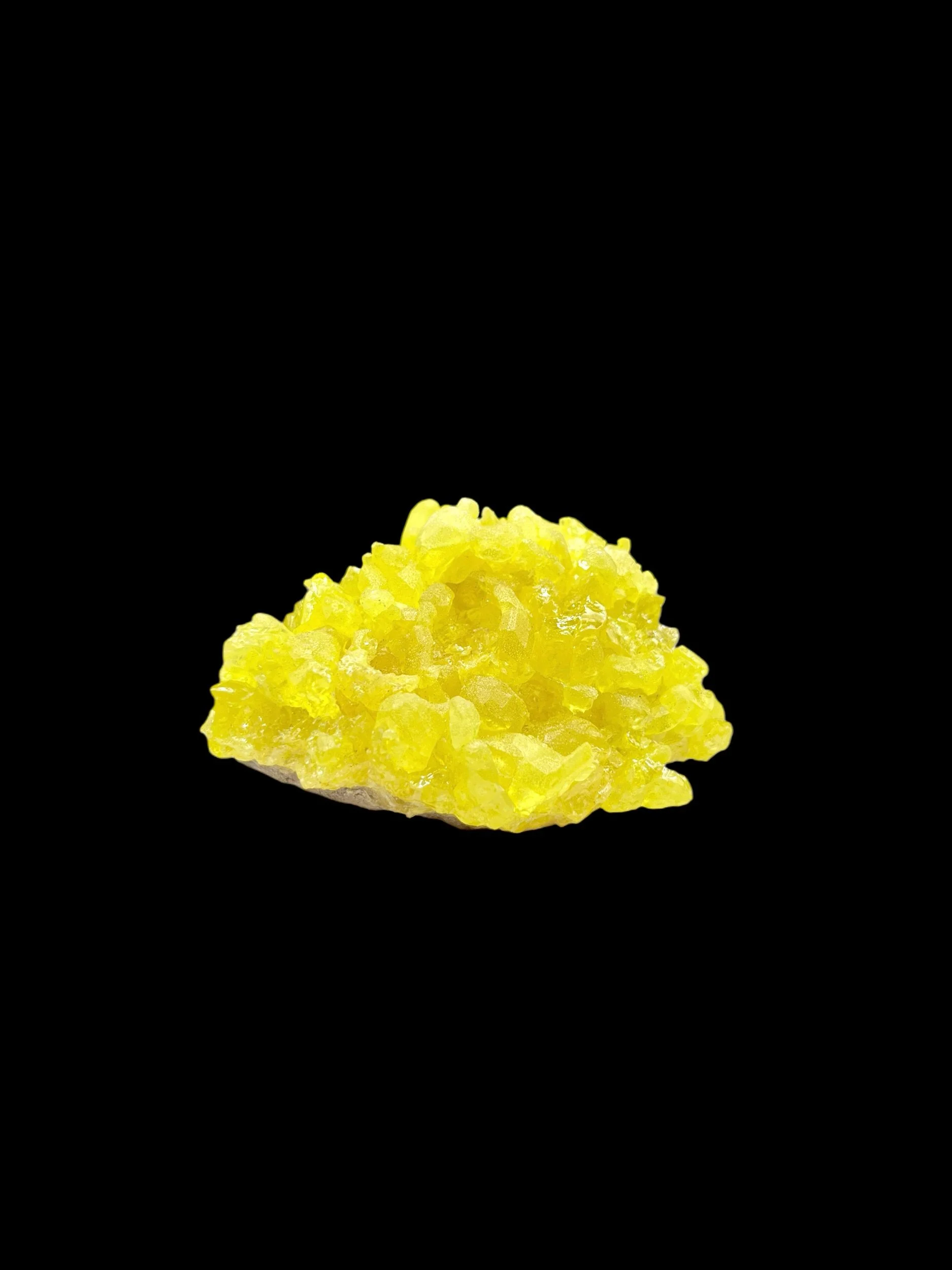
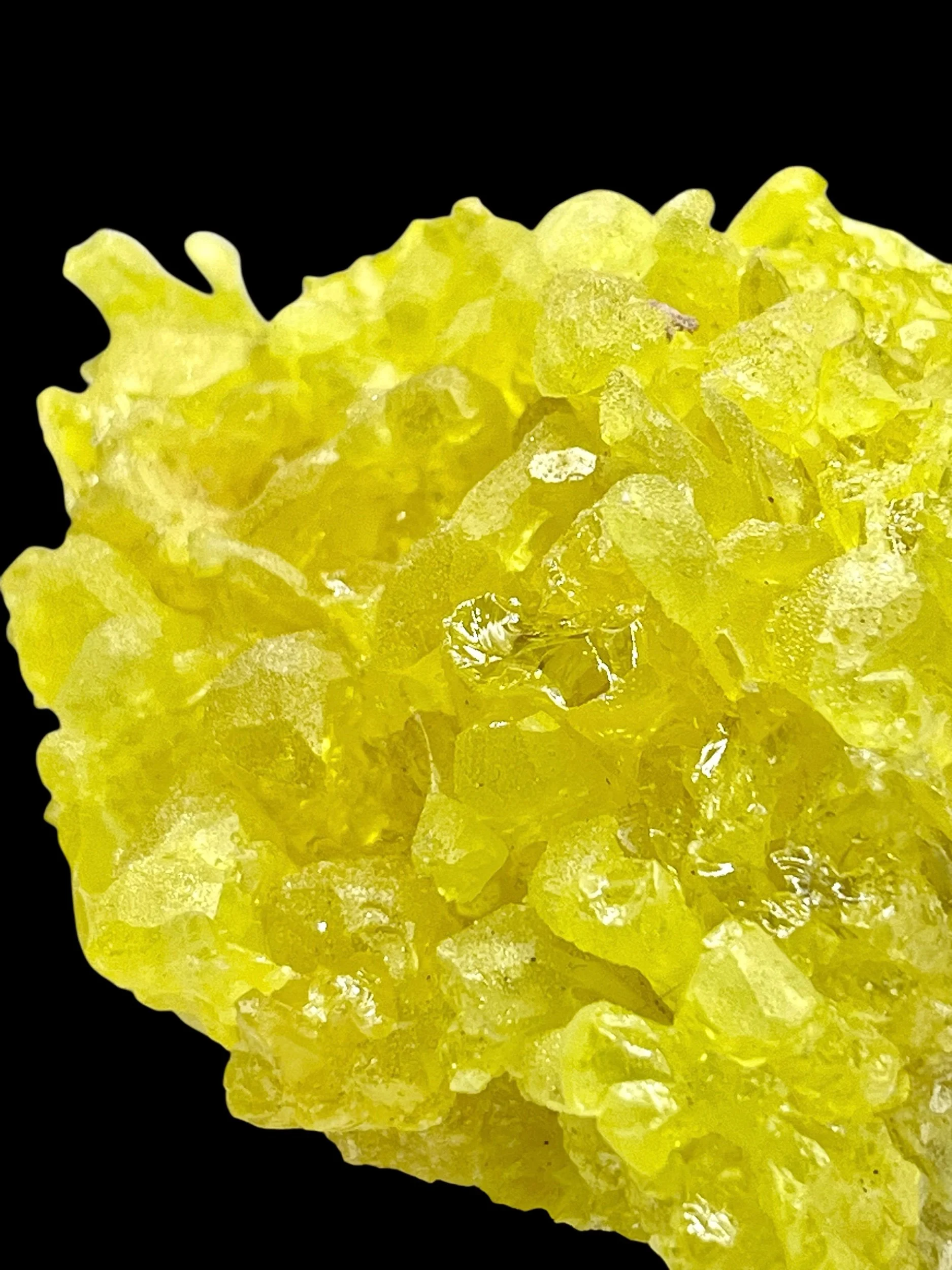
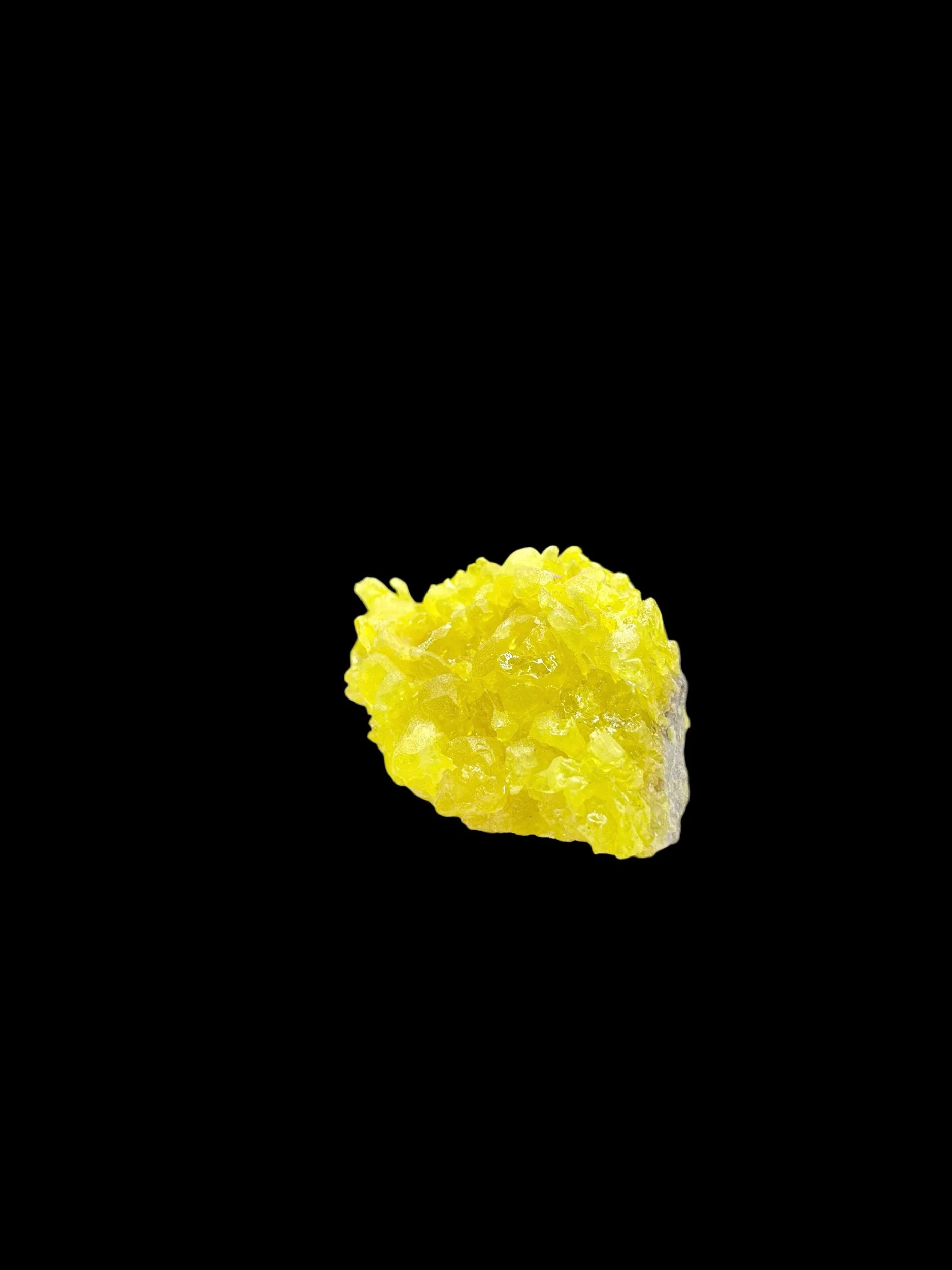
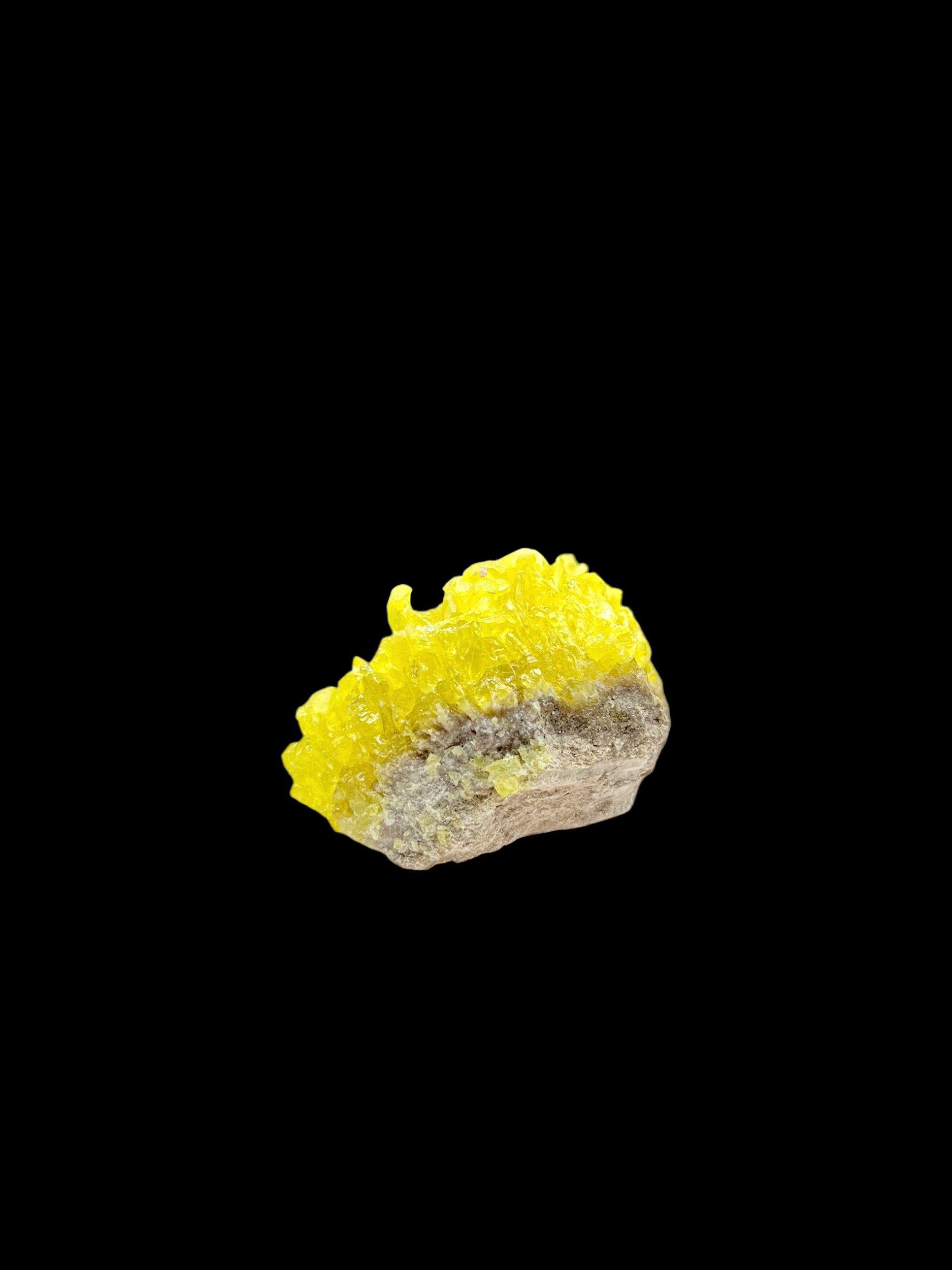
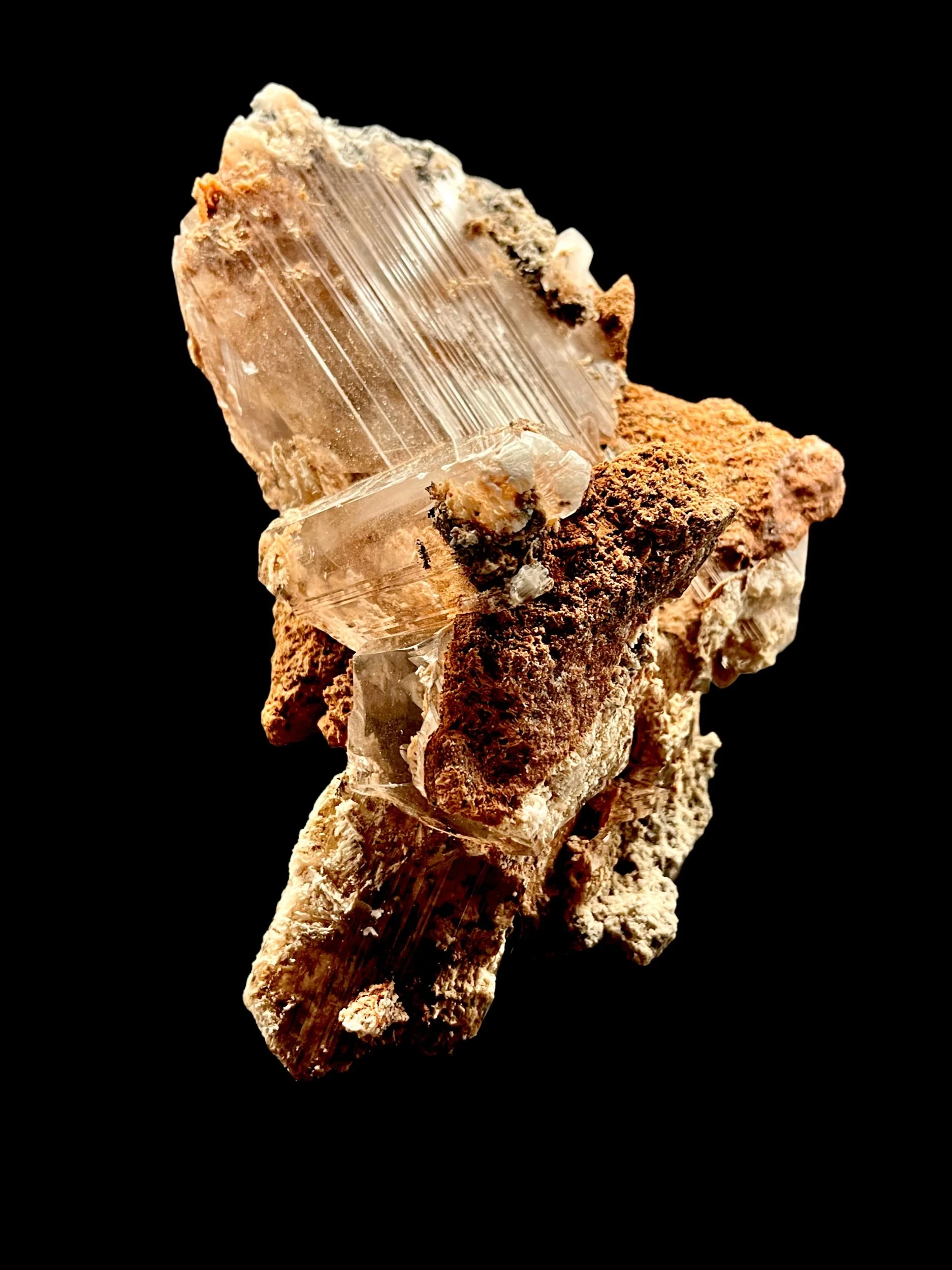
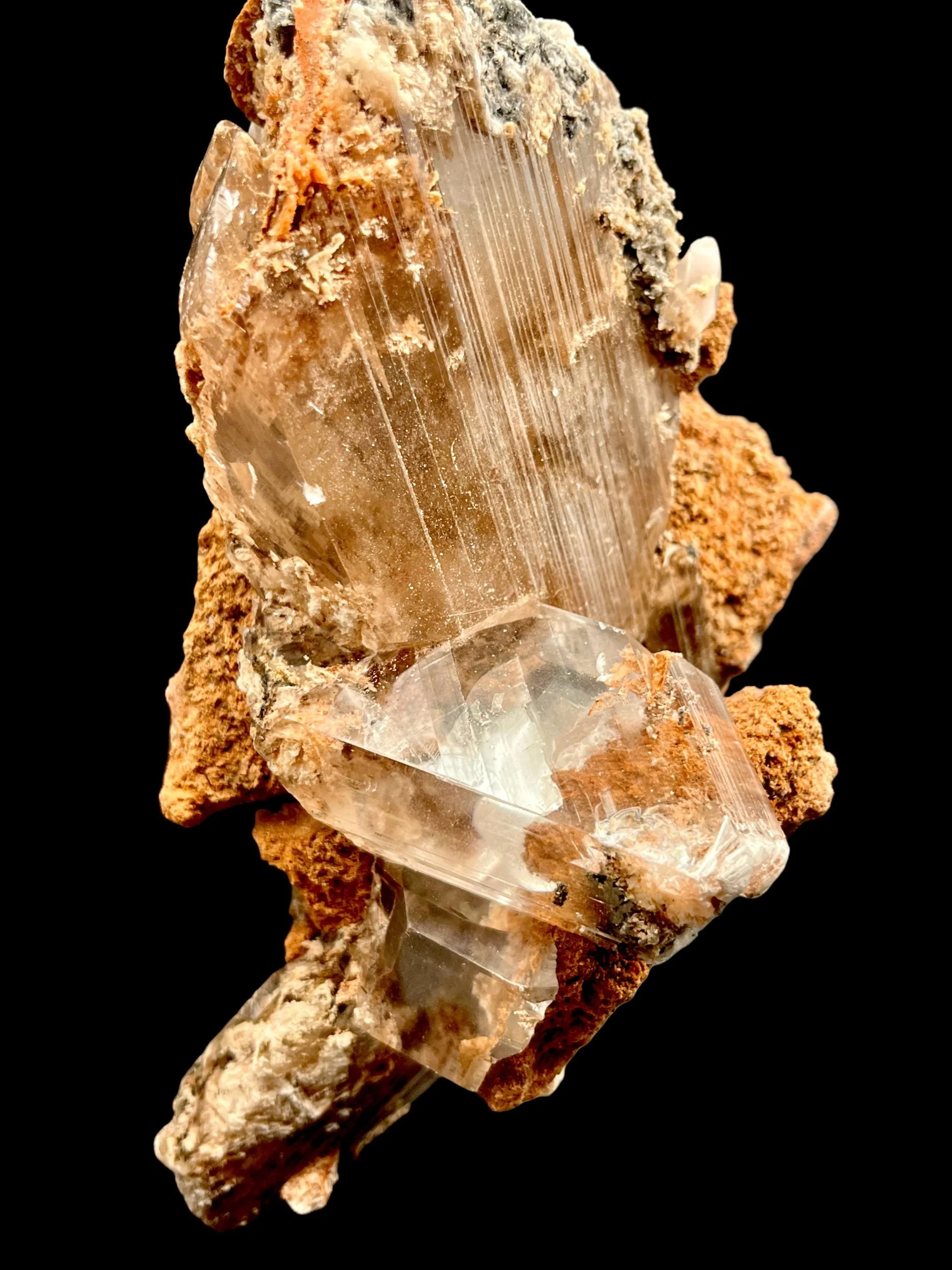
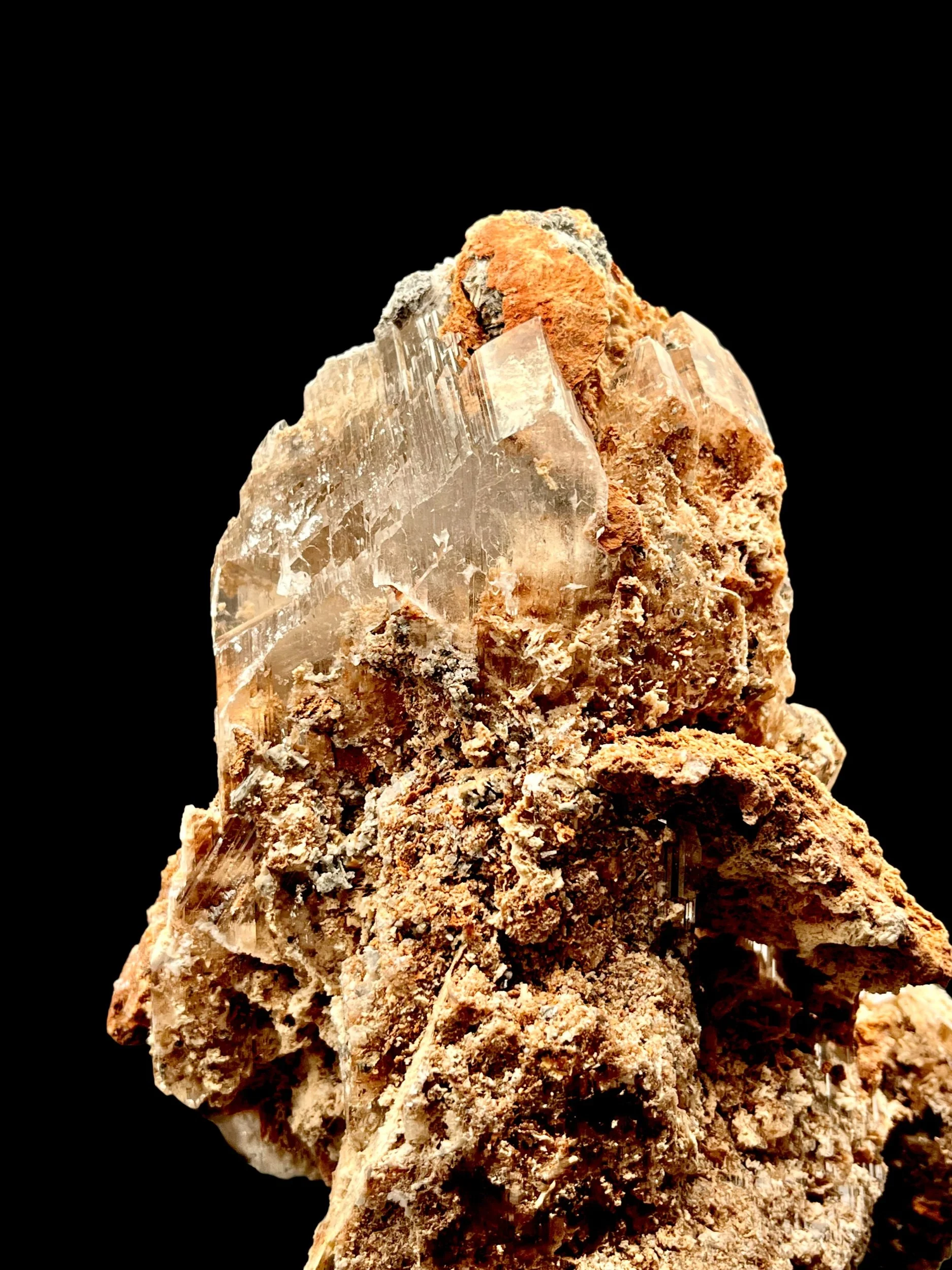
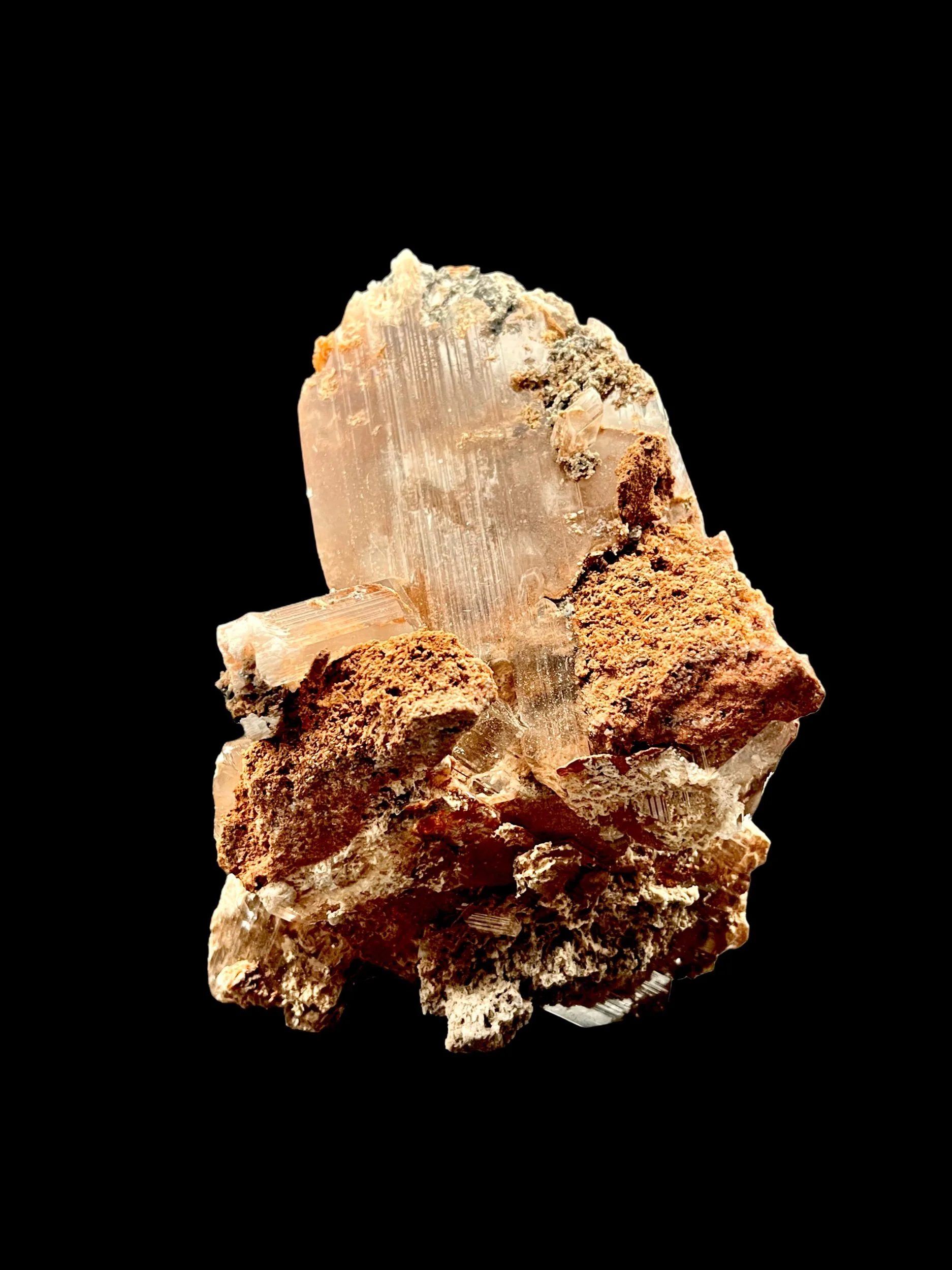
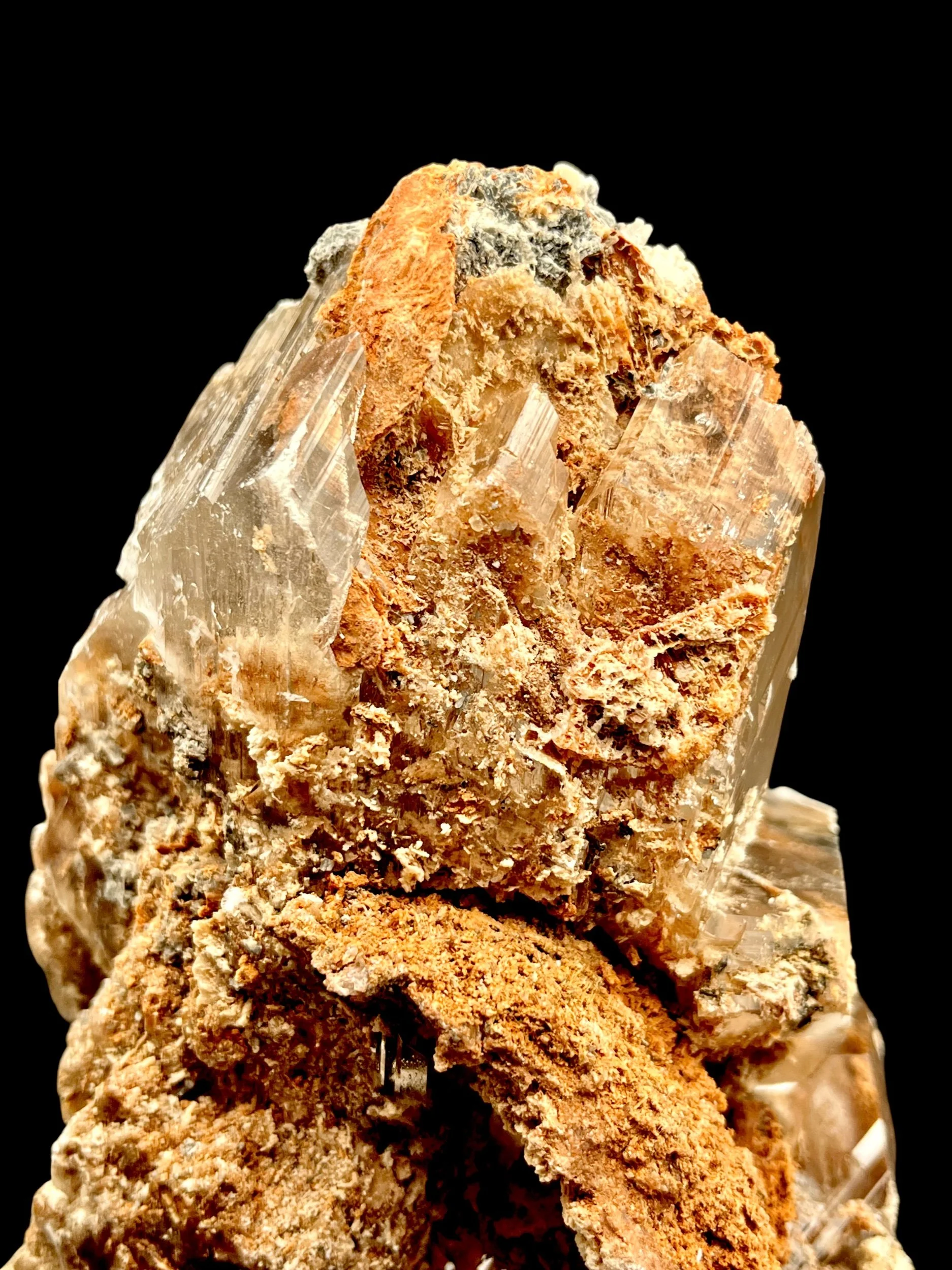
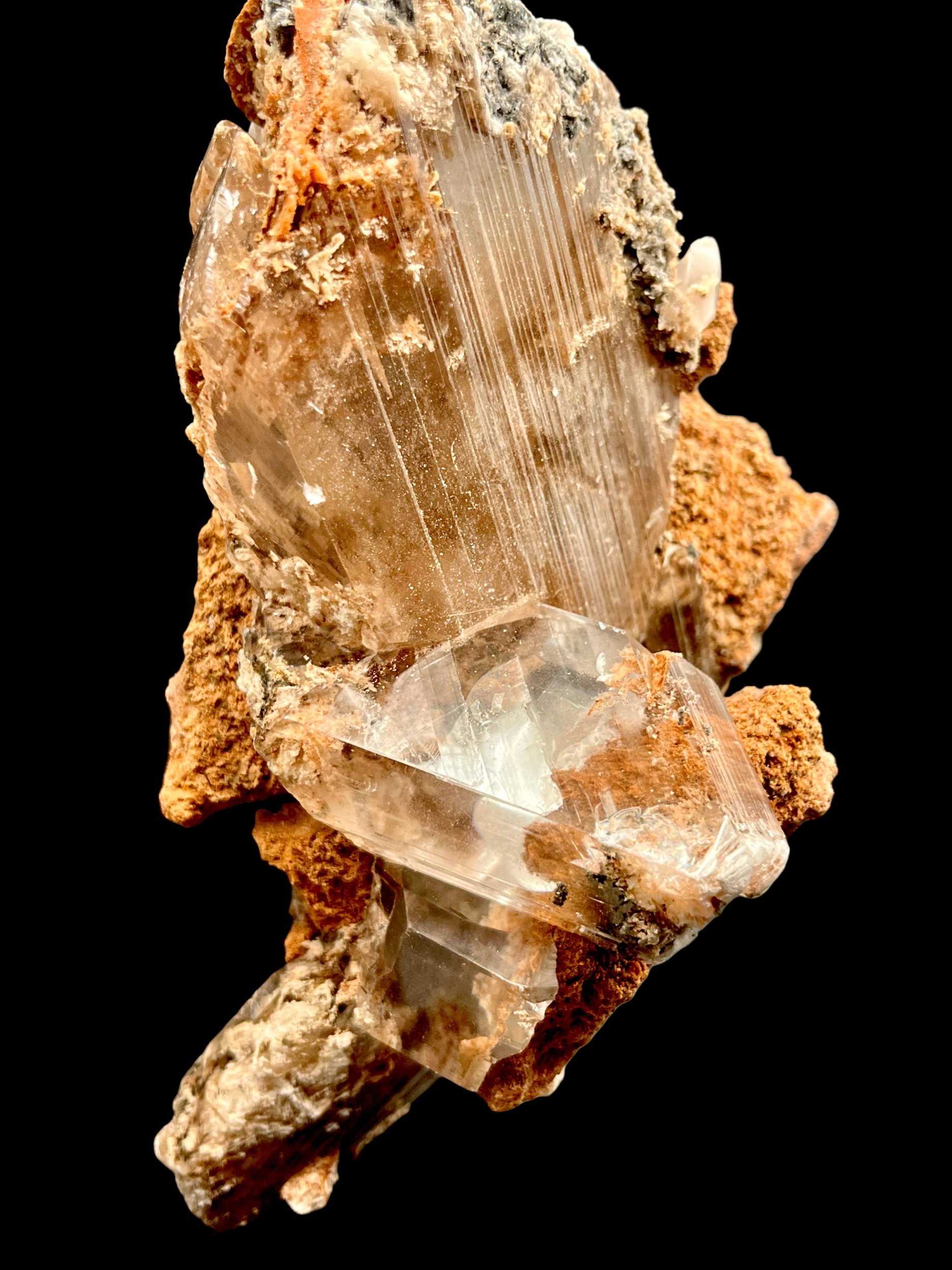
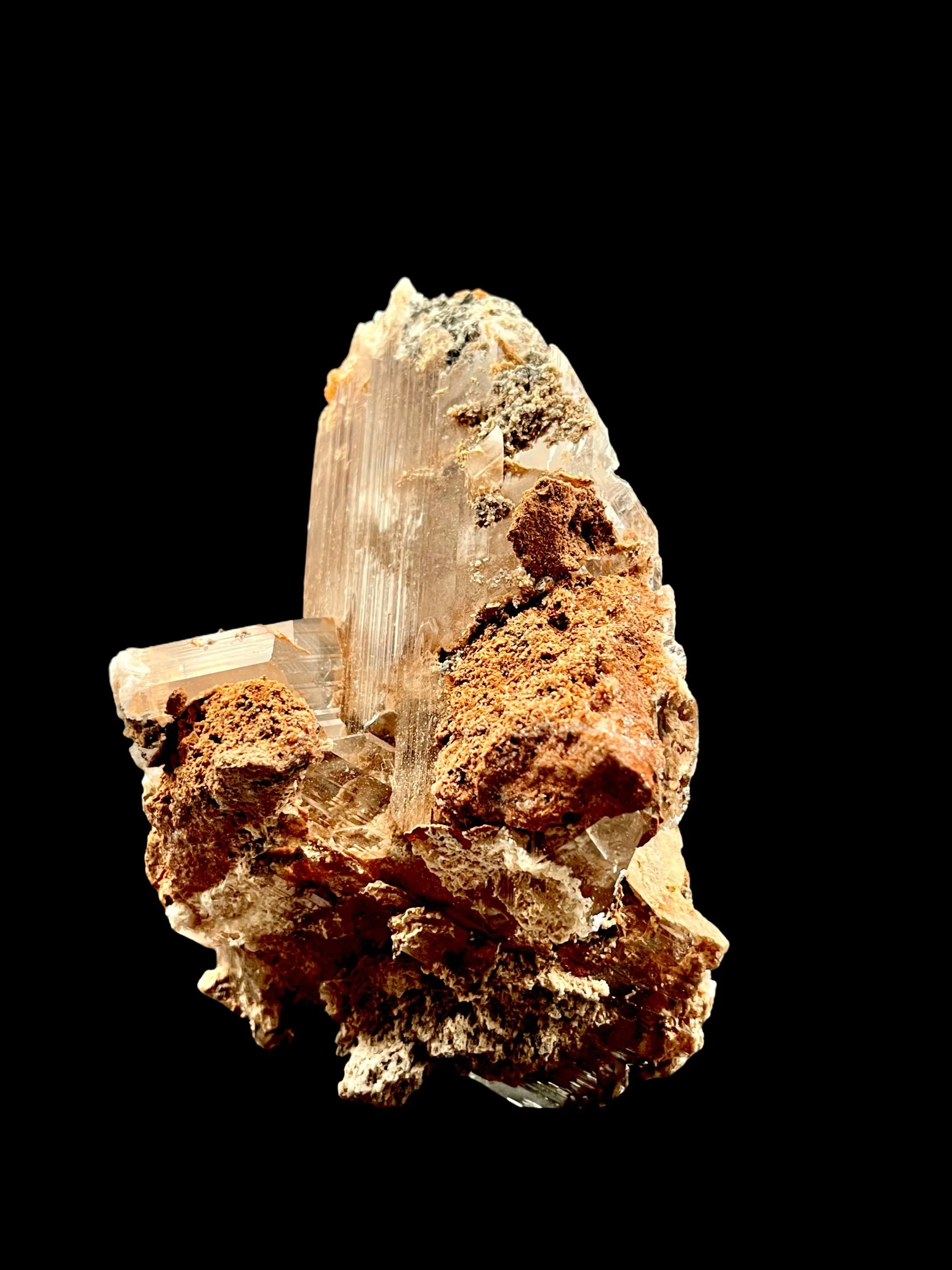
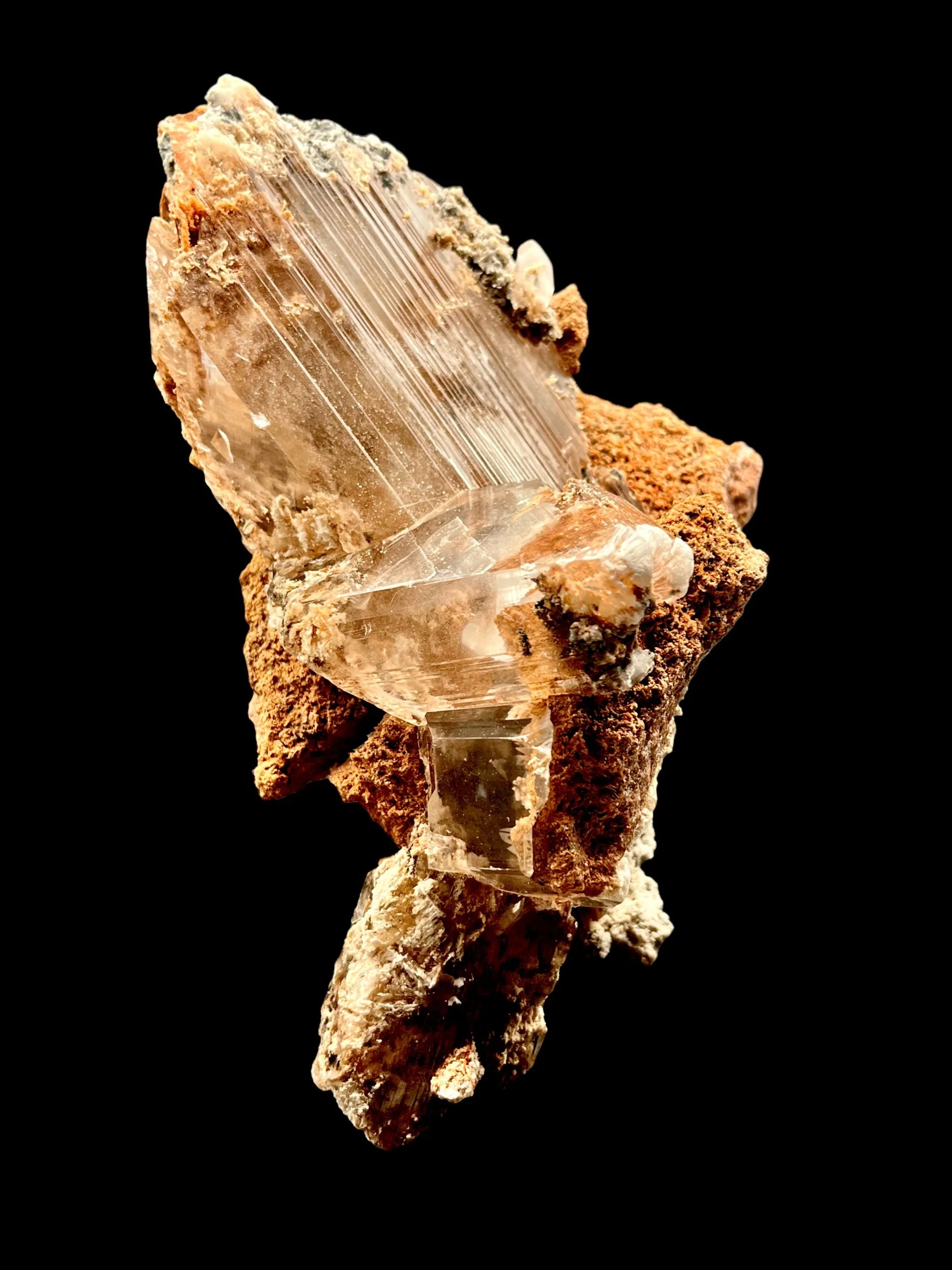
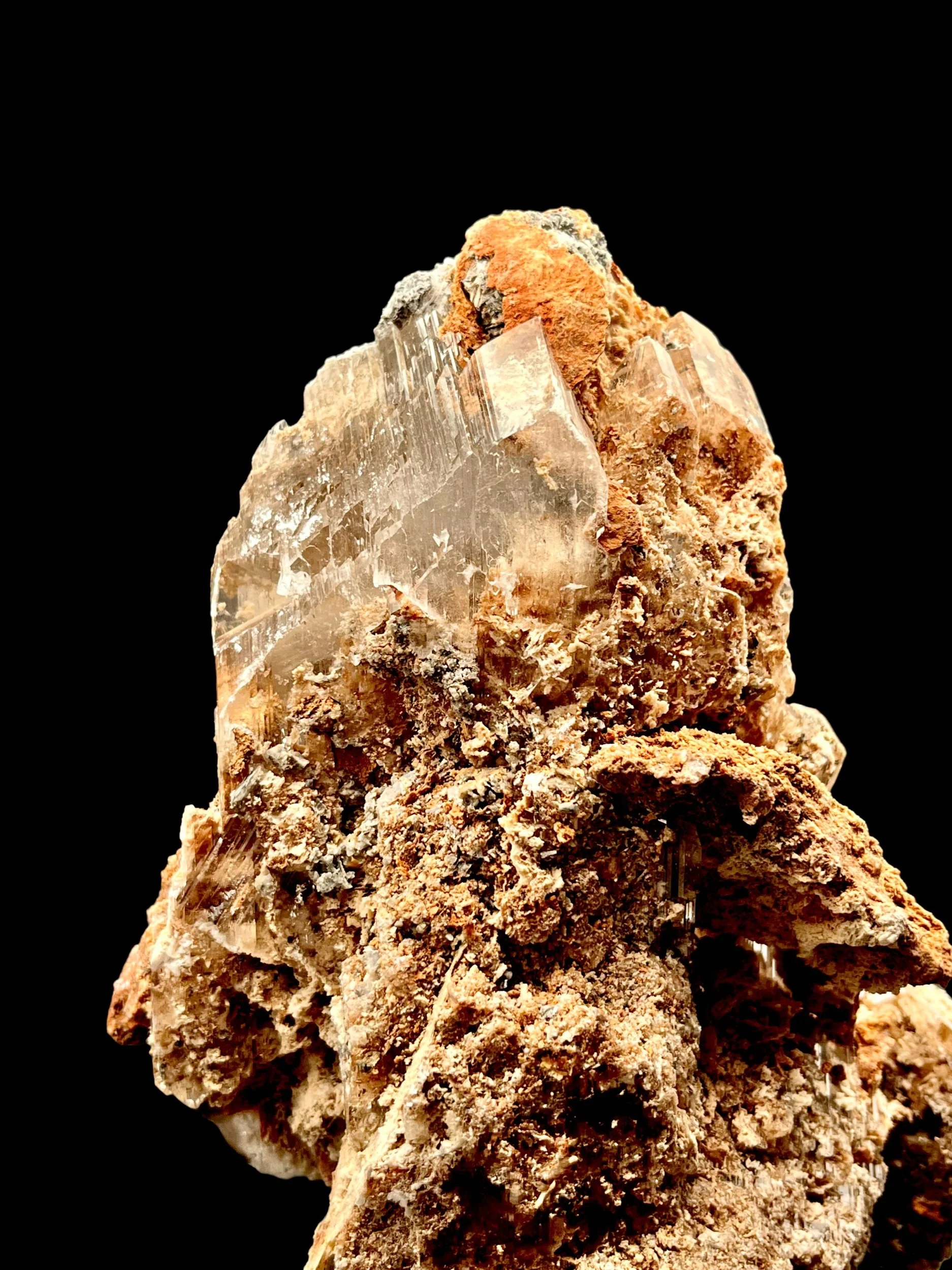
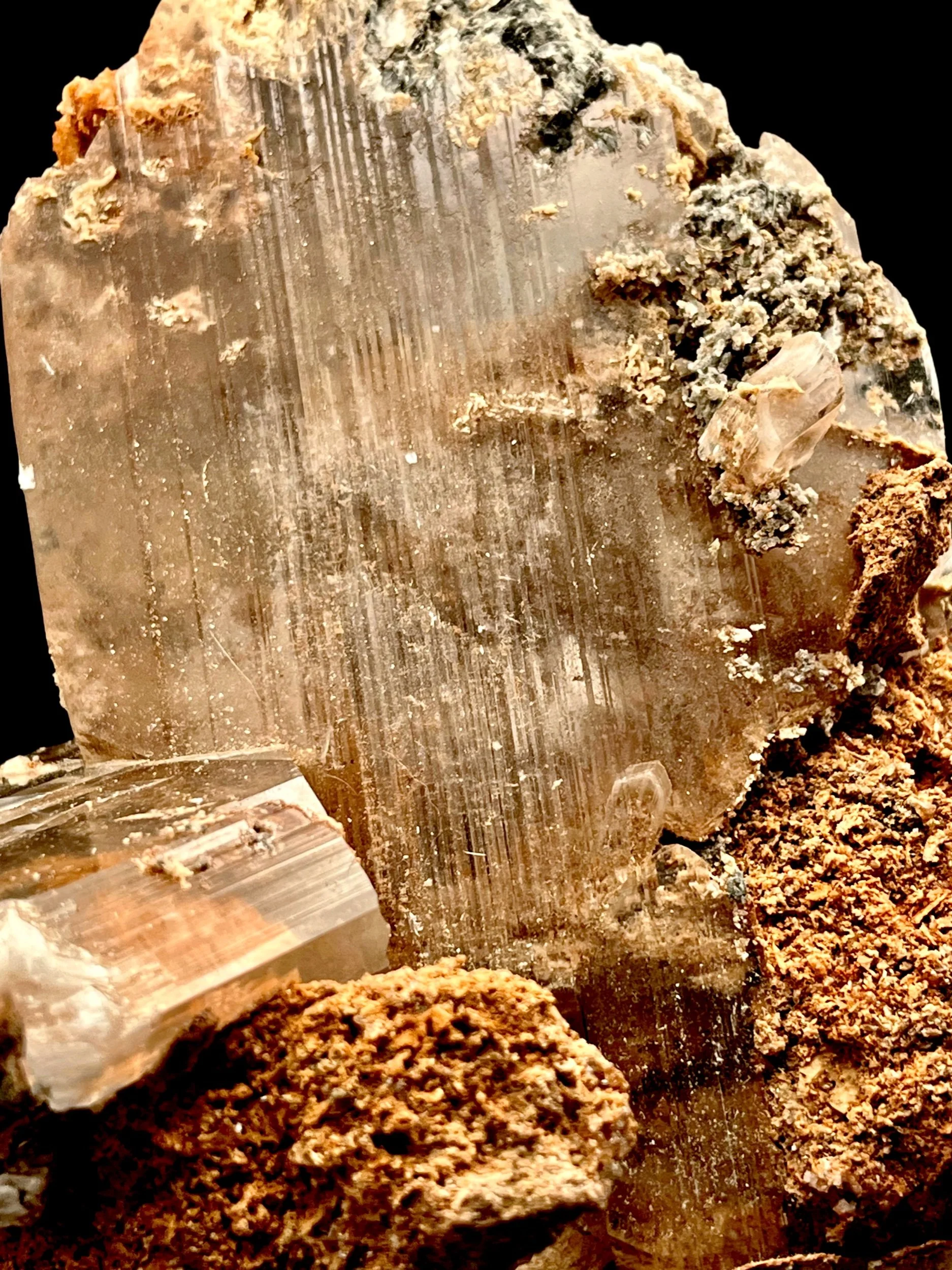
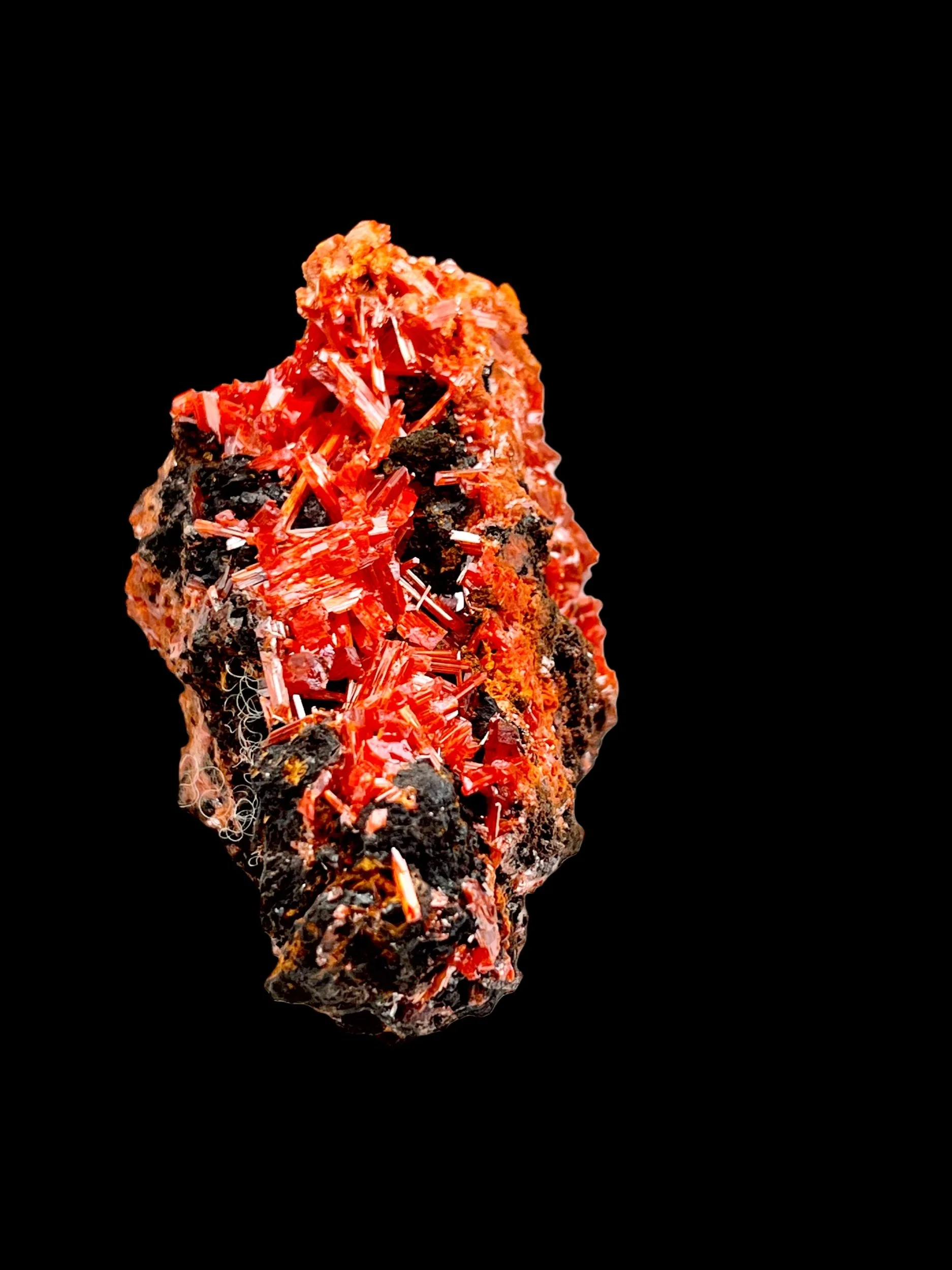
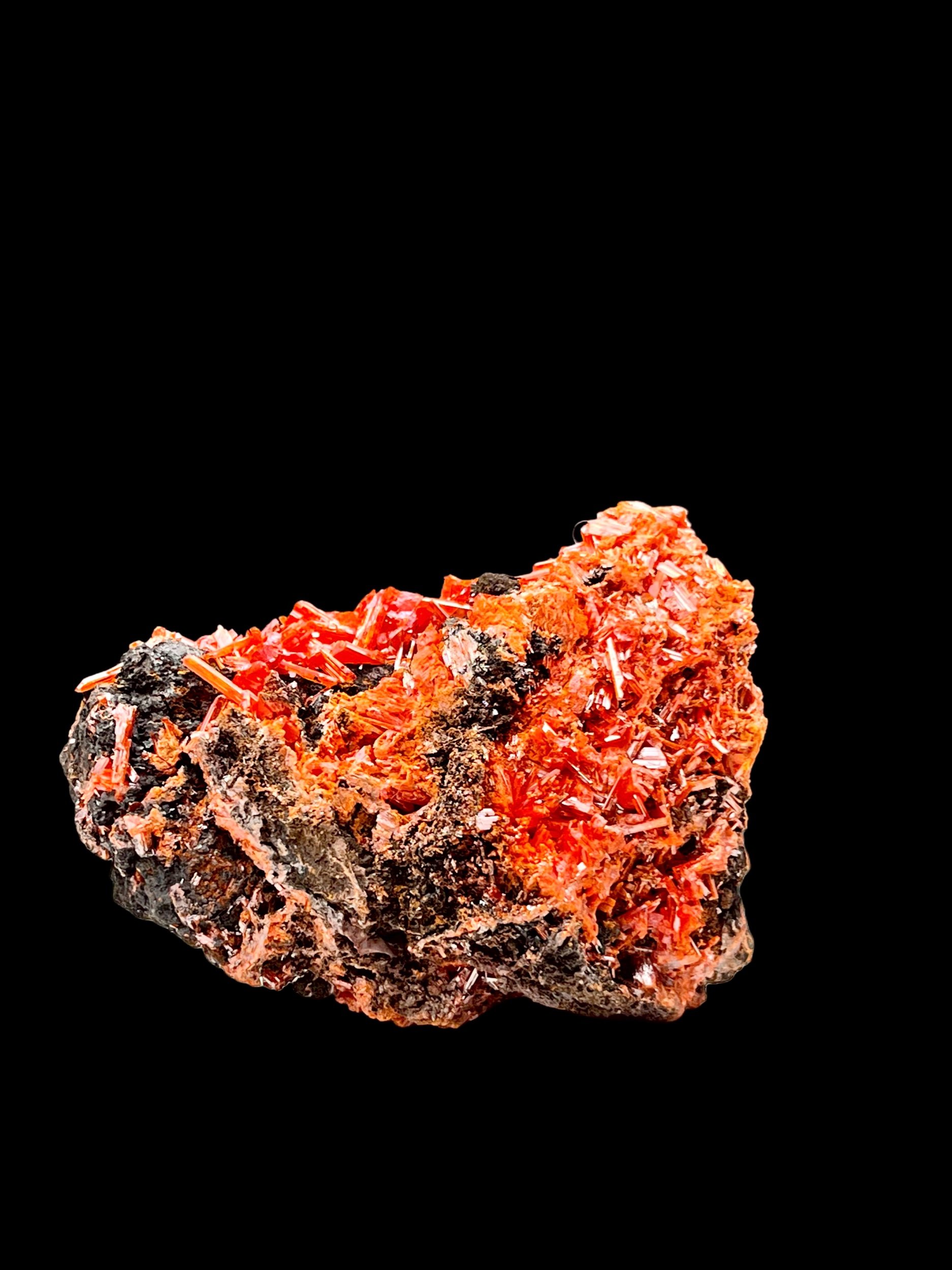
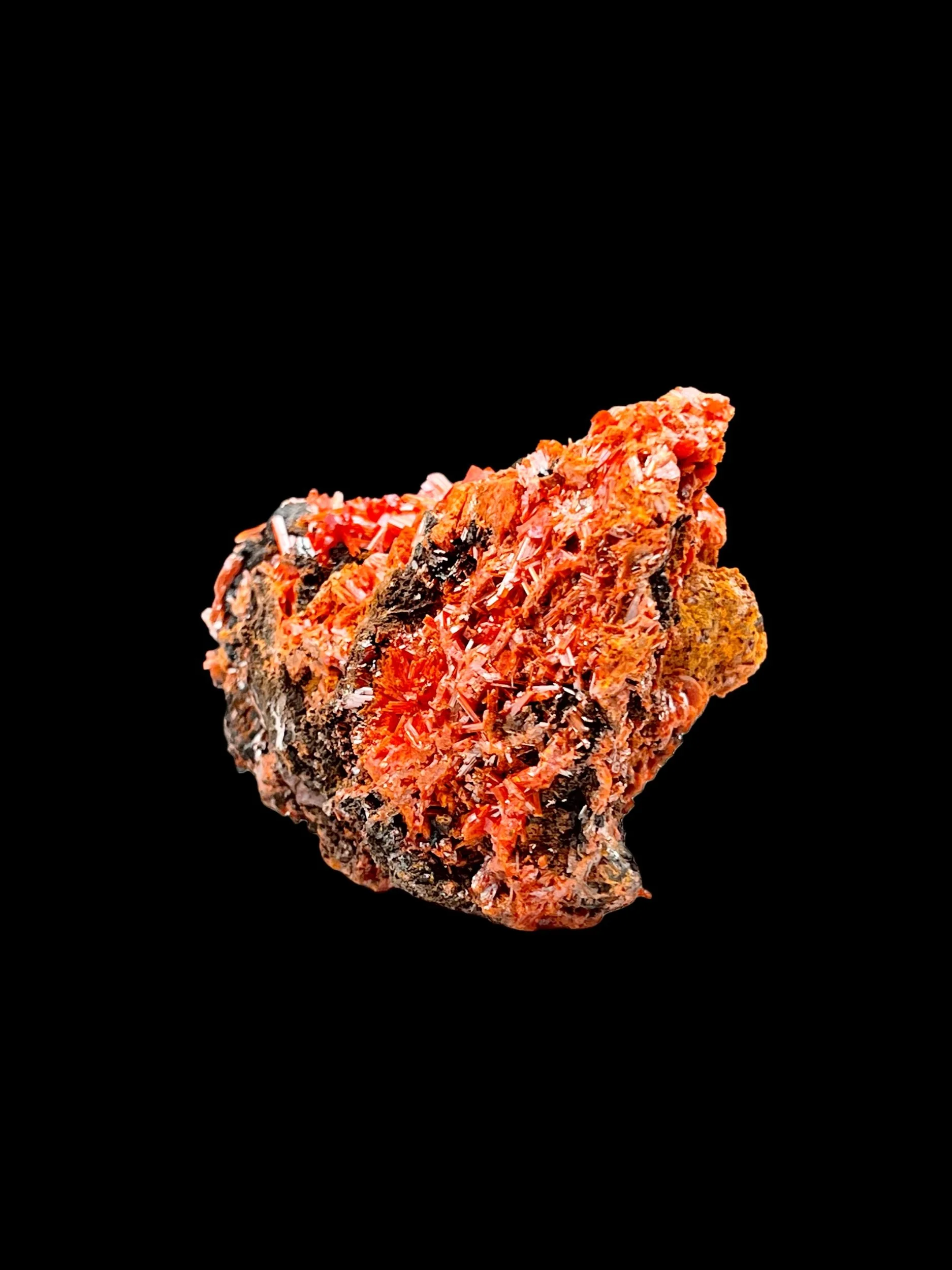
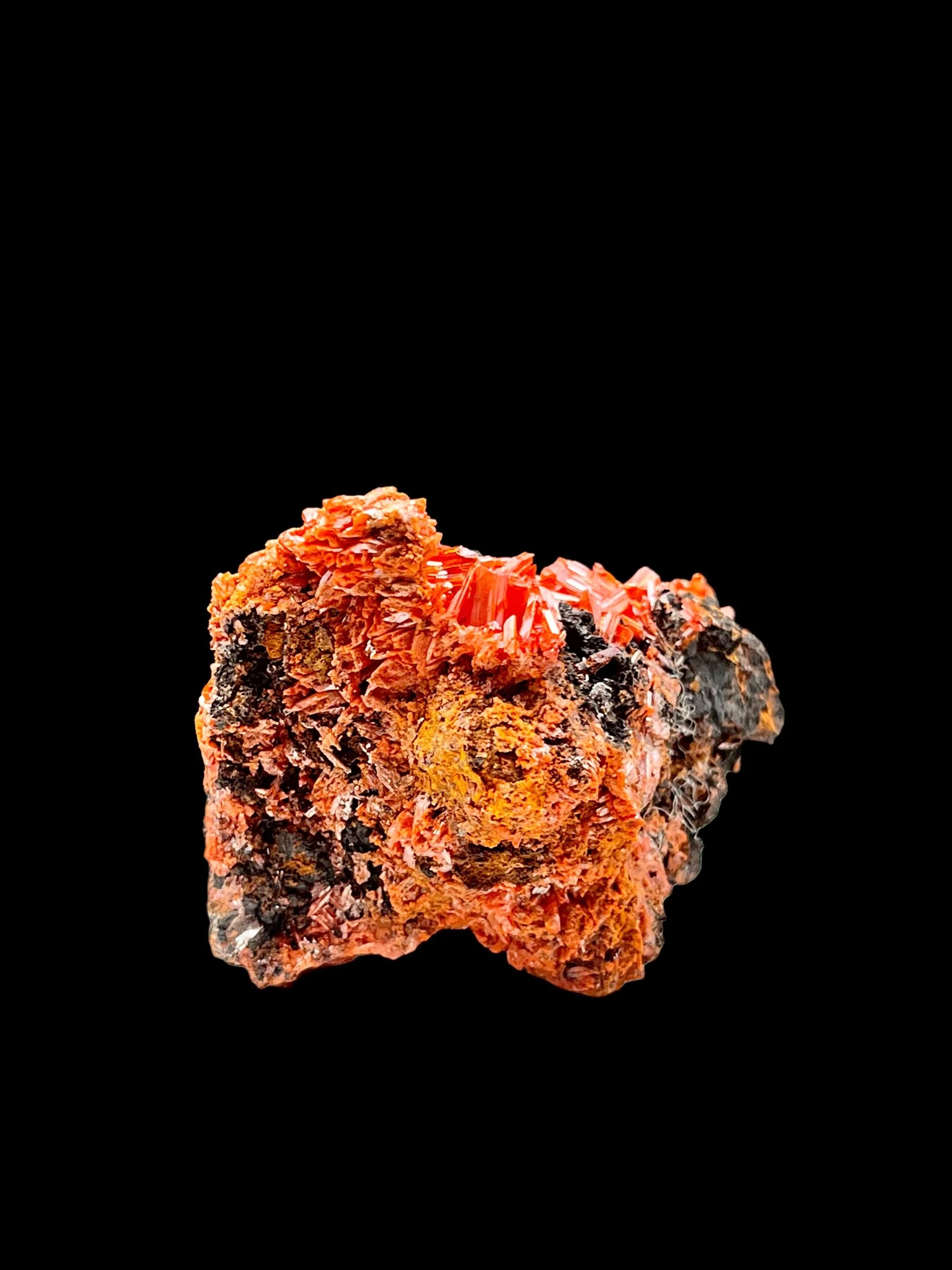
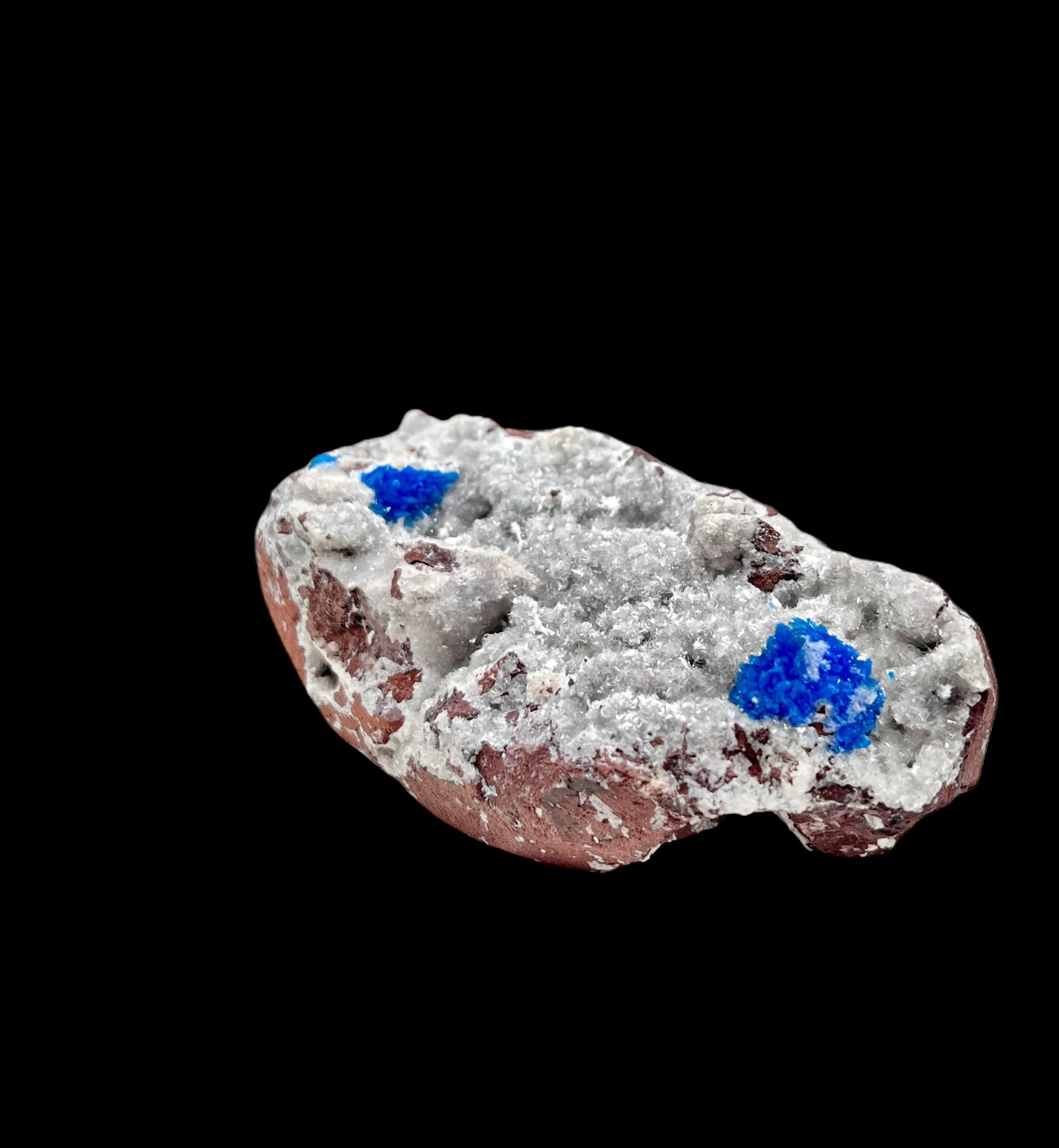
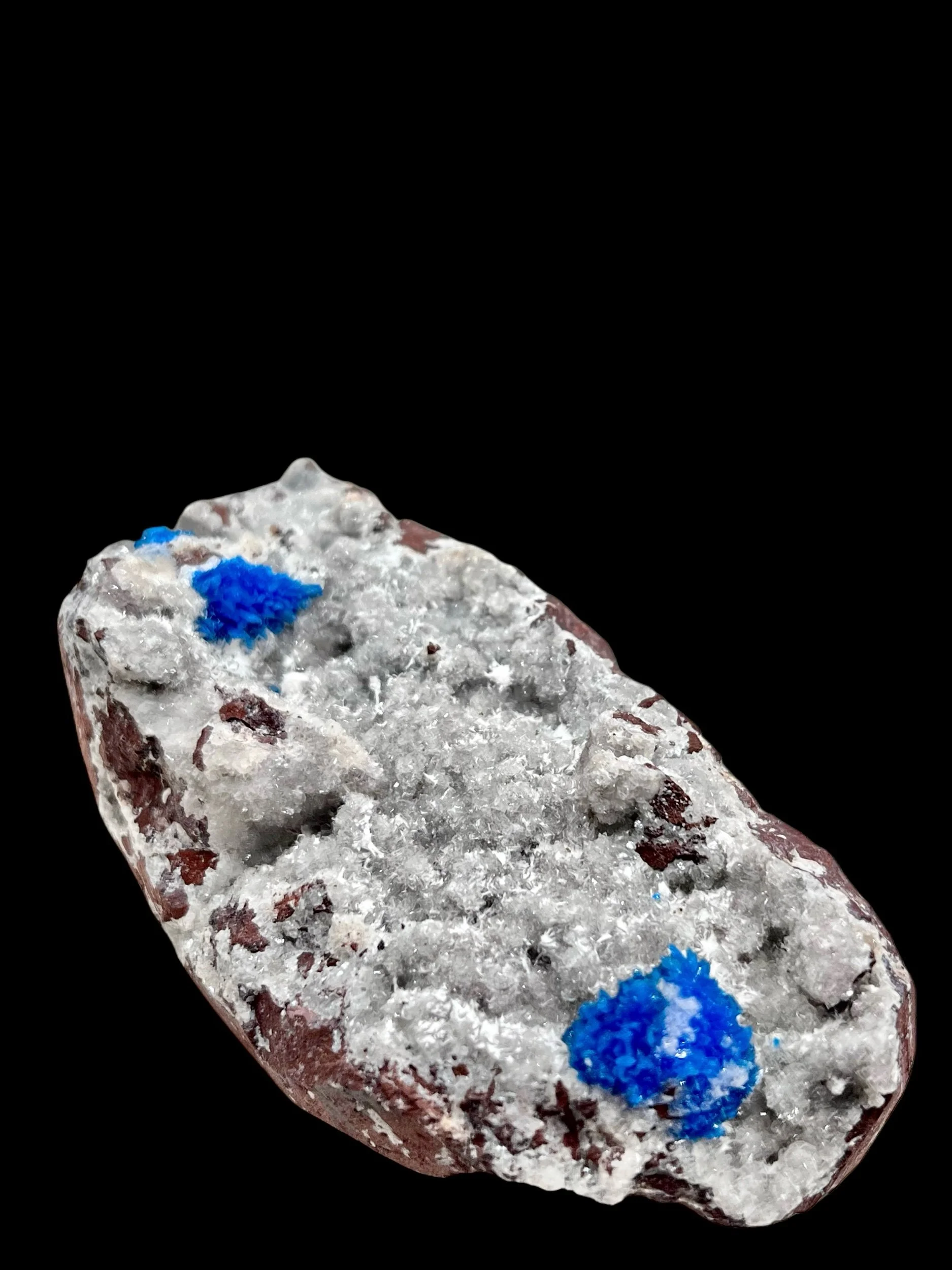
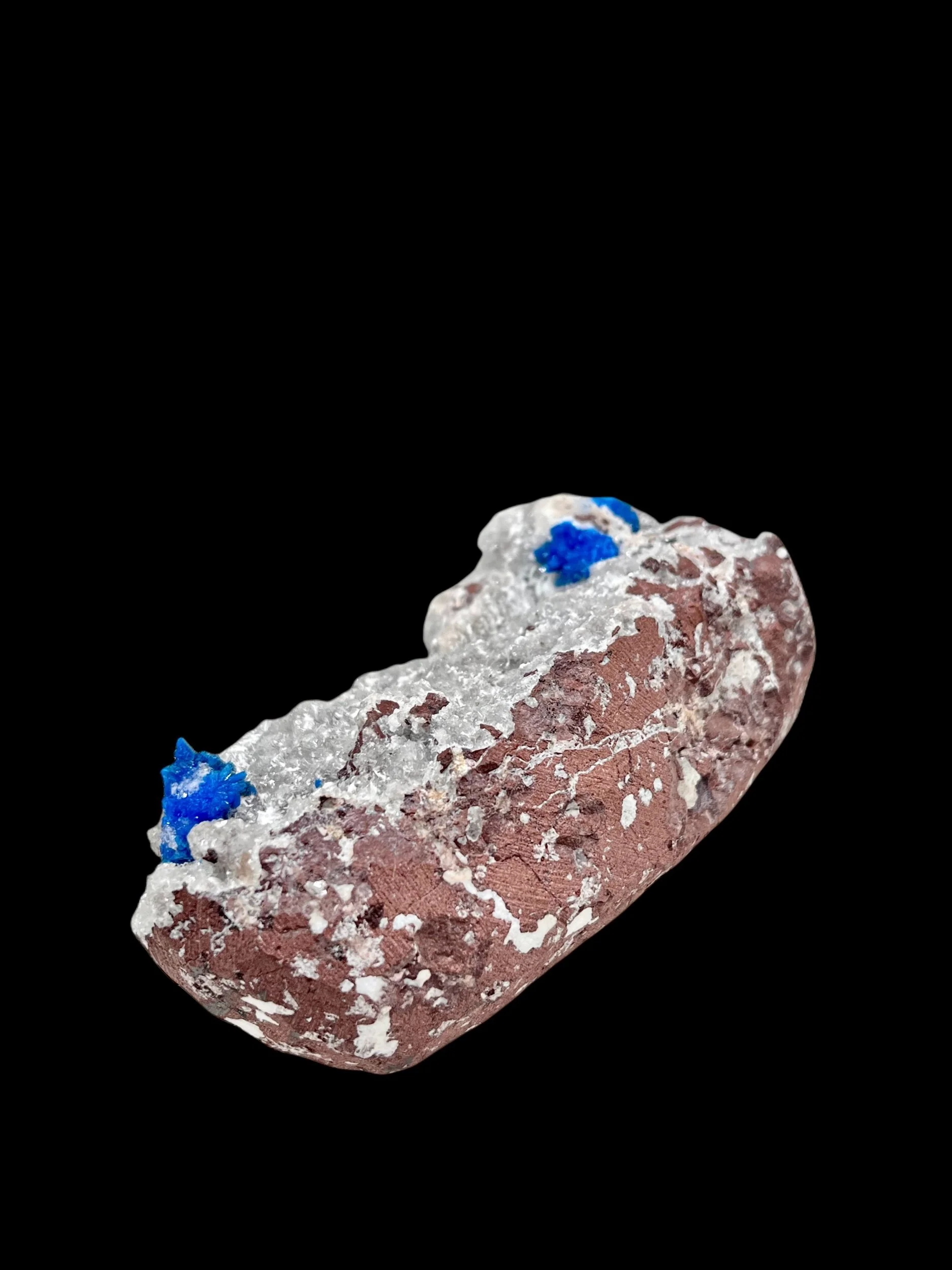
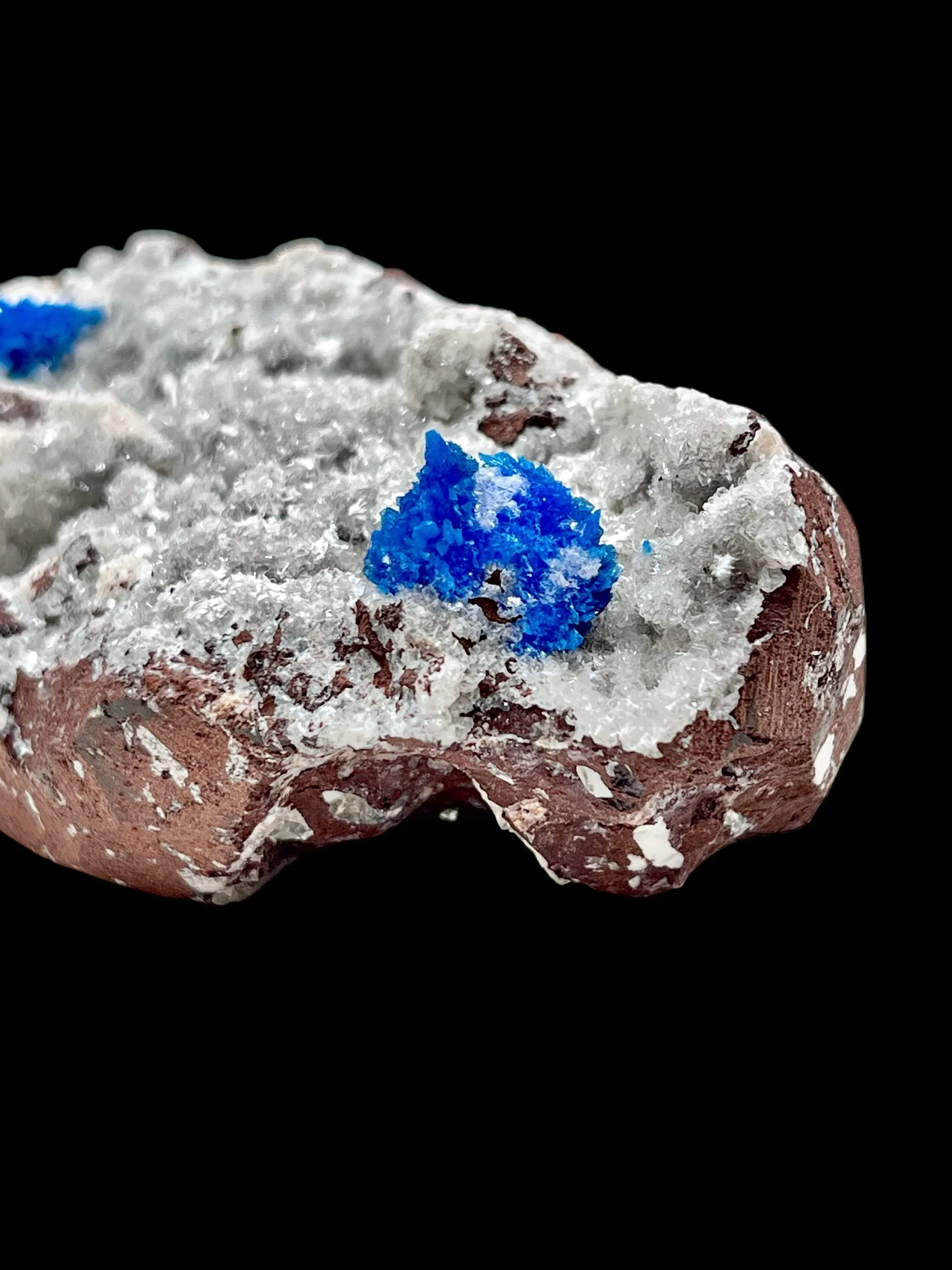
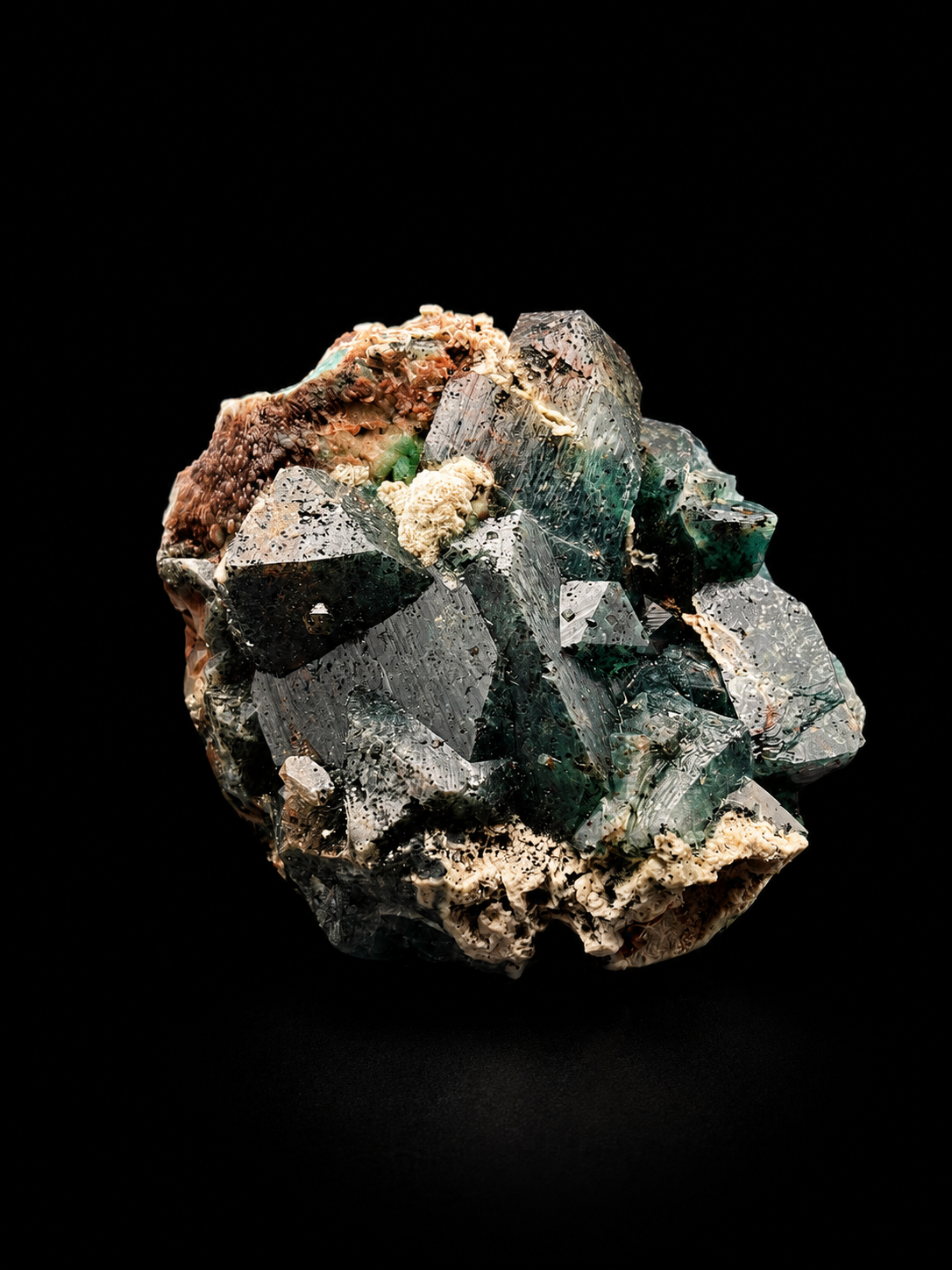
Deeply atmospheric and exceptionally textured, this marshy apophyllite specimen features a dense arrangement of intergrown, blocky crystals in shades of inky green, deep teal, earthy browns, and muted greys. Broad reflective faces rise from a complex matrix accented by cream-colored mineral growth, rust tones, and scattered mineral inclusions.
The unique coloring comes primarily from extremely fine celadonite and/or chlorite inclusions incorporated within otherwise colorless apophyllite. Where the inclusions are most concentrated, the crystals appear nearly opaque and exceptionally dark; along thinner edges and illuminated faces, their underlying translucency emerges in flashes of green.
Subtle reddish-brown and black speckling represent additional iron-rich material. These inclusions create remarkable variation from crystal to crystal, giving the piece its characteristic swampy, moss-covered appearance without sacrificing the geometric structure for which apophyllite is known for.
Dimensions: 3.5 × 3.5 × 1.75 inches
Weight: 482 grams
Locality: Sakur Quarry, Sakur, Sangamner, Ahilyanagar District, Nashik Division, Maharashtra
In crystal traditions, apophyllite is associated with clarity, self-reflection, emotional release, and heightened awareness. Green included apophyllite is often chosen for work involving renewal, grounding, and heart-centered balance.
The combination of luminous apophyllite and earthy inclusions gives this specimen a particularly balanced presence—structured yet organic, reflective yet deeply grounding.
Metaphysical properties are based on spiritual traditions and are not scientific or medical claims.
“Marshy apophyllite” is a collector and trade term rather than a formally recognized mineral species. It generally describes apophyllite whose transparent crystals have been densely clouded or colored by green clay-mineral inclusions, creating mossy, aquatic, or swamp-like visual effects.
The Sakur locality lies within Maharashtra’s celebrated Deccan Traps, an immense province of ancient flood basalts. Gas cavities left inside the cooling lava were later entered by mineral-rich fluids, allowing apophyllite, zeolites, calcite, silica minerals, and associated species to crystallize inside the open pockets. These basalt cavities are responsible for many of India’s most recognizable mineral specimens.
One particularly appealing detail is that the inclusions preserve evidence of the pocket’s changing chemistry. Instead of growing as uniformly colorless crystals, the apophyllite enclosed earlier green and iron-rich material during formation. The result is a specimen that effectively records more than one stage of mineral growth within the same crystal mass.
Thick, sharply defined apophyllite crystals
Excellent Deep teal and forest-green coloration
Celadonite and/or chlorite inclusions
Rust, cream, charcoal, and silver-toned mineral inclusions
Excellent display presence
Substantial 482-gram collector specimen
Mineral: Apophyllite Group,
Probable inclusions: Celadonite and/or chlorite, with possible iron oxides
Chemical formula: Approximately KCa₄(Si₈O₂₀)(F,OH)·8H₂O
Crystal system: Tetragonal
Luster: Vitreous to pearly
Transparency: Translucent to locally transparent; opaque where inclusions are concentrated
Deeply atmospheric and exceptionally textured, this marshy apophyllite specimen features a dense arrangement of intergrown, blocky crystals in shades of inky green, deep teal, earthy browns, and muted greys. Broad reflective faces rise from a complex matrix accented by cream-colored mineral growth, rust tones, and scattered mineral inclusions.
The unique coloring comes primarily from extremely fine celadonite and/or chlorite inclusions incorporated within otherwise colorless apophyllite. Where the inclusions are most concentrated, the crystals appear nearly opaque and exceptionally dark; along thinner edges and illuminated faces, their underlying translucency emerges in flashes of green.
Subtle reddish-brown and black speckling represent additional iron-rich material. These inclusions create remarkable variation from crystal to crystal, giving the piece its characteristic swampy, moss-covered appearance without sacrificing the geometric structure for which apophyllite is known for.
Dimensions: 3.5 × 3.5 × 1.75 inches
Weight: 482 grams
Locality: Sakur Quarry, Sakur, Sangamner, Ahilyanagar District, Nashik Division, Maharashtra
In crystal traditions, apophyllite is associated with clarity, self-reflection, emotional release, and heightened awareness. Green included apophyllite is often chosen for work involving renewal, grounding, and heart-centered balance.
The combination of luminous apophyllite and earthy inclusions gives this specimen a particularly balanced presence—structured yet organic, reflective yet deeply grounding.
Metaphysical properties are based on spiritual traditions and are not scientific or medical claims.
“Marshy apophyllite” is a collector and trade term rather than a formally recognized mineral species. It generally describes apophyllite whose transparent crystals have been densely clouded or colored by green clay-mineral inclusions, creating mossy, aquatic, or swamp-like visual effects.
The Sakur locality lies within Maharashtra’s celebrated Deccan Traps, an immense province of ancient flood basalts. Gas cavities left inside the cooling lava were later entered by mineral-rich fluids, allowing apophyllite, zeolites, calcite, silica minerals, and associated species to crystallize inside the open pockets. These basalt cavities are responsible for many of India’s most recognizable mineral specimens.
One particularly appealing detail is that the inclusions preserve evidence of the pocket’s changing chemistry. Instead of growing as uniformly colorless crystals, the apophyllite enclosed earlier green and iron-rich material during formation. The result is a specimen that effectively records more than one stage of mineral growth within the same crystal mass.
Thick, sharply defined apophyllite crystals
Excellent Deep teal and forest-green coloration
Celadonite and/or chlorite inclusions
Rust, cream, charcoal, and silver-toned mineral inclusions
Excellent display presence
Substantial 482-gram collector specimen
Mineral: Apophyllite Group,
Probable inclusions: Celadonite and/or chlorite, with possible iron oxides
Chemical formula: Approximately KCa₄(Si₈O₂₀)(F,OH)·8H₂O
Crystal system: Tetragonal
Luster: Vitreous to pearly
Transparency: Translucent to locally transparent; opaque where inclusions are concentrated