 Image 1 of 5
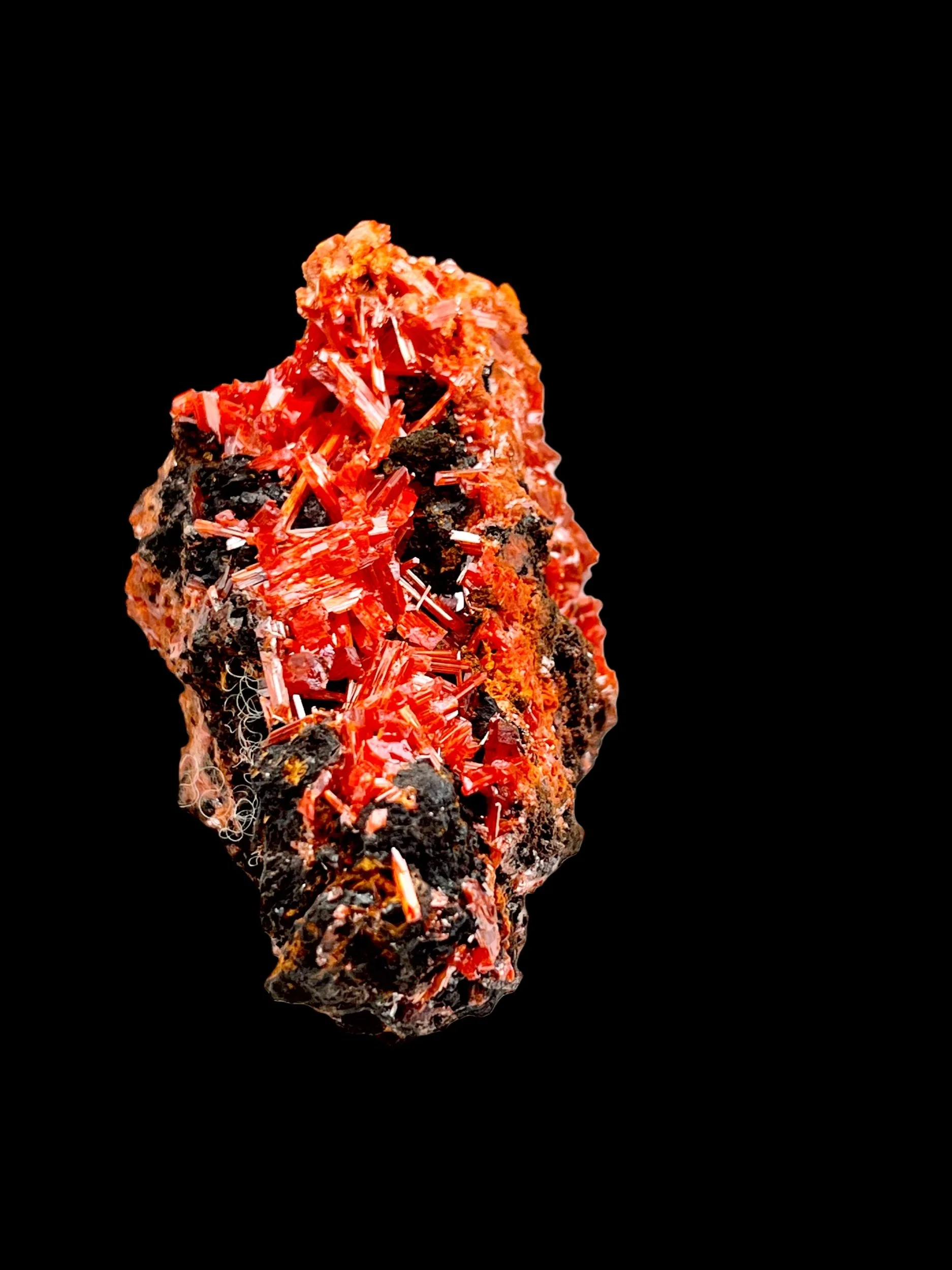 Image 2 of 5
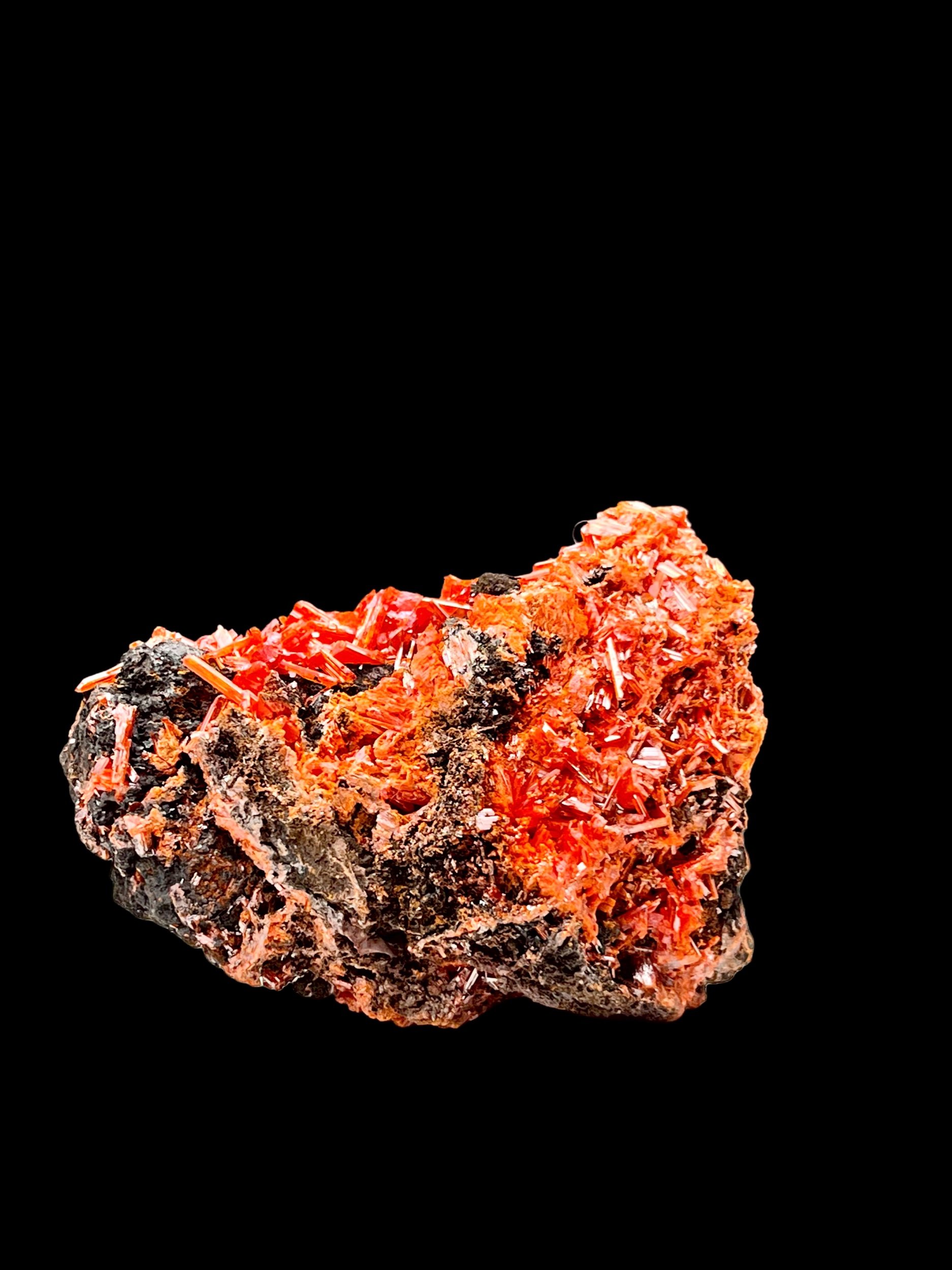 Image 3 of 5
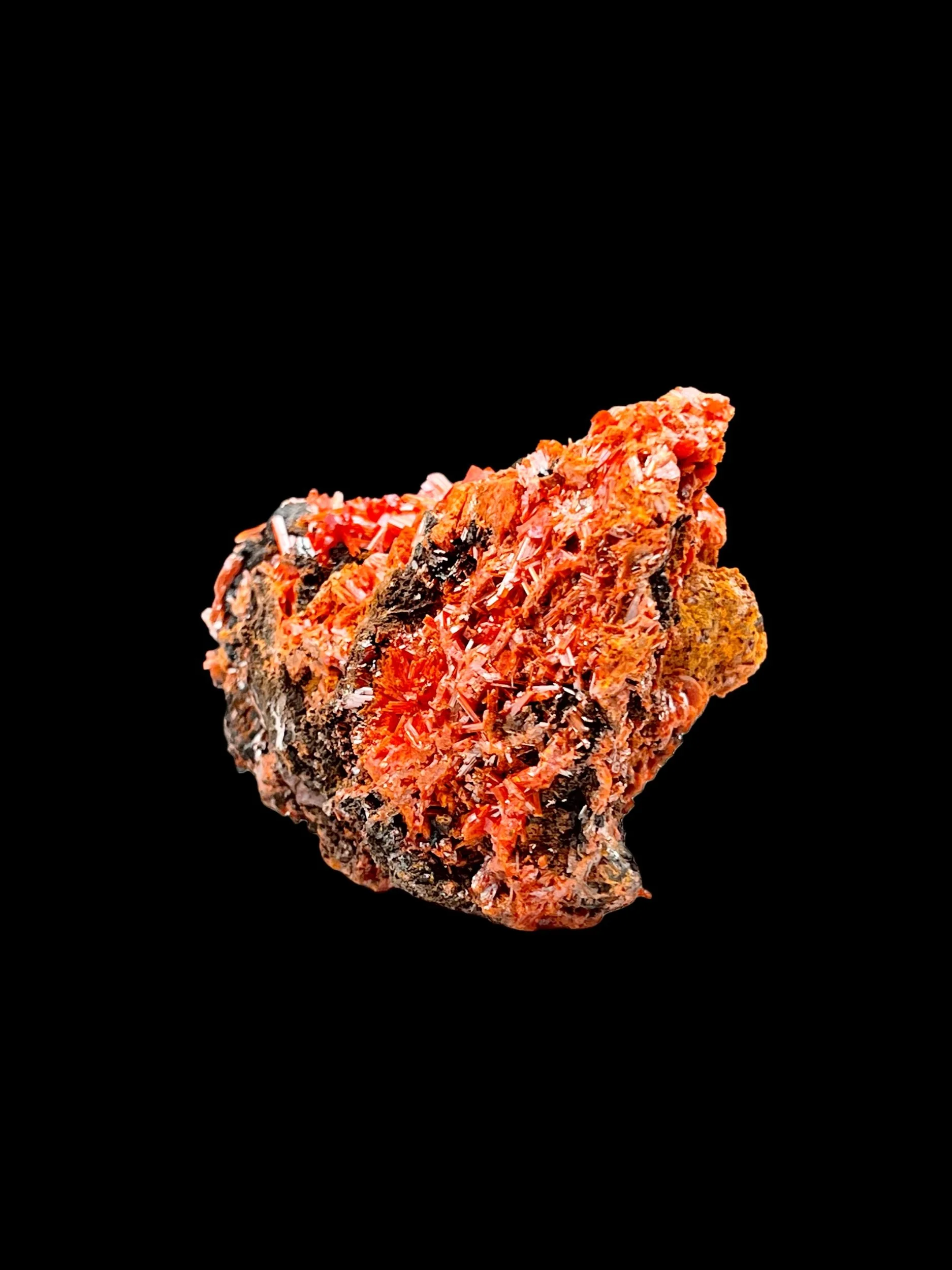 Image 4 of 5
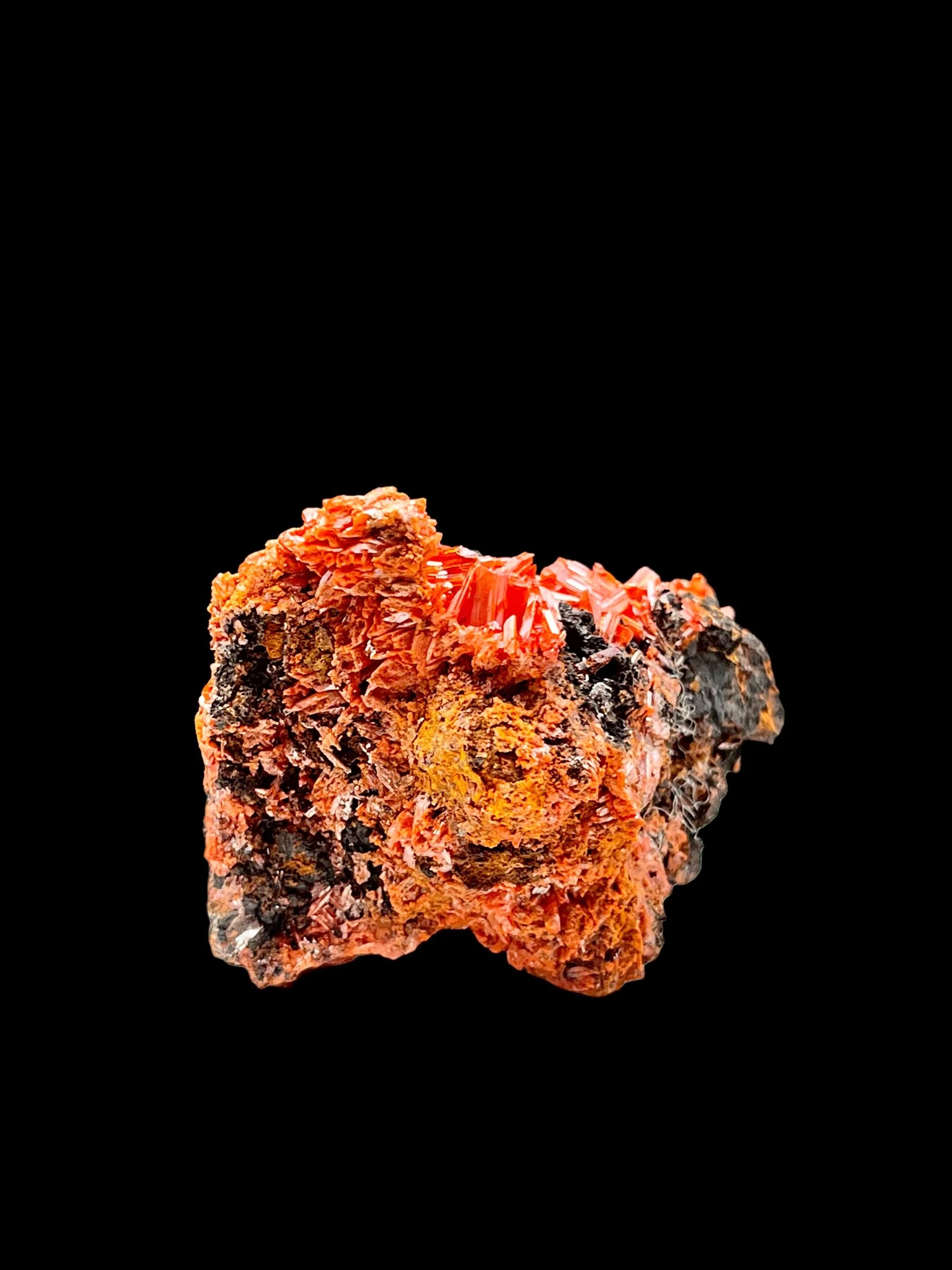 Image 5 of 5
Locality – Red Lead Mine, Dundas, Tasmania, Australia
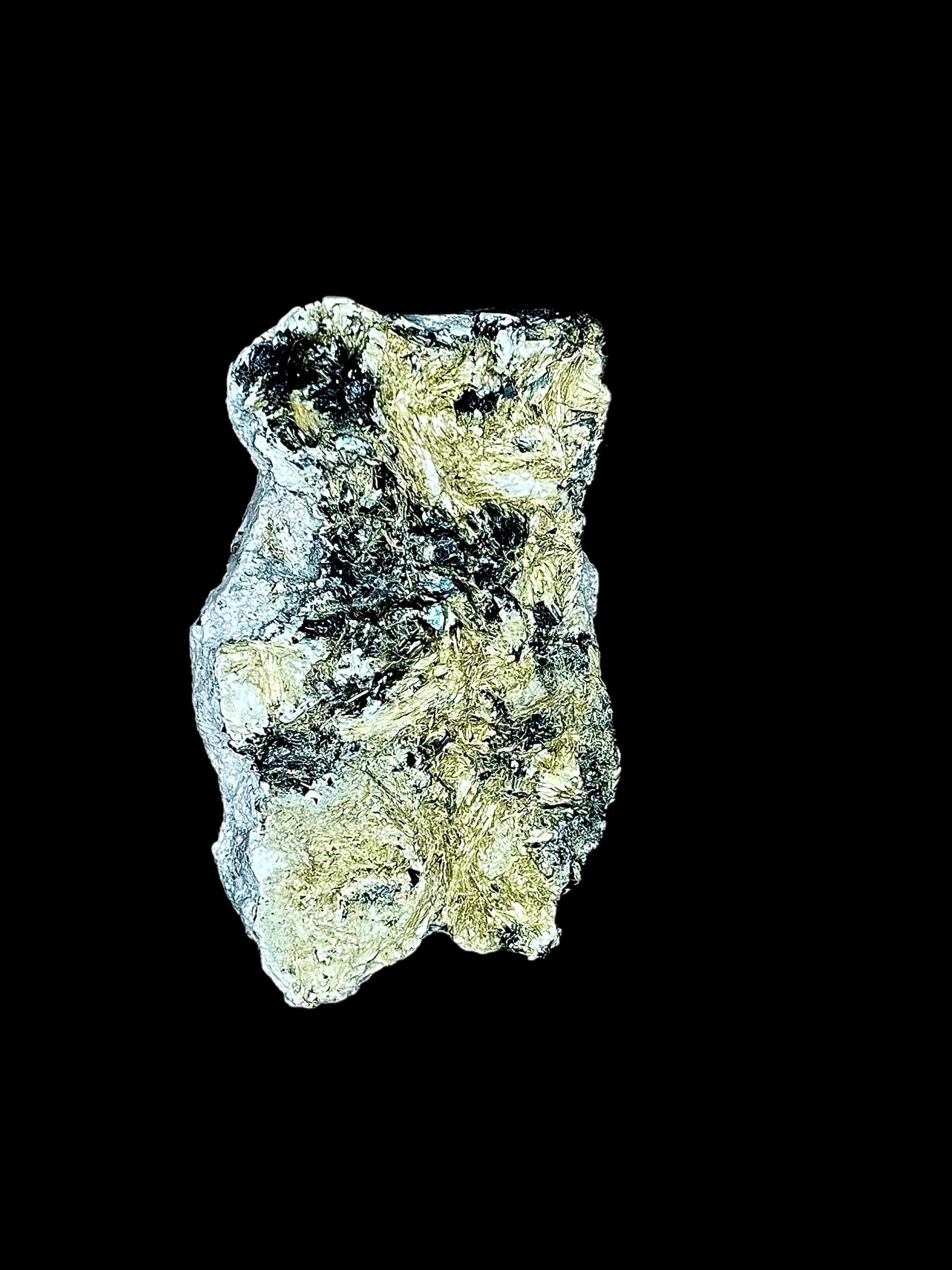
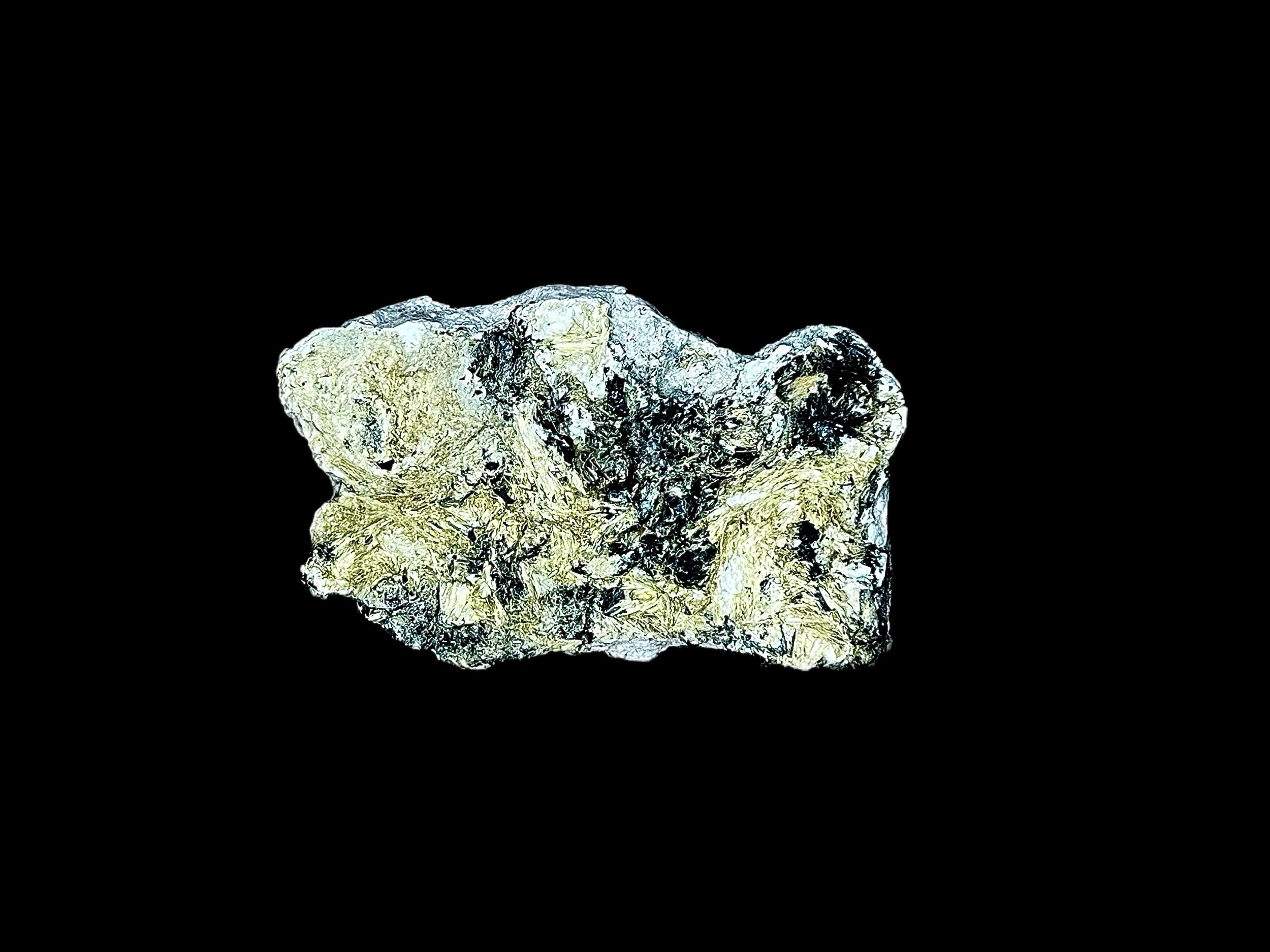
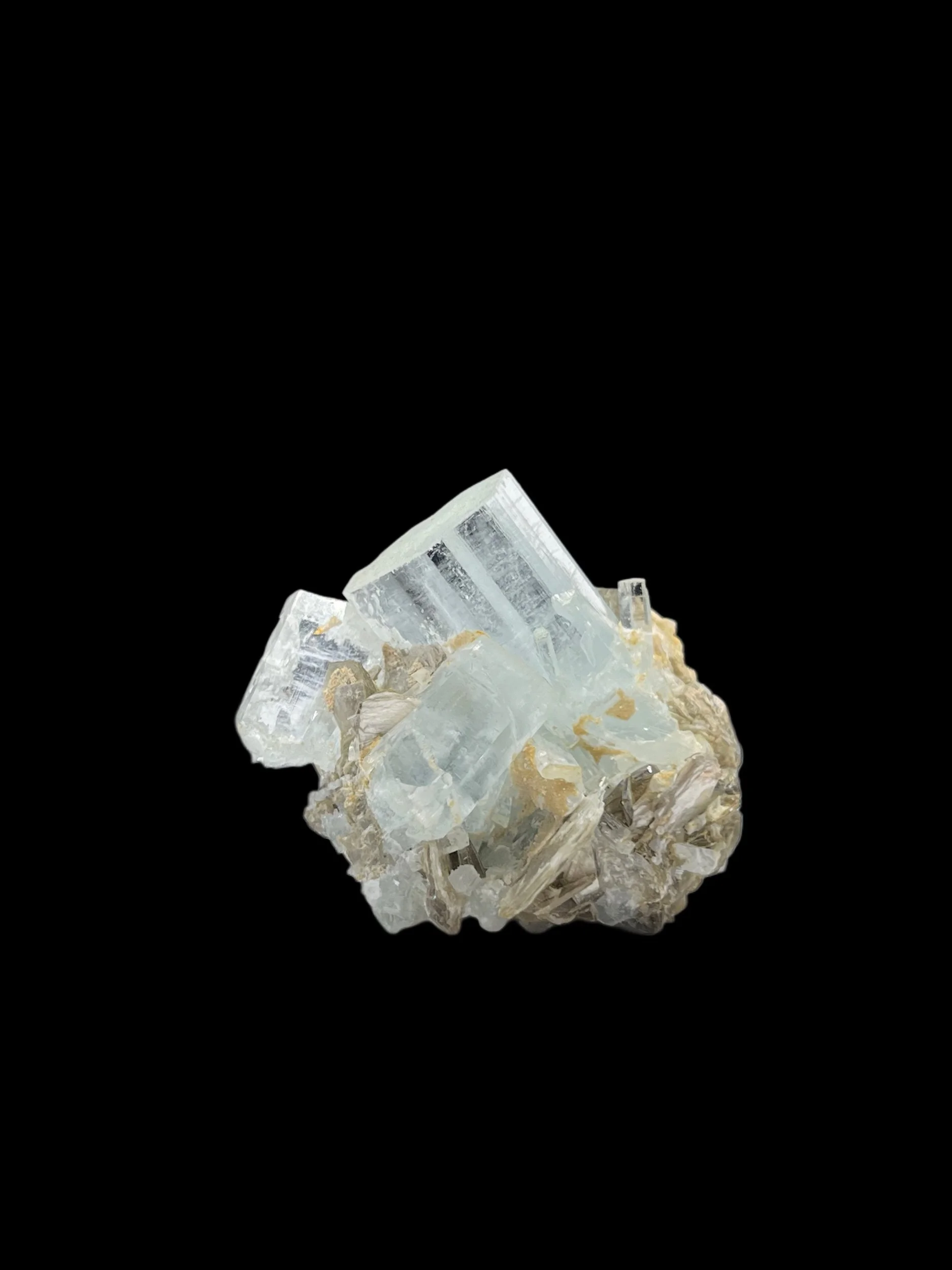
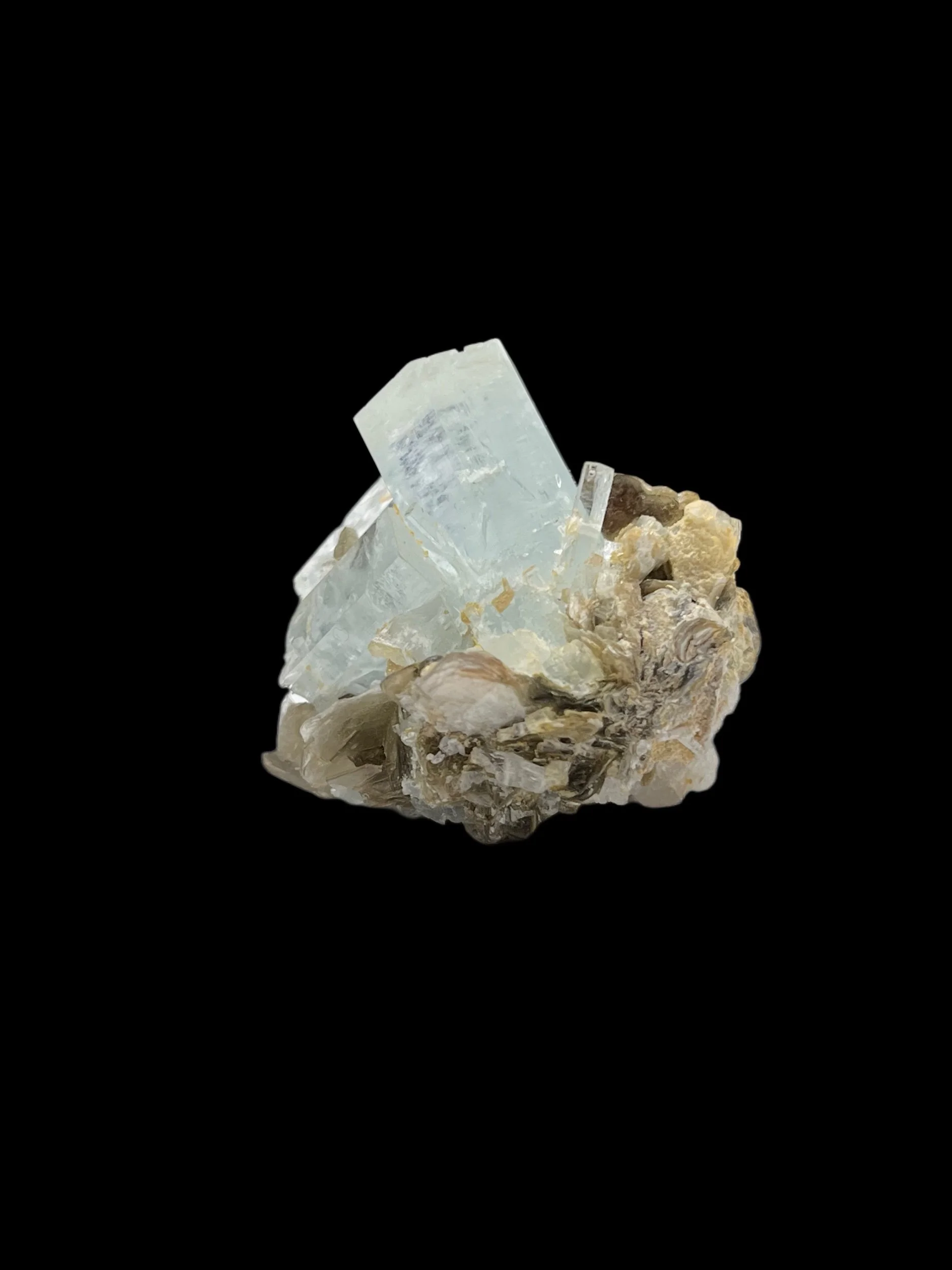
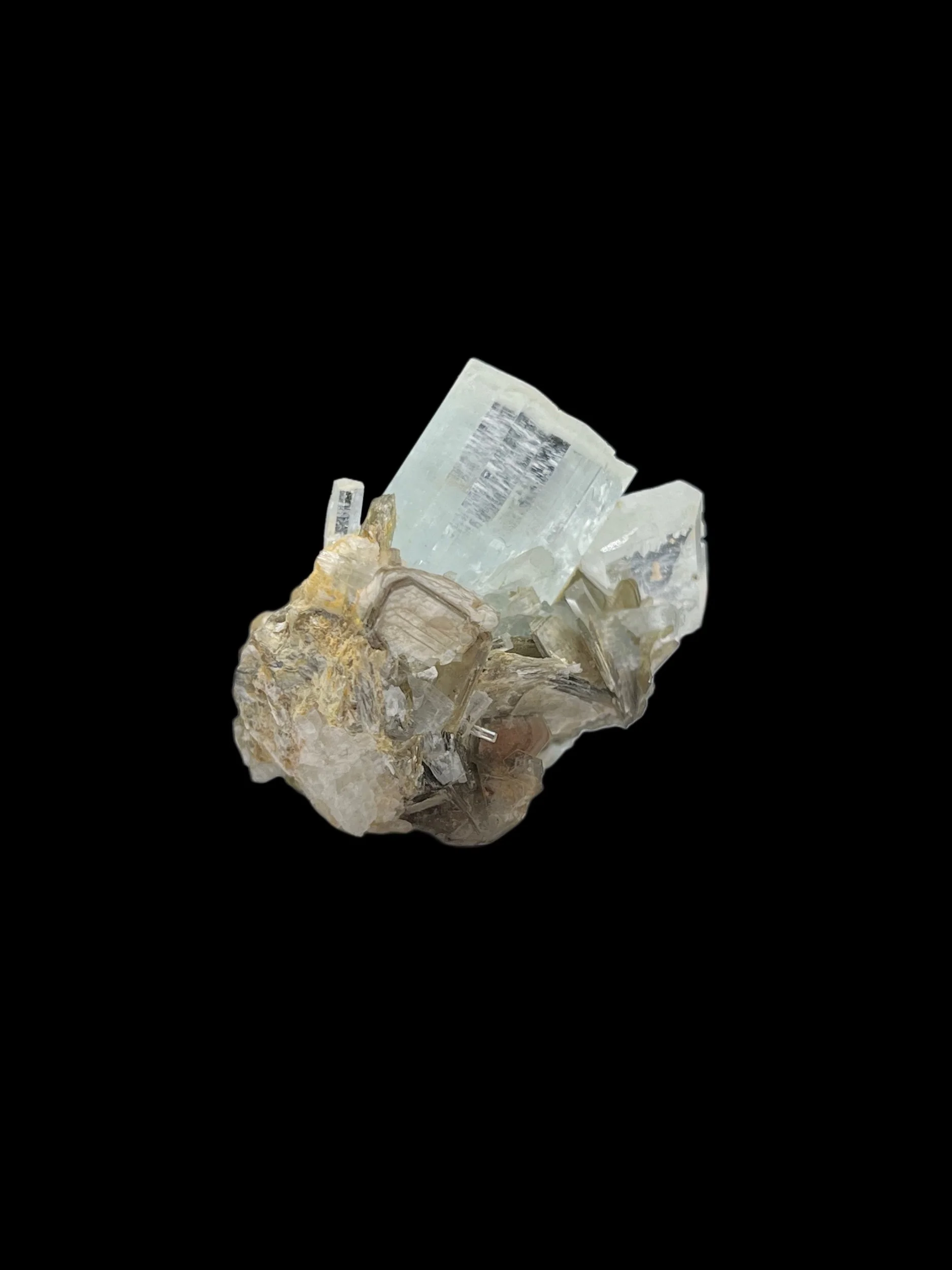
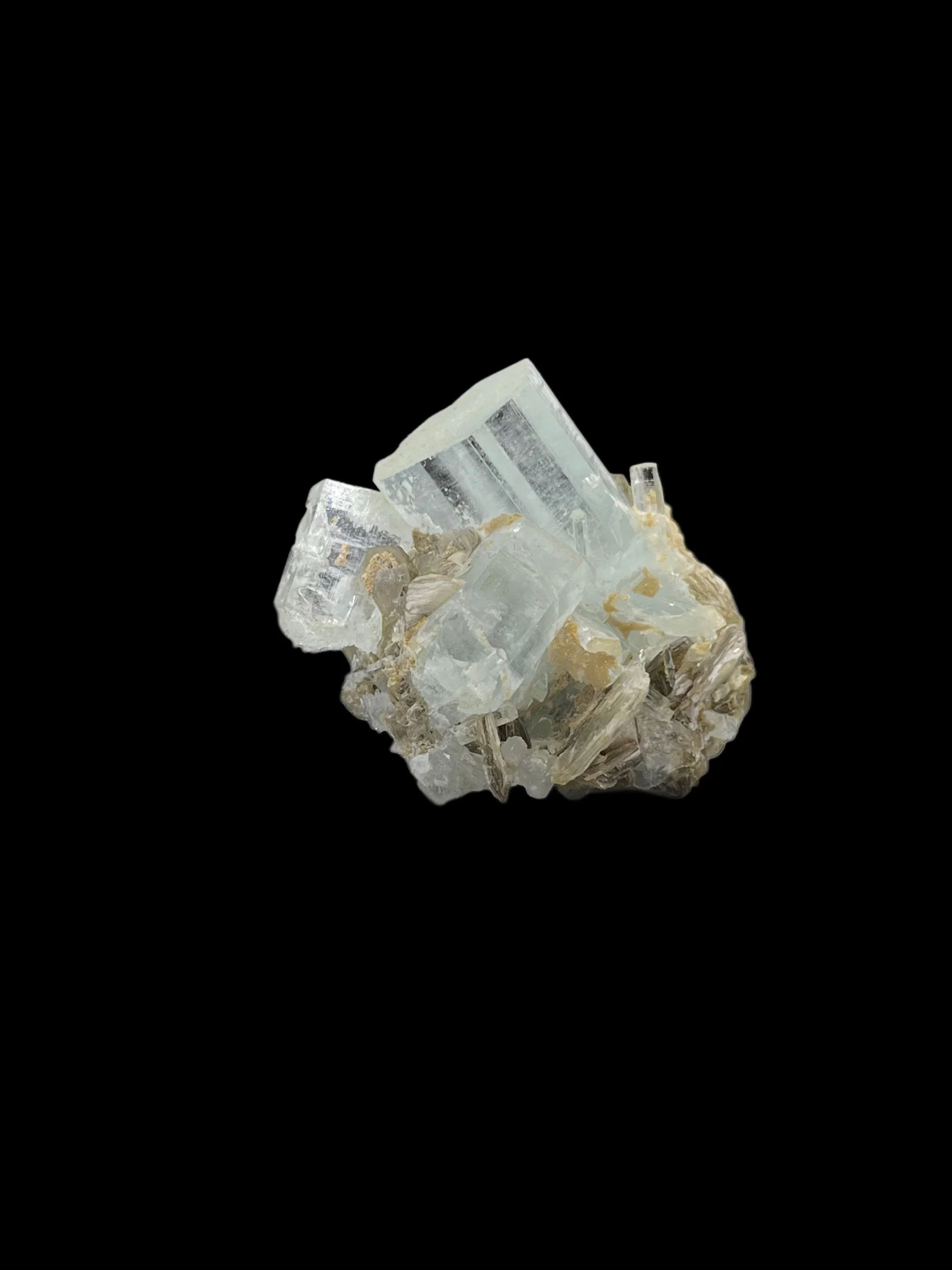
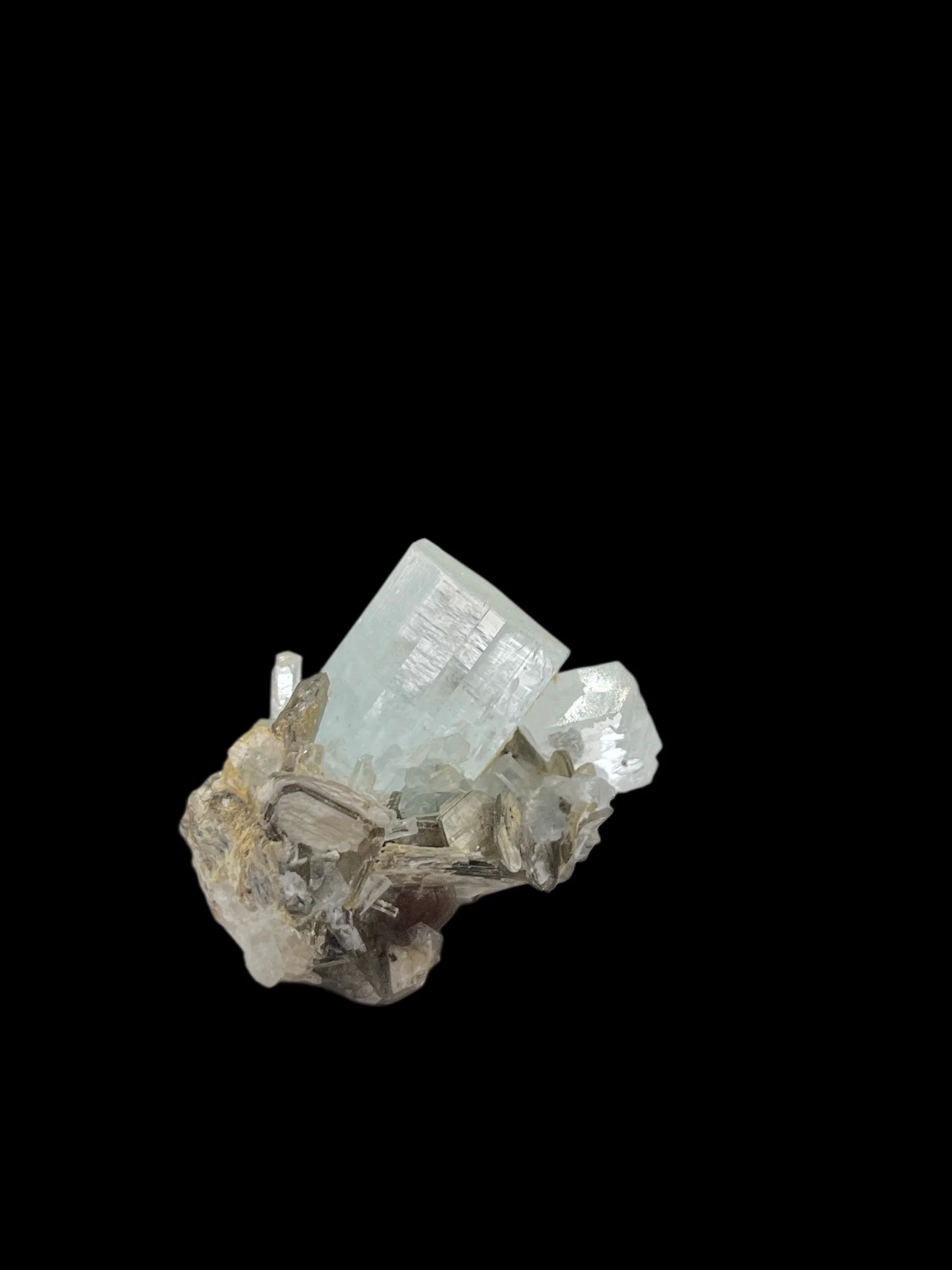
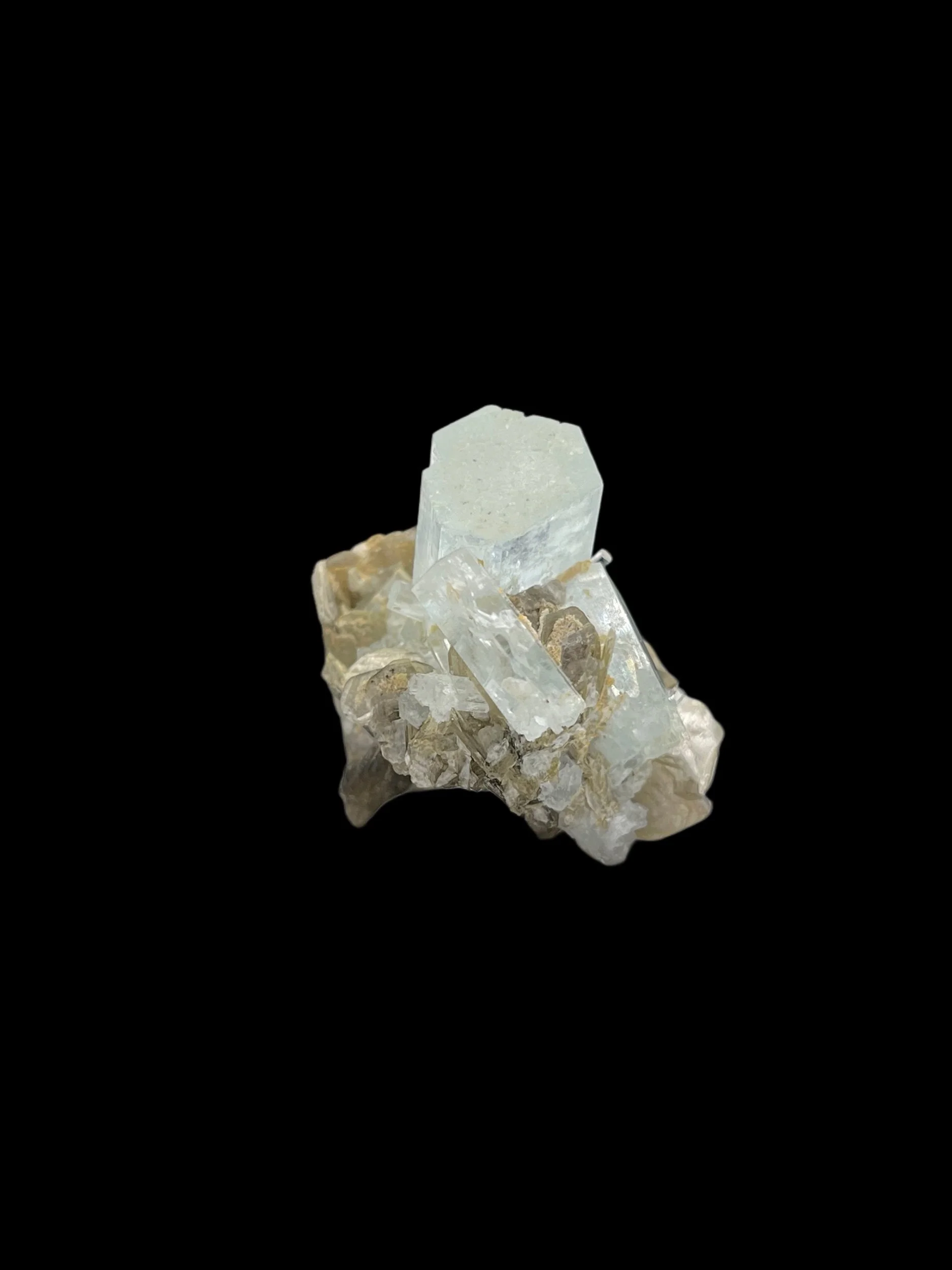
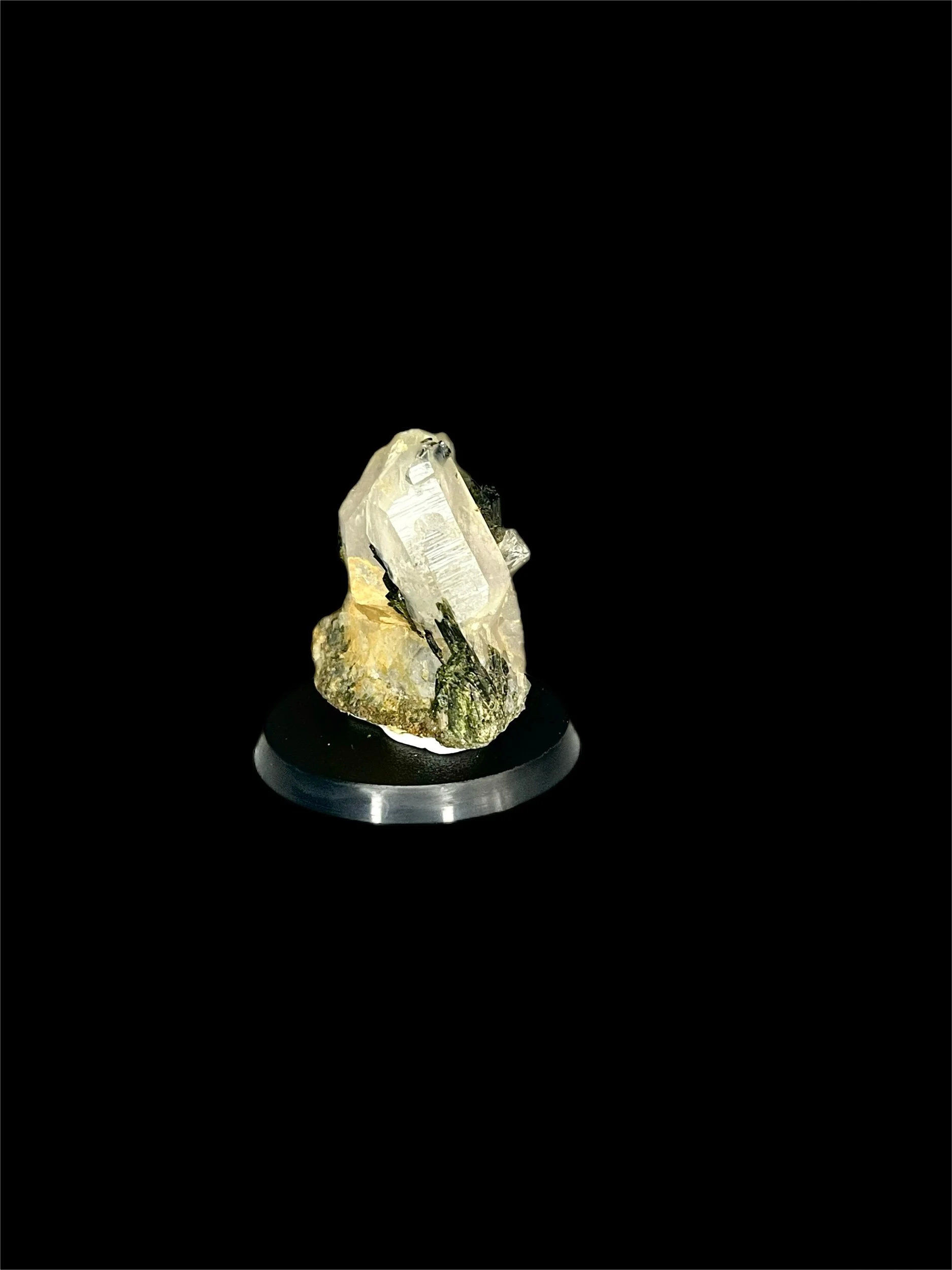
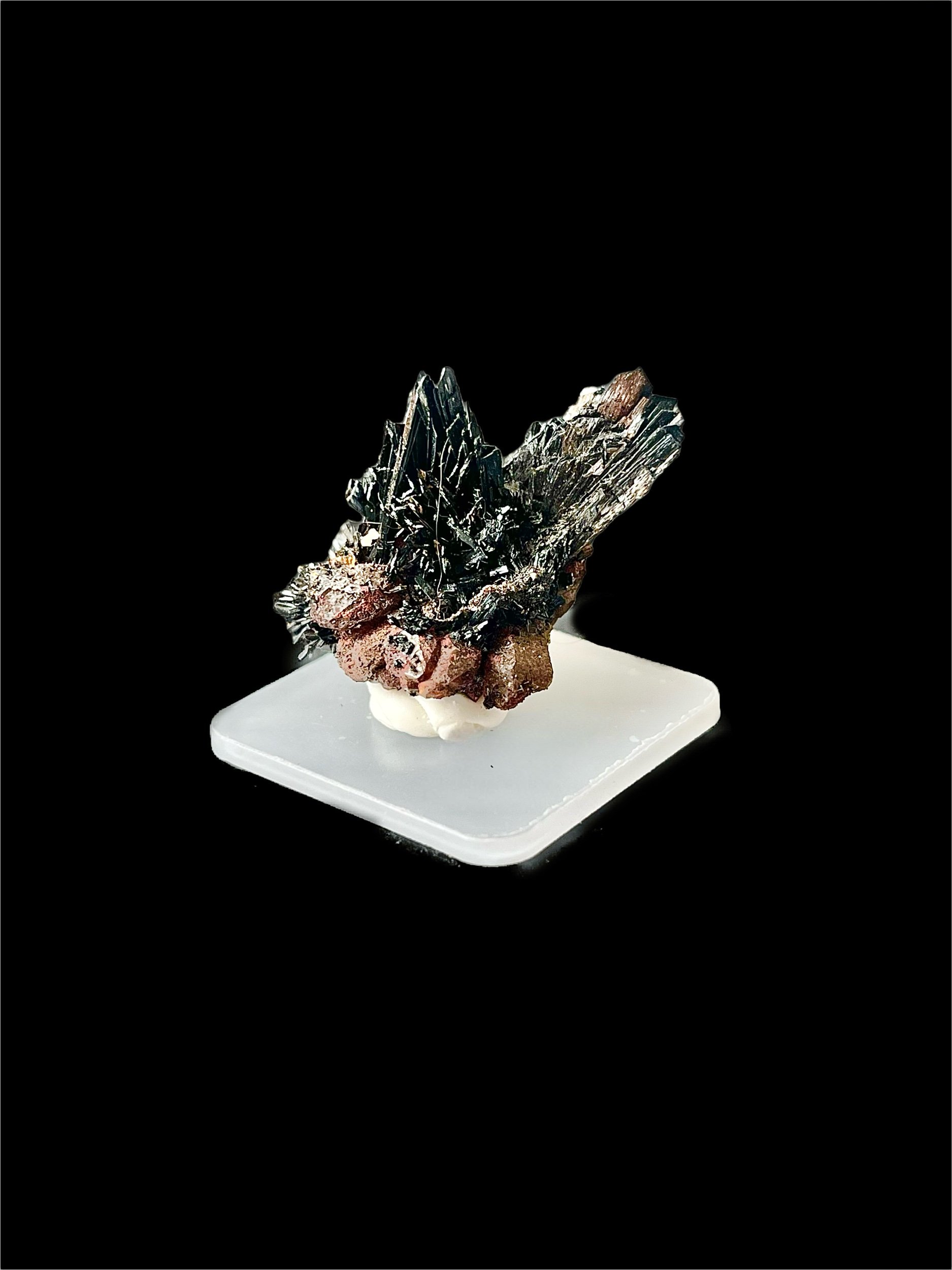
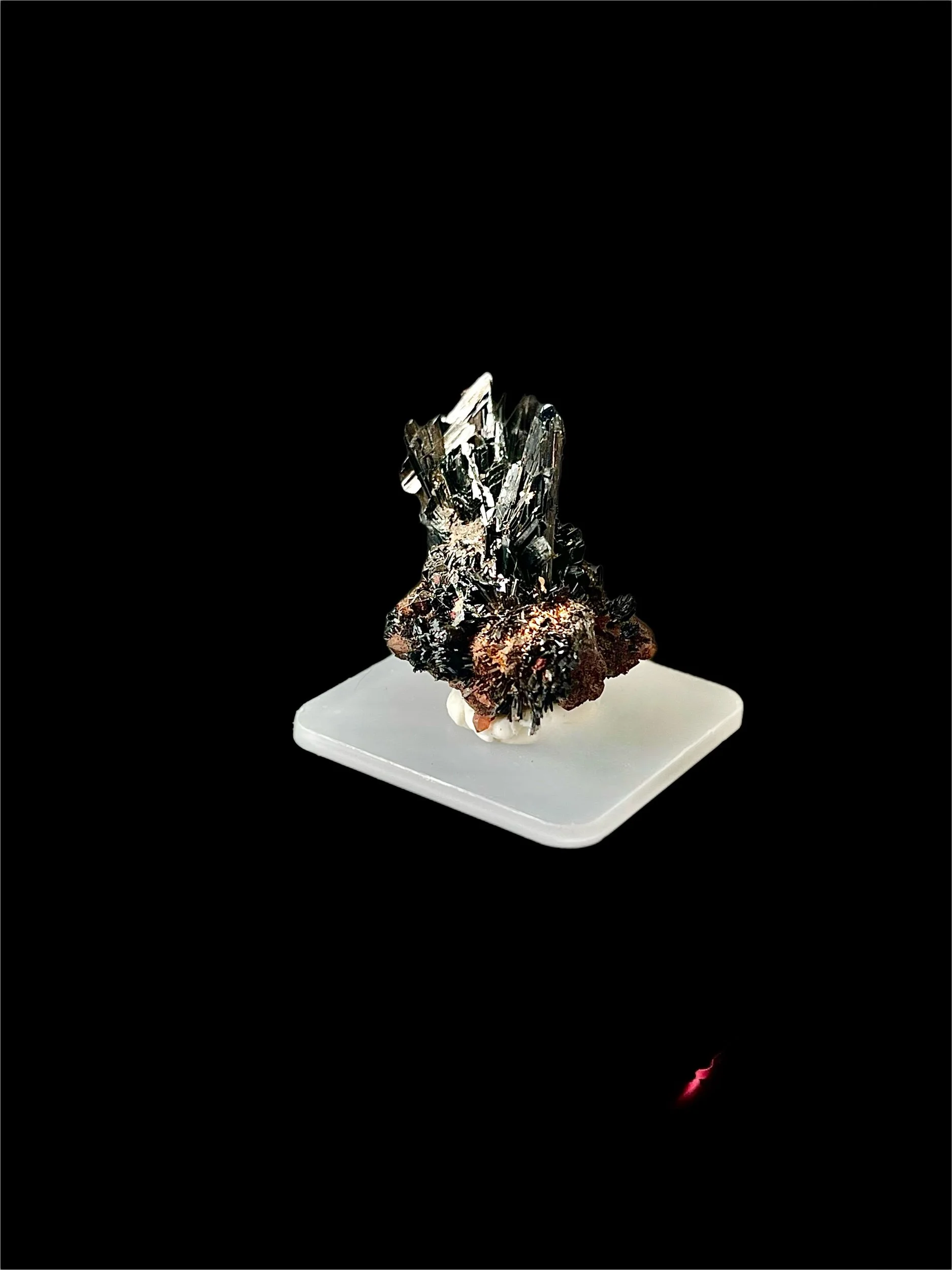
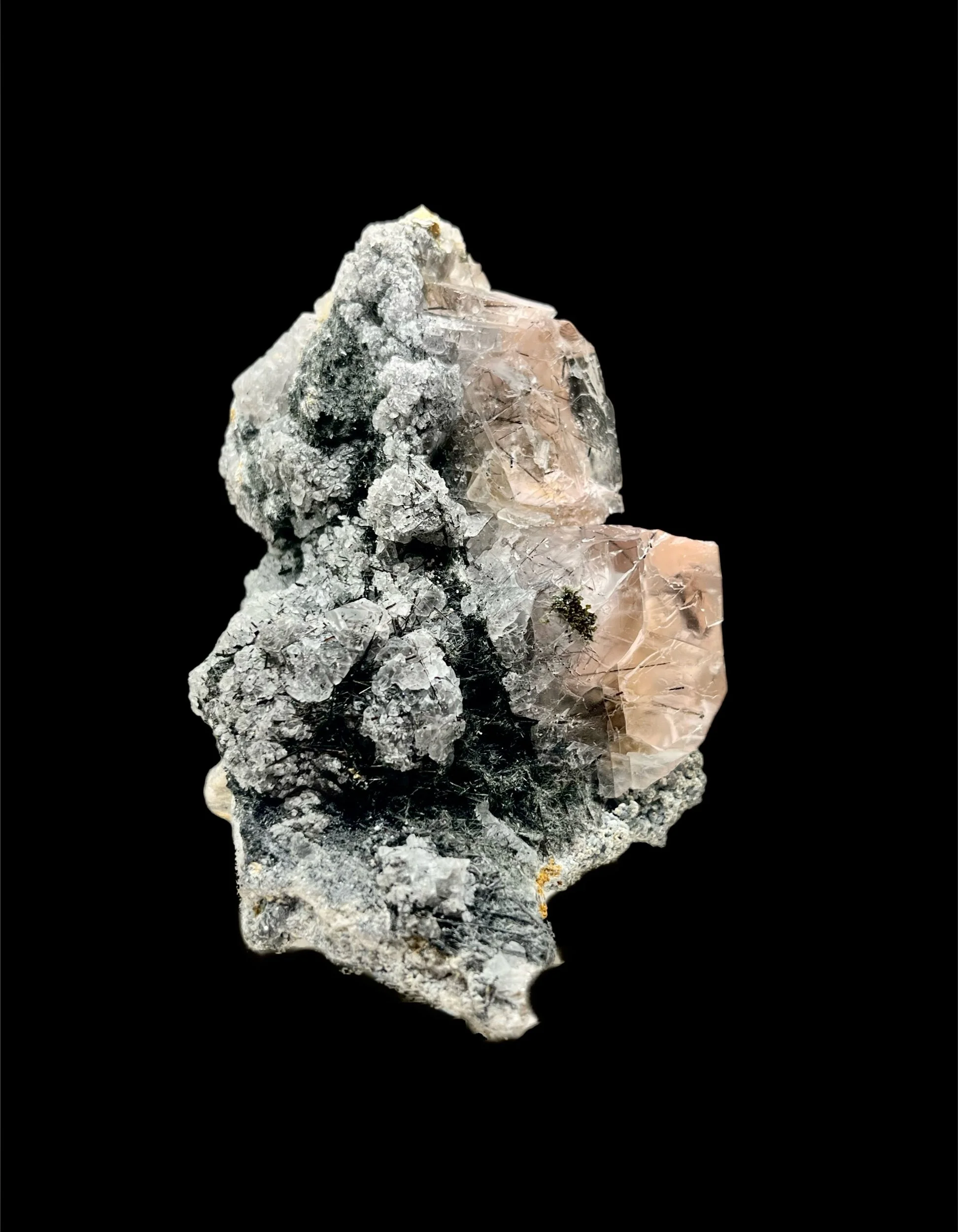
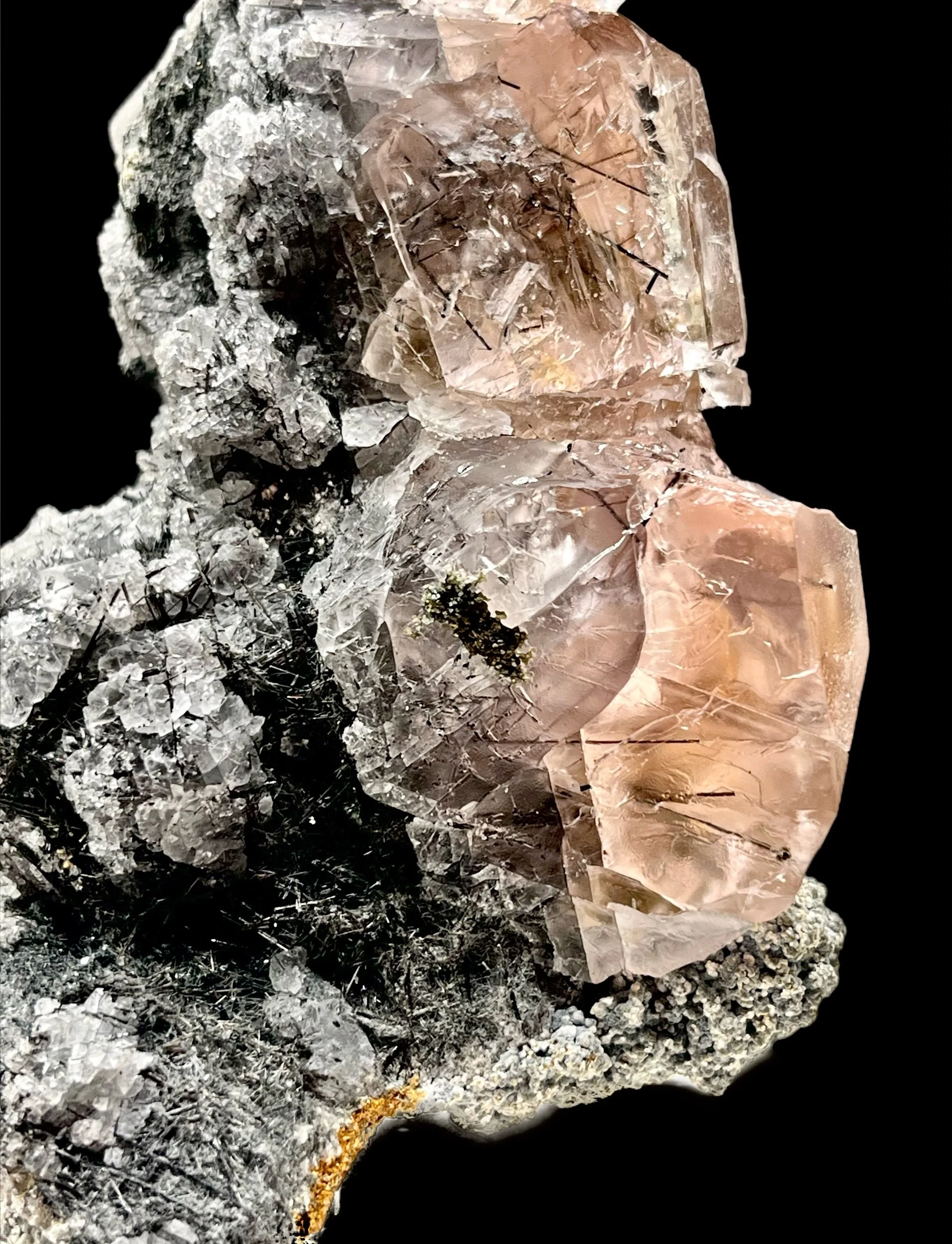
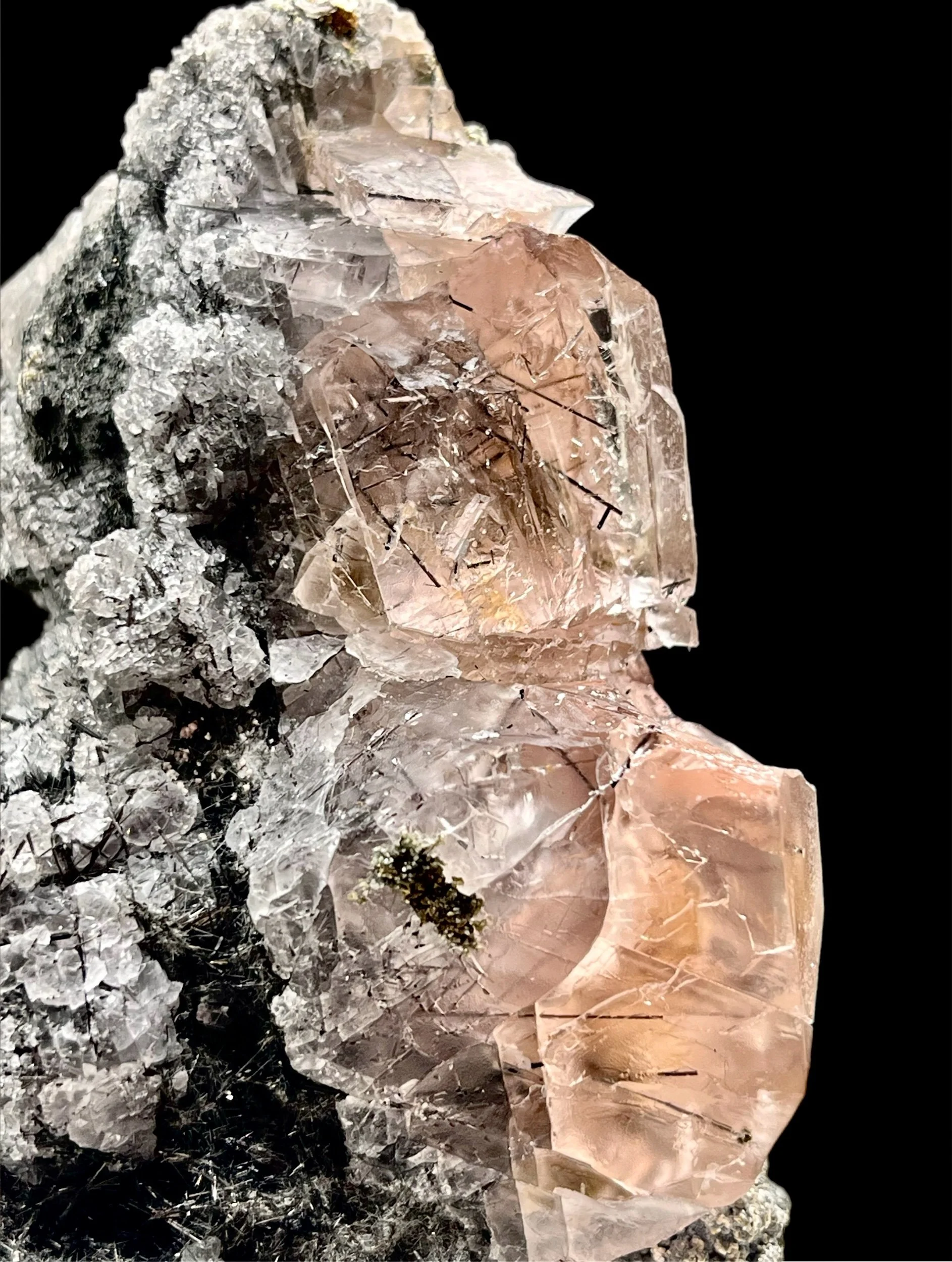
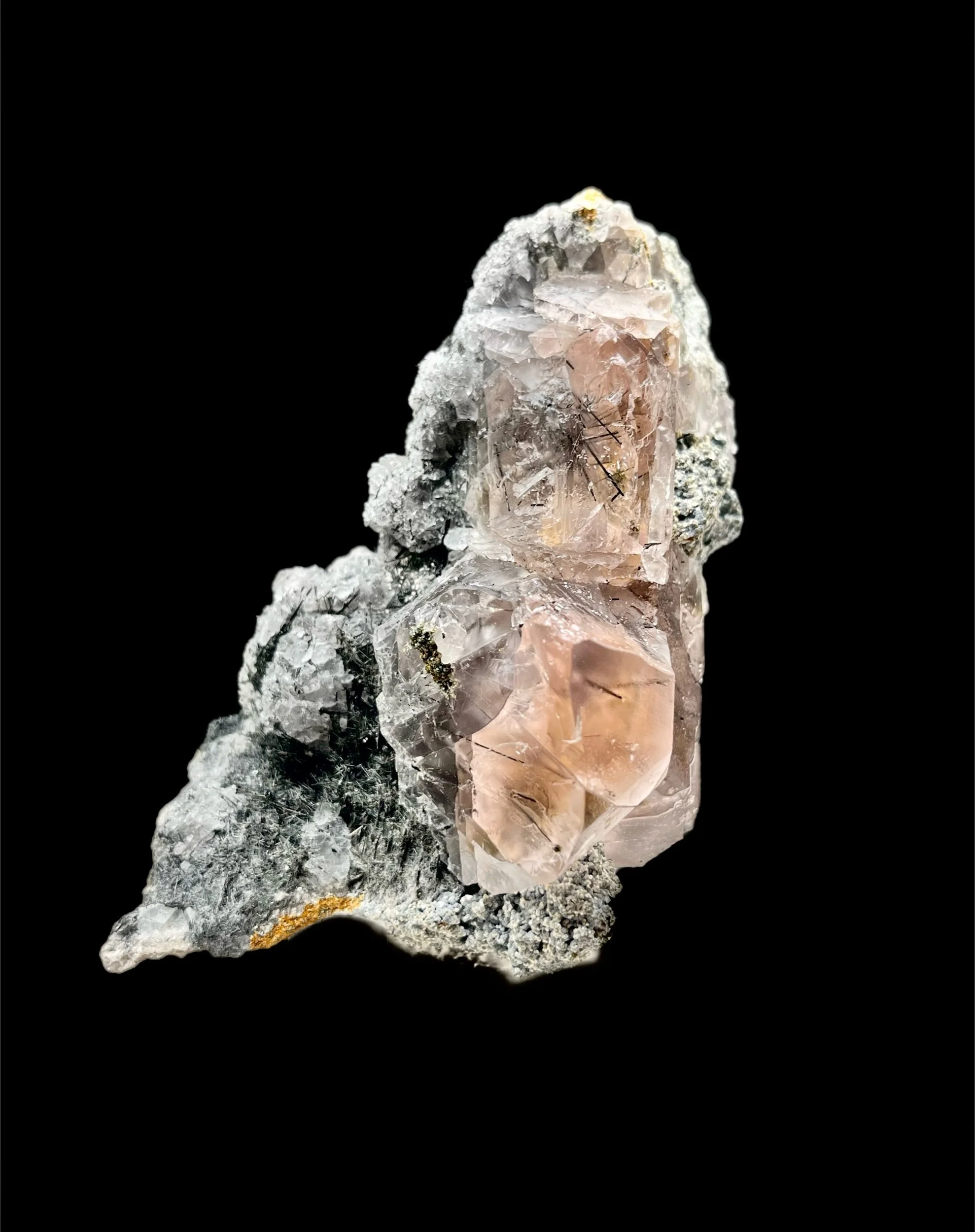
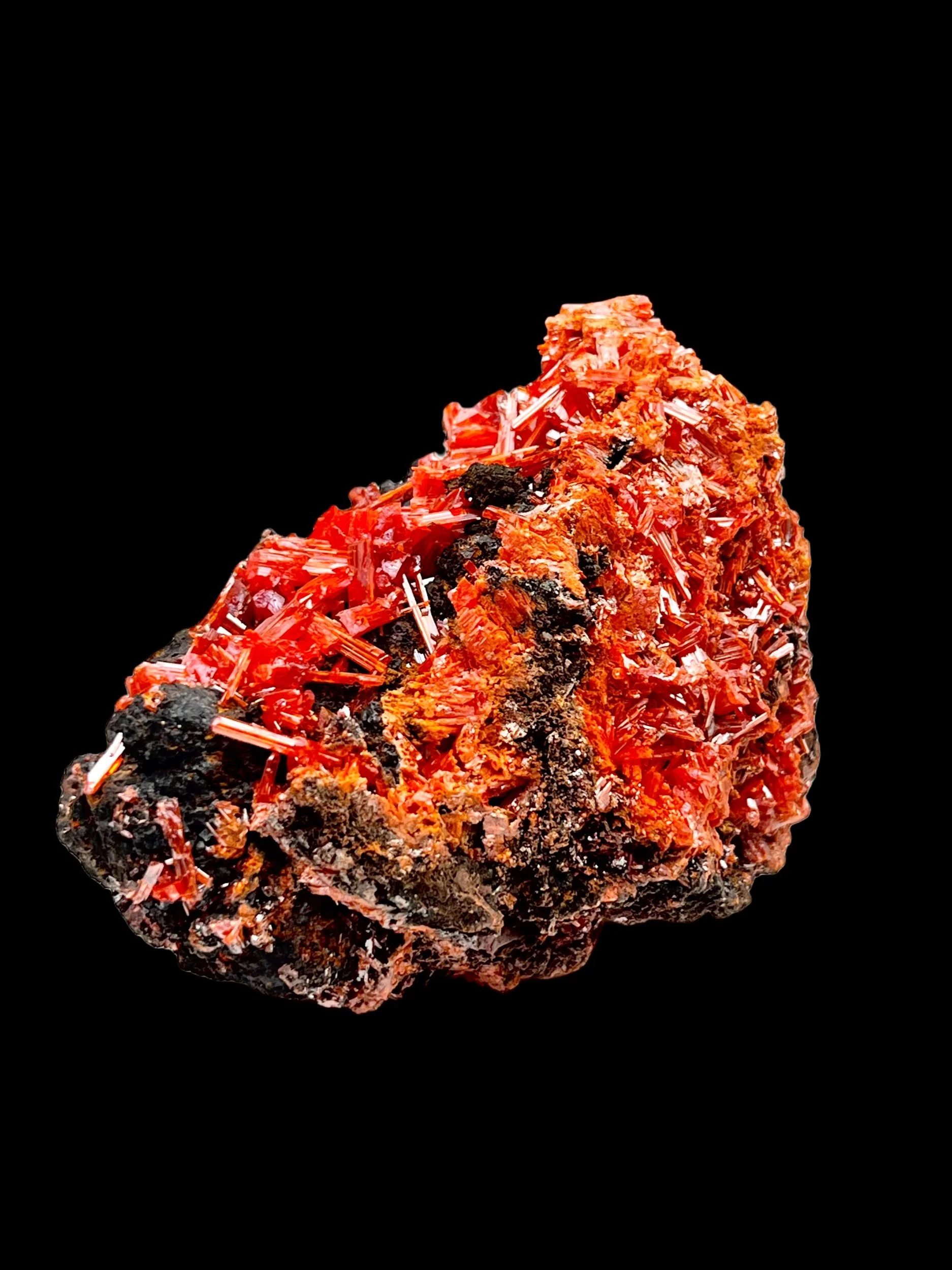
A bold and visually commanding Crocoite specimen featuring well-developed prismatic crystals in intensely saturated red-orange hues. Larger, more robust crystal blades dominate the composition, interwoven with smaller secondary growth that adds depth and texture across the surface.
The crystals display a rich internal glow, with light penetrating the more translucent terminations and reflecting sharply off lustrous faces. The contrast between the vivid Crocoite and the darker, iron-rich matrix enhances the overall intensity, giving the specimen a strong, grounded presence while still showcasing the brilliance Dundas Crocoite is known for.
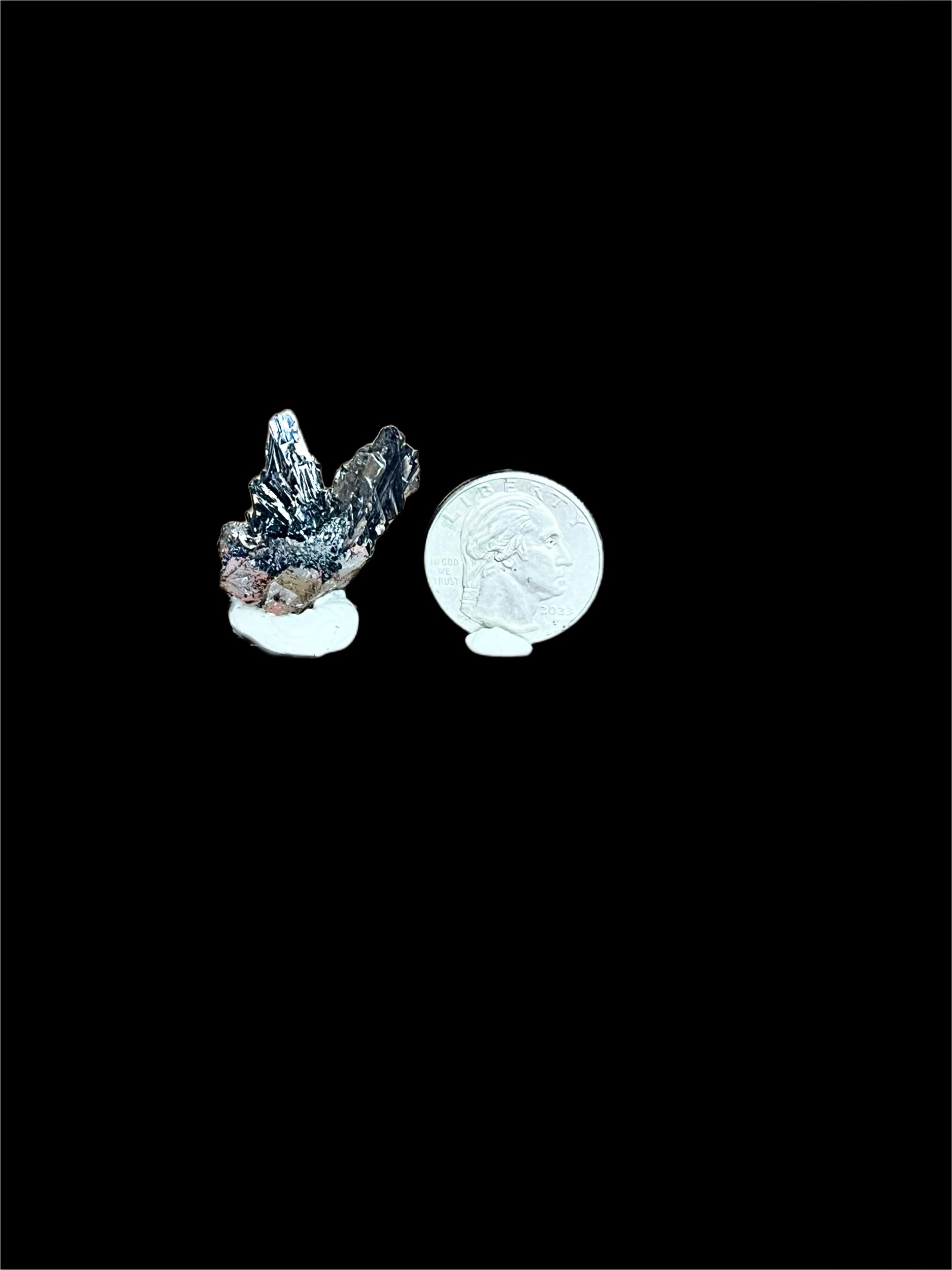
2” x 1.5” x 1.25”
151 grams
Crocoite is often associated with vitality, creativity, and energetic activation. Its vivid coloration is said to stimulate motivation and inspire forward movement, making it a favored stone for those seeking renewed passion or direction. Many believe it helps align intention with action, encouraging confidence and personal expression.
Deep saturated red-orange coloration with exceptional intensity
Strong adamantine to vitreous luster on larger, well-formed crystal faces
Prominent elongated prismatic crystal blades with excellent definition
Dynamic multi-layered crystal structure combining bold and fine growth
Striking contrast between bright Crocoite and dark matrix, enhancing visual impact
This specimen leans into the more dramatic side of Crocoite, with larger crystal development and a stronger visual weight than smaller cabinet pieces. The combination of bold prismatic crystals and underlying microcrystalline texture creates a balanced yet powerful aesthetic, ideal for collectors seeking a standout example from Dundas.
Crocoite from Tasmania is among the most recognizable mineral specimens in the world, and pieces from the Red Lead Mine are particularly sought after for their richness of color and classic crystal development.
The Red Lead Mine, located in the Dundas mineral field of western Tasmania, is one of the most historically significant Crocoite localities. Discovered in the late 19th century, the mine was initially worked for lead but quickly became renowned for producing some of the finest Crocoite specimens ever found. Dundas Crocoite has since become the global standard for the species, prized for its intense coloration and well-formed crystals.
Crocoite is a lead chromate mineral (PbCrO₄) and a member of the chromate group. It crystallizes in the monoclinic system, most commonly forming elongated prismatic crystals with striated faces and a vitreous to adamantine luster.
Its vibrant orange to red coloration is due to the presence of chromium, and specimens from Tasmania—particularly Dundas—are considered the finest examples globally. Crocoite typically forms in the oxidized zones of lead ore deposits, often associated with minerals such as cerussite, anglesite, and limonite.
Locality – Red Lead Mine, Dundas, Tasmania, Australia
A bold and visually commanding Crocoite specimen featuring well-developed prismatic crystals in intensely saturated red-orange hues. Larger, more robust crystal blades dominate the composition, interwoven with smaller secondary growth that adds depth and texture across the surface.
The crystals display a rich internal glow, with light penetrating the more translucent terminations and reflecting sharply off lustrous faces. The contrast between the vivid Crocoite and the darker, iron-rich matrix enhances the overall intensity, giving the specimen a strong, grounded presence while still showcasing the brilliance Dundas Crocoite is known for.
2” x 1.5” x 1.25”
151 grams
Crocoite is often associated with vitality, creativity, and energetic activation. Its vivid coloration is said to stimulate motivation and inspire forward movement, making it a favored stone for those seeking renewed passion or direction. Many believe it helps align intention with action, encouraging confidence and personal expression.
Deep saturated red-orange coloration with exceptional intensity
Strong adamantine to vitreous luster on larger, well-formed crystal faces
Prominent elongated prismatic crystal blades with excellent definition
Dynamic multi-layered crystal structure combining bold and fine growth
Striking contrast between bright Crocoite and dark matrix, enhancing visual impact
This specimen leans into the more dramatic side of Crocoite, with larger crystal development and a stronger visual weight than smaller cabinet pieces. The combination of bold prismatic crystals and underlying microcrystalline texture creates a balanced yet powerful aesthetic, ideal for collectors seeking a standout example from Dundas.
Crocoite from Tasmania is among the most recognizable mineral specimens in the world, and pieces from the Red Lead Mine are particularly sought after for their richness of color and classic crystal development.
The Red Lead Mine, located in the Dundas mineral field of western Tasmania, is one of the most historically significant Crocoite localities. Discovered in the late 19th century, the mine was initially worked for lead but quickly became renowned for producing some of the finest Crocoite specimens ever found. Dundas Crocoite has since become the global standard for the species, prized for its intense coloration and well-formed crystals.
Crocoite is a lead chromate mineral (PbCrO₄) and a member of the chromate group. It crystallizes in the monoclinic system, most commonly forming elongated prismatic crystals with striated faces and a vitreous to adamantine luster.
Its vibrant orange to red coloration is due to the presence of chromium, and specimens from Tasmania—particularly Dundas—are considered the finest examples globally. Crocoite typically forms in the oxidized zones of lead ore deposits, often associated with minerals such as cerussite, anglesite, and limonite.